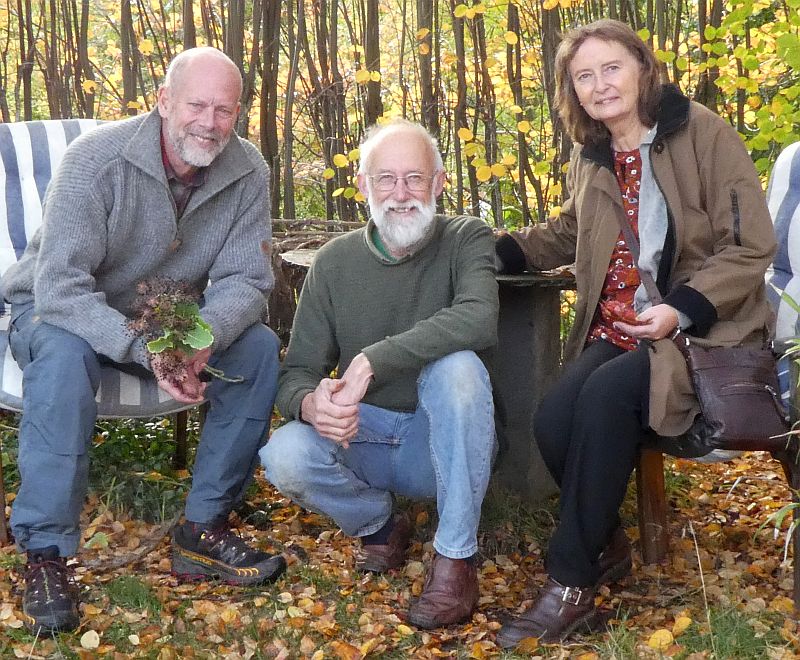
Unexpected but great visit today from Nat Mead and Audhild Bjune. Many working with organic farming and horticulture in Norway were taught by Nat. He teaches horticulture, plant cultivation, composting and soil fertility at the Sogn Jord- og Hagebruksskule, a national school for organic agriculture. Nat is from New Hampshire, from where I returned on Monday! I first met Nat at a meeting of the Norwegian Organic Gardening Network in 1989 at Sørbråten Gård in Maridalen, Oslo and didn’t meet him again until late 2014 at the event at Mathallen to save the school which was under threat of closure (not the first time!)…I had my book launch at the same event!
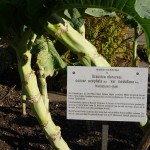
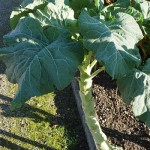
Nat has 3 types of perennial kale and udo seed head (Aralia cordata) in his hands!
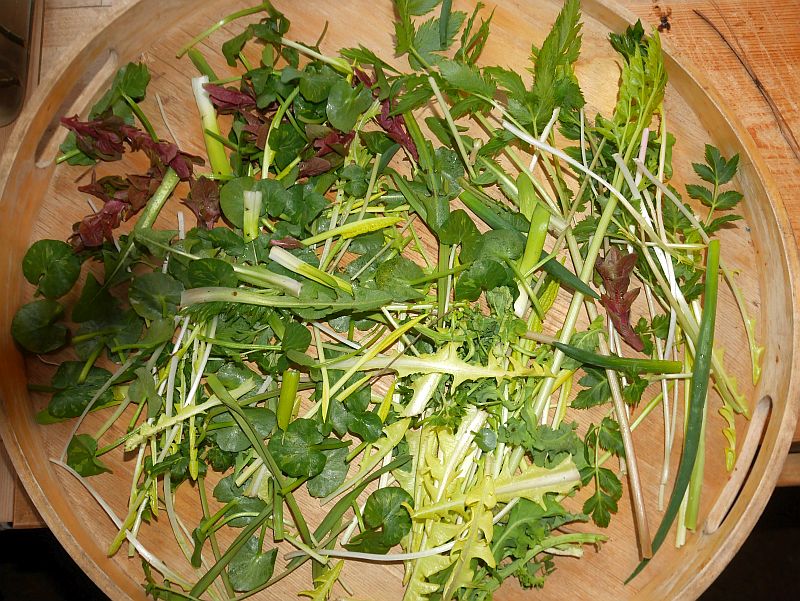
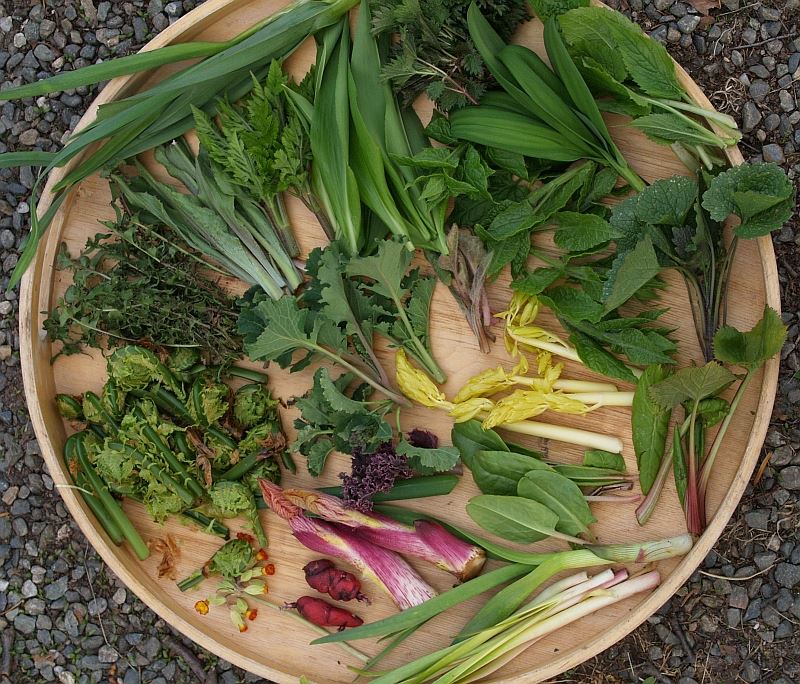
Last night’s pizza, perennials apart from Atriplex hortensis “Rubra”; including sea kale broccolis, perennial kales, Allium nutans, sorrel, Malva moschata, Anise hyssop, nettles etc.
Last night’s pizza, perennials apart from Atriplex hortensis “Rubra”; including sea kale broccolis, perennial kales, Allium nutans, sorrel, Malva moschata, Anise hyssop, nettles etc.
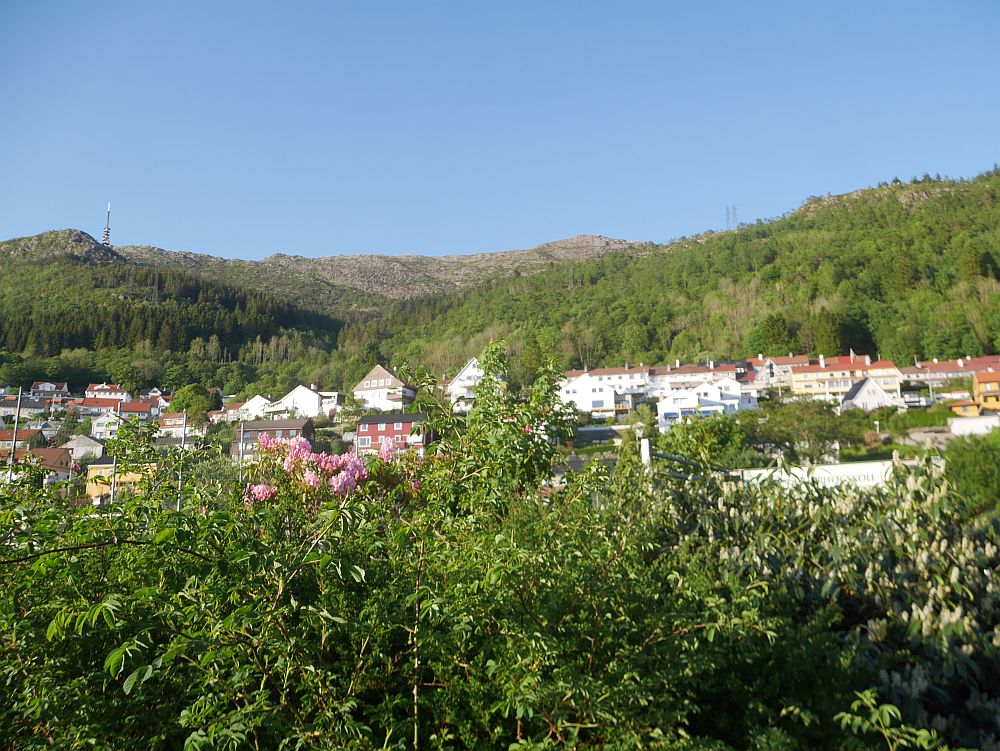
Landås matskog (food forest) is situated under Mount Ulriken in Bergen, Norway. The area was until just a few years ago spruce forest, but when it was felled, an agreement was struck with the kommune in 2013 for the organisation Bærekraftig Liv (literally, Sustainable Living) to develop the area as a food forest (matskog). I have long wanted to visit, so was happy to finally get to spend a day there with food forest enthusiasts Lars Ove Kvalbein, Benedicte Brun and others during my May 2018 visit to Bergen to give a course for Bærekraftig Liv!
Landås matskog (food forest) is situated under Mount Ulriken in Bergen, Norway.
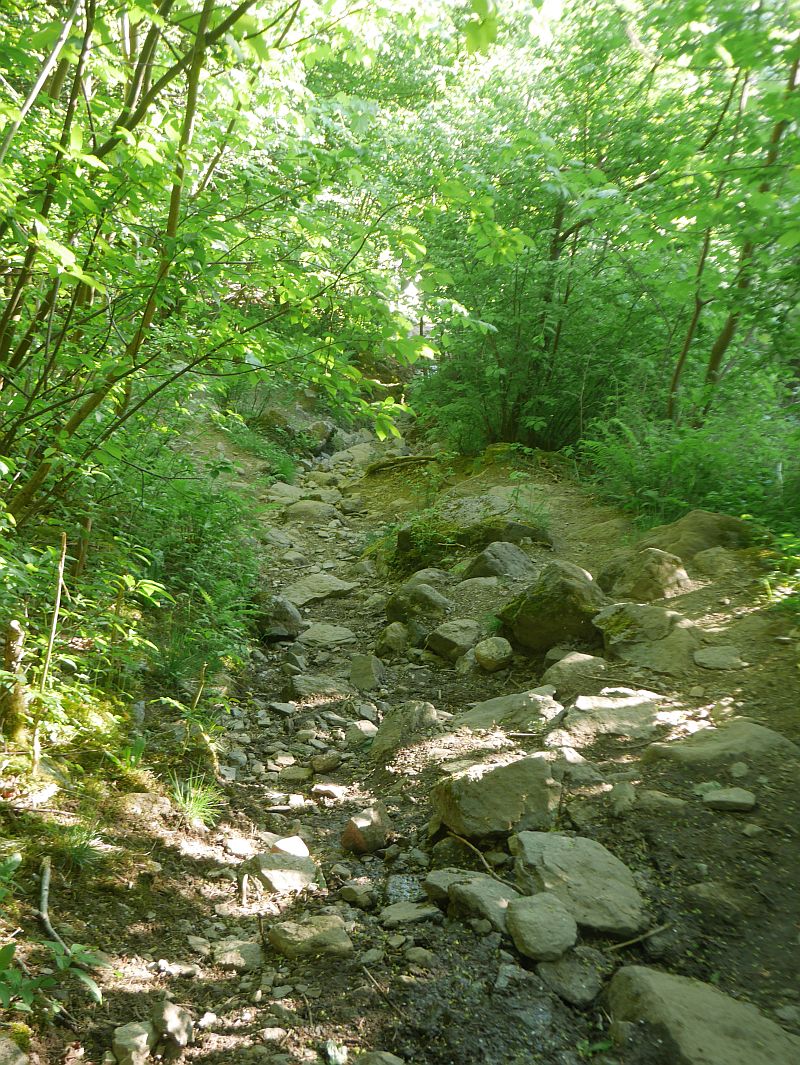
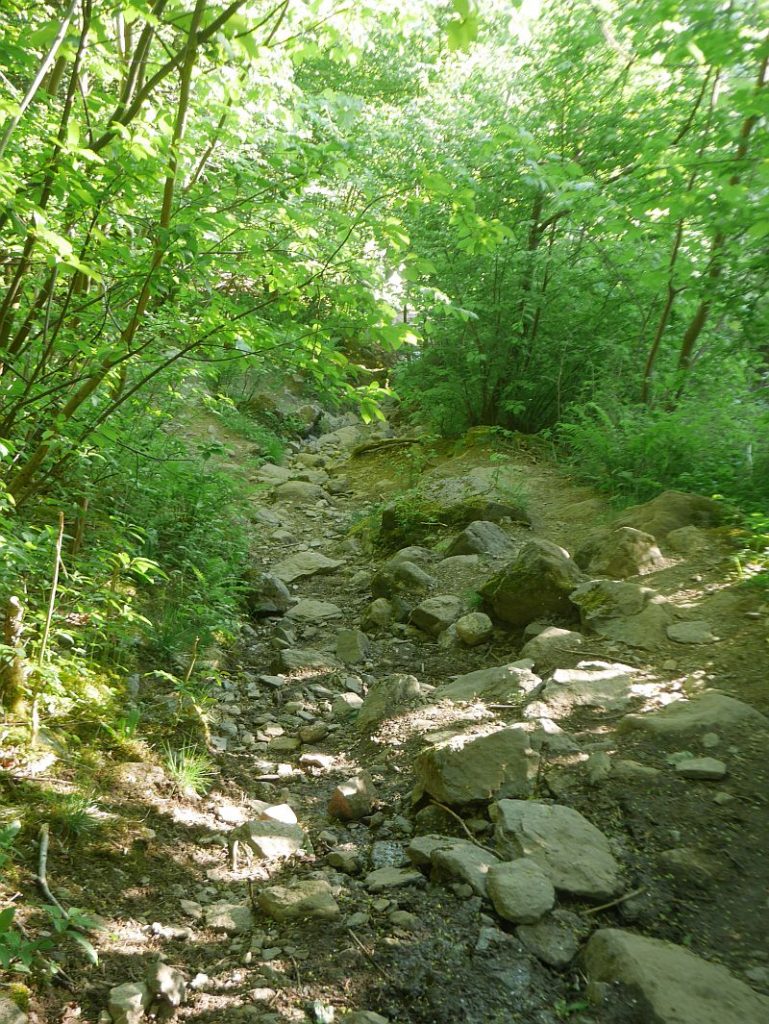
The path we took up to the food forest was along a seasonal stream bed…..
The grindabygg is a traditional building technique from western Norway
Benedicte gave a tour of this still young food forest (here with my friend David Woodland from Hardanger who it turns out grew up just a few kilometres from me in England!)
Benedicte has done a great job in the food forest and contributed many hours!
A perennial tree kale (tree collard)
North American salmonberry, Rubus spectabilis is an invasive plant in Western Norway and is already growing in the food forest!
Ostrich Fern (strutseving) has been planted!
Preparations for growing shiitake and oyster mushroom
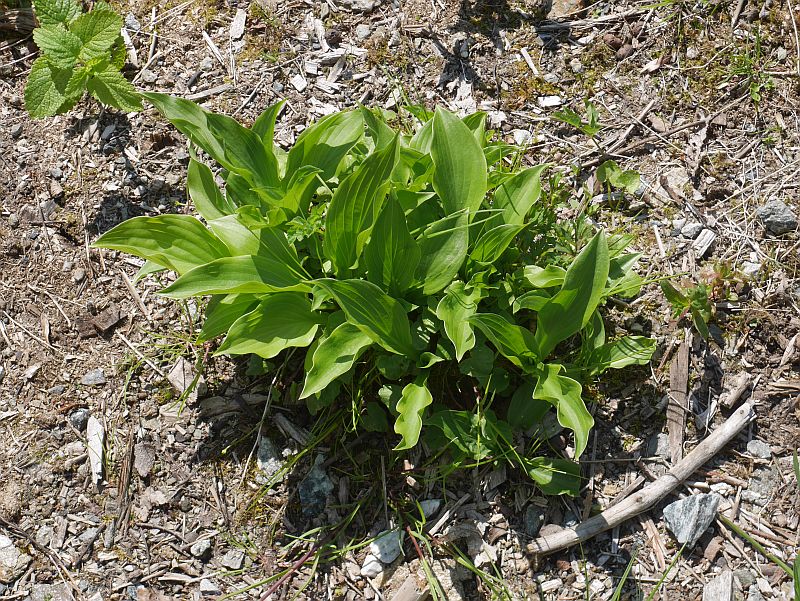
Hosta
Zanthoxylum schinifolium, one of the sources of Sichuan pepper
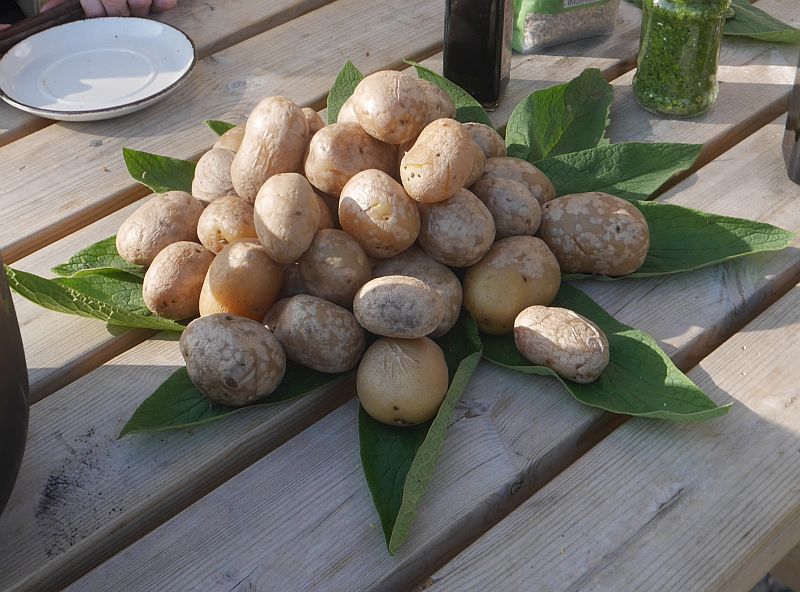
The lads cleaning pignuts (Conopodium majus) harvested from the food forest! It’s a common wild plant in western Norway
Lars Ove Kvalbein cleaning pignuts (Conopodium majus)
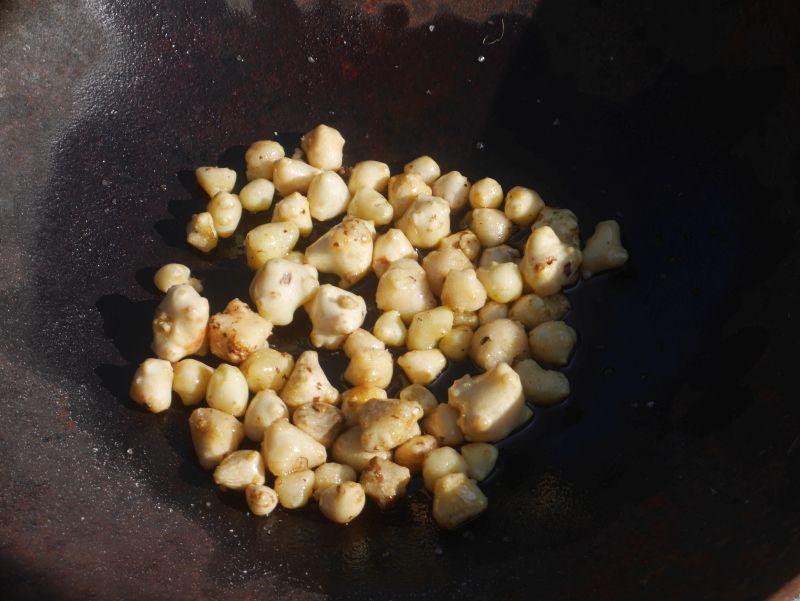
Pignuts (jordnøtt)
Pignuts (jordnøtt) being roasted
The roasted pignuts were delicious
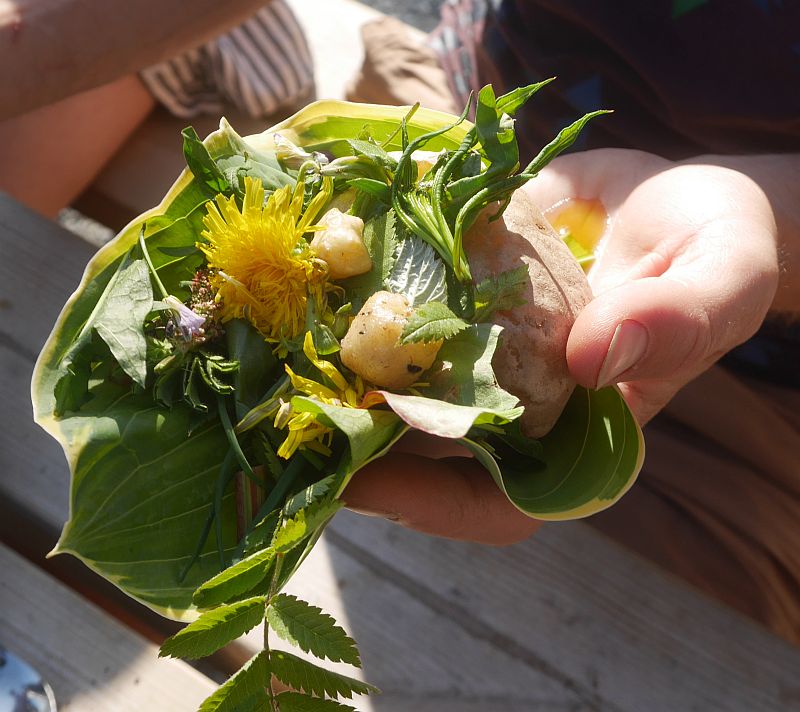
We didn’t have enough plates, so Hosta leaves were used as wraps for the salad!
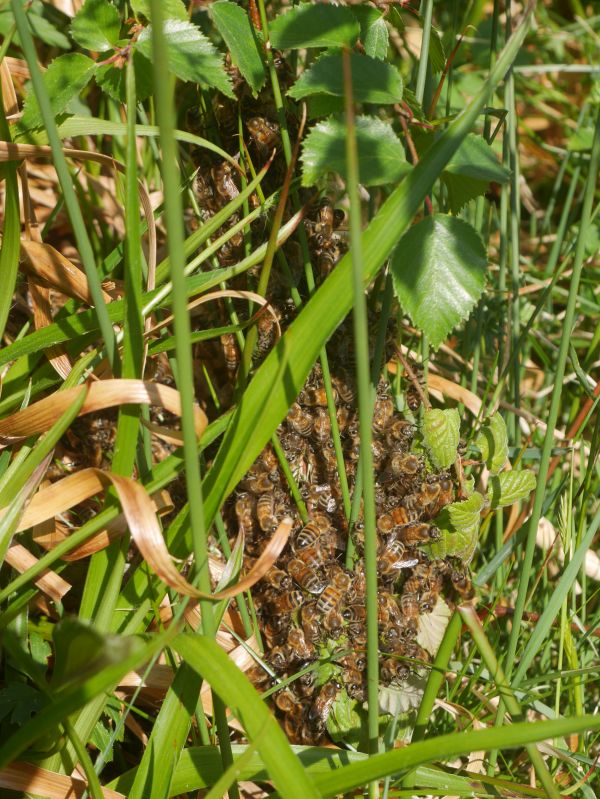
A swarm of bees was discovered near to an area with bee hives…
Landås matskog (food forest) is situated under Mount Ulriken in Bergen, Norway.
The grindabygg is a traditional building technique from western Norway
A perennial tree kale (tree collard)
Benedicte gave a tour of this still young food forest (here with my friend David Woodland from Hardanger who it turns out grew up just a few kilometres from me in England!)
Zanthoxylum schinifolium, one of the sources of Sichuan pepper
Benedicte has done a great job in the food forest and contributed many hours!
Ostrich Fern (strutseving) has been planted!
Preparations for growing shiitake and oyster mushroom
North American salmonberry, Rubus spectabilis is an invasive plant in Western Norway and is already growing in the food forest!
Hosta
The lads cleaning pignuts (Conopodium majus) harvested from the food forest! It’s a common wild plant in western Norway
Pignuts (jordnøtt)
Lars Ove Kvalbein cleaning pignuts (Conopodium majus)
A swarm of bees was discovered near to an area with bee hives…
Pignuts (jordnøtt) being roasted
The roasted pignuts were delicious
We didn’t have enough plates, so Hosta leaves were used as wraps for the salad!
The path we took up to the food forest was along a seasonal stream bed…..
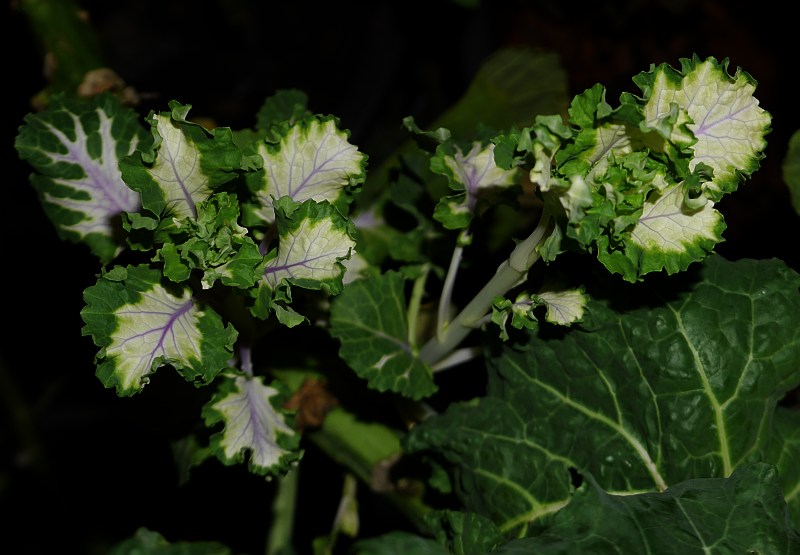
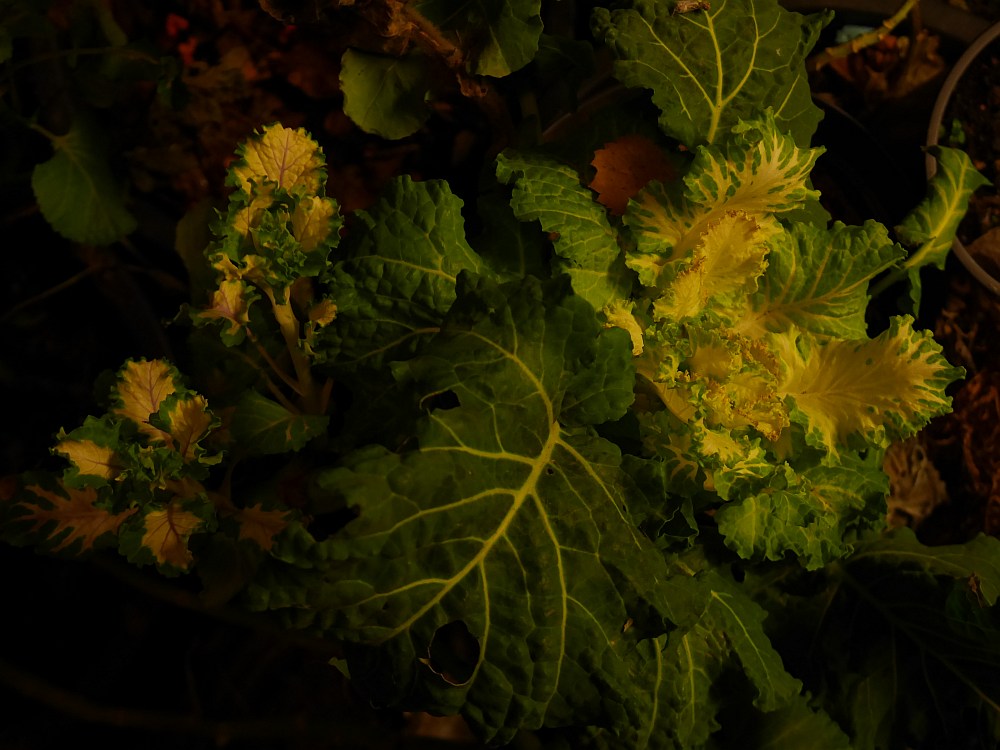
I found this beauty in my cellar at the weekend…it wasn’t variegated during the summer, but in the cool low light conditions of my cellar this is the result (from seed of a perennial kale grex that I received from Chris Homanics).
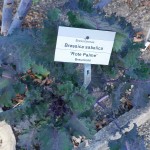
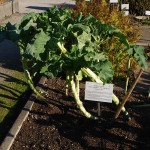
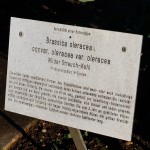
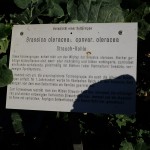
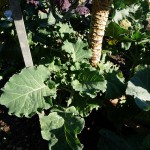
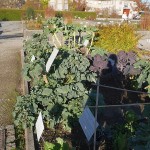
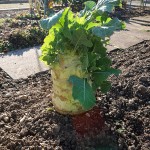
The best living displays of the diversity of Brassicas I’ve seen was in the Munich Botanical Garden in Germany in November 2015, including an apparently perennial kale I hadn’t seen before… Braunkohl “Rote Palme”. Please let me know if you know more about this kale, also if you know of a source of seed /cuttings.
Braunkohl “Rote Palme”
Braunkohl “Rote Palme”
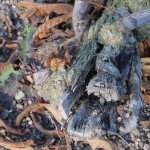
Braunkohl “Rote Palme” shooting from the base is a good trait for overwintering
Braunkohl “Rote Palme”
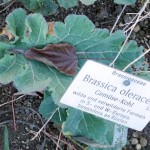
Gemuse-kohl: Wild and naturalised kale
Wild and naturalised kale (found especially on the coast)
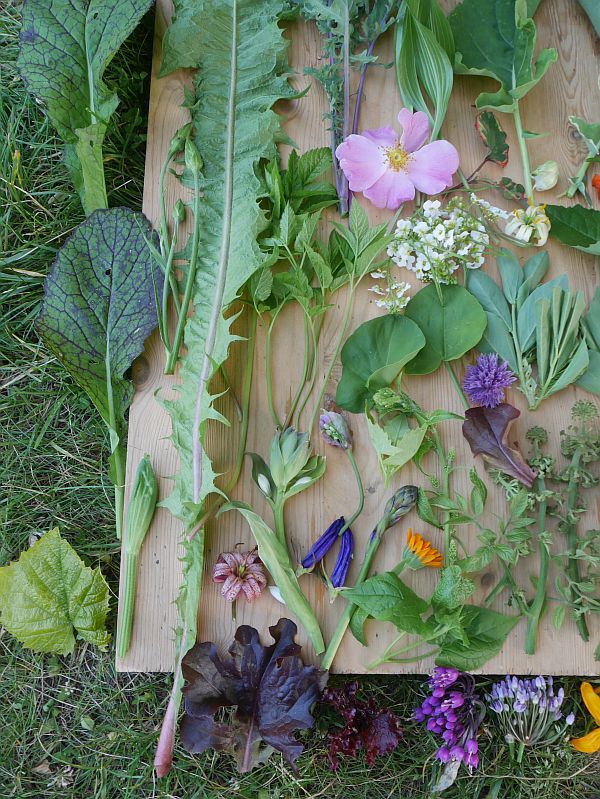
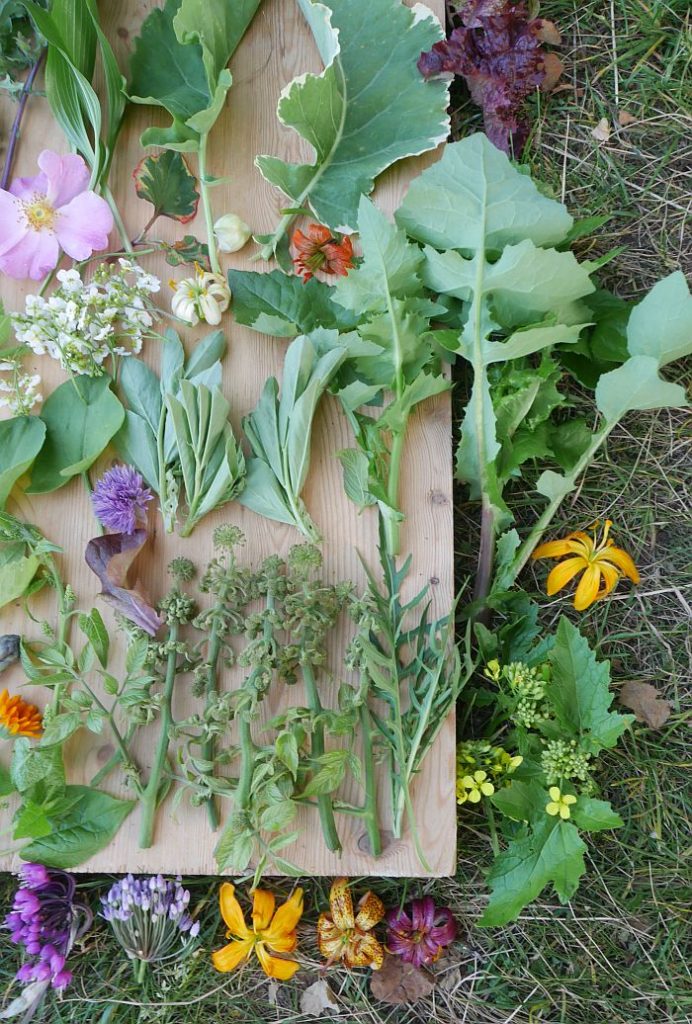
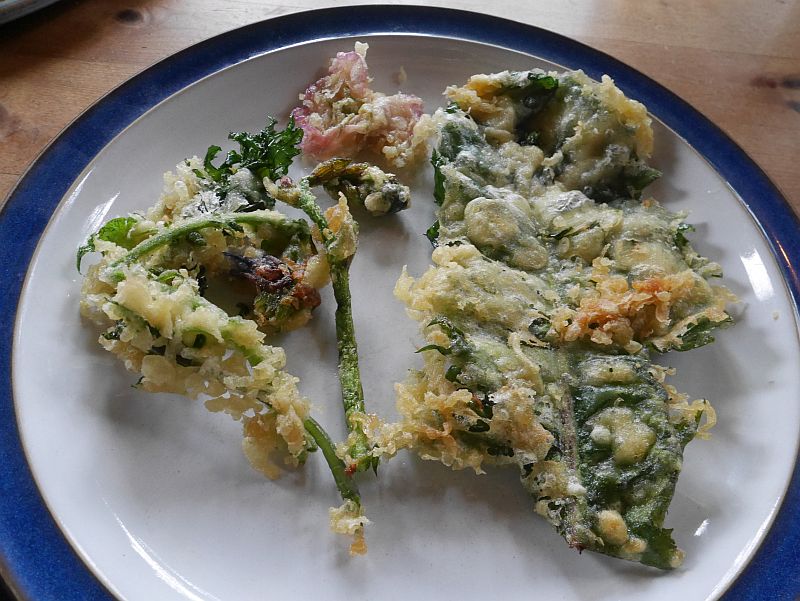
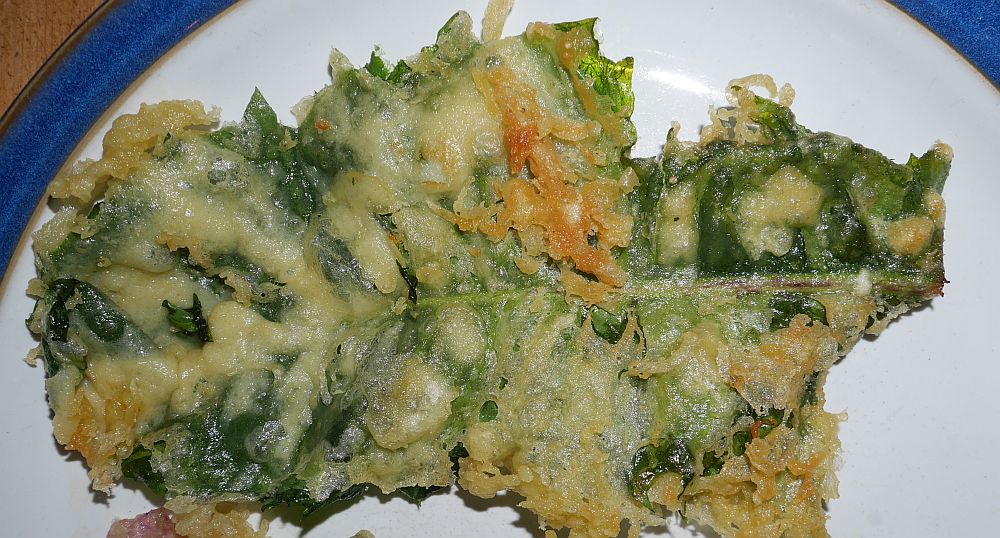
April 2014 and Yngvil (aka Ms. Saladdy) was helping out in my garden, her practical experience for her education to become a gardener! I’ll let her tell her own story of the wonderful diverse tempura we made together on that day using perennial veggies!