Over the last couple of years I’ve been trialling celtuce in the community garden (also known as stem or asparagus lettuce / stilksalat). I’ve decided that this is a vegetable well worth growing for preparation as a salad or in various cooked dishes. This is a vegetable developed from the same species as lettuces (Lactuca sativa, var. angustana) but bred for the thickened flowering stem rather than the leaves and harvested up to flowers appearing. Peeling away the outer layer the “flesh” is free from coarse fibers with a crispy texture when eaten raw and is also mild tasting. The cluster of leaves at the top of the stem can also be used if harvested early enough. During a visit from Rick Akerboom of Elleville Planter (see https://www.ellevillevekster.no), who gave me seed of one of the 4 varieties I grew this summer, he prepared a simple but delicious salad from the diced stem with a dressing of olive oil, soy sauce and roasted sesame seeds (the same way we prepare perennial udo (Aralia cordata) shoots in spring and similar in texture too! 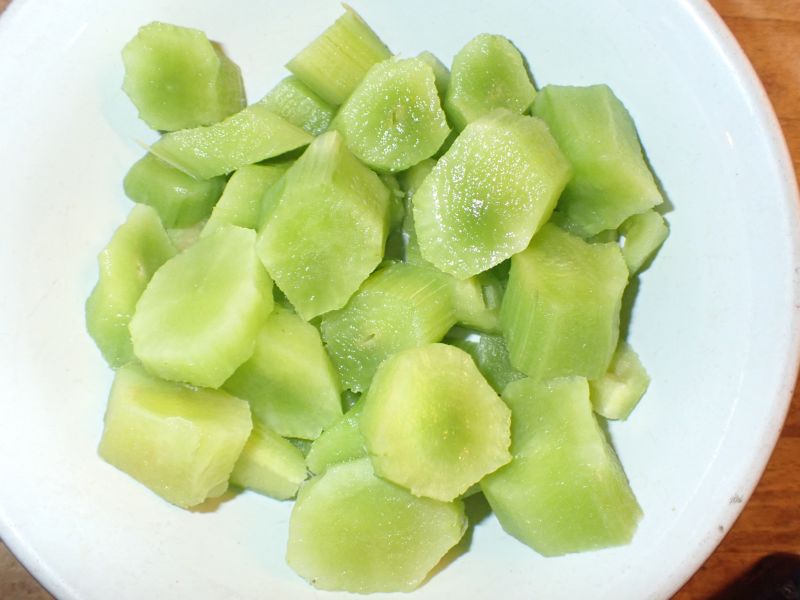
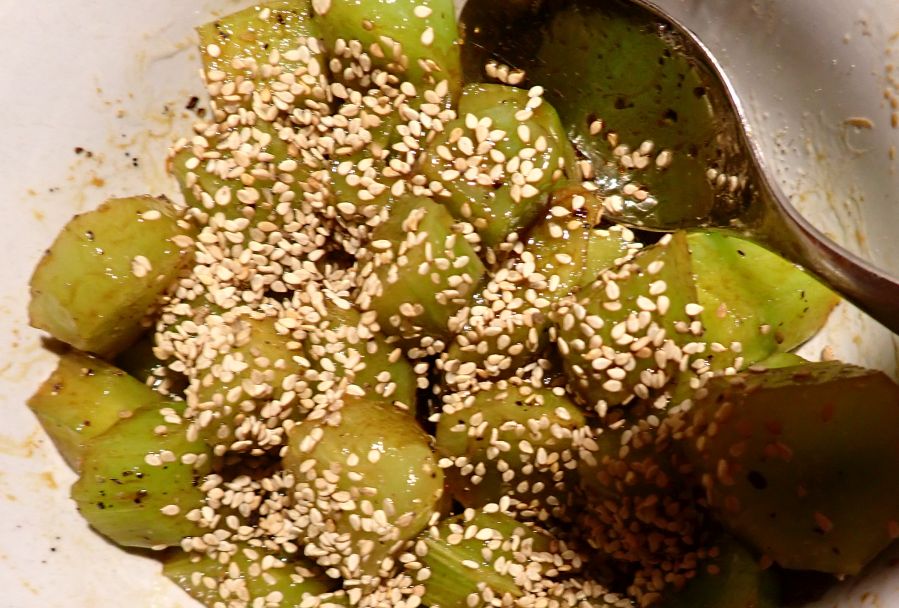
Celtuce is also known as Chinese lettuce as this Mediterranean species apparently originated from the borders of Tibet and is still popular in China (known as woju or wosun). Get inspired by these delicious looking dishes from Chinese web pages:
https://tinyurl.com/28dp3m2zis
What really convinced me that this was a useful vegetable was the fact that I was also able to harvest seed this summer. Being able to grow my own seed is most important for me. This is unlike ordinary lettuce which is difficult to be self-sufficient in seed with, as varieties that bolt (go to seed) are less useful as a salad crop. Some varieties produce a lot of leaf but go to seed so late that seed do not mature but others bolt early in our long days and produce little crop. I’ve yet to find a variety that balances these two traits. Celtuce on the other hand has been selected to bolt as it’s the flower stem that is the main product.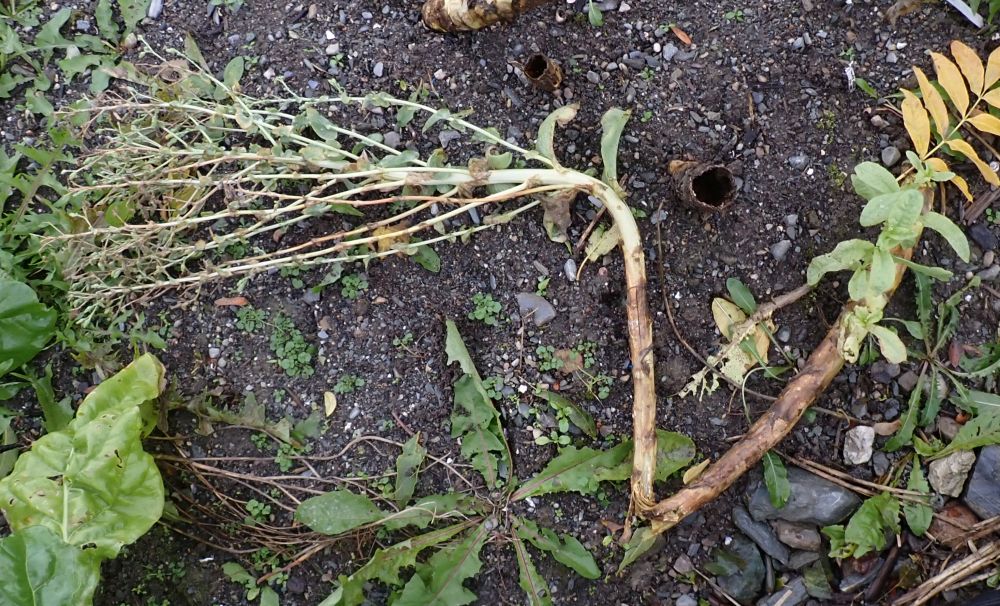
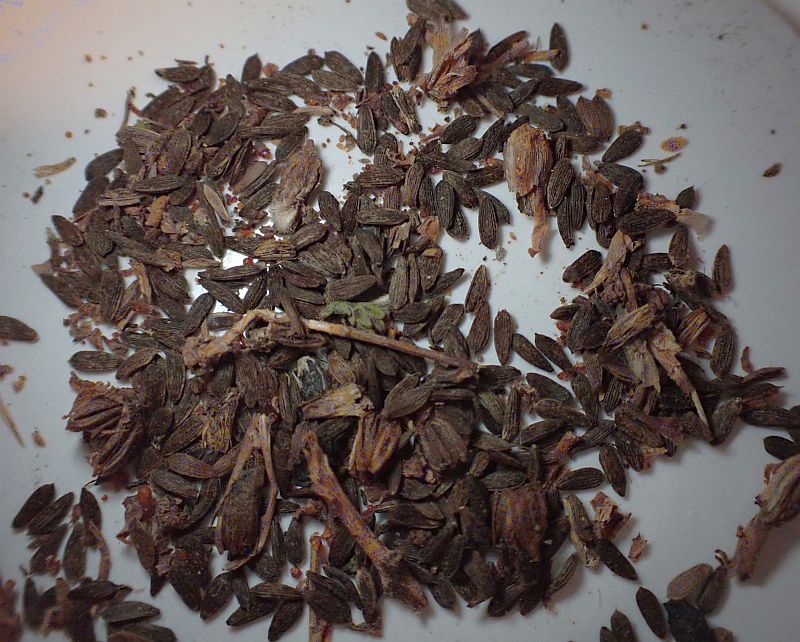
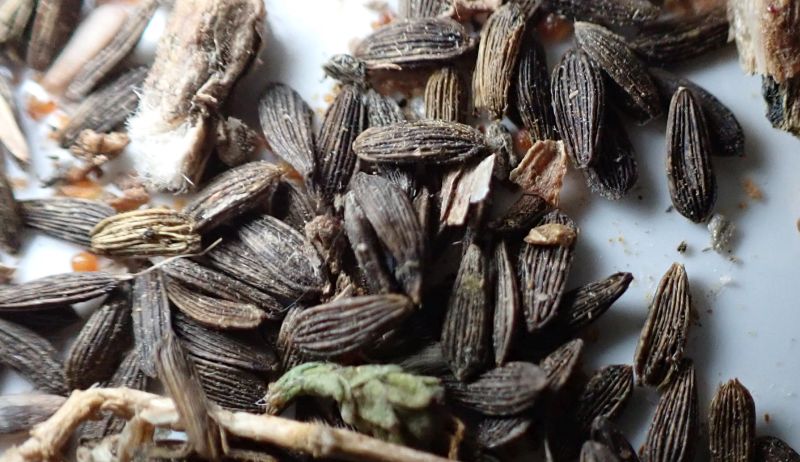
I had four varieties this summer – Celtuce from Chiltern Seeds, Celtuce from Holland (Rick A), Asparagus Lettuce from the Organic Gardening Catalogue and Chinese Keule (sold by Norwegian Company Solhatt). It was interesting that Chinese Keule had thicker and lower stems and was available earlier than the others.
Celtuce probably arrived in Europe around 1900 and is mentioned in Vilmorin’s The Vegetable Garden from 1920 (picture) alongside perennial relative Lactuca perennis which I’m also trialling this year.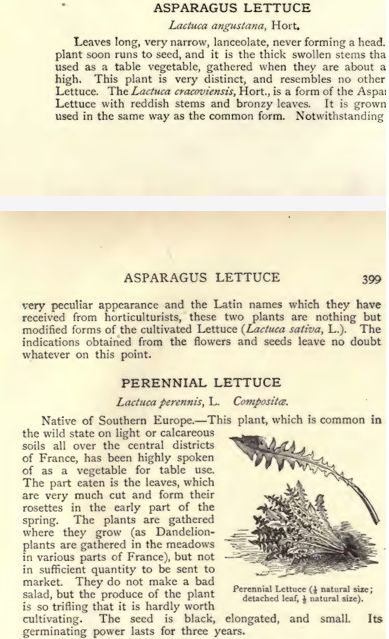
Next year I plan to obtain more varieties from gene banks and commercial sources and do a larger trial.
Monthly Archives: October 2025
Amy
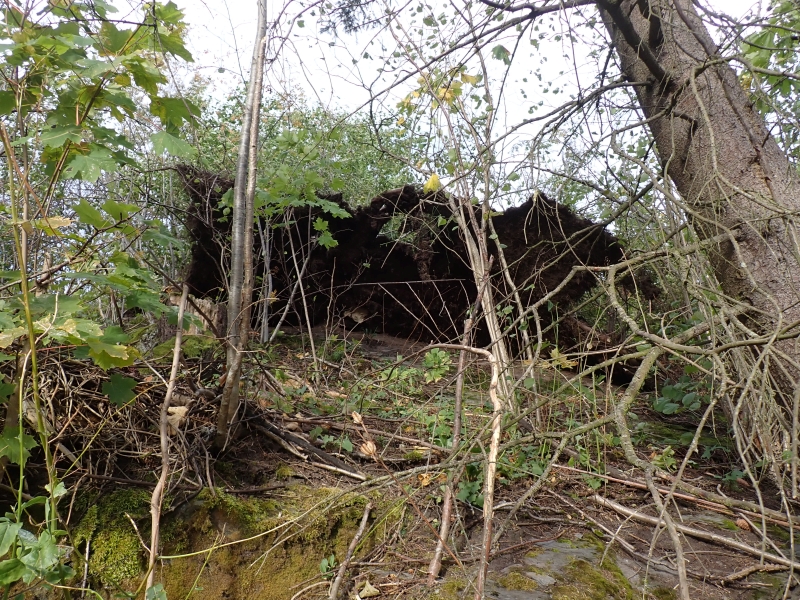
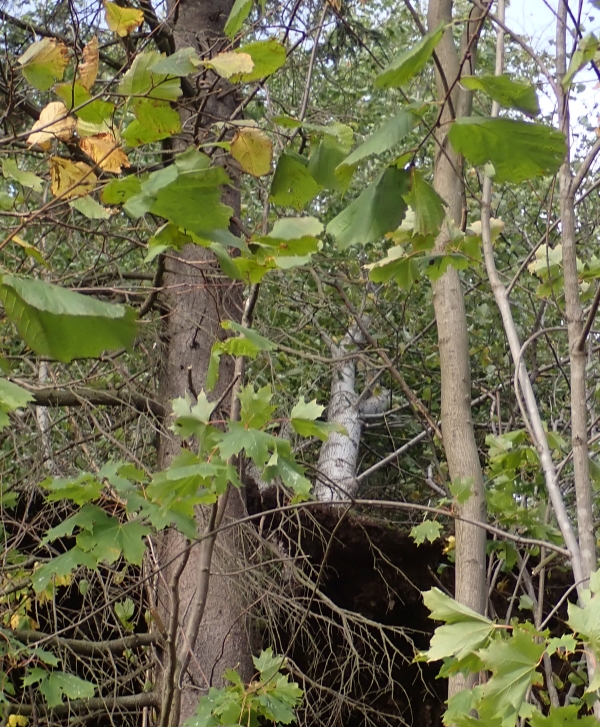
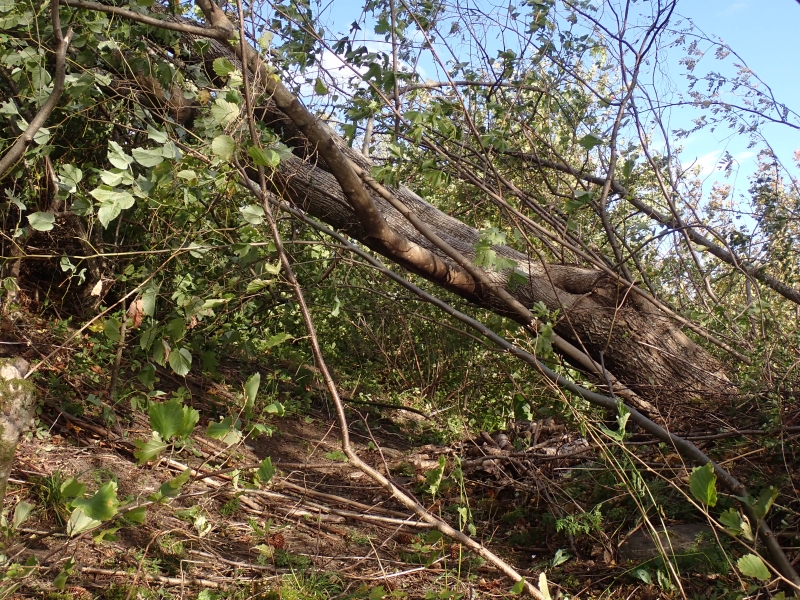
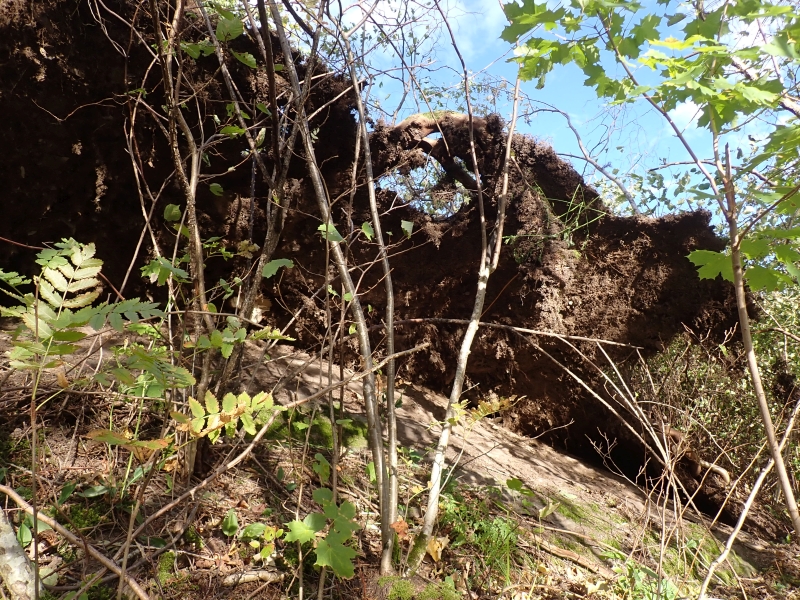
Amy hit us with full force yesterday afternoon and left a lot of damage in its wake. It could have been worse, but my garden wasn’t spared, with a massive “rotvelt” (root throw) partly downing one of the tallest trees in the garden, a Norway maple (spisslønn), the second large tree to fall this year (see also:
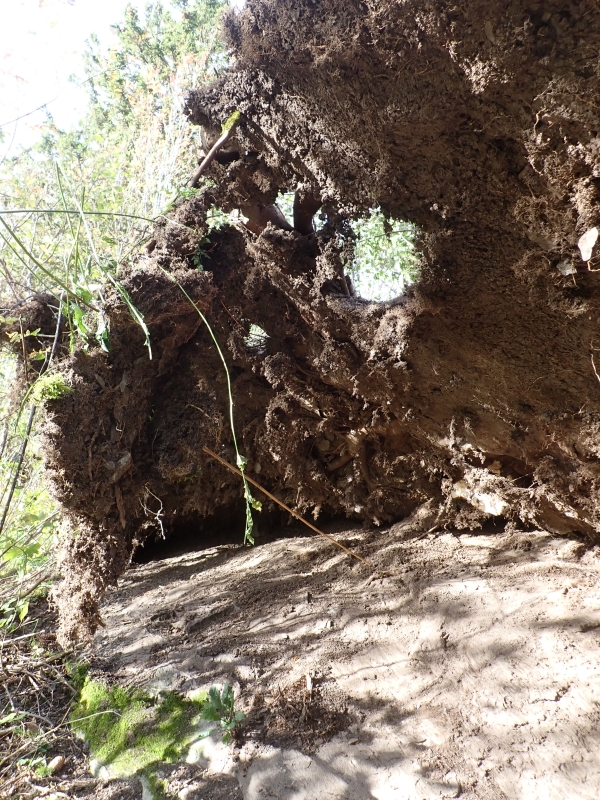
https://www.edimentals.com/blog/?p=33221). It was amazing this morning to see how little soil this tree was growing on. So, we have a new feature in the garden this morning with new habitat for nature to colonise, with the tree’s canopy now hanging over the pond area. More pictures and videos to follow.
Just an hour before, the tree was still upright:
Calm before the storm:

Mid-storm view:

Apple tree swaying in the wind; most of the apples were thrown off:
Apple harvest will be easier although the fruit will maybe won’t store so well. The third photo shows apples lying under my udo (Aralia cordata) which was also toppled.
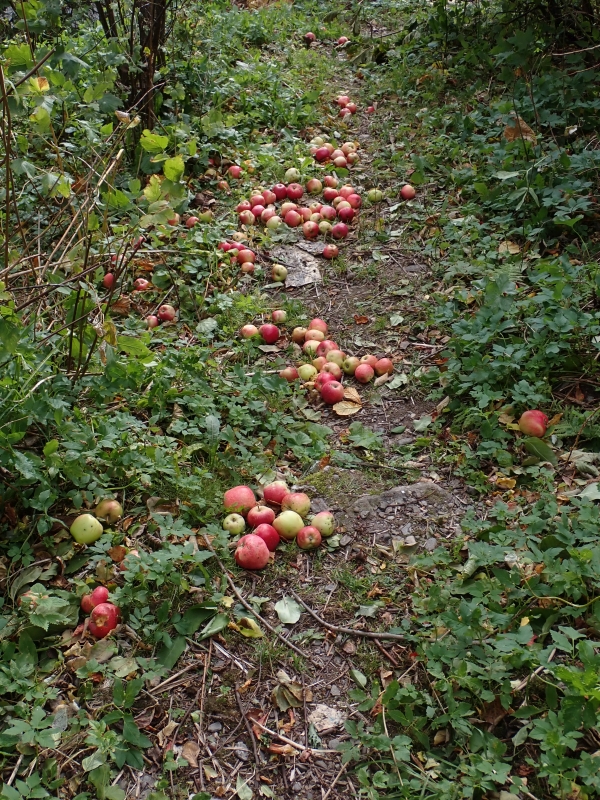
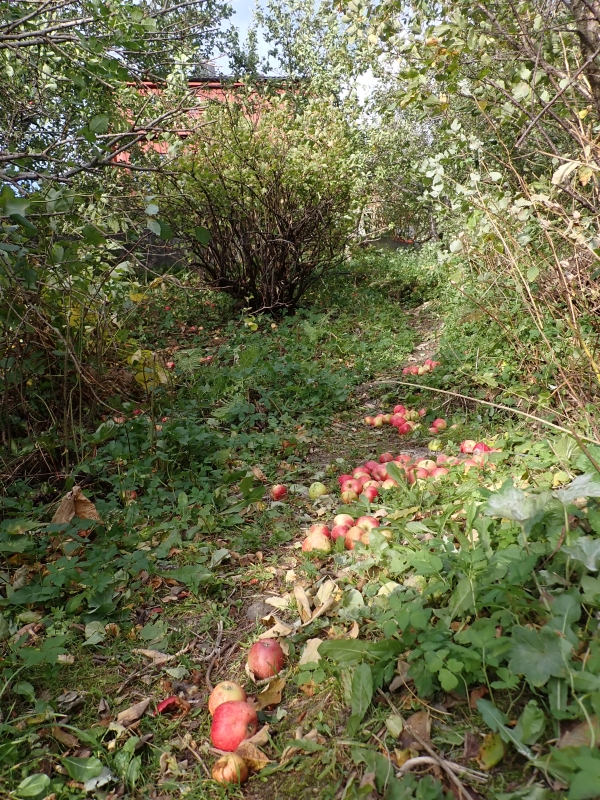
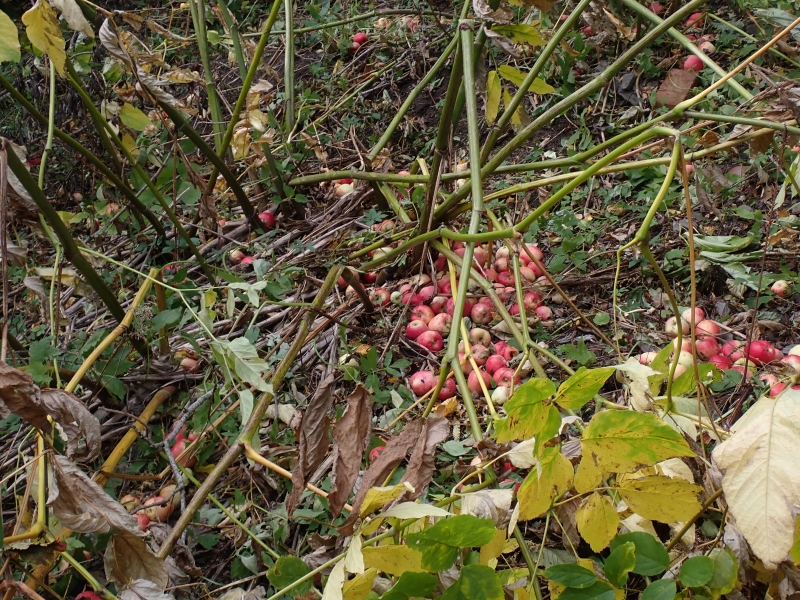
Inspecting this morning! Roots had snapped and a 6-7m wide strip had peeled back to the rock revealing how little soil the roots were growing on!
A few more pictures this morning :