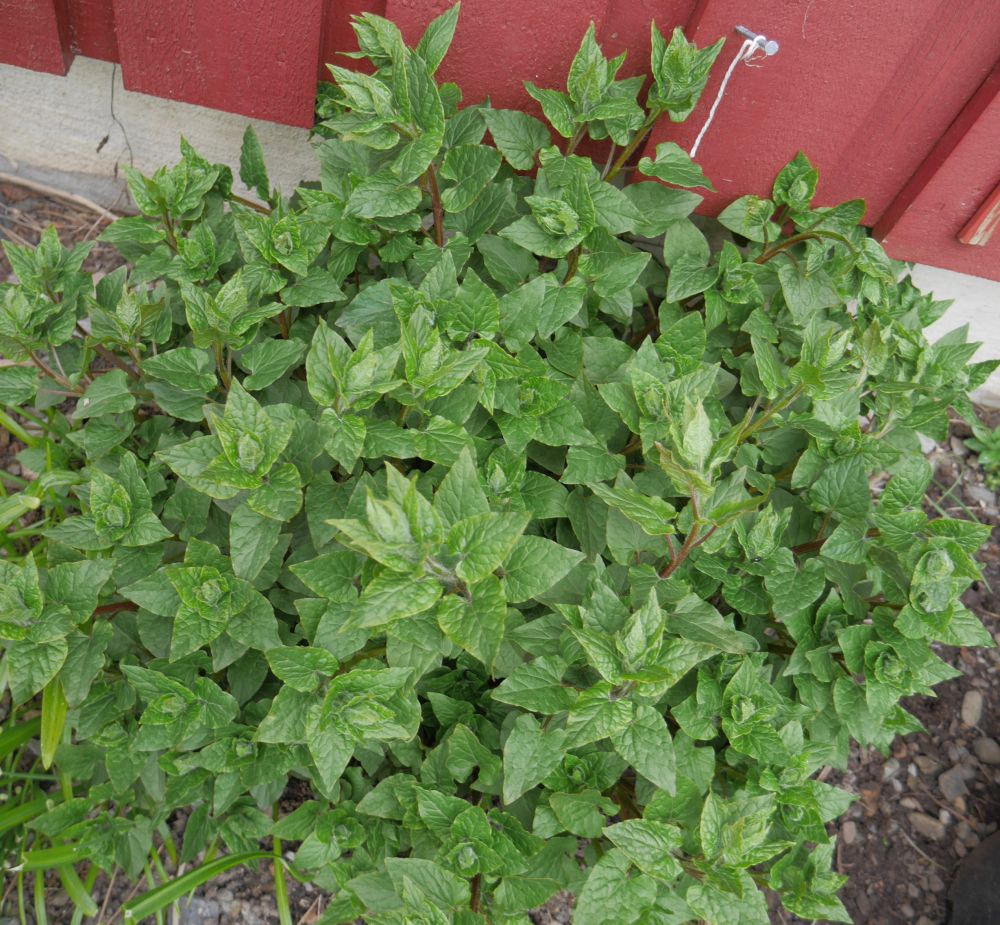
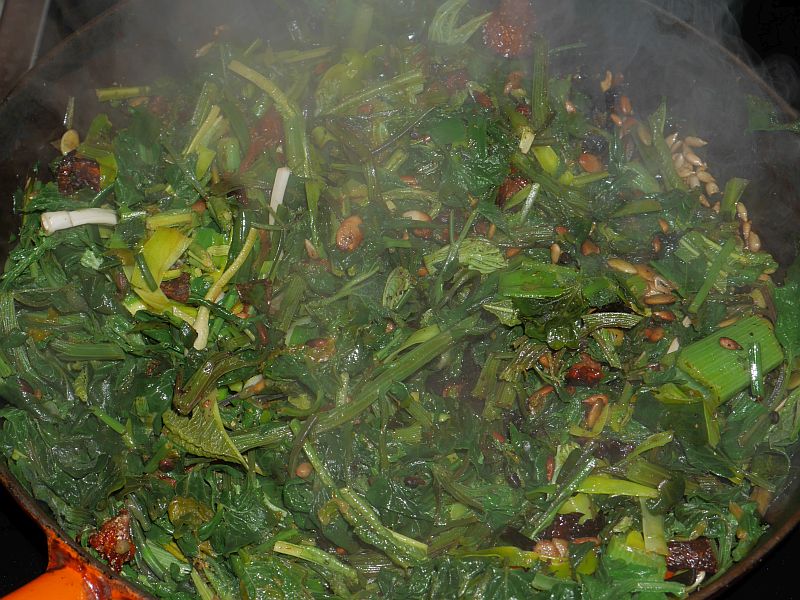
A French Dandelion cultivar, early and productive with very long leaves!
Probably the same as or an improved form of Large Green Montmagny Dandelion in The Vegetable Garden from 1920 (I haven’t checked the French edition)…still available at http://www.vilmorin-jardin.fr/recherche-produit/legumes/potageres/pissenlit-vert-de-montmagny-ameliore/1-6-789/
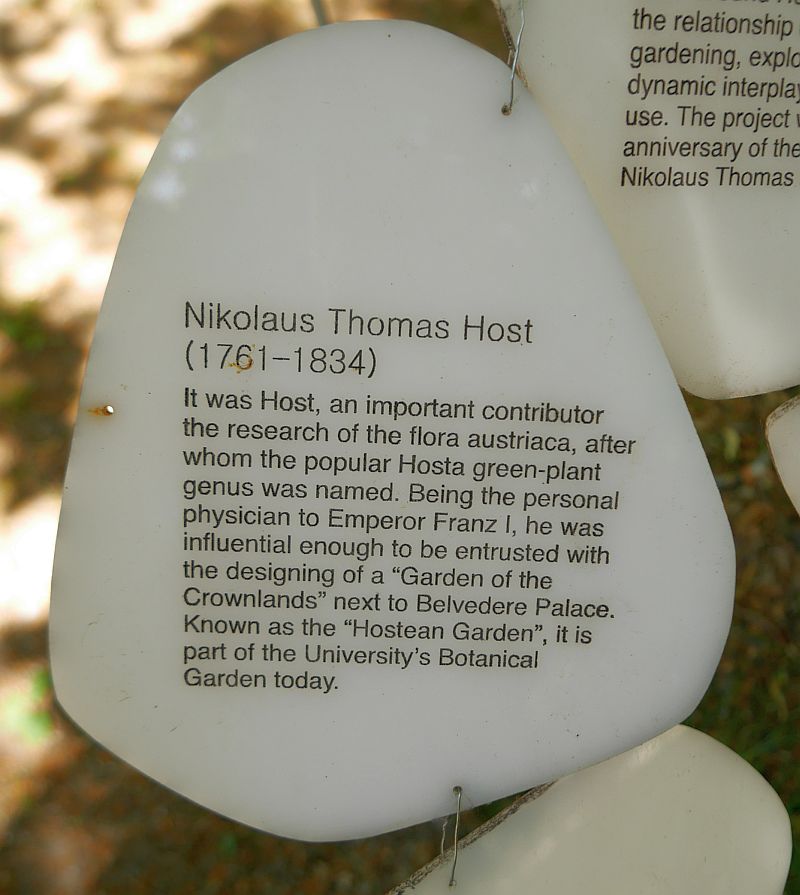
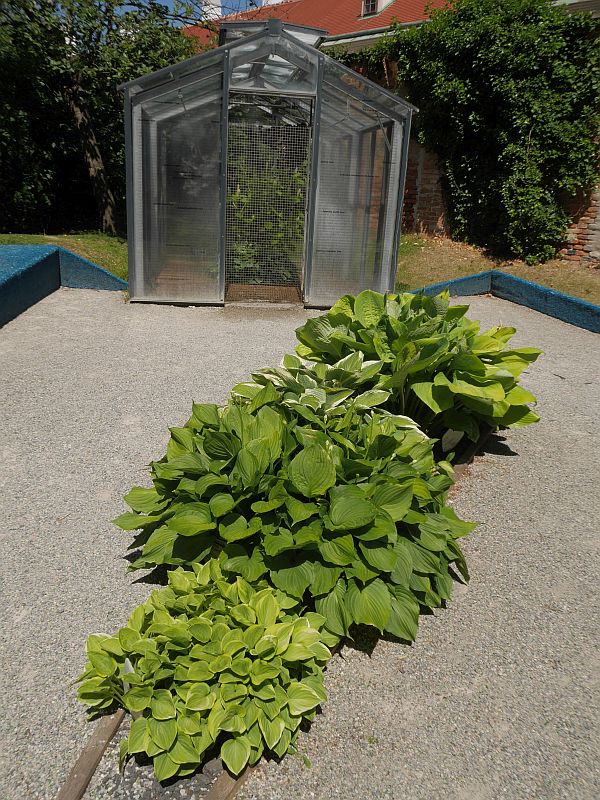
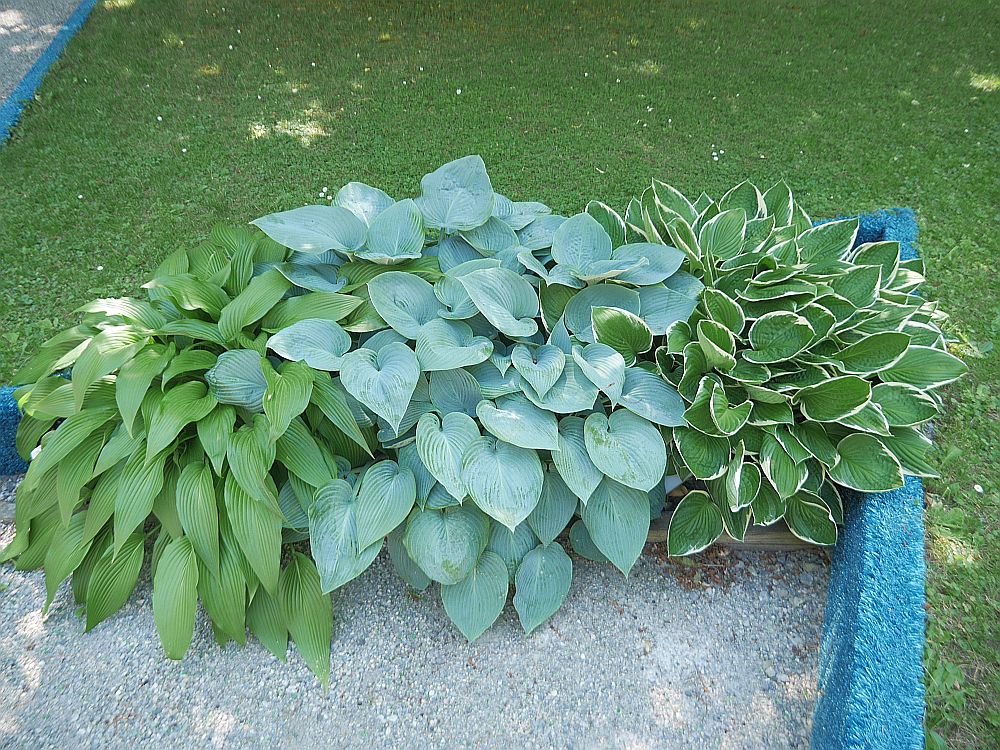
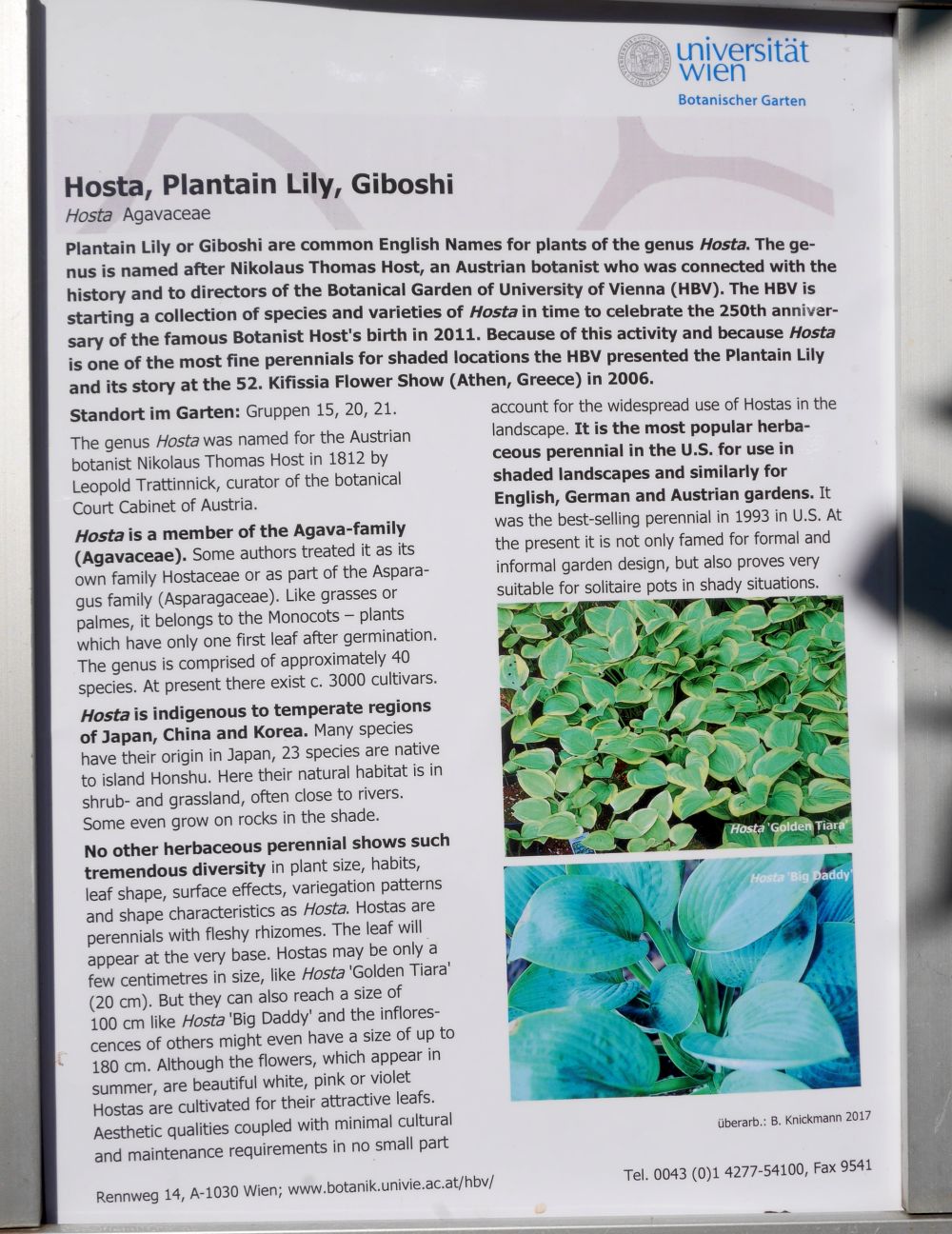
The genus Hosta is just about my favourite vegetable as you can read in my book Around the World in 80 plants, productive, tasty and perfect for a forest garden as it doesn’t mind deep shade! I did a walk and talk at the Botanischer Garten der Universität Wien as part of my tour organised by Arche Noah in mid-June 2017. To my great surprise, there was a Hosta installation in the garden and a large collection of species Hosta! It turns out that the genus Hosta was named after Austrian botanist Nikolaus Host (1761-1834) and he managed a garden on the site of the botanical garden until his death!
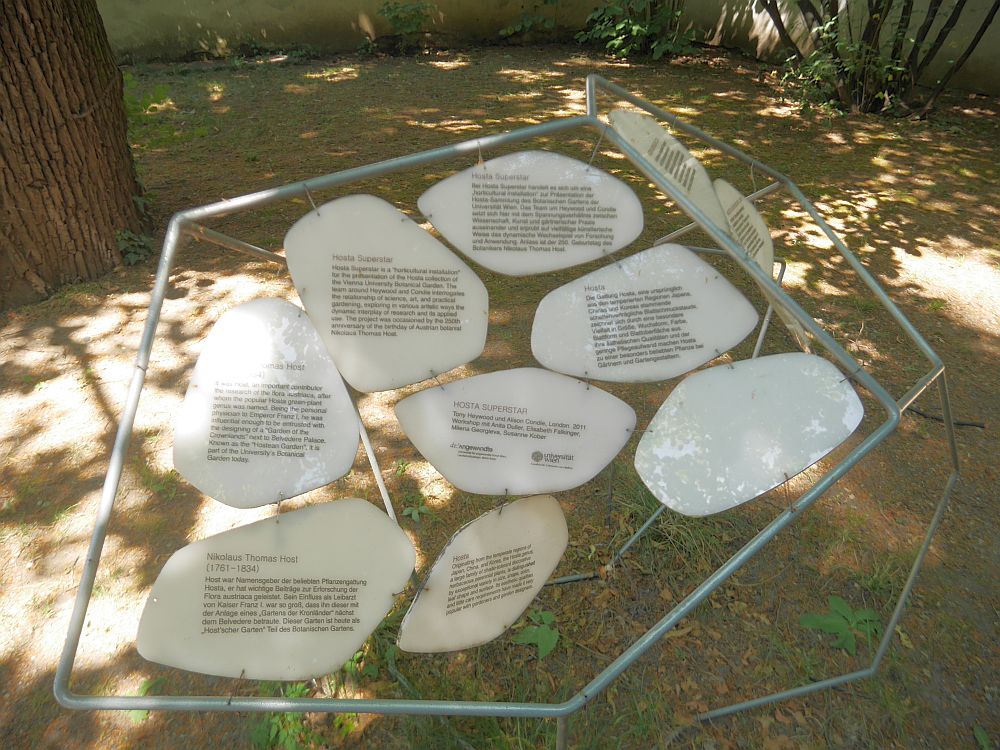
From the garden’s web site: “On the occasion of the 250th anniversary of the birth of Nikolaus Thomas Host (1761-1834). A group of students of the class for landscape design, under the supervision of the British artist and landscape designer Tony Heywood, is working on a “horticultural installation” for the Botanical Garden of the University of Vienna.”
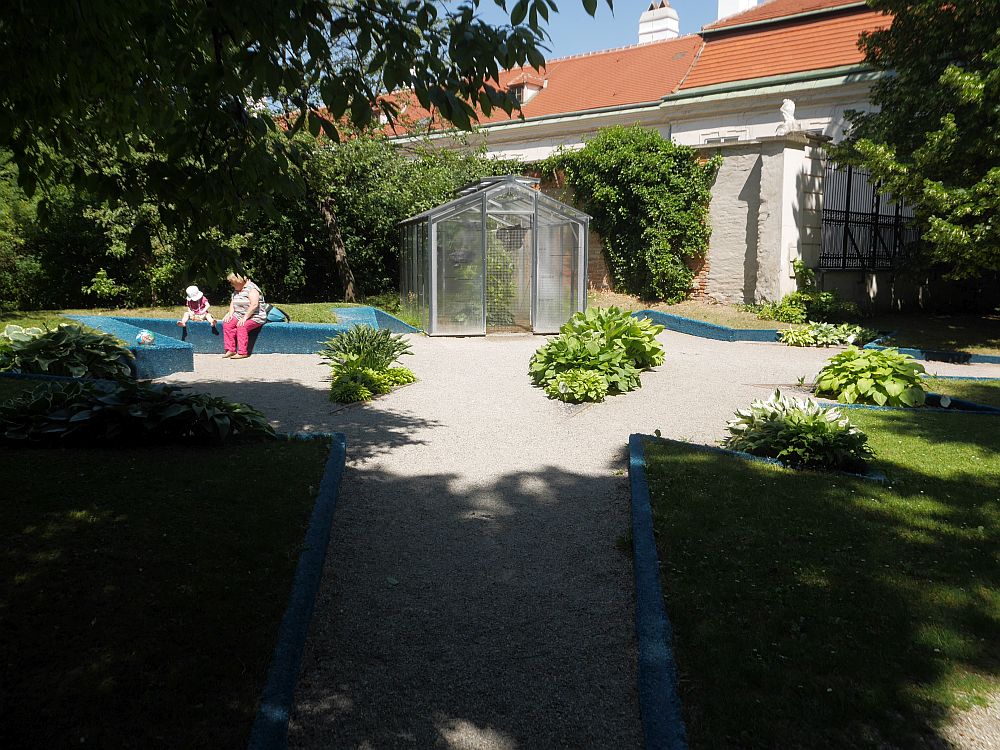
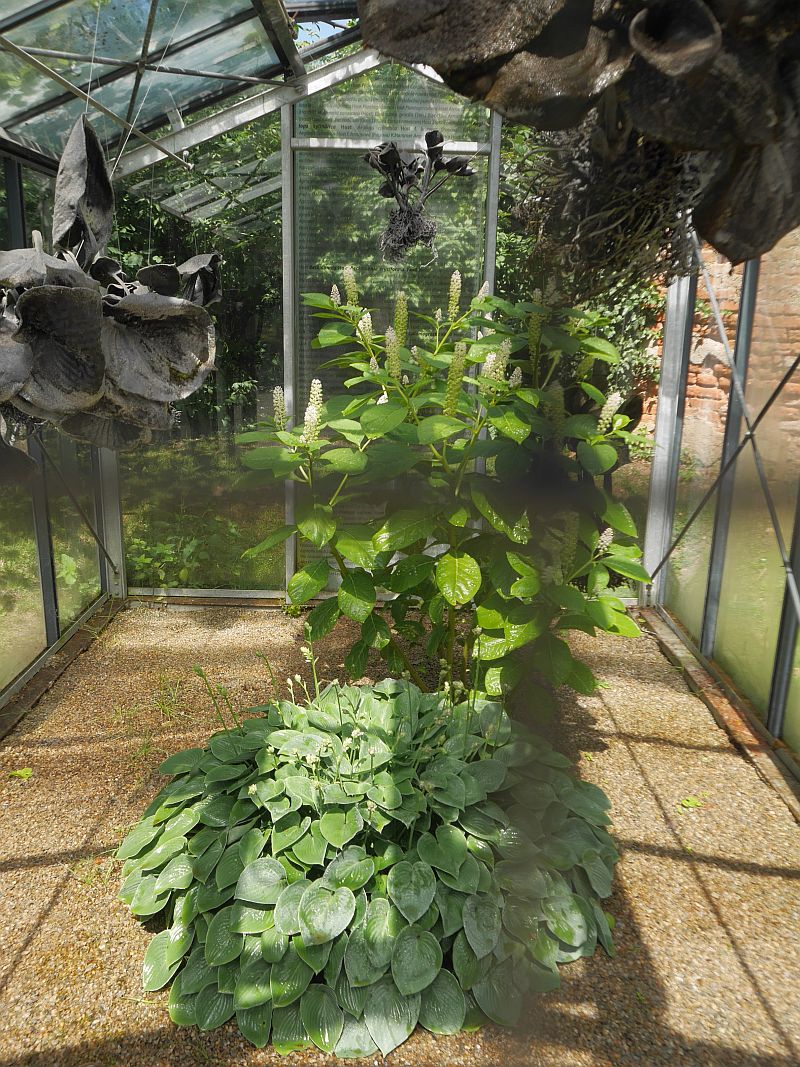
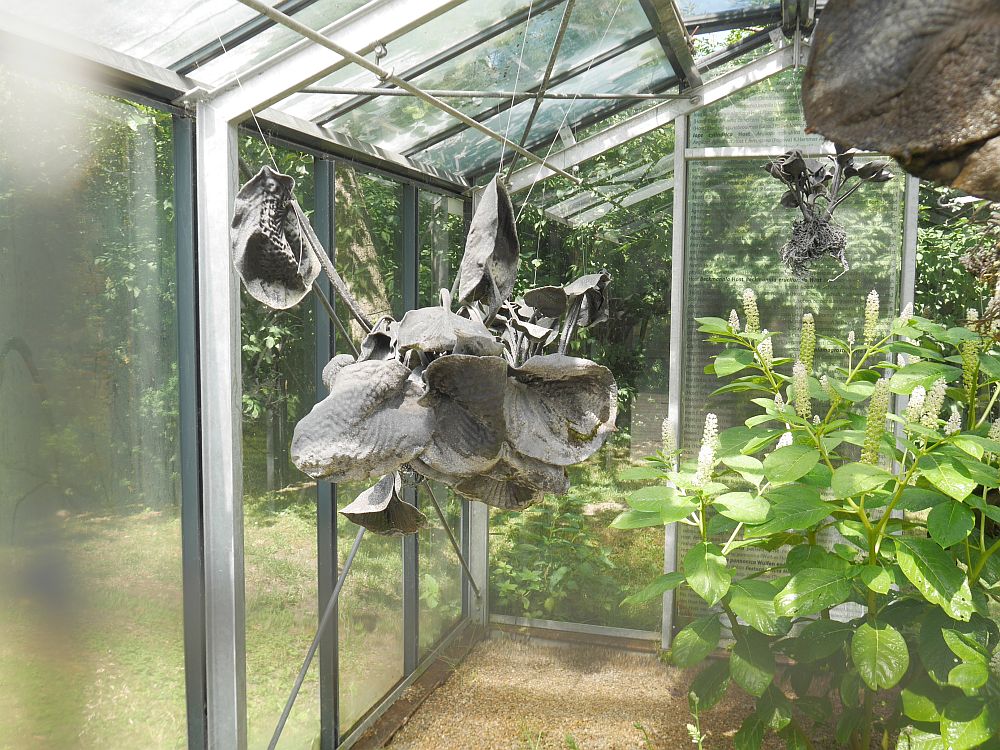
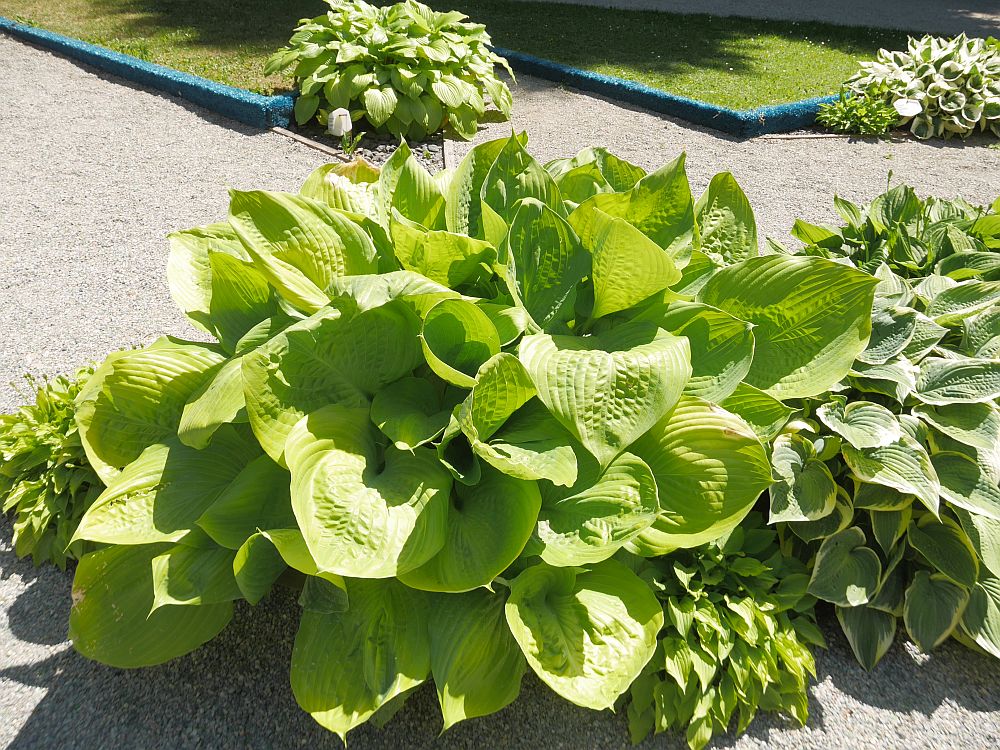
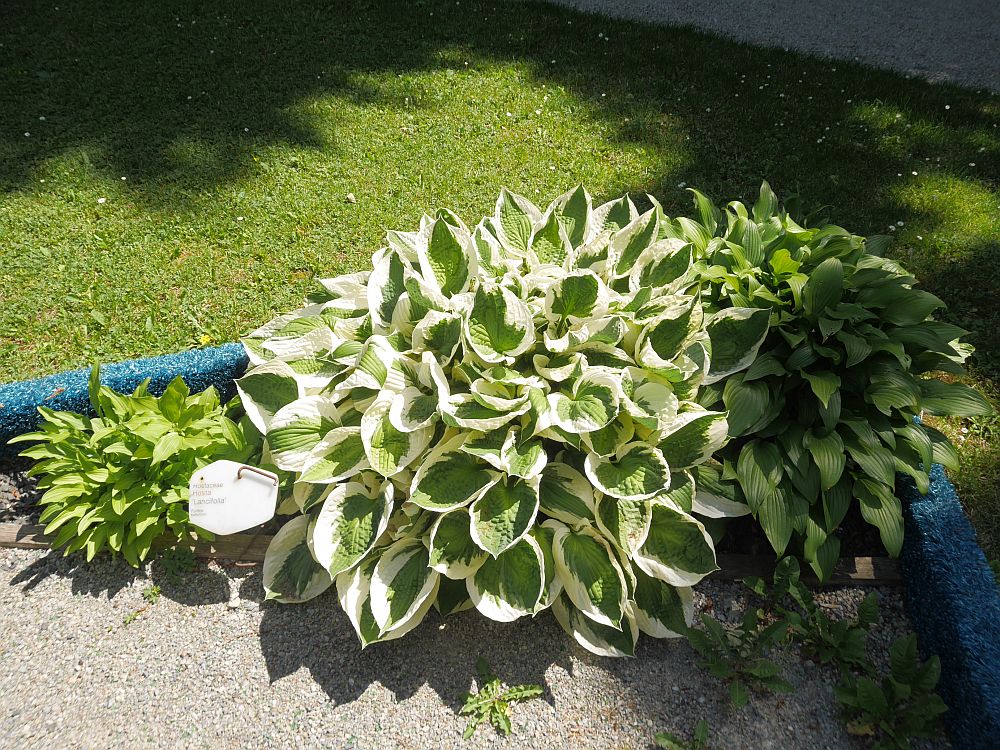
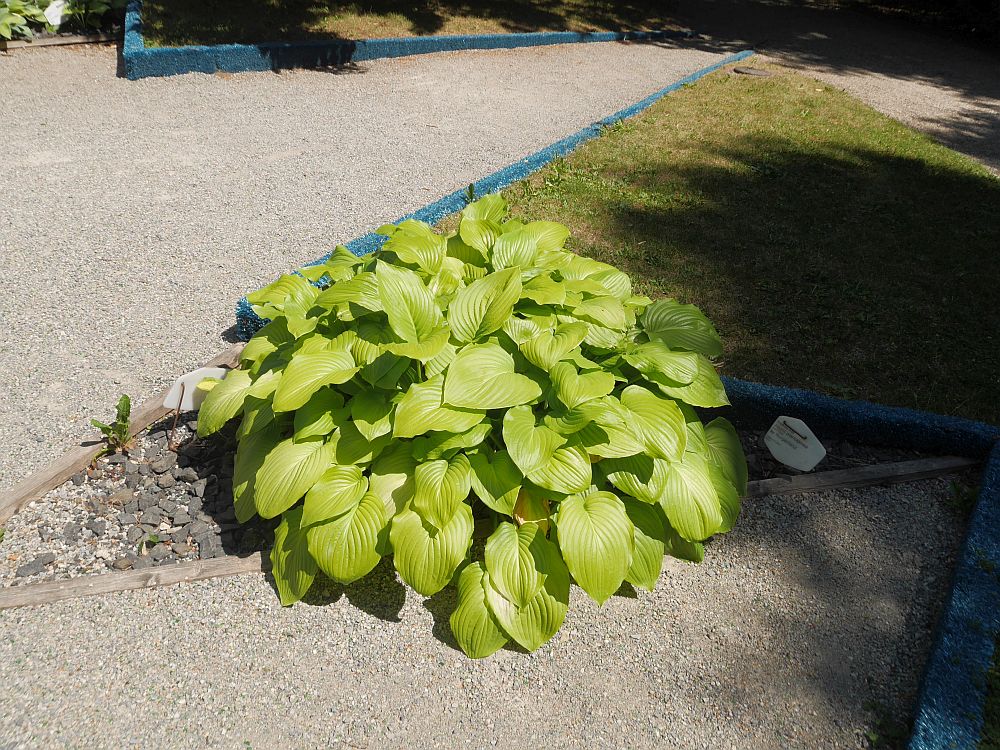
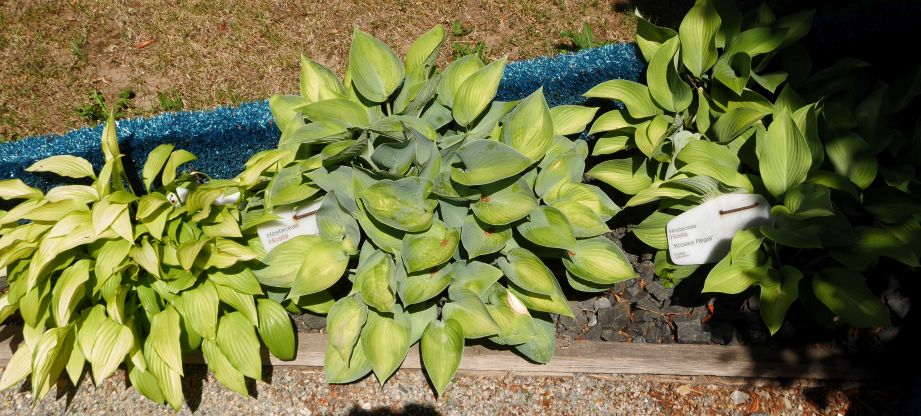
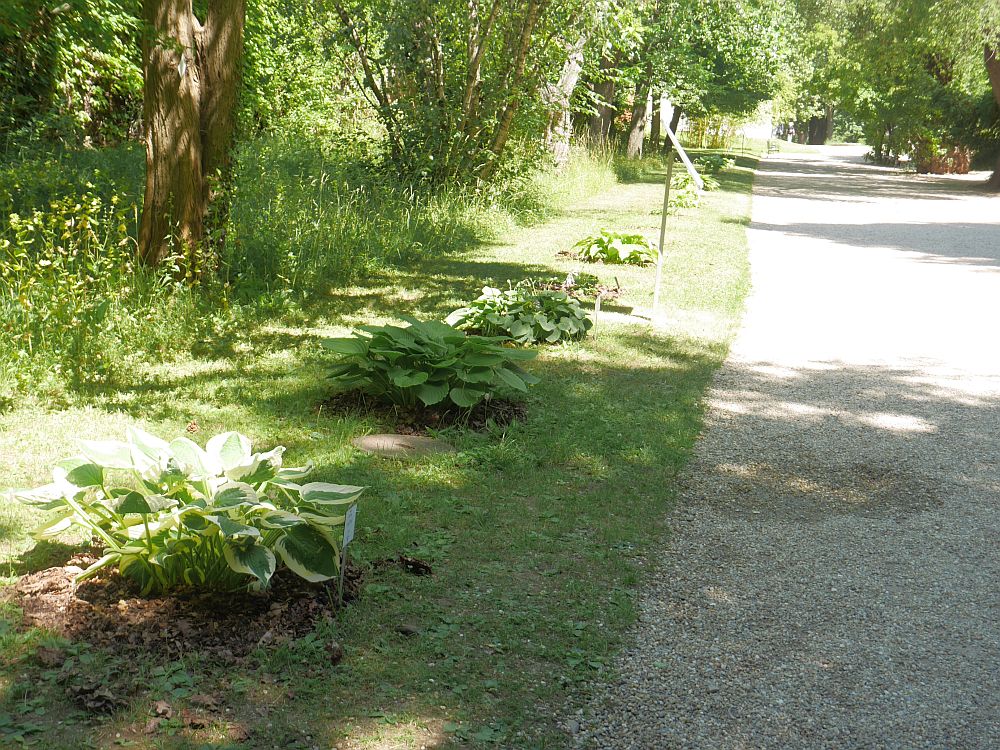
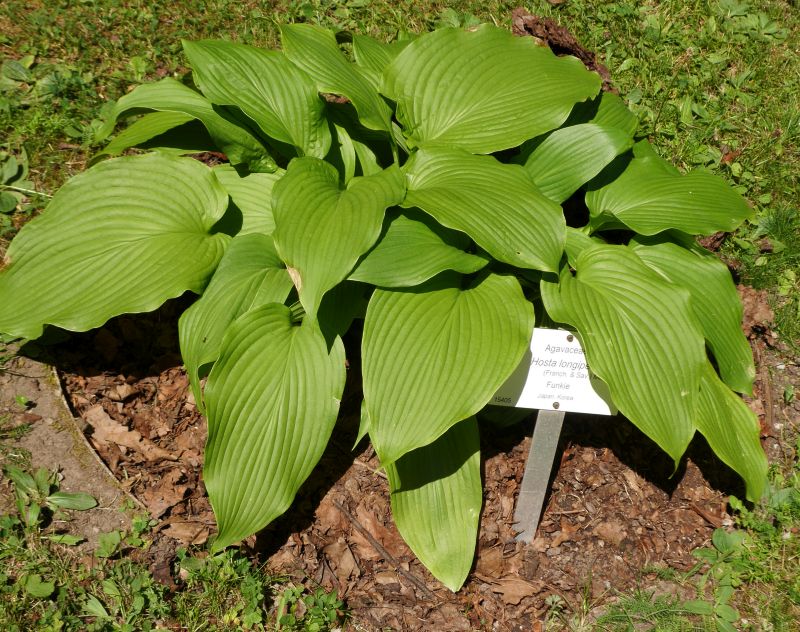
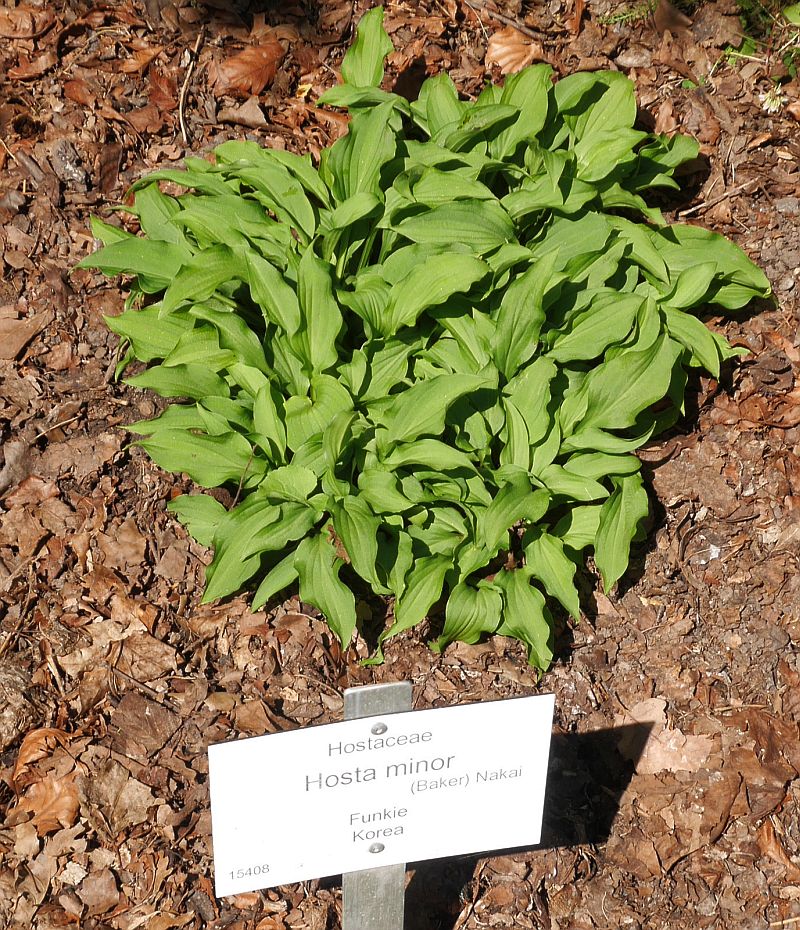
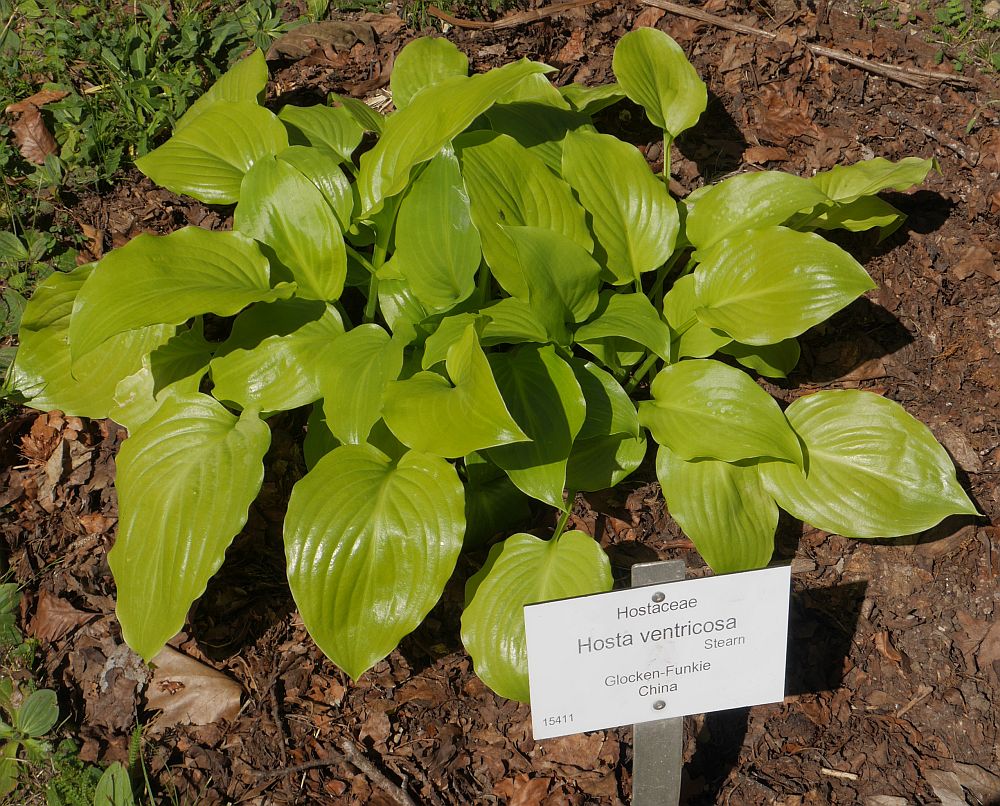
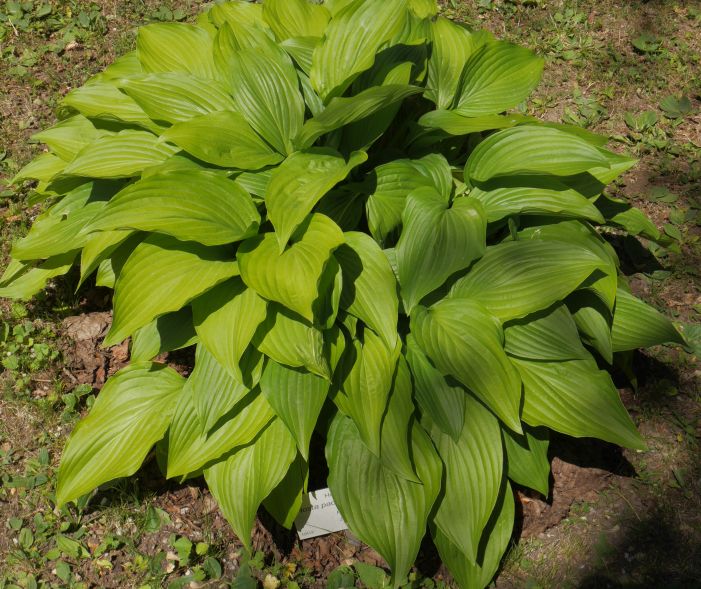
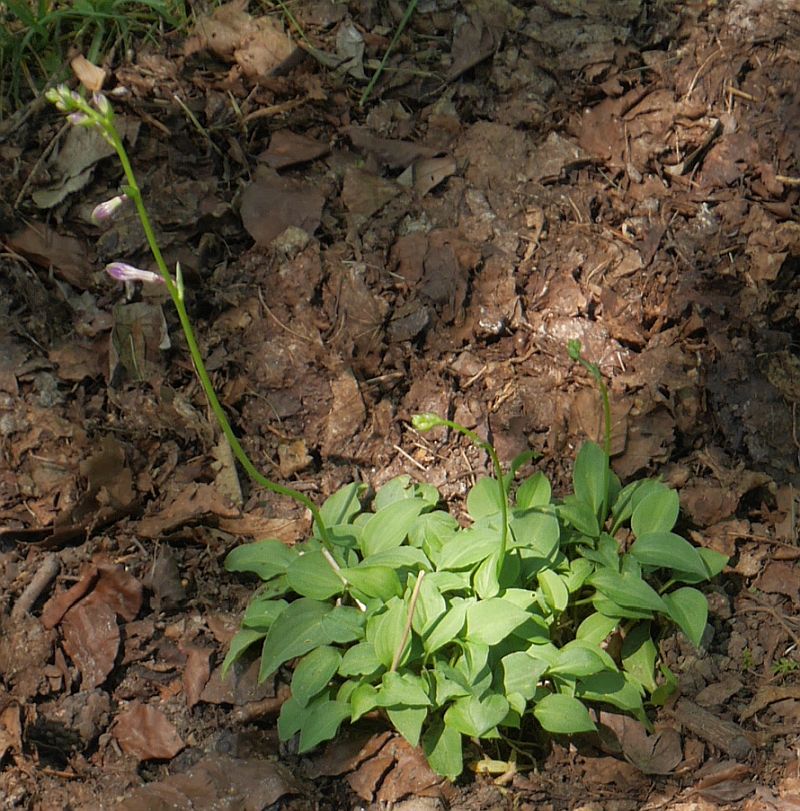
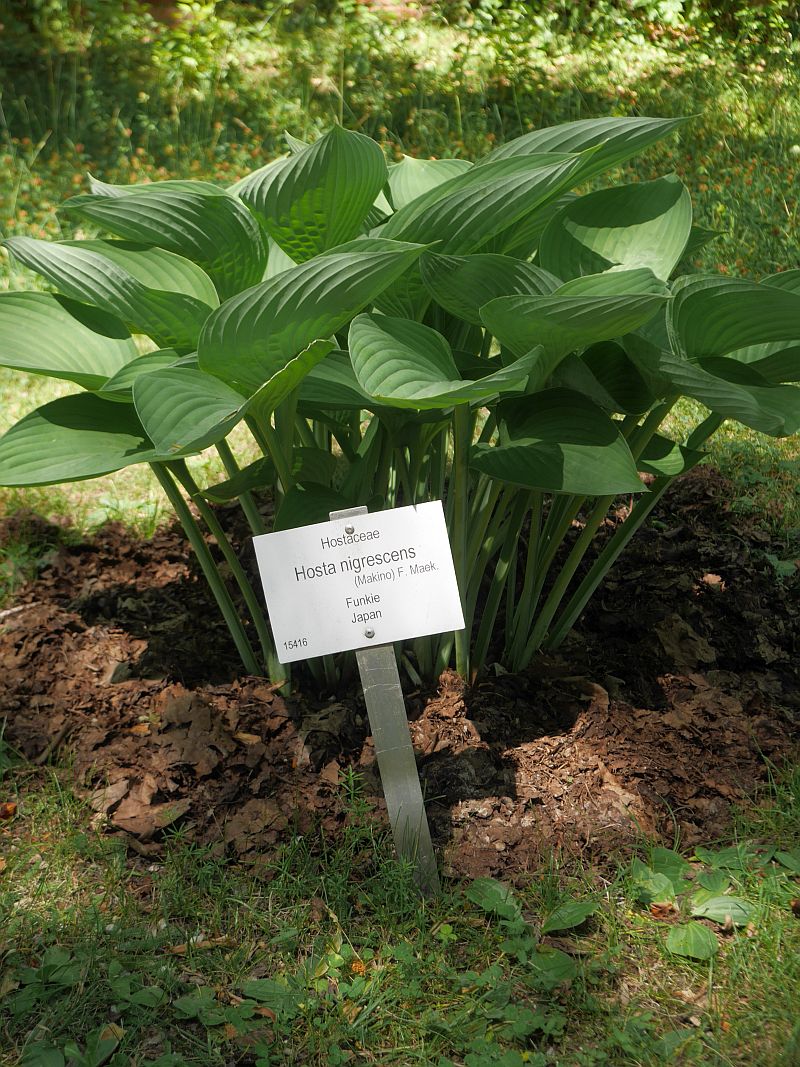
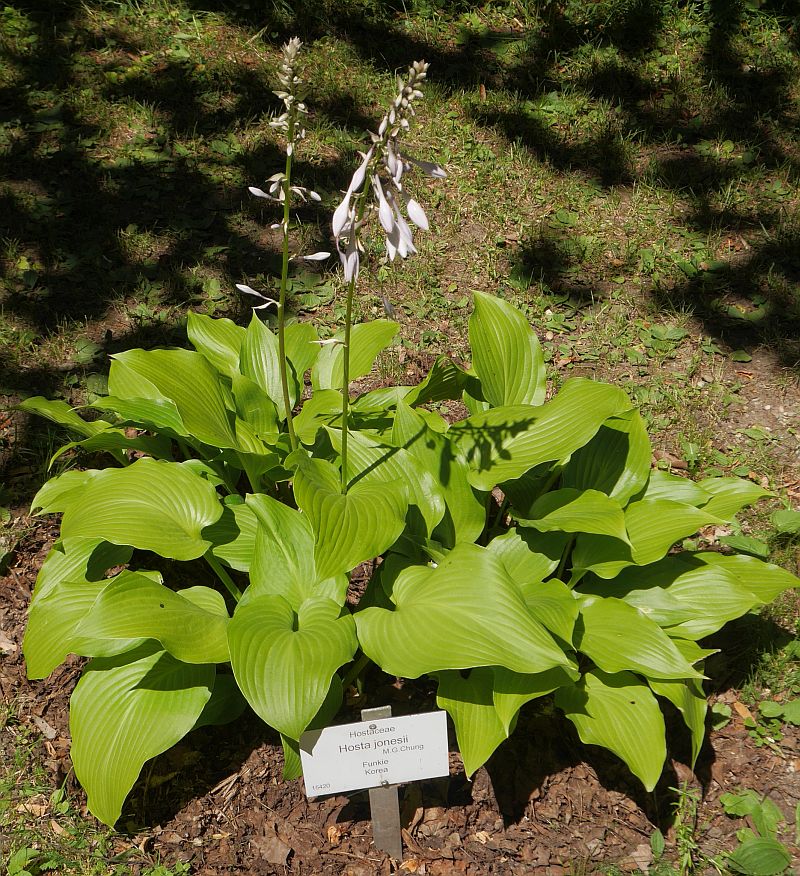
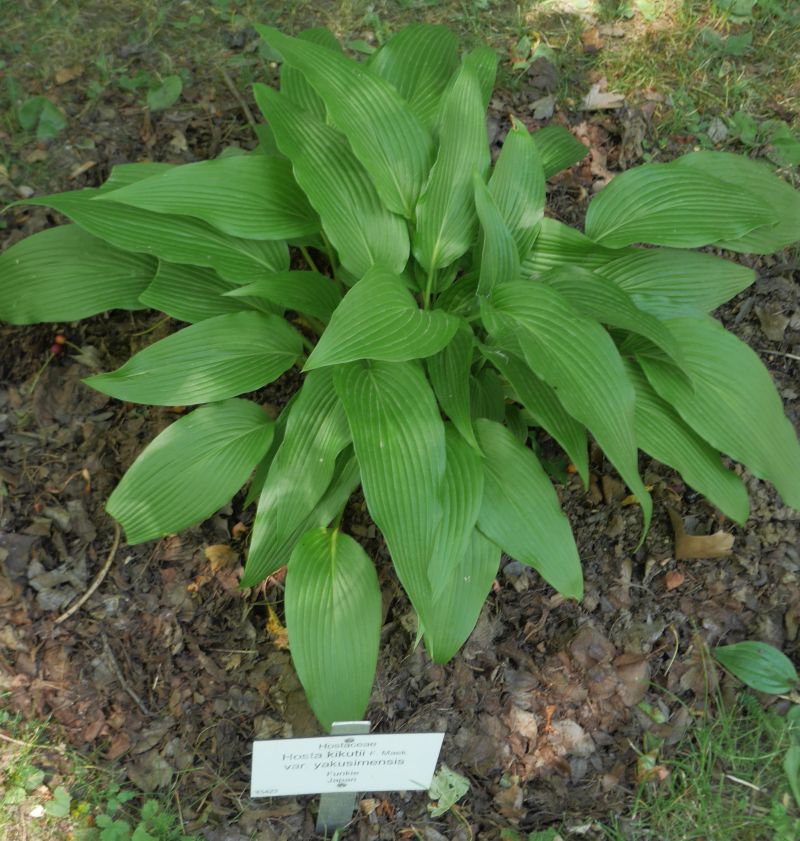
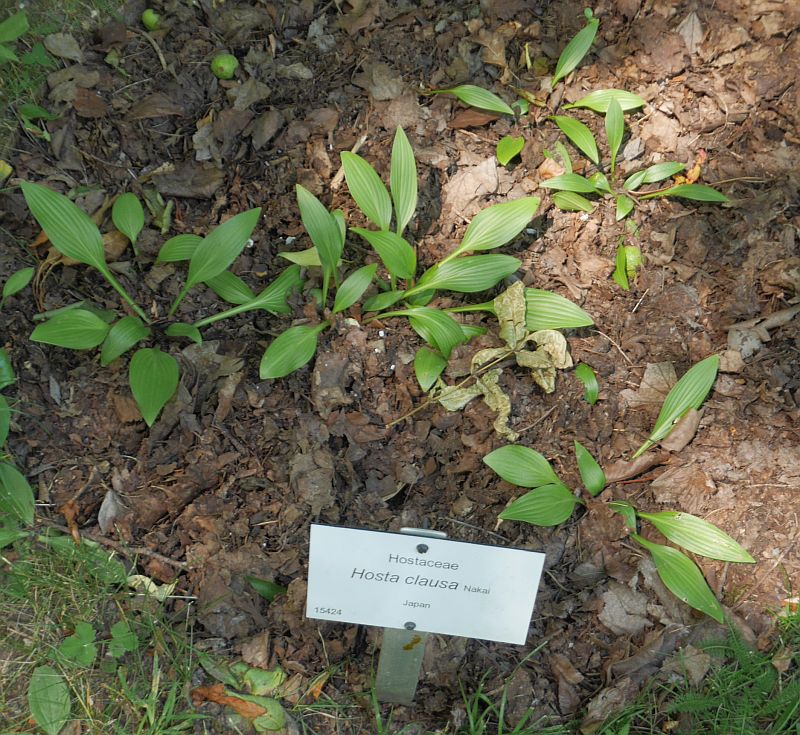
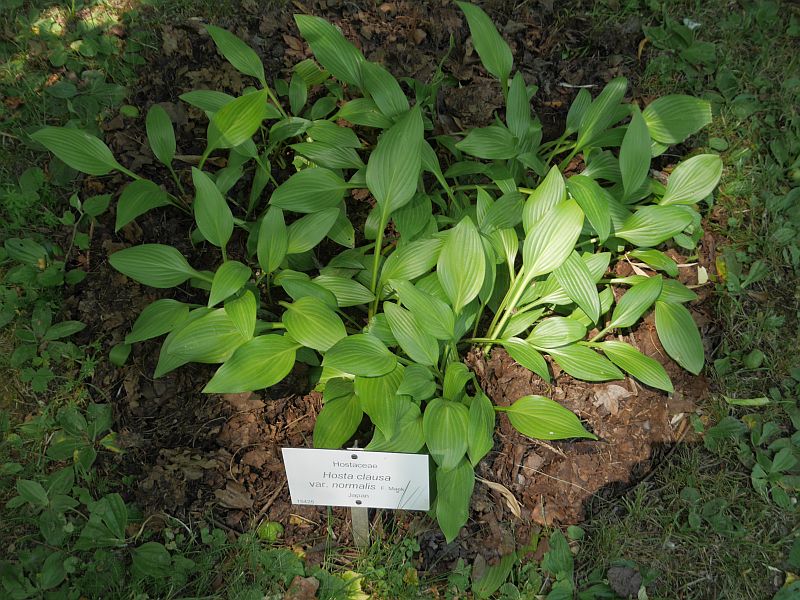
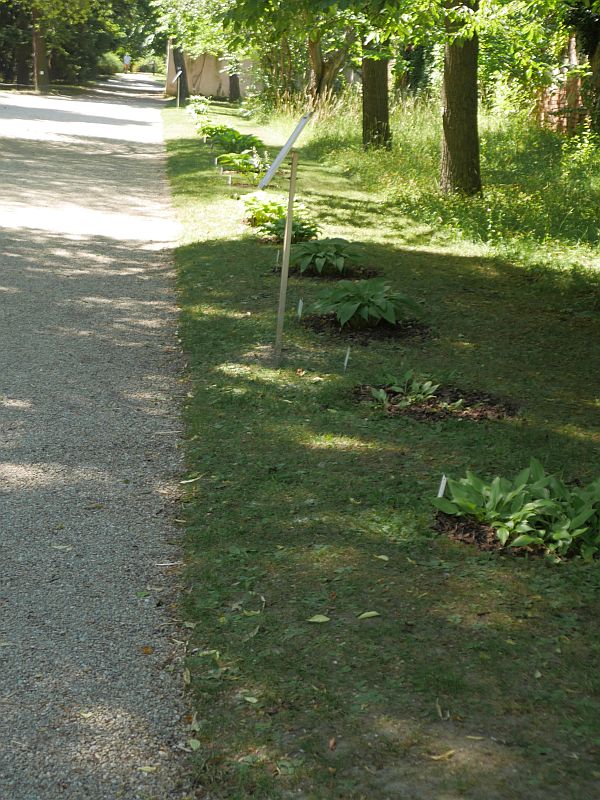
Here’s a series of pictures from the installation “Hosta Superstar” and a long bed of species Hosta!
All Hostas are edible.
This was the highlight of my guided tour of the garden which ended at the Hosta installation.
It was unknown to the garden that Hosta are edible and the director was excited of this new dimension to the garden…perhaps there will be a Hosta tasting next spring!
The Hosta Superstar Installation
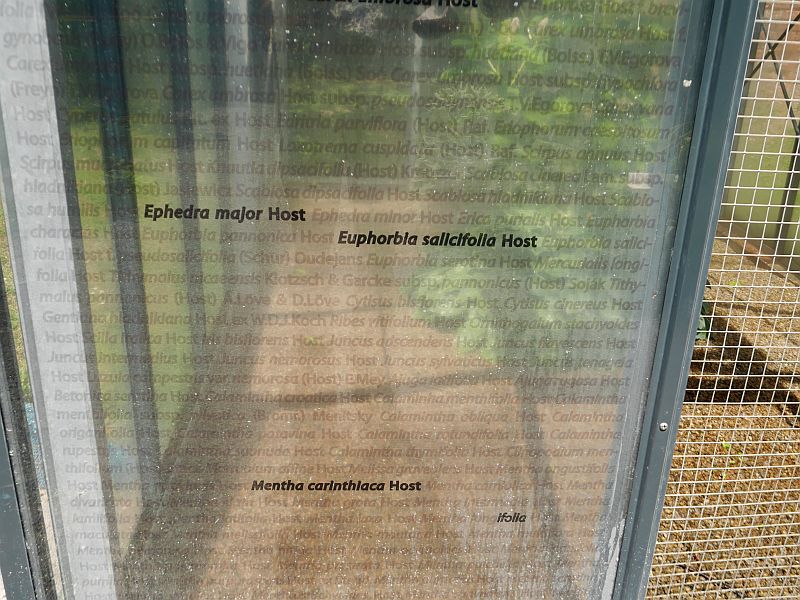
On the window of the greenhouse installation there is a list of plants credited to Host (bold), there are many others (non-bold) that turned out to be synonyms!
Tonight’s dinner was a Hablitzia-Ramsons-Nettle quiche with oregano, poppy and celery seeds on top with cowslip-violet-Allium zebdanense-Arctic bramble flowers….wholegrain barley-oat-rye pastry…. not at all bad :) Anyone else have this tonight? …no, I didn’t think so somehow ;)
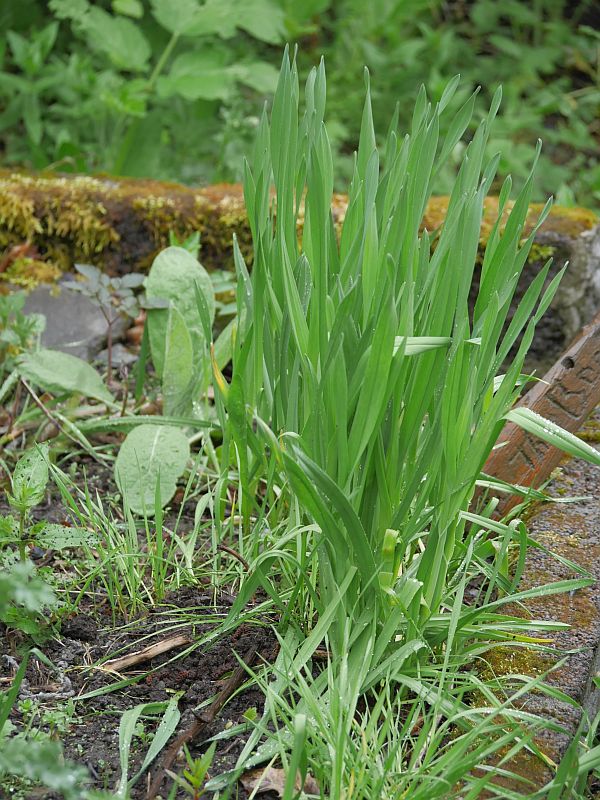
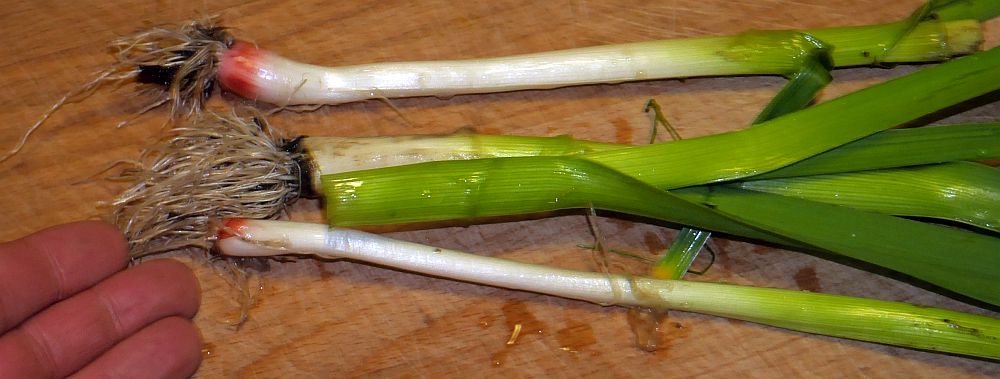
Sand leek (rocambole) or Allium scorodoprasum gives bigger yields here than leeks, so it’s not surprising to learn that this perennial onion was probably cultivated by the Vikings (it is found naturalised near many old Viking settlements in Scandinavia) and I believe it is the original “geirlauk” (meaning spear onion) and the root of the word garlic in English… See also pages 215-217 in my book!
I hadn’t noticed the red base to the stems seen in these pictures before…
I used it in a quick scrambled egg dish together with Amish onion (Allium x proliferum), sorrel flower shoots, ground elder (Aegopodium), nettle (Urtica dioica), Hydrophyllum virginianum (water leaf) with golpar spice.
These pictures can also be seen on my 700 plus album of Allium pictures on Facebook here: https://www.facebook.com/media/set/?set=a.10150966880345860
The scapes of Allium scorodoprasum could certainly be described as spear-like
Yesterday, 19th May 2017, I spent several hours being filmed in the garden collecting and preparing a multi-species salad, predominantly perennials…and this was the result! How many? The recount will take some time….
More later :)
Thanks to Ane Mari Aakernes (camera), ably supported by Berit Børte…
Most of this has now been sacrificed (last two pictures) as foragables haven’t come very far where I’m holding a course this weekend (large snow fall recently)..
The change from winter to spring abundance happens very quickly…here’s last nights haul for a very green pasta sauce (it took about 30 mins from garden to table, fast slow food), including the following stars of spring:
















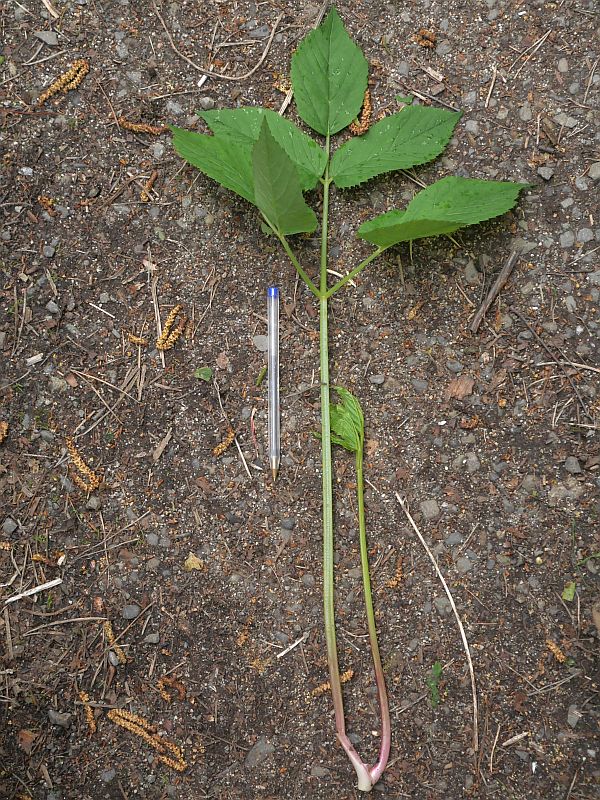
 :)
:) …no, I didn’t think so somehow ;)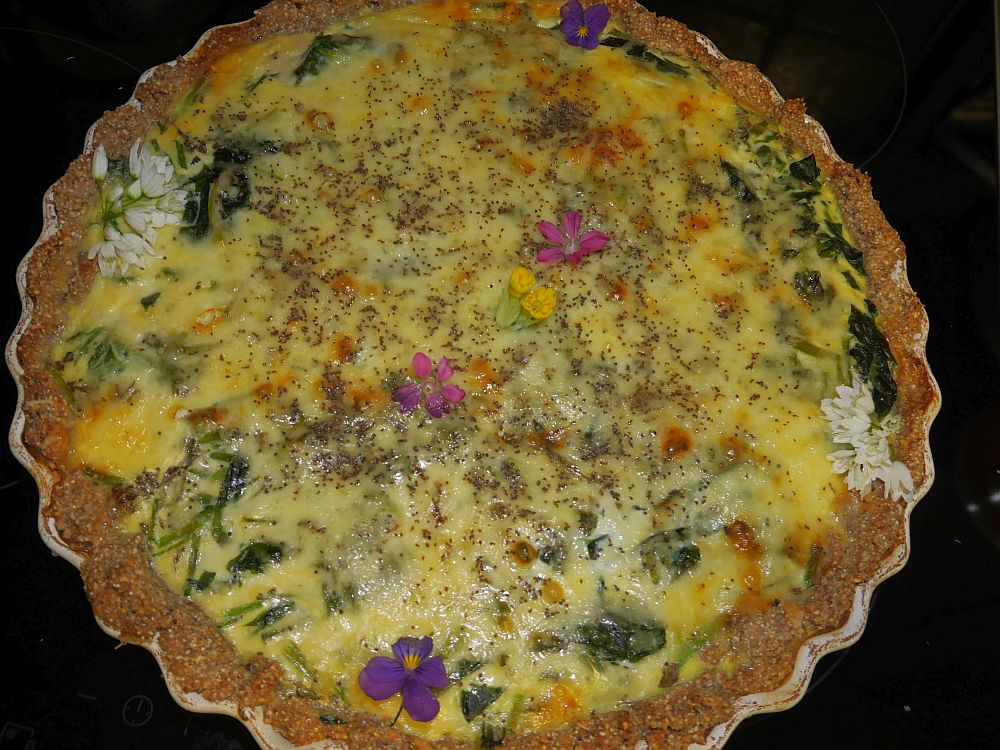

 Sorrel (Rumex acetosa) flowering stems
 :)
:)