English: This is the Norwegian version of the story I published in my book Around the World in 80 plants about a wild onion (Allium oleraceum) that was taken to Iceland and returned almost 1,000 years later). Dette er historien om en viltvoksende løk, som kanskje er utgangspunkt for det engelske ordet garlic, som ble tatt til Island for snart 1000 år siden av en engelsk biskop og kom tilbake til Trøndelag til en annen engelskmann som jobbet med løk! Idag er denne løken å finne i den nye løkhagen på NTNU Ringve Botaniske Hagen i Trondheim ved siden av kanskje samme løk som ikke vandret til Island. Denne historien fortalte jeg om i min bok Around the World in 80 plants (se https://www.edimentals.com/blog/?page_id=30). En norsk artikkel er dessverre ikke lenge tilgjengelig på nettet. Artikkelen som kan leses nedenfor er tatt fra en større intern rapport fra en flerårig prosjekt “Innsamling og kartlegging av gamle matløk” som undertegnede gjennomførte, finansiert av Genressurssenteret.
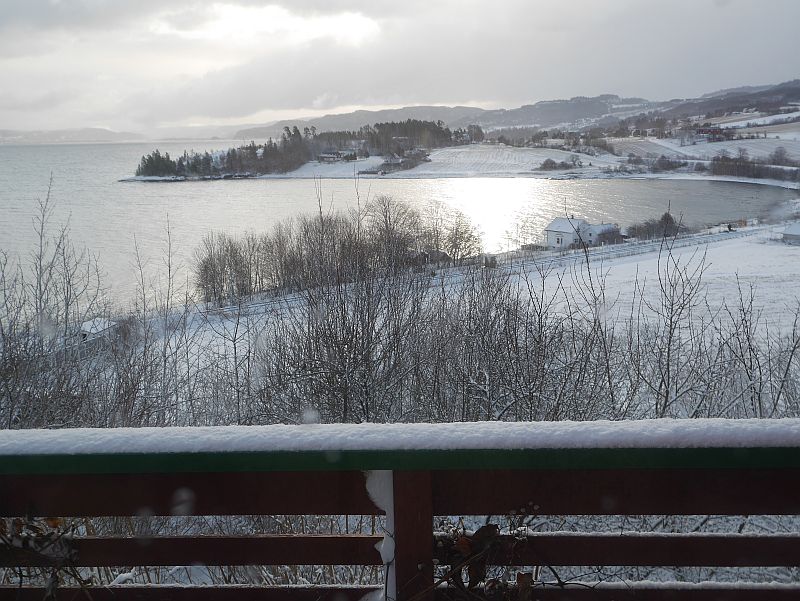
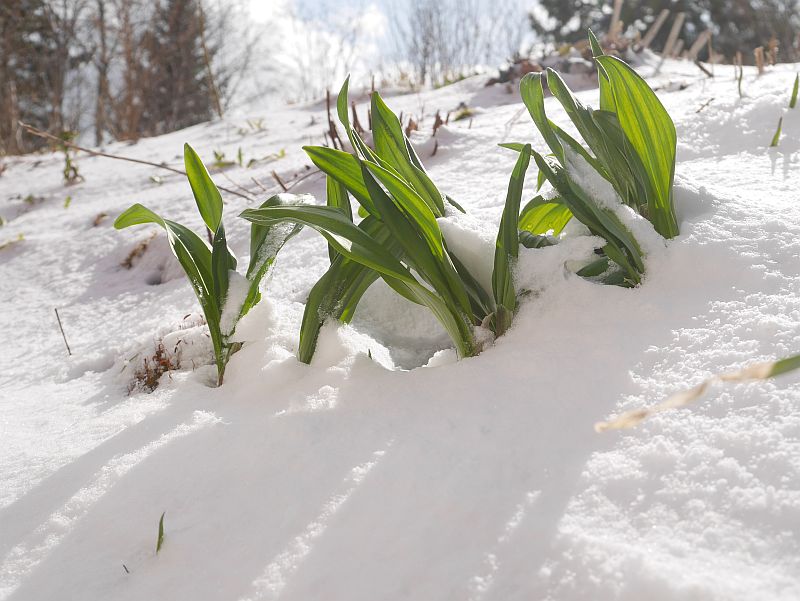
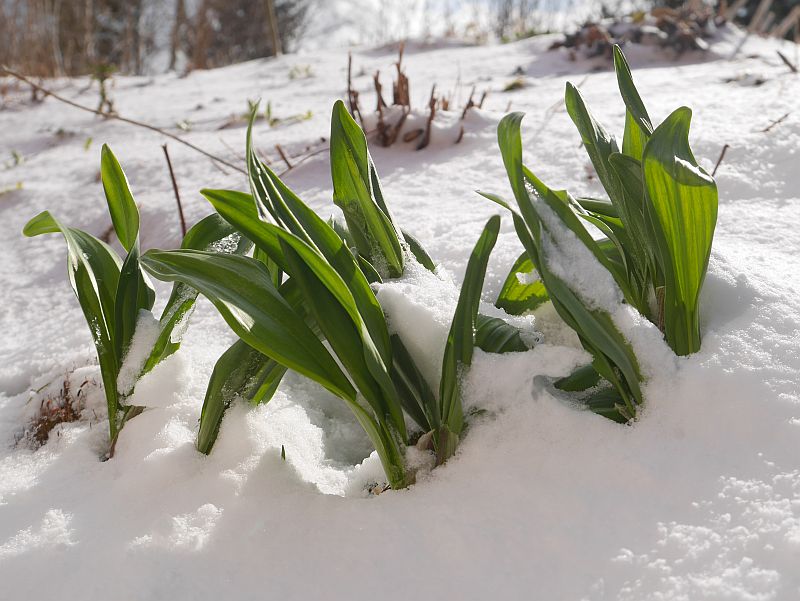
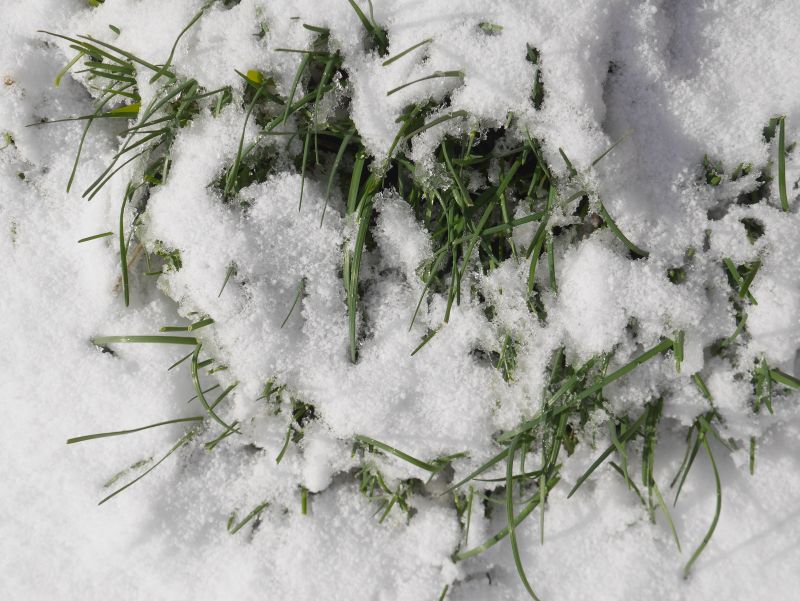
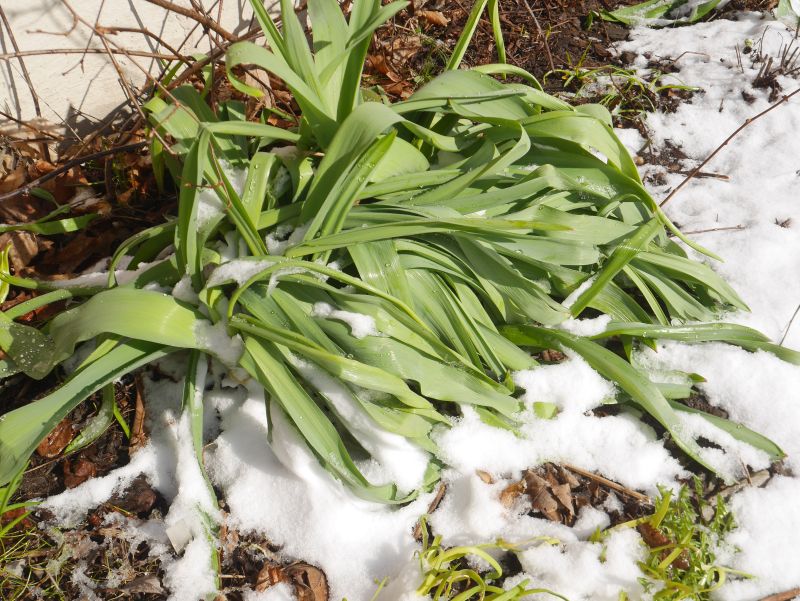
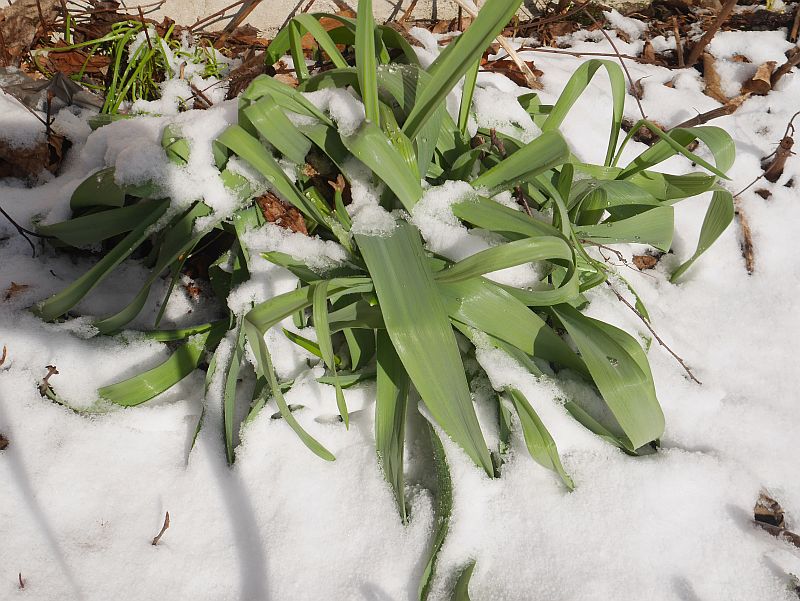
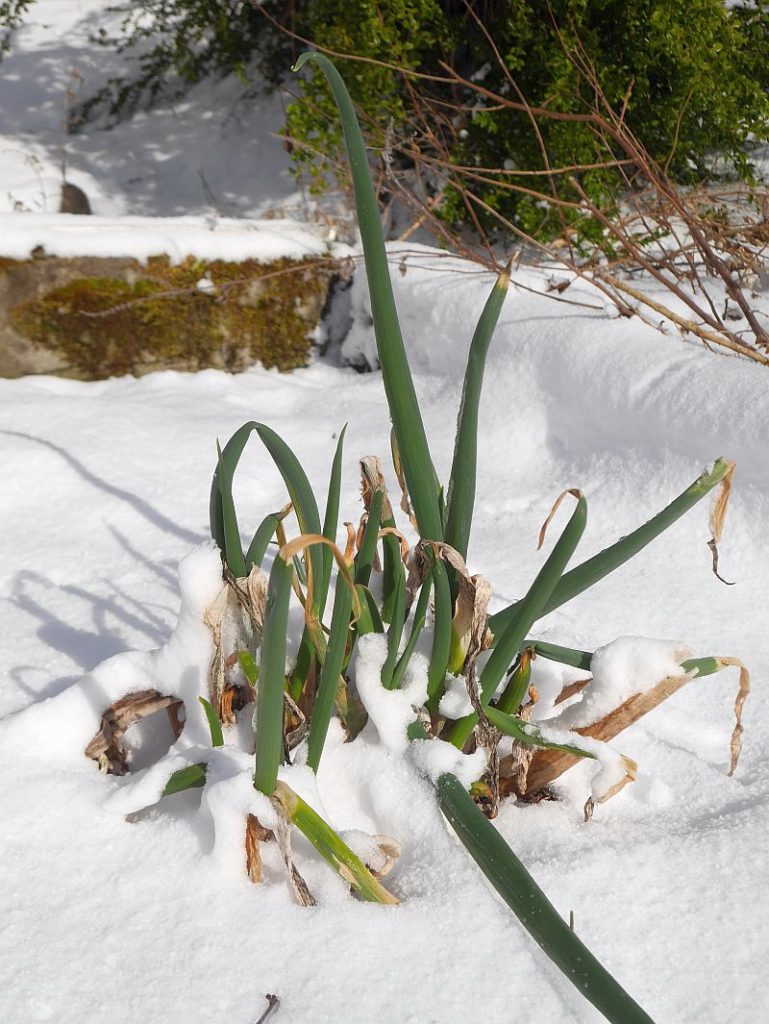
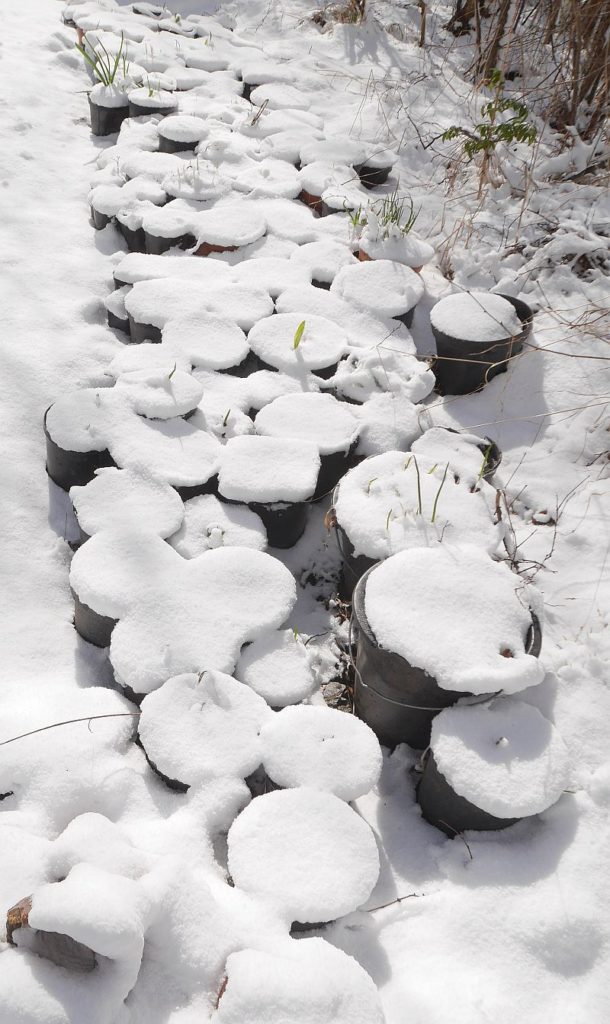
Several Alliums are extremely hardy and can stand green all winter even when exposed to temperatures under -20C. Similarly, young leaves of species that start to sprout in early spring as soon as the frost disappears near the surface have no problem with snow and frosts. Here are a few after yesterday’s snowfall!
Woke up to a new fall of snow which will continue for a couple of days when spring will arrive we’re told!
Alliums aren’t at all bothered by snow
Allium victorialis
Allium victorialis
Allium carinatum pulchellum
Allium stipitatum, persian shallots
Allium jesdianum
Allium pskemense
Allium victorialis
Allium nutans hybrid
New Alliums waiting for a place in the garden or in the Allium garden at the botanical gardens
Allium victorialis earlier this week in the garden. I harvested half of these shoots. This is an accession I received seed from Iku Kubota in Japan in December 2002.
It was warm enough to sit outside yesterday and “prick out” (i.e., transplant into bigger pots) all the spring onions and leeks I’d sown a week ago inside. Neither Allium cepa, Allium fistulosum nor Allium ampeloprasum (porrum) need cold treatment to germinate unlike many other Alliums. Of the 40 varieties I sowed, about 28 germinated (some of the seed was a few years old). I’m still searching for a spring onion that is hardy enough to sow in late summer here so that I can harvest in early summer. The best bet is one of the cultivars of Allium fistulosum used for spring onions, but most of the modern varieties, mostly bred in Japan, have lost the hardiness of the species (from Siberia).
Today at the Ringve Botanical Gardens I found the Allium garden was full of little workers eating the masses of birch seeds that had fallen during the winter….saving me a lot of work later. The first summer, there were thousands of birch seedlings in the garden…
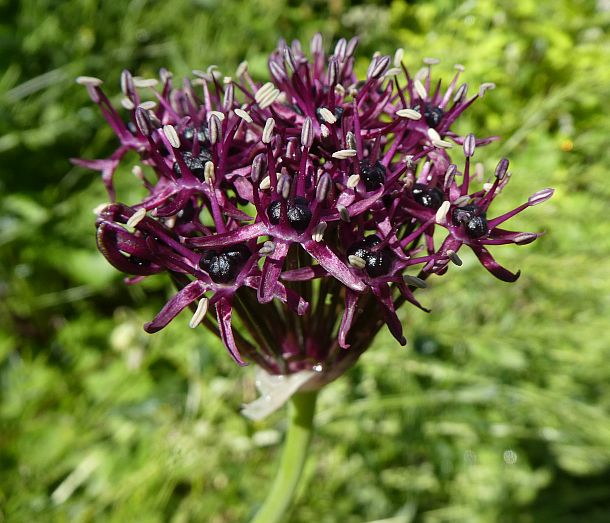
First flowering of Allium atropurpureum…seed from Mark McDonough 8 years ago and planted out in 2012. I had thought I’d lost it and then it was suddenly In flower…always nice with surprises like that!
Allium validum (Pacific onion), an important wild edible for native americans and one of the 80 plants in my book Around the world in 80 plants is back in flower again for the first time for a few years. It had been in a pot whilst I redid my overgrown pond and boggy area.
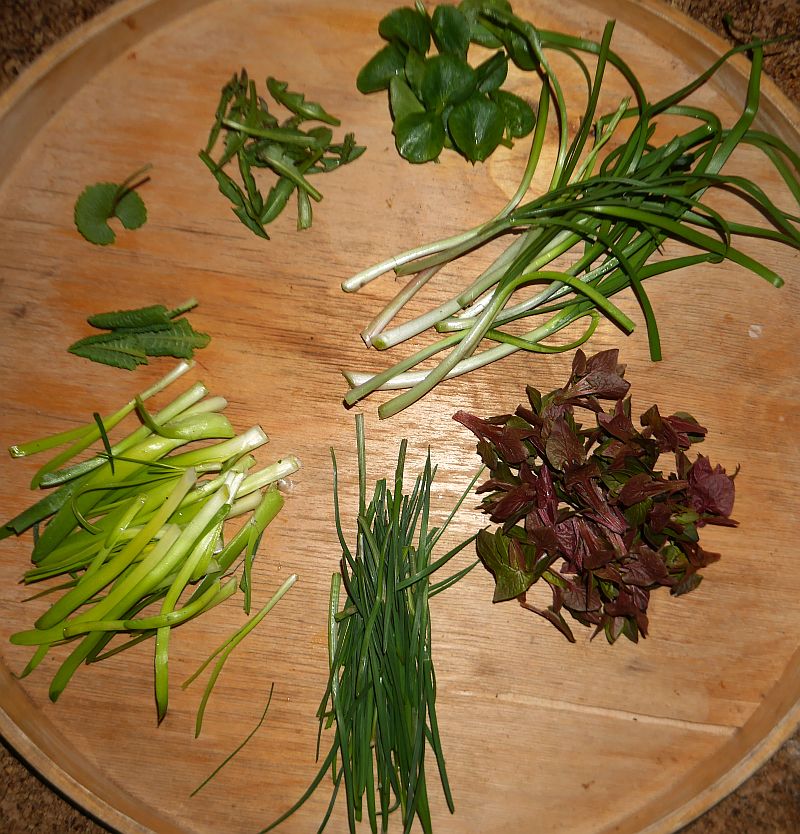
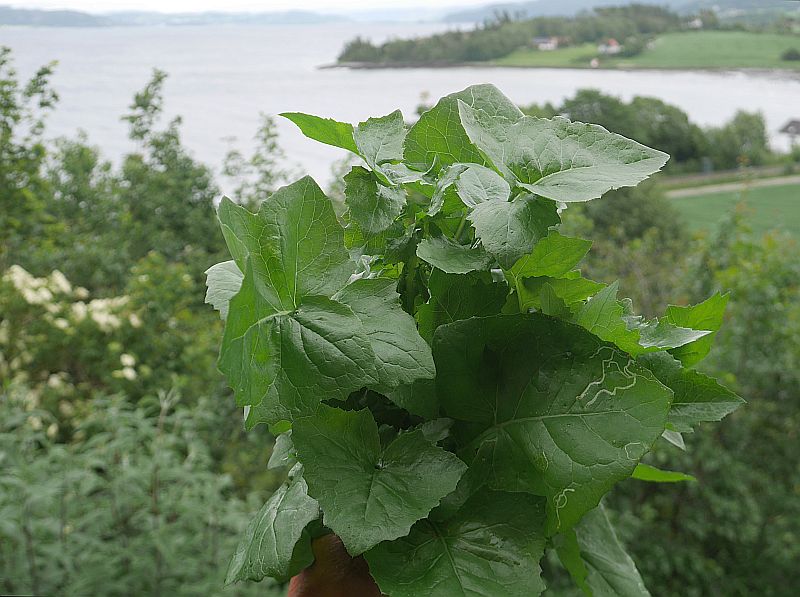
Common sow thistle (Sonchus oleraceus) is now in season in my garden another plant categorised by most as a weed, but for me one of the most important vegetables in my garden from now until autumn. It even saves me work as the only thing I have to do is NOT weed it!! It is at its best when the leaves are shiny:
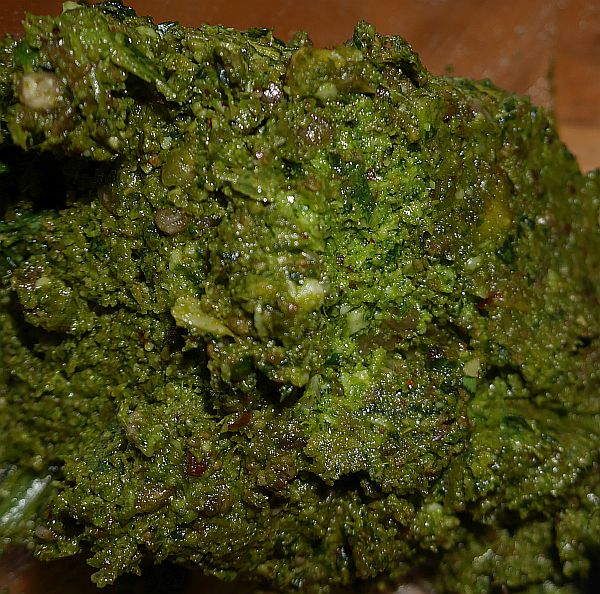
I made a sow thistle basil pesto last night together with basil grown in my office at the botanical gardens! I’m an office basil grower of over 40 years, having started when I was a student in 1978 (see http://www.edimentals.com/blog/?p=5221, where I made pesto and Allium wallichii, the Sherpa or Nepal onion)
Last night I used garlic and more Johannes’ shallots (Allium x cornutum; see http://www.edimentals.com/blog/?p=22601)
Yesterday was St. John’s Day and many Norwegians (and other Scandinavians) celebrated the evening before what is known here as Sankthans or Jonsok with communal bonfires, the big midsummer celebration on the eve of St. John’s Day! Sankt Hans is a short form of Sankt Johannes (and my grandson is Johannes, so this is for him <3)
There is a special perennial onion which was traditionally harvested on this day in the Netherlands, which I believe to have a much large potential than its current status as a local food crop, as it is so much easier to grow, in particular in areas increasingly suffering from summer droughts and water shortages, along with many other perennial vegetables. If nothing else, it complements shallots and onions in that it is available much earlier in the year!
On a visit to the Utrecht Botanical Gardens in the Netherlands some years ago, I’d photographed an onion called Sint-Jansui and given the botanical name Allium fistulosum var. proliferum.
Botanist Gerard van Buiten at Utrecht later wrote to me “Ah, I see you have found our “St Jansuien! Yes, it is an old local variety, grown around Utrecht. One of our gardeners used to grow it on his nursery a long time ago. Every year on “St. Jansdag”, a box of onions was delivered at Paleis Soestdijk, where Queen Juliana and Prince Bernhard used to live. It is grown nowadays in some urban garden projects in the city”.
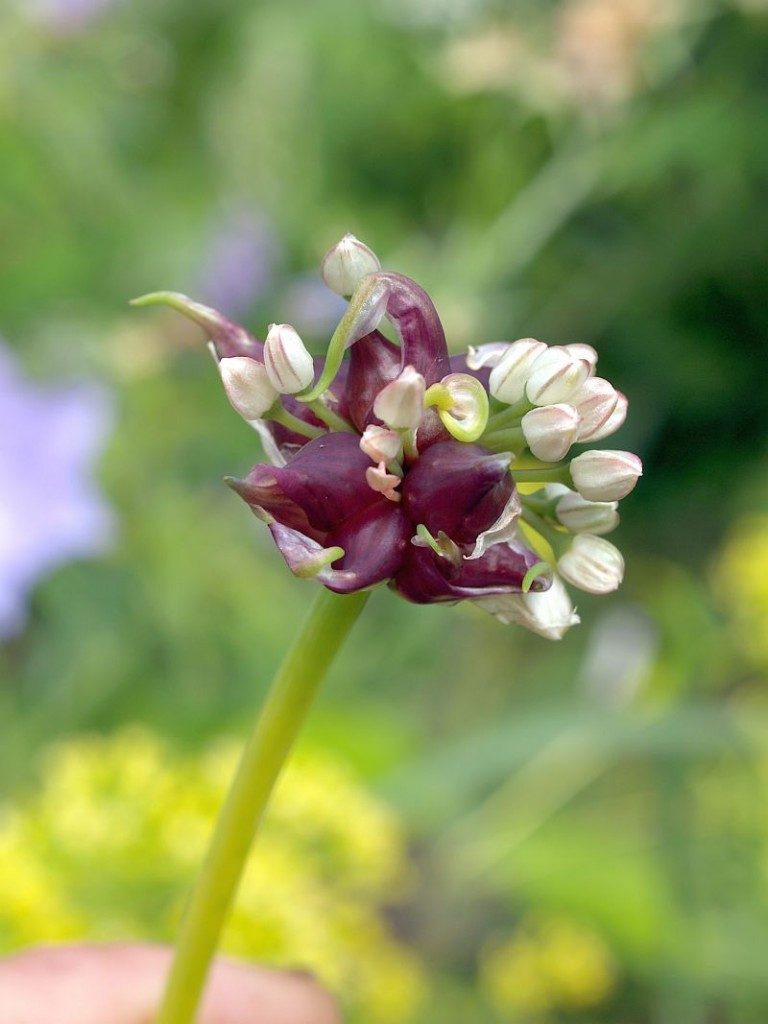
The only time Allium x cornutum flowered in my garden
It turns out that this onion is not related to Allium fistulosum and is classified as a triploid hybrid onion Allium x cornutum which has been found both in Europe (Netherlands, France and Croatia) as well as India from where, it is speculated it may have originated. Like Egyptian onion / walking onion (Allium x proliferum), it is sterile and produces bulbils in its inflorescence. I’ve only experienced flowering of this once in 10 years of growing A x cornutum (see below). 10 years ago, Dr. Reinhard Fritsch had sent me 3 accessions from the German gene bank IPK Gatersleben, but only one of these has proven hardy here, although the French accession survived a few years. The other was from India and died the first winter.
In 2014, an open access paper appeared in the BMC Plant Biology journal (see https://bmcplantbiol.biomedcentral.com/articles/10.1186/1471-2229-14-24). This study combined molecular, phylogenetic and cytogenetic data and provided evidence for a unique triparental origin A. × cornutum with three putative parental species, A. cepa, A. pskemense, and A. roylei. Hardiness is probably bestowed by Allium pskemense which has been growing in the Ringve Botanical Gardens in Trondheim for many years.
I had planted the Croatian accession in the new Allium garden at the botanical gardens in Trondheim a couple of years ago and I started harvesting it the other day as it starts to die back at this time of year and looks untidy:
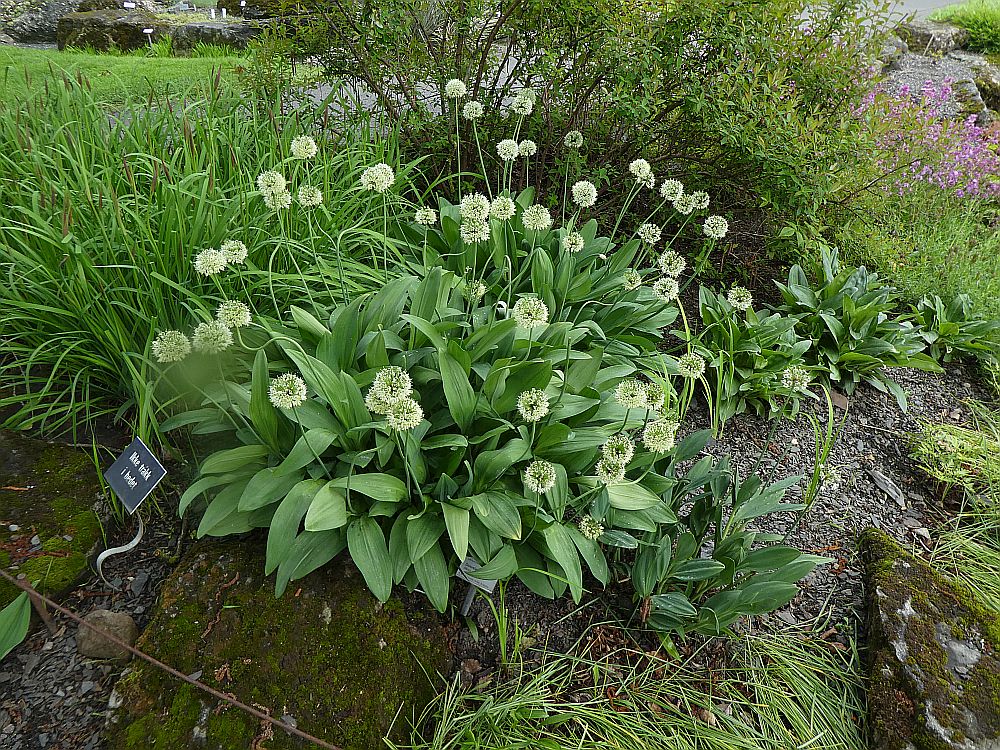
Allium x cornutum in the Allium garden at the Ringve Botanical Gardens in Trondheim.
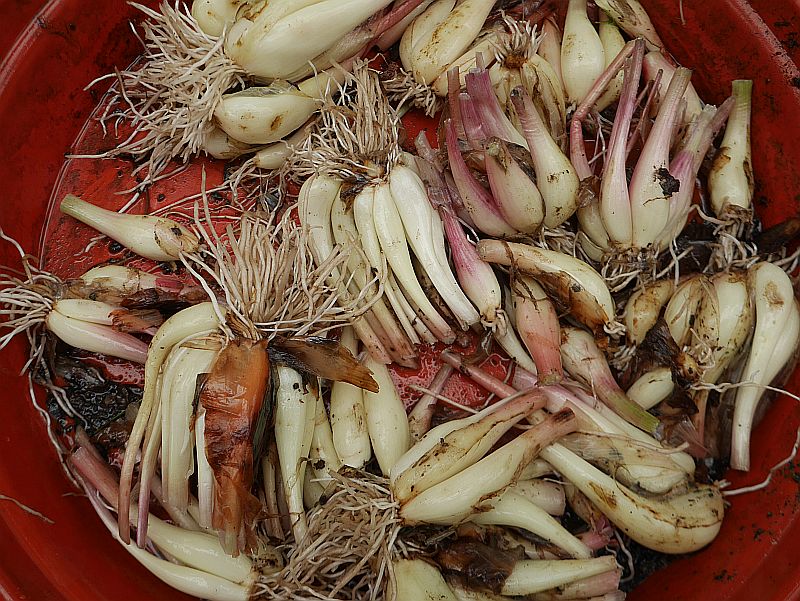
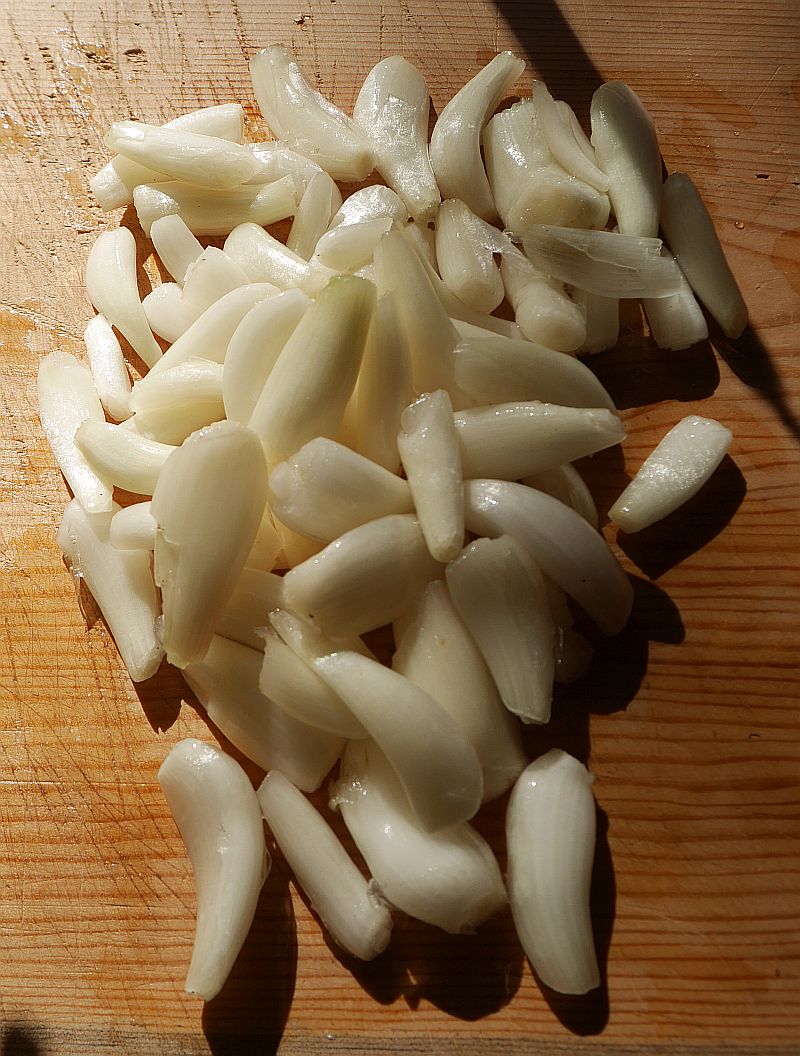
In this little patch, there were an enormous amount of onions, admittedly a bit on the small size, but relatively easy to peel and far outyielding shallots here! I will now harvest these and replant to see how well these yield after one year of growth (I am unsure as to exactly when these were planted, but this may be two years of growth).
There were a large amount of small onions on this small patch.
In Croatia, Puizina, 2013 says: “The term ‘shallot’ in Croatia denotes three genetically and morphologically different, vegetatively reproduced relatives of the common onion, Allium cepa, which are mainly traditionally cultivated for consumption and as a spice: A. cepa Aggregatum group, A. × proliferum and A. × cornutum”. Further, the triploid shallot is “traditionally cultivated in South and coastal Croatia under the name ‘Ljutika’ and it is very popular as a spice and condiment due to its tasty bulbs and leaves”….and “In contrast to most flowering species of Allium in which the leaves are already dying back at flowering time, triploid shallots are perennials, their leaves remain green and suitable for use during entire year”. Ban (2019) shows morphological comparisons of all three types of “shallot” and demonstrates that there are different forms of Allium x cornutum in cultivation, differing in leaf cross-section, bulb shape and leaf waxiness. Bulbs are traditionally preserved in vinegar (Puizina, 2013) as they are difficult to store, resprouting after harvest. It is also stated that A. x cornutum is tolerant of drought and poor soil, enabling it to persist in wild habitats. In fact my own accession of the Croatian shallot originates from such a habitat:
Plant passport data from IPK Gatersleben: “SOURCE – Croatia: Jugoslawien 1985 Dr Hanelt Nr. YUGHAN-85: 5, weedy: Tal zwischen Male Grablje und Milna, offengelassene Olivenpflanzung” (valley between Male Grabje and Milna, open olive plantation). This area has a very different climate than Trondheim, indicating that this is also a very adaptable onion.
The real St. Jansuien shallot from the Netherlands has now also been planted in the onion garden in Trondheim.
I will be making Johannes’ shallots (Sankthans-sjalott) available to members of Norwegian Seed Savers (KVANN) through our autumn catalogue (membership can be had by signing up here: https://kvann.no/bli-medlem . My grandson will also get a packet of onions for his birthday (but, don’t tell him yet…I want it to be a surprise ;) )
References
Ban, S.J., 2019. Samples included in DNA analysis. SafeAlliDiv meeting, Olumuc, April 2019 (Symposium presentation).
Puizina, J., 2013. Shallots in Croatia – genetics, morphology and nomenclature. Acta Bot. Croat. 72 (2), 387–398.
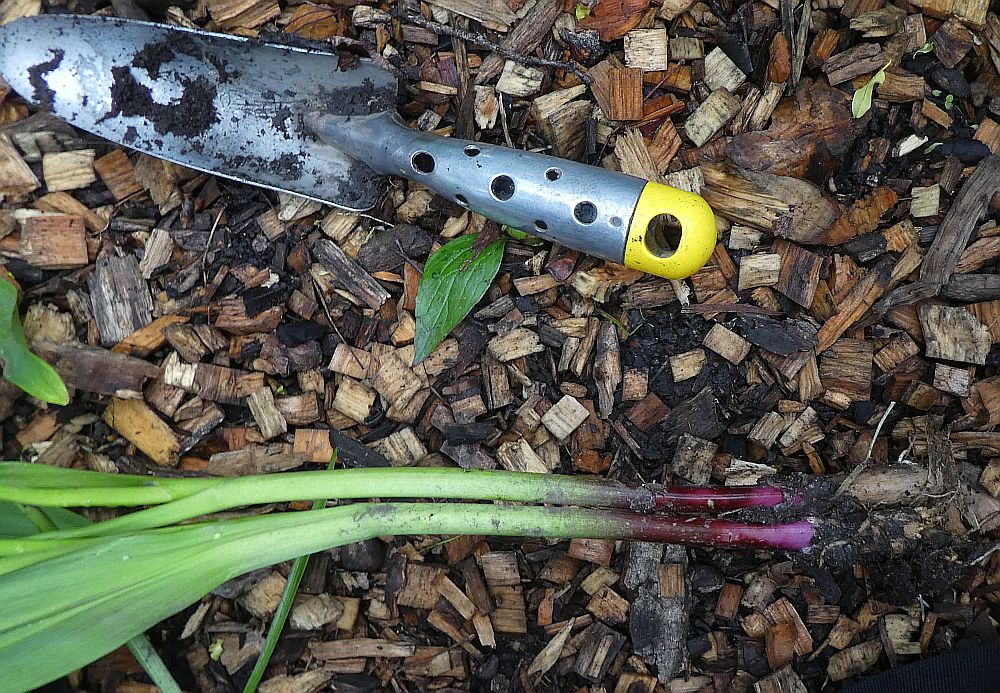
My new life is as a “visiting onion researcher” at the Ringve Botanical Gardens in Trondheim where I’m developing an Allium garden to be officially opened later in the summer! One of the perks is to have access to collections in other botanical gardens on an exchange basis. I visited the Oslo Botanical Gardens last week (June 2019) and I was given a spade and given permission to take a few of whatever onions I wanted! Not having accession data available I took a few of most onions I found. On the way out of the gardens with bags of onions and rucksack with various Allium victorialis sticking out of the top, a couple approached me and the man says “Det var en god fangst!” (That’s a good catch!) ;)
I now have the accession data and am sorting out which ones are interesting enough to keep!
I’ve also promised to correct some of the mistakes as several were clearly wrongly labelled!
12th June: Added pictures of a few more edibles!
On the way out of the gardens with bags of onions and rucksack with various Allium victorialis sticking out of the top, a couple approached me and the man says “Det var en god fangst!” (That’s a good catch!!) ;)
On the way out of the gardens with bags of onions and rucksack with various Allium victorialis sticking out of the top, a couple approached me and the man says “Det var en god fangst!” (That’s a good catch!!) ;)
One of the roof onions (Allium fistulosum) found on old turf roofs in the Gudbrandsdalen valley, originally collected by Vibekke Vange, now leader of the Ringve Botanical Gardens!
New large beds displaying some Norwegian onions: Allium fistulosum (Welsh onion / pipeløk)
New large beds displaying some Norwegian onions: Allium ursinum ( ramsons / ramsløk)
New large beds displaying some Norwegian onions: Allium victorialis ( victory onion / seiersløk)
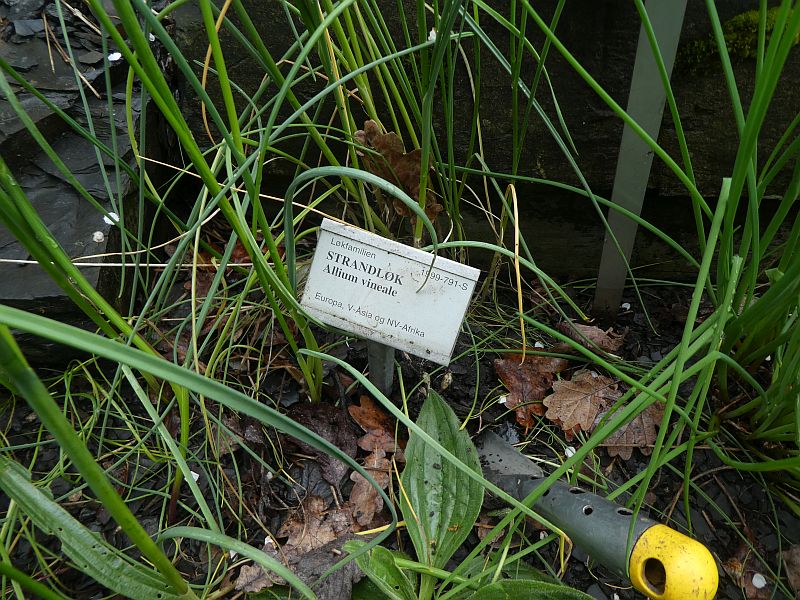
Wild onions found around Oslo on the “Oslorygg” garden – Allium vineale and Allium ursinum (both from the island Malmøya in the Oslo Fjord)
Allium vineale
One of several accessions of Allium victorialis
This one only had an accession number, but looks like Allium carolinianum (from the Himalayas)
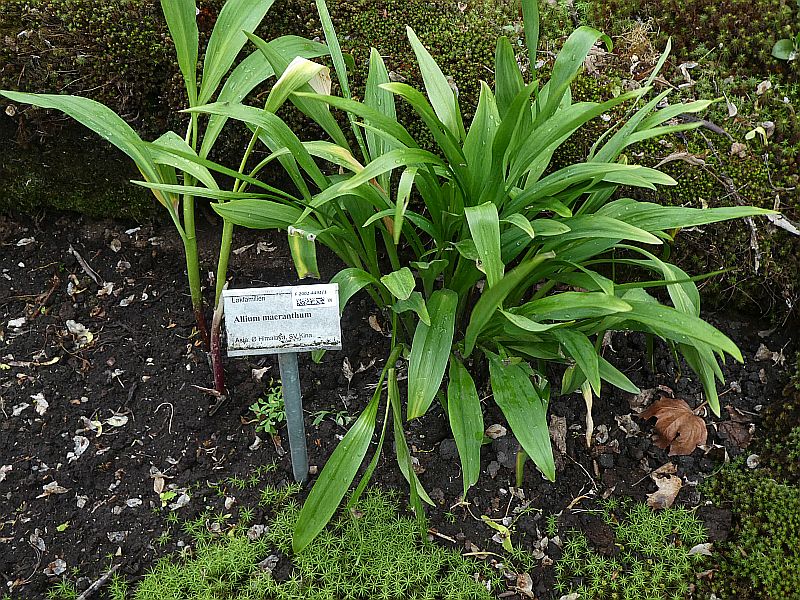
Not Allium macranthum…this also looks like Allium victorialis (from Bhutan)
Not Allium macranthum…this also looks like Allium victorialis (from Bhutan)
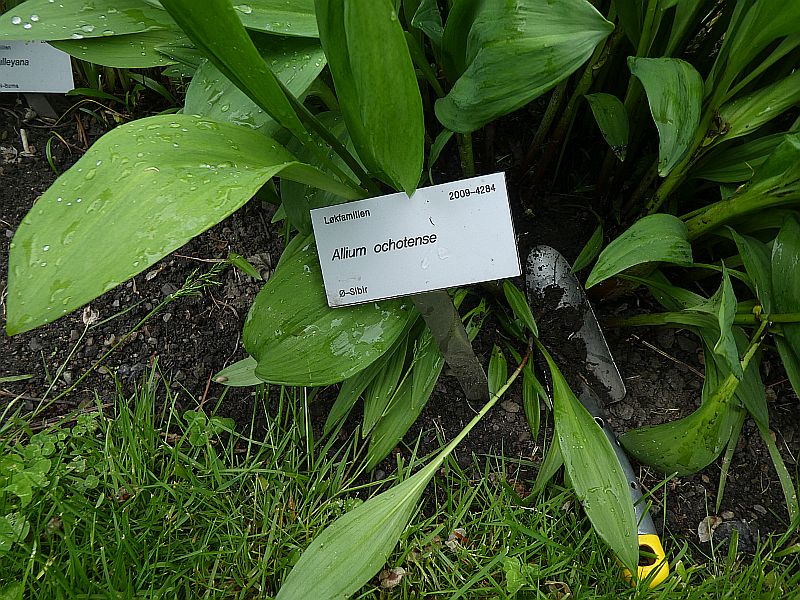
One of two accessions labelled Allium ochotense (synonymous with Allium victorialis subsp. platyphyllum)
Allium nutans (originally from Hortus Botanicus Austro-Sibiricus in Barnaul, which is in the Altai Krai, Russia)
Allium nutans (originally from Hortus Botanicus Austro-Sibiricus in Barnaul, which is in the Altai Krai, Russia)
Another victorialis
This looks like Allium karataviense
In the Systematic garden are two nice specimens of Allium victorialis and Allium fistulosum growing next to each other …. The fistulosum features in my book (Fig. 421)
Allium victorialis in the systematic garden
This fistulosum in the systematic garden features in my book (Fig. 421)
Allium lusitanicum (previously Allium senescens ssp. montanum) collected as seed at one of the few Norwegian sites! This is the only Norwegian wild species accession missing in the Ringve garden!
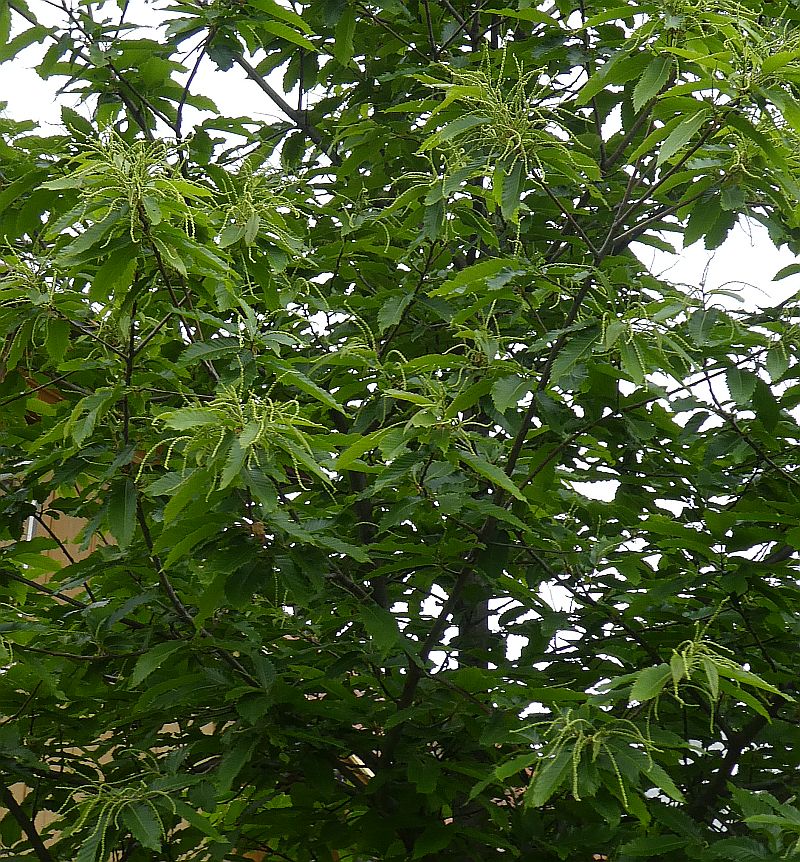
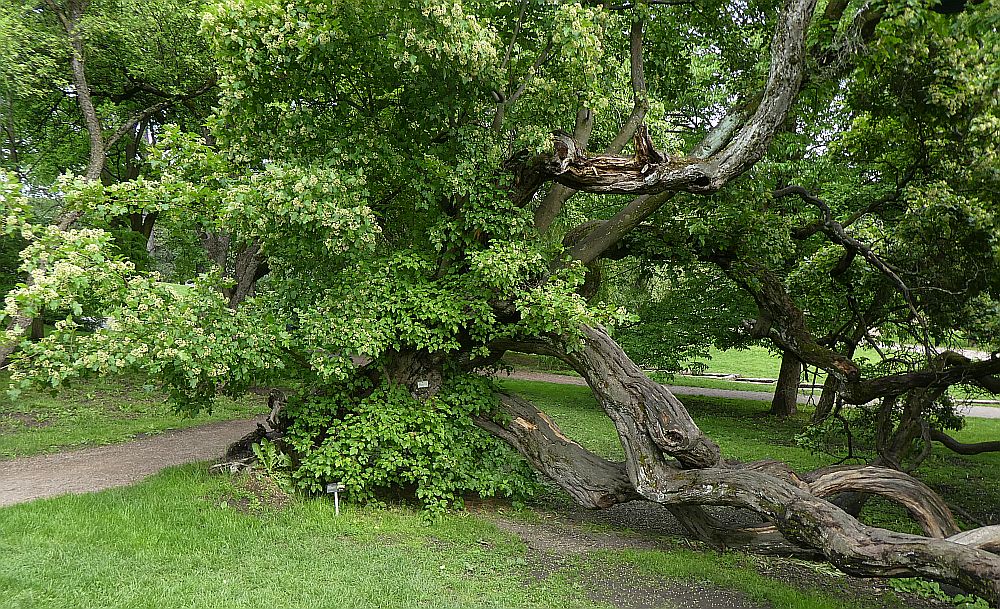
Tøyen’s sweet chestnut (Castanea sativa) is now in flower
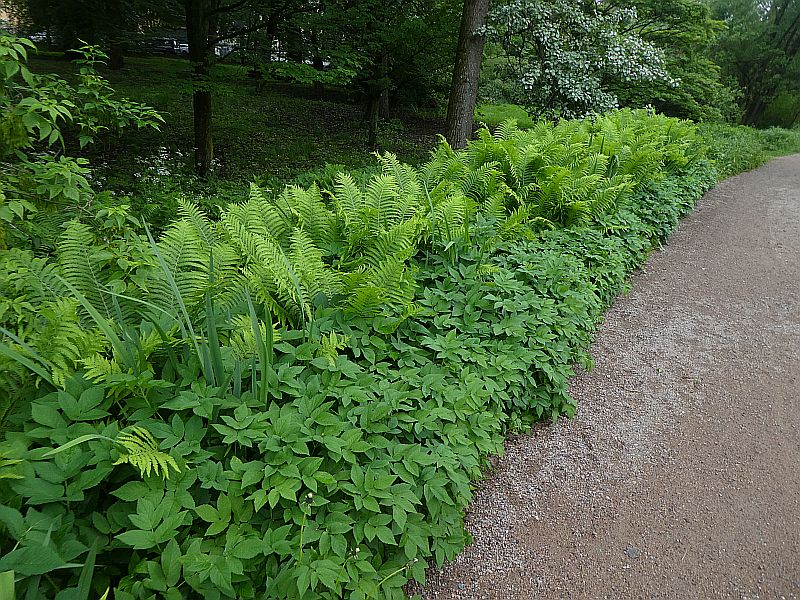
Nice combination of ground elder (skvallerkål) and ostrich fern (strutseving)e
Nice combination of ground elder (skvallerkål) and ostrich fern (strutseving)e
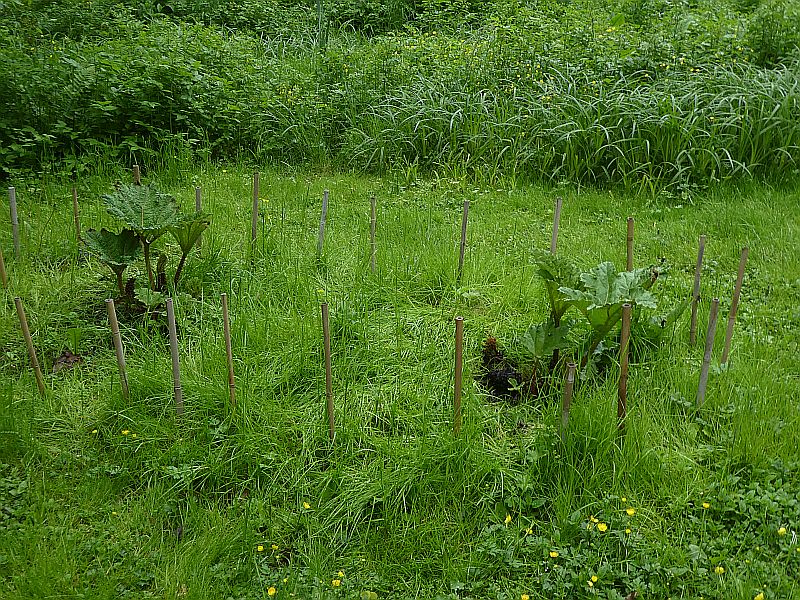
Newly planted Gunnera tinctoria
Yucca glauca with flower buds. Is this the time that they are eaten (in salads)?
Yucca glauca with flower buds. Is this the time that they are eaten (in salads)?
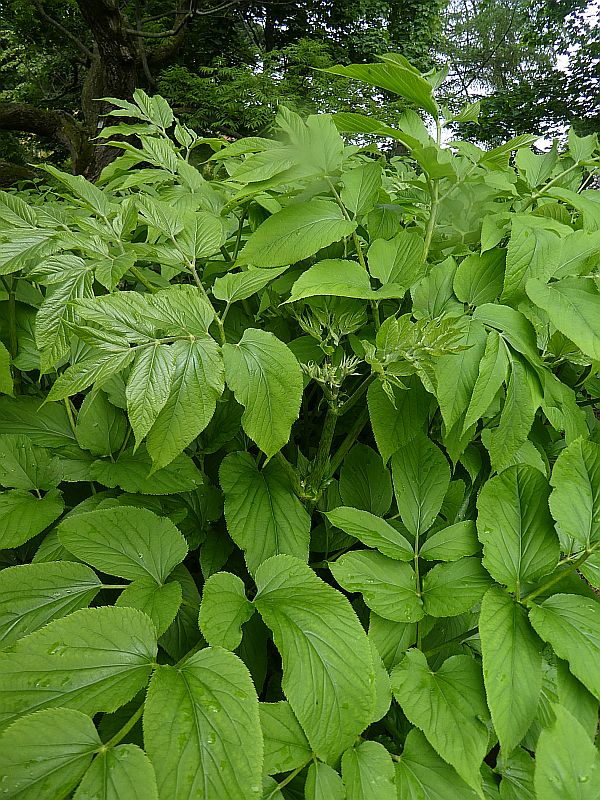
Tøyen has a nice specimen of Sakhalin-udo (Aralia cordata var. sachalinensis)
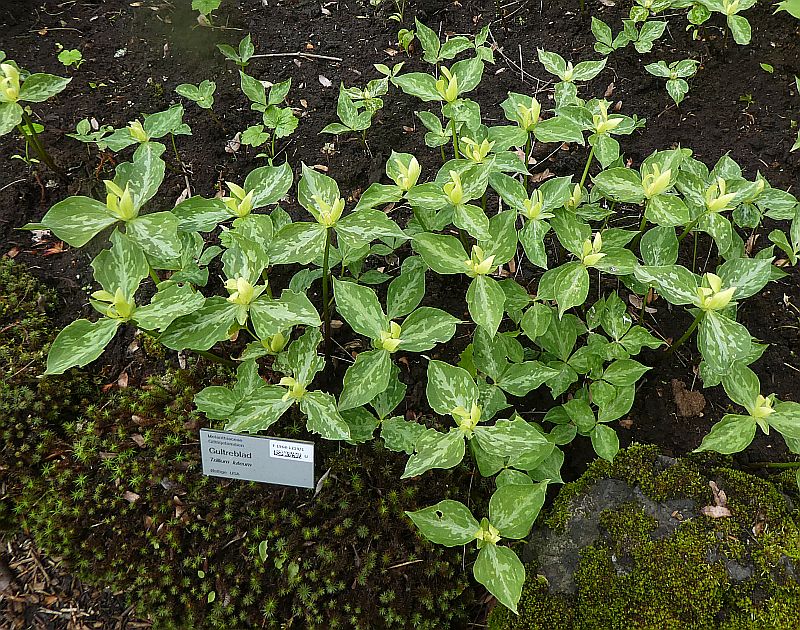
Tøyen has a nice collection of Triliums:Trillium lutea
Trillium lutea
Trillium sessile
Cornus canadensis
Variagated Camassia quamash
Camassia
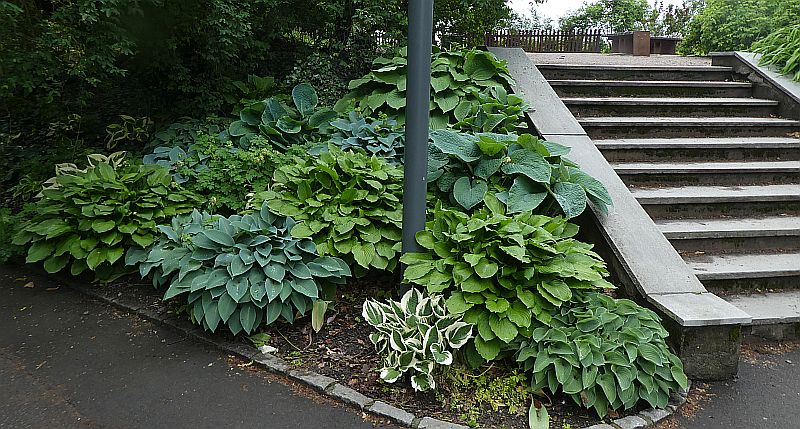
Nice collection of Hosta
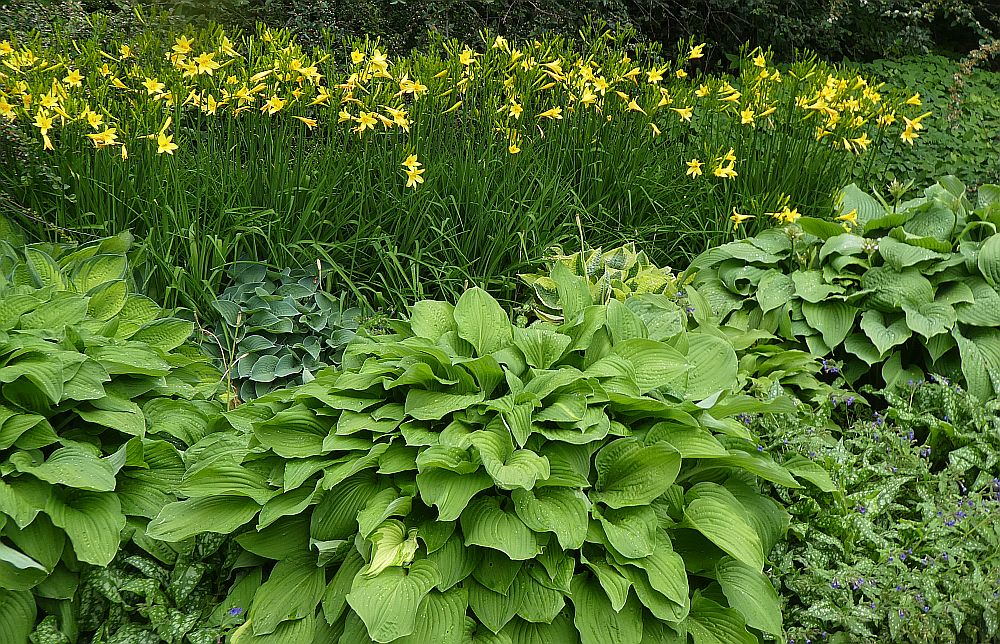
Hosta and Hemerocallis
Aralia cordata (udo / staudearalia) in the systmatic garden
Hablitzia with (behind) a large specimen of Chenopodium bonus-henricus
Chenopodium bonus-henricus
Acer ginnala (Siberian maple) was in full flower
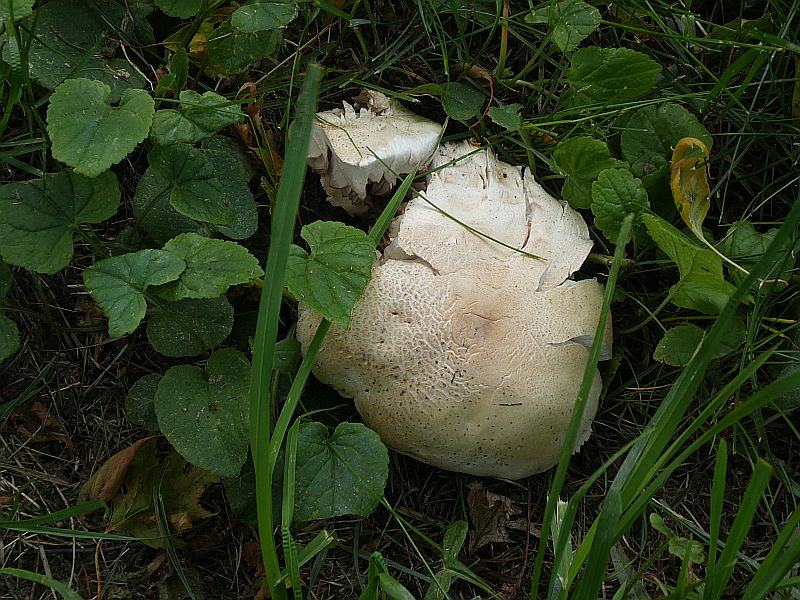
Agaricus
Perennial vegetables, Edimentals (plants that are edible and ornamental) and other goings on in The Edible Garden