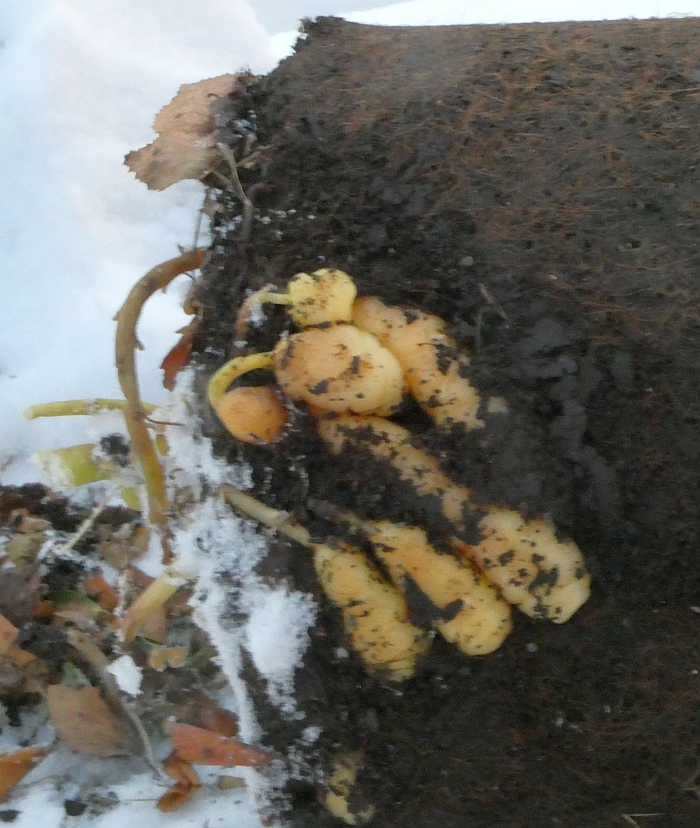
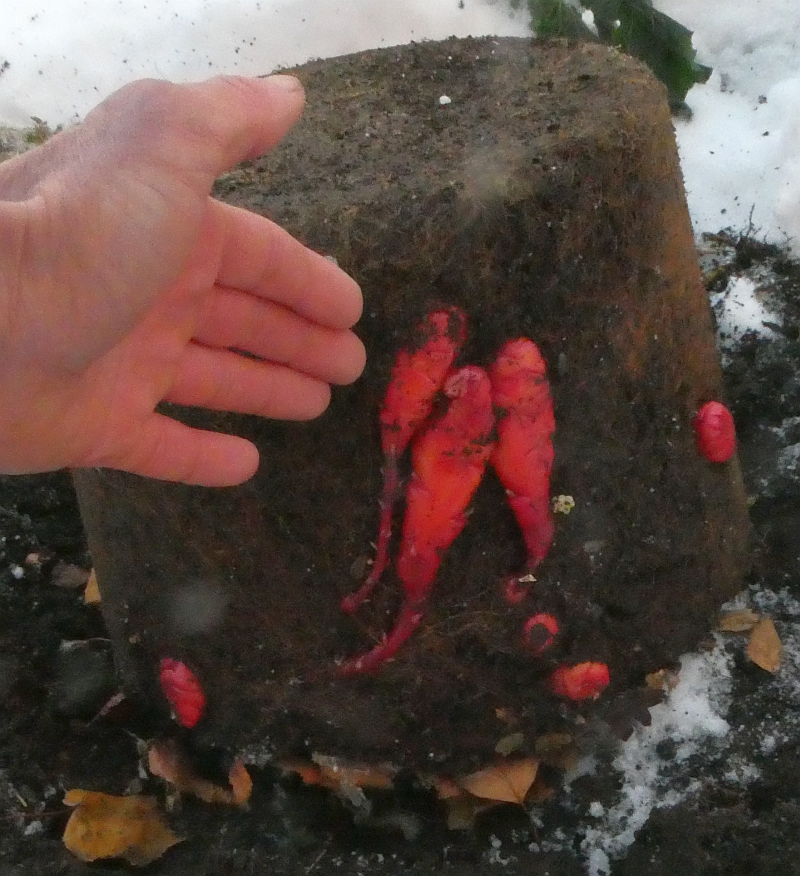
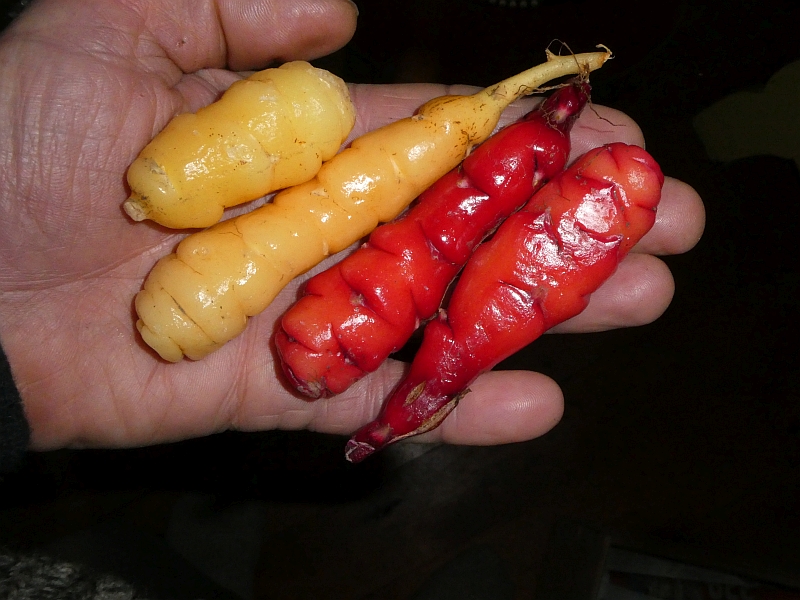
Xmas isn’t Xmas without Oca and a hoard of other tubers, served with the traditional nut roast. Pre-xmas preparations includes the annual oca harvest. Oca (Oxalis tuberosa) is a short day root crop hailing from the central and southern Andes. When harvested at the first frosts, yields are poor, the plants needing a long mild autumn to fatten up the tubers for the festive season. I therefore grow my oca in large buckets which we bring into the extension to the house at the first hard frosts which was late October this year. We don’t heat the extension which is normally a fairly constant 5-10C in winter and hence a good place to store vegetables and other plants like my bay tree (Laurus nobilis). There’s no sunlight and I don’t use artificial light so there’s no diurnal variation in temperature either. The oca plants don’t grow vegetatively, but miraculously the tubers do grow over the few weeks to harvest:
There’s some variation in tuber colour which I select for
The house extension where I store the oca in their pots until Xmas
The house extension where I store the oca in their pots until Xmas
I had to go to Stjørdal this morning to renew my driver’s license. I took the bus there and returned with the train along the fjord to Trondheim as I needed to go to the botanical garden, a distance of about 34 km…and this beautiful train journey only costs kr 42, the same price as taking the bus anywhere in Trondheim!
This video shows a short stretch from Haugan to Malvik and the last few seconds shows my red house on the hill!
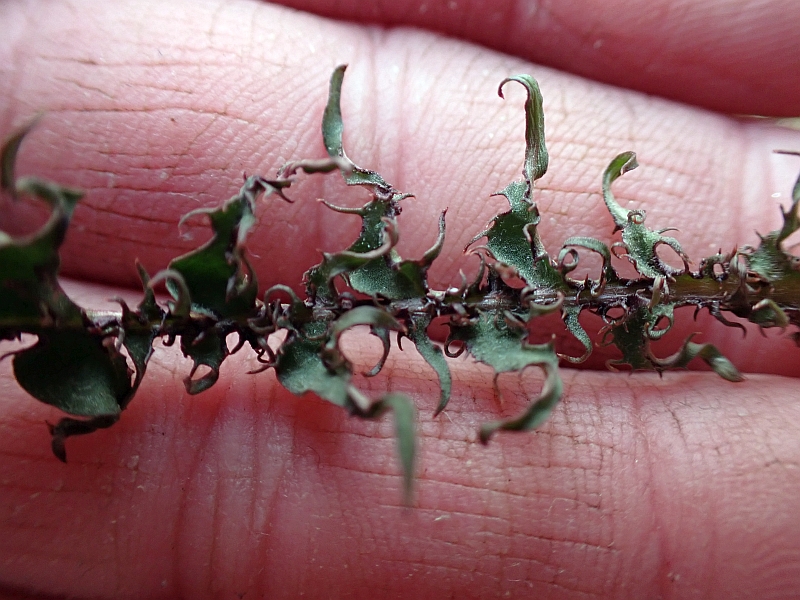
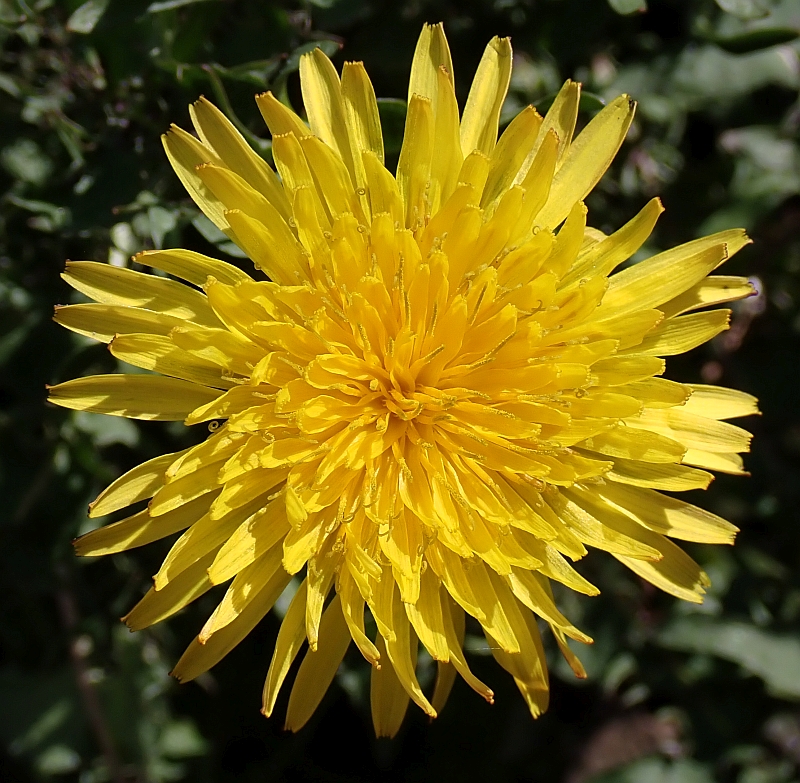
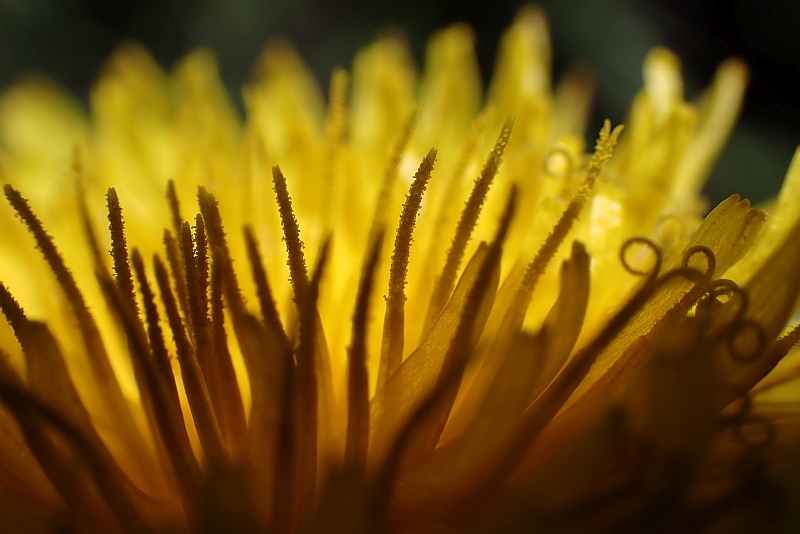
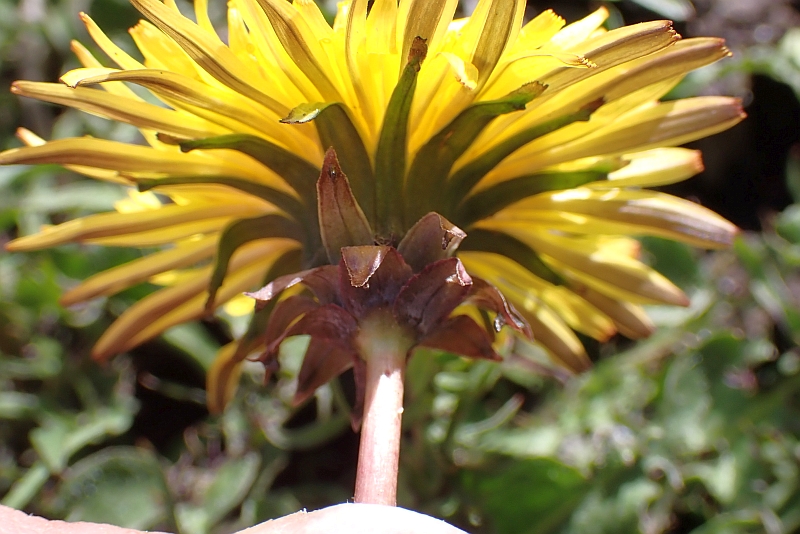
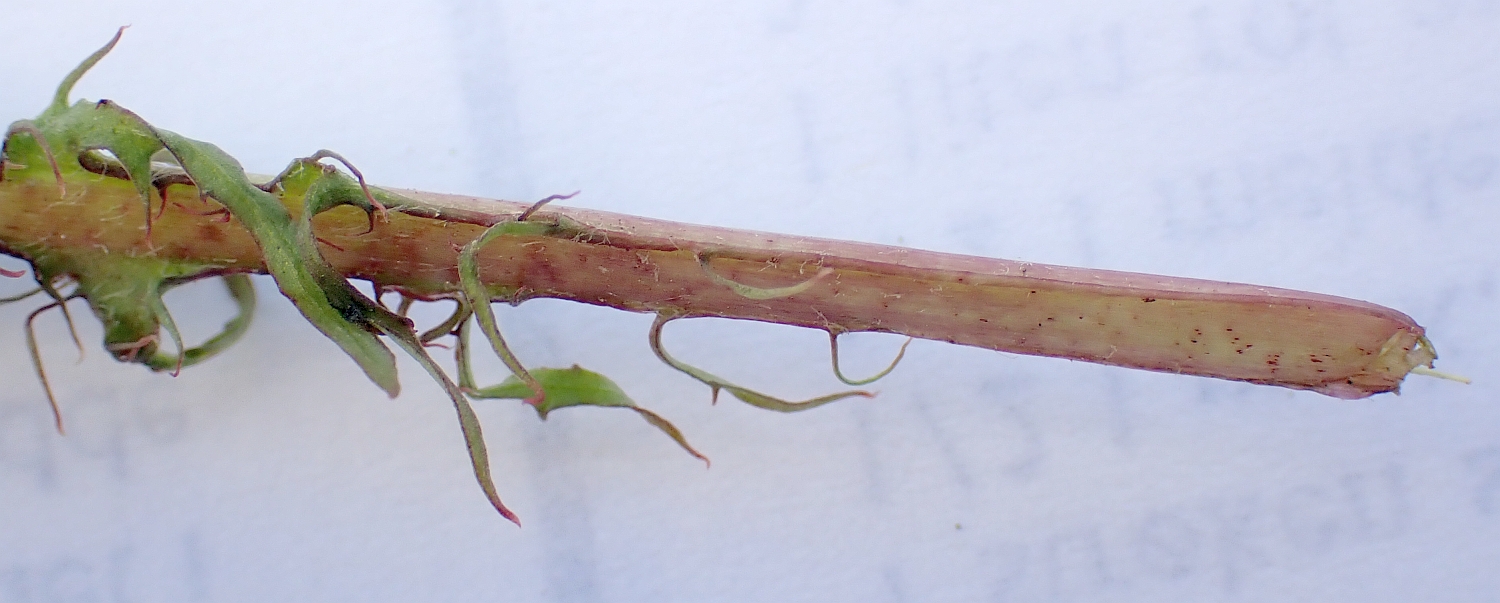
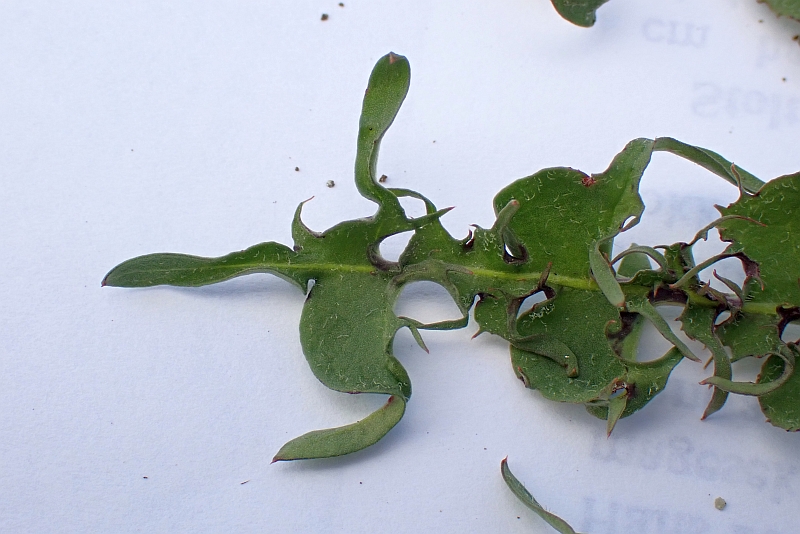
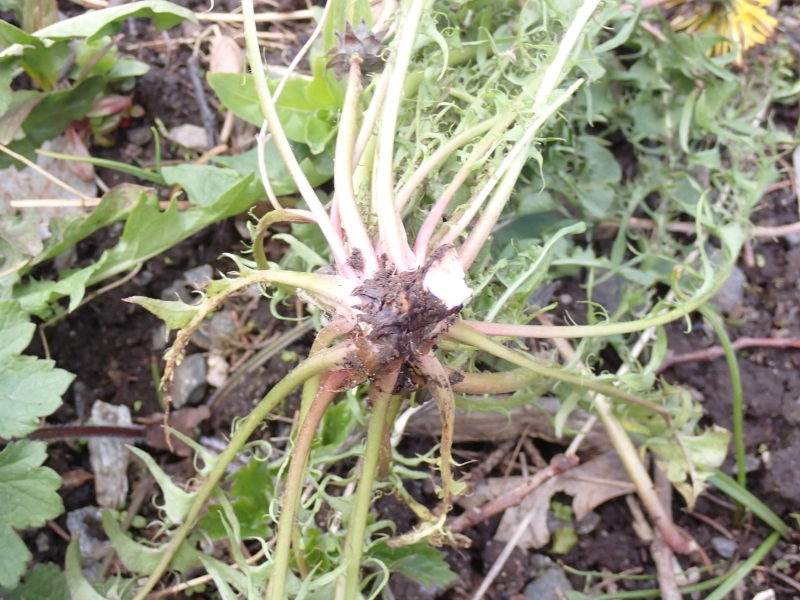
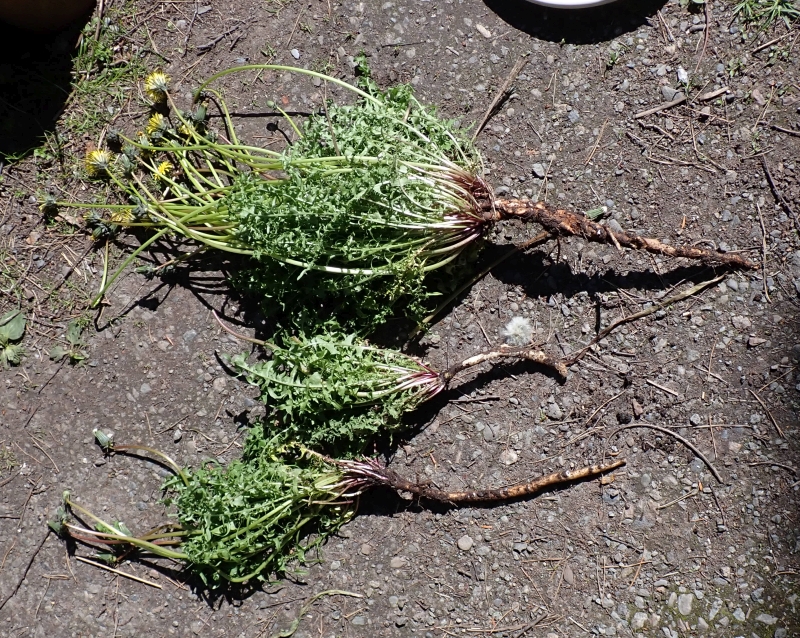
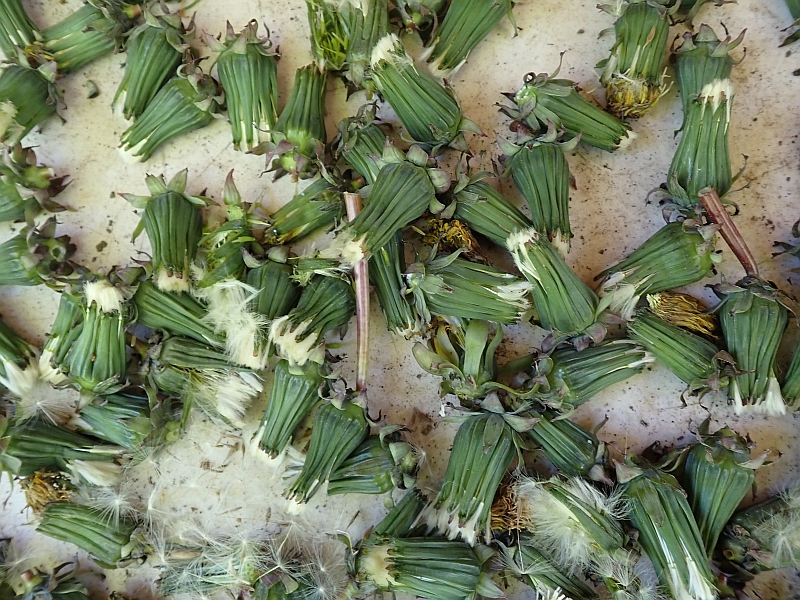
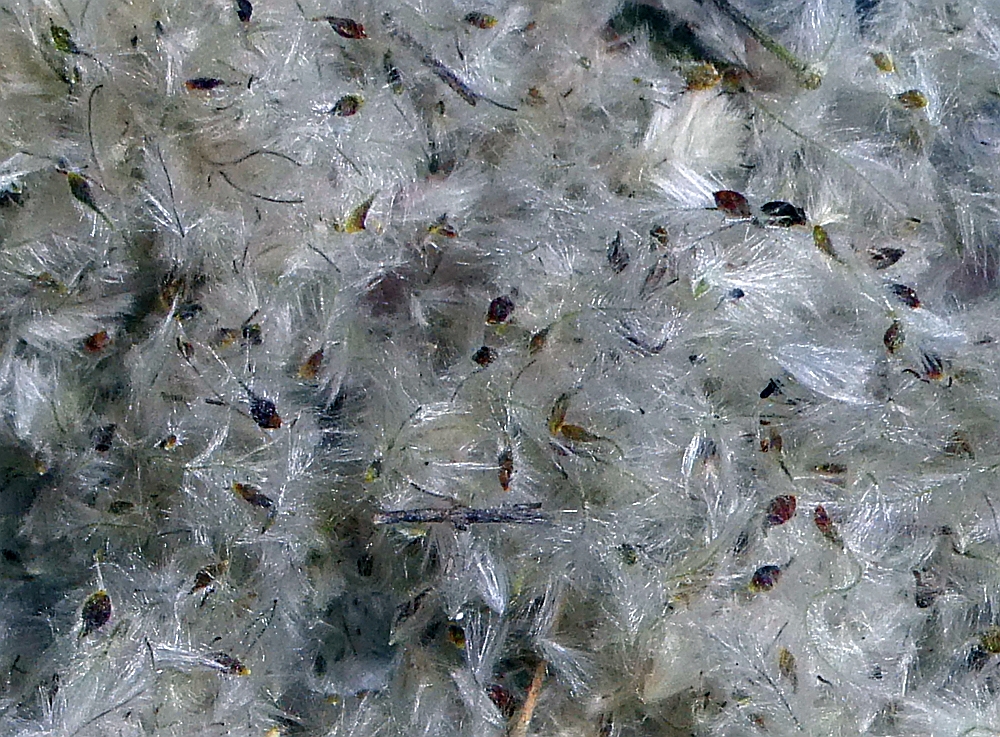
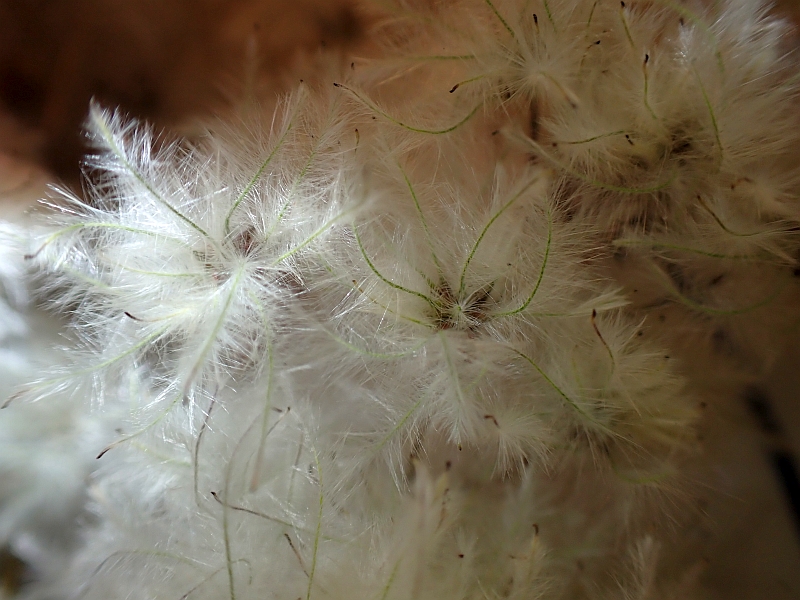
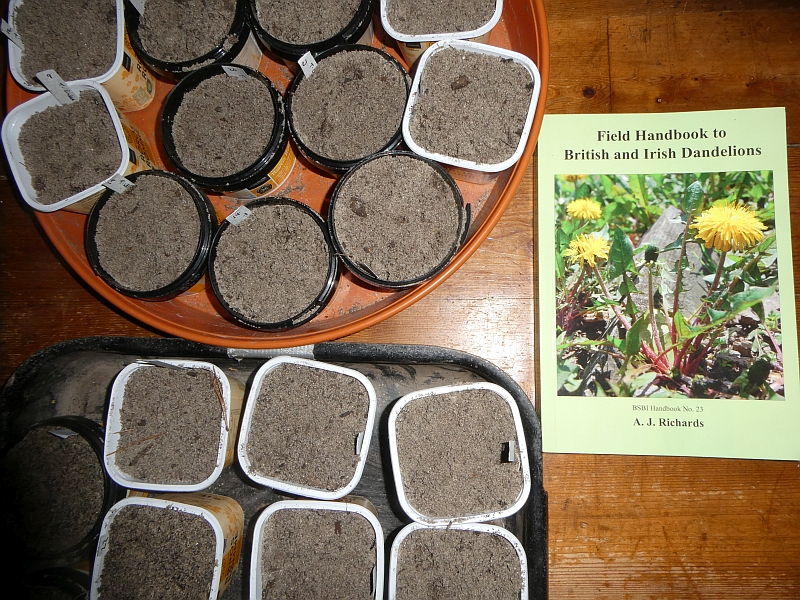
Earlier this year I bought the Field Handbook to British and Irish Dandelions by A.J. Richard which contains descriptions, photos and keys for all 239 known UK and Irish species, a book written during Covid lockdown! I was curious to go deeper into the world of dandelions and to hopefully identify the various species I have in my garden and area around apart from the obvious moss-leaved dandelion (is this really Taraxacum sublaciniosum?), the pink flowered dandelion (Taraxacum pseudoroseum) and white-flowered species like Taraxacum albidum. And what about some of the historical cultivars such as the French cultivar “Pissenlit Coeur Plein Ameliore”. What species is this? Inspired by the book, I set about taking detailed photographs of about 40 different dandelions at home and at the Væres Venner community garden with the thought to have a proper look and try to key them out during the winter months. I did try one species but it was daunting and they may not be species found in the UK. I have introduced quite a few cultivated and wild Taraxacum species in the garden over the years. I also joined a couple of specialist Taraxacum groups on FB. There I met Alex Prendergast in Norwich who kindly sent me seed of 25 mostly identified species! Having the answer for species that I could grow and have before me should hopefully help me keying out some of my species! I finally got round to sowing these dandelions today; see the album below. At the very bottom are detailed pictures for one species, the moss-leaved dandelion, which I’ve learned are necessary for dandelion identification.Detailed photos of the moss-leaved dandelion, so far known as Taraxacum sublaciniosum
Clematis vitalba (old man’s beard / tysk klematis) is an important wild edible in Italy (young shoots which must be cooked) and also one of the most attractive plants in my garden for hoverflies and other pollinators! Saving seed this week from my 20+ year old seed propagated plant which provides me with a lot of entertainment (hoverfly watching on my balcony)!
A small flock of Waxwings (sidensvans) finally arrived at the end of November and have been foraging in the garden since (rowans / rogn failed this year). In these videos, they are eating apples, elderberry and guelder rose berries (epler, svarthyll and krossved). I’ve heard tawny owl (kattugle) calling in the garden regularly recently too and the last video is a recording of one calling.
We were entertained yesterday by 3 white-tailed eagles (havørn) flying low over the bay and two sat for some time on trees on Malvikodden on the other side of the bay, about 700m away, hence rather poor resolution film.
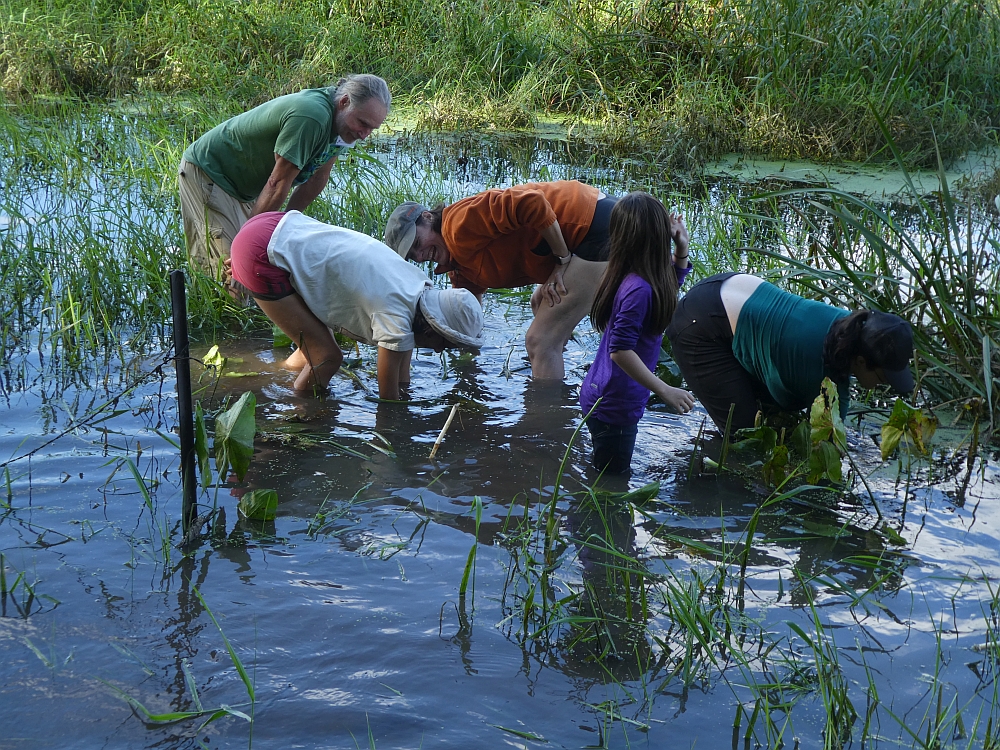
As I mentioned in my post about harvesting wapato in my garden a couple of days ago, I attended the Midwest Wild Harvest Festival in Wisconsin in September 2019 to do the keynote and a couple of talks and was lucky enough to be able to attend Sam Thayer’s Wetland Plant Hike along the Mississippi during which the highlight was the demonstration of wapato harvest. There had been record flooding that spring on the Mississipi and water levels were still high which meant that the places where Sam normally harvested were too deep. However, he did find a small patch to demonstrate harvesting techniques. As Sam mentions, this is how Canada geese do it! Did I mention that I rate Sam’s 3 books above all other books on wild edibles! His book The Forager’s Harvest has 16 pages on wapato! See the videos and pictures below:
When I attended the Midwest Wild Harvest Festival in Wisconsin in September 2019, I was lucky to be able to attend Sam Thayer’s Wetland Plant Hike along the Mississippi during which the highlight was the demonstration of wapato harvest. Look out for the video I took that day in a post in the next few days. Earlier this week found me harvesting my own wapato, grown in large tubs in the garden….an altogether more invigorating experience, the gardener’s equivalent to winter fjord bathing, as the water temperature was only about 1C (and the following day the water was frozen); I had planned to try locating the tubers by feet the next day, but (fortunately) the thick ice made that difficult (OK, I’m a wimp as I could have broken through the ice with a pick axe ;)) I’m growing both North American wapato (Sagittaria latifolia; picture) and Chinese arrowhead tubers (Sagittaria trifolia) which were originally shop bought.
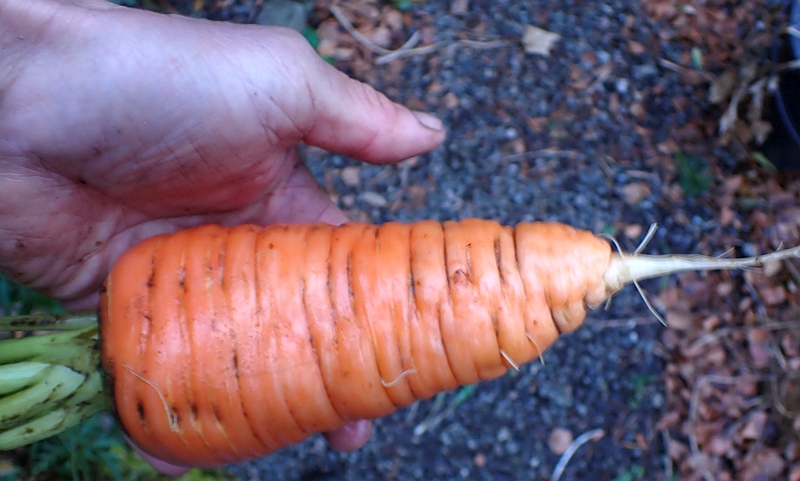
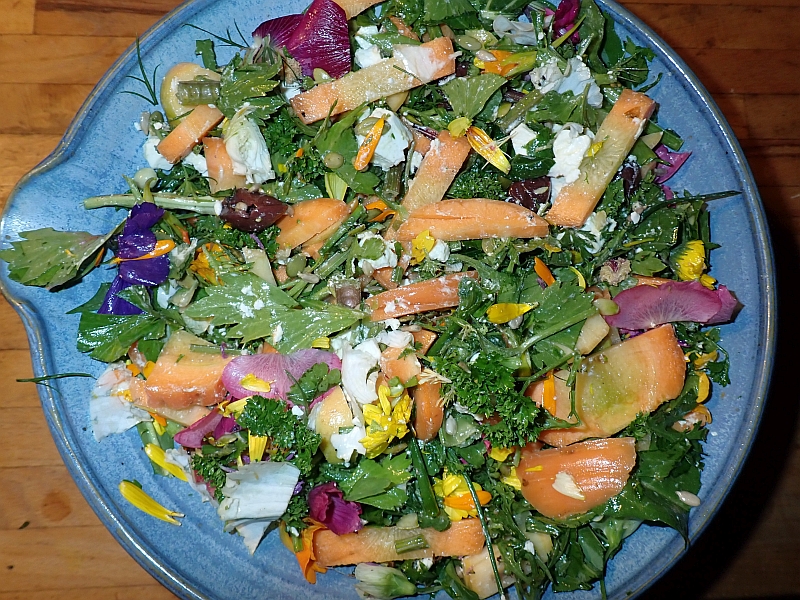
I was going to post an album of pictures showing off all the late flowers in the garden this record-breaking mild autumn still without any frost, but as they’re all edible I made a salad instead! There were 33 different edible flowers (see the list below the pictures) plus 30-40 greens and a whopper carrot which I decided to keep whole as a feature! It was cut up when the salad was tossed afterwards. It has a story too as it is one of the Danish accessions rematriated from Seed Savers Exchange (SSE) in the US last winter. I took a few seed before sending the rest on to Danish Seed Savers (Dansk Frøsamlerne). It’s called Kämpe which means Giant in Swedish/Danish (I call it Whopper as it’s probably the biggest/thickest carrot I¨’ve grown here). It’s not a very old variety and SSE informed that it was a cultivated variety originally from the Swedish seed company Weibulls. Anyone know more about it? Salad flowers, all harvested from the garden Salvia (blackcurrant sage / solbærsalvie) Fuchsia magellanica Hemerocallis “Stella de Oro” Taraxacum spp. (dandelion / løvetann) Rubus fruticosus (blackberry / bjørnebær) Papaver somniferum (opium poppy / opium valmue) Viola altaicum Campanula persicifolia (peach-leaf bellflower / fagerklokke) Sonchus oleraceus (common sow-thistle / haredylle) Glebionis coronaria (chopsuey greens / kronkrage) (3 varieties) Daucus carota (carrot / gulrot) (unopened flower umbel) Geranium sanguineum (bloody cranesbill / blodstorkenebb) Brassica oleracea (kale / grønnkål) Oenothera biennis (evening primrose / nattlys) Begonia Malva moschata (musk mallow / moskuskattost) (white and pink flowered) Malva alcea (hollyhock mallow / rosekattost) Monarda fistulosa (wild bergamot / rørhestemynte) Monarda “Elsie Lavender” Calendula officinalis (pot marigold / ringblomst (2 varieties) Campanula trachelium (nettle-leaved bellflower / nesleklokke) Calamintha nepeta (lesser calamint / liten kalamint) Tropaeolum majus (nasturtium / vanlig blomkarse) (2 varieties) Pisum sativum (garden pea / ert) Origanum spp. (wild marjoram / bergmynte) (2 varieties) Campanula lactiflora Alcea rosea (hollyhock / stokkrose) Tragopogon pratensis (Jack-go-to-bed-at-noon / geitskjegg)
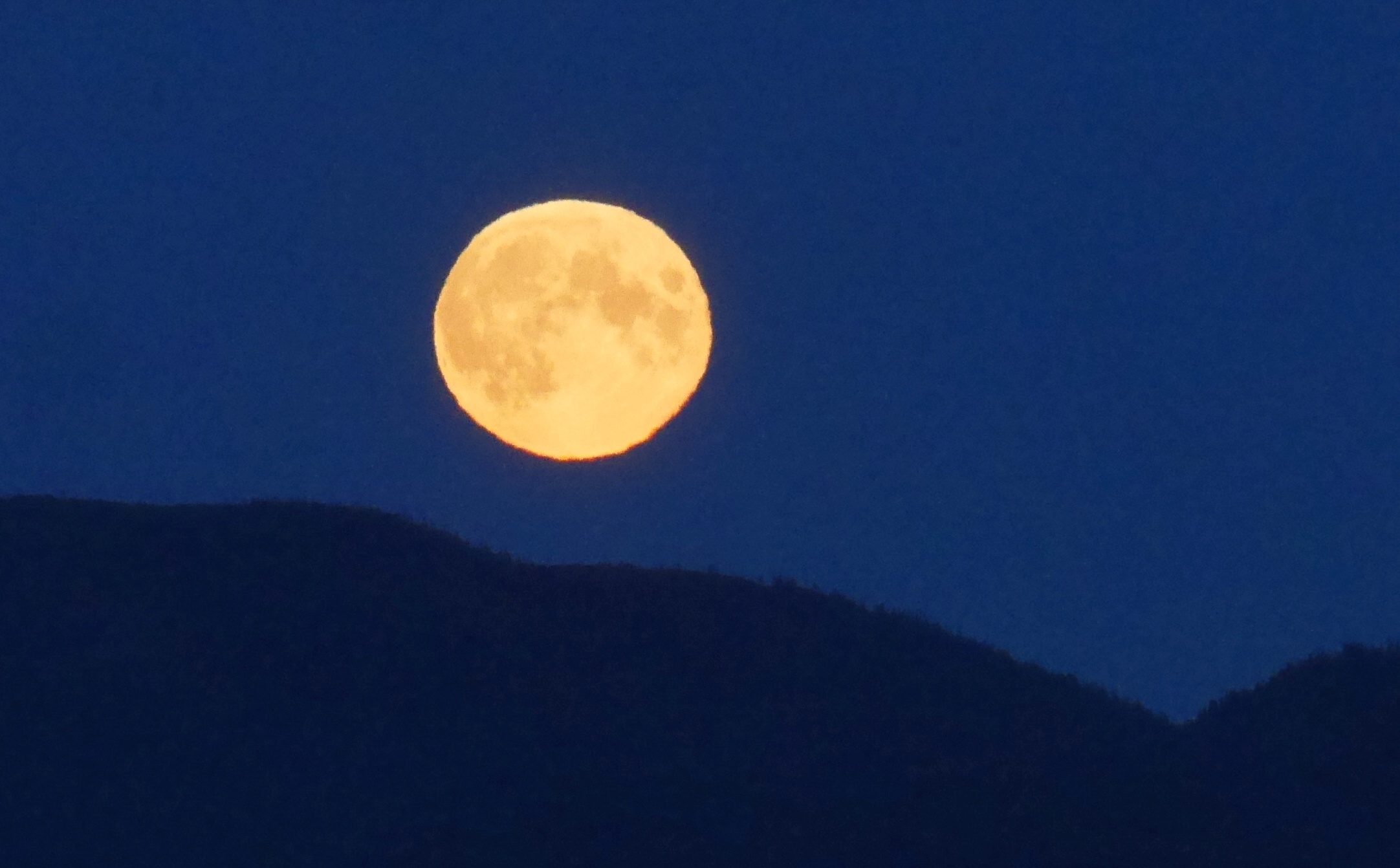
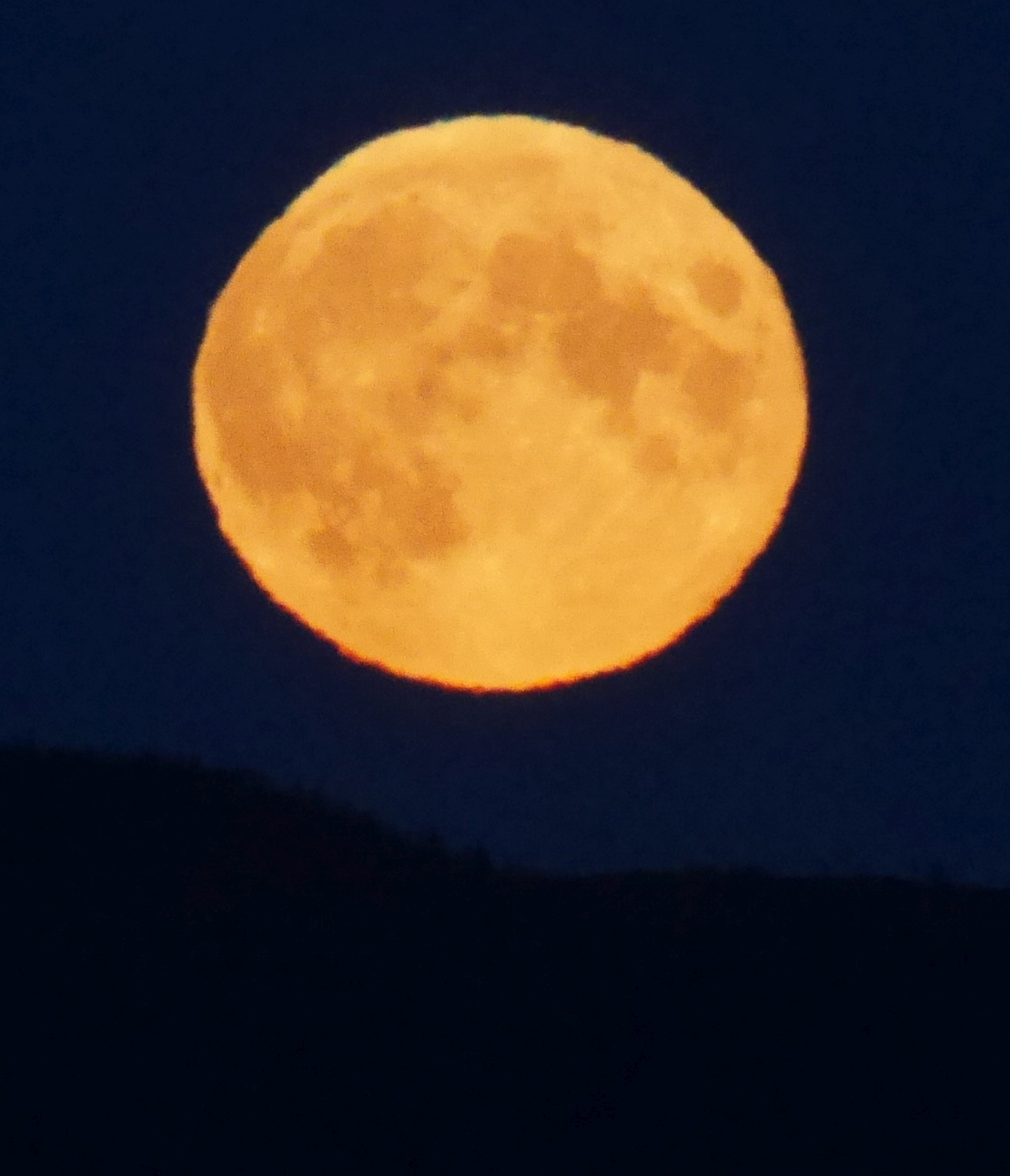
I was working in the garden late this afternoon harvesting Jerusalem artichokes (jordskokk), Scorzonera and burdock (borre) roots and I noticed the full moon rising over the mountain Forbordsfjellet on the other side of the fjord!
Perennial vegetables, Edimentals (plants that are edible and ornamental) and other goings on in The Edible Garden






 Detailed photos of the moss-leaved dandelion, so far known as Taraxacum sublaciniosum