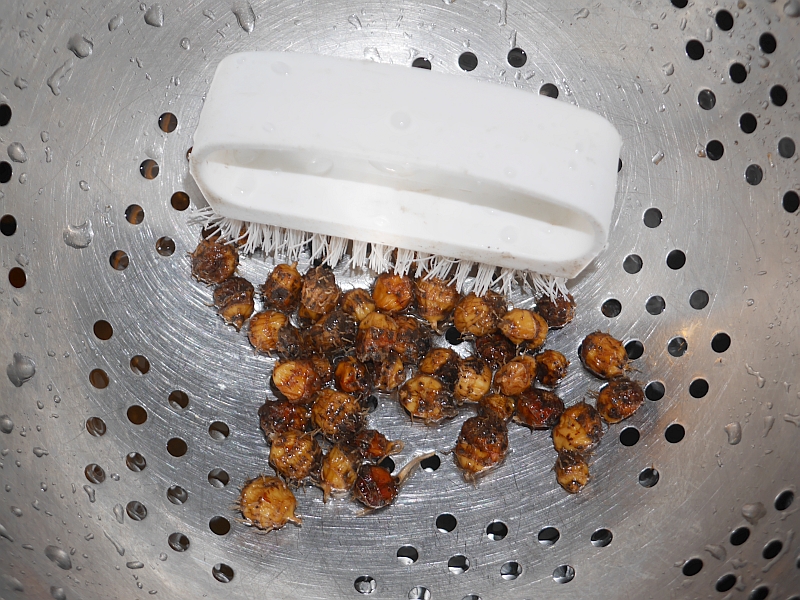
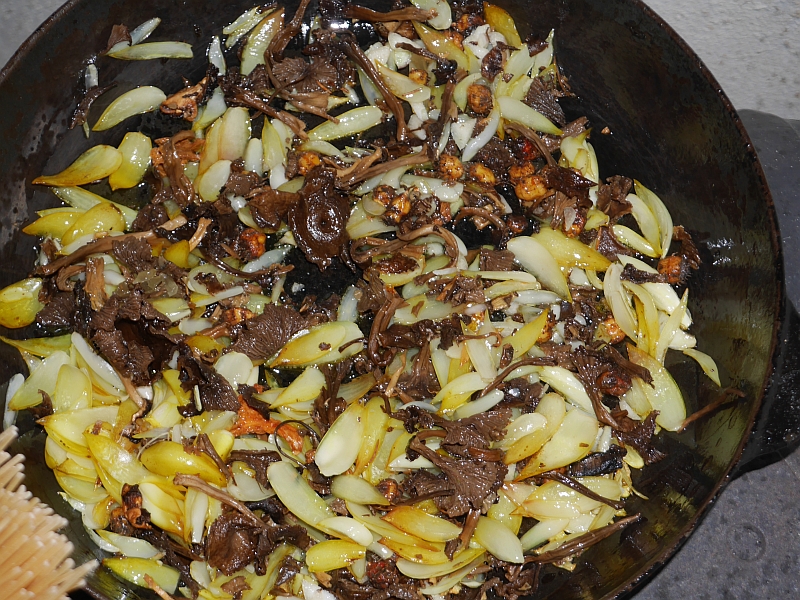
I got this as Erythronium dens-canis “Snowflake” but the petals aren’t pure white, presumably seed propagated..
Leaves, flowers and bulbs of Erythroniums have been used traditionally…


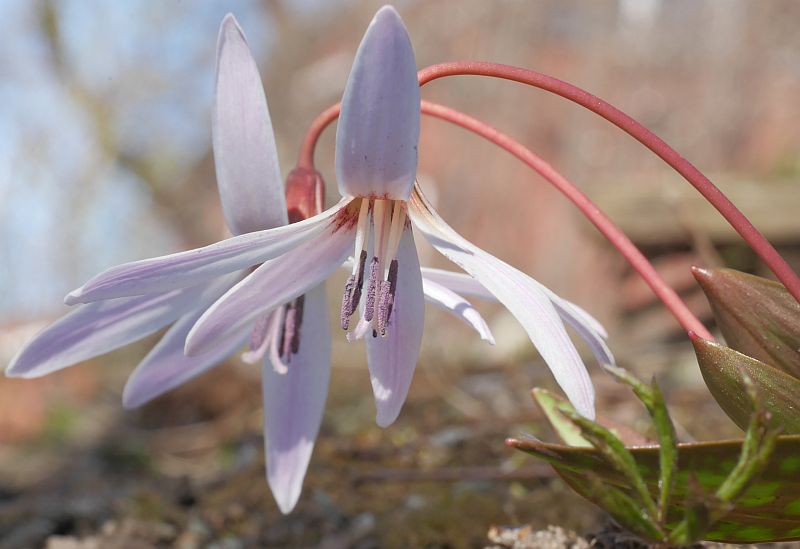

I got this as Erythronium dens-canis “Snowflake” but the petals aren’t pure white, presumably seed propagated..
Leaves, flowers and bulbs of Erythroniums have been used traditionally…
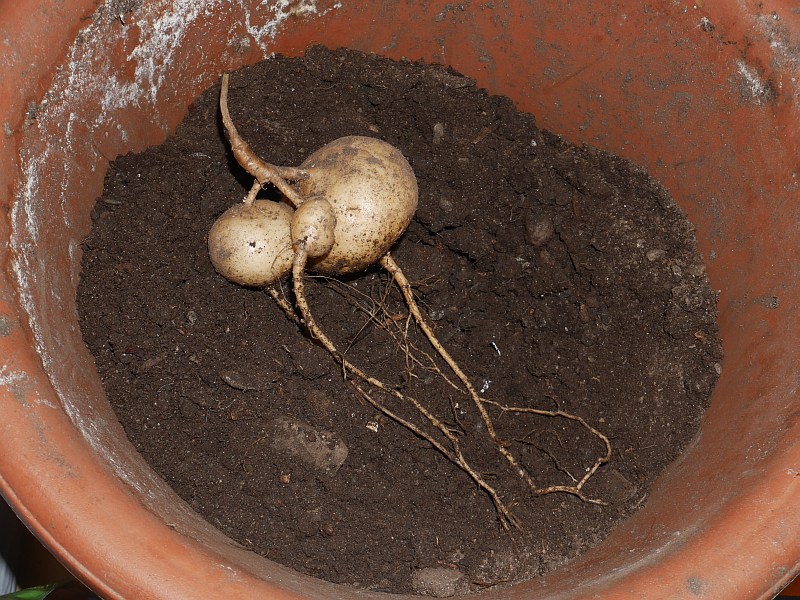
One of the culinary highlights of the year is the annual Jicama (hee-ka-ma) meal….if you’ve never eaten yam beans or Jicama (Pachyrhizus erosus), you haven’t lived!
I grow this subtropical vegetable in my office, which only gets sunlight for maximum 1 hour a day which isn’t optimal conditions (they are usually grown in open fields), but being a climber originates in forests, so it tolerates shade. I grew it’s brother on-climbing Ahipa (Pachyrhizus ahipa) beside it, but that species didn’t produce much (perhaps it’s more sensitive to light?). I also didn’t think the taste was as good. Both species died down at the end of the year and I harvested the tubers in early January!
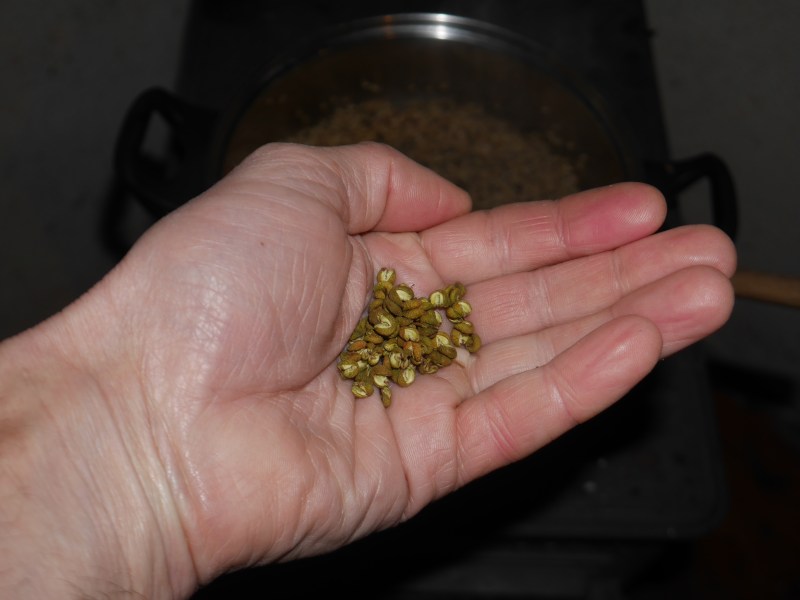
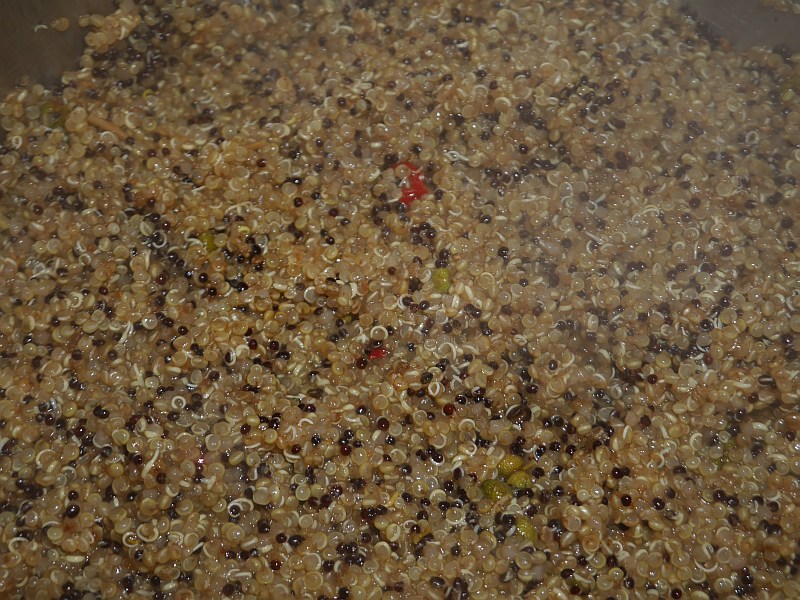
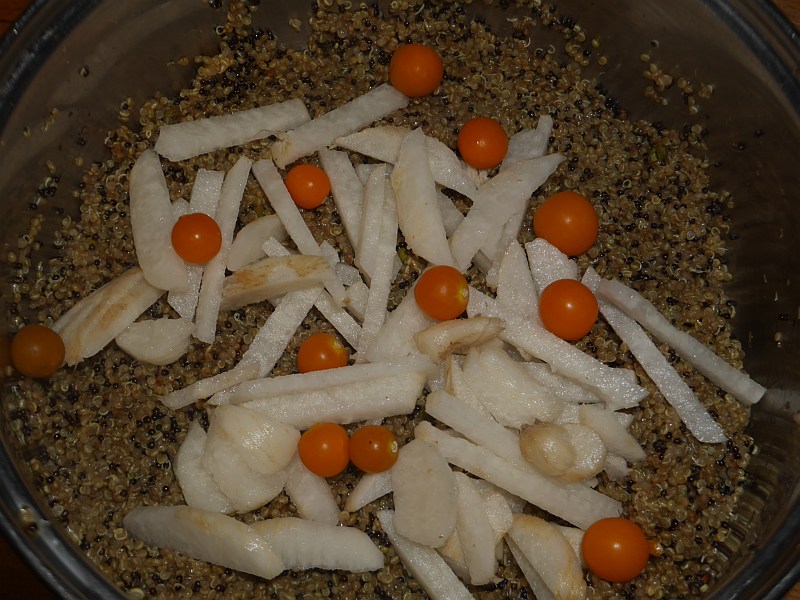
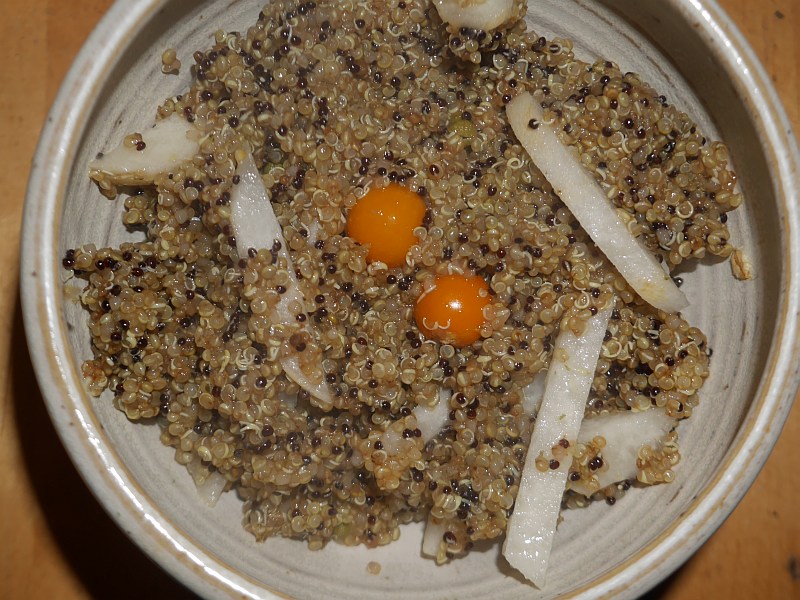
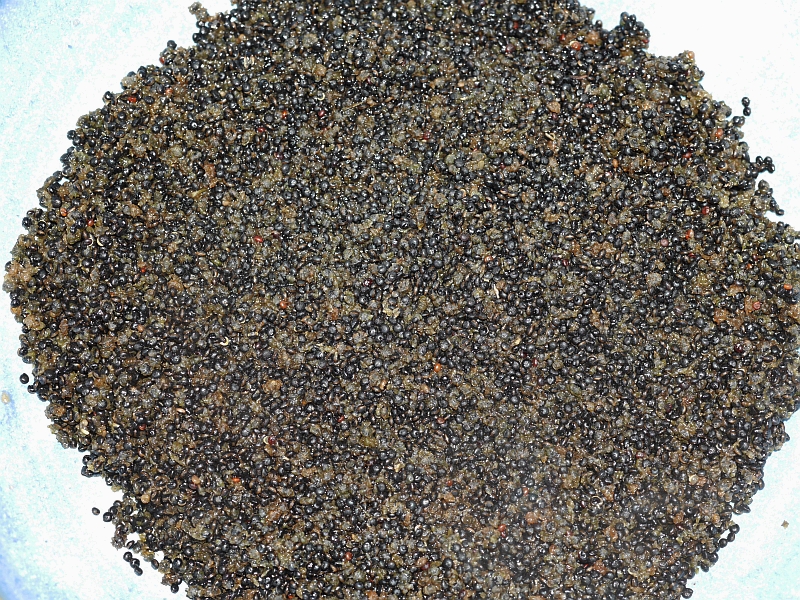
Jicama tubers are best eaten raw and are crispy and a little sweet. Being one of the lost crops of the Incas, much more popular in the Americas than in Europe, I served them sliced with a cooked quinoa mix – mixed home grown Quinoa and black-grained Henry quinoa from Good King Henry (Chenopodium bonus-henricus), flavoured with chilis and lemony sanshō seeds (Zanthoxylum piperitum or Japanese pepper).
NB! Both species, Ahipa and Jicama are normally started from seed which I haven’t succeeded in growing myself!
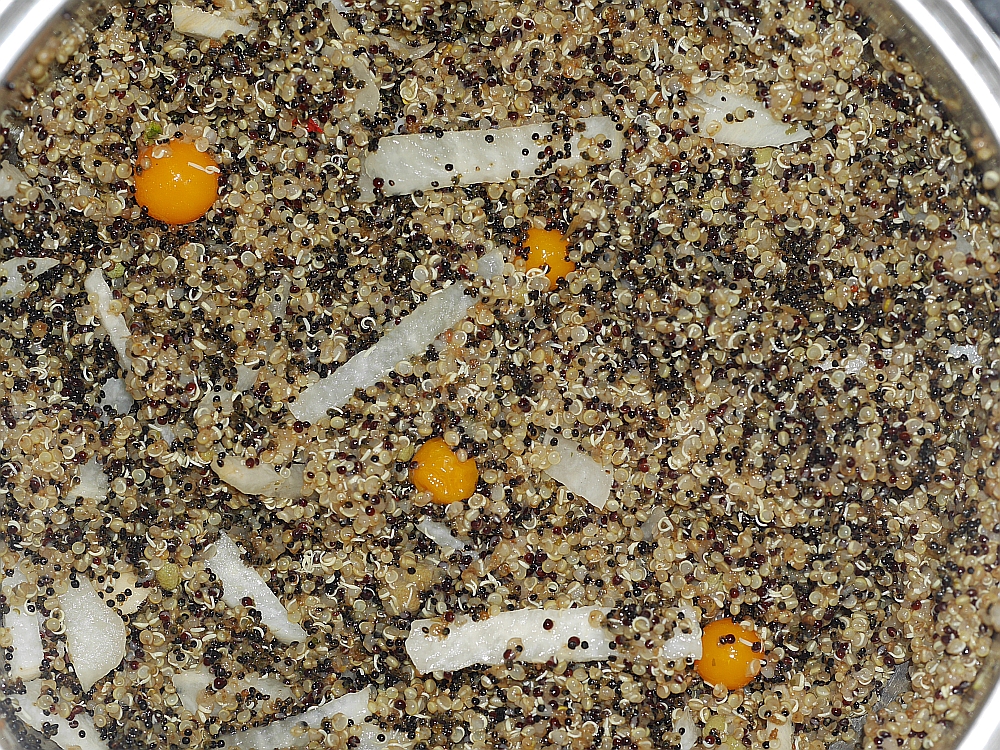
Day Two: I didn’t eat it all yesterday, I needed a bit more, so I cooked up a third species quinoa, Fat Hen quinoa (Meldestokk quinoa), from the seed of one plant of Fat Hen or Lamb’s Quarters (Chenopodium album). It was added to yesterday’s to give a Three species quinoa and jicama salad (two pictures added)


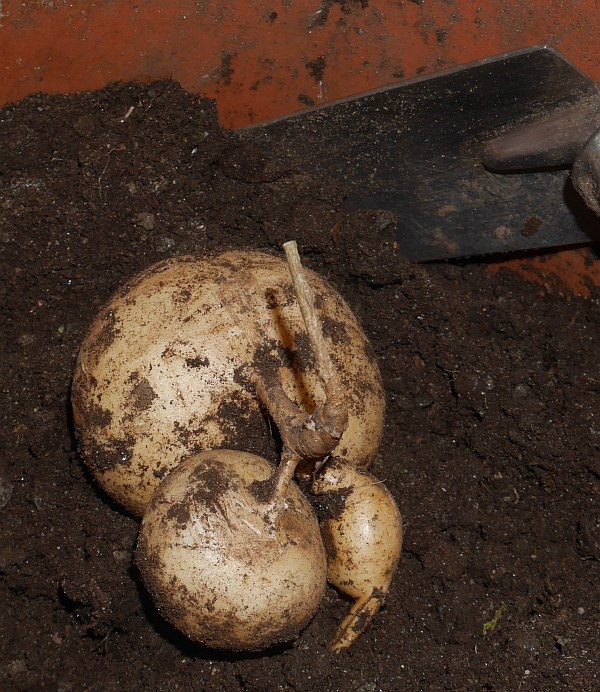



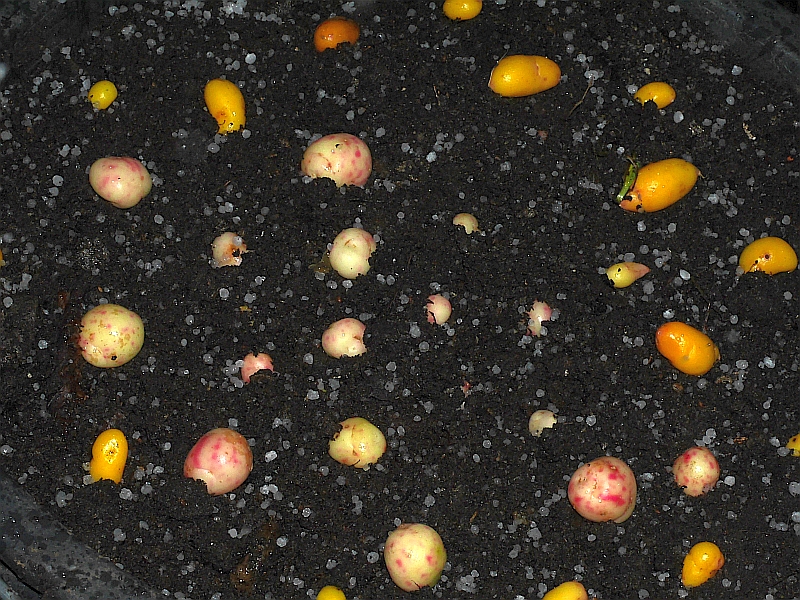
I was potting up ocas and ullucos outside this afternoon (to force for winter greens) and there was a sudden hail storm  . The pots are brought inside and I use the edible shoots from the tubers all winter!

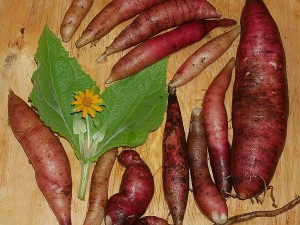
Yacon (Polymnia edulis/Smallanthus sonchifolius) also gives higher yields when grown on inside until the end of the year in a large pot; however, it is much less day length sensitive than ulluco and oca…when I had a cold greenhouse, yacon would give at least as good a yield as this by October…
The sweet tasting tubers are becoming quite popular in recent years! Yacon is in the Asteraceae, the roots containing inulin like its edible tubered cousins Jerusalem artichoke and Dahlia.
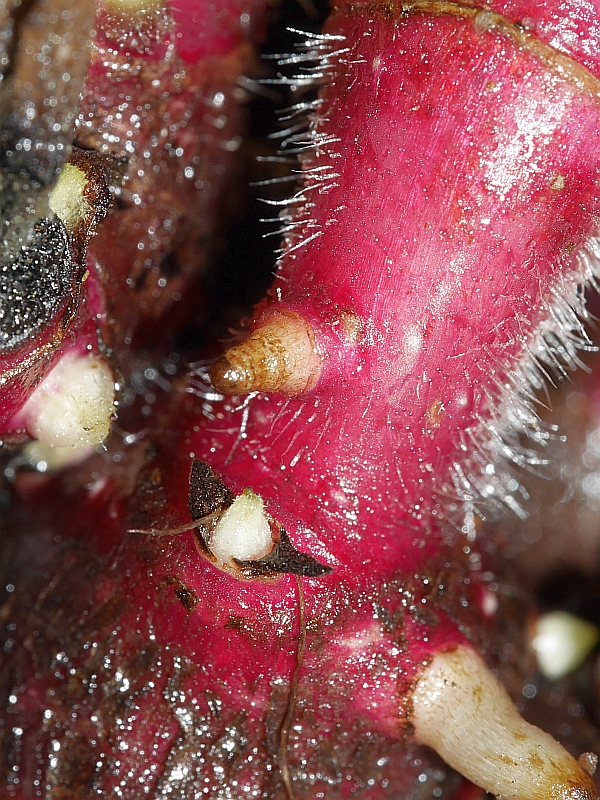


As the psychedelic (colour not effect) Andean tubers Oca (Oxalis tuberosa), Ulluco (Ullucus tuberosus) and Achira (Canna edulis) benefit from a longer season than I can give them outside, I grow them in buckets which I bring inside and harvest around Xmas time for a colourful christmas dinner…so here’s an album of this year’s harvest!
I was very surprised by one of the best ulluco harvests here, despite the leaves being mostly frozen off before moving the pots inside and not regrowing…I don’t understand…


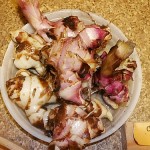
Tonight’s dinner was a lily – chufa – parsley stir-fry (chinese style) with buckwheat noodles…
Lily = bulbs of Lilium martagon (Martagon lily), an important forest garden source of carbohydrate, liking the shady conditions of deciduous woodlands
Chufa – the delicious tubers of the grass Cyperus esculentus