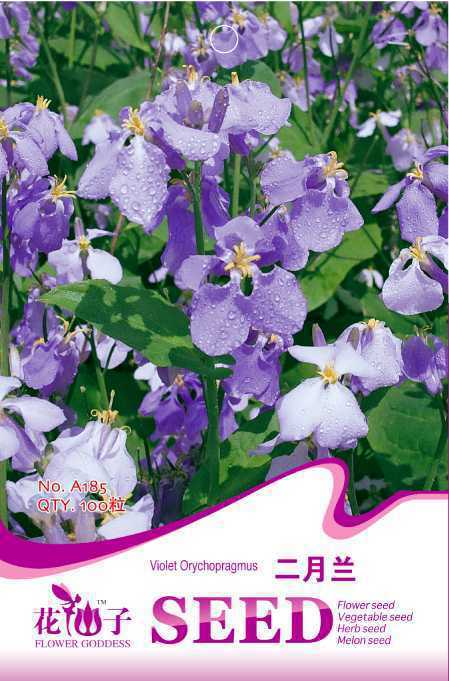
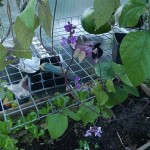
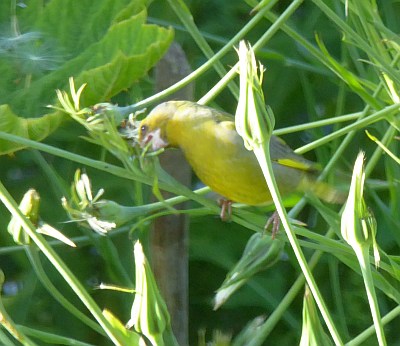
When I visited Japan in early spring 2016, I noticed a violet/purple flower growing as an ornamental in some gardens and also escaped as a weed.
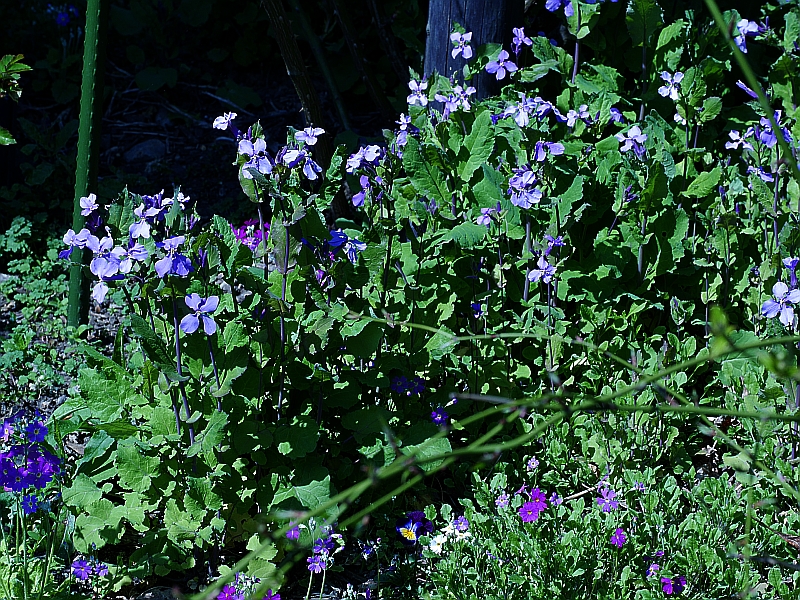
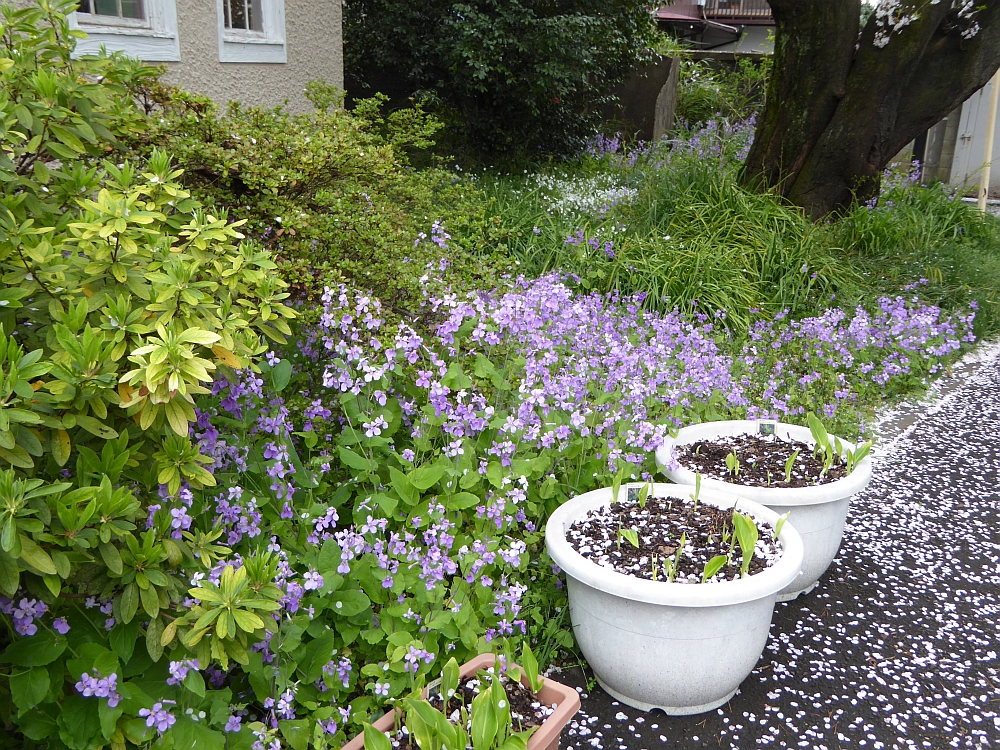
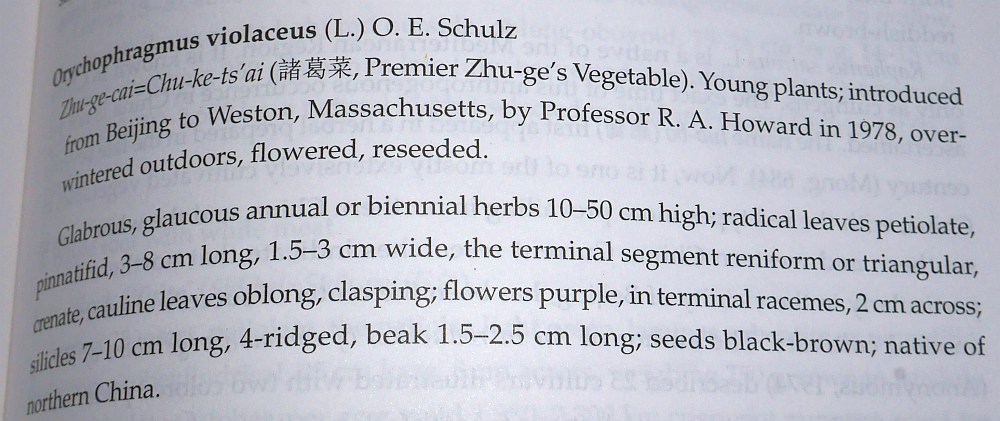
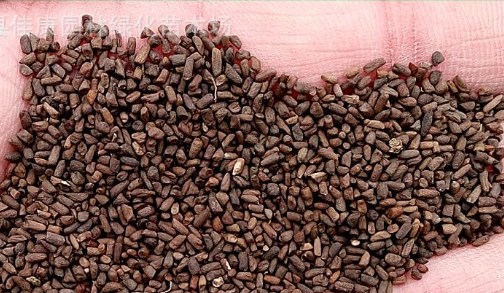
I finally realized that it was a plant I had grown for a couple of years (2011-2012) as an unusual annual vegetable, Orychophragmus violaceus, known as ‘Chinese Violet Cress’ or ‘February Orchid’, sourced from Horizon Herbs in the US. Despite one of its common names, it’s not an orchid but is related to cress, belonging to the cabbage family Brassicaceae.


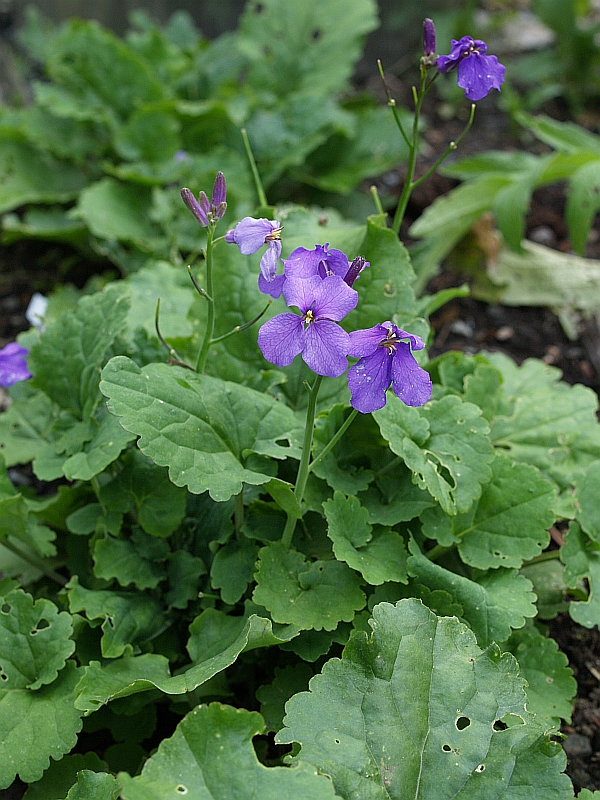
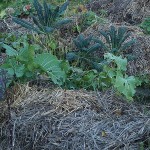
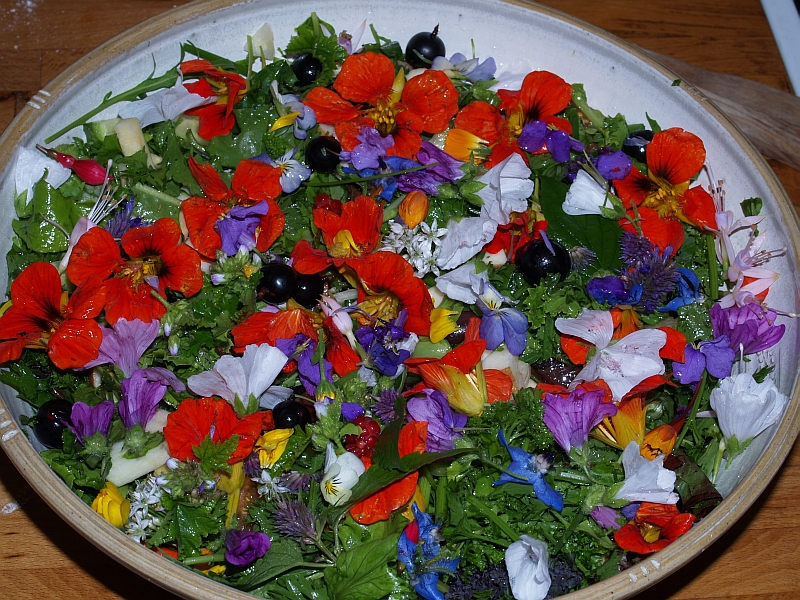
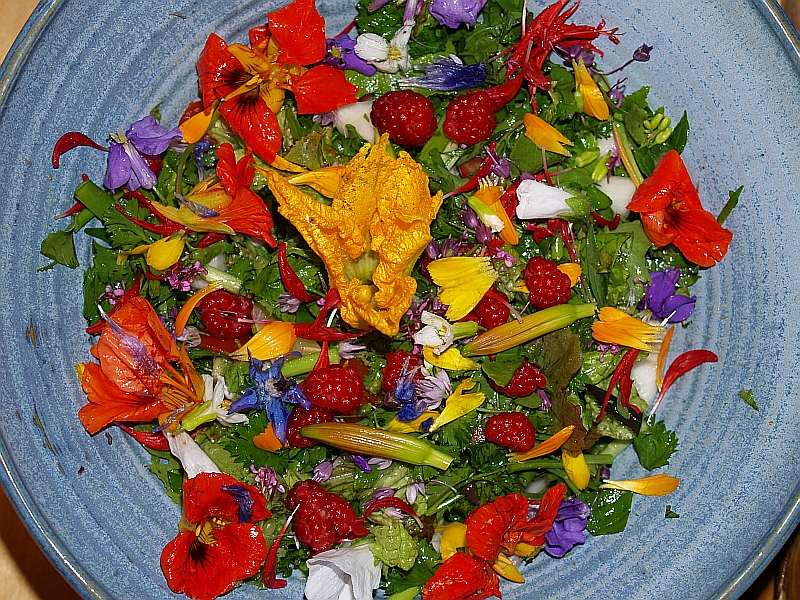
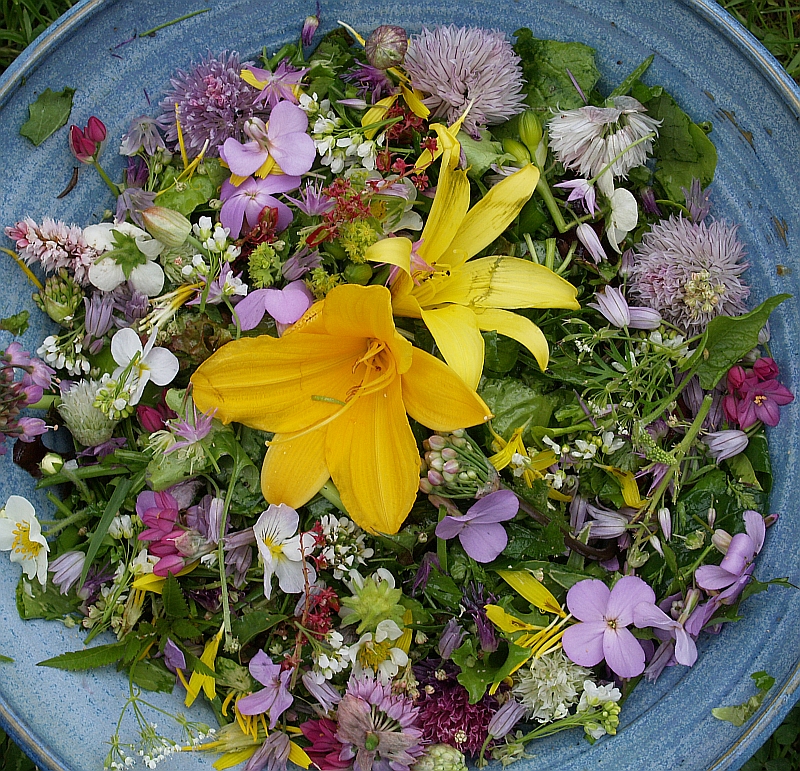
It hadn’t grown particularly well in my garden, but it did manage to flower and I used them in various salads during those two years, adding a different colour to the mix and it continued flowering right to the first frosts in November! It was also badly attacked by the usual pests of Brassicas, but it bounced back with masses of shoots from the roots in the autumn when the pest pressure was released. It doesn’t like temperatures below -5C and therefore didn’t have much chance of overwintering here in Malvik (it is biannual in the Far East).
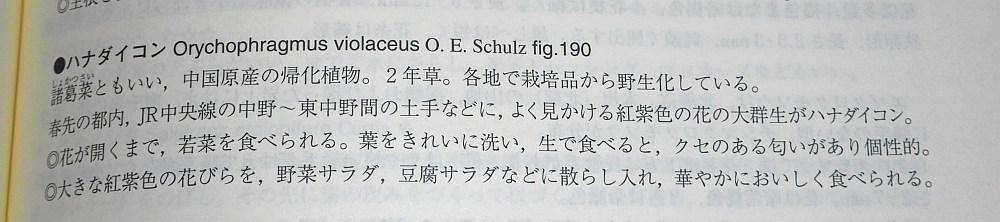
Orychophragmus violaceus has a wild distribution in China and Korea and was introduced to Japan a long time ago both as an ornamental and also as a potential oil seed crop (you can google pictures of it growing alongside rape oil plants). In the wild it has a wide range of habitats from woodlands, gardens, roadsides and open fields. In Japan it has widely naturalized in many habitats thanks to its adaptability and it is now found throughout the islands, encouraged by gardeners who love the early spring flowers. In some parts it carpets woodlands in the early spring and it has been described as the Bluebell of Japan! However it is also a weed in gardens (and as such one of the world’s most beautiful weeds!). In Japan it is known as hanadaikon (“flower-daikon”), which name is also used for Hesperis matrionalis (dame’s violet), ooaraseitou, murasaki-hana-na (“purple-flower-rape”), shikinsou (“purple-gold-plant”). Shokatsusai / zhu ge cai is its Chinese name.
It has also been used as a forage species in China:
“Its shoots are rich in protein, iron, calcium and vitamins A and C. Hence it is a valuable forage. Its shoot yield is high, about 36,400 kg/ha, when cultivated in Chengdu. This plant species is adaptable to grassland, barren hills, roadsides, gardens, etc. Its protein content is higher than most other forage plants.”
Orychophragmus violaceus is mentioned as an edible wild plant alongside Udo (Aralia cordata) in Joy Larkcom’s Oriental Vegetables!