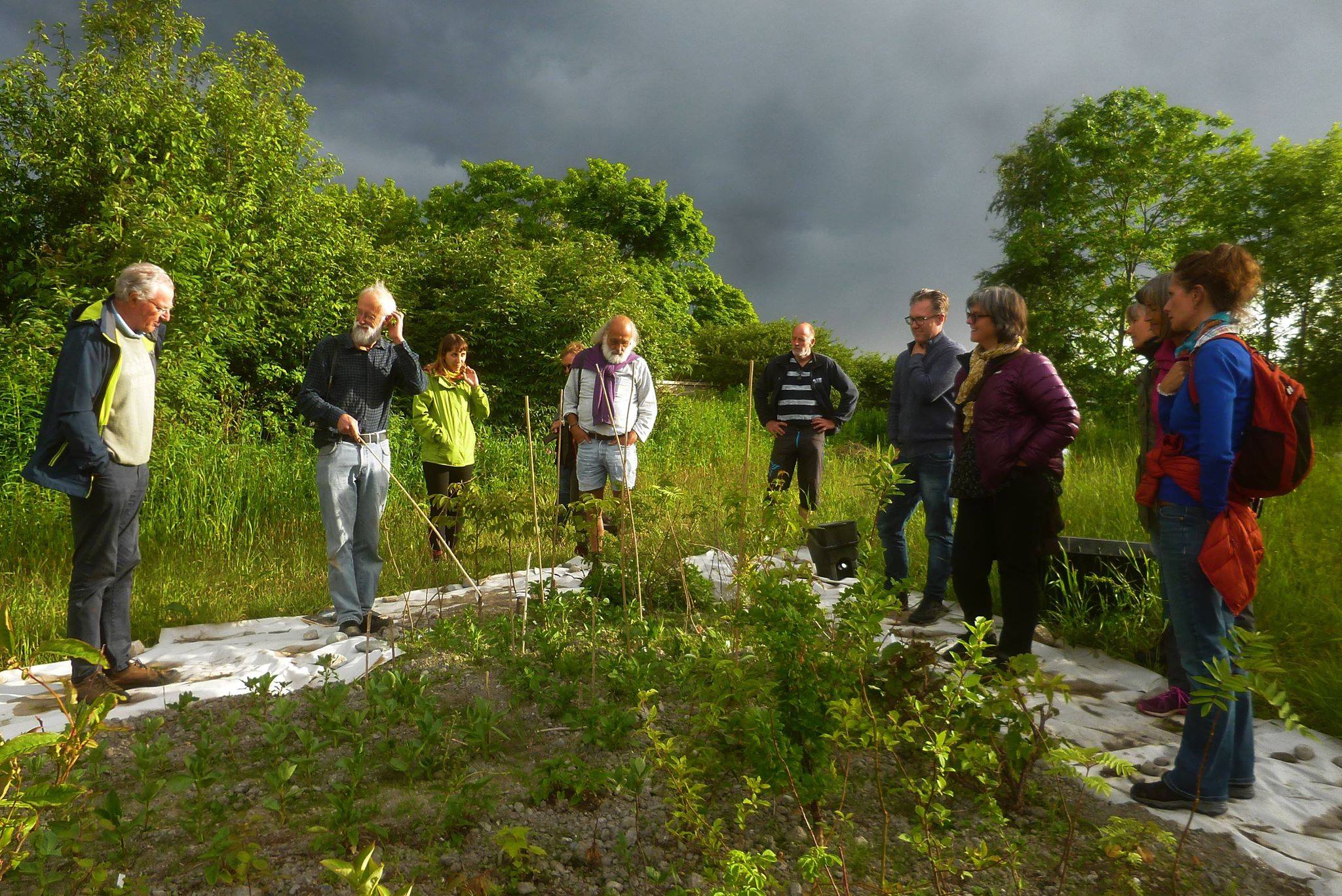
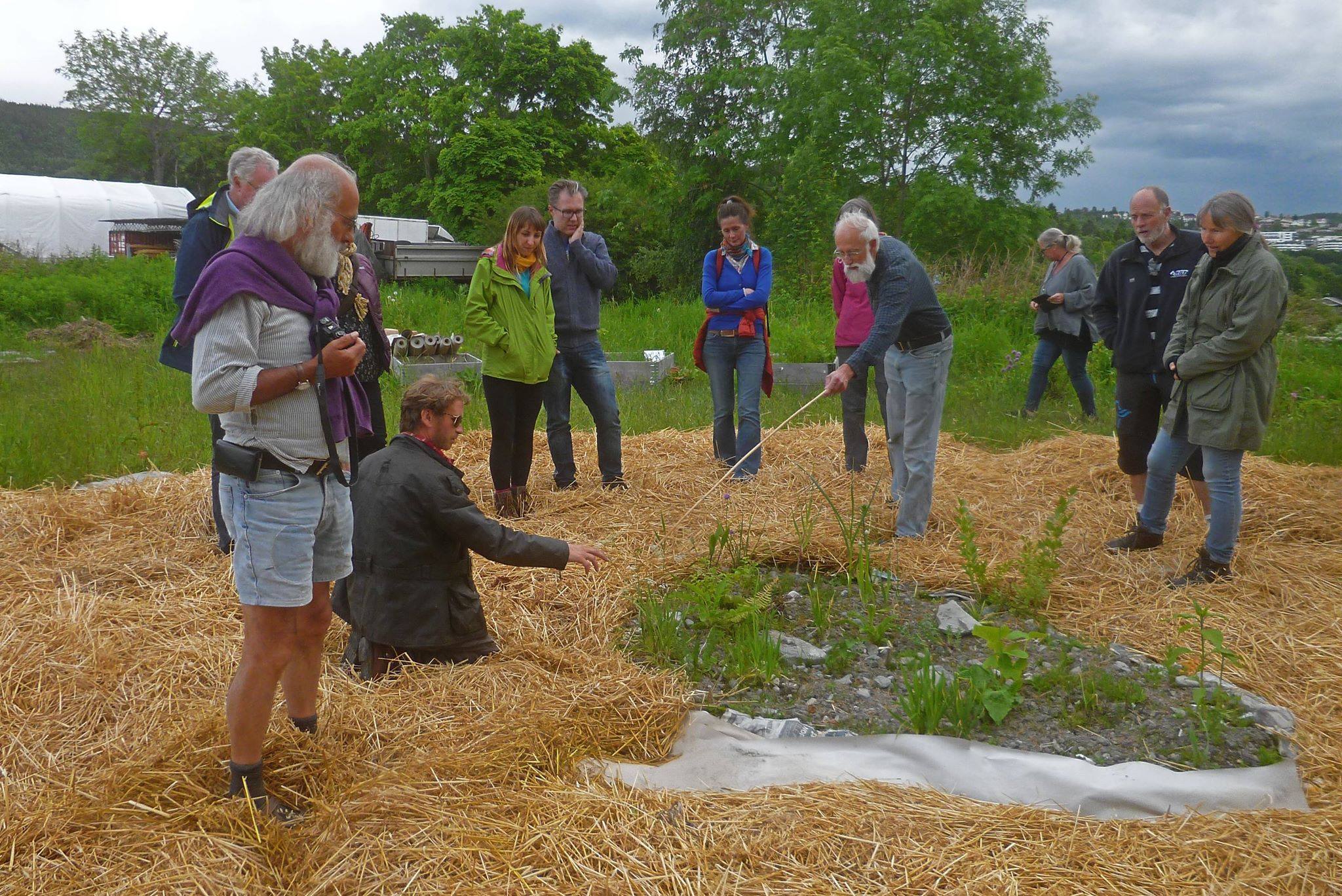
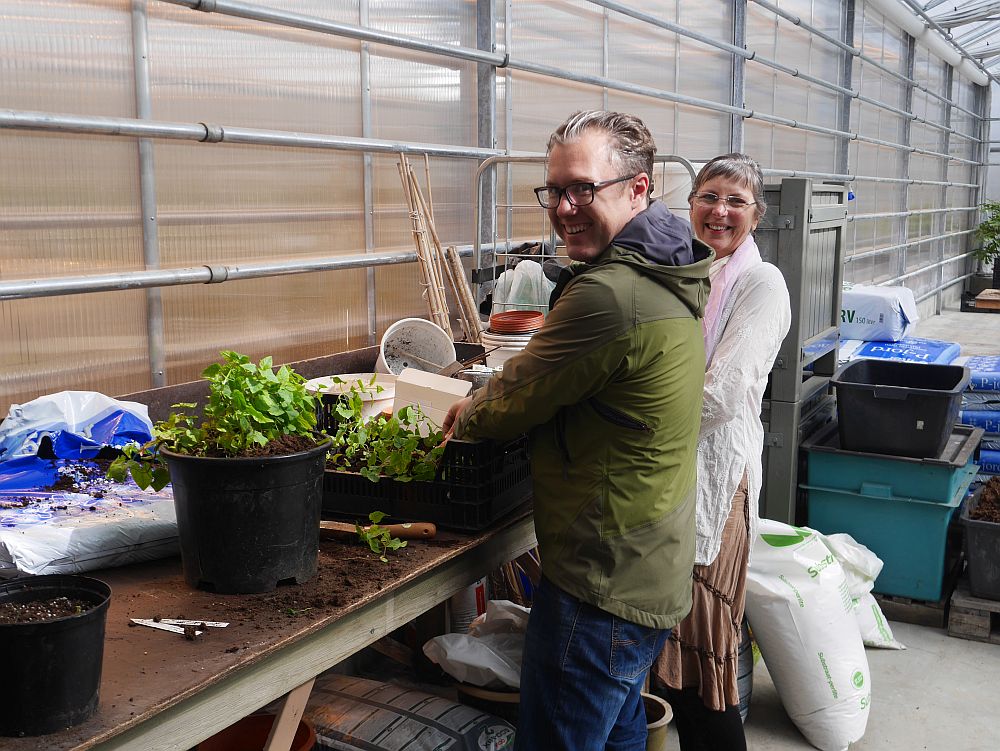
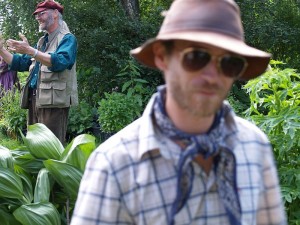
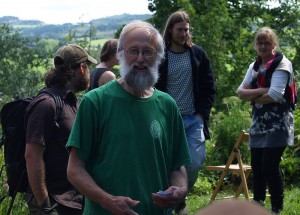
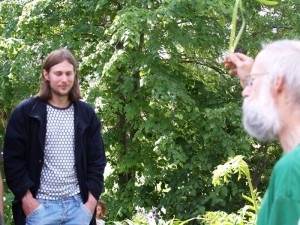
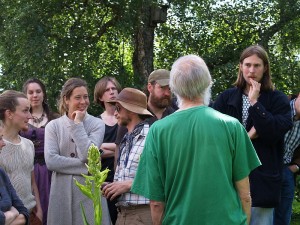
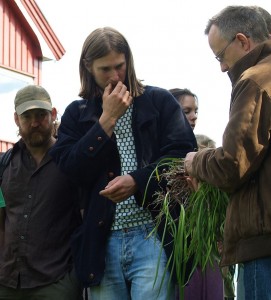
The first evening of KVANN (Norwegian Seed Savers) weekend event in Trondheim and Malvik, we visited KVANN’s first “nyttevekstreservat” (inspired by Lawrence Hills’ proposal for vegetable sanctuaries across Europe as a reaction to the loss of our vegetable diverity in 1979!) at Væres Venner Felleshage (a new communiy garden in Trondheim). KVANN have already started work on a Verdenshage (World Garden) and another area currently being used as a holding bed for a future diversity garden, including walnut, hazel, sea buckthorn and other fruit trees to be planted elsewhere..
Afterwards, Sølvi Kvam took us to nearby Presthus Gård, a farm which has until recently been threatened by nearby housing developments. It will now be developed with many activities and KVANN are also welcome to make suggestions!
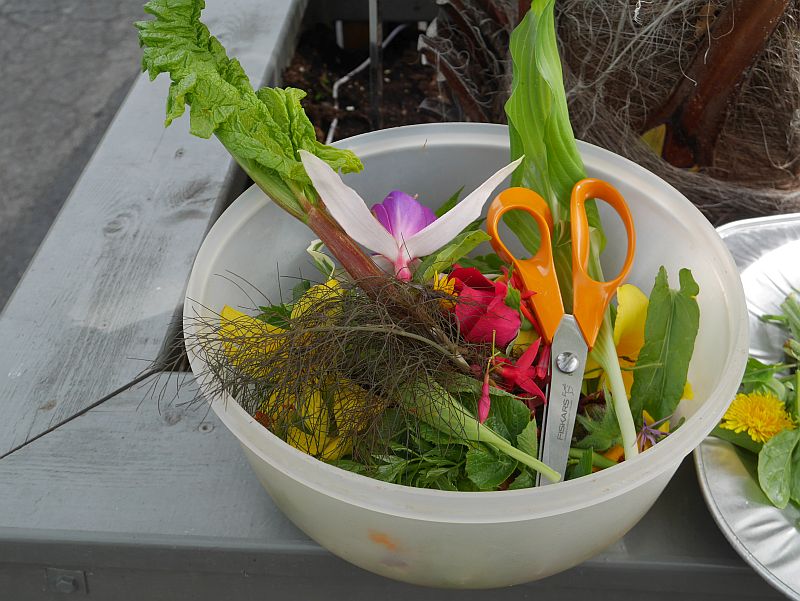
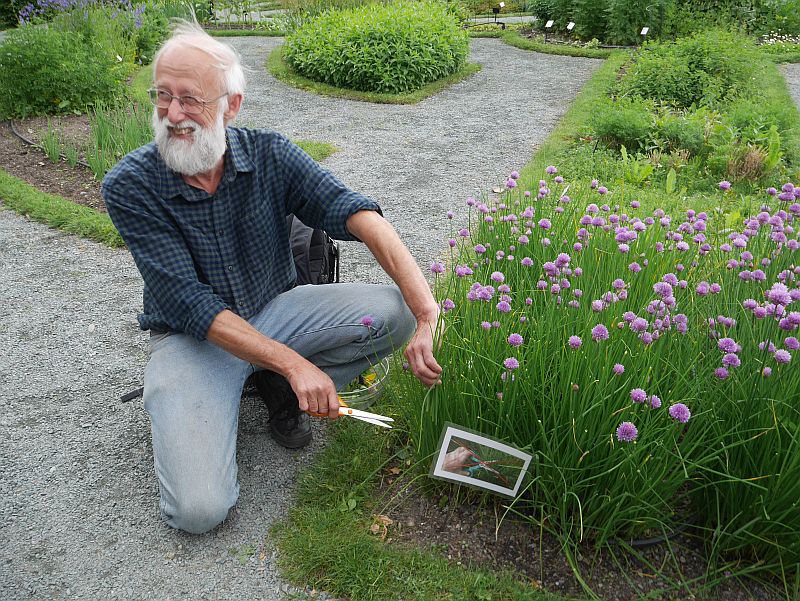
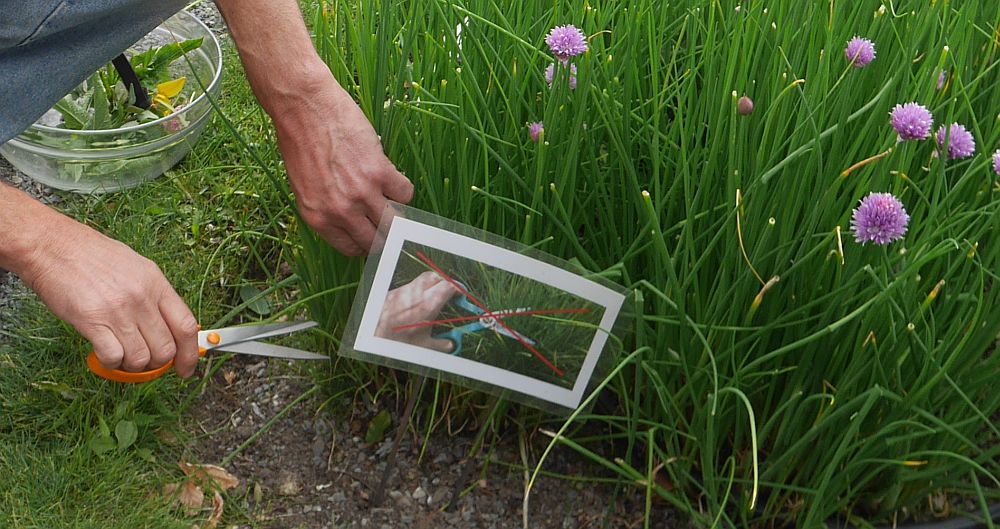
Day 3 of the KVANN (Norwegian Seed Savers) meet was at the Ringve Botanical Garden Open Day in Trondheim. The day started early as I drove one of the participants to the station in Trondheim and then spent a couple of hours collecting some of the ingredients for a multi-species salad. Including plants collected on a walk, talk and forage for KVANN members, we managed 111 ingredients in the salad! Thanks to all who helped make it a very successful and fun weekend!
Up early to another wonderful view
Coffee break at Ringve planning my walk and forage
Andrew and Meg working at the Ringve Botanical Gardens :)
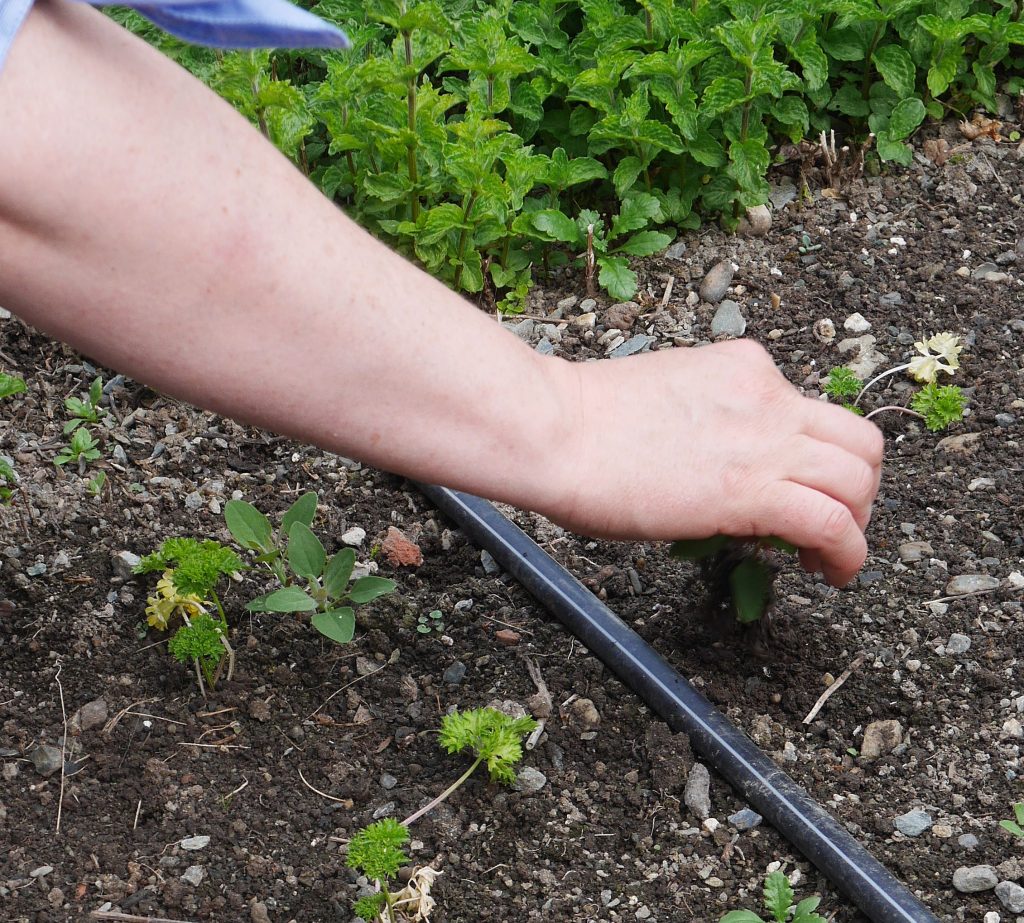
Tijana Gajic weeding at the Ringve botanical gardens – we found some Chenopodium album (fat hen / meldestokk), picked for the salad!
Weeding at the Ringve botanical gardens – we found some Chenopodium album (fat hen / meldestokk), picked for the salad!
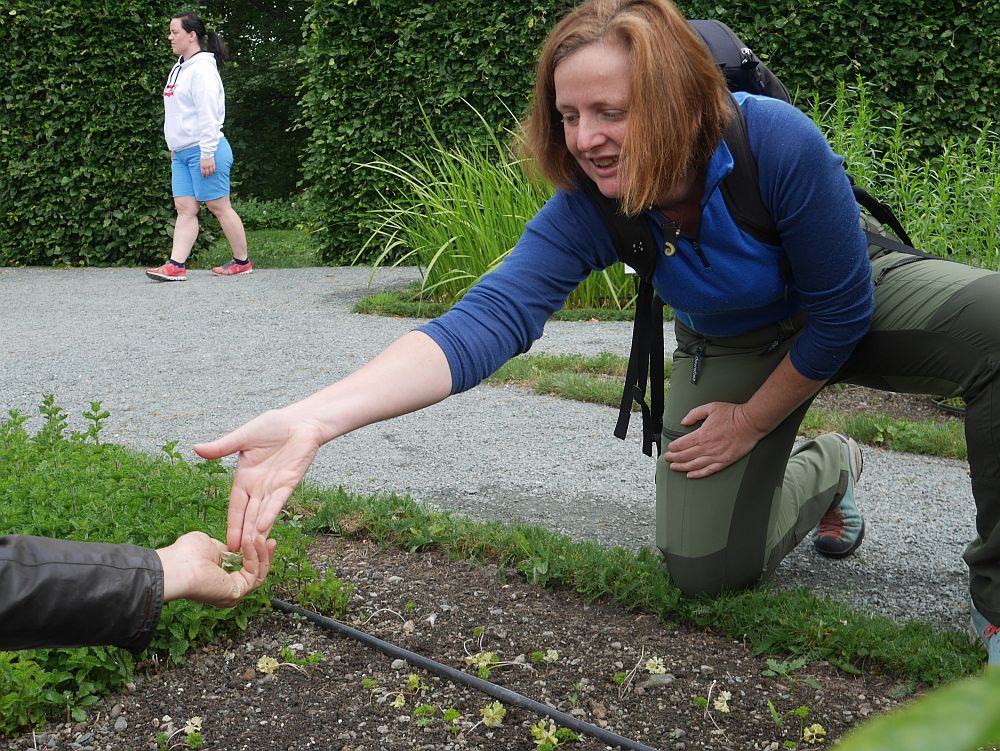
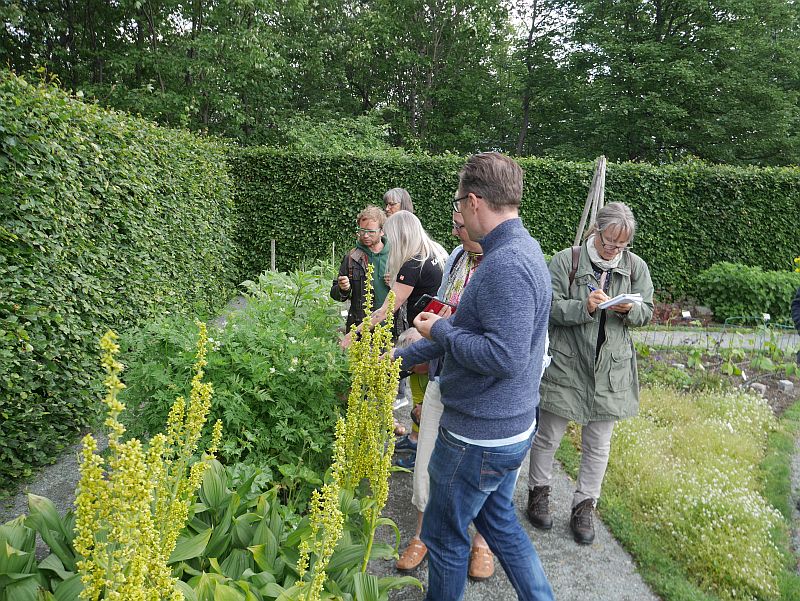
Sampling Myrrhis odorata (sweet cicely) flowers and young seeds for the salad in the Renaissance Garden…more about the Renaissance Garden which has 123 plants that were documented grown in Trondheim in the 1690s in the following link including a salad I made on the opening of the garden some years ago! Poisonous Veratrum (False Hellebore / Nyserot) in the foreground was discussed as a confusion species to edible Hostas!
Bad boy Barstow?….but I did have permission to harvest from the garden’s collections :)
Bad boy Barstow?….but I did have permission to harvest from the garden’s collections :)
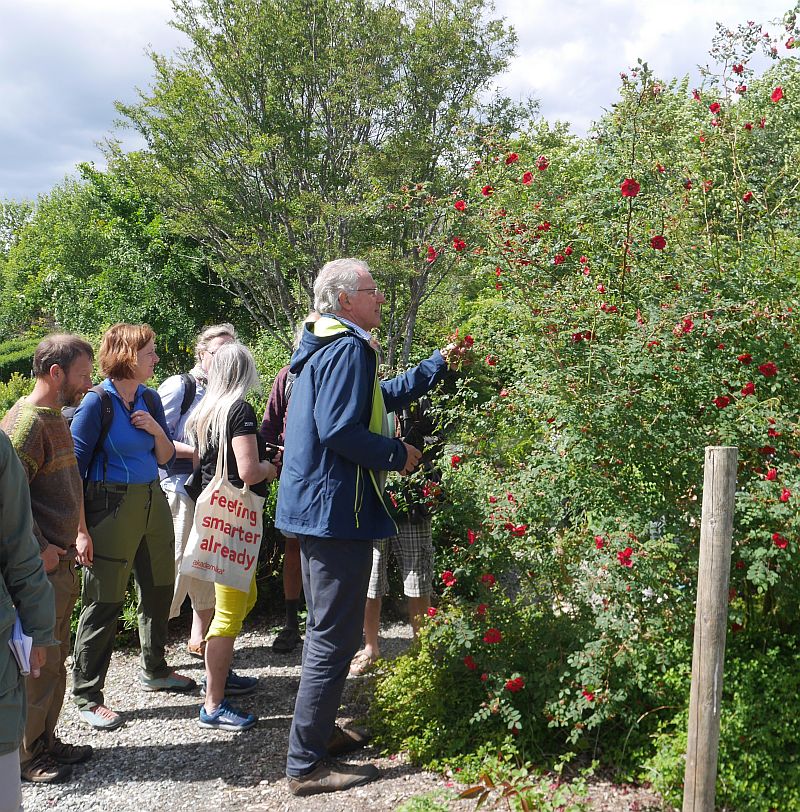
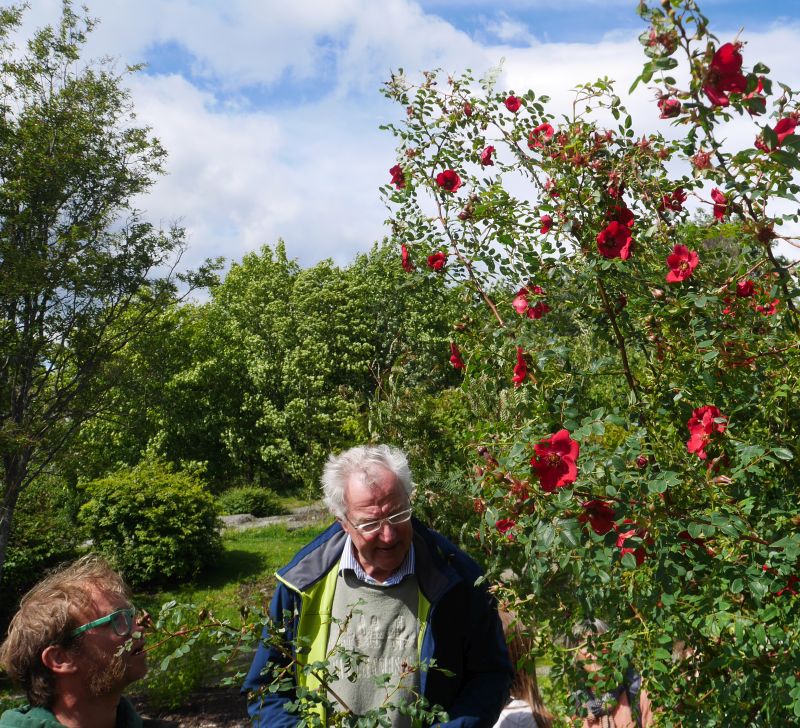
Rosa moyesii in full flower (mandarinrose), you can see the flowers in the final salad!
Eirik and Kjell admiring Rosa moyesii in full flower (mandarinrose)
Magnolia acuminata
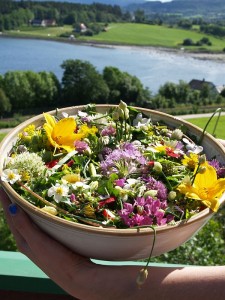
The final salad put together by KVANN members was shown on our stand before taste samples were offered to the public! Children were eager to taste the flowers! With Hemerocallis, Allium ursinum, Fuchsia, Rosa moyesii, asparagus, Hosta flower shoots and leaves, violets, dandelion etc.
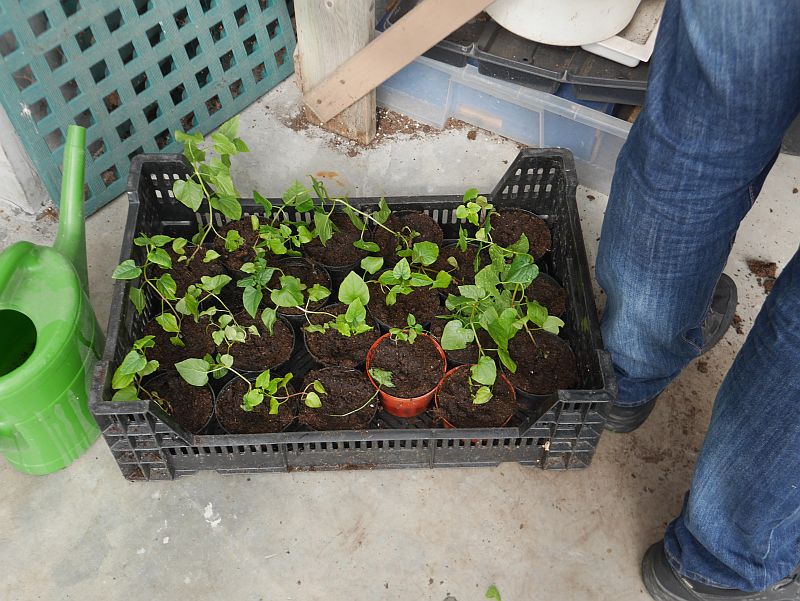
It was the first time I cycled to my office at the Ringve Botanical Garden today and I took the opportunity to see how the new Væres Venner community garden was looking (starting this year east of Ranheim at Være) . The snow had gone! At the entrance to the garden (Væres Venner) we will plant our World Edible Garden (Verdenshage) – large circular bed with the centre representing the north pole and mainly edible perennials distributed according to where they grow or are used in the Northern Hemisphere (see the first video below, where you can see an inner circle where we planted temporarily some 60 different plants in the autumn…and some are still ALIVE)!!
We have also purchased a couple of hardy walnuts and various hazel cultivars which will be planted along with many other fruit and berry bushes! I’m helping to design and develop the garden with a great group of enthusiasts and I hope that it will be formally adopted as one of KVANNs Vegetable Sanctuaries (KVANN=Norwegian Seed Savers)
It seems as though it’s a good life being a botanist. It was my second day at work today and it ended at 2:30 in the afternoon with bubbly and double helix clipping ;)
Accessions go back as far as Bishop Gunnerus in the 1760s.
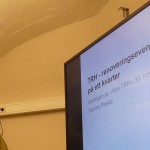
Introduction Tommy Prestø with a series of slides about how the reconstruction of the herbarium happened
Cutting the double helix to open the herbarium needed two pairs of scissors, of course!
Tommy then showed examples of what can be found in the herbarium. Here is huldrestry (Usnea longissima) which can reach several metres long and was the original Xmas decoration: http://www2.artsdatabanken.no/faktaark/Faktaark136.pdf
Scopolia carniolica, a poisonous plant, found on Lade in Trondheim by Tommy, a garden escape
A specimen collected on Sverdrup’s Fram expedition in 1901!
Pictures from the Norwegian Permaculture Association’s Annual Meeting in Trondheim in June 2011 including design of the new Permabed at Svartlamoen and visit to the Edible Garden in Malvik!
The annual meeting was held at Svartlamoen (Remida)
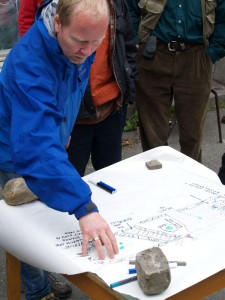
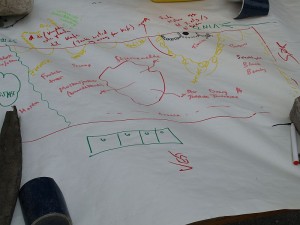
Design of the new permagarden at Svarlamoen!
Salad of the day had 106 different plants, 76% of which were perennials….
Allium detail from the day’s salad with Allium fistulosum and Douglas’ Onion (Allium douglasii), which has a narrow distribution straddling the border of Washington and Oregon in the US!
Mildrid and Jan Bang!
Birthday girl Benedicte Kihle! I remember making her a little 25 species salad on her 25th birthday!
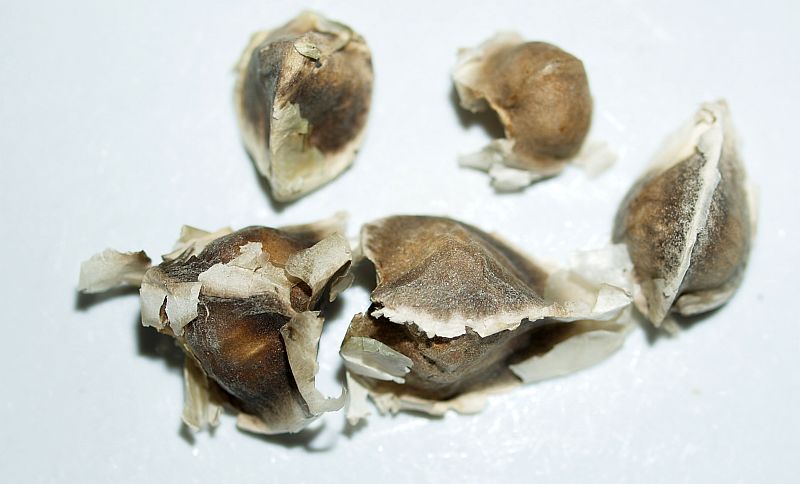
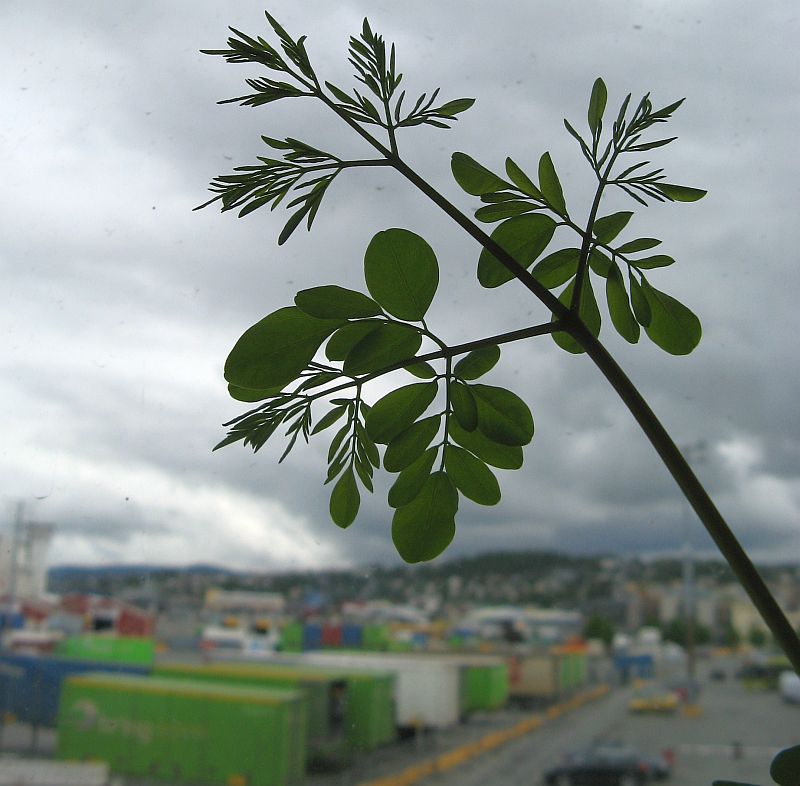
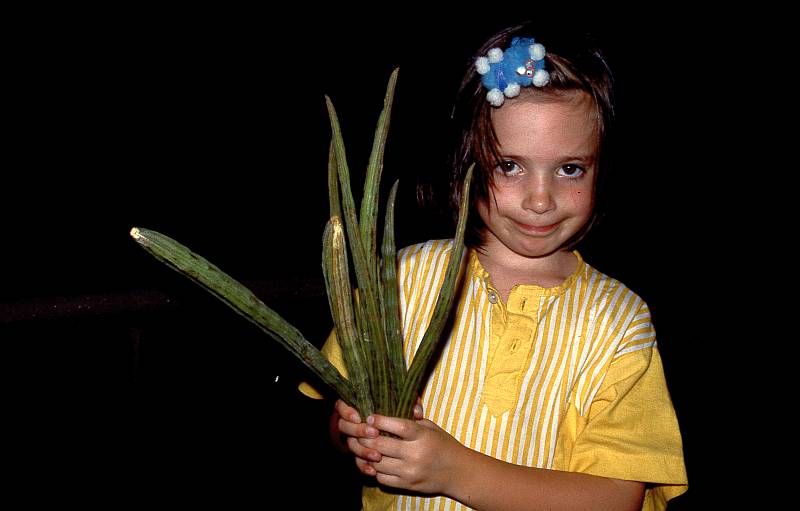
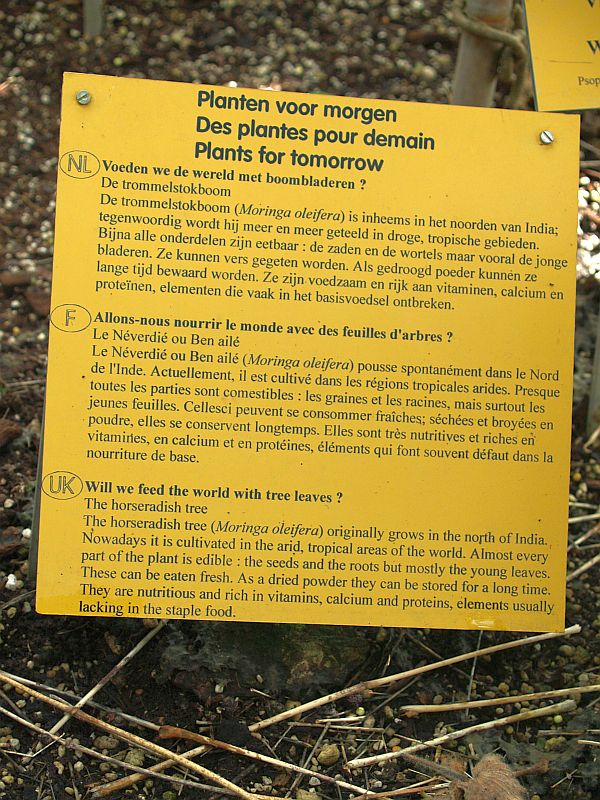
Horseradish tree (Moringa oleifera) is one of 13 species in the genus Moringa from Africa. The genus name is derived from the Tamil word for drumstick, one of the alternative names in English, referring to the long immature pods which are used as a vegetable (I first came across it as an Indian vegetable on a market in Fiji in the early 90s where it was called horseradish tree). However, it has multiple uses also including leaves (as a protein rich vegetable), for its flowers, immature seeds, roasted or fried mature seeds (an oil is also extracted), roots (tastes like horseradish) and also seed sprouts! Different cultivars have been developed for different uses. There are other species which are also used, including Moringa stenopetala and M. ovalifolia.
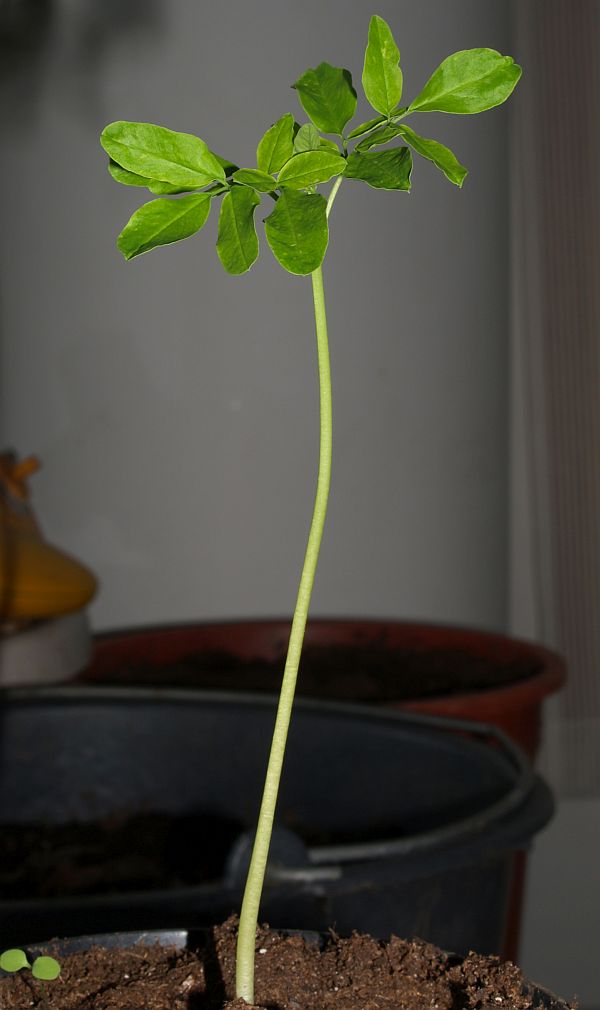
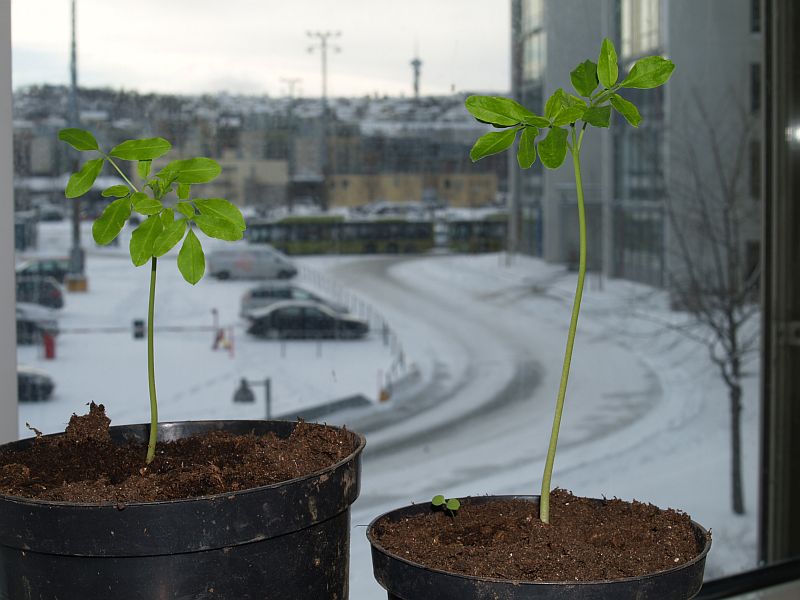
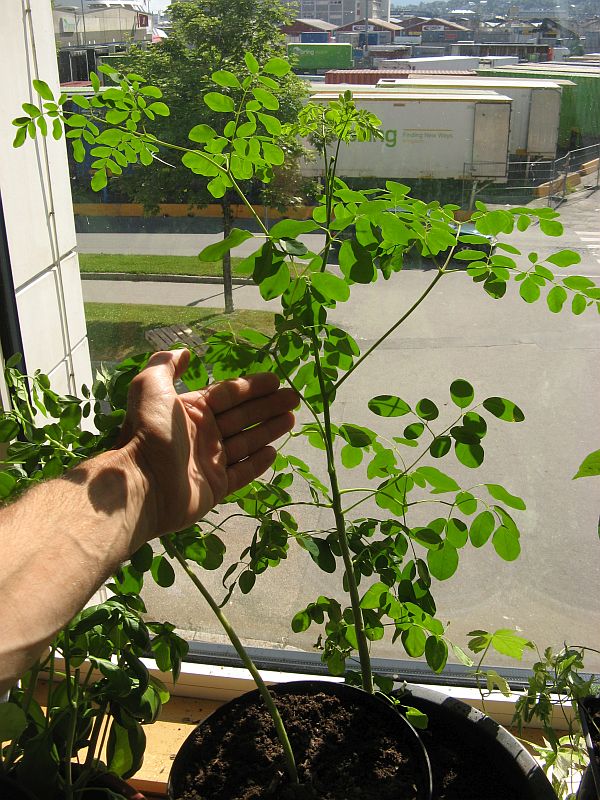
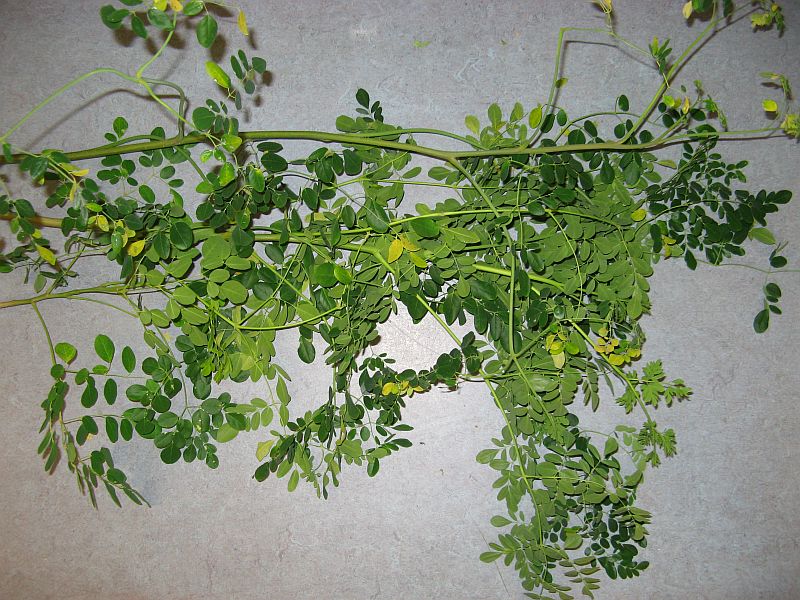
Although it’s a tree that can grow to 12m tall, it can also be grown as a cut-and-come-again house plant, which is the way I’ve grown it (for the leaves) in my old office in Trondheim (see the album of pictures below)! In fact, it is also grown commercially as an annual.
The seeds germinated well in my ex-office which has a constant temperature of around 23-24C, too warm for me but perfect for Moringa
Scene from my office with Moringa, chili and Japanese Hops
Seedling
Young plants with an unusual view (for them)
First harvest
Second harvest
Leaves to be used in a lentil-Moringa curry!
Lentil-Moringa curry
My daughter in Fiji in the early 90s with the bean like pods
Join me at Trondheim’s Kosmorama Film Festival’s Gourmet Cinema on Thursday March 9th at 1600! You will see a special screening of Michael Pollan’s documentary “In Defense of Food”, experience among other things a multi-species dish showing off the incredible abundance of food available to us in Trøndelag, even early in March. The food will be a collaboration between myself, gourmet restaurant Credo in Trondheim (Heidi Bjerkan) and the organic farm they work with, Skjølberg Søndre (Carl Erik Nielsen Østlund and Elin Östlund). There will also be a Food Talk after the film between us 3 (Heidi, Carl Erik and myself) together with producer and director Michael Schwarz! This will be a fun evening (English)…
In addition, I’m taking part in the so-called Kulinarisk Kino which is the screening of the film NOMA – My Perfect Storm followed by dinner at Credo, which I hope will include a very special Nodic perennial vegetable served for the first time in a restaurant in Norway :)
In mid-June 2016, I provided a number of perennial edibles and herbs for the set of the filming of a Norwegian reality series, Anno, set in the year 1537 in the Erkebispegården (Archbishop’s palace and courtyard) next to the Nidaros cathedral in Trondheim (see
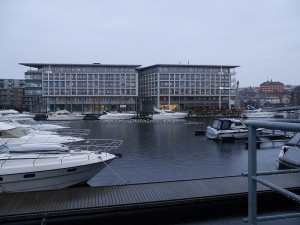
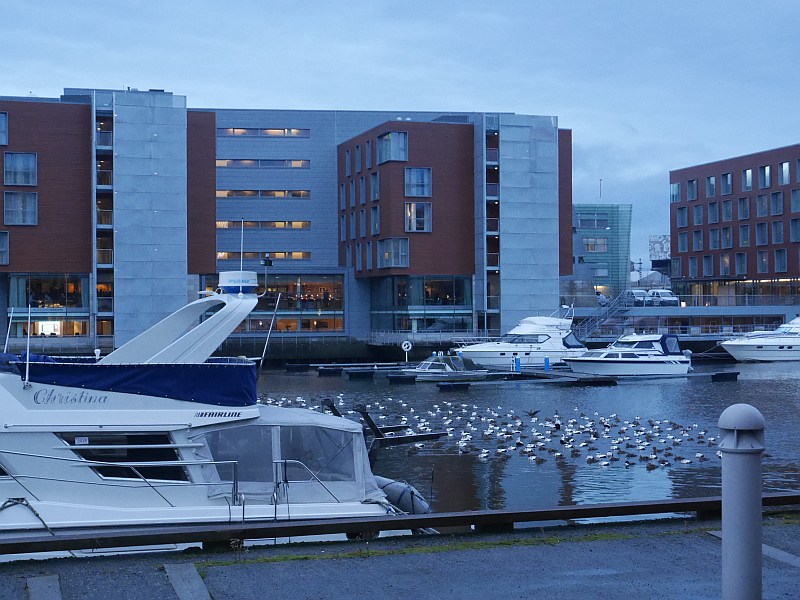
Scandic Nidelven hotel (background in these pictures) Trondheim has won an award for Norway’s best breakfast 10 years in a row…no wonder when the guests have this bird’s eye view at breakfast over the river ;)14th November, view from Scandic Nidelven hotel and a flock of around 520 Eider duck
14th November 2016: Scandic Nidelven in the background with a smaller flock of 380 eider!14th November 2016: Scandic Nidelven in the background with a smaller flock of 380 eider!
Heracleum persicum is a giant umbellifer, very closely related to Giant Hogweed another very closely related invasive of more southerly latitudes. We call it Tromsøpalme here as these giant plants might resemble palm trees from afar where they grow in large quantities in the arctic city of Tromsø. I today harvested seed of one last plant remaining after the kommune had strimmed a small coastline stand of this plant, presumably spreading seed everywhere….
The seed is used as an important spice in Iran, something I learned from my friend Saideh Salamati who I credited in my book (she also made an excellent dish of the young shoots at a gathering of foragers here in June). I nowadays use more golpar in my cooking than any other spice…delicious and free!
I harvested Heracleum persicum seed today
Seed
Grinding the seed
Golpar seed as sold in Iranian shops in Norway!
Golpar used here to spice up potatoes
Golpar used as an alternative to cumin in broad bean falafel!
Perennial vegetables, Edimentals (plants that are edible and ornamental) and other goings on in The Edible Garden