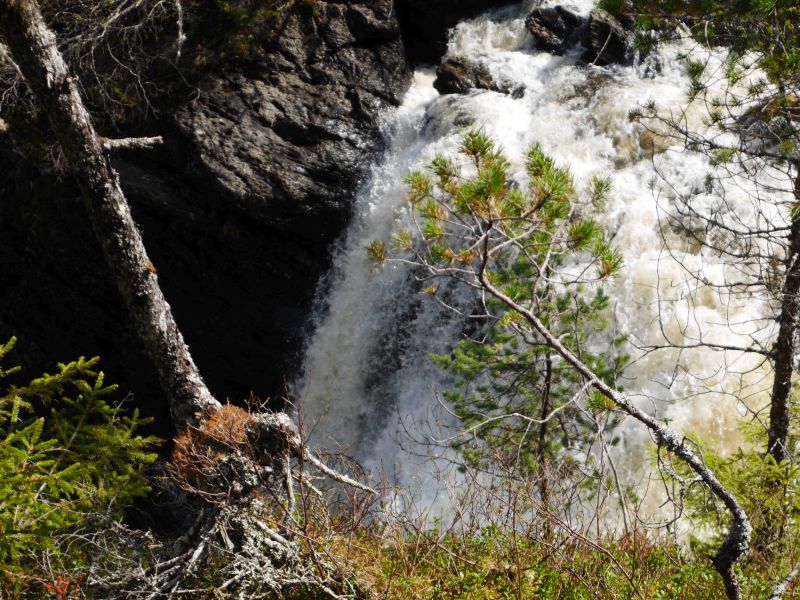
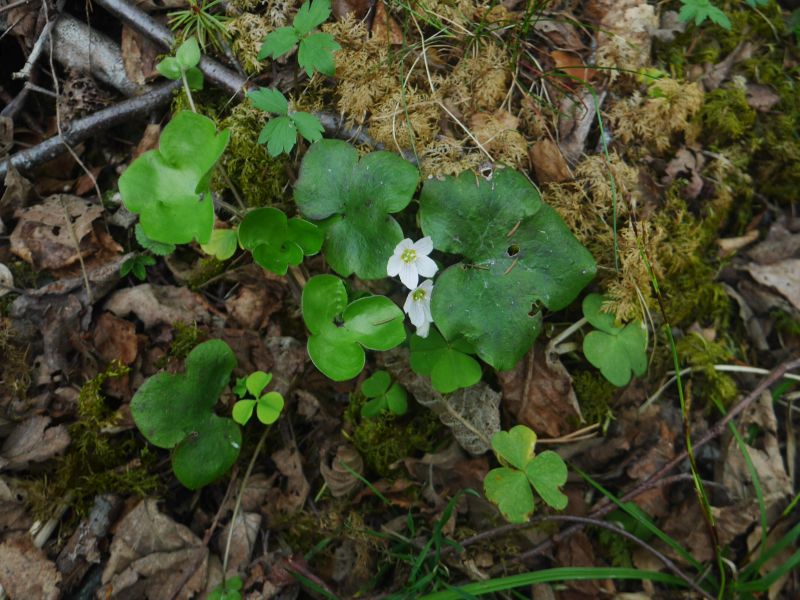
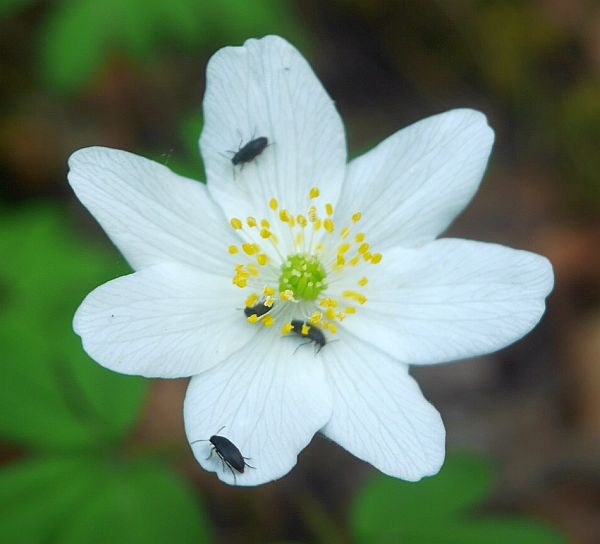
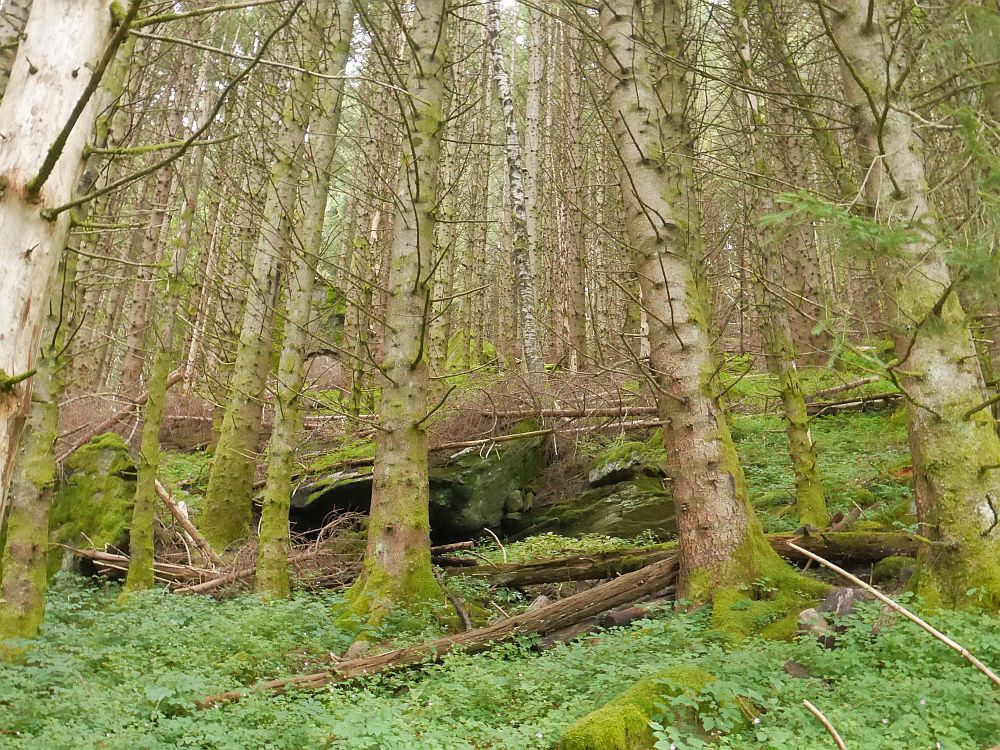
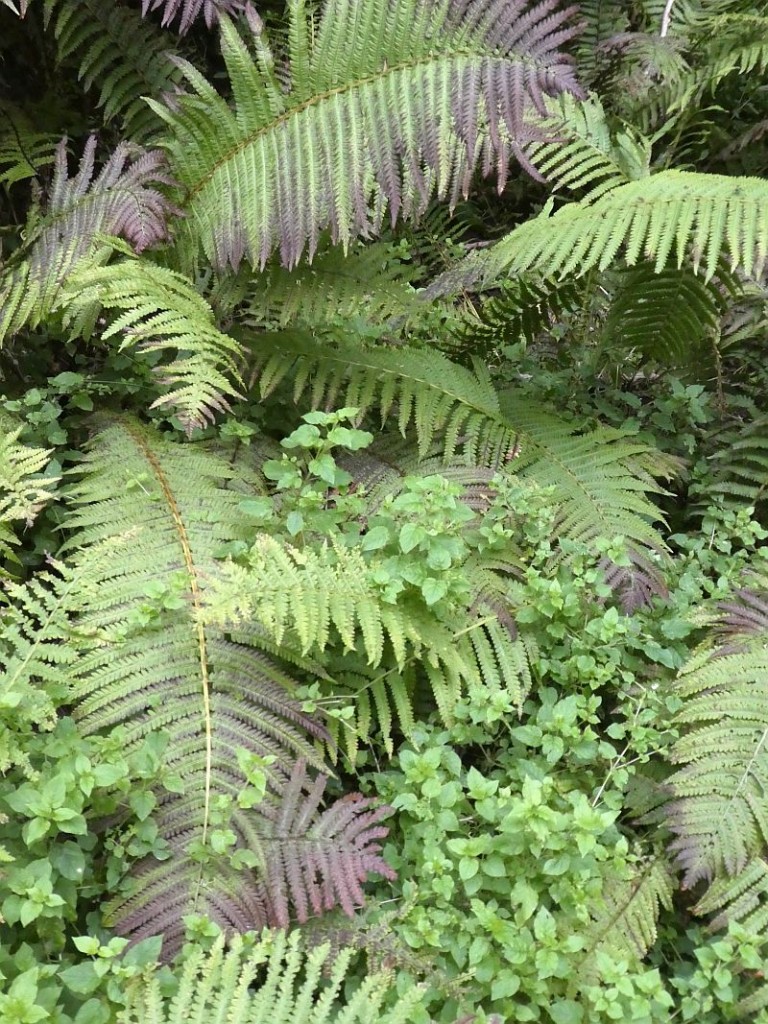
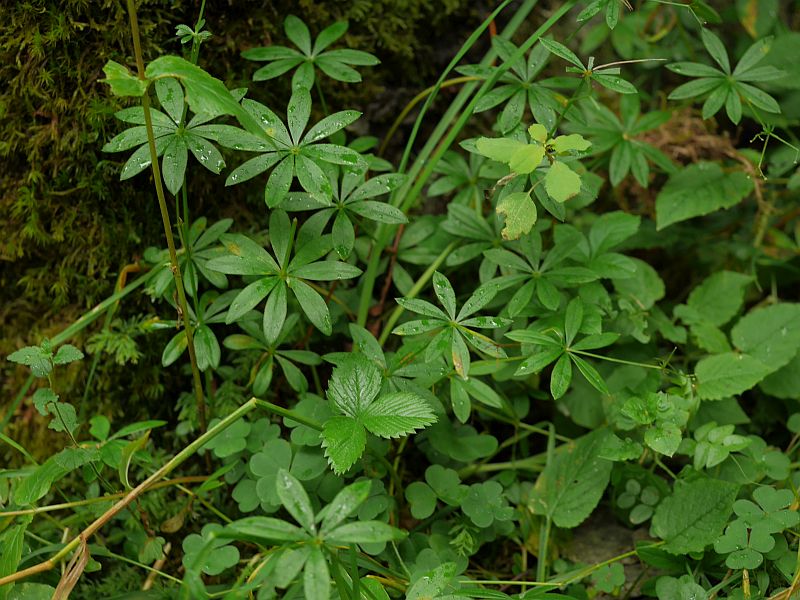
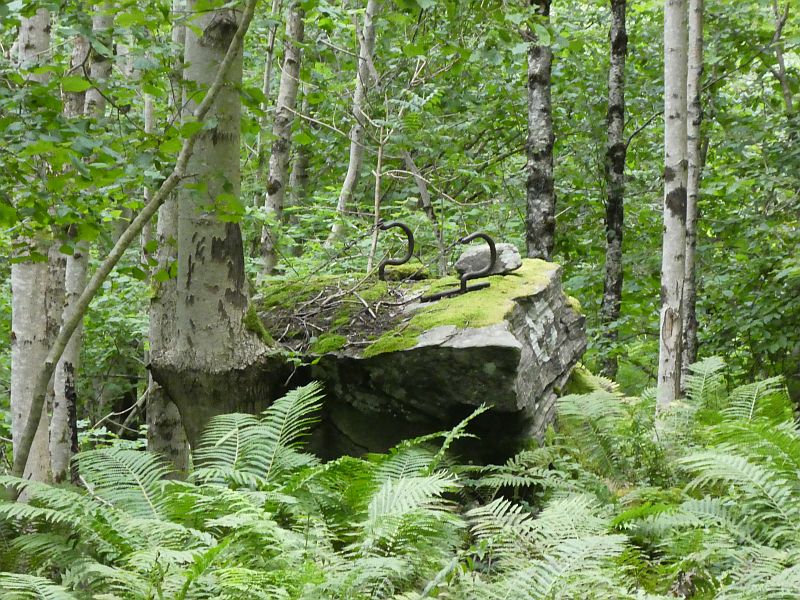
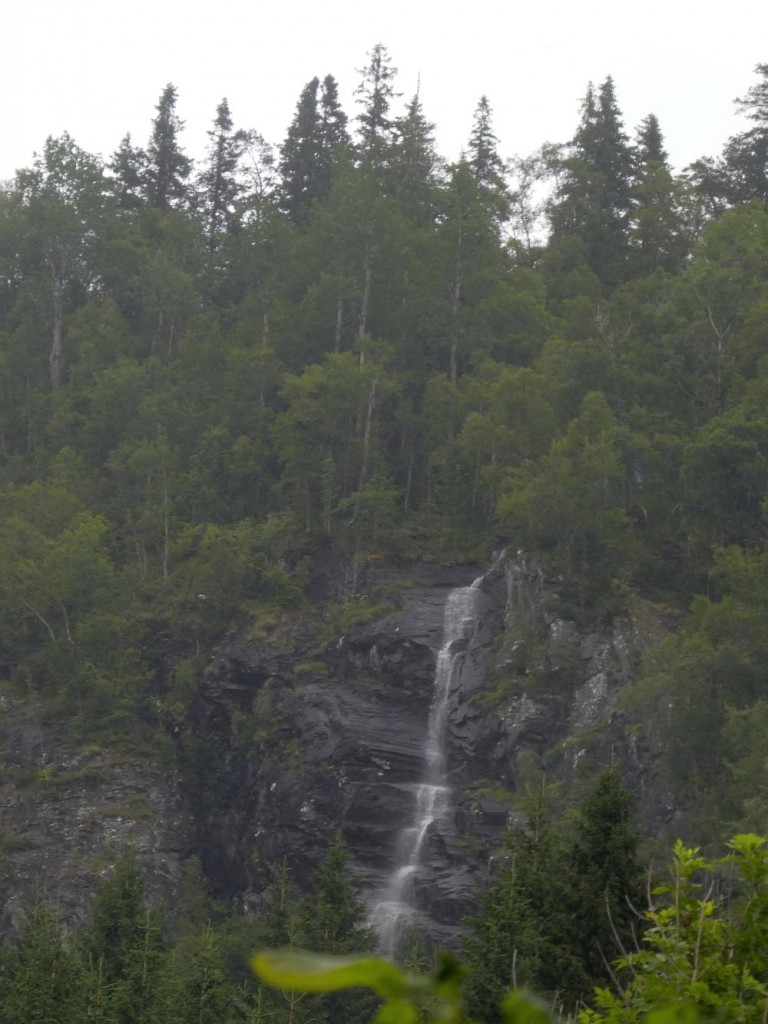
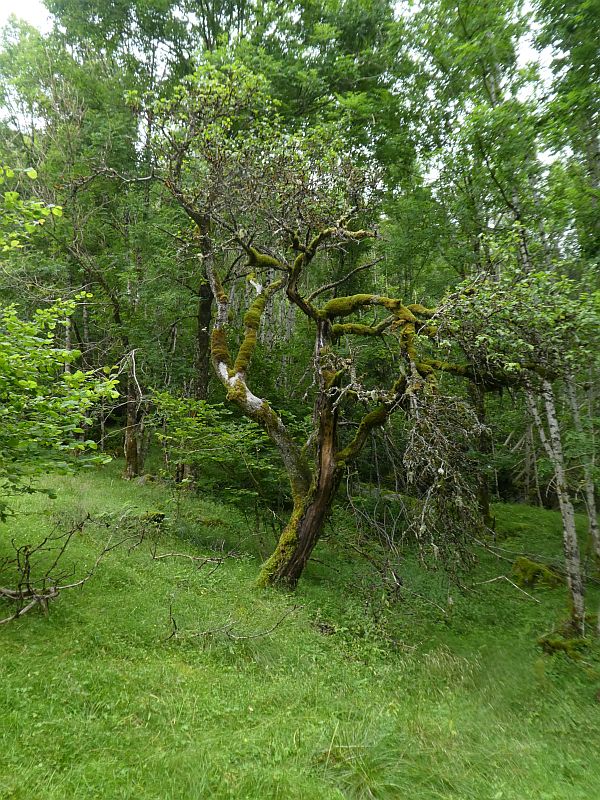
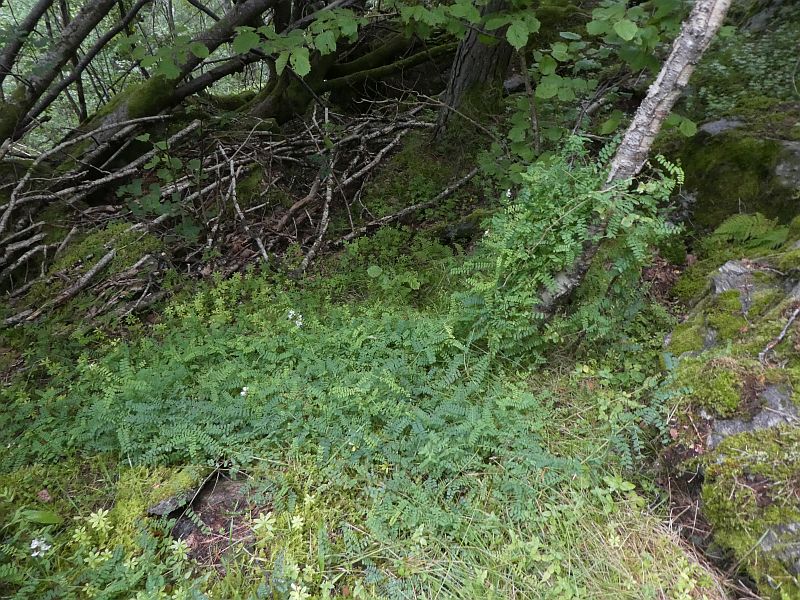
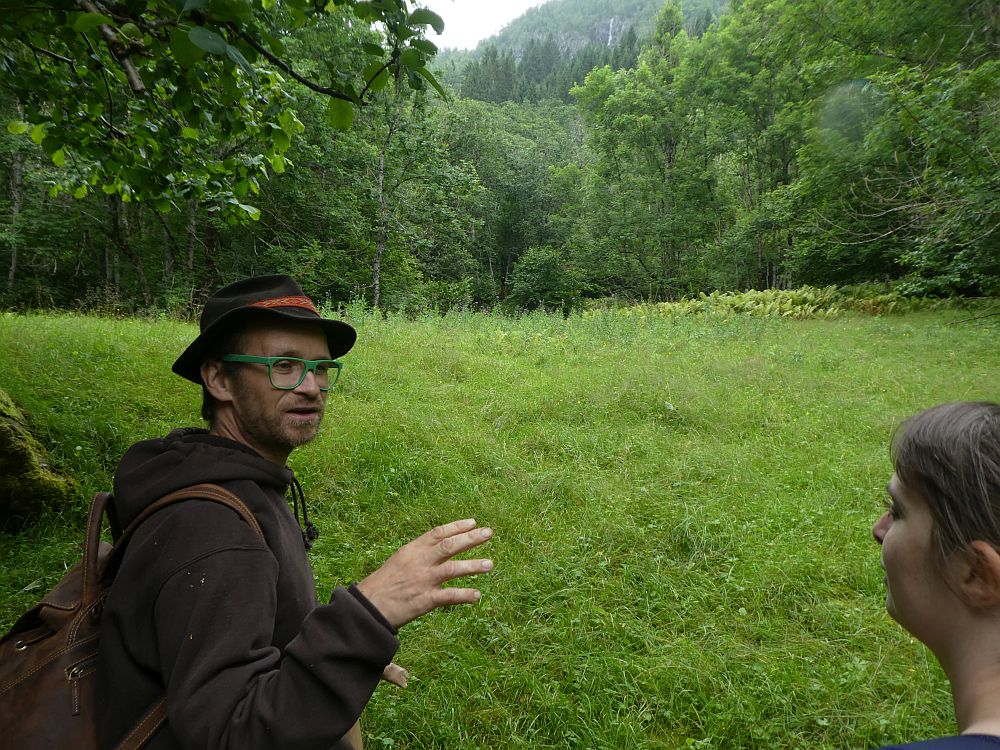
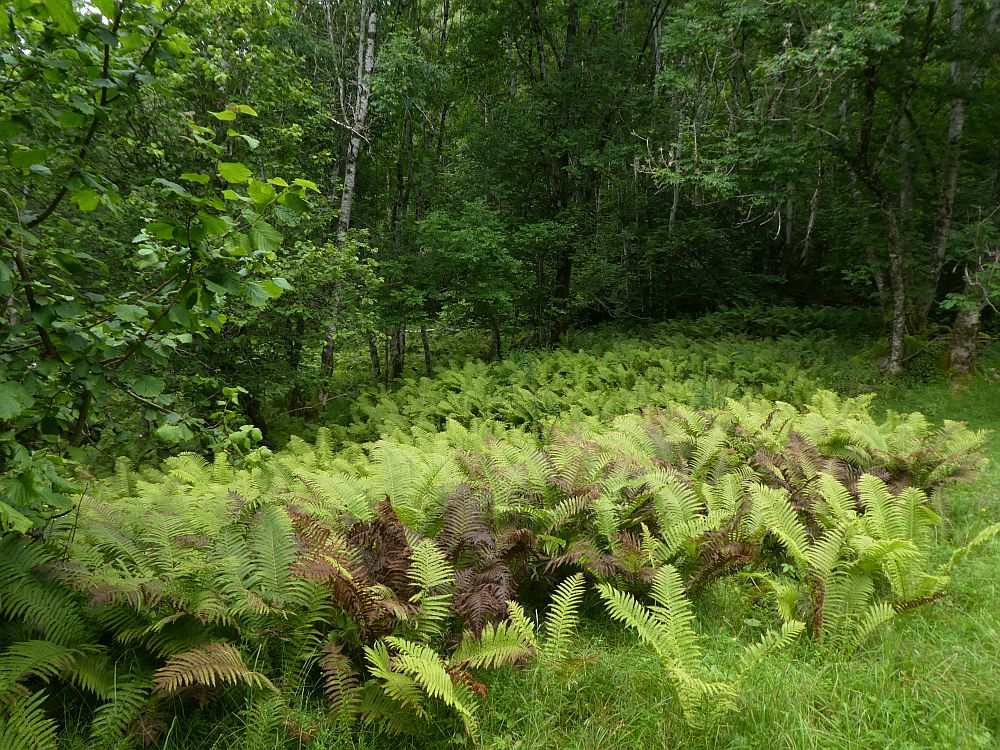
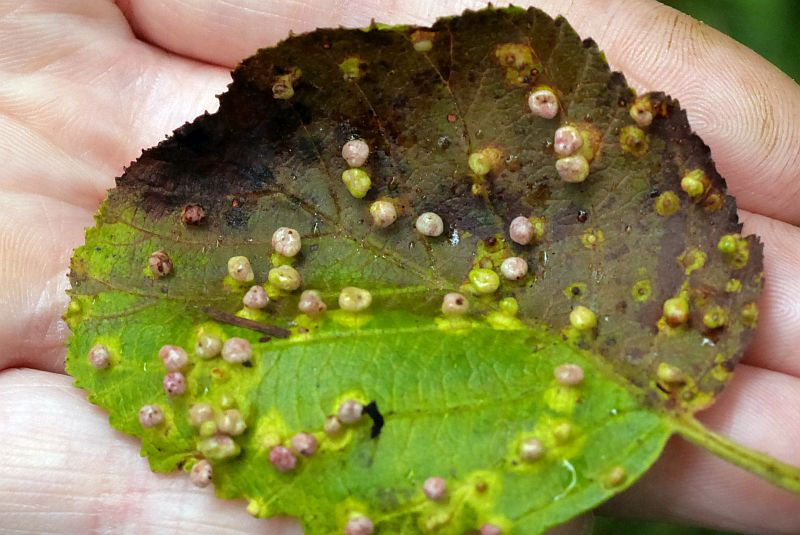
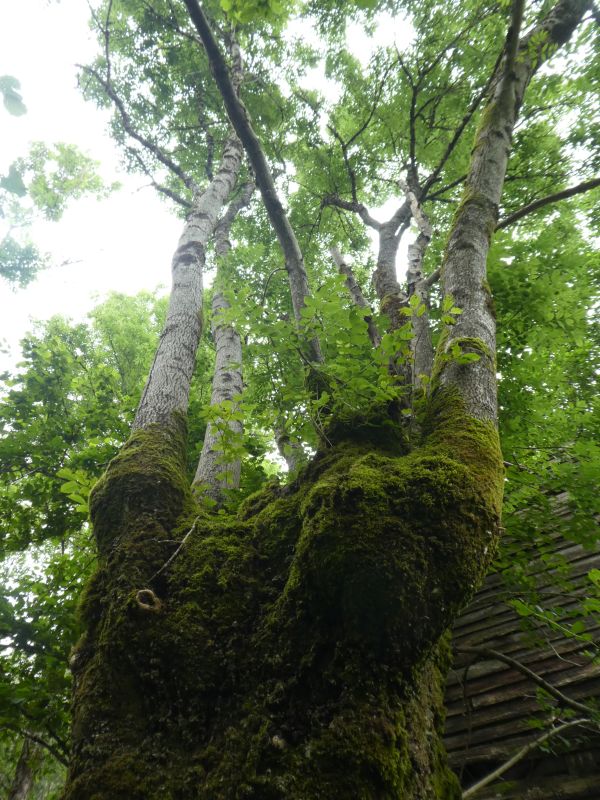
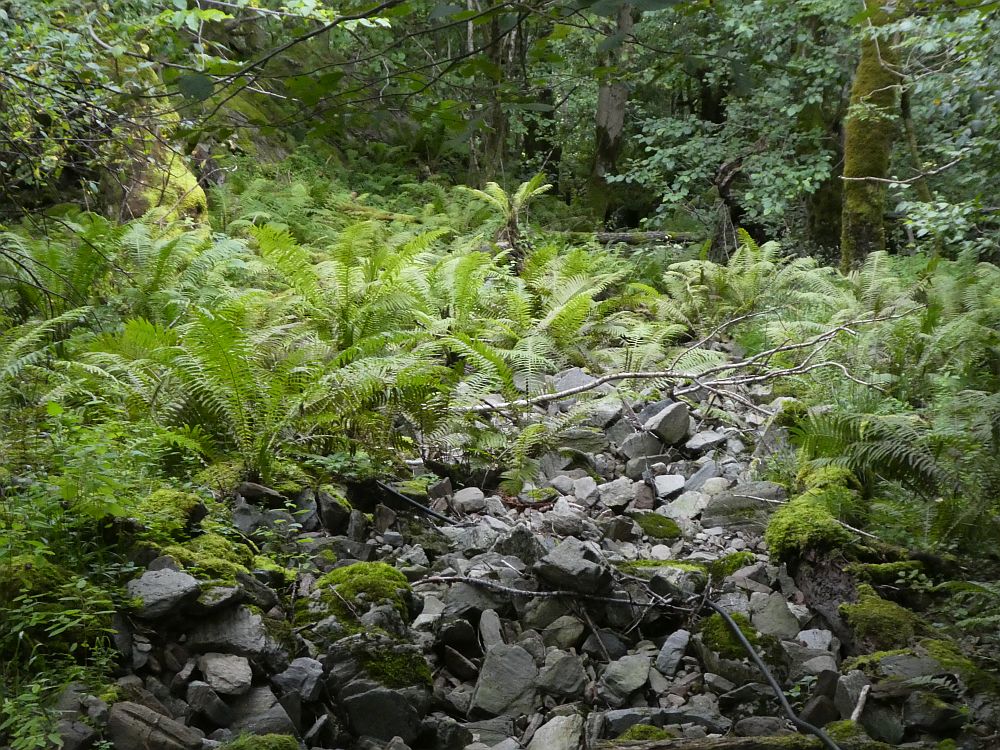
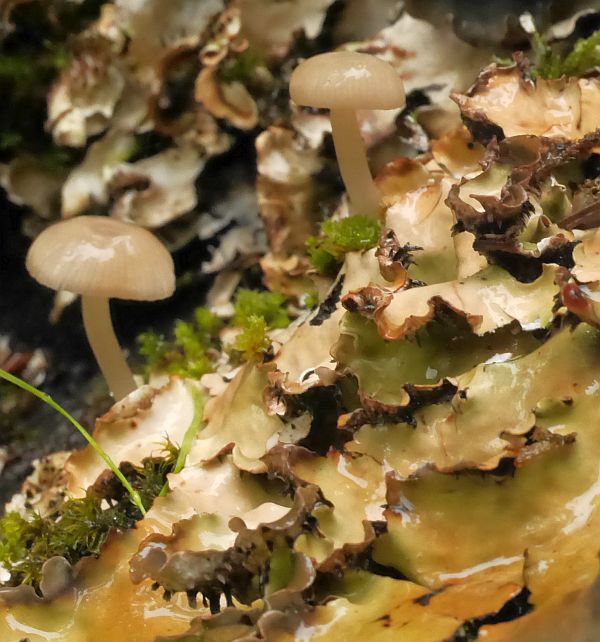
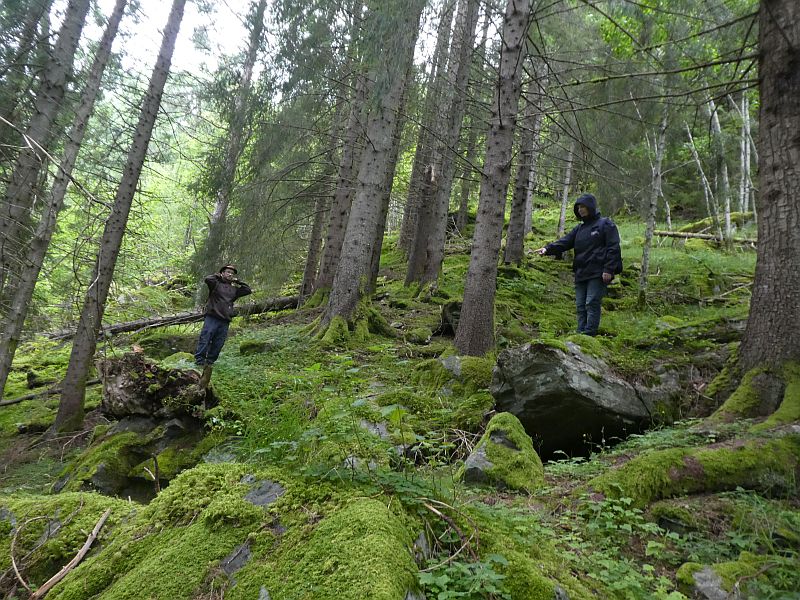
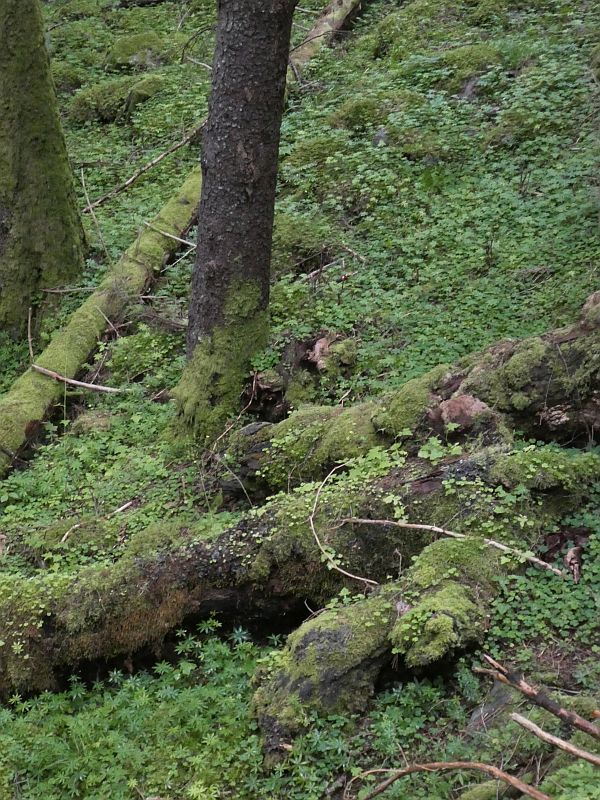
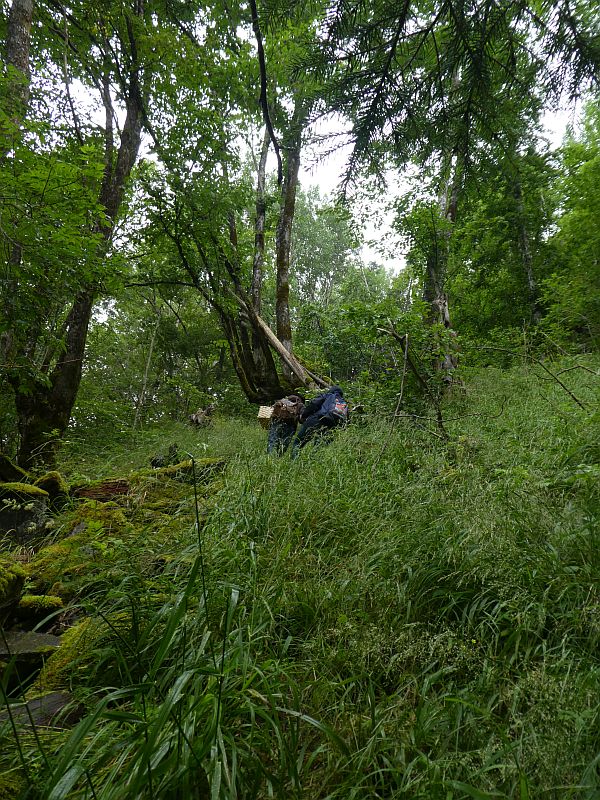
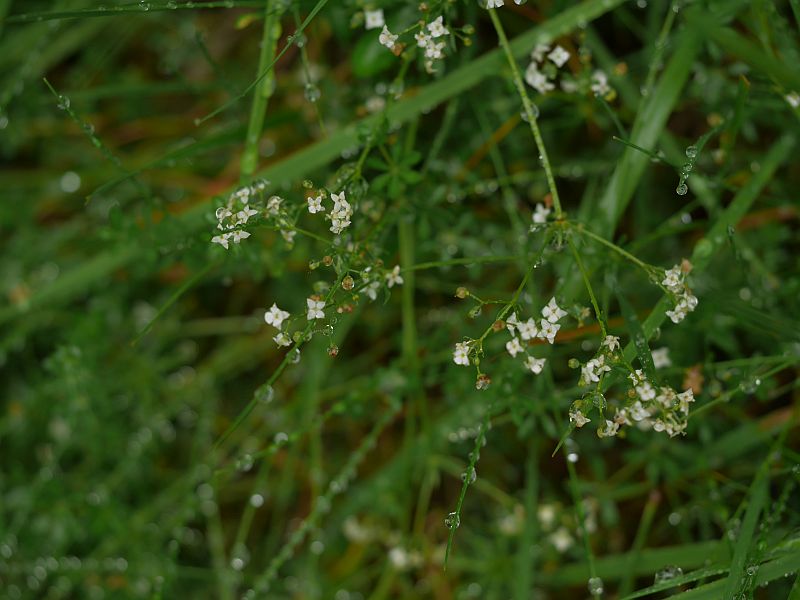
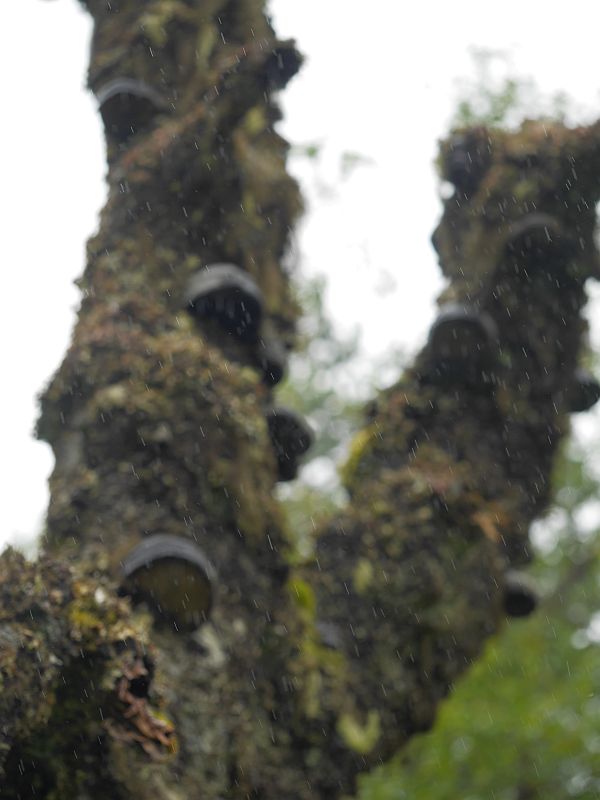
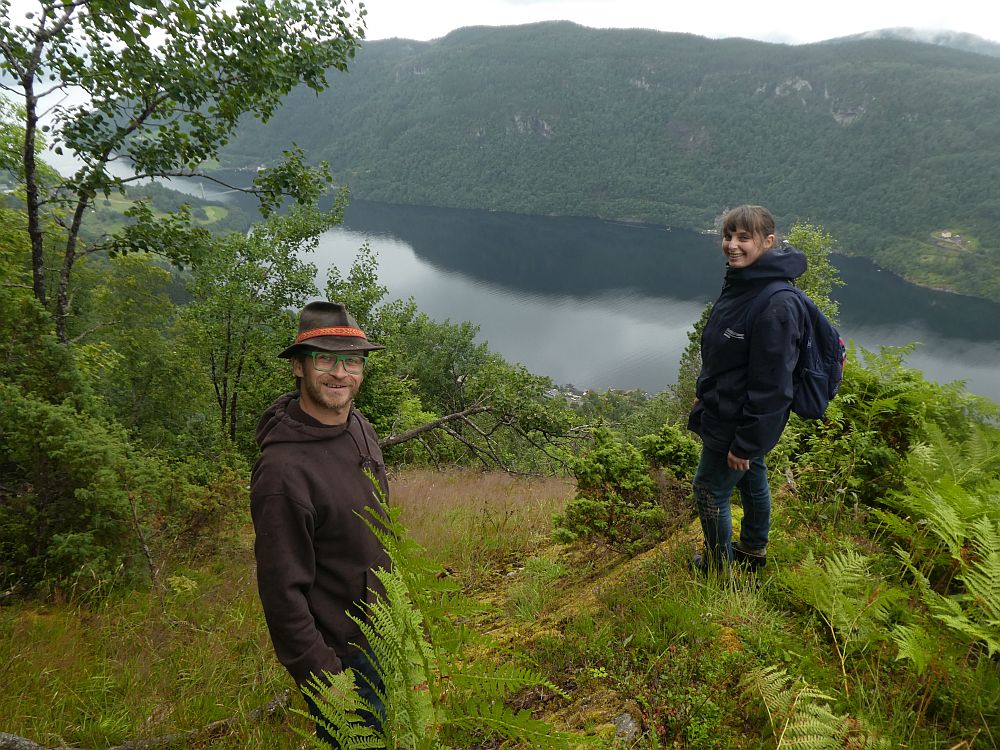
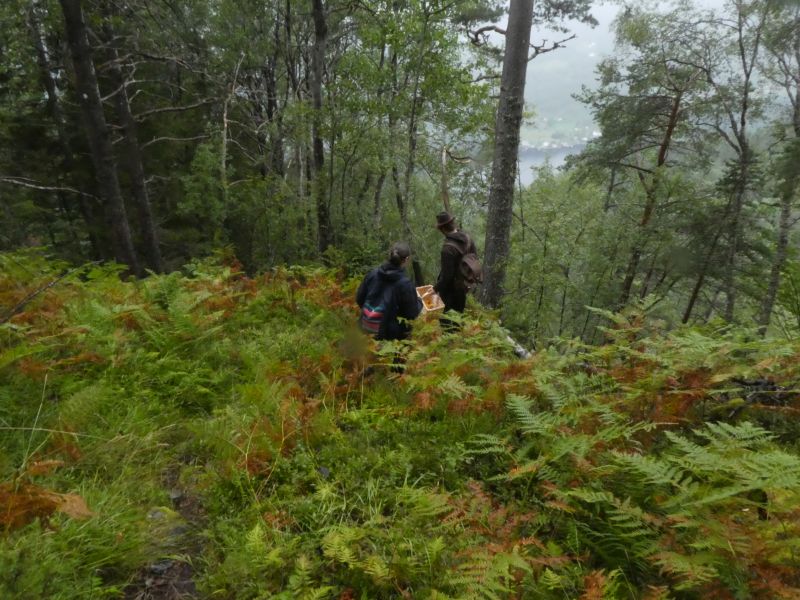
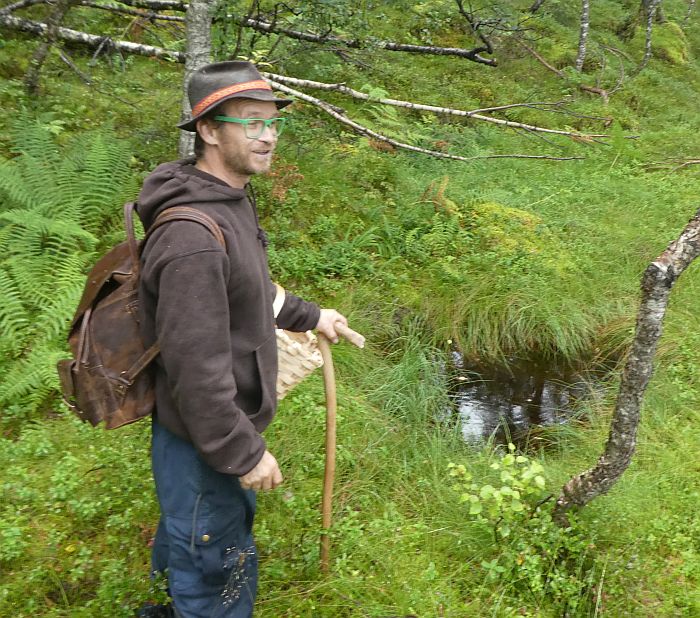
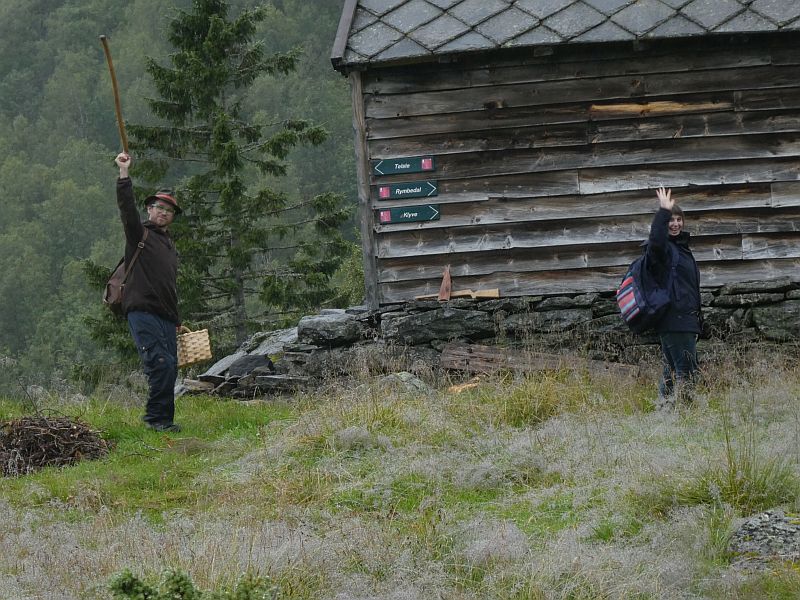
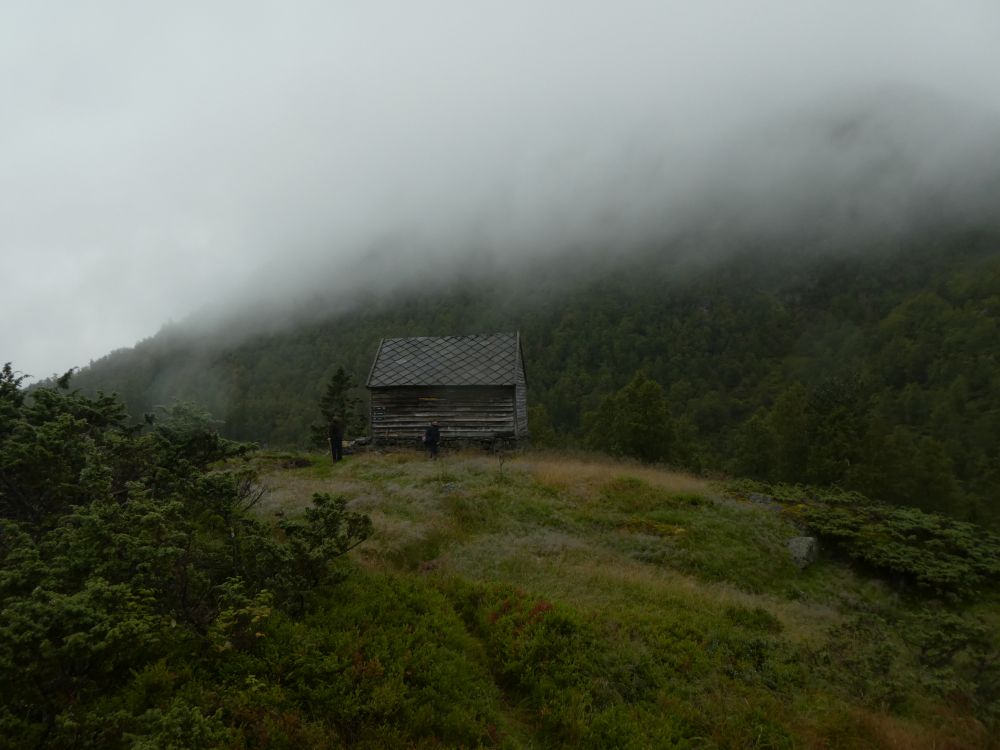
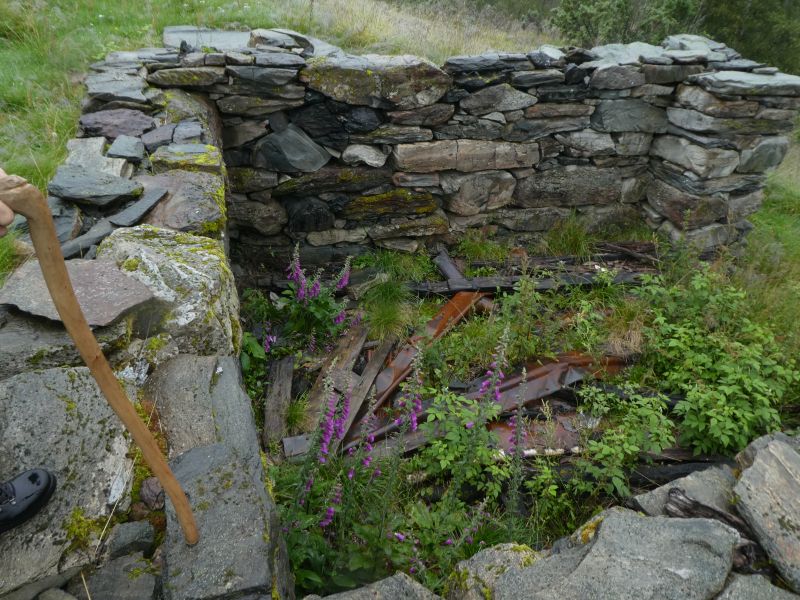
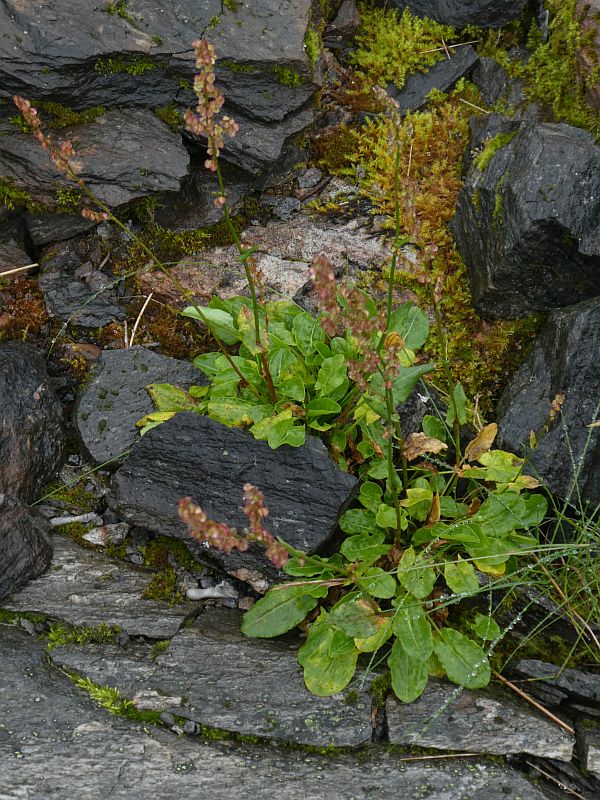
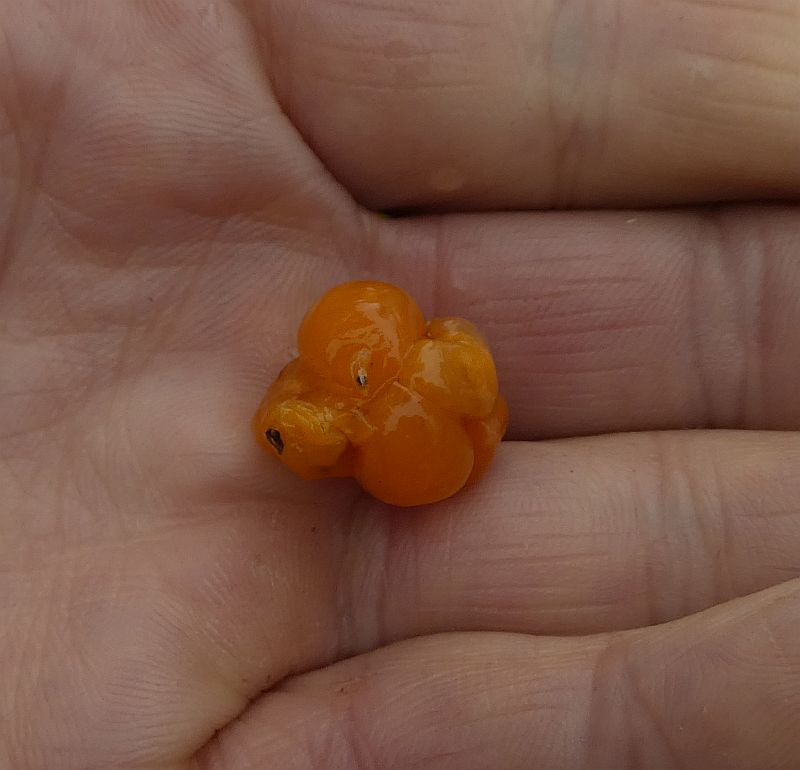
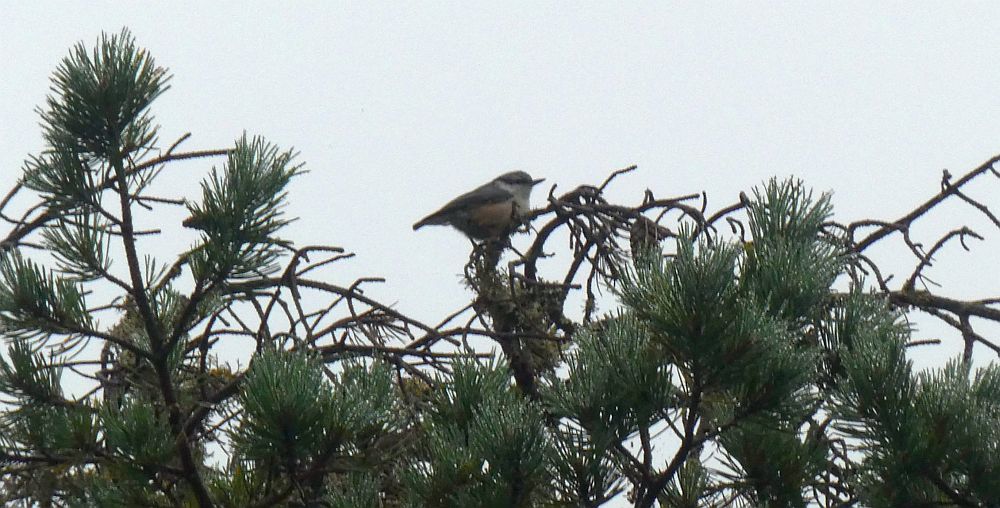
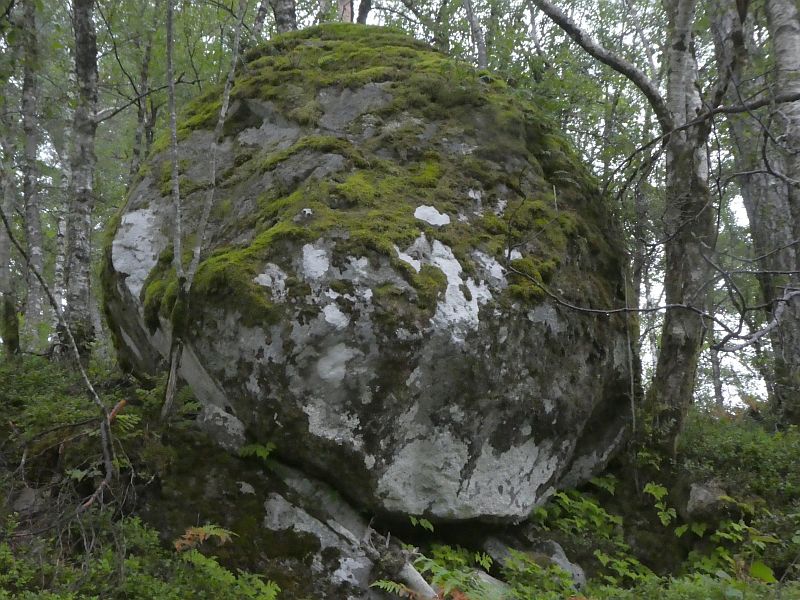
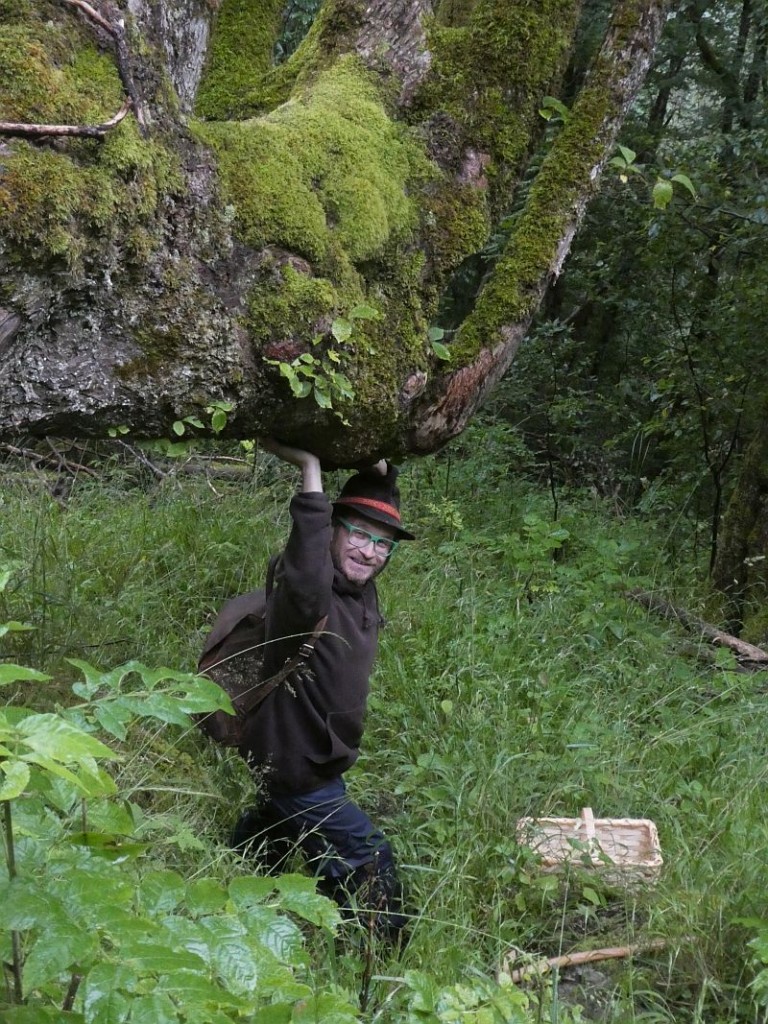
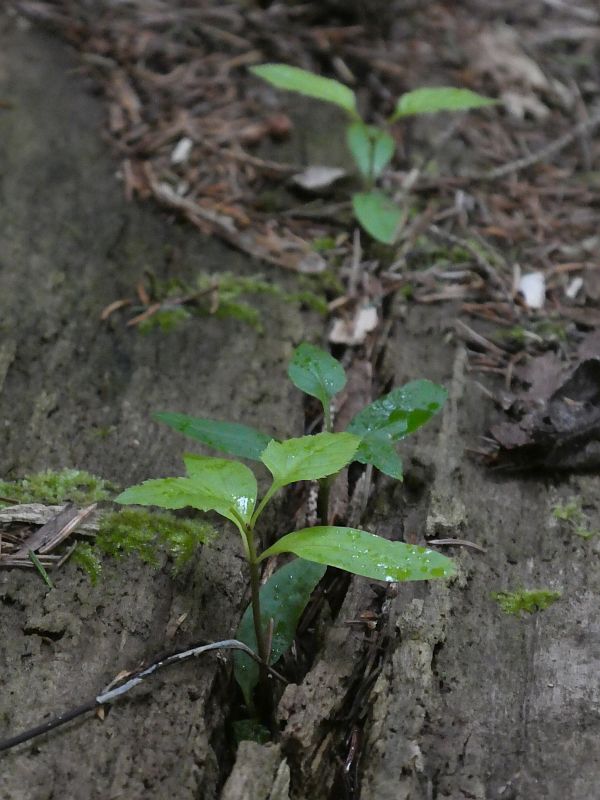
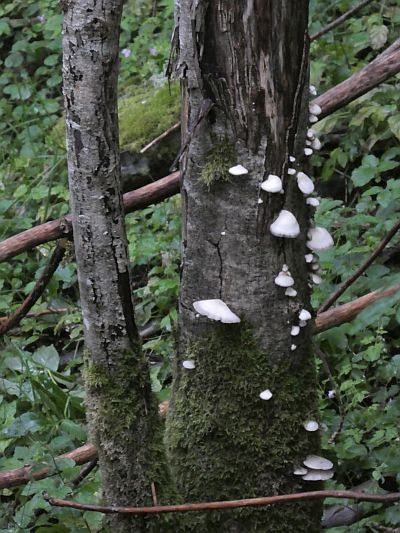
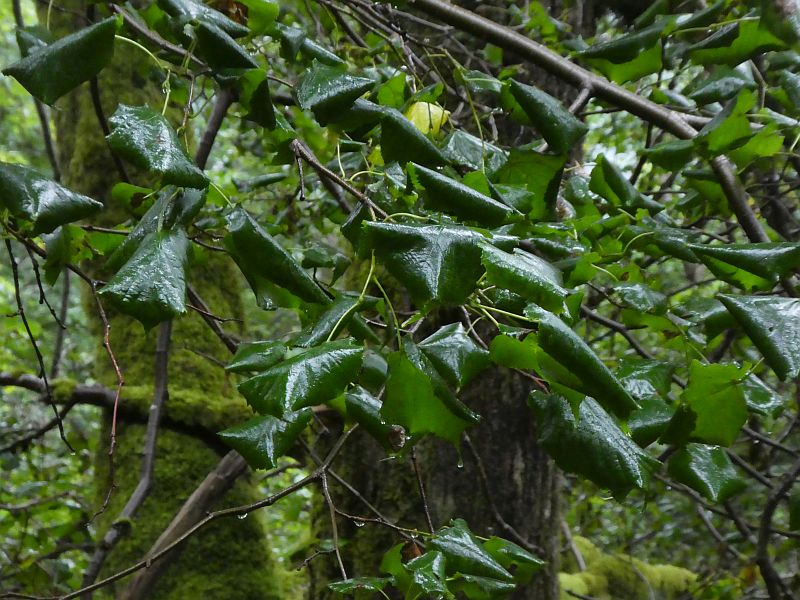
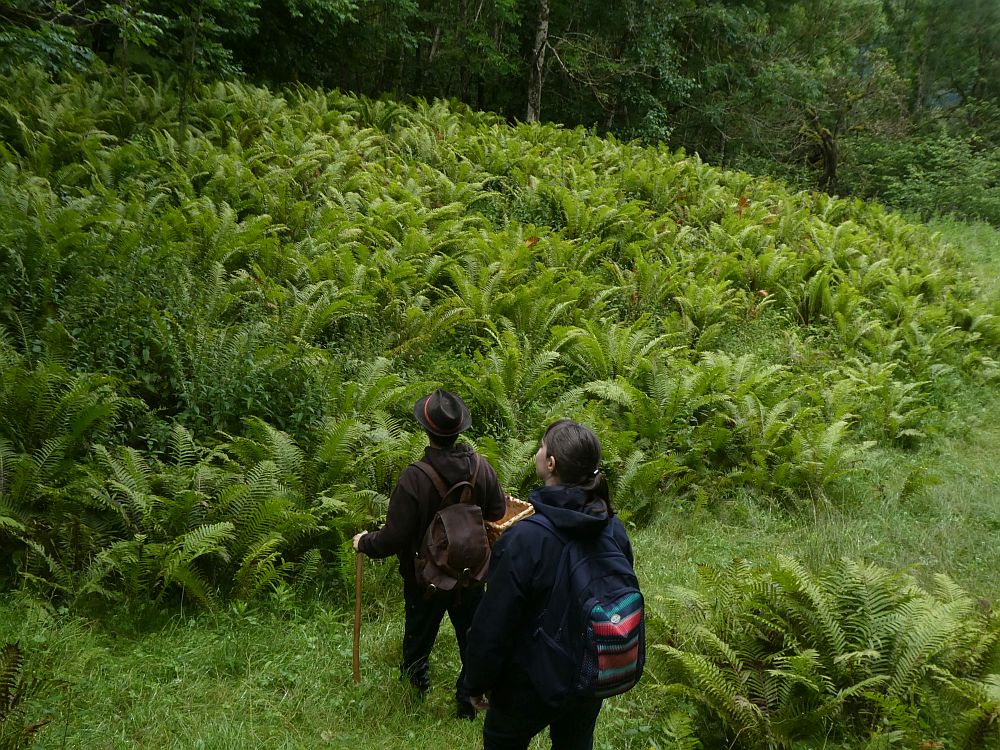
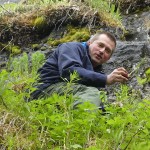
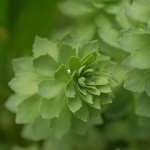
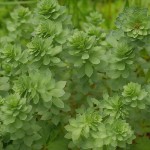
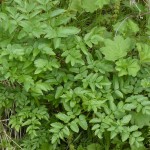
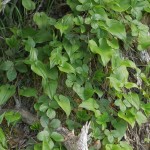
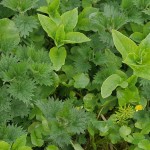
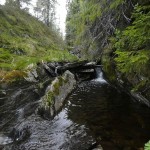
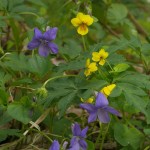
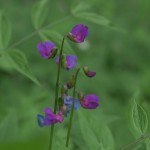
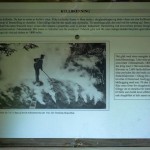
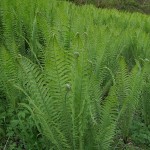
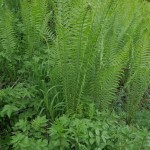
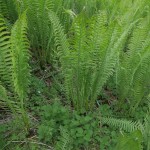
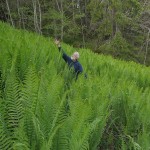
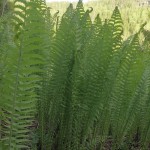
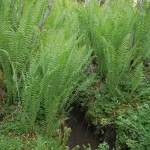
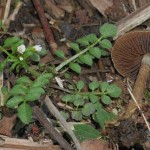
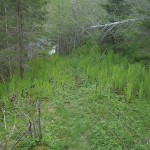
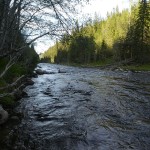
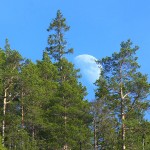
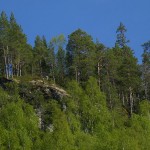
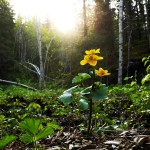
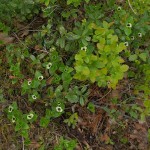
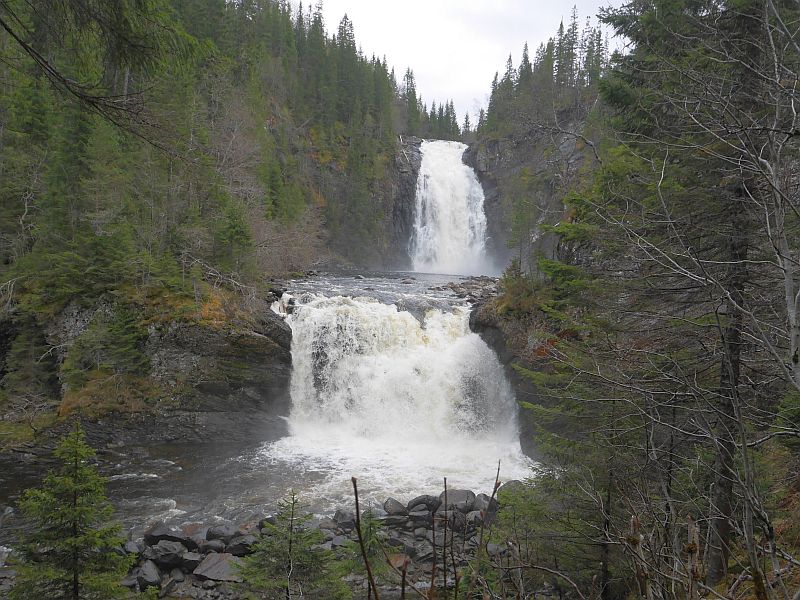
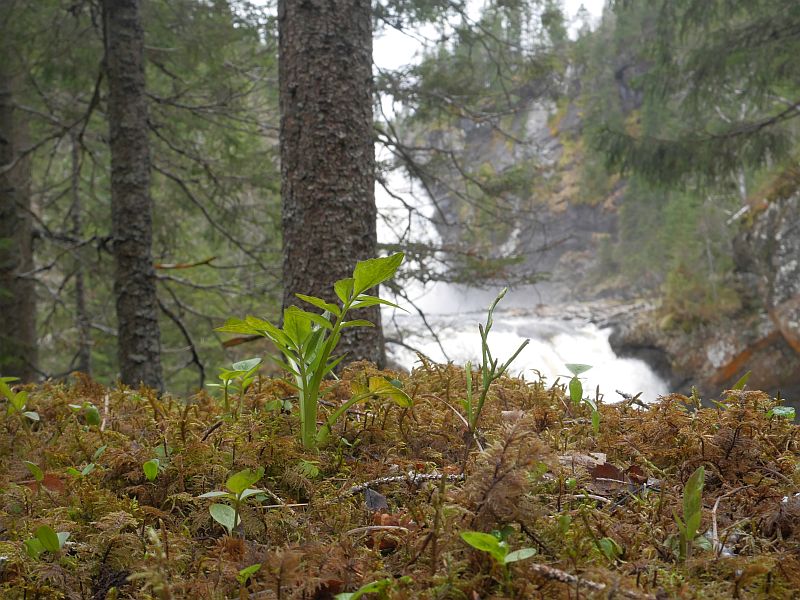
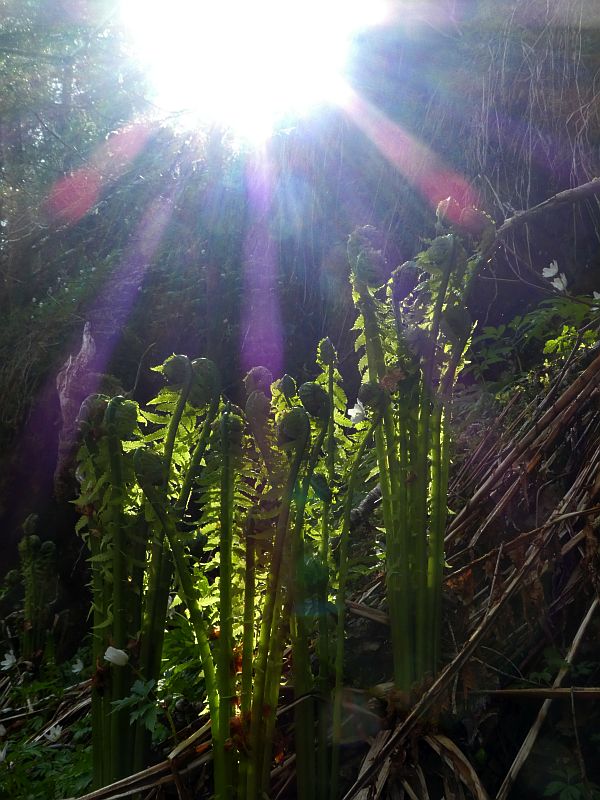
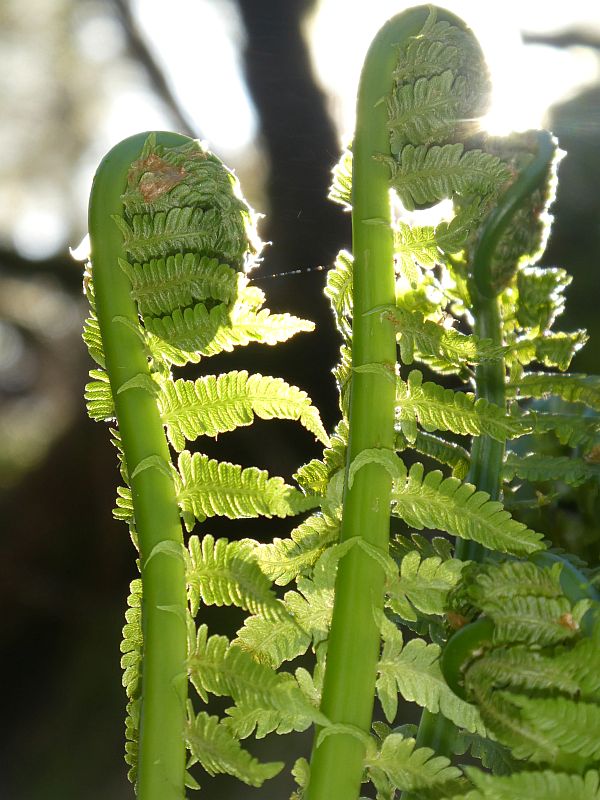
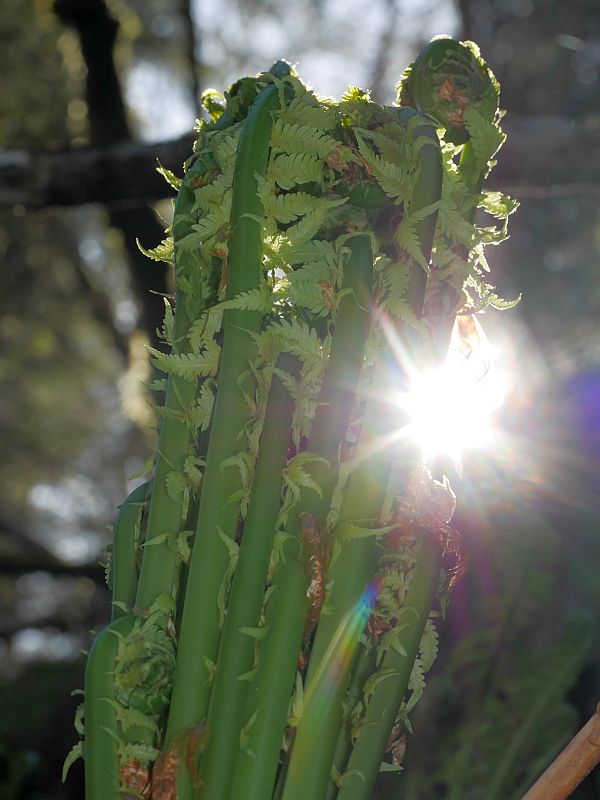
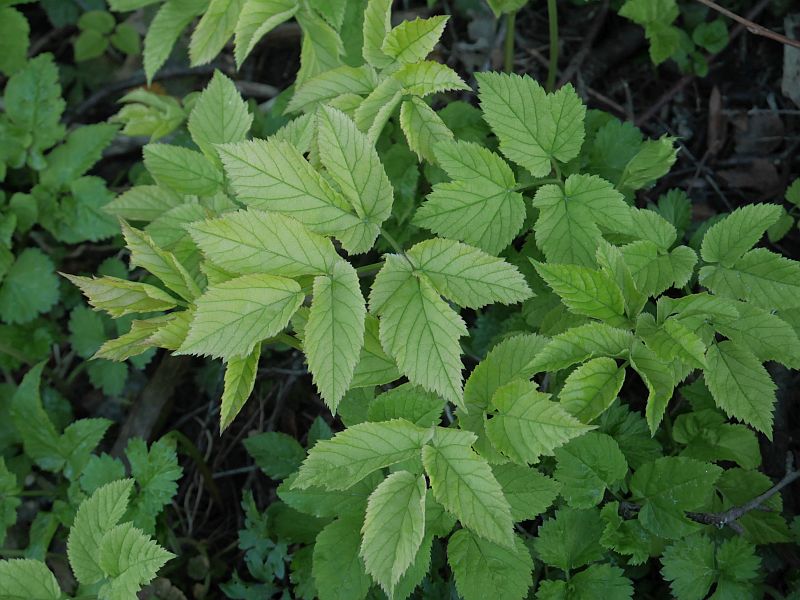
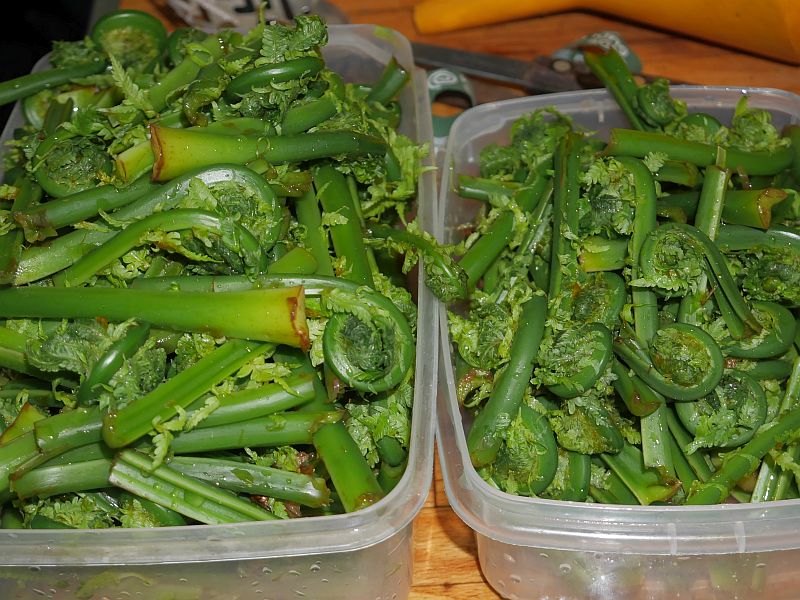
Pictures from this week’s 5 hour (botanist pace) walk along the spectacular Homla canyon, the start about 14 km from home!
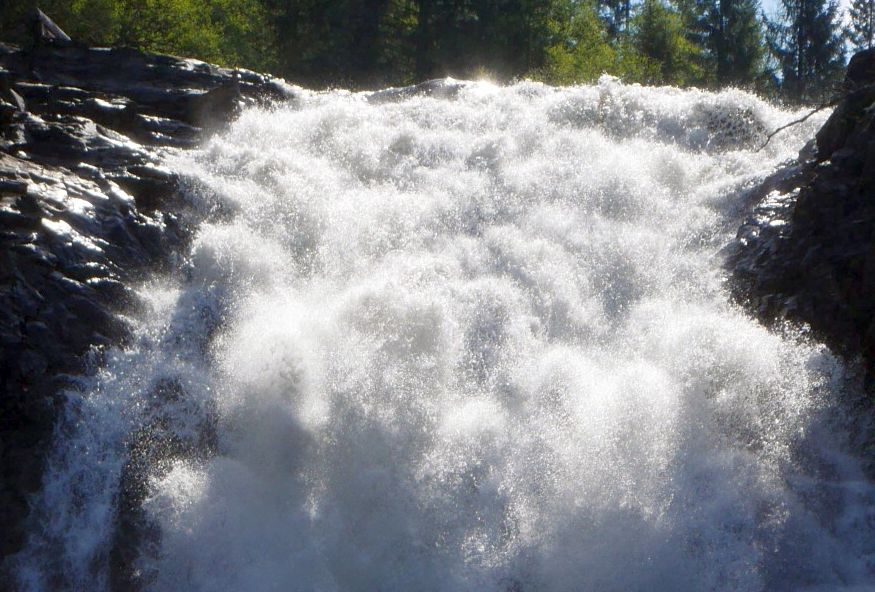
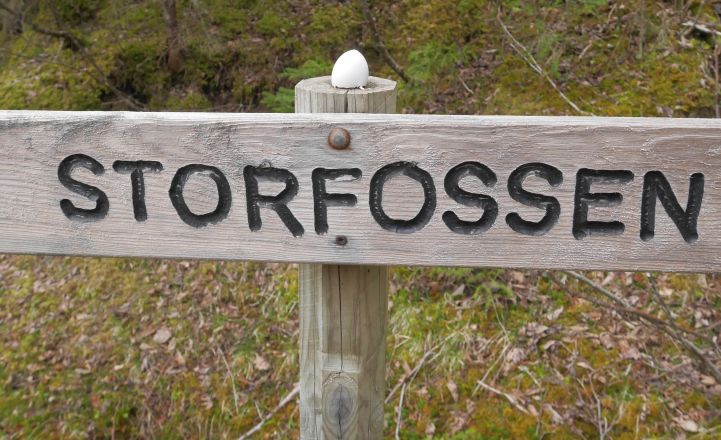
Storfossen
Storfossen
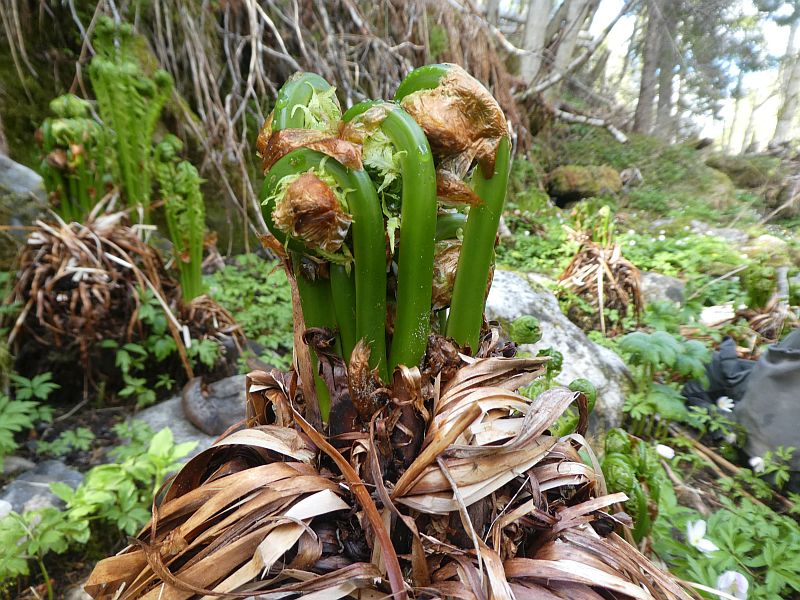
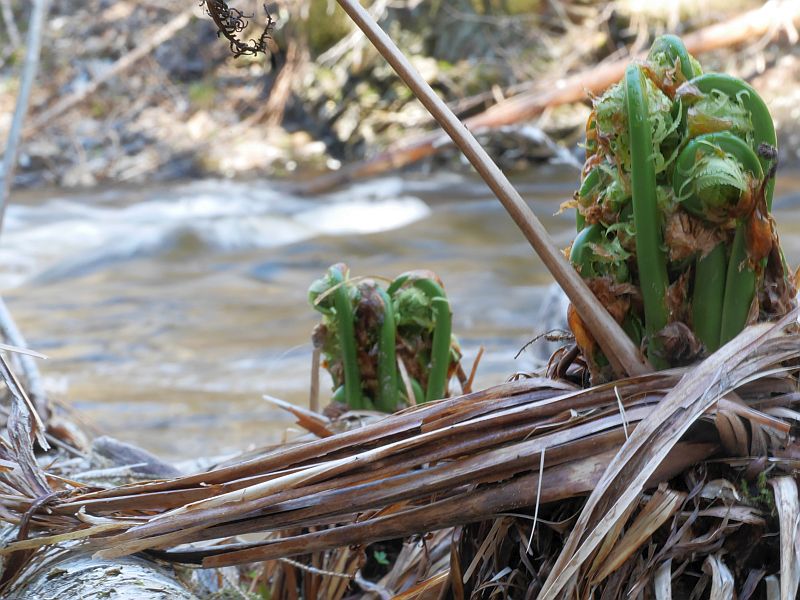
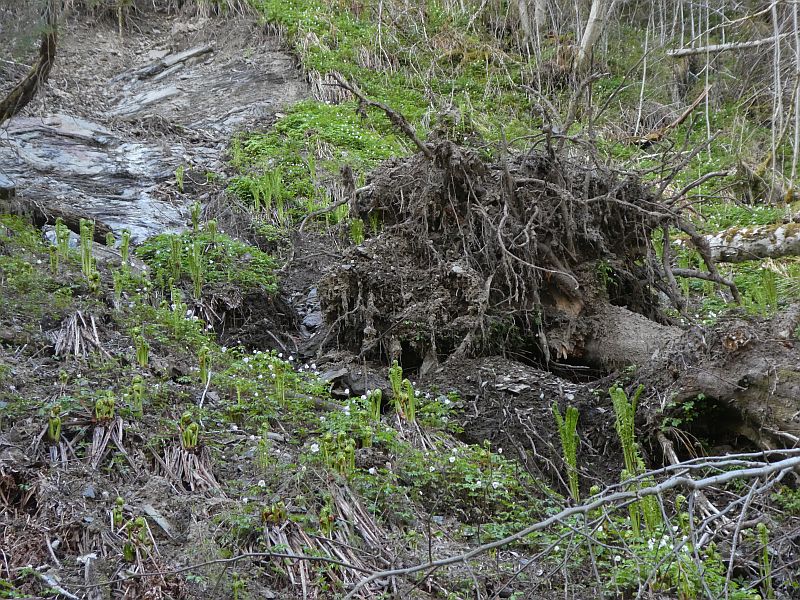
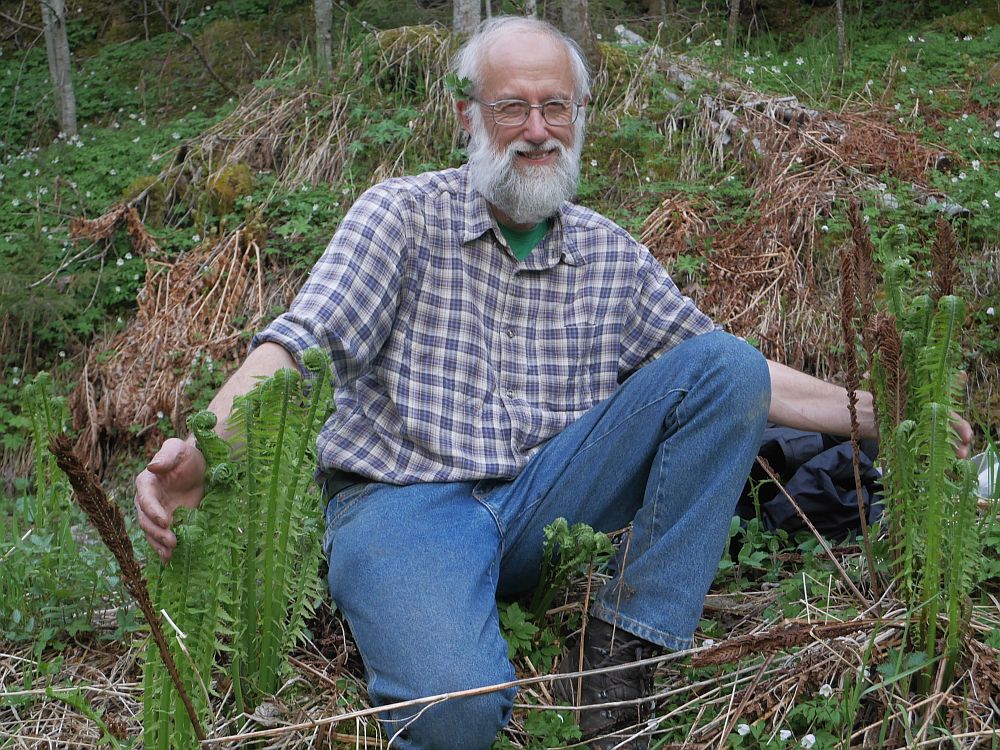
Ostrich fern (strutseving) had already come too far in most places, but in the cooler air next to the river and in places where the snow lies late, they were perfect for harvestingth the warm weather, the ostrich fern (strutseving) had already come too far to harvest, but other places on the banks of the river and where snow lies longer
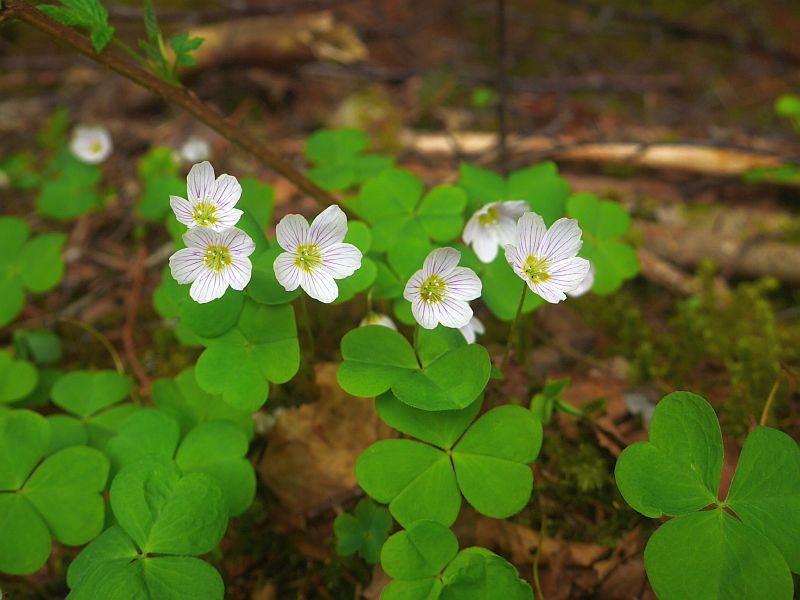
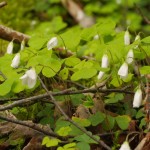
Wood anemones (hvitveis)
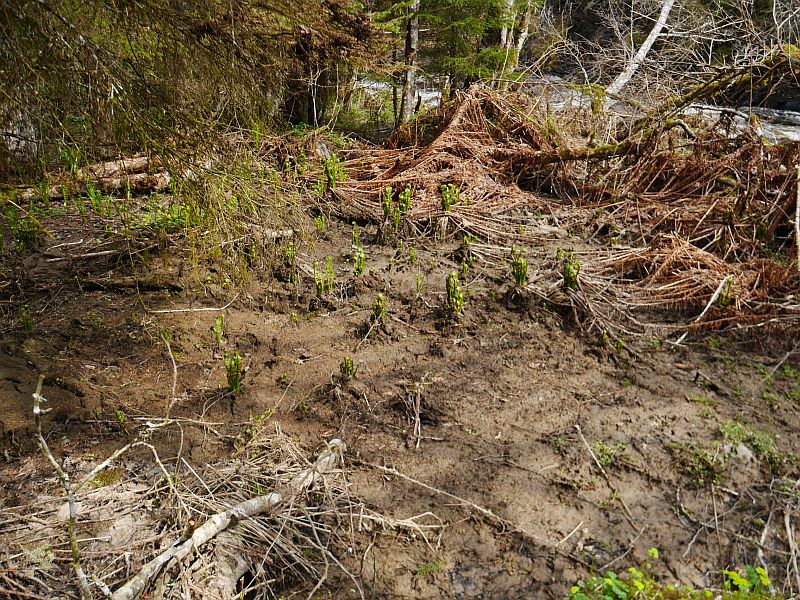
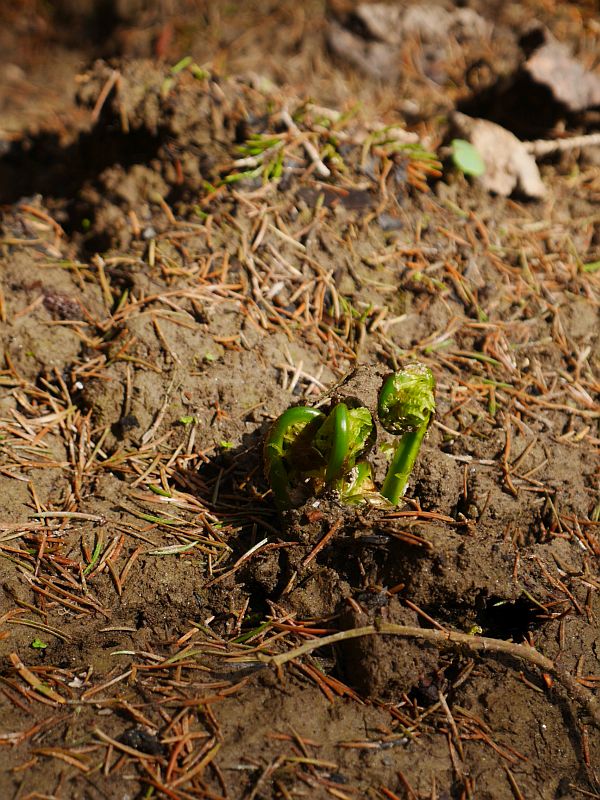
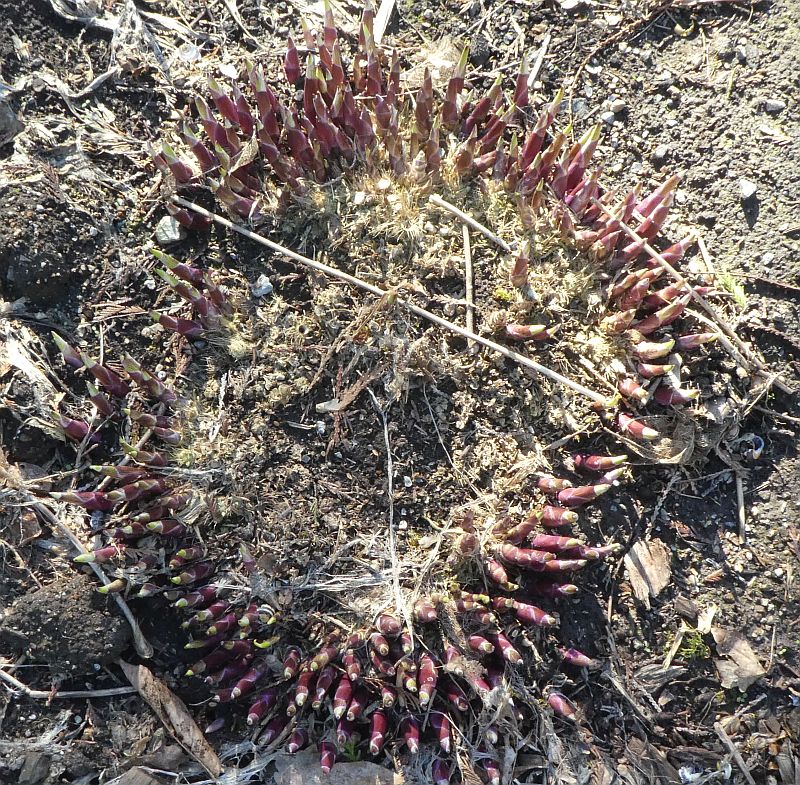
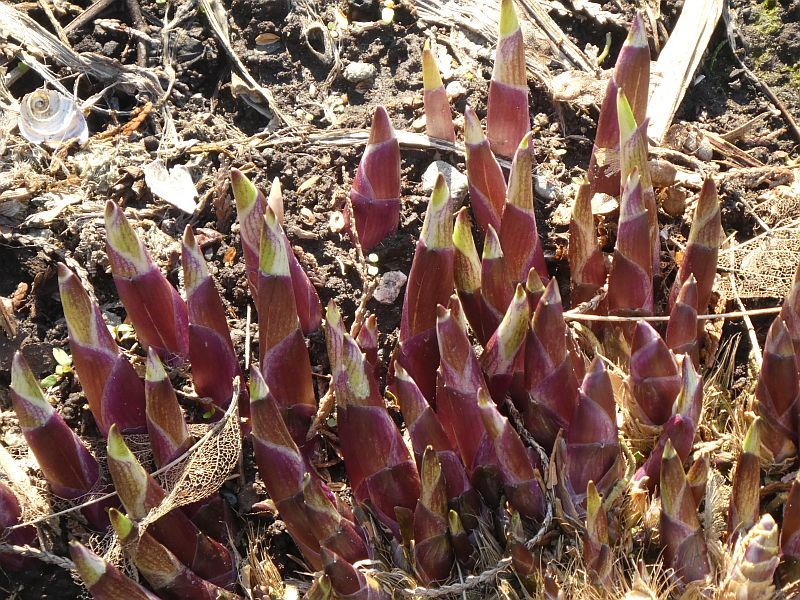
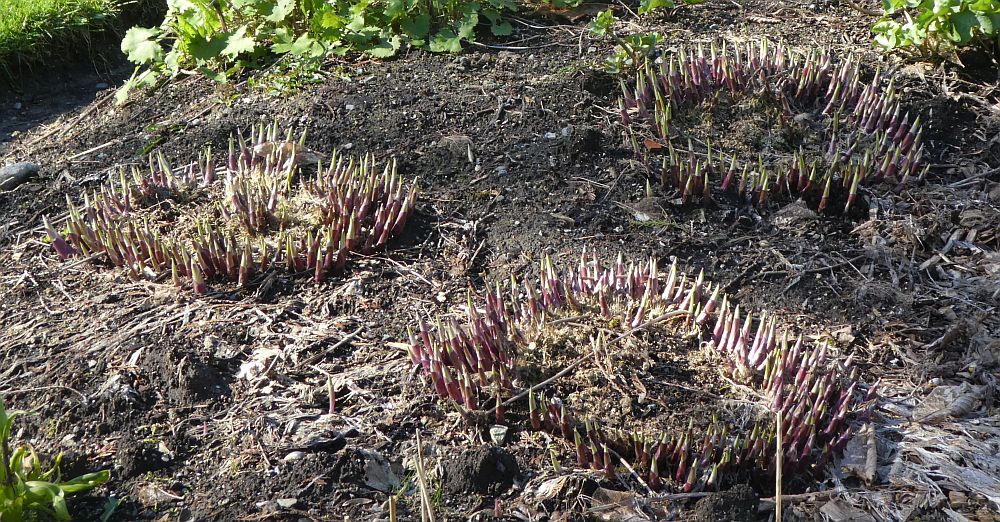
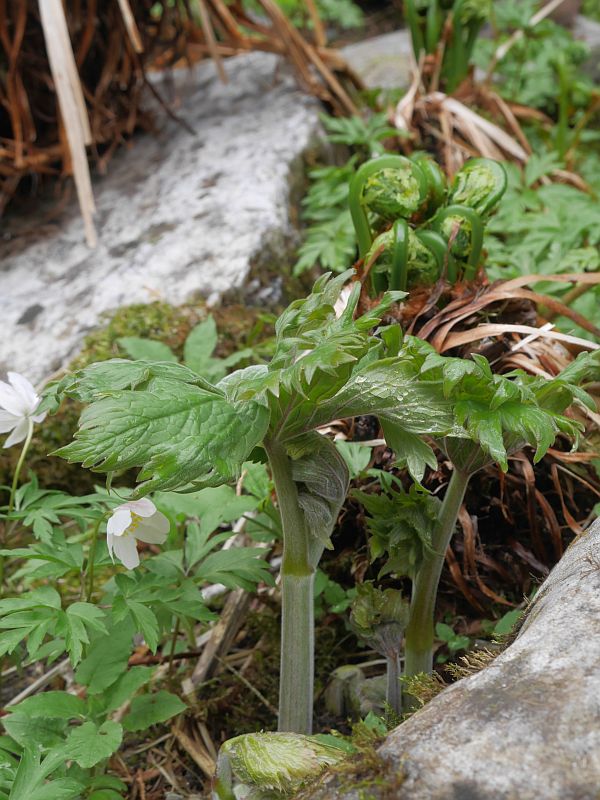
Ostrich fern (strutseving) emerging from river spring flood silt deposits
Ostrich fern (strutseving) emerging from river spring flood silt deposits
Ostrich fern (strutseving) emerging from river spring flood silt deposits
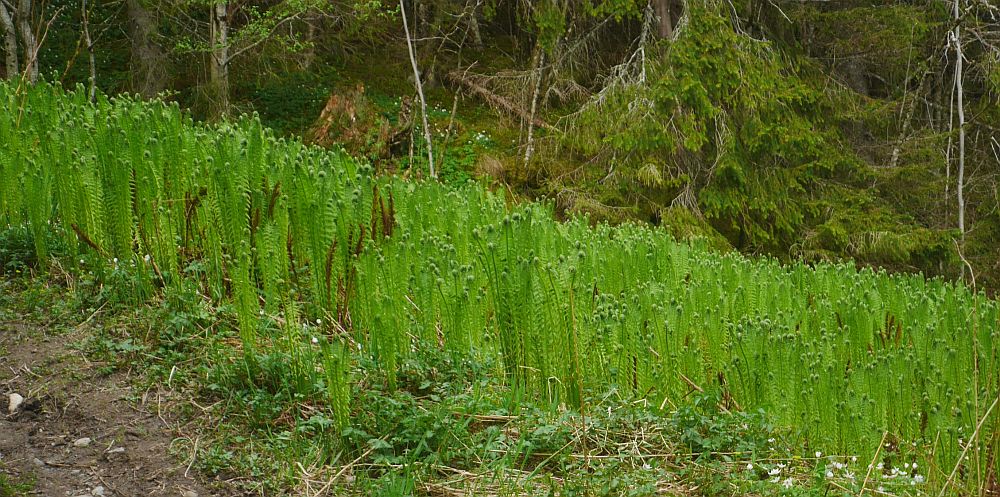
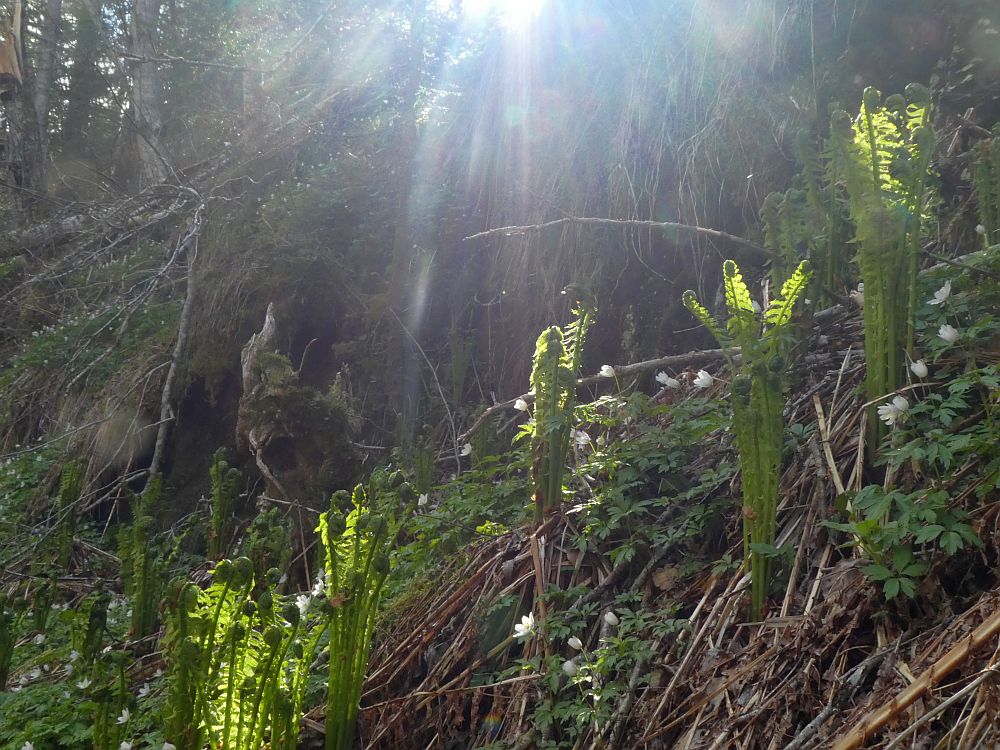
A particularly luxuriant patch of ostrich fern
A particularly luxuriant patch of ostrich fern
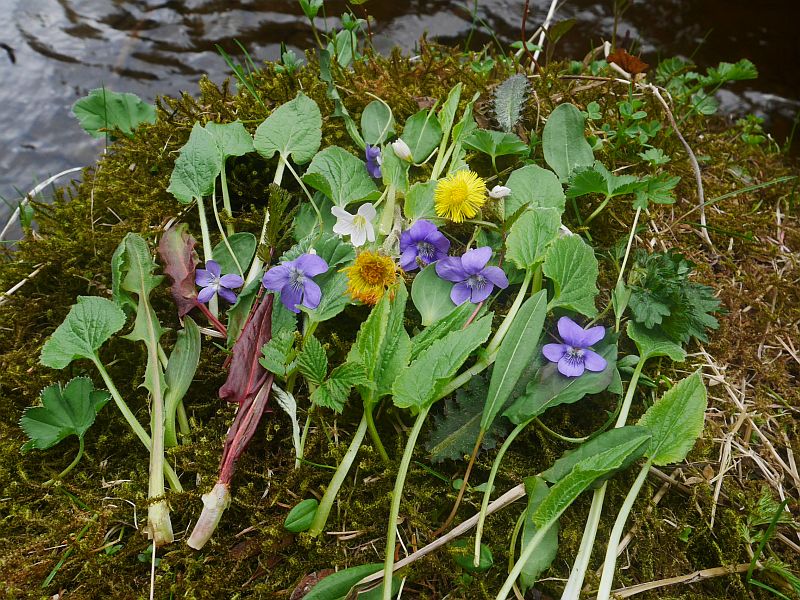
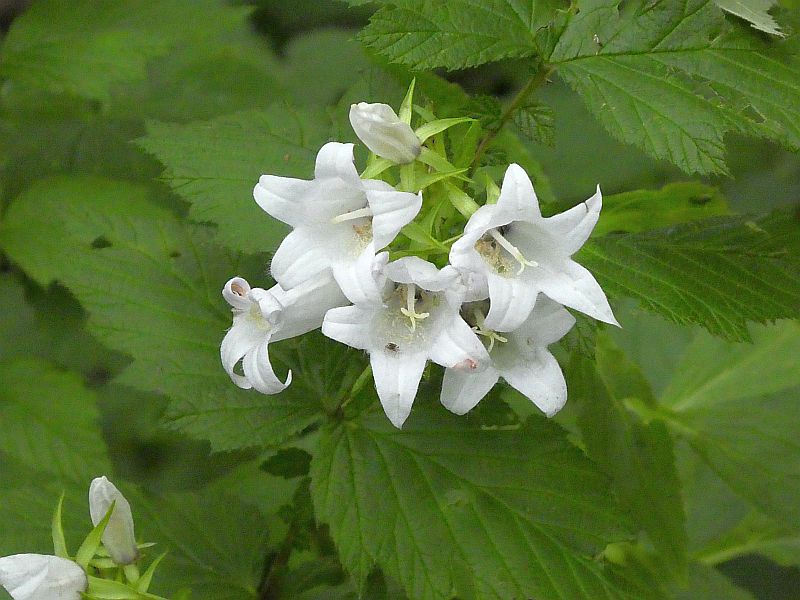
Wild salad gathered for lunch on the Homla walk this week, including giant bellflower (storklokke), alpine bistort (harerug), Viola spp., red and green leaved sorrel (engsyre), Rumex longifolius, raspberry (bringebær) shoots, wood sorrel (gjøksyre), lady’s mantle (marikåpe), stinging nettle (brennesle), young leaves of Cirsium palustre, coltsfoot (hestehov, don’t use much as it contains alkaloids) and dandelion (løvetann)
Wild salad gathered for lunch on the Homla walk this week, including giant bellflower (storklokke), alpine bistort (harerug), Viola spp., red and green leaved sorrel (engsyre), Rumex longifolius, raspberry (bringebær) shoots, wood sorrel (gjøksyre), lady’s mantle (marikåpe), stinging nettle (brennesle), young leaves of Cirsium palustre, coltsfoot (hestehov, don’t use much as it contains alkaloids) and dandelion (løvetann)
An article in Norwegian about my first experiences with ostrich fern (strutseving). From the magazine of the Norwegian Useful Plants Society, Våre Nyttevekster (Our Useful Plants). Link to download below:
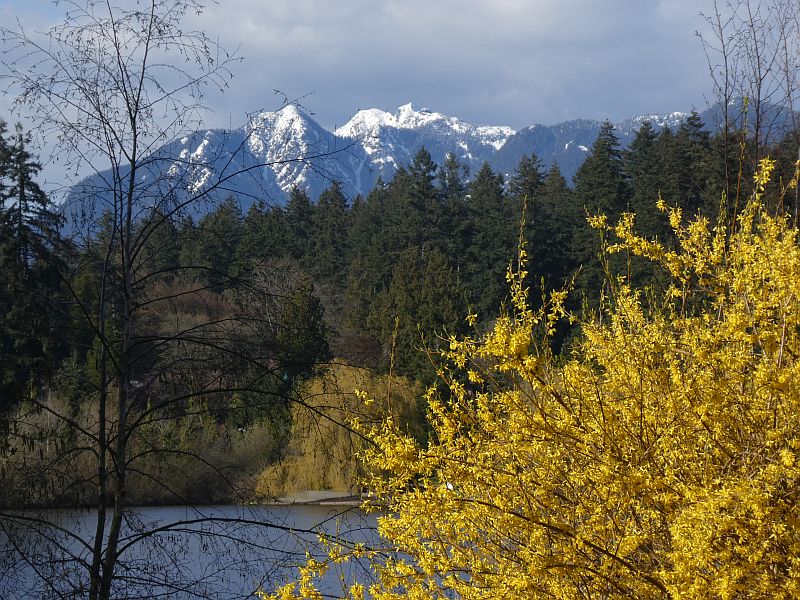
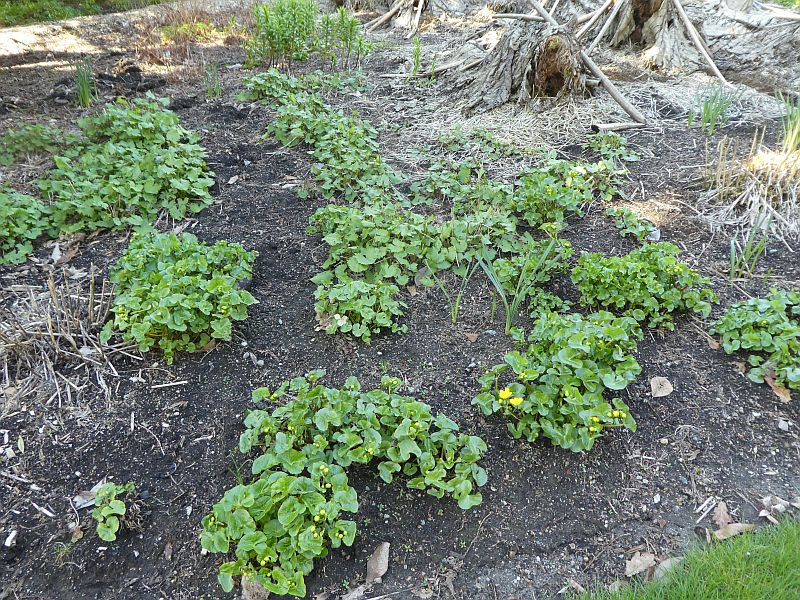
I took the ferry across from Vancouver Island to the city of Vancouver. I’ve already posted a lot of pictures of the birds of fabulous Stanley Park, a green lung right in the centre of the city (see http://www.edimentals.com/blog/?p=10476). Here’s a few pictures of emerging edimentals I spotted in the park during my visit on 4th April 2017.
Stanley Park
Gunnera chilensis
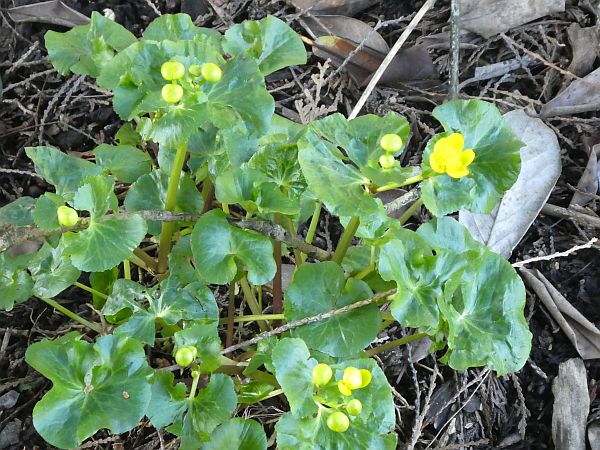
Cowslip (Caltha palustris) is an important edible of native americans, but needs careful preparation to detoxify and remove the bitterness, the flower buds have also been used to make capers
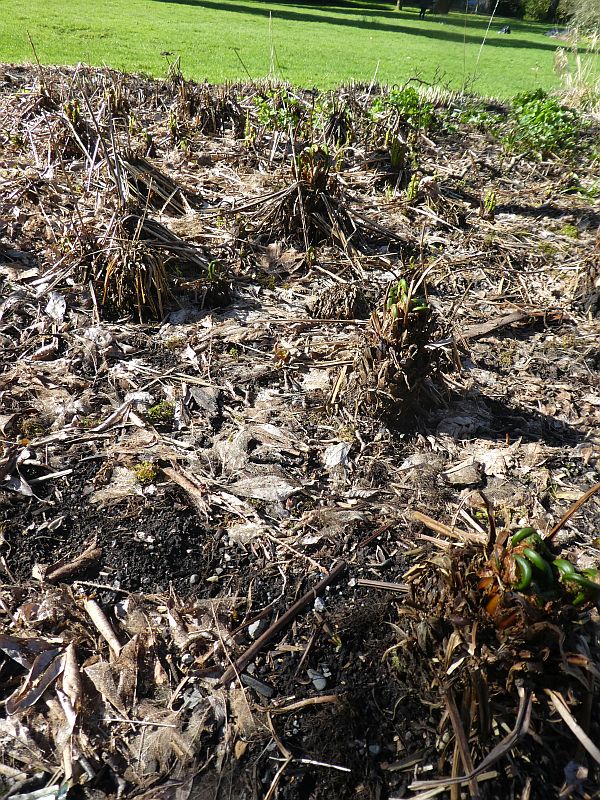
Ostrich fern ready to eat, planted in an ornamental bed
Ostrich fern
Hosta shoots
Hosta shoots
Hosta shoots
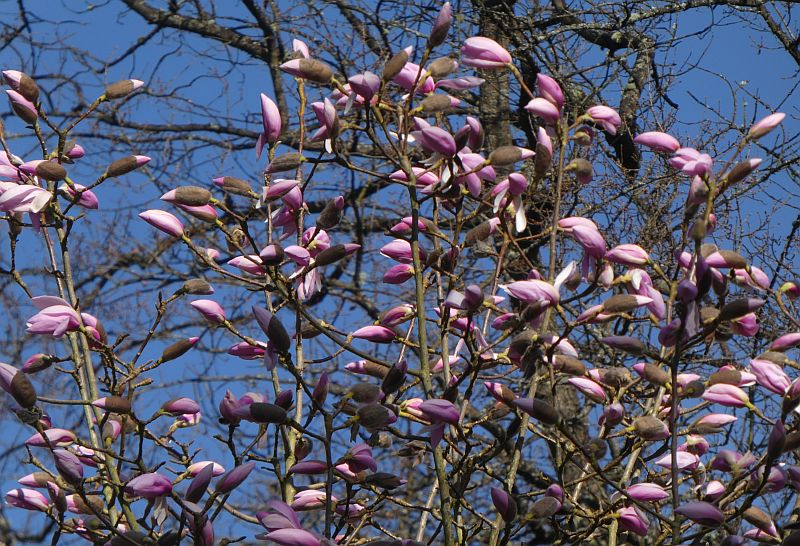
Magnnolia buds and flowers are used in the Far East
Typha spp. (cattails), the supermarket of the swamps, with a backdrop of central Vancouver
This week I gave a couple of talks for the first time on the subject of “Perennials: Attractive and climate friendly city vegetables” ….covering everywhere from roof gardens to shady backyards to city farms, including Slottsparken – the park around the Royal Palace in Oslo which is in reality a productive forest garden ;) (full of Hosta and ostrich fern / strutseving)!
3 hour course for Bybondelagon 1st November 2017 (the Norwegian City Agrarian Society)
Short 35 minute talk as part of the “Grønn Helse i Byen” (Green health in the city) symposium arranged by Det Norske Vitenskaps Akademiet (the Norwegian Academy of Science and Letters!)
Excellent and enthusiastic talk by city farmer Andreas Capjon from the Losæter farm in the centre of Oslo at the Green health in the city symposium.
On the way up the mountain at Alvastien Telste I found a particularly fertile ostrich fern with 30 fertile fronds! This is the edible wild plant equivalent of a moose with antlers with many points ;)
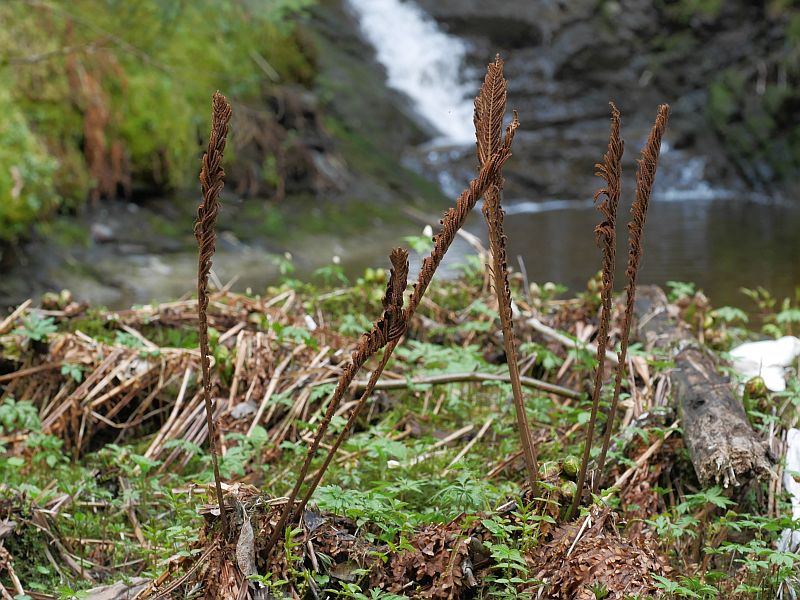
These much shorter fronds which carry the spores are one of the most important distinguishing features of ostrich fern (the taller fronds don’t have spores).
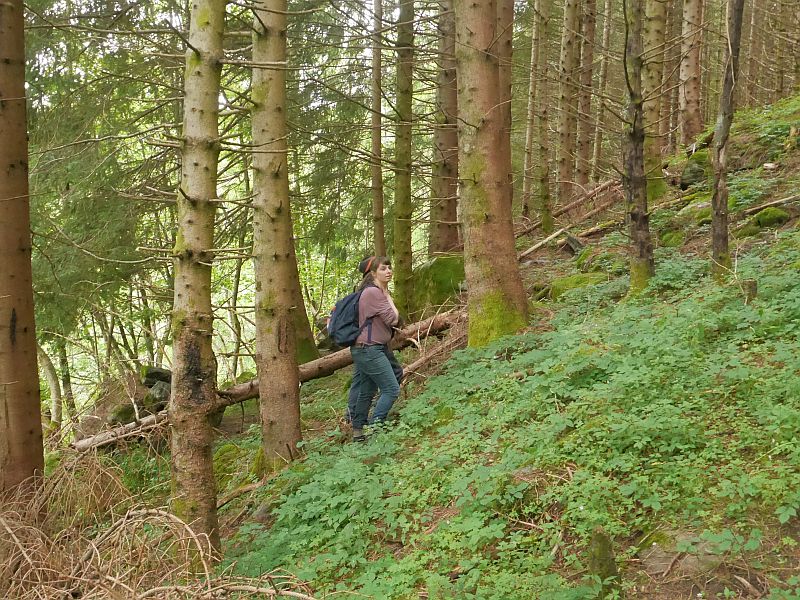
Documentation of yet another amazing day during last week’s Perennialen III in Hardanger!! Pictures taken on a fantastic 6-7 hour round trip from Eirik Lillebøe Wiken and Hege Iren Aasdal Wiken’s house to their shieling (støl or seter in Norwegian). We took our time botanising on the way up, passing through different types of forest on the way up, from alder (or), ash (ask), planted spruce (gran), lime (lind), elm (alm), hazel (hassel), aspen (osp) and birch (bjørk) at the highest levels. Lower down, old apple trees witnessed that these steep slopes had at one time been worked for fruit production, no easy matter….
Eirik and Hege are planning to rejuvenate and replant some of this area and have planted a multispecies forest garden above and below the house, probably one of the most dramatic forest gardens in the world (more later).
A picture of Alvastien Telste taken last year showing the house at the bottom centre and the walk to the ridge at the top and beyond!
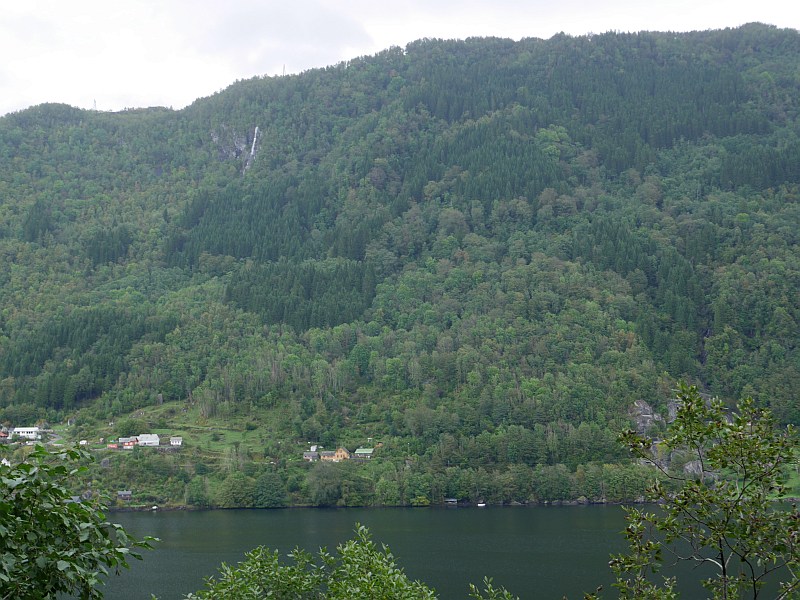
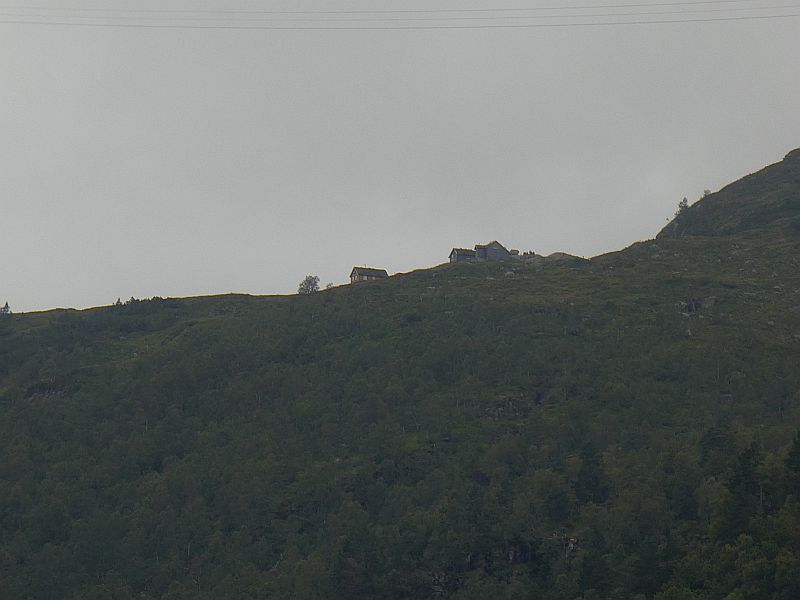
Starting our walk up the mountain, I took this picture of a farm on the other side of the fjord and, next picture, a shieling (seter / støl) is visible on the ridge at the top!
Shieling (seter / støl)
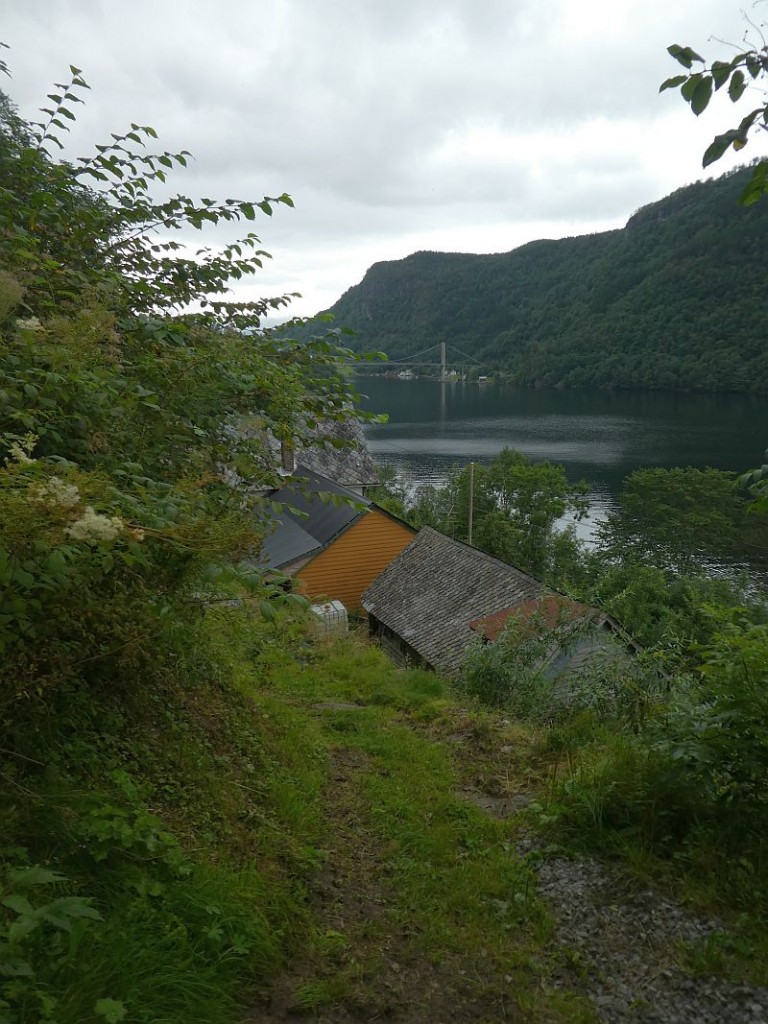
The house at Alvastien Telste
Ostrich fern (strutseving)
Eirik and Hege’s tree house (I stayed there on my first visit – Perennialen I)
Under the spruce, a ground cover of young ash seedlings…the future of which is uncertain as Ash dieback has arrived here…
Impaties noli-tangere (Touch me not balsam / springfrø) was common on damper soils
Ostrich fern (strutseving) with enchanters nightshade (trollurt)
Cirsium arvense on a small open field halfway up the hill
Campanula
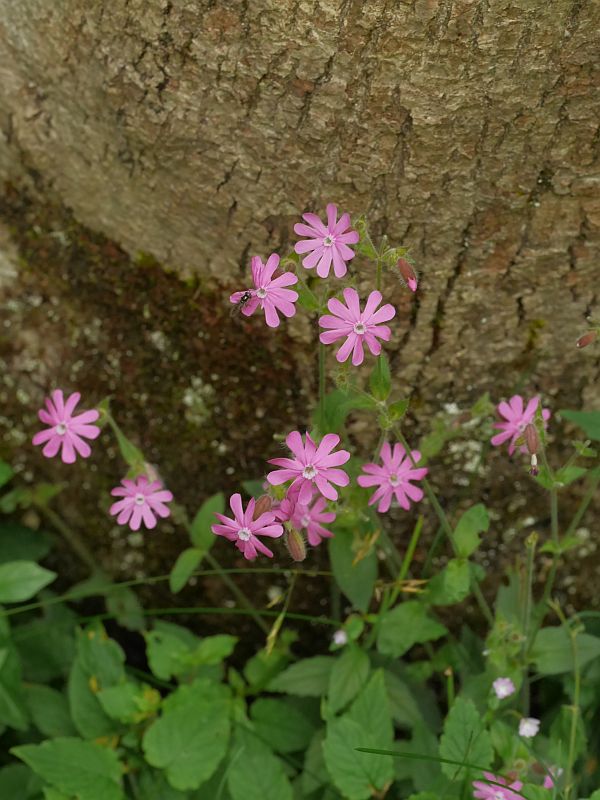
Late flowering Silene dioica (red campion /rød jonsokblom)
Ostrich fern (strutseving)
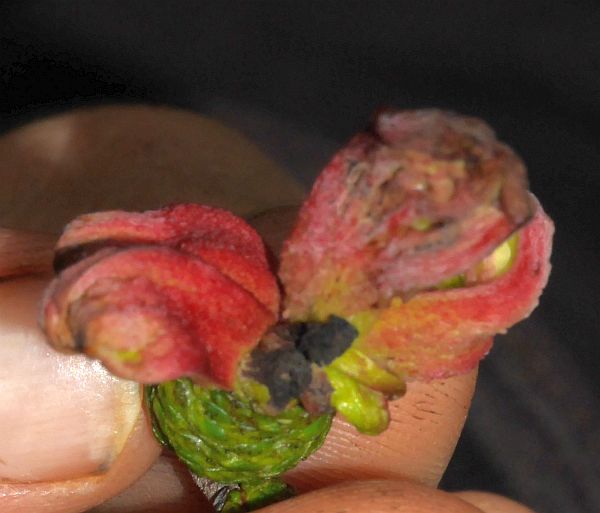
Alder tongue gall (Taphrina alni)
Mycelis muralis
Galium odoratum (woodruff / myske)
Rock to which an old cable lift was attached
Fox dung with beetle cases?
Old apple tree half way up
We saw one small population of hedge garlic (løkurt)
Wood vetch (skogsvikke)
Clambering wood vetch (skogsvikke)
Hazel (hassel)
More ostrich fern (strutseving)
There were many amazing trees, many of which were pollarded (for animal feed in the past)
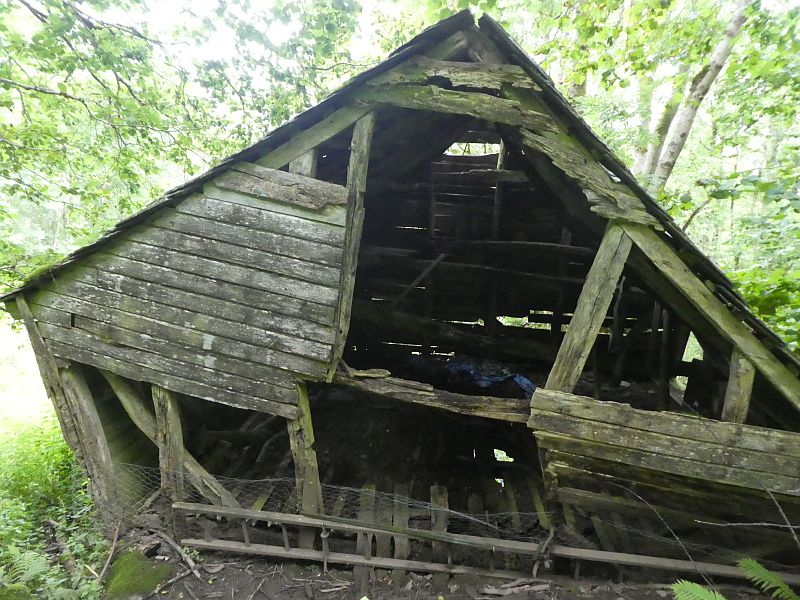
Old barn
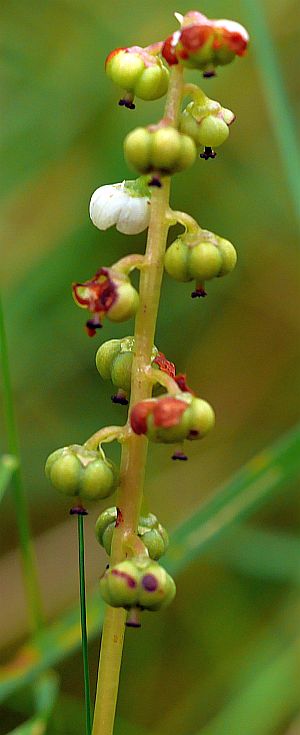
Pyrola spp.
Woodruff (myske)
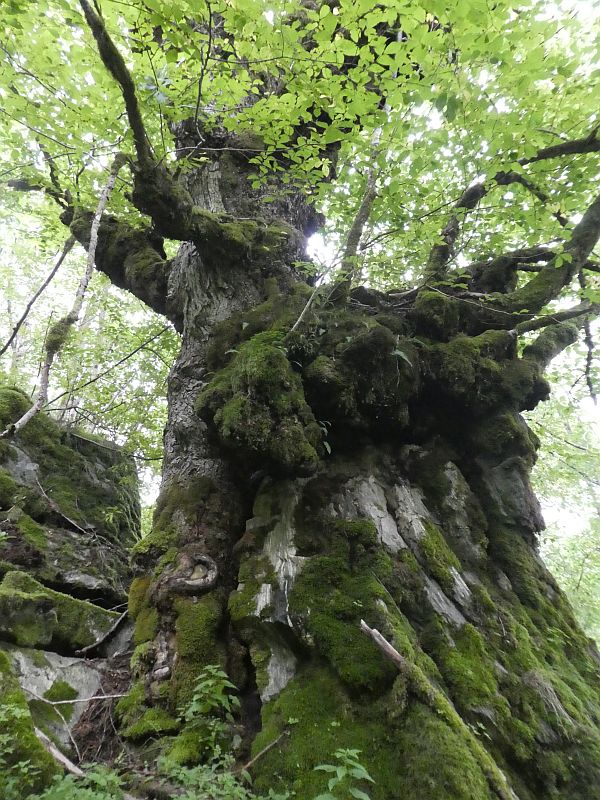
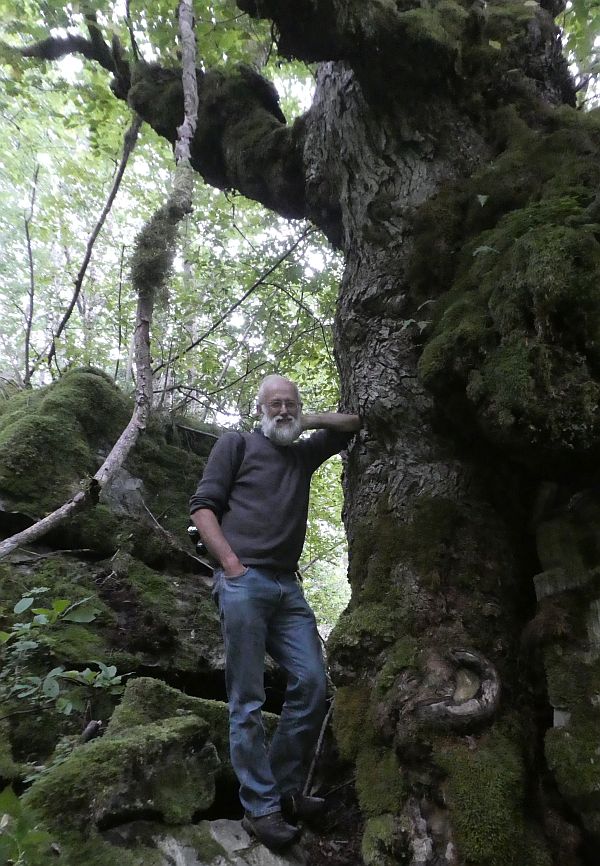
The Troll Elm!
Eirik showed us an old cross on the rock marking the edge of his property
This ostrich fern had over 30 fertile fronds in the centre!!
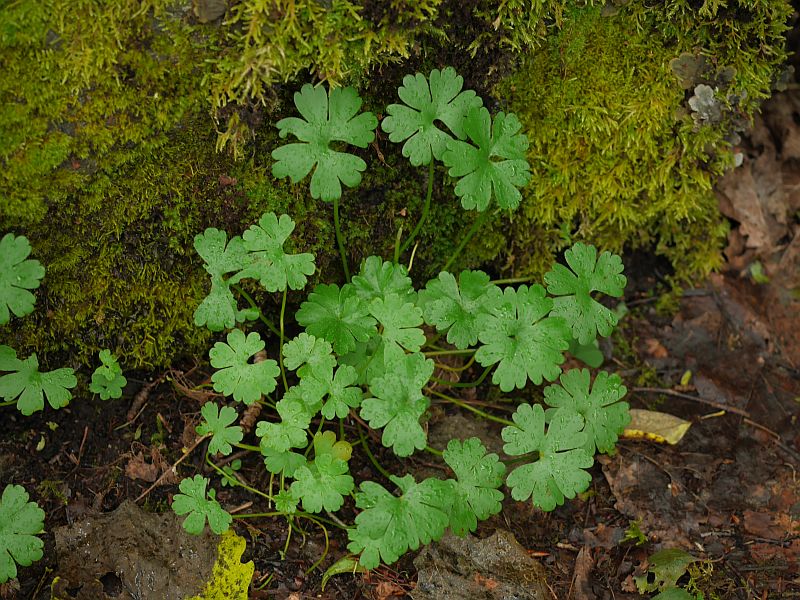
I was surpised to find an area of Geranium lucidum
Woodruff (myske)
Steep slopes
Galium spp.
…the rain came down near the top
Fantastic views of the fjord on the way up!
Frosted bracken?
Rut pool used by red deer stags!
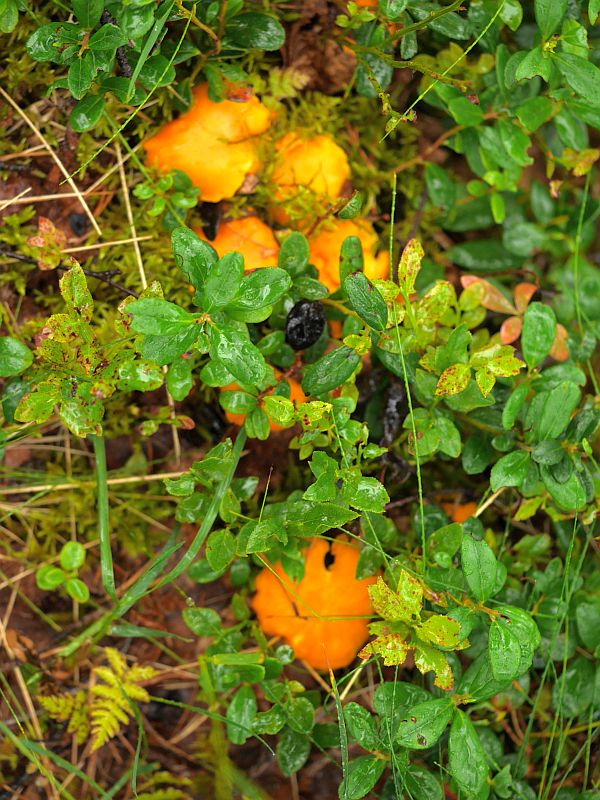
There weren’t many edible fungi apart from one good patch of chantarelles in the birch zone
Picking chantarelles
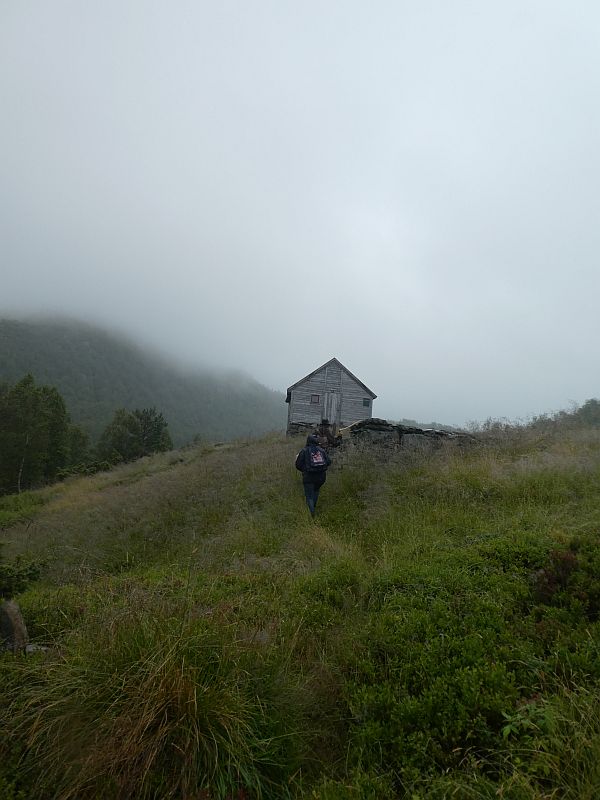
…and, finally, after 4 hours we reached the hut!
Foxglove (revebjelle) within the protection of this old wall
My second unsuccessful attempt to find ramsons (ramsløk) at its northernmost natural site at Ramslia in Nord Trøndelag (on the other side of Trondheimsfjord from my place). Neverthless, it was a great day out with one of my ex-OCEANOR work colleagues Jarle Tronstad who owns an old mountain farm in the area!
Starting from an old farm by the road
Walking up from the road there were masses of ostrich fern (strutseving), here with Alpine sow thistle / turt (Cicerbita alpina)
Alpine sow thistle / turt (Cicerbita alpina)
Insectivorous Butterbur / Tettegras (Pinguicula), traditionally used to curdle milk
Wood anemone (hvitveis)
Rumex acetosa (sorrel / engsyre) with ostrich fern (strutseving)
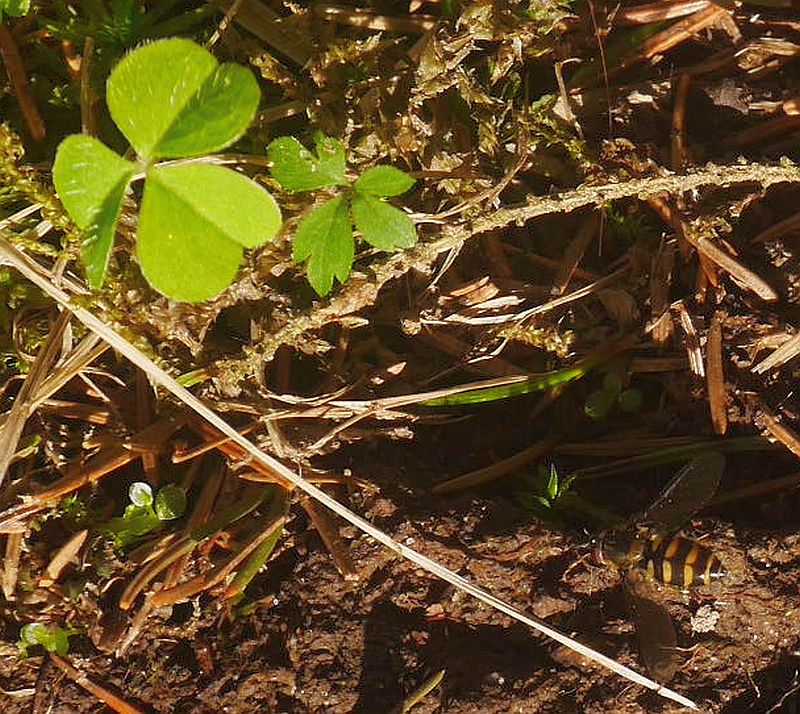
Wood sorrel / gjøksyre
Valeriana sambucifolia
Ostrich fern stands could be spotted from afar on unstable openings in the woods
Distant view of Storvatnet
Bilberry
Bog myrtle / pors in flower
Cloudberry / molte
Viola
Stachys sylvatica
Fjellgeit Jarle Tronstad with roseroot (Rhodiola rosea)
Another magical walk along the Homla Canyon in Malvik in the company of wwoofer of the week :) First, a parade of Ostrich Ferns along the bank of the Homla river
A dipper (fossekall), Norway’s national bird flew past us singing as it flew and landed conveniently on some rocks 50m upstream:
A curly whirly dandelion
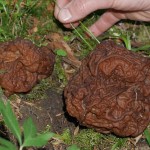
Although popular in the past, Gyromitra esculenta (sandmorkel) is no longer recommended as edible due to toxic compounds that may not even be neutralised by cooking…
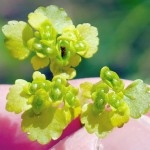
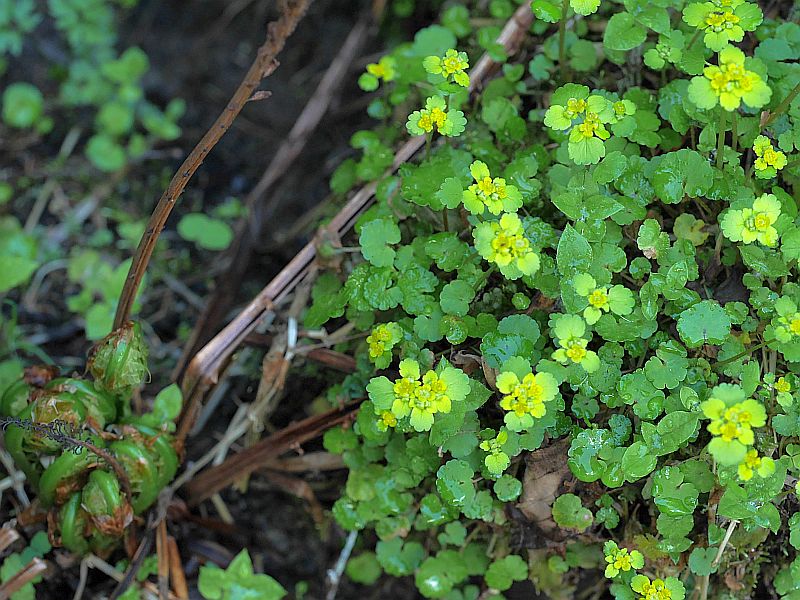
Alternate leaved golden saxifrage /maigull in seed already
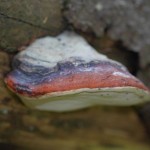
Fomitopsis pinicola (Red belt CONK or rødrandkjuke)
Bracken fern / einstape
Violets are blue….not only..here yellow-flowered Viola biflora
I’ve never before met a bear in the woods…well spotted by my companion wwoofer!
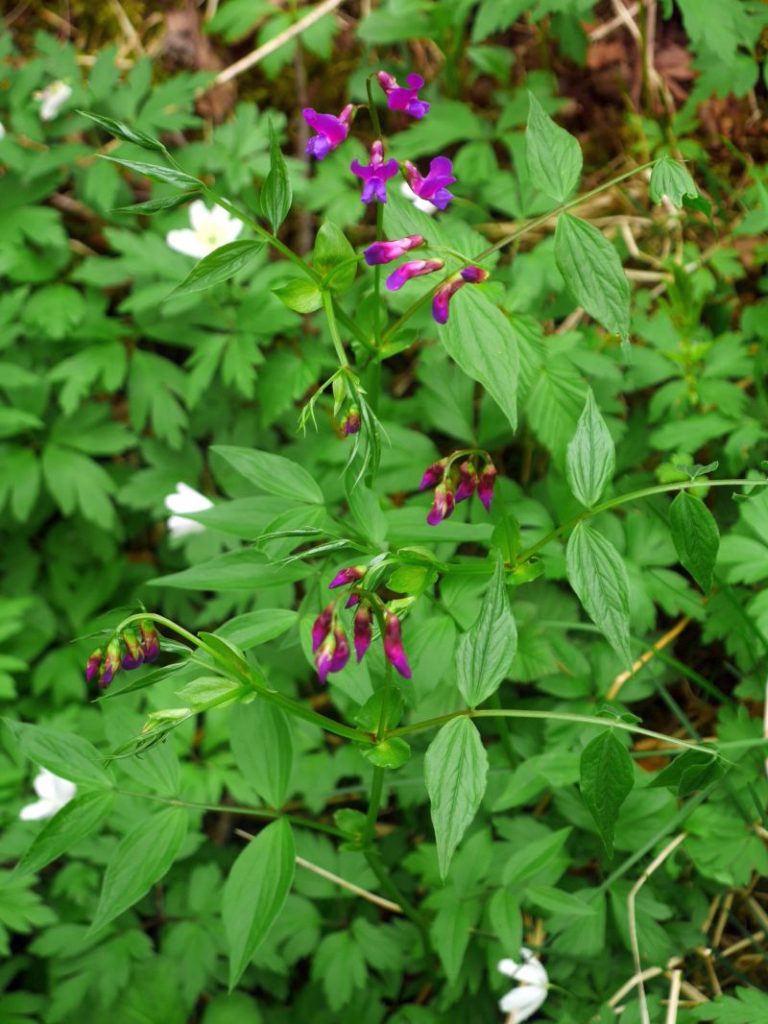
Lathyrus vernus (Spring pea / vårerteknapp) is a rare plant in Malvik
The path crosses the site of an old charcoal burning site
Charcoal in the path
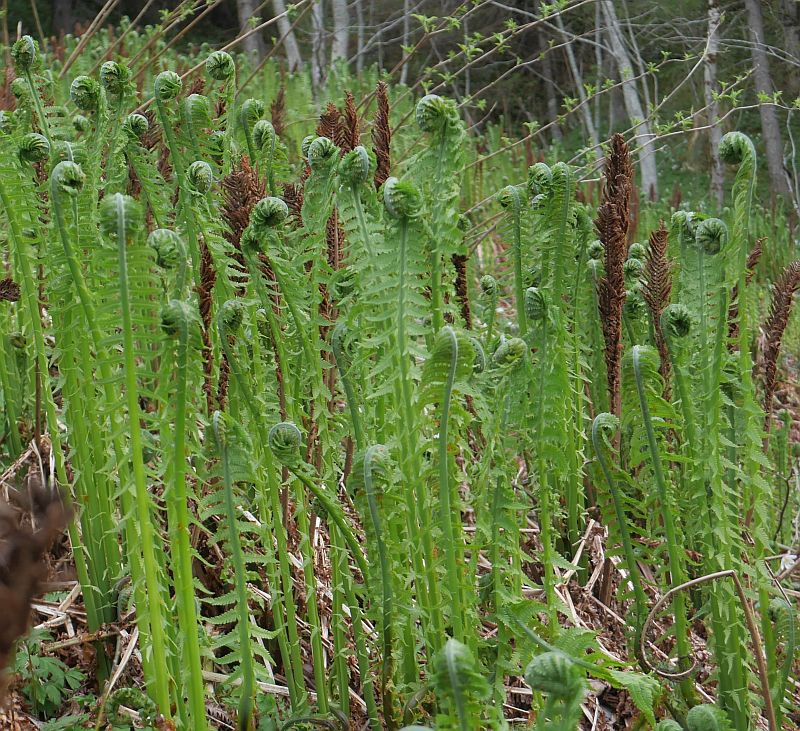
Our goal was the ostrich fern site (strutseving) where I’d been with Berit Børte Ane Mari Aakernes and Marit By only two weeks ago (see http://www.edimentals.com/blog/?p=11108), the plants had grown a lot in the meantime and only a few young fiddleheads were to be found!
Ostrich fern with meadowsweet (mjødurt) and rosebay willowherb (geitrams)
Ostrich fern with an understory of nettles
Tasty Cardamine flexuosa, Wavy Bittercress / skogkarse in the path
We took a new path used by salmon fishermen down to the river and discovered new large stands of ostrich fern
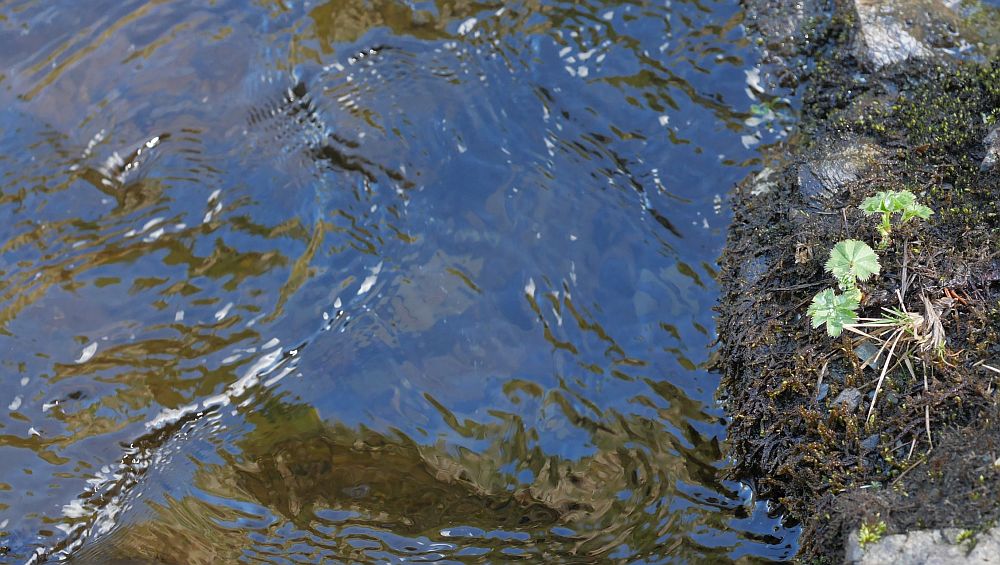
Homla river
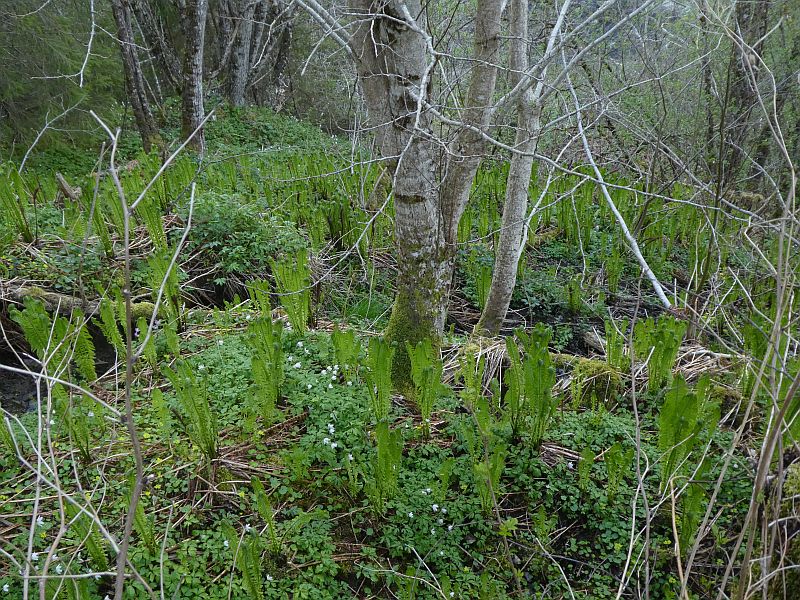
Large stands of ostrich fern also on the other bank!
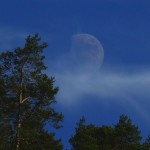
…and then magic happened as I noticed the moon rising from the forest high up on the ridge on the other side of the river! WOW!
Caltha palustris
The first flowers of Cornus suecica
The first flowers of Cornus suecica
A song thrush (måltrost) was alarming as we passed near his nest sire, a shy forest bird here!
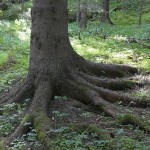
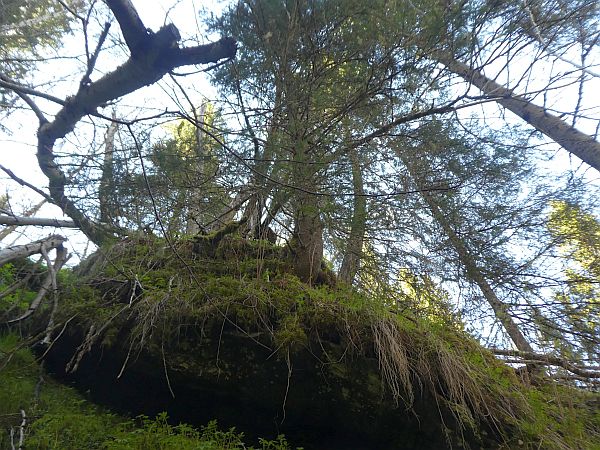
Spruce tree grasping the earth…
Alpine sow thistle (turt) hanging on in an area that had once upon a time been a luxuriant meadow..
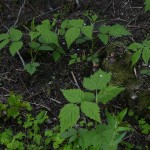
Large leaved raspberry in deep shade
Masses of Campanula rapunculoides in alder wood on the edge of Hommelvik
Yet another wondrous walk along the Homla canyon in Malvik , this time with Berit Børte, Marit By and Ane Mari Aakernes
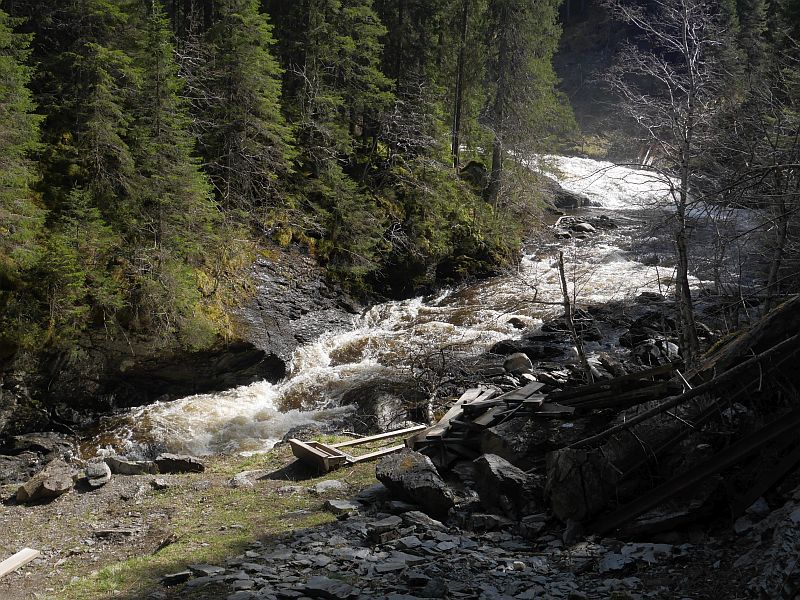
On the way down to Storfossen
Cardamine flexuosa, edible leaves
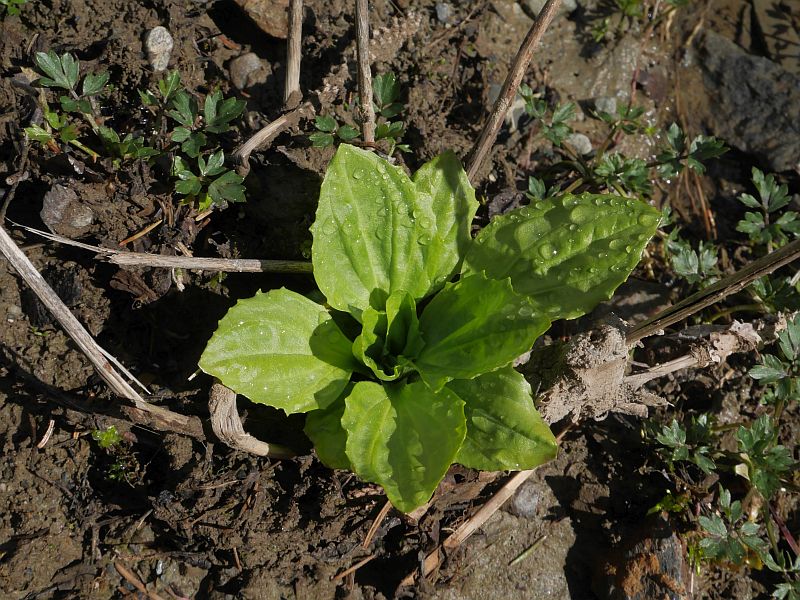
Plantago major, edible leaves and seeds
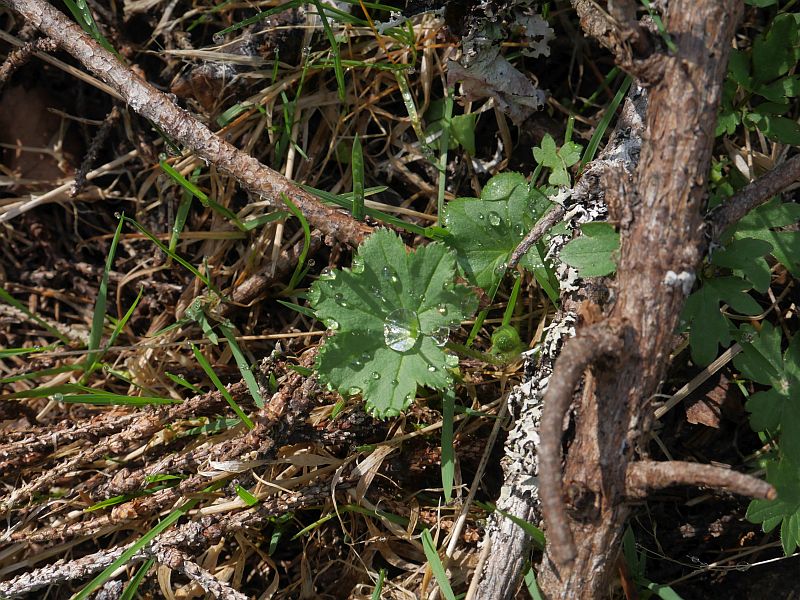
Alchemilla (lady’s mantle) edible leaves
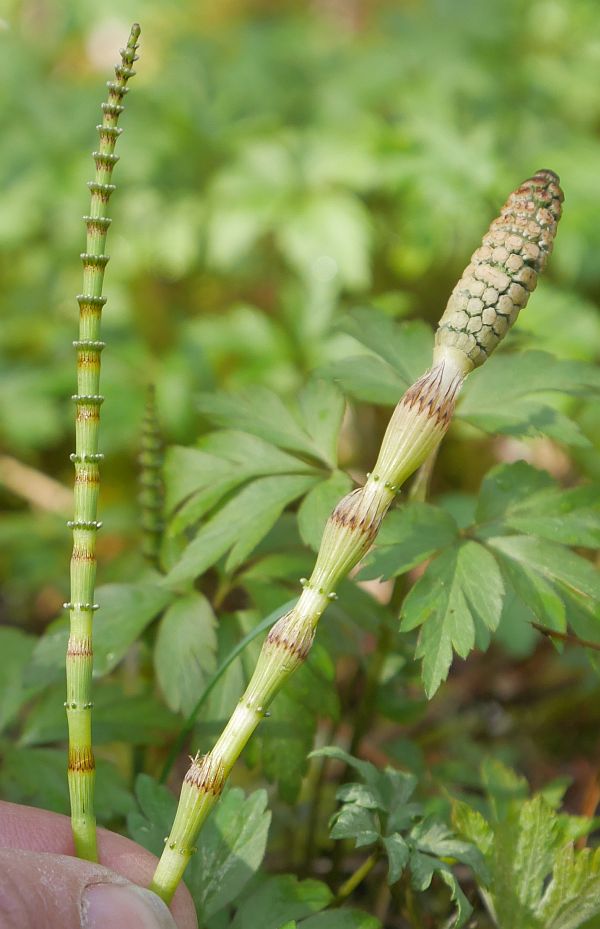
Equisetum
Ostrich fern
Ostrich fern and poisonous Aconitum lycoctonum (northern wolfsbane)
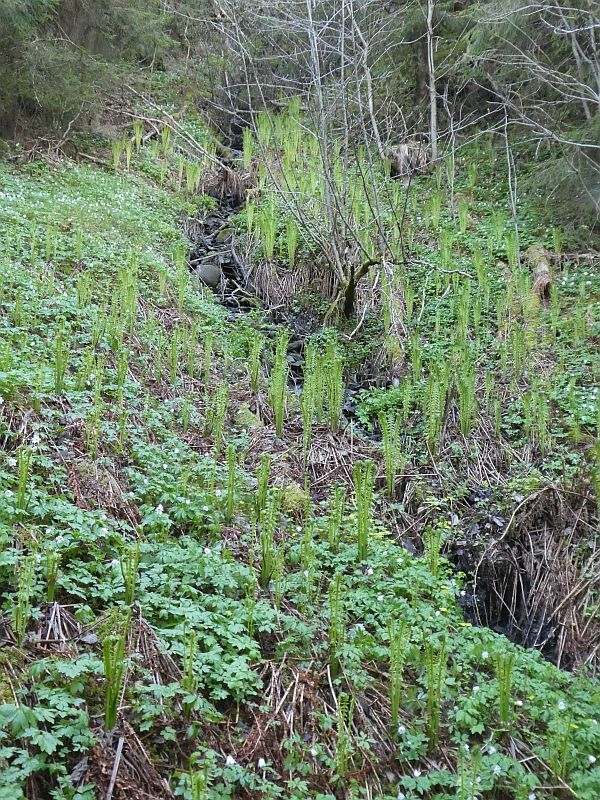
Ostrich fern often grows on unstable steep slopes
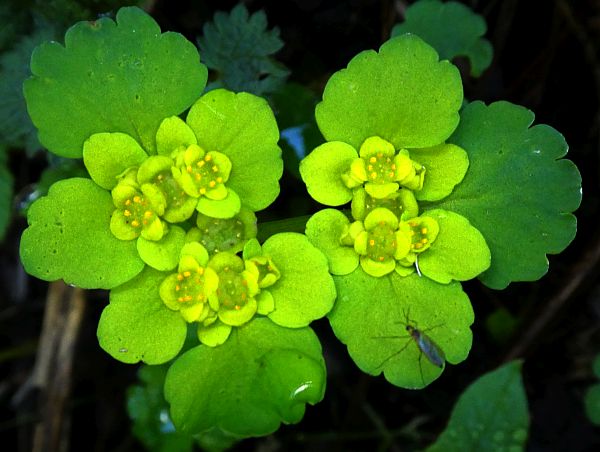
Chrysosplenium alternifolium (Alternate-leaved Golden-saxifrage) is a bitter but has been used in mixed soups and salads
Alchemilla
Chrysosplenium alternifolium (Alternate-leaved Golden-saxifrage) is a bitter but has been used in mixed soups and salads
The ostrich ferns were at very different stages according to local climate and places where snow lies late
Fertile fronds of ostrich fern from last year
Fertile and summer fronds are the same height only for a few days each year!
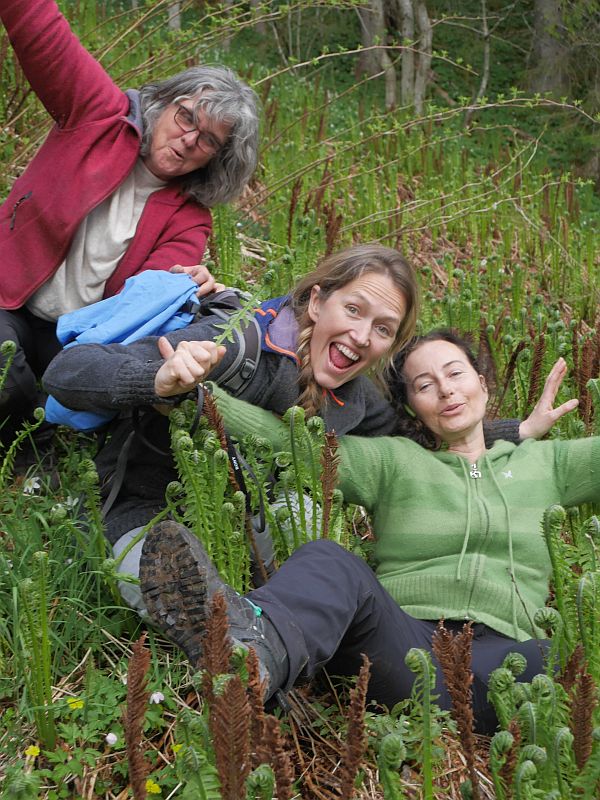
Happy foraging companions at THE ostrich fern patch, a very special place next to the path
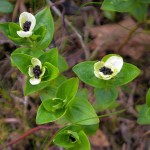
Our Caltha palustris (marsh marigold) can be quite small as this patch…leaves and flower buds are edible but need to be cooked to give a milder product
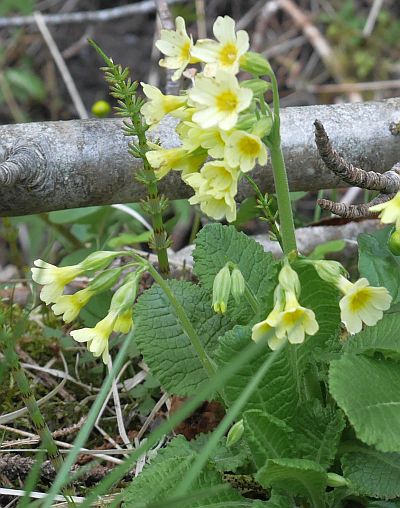
Primula elatior (oxlip), a garden escape in one place
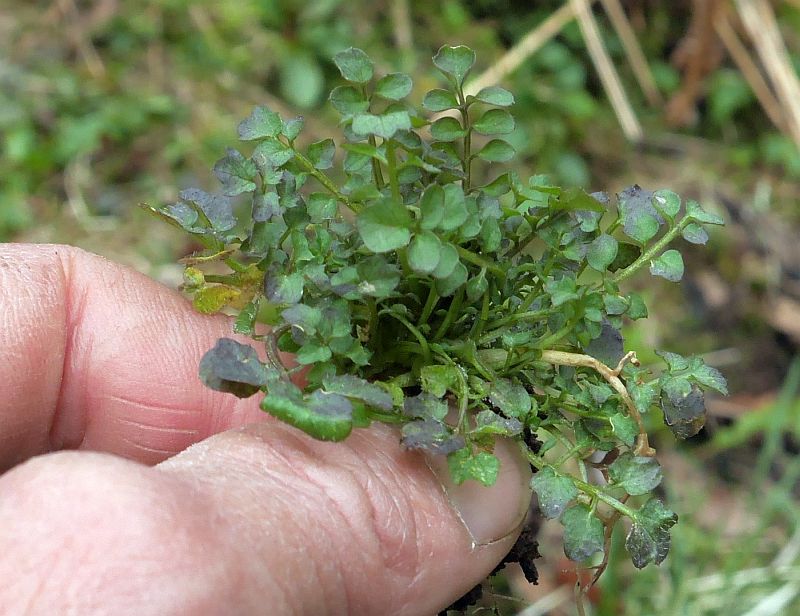
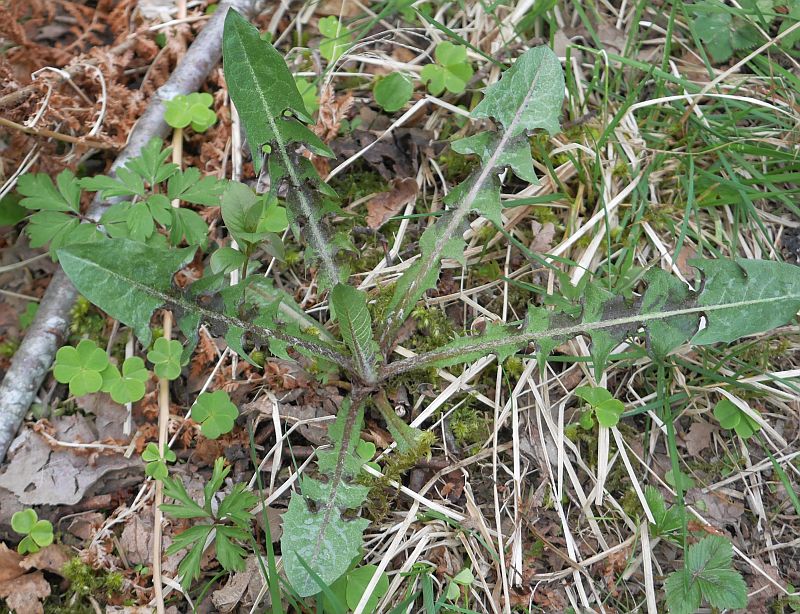
I’m seeing dandelions with these dark leaf markings in several places this year…
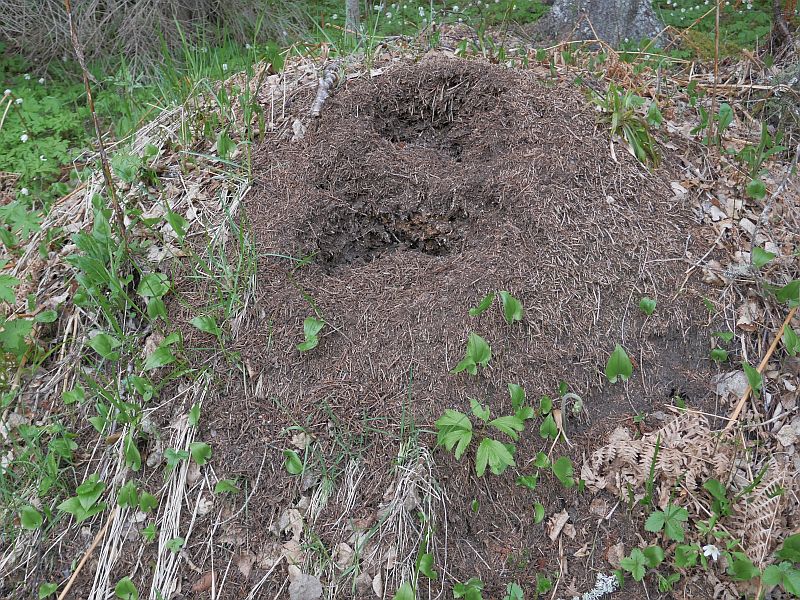
Ant hill that has been attacked…fox?
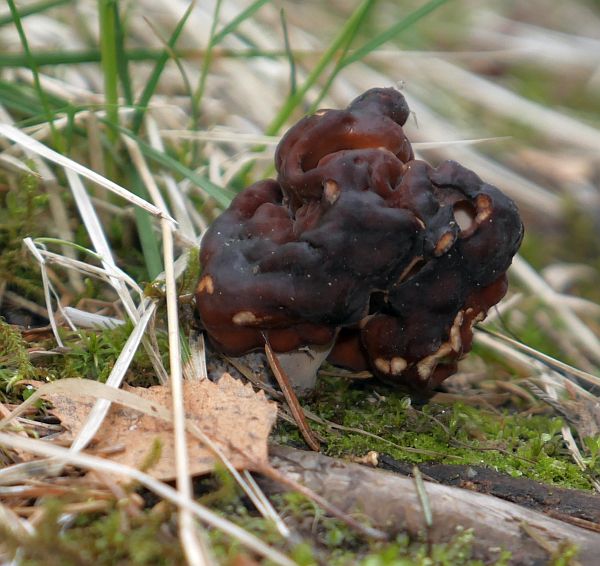
Gyromitra esculenta (false more)…not recommended as food and must be properly prepared
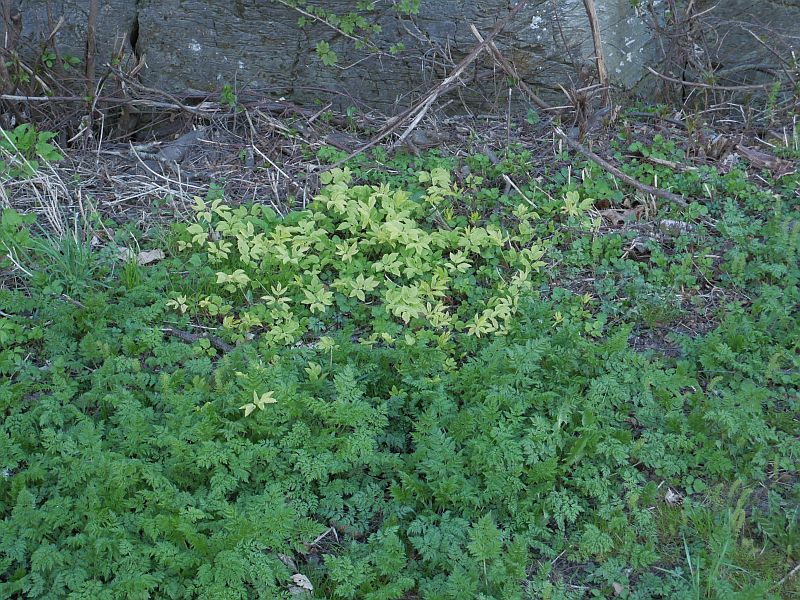
Golden ground elder (Aegopodium) :)
Golden ground elder (Aegopodium) :)
We got home from the walk after 8 pm and we put together this ostrich fern soba with ramsons and golpar…
Thanks to my visitors Berit Børte and Ane Mari Aakernes for this “lovely” omelette this evening….dandelion flower buds and fiddleheads, ramsons, chili and Heracleum persicum spice (golpar) in the omelette!
Perennial vegetables, Edimentals (plants that are edible and ornamental) and other goings on in The Edible Garden