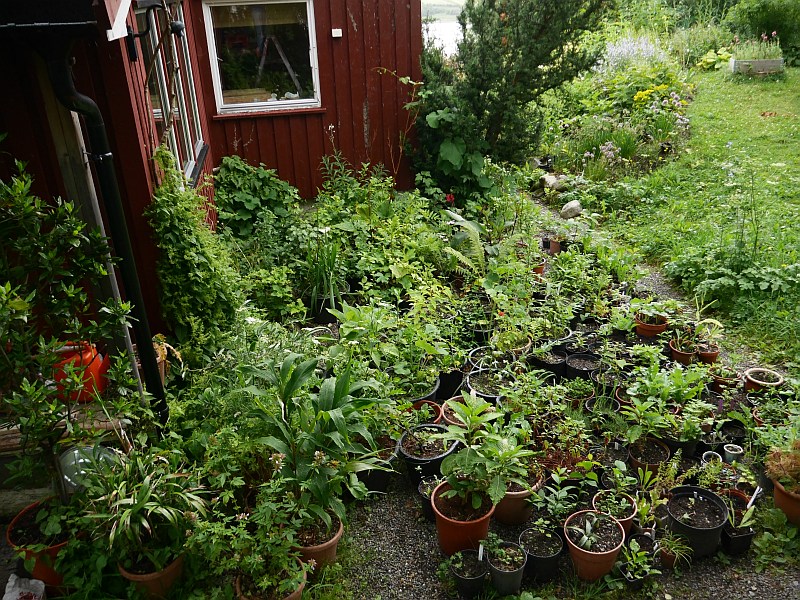
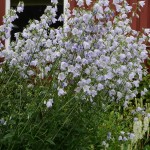
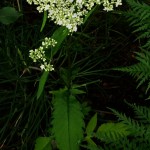
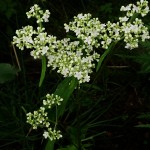
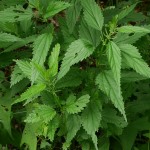
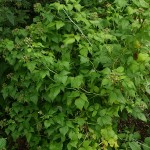
On the corner of a bed I planted Adenophora “Amethyst” over 10 years ago. I remember that creeping bellflower / ugressklokke (Campanula rapunculoides) was growing in the grass next to the bed and I tried to stop it invading… I thought I had succeeded…
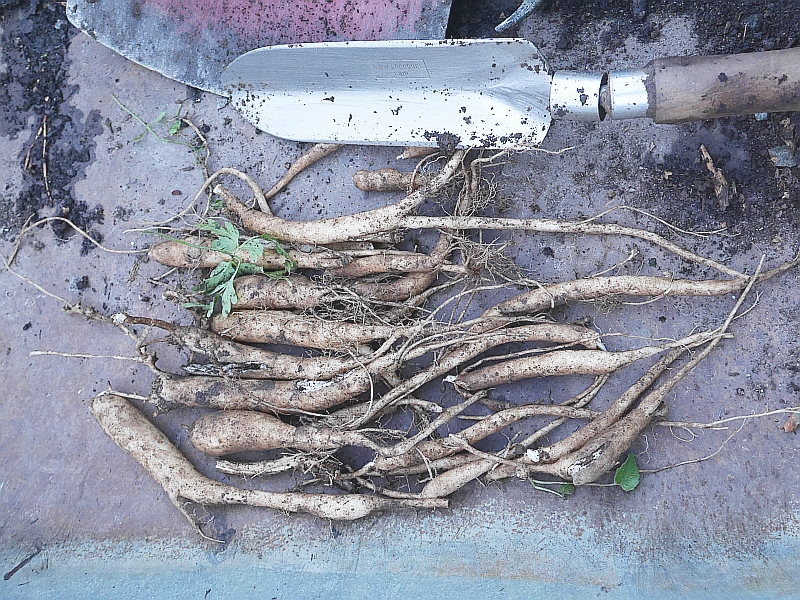
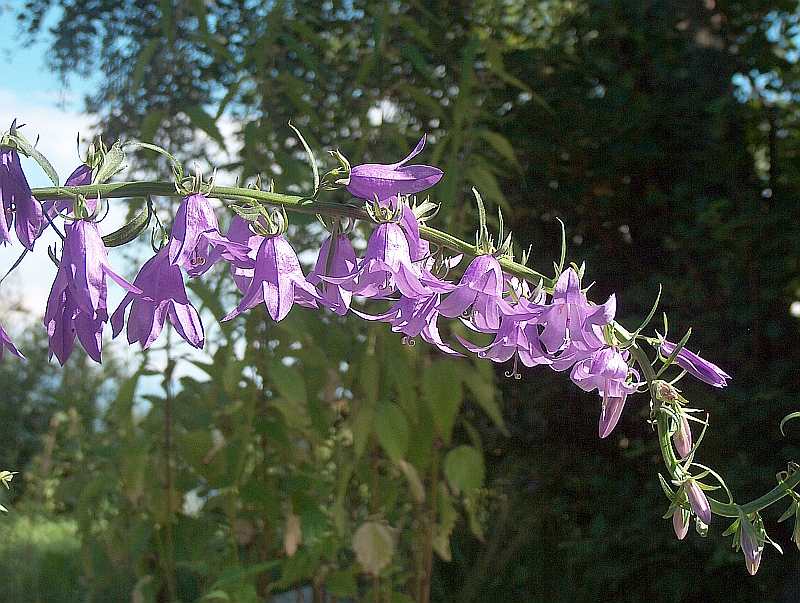
In the last few years the “Adenophora” has started invading this bed aggressively and I decided to remove the plant….. It turned out not to be an Adenophora at all and was creeping bellflower (both in the same family). So, had the creeping bellflower in the grass gradually taken over without me noticing or was my Adenophora (seed propagated from a seed trade) actually always been creeping bellfower. The latter I think. It seems that it is often an imposter for Adenophora:http://tinyurl.com/j3kzq9k
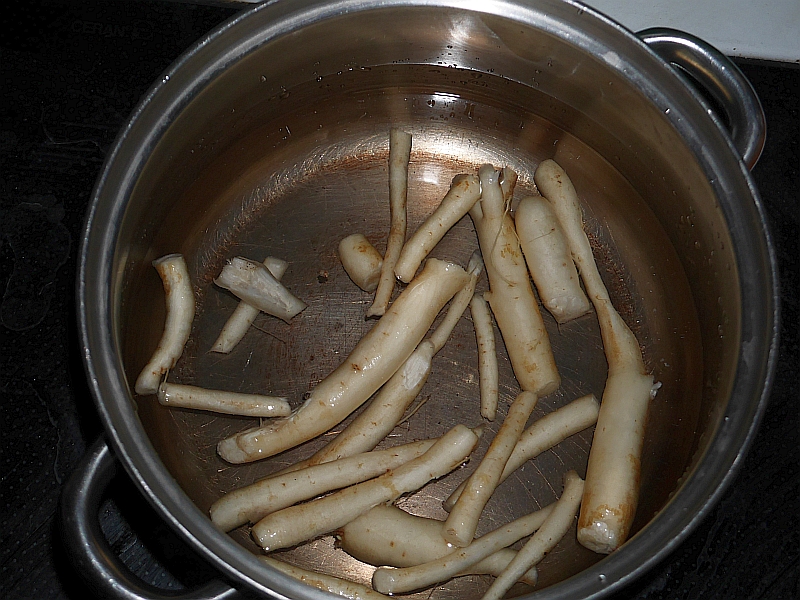
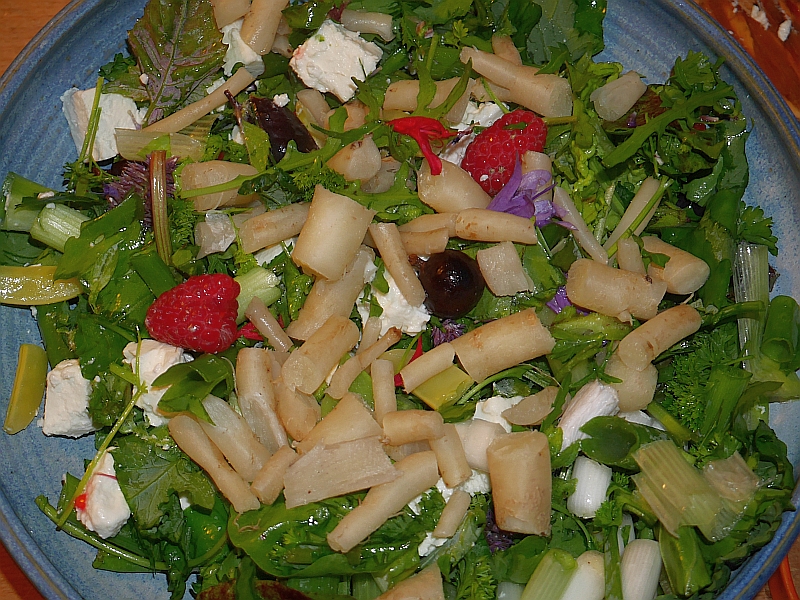
I’ve dug it out, the roots were a decent size although a bit fibrous, so I cooked them and added them to tonight’s salad :)
I think two of my favourite slugs are in love, spotted on the path up to the house last night….the more the merrier I say! There’s so much I haven’t seen out there in the garden and the leopard slug mating ritual is probably the most spectacular…particularly when the penis emerges from the side of the head ;)https://www.youtube.com/watch?v=RUvw66h0nbQ
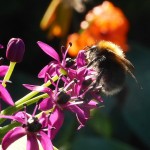
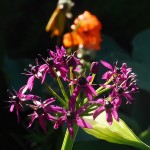
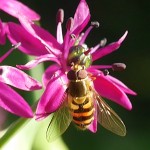
My favourite Himalayan onion is now coming into flower in the garden. This is what I call Sherpa onion (Allium wallichii), it’s a beauty and the bees and hoverflies also love it! The other two pictures are of Norrland onion which has been in bloom for a while now. Both are described in my book Around the World in 80 plants!
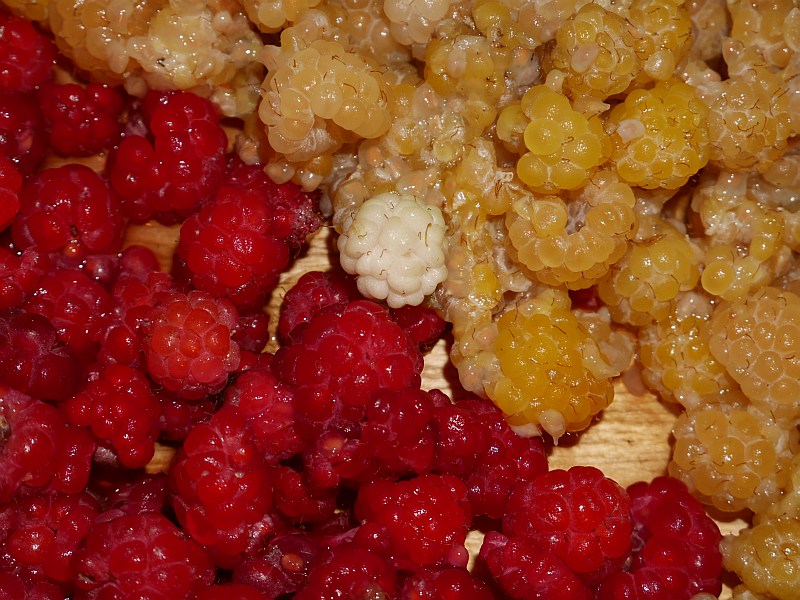
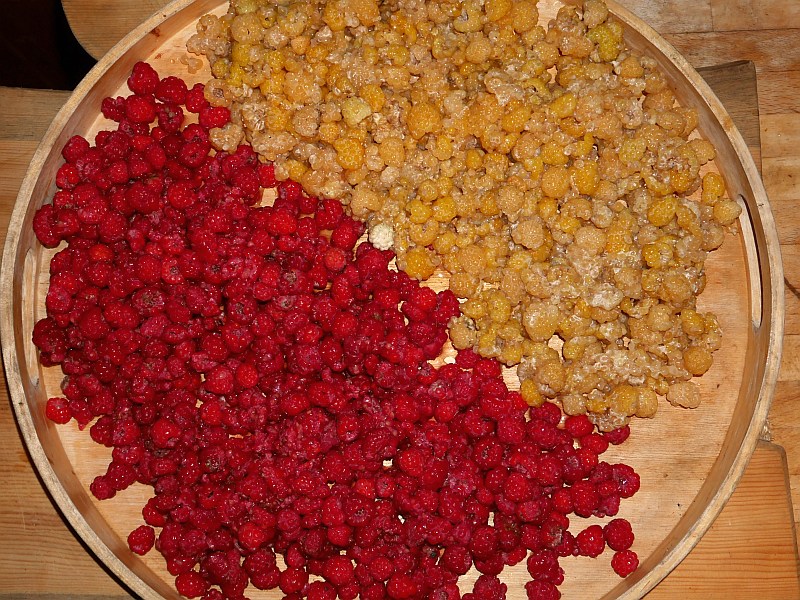
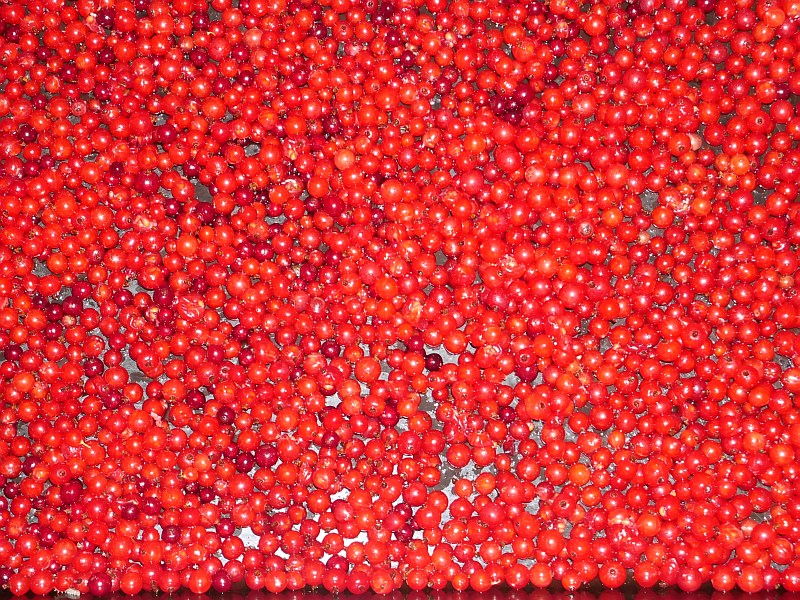
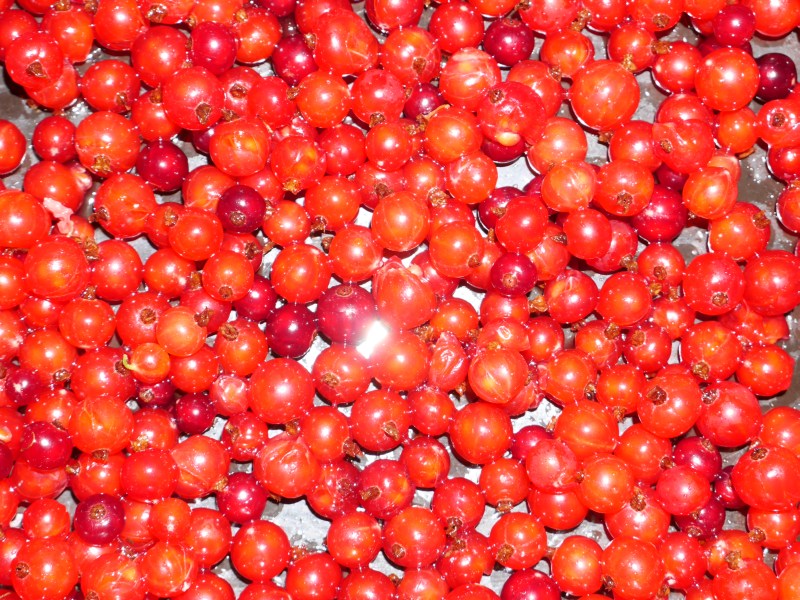
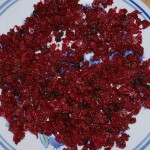
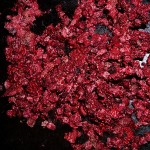
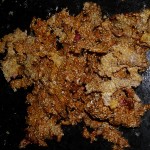
A bit of a glut of fruit in my garden. I’ve therefore been drying raspberries and currants :) At the bottom are the dried fruit, also bilberries and saskatoons!
The red variety is a tasty disease resistent variety we found escaped from the old Malvik railway station garden below the house. There are two yellow varieties, one just received as gulbringebær (yellow raspberry), the lighter coloured one that is almost white when unripe is called “White Russian”The red variety is a tasty disease resistent variety we found escaped from the old Malvik railway station garden below the house. There are two yellow varieties, one just received as gulbringebær (yellow raspberry), the lighter coloured one that is almost white when unripe is called “White Russian”
Redcurrants / ripsRedcurrants / rips
Dried bilberries / blåbær
Dried saskatoon berries (Amelanchier) / søtmispel
Dried red raspberries / bringebær
Dried redcurrants /rips
Dried yellow raspberries….White Russian are the lighter coloured berries
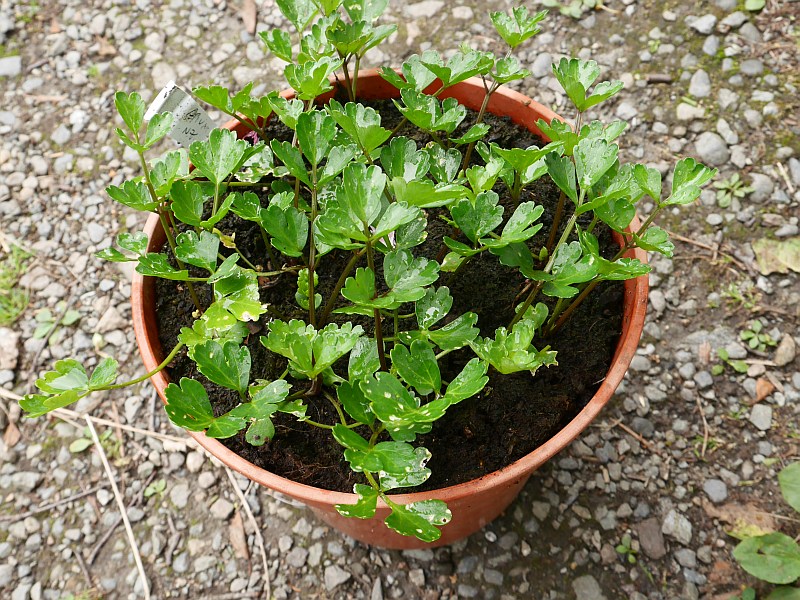
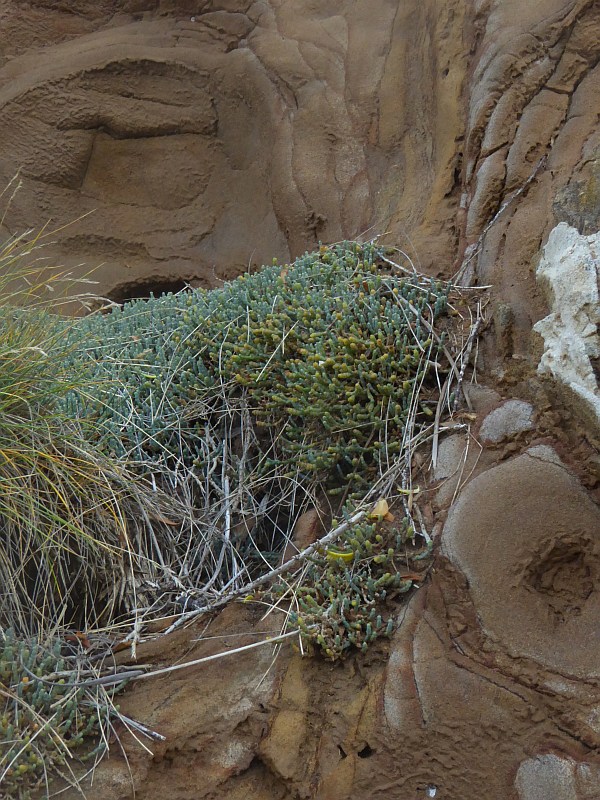
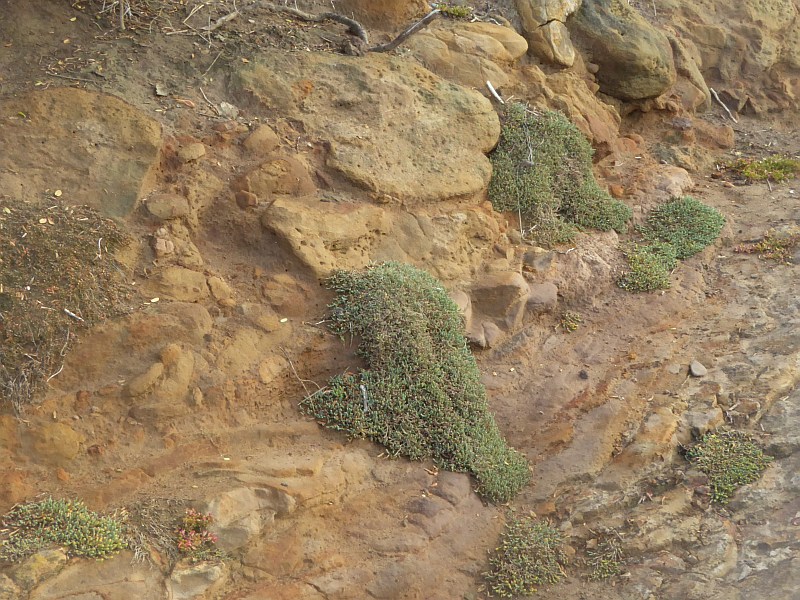
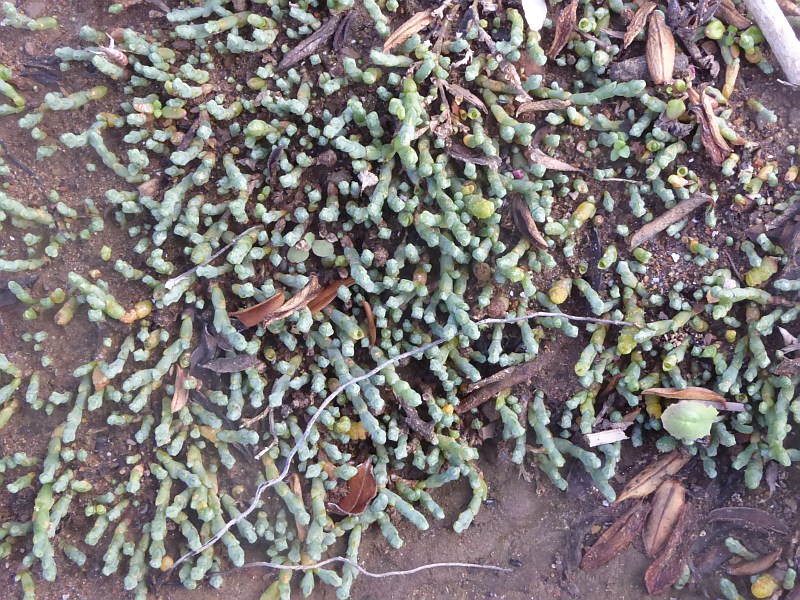
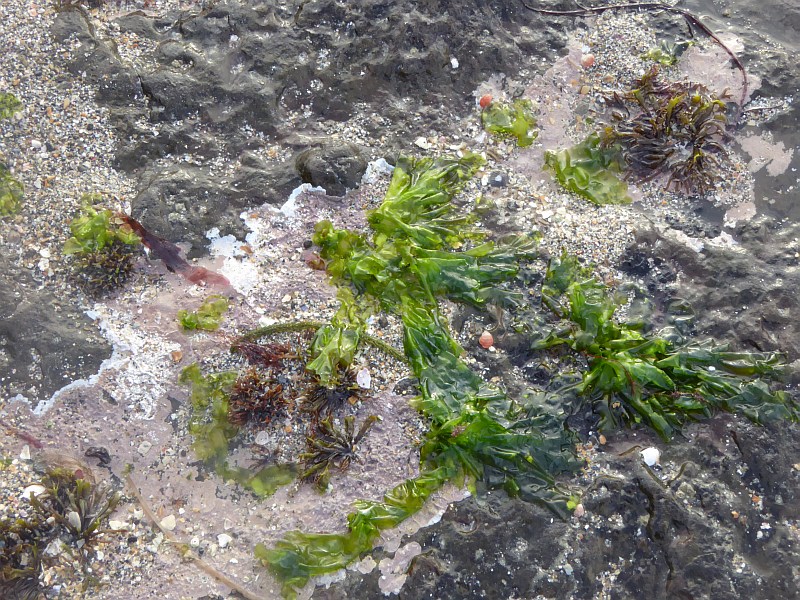
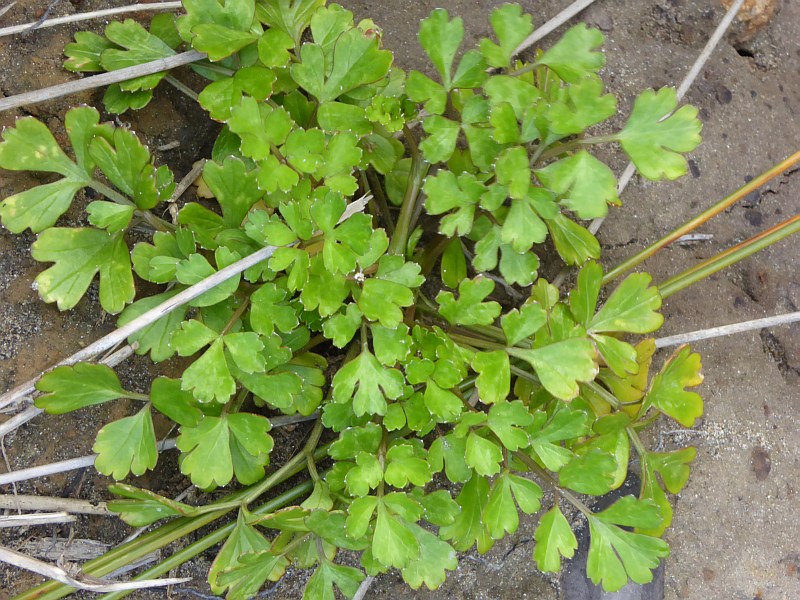
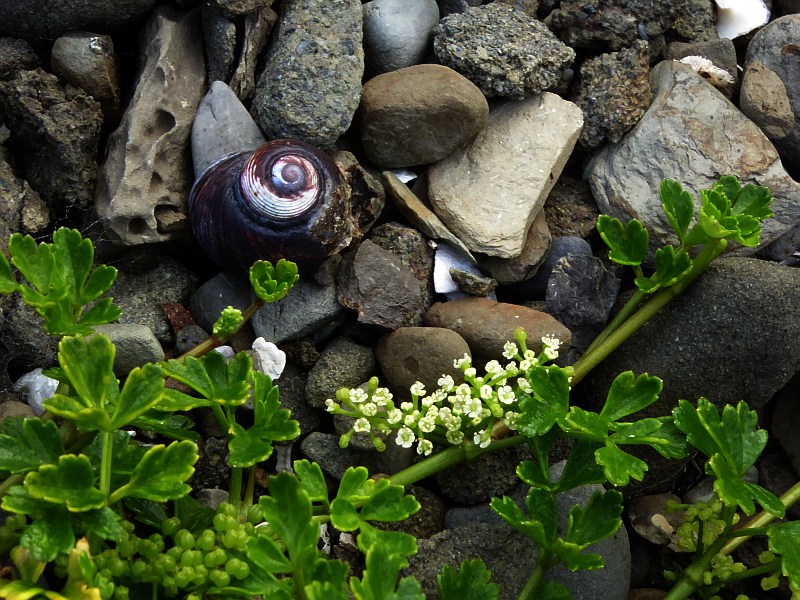
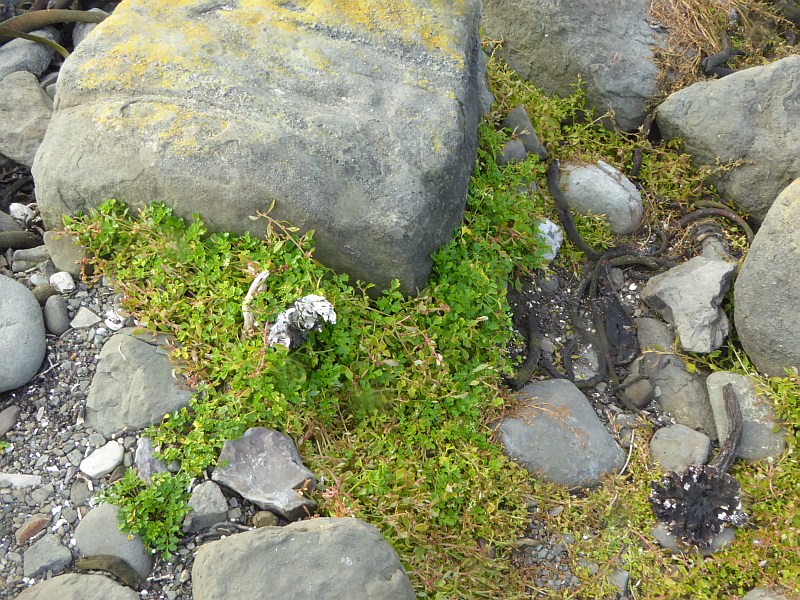
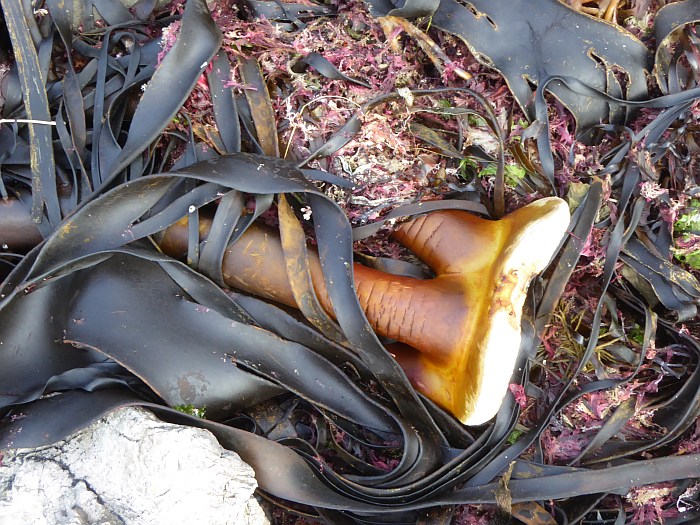
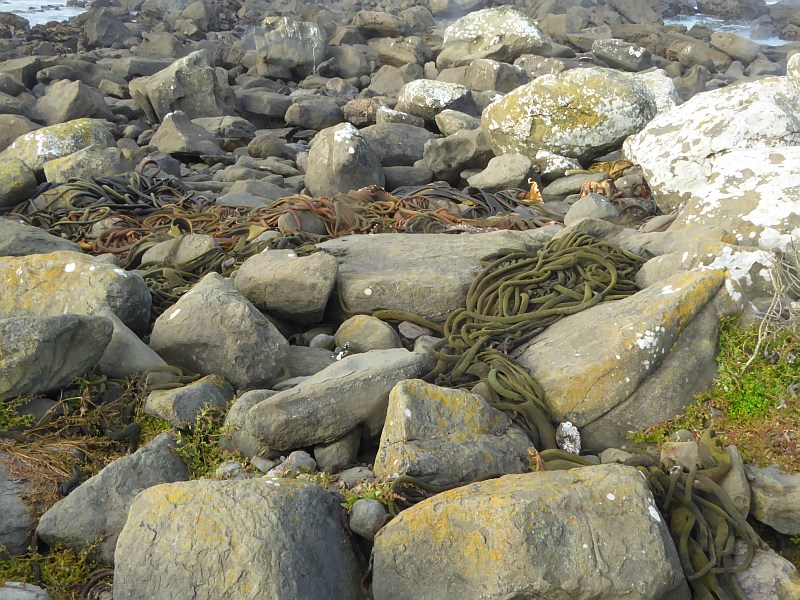
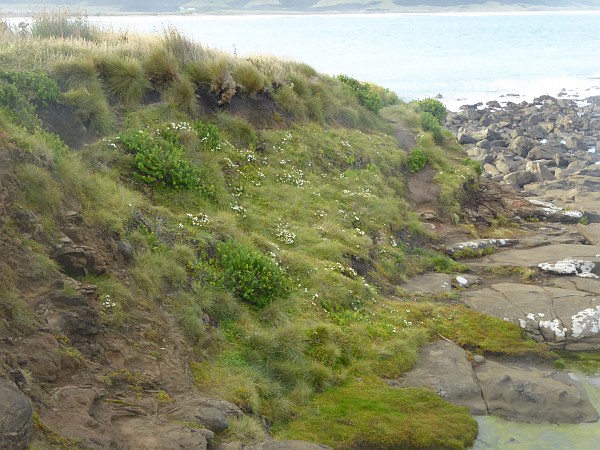
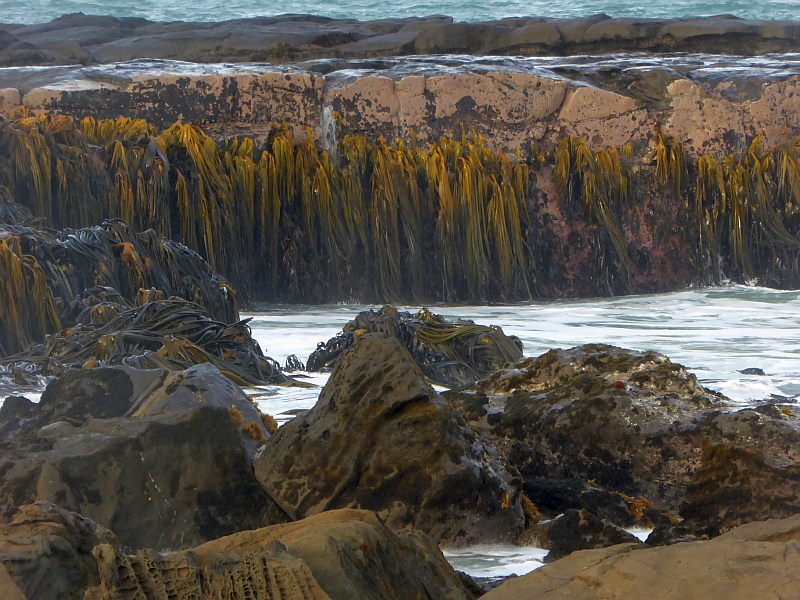
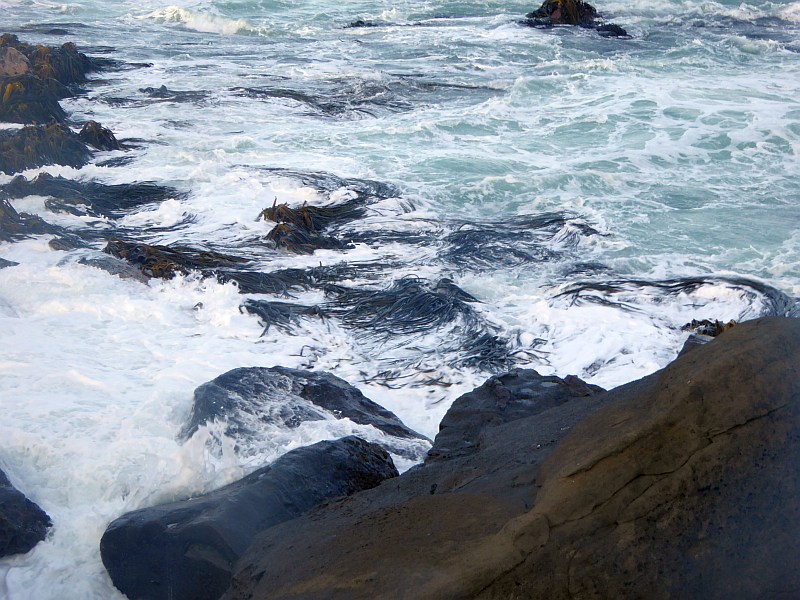
I haven’t shown many pictures from my fantastic tour of New Zealand in March / April 2015. I was transplanting some plants of New Zealand Celery at the weekend, the seed of which I collected on rocks at Porpoise Bay in Southland! A good excuse then to show a few pictures from Porpoise Bay :)
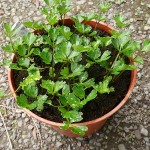
New Zealand Celery ready to plant in my garden!
Waves from the Southern Ocean…
Salicornia australis /Glasswort / salturt
Salicornia australis /Glasswort / salturt
Salicornia australis /Glasswort / salturt
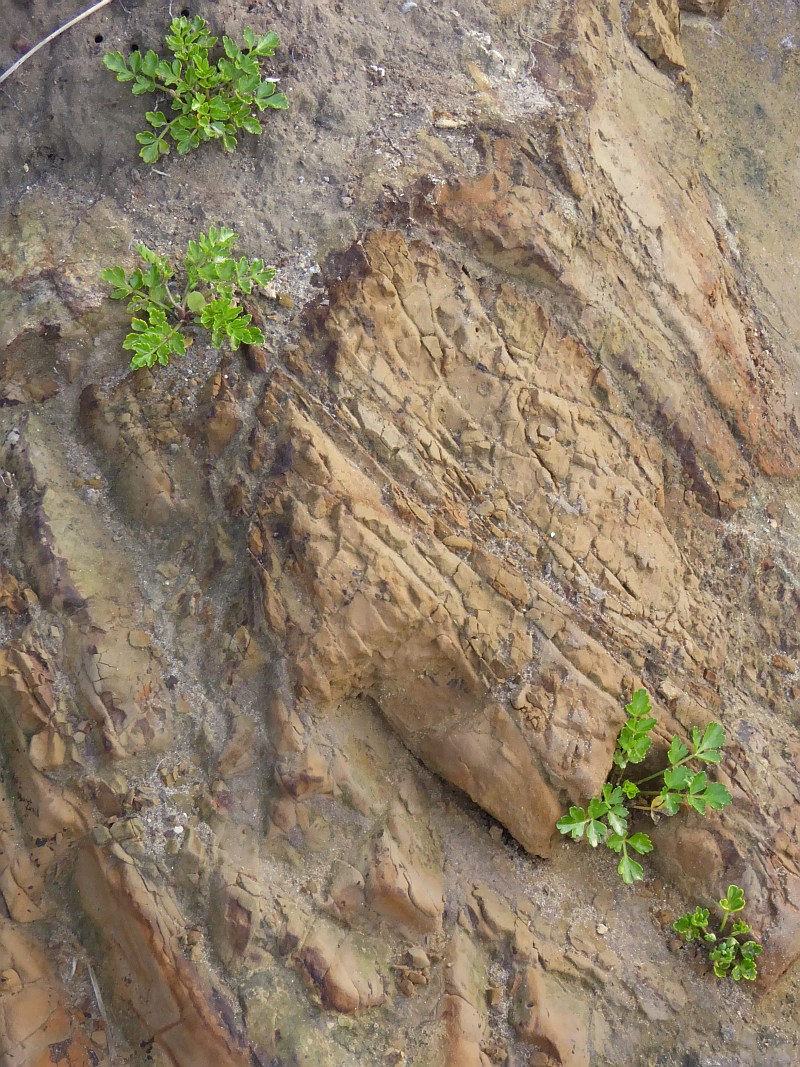
New Zealand Celery
New Zealand Celery
New Zealand Celery
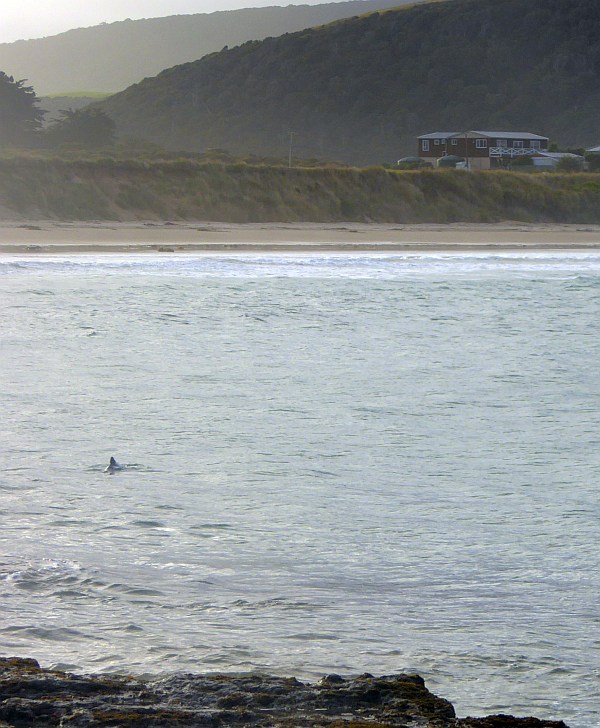
The bay is home to endemic Hector’s Dolphins and several people were swimming with them..
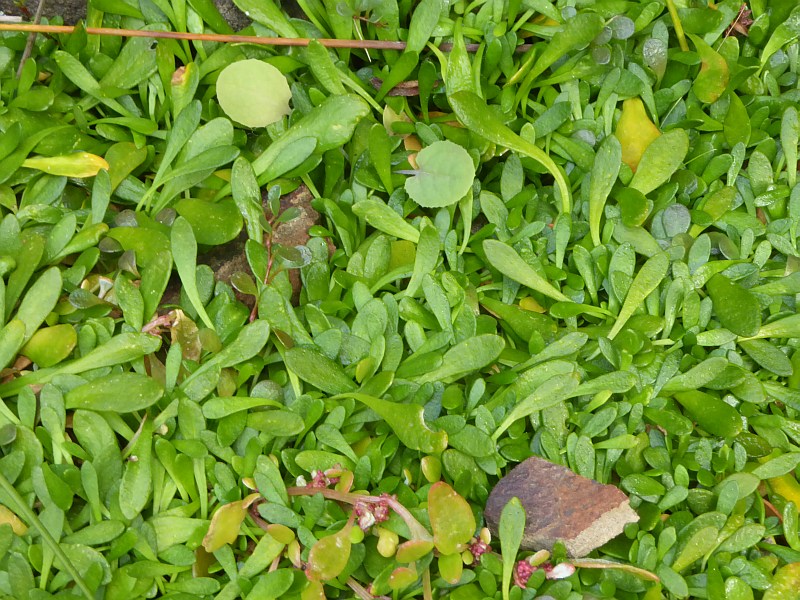
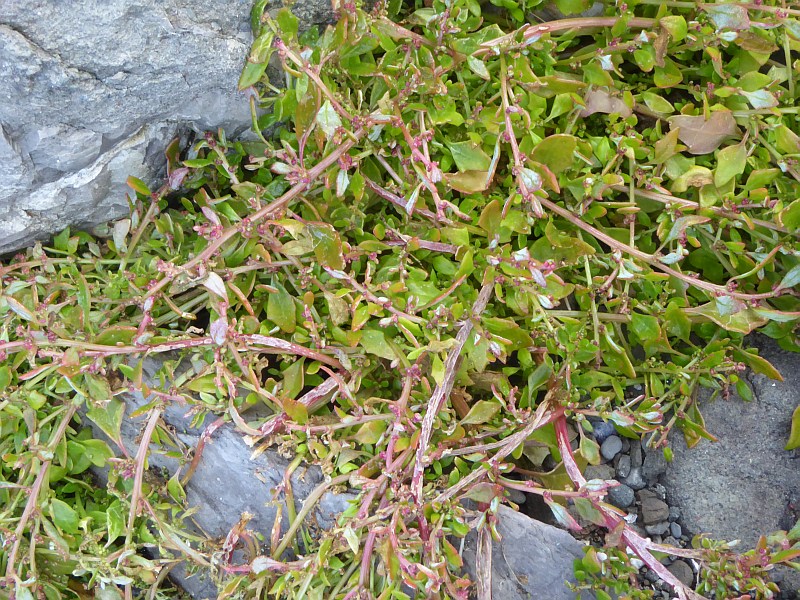
Beach spinach? Tetragonia implexicoma? A relation of New Zealand Spinach
Beach spinach? Tetragonia implexicoma? A relation of New Zealand Spinach
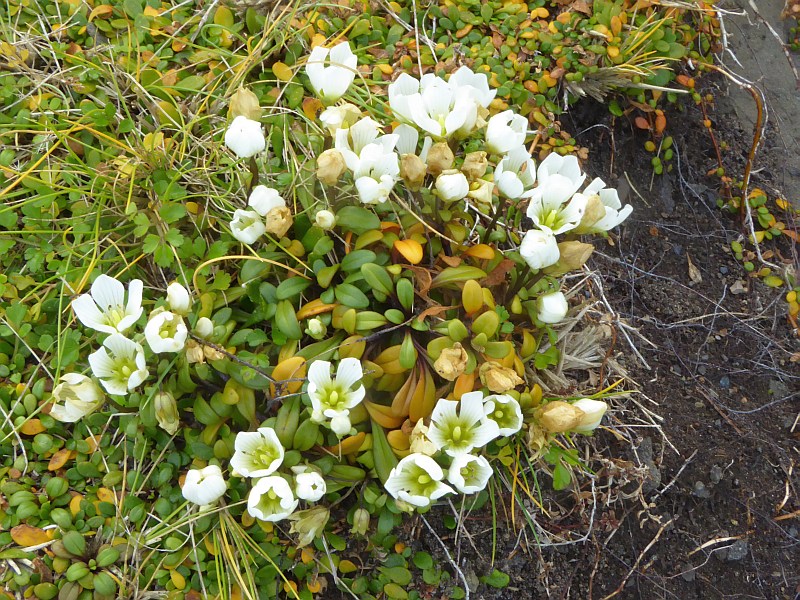
Gentiana saxosa likes it damp and salty
Gentiana saxosa likes it damp and salty
Gentiana saxosa likes it damp and salty
Black or variable oystercatchers were shot for food up until 1922 when they were protected Different colour morphs (black, intermediate and pied) are found.
A diverse selection of pictures from last weekend in the Edible Garden :)
Urtica dioica “Danae Johnston” (stinging nettle/brennesle) originally came from Rosie Castle ten years ago (2006). Seed plants with similar variegation started appearing this year in my garden
Lathyrus tuberosus (Earthnut Pea/Tuberous Pea / Jordflatbelg9 clambering up into a yew (barlind) in my garden Edible tubers.
Lilium davidii var. unicolor flowering for the first time! It lacks the spots on the flowers seen in the species! Edible bulbs.
Platycodon grandiflorus (balloon flower / flattklokke) is cultivated for its edible root in the Far East
Lilium michiganense flowering for the first time : the bulbs are/were eaten by Native American tribes
Lilium michiganense flowering for the first time : the bulbs are/were eaten by Native American tribes
Lilium michiganense flowering for the first time : the bulbs are/were eaten by Native American tribes
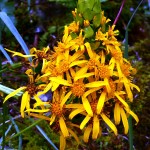
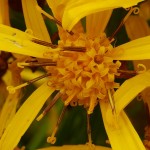
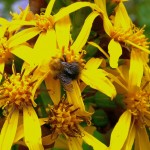
Ligularia fischeri flower close-up; for more on its use, see here: http://www.edimentals.com/blog/?page_id=3114
Ligularia fischeri flower close-up; for more on its use, see here: http://www.edimentals.com/blog/?page_id=3114
Ligularia fischeri flower close-up; for more on its use, see here: http://www.edimentals.com/blog/?page_id=3114
Calamintha nepeta is used as a herb tea or flavouring in food. Known as mentuccia, nipitella or nepitella in Italian cuisine!
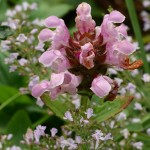
Prunella vulgaris “Pagoda”: the leaves can be used raw and cooked. Flowers are presumably also edible!
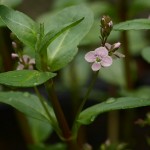
A pink flowered variant of Veronica beccabunga (brooklime)
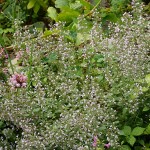
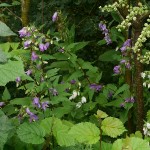
White and mauve coloured flowers of edible Campanula trachelium (nettle-leaved bellflower / nesleklokke) with poisonous Veratrum californicum on the right in full flower.
My chicories are growing well this year!
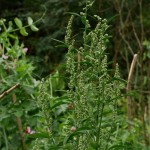
The tops of Chenopodium album from Feral Farm Agroforestry
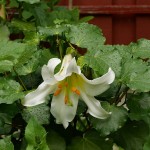
Lilium regale? growing up through a Macropiper excelsa from New Zealand!
English mace leaves can be used as a flavouring in soups and salads
Apium prostratum from New Zealand – see separate album about this!
It’s unusual here to see runner beans in flower in July…this was a cultivar I bought in Japan and is well ahead of other varieties I planted!
Slow to bolt coriander cultivar “Calypso” (right) is the most bolt resistant variety I’ve grown. It’s bred in the UK. I just hope it’s not so late at bolting that seeds are not produced!
I’ve had this magnificent Adenophora in my garden for many years, but am unsure what species it is…
I’ve had this magnificent Adenophora in my garden for many years, but am unsure what species it is…
Now a few Patrinias which are in full flower now. Although wild collected in the Far East as a vegetable I’ve found them rather bitter…sadly. They belong to the Valerianaceae. This is Patrinia triloba v. takeuchiana
Patrinia triloba v. takeuchiana
Probably Patrinia gibbosa
A white flowered Patrinia
A white flowered Patrinia
Urtica galeopsifolia, the stingless sting nettle
Rubus occidentalis is still 3 weeks or so away from harvest and its going to be a bumper one this year!
Clintonia borealis in fruit with Fragaria moschata…
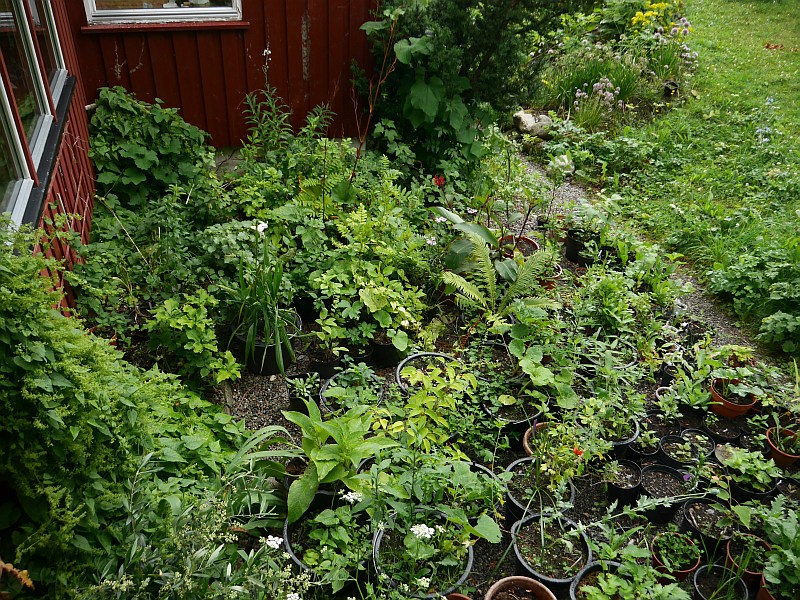
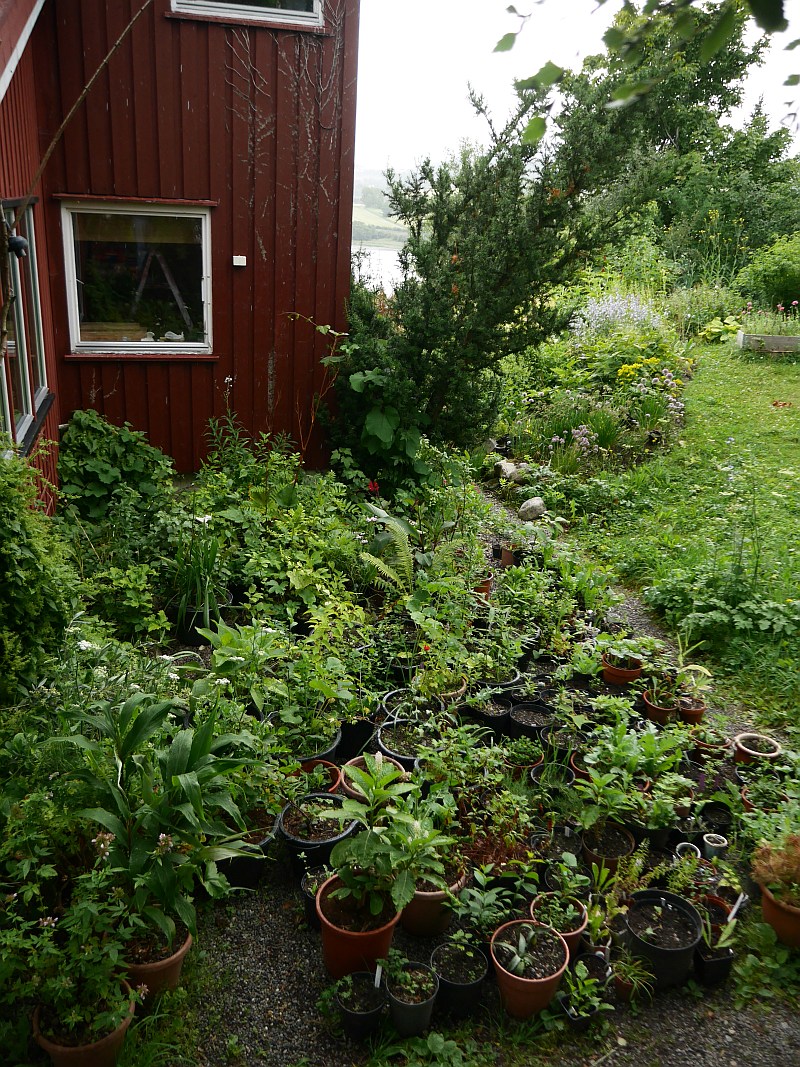
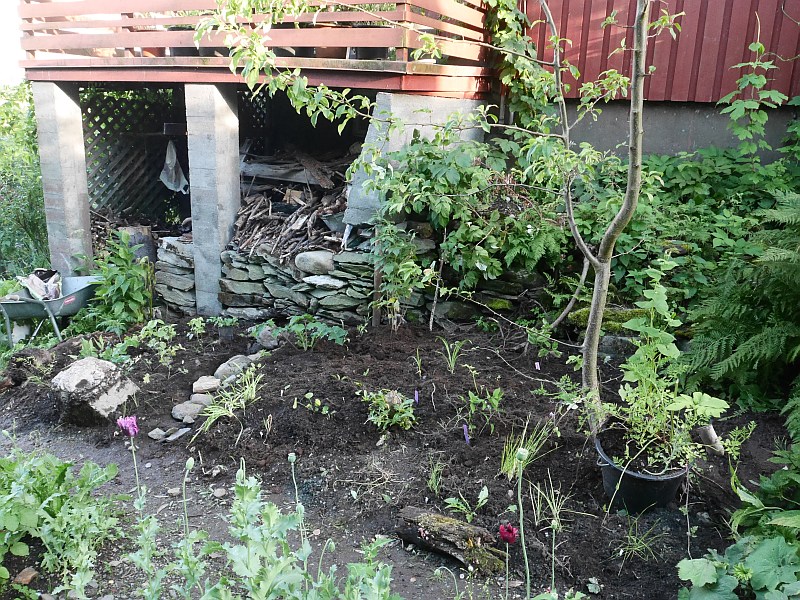
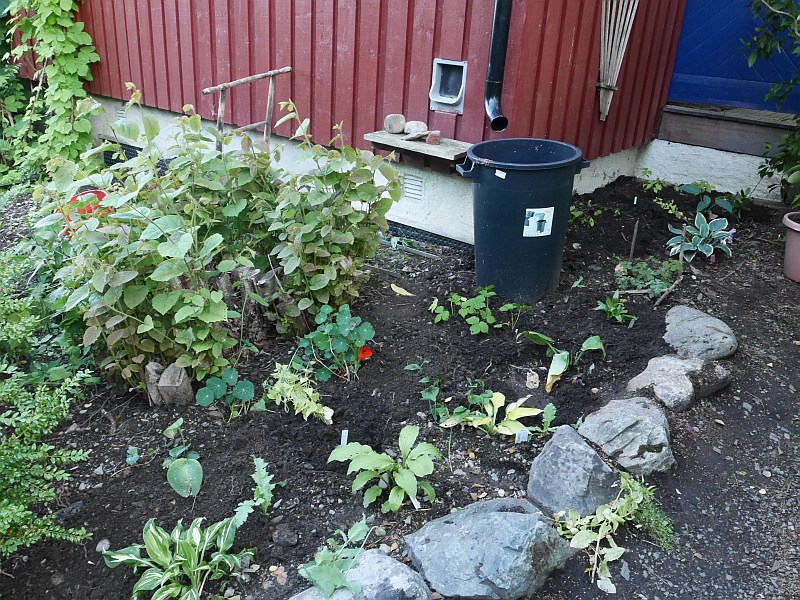
I planted a couple of new edible woodland garden beds with some 40 new plants on the north side of my house at the weekend!! The last picture is my planting map for one of the new beds ;)
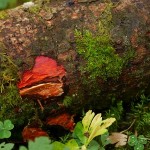
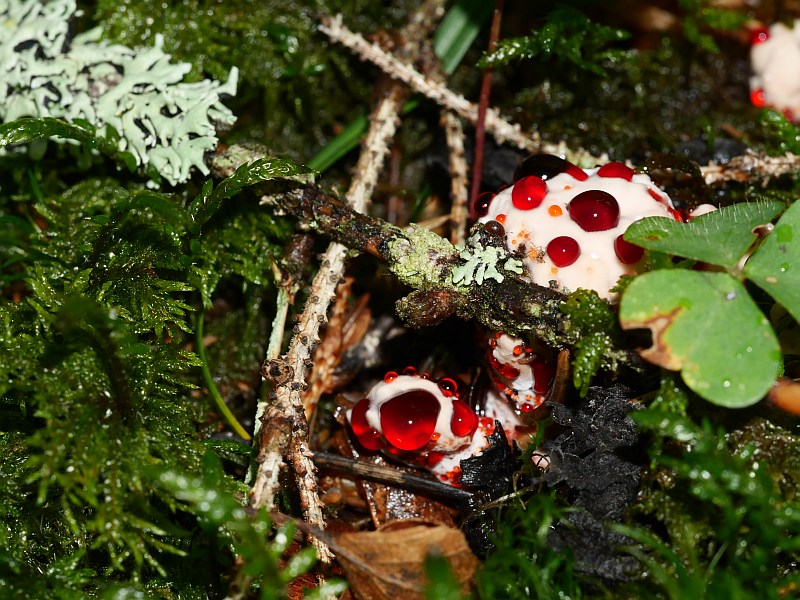
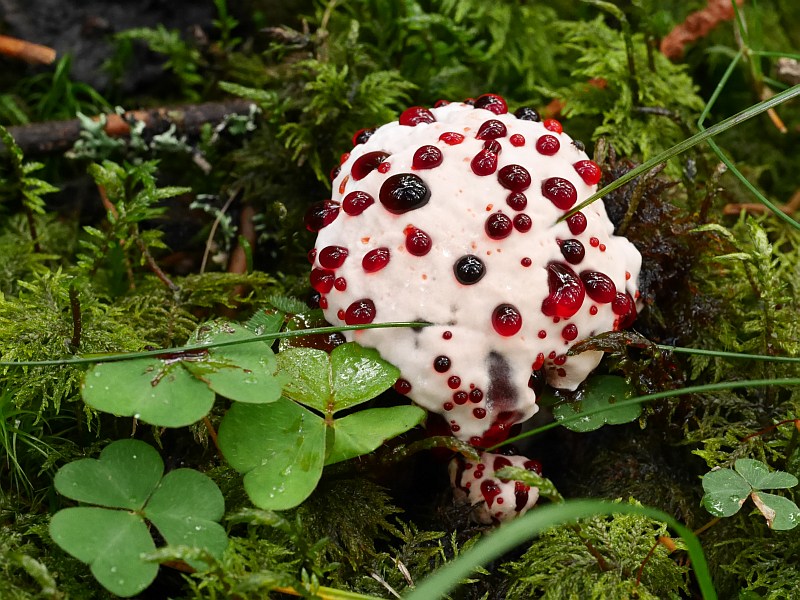
I was out in the woods looking for fungi yesterday….the last thing I’d expected to find in the dark coniferous woods was strawberries and cream ;) No, I didn’t eat them, leaving them for the elves…
Called strawberries and cream, the bleeding tooth fungus, the red-juice tooth, or Devil’s tooth, Hydnellum peckii (Norwegian: skarp rustbrunpigg)is a widespread species in North America, Europe and Asia. It is related to the hedgehog fungus. Sadly, it doesn’t taste much like strawberries and cream, tasting very sharp…