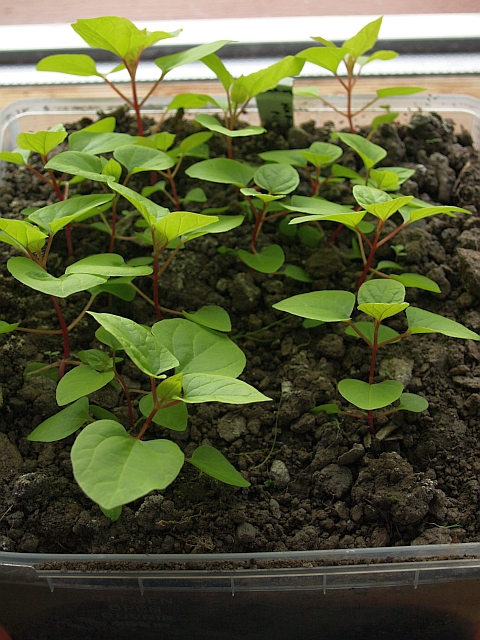
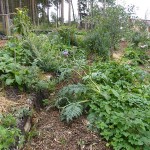
Rooted cuttings of some 10 perennial kales overwintering in my unheated loft room (it can freeze up here, but not this year)
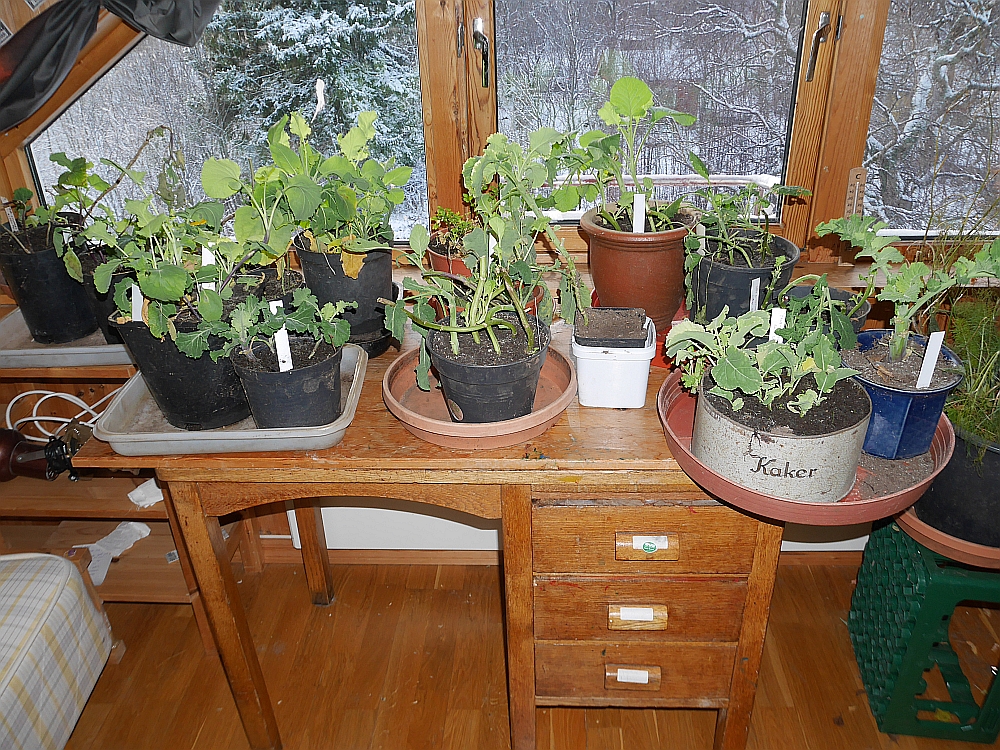

Rooted cuttings of some 10 perennial kales overwintering in my unheated loft room (it can freeze up here, but not this year)
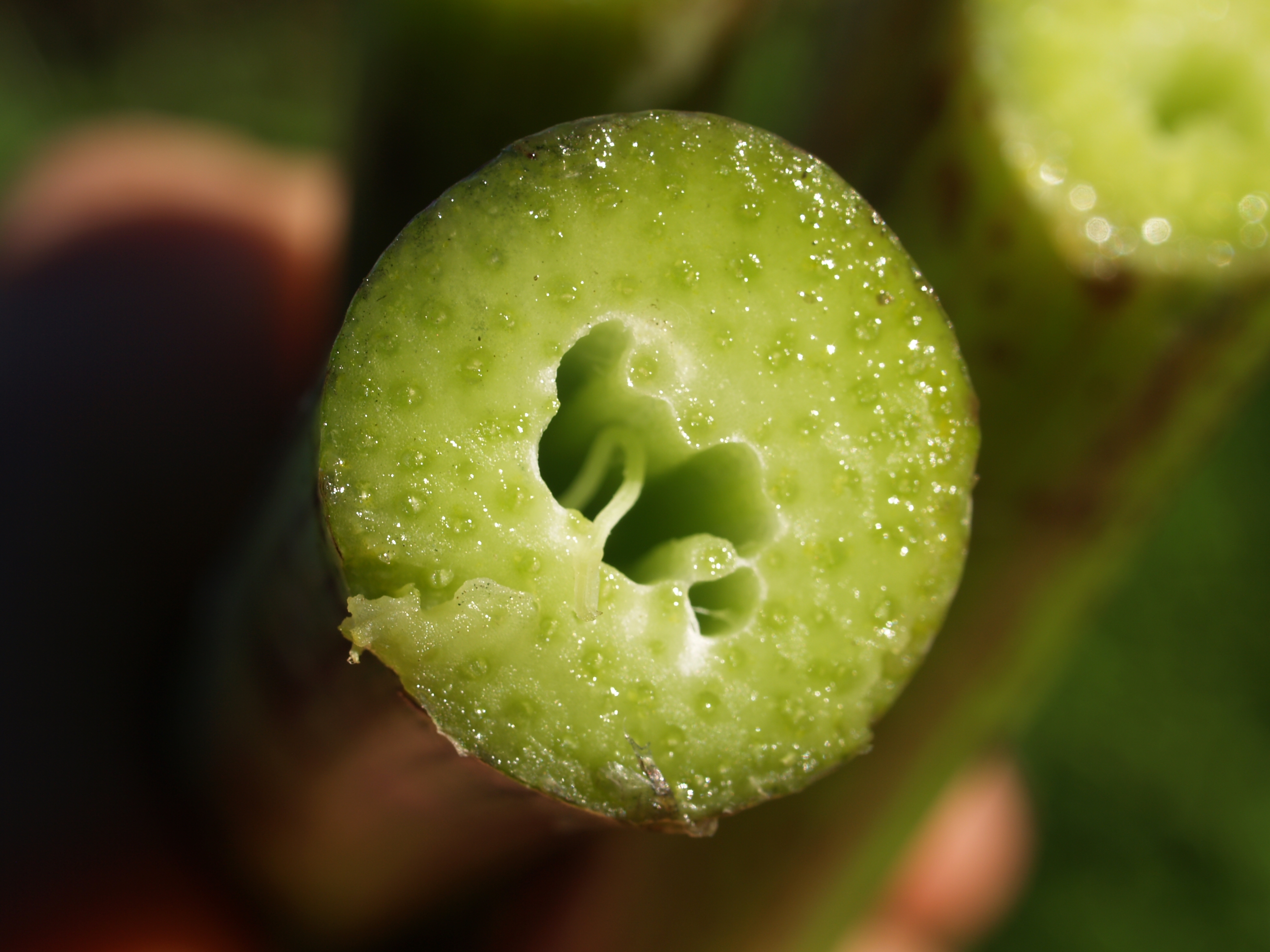
The genus Angelica has about 80 species distributed throughout the Northern hemisphere, of which around 25 are found in Japan. Around the world various Angelica species have been used traditionally for food and medicine, notably the Europe to Himalayas species Angelica archangelica, used since ancient times in various ways and the most well-known wild edible in Norway, where we have the domesticated form Vossakvann (see my book) with filled stems:
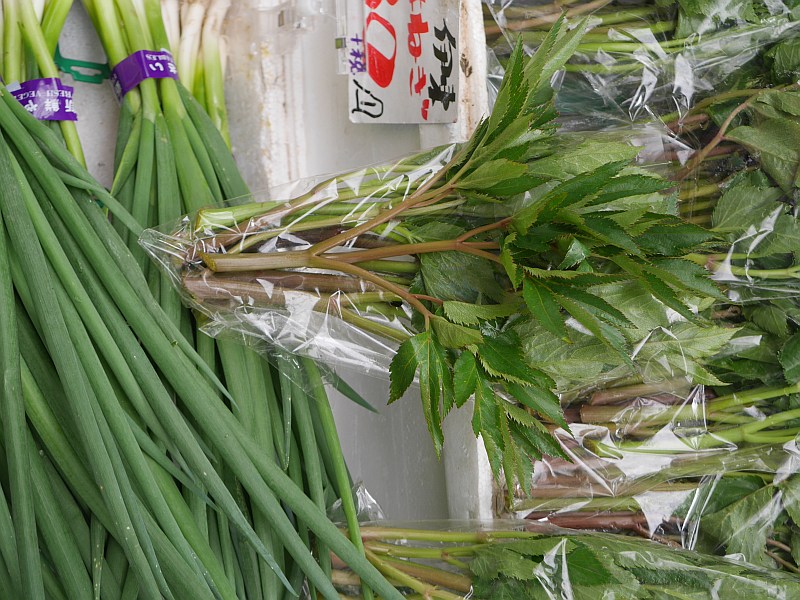
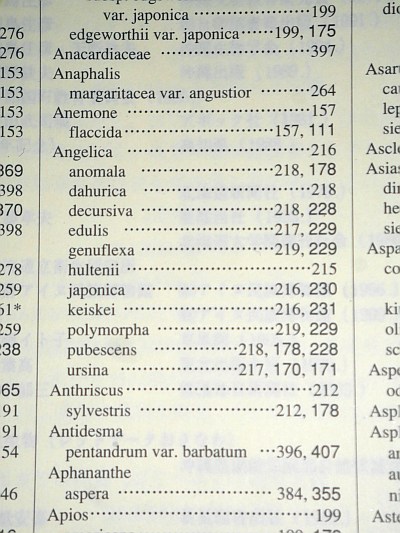
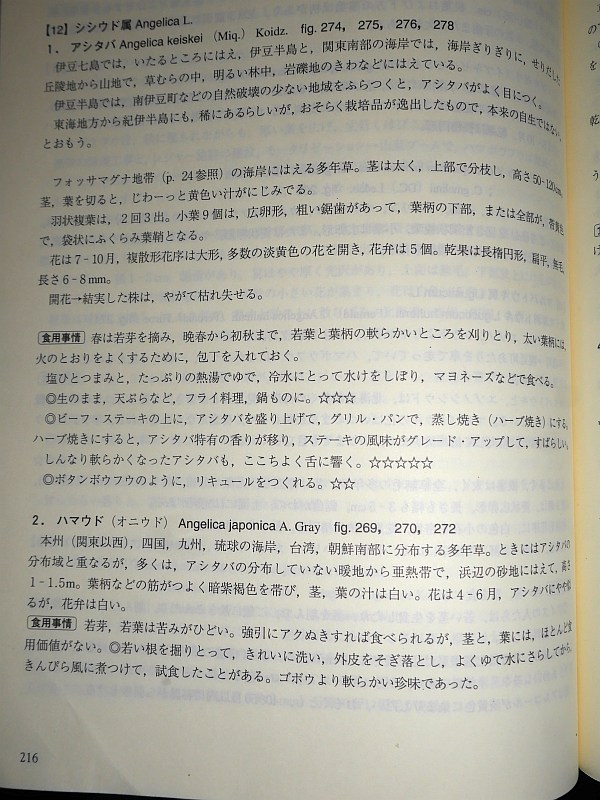
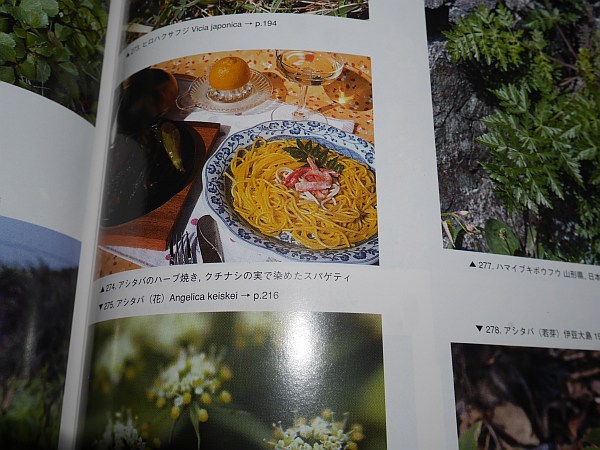
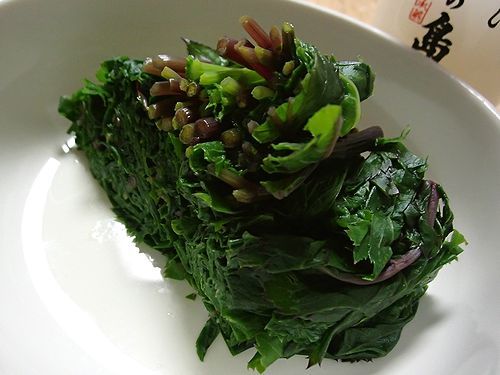
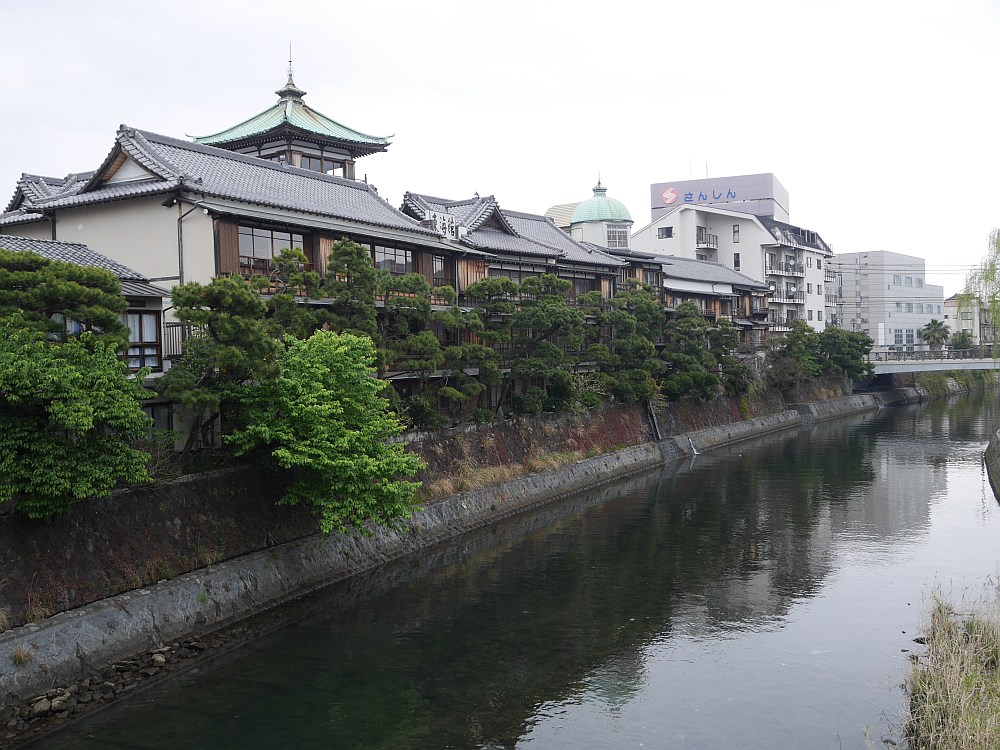
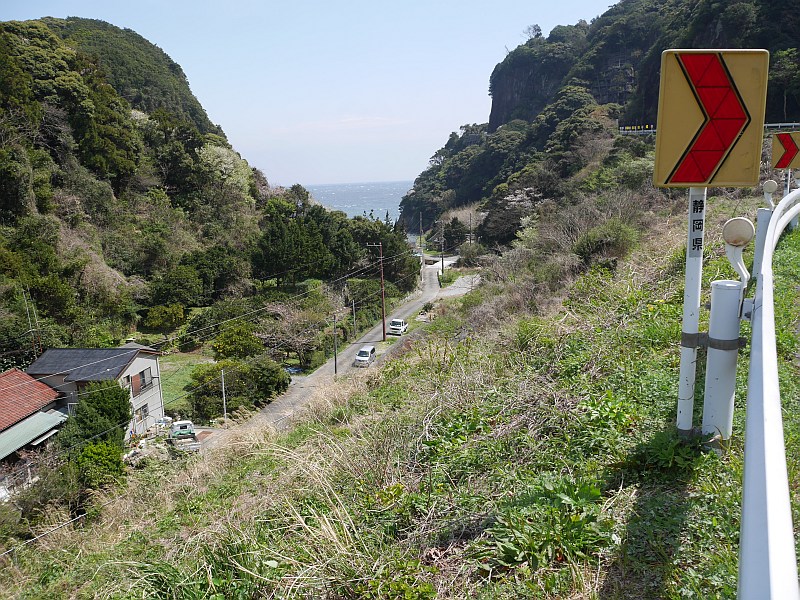
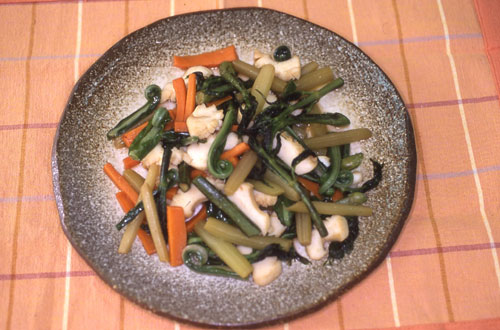
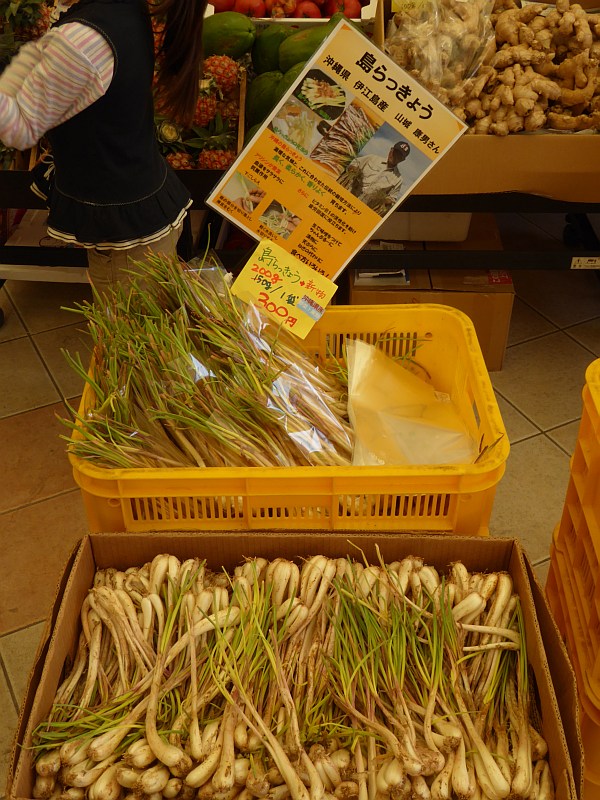
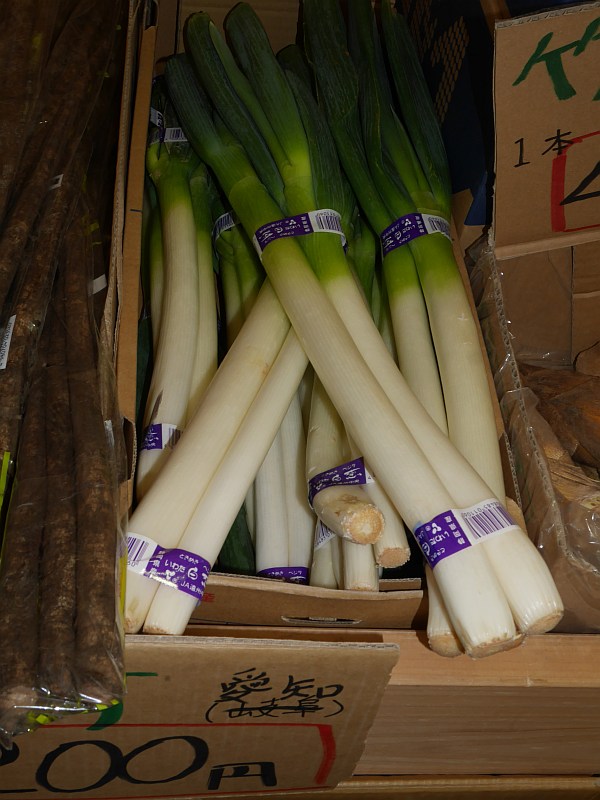
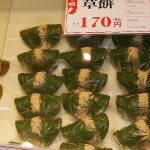
In Japan, no less than 11 species are covered in my most comprehensive Japanese foraging book, Ikozo Hashimoto’s Edible Wild Plants Encyclopedia (in Japanese). On my study trip to Japan in late March / early April 2016, we spent a few days on the scenic Izu Peninsula, a couple of hours from Tokyo. Here we found the best known Japanese species, Angelica keiskei (ashitaba) for sale in a supermarket (picture).
I wrote about my first encounter with this species here: http://www.edimentals.com/blog/?page_id=1385
(the Japanese name ashitaba means “tomorrow’s leaves”, referring to the plants very quick response to being damaged)
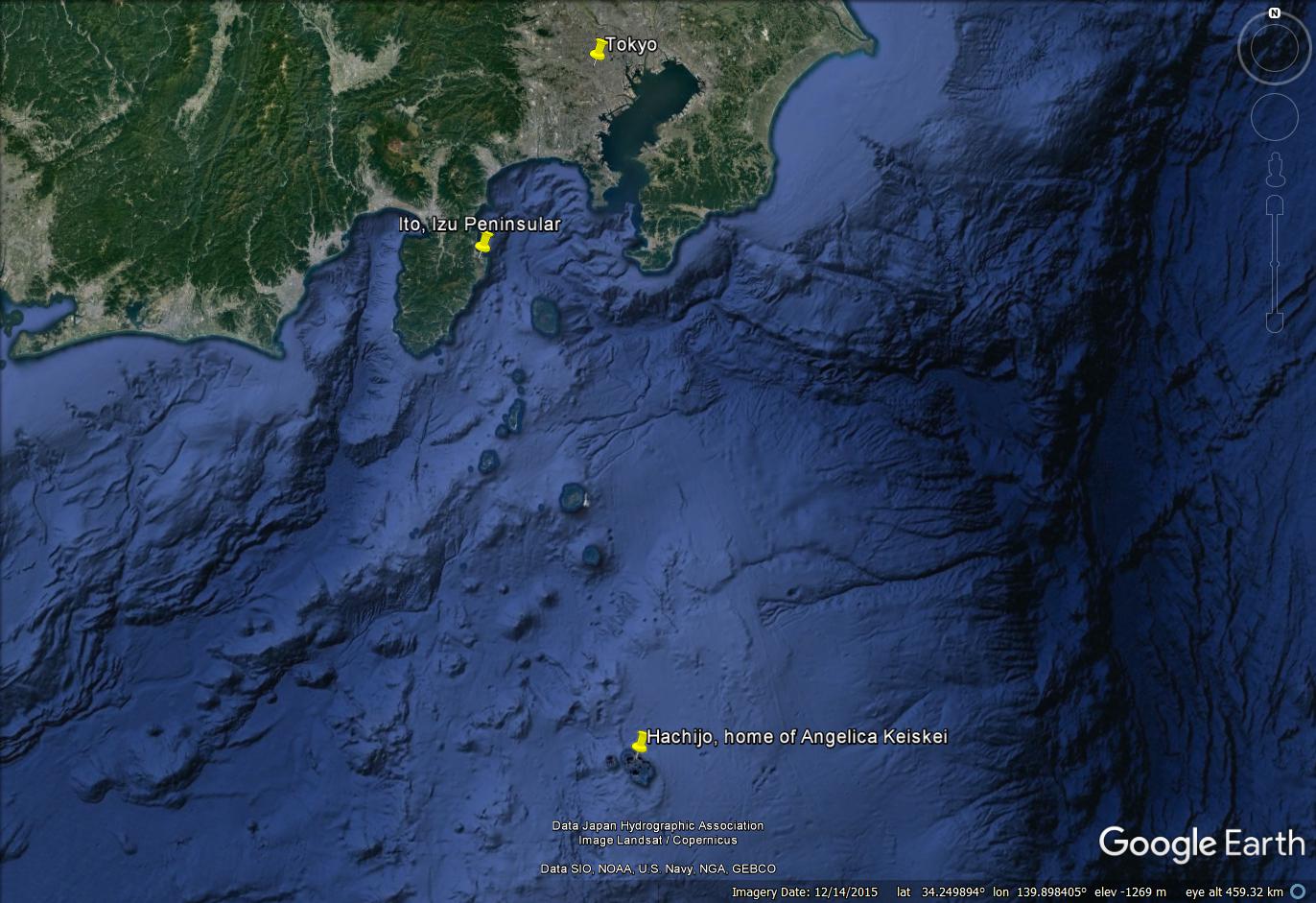
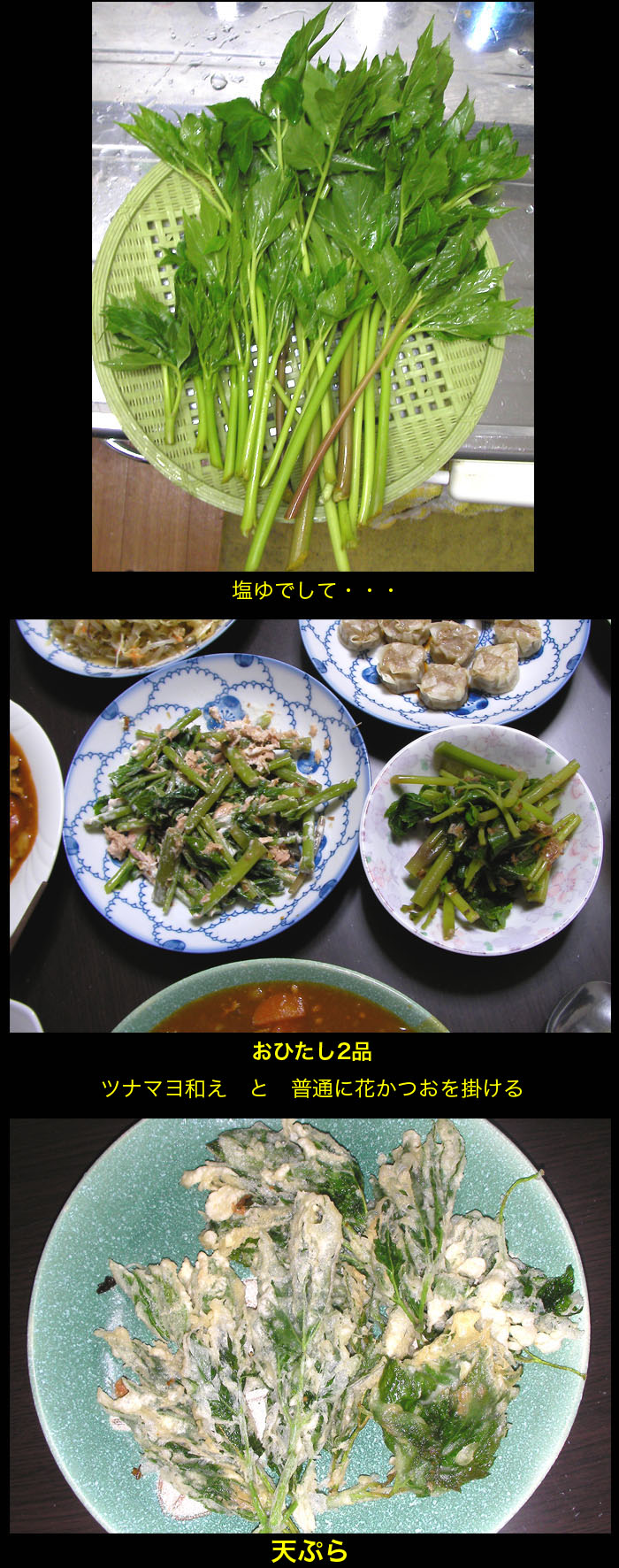
I wasn’t aware of it at the time, but ashitaba is endemic to the island Hachijō-jima (jima means island), one of a string of volcanic islands in the Pacific roughly 190 km south of Izu. Apart from Hachijō, ashitaba is cultivated on some of the other islands, including Izu Ōshima, Mikura-jima, Nii-jima and To-shima. It is also grown on the mainland (Honshū). Hachijo has a humid subtropical climate with very warm summers and mild winters, so it’s not surprising it didn’t overwinter in my garden and grew only slowly through the summer (more like winter in Hachijo!). It is an important plant for the local cuisine on the island where both the leaf and flower stalks, flower buds and roots are used in many types of dish from soba (buckwheat pasta), tempura, the alcoholic shōchū, as well as tea, cakes, konjac and even ice cream and is promoted for its health giving properties. In Izu oshima, it is fried in Camellia tea oil, an oil with a sweet, herbal aroma, cold-pressed from the seeds of Camellia oleifera. It is relatively strong tasting and is therefore mostly eaten in oily dishes like tempura or diluted for a milder taste. A nutrient analysis of ashitaba can be found here: http://www.mext.go.jp/b_menu/shingi/gijyutu/gijyutu3/toushin/05031802/002/006.pdf
Interestingly, the variety grown on Mikura-jima is said to be the best as it is less bitter. This variety has “thick” stems, which calls to mind our own thick stemmed Vossakvann variety which is also milder tasting! Varieties on other islands are said to be distinct, having coloured stems.
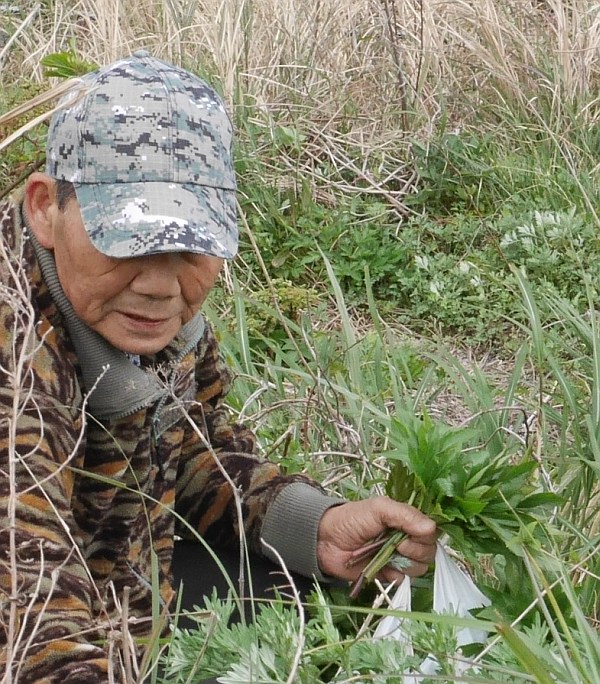
The most common species we saw in southern Honshu was shiny leaved Angelica japonica (hamaudo, meaning Udo growing on the beach). Many consider it to be “poisonous” (which probably signifies that it is stronger tasting), but it certainly is used in similar ways to ashitaba and we even encountered a local foraging what was probably this species on Izu (see the film at http://www.edimentals.com/blog/?p=9672).
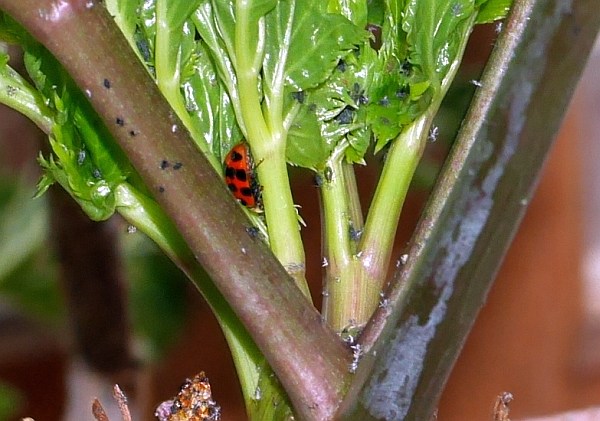
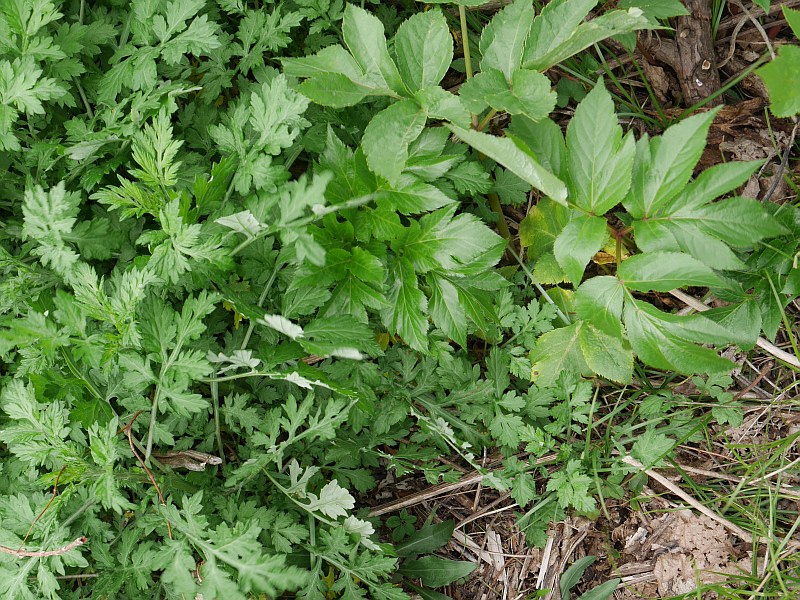
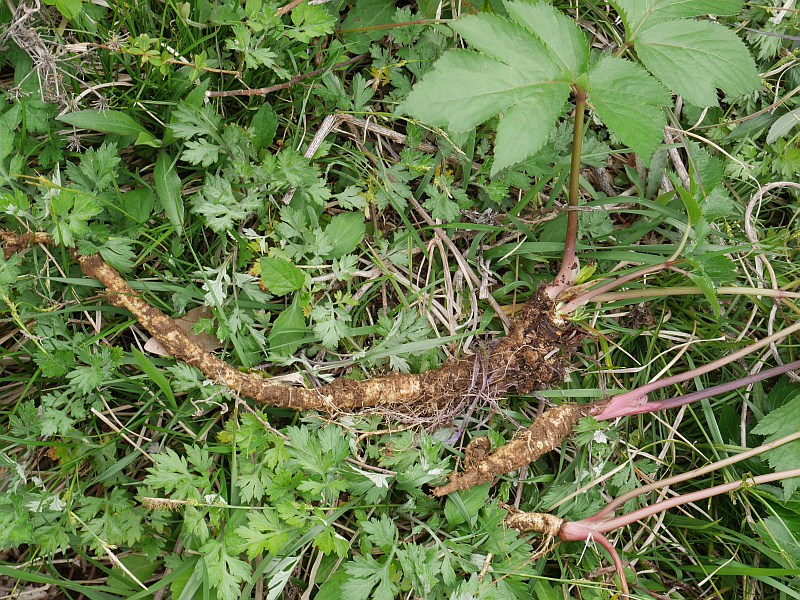
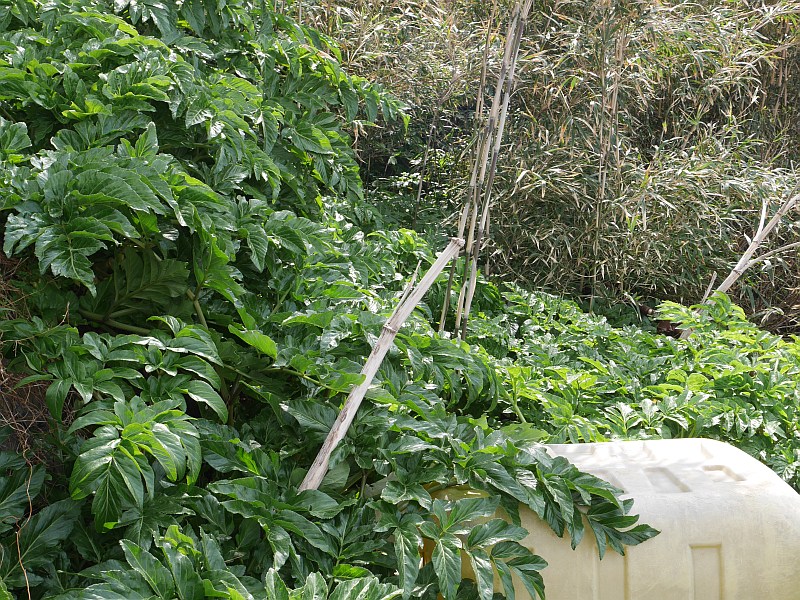
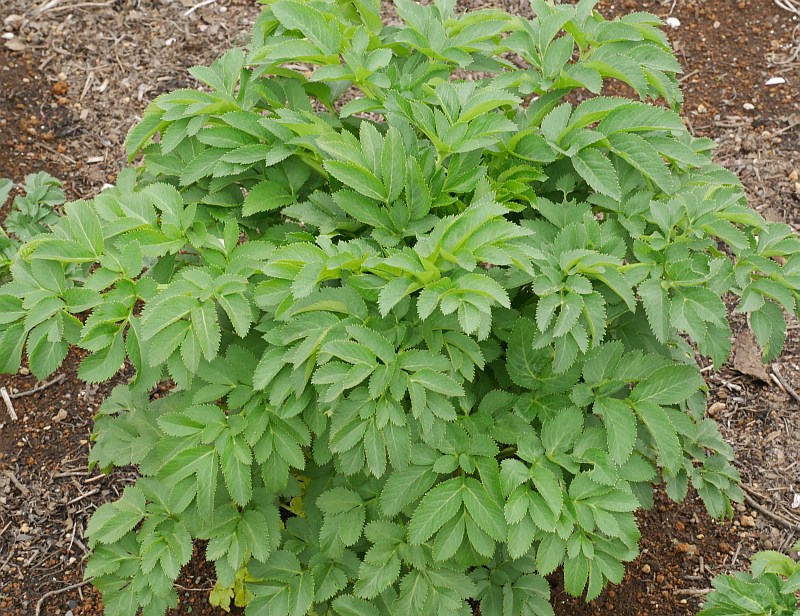
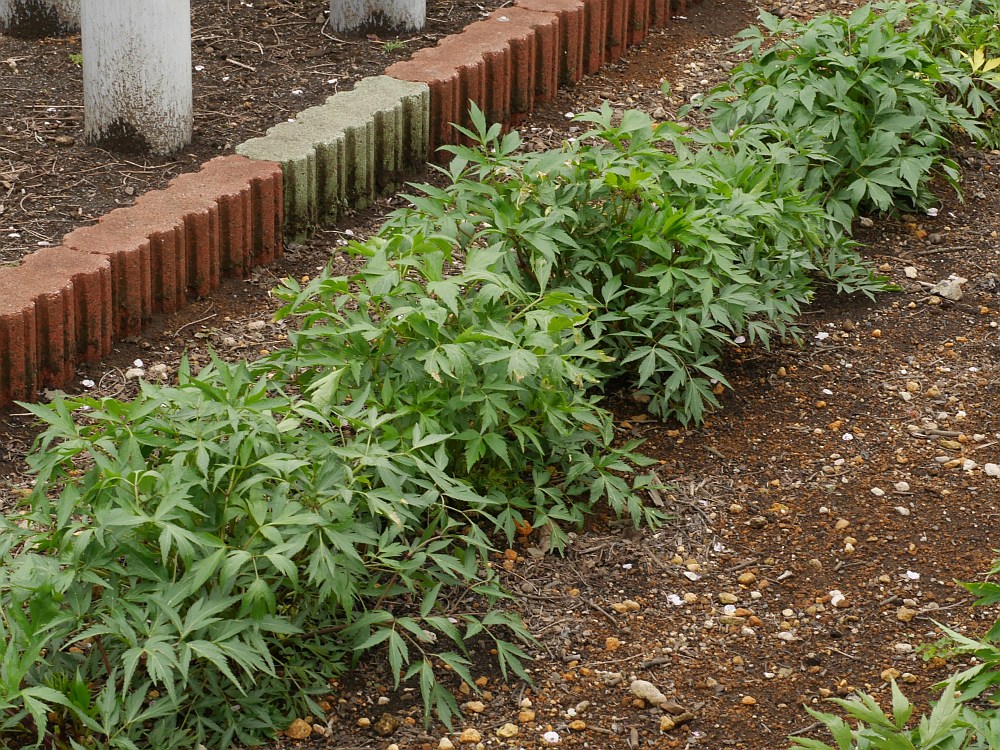
More information can be found in the captions below, which includes pictures of other Angelica species seen in botanical gardens in Kyoto and Tokyo and even ashitaba being grown as a house plant in the mountains near Nagano. My friend Andrew McMilllion in Southern Norway has discovered this wonderful plant and is growing it indoors (in flower as I write this in mid-January).
Thanks to Tei Kobayashi for showing me around on the visit to Nagano and Ken Minatoya-Yasuda for translating some of the text in my foraging book!
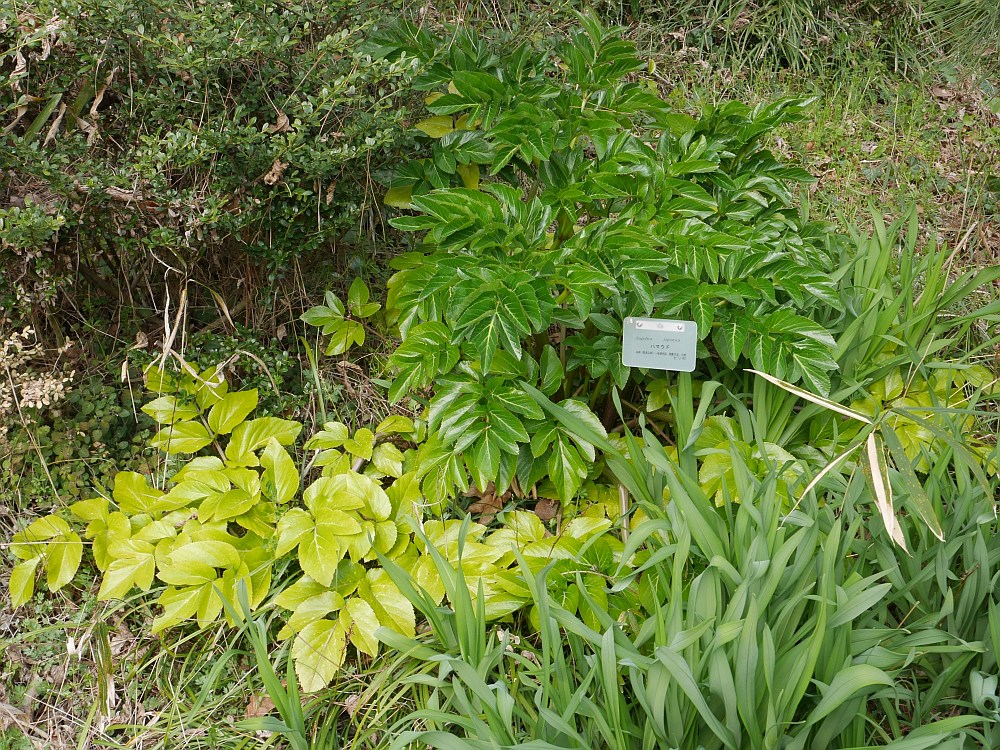
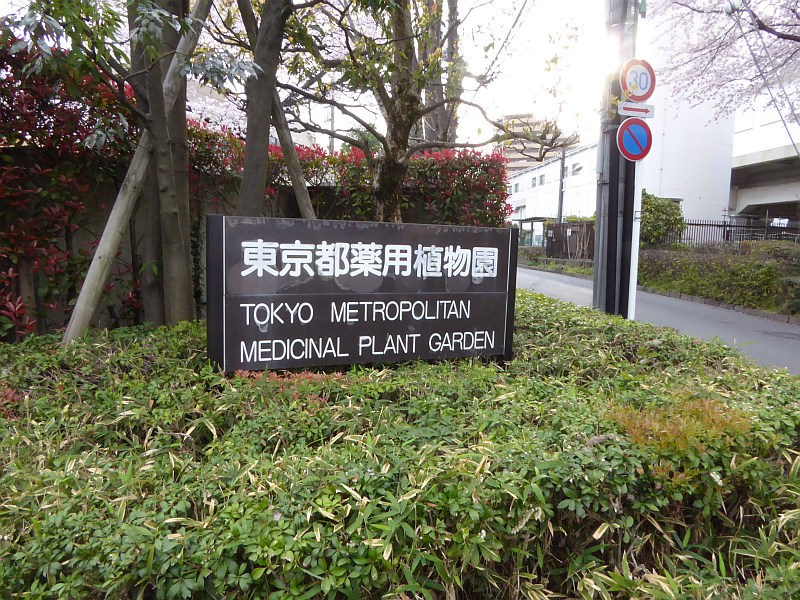
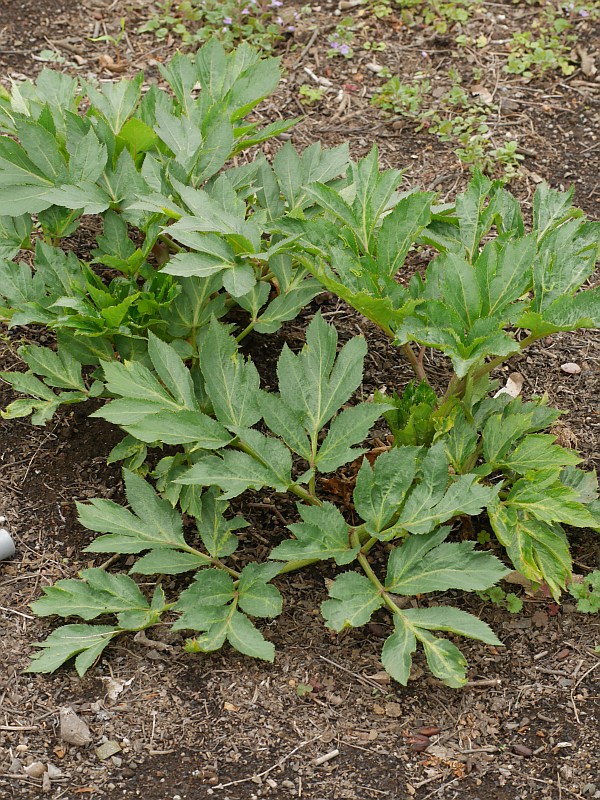








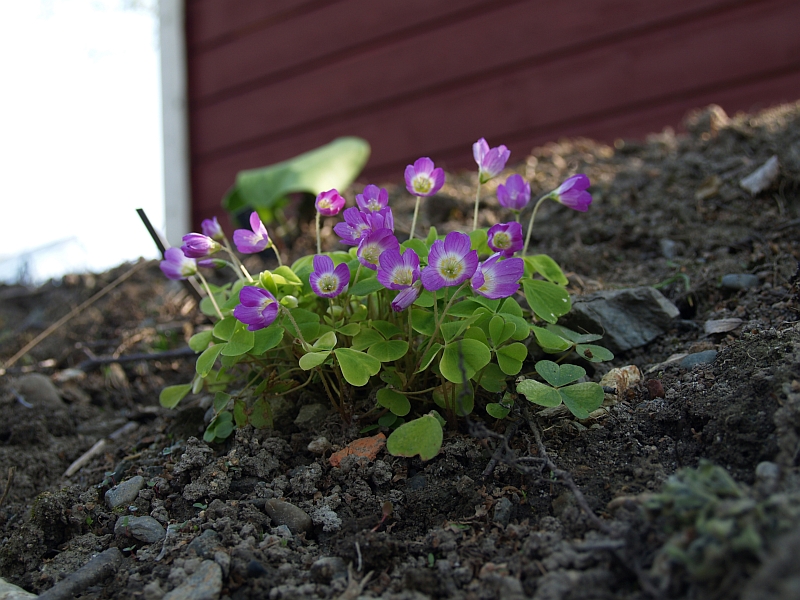
Another great edimental for the woodland garden is this form of common wood sorrel (gjøksyre)….received as Oxalis acetosella “Rosea” although I wouldn’t describe the colour as pink…sadly, it didn’t make it more than a few years here…

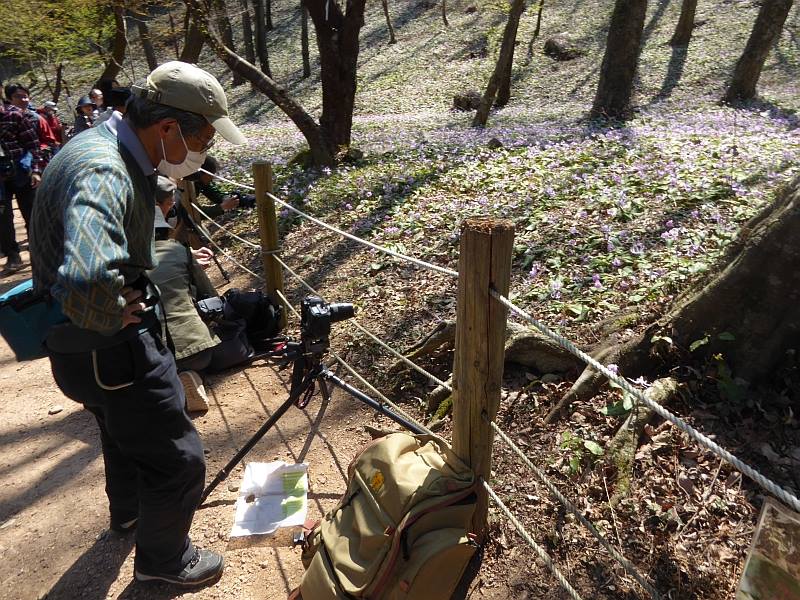
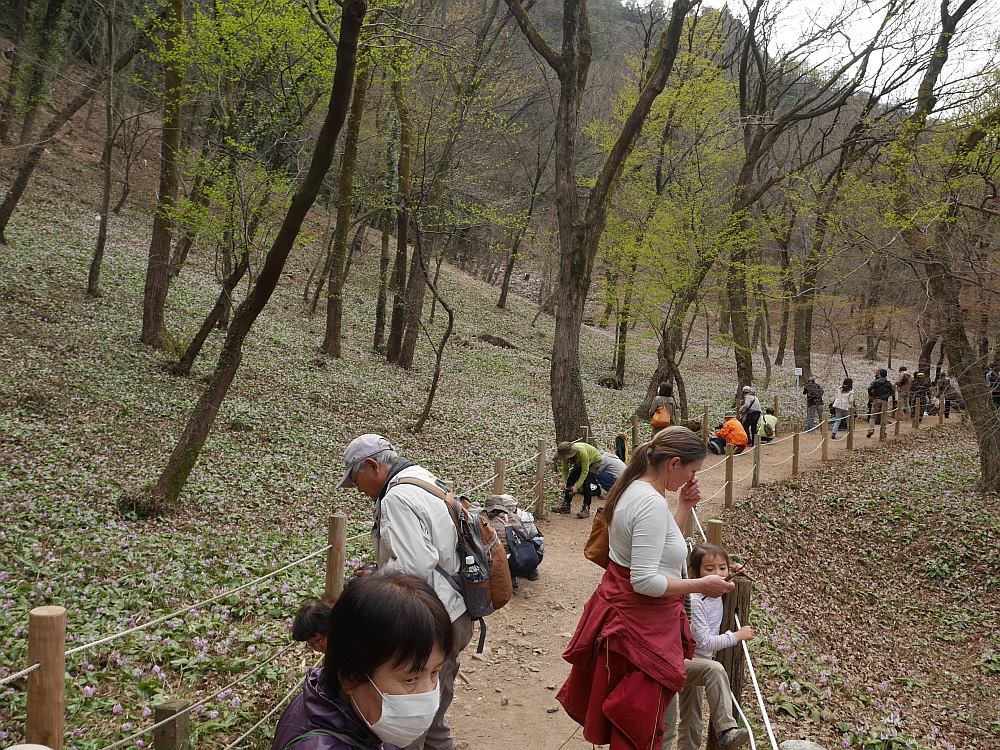
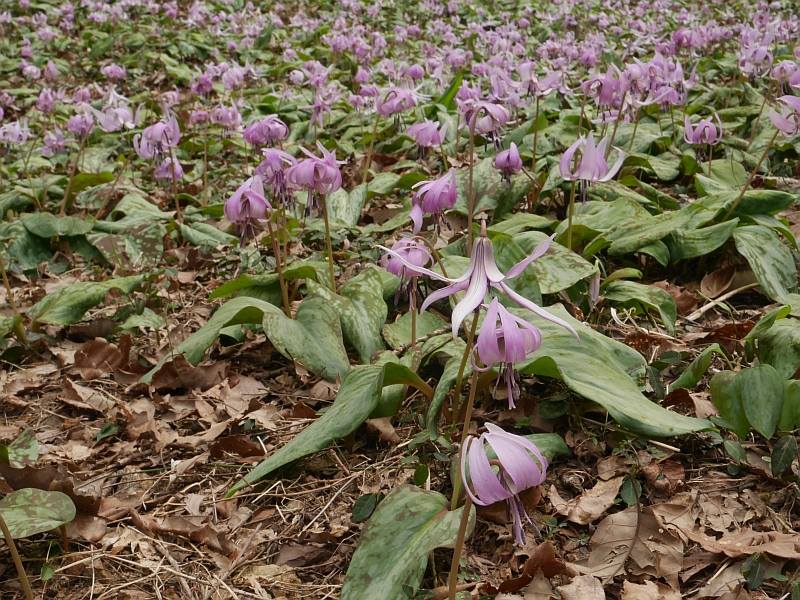
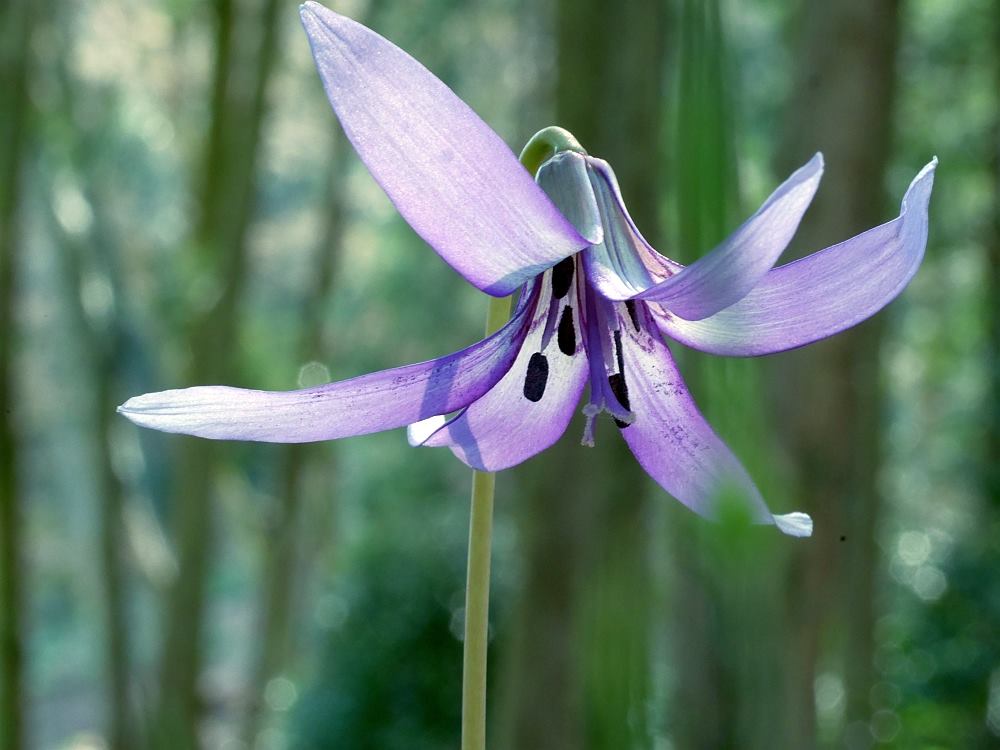 My trip to Japan in early spring 2016 was perfectly timed to witness one of the wonders of the Japanese spring, the mass flowering of katakuri (Erythronium japonicum; Japanese: 片栗), a pink-flowered species trout lily or dog’s tooth violet. Thanks to Kevin Cameron for inviting us along on a hike with a local walking club out of Nagoya! The bulbs were in the past used as a source of starch, the leaves and flowers also being eaten (but shouldn’t be wild harvested nowadays as some sources consider it as endangered). I’ve never seen so many people out flower watching, so many cameras trained at the flowers…a bit like twitchers watching some rare bird….we could call them flitters perhaps!
We took the train from Nagoya to Kanigawa station in Kani city on the edge of Nagoya’s urban sprawl, then walked to Yunohana hot springs spa and market on the river, popped in to one of the walking group’s friend’s house for tea, snack and a garden wander before walking to the katakuri area in a nature reserve area. Finally, we followed a trail up on to the hill where there was a distant view of Japan’s second highest volcano Mt. Ontake. We followed Kevin and daughter back to the spa for a hot bath, while the rest of the group carried on the trail to take the train back from a different station.
I’ve had a katakuri in my garden for several years but it doesn’t get much larger and seems to be self-sterile (pictures of my plants can be seen in the gallery on this page: http://www.edimentals.com/blog/?p=9442
First a gallery of pictures of the katakuri woods followed by 4 videos! This is followed by two more galleries of pictures from this wonderful day! Enjoy…








..and now 4 videos of the katakuri area:
Next, an album of pictures taken on the way from the station to the market and spa and lunch at a Japanese house.











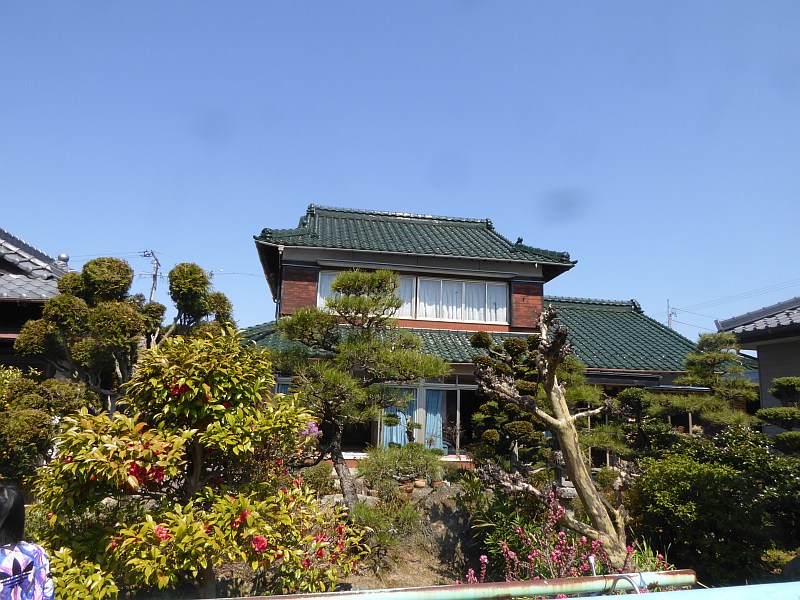

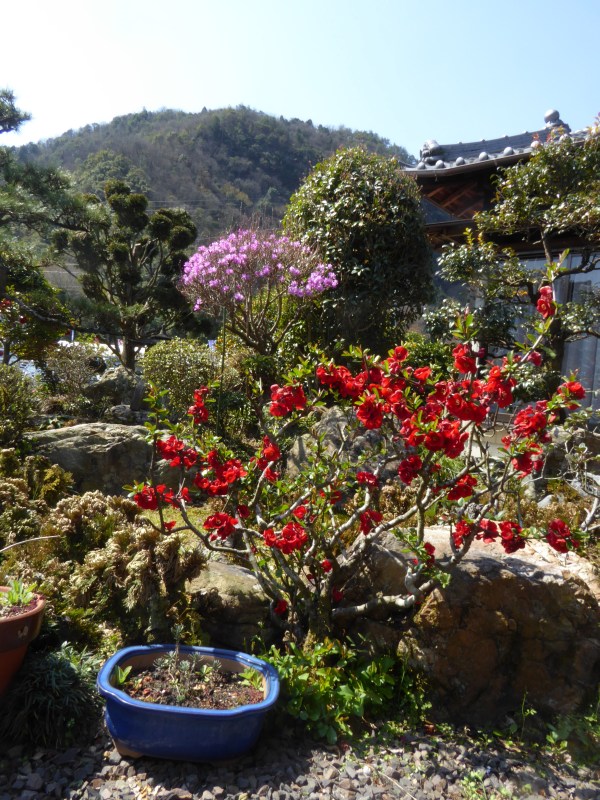


…and finally a gallery of pictures of other plants including a number of edibles on the walk up to the viewpoint with the walking group!


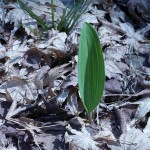
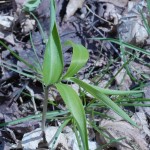








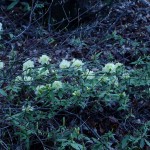

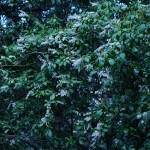













10 years ago in July 2006, I received an email seed request from a Sergey Banketov in the Caucasus. I don’t usually trade seed in summer, but he had such an interesting list of wild collected species from the Caucasus that I made an exception and we traded seeds. At the time I was writing my article on Hablitzia tamnoides for Permaculture Magazine and on the offchance I asked “Do you know the plant Hablitzia tamnoides? It was introduced to Sweden in about 1870 as an ornamental plant and later it was realised that it was also a very good edible plant (used in the springtime as spinach) . It is still grown in some gardens in Scandinavia for food. However, I can find no reference to its use as a food plant in its home range (the Caucasus). Do you have any information about its use? I am also interested in seed from wild populations and photographs of the plant in the wild as I am writing an article about it.”
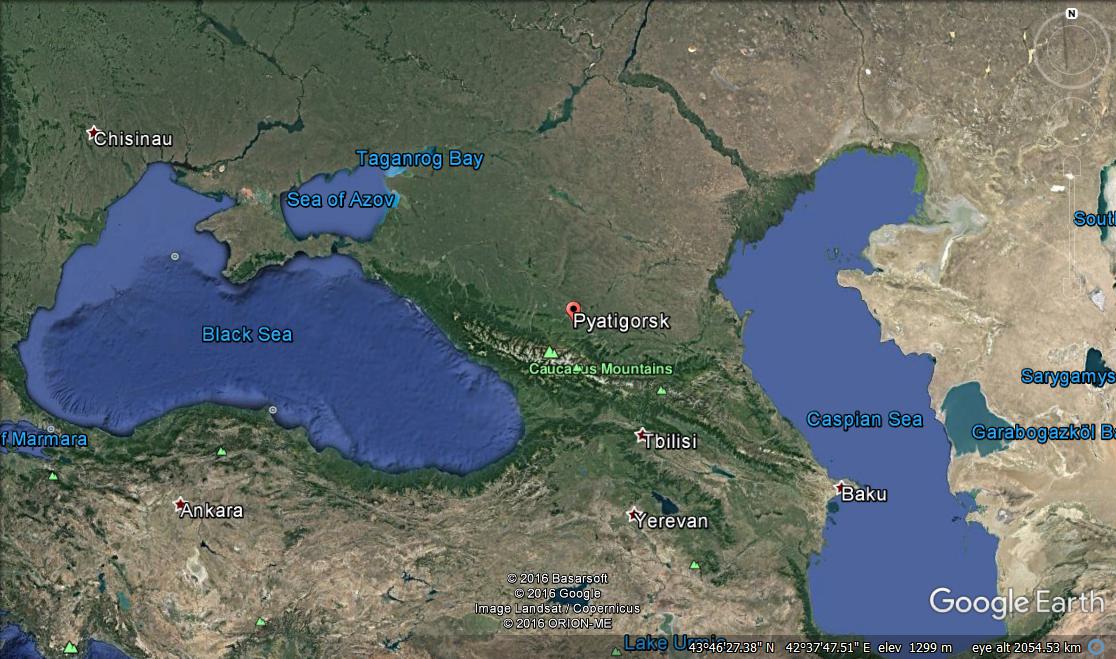
Sergey, a botanist, lived in the city of Pyatigorsk in the Stavropol region of Russia (Northern Caucasus) and he quickly replied:
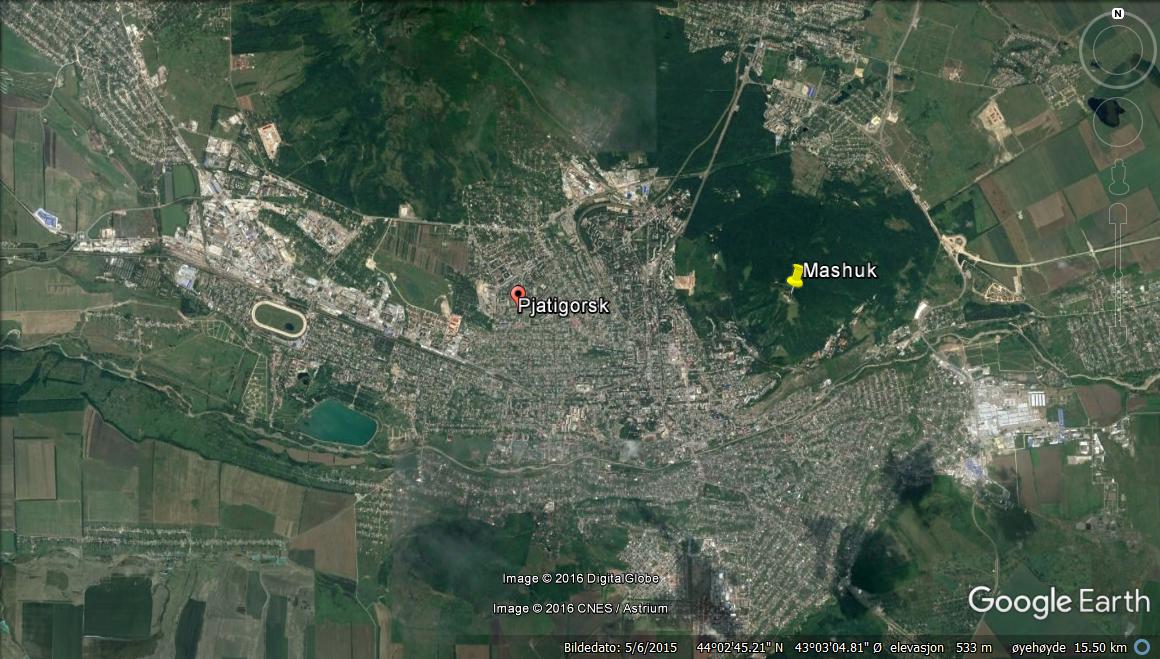
“I know a plant of Hablitzia tamnoides. This plant grows with us in the vicinity of the city. And like for the first time it is described from mountain Mashuk. I shall collect seeds and I shall try to photograph her. Unfortunately the information on it is very poor. I hear the first time that she is edible. With us we do not use even for decorative purposes. I shall try to learn about it at work (Botanical institute) and in the pharmaceutical academy.”
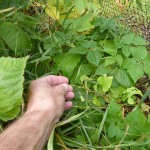
Just 4 days later he sent me these 4 pictures of the plant growing on northern slope at the bottom of the mountain Mashuk (see the images for the location). Further he told me that nobody knows the plant apart from botanists!

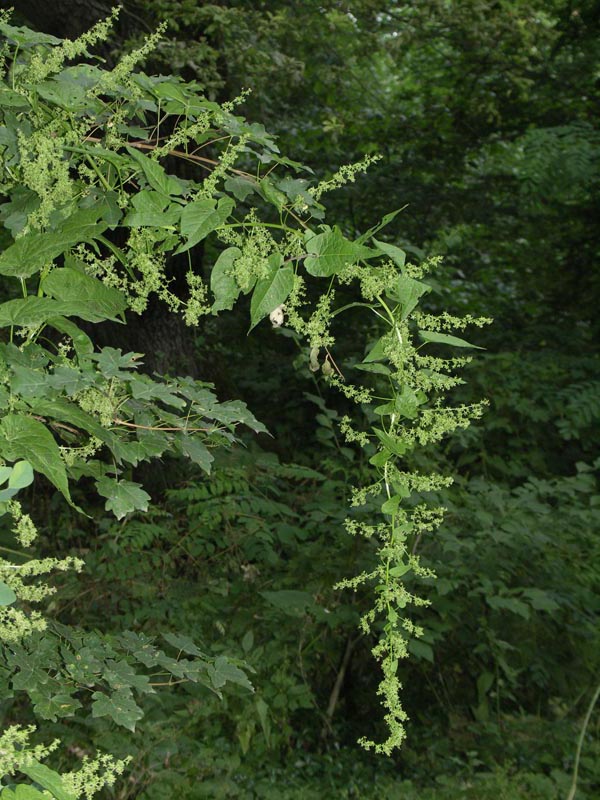
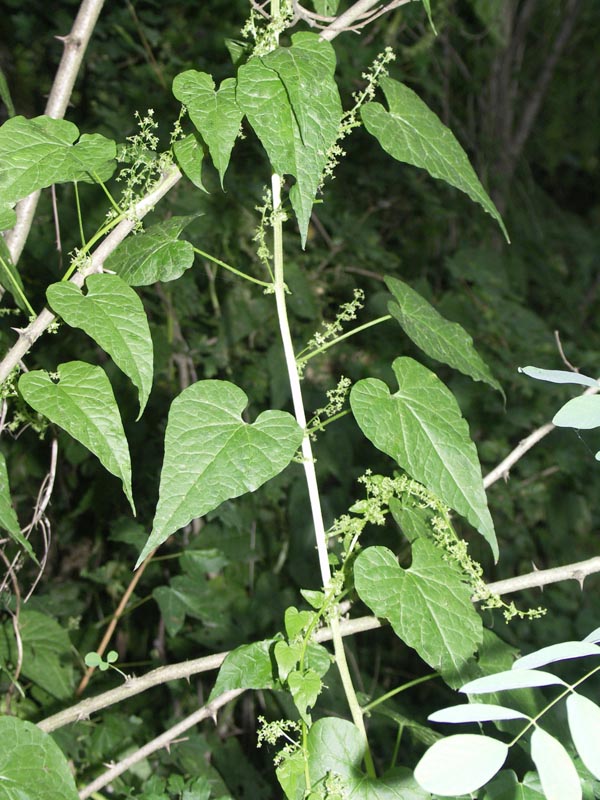

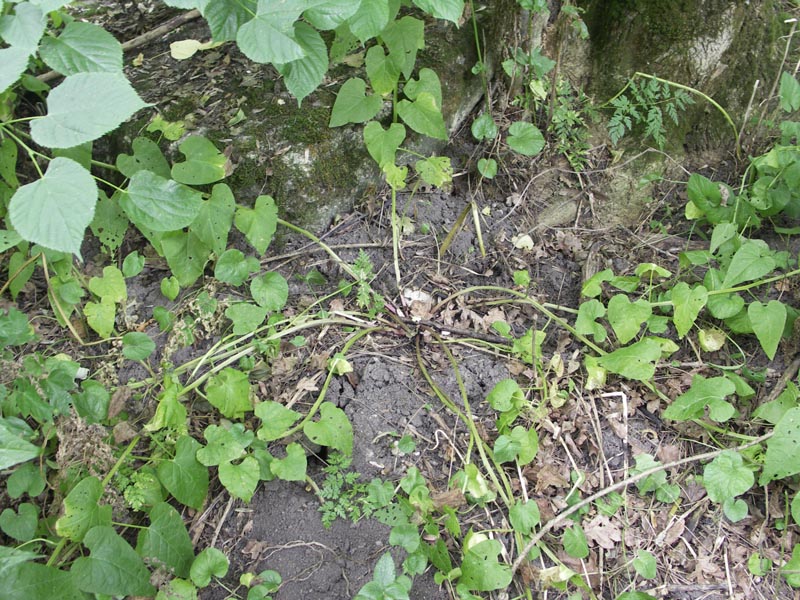
In January 2007, Sergey sent me his new seed list which now included Hablitzia! In February, I received a good amount of wild seed, collected from 3-4 plants at the bottom of Mt. Mashuk (my own single plant produced almost no seed) and in the Permaculture Magazine article an offer of seed was given, the source being Sergey.
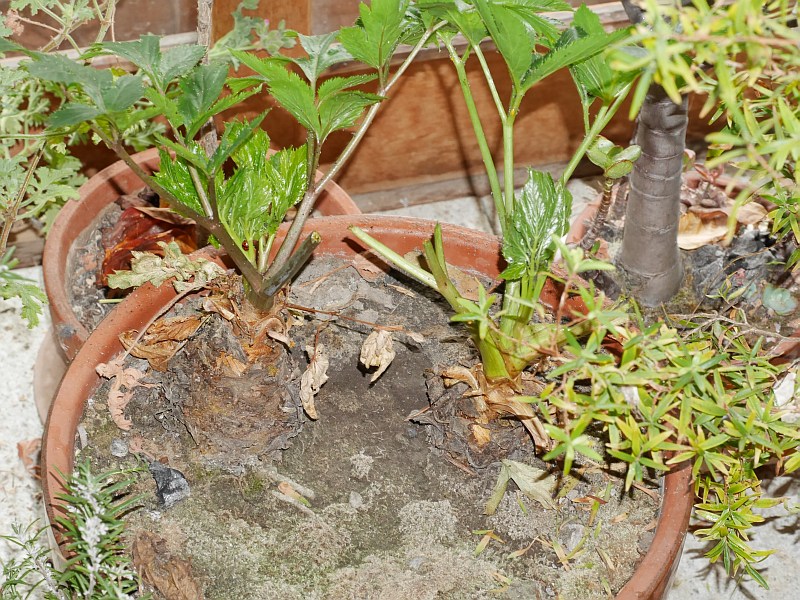
Inspired by my visit in the spring to Tokyo’s underground blanching of Udo (Aralia cordata), see link below, I dug up a couple of roots that I will force inside the house in late winter :) I will keep them cold in the cellar and then move them into probably my living room to force in February!
http://www.edimentals.com/blog/?p=8299
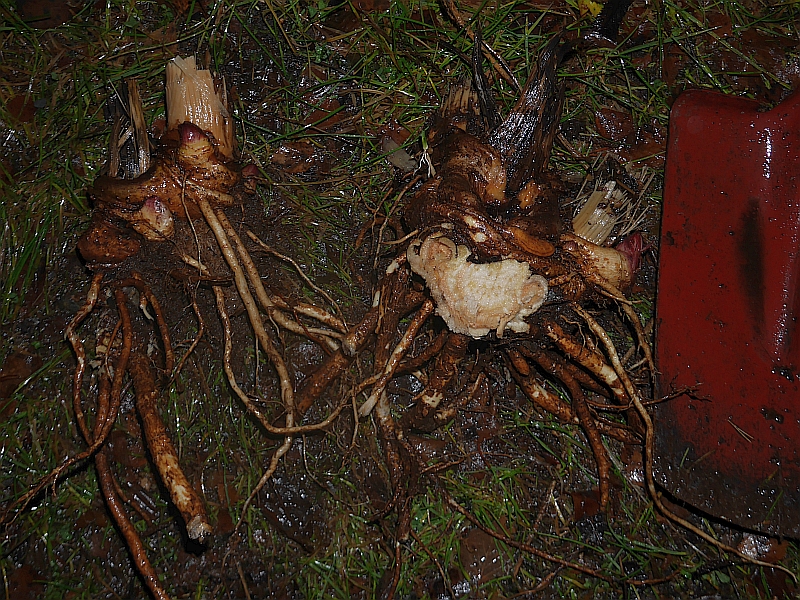
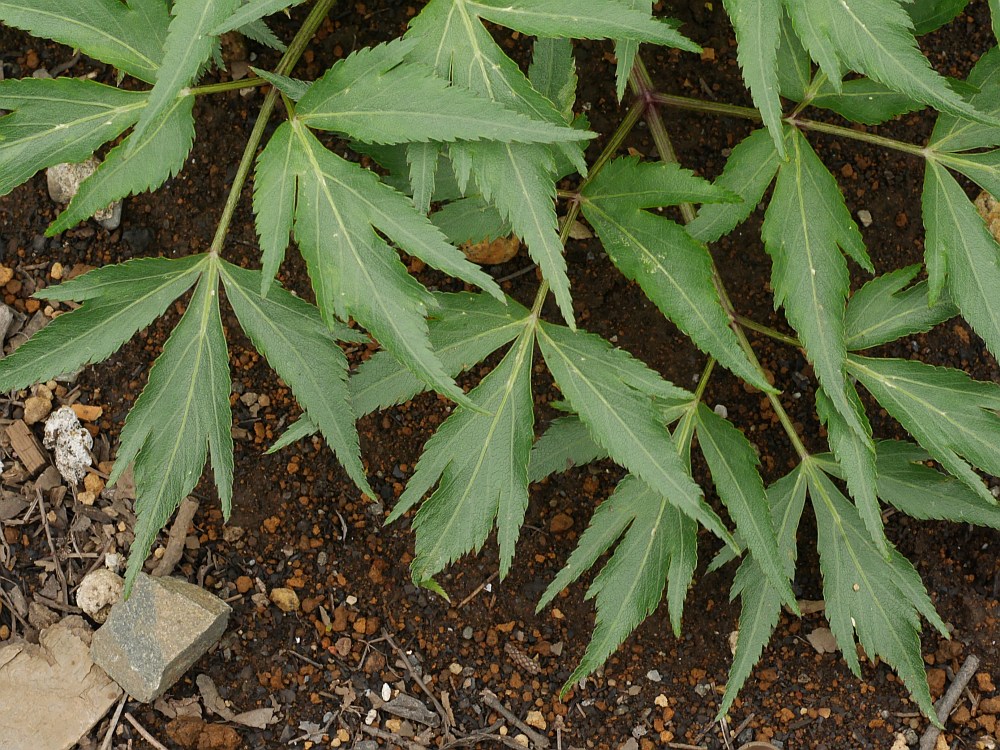
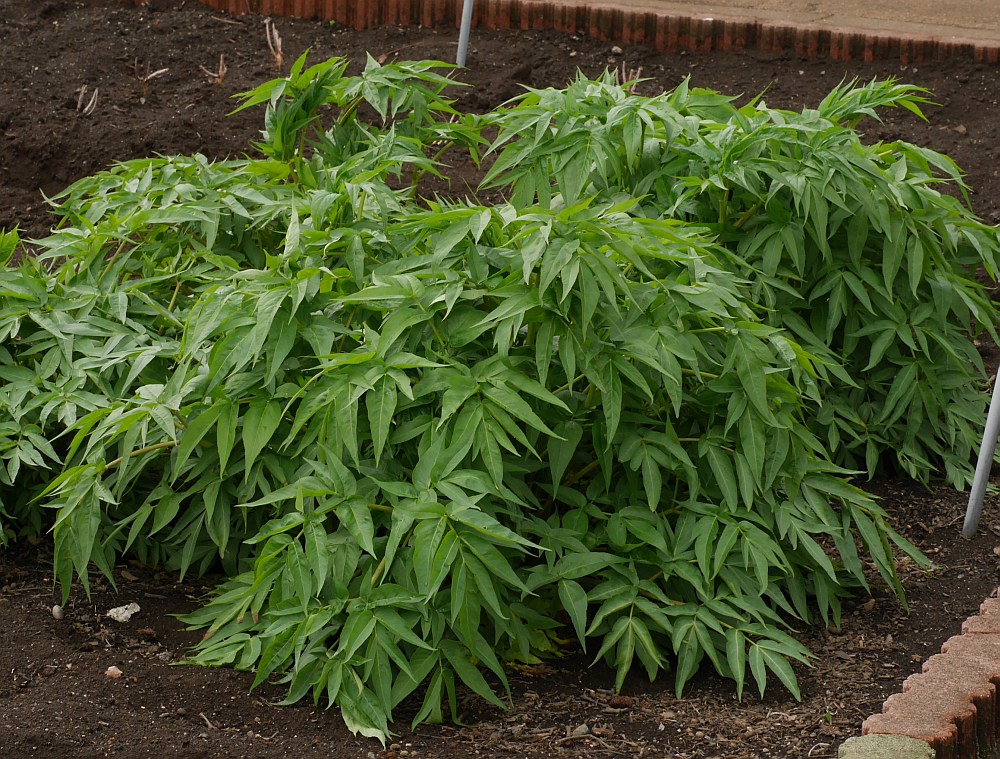
My Udo (Aralia cordata) has crushed two blackcurrant bushes….


My article “Caucasian spinach: the unknown woodlander” was published by Permaculture Magazine 9 years ago in 2007 (see http://www.edimentals.com/blog/?page_id=1984 and also my book Around the World in 80 plants). In the meantime this vegetable has become a popular perennial vegetable and forest garden plant grown by thousands around the world, and is perhaps the first new vegetable to become popular thanks to social media and the permaculture movement! At last the results of a project to analyse the nutrient content of this plant have been announced on our Friends of Hablitzia FB group by Leena Nurmi who carried out the work for her masters thesis in Finland! And the news is very good, confirming that Hablitzia (Caucasian Spinach) is not only a fantastic productive perennial vegetable but also is superior to spinach and New Zealand spinach nutritionally and for those who worry about oxalic acid and nitrates, both are within accepted limits!!
Time for a celebration 
She writes: “Hello Stephen and other Hablitzia friends! Greetings from Finland. I have done my master’s thesis about Hablitzia “Hablitzia tamnoides – a new but old leafy vegetable of early summer: cold stratification of seeds and nutritional value of leaves”. Now I am writing a scientific article about the nutritional value of Hablitzia. Caucasian spinach contains particularly plenty of carotenoids, folates, calcium, magnesium, phosphorus and zinc. Also many other nutritions were larger in Hablitzia than in spinach and New Zealand spianch. In my study the oxalic acid, nitrate, cadmium and lead contents did not outweigh the permissible threshold values. The seeds of Hablitzia need to be stratified either in a cold room or outside during winter in order to germinate. The highest germination rate was 52 %, recorded from the Tampere population stratified at +5 ºC in a cold room. The seeds of Tampere population were picked up in February and sown for stratification in the middle of March. In Finland Hablitzia grows even in Oulu, but wetness of soil kills the plant very easily.”