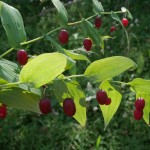
Streptopus amplexifolius is a shade loving woodland plant known, amongst others, as twistedstalk, wild cucumber and watermelon berry and has an extensive wild range including North America, Europe and East Asia. It has been used traditionally by Native Americans for its edible spring cucumber flavoured shoots and the delicious berries are now in season and I’ve been dining on them recently! I’m saving the seed as I eat! Beware that they can be laxative in large quantities, but it’s unlikely you will be able to grow that many in your forest garden!
060916: Added pictures of Streptopus lanceolatus from Eastern North America and a comparison of the berries with amplexifolius!
On FB: https://www.facebook.com/media/set/?set=a.10154221765395860.1073742708.655215859&type=1&l=0866fc78cd
You can clearly see the characteristic twisted berry stalks in this shot!
The finishing touch to my breakfast!
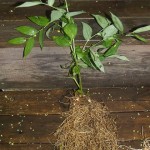
I’ve tried this species from seed several times from different areas, but the only accession that has succeeded here originated at the Ringve Botanical Garden who kindly gave me this plant a few years ago.
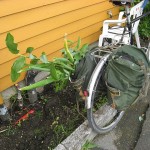
Green transport…one of those plants is Streptopus amplexifolius :)
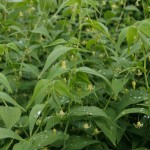
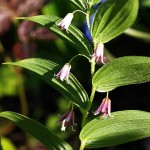
Streptopus amplexifolius in flower at the Ringve Botanical Garden
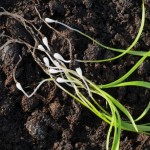
Seedlings..
The berries hang on the bushes long into the autumn
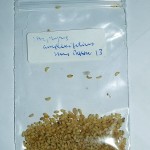
I was sent these seed in 2013, the plants originating from a wild population in Poland
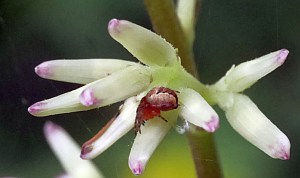
Streptopus lanceolatus (syn S. roseus) also grows well in my garden
Streptopus lanceolatus (syn S. roseus) also grows well in my garden
Streptopus lanceolatus (syn S. roseus) on the left compared to S. amplexifolius
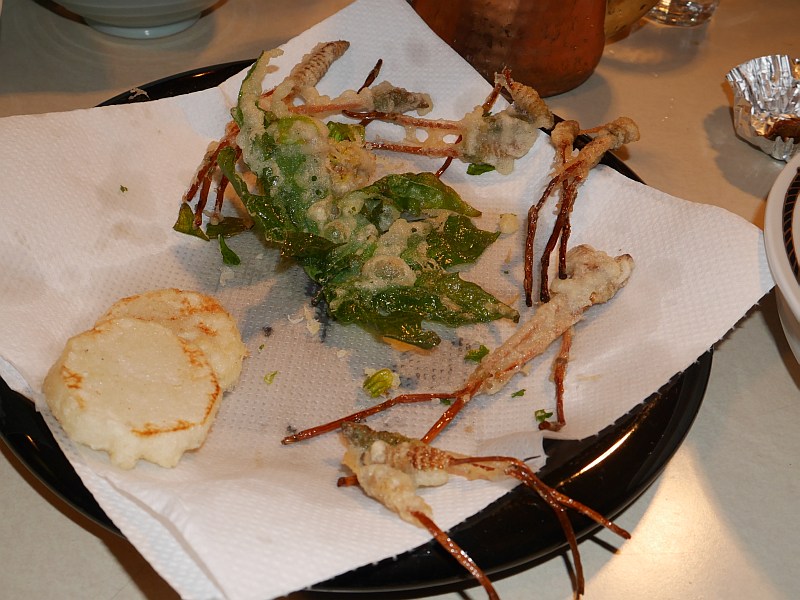
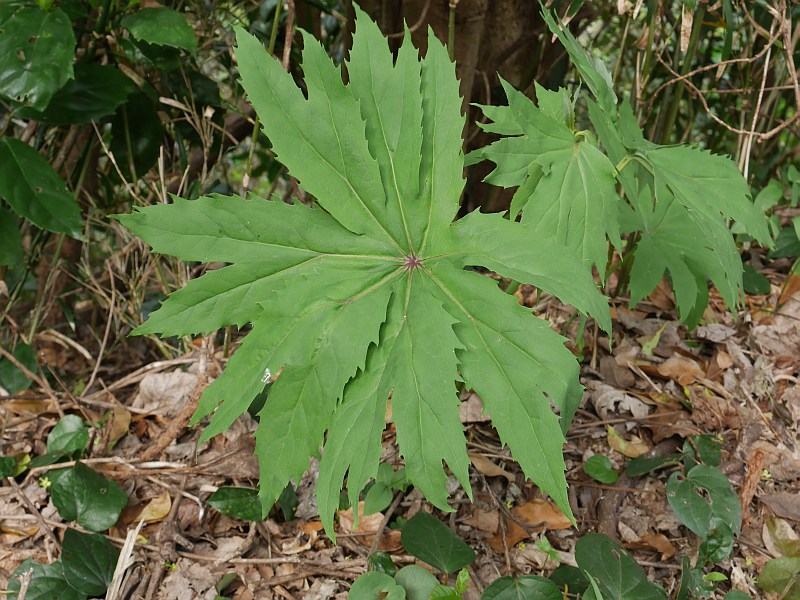
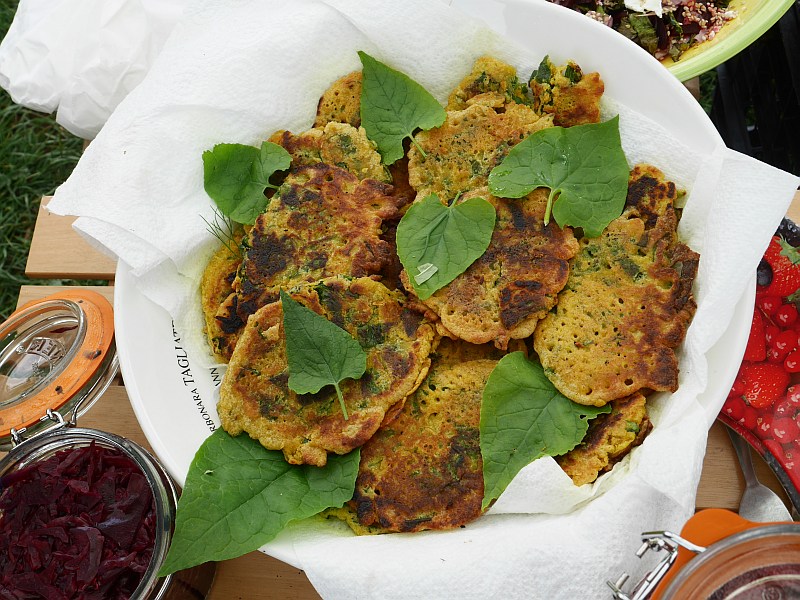
On my trip to Japan in spring 2016, I found shidoke (シドケ / Parasenecio delphiniifolia syn. Cacalia delphiniifolia) leaves on sale in a supermarket in Ueda, Japan. This is the only place I saw it during my 3 week visit to Japan, so not one of the most popular sansai or wild mountain vegetables. I’ve been growing this plant for a few years now in a very shady spot in the garden and it’s just come into flower which prompted this post. It’s a great woodland ornamental grown for its leaves and an unusual forest garden edimental. It is also known as momijigasa (モミジガサ) which translates as “maple umbrella” due to the similarity of the leaves to Acer palmatum. It resembles yaburegasa (Syneilesis palmata) meaning “torn umbrella”. I didn’t see shidoke in the wild, but I did see yaburegasain in one place on the Izu peninsula. Both of these plants in the Asteraceae have edible young shoots, although shidoke is the preferred one. I bought a packet in that supermarket and my friends Ken and Masami who we visited that night were kind enough to prepare it as tempura! It is apparently pleasant tasting raw, but is most often cooked and served with a little soy sauce and roasted sesame seed once cool. Shidoke contains antioxidants that have been shown to inhibit the growth of cancer cells.
See also http://www.edimentals.com/blog/?p=6357 (Visit to Ken and Masami) and this blog post on FB at https://www.facebook.com/media/set/?set=a.10154213988935860.1073742705.655215859&type=1&l=eb0bc1fced
Shidoke leaves in my garden
Flowering shidoke
Flowering shidoke
Flowering shidoke
Shidoke in a Japanese supermarket
Supermarket shidoke
Preparing supermarket shidoke for tempura
Tempuraed shidoke together with very popular (particularly kids) tsukushi, Equisetum arvense
Yaburegasa (Syneilesis palmata) in the wild on the Izu peninsula, Japan
Yaburegasa (Syneilesis palmata) in the wild on the Izu peninsula, Japan
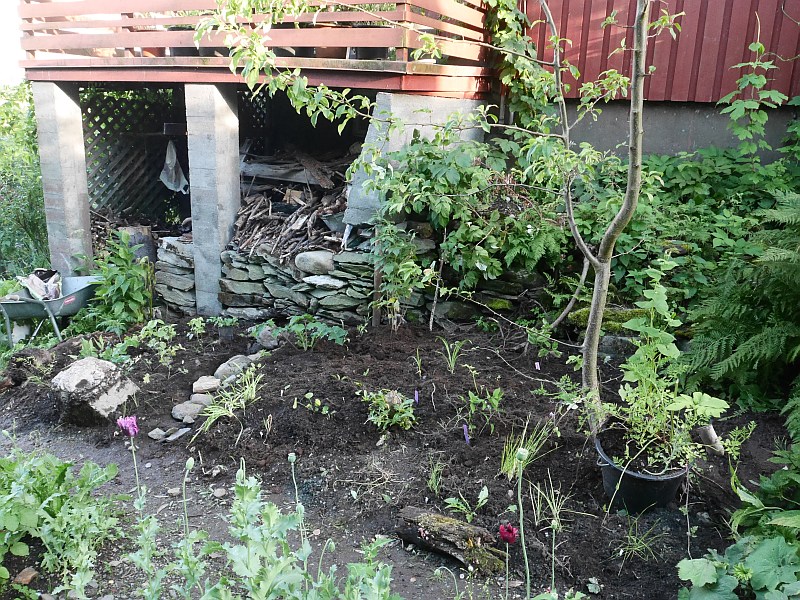
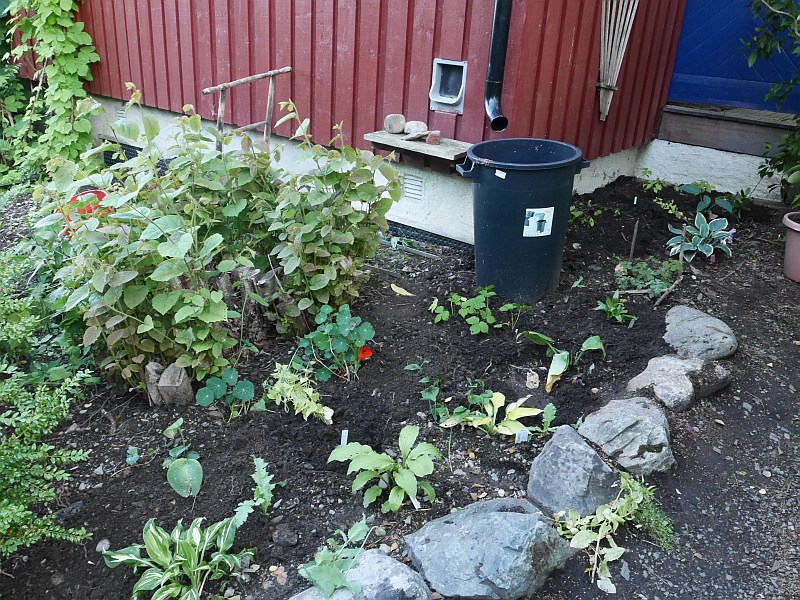
I planted a couple of new edible woodland garden beds with some 40 new plants on the north side of my house at the weekend!! The last picture is my planting map for one of the new beds ;)
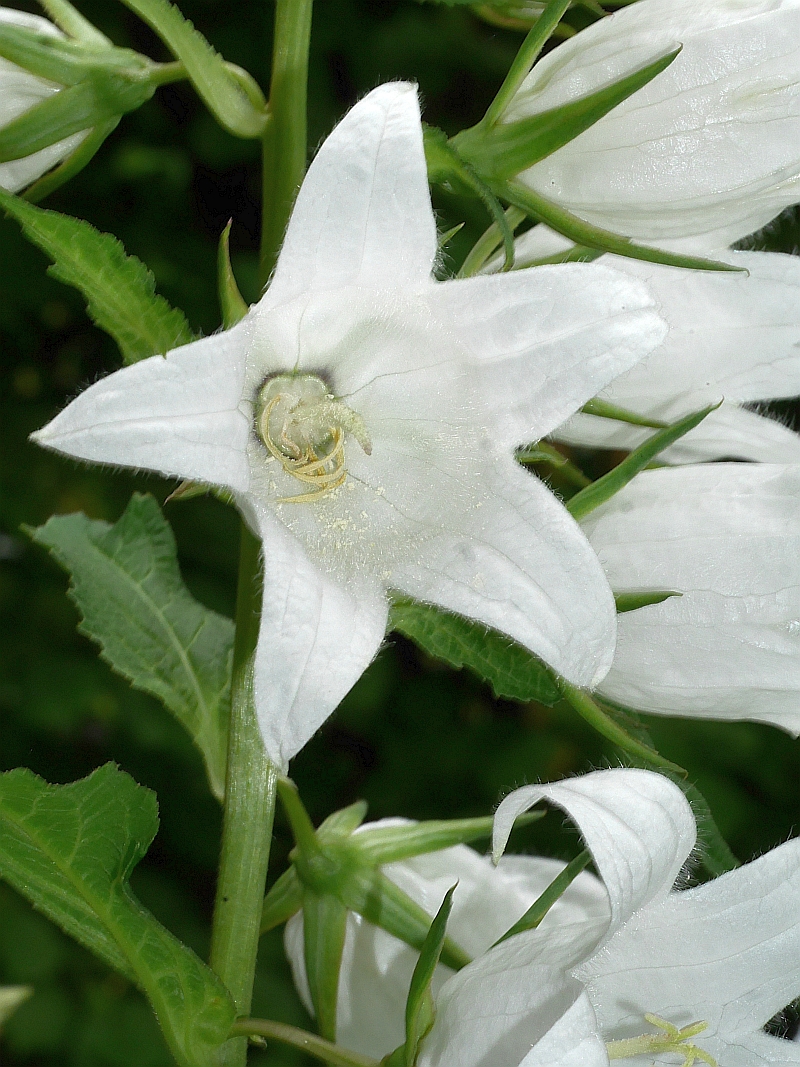
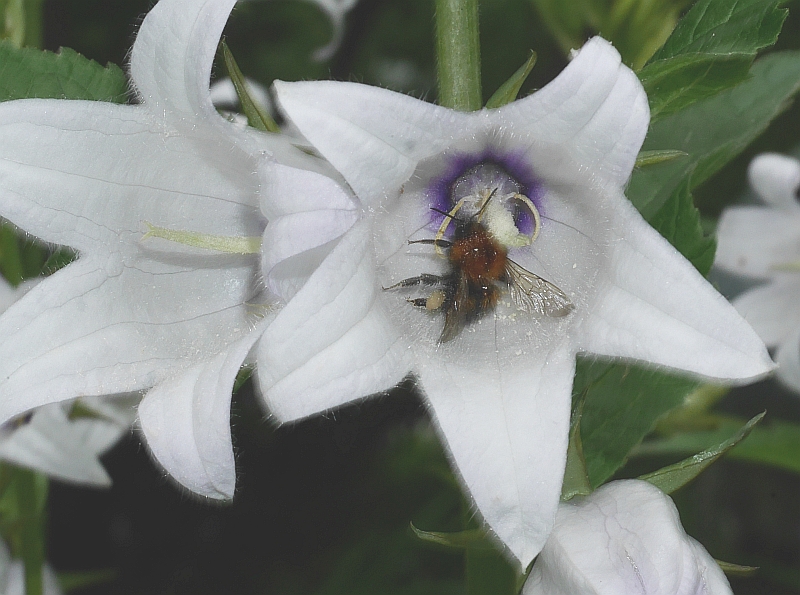
Noticed this rather attractive purple throated Giant Bellflower, reminiscent of Codonopsis! This patch came from AGS (Alpine Garden Society) seed, received as a cultivar “Gloaming” although pictures of that one all seem to show a purple flowered variety…
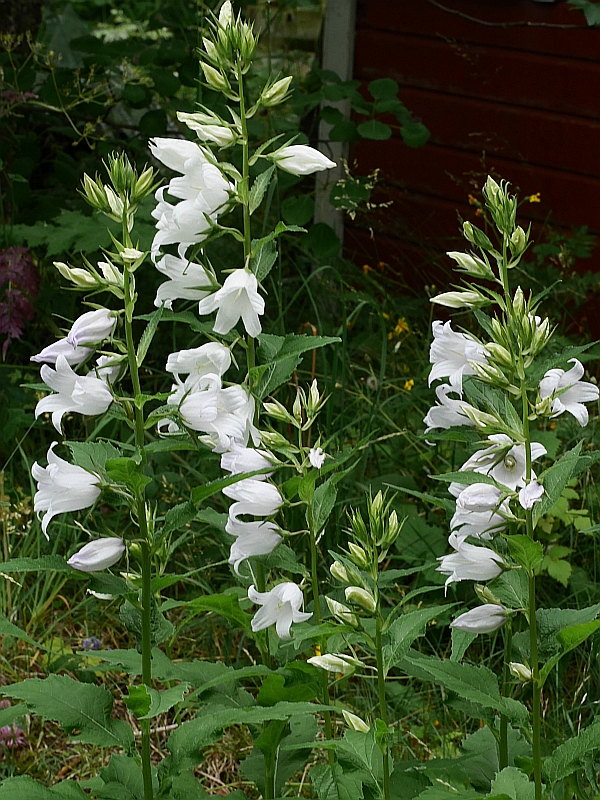
Campanula latifolia is one of top favourite edimentals as anyone who has read my book will realise!
Normal white throat
A closer look shows that Purple throat also has a little purple in the petals ..A closer look shows that Purple throat also has a little purple in the petals ..
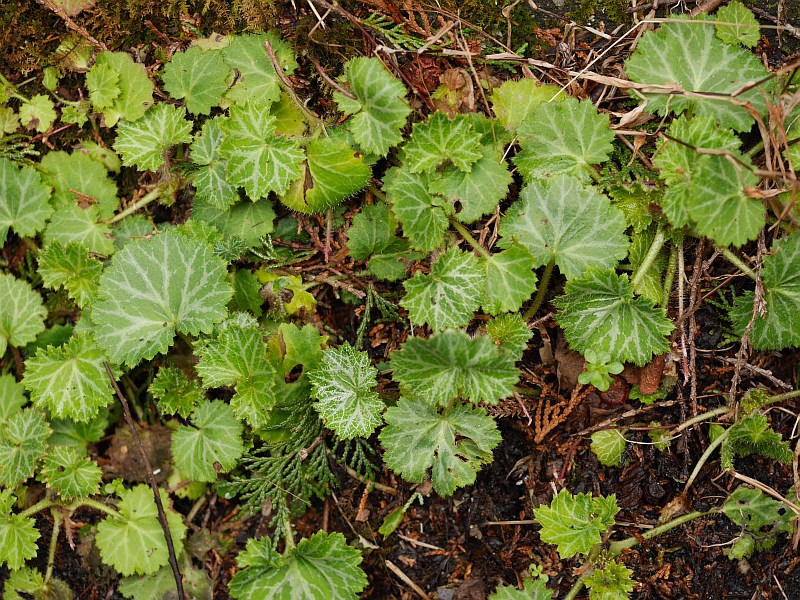
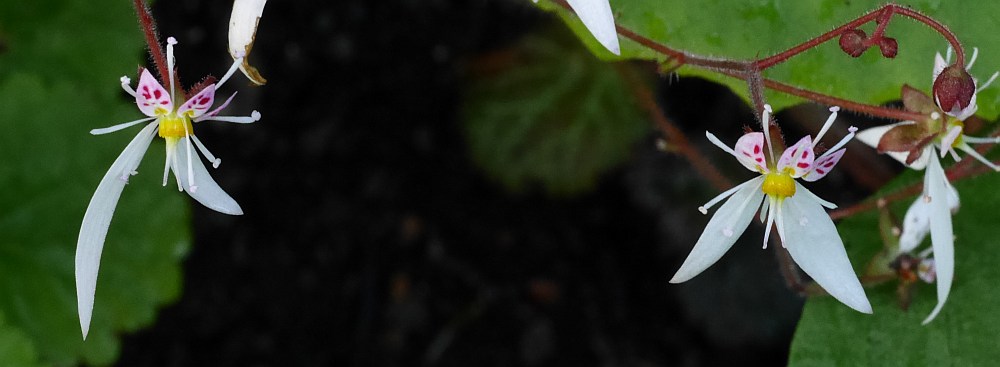
Saxifraga stolonifera is a lover of dark, wet, rocky places in Japan, Korea and China. I saw it several places in Japan during my March / April visit and ate the leaves as tempura, the commonest way of using it in the kitchen. In Japan, it has the “lovely” name Yuki-no-shita, meaning “Under the snow” whilst in English this fairly popular rock garden plant is known as creeping or strawberry saxifrage. It has flowered for the first time in my garden and they are rather special! There are a number of leaf selections (currently 8 available in the RHS Plant Finder in the UK, as well as a large flowered form). A great rock garden edimental then!! Probably not hardy, I will try to overwinter in my cellar!
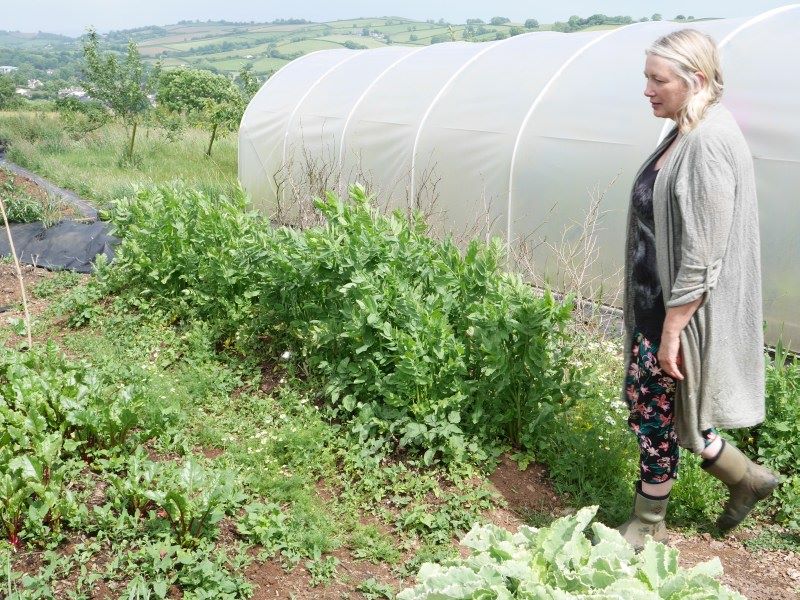
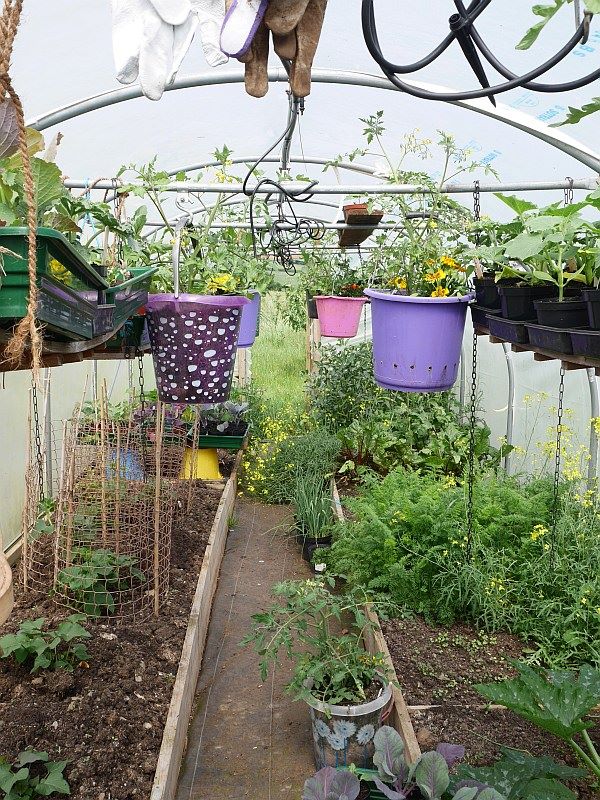
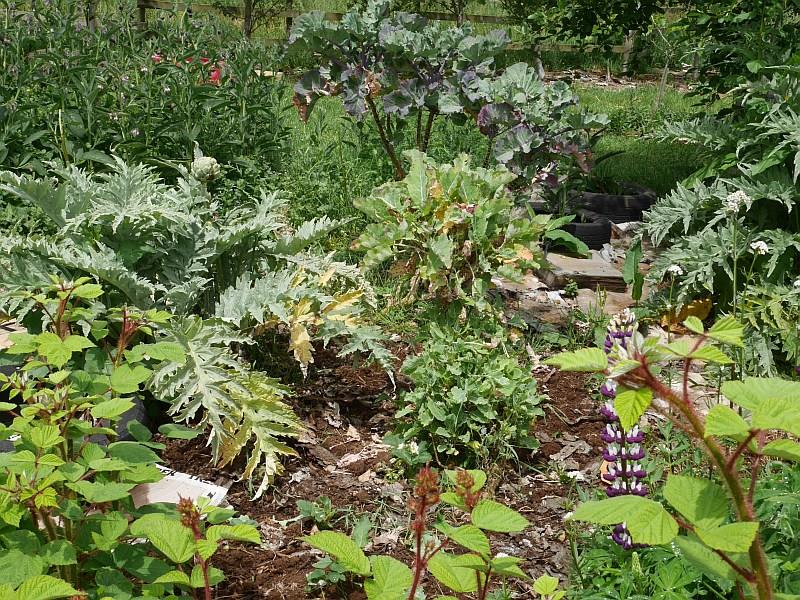
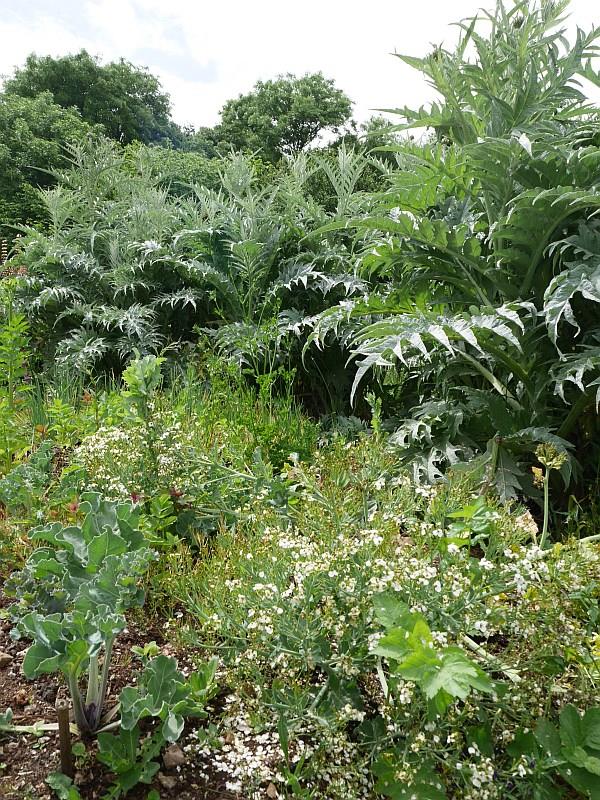
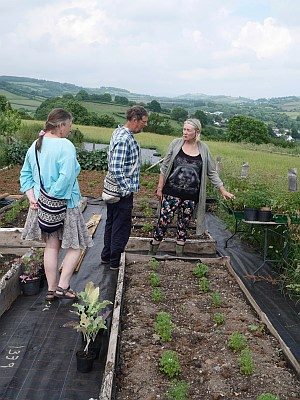
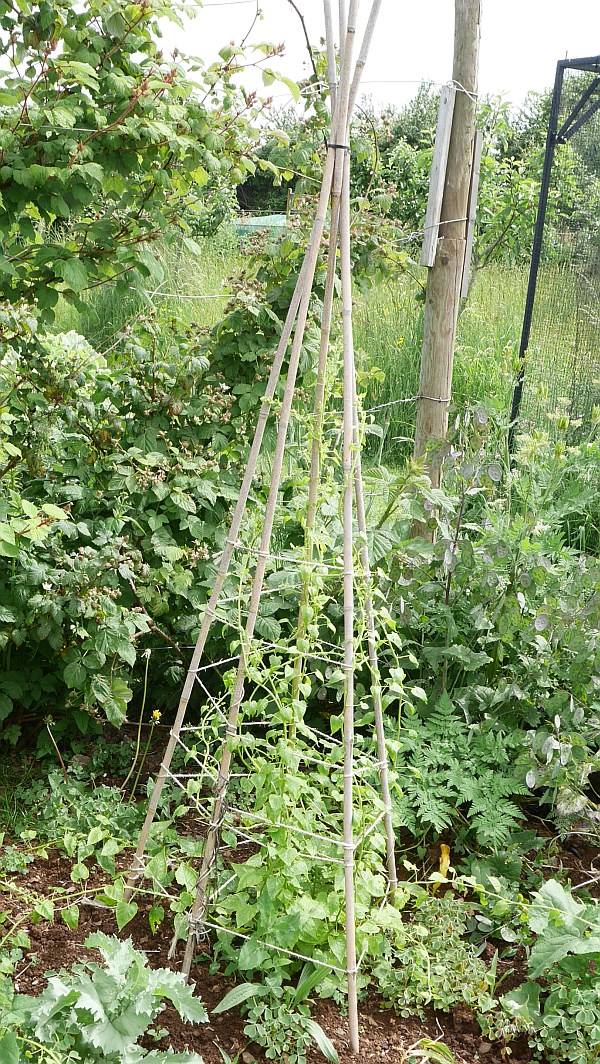
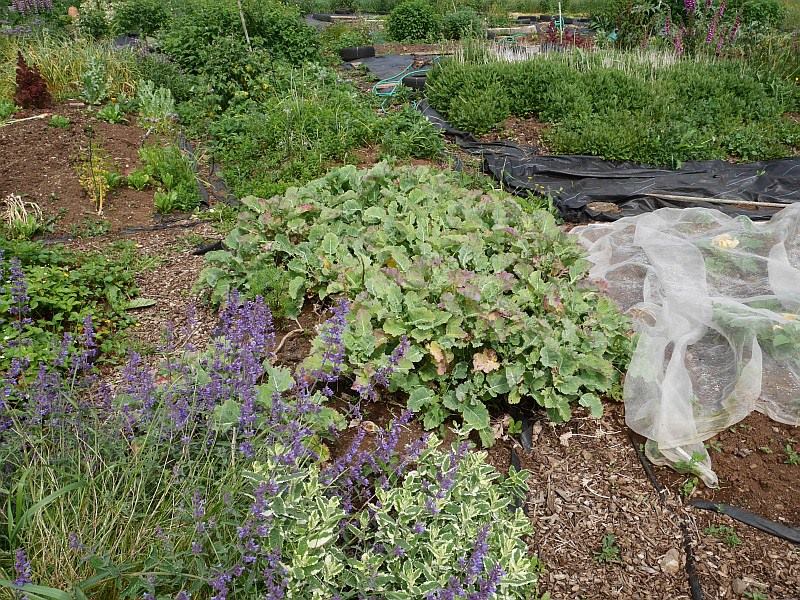
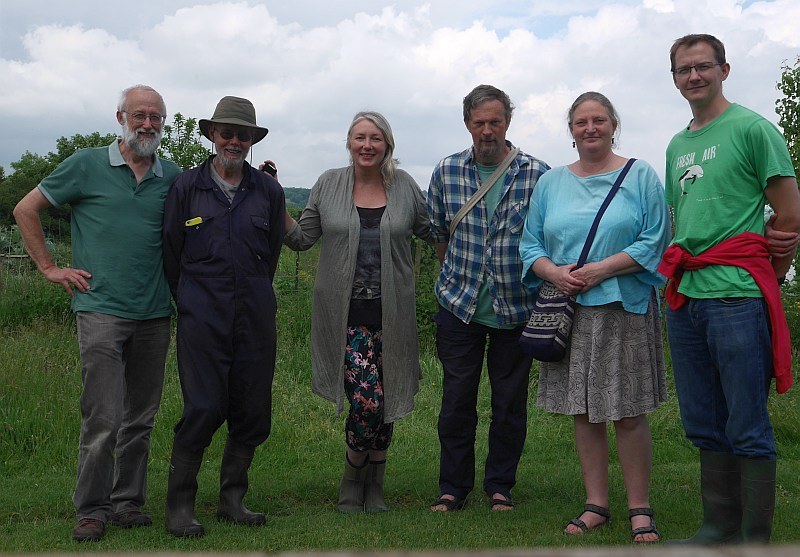
Well, not only Mandy’s plot, a group of local people in Ashburton, Devon got together to buy The Field a few years ago to grow vegetables communally! It is truly an inspiration to see how productive what was sheep pasture can actually be!! We need much more of this and I’m imagining the hills around covered in Andean tuber crops in a few years from now rather than sheep!!
It was great to meet you all and a big bonus that Owen and good lady made the journey up from Cornwall to join us!!
More pictures in the album below!
See Mandy’s blog of my visit here: http://www.incrediblevegetables.co.uk/stephen-barstow-visit/
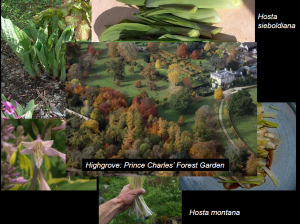
It’s not every day one finds a letter from Prince Charles in the mailbox :) I met two of the gardeners at Highgrove after my talk at Croome earlier this month and decided to ask them if they could pass on a copy of my book to the Prince! This is because I mention him and Highgrove in my Around the World talks as having the most productive edible Forest Garden in the UK – through his national collection of large leaved Hostas! Below is the letter and the slide from my talk where I talk about the Forest Garden at Highgrove!
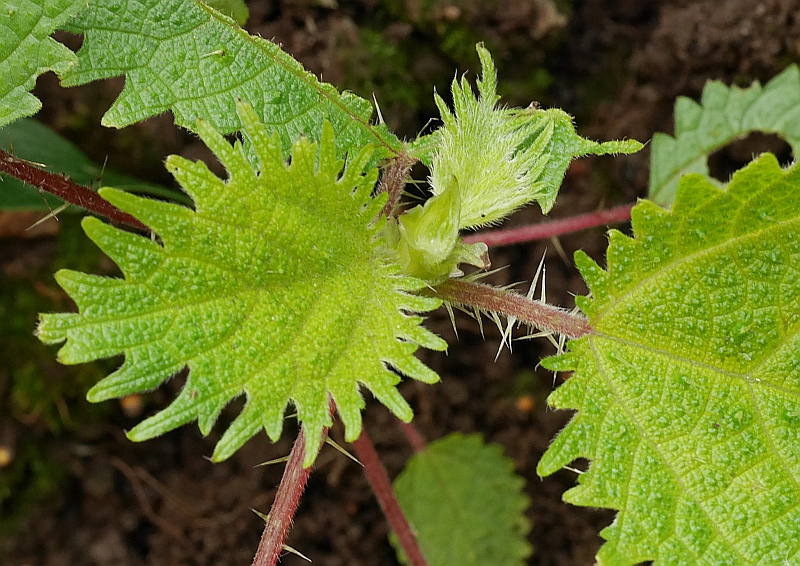
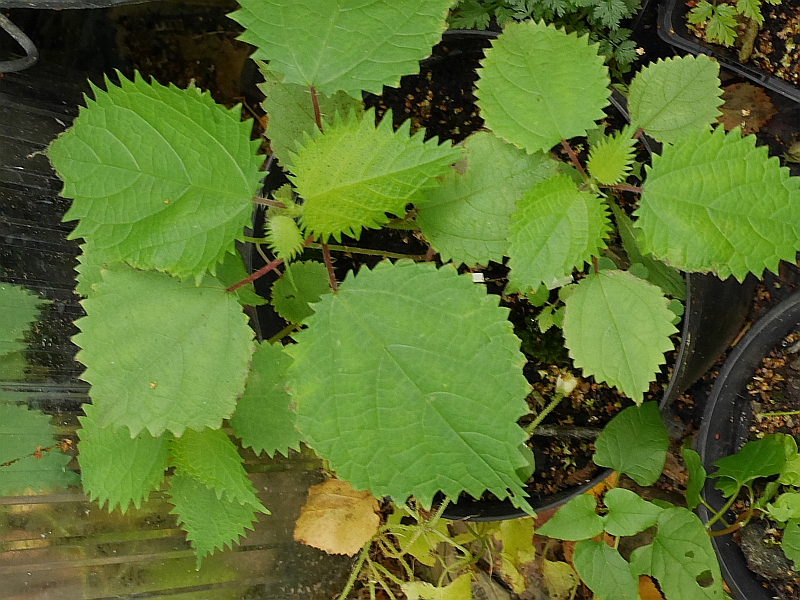
Girardinia diversifolia (Himalayan Nettle; Allo) is a potentially useful plant for the forest garden. The young leaves, inflorescenses and seeds (roasted) are eaten). It’s a large clump-formimg perennial reaching 3m in damp woodlands. It’s also an important fibre plant, like stinging nettle.
I have a feeling it won’t prove hardy here, we’ll see….
Perennial vegetables, Edimentals (plants that are edible and ornamental) and other goings on in The Edible Garden