Let it snow, let it snow!
Had expected rain today, but heavy wet snow instead…put out apples for the thrushes this morning and a small flock of fieldfares accepted the invitation!
Monthly Archives: March 2019
Dandelonion bhajis
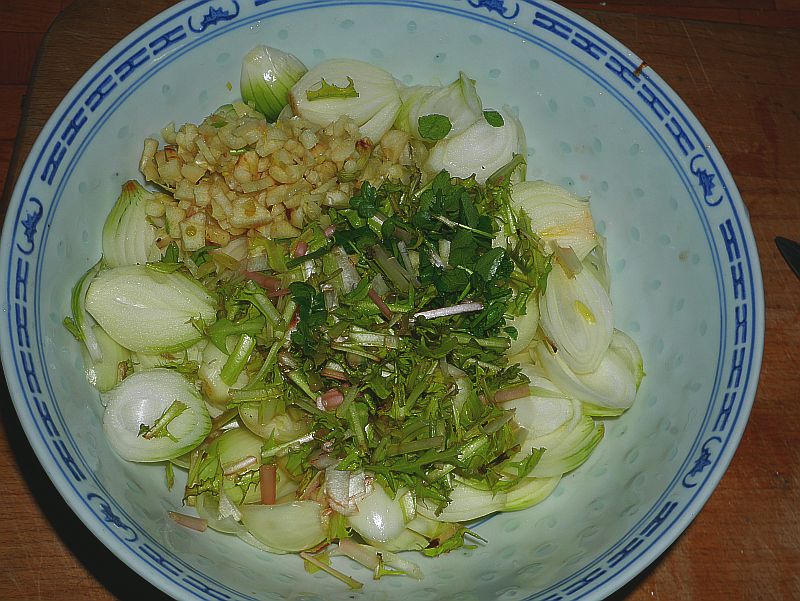
Onion bhajis are a popular and delicious starter in Indian restaurants and common veggie fast food in supermarkets in the UK. They are basically onions in a gram flour batter which are deep fried in oil. Gram flour is made from chick peas. If I could get it, I would prefer to use broad (fava) bean flour which could be grown here in Norway. I have a lot of (bulb) onions left in the cellar, so decided to make some bhajis…..and with my cellar full of sprouting dandelions I decided to mix some dandelions into the batter for a slightly more healthy meal :)



Væres Venner status
Jeg holdte vedlagt presentasjon denne uken om status med KVANNs første hagene hos Væres Venner like utenfor Trondheim (Ranheim).
Vi trenger flere som har lyst å hjelpe til…ta gjerne kontakt isåfall!
Vi besøker hagen under KVANNs årsmøte helg 5. mai! Alle er velkommen!
English: This is a presentation of the first year’s work and status of KVANN’s (Norwegian Seed Savers) new gardens at the Væres Venner Community Garden in Trondheim. Pictures of both the World Garden and Vegetable Sanctuary are shown.
Falafels and cellar veggie wholegrain pizza!
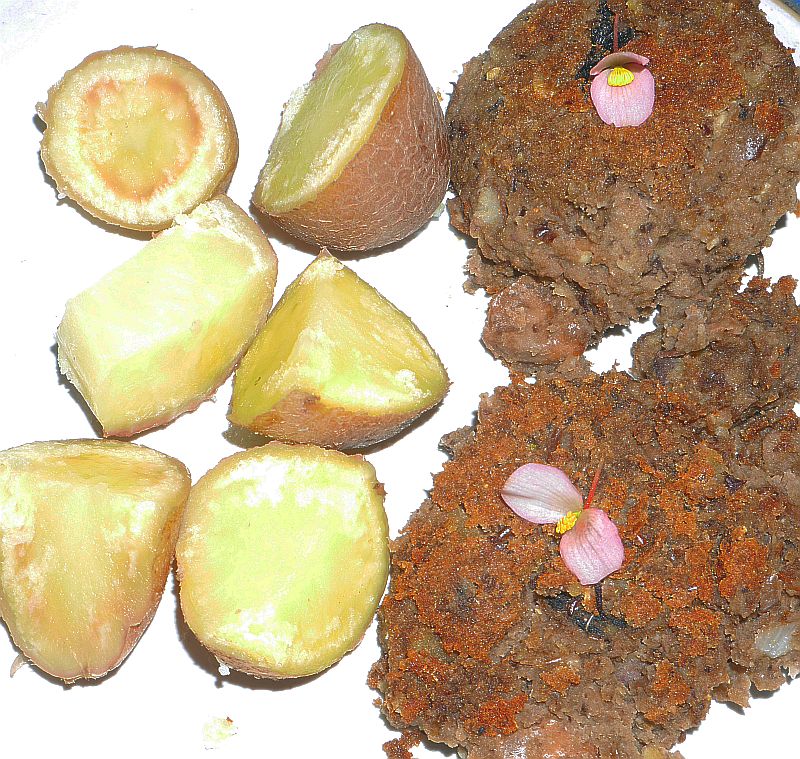
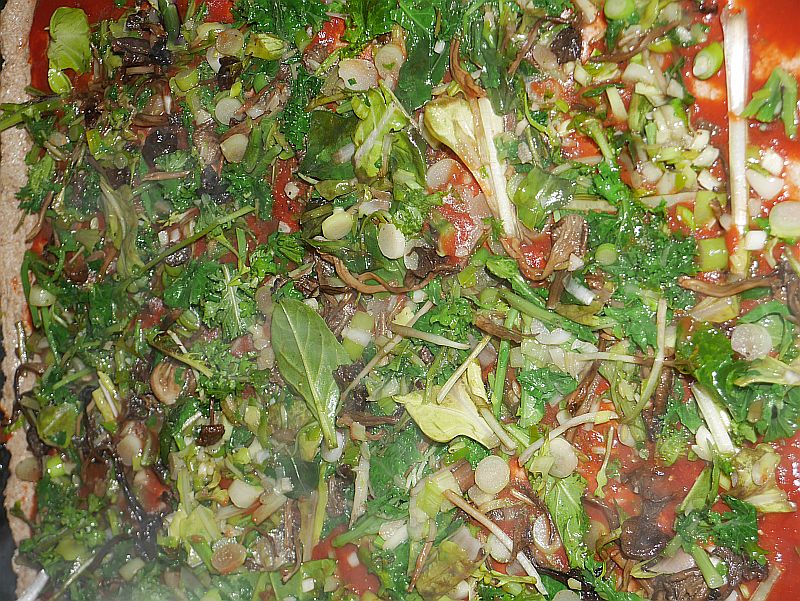
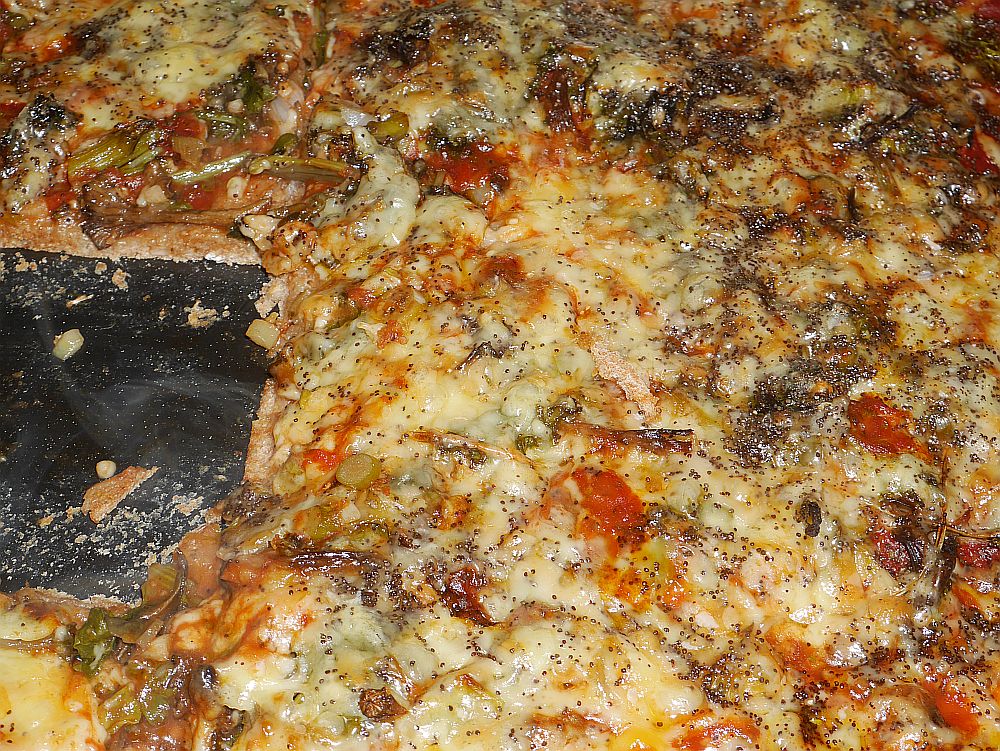
Great to be home again to nutritious vegetarian food! Presenting this week’s two dishes, each lasting two days: dried broad bean falafels (with golpar spice) and a mixed cellar veggie wholegrain sourdough pizza with masses of forced dandelions and perennial kale shoots!

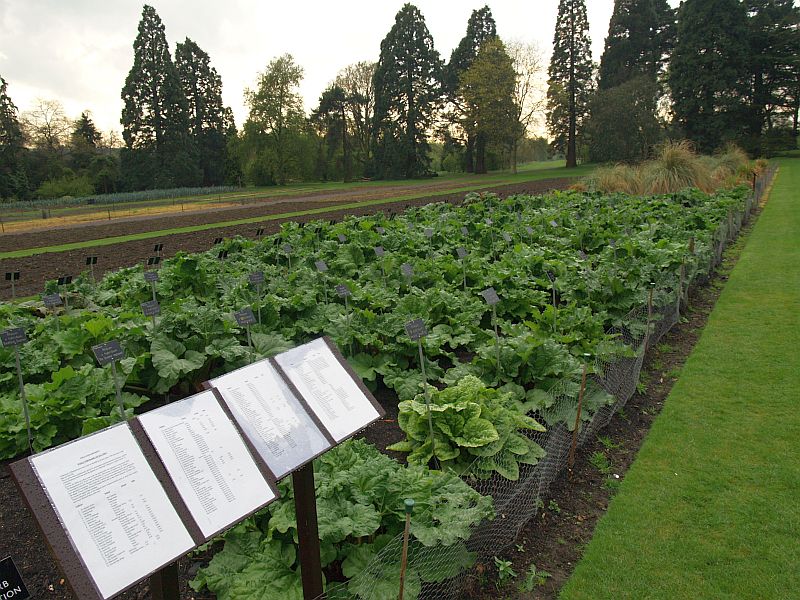
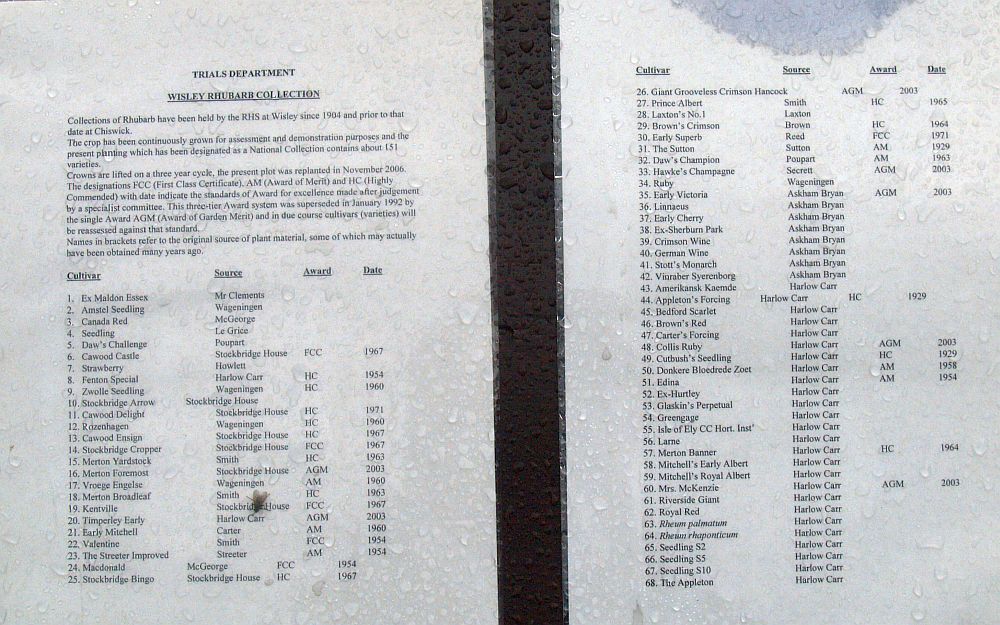
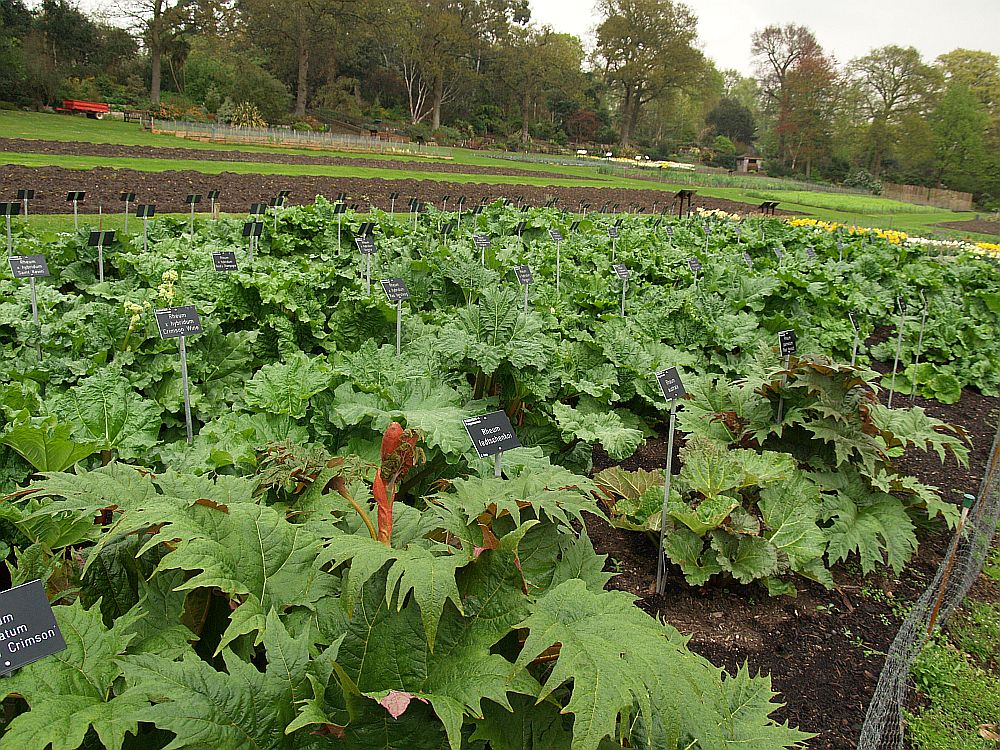
Wisley’s National Rhubarb collection in 2009
Some pictures of RHS Wisley’s National Rhubarb collection in mid-April 2009. It comprised some 151 plants including a few “ornamental” rhubarbs as well as species.
You will find more about using rhubarb as a perennial vegetable in my book Around the World in 80 plants!


Wasabi shop, the Kawazu-Nanadaru Loop Bridge and the Kawazu Seven Falls
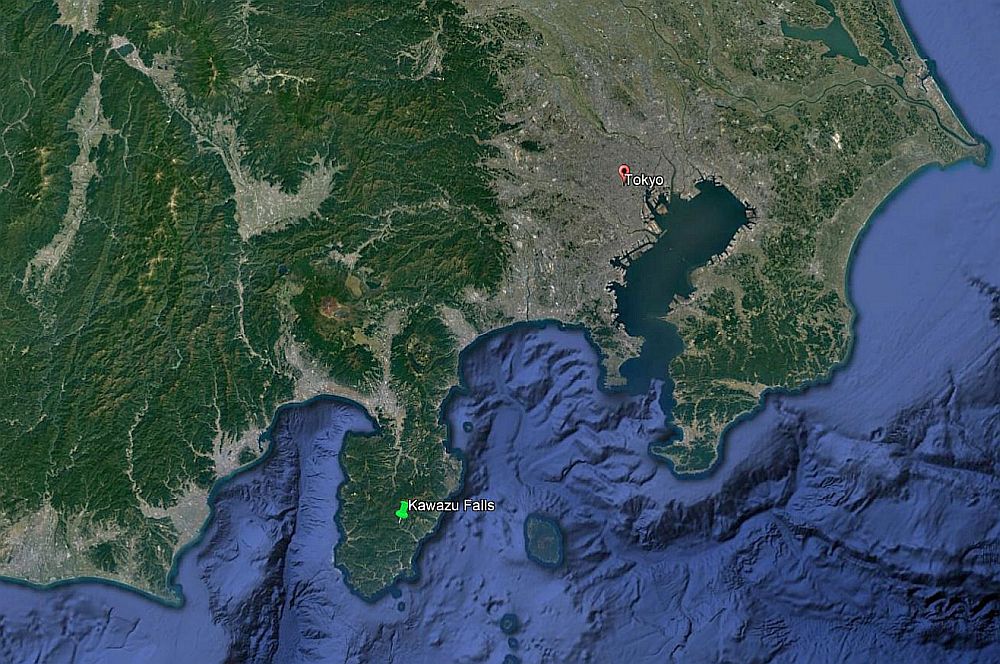
Last week, I blogged about a fantastic visit to a wasabi farm on the Izu peninsular in Japan during spring 2016, see
This was close to one of the world’s most amazing road bridges, the Kawazu-Nanadaru Loop Bridge, a double spiral bridge finished 37 years ago in 1982, see https://www.dangerousroads.org/asia/japan/895-kawazu-nanadaru-loop-bridge-japan.html
Here’s a short video driving the loops:
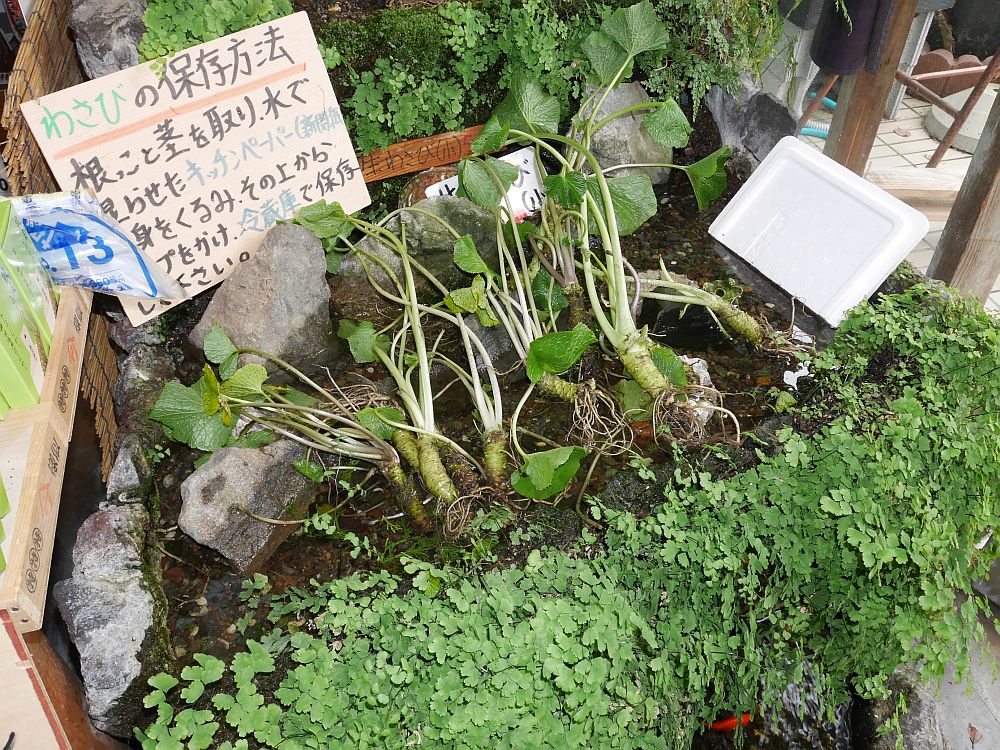
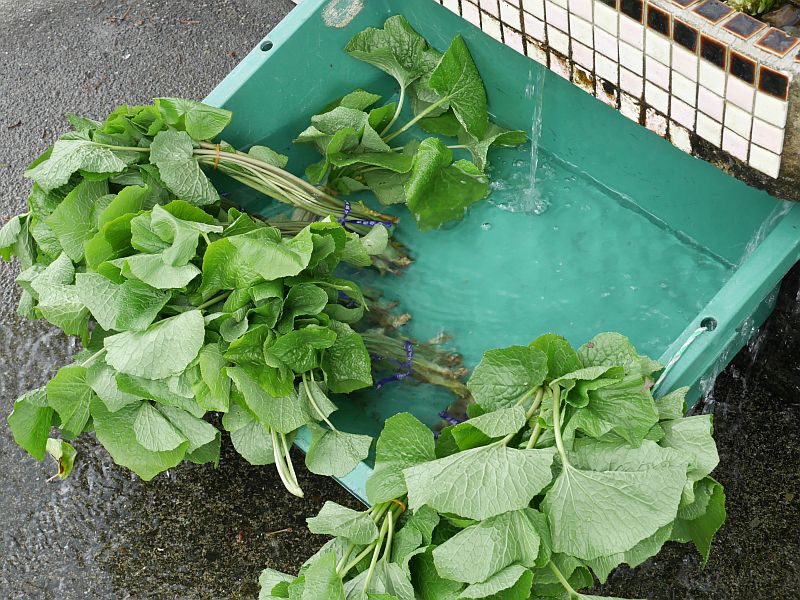
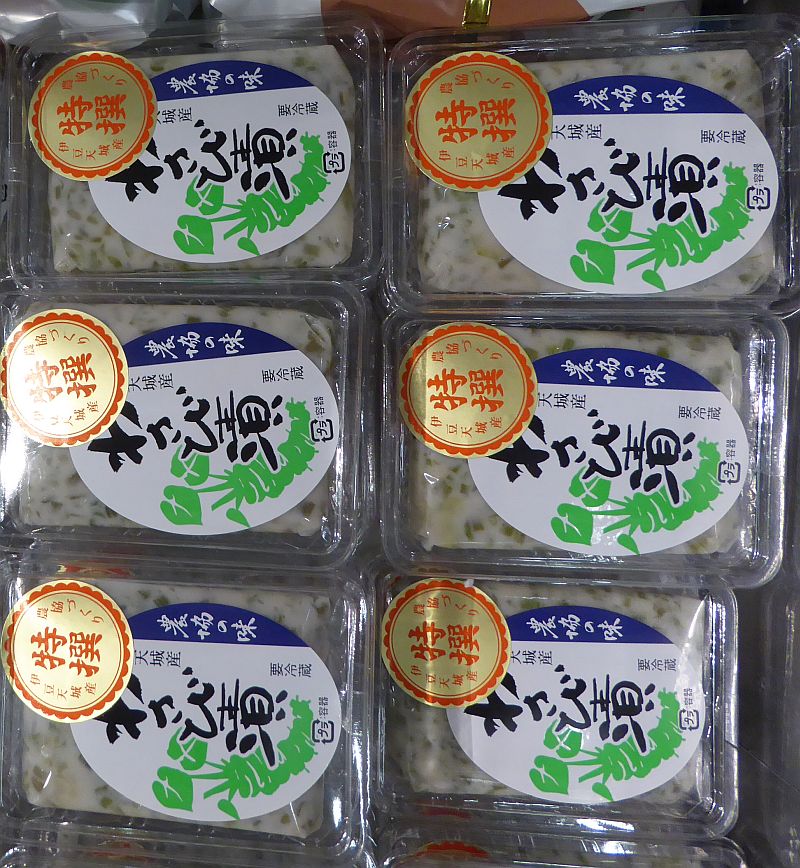
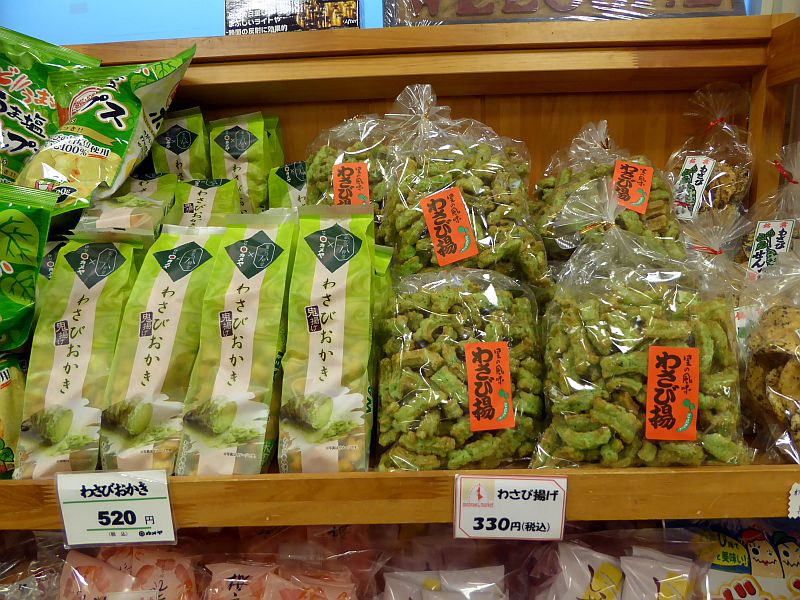
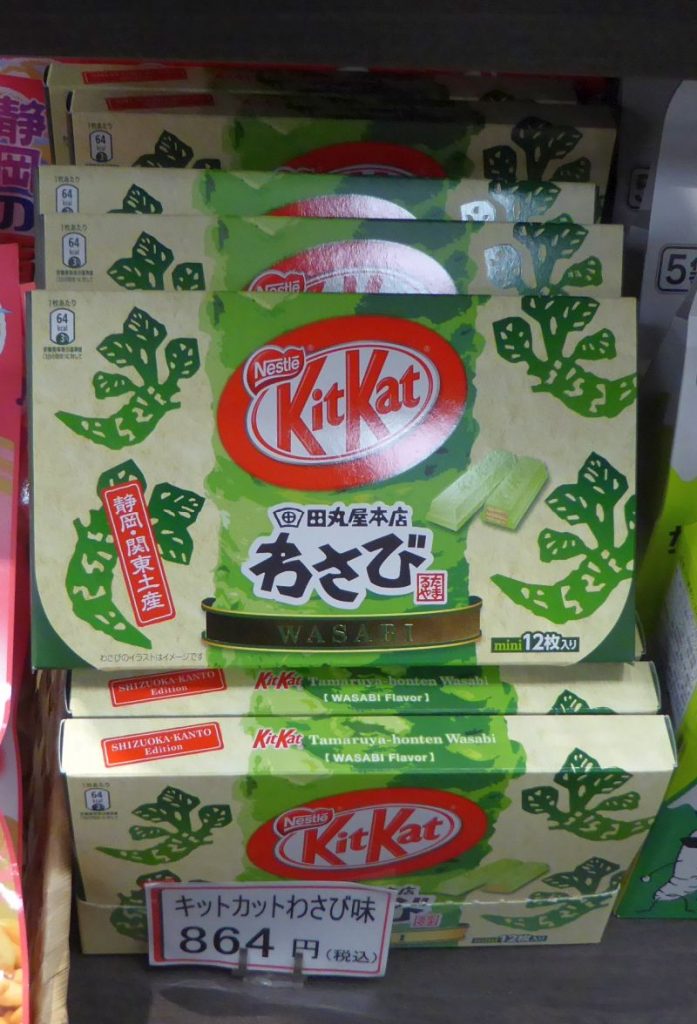
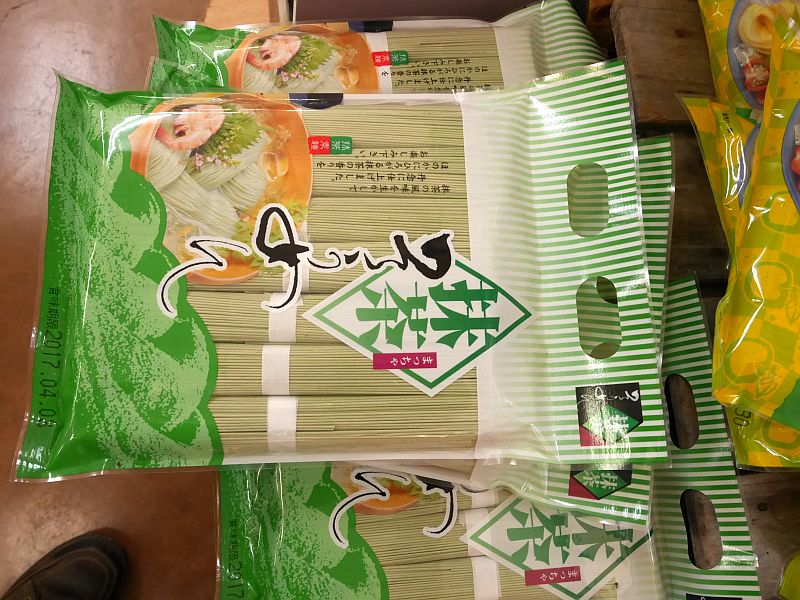
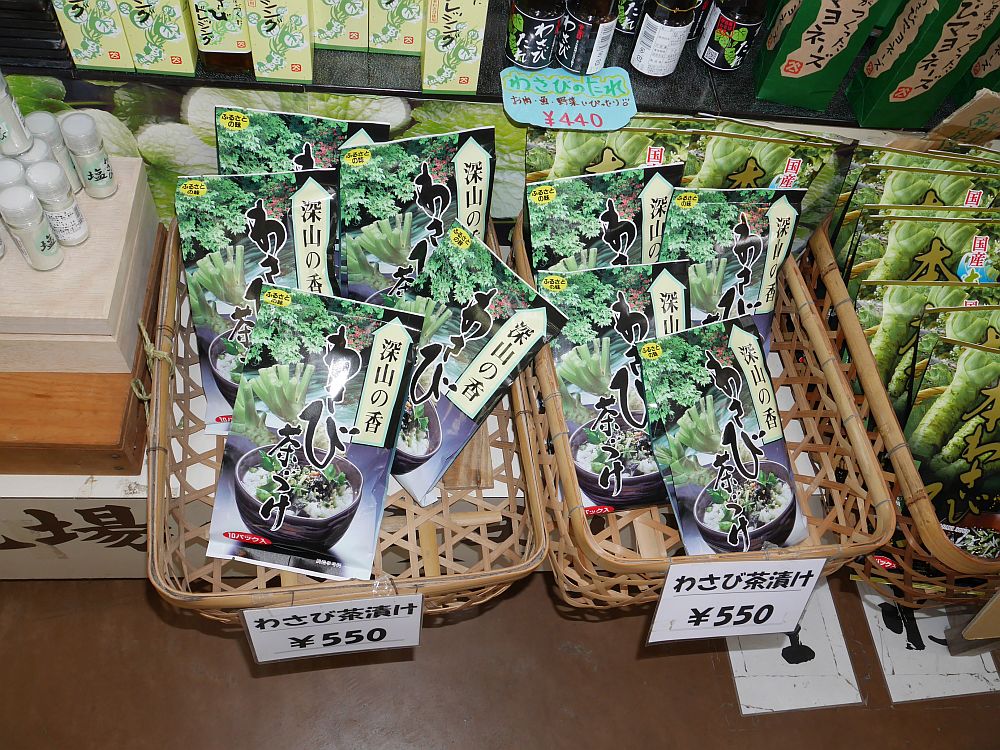
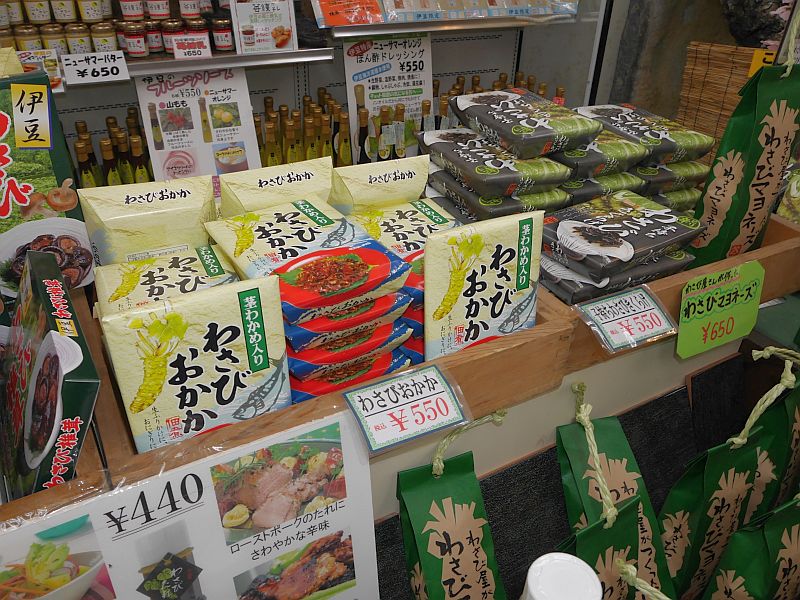
Nearby was a shop selling a myriad of wasabi products! Let me know if you can translate any of the signs in the album! At the bottom are a few pictures from a popular nearby walk, the Kawazu Seven Falls.











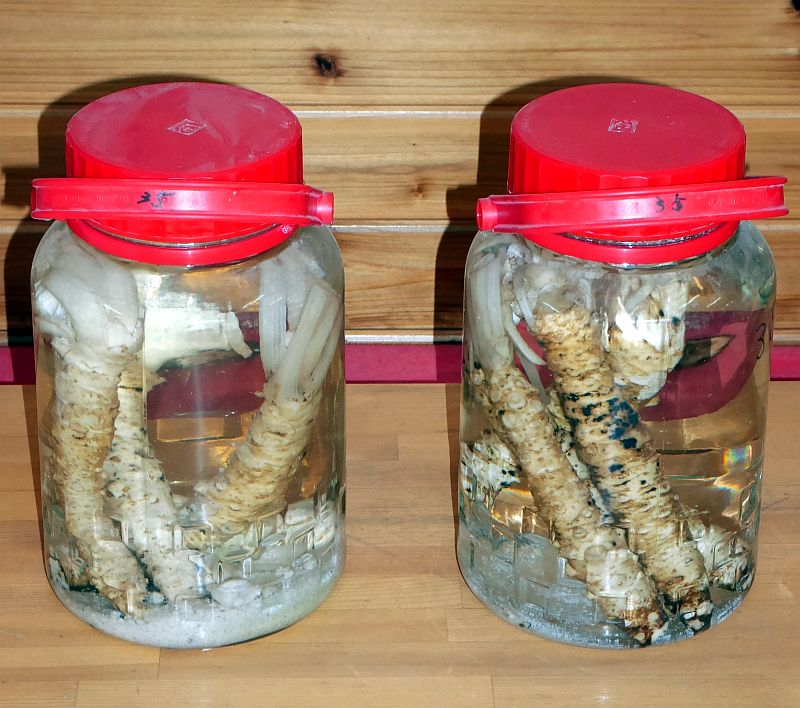

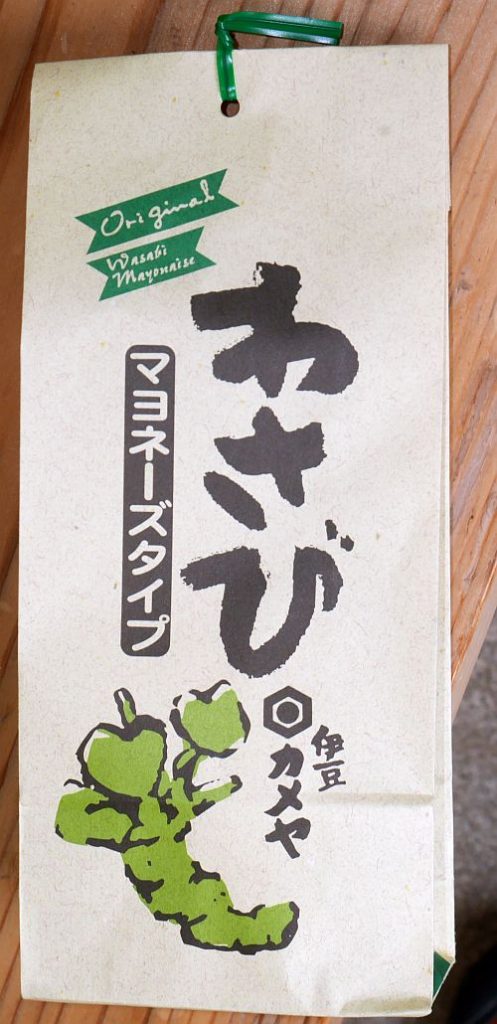
We did a small hike along the Kawazu Seven Falls trail:
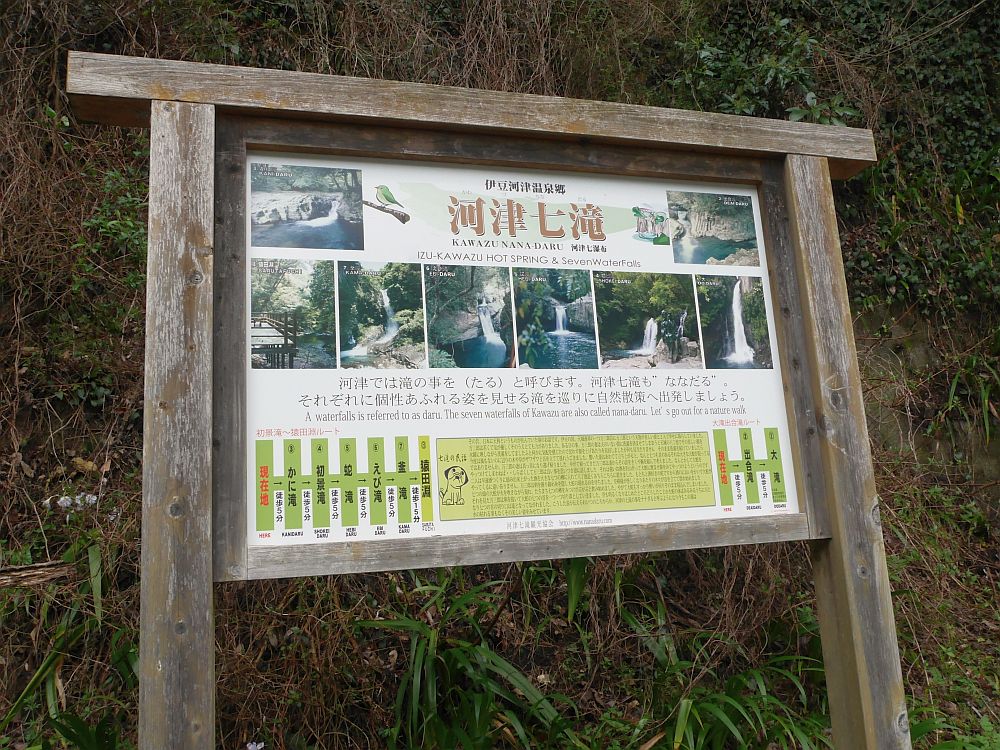


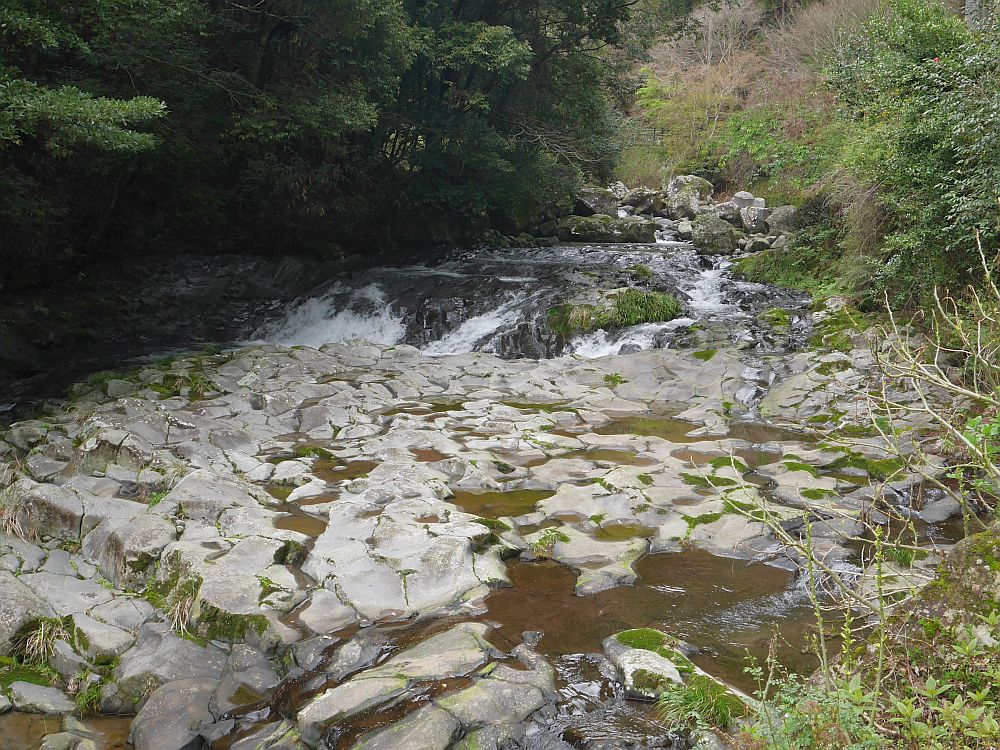


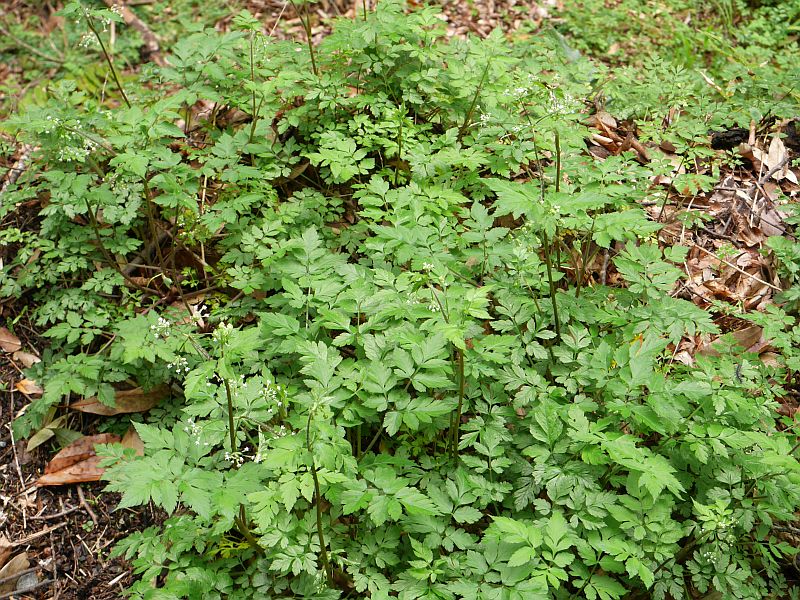


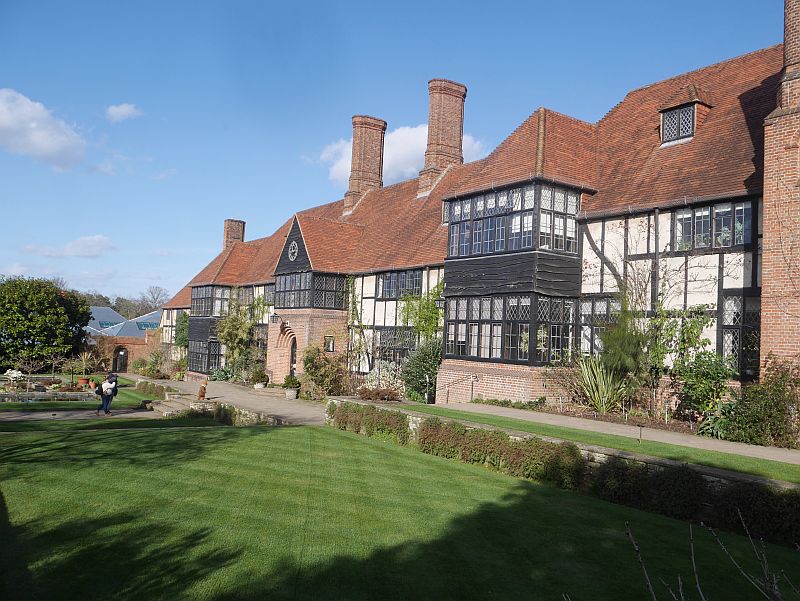
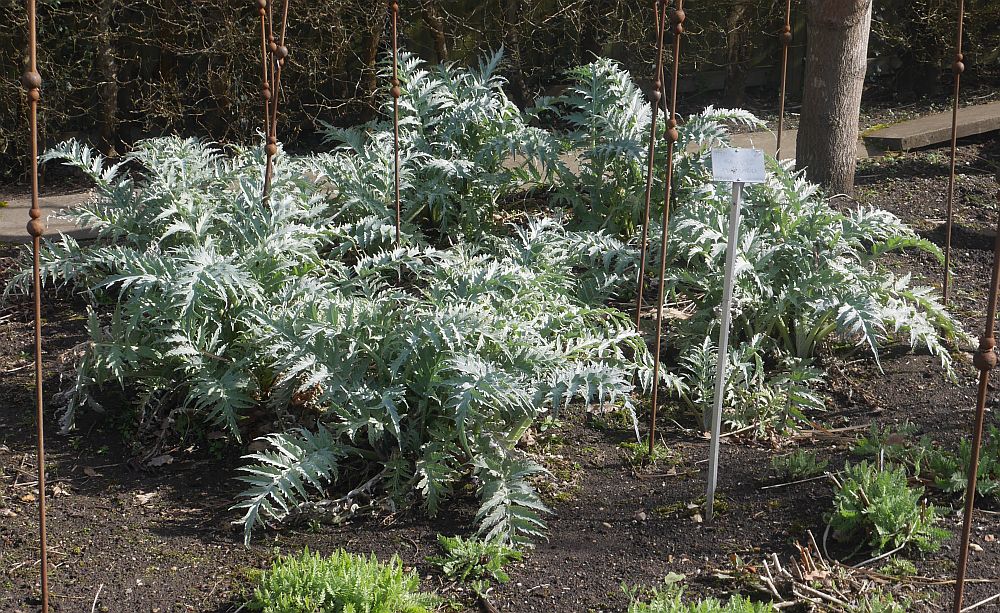
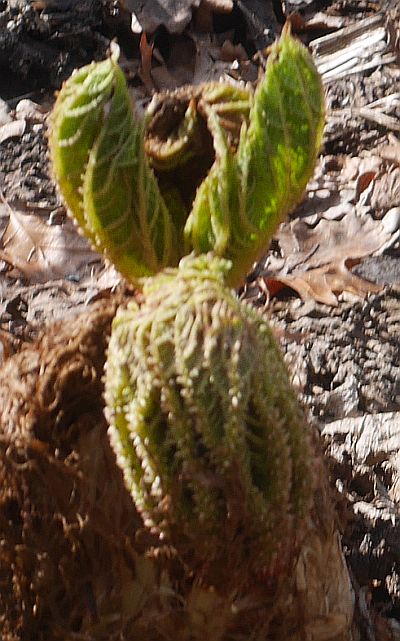
Wisley Gardens March 2019
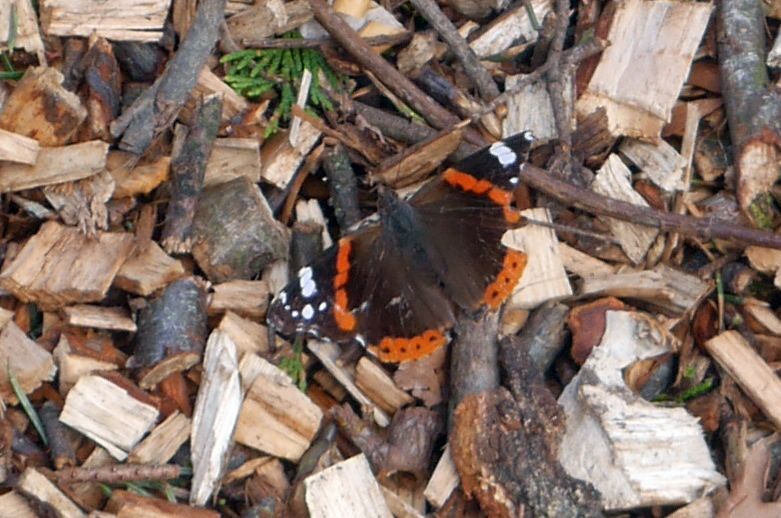
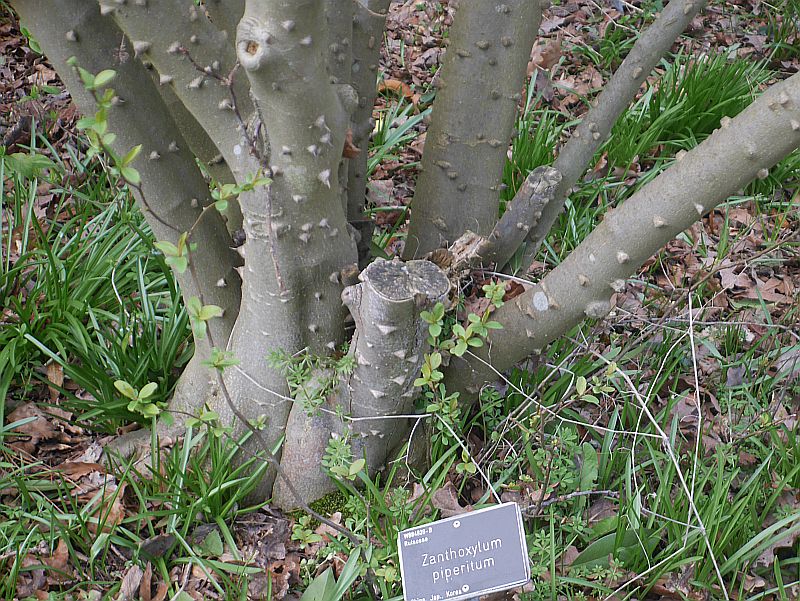
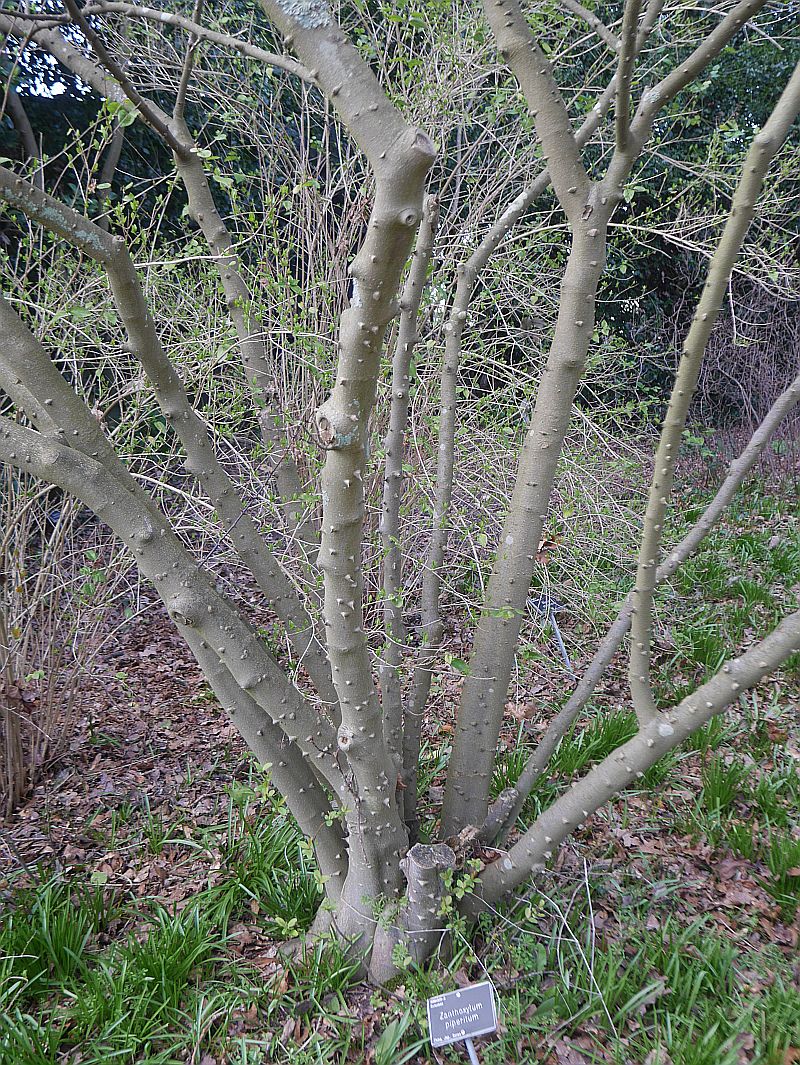
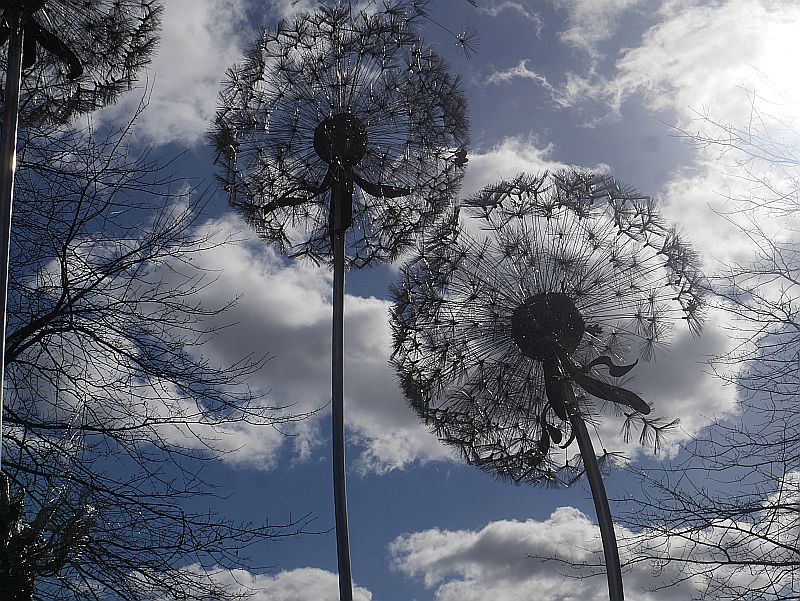
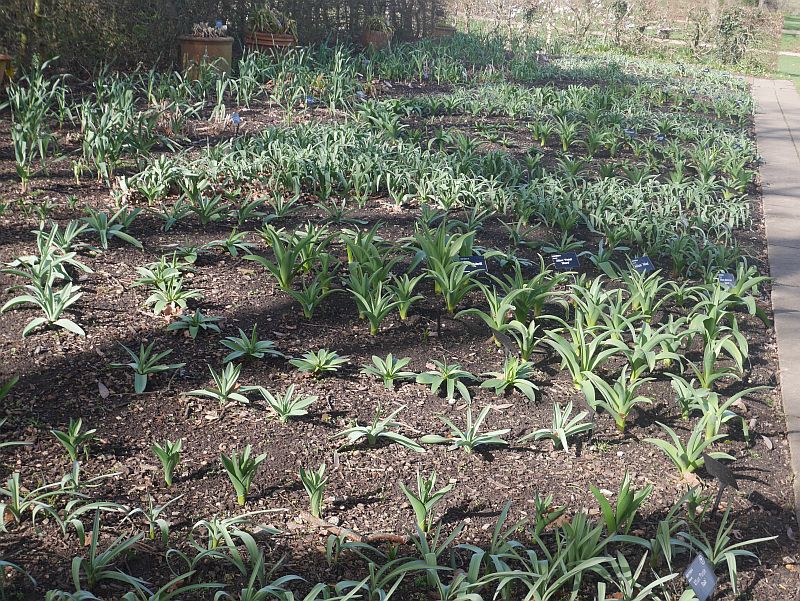
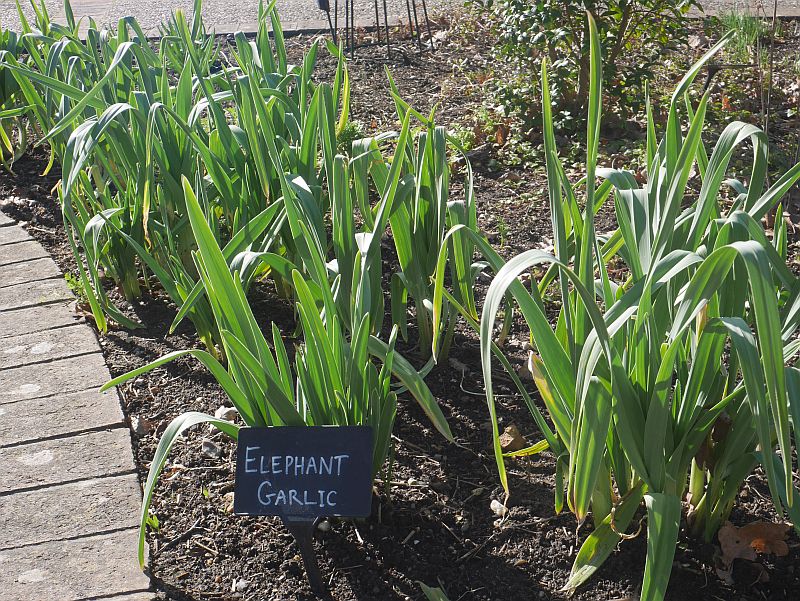
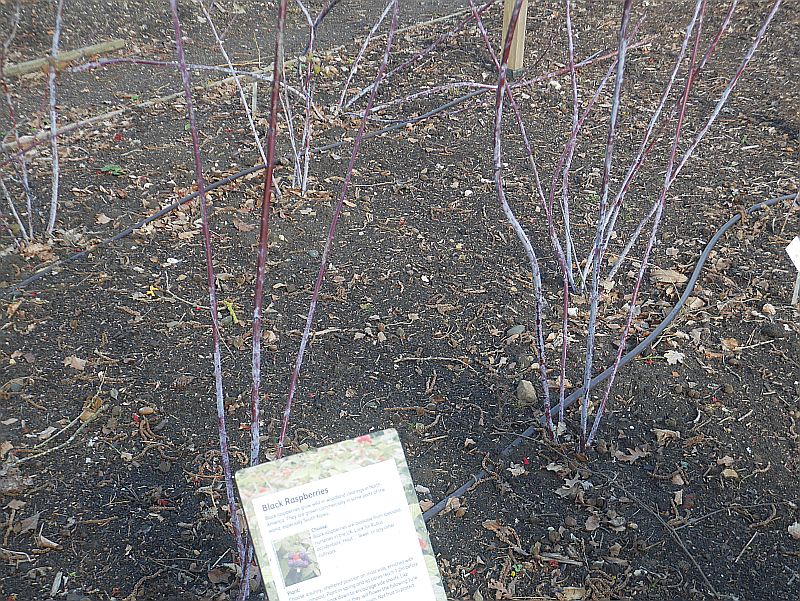
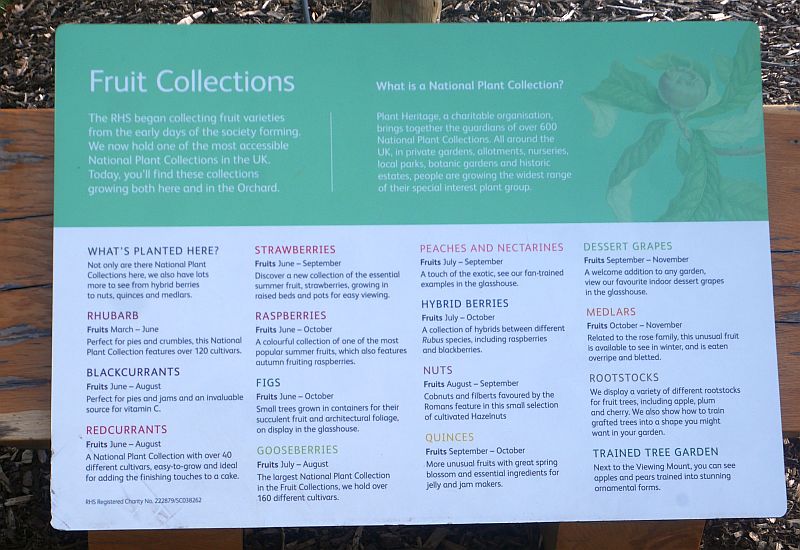
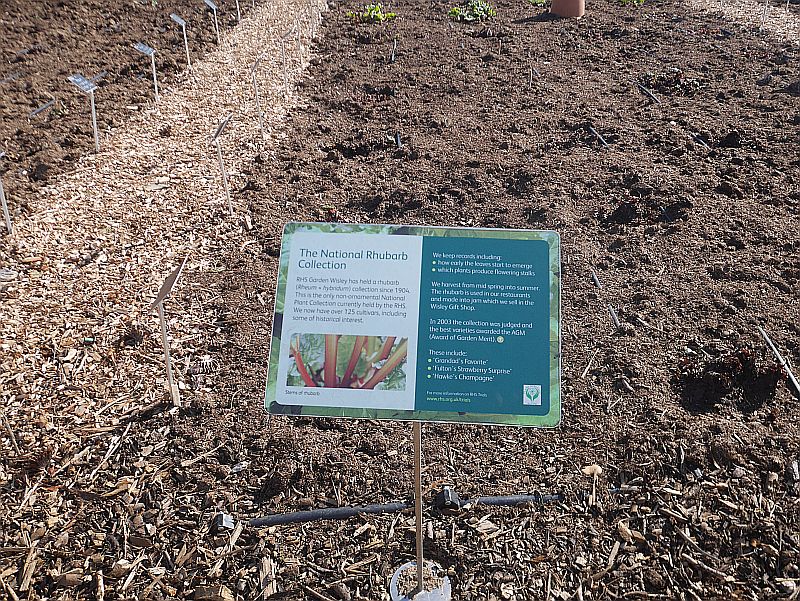
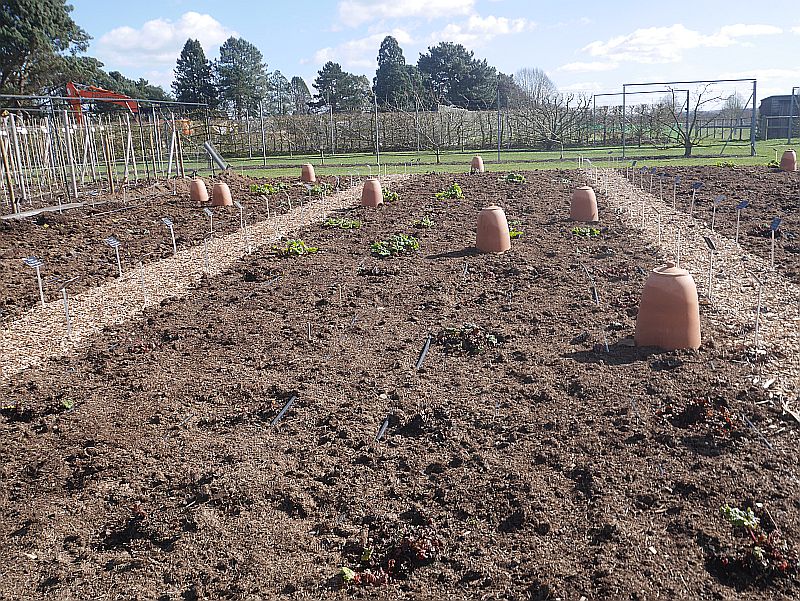
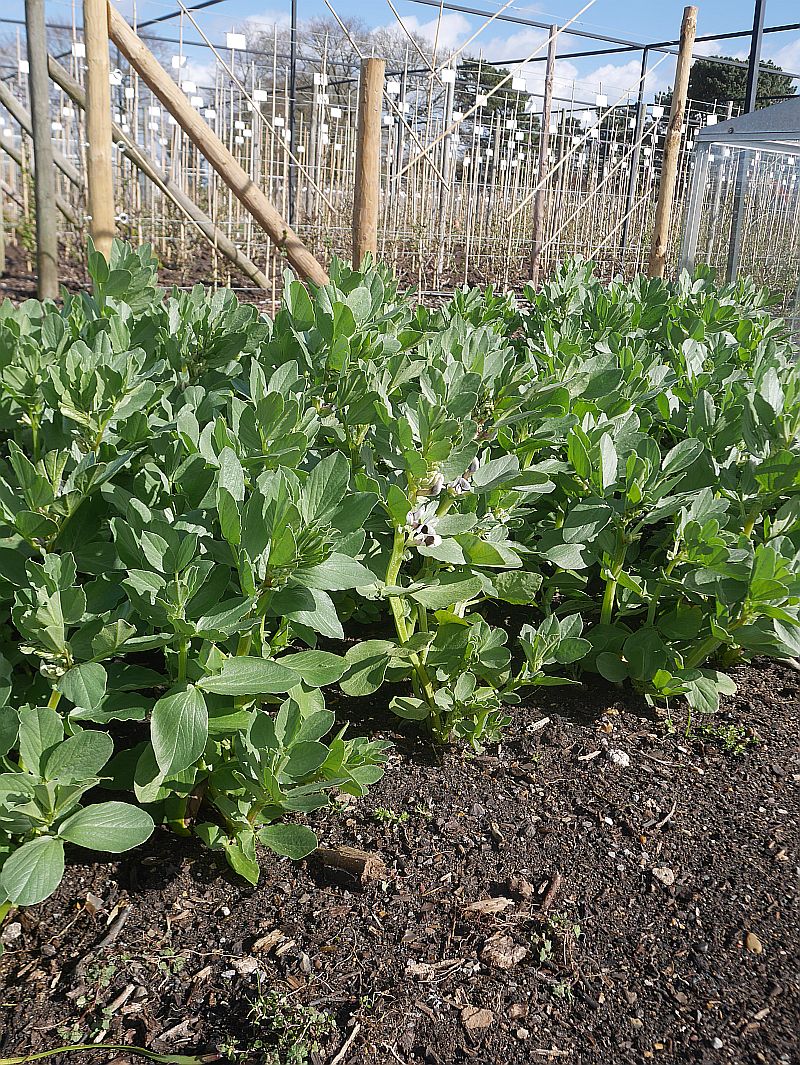
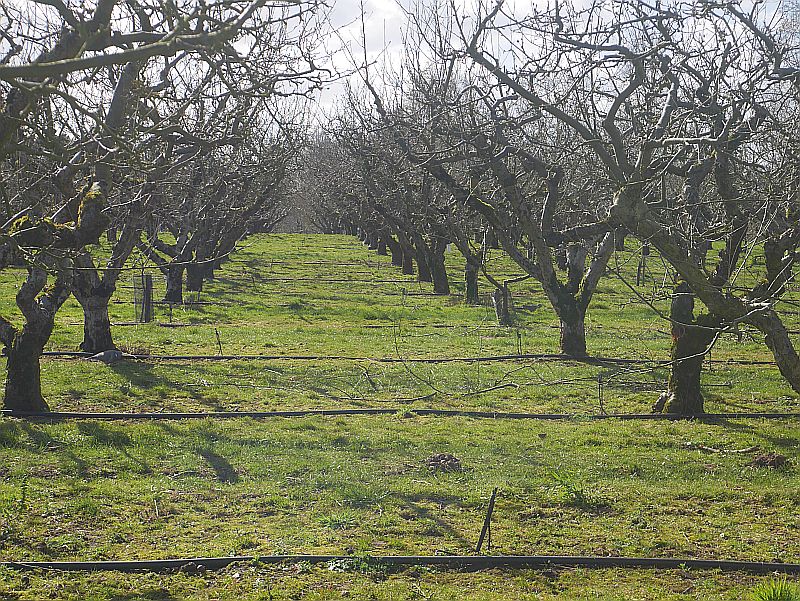
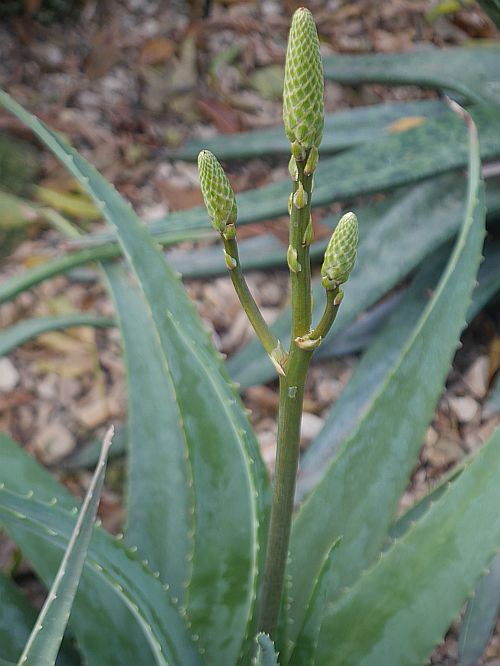
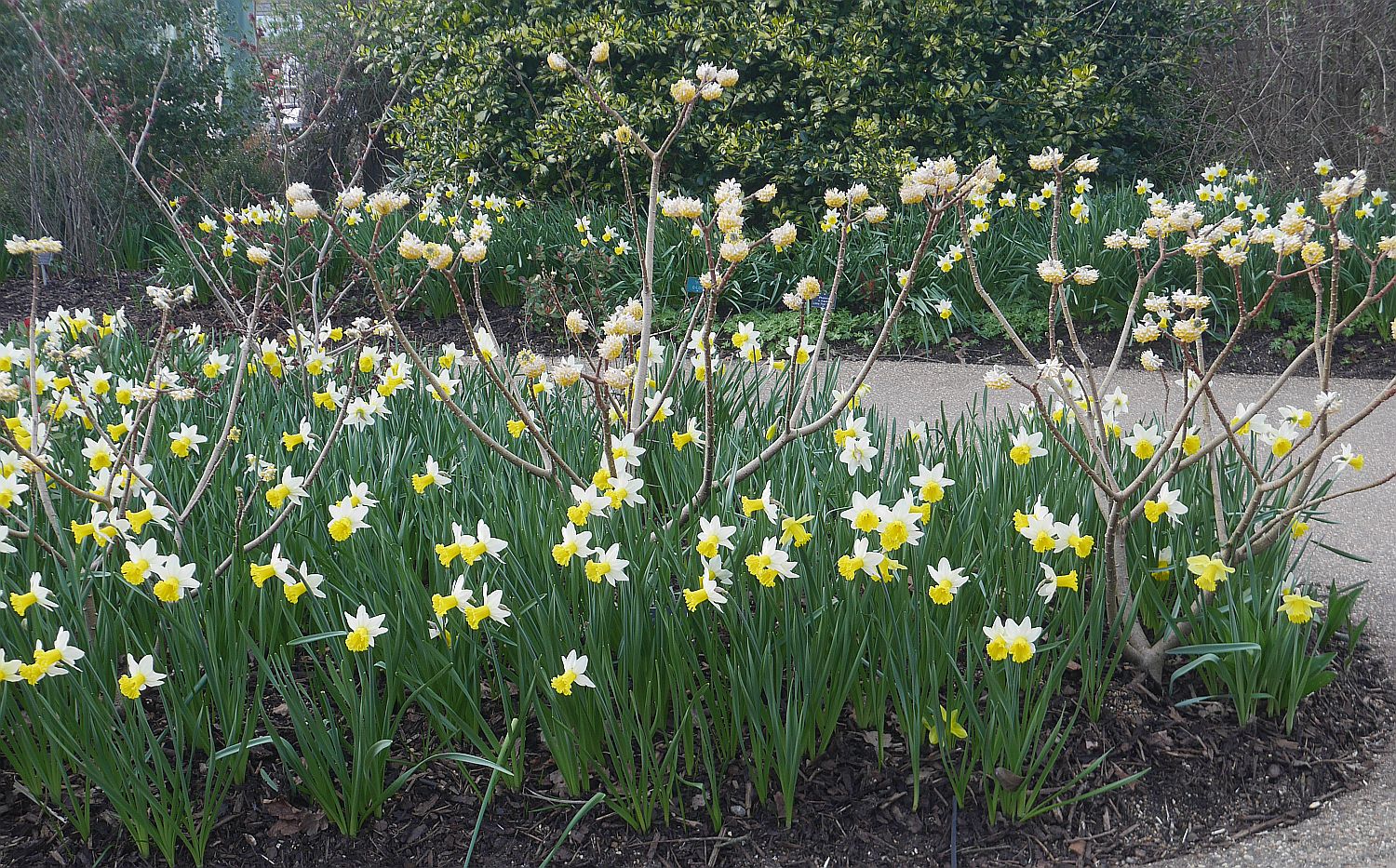
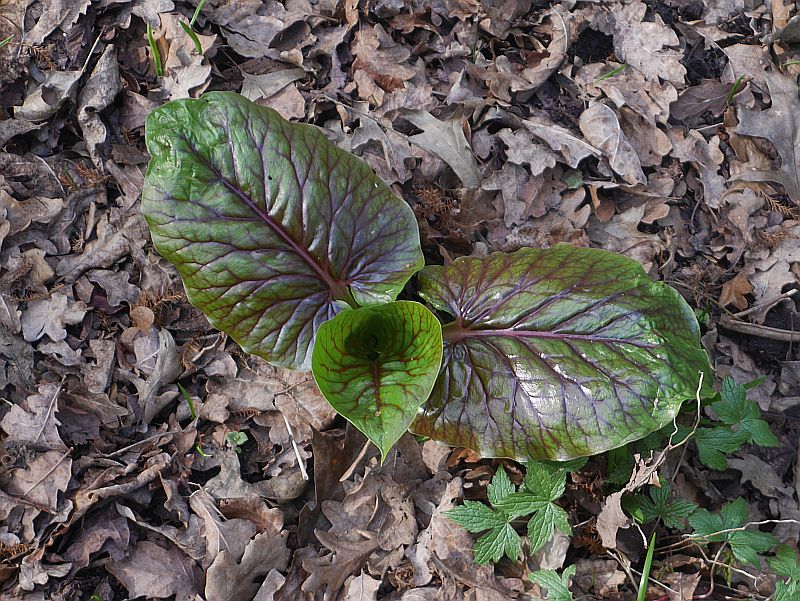
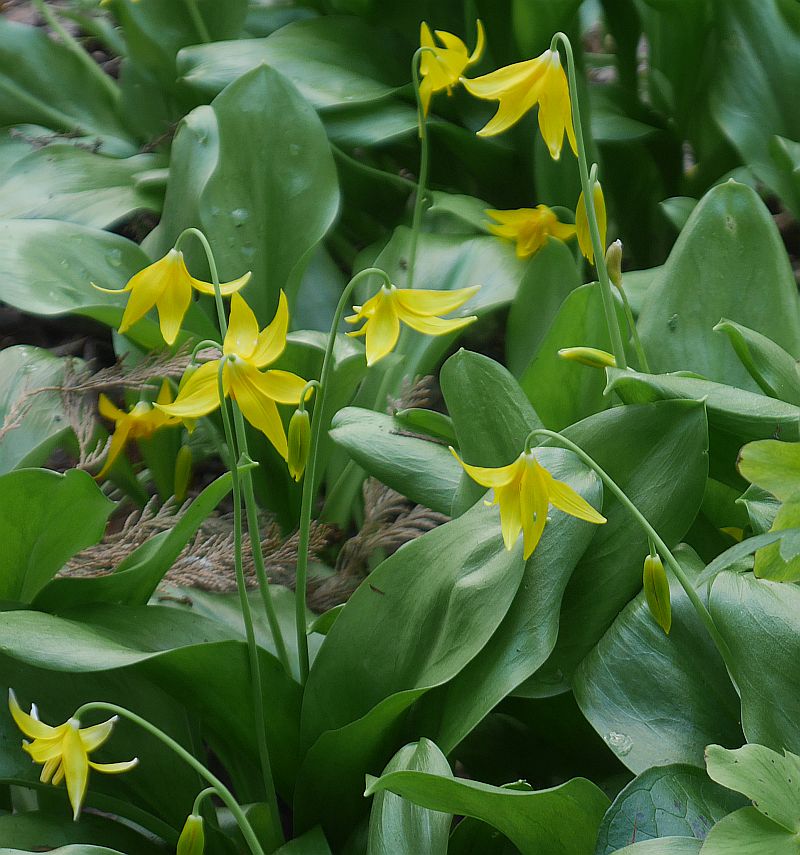
An album of pictures from my visit to RHS Wisley Gardens on 11th March 2019 just outside of London, one of my favourite gardens for edimental spotting which I’ve visited many times over the years. I’ve added comments of edibility to most pictures!


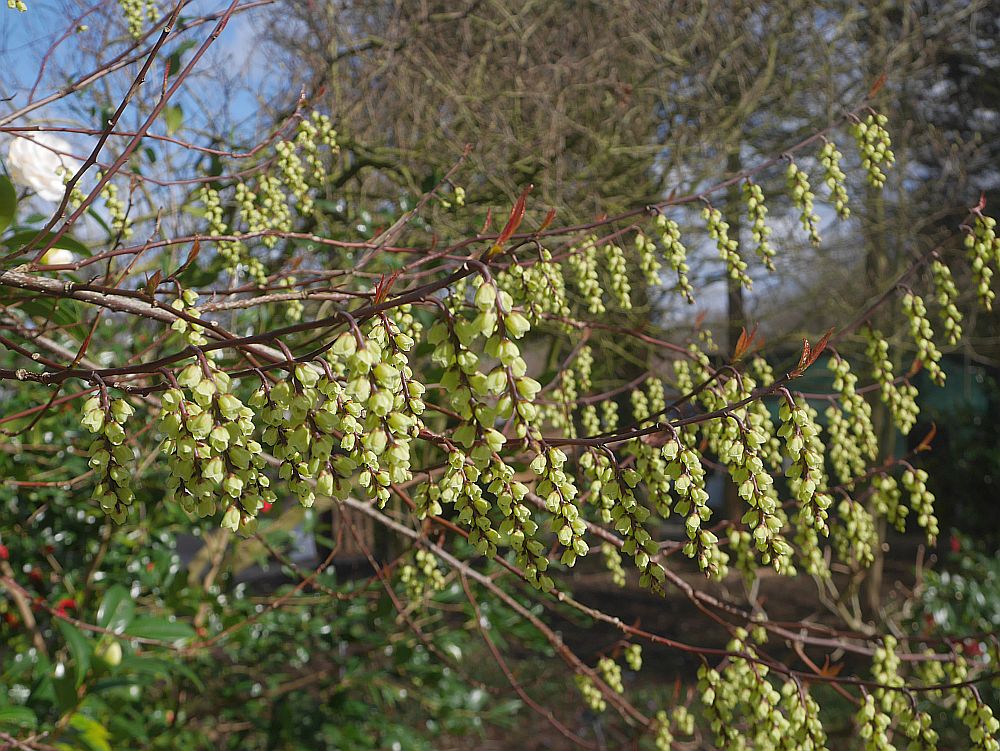
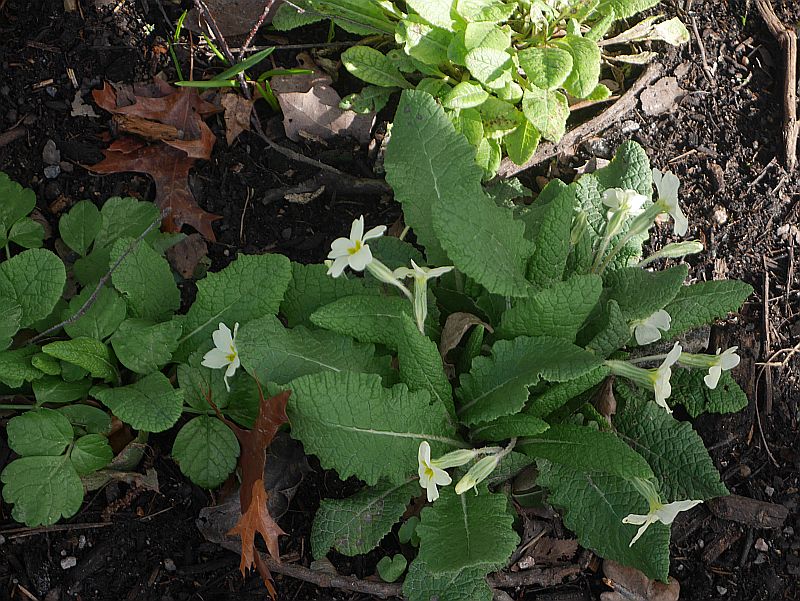


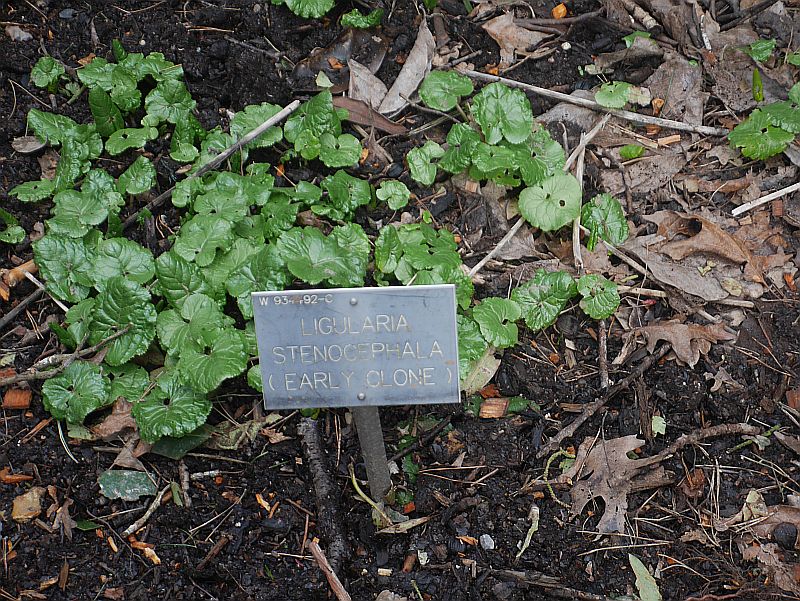
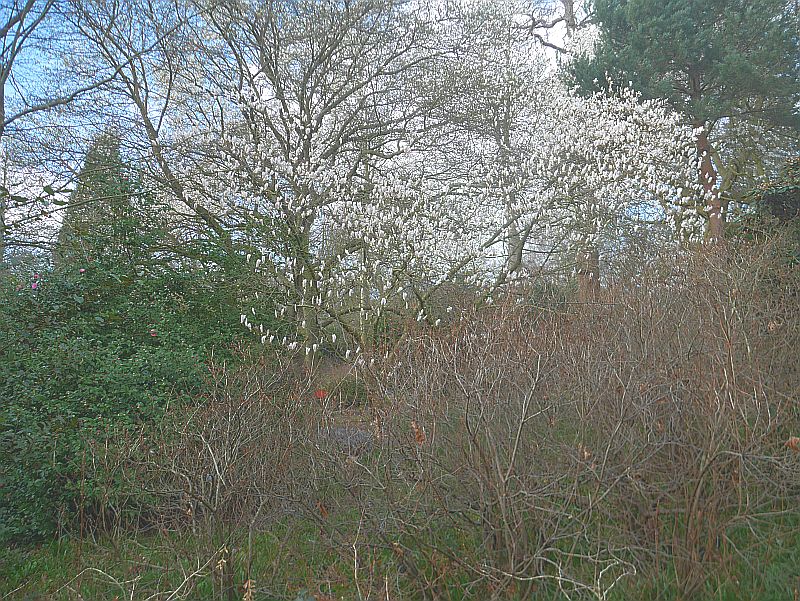
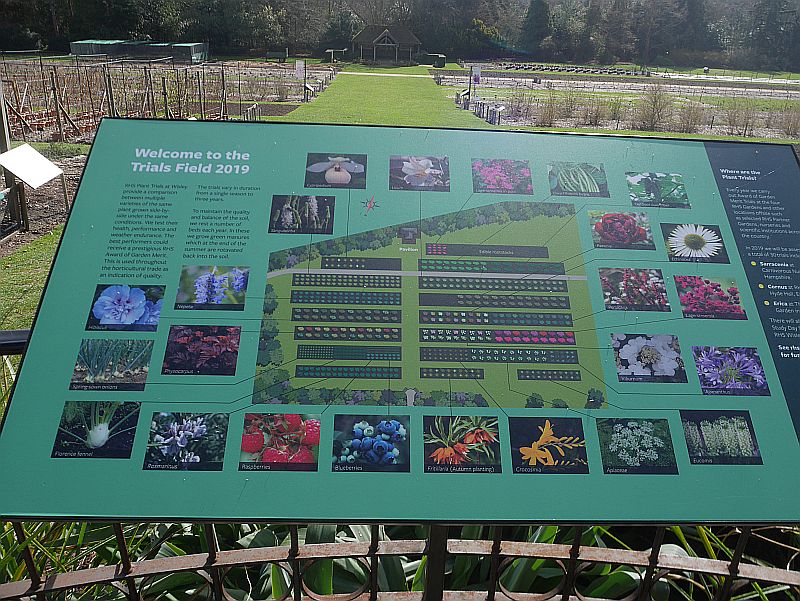

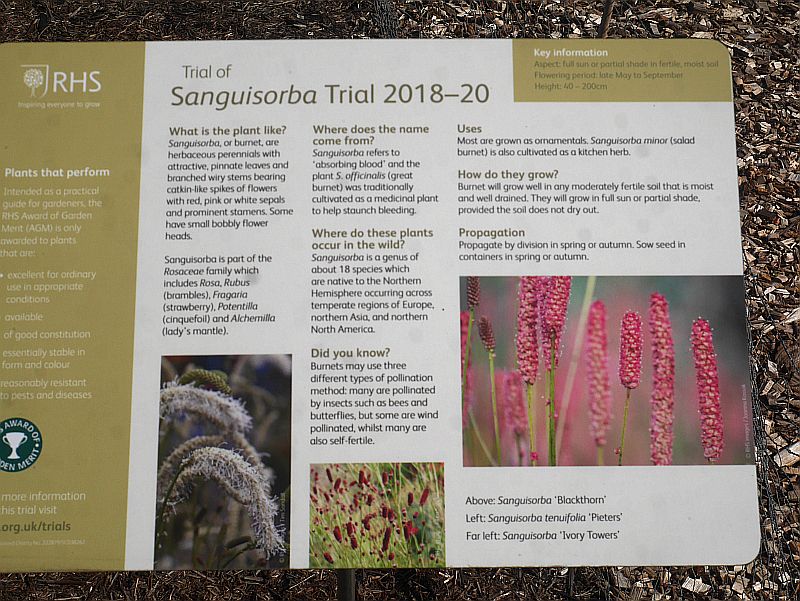
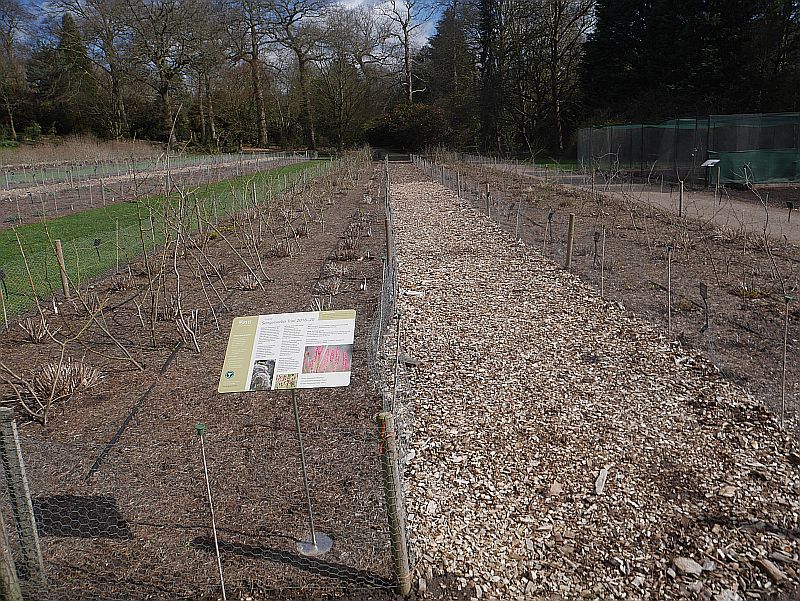
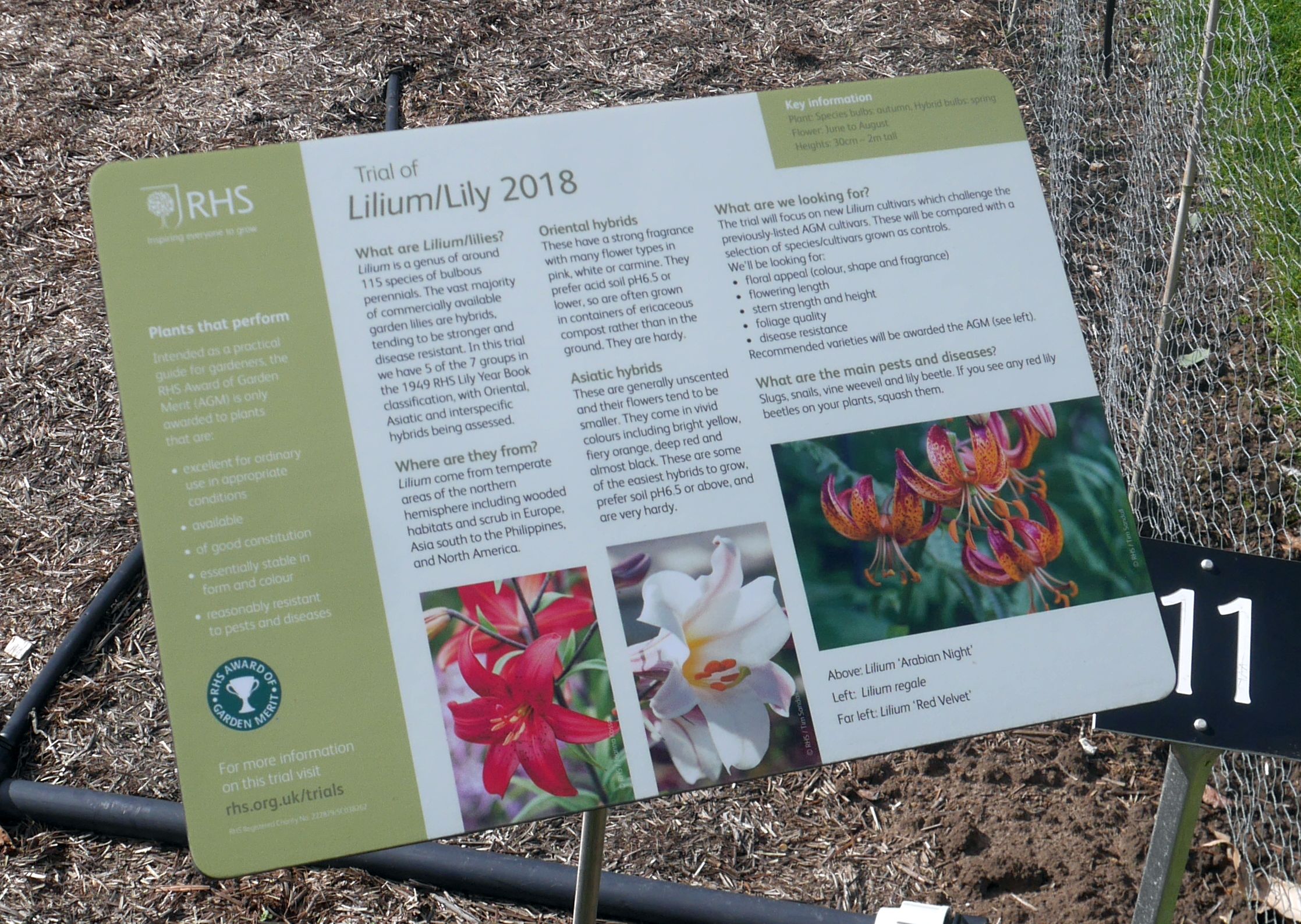

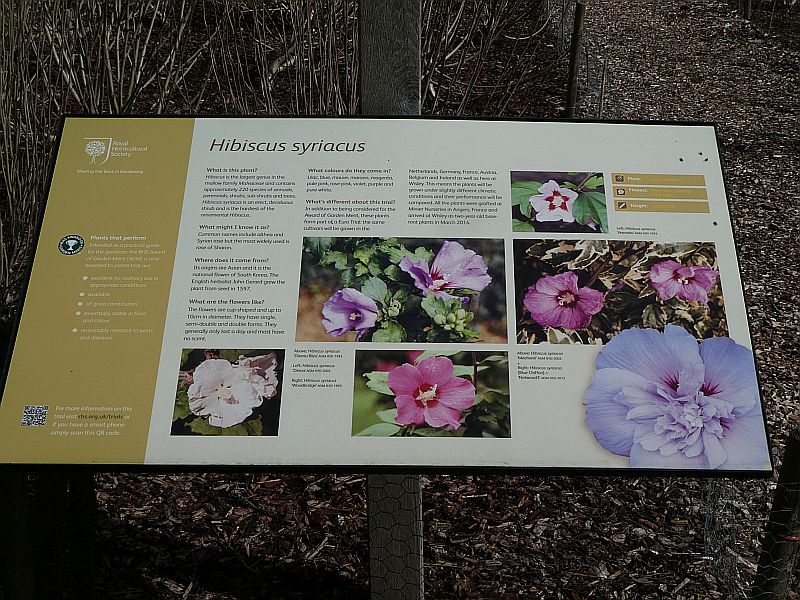

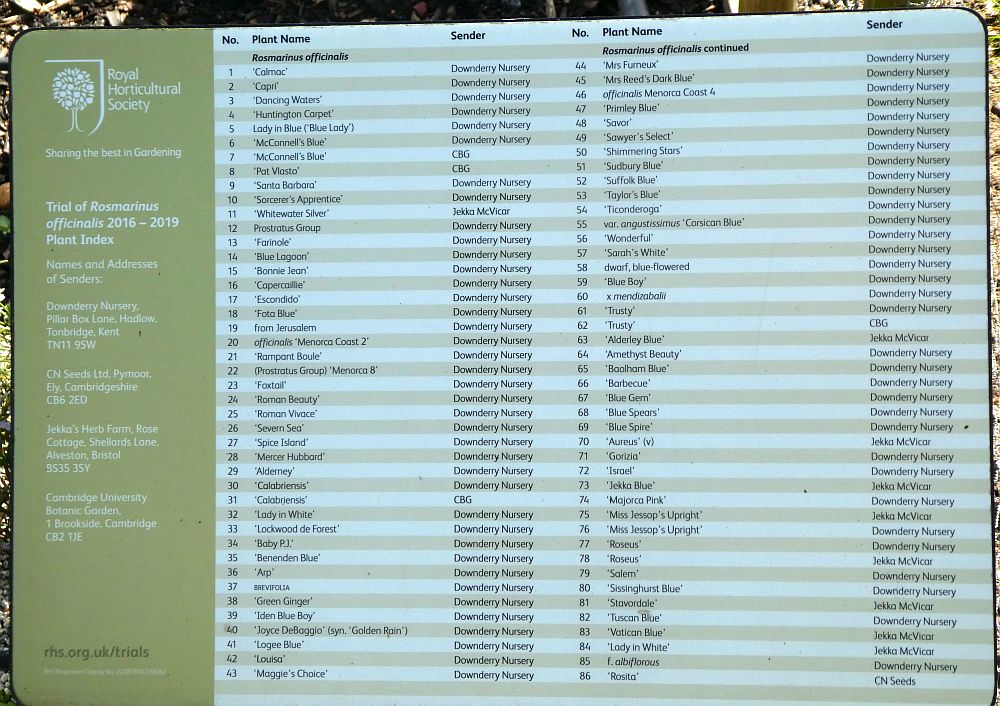

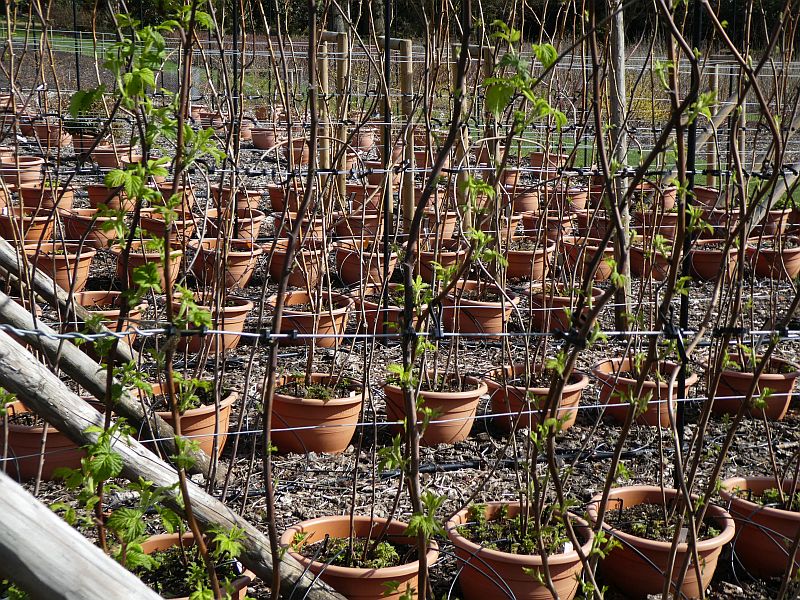
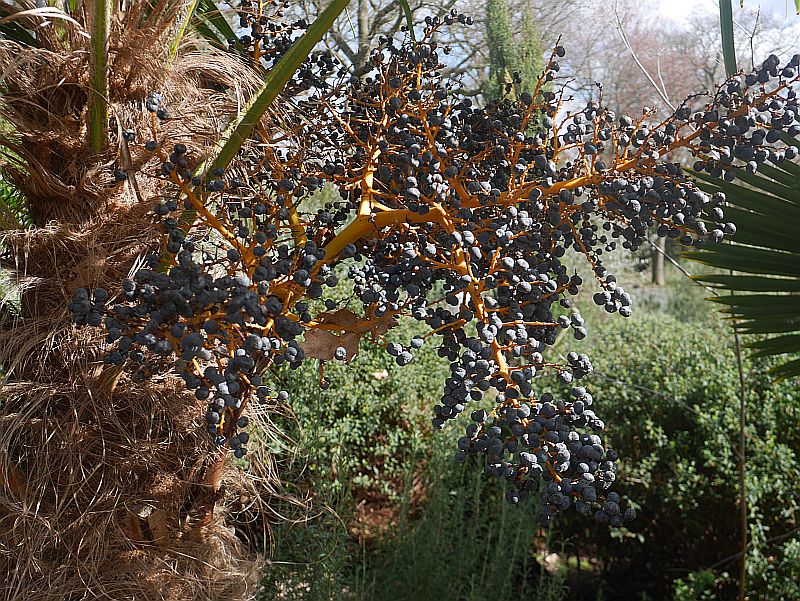


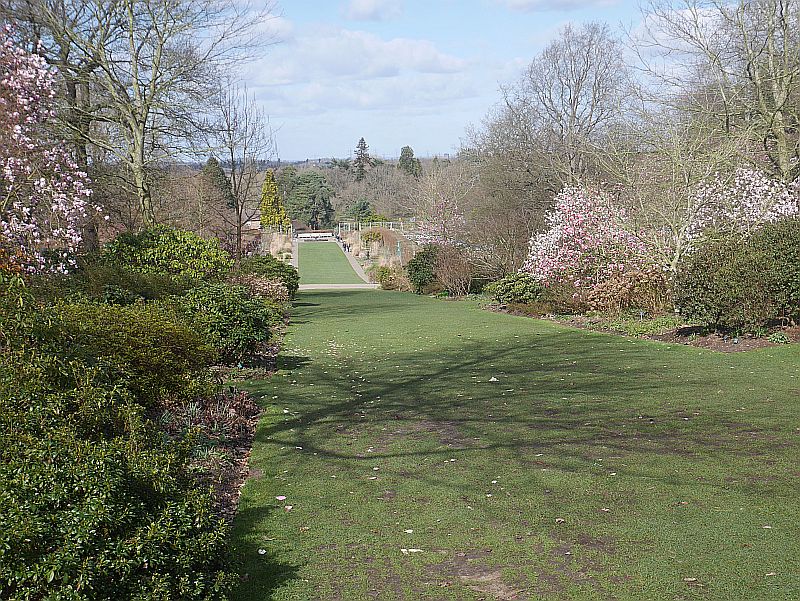

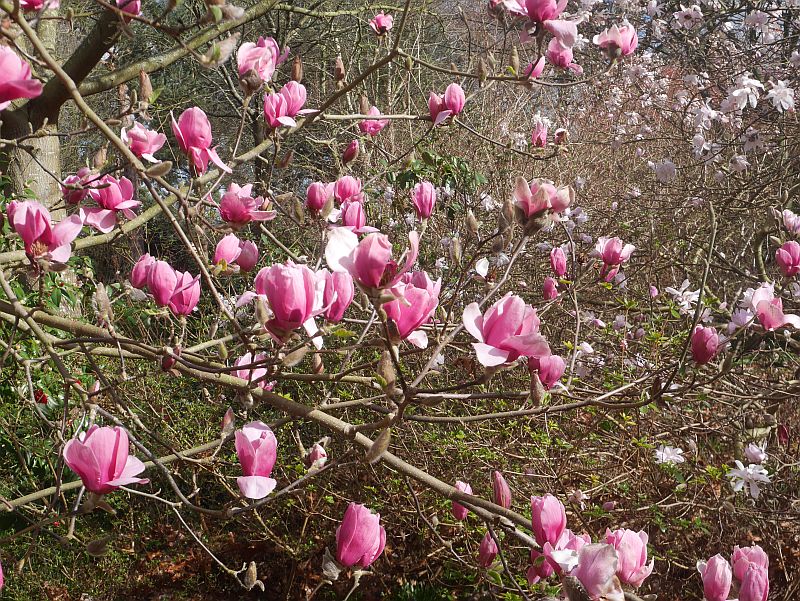

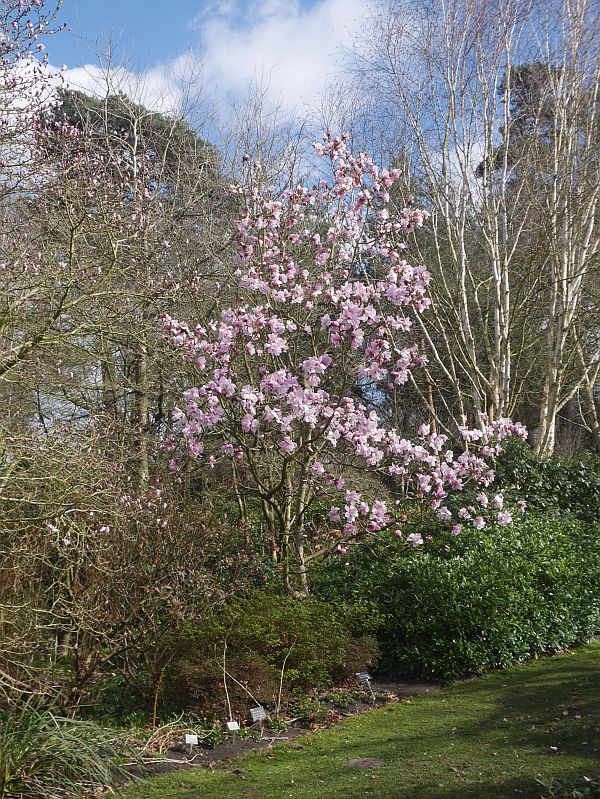
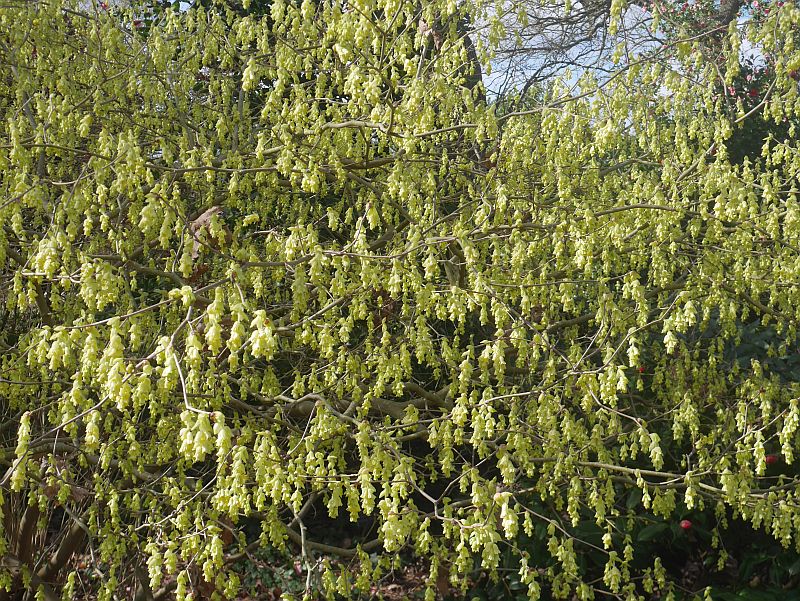











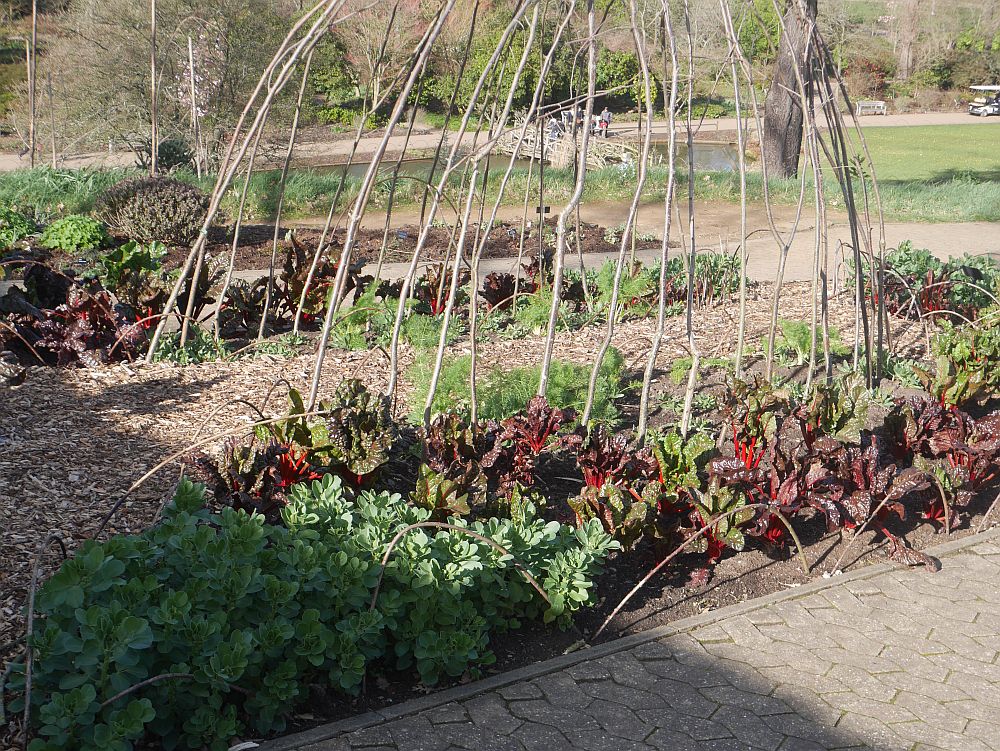
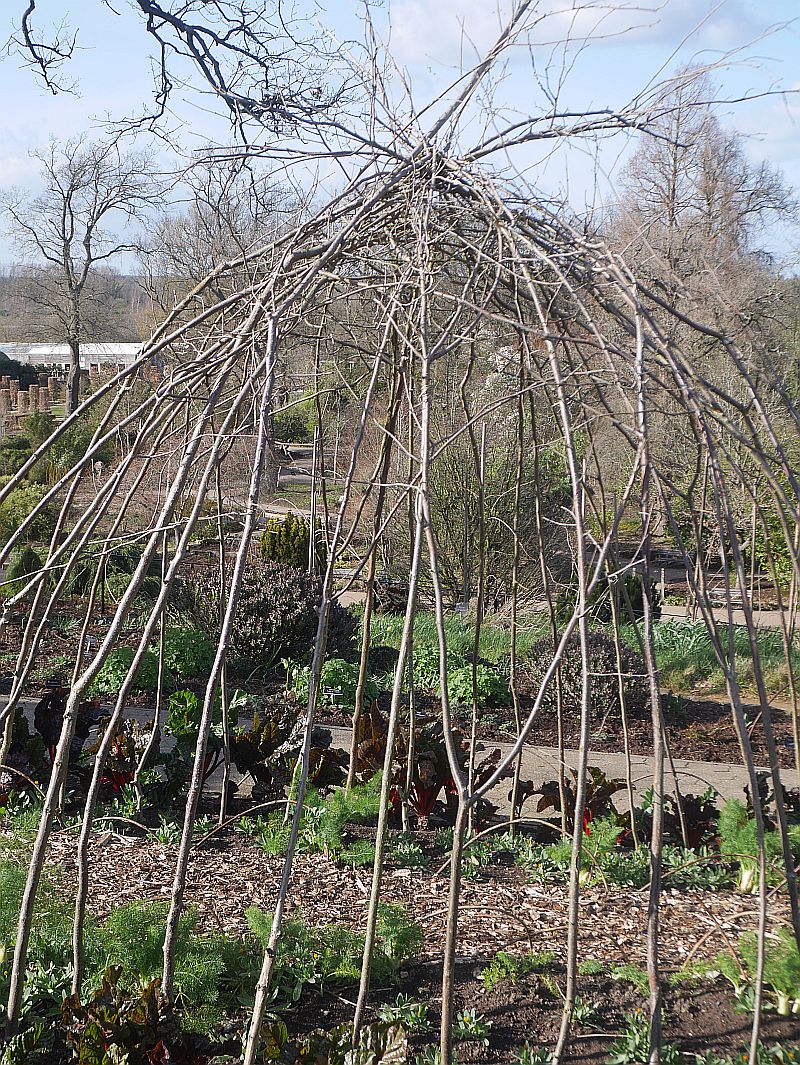


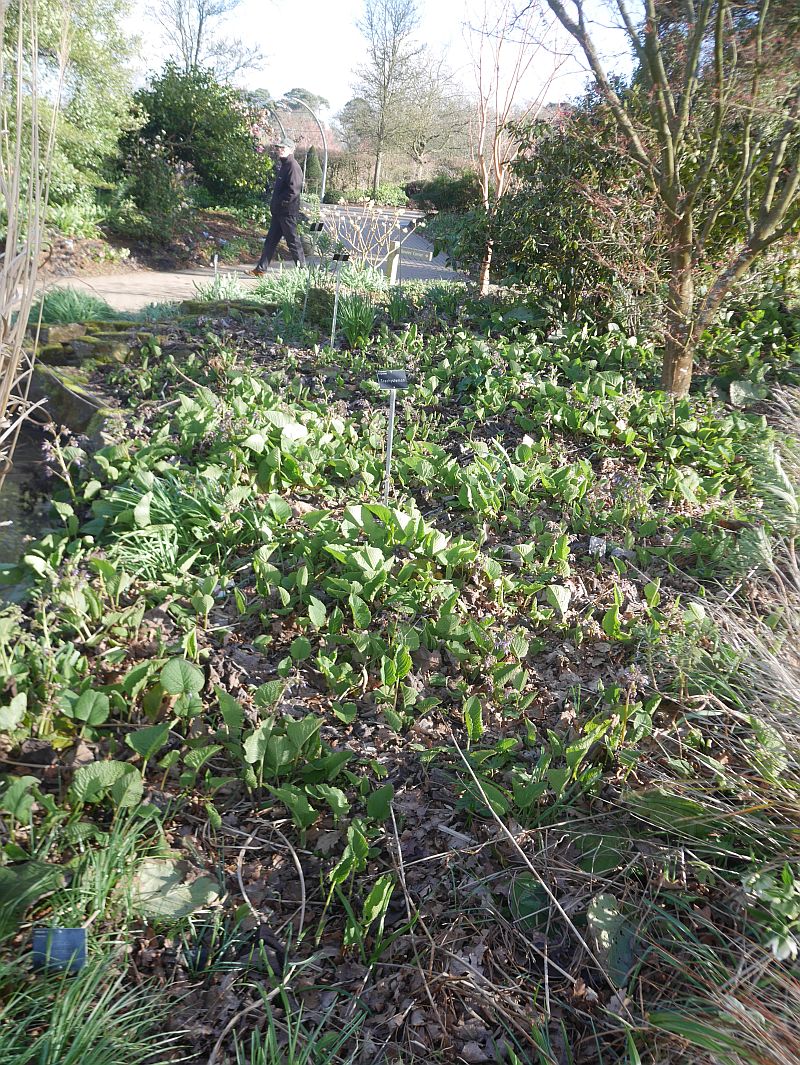


Cobham and Chobham
My second talk in the UK was in Cobham in Surrey for Plant Heritage, an organisation that administers 620 national plant collections (https://www.nccpg.com) including Jackie Currie’s national Allium collection. She is the reason I was asked to give this talk as I visited her a year ago! For the fourth time I gave a talk in a church (St. Andrew’s) as there was a double booking in the church hall (I talked in the church at Todmorden a few years ago and twice in churches in Ottawa!). A well attended evening with a knowledgeable group and several said they would be trying Hosta this spring :)
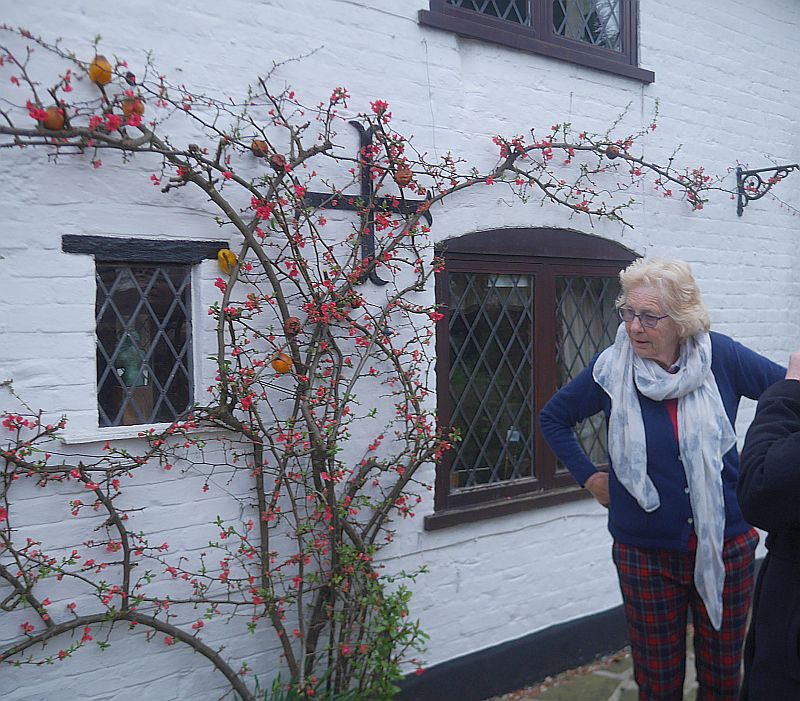
Thanks to board member Wendy Bentall who picked me up at Wisley and put me up for the night in, naturally, the Priest House flat in her garden which is in another village, Chobham, only 20 minutes away from Cobham!






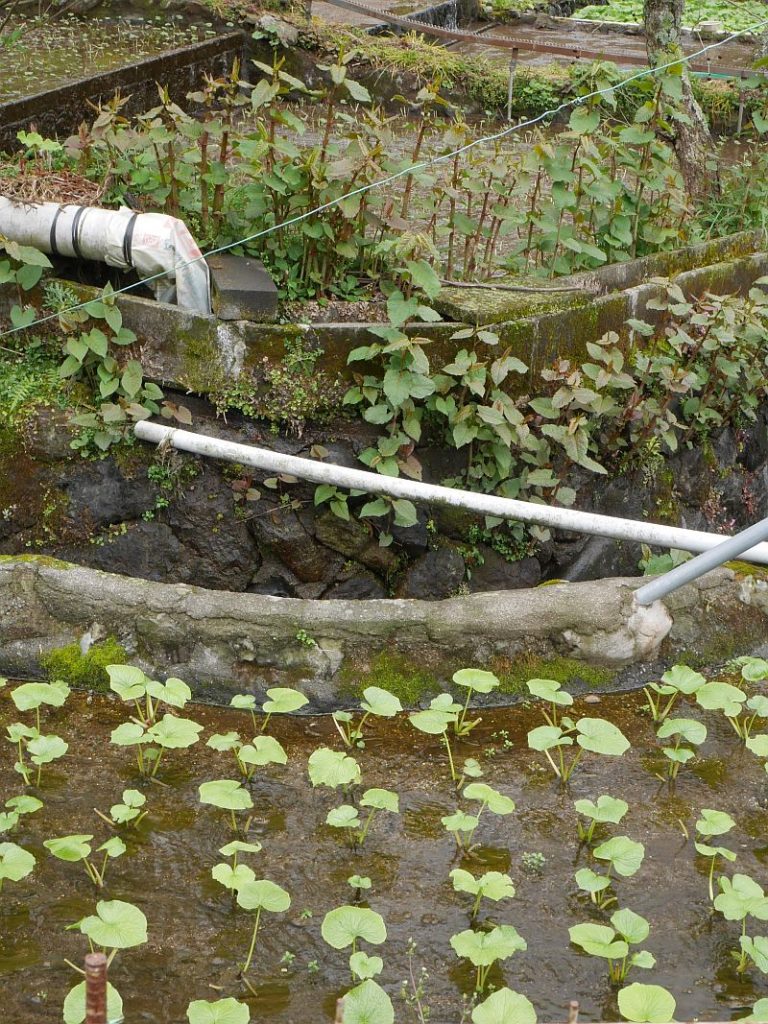
A visit to a Wasabi farm on the Izu peninsular in Japan
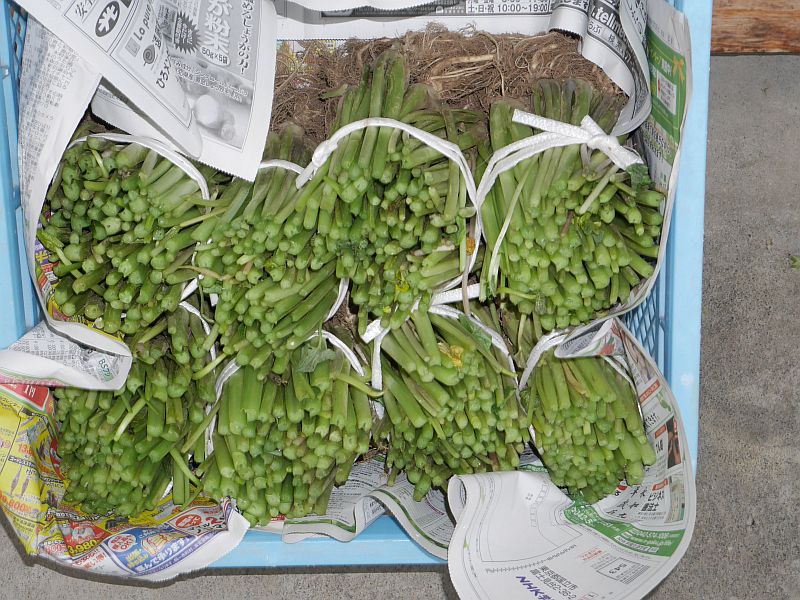
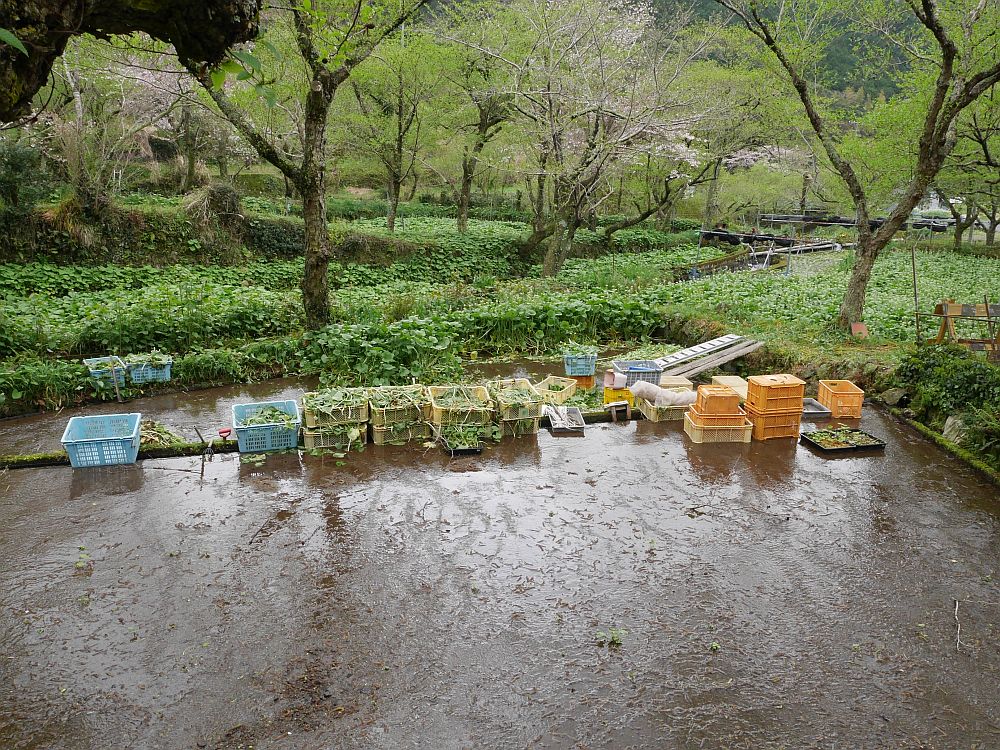
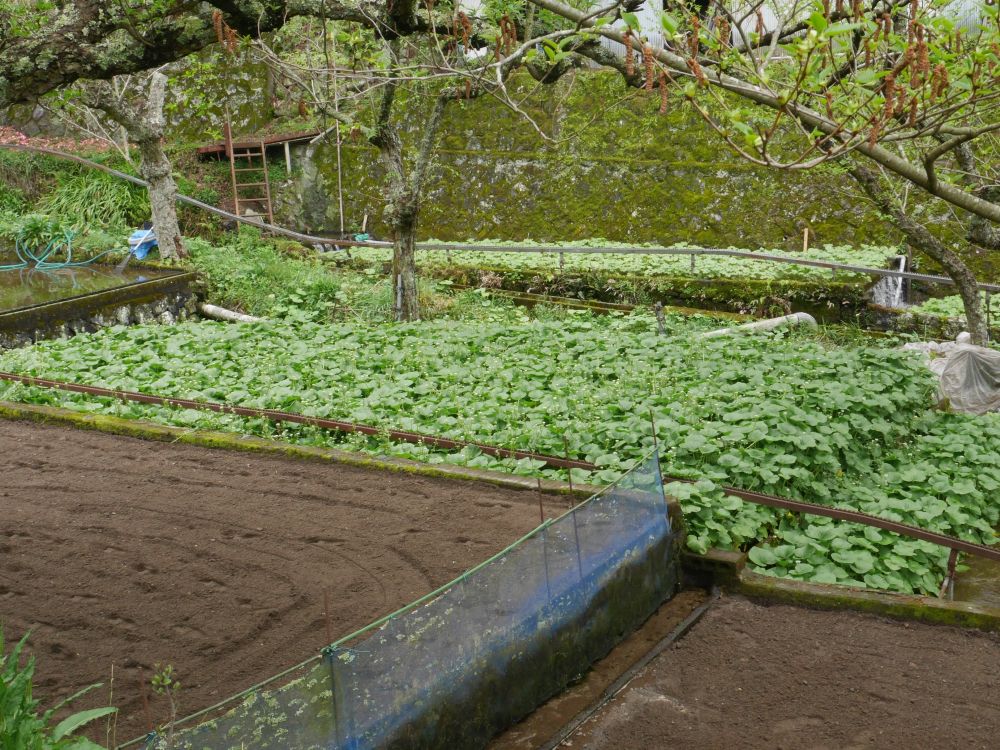
On 3rd April 2016 I was on an amazing study tour in Japan to witness first hand the cultivation of perennial vegetables. These are wild native species which were previously wild foraged in Japan but are now cultivated to meet demands for what is collectively known as sansai (mountain veggies). There’s a whole section of supermarkets devoted to sansai. The one we are most familiar with in the west is wasabi, but for most of us it is in name only as it is almost always horseradish, mustard and food colouring which are the ingredients of wasabi sauce offered in sushi bars, rather than genuine wasabi (Wasabia japonica).
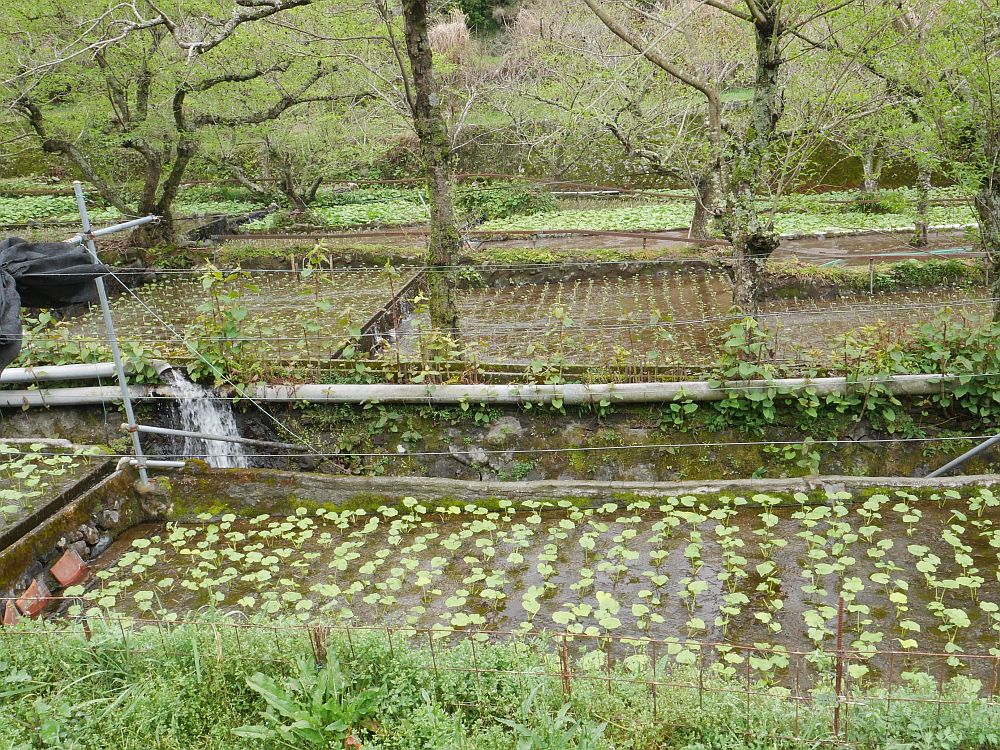
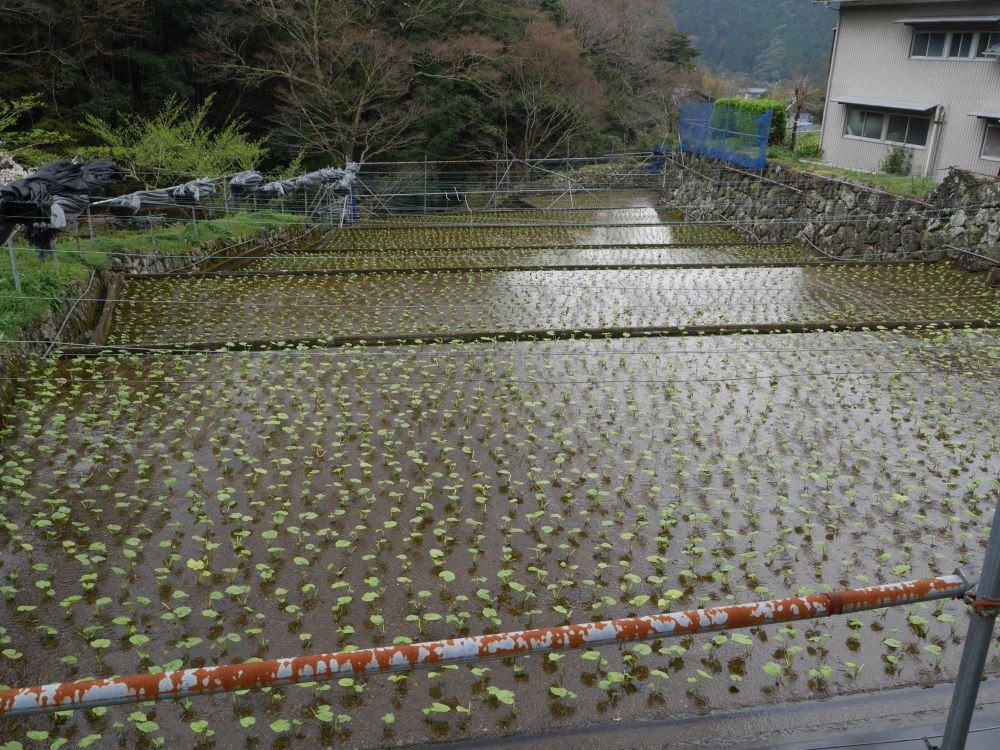
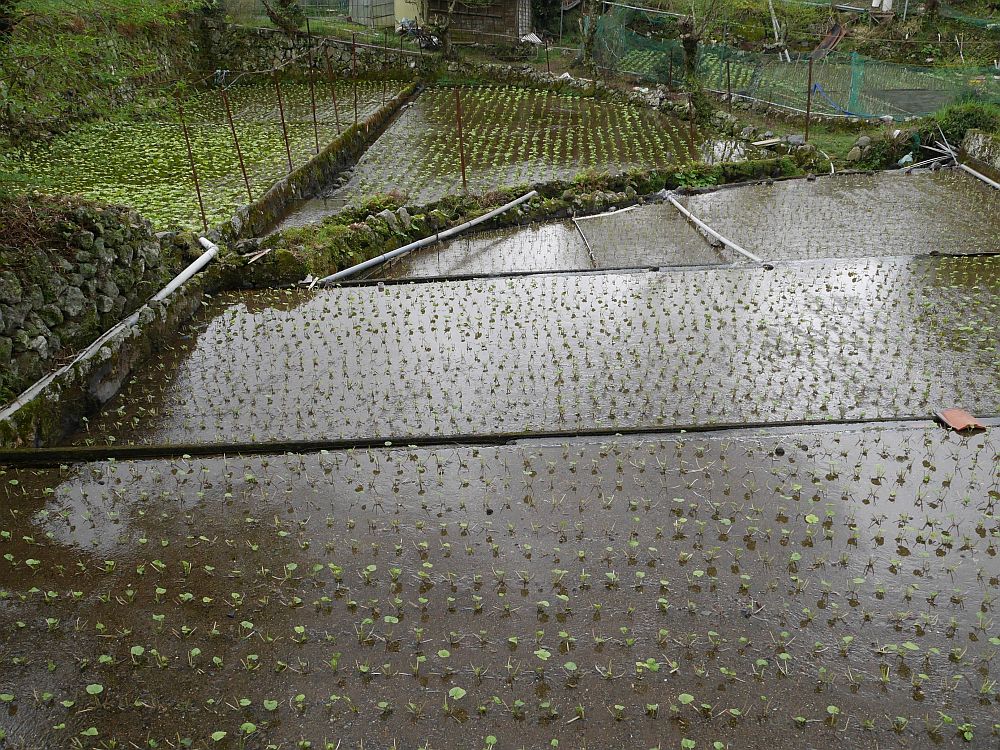
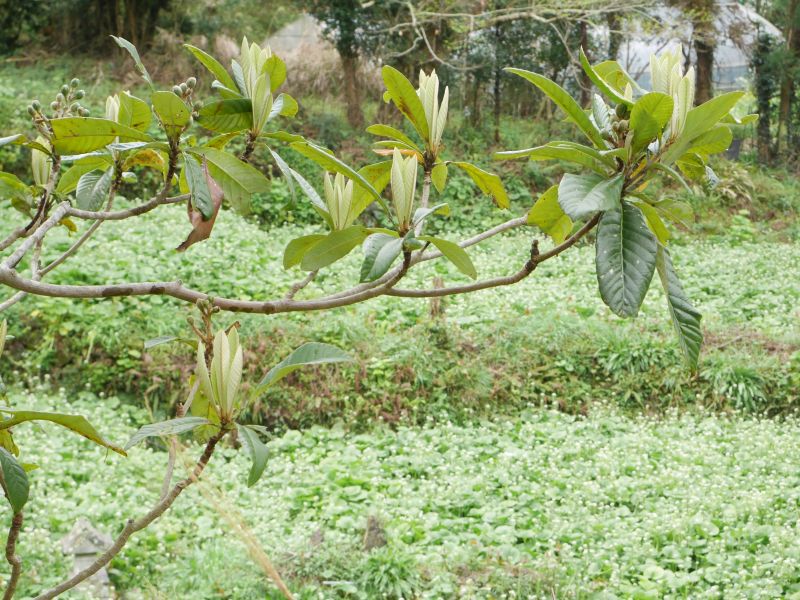
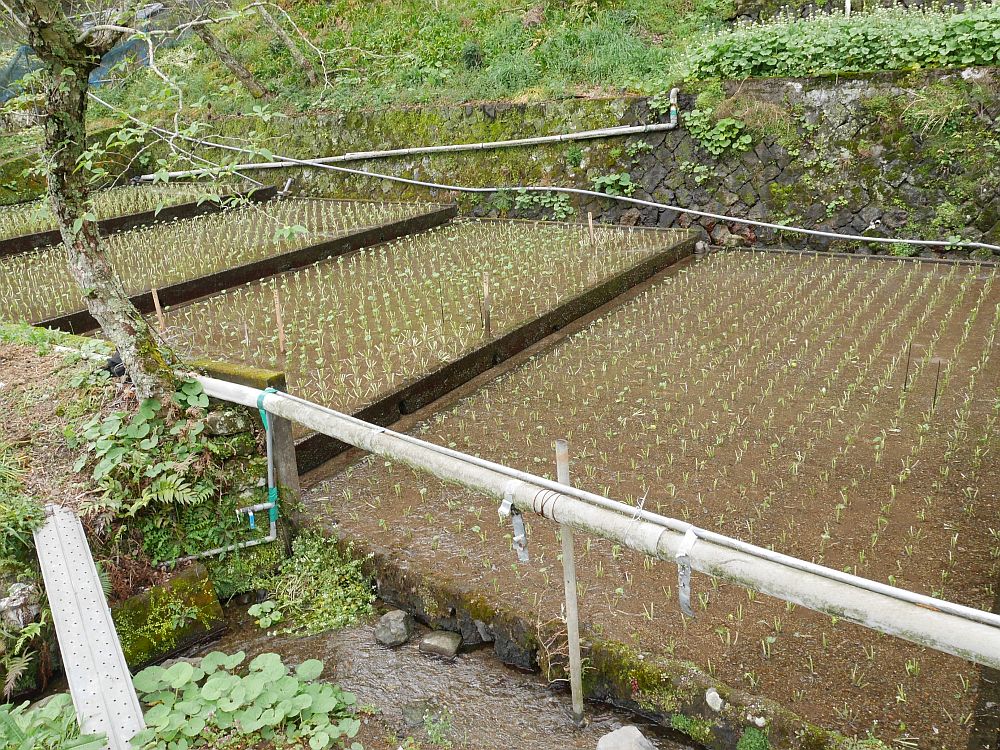
The farm we visited was on the Izu peninsula, a popular tourist area. It was one of the most beautiful and naturalistic farms that I’ve witnessed anywhere and could be categorised as a permaculture forest garden with shade-loving wasabi growing in running water diverted from a river into an intricate series of neatly set out beds and intercropped with trees like loquat and other fruit. Most of the work seems to be done manually.
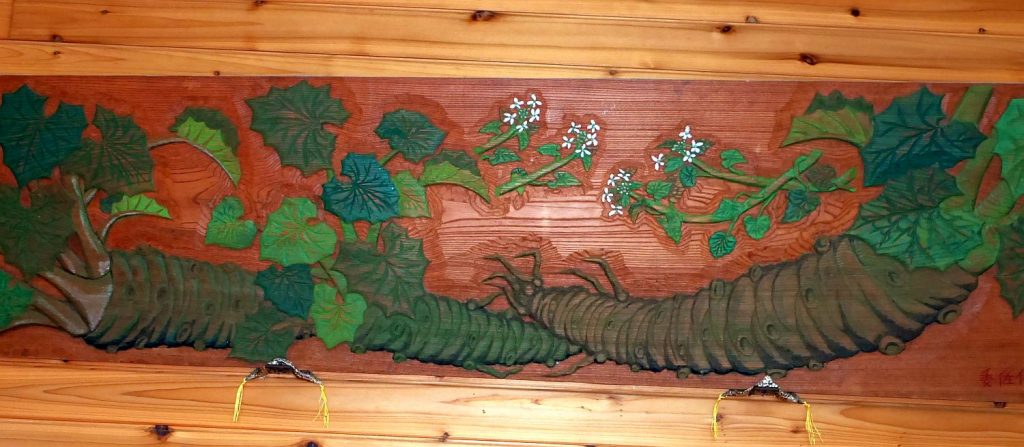
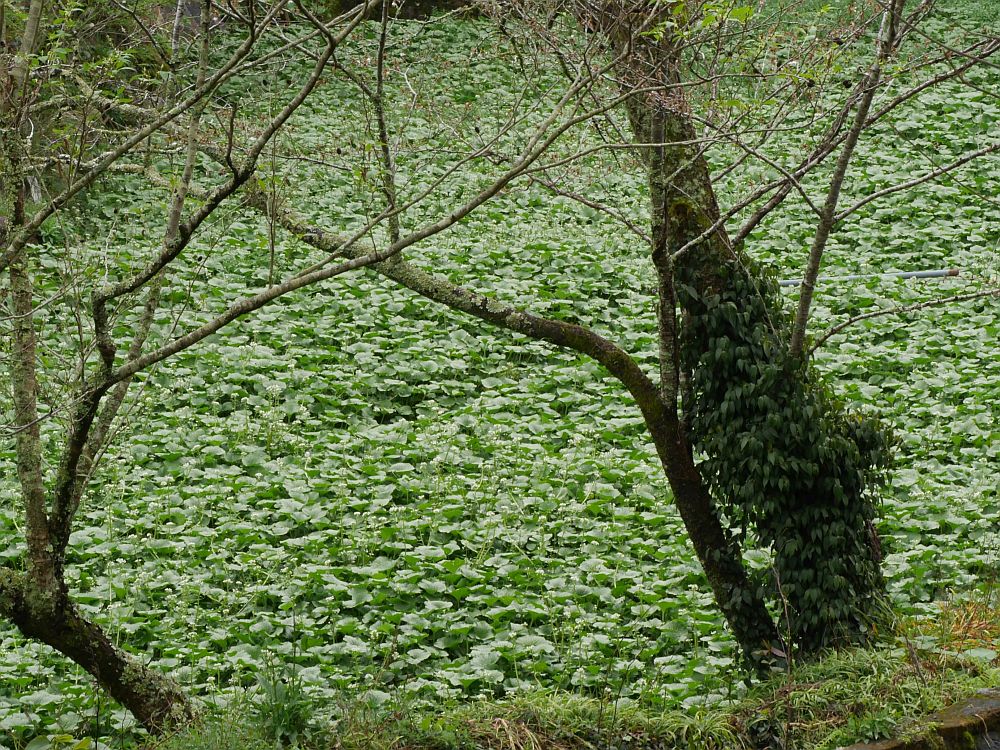
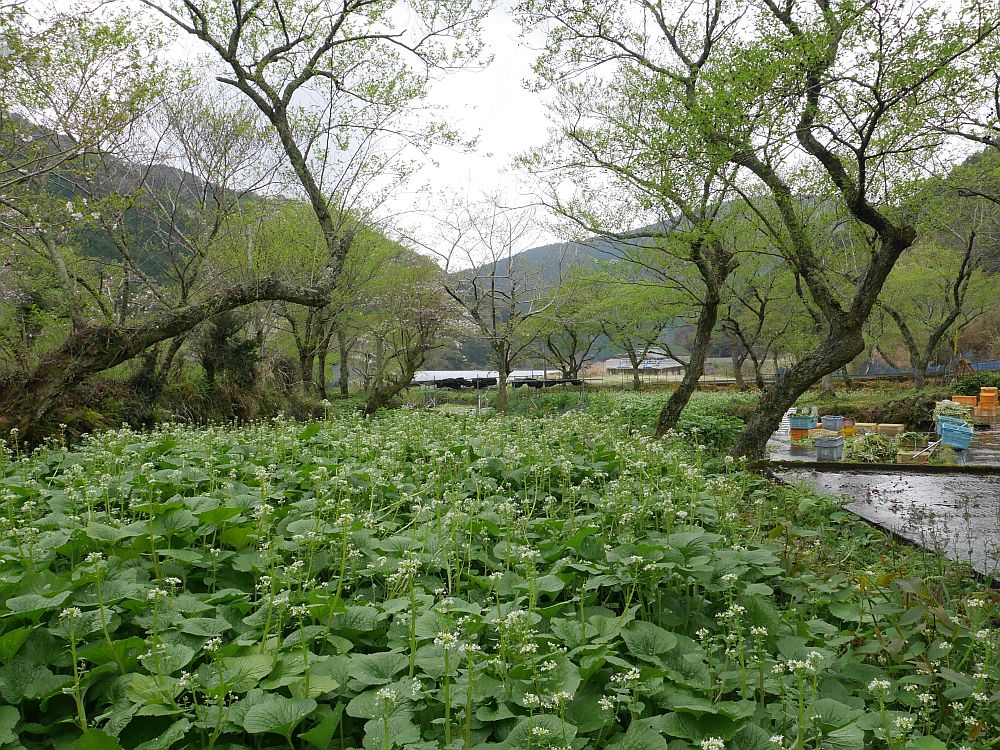
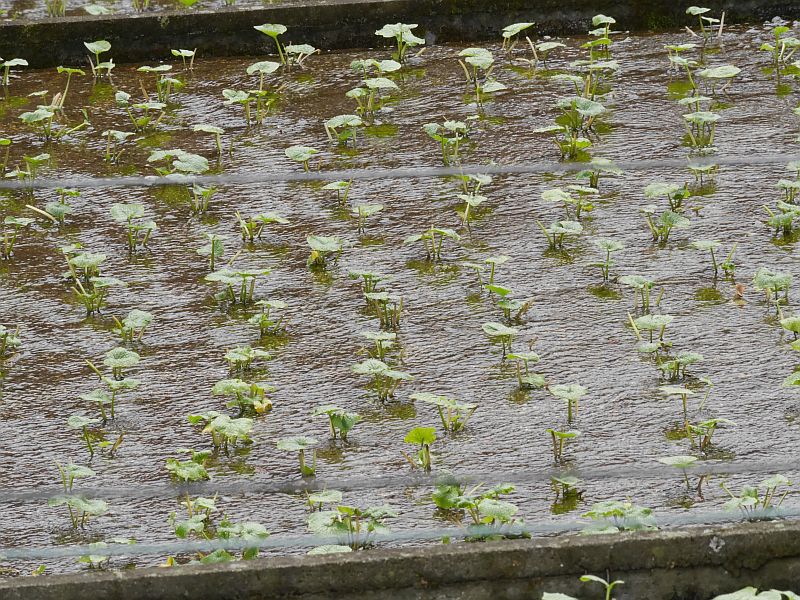
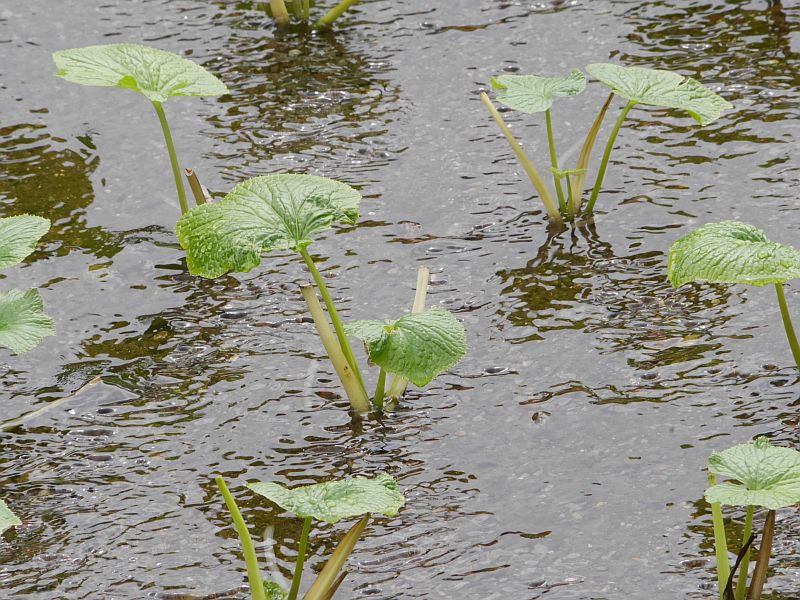
First, a few videos from the farm and below can be found an album of pictures of wasabi and other plants we saw, including at a shrine and associated vegetable garden adjacent to the farm! Wasabi has very narrower ecological requirements to produce well, including shade and running cool mountain spring water.
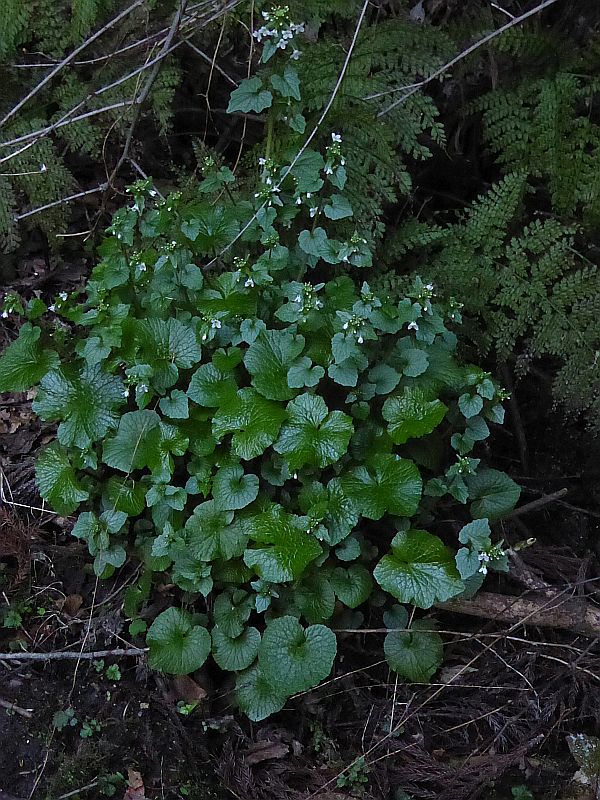
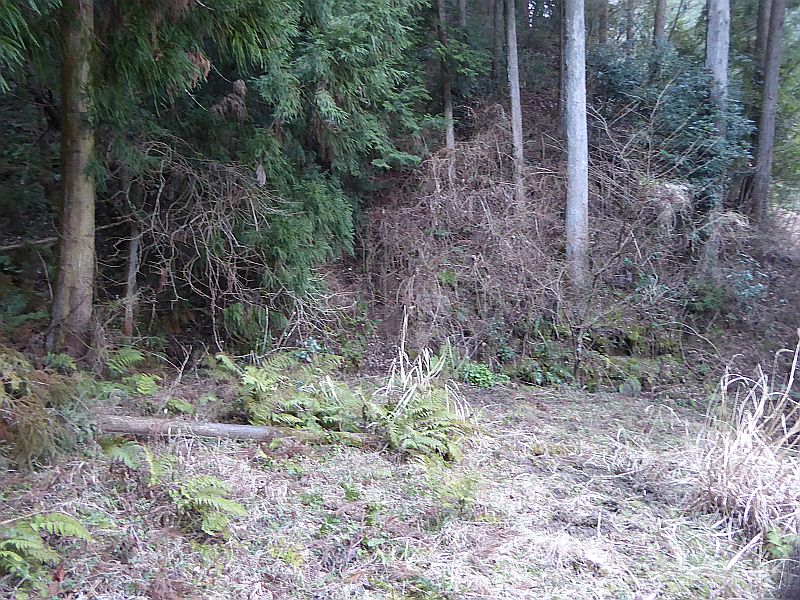
17th March 2019: I’m adding three pictures at the bottom of a group of “wild” wasabi plants growing in quite a dry shady environment in the hills near to Toyota in Japan!




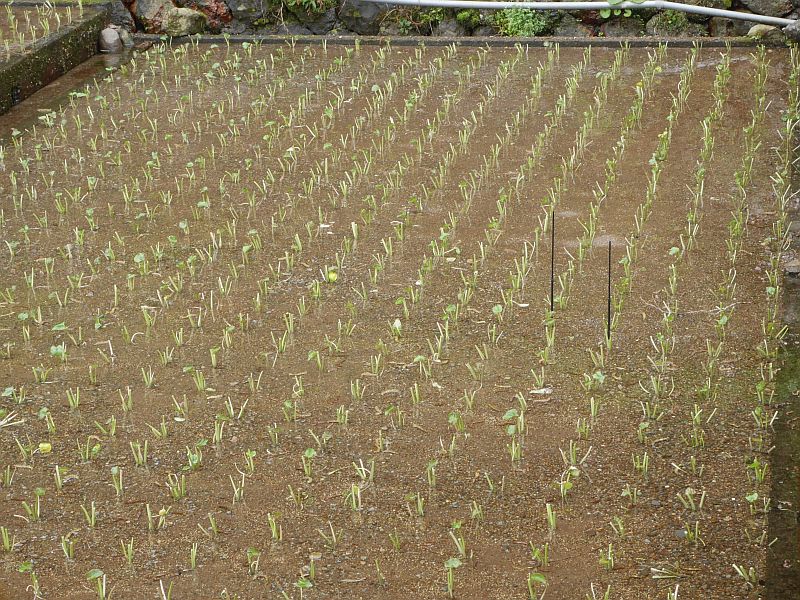
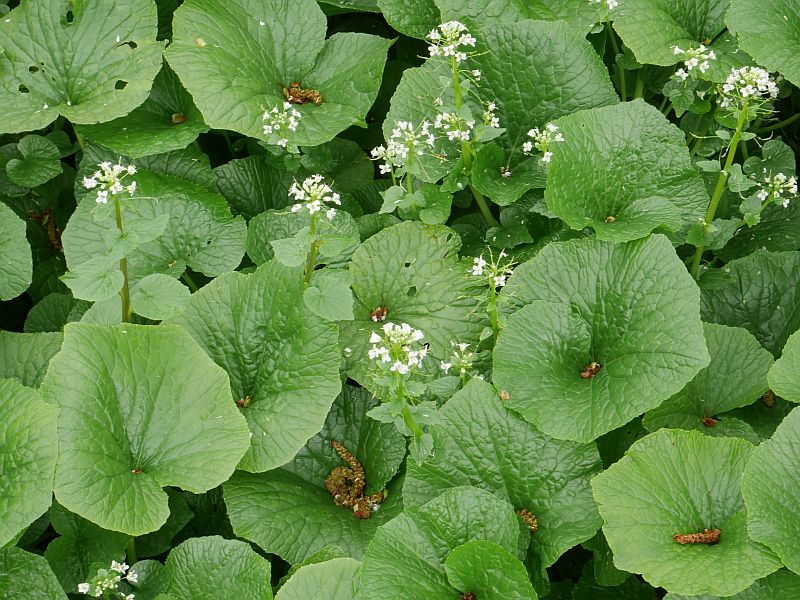

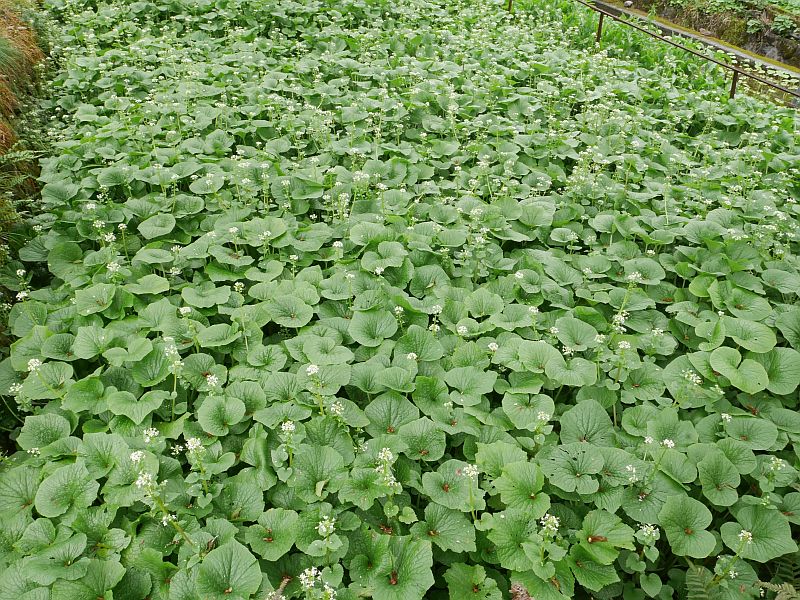
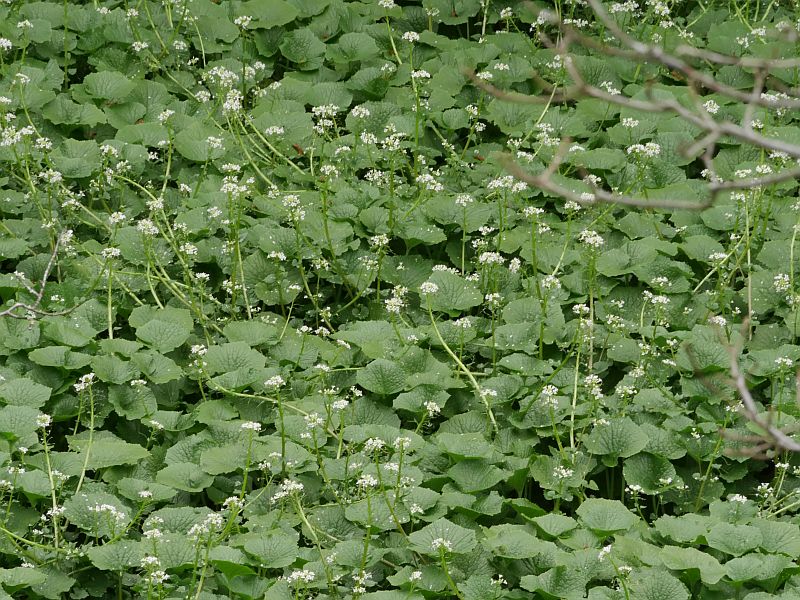

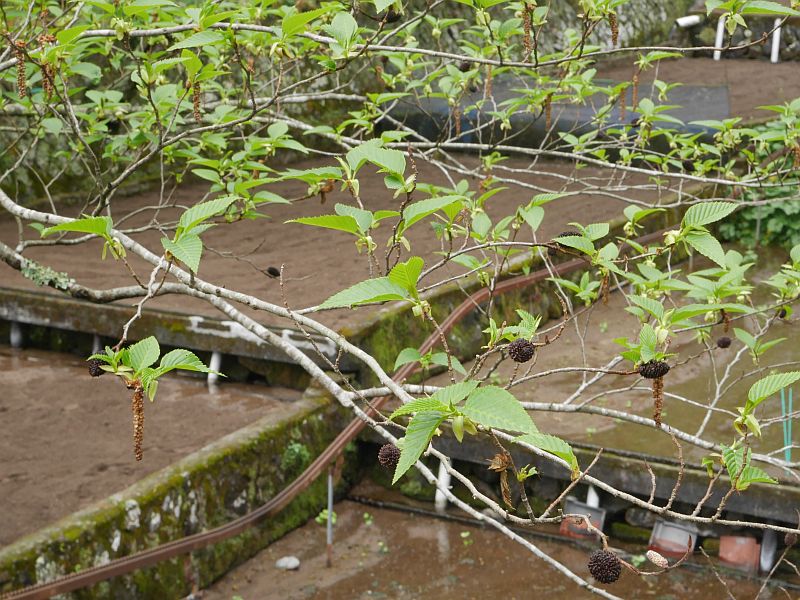

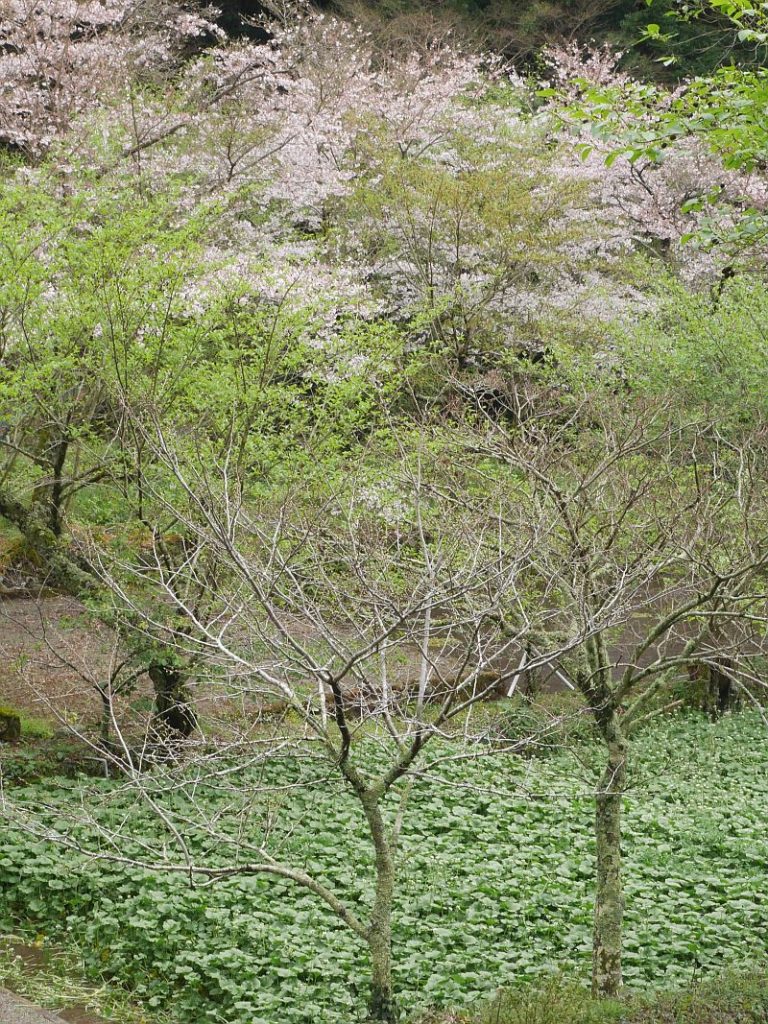
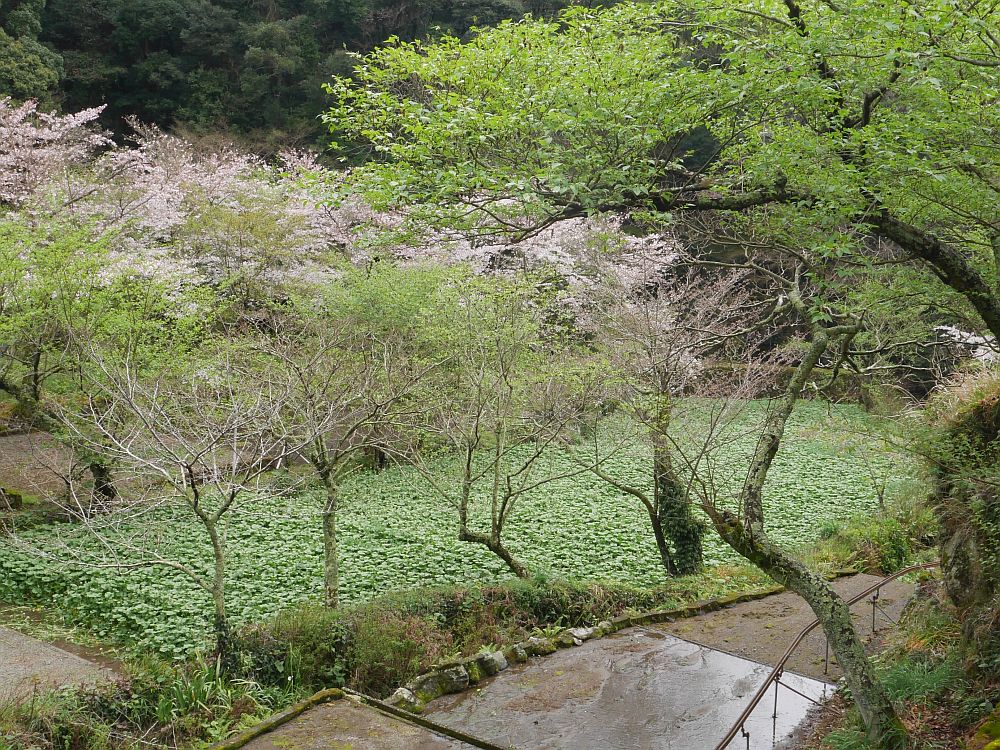
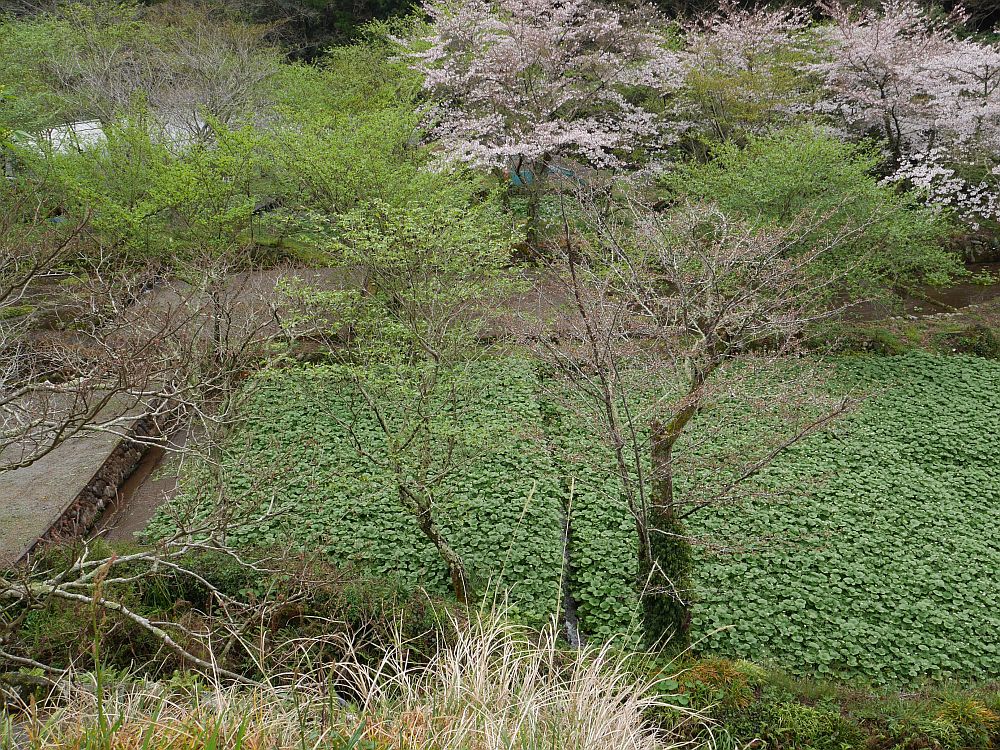
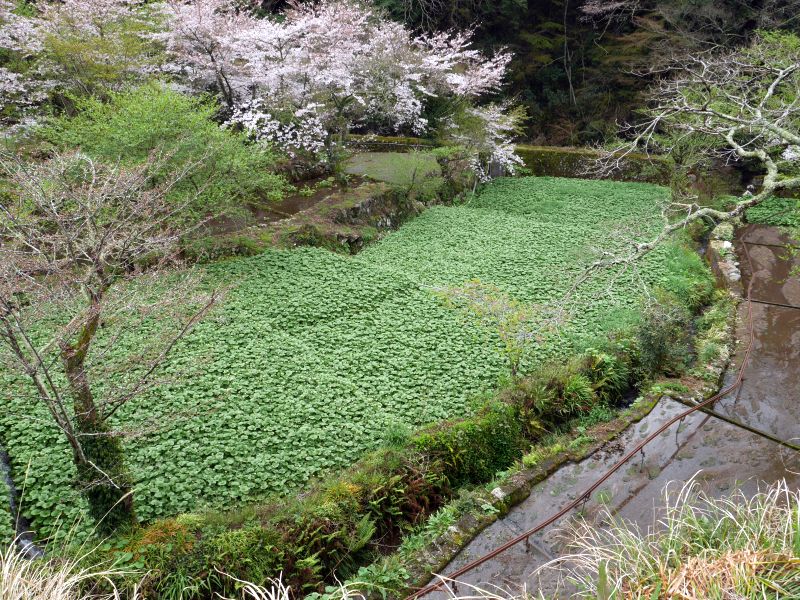

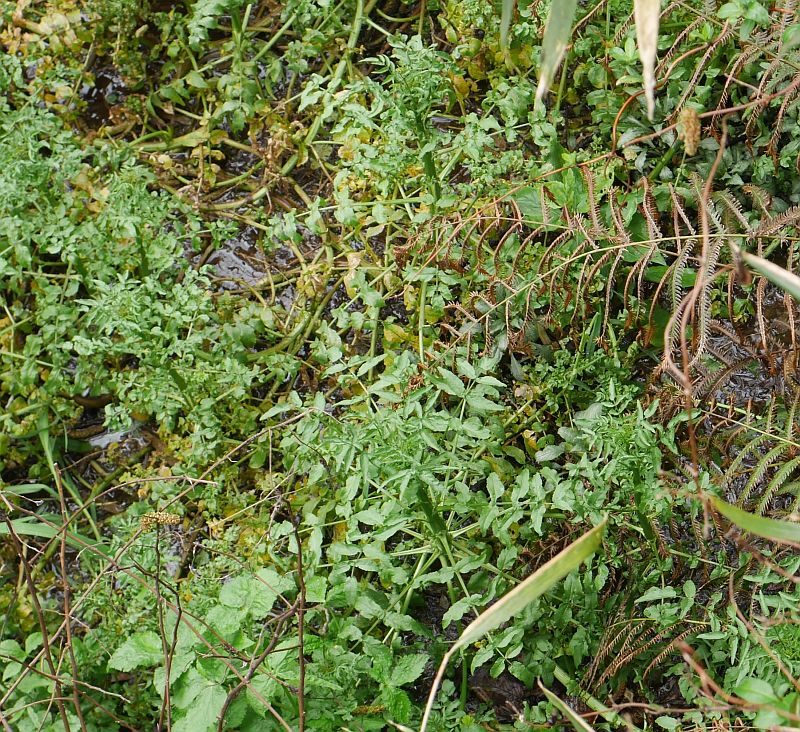
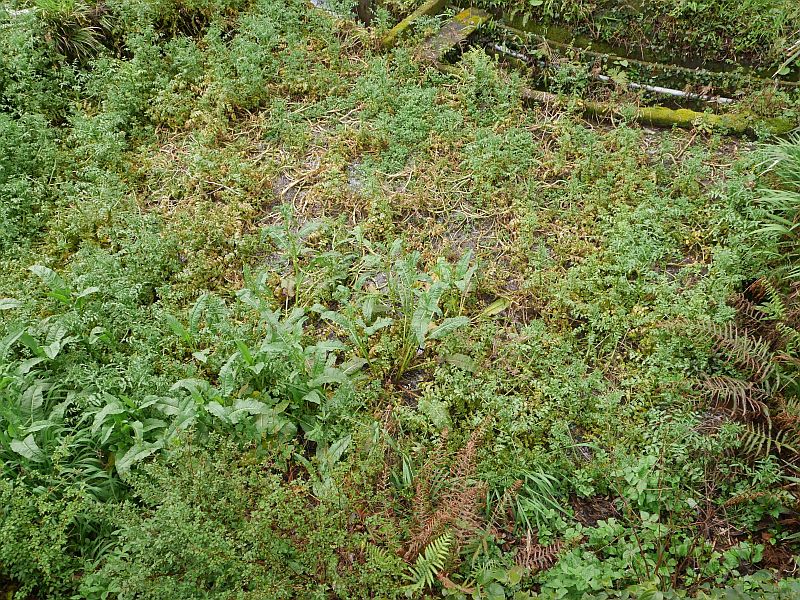
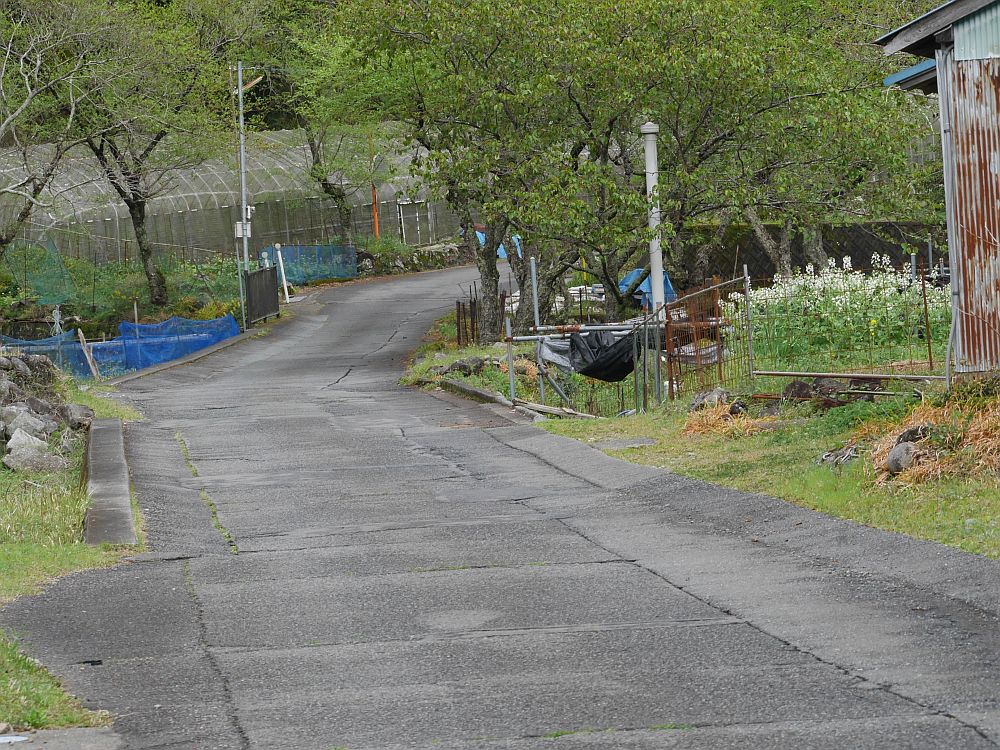

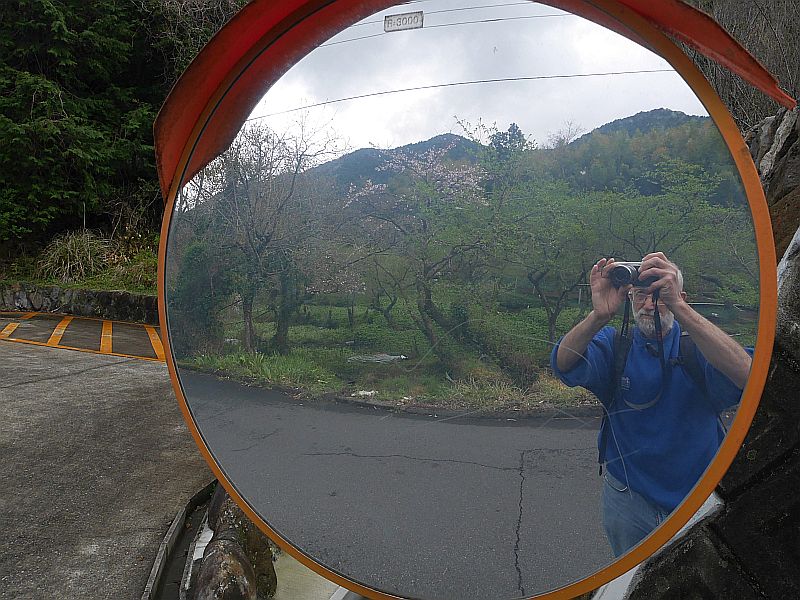


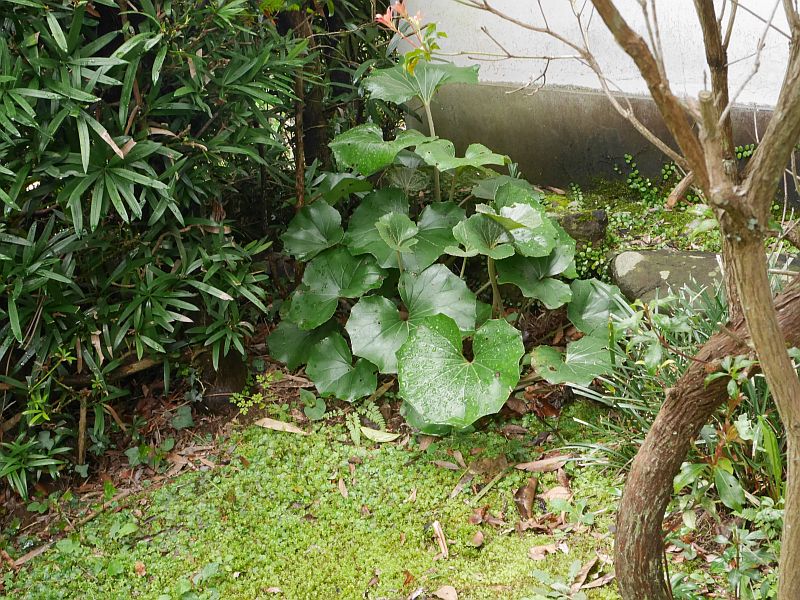
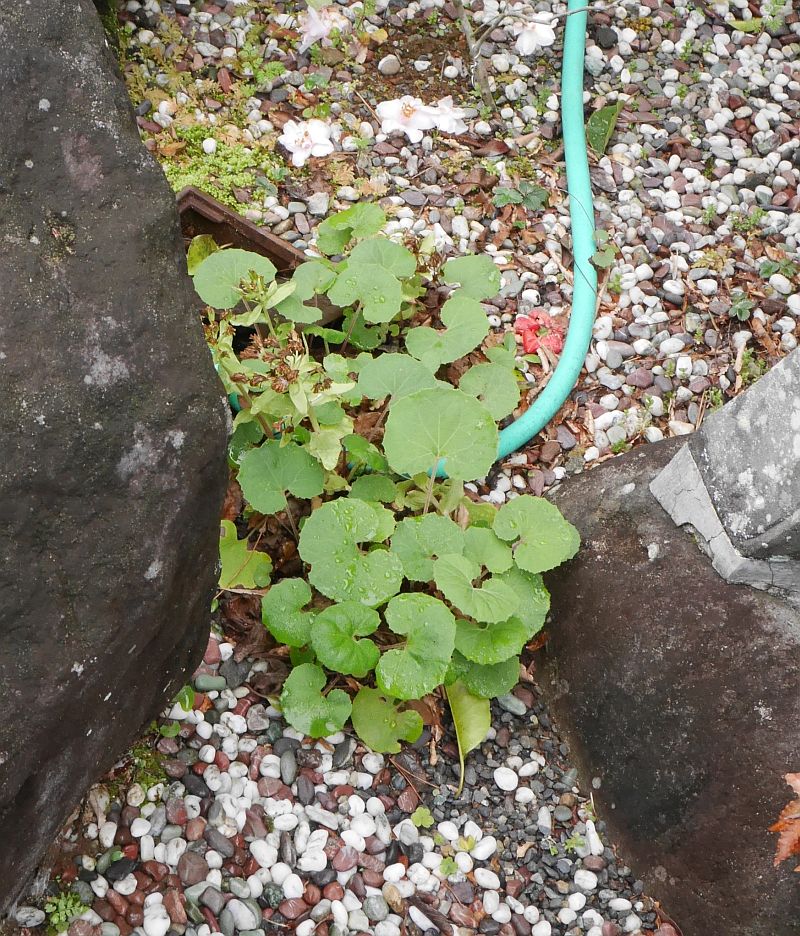
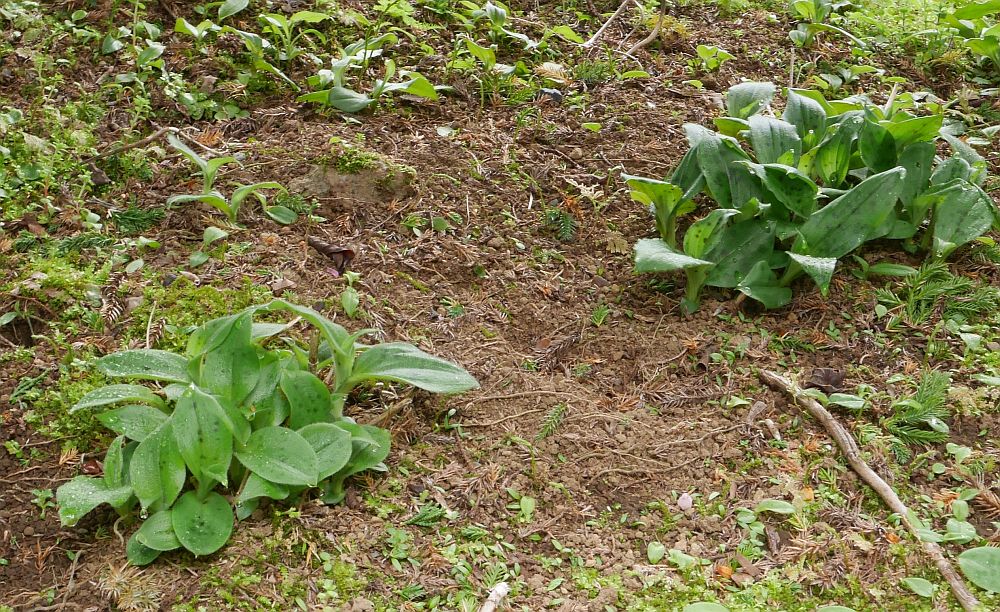
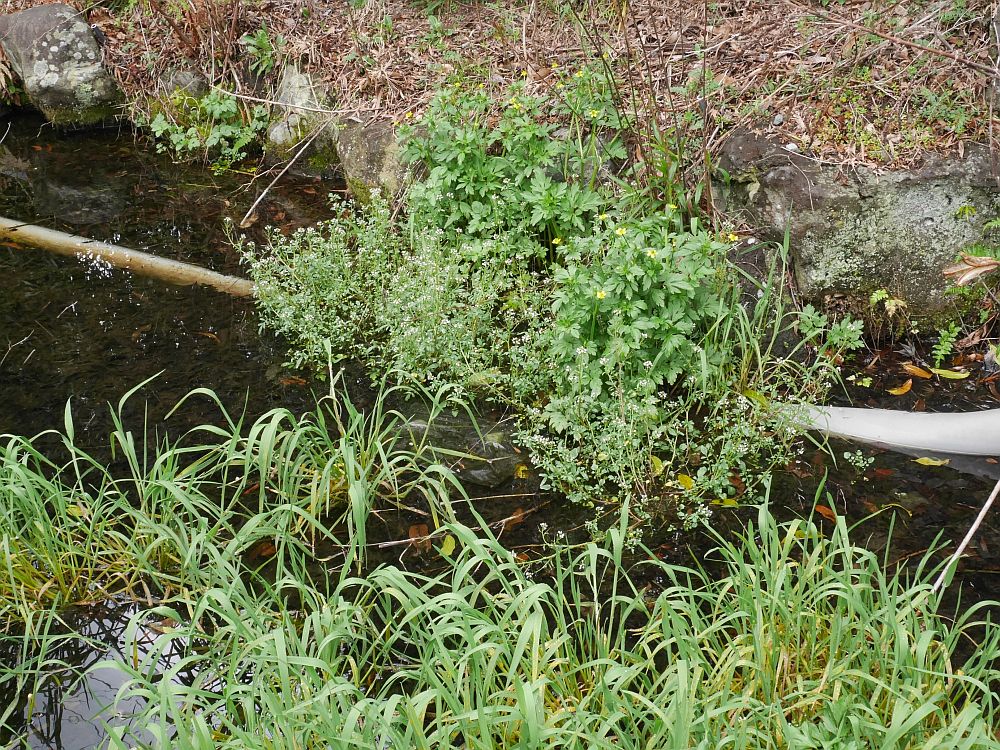

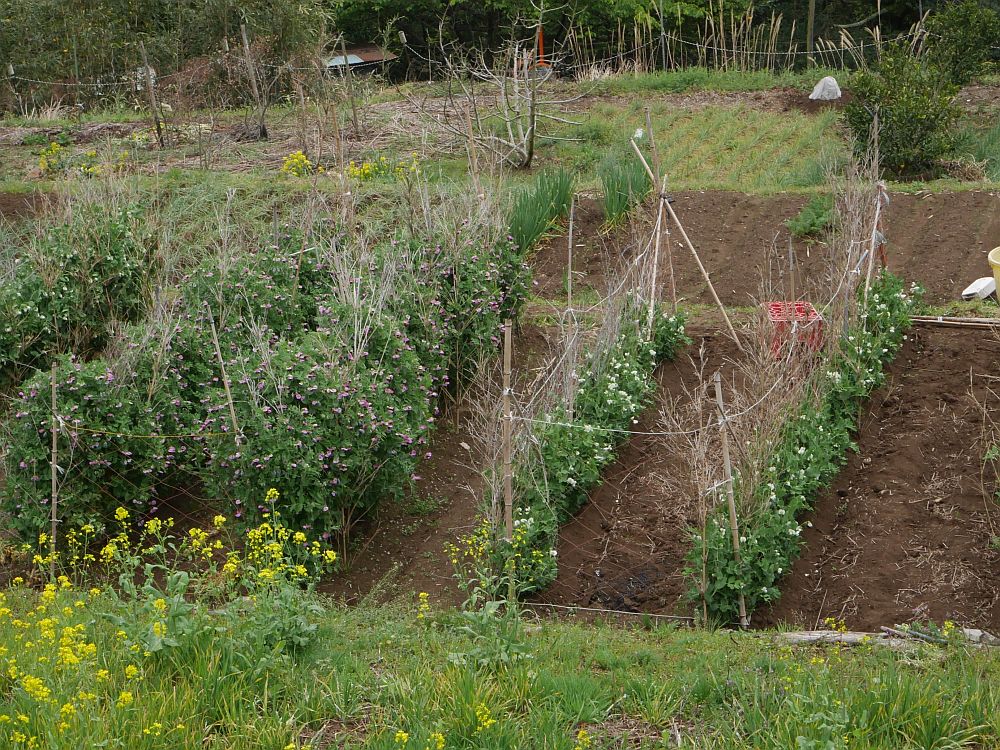

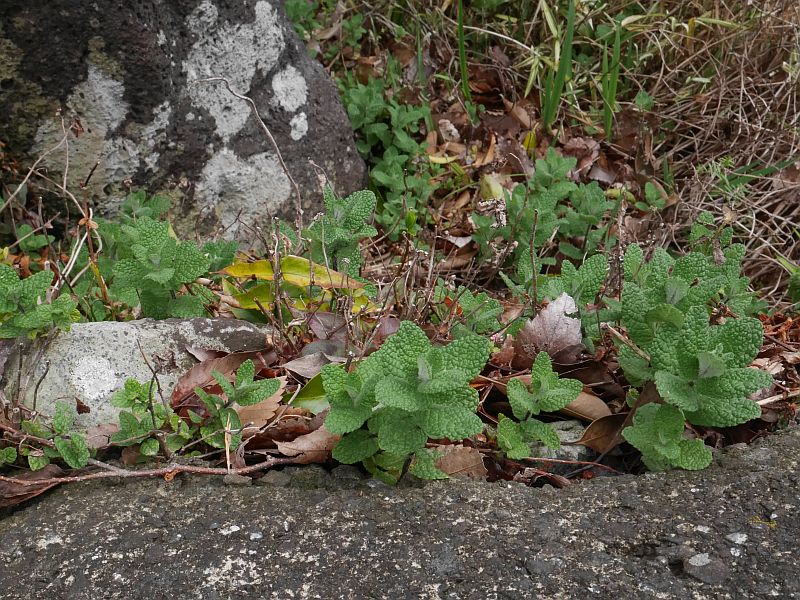
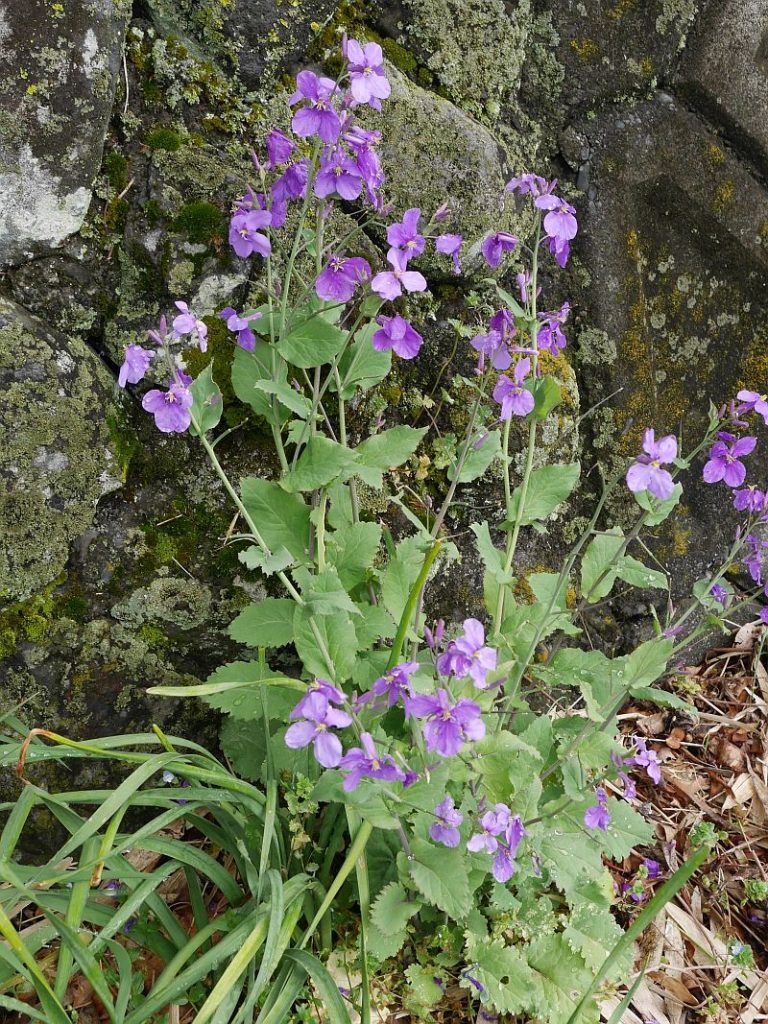

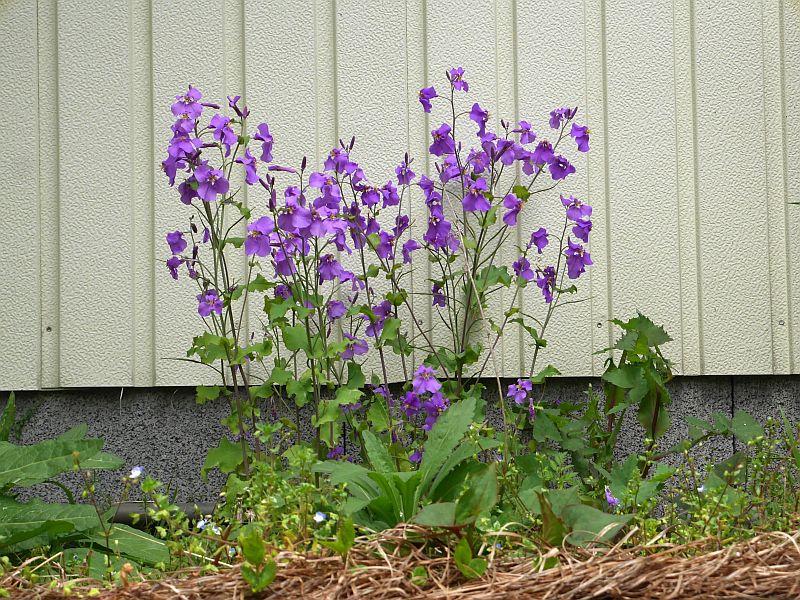
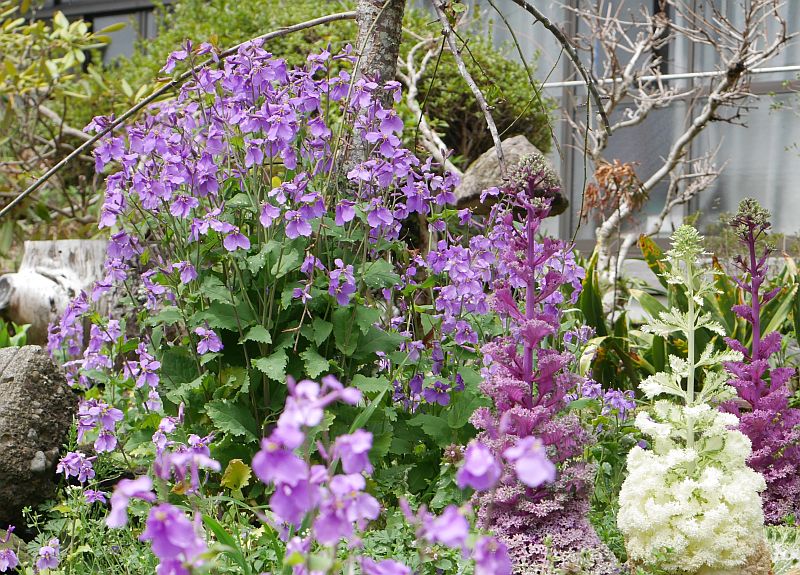
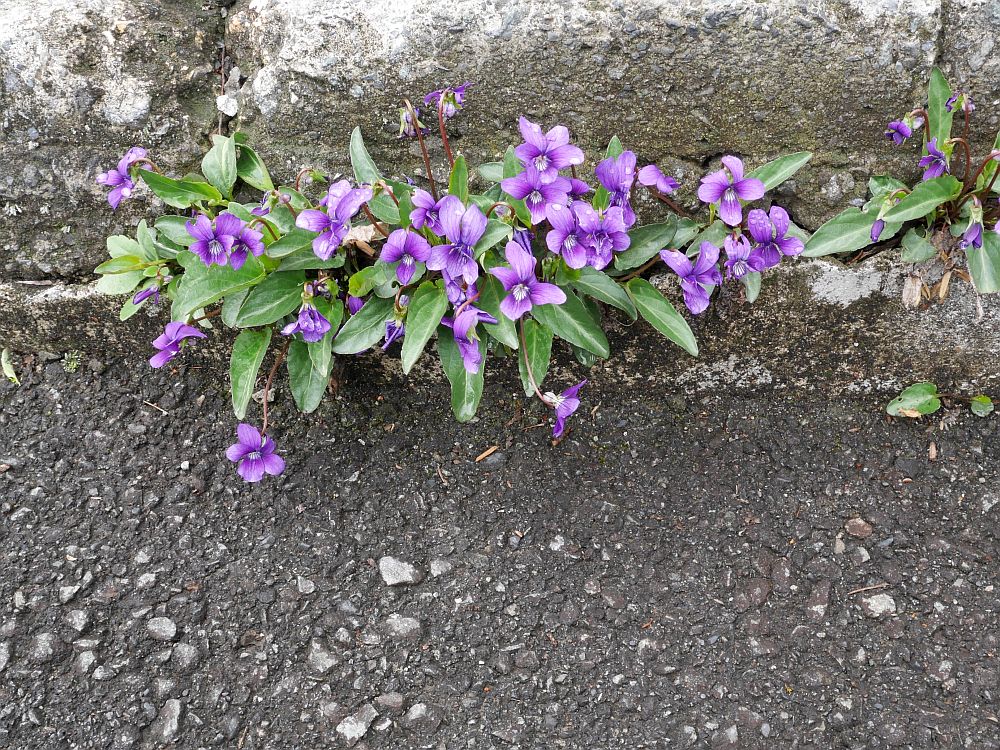
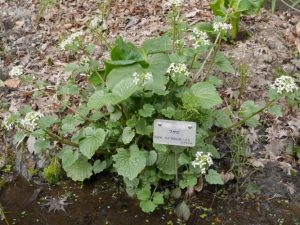
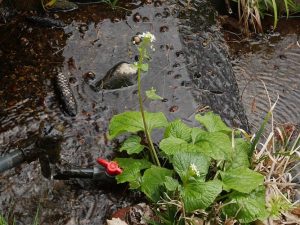
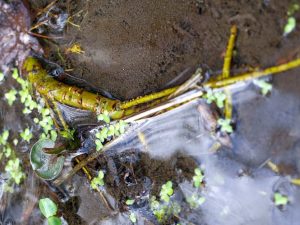
I’m adding below three pictures of a group of wasabi plants growing in quite a dry shady environment in the hills near to Toyota in Japan:

…and a flowering plant in the Kyoto Botanical Gardens: