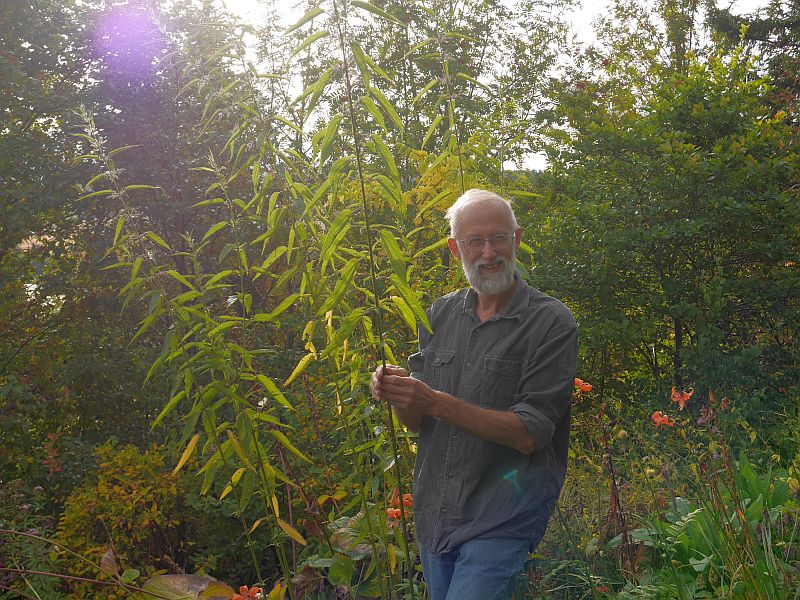
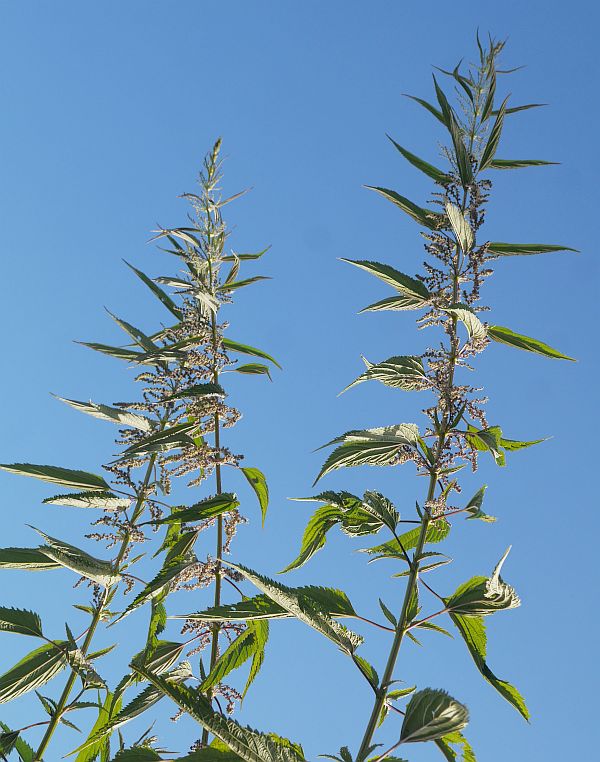
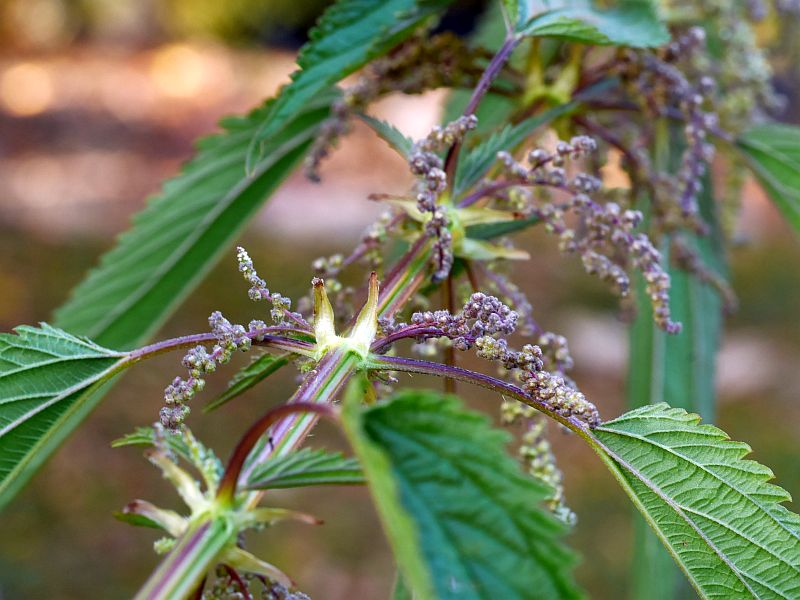
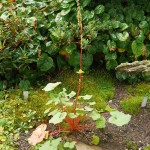
Urtica gracilis (often classified as a subspecies of stinging nettle, Urtica dioica subsp. gracilis) is a widespread nettle species in North America including Canada and Alaska. It has many local names including slender nettle, California nettle and American nettle. This year, my tallest nettle is currently over 2.9m high!
It was (and is) an important plant of the first peoples throughout the continent from Vermont to Alaska,used as a vegetable, medicinally and, most importantly as a fibre plant, including fishing nets!. One native use I noted was “Rubbed on the bodies of sealers to keep them awake at night” :) (Moerman’s Native American Ethnobotany has a long list of uses)
My slender nettle has almost no stinging hairs, and, in general, has much less than stinginess than the introduced Urtica dioica subsp. dioica (stinging nettle) and Laportea canadensis (Wood Nettle; see my book Around the World in 80 plants). It is unisexual ( I seem to have just one sex as it doesn’t produce seeds…)
Added 300917: The friend in Granville, Ohio who sent me the seed of this nettle writes: “I collected the Urtica gracilis along the back of my property, near an old railroad (now a bike trail). It’s a common plant in “waste places”. I’ve never seen the plants grow that large here. Could your additional sunlight be to blame?”
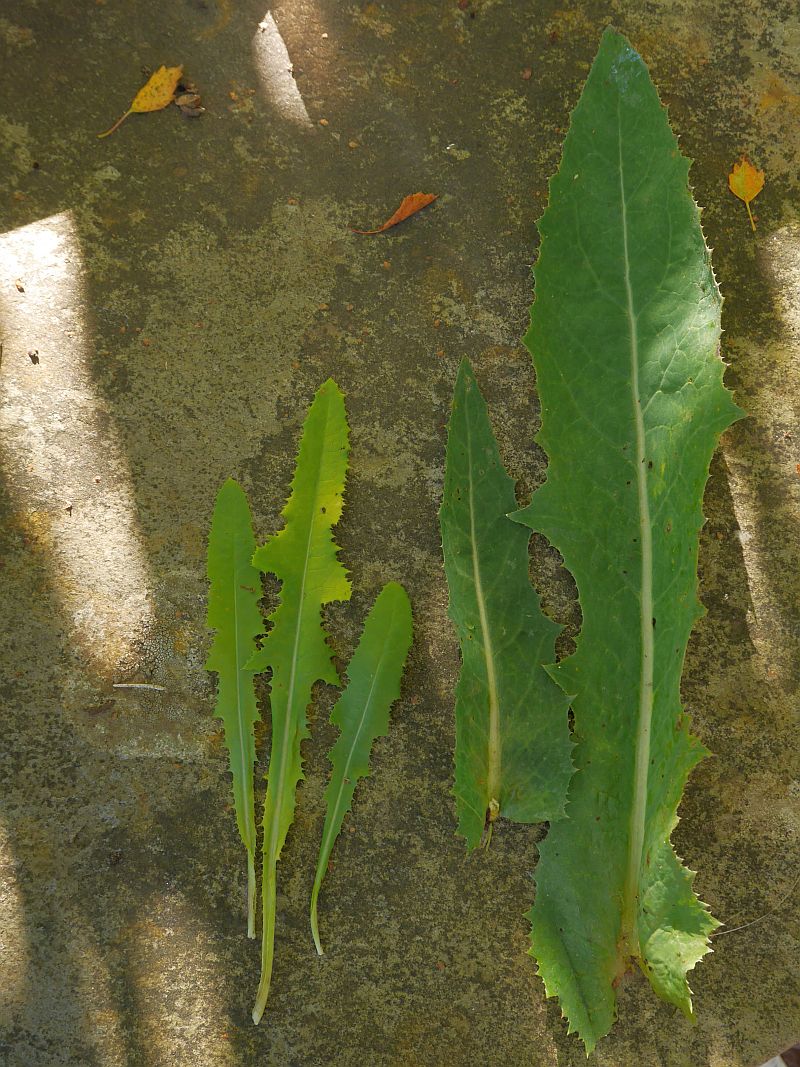
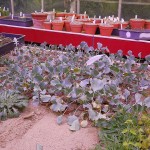
Sonchus kirkii is the original perennial sow thistle (puha) of the Maori which I’ve long wanted to try (see the account in my book Around the World in 80 plants of this species and annual super(healthy)weed Sonchus oleraceus which replaced it in Maori kitchens! Probably not hardy here, I overwintered it inside having finally layed my hand on some seed! Variously known as puha, shore puha or New Zealand sow thistle (syn. Sonchus asper var. littoralis), its habitat is described by the New Zealand Plant Conservation Network as http://www.nzpcn.org.nz/flora_details.aspx?ID=205: “Coastal. Usually on cliff faces in or around damp seepages where it often grows with the blue green alga Nostoc and fern Blechnum blechnoides. This species has a distinct preference for base rich rocks such as basalt, calcareous mudstones, siltstones, limestone or apatite-rich greywacke faces. On some offshore islands this species extends up into coastal scrub and herbfield. It occasionally grows on stabilised sand dunes. Indications are that this species once occupied a wider range of habitats but has retreated to those less suited to other faster growing introduced weeds.”
I will hopefully eat it for the first time next summer!
NZPCN states that “Easily distinguished from all the other naturalised Sonchus species by the very large, glaucous, non-spinose leaves” (this includes S.arvensis –perennial sow thistle and annuals S. asper and S. oleraceus)
Meanwhile, here are a few pictures:
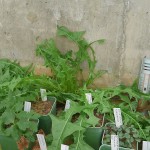
Leaves of Sonchus arvensis on left and the large glaucous leaves of the original perennial Puha
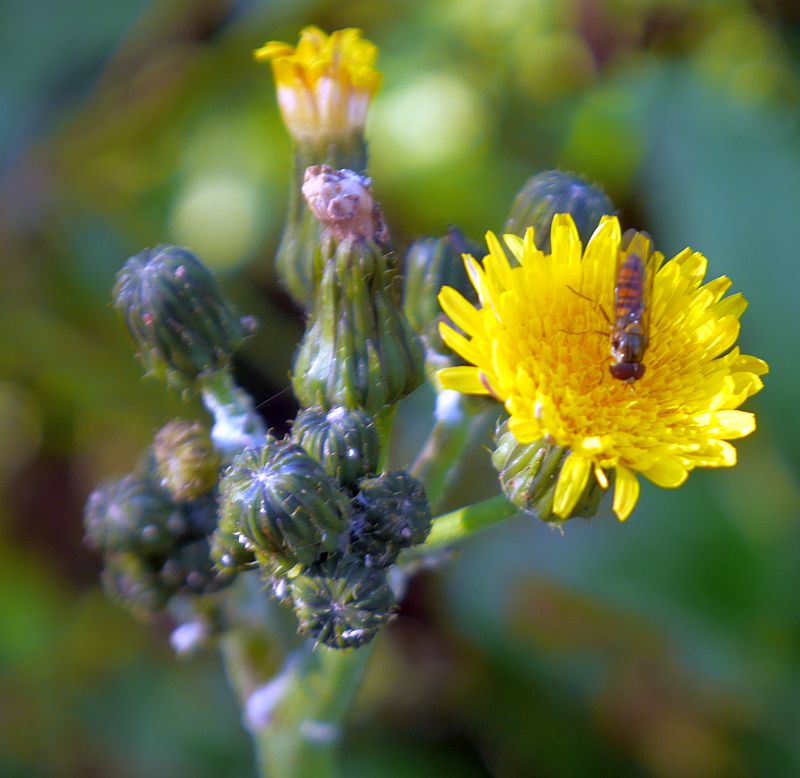
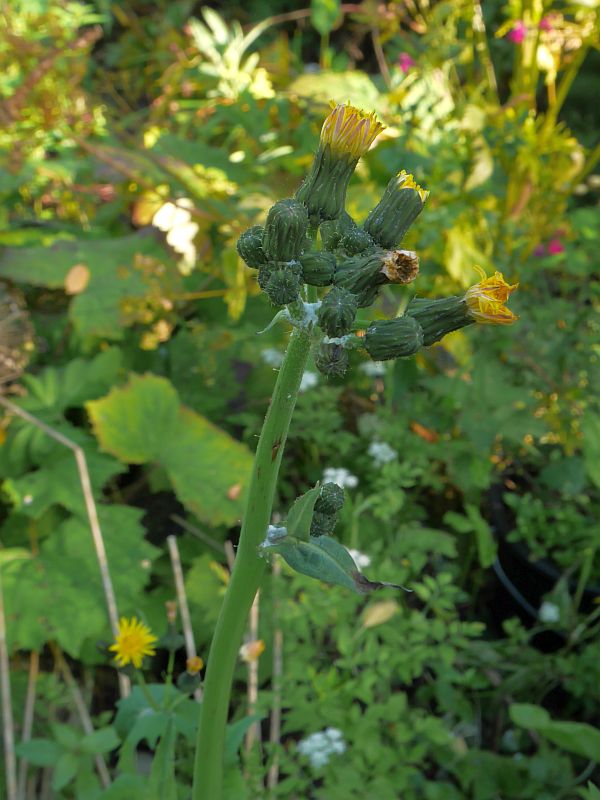
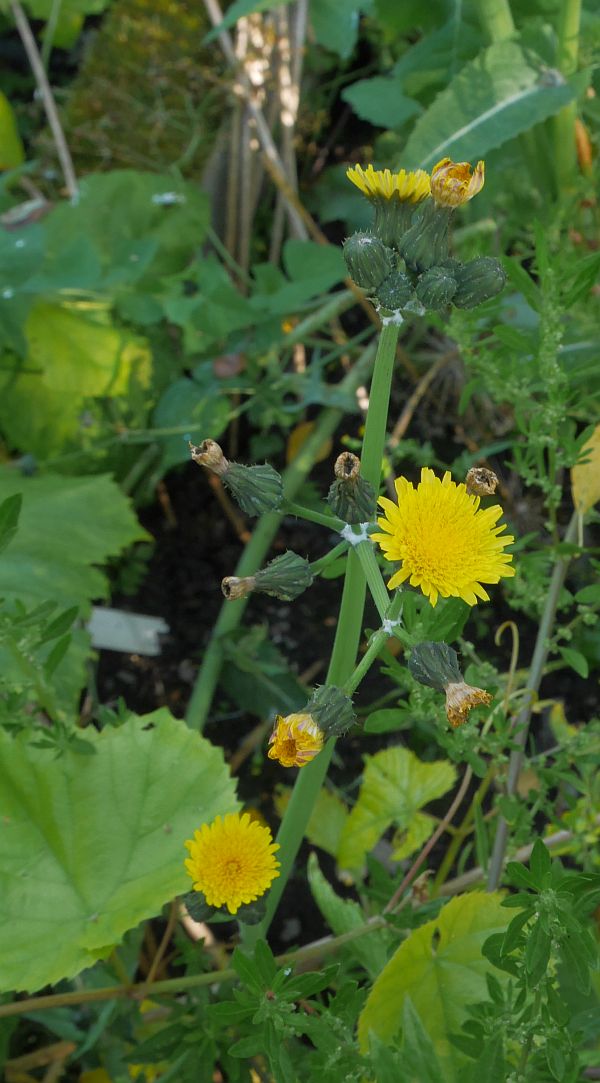
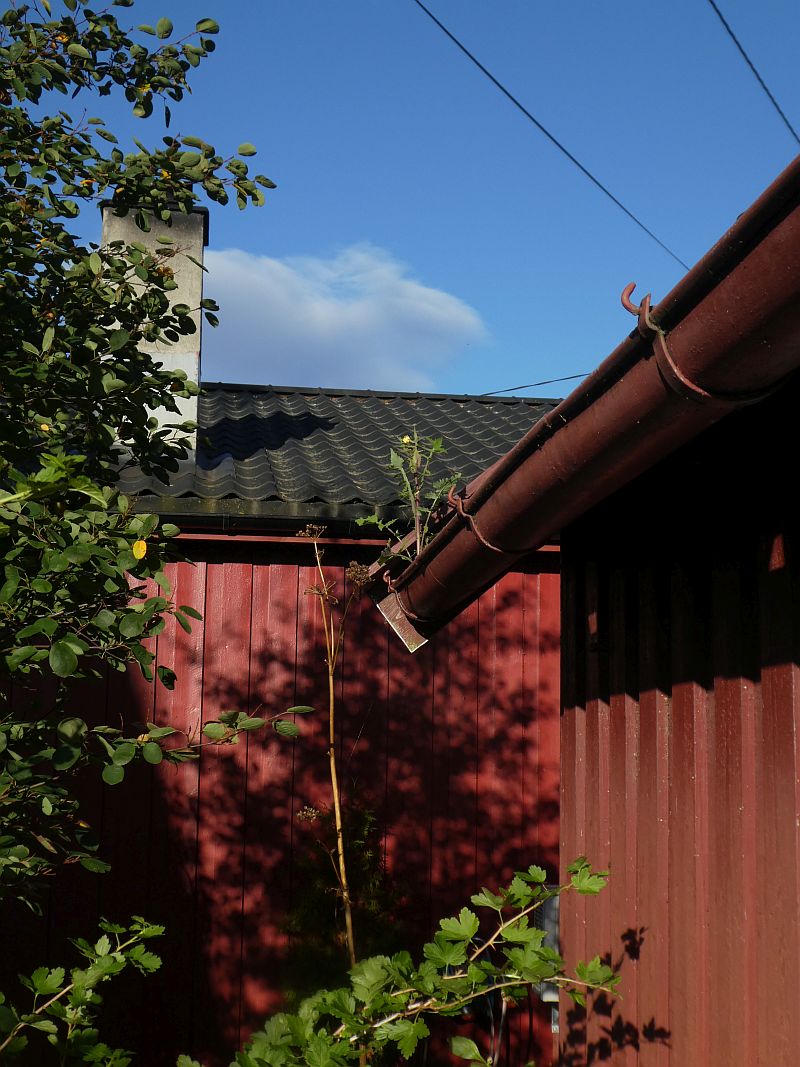
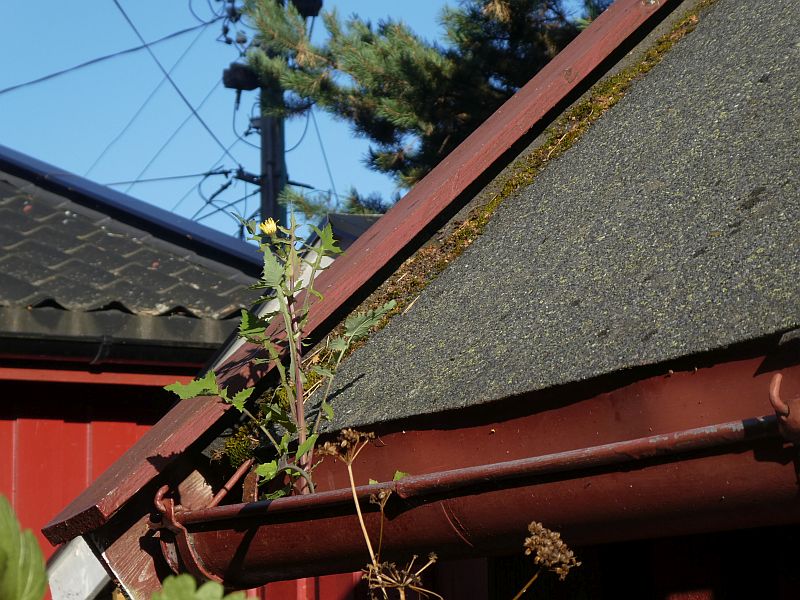
Not clearing out the roof gutters, this Sonchus oleraceus (common sow thistle) has found its place and a new form of edible roof gardening is founded, edible gutter gardening :)
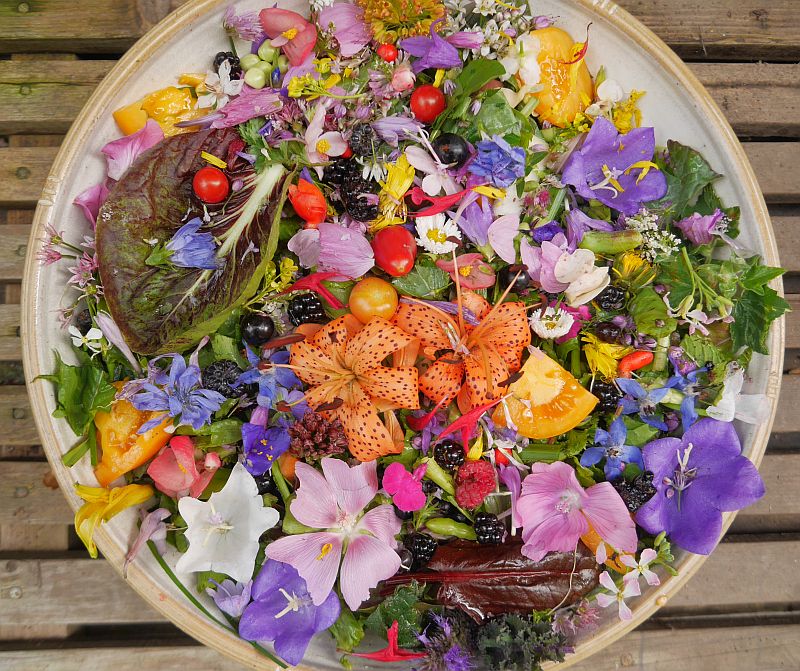
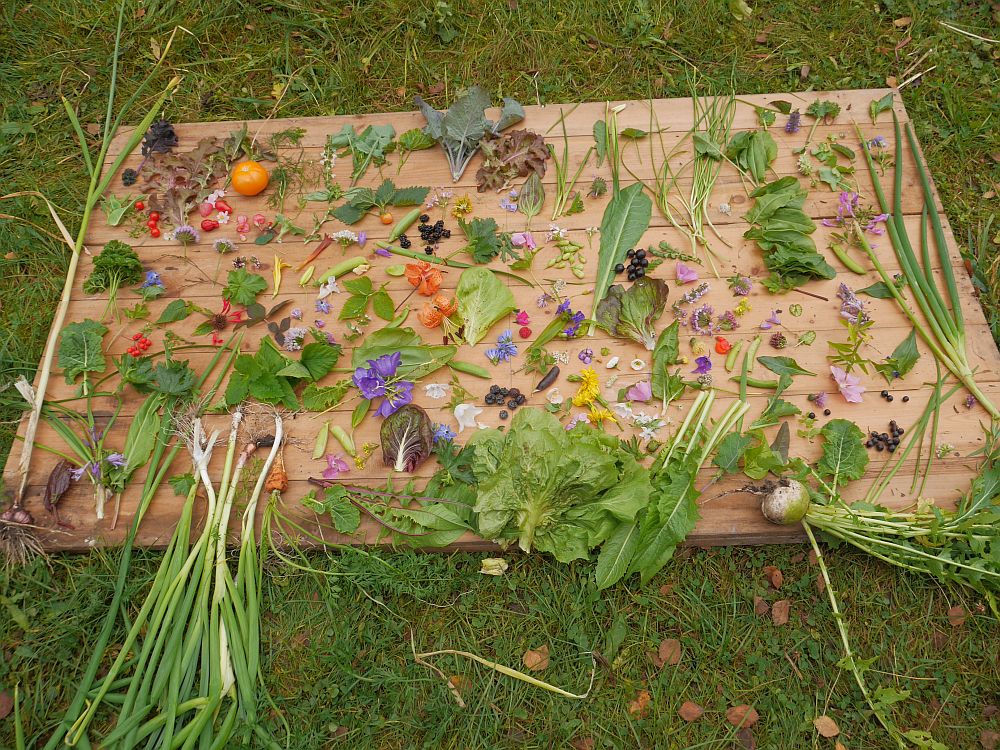
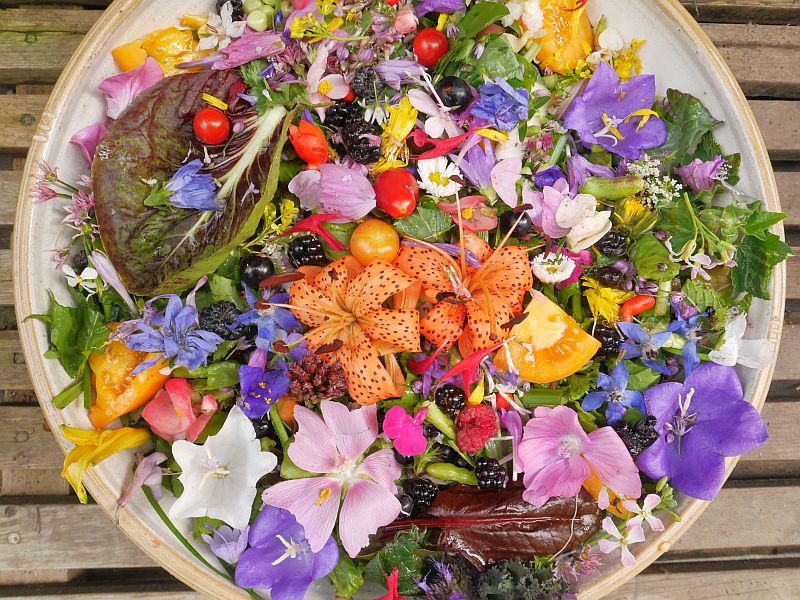
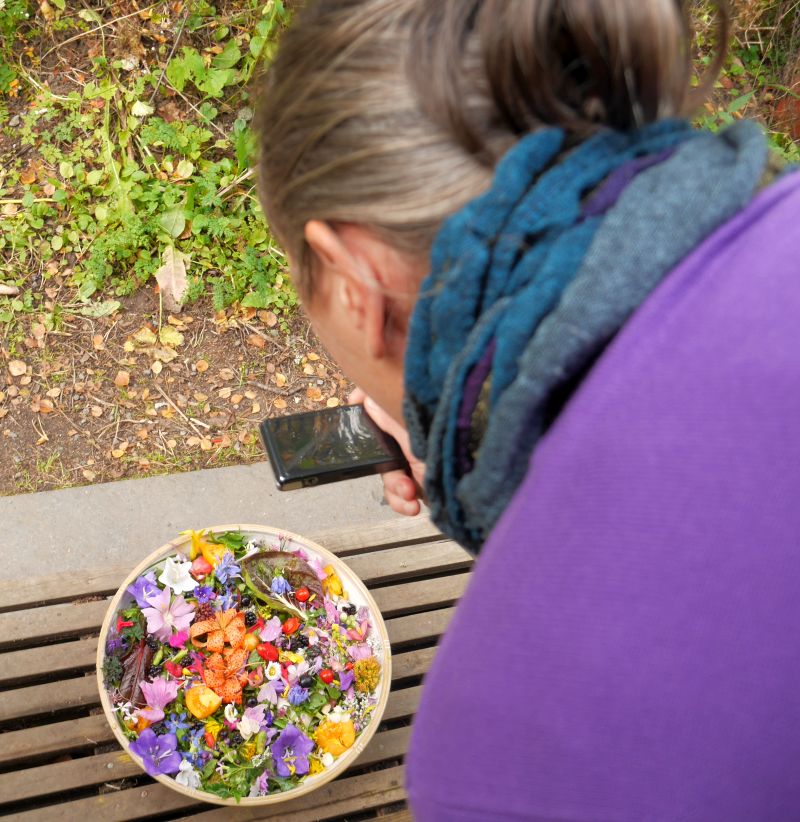
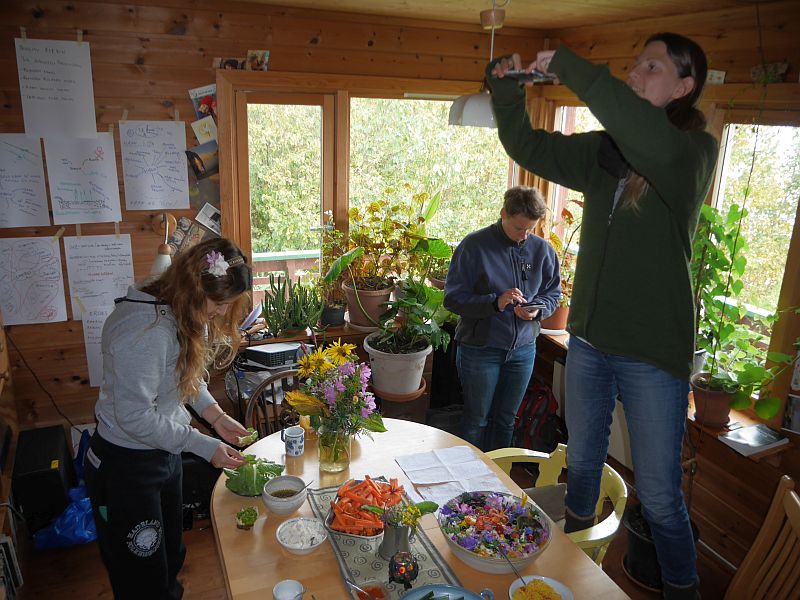
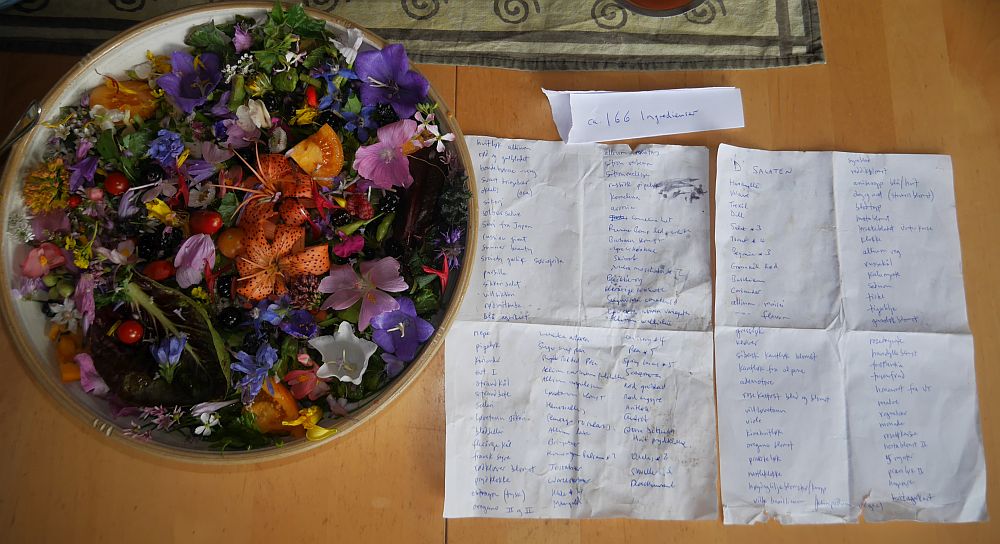
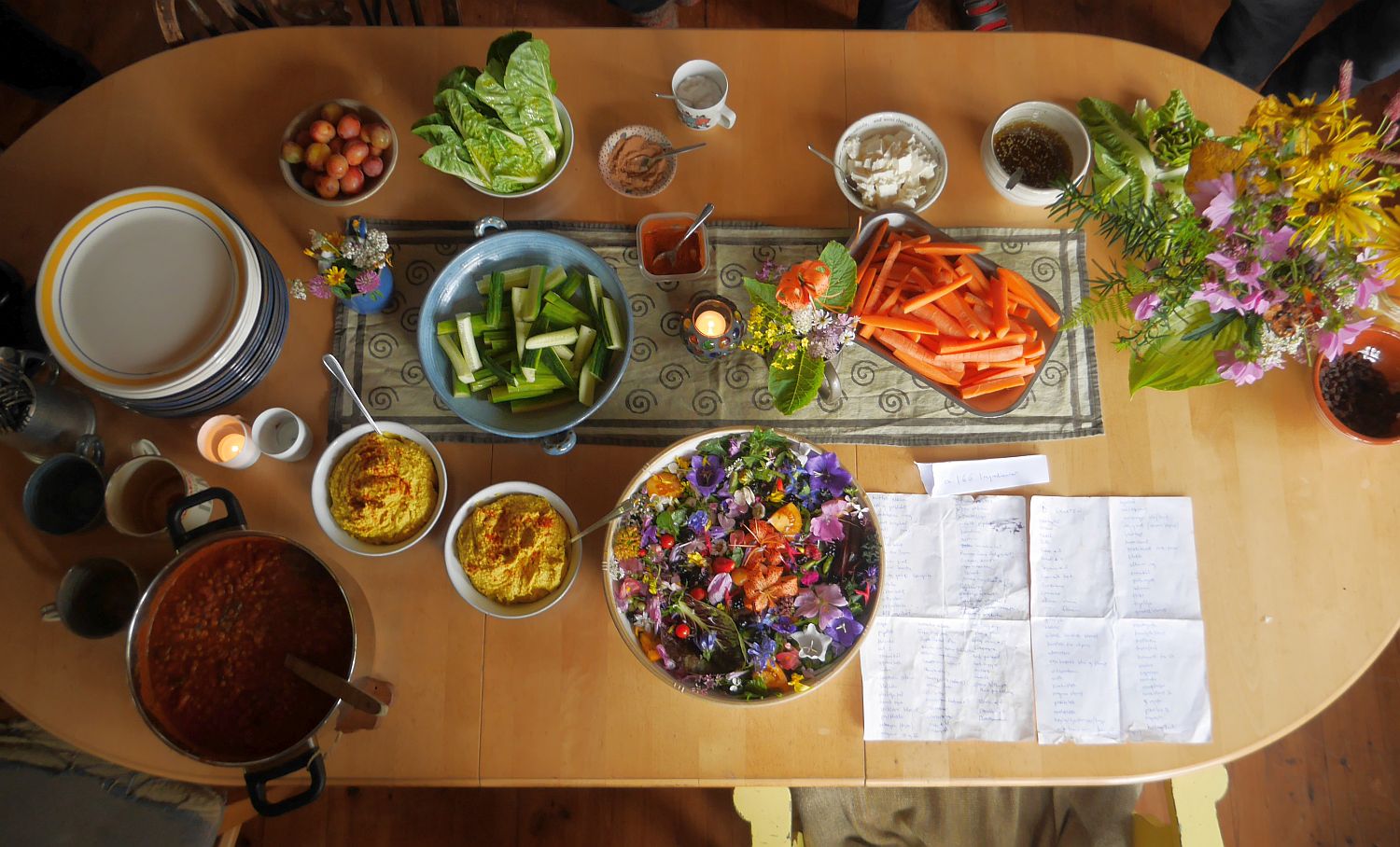
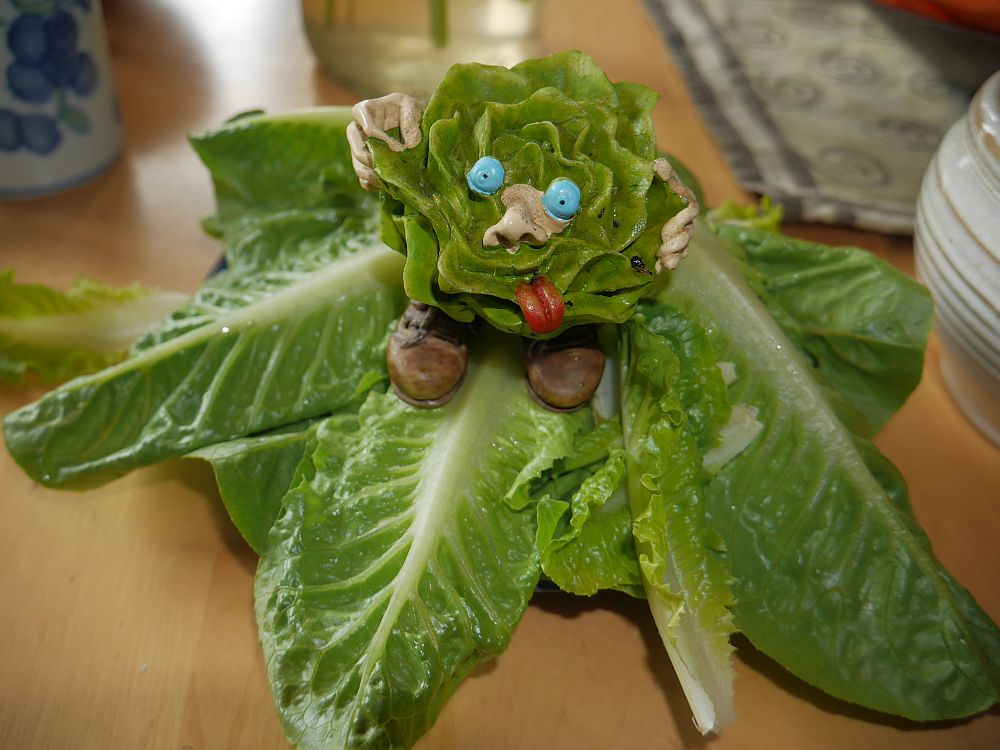
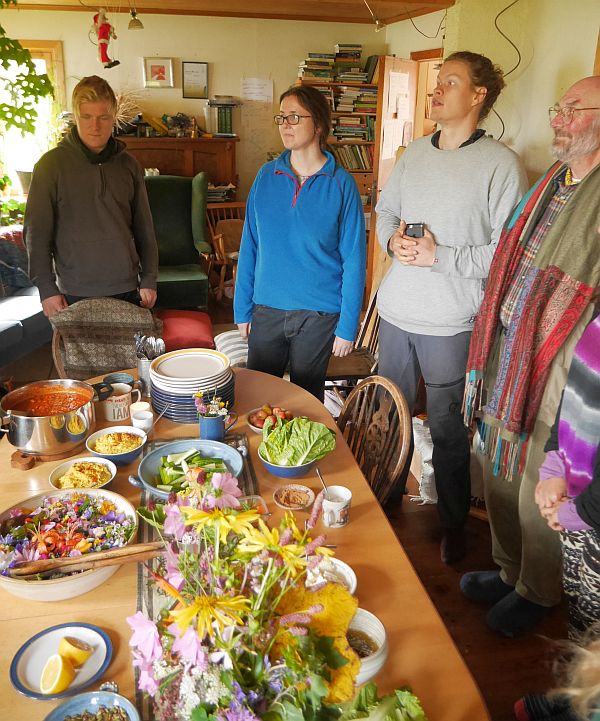
Another great long PDC weekend here in Malvik lead by Norway’s Mr. Permaculture, Jan Bang! Some pictures from the last meal for this time….before we all meet again in October :)
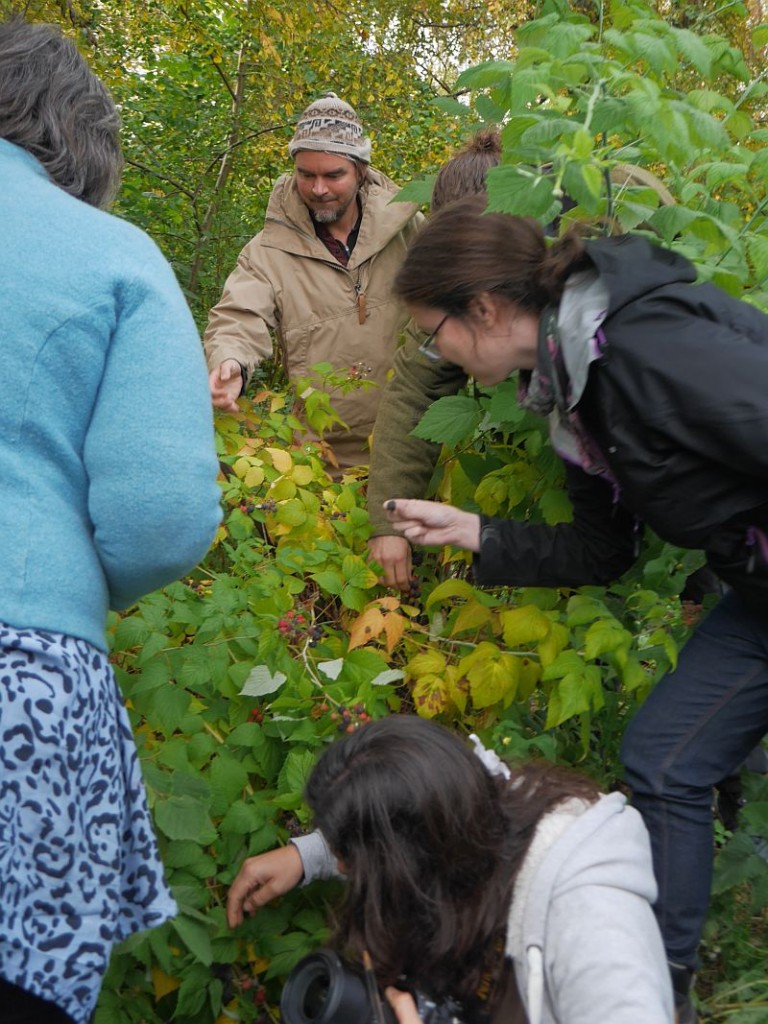
My favourite September berry here is Rubus occidentalis (black raspberry or blackcaps / svartbringebær)…this plant was seed propagated from North American cultivar “Black Hawk”, perfectly complementing red raspberry (bringebær)…gives a tremendous yield in a very shady, dry place in the garden!
Participants of this week’s PDC course here in Malvik eagerly devouring the berries, and encouraged to take seeds home and sow!
Participants of this week’s PDC course here in Malvik eagerly devouring the berries, and encouraged to take seeds home and sow!
A picture album of edible species spotted in the Gothenberg Botanical garden on the last day of August 2017! Thanks to Johan Nilson for showing me around!
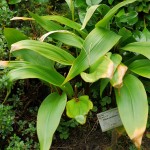
Hosta “Halcyon”
Diphylleia cymosa is in the Berberidaceae …the berries of D. grayi are used in Japan
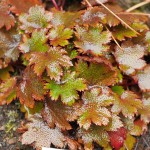
Alchemilla (Lady’s Mantle)
Gaylussacia dumosa, Dwarf Huckleberry from North America
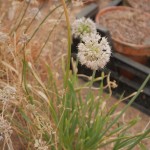
A nice group of Allium wallichii
Allium wallichii
I’ve never seen North American Plantago cordata before, somewhat different leaves than other Plantagos
Canadian wood nettle (Laportea canadensis) is a good edible nettle (use leaves and stalks) from North American woodlands!
Labelled Allium taquetii, a synonym of thunbergii, nice in bud!
Saxifraga fortunei “Conwy Snow” : the leaves of this species (and a few others like stolonifera) are used in tempura in Japan. See http://www.edimentals.com/blog/?p=5495
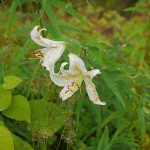
Lilium auratum, one of the edible Asian species”
Doellingeria scabra is the new name of one of my favourite edimentals, Aster scaber (Korea Aster; see my book for its use!). I don’t think I’ve seen this one in botanical gardens before!
Allium ovalifolium
Allium cyaneum
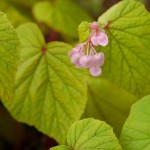
Begonia chinensis has edible flowers
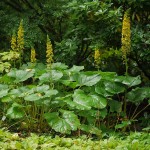
The Japanese woodland has a good stand of edimental Ligularia fischeri (see edimentals.com for more)
Next to the Ligularia, there is a big stand of Cacalia delphiniifolia…I saw the leaves of this for sale in Japanese supermarkets, also used in tempura
Saxifraga fusca
Thanks to Johan Nilson for showing me round the bulb houses, where there are many Alliums!
Eryngium maritimum, sea holly, being grown for replanting in nature
I nice light blue variant of Allium beesianum growing alongside a normal flowered form
Nice to see a good form of dandelion (Taraxacum) ;)
Umbilicus tropaeofolius….I’ve never seen this Iranian brother of the European navelwort
A large Asian form of Oxyria digyna was interesting
Allium thunbergiii, one of the late flowering species
Allium hookeri var muliense, a good yellow flowered form!
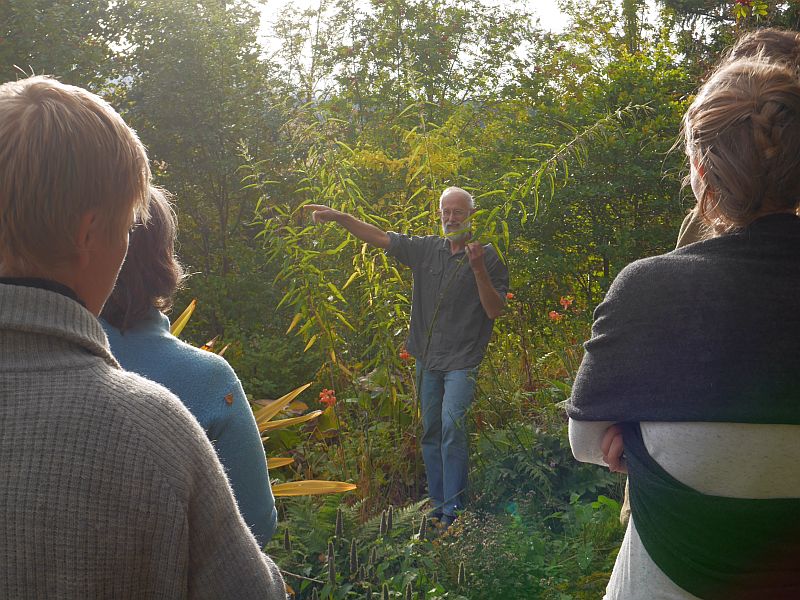
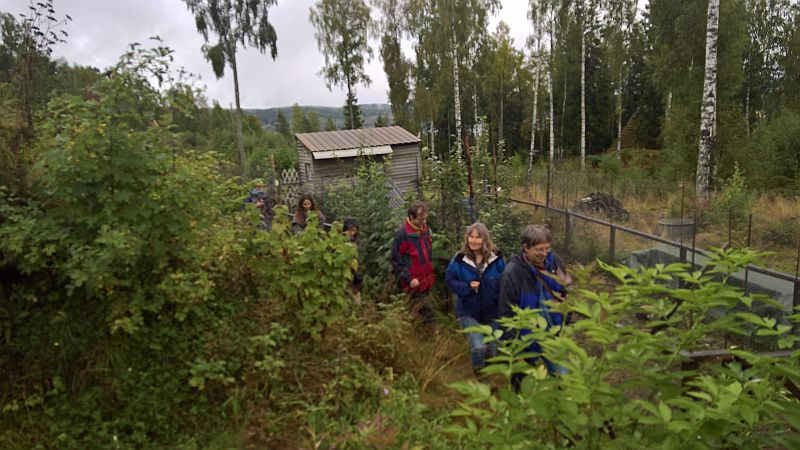
The only picture I took during Saturday’s two edible plant tours of Hurdal Ecovillage, the farm, the rectory garden (Prestegårdshagen) and the CSA scheme (andelsbruk)! This was part of Høstivalen (The Ecovillage’s autumn festival). I was particularly pleased by the fact that the daughter of one of my heroes, Ivar Torp (see page 44 of https://okologisklandbruk.nlr.no/media/ring/3550/2014/%C3%98L%20nr%201_2014%20epostfil.pdf ) joined the tour, although I wasn’t aware of it until afterwards! She has now taken over Ivar’s property!