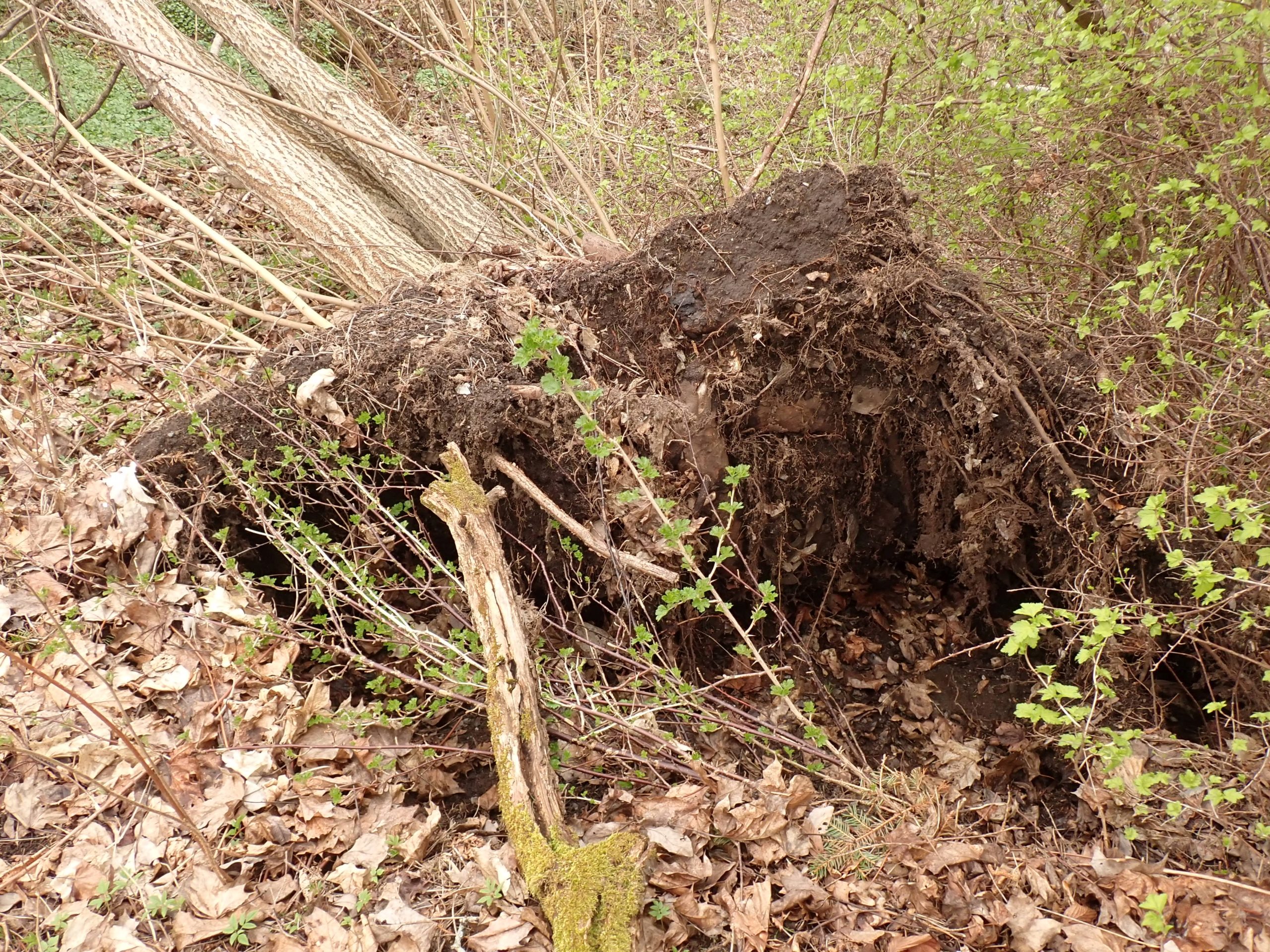
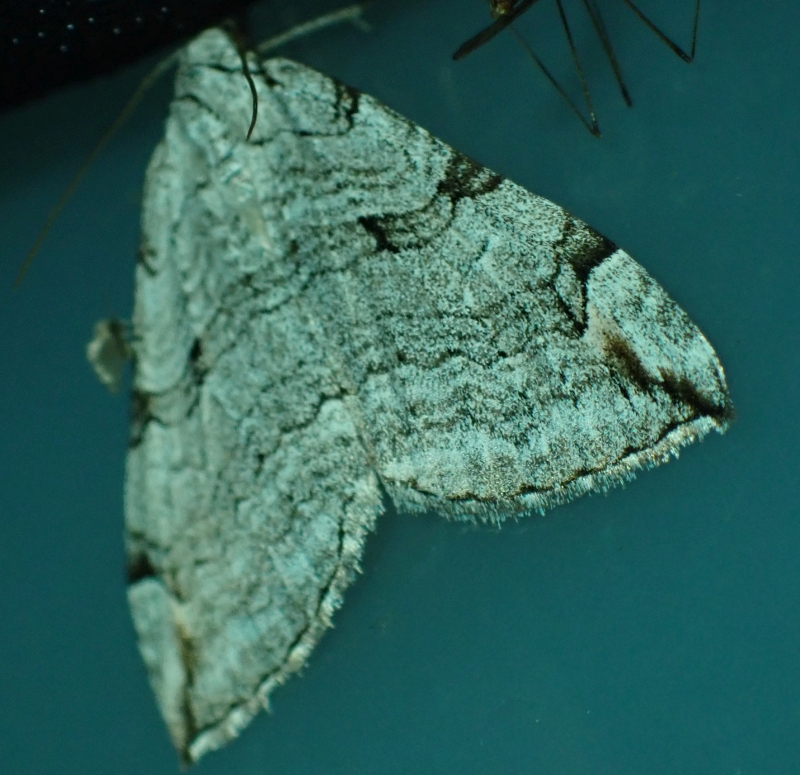
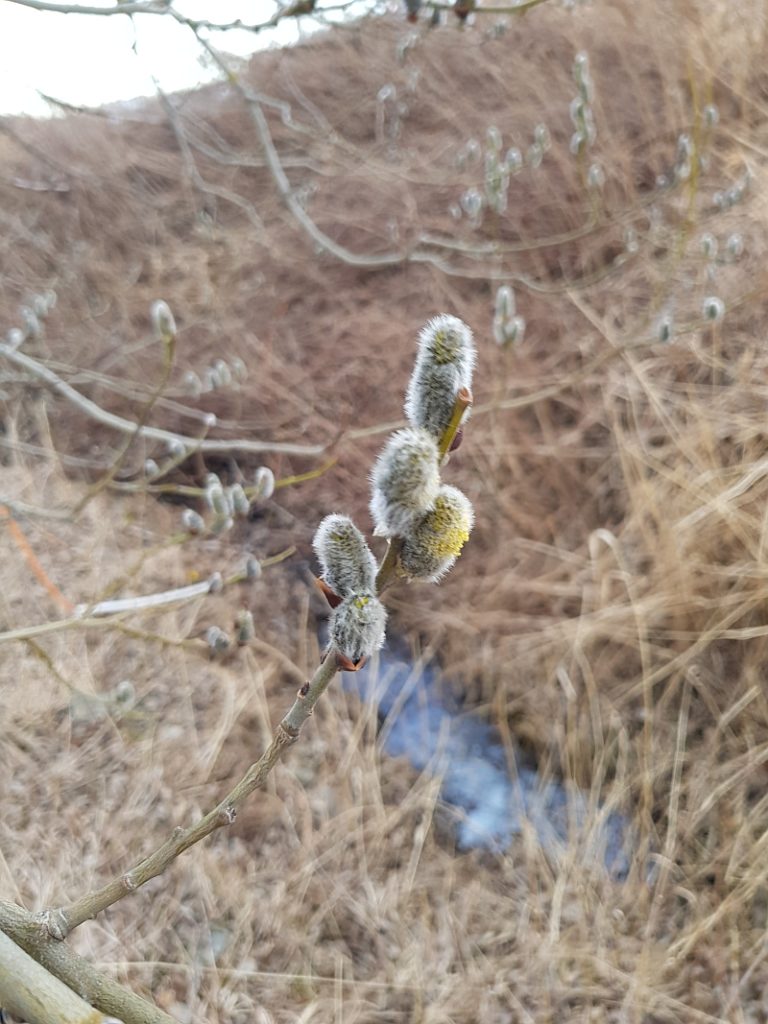
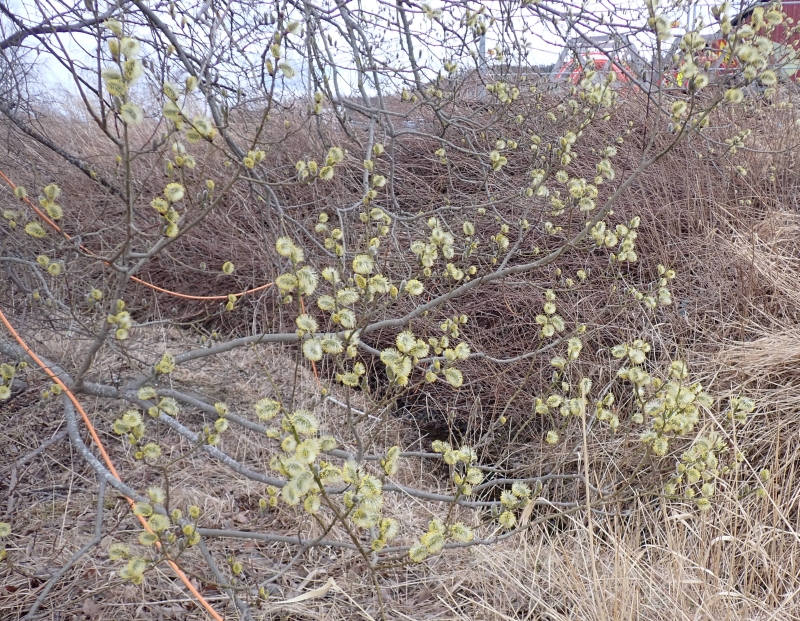
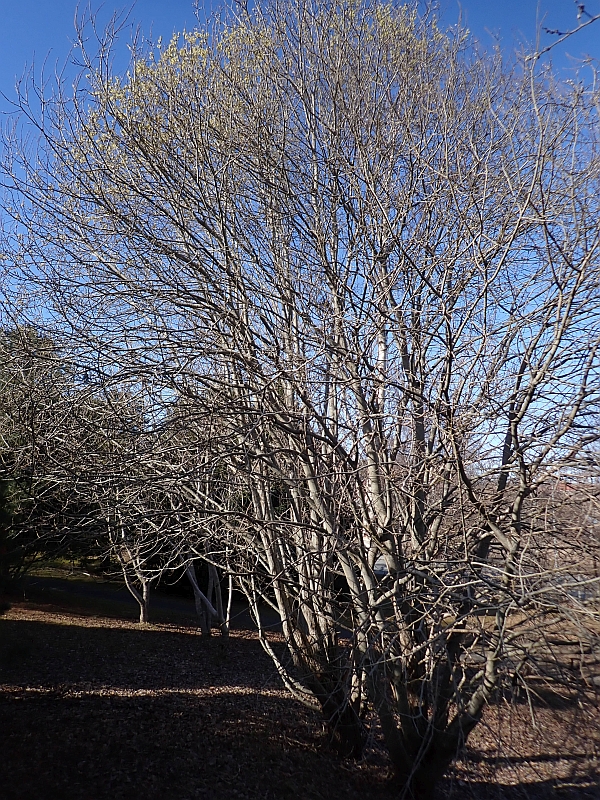
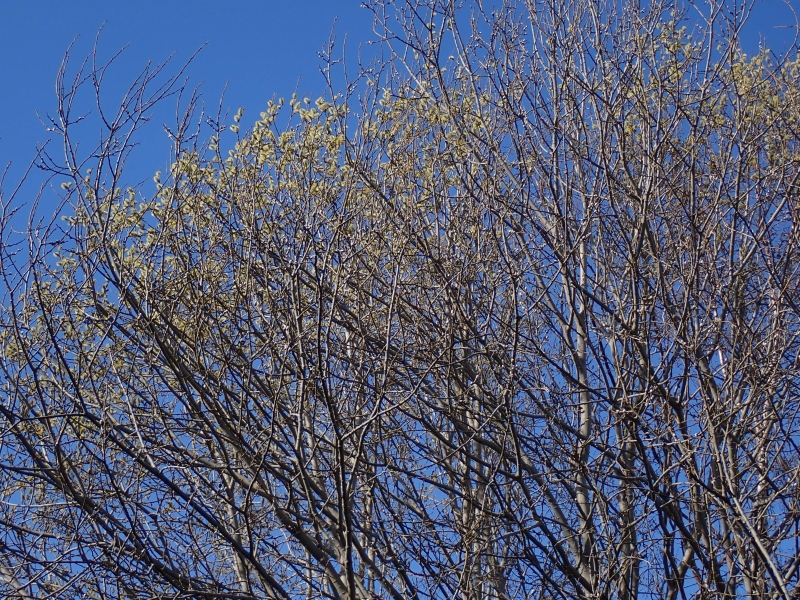
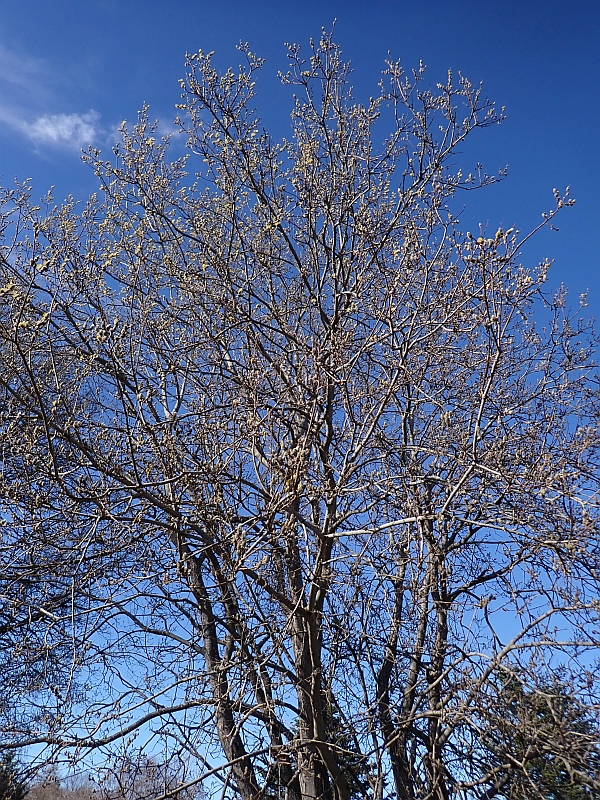
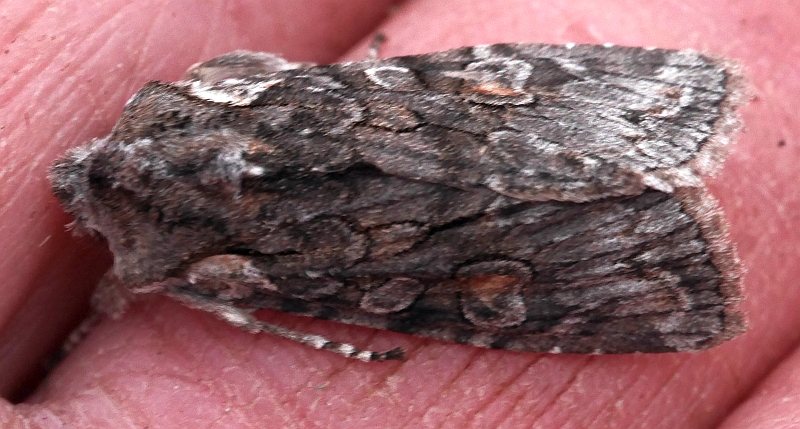
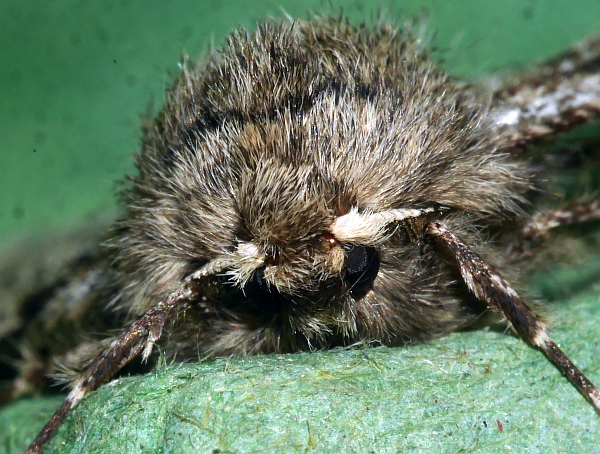
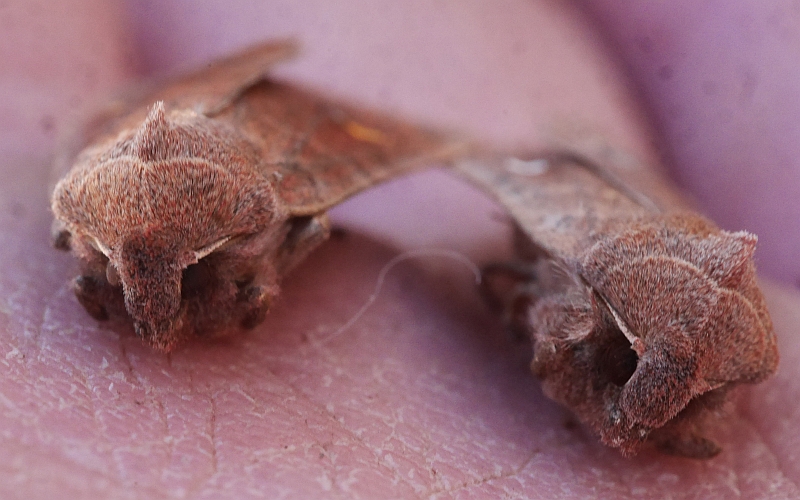
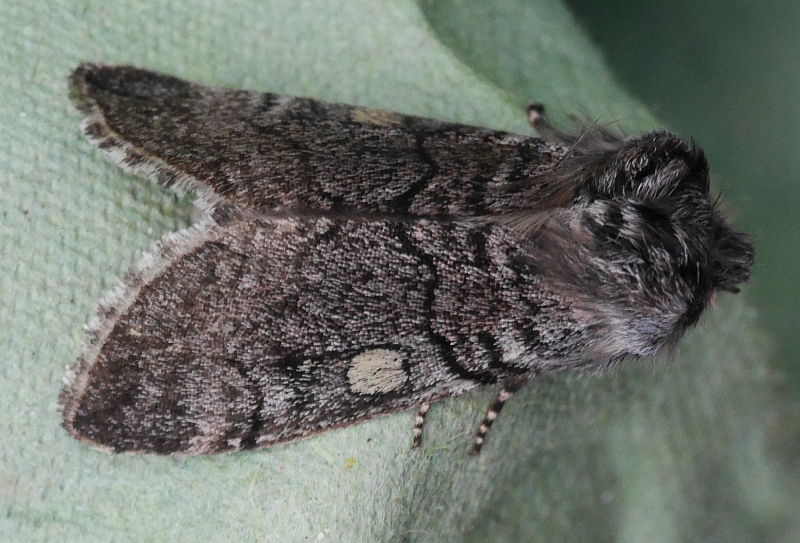
During a powerful wind storm earlier in the year one of my oldest sallow / selje trees on the edge of the wild part of the garden was wind thrown and fell over the part of my garden most resembling a forest garden where my impressive 20-year old udo (Aralia cordata) is located. Luckily, it did no damage to my apple trees and the trunk is hanging horizontally over this area with part of the root still attached and what was the top of the tree now in full flower right next to the pathway down the garden. Salix caprea is dioecious with male and female flowers on separate trees. This one is female. I have over the years become more and more aware of the incredible importance of Salix caprea in providing food in early spring to a myriad of insects – wild bees, bumble bees, moths etc., all programmed to emerge at this time. In addition, it is host in Norway to 260 moth and butterfly species at the larval stage! This then leads to this tree being an important source of food to a range of birds and some like the chiffchaff (gransanger) are also programmed to return at sallow flowering time. During visits to my mum in Southern England in March / early April I visit other fallen sallows to look for interesting insects and I’ve noticed that they can continue flowering for several years after falling and resprout from the part of the root in the soil. So, although I was initially saddened bye the loss, this is just one of several large sallow trees in this part of the garden and now I have the top of a sallow at eye level right next to a path in the garden and can now study visiting insects closely. Just now, I saw an early bumblebee / markhumle (Bombus pratorum) feeding on the catkins. It’s also a perfect place to hang my moth trap (picture)! Hence “A blessing in disguise” (Norwegian: hell i uhell). See also https://www.edimentals.com/blog/?p=32035
A small tortoiseshell (neslesommerfugl) feeding on male catkins during a visit to my son and family on Nesodden last week)
When Covid limited my travelling, I decided to spend my time investigating what other creatures I was sharing my “habitat” (edible forest garden) with. I knew quite a lot about the obvious things like butterflies and birds but little about, for example, insects. I set about in particular recording moths using a light trap and other techniques. That I recently registered my 300th species on my 2,200 sq.m. plot would never have occurred to me was possible when I started on this inward journey! My mind is blown away by the fact that growing food in a diverse forest garden like mine can contribute to such a large biodiversity and this only one relatively small but important part of the insect world present here. I’ve also registered many wild bees, bumble bees, hoverflies and others. Learning which larval food plants the moths are using has also taught me much, as has the important role of moths in pollination. After winter hibernation as adults or pupae, the incredible importance of Salix caprea (goat willow / sallow) in providing food in early spring has become even more important in my mind. The newly arrived insectivorous migratory birds attracted to the willow when they arrive here mid-April suddenly makes more sense as the migration of some species is naturally timed perfectly for the mass-emergence of willow-attracted insects!
THIS THEN IS THE 300th MOTH SPECIES REGISTERED IN THE EDIBLE GARDEN AND ITS ANOTHER BEAUTY! This is the treble-bar moth / stor perikummåler (Aplocera plagiata). Its larvae are dependent on perforate st John’s-wort / prikkperikum (Hypericum perforatum) a species I’ve grown in the garden for years. It was also my 200th new species for Malvik municipality and 8 of the 300 were also new species for my county Trøndelag! So, 2/3 of the species I’ve recorded on my rocky edible hillside have actually never been recorded in my municipality, Malvik, before! Actually, only a little over 400 moths have been recorded in Malvik over the years! See pictures of all 300 species on my blog post (link below). This is added to as new species are recorded! Many are equally as beautiful as the butterflies most off us love: https://www.edimentals.com/blog/?p=27297
The last time I saw one of these in the garden was in 1998: poplar hawk moth / ospesvermer. Today, one turned up in my light trap, and I’m sure anyone passing would have heard a loud WOW coming from the woods! More information and a picture of the 1998 moth here. It was reluctant to take to the wing and needed some encouragement as can be seen in the videos and you can pick it out flying off through the woods…
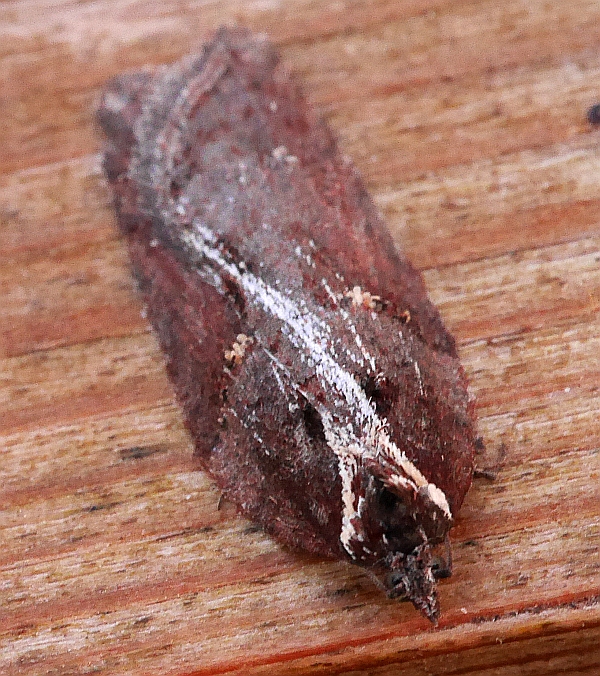
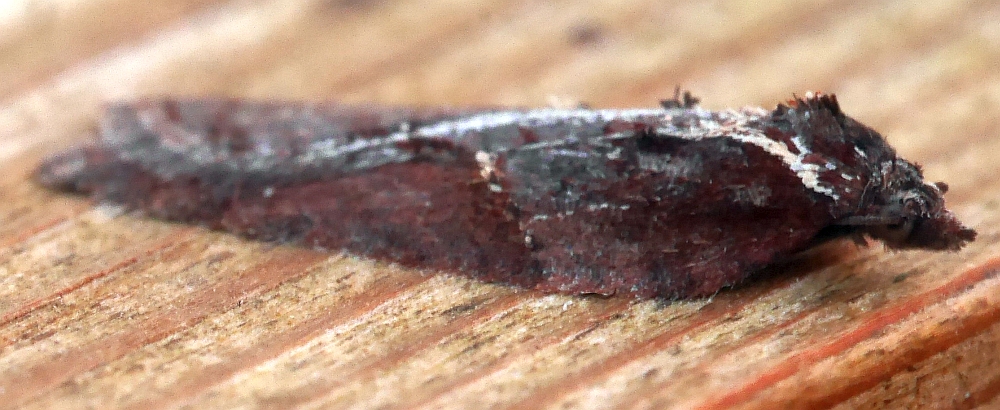
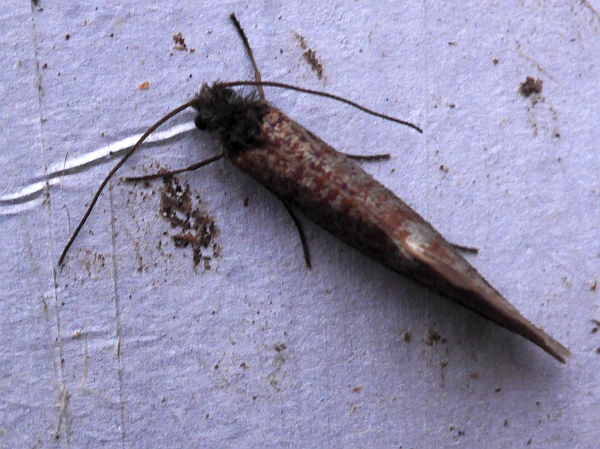
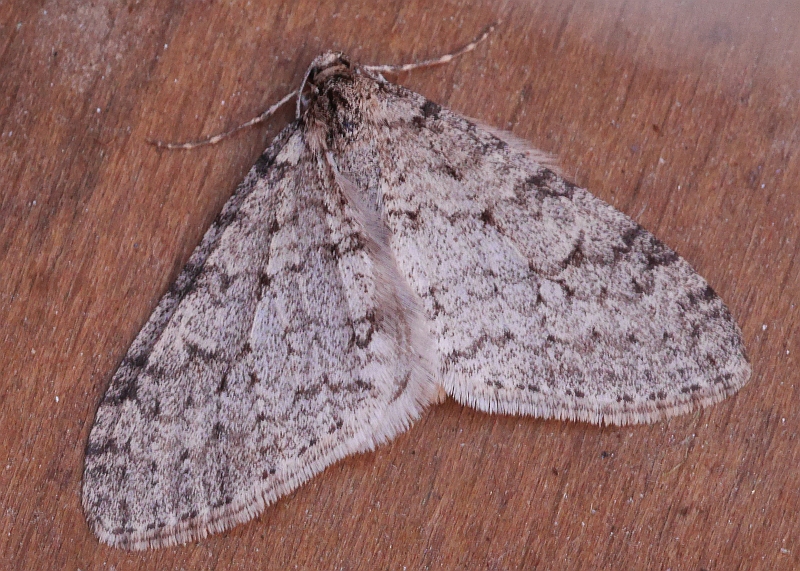
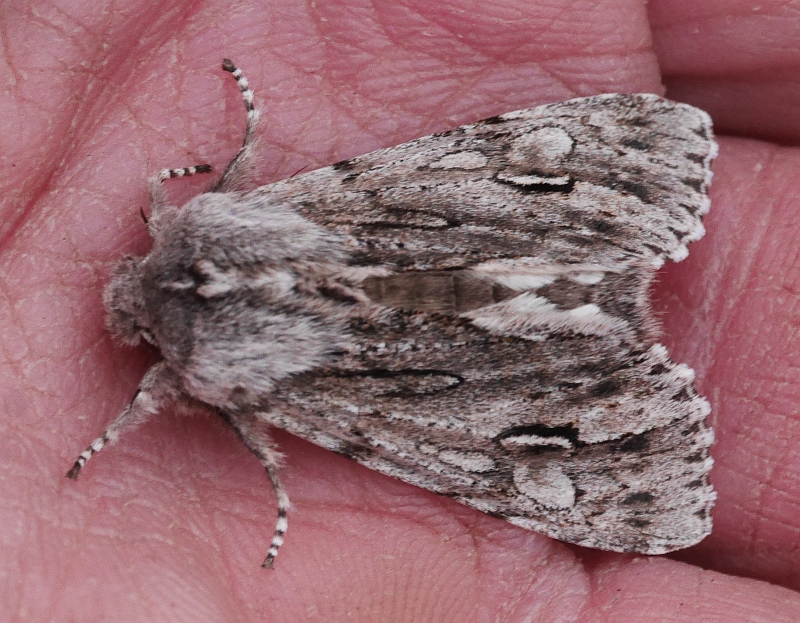
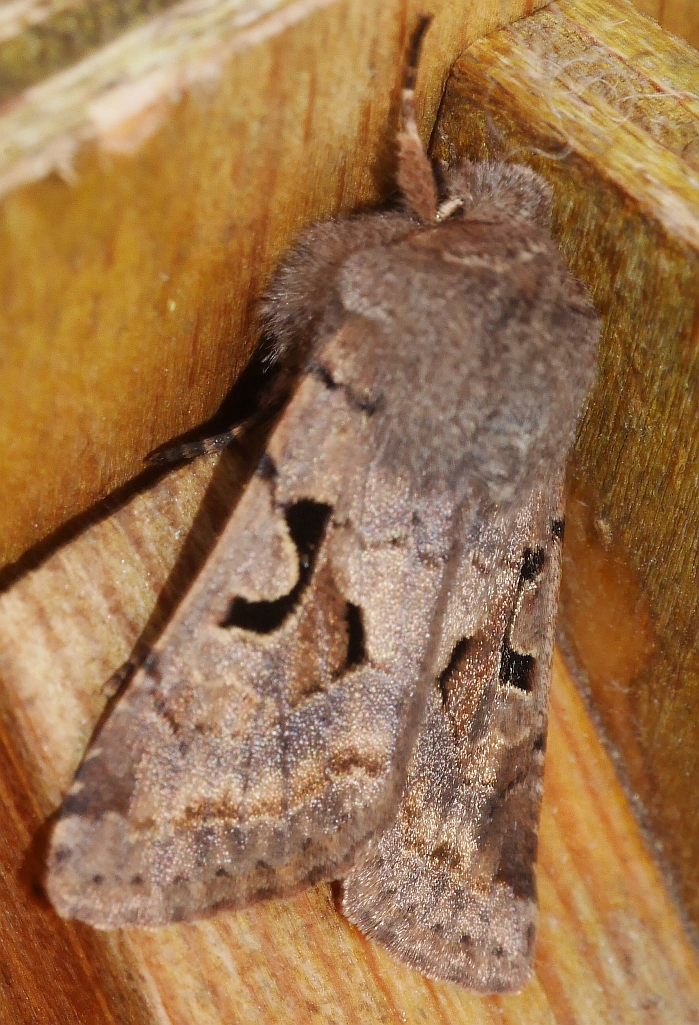
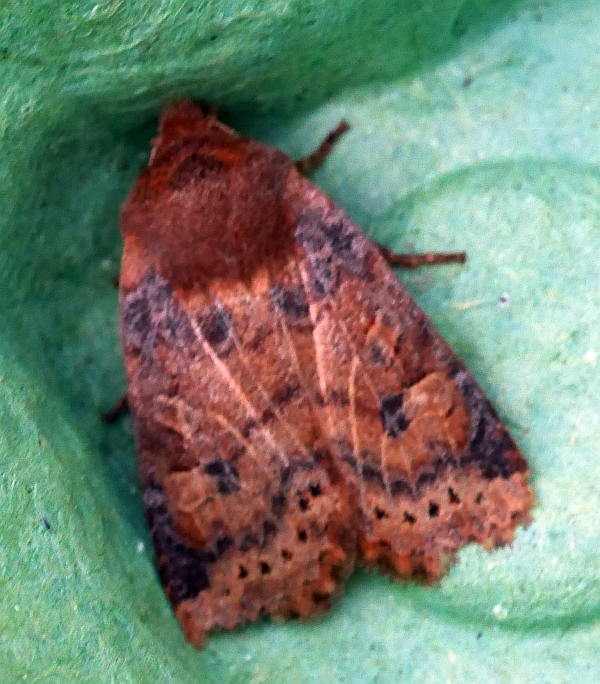
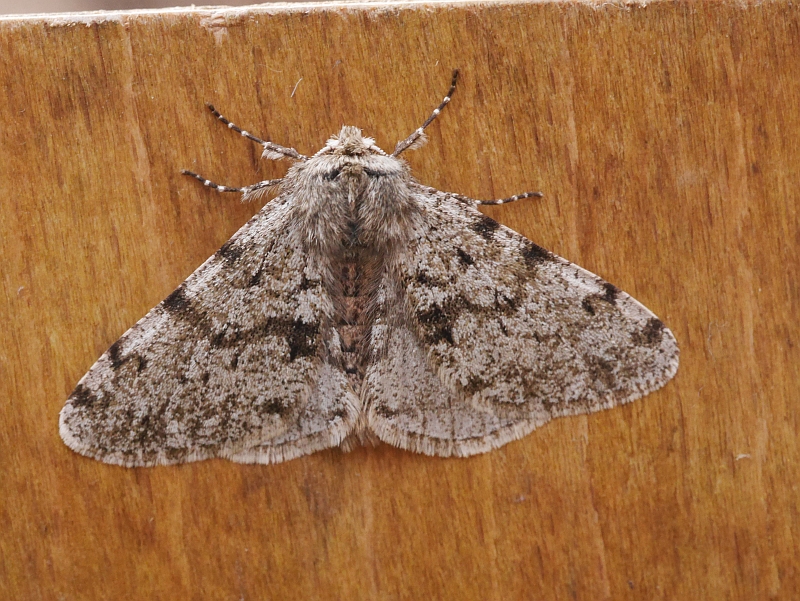
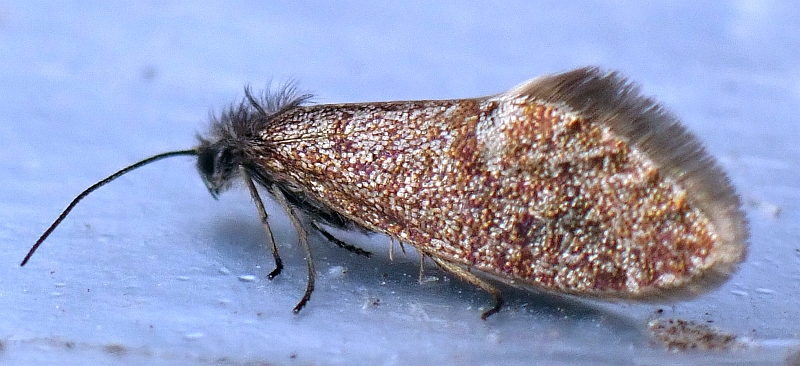
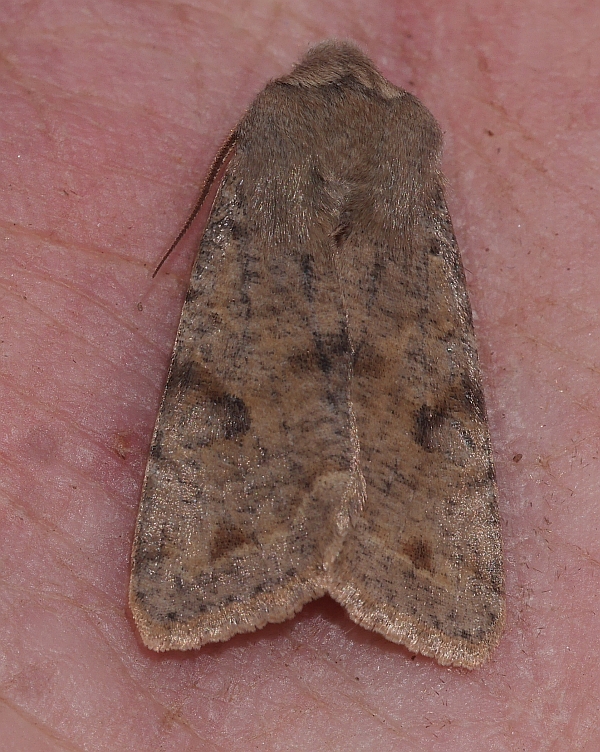
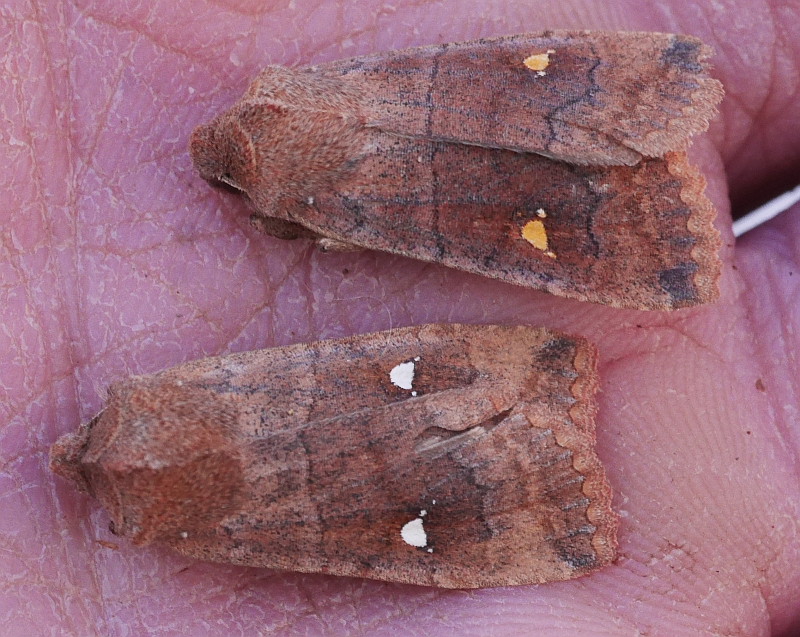
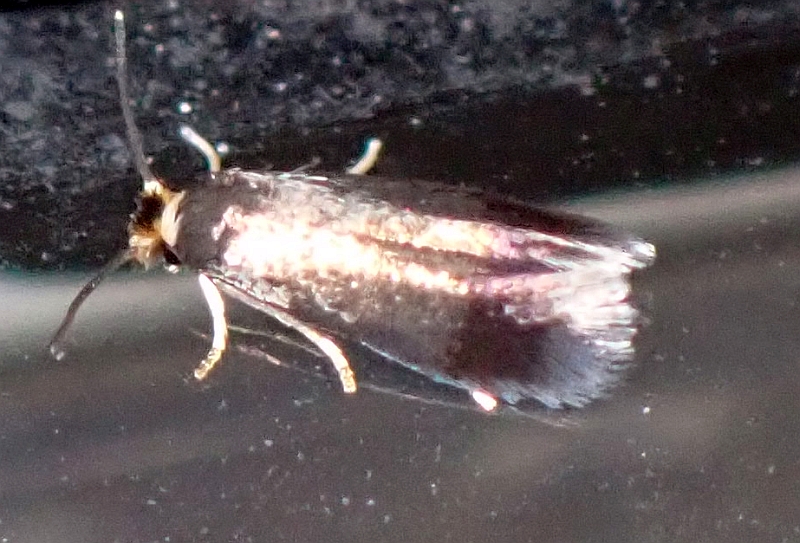
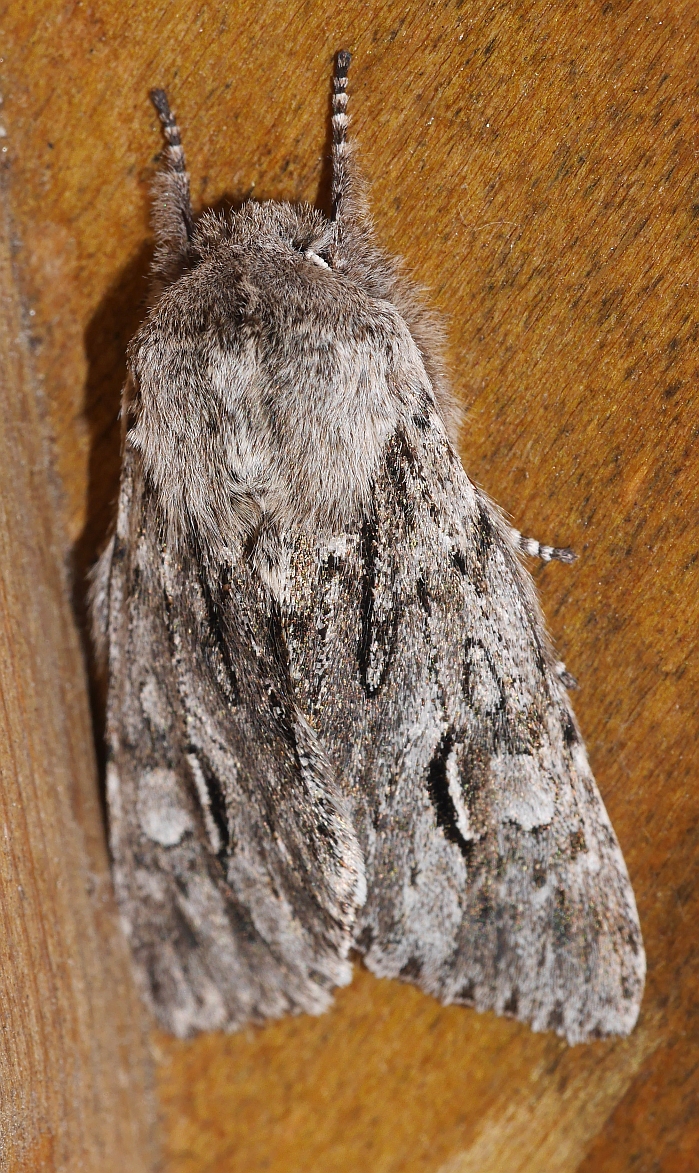
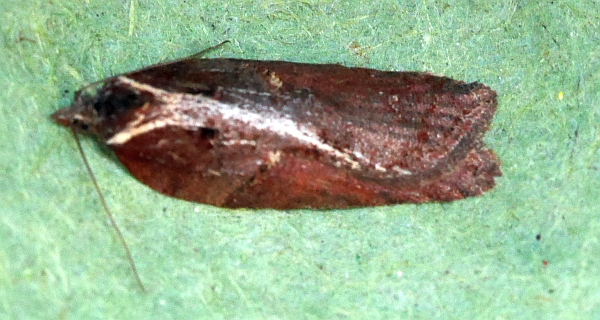
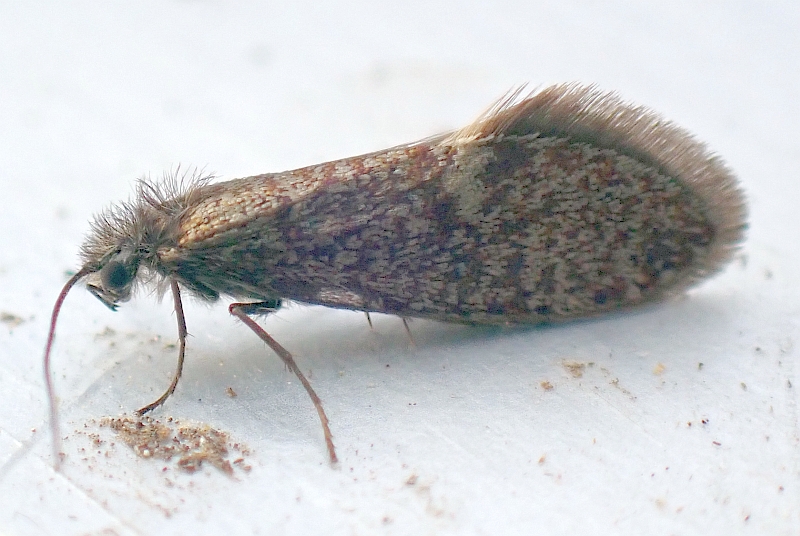
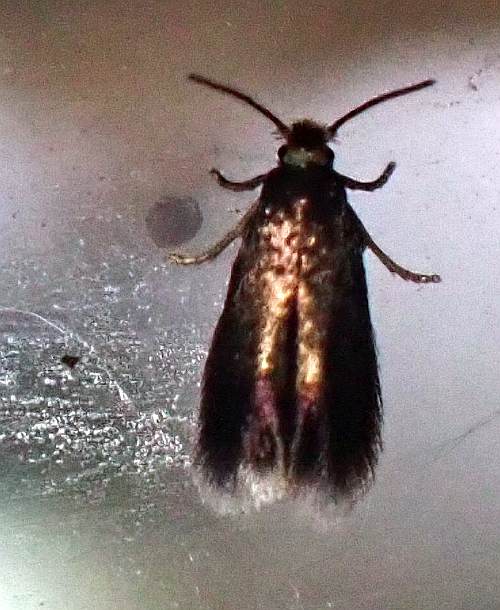
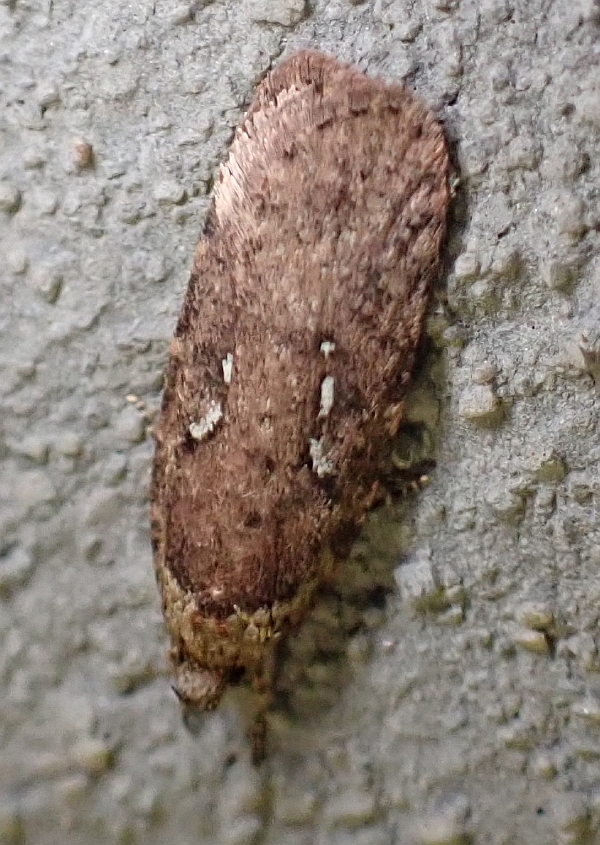
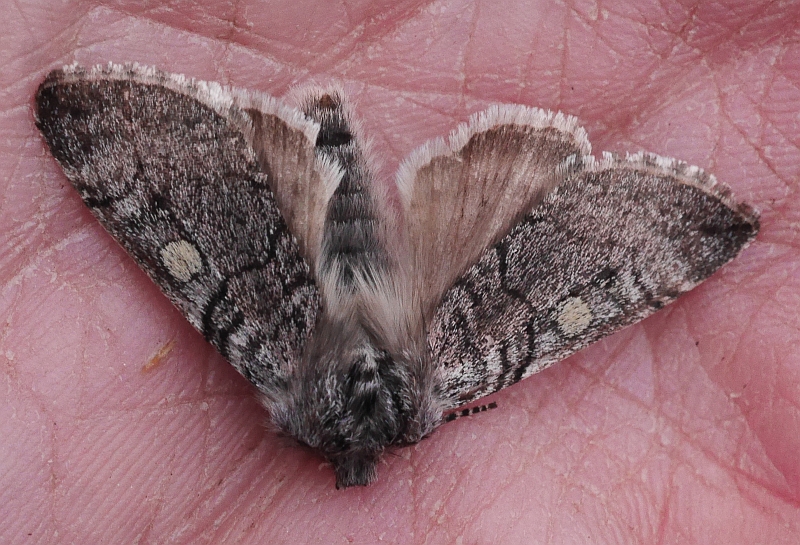
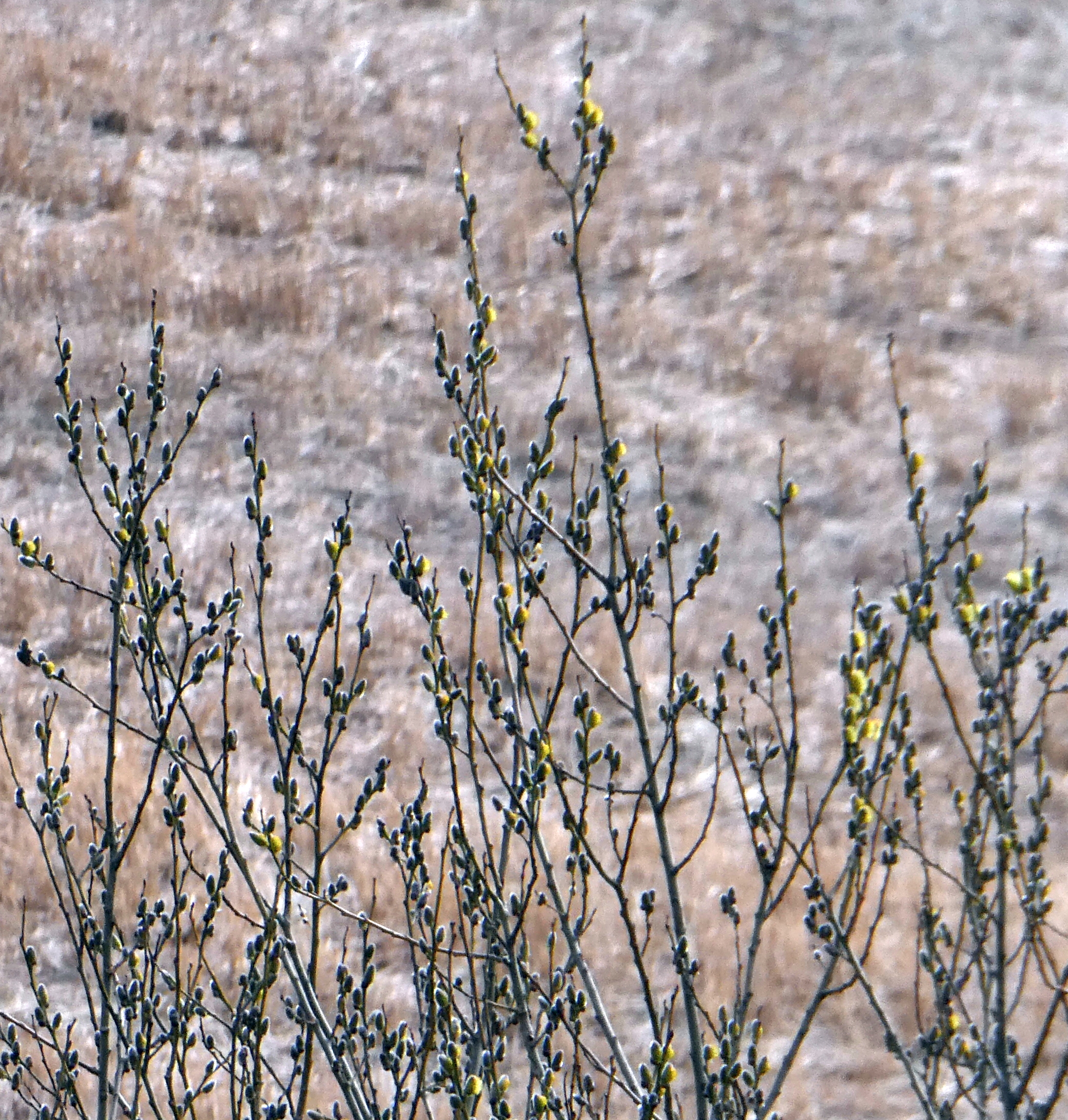
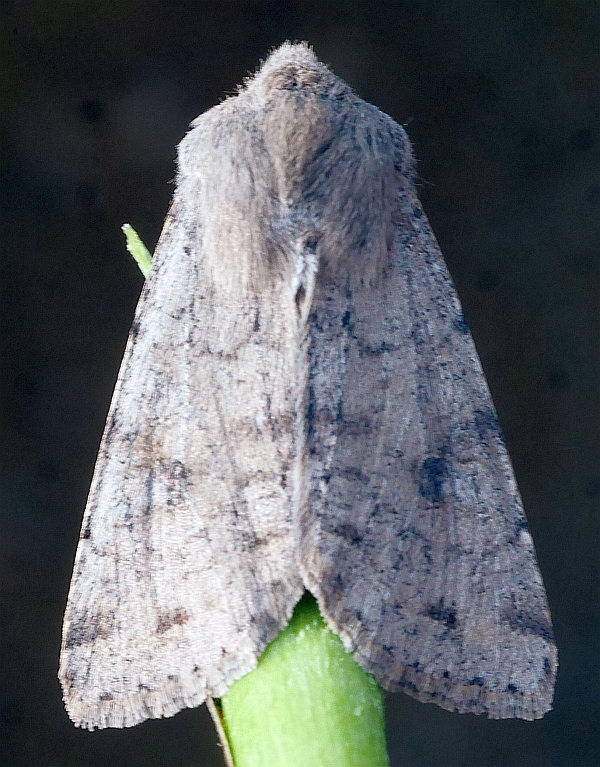
The end of March this year was mild with little frost. I was surprised to find the first flowering sallow / selje (Salix caprea) on 19th March and by the end of the month some larger trees were in full flower providing much needed food for a myriad of insects include wild bees, bumble bees and most of the 13 moth species shown below, all of which were photographed in my garden at the end of March, attracted by a moth trap. In turn, birds are attracted to the insect feast and some also feed on the nectar directly.
9 days after the picture of the first flowers was taken above and the whole tree was in flower
At the Ringve Botanical Garden in Trondheim there were several fowering sallows on the 29th March
Ringve: I noticed both blue tits (blåmeis) and great tit (kjøttmeis) in the tree and the blue tits seemed to be feeding on the catkins (nectar; a known food for these birds)
Ringve: I was surprised also to see a goldcrest (fuglekonge) flycatching in the tree!
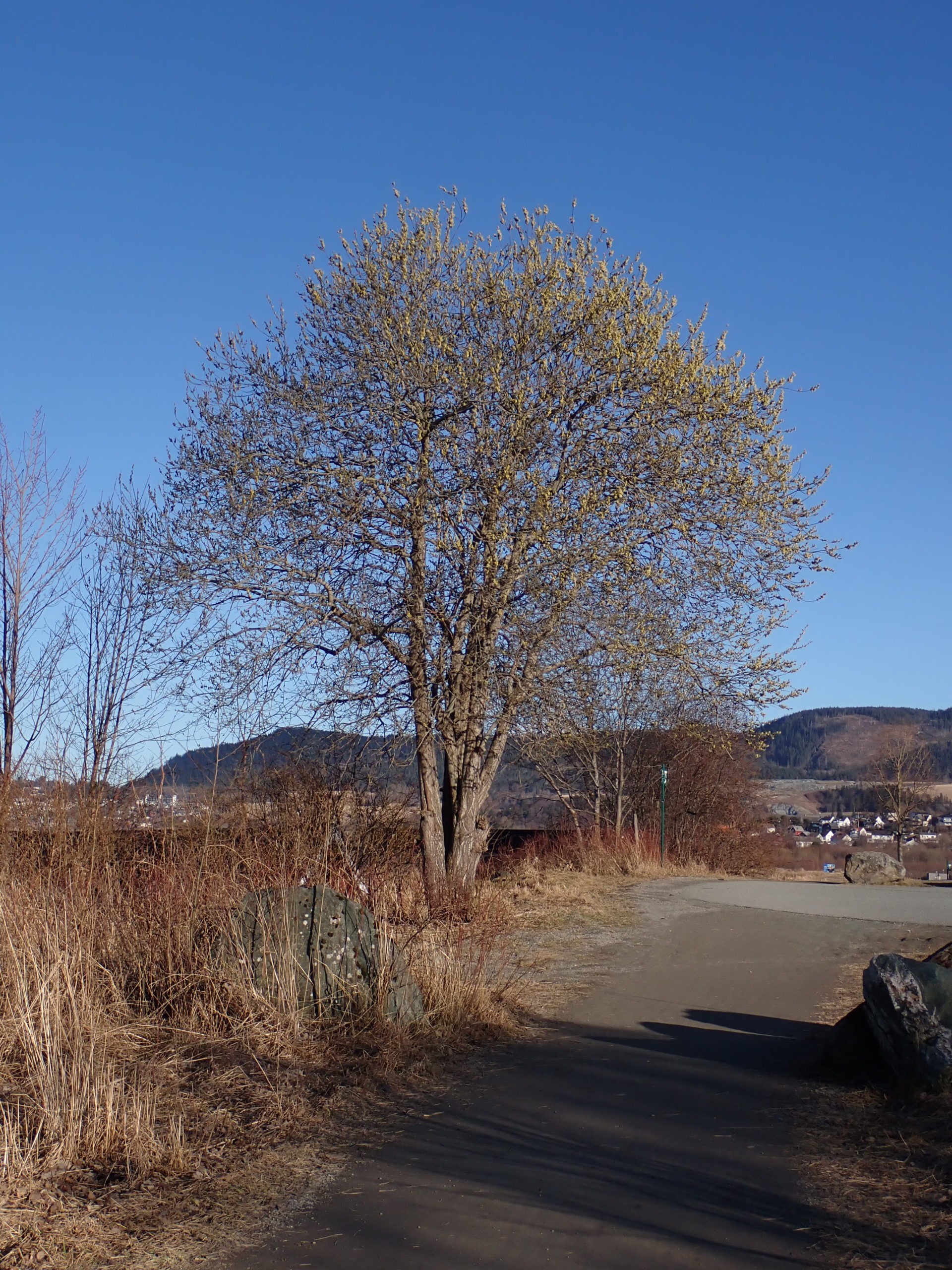
Another nice tree in flower on the shore line at Ranheim!
As the most important tree for insect diversity in the spring – goat willow / selje (Salix caprea) – emerges into flower, two more moths that feed on the catkins turned up in the garden this morning, yellow horned (vårhalvspinner) and clouded drab (variabelt seljefly). Just waiting now for the influx of birds (chiffchaff, dunnock, thrushes) that feed on this insect feast!
Yellow horned / vårhalvspinner (Achlya flavicornis); Overwinters as a pupa in a coccoon among leaves on the ground. Feeds on Salix catkins. Larval food plants: Birch (Betula spp.)
Clouded drab / variabelt seljefly (Orthosia incerta); Overwinters in an underground coccoon with adult perfectly formed inside. Feeds on Salix catkins and blackthorn flowers (both in the garden). Larval food plants: Many broadleaved trees including oaks and Salix.
There are records of arctic peoples chewing the flowers of various Salix species for the sweet taste and, from Alaska “Indigenous children strip the catkins of this shrub and chew them. They are commonly referred to as “Indigenous bubble-gum” and are eaten before seeds ripen in June and July”. The catkins of Salix caprea taste good to me, but I don’t know of any use of this species historically.
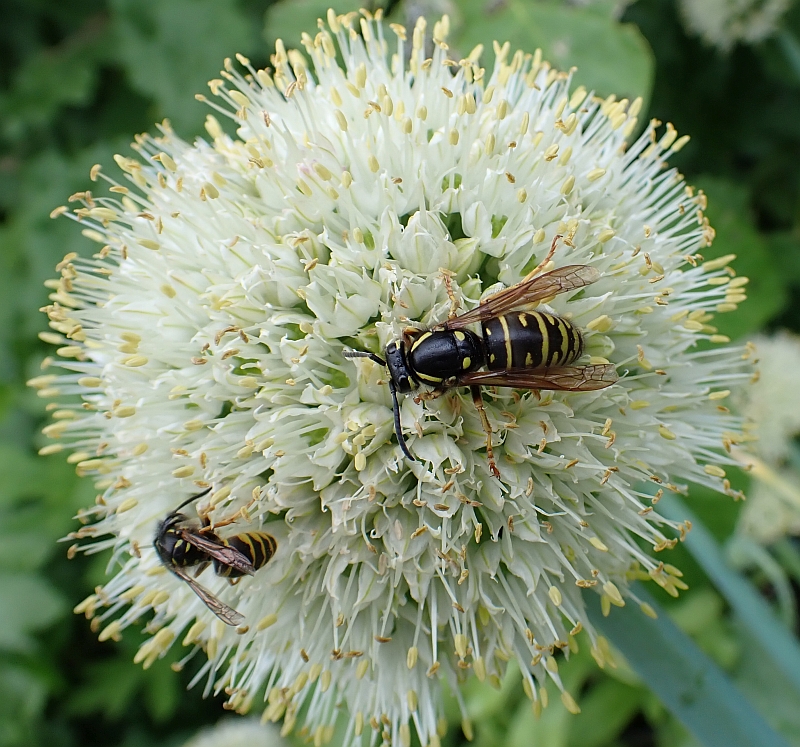
I found the cuckoo wasp / rødgjøkveps in the garden today – Vespula austriaca. It parasitizes the red wasp / rødveps (Vespula rufa) by occupying its nest. V. rufa is uncommon in the garden, but I saw one today too. There are no workers of V. austriaca.
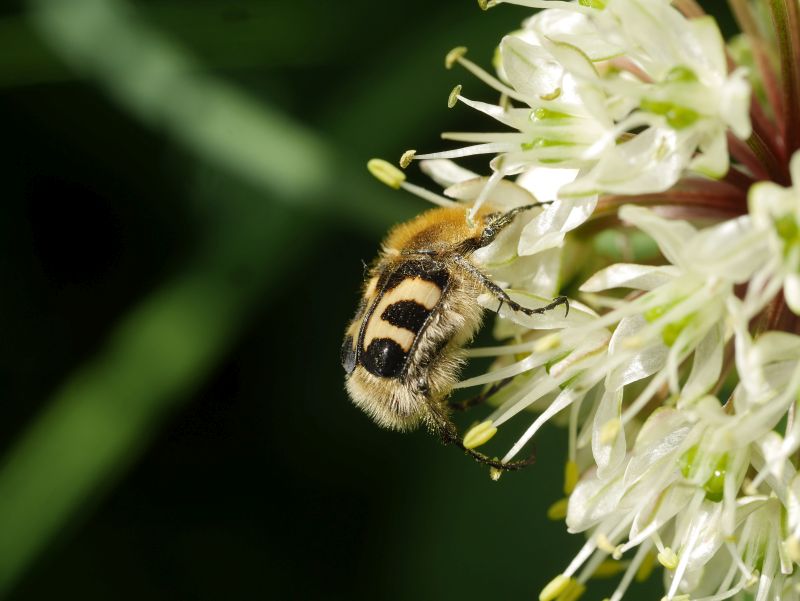
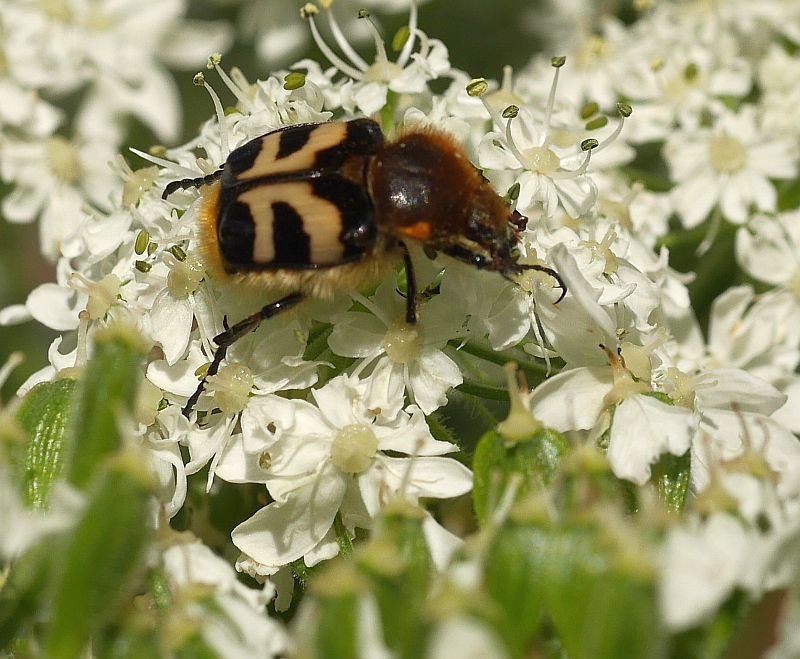
One of my favourite insects is the bee beetle / humlebille (Trichius fasciatus). This morning I saw it on one of my favourite onions victory onion / seiersløk (this one is Allium ochotense; the East Asian species – recently separated out as a species). Later I filmed it also on a hogweed (Heracleum spp.).
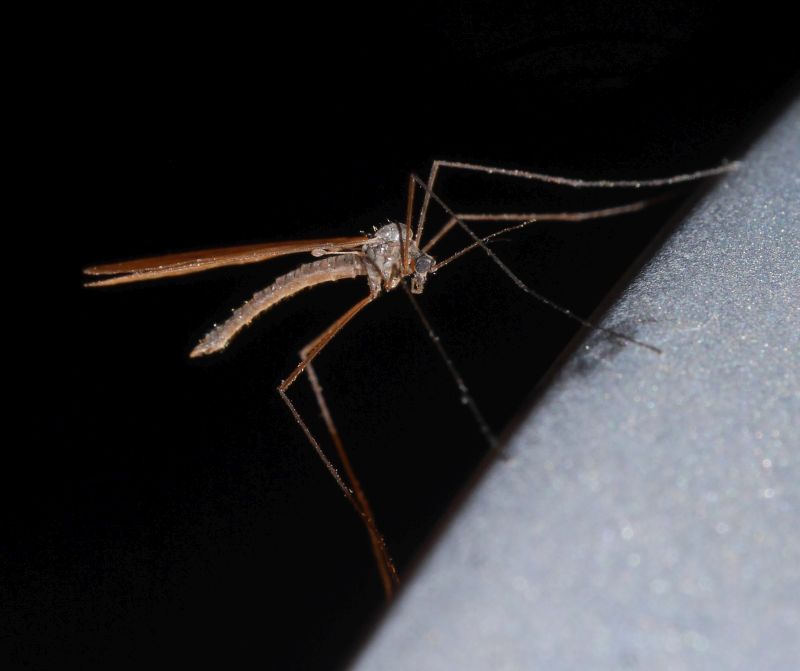
On warm days in autumn and winter, there are thousands of dancing flies or winter gnats (vintermygg) particularly in the windows. Last week all the windows downstairs had swarms of these dancing up and down and were swarming all over the garden too. They are fun to watch and wonder why and how these are active in such low temperatures when most other insects are hibernating or overwintering as larvae or eggs. They can even be seen on warm winter days on the snow. These are flies in the Trichoceridae family (we have 15 species in Norway) and provide morsels of protein in winter for the birds in the garden! The larvae feed on decaying plant material, rotten wood and fungi…there’s plenty of that here! An important component of my food forest garden.
Who needs Netflix when all the entertainment you’d ever need is in the garden? Here is a direct comparison of male and female long hoverflies (Sphaerophoria scripta), stor kulehaleflue in Norwegian, a common species in the garden.
Yesterday, I registered red-tailed bee / steinhumle (Bombus lapidarius) for the first time at the community garden (Væres Venner), the first time in this part of Trondheim. This is a common species in the city and is probably the commonest bumblebee in the Allium garden at the botanical gardens. Today, I saw this species for the first time in my own garden, the first record in this area. It was on Allium pskemense, probably the most popular plant in my garden for bumblebees. In the second video you can see both the white-tailed bumblebee (Bombus lucorum; lys jordhumle) and tree bumblebee (Bombus hypnorum; trehumle). Please correct me if I’m wrong!
Perennial vegetables, Edimentals (plants that are edible and ornamental) and other goings on in The Edible Garden