Over the weekend of the national garden bird count (hagefugltelling) the temperature was stable between -1 and +1C. I registered 23 species in the garden, 7 of which sang or drummed, here they are with maximum numbers of each:
Siskin (grønnsisik) 18
Brambling (bjørkefink) 22
Nuthatch (spettmeis) 1
Fieldfare (gråtrost) 6
Bullfinch (dompap) 6
Greenfinch (grønnfink) 7
Robin (rødstrupe) 1
Great Tit (kjøttmeis) 2
Redpoll (gråsisik) 26
Blue Tit (blåmeis) 2
Coal Tit (svartmeis) 1
Great spotted wooodpecker (flaggspett) 2
Sparrowhawk (spurvehauk) 1
House sparrow (gråspurv) 10
Chaffinch (bokfink) 1
Magpie (skjære) 3
Hooded crow (kråke) 1
Yellowhammer (gulspurv) 6
Blackbird (svarttrost) 2
Feral pigeon (bydue) 1
Jackdaw (kaie) 30
Hawfinch (kjernebiter) 1
Goldfinch (stillits) 2
Siskin singing (grønnsisik)
Siskin (grønnsisik) singing in a birch tree as they fed…
Siskin (grønnsisik) singing in a birch tree as they fed…and you can hear a woodpecker drumming in the garden (my first ever in the garden) about 3/4 of the way through
…and here are the pair of great spotted woodpeckers which have chosen to set up home in the garden on the neighbour’s bird feeder tree…I didn’t notice the second bird arriving until I saw the film!
Siskin (grønnsisik) singing in a birch tree as they fed…
I was just sent this picture from my visit to Holma Forest Garden in Southern Sweden <3 (https://www.facebook.com/SkogstradgardensVanner) on 1st September 2017….. I am very happy to be greeting the sign of Barstow’s Lund for the very first time….Lund means “Copse or small wood” in Swedish and they have planted as many as possible of the plants in my book in this part of this the oldest forest garden in Sweden! Holma is next to a small place with the wonderful name Höör which isn’t far from the city of Lund, so this is Barstow’s Lund near Lund….
For English speakers Lund is pronounced “Loond” as in loony ;)
Many thanks to Ane Mari Aakernes (<3) for putting this play list of Youtube videos she and Berit Børte (<3) made of me last year. All these videos have been shown before but if you click on “Show More” under each video you will now see a list of plant time links or index to each film. If you click on the time tag, it takes you straight to the part of the film I’m talking about that plant! Names are given both in Norwegian, English and Latin!!
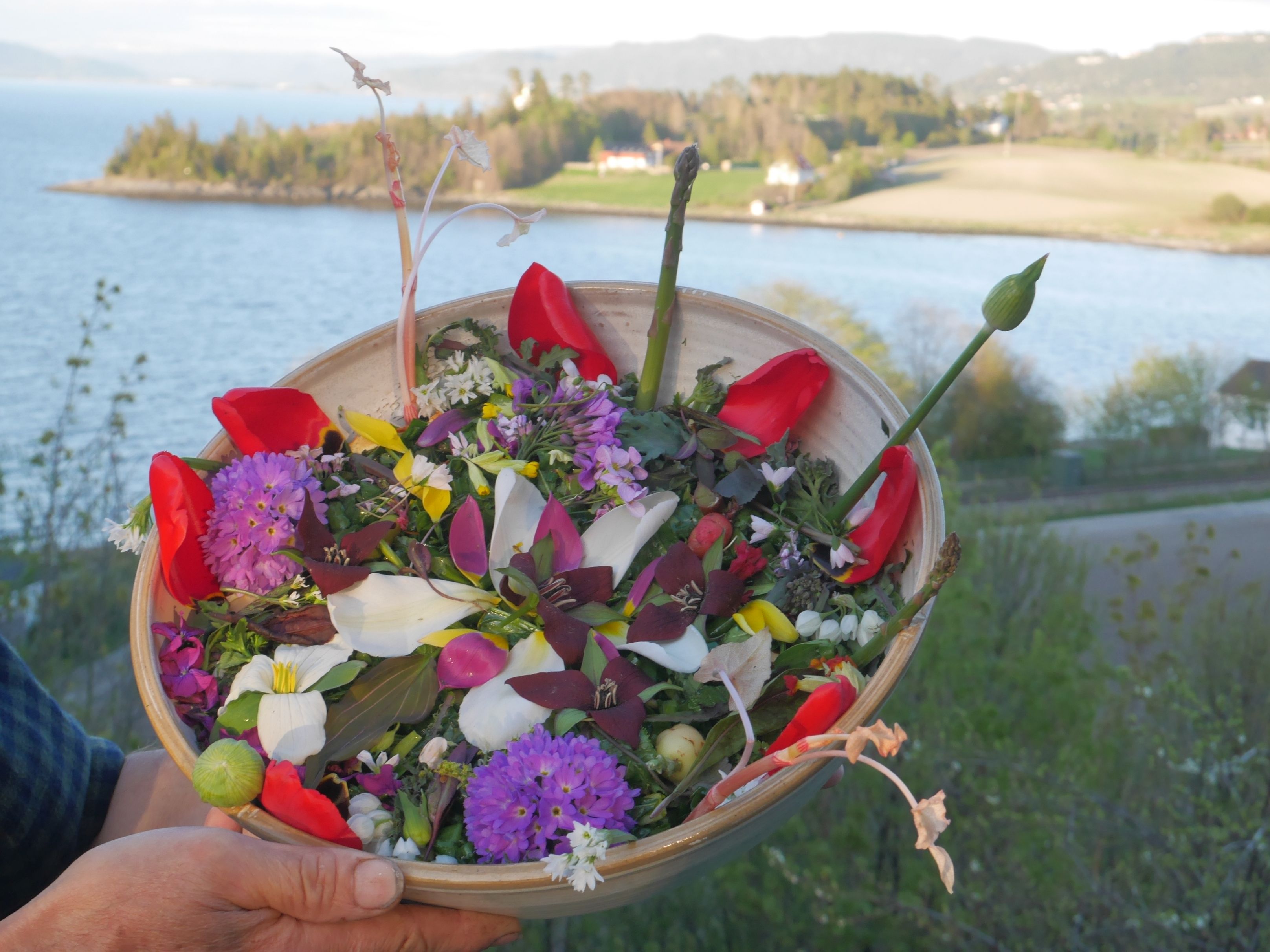
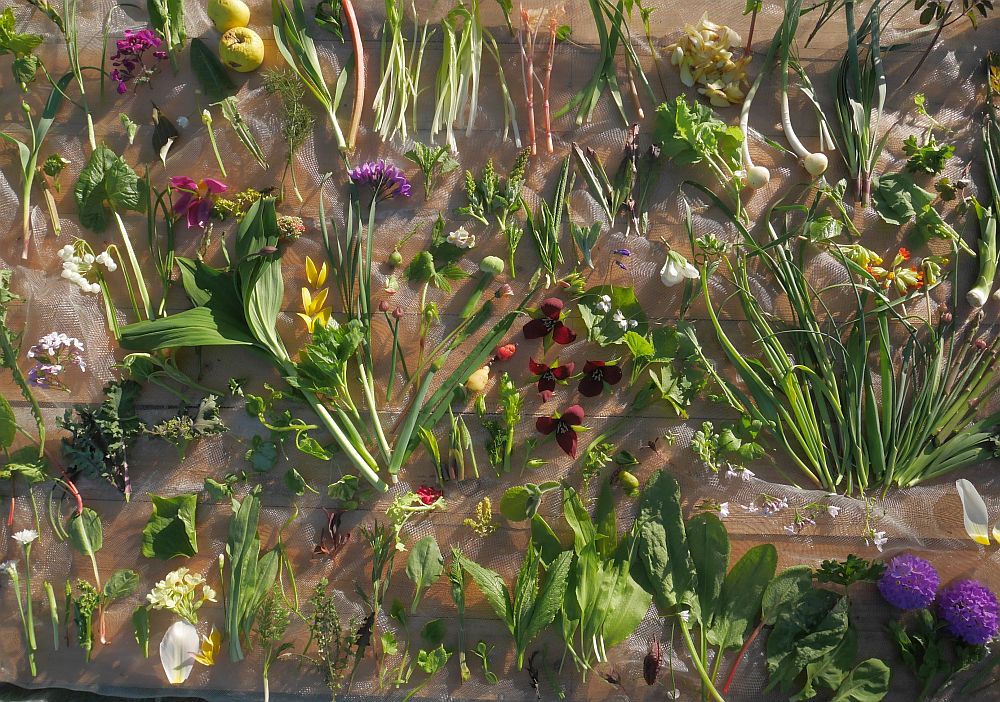
First up in the play list is the 6 part film series “Stephen’s salad” where we wander around the garden in mid-May 2017 and pick many of the perennials, in prime condition for picking, which end up in an Extreme salad with 211 different ingredients!
The last 3 films, which are similarly tagged to make it easy for you to find a particular plant, are from the 3 hour Around the World in 80 plants talk at the Hurdal Ecovillage in Norway on 29th January 2017 (in English), a year ago on Monday!
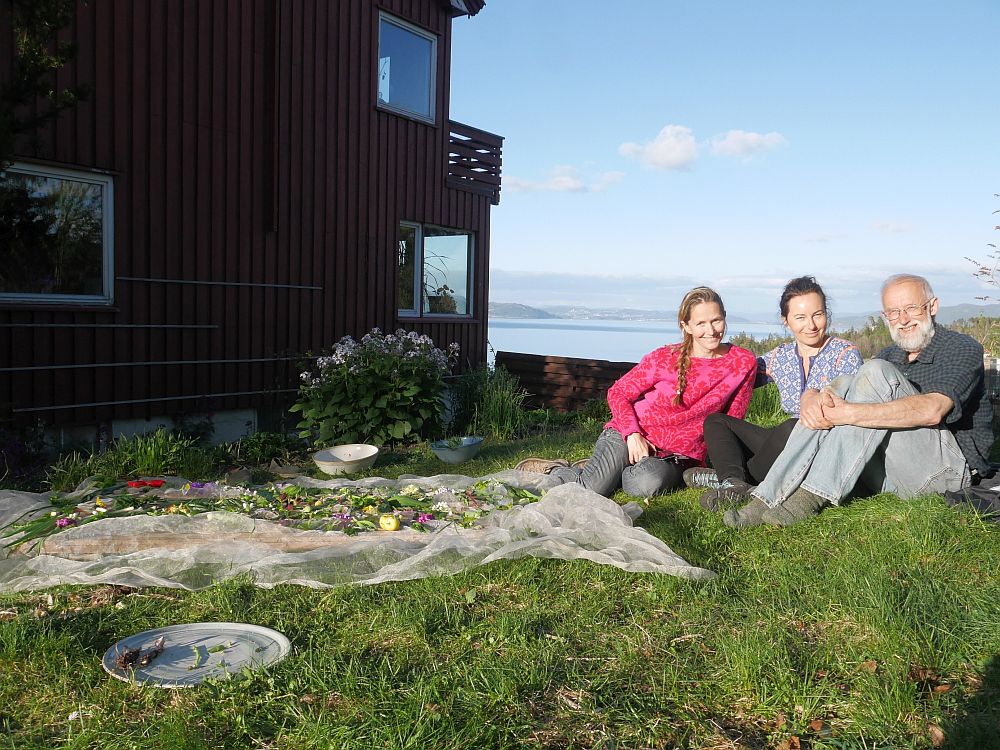
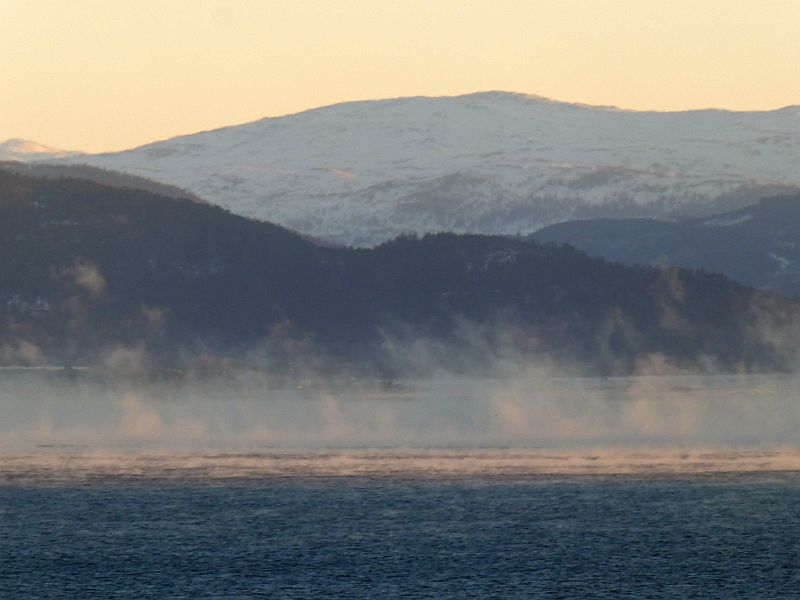
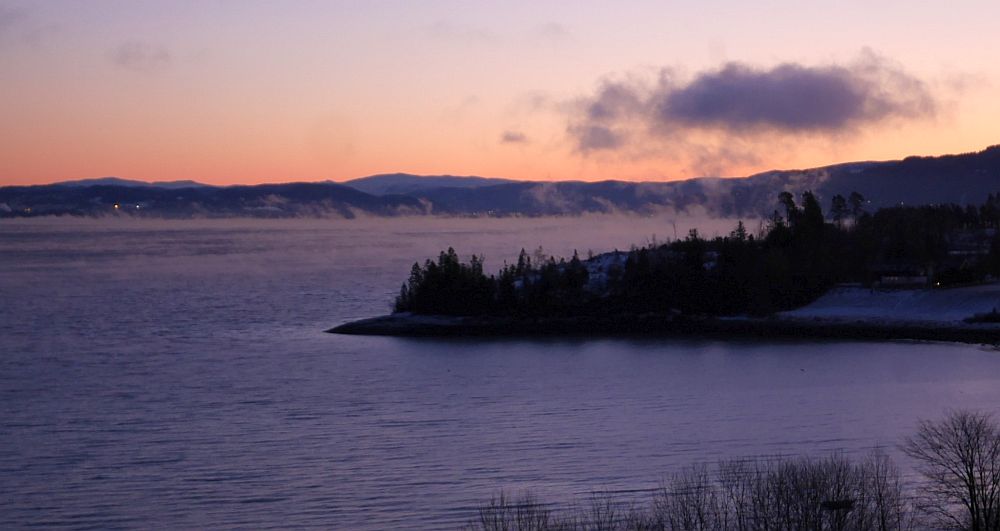
In the picture of the production team: From left to right: Extreme salad ingredients (all 211 of them), Ane Mari Aakernes, Berit Børte and ESM with the Trondheimsfjord beyond!
Every day there’s something different birdwise to see in the garden. This morning, a flock of some 20 siskins (grønnsisik) were looking for crumbs under the feeder, but they were soon gone again! (together with bramblings / bjørkefink and redpolls / gråsisik in the videos)
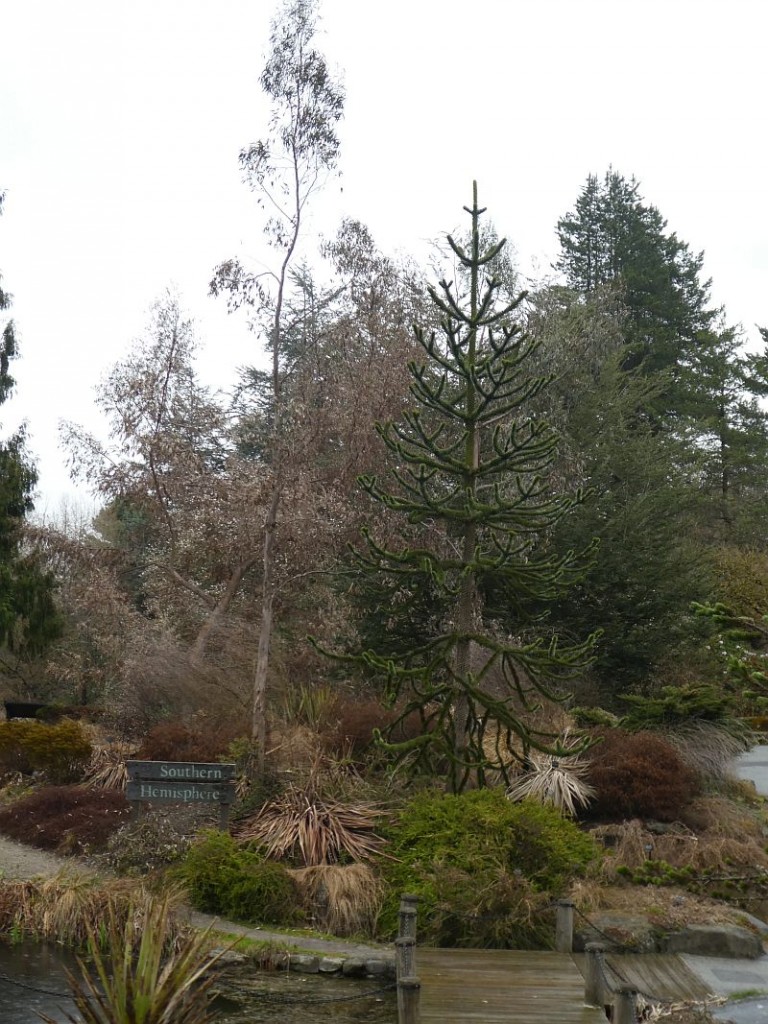
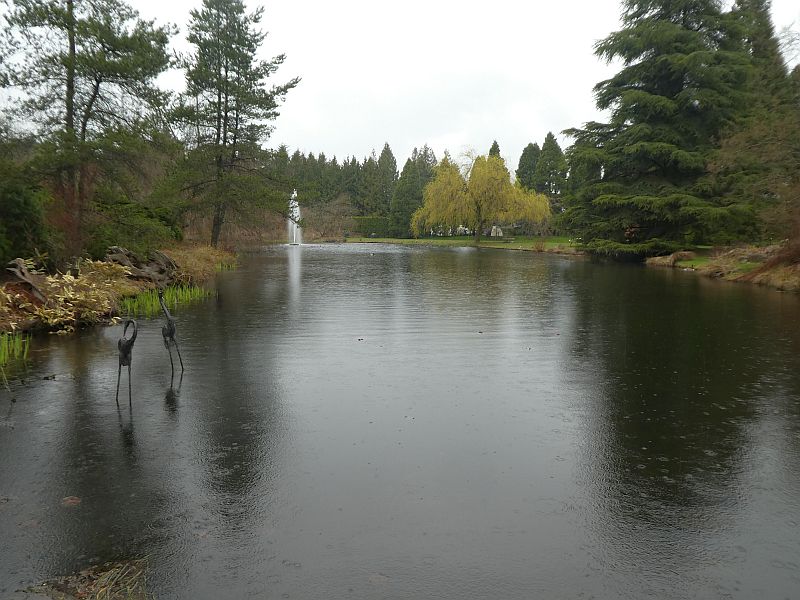
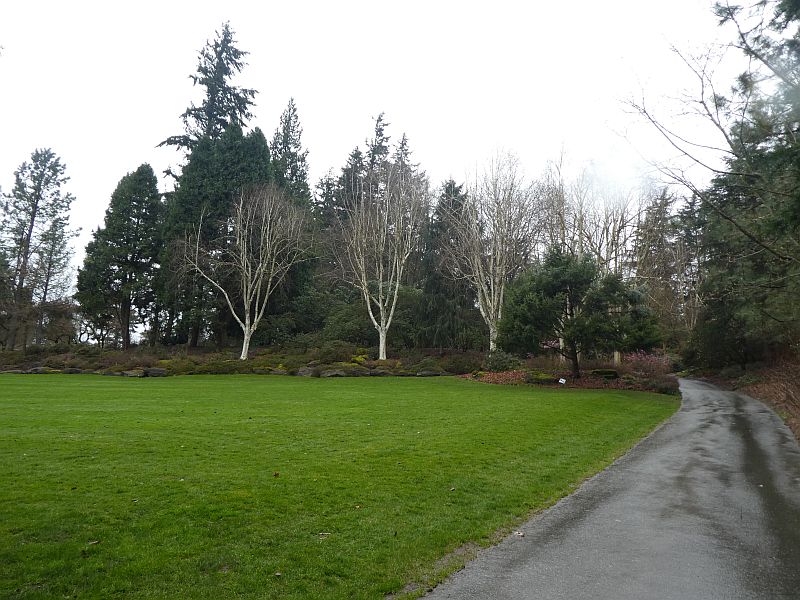
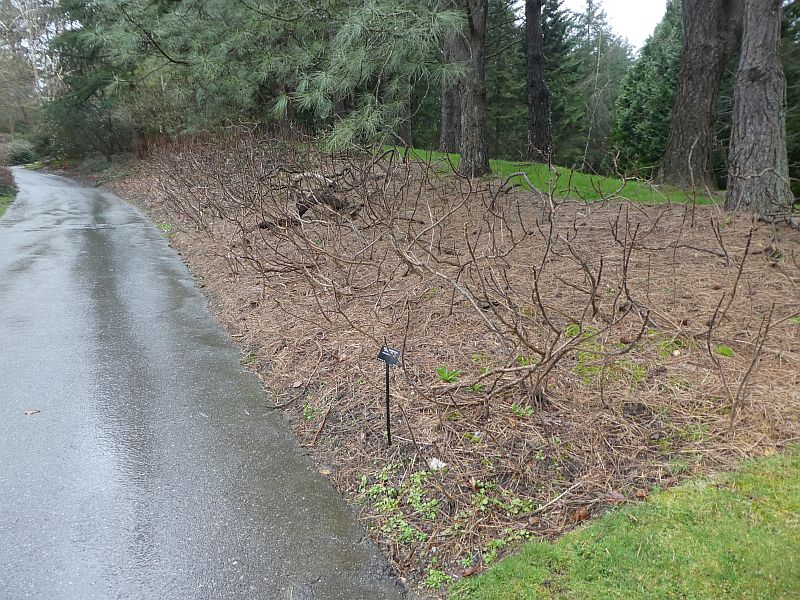
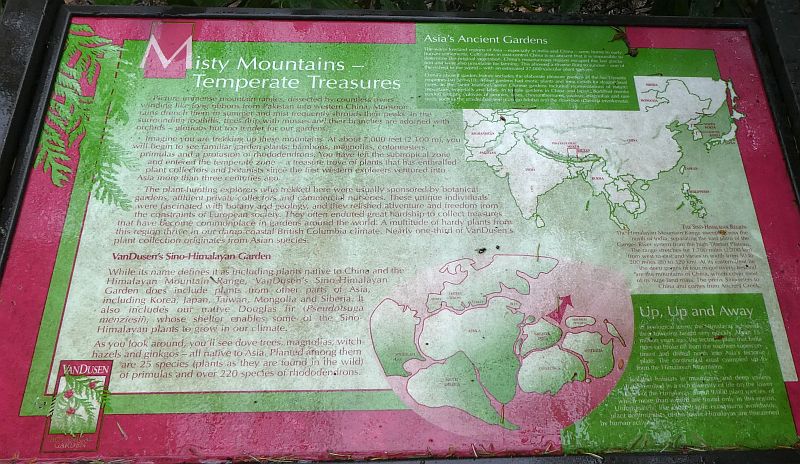
After visiting the UBC botanical garden on 4th April 2018, I bussed across town to Vancouver’s better known more formal VanDusen botanical garden, although it’s a younger garden (from 1970) against UBC which was established in 1916. The rain started when I arrived and I didn’t have that much time. Nevertheless, here are a few impressions!
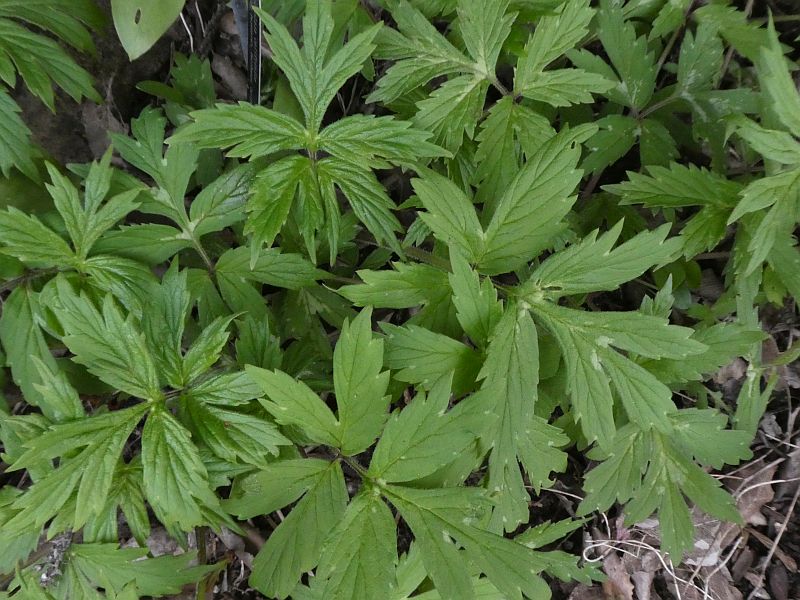
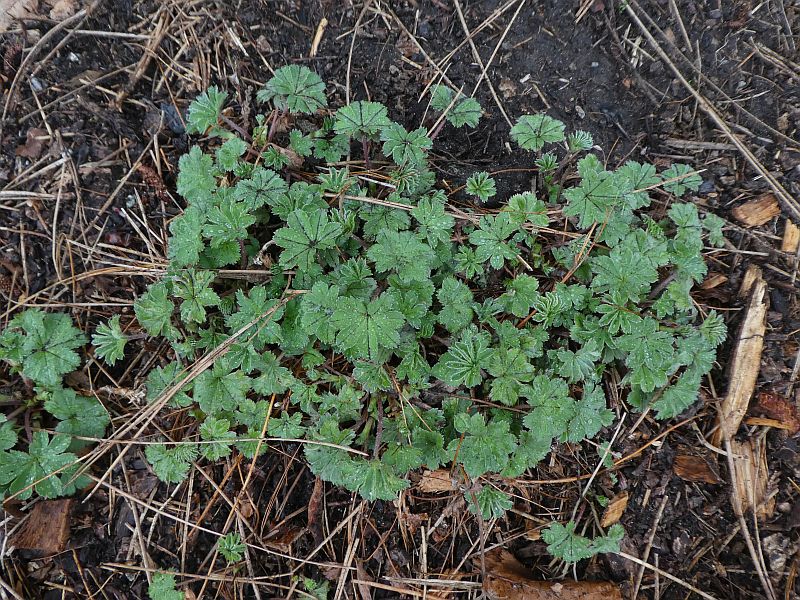
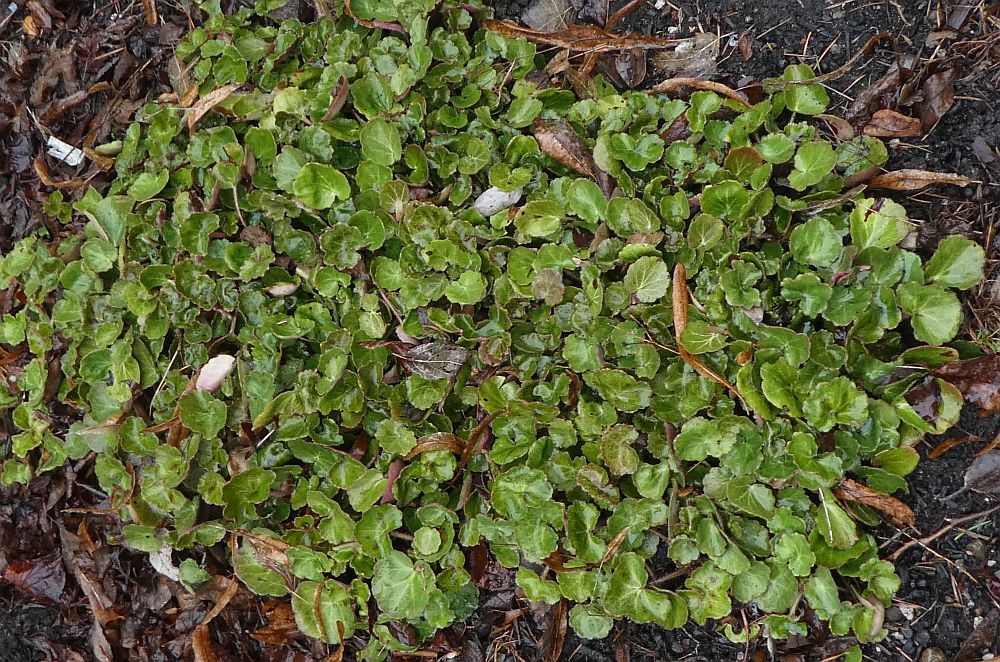
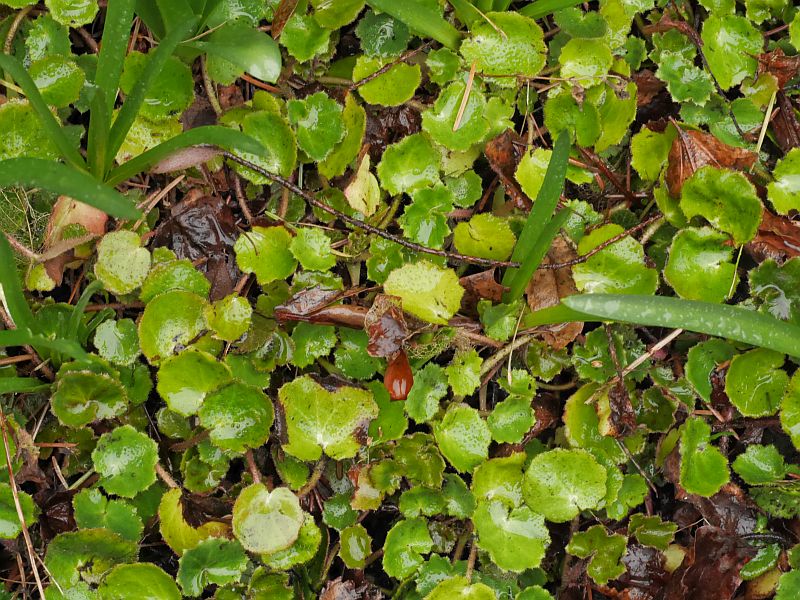
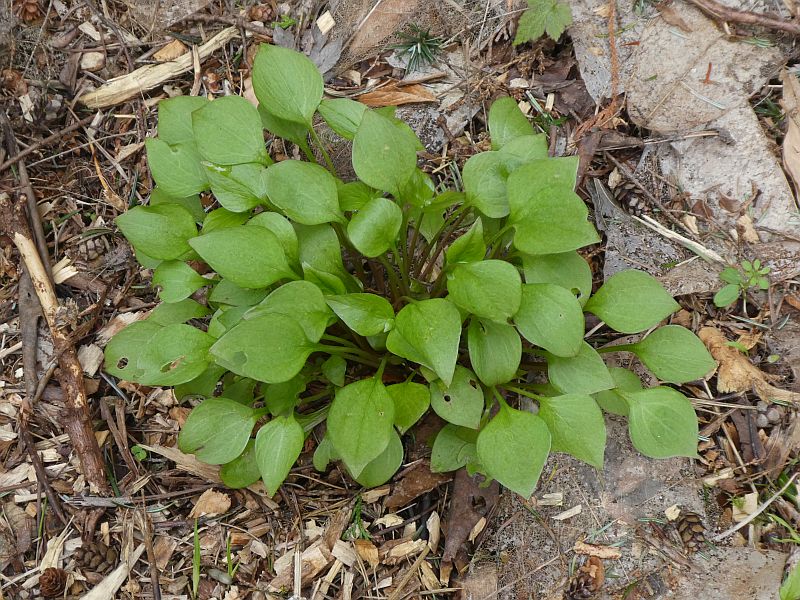
Hydrophyllum (water leaf / Indian salad) is one of the 80 in my book!
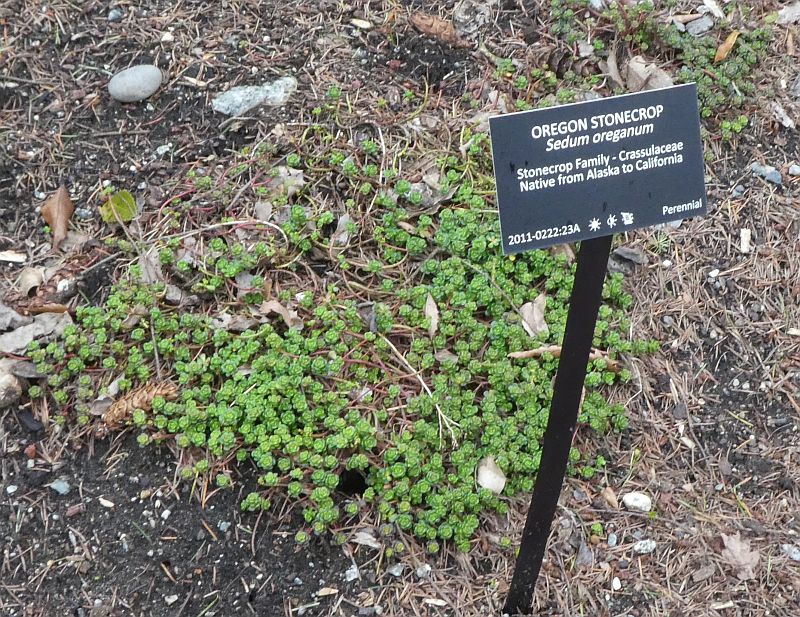
Sedum oreganum
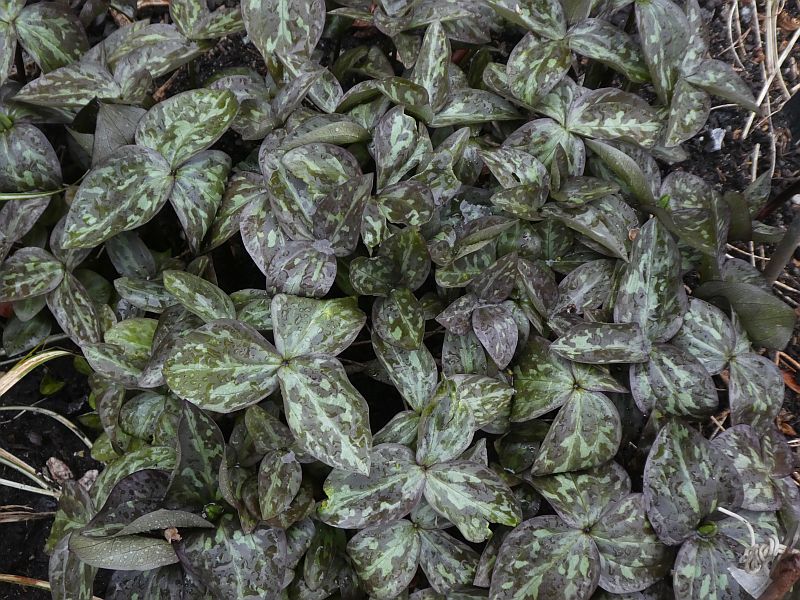
Erythronium “Kondo”
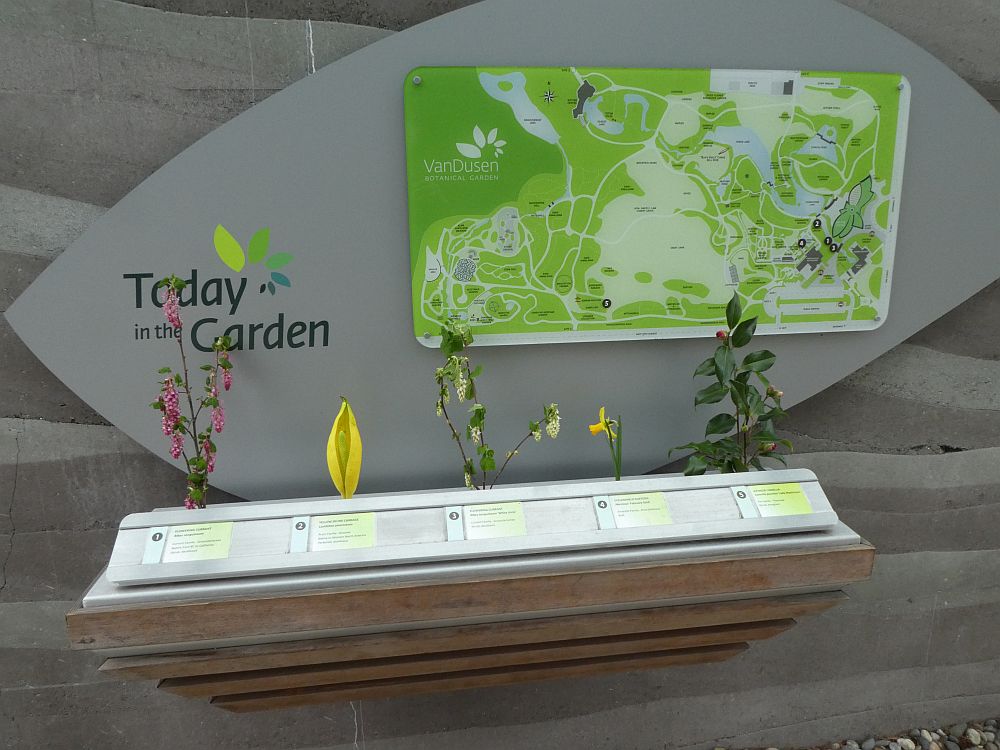
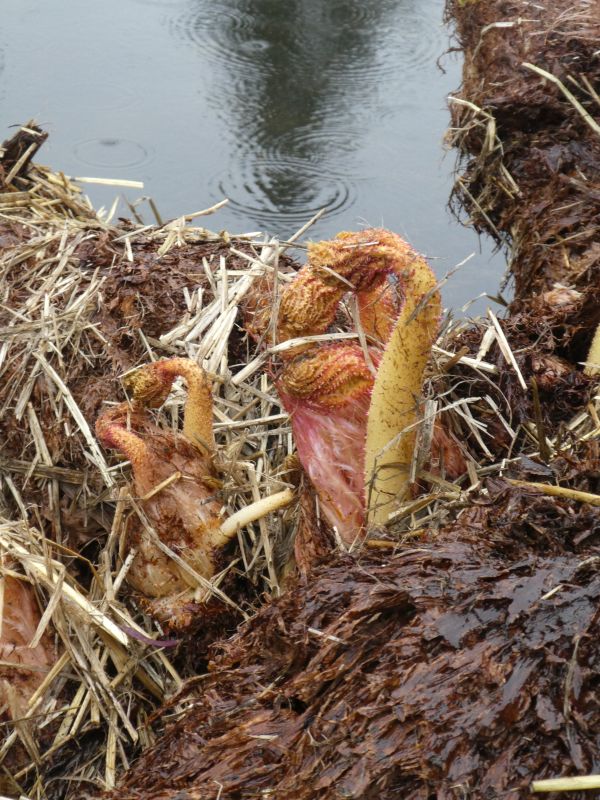
Today in the garden (in flower) from L to R: Ribes sanguineum, Lysichiton americanum, Ribes sanguineum “White Icicle” and Camellia japonica
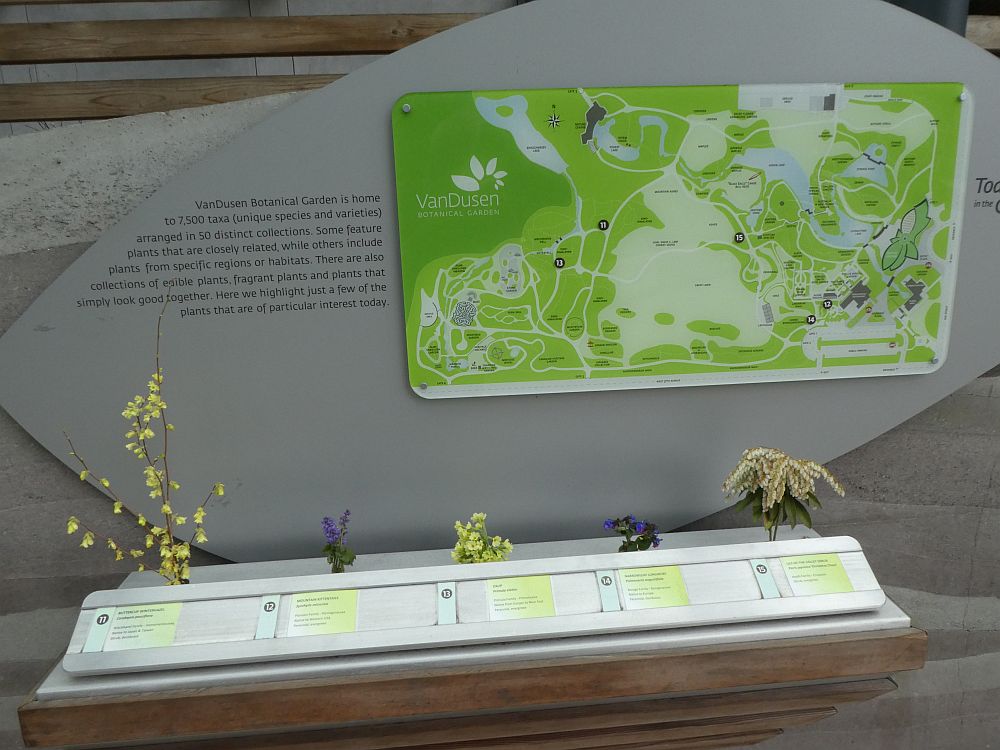
Today in the garden (in flower) from L to R: Carylopsis pauciflora, Synthuris missurica, edible Primula elatior and Pulmonaria angustifolia and Pieris japonica “Christmas Cheer”
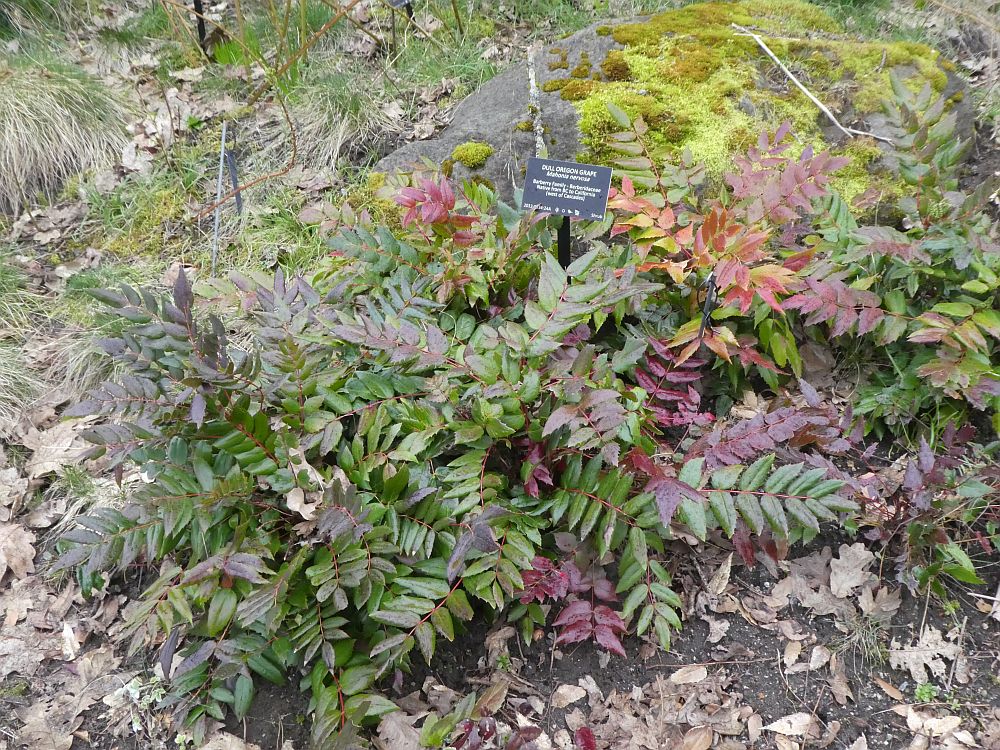
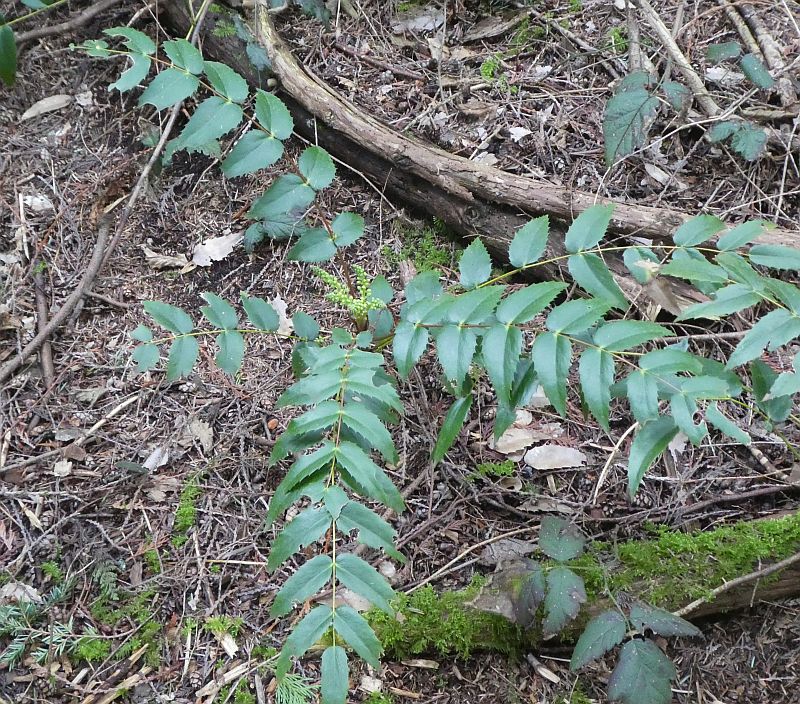
Near the garden entrance was a native garden. Here, native edible Mahonia nervosa
Kinnikinnick / Common Bearberry, Arctostaphylos uva-ursi. I was surprised to see this familiar Norwegian plant (melbær) growing in this totally different climate on coastal dunes in Oregon during my visit there!
Native edible Camassia leichtlinii
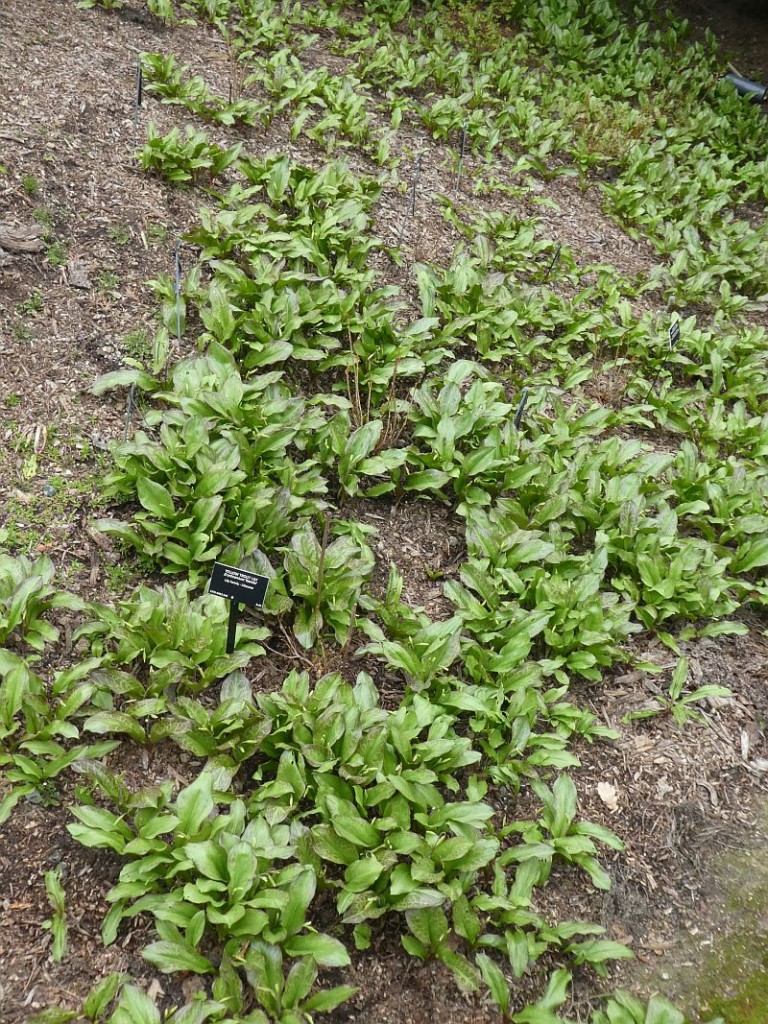
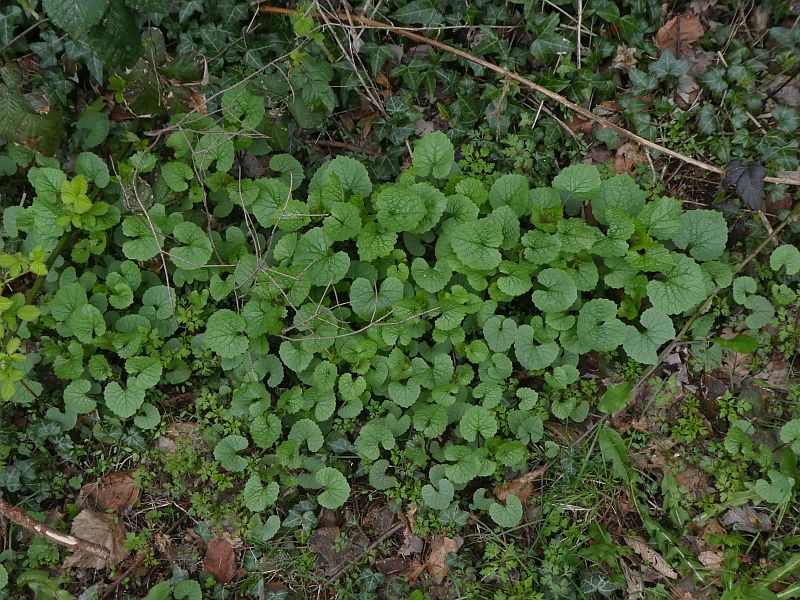
Waterleaf (Indian salad) (Hydrophyllum) at the perfect stage for harvesting!
Waterleaf (Indian salad) (Hydrophyllum) at the perfect stage for harvesting!
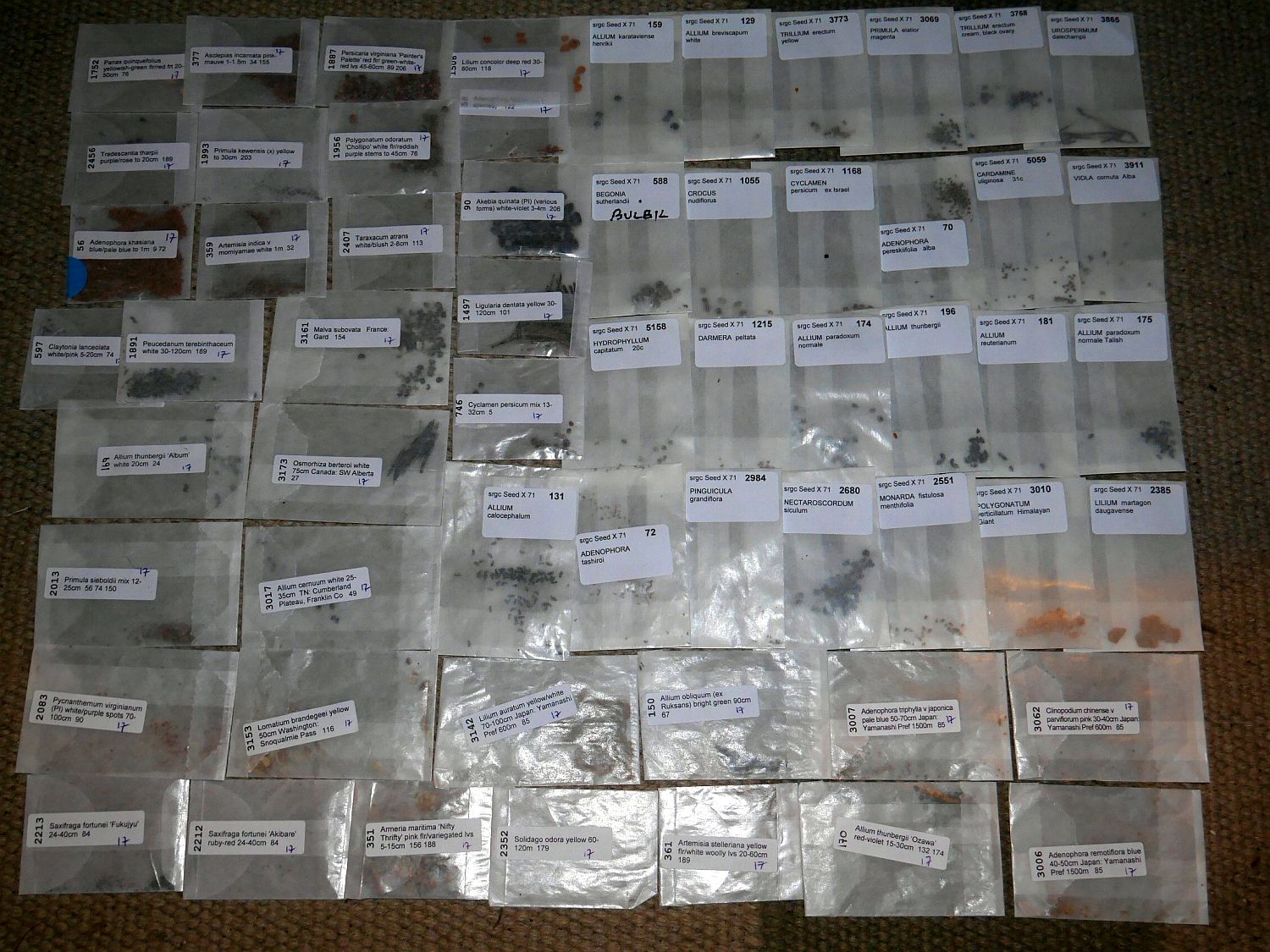
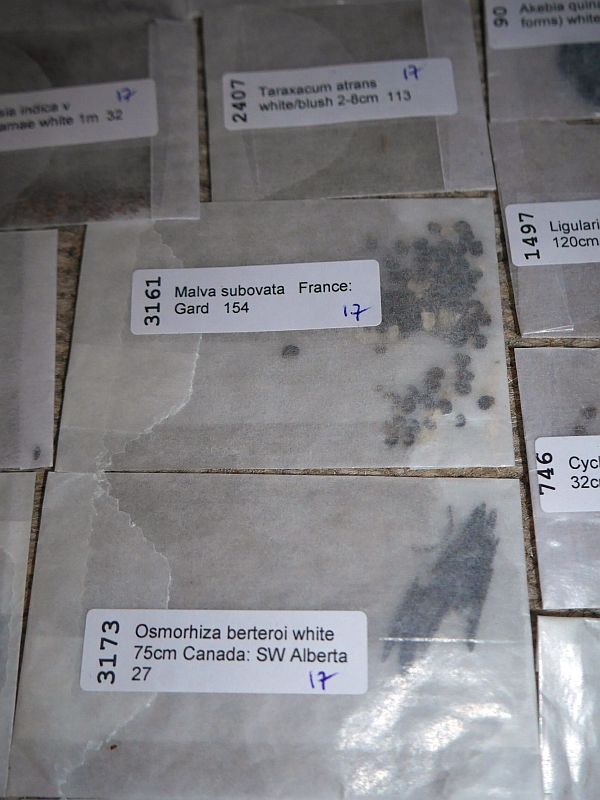
Yesterday, I sowed some 110 varieties of perennial edibles….and I had about 20 left to sow….I thought I was finished for now! Guess what was in the post box!! Another 60 that need sowing now! It’s never happened before that SRGC (Scottish Rock Garden Club) and NARGS (North American Rock Garden Society) seed arrived together!
Did I mention that the Rock Garden seed exchanges are the best places to source unusual edible plants :)
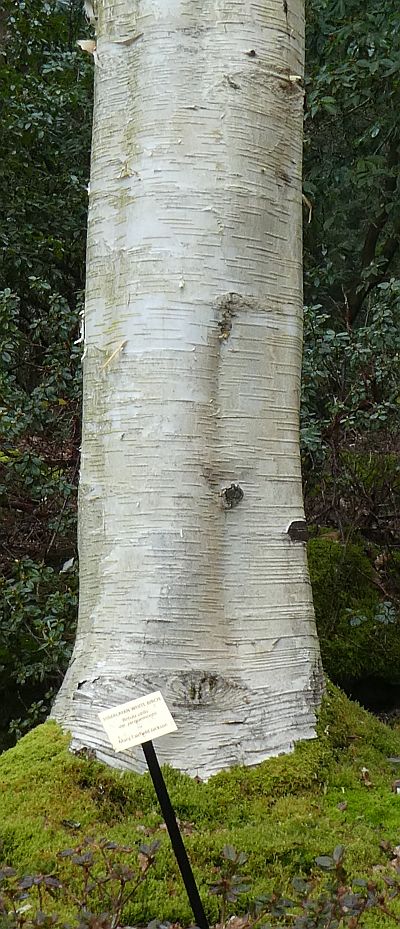
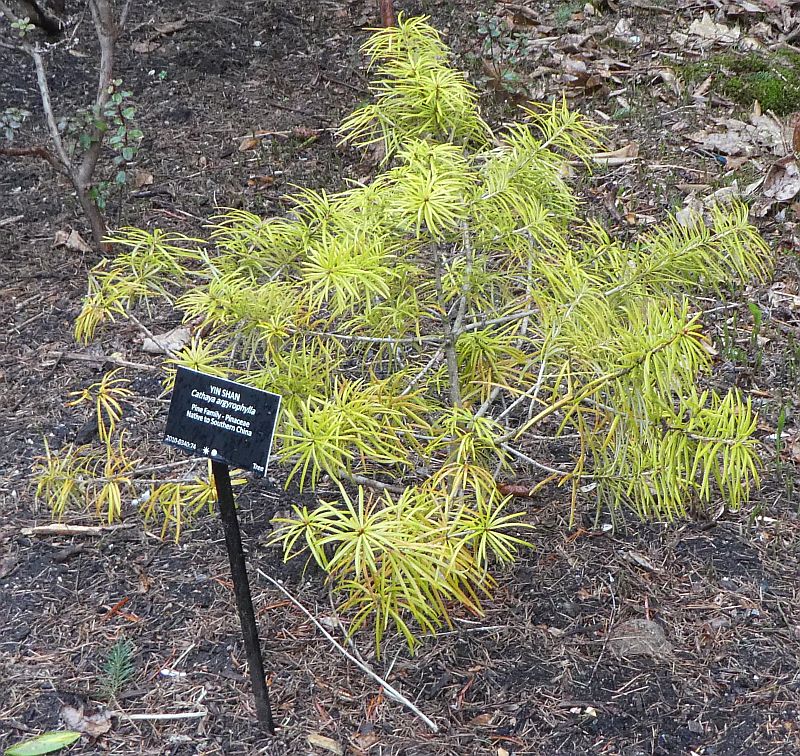
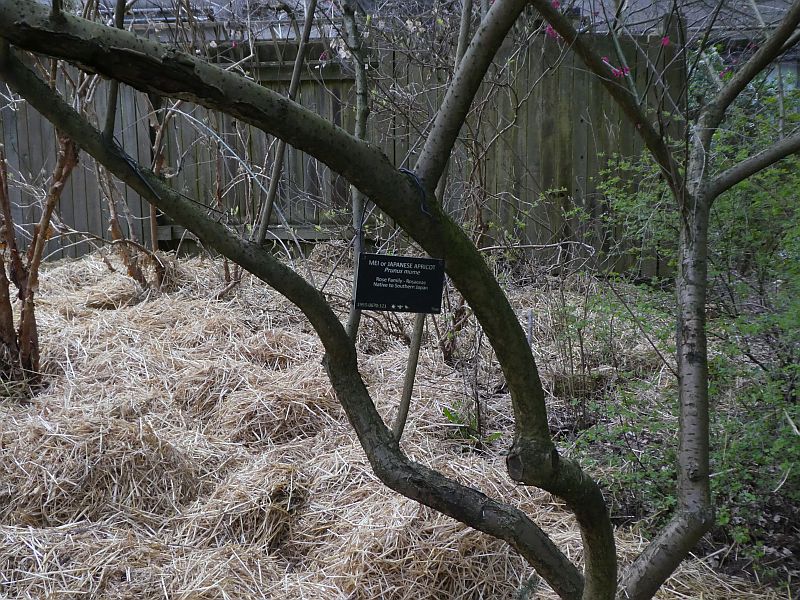
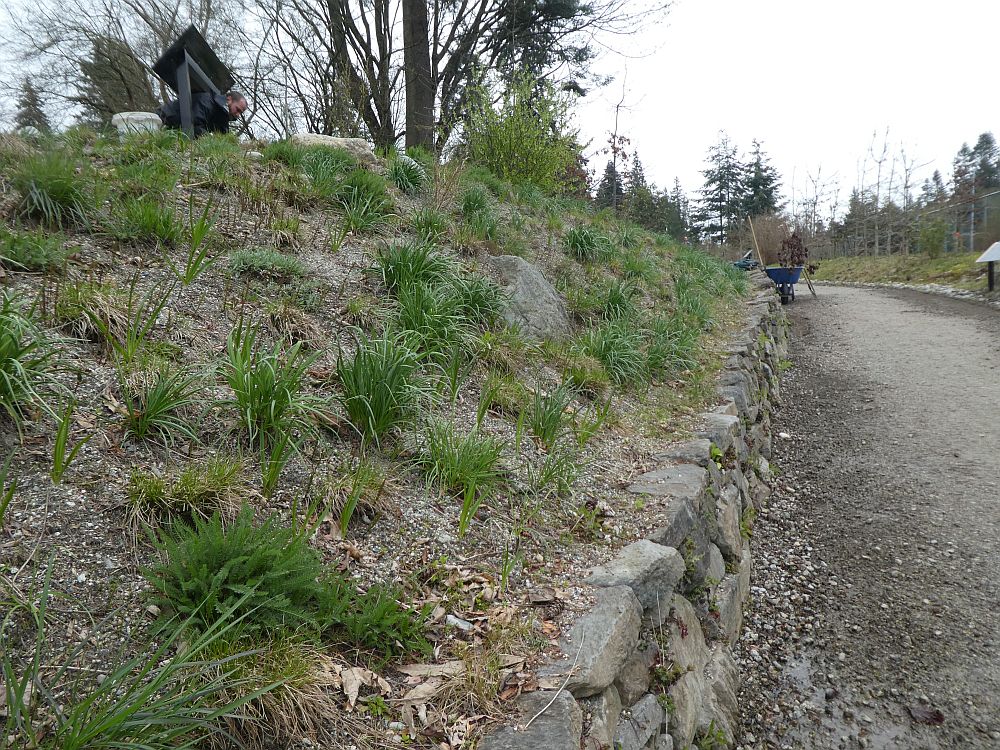
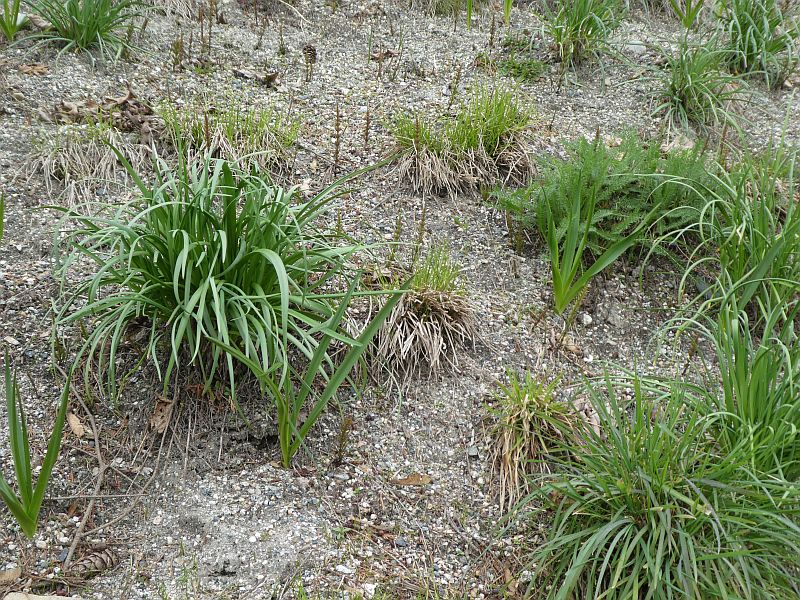
On 4th April 2017 I visited the University of British Columbia botanical garden in Vancouver, Canada. It was more dfficult to find by public transport as I had imagined and smaller, but nevertheless an interesting garden with, in particular, a good collection of Asiatic plants. I’ve known of this garden for many years as I was a member of their garden forums, one of the most active on the net before Facebook: http://forums.botanicalgarden.ubc.ca
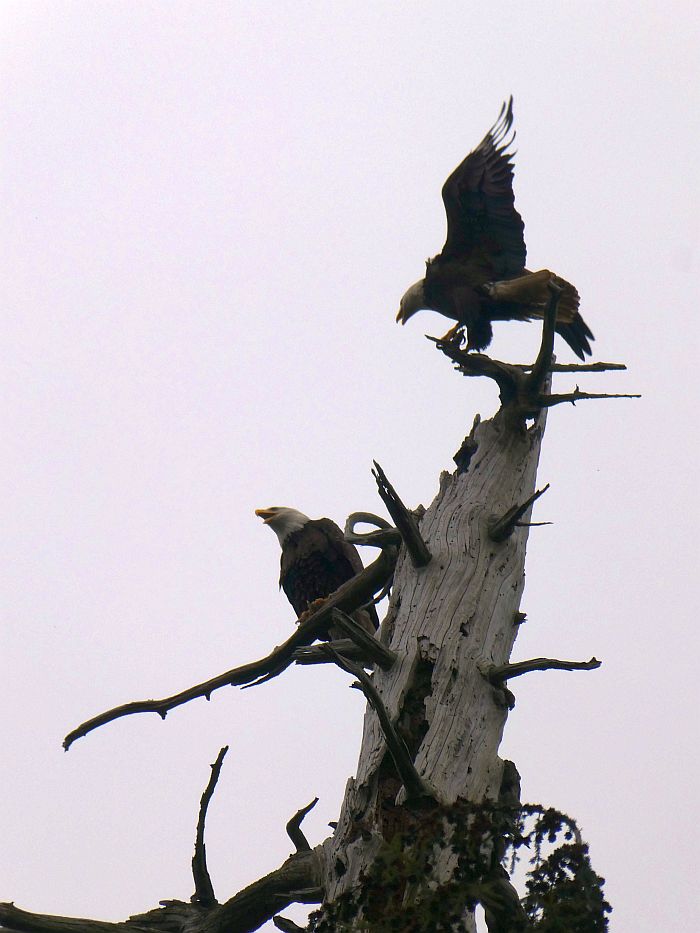
Here’s an album of pictures I took, mostly, but not all, edible plants…and there’s not many gardens you can find breeding eagles!
Lilium henryi var. citrinum is one of the Asiatic lilies used for food!
Lilium martagon, another edible lily
Thalictrum spp. – T. aquilegifolium is eaten in Japan, presumably cooked to detoxicate as this plant is in the buttercup family
Trachystemon orientalis, an edible woodlander from SE Europe I’ve blogged about this one before..
Actinidia spp.
Chinese Rosa mulligannii (I consider all rose shoots as edible)
Hemerocallis lilioasphodelus
Chinese Bergenia emeiensis
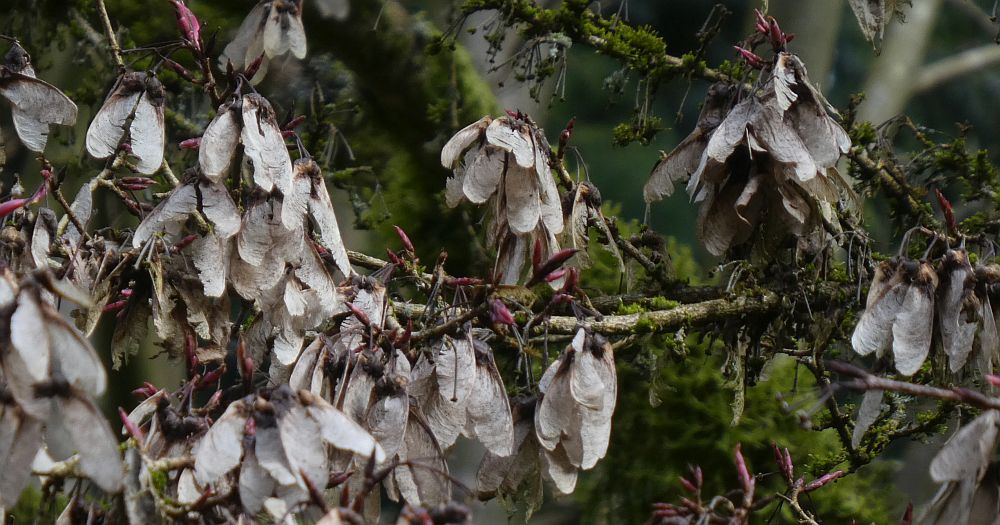
Acer mandschuricum was noted as the most hardy maple, from Korea and Northern China, one of a collection of 100 species in the garden
Ostrich fern, Matteuccia
Polygonatum odoratum, shoots eaten in the Far East
Saxifraga stolonifera is eaten in tempura in Japan
Chinese Sorbus megalocarpa has large inflorescences
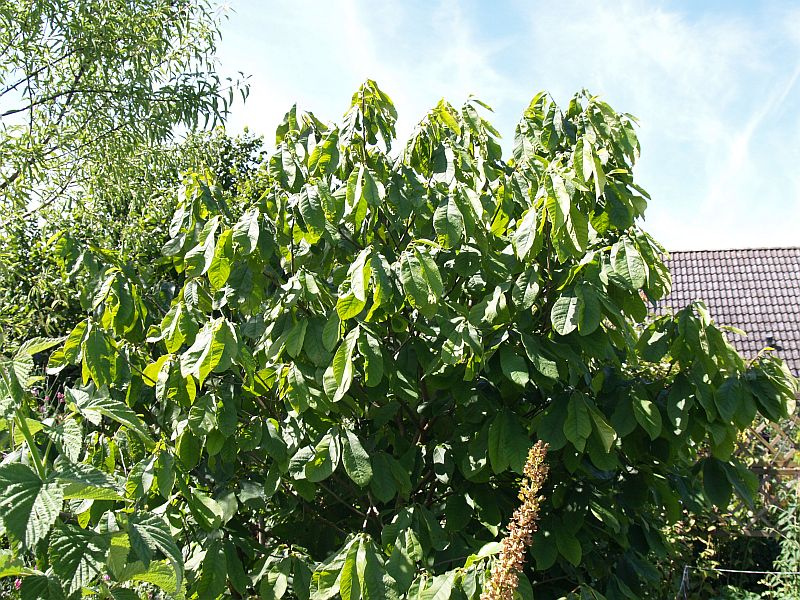
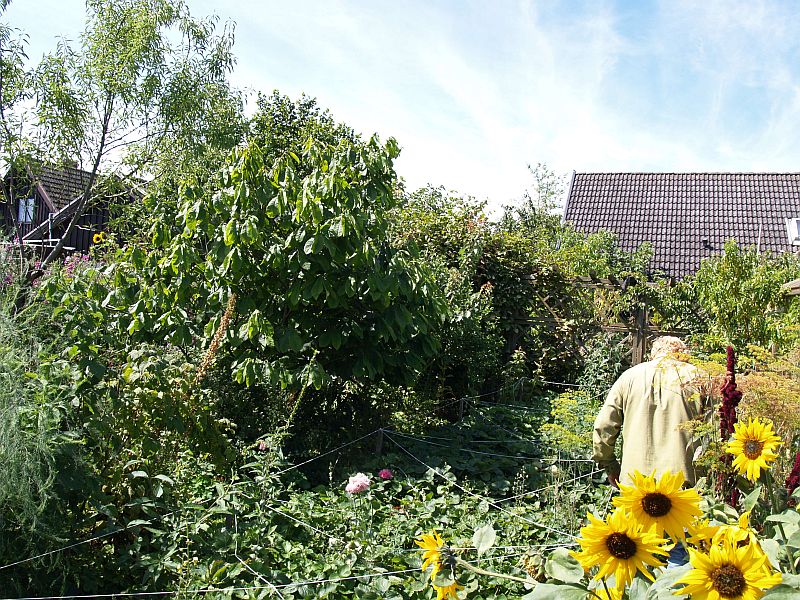
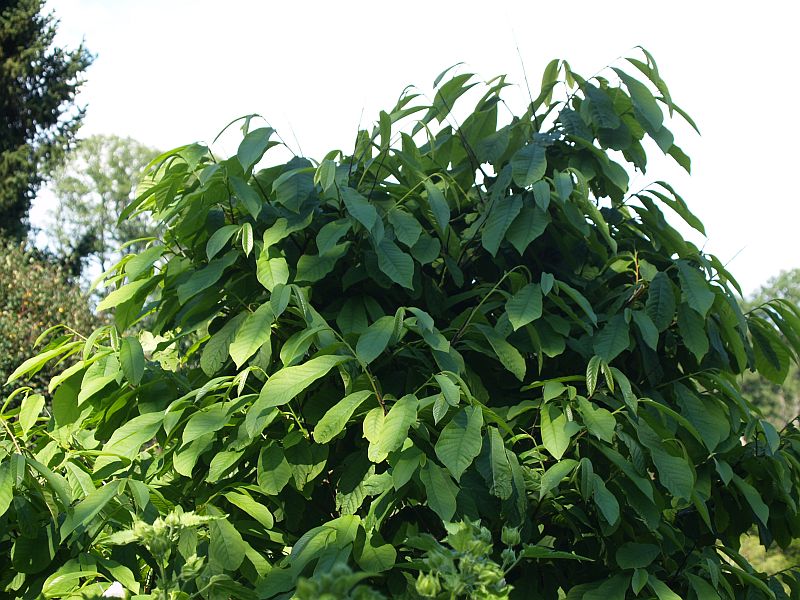
I was asked if it is possible to grow papaws (Asimina triloba) in Norway. I don’t think it’s impossible, but I suspect they need warmer summers than most parts of Norway can offer. I have seen good size trees in Malmø (Southern Sweden) with one fruit at the end of July in Åke Truedssons garden and a good size tree in the Gøteborg Botanical, pictures in both sites are from 29th-30th July 2008. I don’t know how these trees are doing today. I’ve tried a couple of times. I’ve managed to germinate seed, but the plants hardly grow in my cold summers! See more about papaw (which is not the same as the better known tropical pawpaw or papaya) on the wiki page here: https://en.wikipedia.org/wiki/Asimina_triloba
1) In Åke Truedsson’s garden in Malmø with a fruit!
2) In the Gothenburg Botanical Garden
Perennial vegetables, Edimentals (plants that are edible and ornamental) and other goings on in The Edible Garden