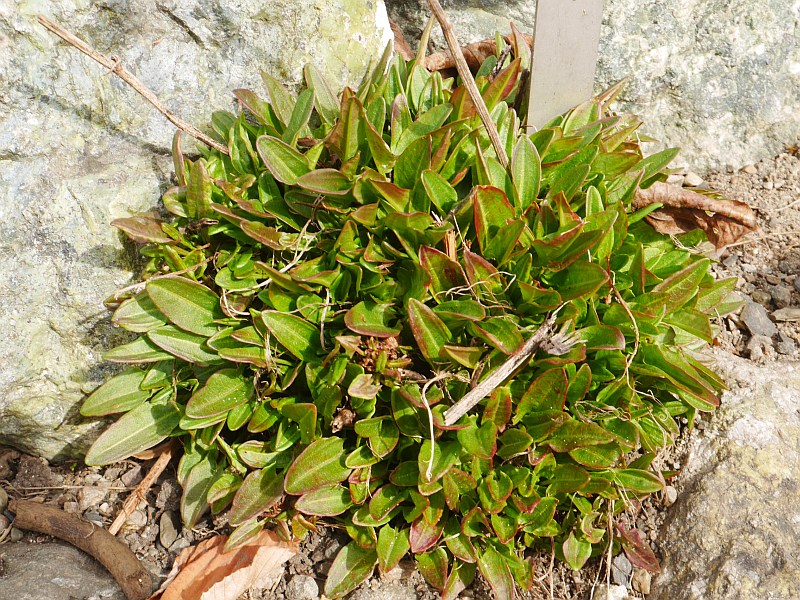
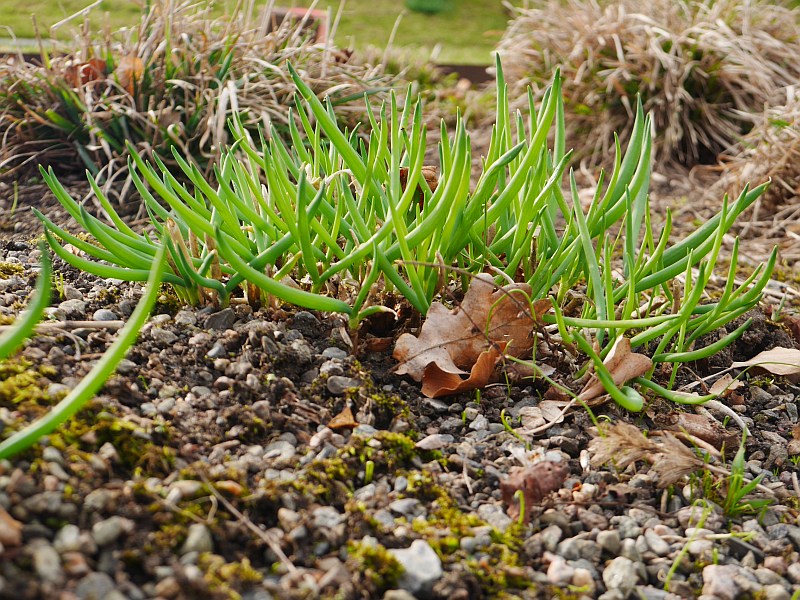
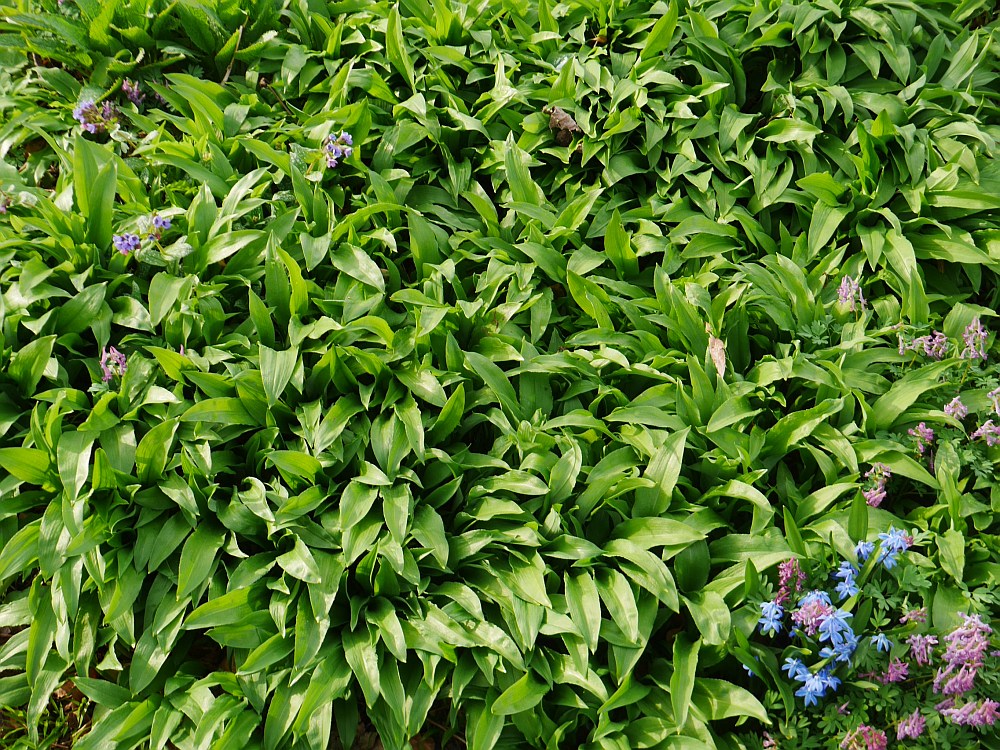
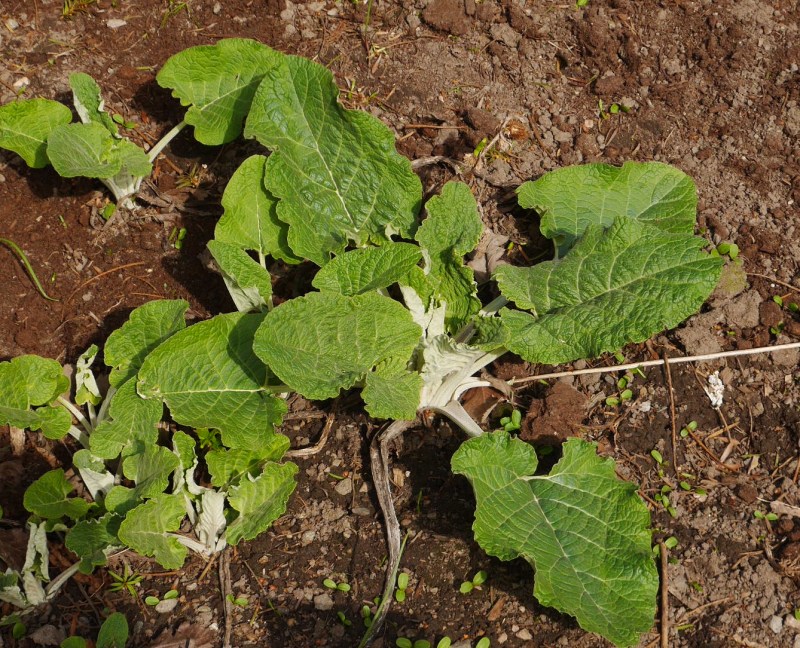
Pakora or bhaji is a popular snack in Indian and surrounding countries. Growing up in the UK, vegetarian Indian food has always been part of my diet since I was a student. It is basically various vegetables dipped into a batter made from gram (chick pea) flour and stir-fried. It would be fun to use broad bean flour as we can’t grow chick peas here. The flour was mixed with water, salt and pepper, chili, cumin and coriander until you get a batter with the consistency of cream.
The pictures show the 15 perennials I used (2 types of dandelion) and the final delicious and simple veggie dinner served with sour cream (or yoghurt), Most of the plants are forest garden species.
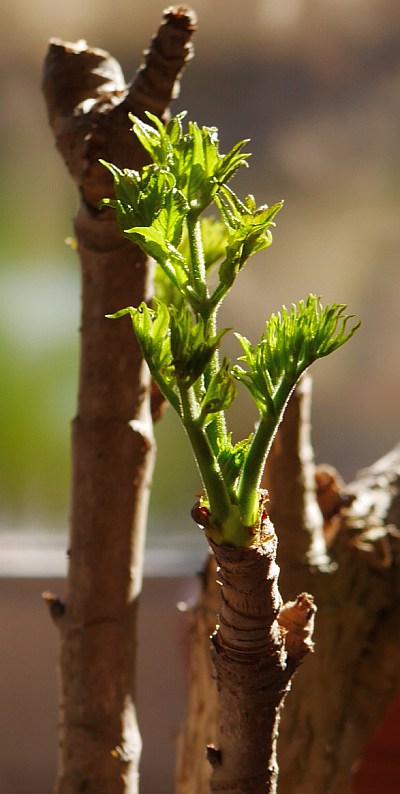
These are Aralia elata (devil’s walking stick / fandens spaserstokk) young leaves which I had forced inside (I’d cut the tree down to stilmulate new shoots from the root as all the young shoots were too high to reach. More in my book.
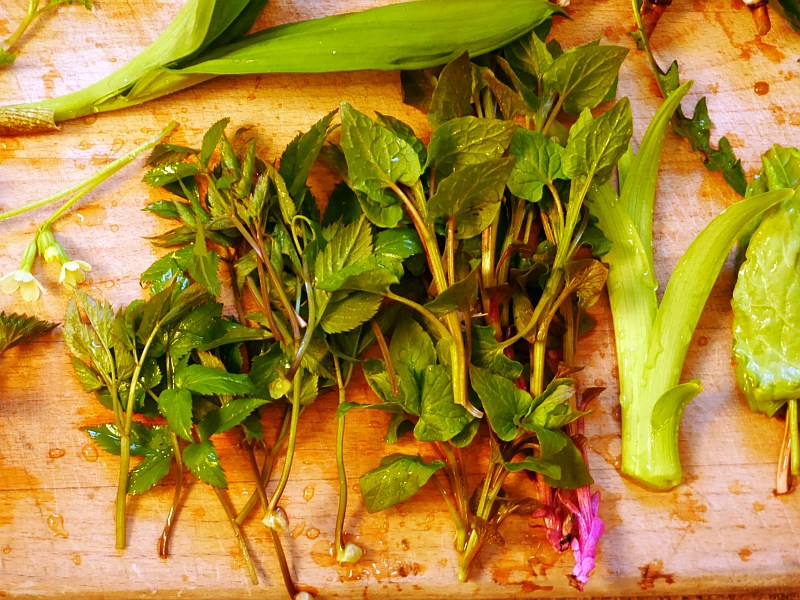
From the top left and clockwise: Allium victorialis, dandelions, Rumex acetosa, Hemerocallis shoot, Hablitzia (stjernemelde), ground elder (skvallerkål), Primula elatior (flower stems), garlic, nettle and (bottom left) Campanula latifolia)
Dandlions with a little of the root
Aralia paradoxum, Aralia elata, Myrrhis odorata, and bulb onions
Campanula, garlic, Primula, nettle and Aegopodium
Allium victorialis, Aegopodium (ground elder) and Hemerocallis (day lily)
Ready to eat pakora: Top and clockwise – Allium victorialis, Aralia elata, ground elder and Campanula mixed, dandelion (bottom), and bulb onion!
I’m appearing at two events at National Trust property Mount Stewart in Northern Ireland this summer. I’ll be doing talks and walks and talks at both events
9th June: BBC Radio 4’s Gardeners’ Question Time Summer Garden Party (see also http://www.bbc.co.uk/programmes/articles/415rx5ZndyLb1gz3jnQ0SJV/gqt-on-location)
22nd and 23rd September: Planter’s Seminar (with Bob Flowerdew and Ken Cox)
On a break in my journey from Trondheim to Hvaler I had a few hours edible-spotting in the Oslo Botanical Garden (full of – not allowed to pick – food at this time of year) ;)
NB! Not all plants shown here are edible!
I’ll add captions later!
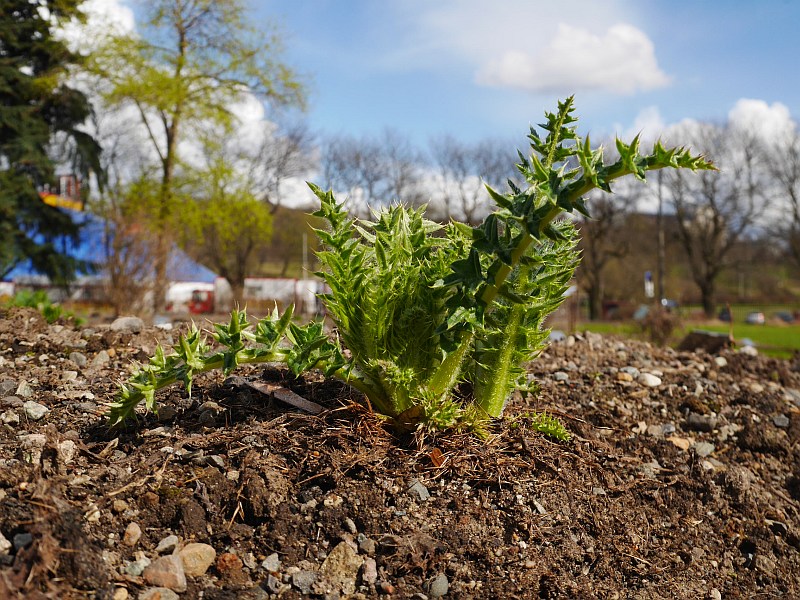
Cirsium spinosissimum is recorded in the Italian Alps to be used like artichoke (as a snack)
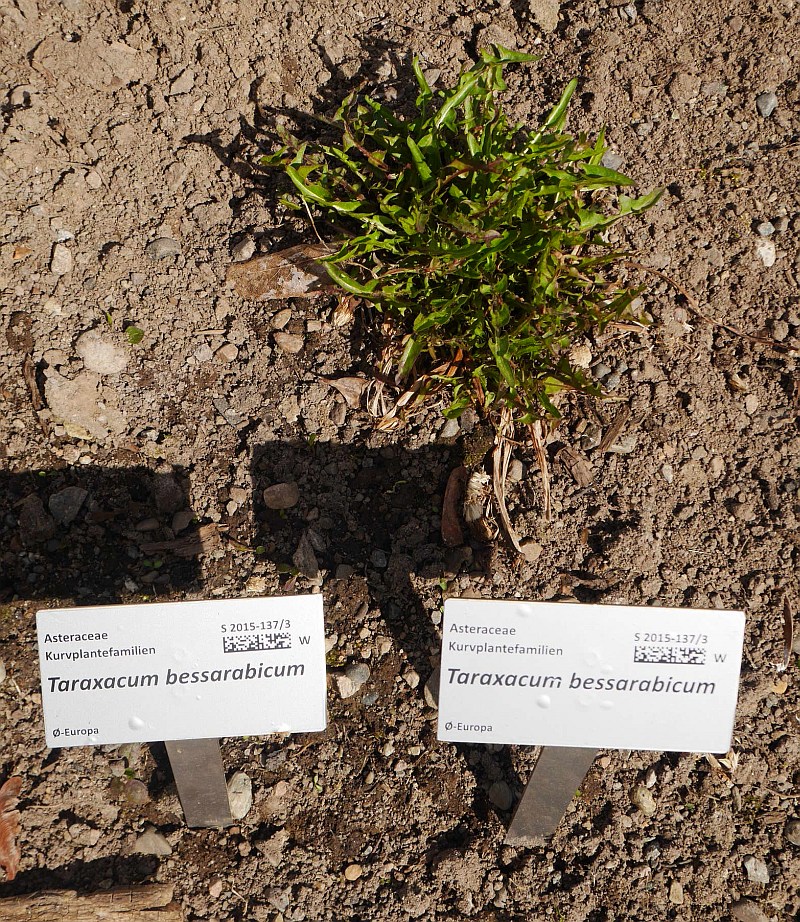
Taraxacum bessarabicum is from SE Europe
Hop shoots
Fine leaved young leaves of horseradish
Cochlearia, scurvy grass
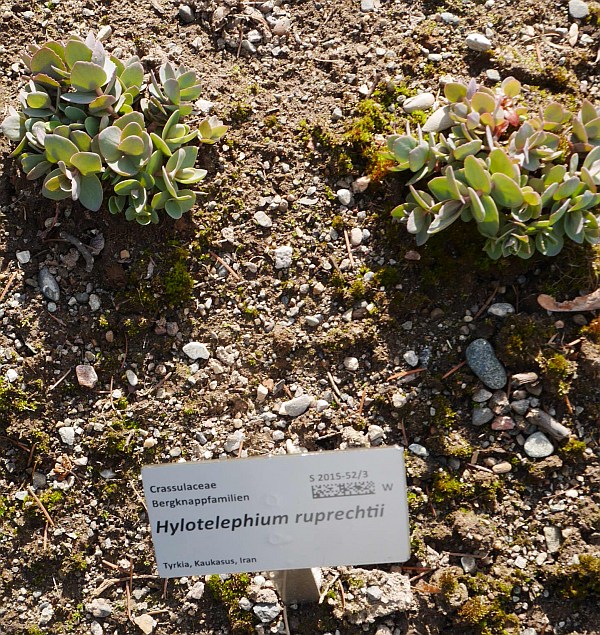
Hylotelephium ruprechtii has mild tasting leaves
Allium victorialis #1
Allium fistulosum
Allium flavum
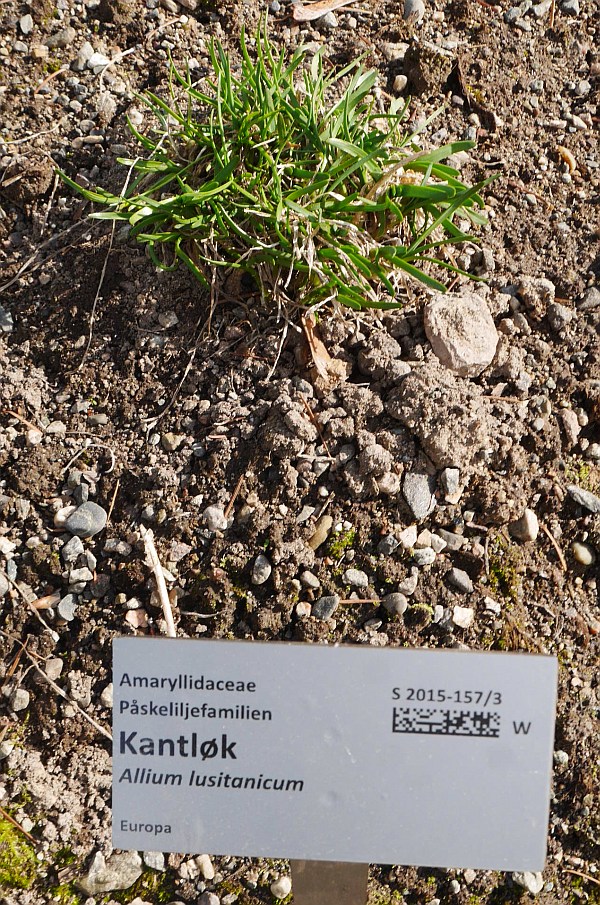
Allium lusitanicum
Ruscus aculeatus – will be interesting to see if this has actually survived the winter
Hosta sieboldiana
Tradescantia ohiensis (one of the 80 in my book)
Angelica atropurpurea
Viola canadensis
Magnolia kobus (the buds are delicious)
Prinsepia sinensis, an unusual fruit that apparently only ripens in a long hot summer in the UK…I’ve not manage to overwinter it…
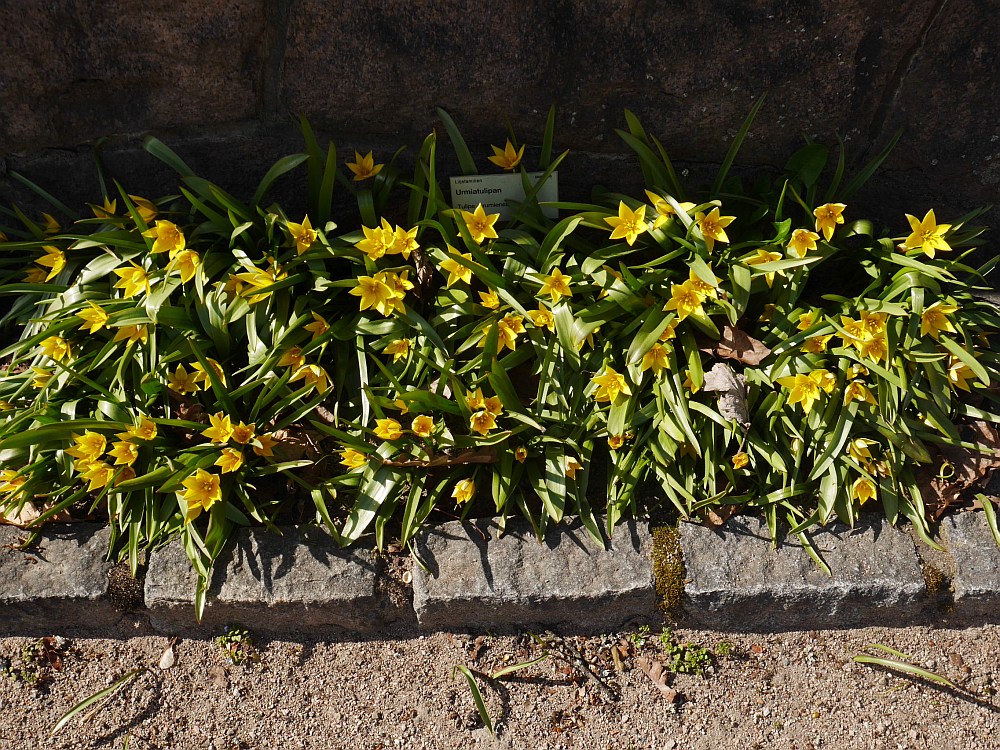
Tulipa urumiensis
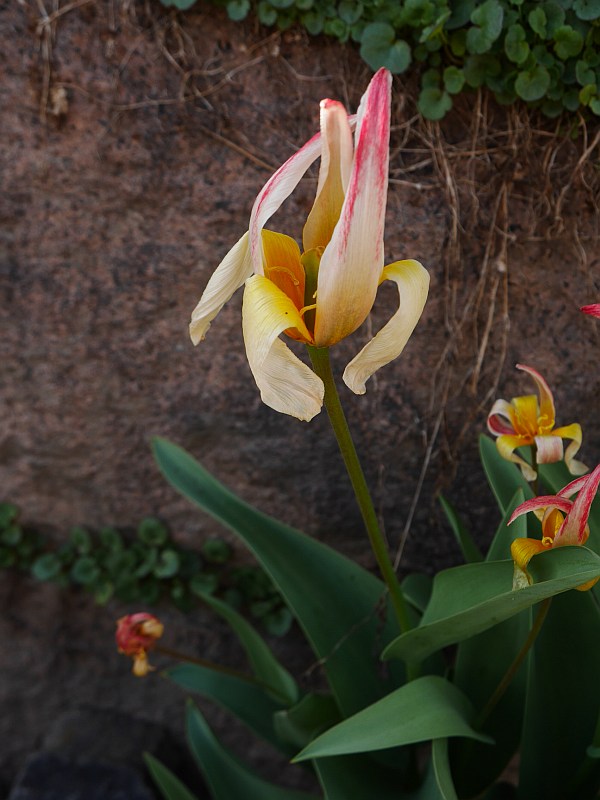
Tulipa kaufmanniana (Waterlily tulip)
Heracleum mantegazzianum
Heracleum mantegazzianum
Camassia leichtlinii ssp suksdorfii
There’s a good collection of Trillium in the woodland garden, here Trillium kurabayashii
Opuntia compressa
Allium siskiyouense?
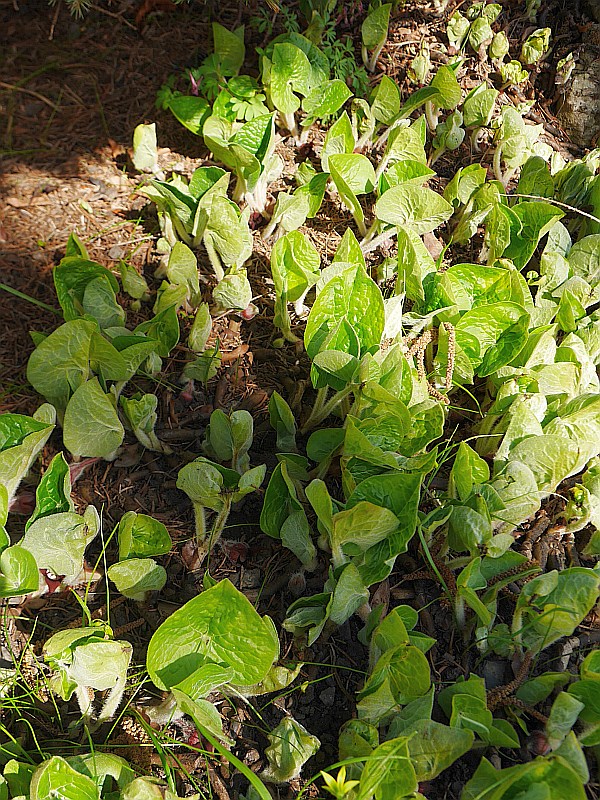
Asarum canadense, wild ginger
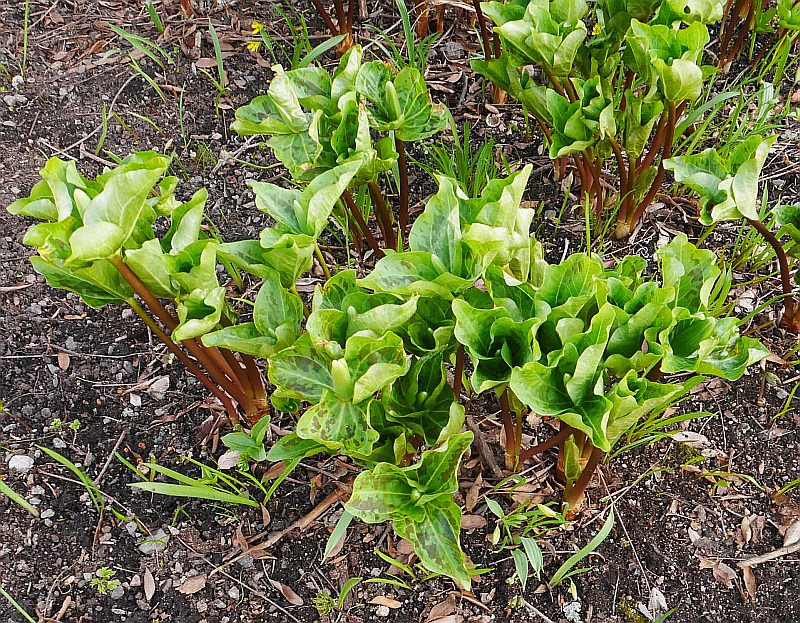
Trillium
Trillium albidum
Trillium chloropetalum
Trillium chloropetalum
Trillium nivale
A nice group of Allium tricoccum
Streptopus roseus var perspectus
Erythronium albidum
Ostrich fern
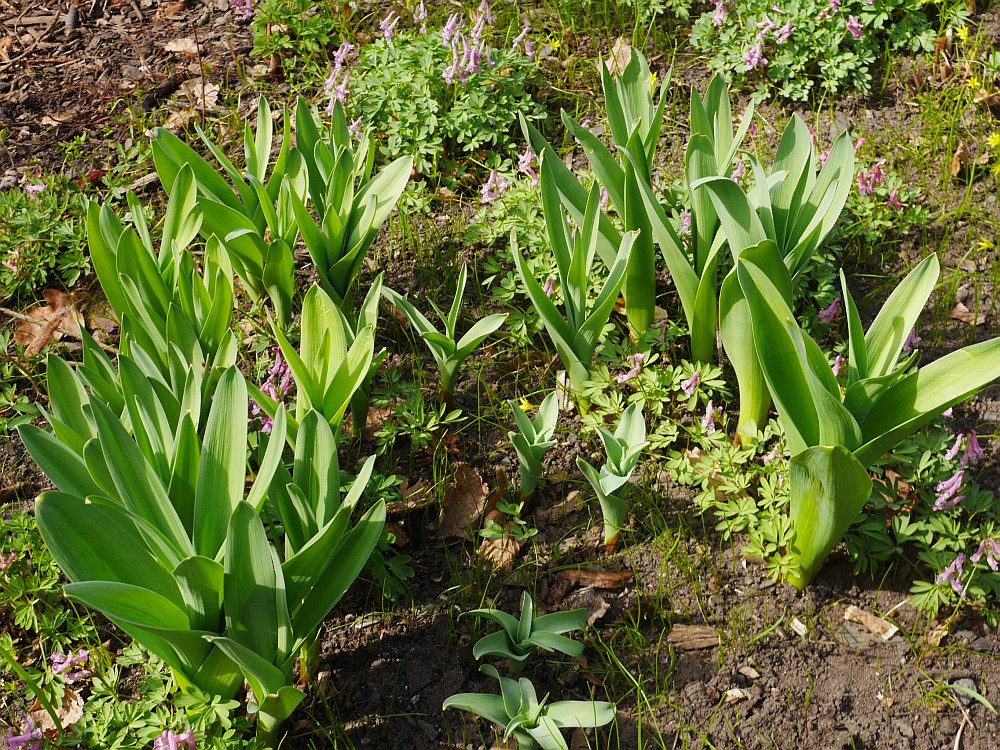
Allium victorialis #2
Allium victorialis #2
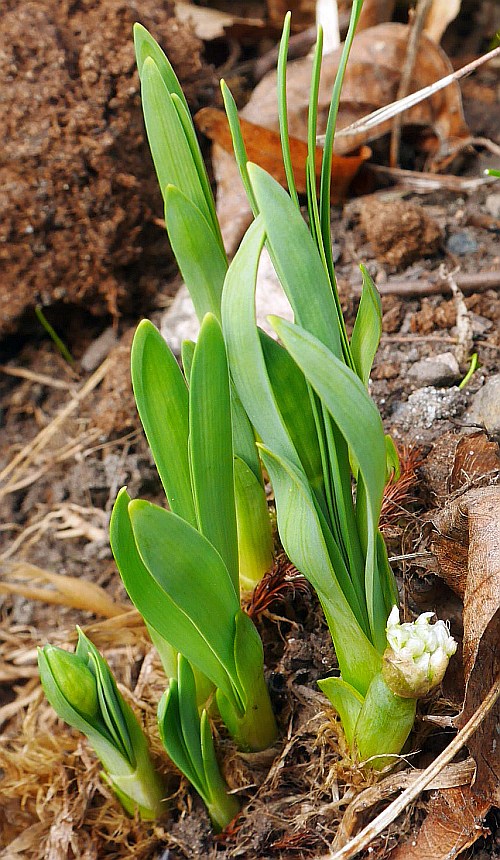
Allium victorialis #3
Allium victorialis #3
Allium victorialis #2
Rheum alexandrae
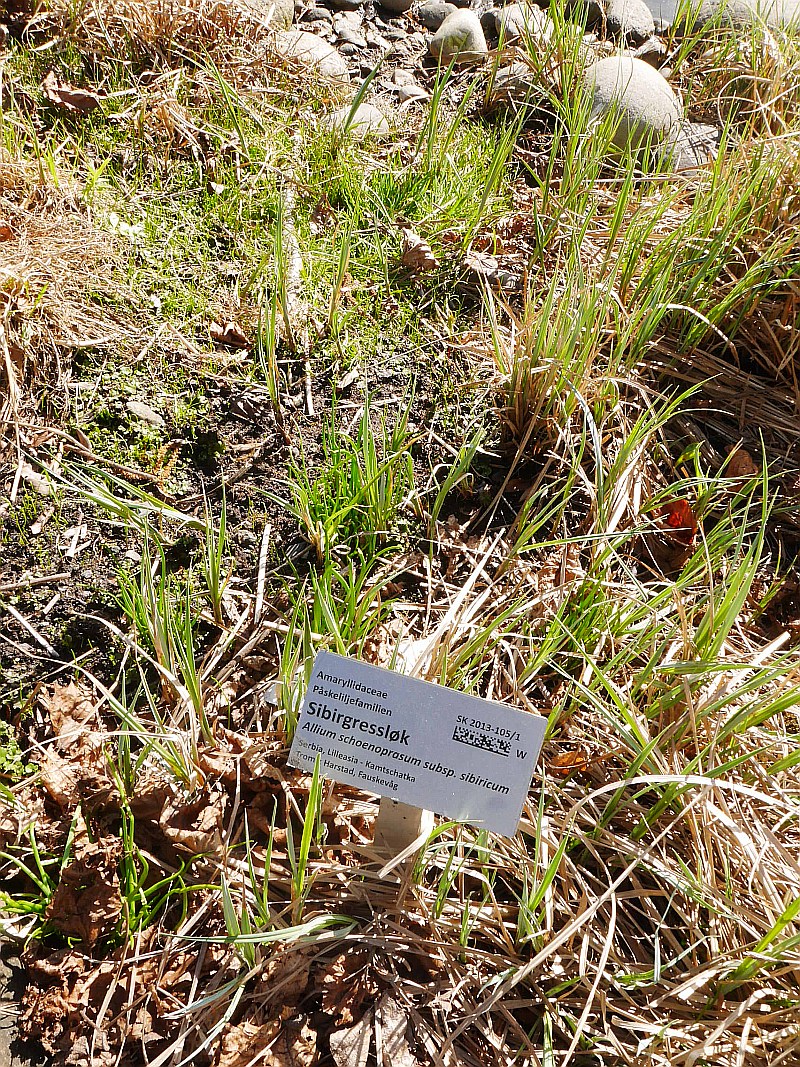
Allium schoenoprasum subsp sibiricum
Mini rhubarb, Rheum pumilum
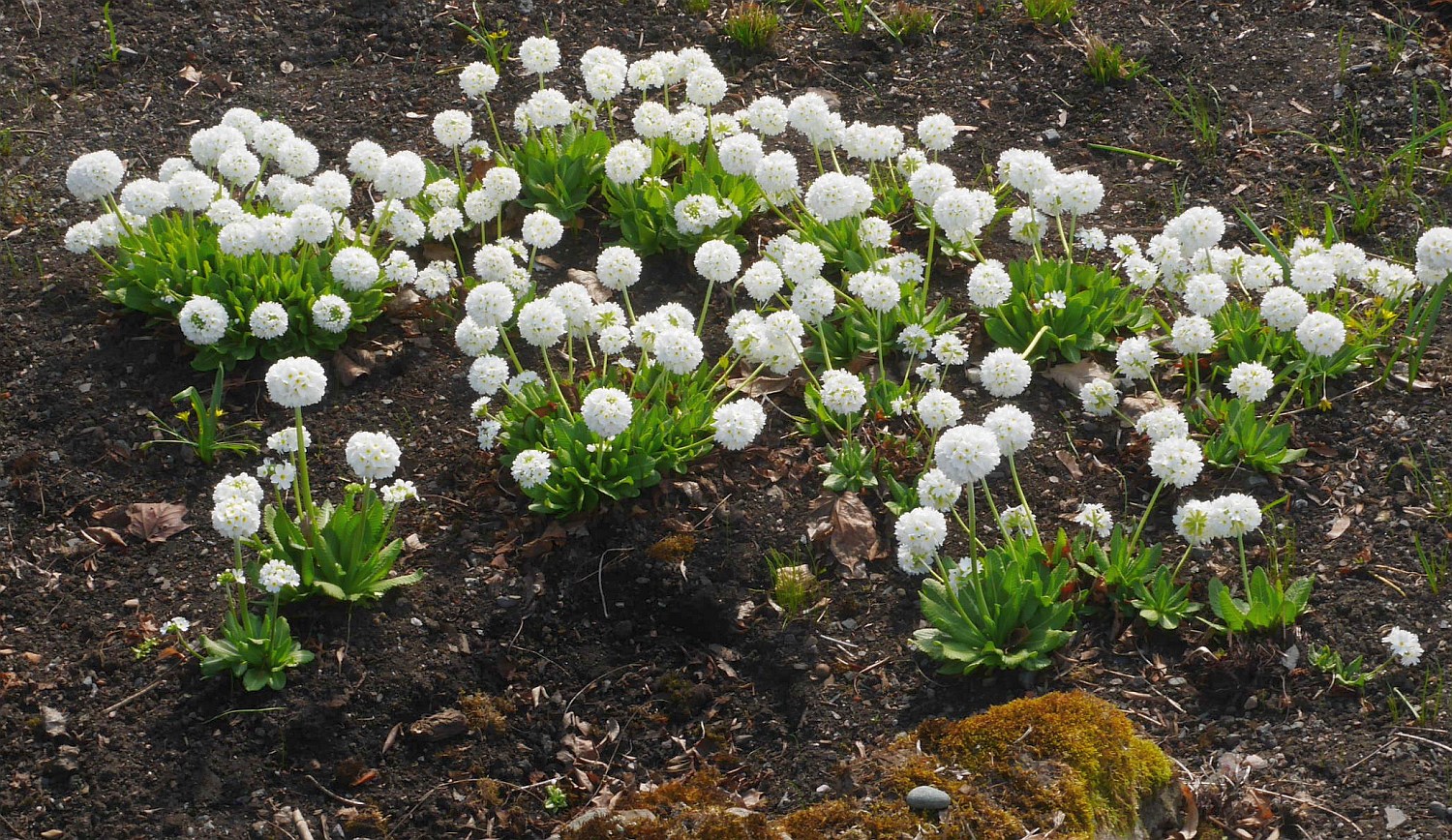
Primula denticulata “Alba”
Primula denticulata “Alba”
Erythronium
A nice broad leaved Allium nutans
Allium victorialis #4
Allium victorialis #4
Allium jesdianum
Allium humile with flower bud
Tulipa kaufmanniana
Campanula collina
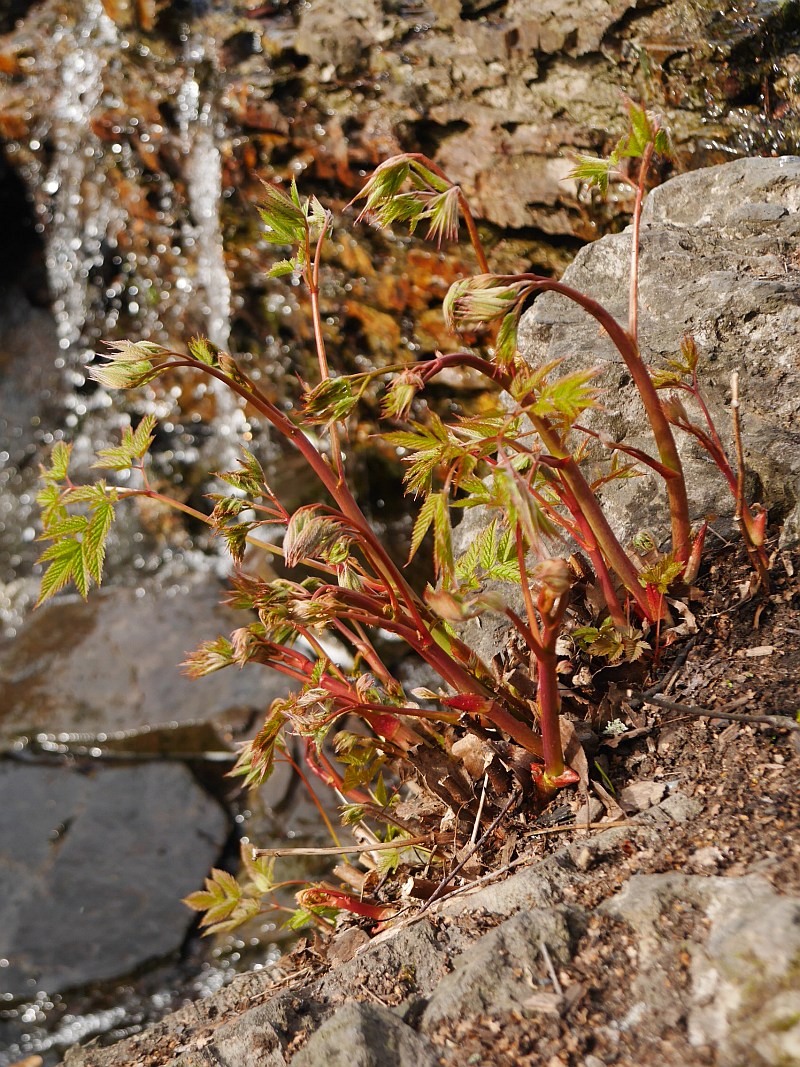
Aruncus dioicus shoots are used in Japan
Caltha palustris “Flore Pleno”
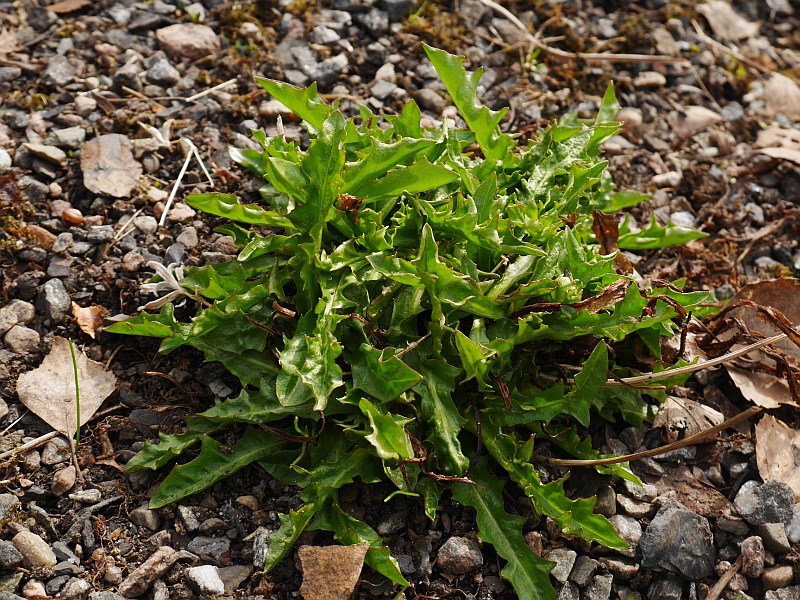
Crepis aurea
Bog myrtle (pors)
Bog myrtle (pors)
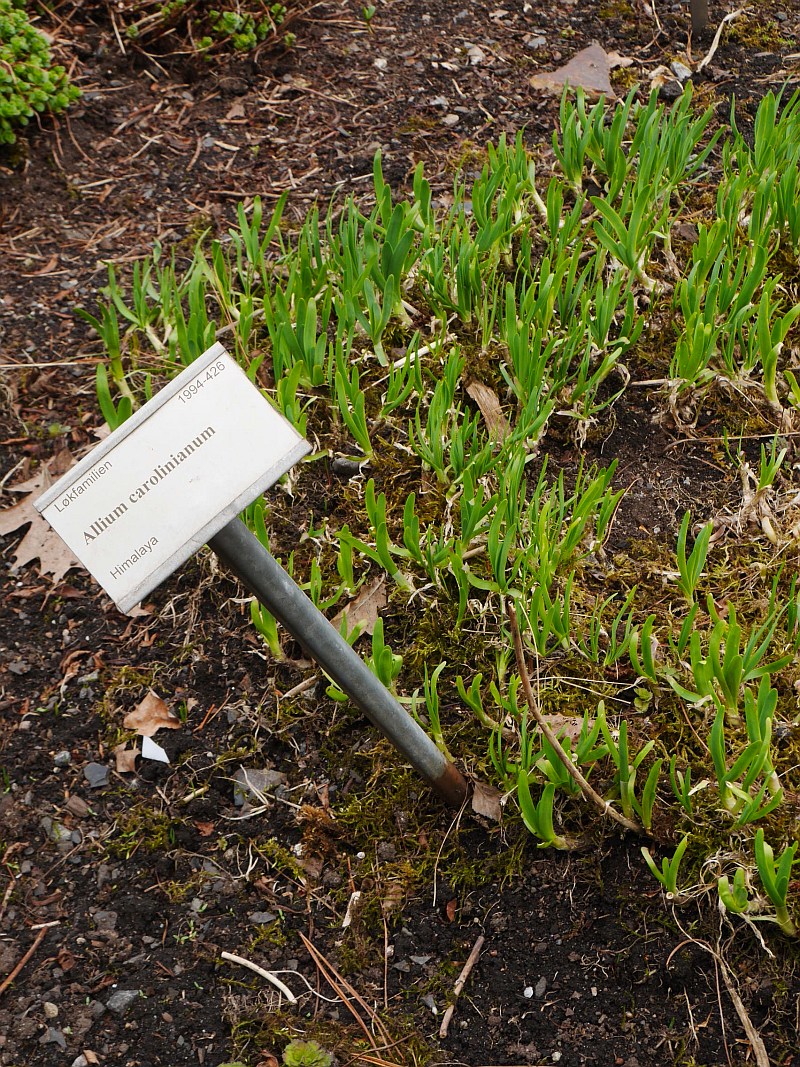
Not Allium carolinianum
Allium victorialis #5
Primula marginata
Oxyria digyna
Rumex acetosa var serpentinicola
Cardamine bellidifolia
Not edible but Mogop, Pulsatilla vernalis, is one of the beauties of the Norwegian mountains
Smilacina racemosa
Taxus baccata “Repandens”
Reynoutria japonica, Japanese knotweed
Allim fistulosum from the turf roofs of Gudbransdalen
Allim fistulosum from the turf roofs of Gudbransdalen
Ligularia x hessei “Gregynog Gold” has mild tasting leaves (Ligularia dentata x wilsoniana)
Ramsons (Allium ursinum)
Not edible Bloodroot (Sanguinaria canadensis)
Vossakvann (Angelica archangelica)
Arctium lappa (greater burdock)
Tøyen has a small collection of the old Norwegian onions I’ve collected
On the second day, we started with the second part of my talk and then had a walk on the beach at the Ytre Hvaler National Park looking for edibles. Randy Gunnar Lange works here and talked a little about the park.
Introduction by Randy Gunnar Lange… a species of sand wasp was active in the sand below our feet!
The course participants…a wonderful diverse group!
It was a bit early for most of the spring edibles such as sea kale (strandkål), but we did see a few young shoots of strandarve / sea sandwort (Honckenya) and sea aster (strandstjerne), young seedlings of Atriplex (strandmelde / beach orach), Rumex crispa and silverweed (gåsemure)
Randy shows us a speciality of the park, Strandmaurløve / ant-lion (Myrmeleon bore), a threatened species in Norway See https://www.artsdatabanken.no/Pages/223124
Randy found an ant-lion in the first depression in the sand he checked…it waits in the depression in the sand for an ant or other insect to fall in
…og tusen takk til Mariann Bekkevold Hovda who baked a sugar-free birthday cake for me <3
What a perfect present….an evening with Anders Often, one of Norway’s leading botanists and a lovely person too! Thank you Randy Gunnar Lange and Ingunn Bohmann. I’d never met him before, but had emailed with him about old relic locations of Hablitzia some years back.
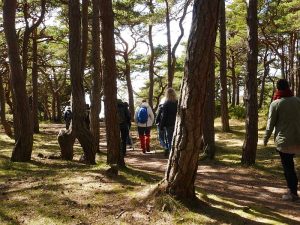
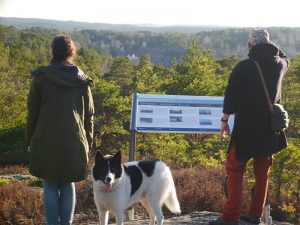
We walked from Eikeløkka through an amazing varied landscape, in places extremely poor with twisted pine trees and ground covering spruce, in others rich where marine sediments had been deposited, to the highest point on Kirkøy, Hvaler (Botneveten) at just over 70m from where there were amazing views showing a forest covered island and with spectacular panoramic views towards the Koster Islands (where I’ve been a couple of times: http://www.edimentals.com/blog/?p=4225), Strømstad, Svinesund and Torbjørnskjær (where we had a buoy measuring marine environmental parameters in the 90s!)
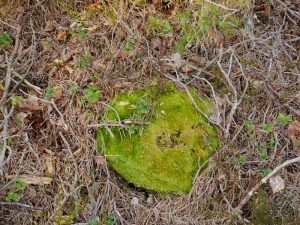
Anders showing us a pincushion moss (blåmose)
Pincushion moss (blåmose)
Spruce trees had a very special form in places hugging the ground under a pine tree!
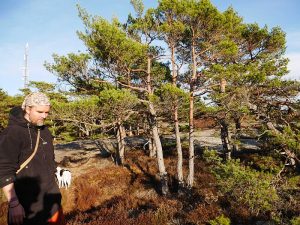
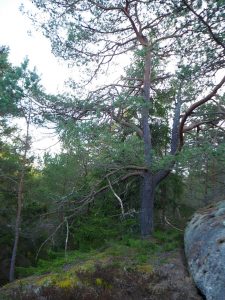
The pine trees seemed to be growing on almost nothing and were much older than one would think…
Anders counting annual rings on one small tree…it was around 20 years old!
Anders called these special pines “knausfuru” and told us they could be very old
One of 3 information boards on the top
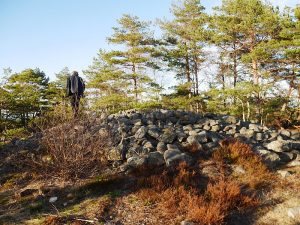
A tumulus (gravrøys) from the iron or bronse age on top (they were placed with a good view during that period)
View towards Svinesund bridge (the boundary with Sweden)
Another ground hugging spruce under a pine
Anders told us here of the difference between the native and cultivated forms of spruce. The latter more often have several tops and irregular growth…this one had probably been damaged as a small tree…and a kink in the trunk can also be seen high up on the right
This was a hybrid oak
One branch of this rose was sprouting from the warnth of the rock
Cirsium palustre
What made this perfectly round hole in the ground?
We didn’t see any, but woodlark (trelerke) breed here!
One small patch of ostrich fern
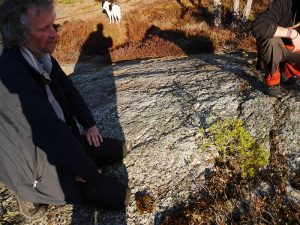
Anders explained that this was an old beach, where waves crashed at one time
…Malus syvestris, wild apple
Perennial vegetables, Edimentals (plants that are edible and ornamental) and other goings on in The Edible Garden