We’re now going into a period traditionally called the hungry gap, but in my eyes it’s the Full gap, the period with an abundance of vegetables, both perennial wild and cultivated edibles. Yesterday’s dinner was a ryotto (risotto with rye rather than rice). In the last few days, many of these early spring permaveggies have put on a growth spurt! I photographed most of the ingredients in the garden first.
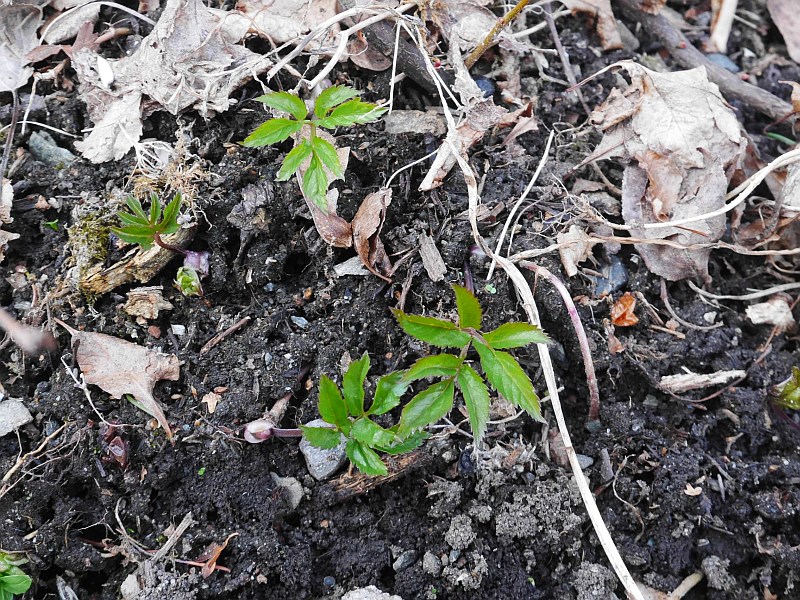
Garden harvested perennial veggies (apart from horseradish at top right, blanched inside for the delicious shoots)
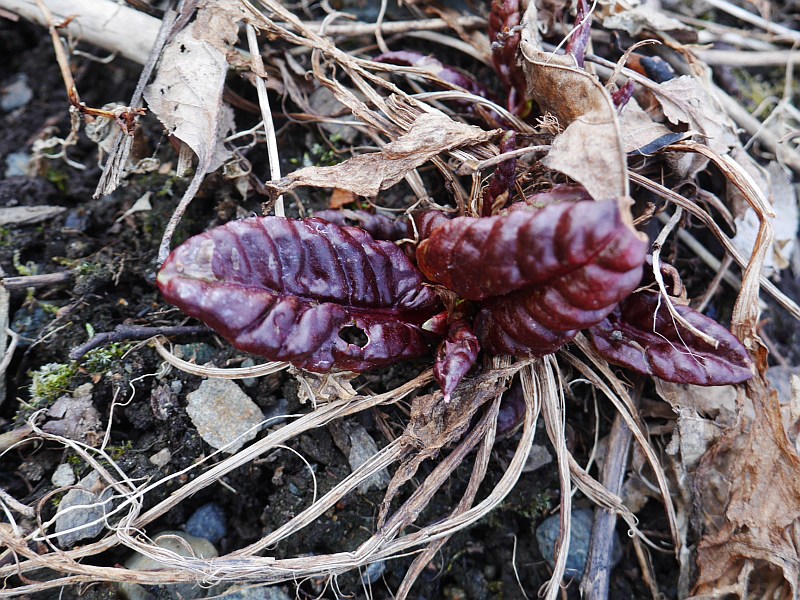
Horseradish / pepperrot blanched inside for the delicious shoots
Indoor seed sprouts (sown in earth for larger yield): Alfalfa / lusern; Wild buckwheat / bokhvete; Oxalis tuberosa (oca shoots) and pea /ert shoots
Ryotto with carrots and Jerusalem artichokes, dried tomato, chili and golpar spice (ground seed of Heracleum persicum / Persian Hogweed / Tromsøpalme)…delicious and home (Norwegian grown) apart from the potatoes!
In December 2004, I went to a remote sensing conference in Concepcion in Chile in my other life as an ocean wave climatologist!
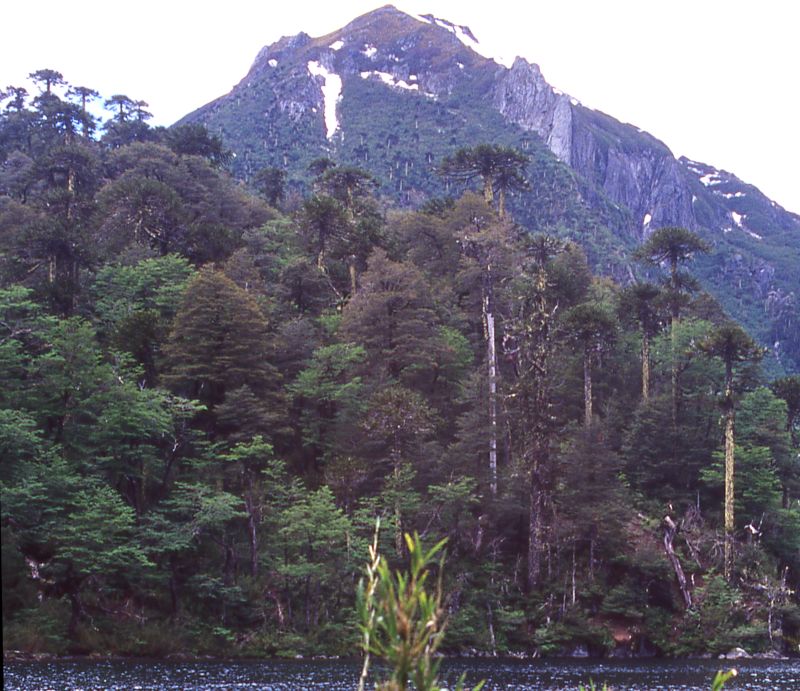
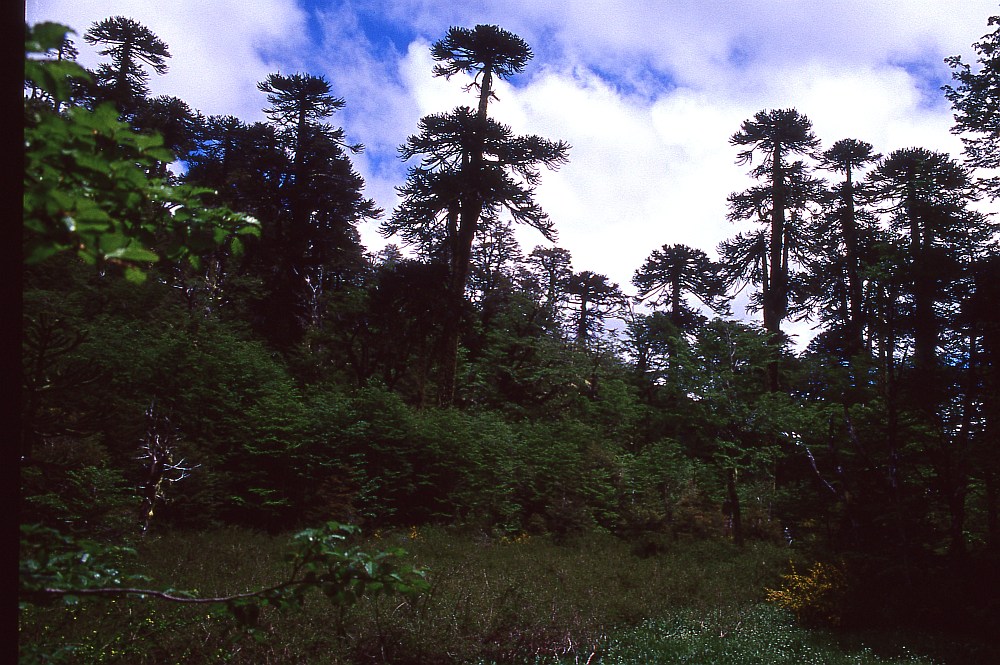
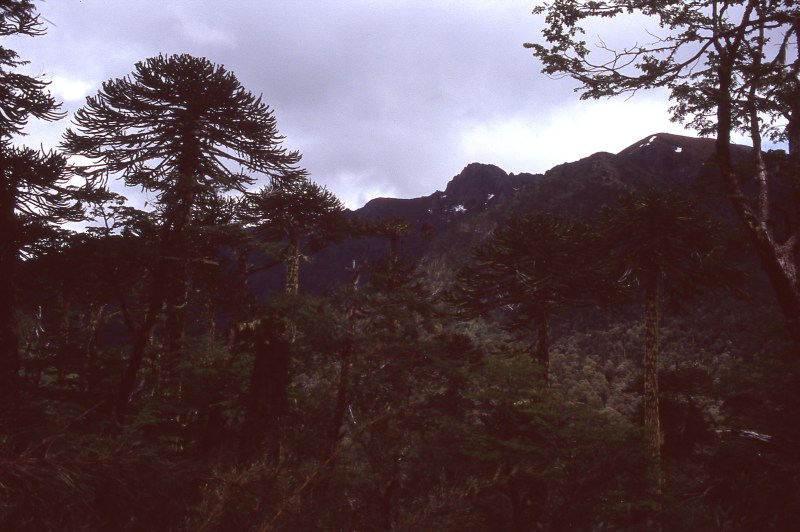
I took some holiday to experience some of the native edibles. One of the main objectives was to experience the ancient old growth Monkey Puzzle forest (Araucaria araucana) and I hoped also to see nuts (piñones) for sale on Mapuche (the indigenous people) markets. It was probably the wrong time of the year (spring) and I didn’t see any nuts. However, after a failed attempt to get up into the main part of the Conguillío National Park due to late laying snow, I did a long hike into the Huerquehue National Park where I walked amongst the old growth monkey puzzle trees that are sometimes known as Umbrella or Toilet Brush trees as old trees (they can reach 1,000 years old!) only have a few branches at the top. Nowadays, it is an endangered species and logging is no longer allowed. It is also the national tree of Chile. A significant part of the diet of the native Pehuenche people (one of the Mapuche peoples) were the nutritious nuts and their name means simply people of the monkey puzzle seeds (Pewen).
Huerquehue National Park
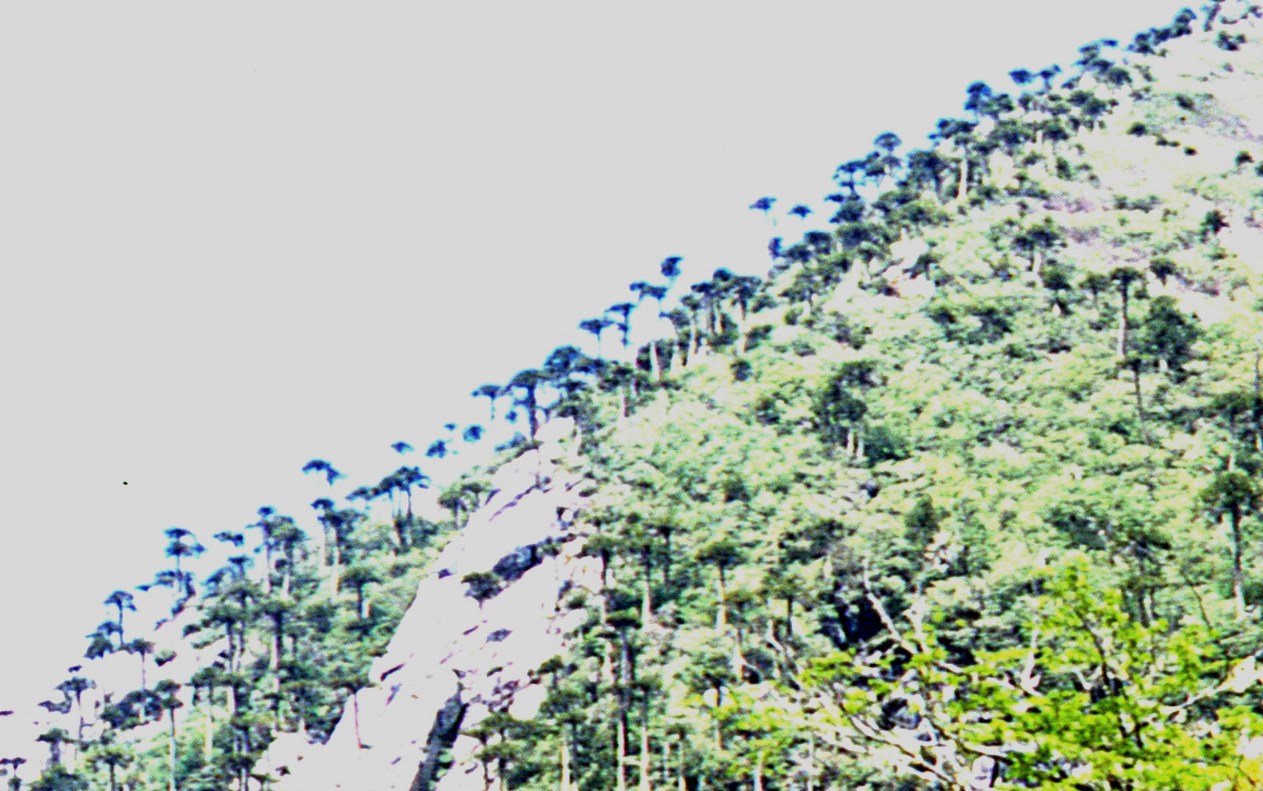
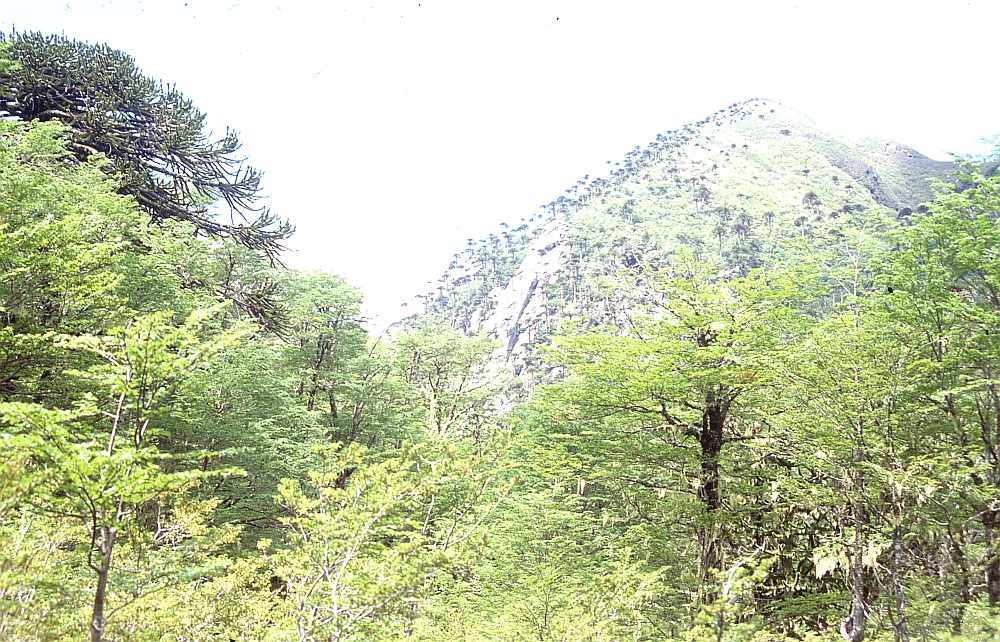
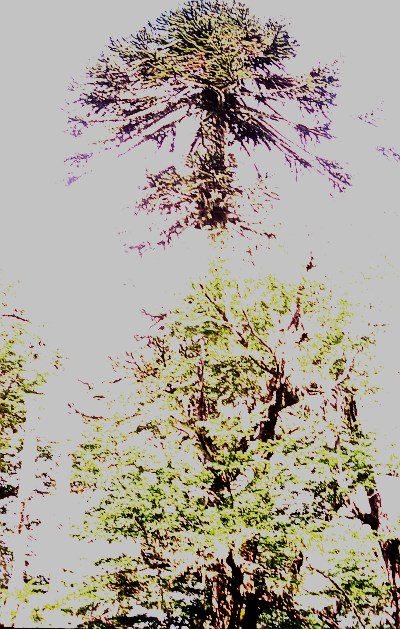
Old growth trees on a distant ridge
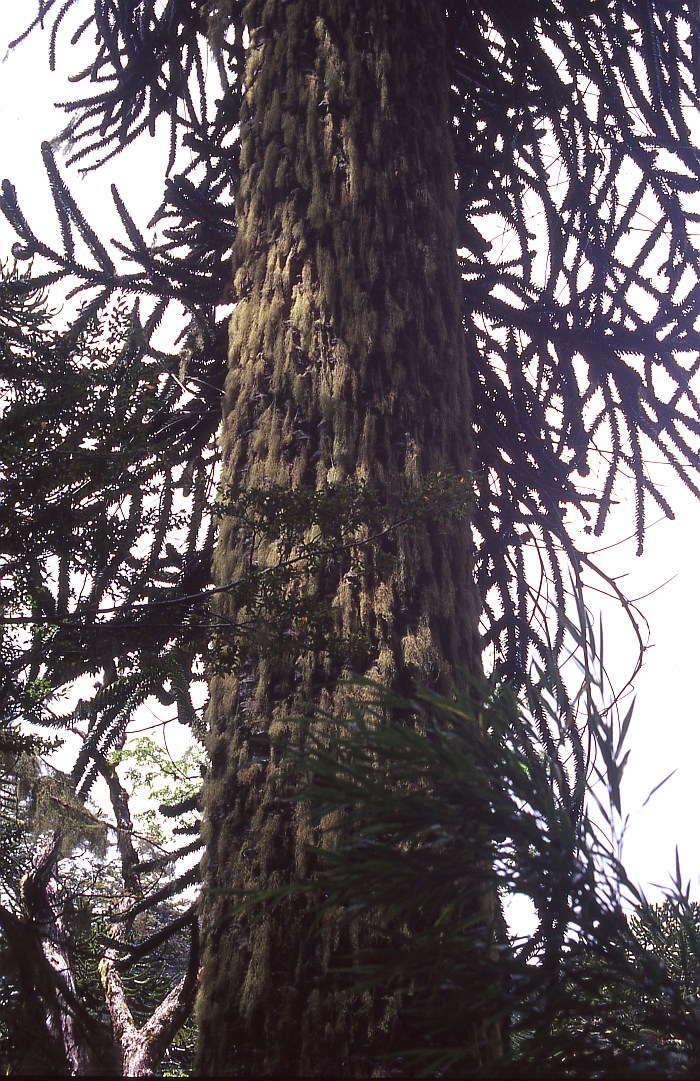
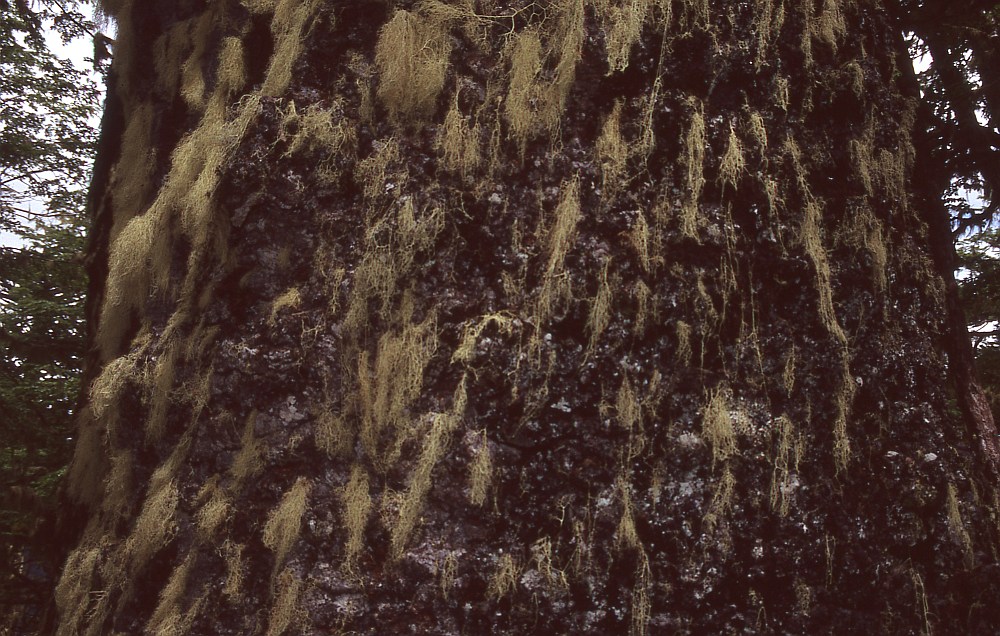
The largest tree I saw, covered with lichens of various species
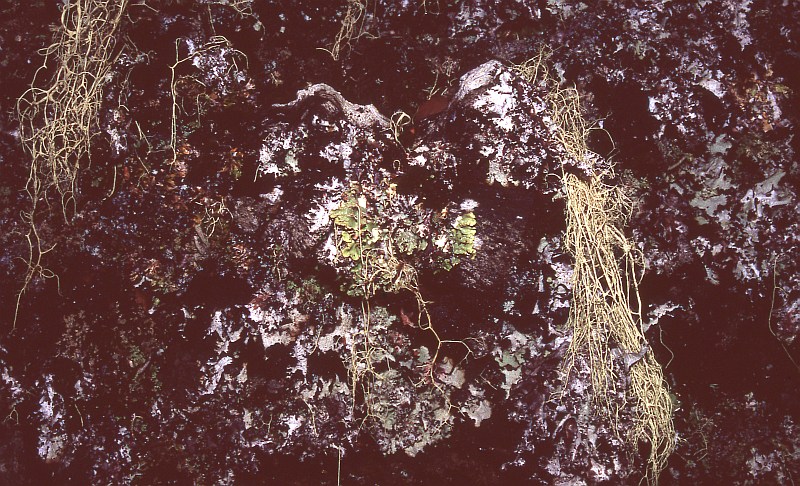
Lichens on Araucaria araucana
Anemone multifida? was growing in association with the largest monkey puzzle.
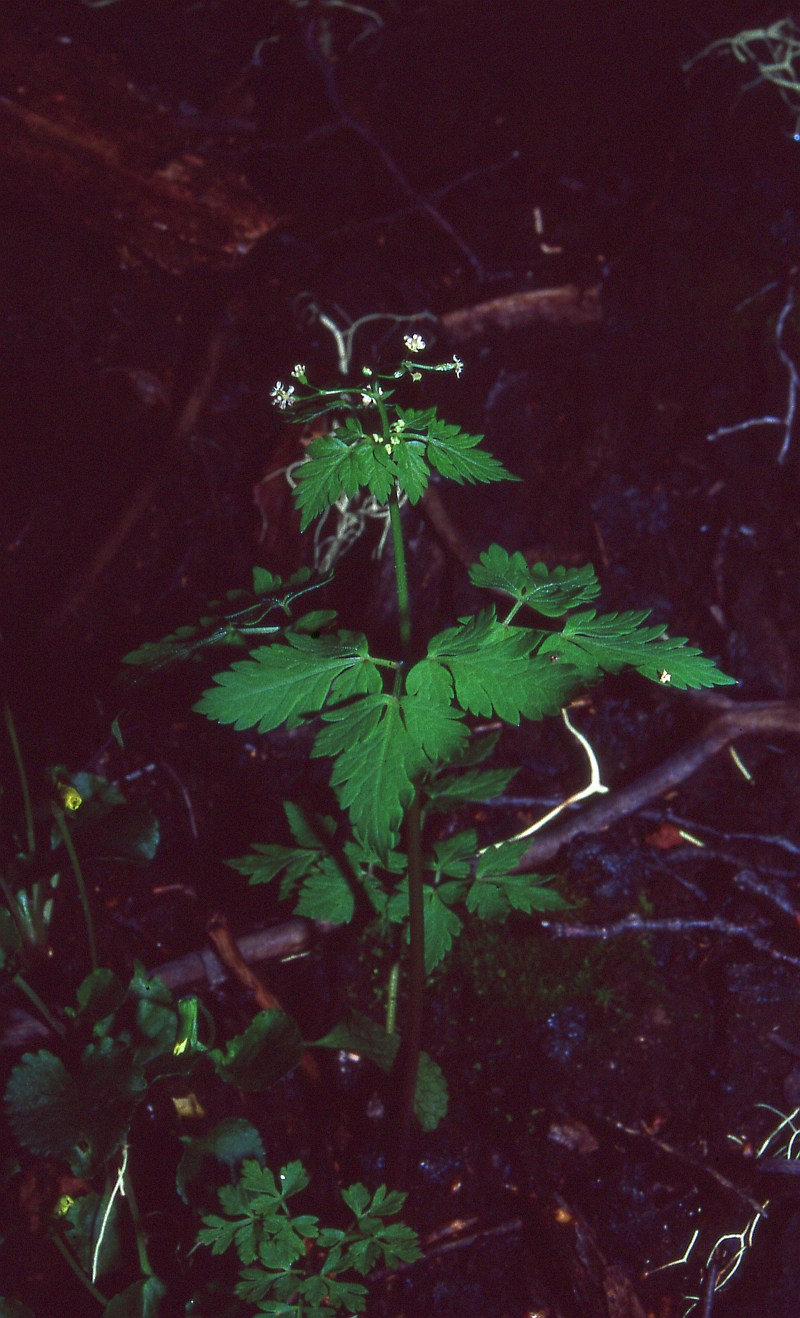
Osmorhiza chilensis is an umbellifer with a good aniseed taste (also found in North America) and growing well in forest shade
Gunnera chilensis/tinctoria (one of the 80 in my book) seen here clinging to rocks next to a high waterfall
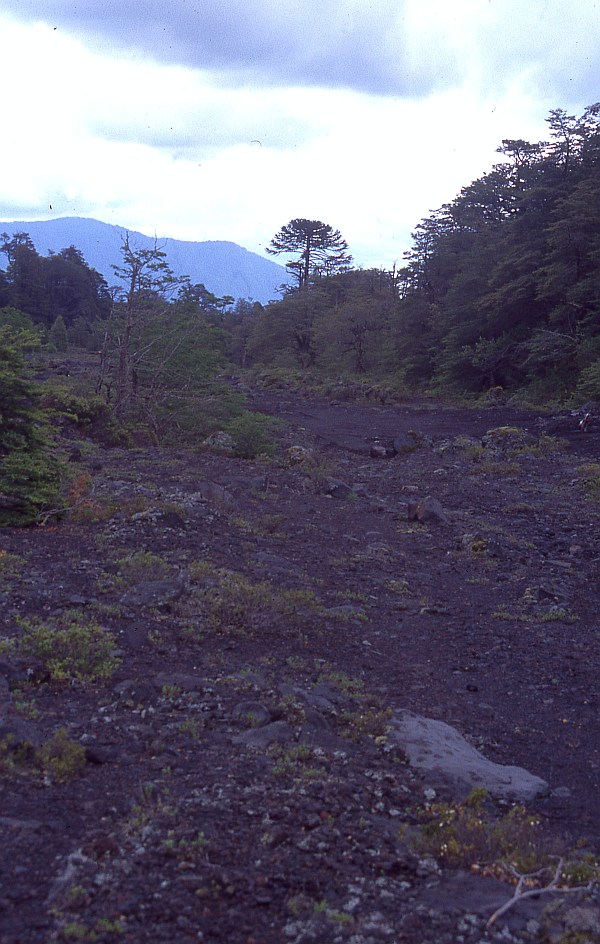
I did see one group of Araucaria in the Conguillio national park, here on islands spared by the lava flows!
Perennial vegetables, Edimentals (plants that are edible and ornamental) and other goings on in The Edible Garden