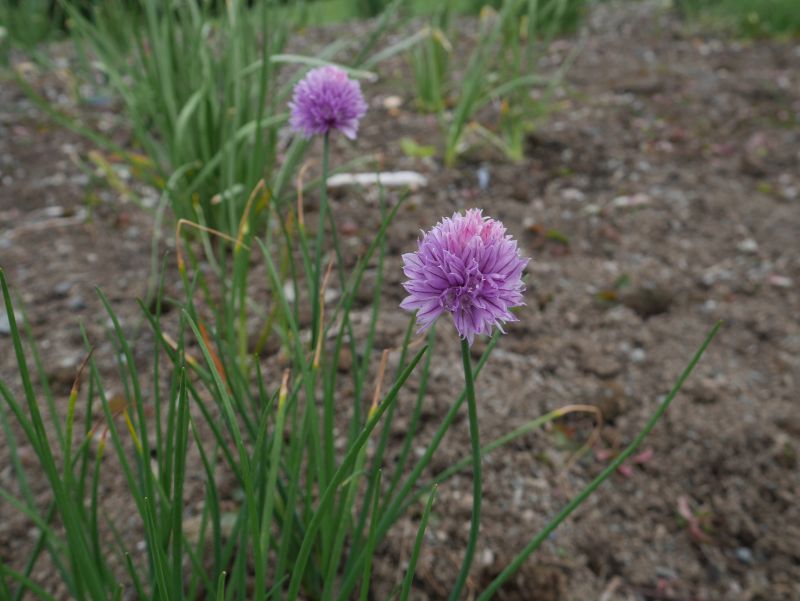
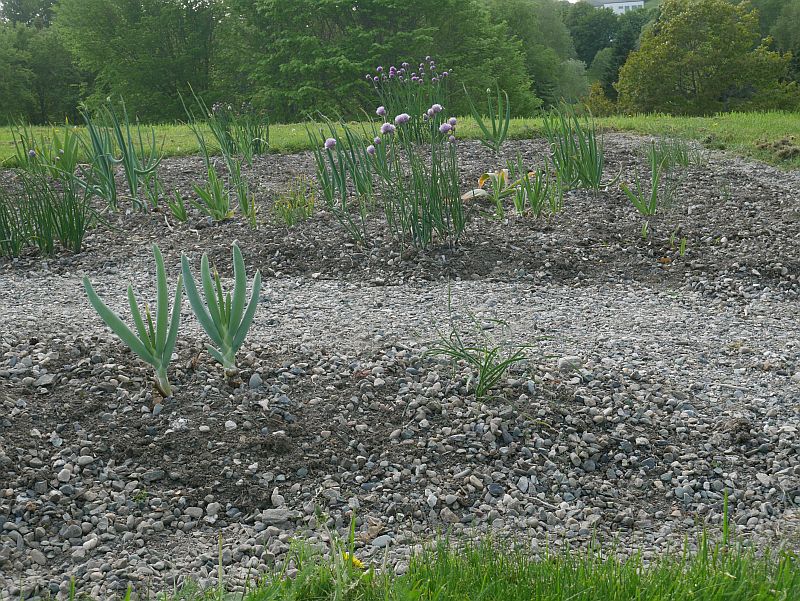
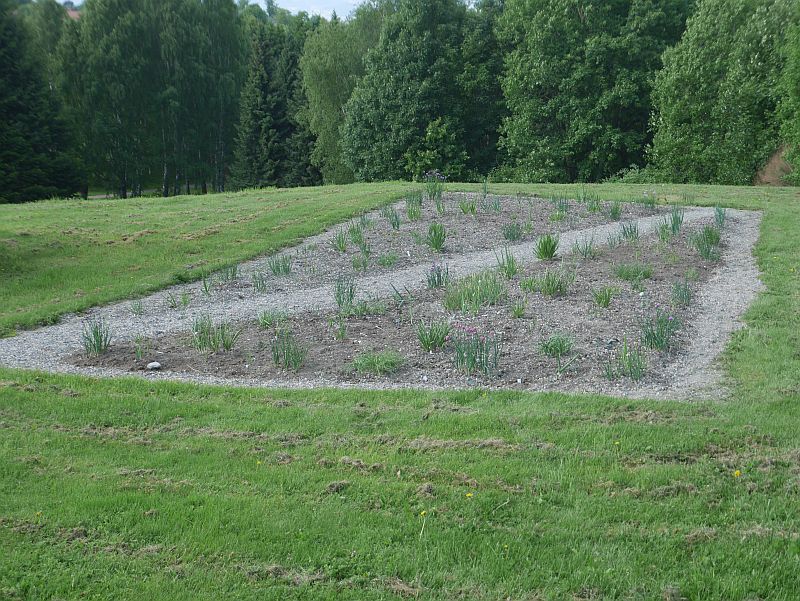
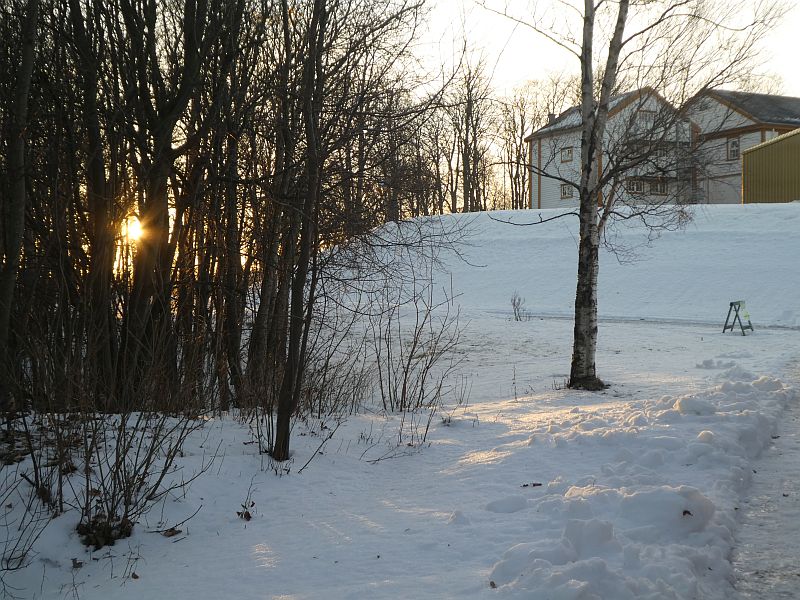
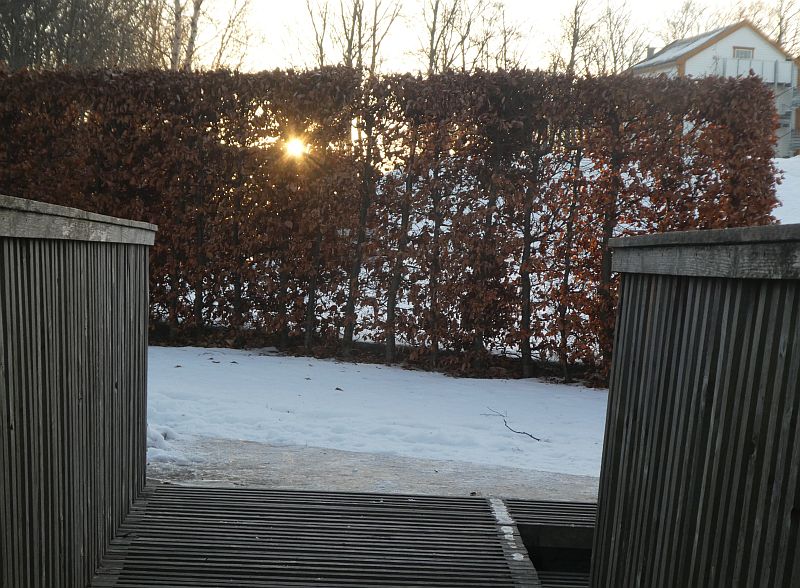
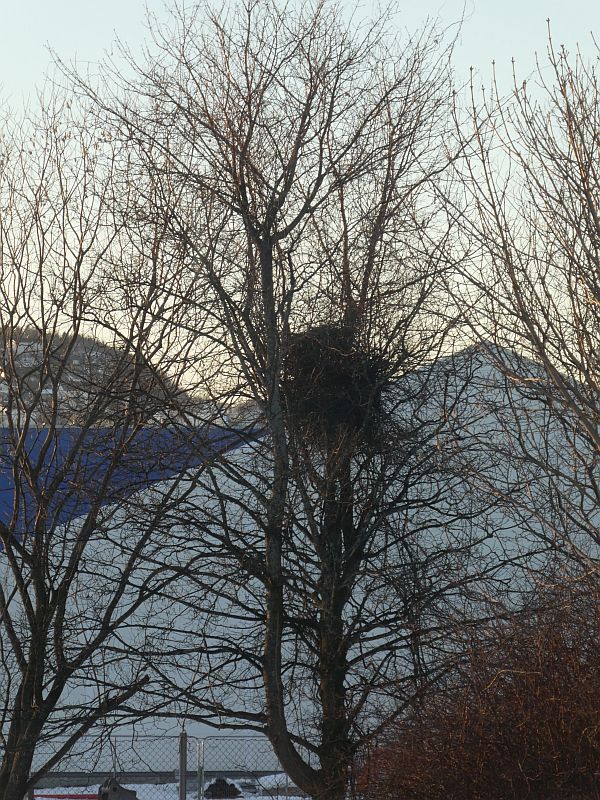
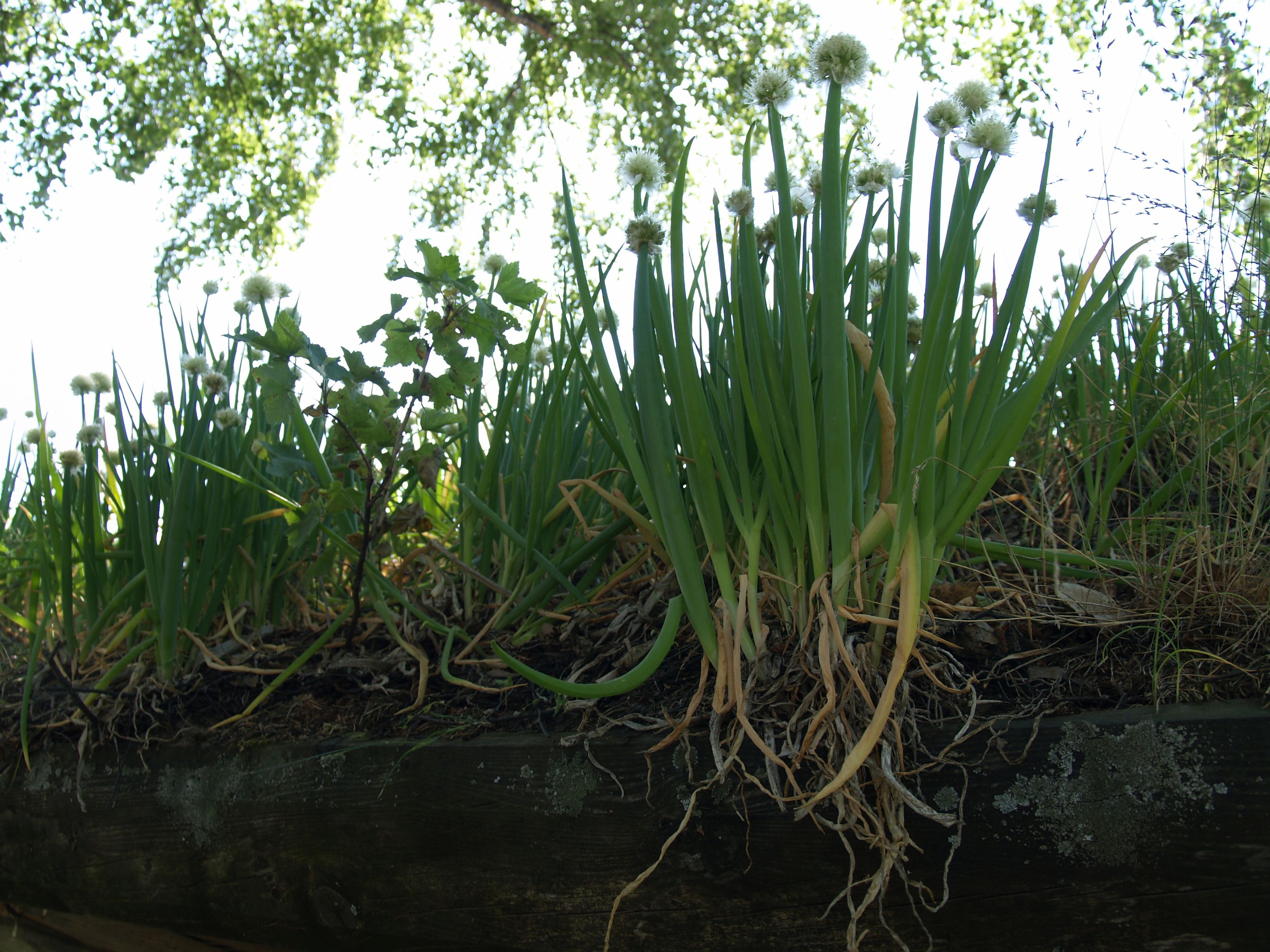
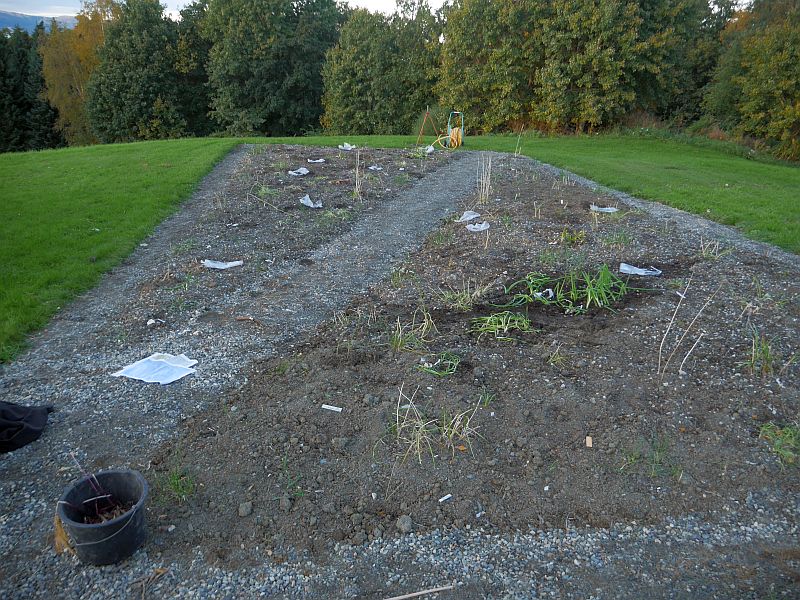
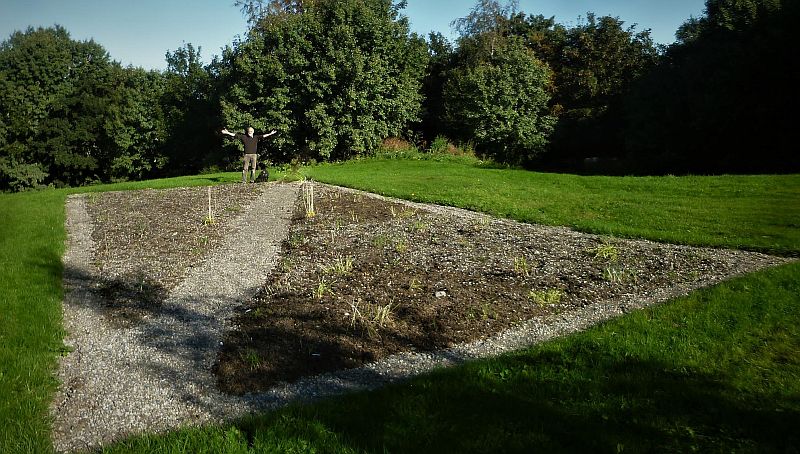
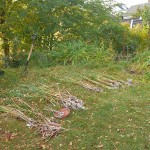
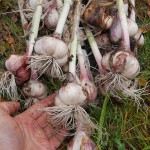
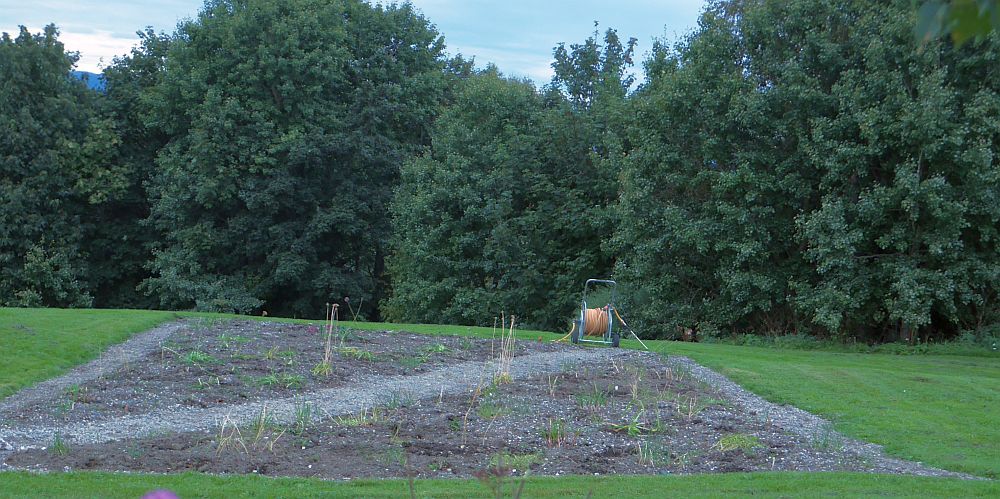
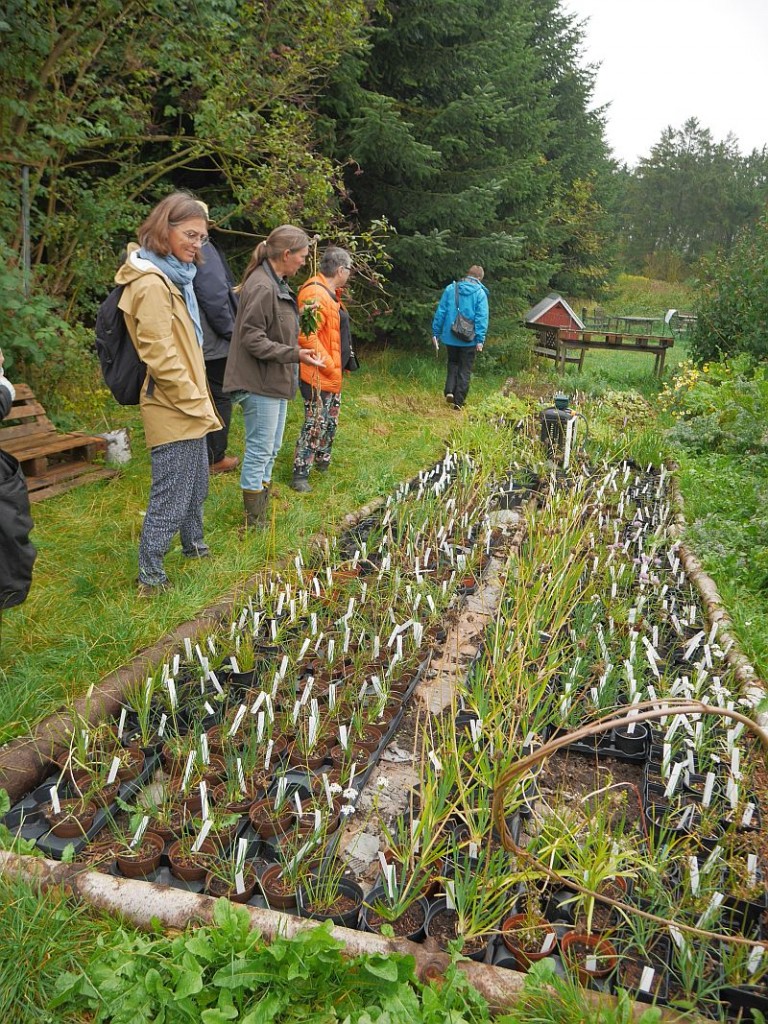
The Allium garden at Ringve has grown well as have the so-called weeds (mostly very young birch trees!). I spent the afternoon weeding and documenting the right hand (easternmost bed)….now known as the New Hampshire bed (I’m told the two beds resemble a map of Vermont and New Hampshire) (As it looks like the garden will be known as Chicago-hagen due to the fact that the native american name Chicago means onion)!!
This is the link to the last album I made from 31st May: https://www.facebook.com/media/set/?set=a.10156051646095860.1073743203.655215859&type=1&l=cbacd0612e
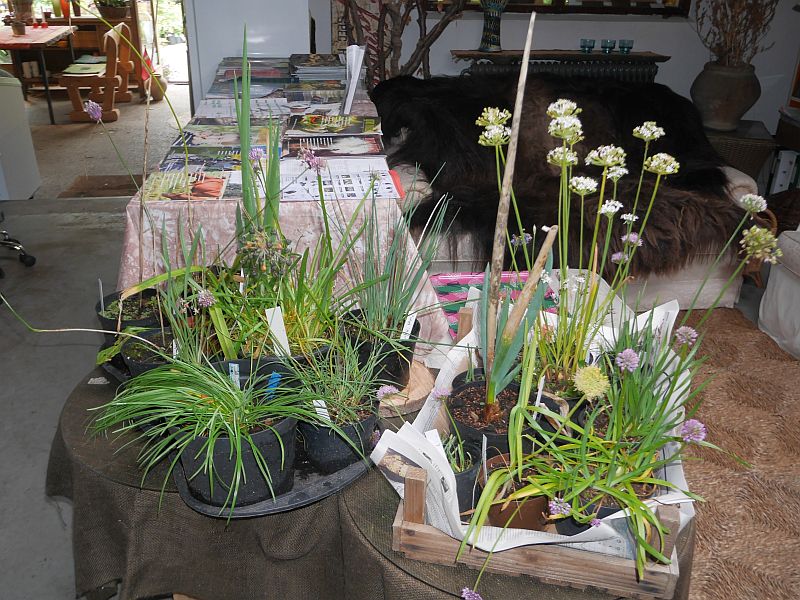
The collection of old chives (gressløk) plants (from gardens around Norway) and various reference cultivars are almost finished flowering….apart from a couple of Japanese / Far East varieties which are now in bud: Allium schoenoprasum ssp sibiricum (from Hokkaido in Japan) and Allium schoenoprasum var. yezomonticola
A sea of birch seedlings and a lone opium poppy!
One of the gardeners had told me that someone had harvested the green tops of shallots growing in the Renessanse-hagen and wondered if they had taken anything from the onion garden. Right enough I found that one plant, Allium x cornutum “Croatia” had been clipped down…this is a plant similar to walking onion / luftløk but with different parent species!
The first yellow flowering onion is out – Allium moly from the mountains of Spain and Southern France with additional populations in Italy, Austria, Czech Republic, Algeria, and Morocco.
Weeding
I thought I’d lost this onion, the old Norwegian chives (gressløk) from the highest altitude, at the mountain farm belonging to Nina Bakken’s family at Dovre (near Hjerkinn). See also the next two pictures!
The moment I’d sniffed out Allium schoenoprasum “Nina Bakken” on Dovre! Picture by Josan McDermott: As she put it – “No rare antique onion can hide from the expert stealth of celebrity plant-hunter”
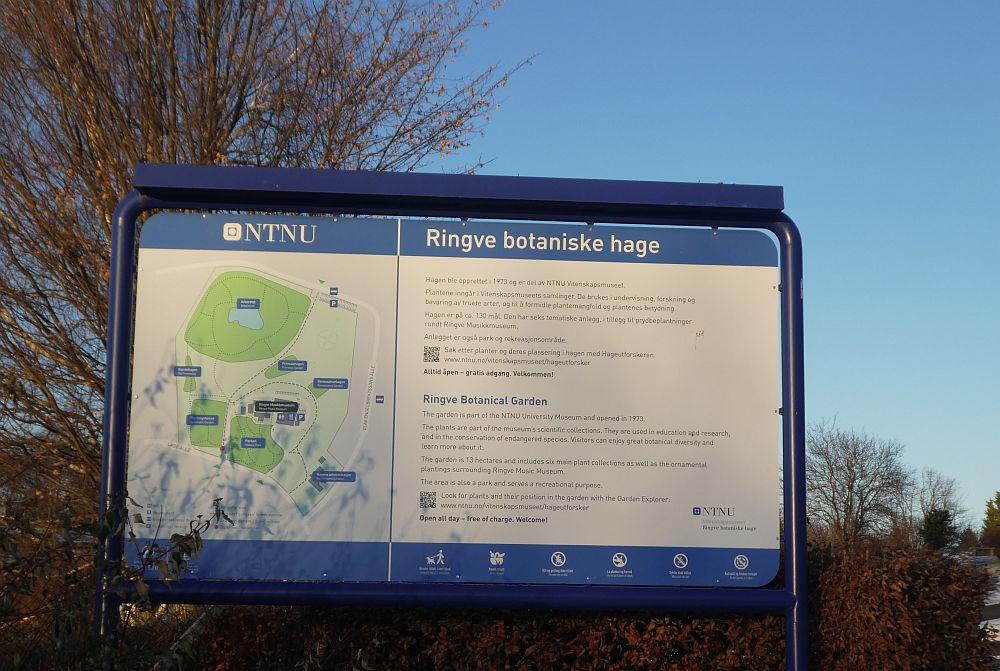
I spent 3-4 hours this afternoon weeding the new Allium garden at Ringve Botanical Garden in Trondheim!
It now seems pretty certain that many plants didn’t make it through the winter, perhaps planted a little too late to establish themselves!
I always dreamed of working in a botanical garden and somehow my wish has come true only 7 months after retiring from job as an ocean wave climatologist!
Even better, I can come and go as I wish (more or less)…I now have an office where I will be able to document and tend (in summer) my onion garden, as visiting researcher :)
WOW!
…and the staff are lovely people too :)
090118: Wren foraging and joined by a second bird120118: It’s quite a few years I’ve seen two-barred crossbill (båndkorsnebb), but then I’ve never deliberately sought them out at Ringve Botanical Garden in Trondheim which, because of its collection of conifers, is one of the best places to see this species, the less common of the 3 crossbills here…only one female with a single common or parrot crossbill…
090118: Wrens (gjerdesmett):
120118: What are these redpolls (gråsisik) feeding on?:
120118: Magpie (skjære):
120118: Dark red squirrel (ekorn):
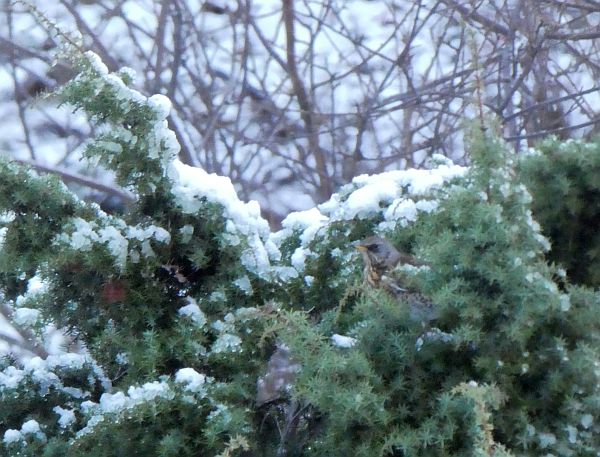
090118: Fieldfare:
090118: Blackbird under Ribes alpinum
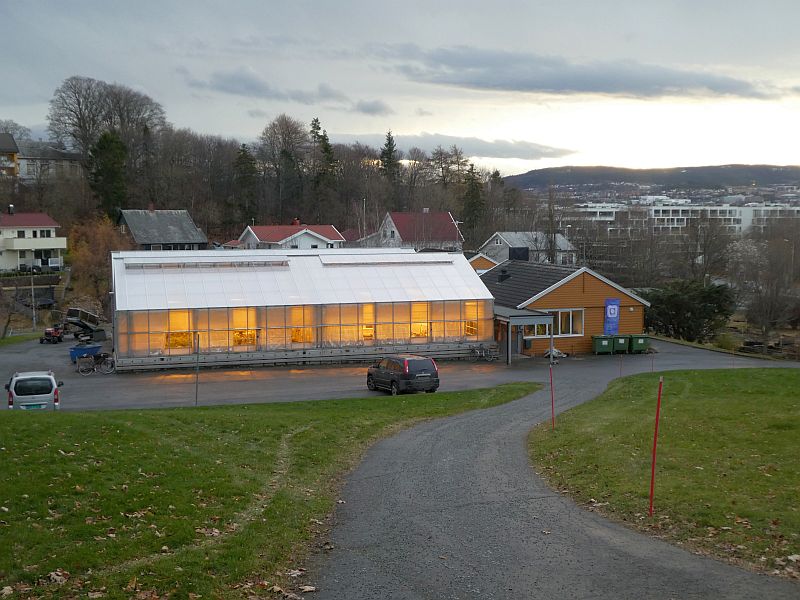
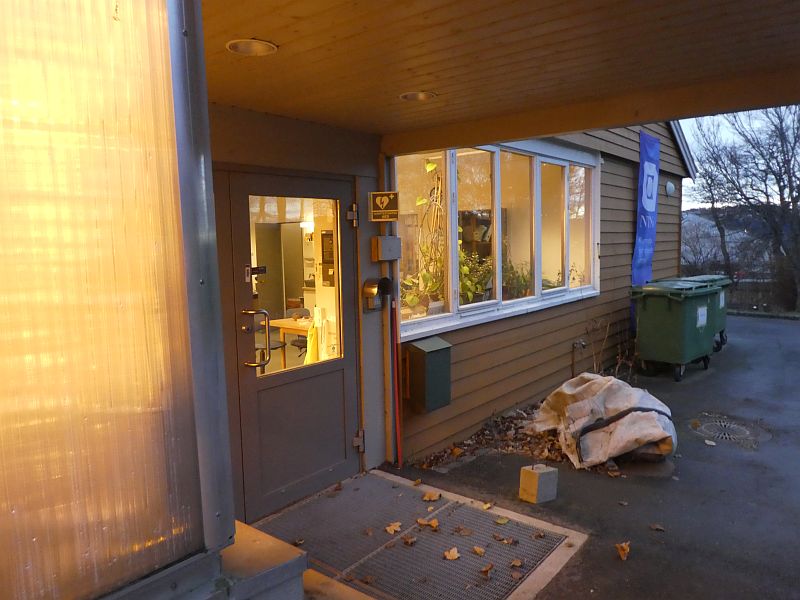
Ringve Botanical Garden’s Administration building and glasshouse
The old Ringve Farm today houses the Ringve Music Museum (https://en.wikipedia.org/wiki/Ringve_Museum)
My office window is south facing, far right in the picture
Reporting for work
The office!
The welcoming committee arriving :)
A stroll around the garden to check my Allium garden!
Many of the plant labels had been moved. This is the culprit :)
Alliums
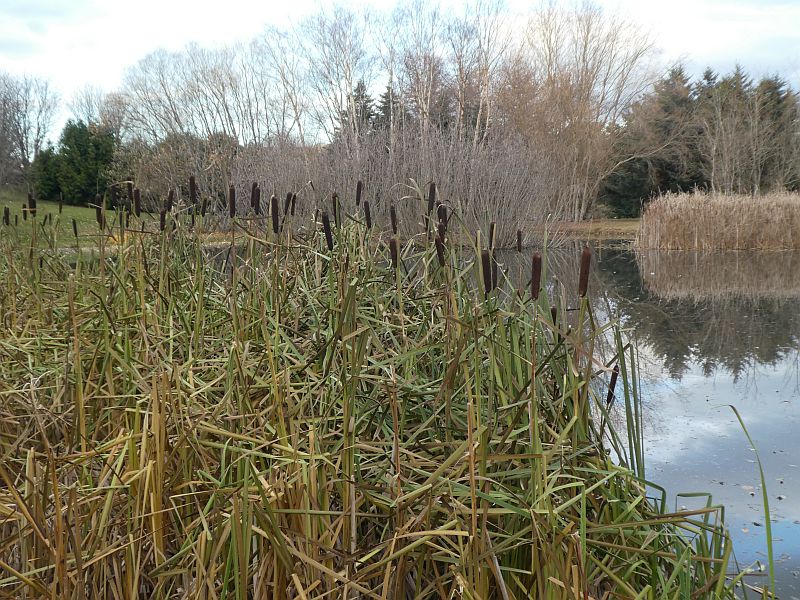
Ringvedammen with Typha angustifolia in the foreground
Typha angustifolia
Juglans mandschurica
Walnuts on the ground!
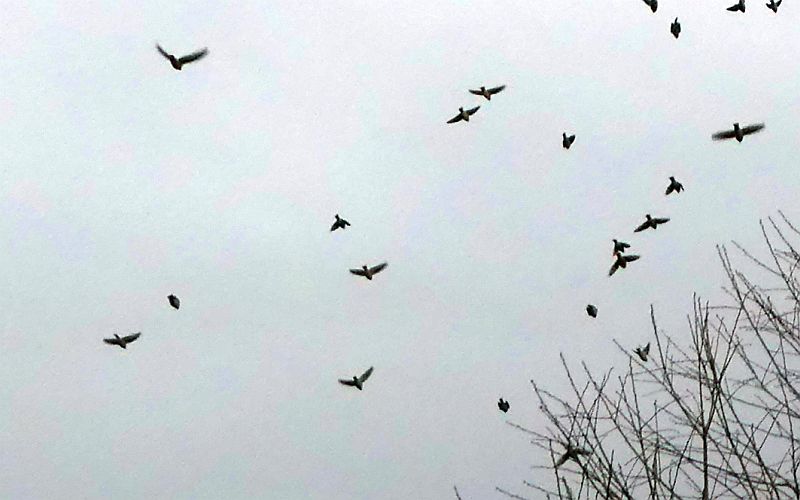
Waxwings like it at Ringve
Distant mountains and tree full of waxwings!
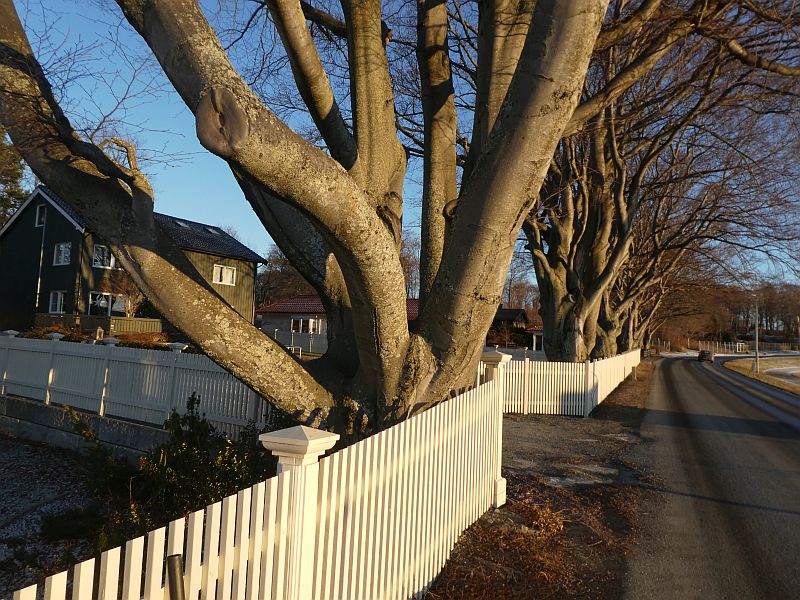
111217:Beech (bøk) Allee leading up to Ringve, in the background
111217:Beech (bøk) Allee leading up to Ringve, in the background
111217:Masses of beech mast under the trees probably the reason there are so many bramblings (bjørkefink) around this autumn
111217: Rognli, neighbouring property to the botanical garden in the swiss style (http://www.strindahistorielag.no/wiki/index.php?title=Rognli)
111217:Ladesletta playing fields from Ringve
111217
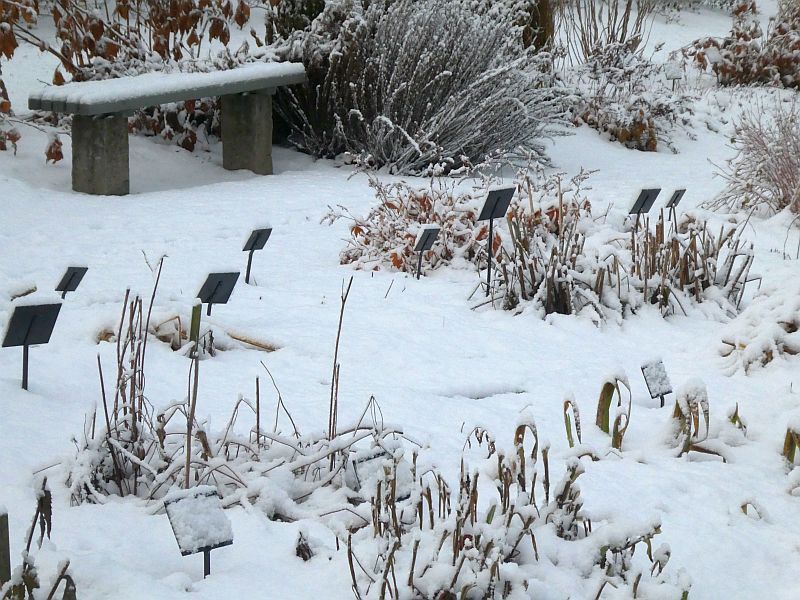
111217: Winter protection in the garden
111217: Sorbus cashmiriana
111217: Sorbus cashmiriana
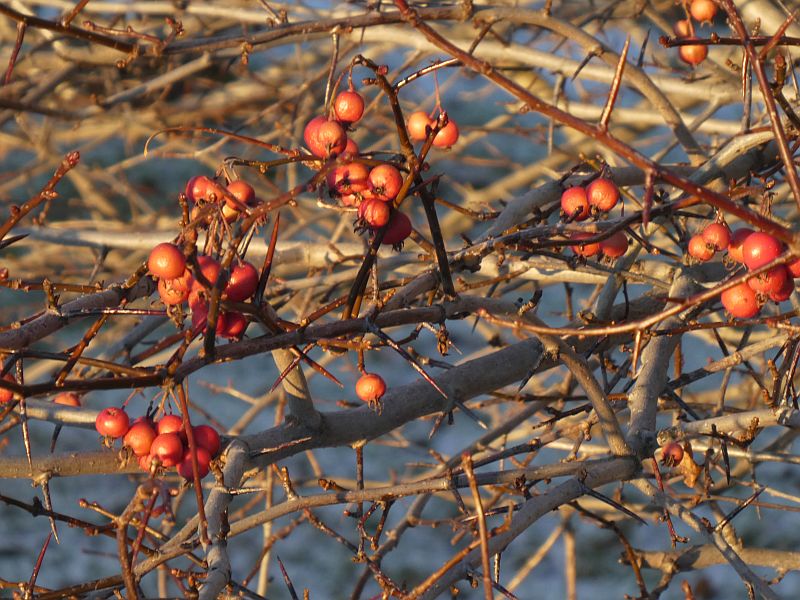
111217: Crataegus macracantha
111217: Crataegus macracantha
111217: The pilgrim’s path to Nidaros cathedral passes through the garden
111217
111217
111217: Redpolls (gråsisik) on birch
111217
111217
111217: Rosa spp.
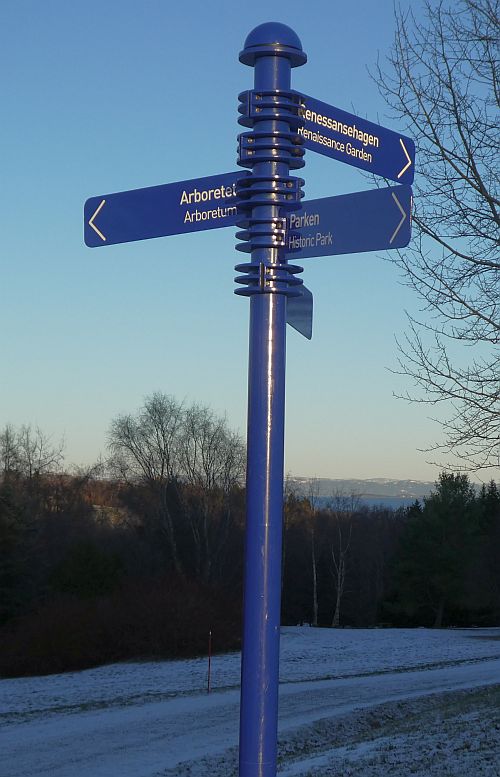
111217: Beech hedge around the Renaissance garden
111217: Kale in the Renaissance garden
111217: Topset (Egyptian) onions in the Renaissance garden
111217
111217
111217
111217
111217
061217: Malus toringoides
061217: …and I’ve never seen fieldfares (gråtrost) eating juniper berries before (Juniperus officinalis)
061217: An old horseradish lies frozen here!
061217: Woodpigeons (ringdue) have taken a fancy to species apple Malus toringoides from China
061217: Gamlehagen
061217
061217: Gamlehagen, a collection of old ornamental plants from Trøndelag (our county)
061217: A neighbour…
061217: Sciadopitys verticillata, koyamaki or Japanese umbrella-pine (Skjermgran). Like asparagus and butcher’s broom (Ruscus), what look like leaves are actually cladodes or modified stems
061217: Typha (cattails / dunkjevle)
061217: Salix spp.
061217: Typha (cattails / dunkjevle)
061217: Typha (cattails / dunkjevle)
061217: Tsuga canadensis, Eastern Hemlock / Canadahemlokk From pfaf.org: Inner bark – raw or cooked; Usually harvested in the spring; it can be dried, ground into a powder and then used as a thickening in soups etc or mixed with cereals when making bread. The leaves and twigs yield ‘spruce oil’, used commercially to flavour chewing gum, soft drinks, ice cream etc. A herbal tea is made from the young shoot tips. These tips are also an ingredient of ‘spruce beer’
061217: Tsuga canadensis
061217:The Allium garden today :)
Colleague Steinar’s Xmas table decoration from the garden and greenhouse!
At the department Xmas get-together leader of the garden Vibekke gave a nice presentation of the year
Grand old ornithologist Otto Frengen is collaborating with the garden making it a good place to be for birds
…and there’s a bird feeding station in the woods next to my Allium garden
That fellow looks familiar :)
Reorganising of the systematic garden due to new knowledge based on genetics…
Walnut harvest!
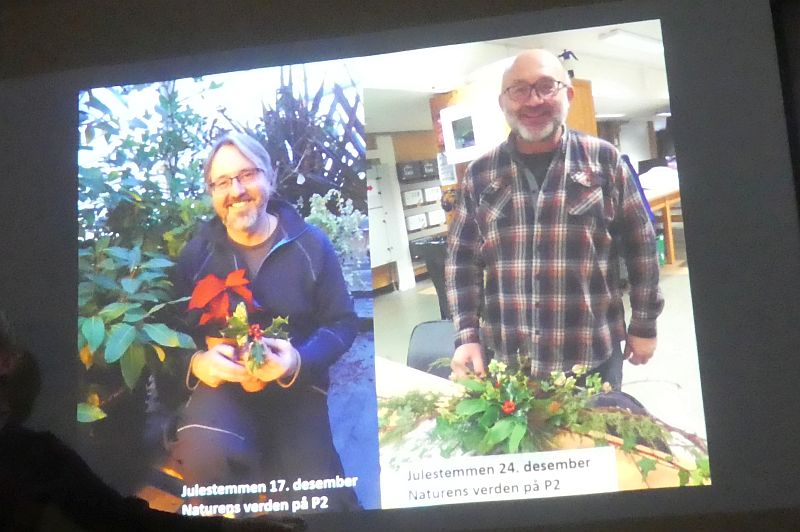
For Norwegians, you might like to listen in to radio program Naturens verden who are talking about Xmas plants last and next Sunday…
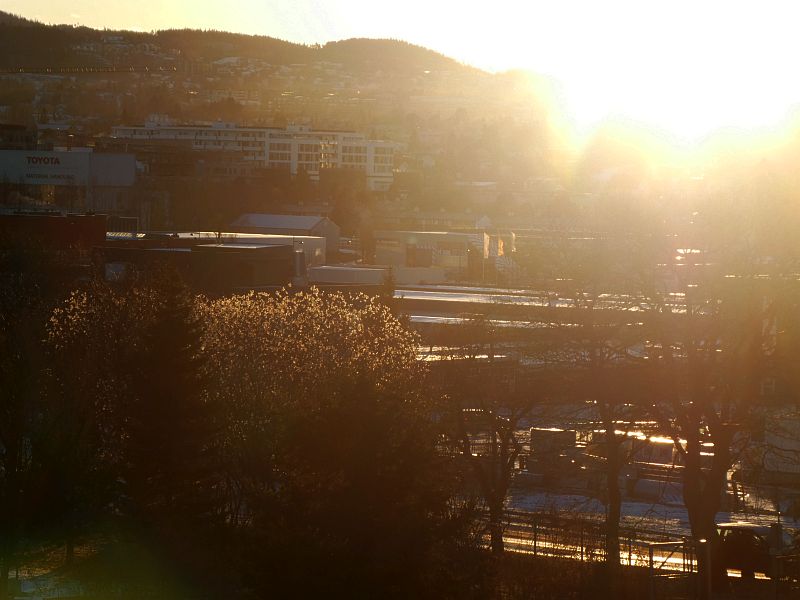
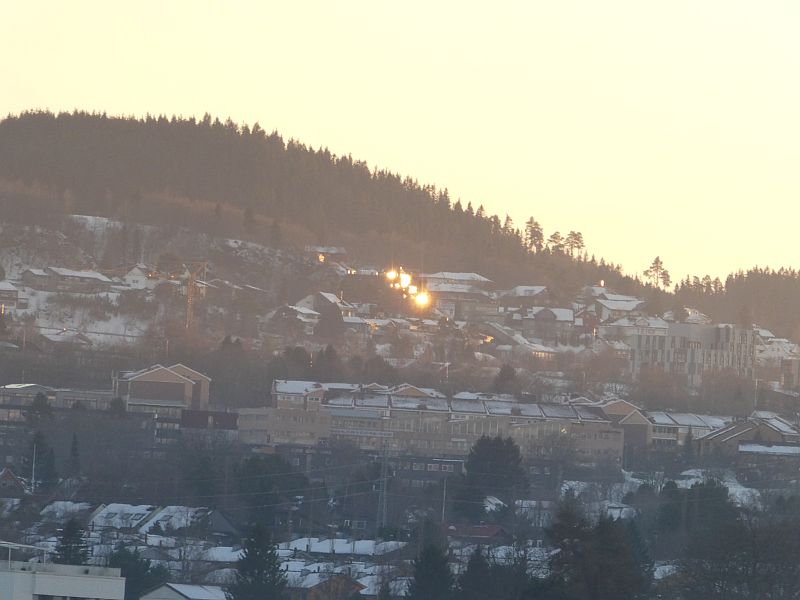
191217: Today’s office views, first around 13:40
191217: …and 14:45
191217: 14:45
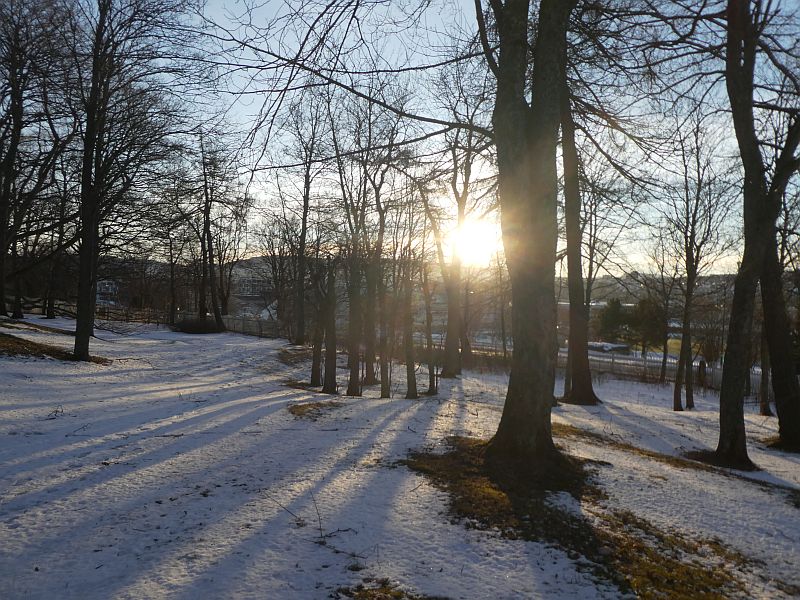
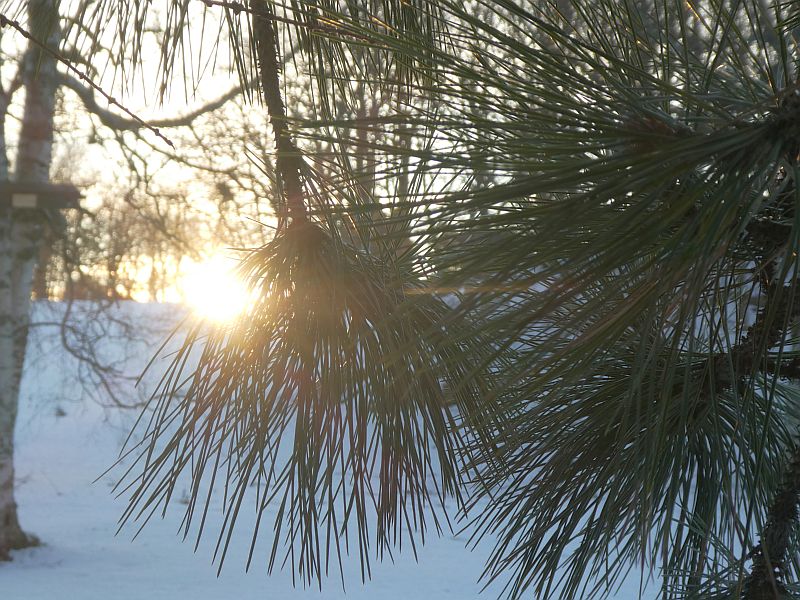
201217: Proof that the sun is visible from my new office even at the solstice…
201217: Proof that the sun is visible from my new office even at the solstice…
030118
030118
030118
030118
030118: The first rays of the sun on the Renaissance Garden!
030118: The onion garden…
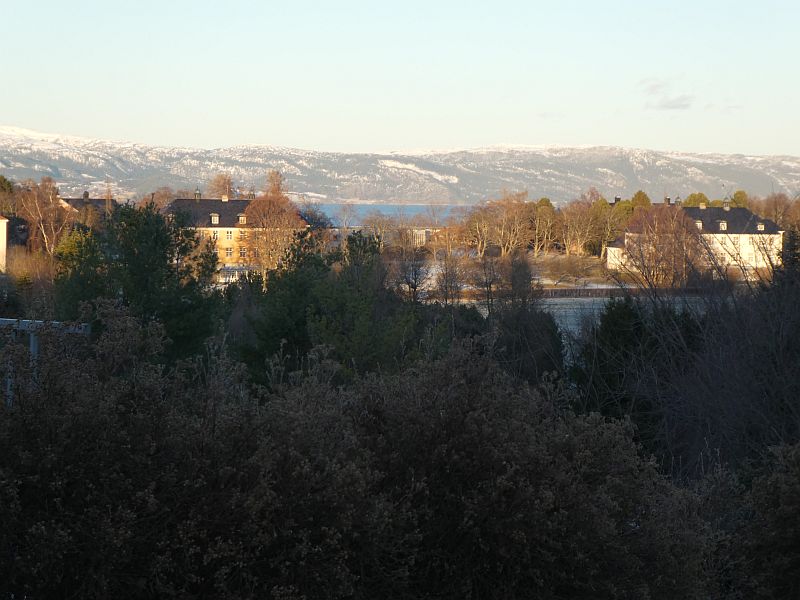
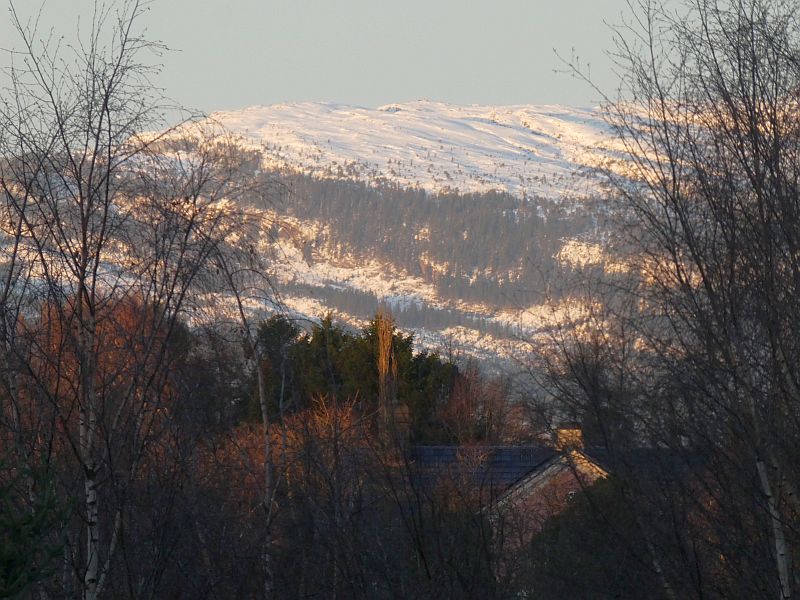
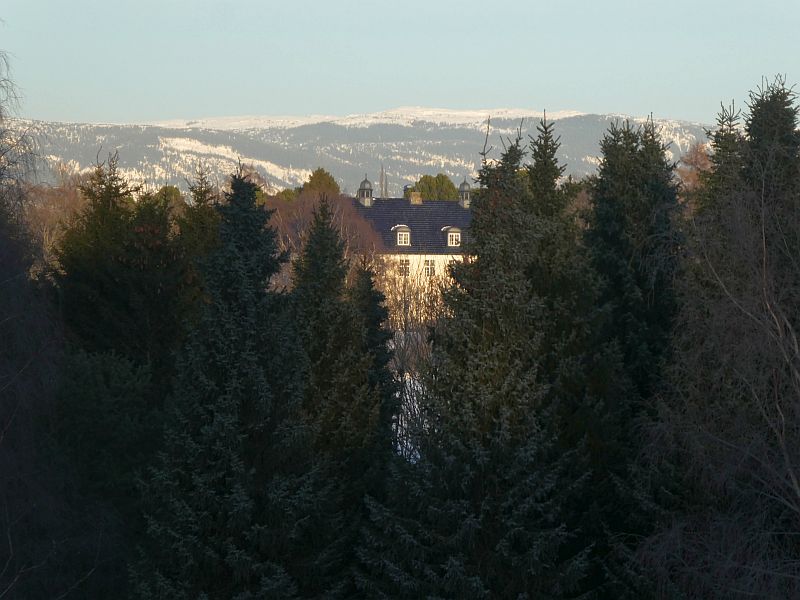
030118: Distant mountains in the Fosen Alps
030118: Distant mountains in the Fosen Alps
030118: The onion garden
030118: Betula pendula, silver birch (hengebjørk)
030118: Ringvedammen (Ringve Pond)
030118: Woodpigeons (ringdue)
030118: Typha angustifolia
030118: Typha angustifolia
030118: The island Tautra
030118: Rose hips, important winter food for greenfinches!
090118
090118: Pinus jeffreyi
090118: Lots of twigs on the ground after the weekend storm under this larch
090118
090118
090118: Work ongoing after the fire
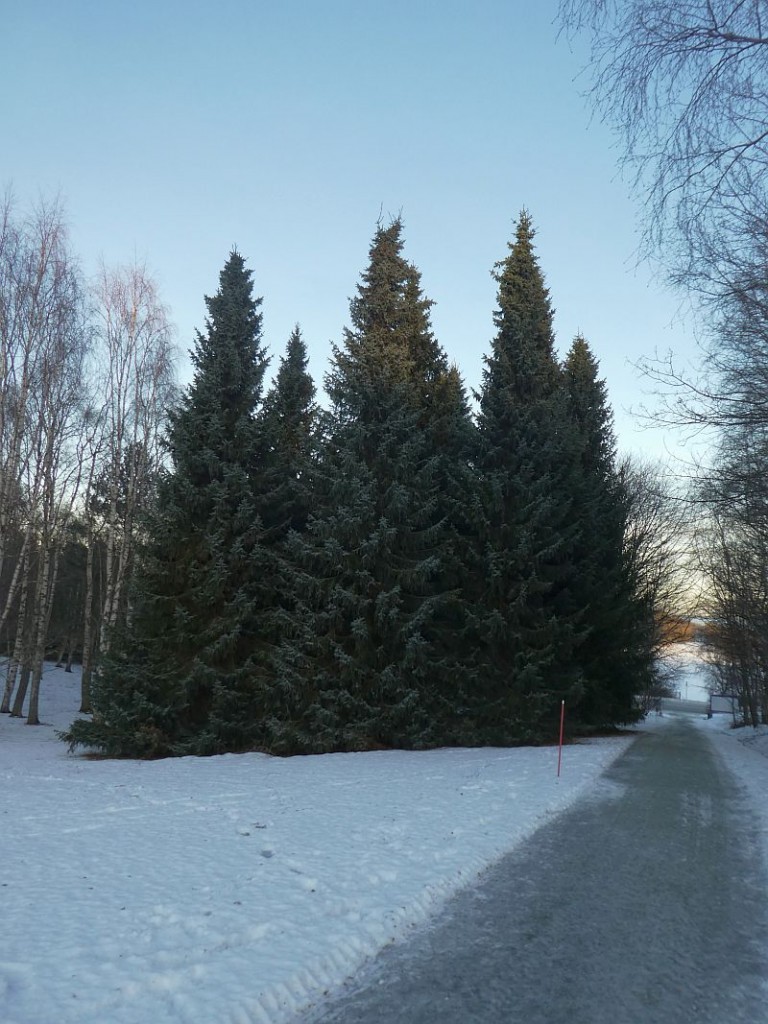
090118: Picea omorika
090118: Tree tops in sunlight; Picea omorika
090118
090118
090118: Plenty of food left for some birds
090118: Sunlight on an abundance of rosehips next to the Renaissance garden
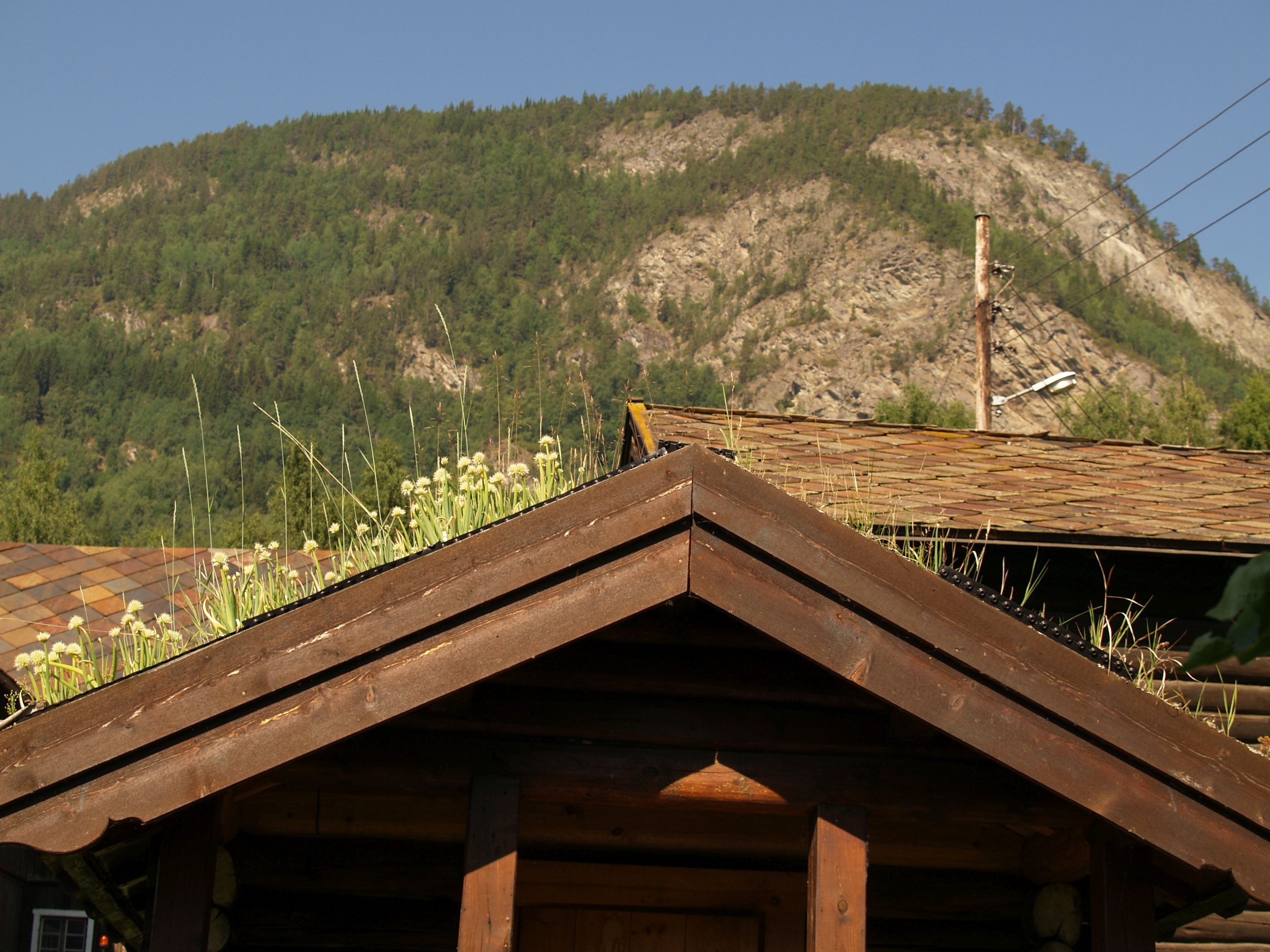
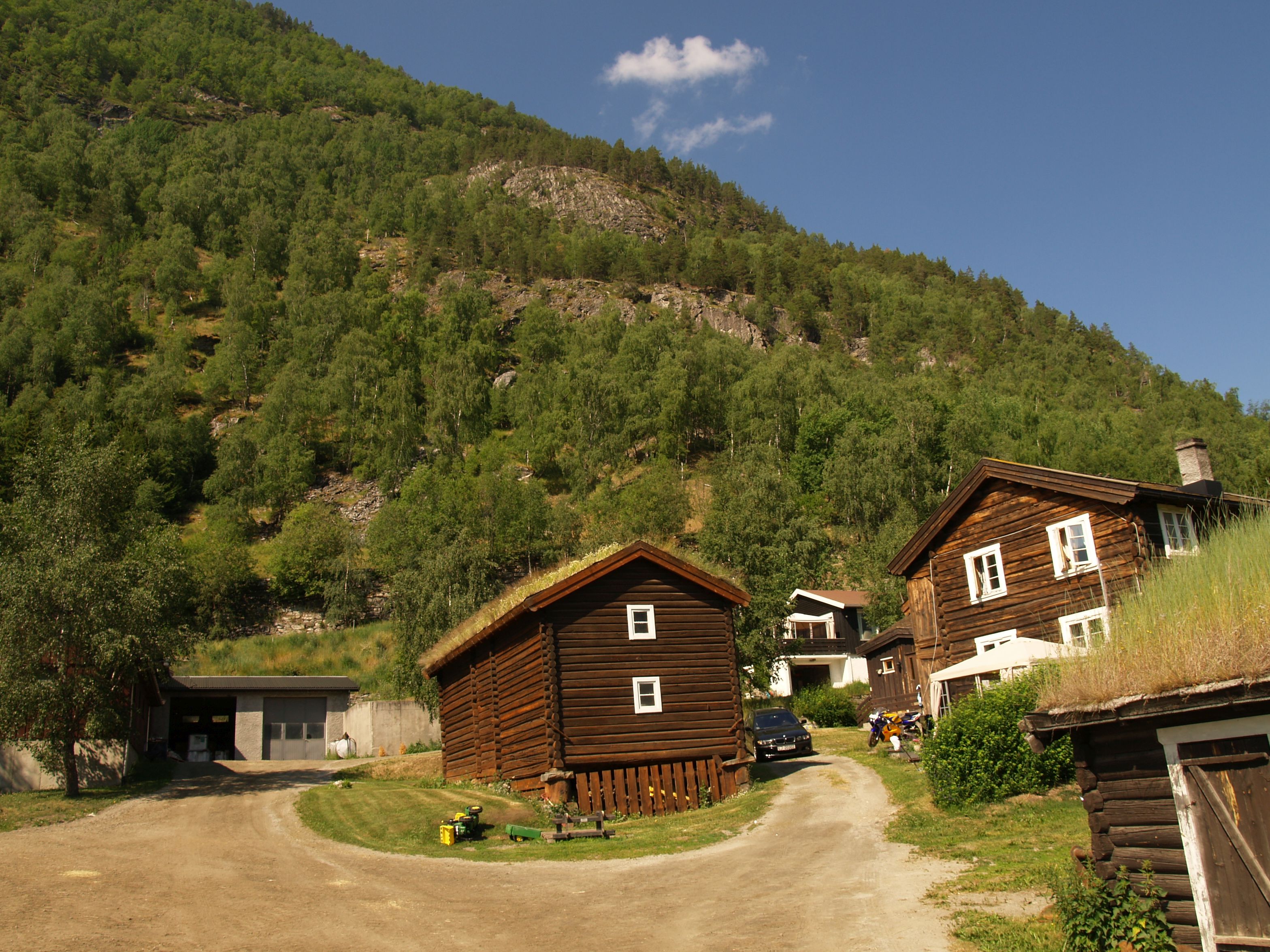
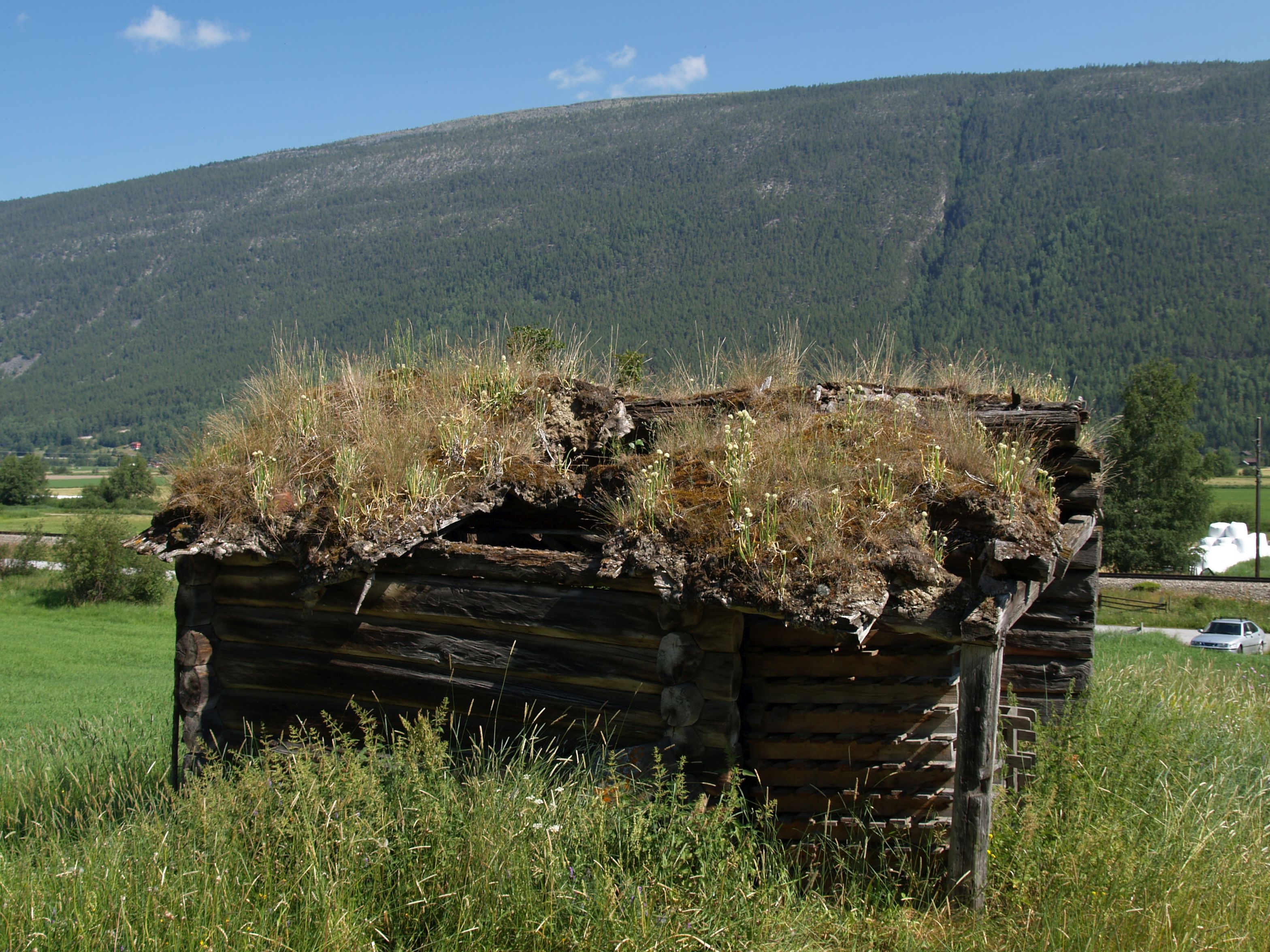
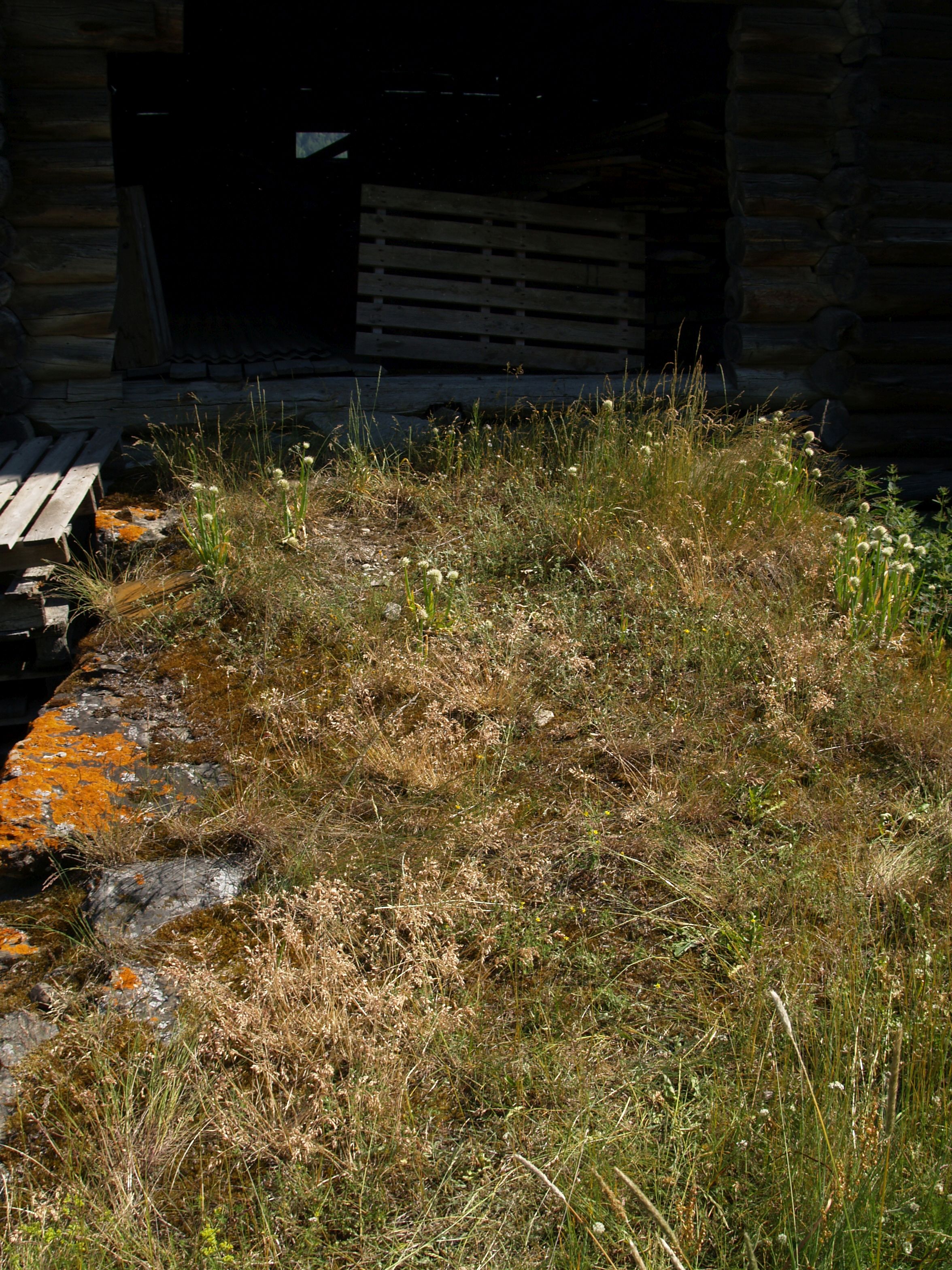
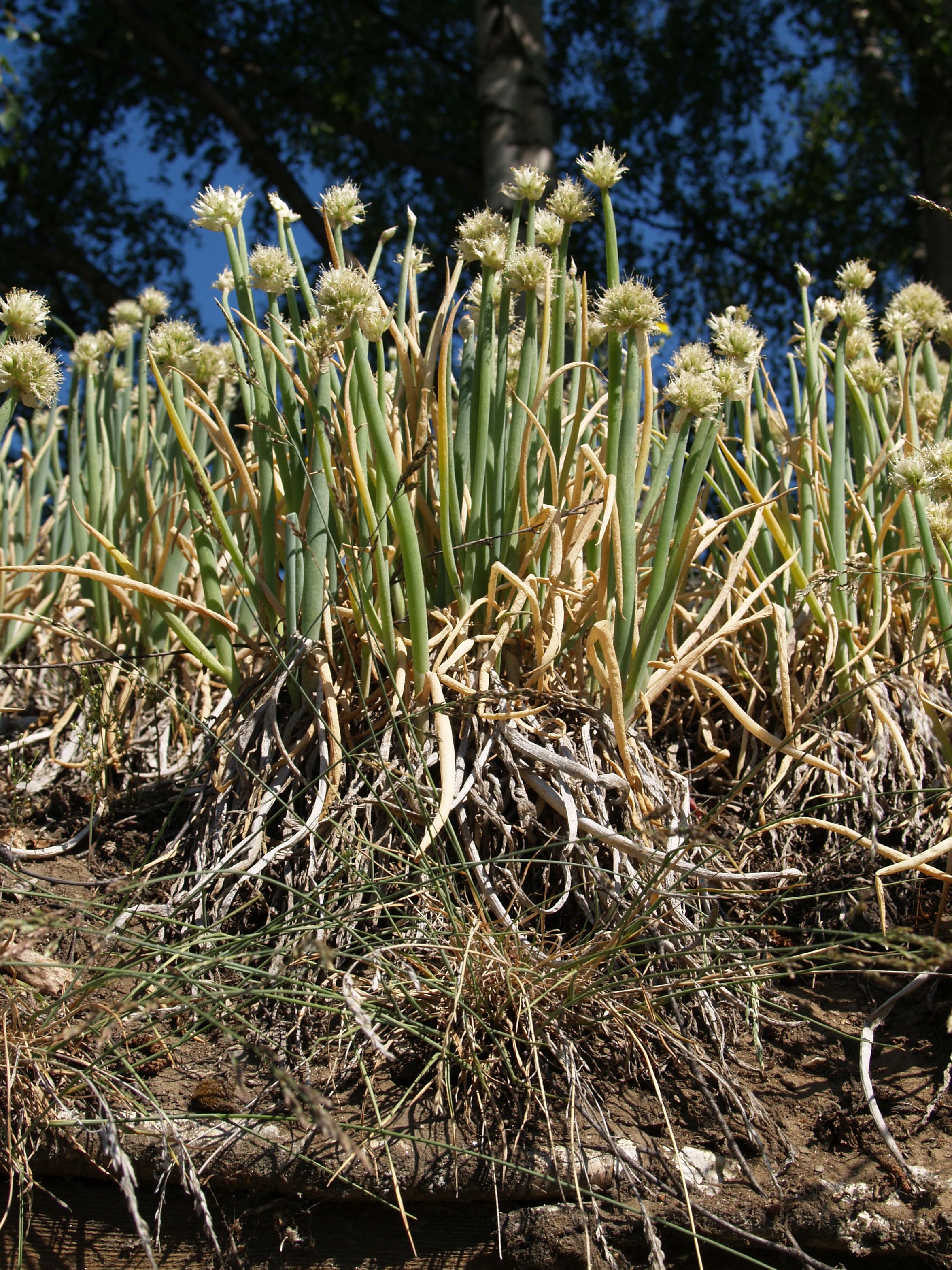
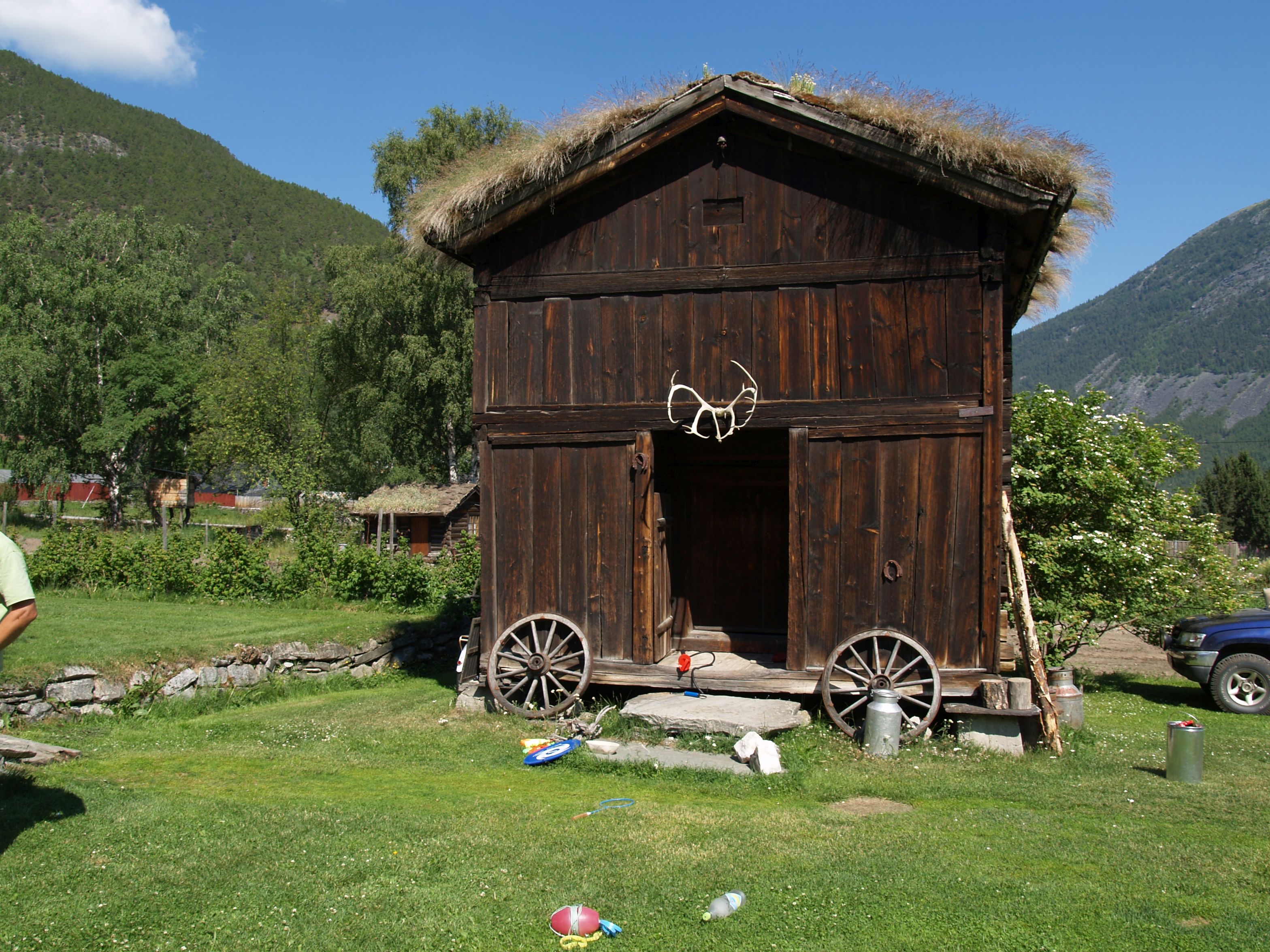
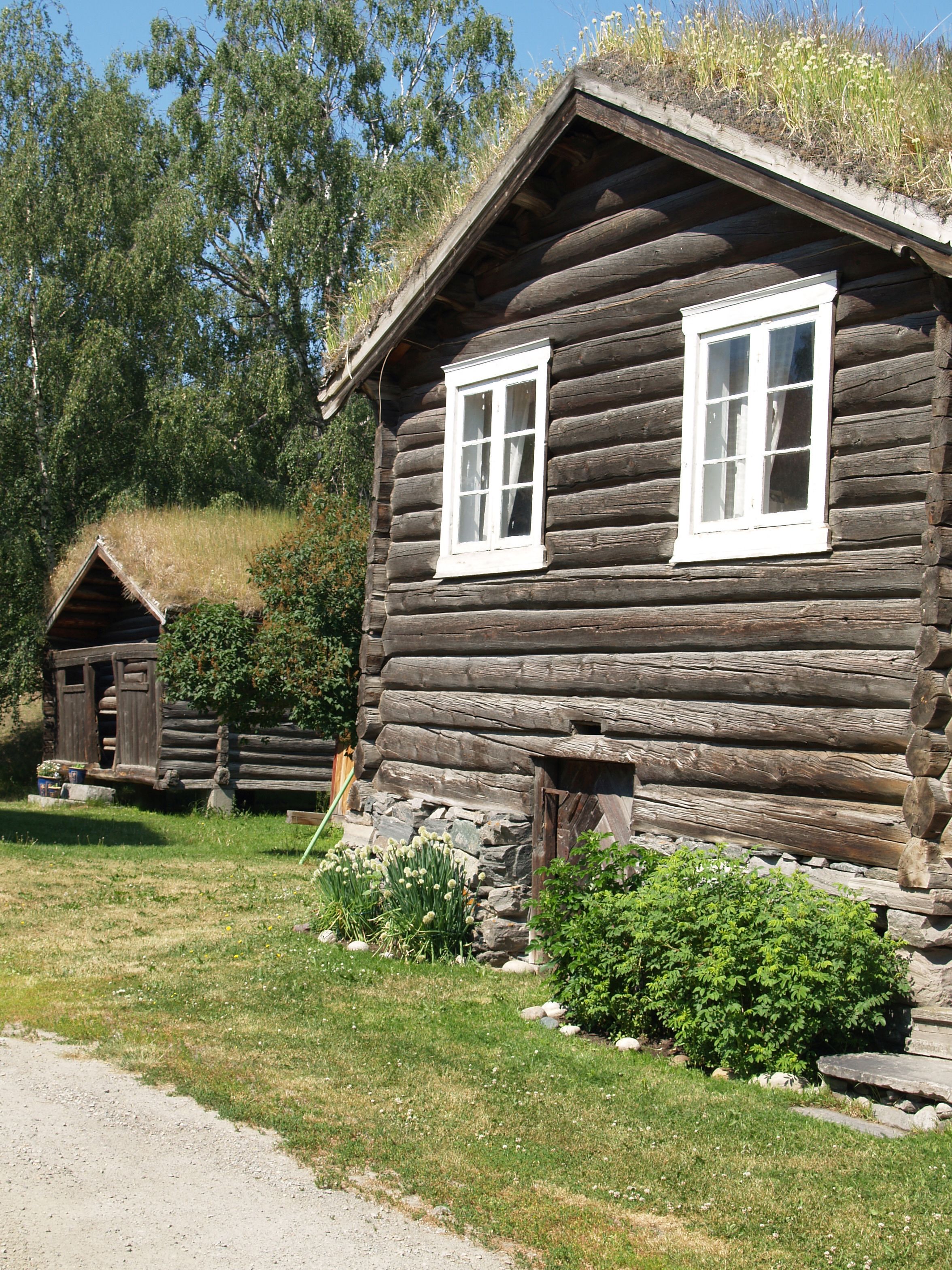
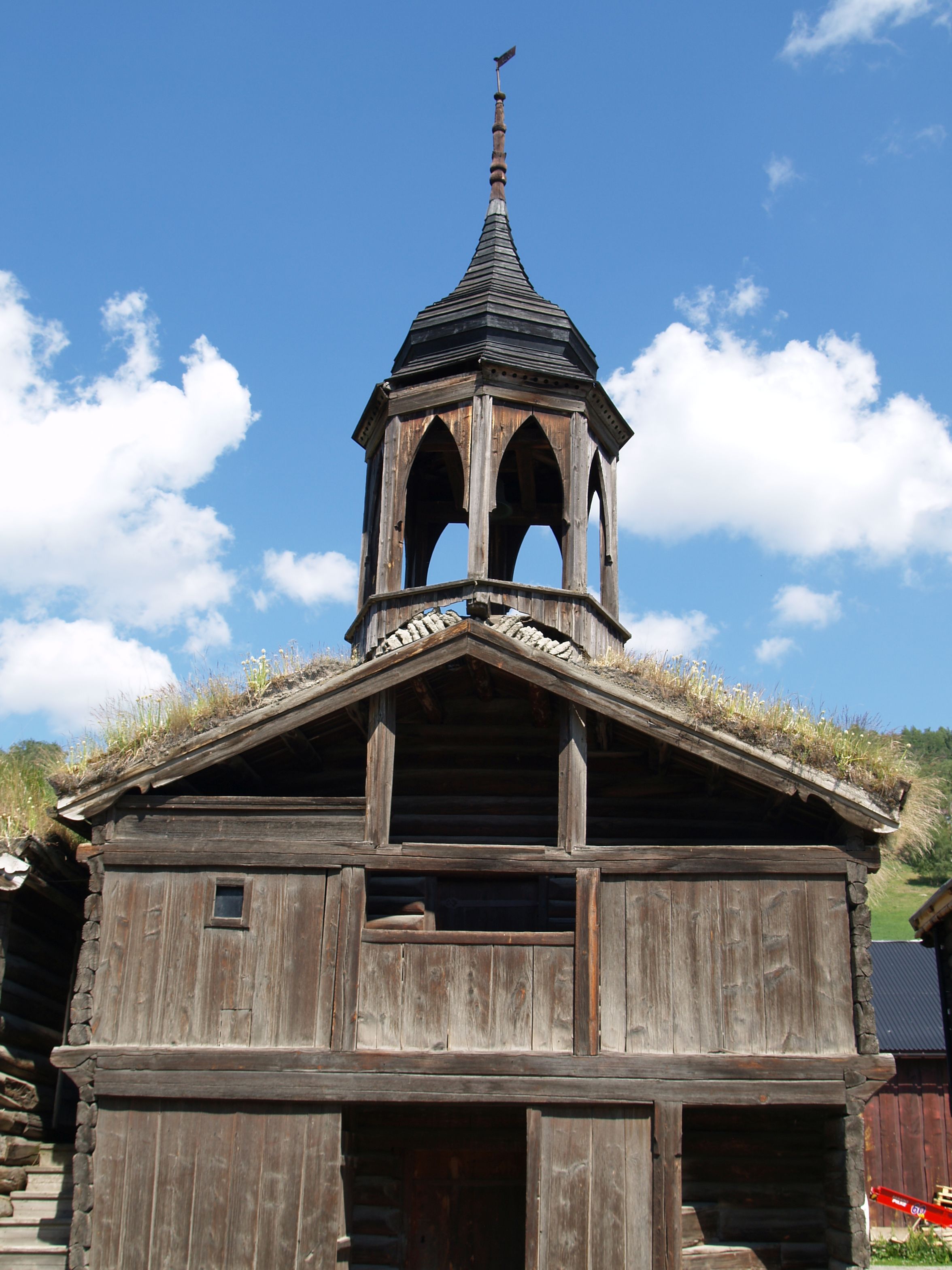
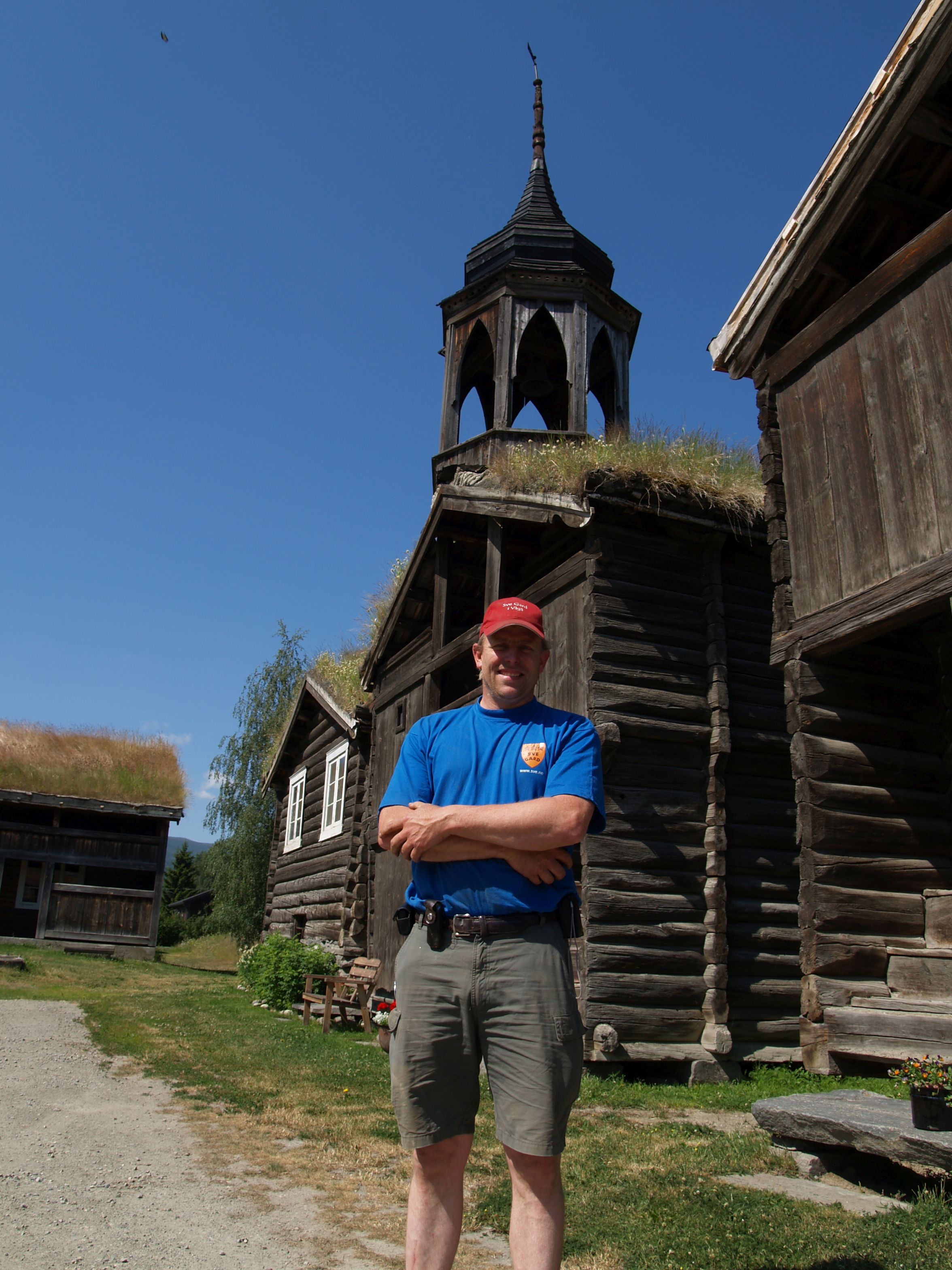
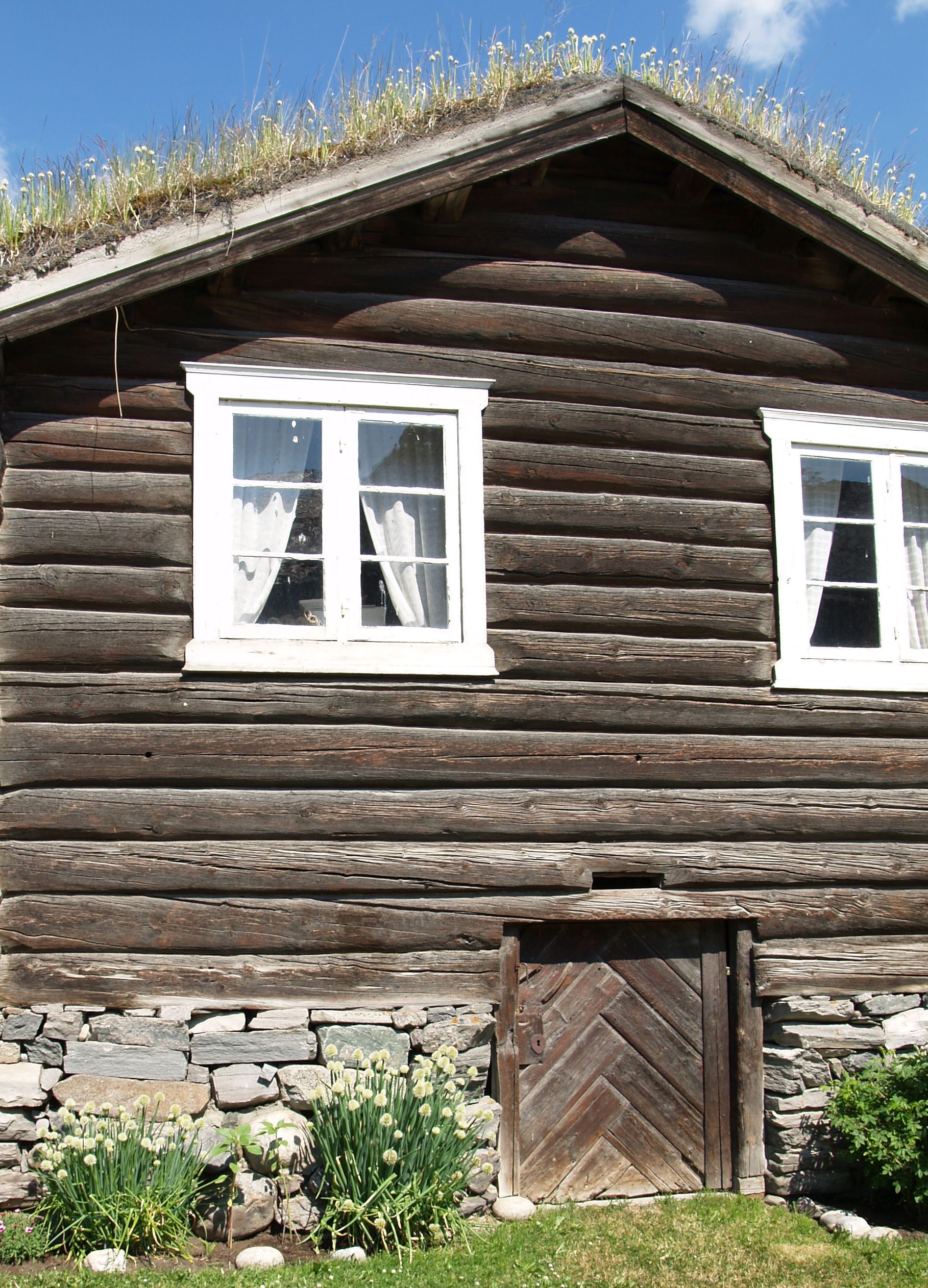
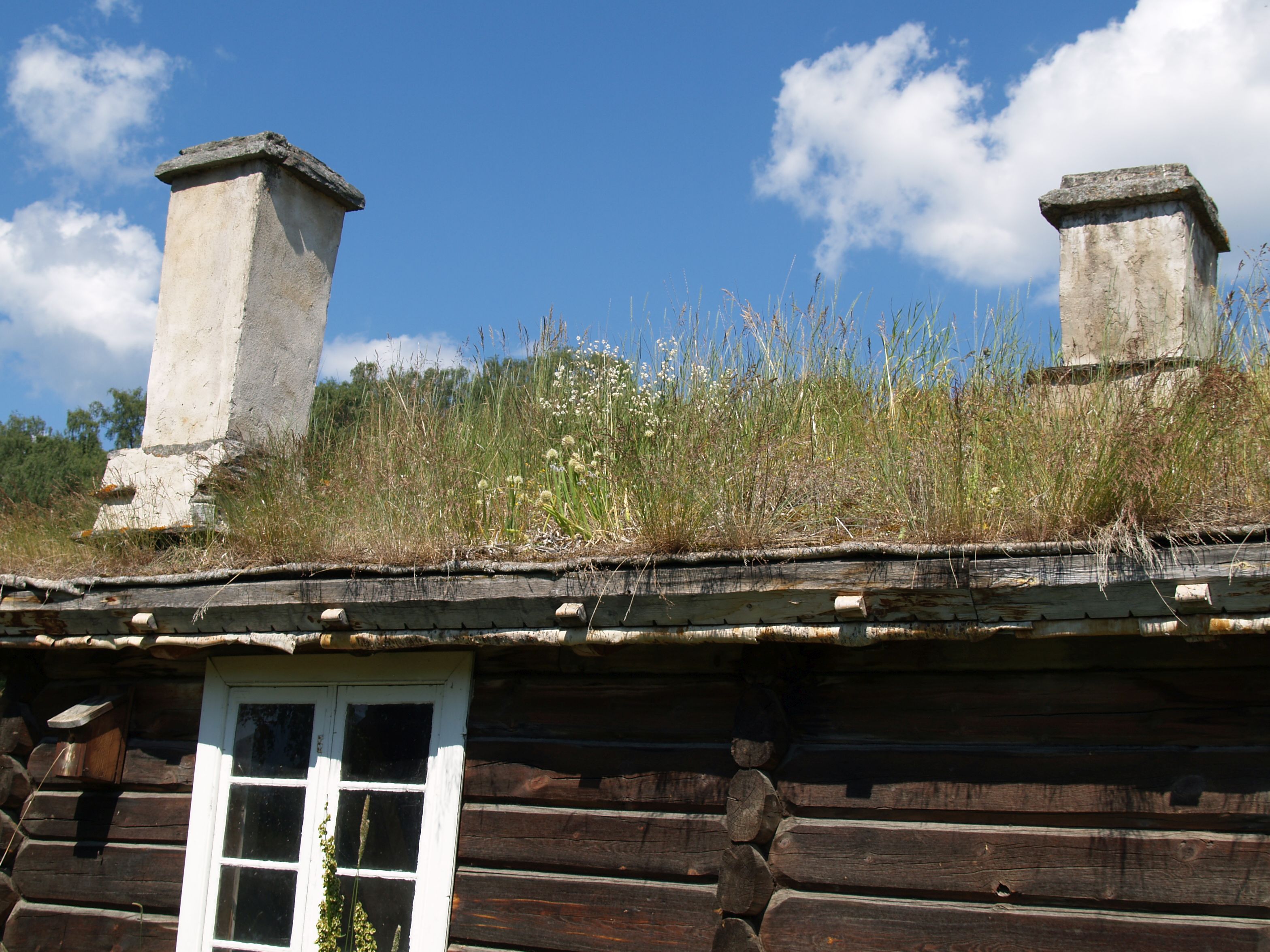
I’m just passing the mountain village Otta in Gudbrandsdalen on the train . In 2009, I visited several old farms in this area to witness first-hand the old onion turf roofs still to be found nearby and collect some samples (see http://www.edimentals.com/blog/?p=14436). Norway’s old edible roof gardens are also described in my book Around the World I 80 plants! I recently heard that a botanist, Bjørn Harald Larsen, did a thorough field study of the area last year (2016) and made a number of new finds. His report can be downloaded below (with many new pictures!). Bjørn Harald has tried to partition his finds of old Allium fistulosum (pipeløk / Welsh onion) in this area as follows: There are now 10 intact roof locations documented of 31 «original known onion roofs»; 12 intact of 16 finds where plants had been moved / planted from older roofs; 2 occurrences where plants have naturalised on dry slopes; a few that have been planted in gardens; and finally two instances where plants seem to originate from other cultivated forms (i.e., plants have a different growth form – I had also noted this when growing out some of these onions in Malvik).
I certainly didn’t think I would make a blog post with this name today! This is possibly my strangest post ever….
To explain, I was cleaning and packing seed in the garden today (a beautiful sunny day here) and I noticed that the seed of an Allium I’d just cleaned seemed a bit “nervous” or jumpy, jumping as soon as I touched them! They don’t have an English name, they are simply Allium ovalifolium var leucoNERVUM….. I decided to film this strange phenomenon (see the video below)…..and at about 1 minute my friend the wren decided he wanted to be part of the action and starts to call next to me (see also yesterday’s wren film)…and then at the end my neighbour can be heard calling me, unaware of the drama going on….wanting to know if I wanted some hen (not wren) manure…..let me know what you think?
On 3rd July 2009, local historian Geir Neverdal invited me on a tour to witness first hand the old traditional onion roofs of Gudbrandsdalen near the town of Otta. I had first heard of Geir through the following web site about these very special old turf roofs on which Allium fistulosum / welsh onion / pipeløk had been planted as a protection against fire (the leaves are succulent even in very dry conditions and this Siberian species is extremely hardy and drought tolerant): http://www.otta2000.com/Diverse/Pipeloek/pipeloek.htm. The onions were also traditionally harvested in spring and used in scrambled egg and other dishes.
He had arranged visits to 5 different farms near Otta and Vågå. Two local botanists had also been invited along: Hans Petter Schwencke and Bjørn Engehagen.
One Norwegian botanist thinks that as these roof onions have developed over such a long time in this very special environment that they should be lifted to species level. I suggest Allium gudbrandsdaliensis ;)
Below are a series of pictures from these farms: Søre Breden where owners Knut Romsås Breden og Eldri Seim met us; Hole; Nordre Gjetsiden; Nerøygarden (where Ingrid Dokken and her husband met us)and, finally, Sve Gård in Vågå kommune where farmer Harald Bjørndal showed us around. At the bottom is a document in Norwegian which I wrote after the visit. The story of these onions is also told in my book Around the World in 80 plants!
I carried out the final day of planting of the new Allium garden at the Ringve (Trondheim) botanical garden this week giving a total of 265 different perennial onions in the ground! Can’t wait to see the results next spring!
Just finished two and a half pretty intensive focused days working on the new Ringve (Trondheim) Botanical Garden Allium beds, digging up, cleaning, planting and documenting…..these two beds now contain 188 different perennial onions of 66 species and running out of space for the last 50…. ;)
See also http://www.edimentals.com/blog/?p=13525
Yesterday, I gave my first talk about my (second) love of onions (alternative title All you wanted to know about Alliums but were afraid to ask!)….fittingly in the nursery with I believe the best selection of Alliums being sold as foodplants in Europe if not the world , my friend Aiah Noack’s Naturplanteskolen just outside of Copenhagen. Aiah is the author of an excellent book Fantasilater (fantasy salads), only in Danish so far which also includes several Alliums. My book Around the World in 80 plants mentions some 45 Allium species!
In a little over 2 hours I covered about 66 of the world’s cold hardy onions and over 80 if we include cultivars and subspecies…
Other onion related topics were also covered, such as “grow your own fireworks and Xmas decorations”, “Allium as a dancing partner”, the Allium microphone (Alliomike) and the garlic scape armband to keep “wild” animals, trolls and mosquitos away (Transylvanian Garlic keeps vampires away too)… It was a fun afternoon with yet another great group of edimentals fans! ;)
The video is of one of my pictures about drying Persian Shallots with a shot of my drying racks over my wood burning stove. Someone noticed that you could actually see heat rising through the racks!!!! (a wood burning stove was on behind the projector) ;)
Aiah with a collection of late flowering Alliums from the nursery on display for the participants…
The day started with a tour of the (smelly) part of the nursery ;)
A large selection of Alliums for sale…
Aiah has constructed an Allium display garden with some 60 species :)
Allium nursery
Alliza for the food break (Allium pizza!)
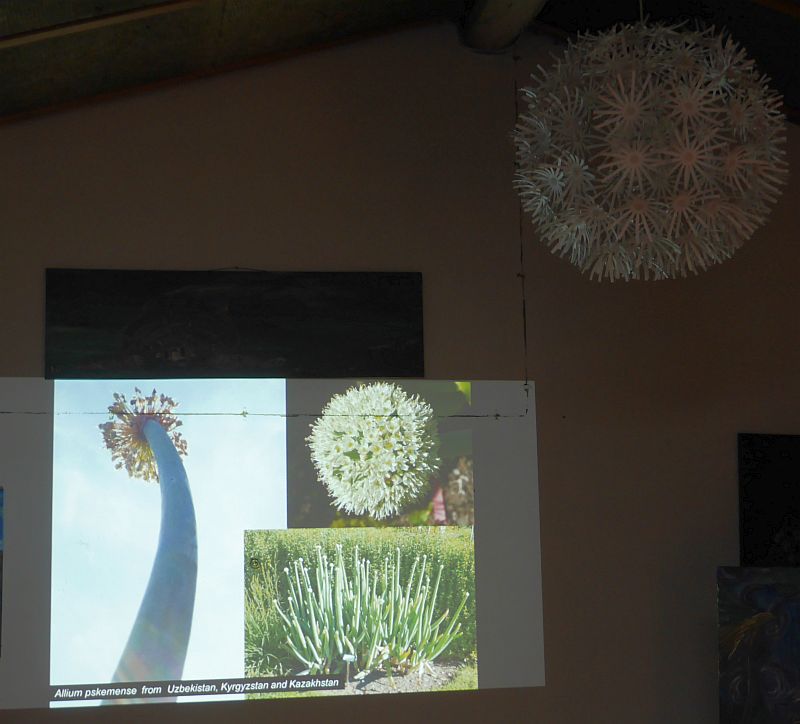
Somebody pointed out there was an onion inflorescence hanging from the roof, so I stopped to take this shot :)
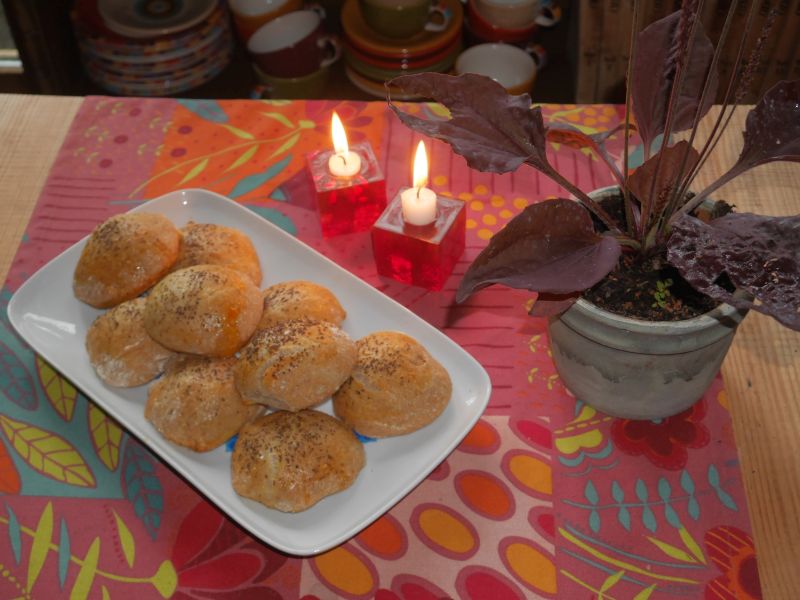
Not onion related but there were also delicious rolls decorated with seed of this plant, Plantago major “Atropurpurea”!
Perennial vegetables, Edimentals (plants that are edible and ornamental) and other goings on in The Edible Garden

 (As it looks like the garden will be known as Chicago-hagen due to the fact that the native american name Chicago means onion)!!