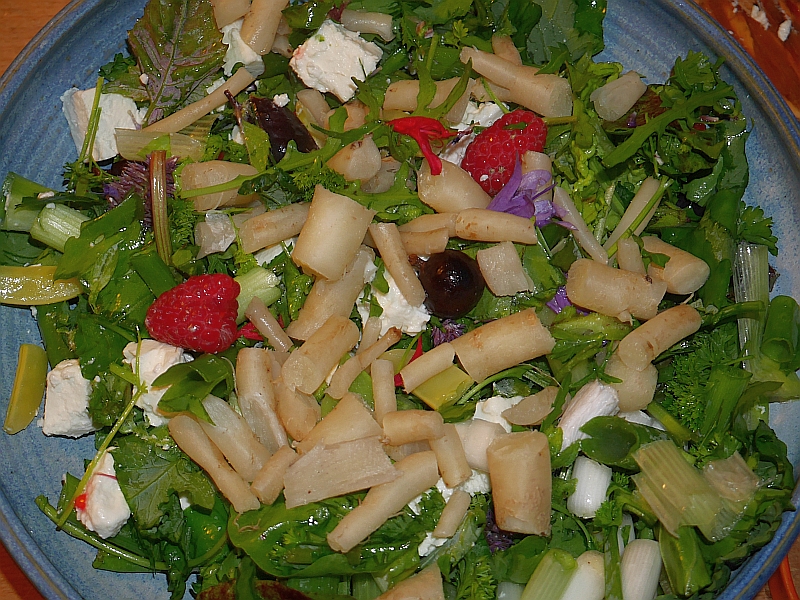
Mostly annuals and biannuals tonight, but still 1/3 of the 41 ingredients are perennials!
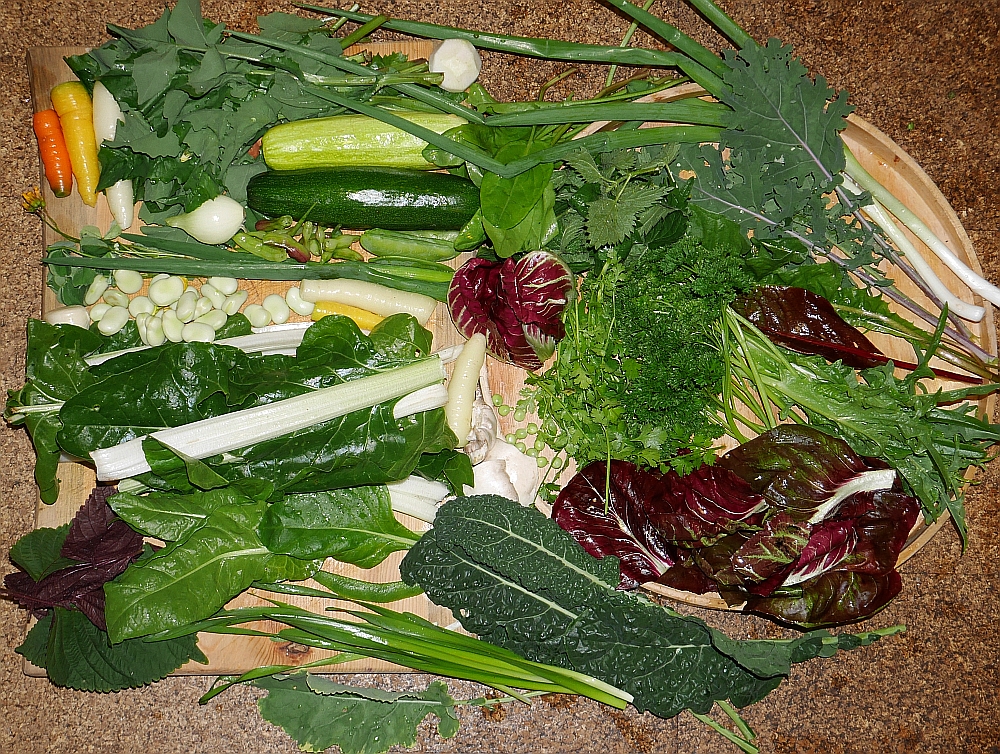

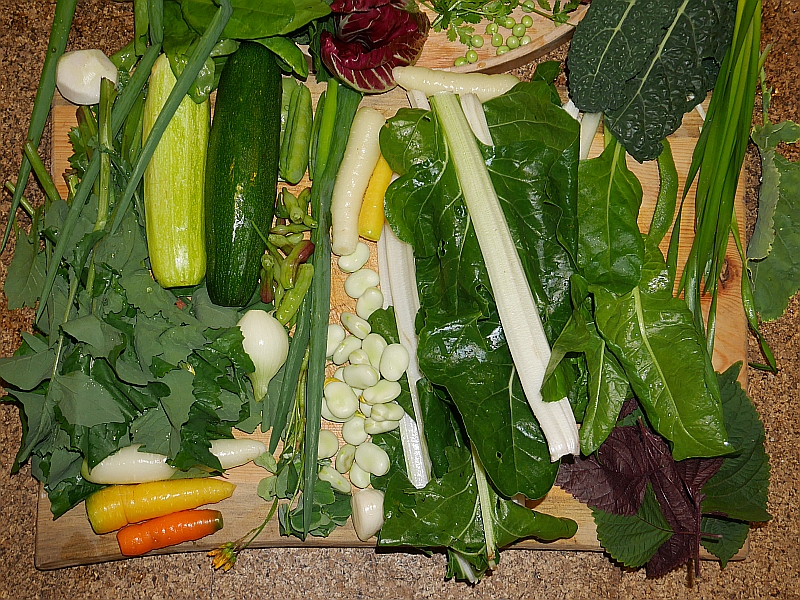


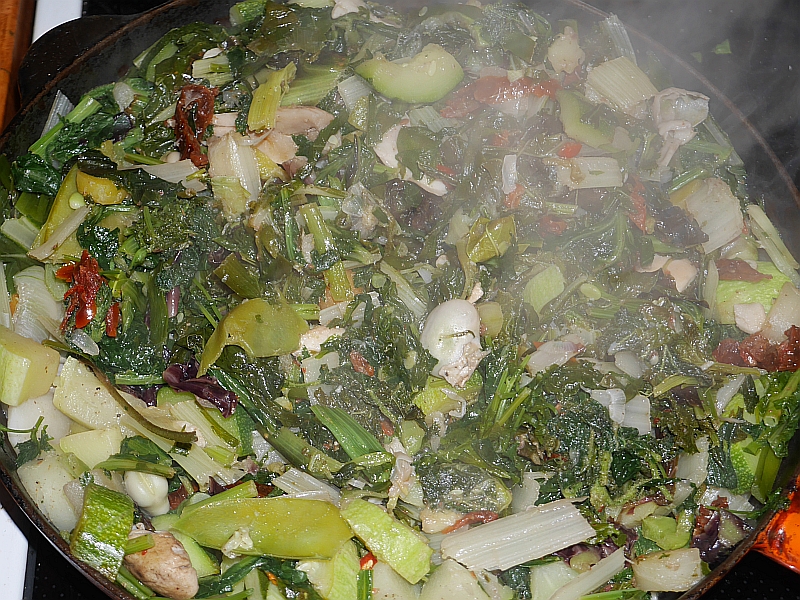
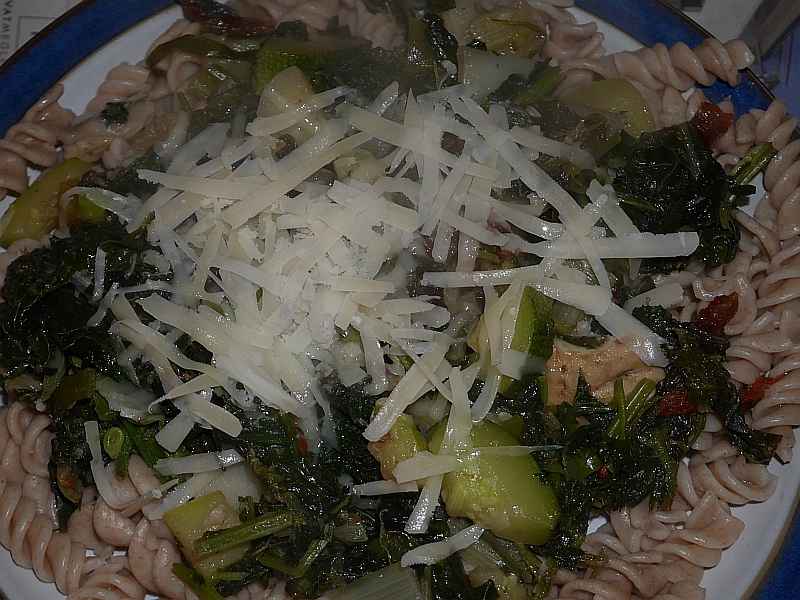

Mostly annuals and biannuals tonight, but still 1/3 of the 41 ingredients are perennials!
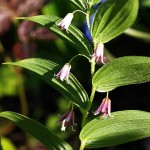
Streptopus amplexifolius is a shade loving woodland plant known, amongst others, as twistedstalk, wild cucumber and watermelon berry and has an extensive wild range including North America, Europe and East Asia. It has been used traditionally by Native Americans for its edible spring cucumber flavoured shoots and the delicious berries are now in season and I’ve been dining on them recently! I’m saving the seed as I eat! Beware that they can be laxative in large quantities, but it’s unlikely you will be able to grow that many in your forest garden!
060916: Added pictures of Streptopus lanceolatus from Eastern North America and a comparison of the berries with amplexifolius!
On FB: https://www.facebook.com/media/set/?set=a.10154221765395860.1073742708.655215859&type=1&l=0866fc78cd

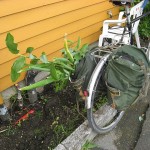
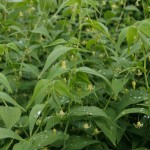
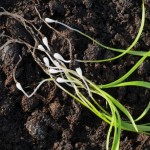

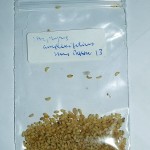



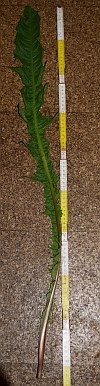
This is my longest dandelion leaf so far at 95cm. Any better?
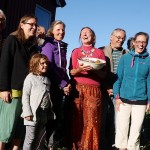
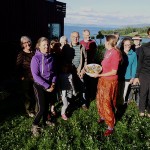
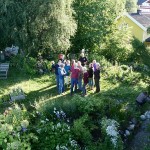
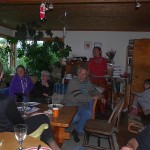
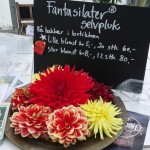
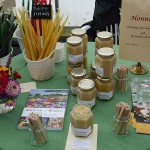
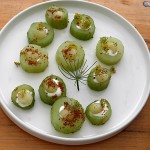
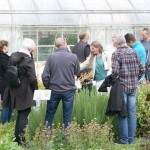
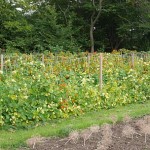
Some pictures from the Grennessminde (Copenhagen) “Have you eaten a flower” event on Saturday 13th August 2016. Thanks for inviting me :)


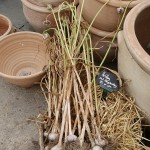












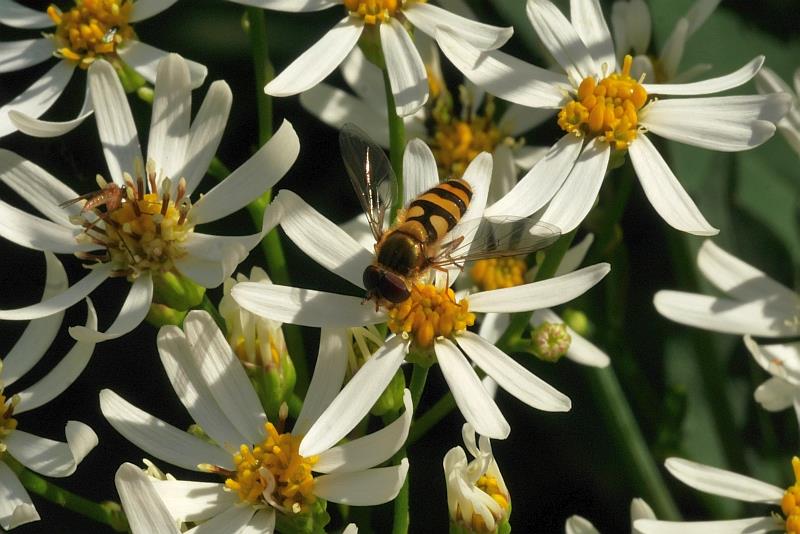
Two years ago, I posted this picture of Aster scaber, commonly wild foraged in Korea and nowadays cultivated for markets in Korea and exported dried to Koreans in North America :)
The following is a collection of pages here giving more information on this great perennial vegetable, or read the account in my book Around the World in 80 plants :)
1. Aster scaber and introducing Misoni: http://www.edimentals.com/blog/?page_id=3103
2. Pakora hasn’t met this selection of vegetables before:http://www.edimentals.com/blog/?p=5250
3. The wild greens of Korea: http://www.edimentals.com/blog/?p=3635
4. Perennial vegetable tempura: http://www.edimentals.com/blog/?p=2382
5. My first Korean aster flower: http://www.edimentals.com/blog/?p=2008
6. Alexandra Berkutenko and the giant Edimentals of the Russian Far East:http://www.edimentals.com/blog/?p=208
So, is this a world record, Guinness? Oh, sorry you can’t even ID a dandelion can you, so no point asking you ;)
My claim is at 2.3m. Any better?
I had no idea skirret/sukkerot/Sium sisarum could get this high….
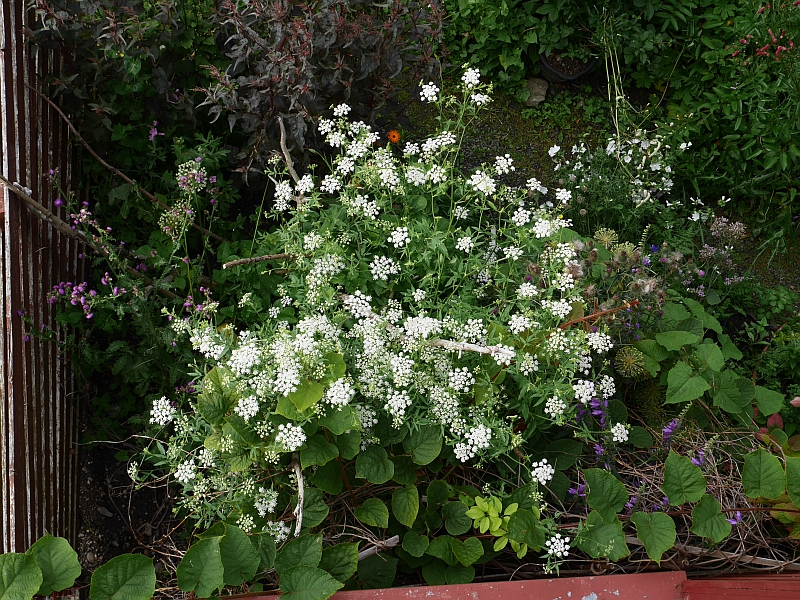
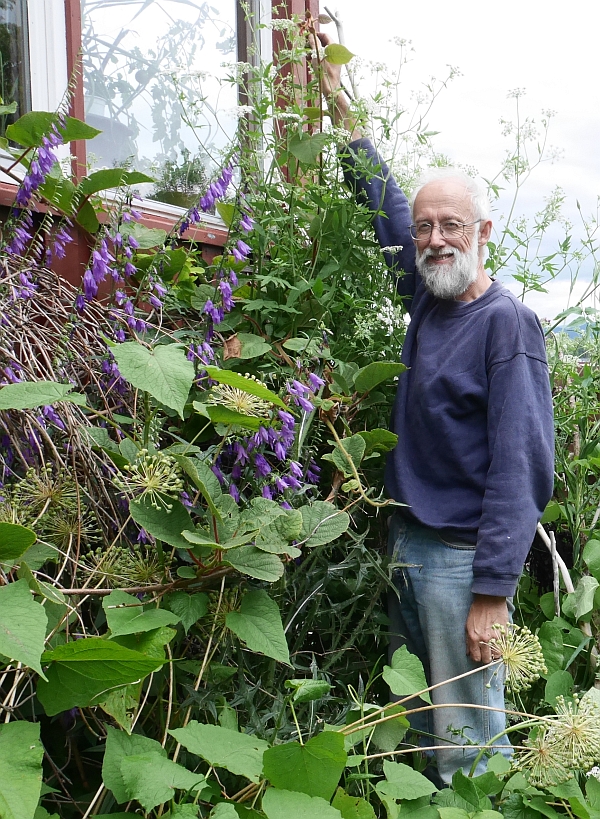
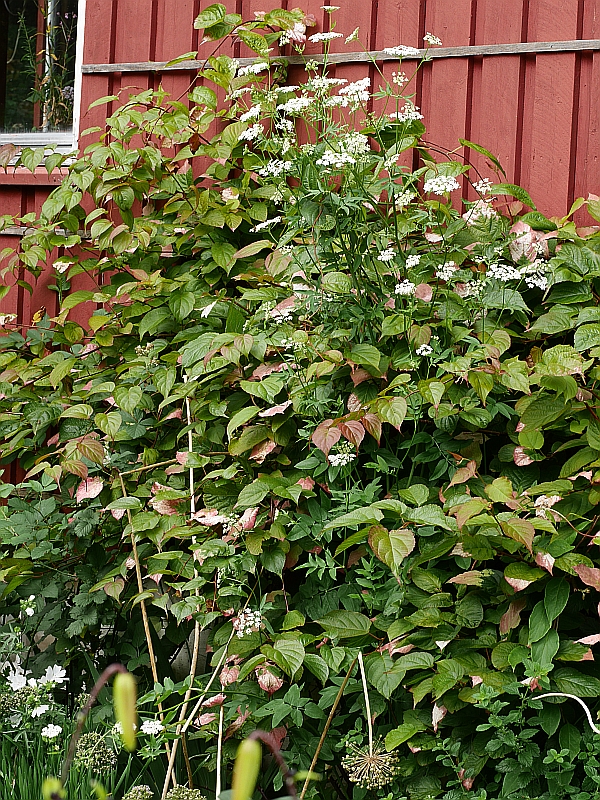
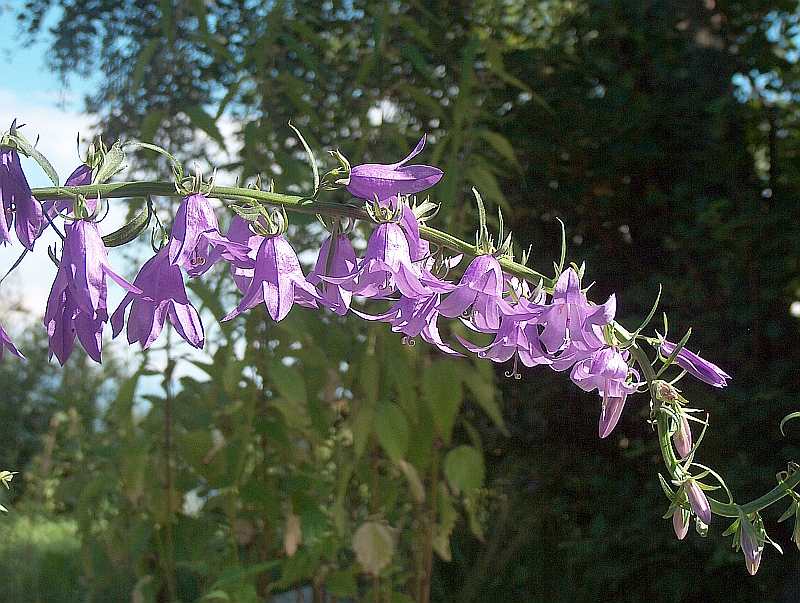
On the corner of a bed I planted Adenophora “Amethyst” over 10 years ago. I remember that creeping bellflower / ugressklokke (Campanula rapunculoides) was growing in the grass next to the bed and I tried to stop it invading… I thought I had succeeded…
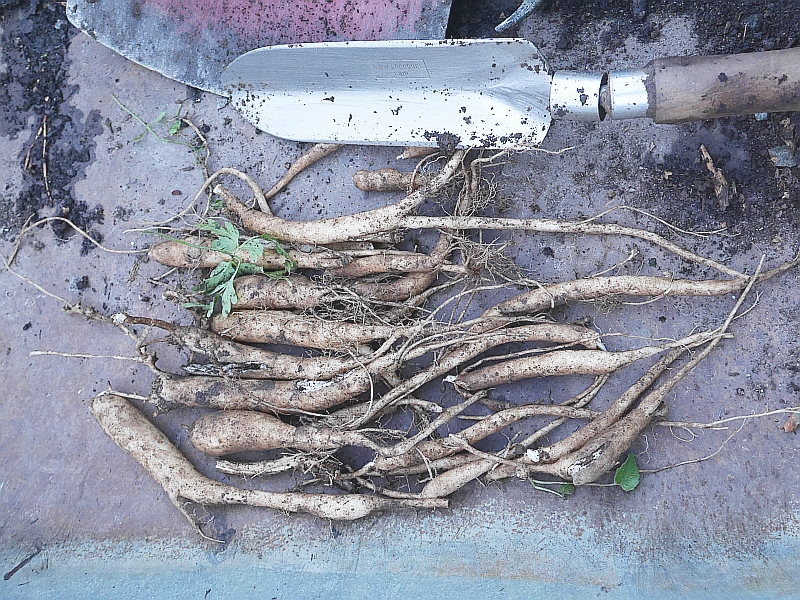
In the last few years the “Adenophora” has started invading this bed aggressively and I decided to remove the plant….. It turned out not to be an Adenophora at all and was creeping bellflower (both in the same family). So, had the creeping bellflower in the grass gradually taken over without me noticing or was my Adenophora (seed propagated from a seed trade) actually always been creeping bellfower. The latter I think. It seems that it is often an imposter for Adenophora: http://tinyurl.com/j3kzq9k
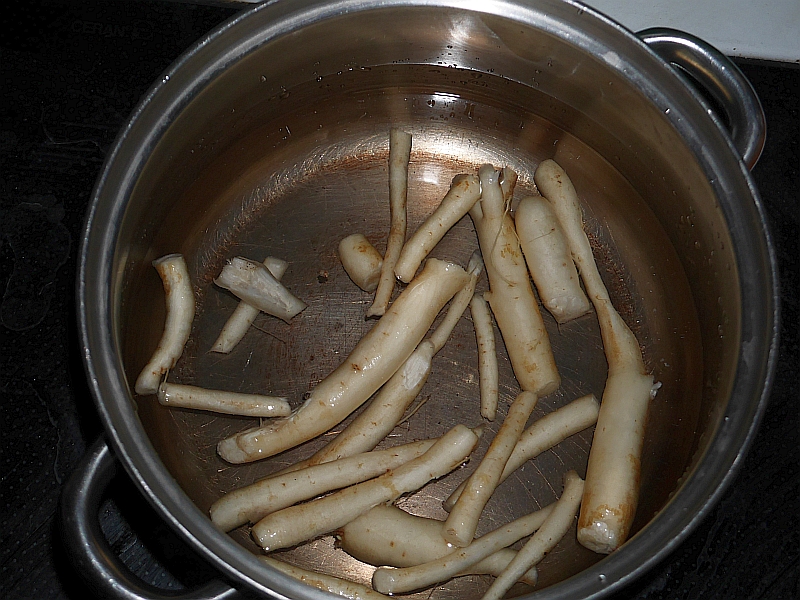
I’ve dug it out, the roots were a decent size although a bit fibrous, so I cooked them and added them to tonight’s salad :)
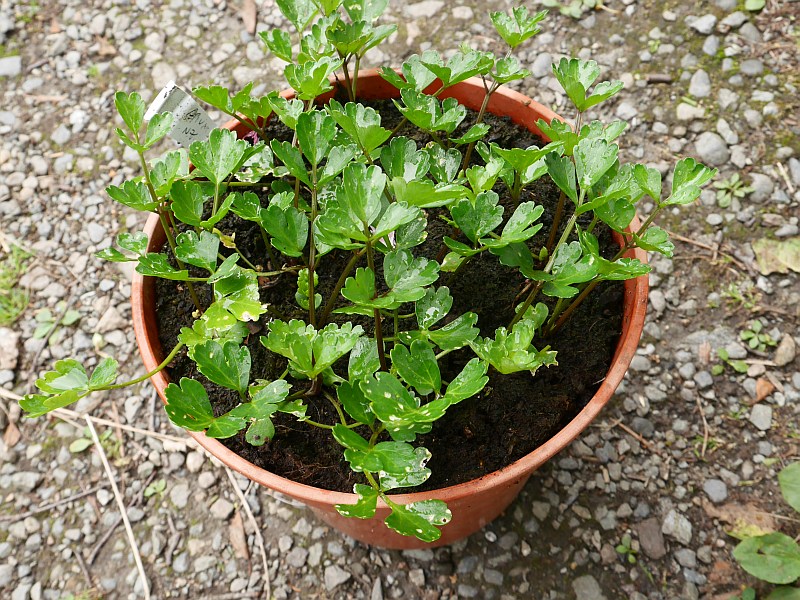
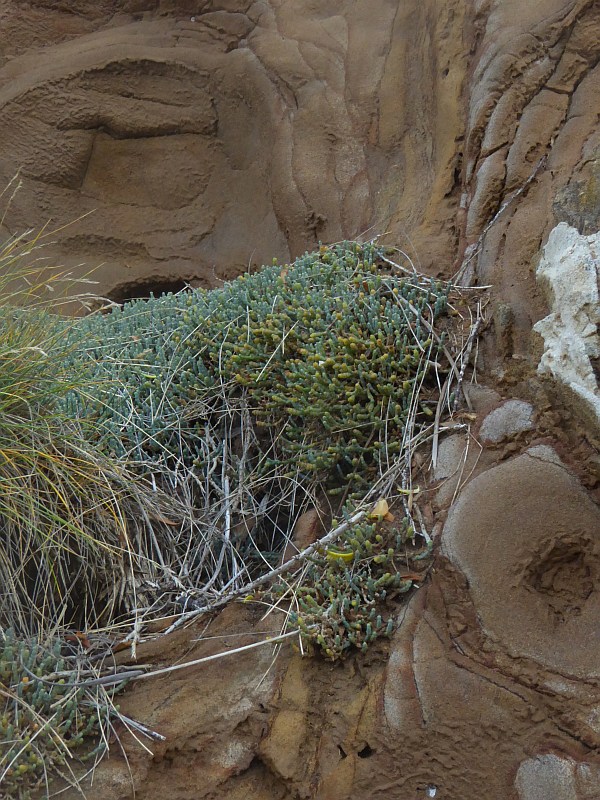
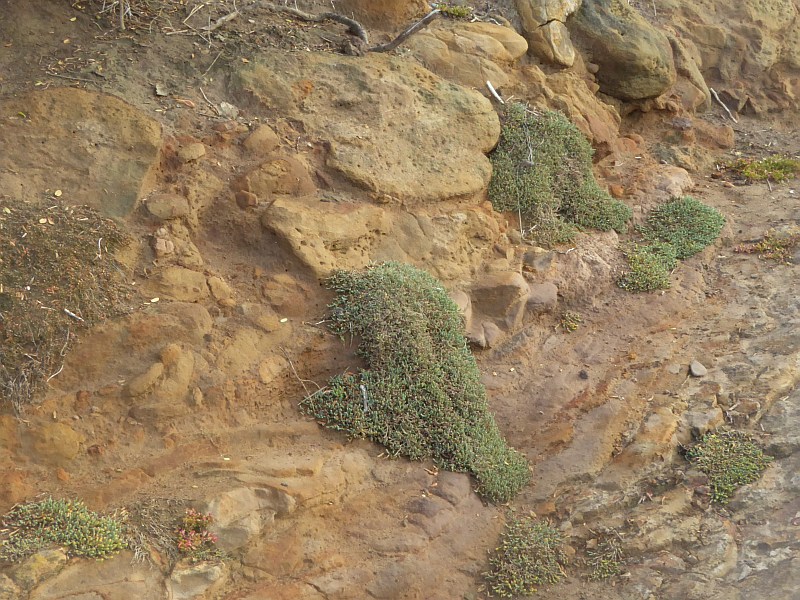
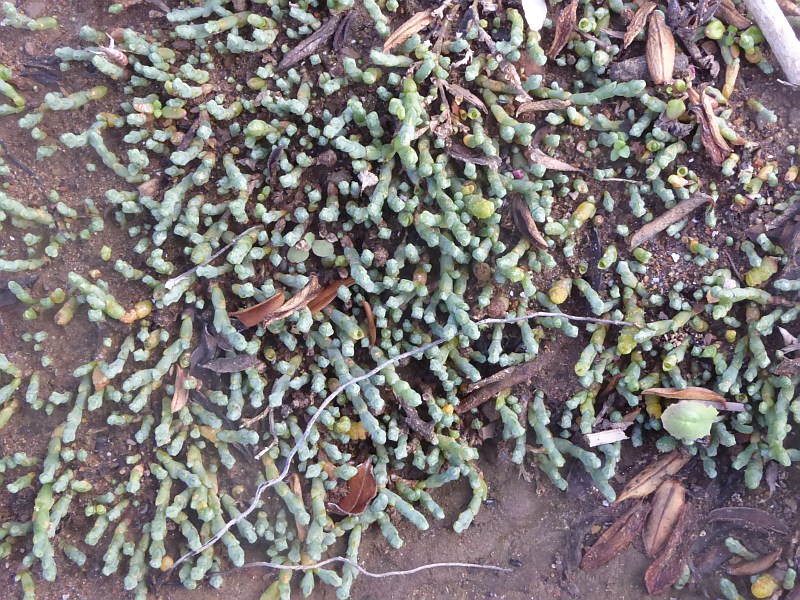
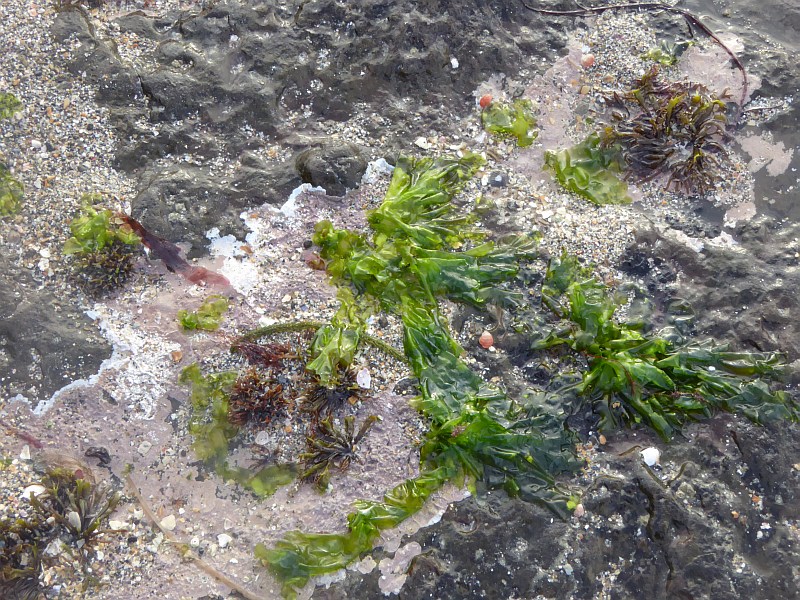
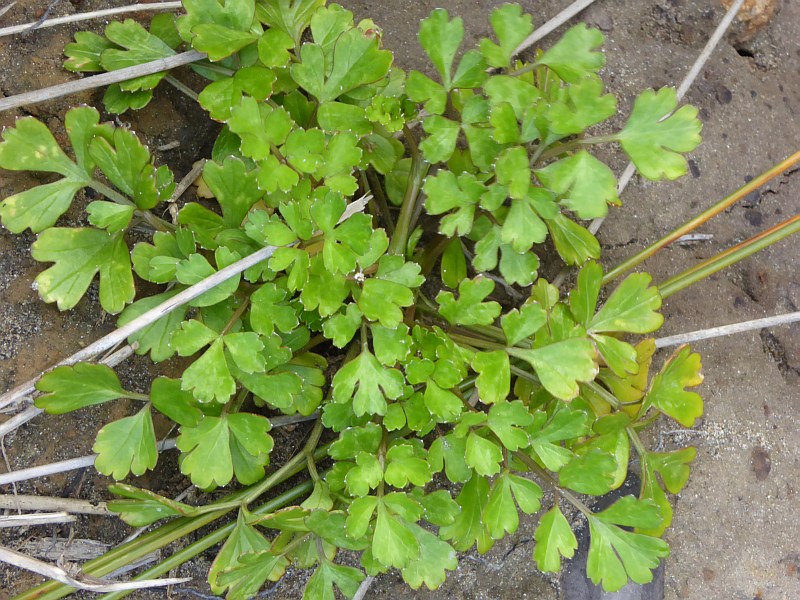
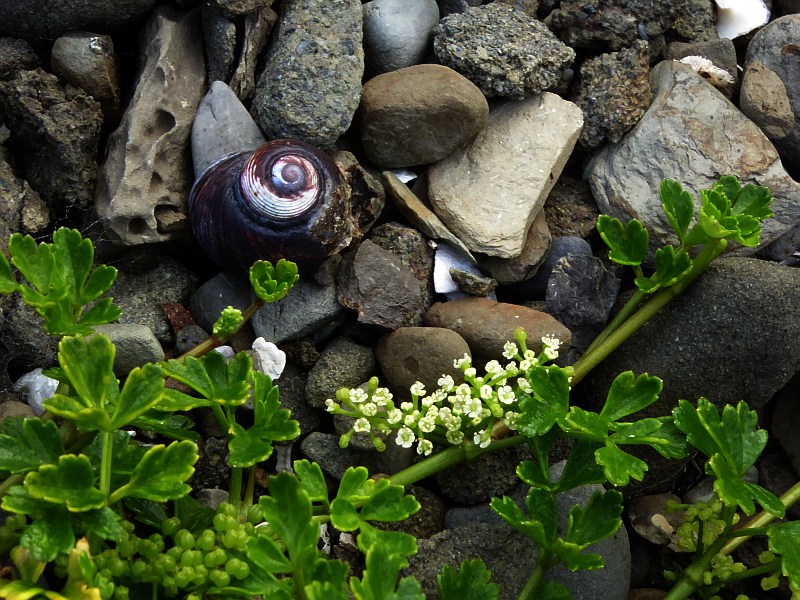
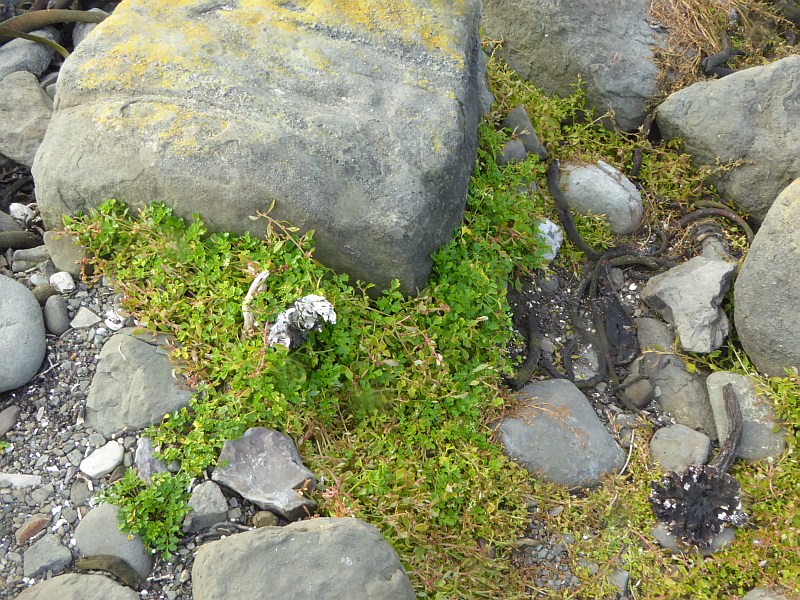
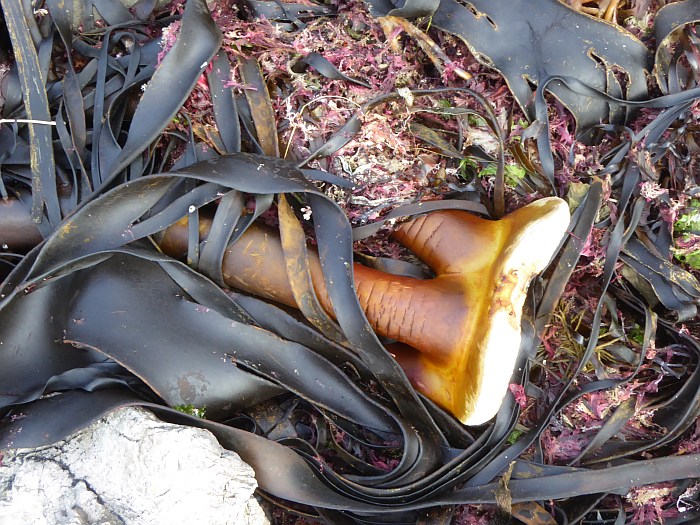
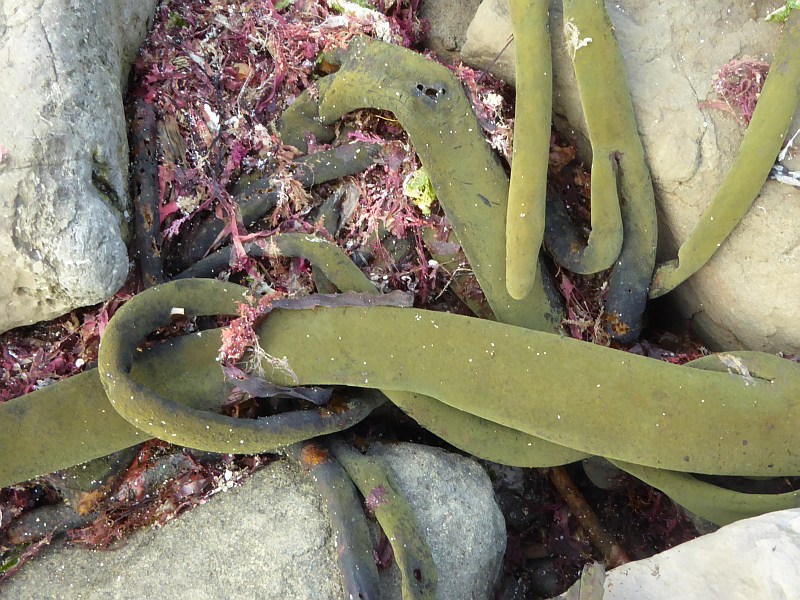
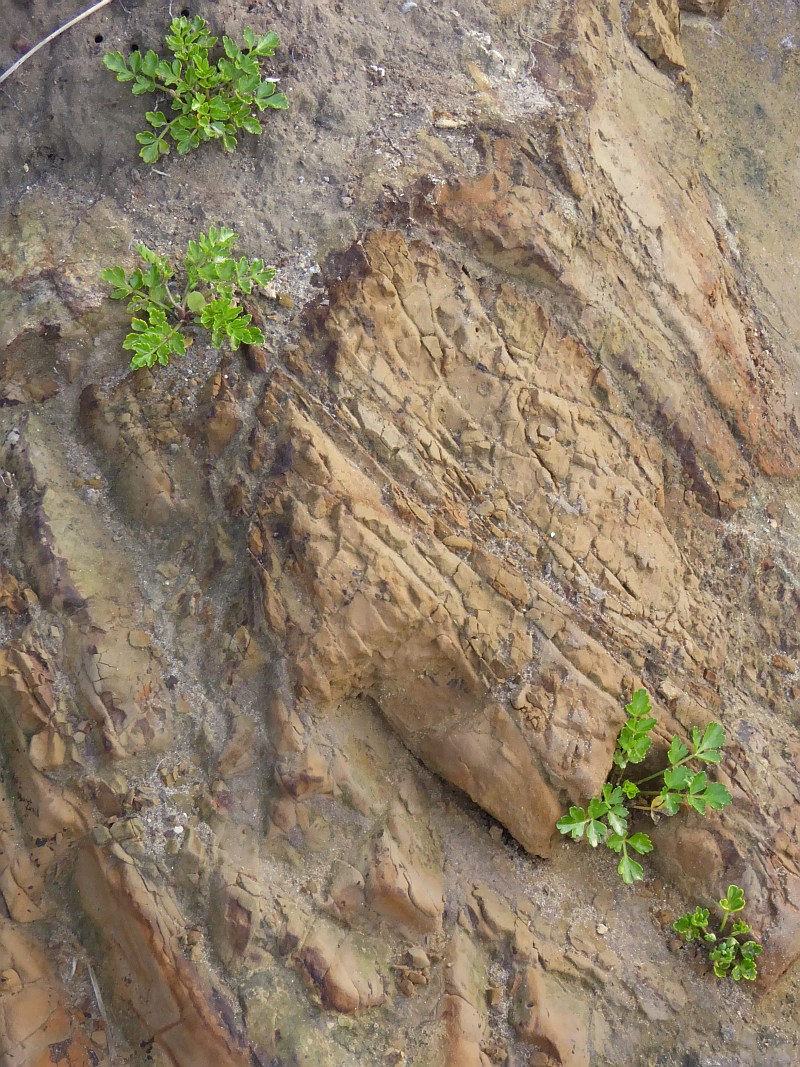
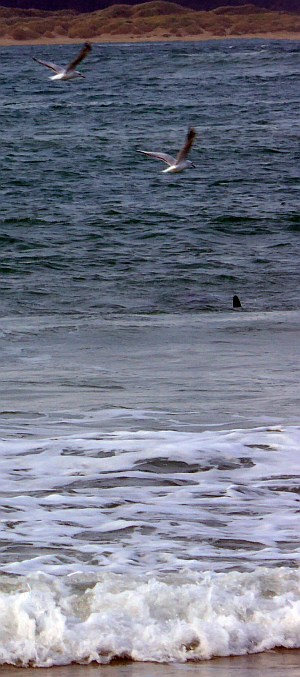
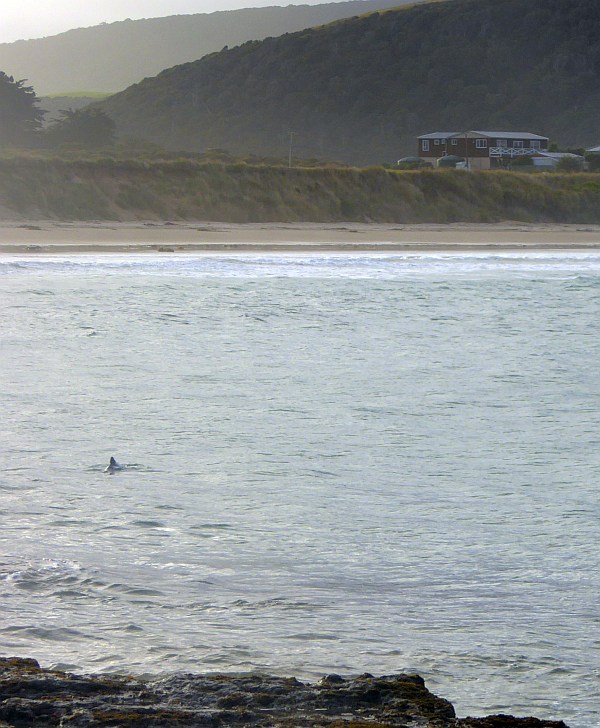
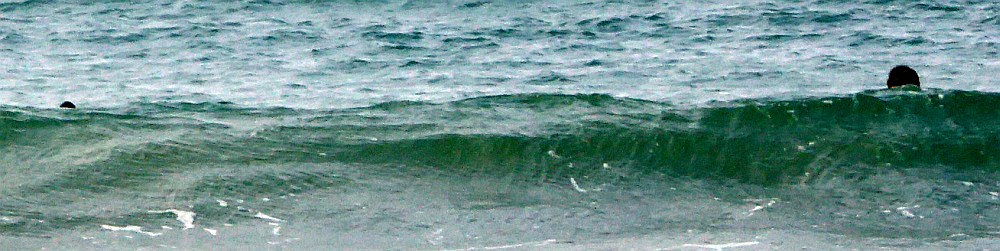
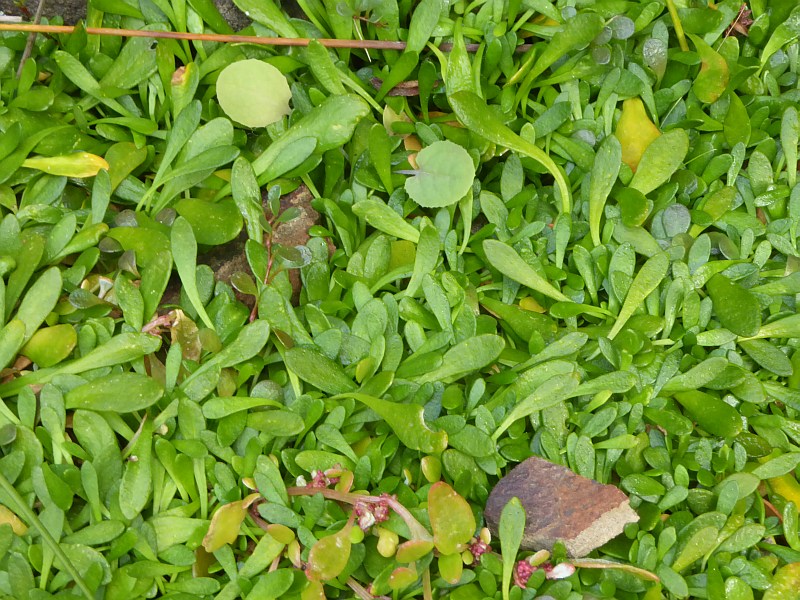
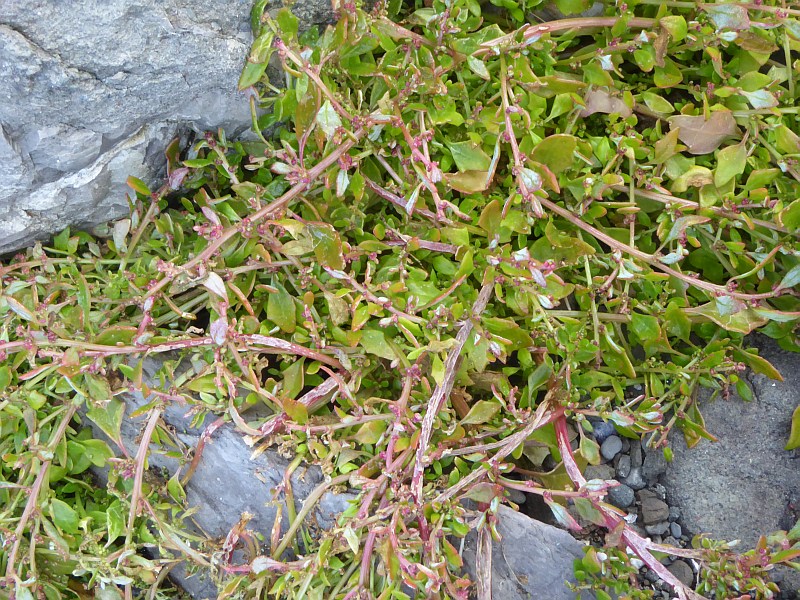
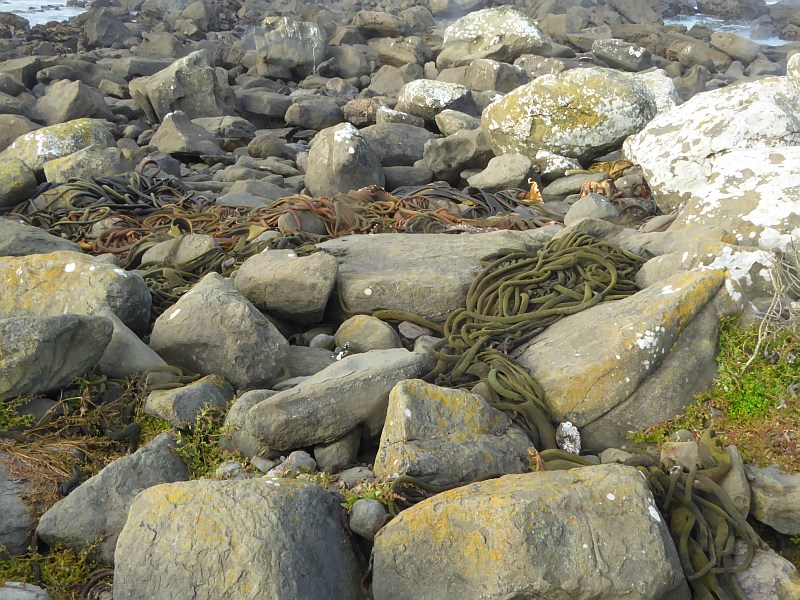
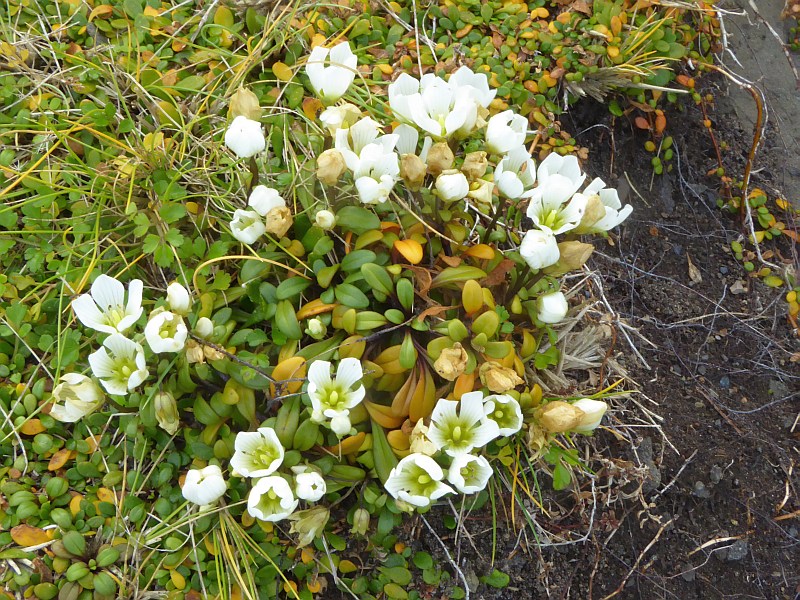
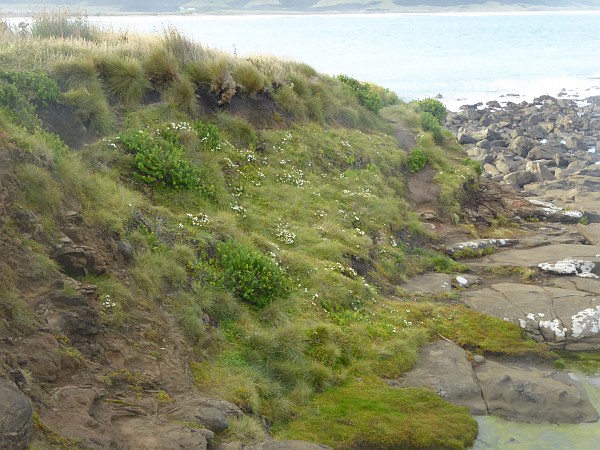
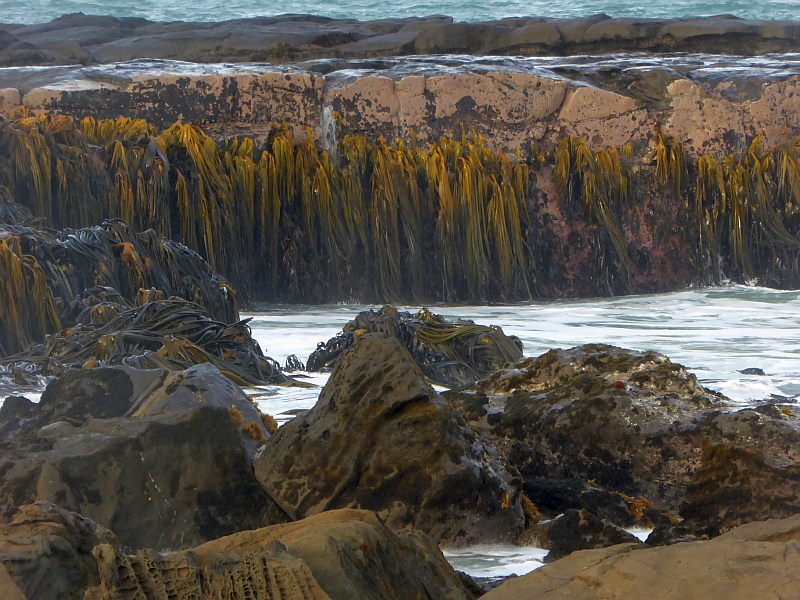
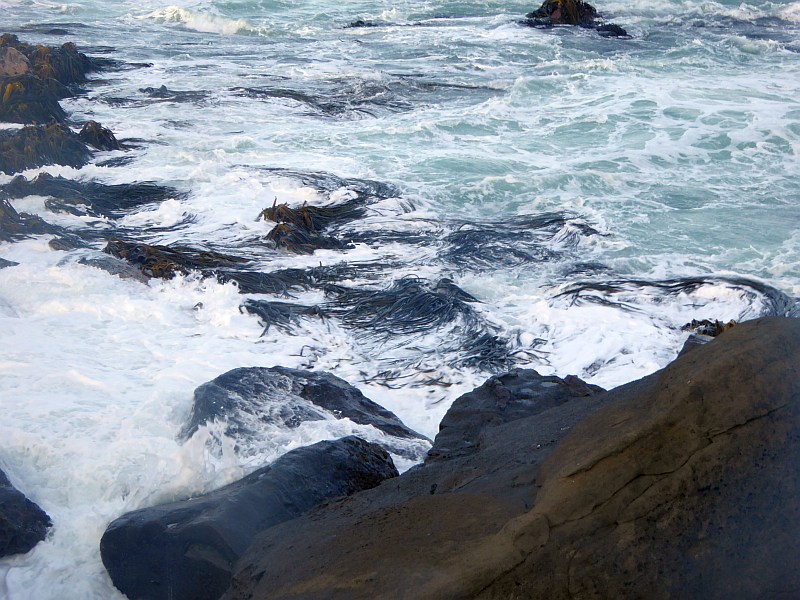
I haven’t shown many pictures from my fantastic tour of New Zealand in March / April 2015. I was transplanting some plants of New Zealand Celery at the weekend, the seed of which I collected on rocks at Porpoise Bay in Southland! A good excuse then to show a few pictures from Porpoise Bay :)