How DO they make up those scientific names? A small group of waxwings (sidensvans) in the garden with 4 hawfinches (kjernebiter) provided entertainment (distraction) this afternoon….waxwings are berry eaters (e.g. the flesh of rowans / rogn) and hawfinches eat hard tree and fruit seeds (also rowan, eating what the waxwings disgard!)
I try to “grow” as much food for birds as possible in my garden. This includes leaving some fruit, planting various species of rowan (Sorbus), not tidying the garden until late winter, so that, for example, seed of nettles and burdock is available for finches. I also don’t feed the birds with bought in sunflower seeds until it gets properly cold, until then there’s plenty of natural food available. There’s nowadays a large acreage put down to non-organic production of bird seed in other countries which is certainly detrimental to birdlife in those countries and there is evidence that providing bird seed during the breeding season can have a negative effect on some species! So, is feeding birds a good thing or just for our entertainment? A bit of both I think!
Hawfinch and waxwings towards the end…taken from the living room /office!
2. Waxwing on apple. It was a bad rowan berry year and there are unusually few waxwings around (perhaps good news for an invasion further south, e.g., in the UK?). This is one of the apples I left for the birds…the video was taken from the living room!
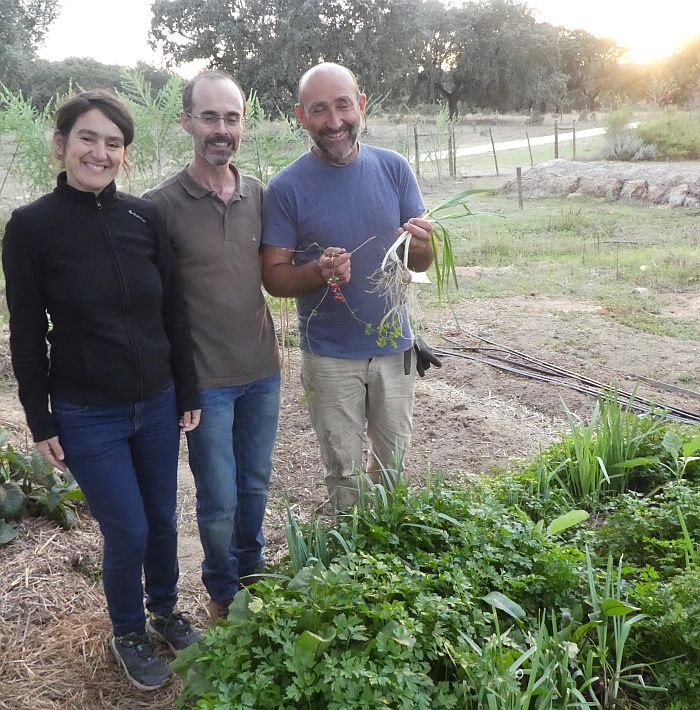
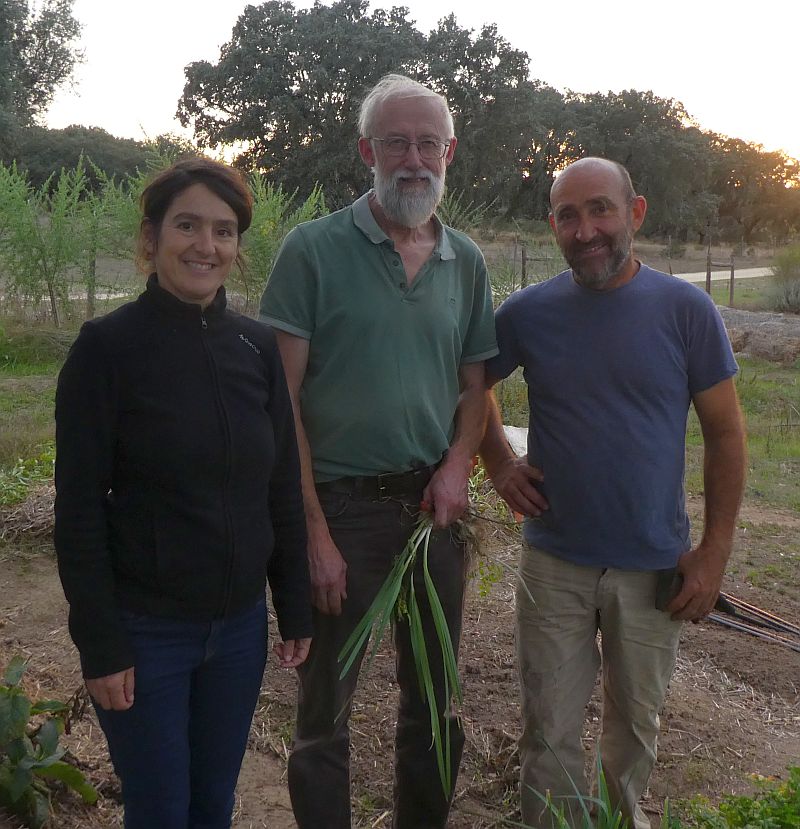
On the afternoon of my arrival at Freixo do Meio (see previous posts and also http://www.edimentals.com/blog/?p=20042), Jorge Carona and I were loaned an electric vehicle to explore the farm. Jorge proposed we go over to a property within the main farm practicing regenerative agriculture using keyline design.
Catarina Joaquim and Carlos Simões have designed and established this impressive garden (see
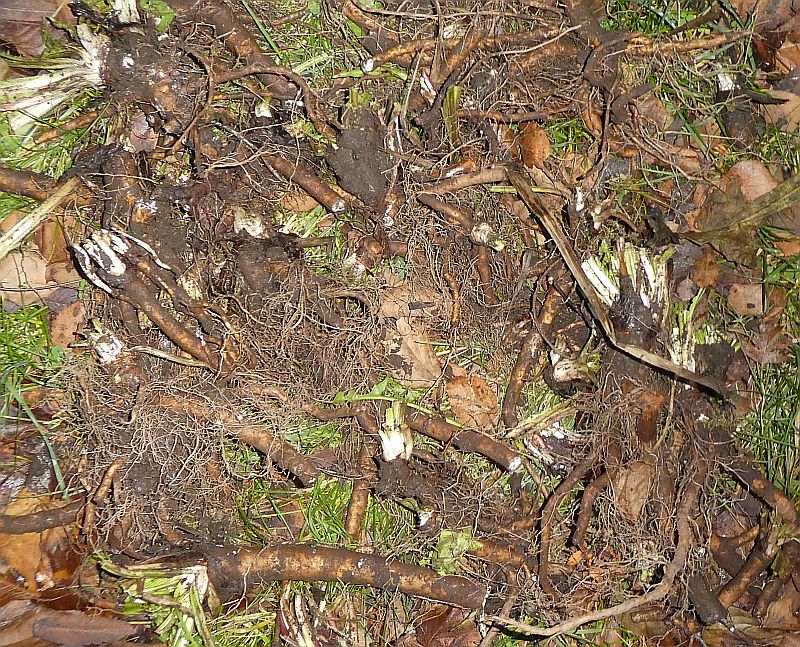
Dandelions are one of my favourite winter perennial vegetables. During the summer, wild dandelions sow themselves on my cultivated beds….one of the advantages of having too much open soil! I deliberately let them grow on until late autumn when I dig up some of the roots, others left to grow on to the next year, and plant them in large pots ready to force later in the winter like witloof chicory. I usually force them by moving from storage in my cellar to a cool room in the house where I force them in the dark!
Many thanks to my friend Alfredo Sendim for inviting me to hold a course at his amazingly diverse Herdade do Freixo do Meio farm. It is run as a cooperative using many innovative agricultural methods, inspired in particular by Ernst Goetsch and Syntropic Farming! I was very happy that Fernanda Botelho also joined us to share her knowledge on local edible plants!
The 3 videos at the end show Agroforestry methods on the farm at Freixo do Meio, olives intercropped with a wide diversity of edibles and other useful plants!
The day started with my lecture
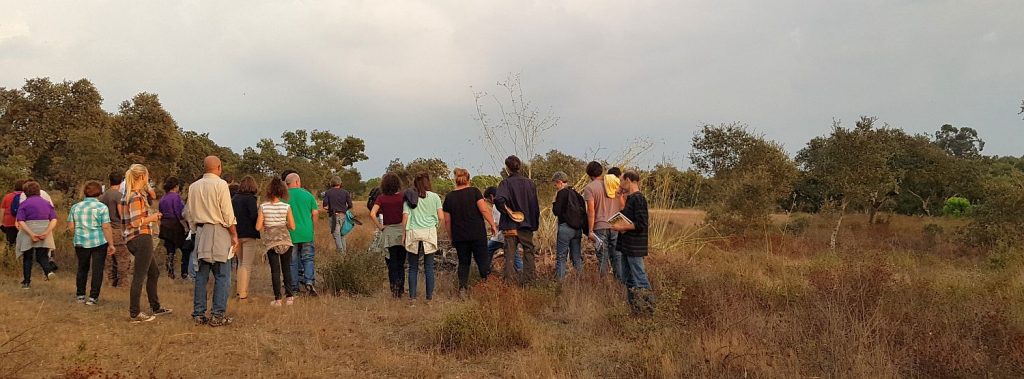
The course participants were joined by a group of farm workers and well known Portuguese forager /herbalist Fernanda Botelho!
Group hug of one of the ancient olive trees!
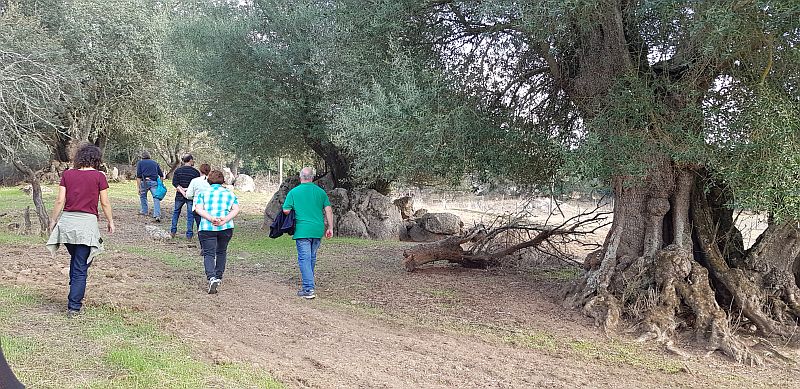
Ancient olives
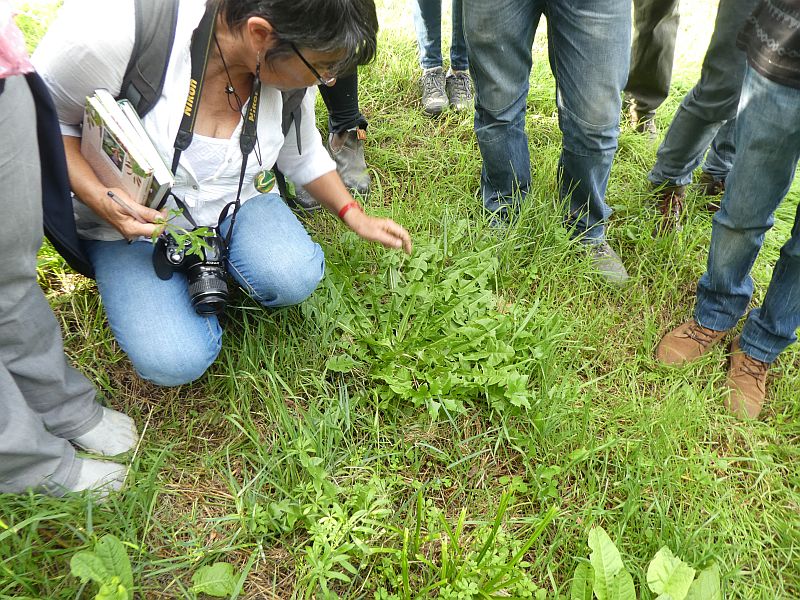
Fernanda with the biggest dandelion we found!
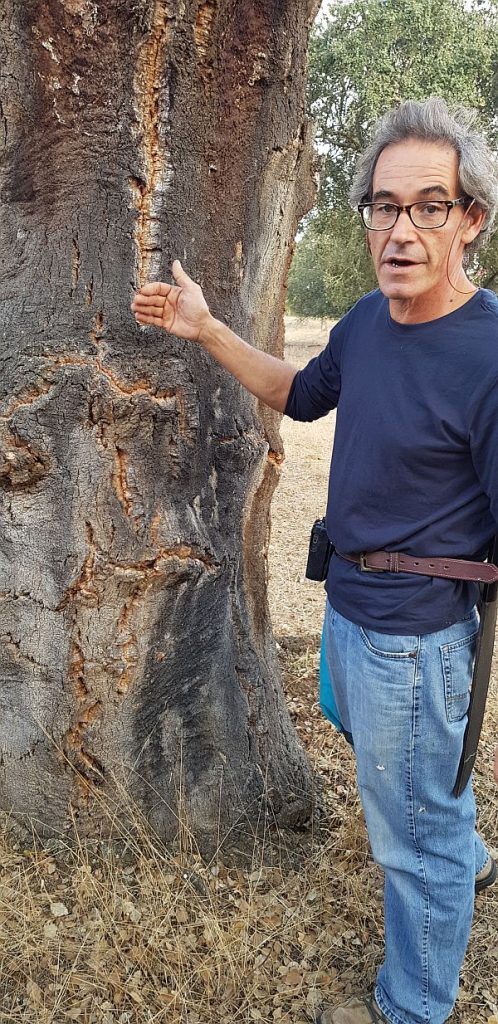
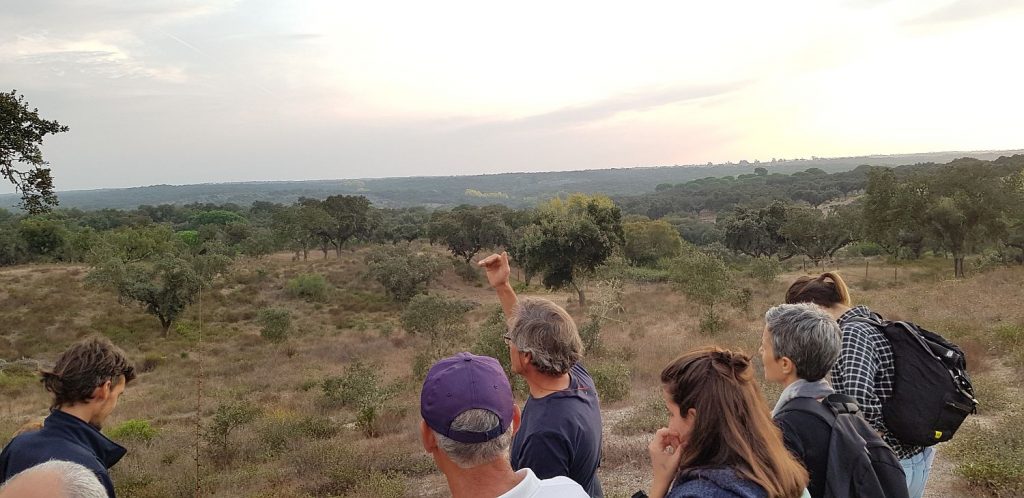
Alfredo Sendim, whose family have owned the farm for generations, lead a long 5 hour tour around the farm…here showing how this cork oak was scarred by poor cutting in the past!
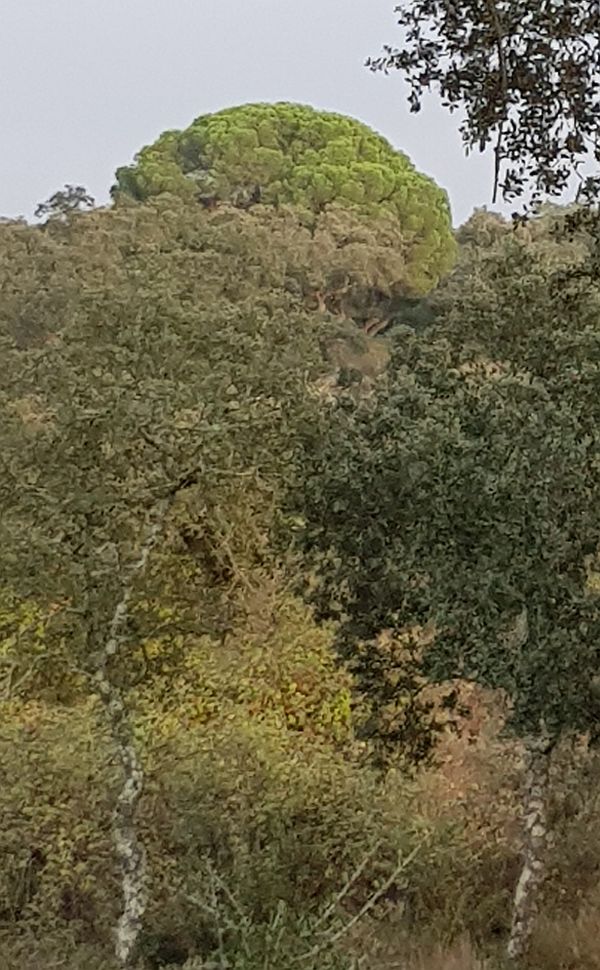
Typical form 0f Pinus pinea, umbrella pine, source of pine nuts, an important crop in this warm, dry area of Portugal!
Water is important for the animals…
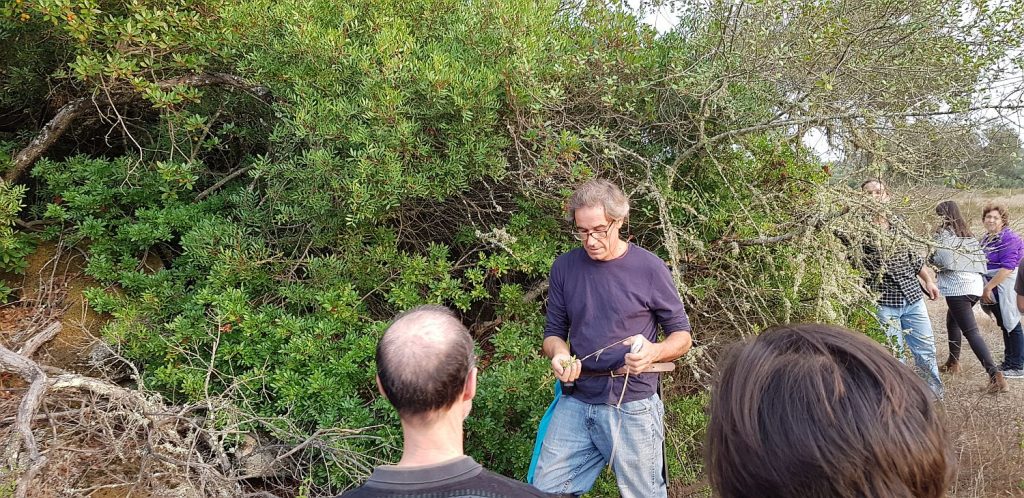
Pistacia lentiscus, the mastic tree!
Acis autumnalis and Scilla autmnalis had appearedin response to the first rains after a prolonged drought!
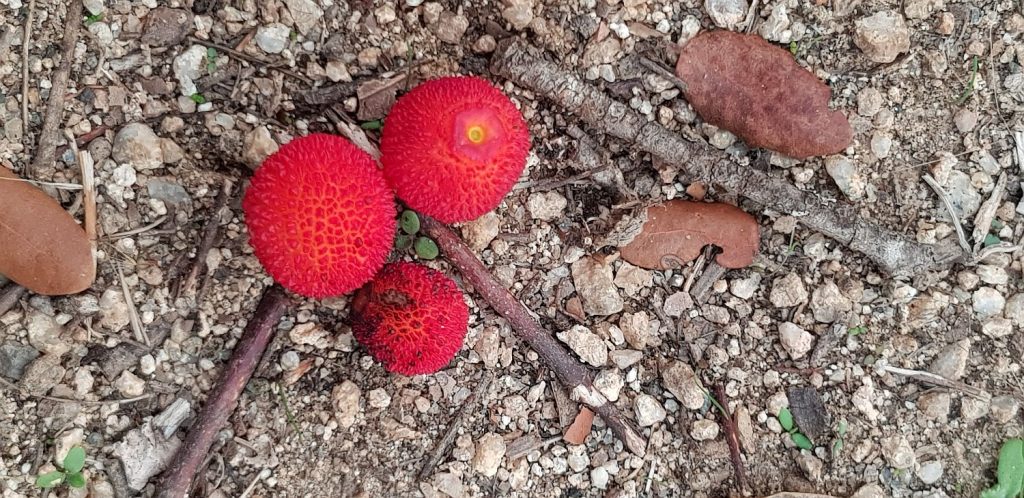
Medronheiro, the strawberry tree (Arbutus unedo)
Medronheiro, the strawberry tree (Arbutus unedo)
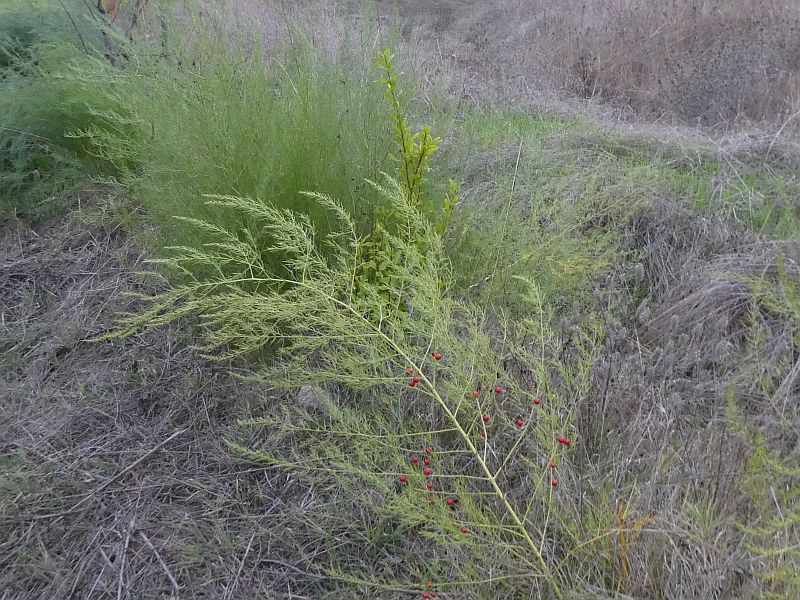
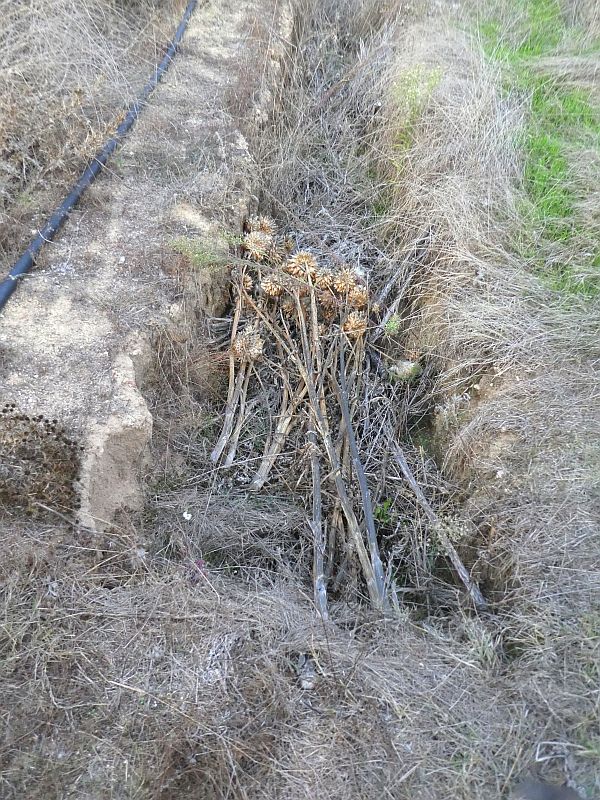
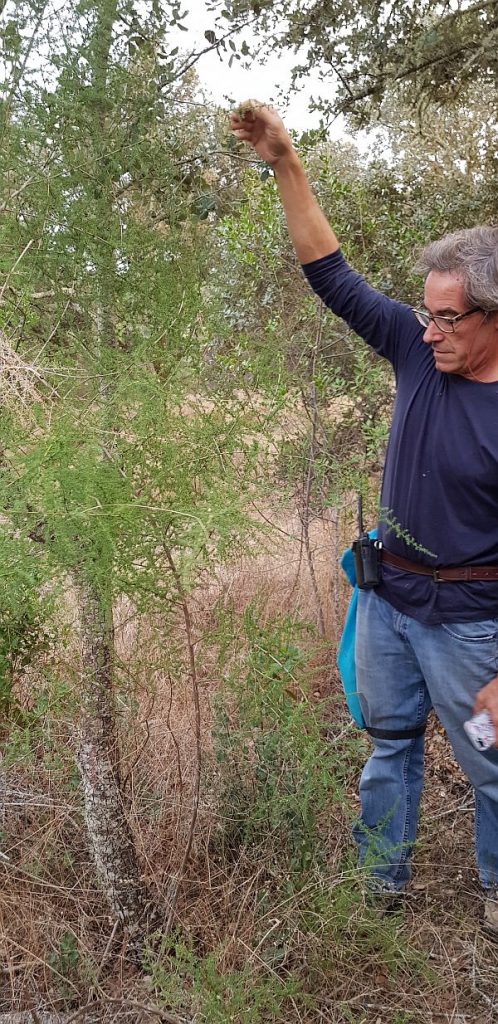
Asparagus….woody plants here…just beginning to sprout!
Acis autumnalis and Scilla autmnalis
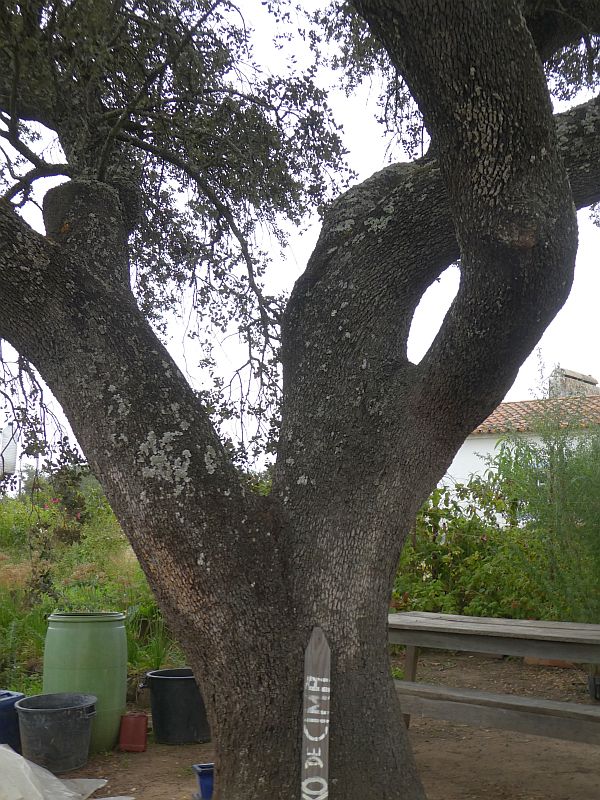
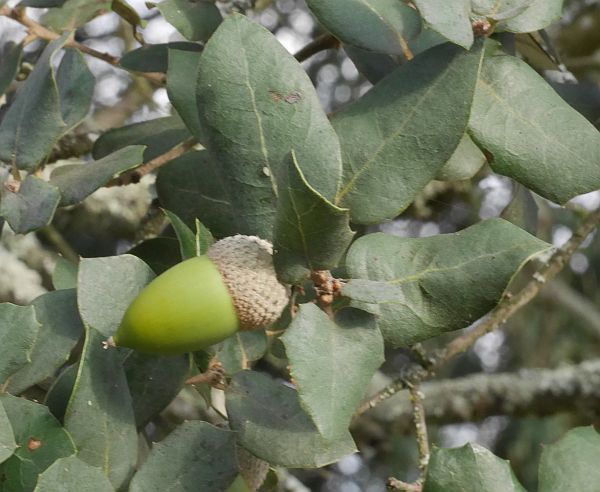
Quercus ilex ssp rotundifolia? (Holm oak), an important product of the farm!
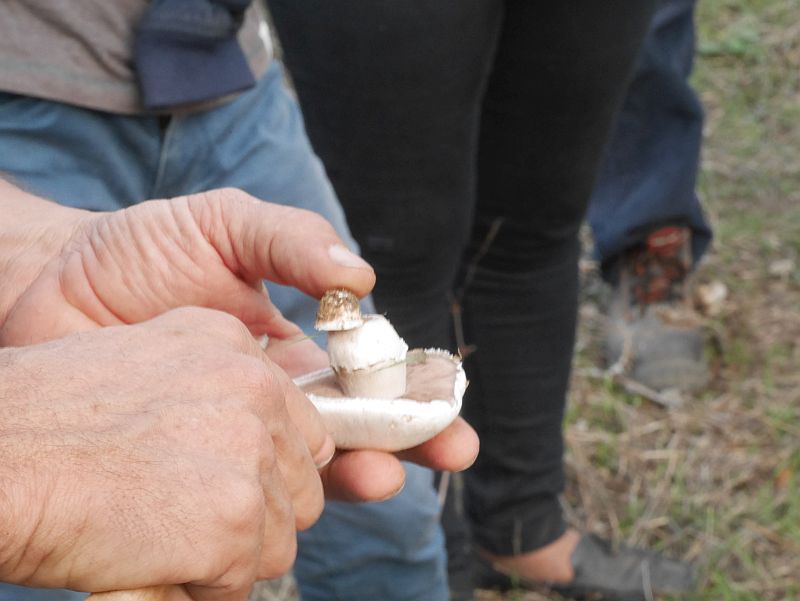
Field mushrooms, the first of the autumn!
Pinus pinea
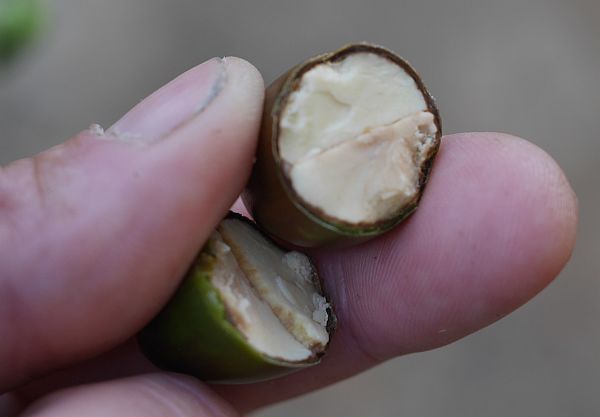
These acorns were actually quite sweet !
There was large diversity on the farm where machinery couldn’t reach…here with Pistacia, Ruscus aculeatus and Umbilicus!
Umbilicus rupestris
Me with Fernanda Botelho
Smilax aspera (young edible shoots like asparagus)
Stephen Barstow 30 October · Pistacia lentiscus, mastic tree
Calamintha nepeta
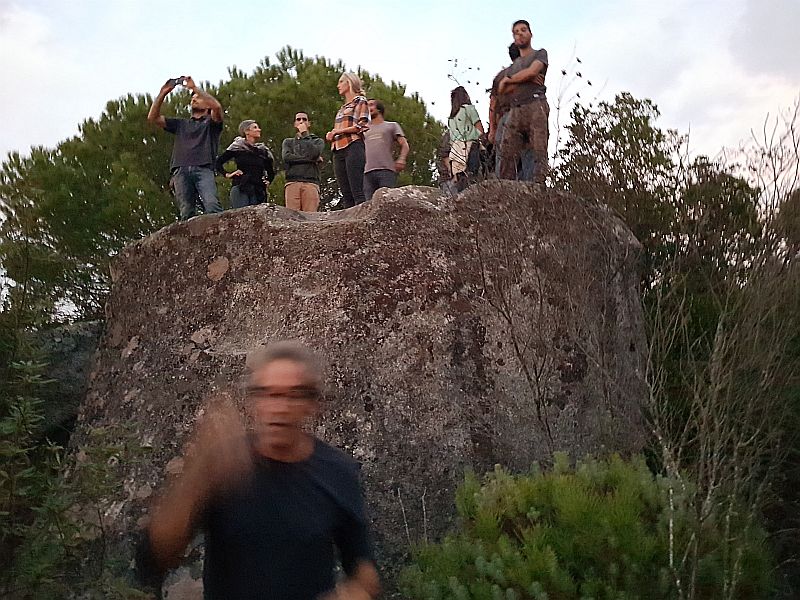
The seed grinding rock!
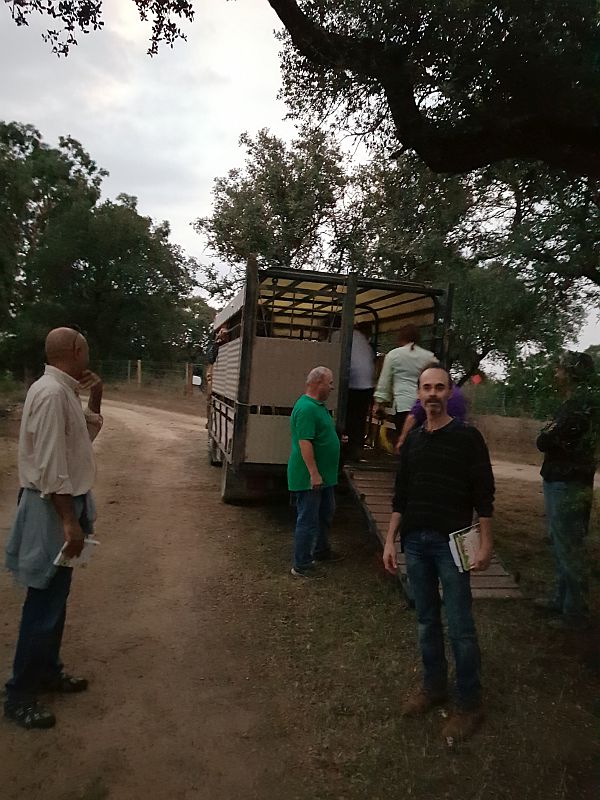
The transport home was a cattle truck…here with my friend Jorge Carona!
My accommodation on the farm!
Prickly pear with acorns and acorn biscuits (bolota)!
Showing the diversity of acorns on the farm (pictures taken by Alfredo!)
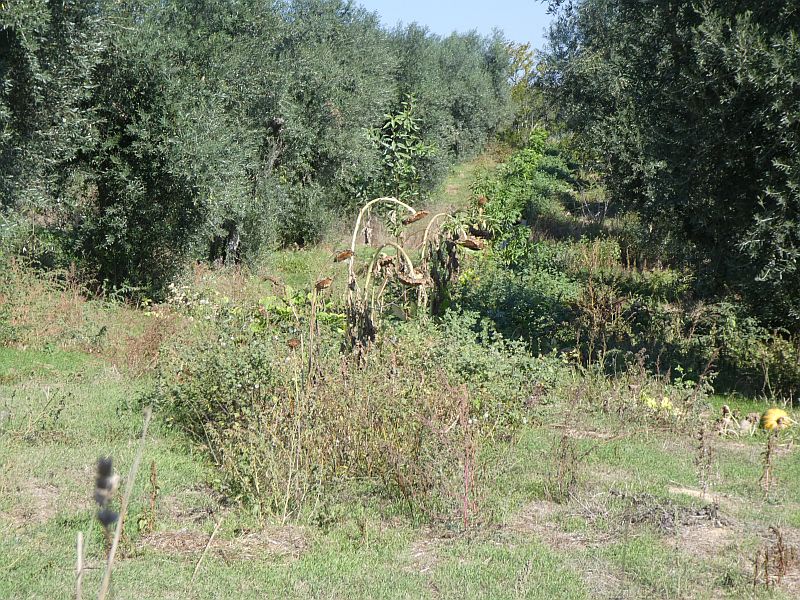
The agroforestry area.
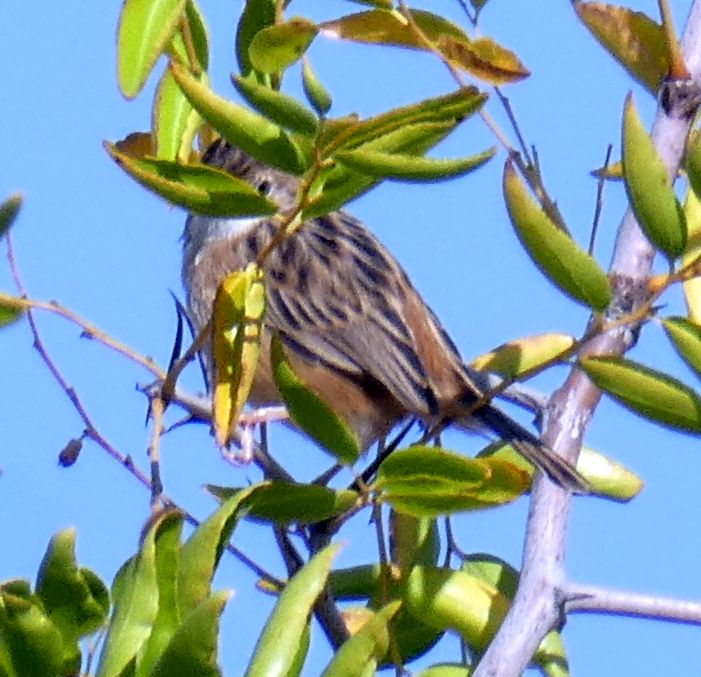
Whitethroat? in the Agroforestry area
Stonechat in the Agroforestry area
The Egg Temple
They had a few deer in a compound next to the Egg Temple…apparently the hens were healthier with deer nearby..
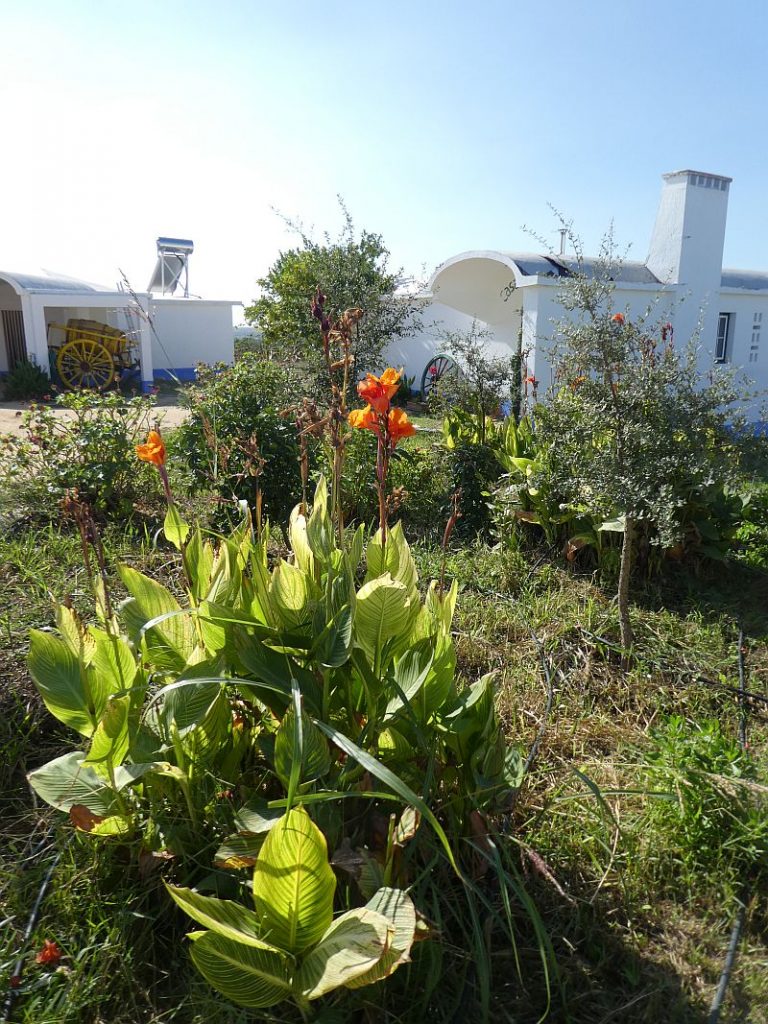
Dwarf Pomegranate and Canna
Canna
Canna
Clouded yellow and lucerne
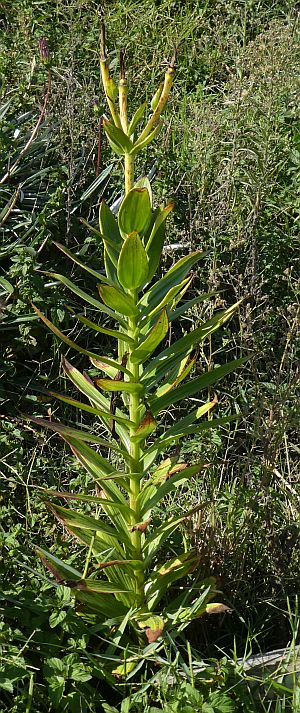
Lily
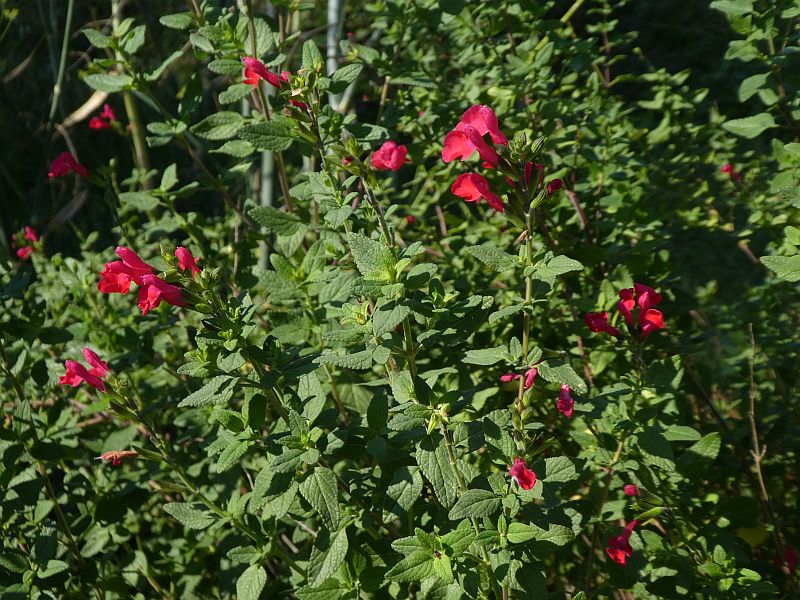
Blackcurrant sage
Mentha suaveolens
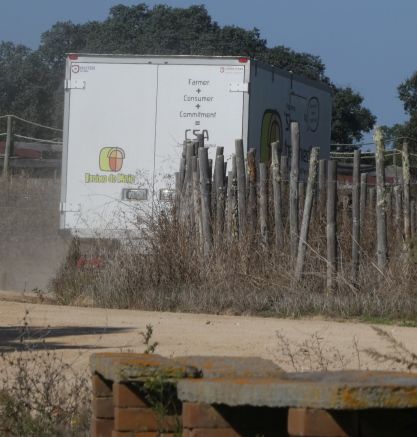
The delivery van returning….the farm sells though their shop in Lisbon
More traditional CSA area
More traditional CSA area
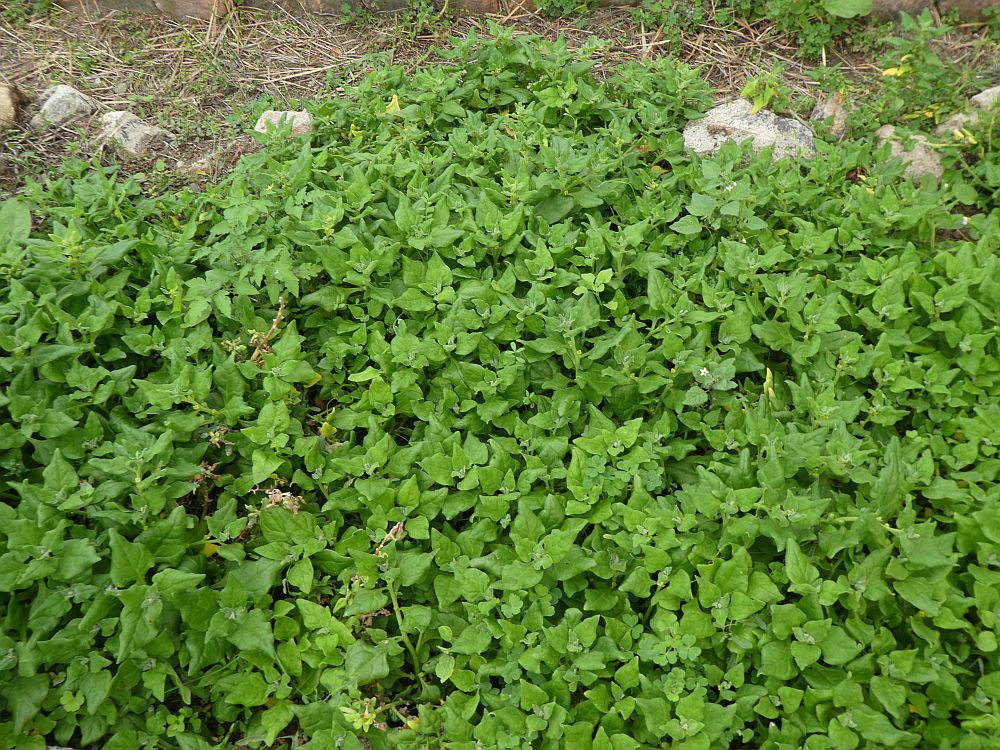
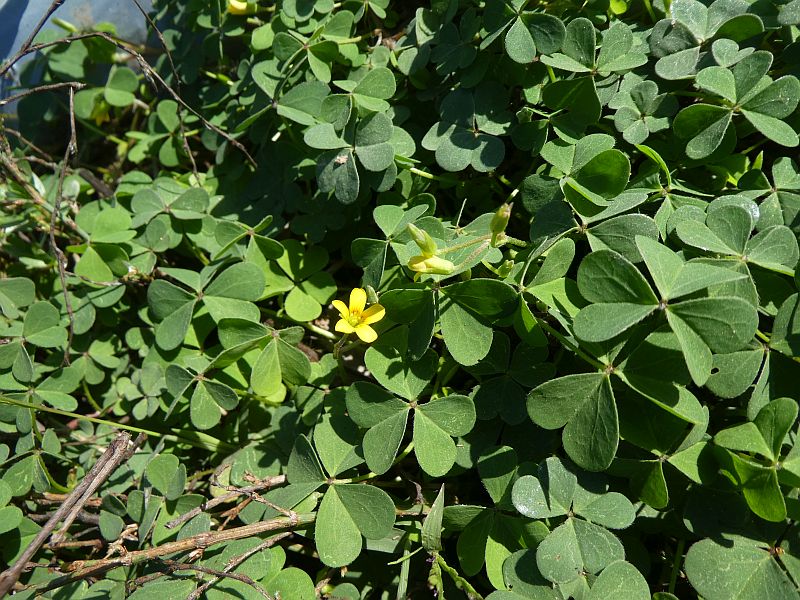
Oxalis corniculata, edible weed on the CSA area
The shop
Clouded yellow butterfly on lucerne:
Agroforestry methods on the farm at Freixo do Meio, olives intercropped with a wide diversity of edibles and other useful plants:
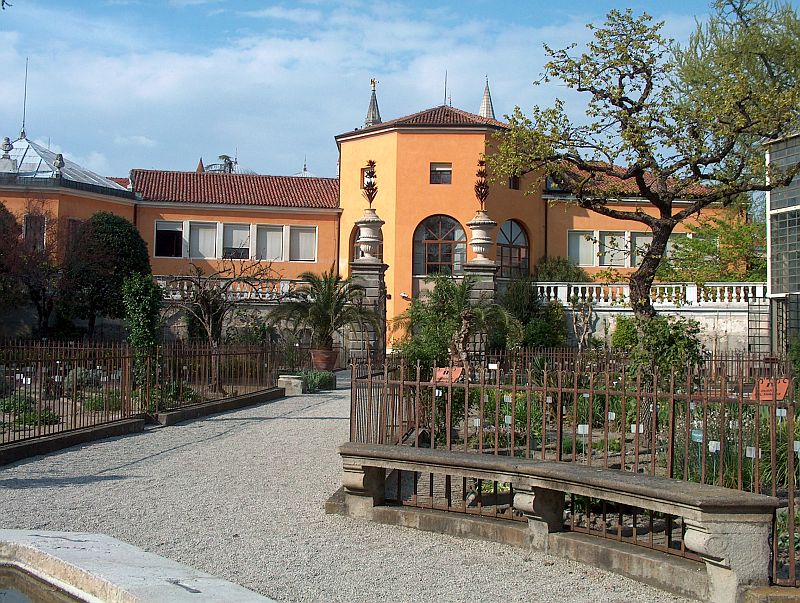
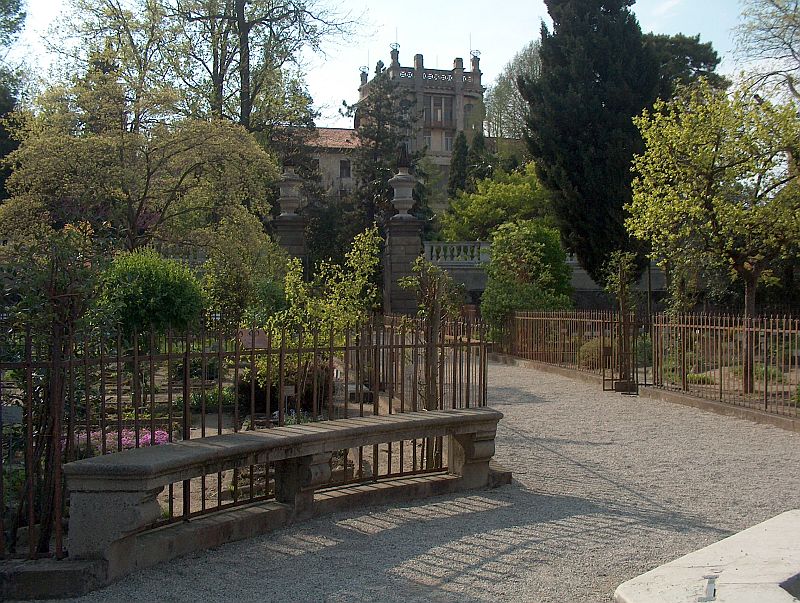
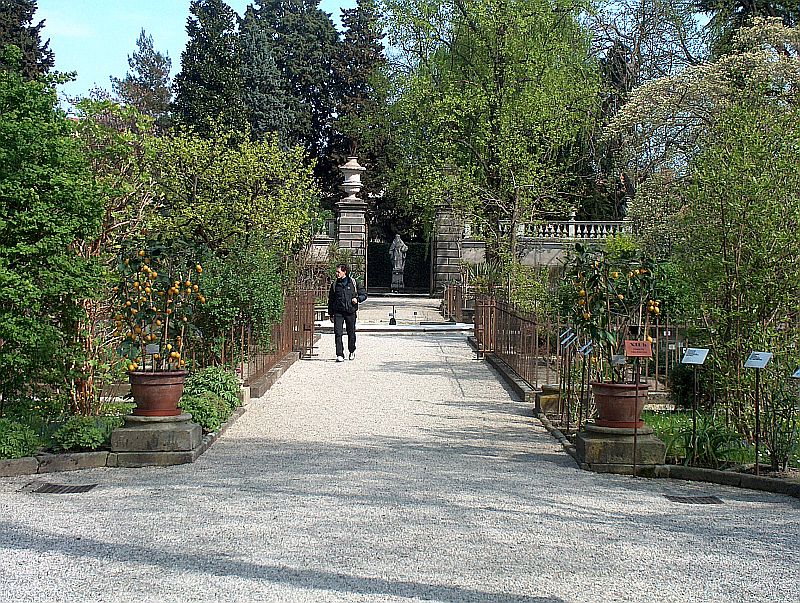
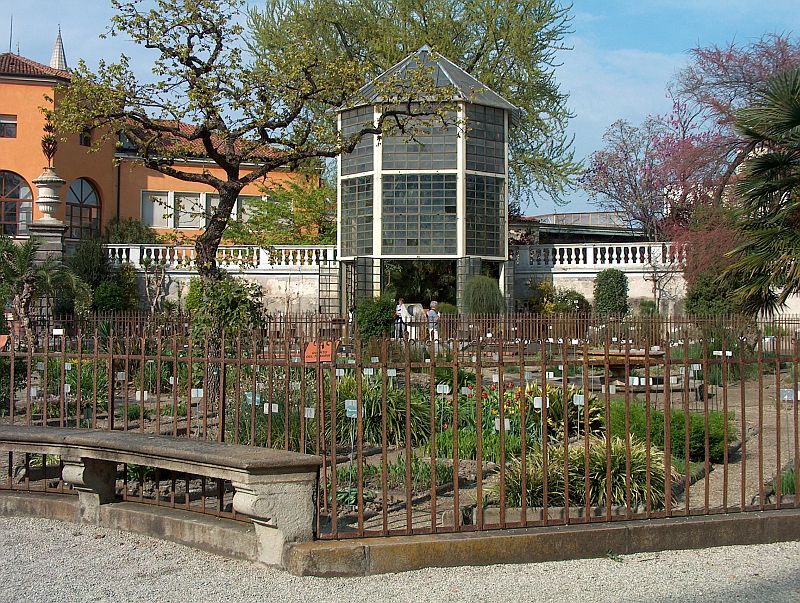
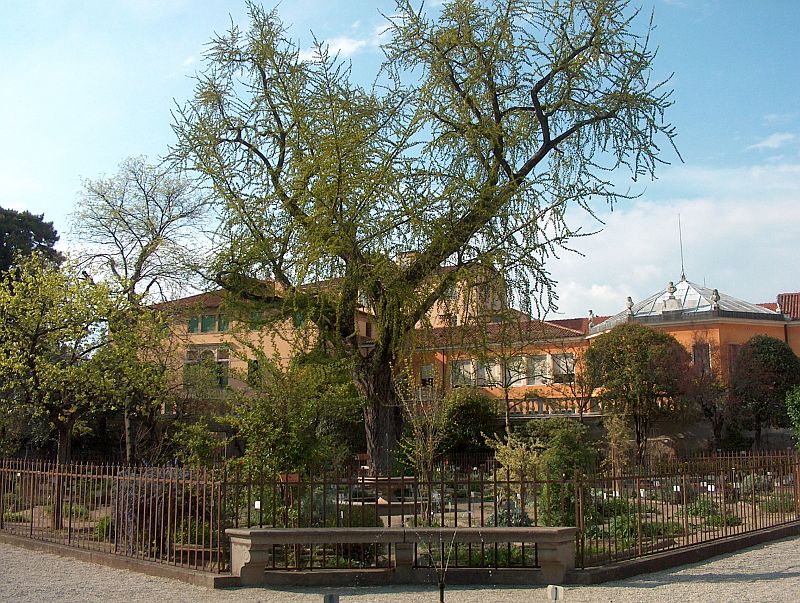
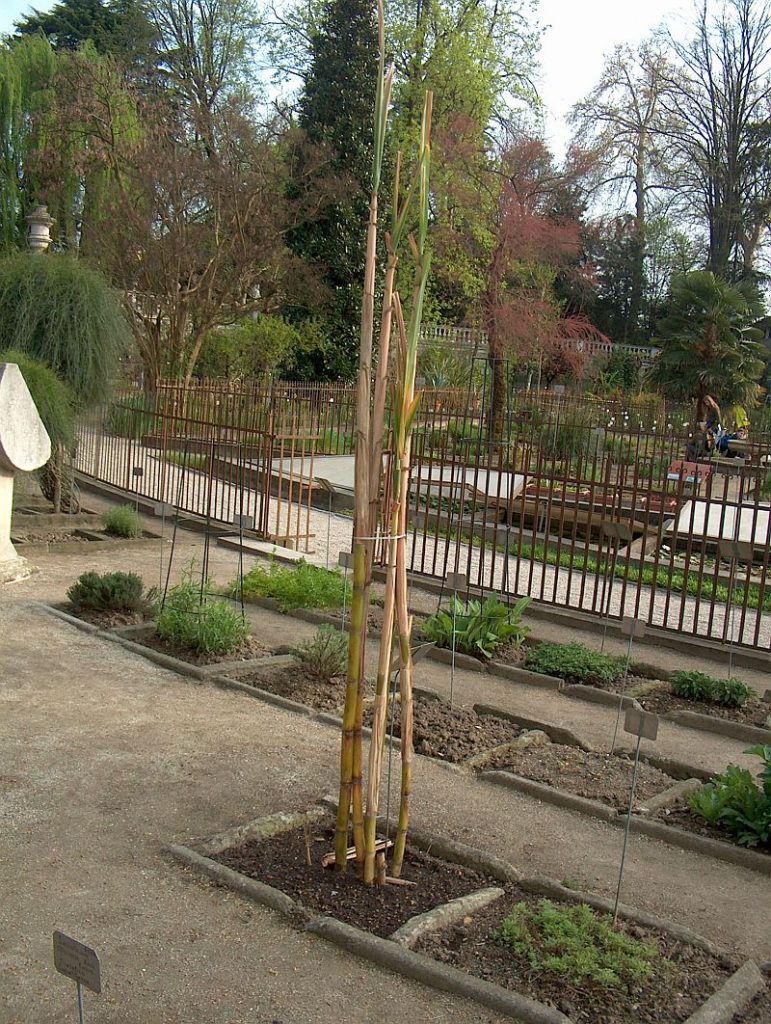
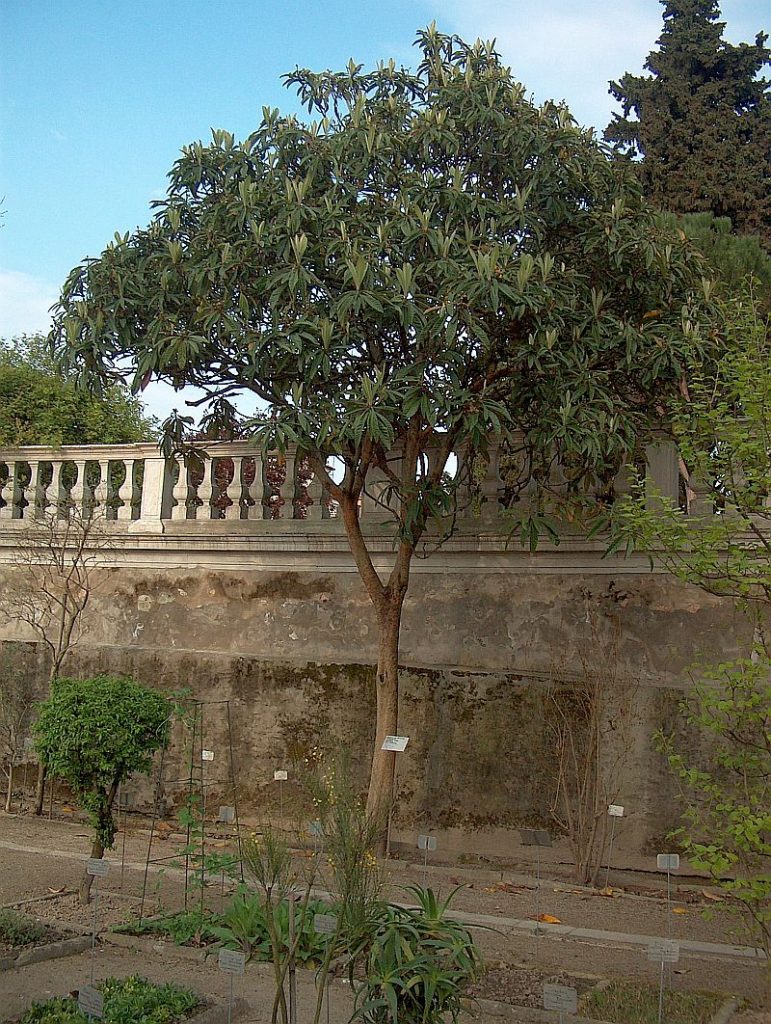
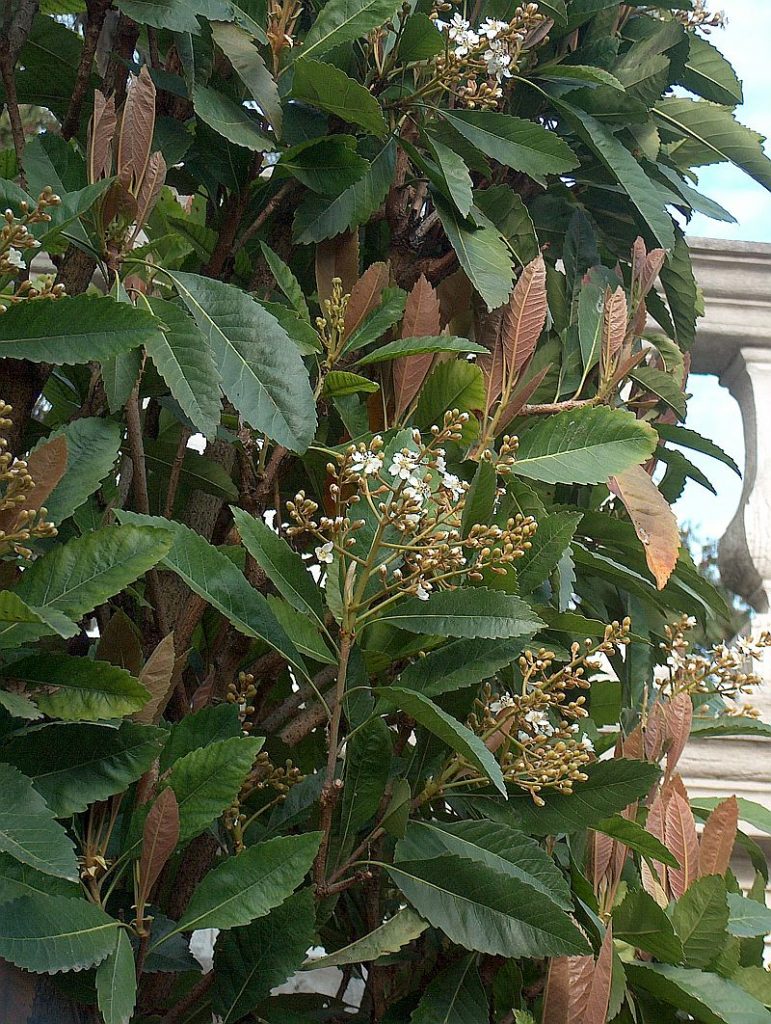
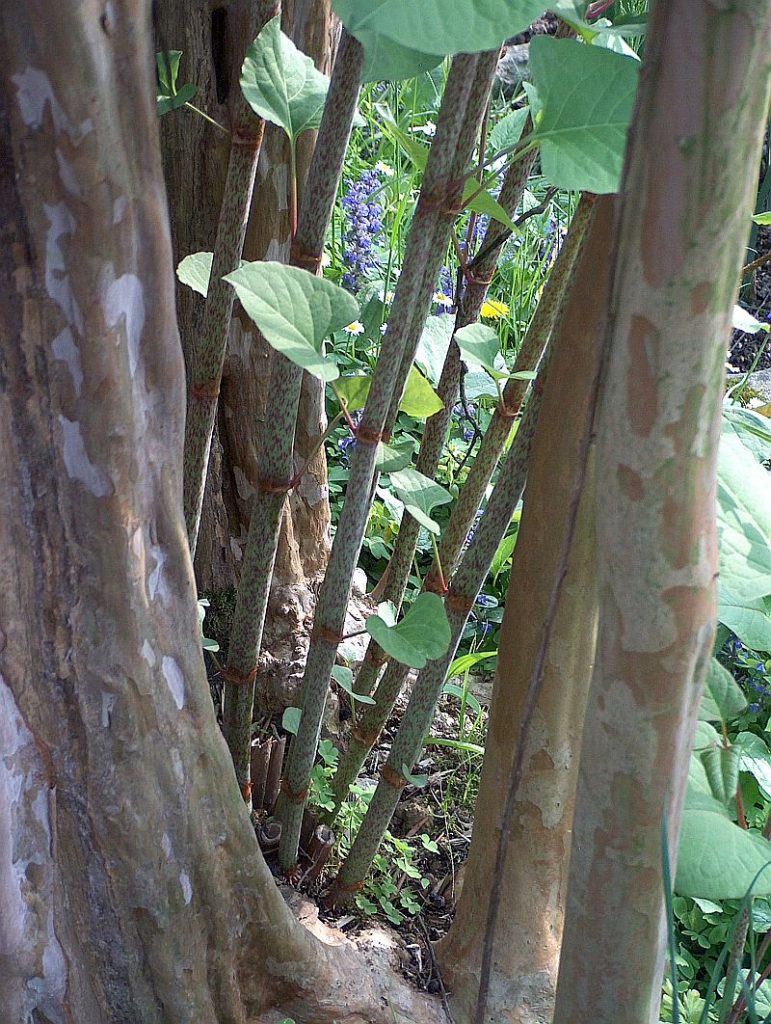
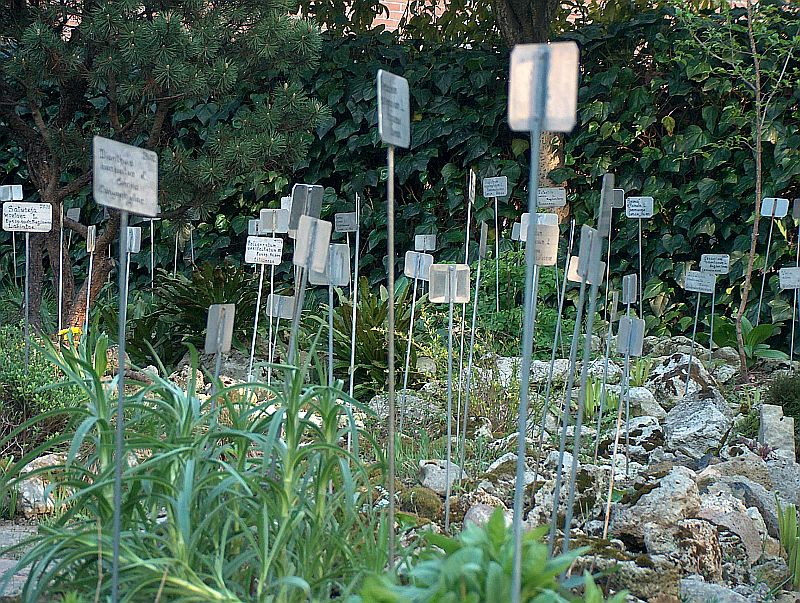
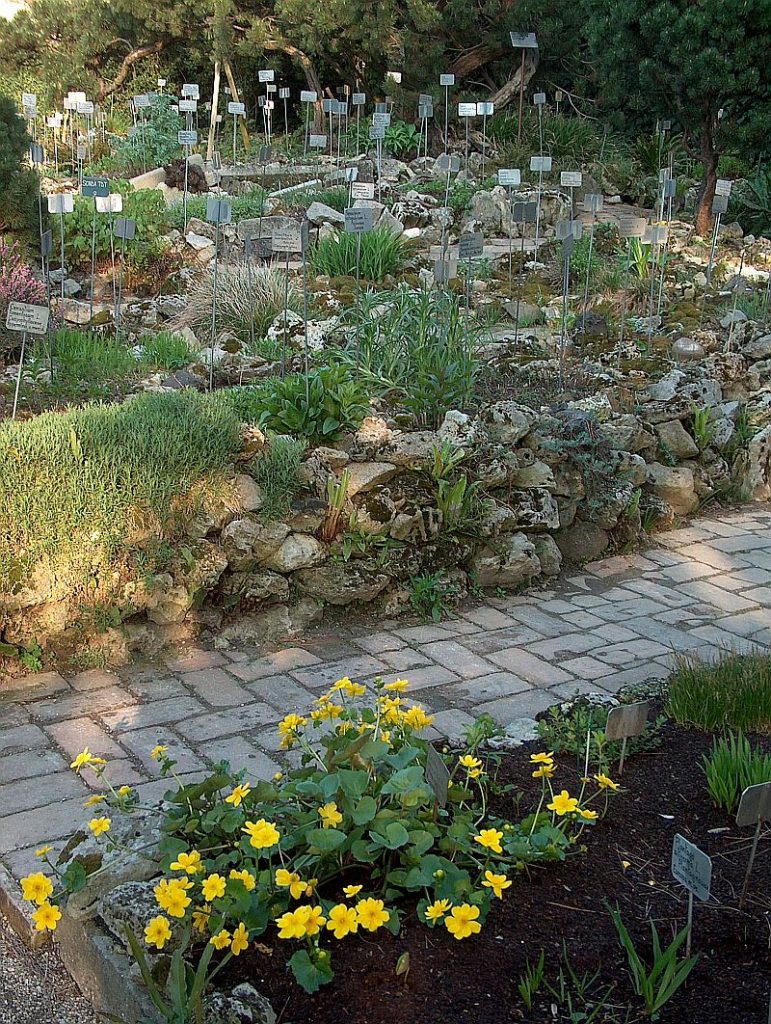
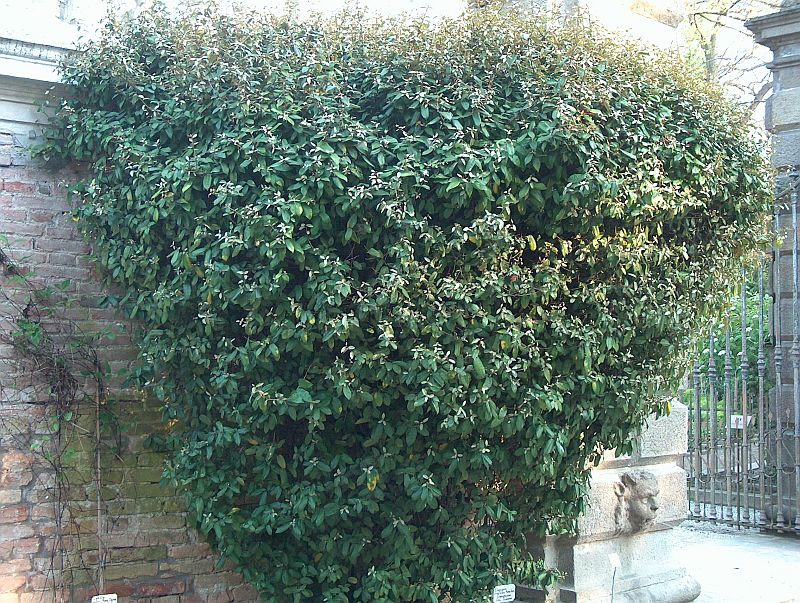
On a work trip to Italy on 4th April 2009 I took the opportunity to visit Orto Botanico in Padua. Founded in 1545 by the Venetian Republic, it is the world’s oldest academic botanical garden that is still in its original location! Here’s an album of pictures of mostly edible plants I took that day!
Gingko biloba
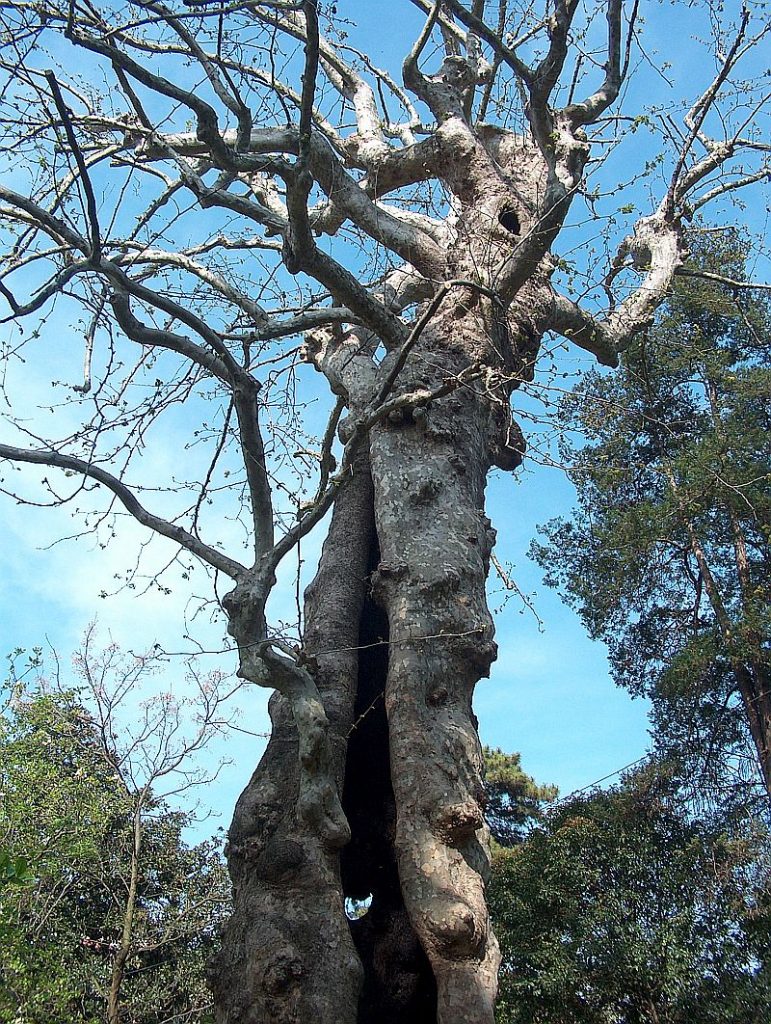
Platanus orientalis from 1680!
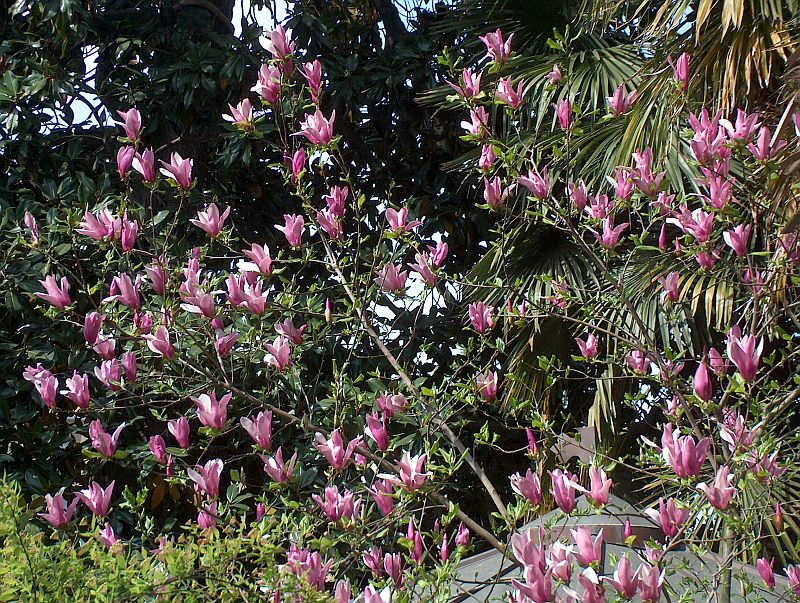
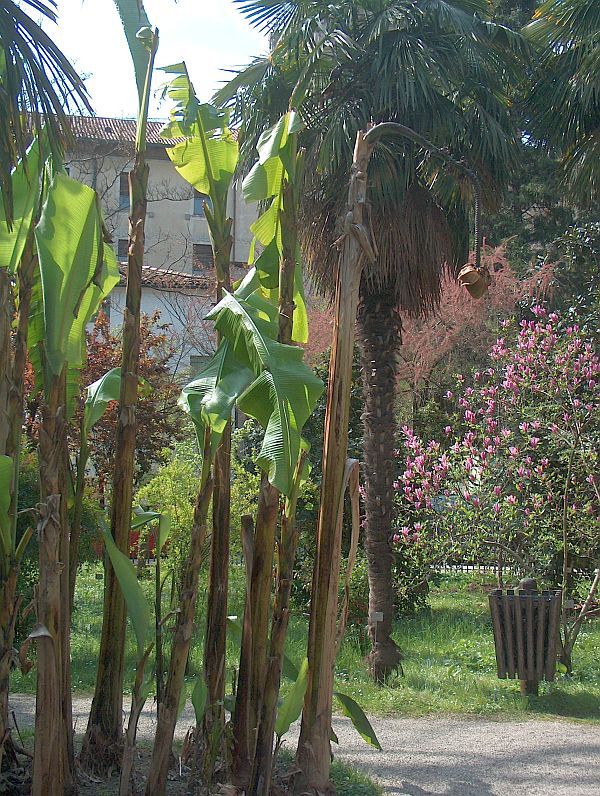
Magnolia liliiflora
Musa basjoo
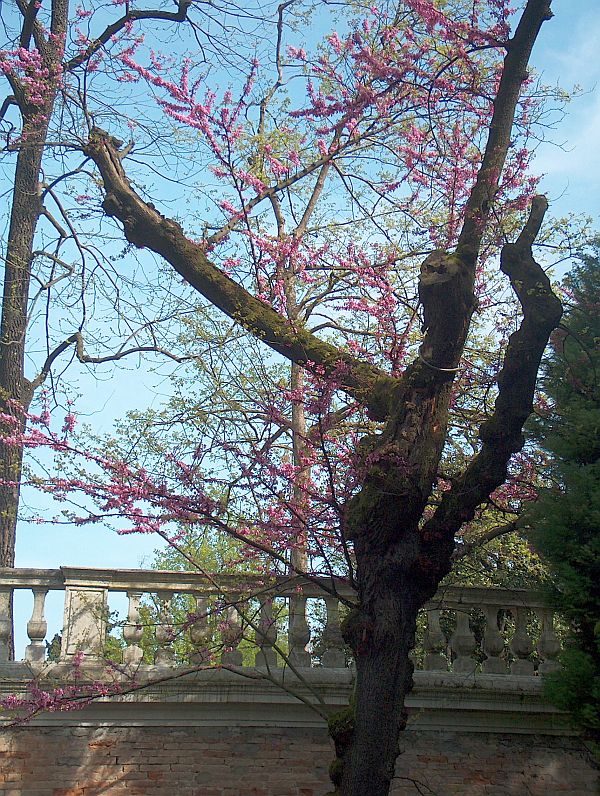
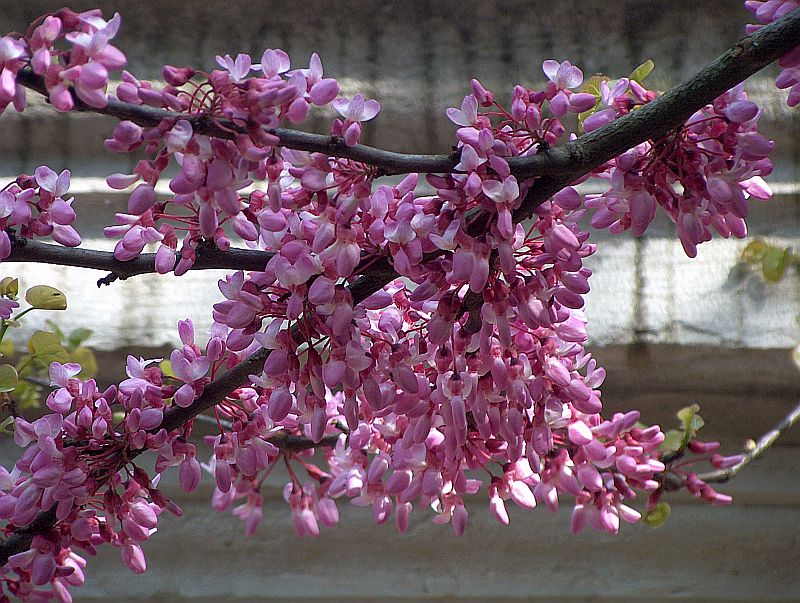
Cercis siliquastrum
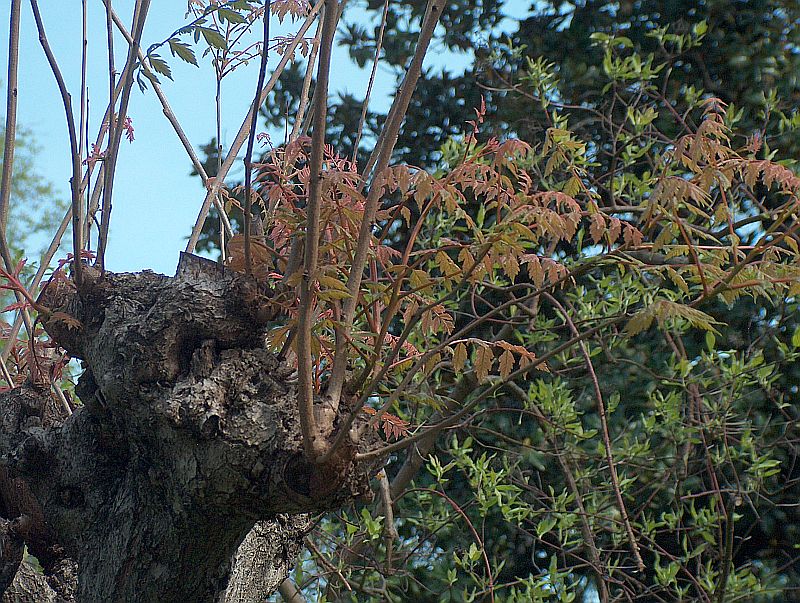
Koelreuteria paniculata( Golden Rain Tree) has edible shoots and the seeds were roasted
There are many records of Tamus communis being eaten traditionally in the Mediterranean countries (from Spain to Palestine), butcareful preparation is needed to boil away the saponins
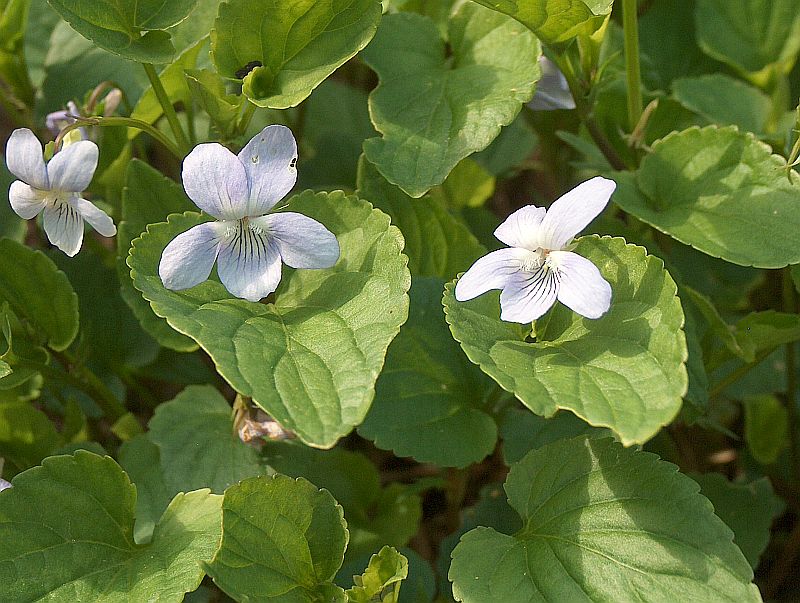
Viola banksii from Australia
Cardamine enneaphylla
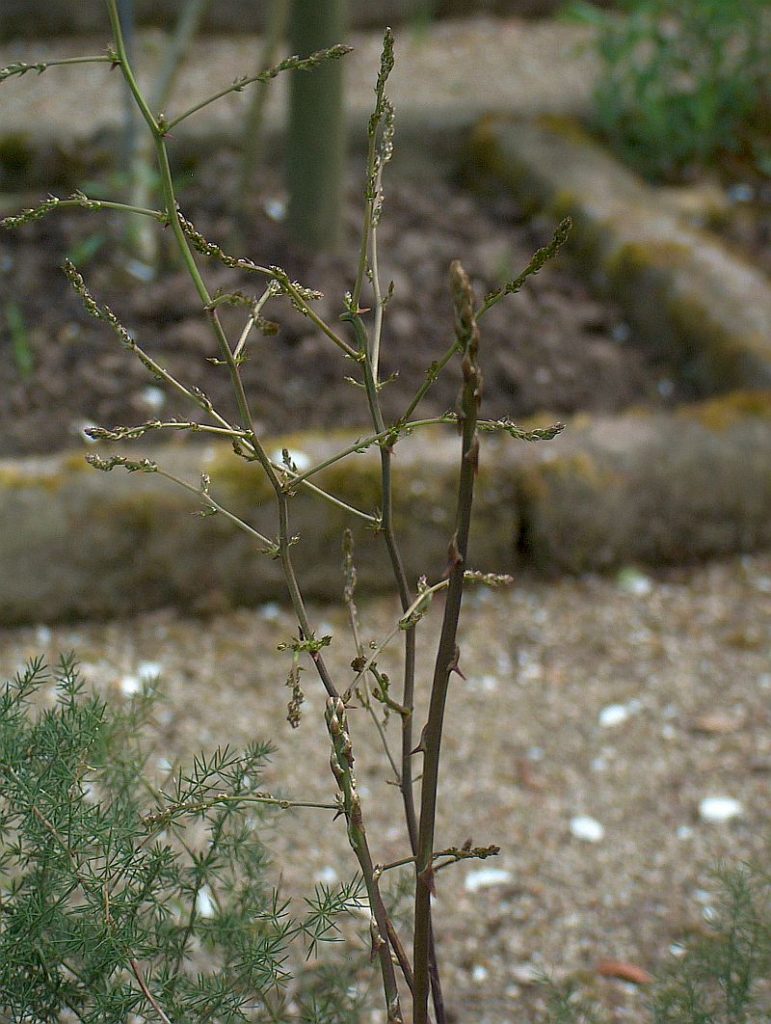
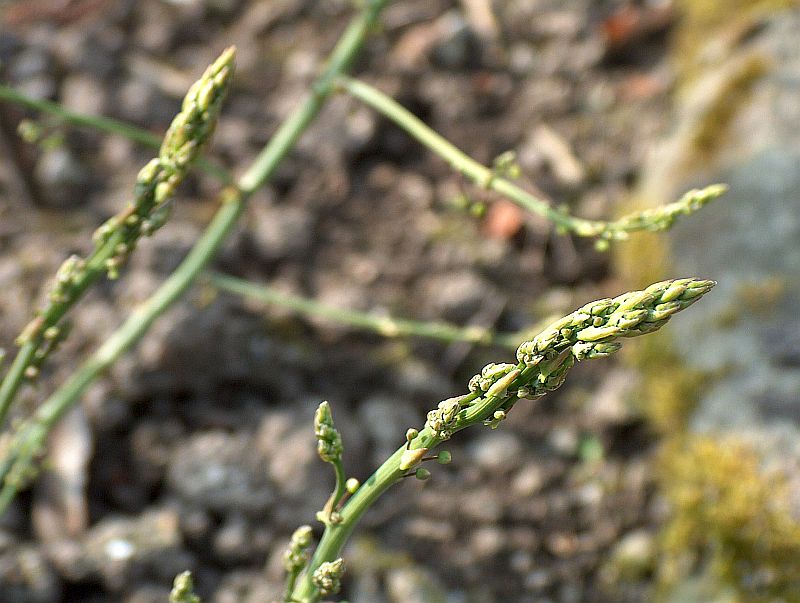
Asparagus acutifolius
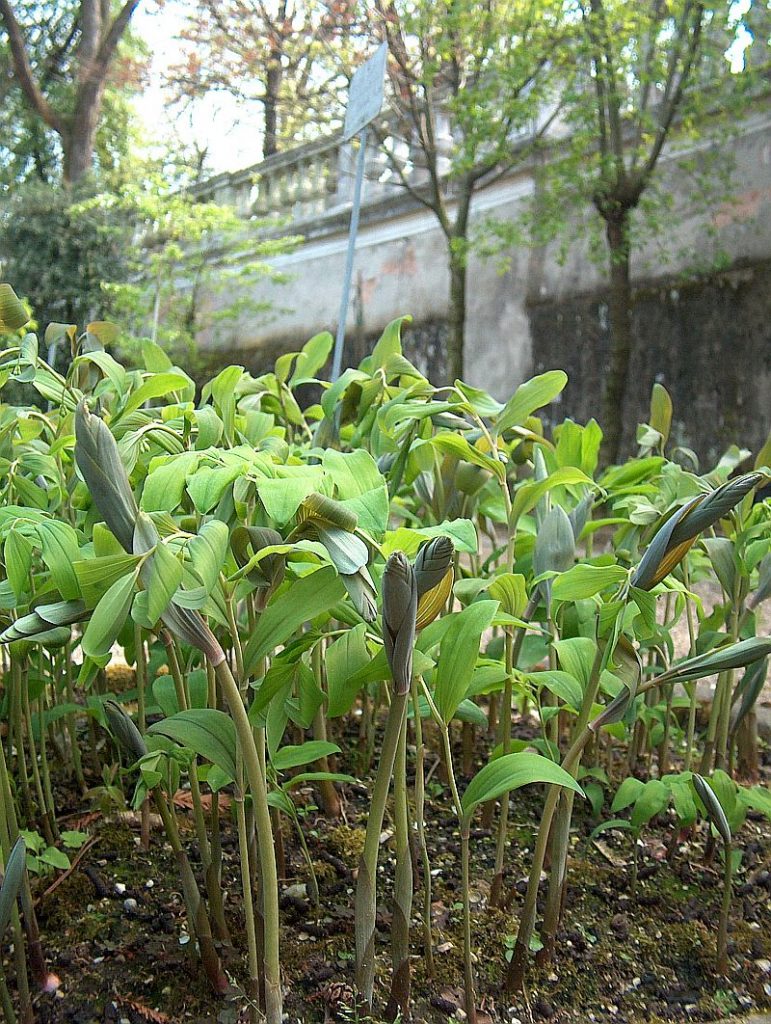
Polygonatum hybridum
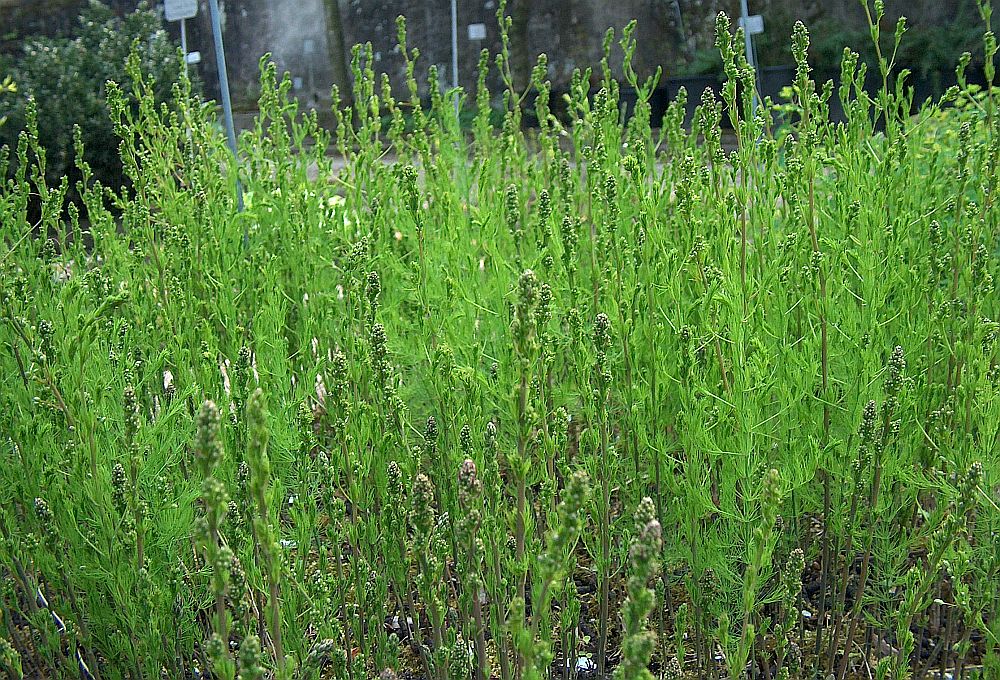
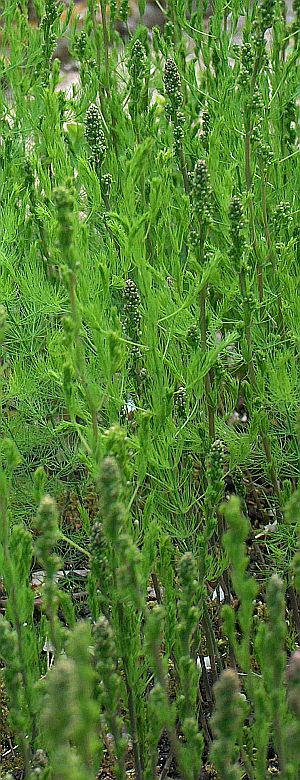
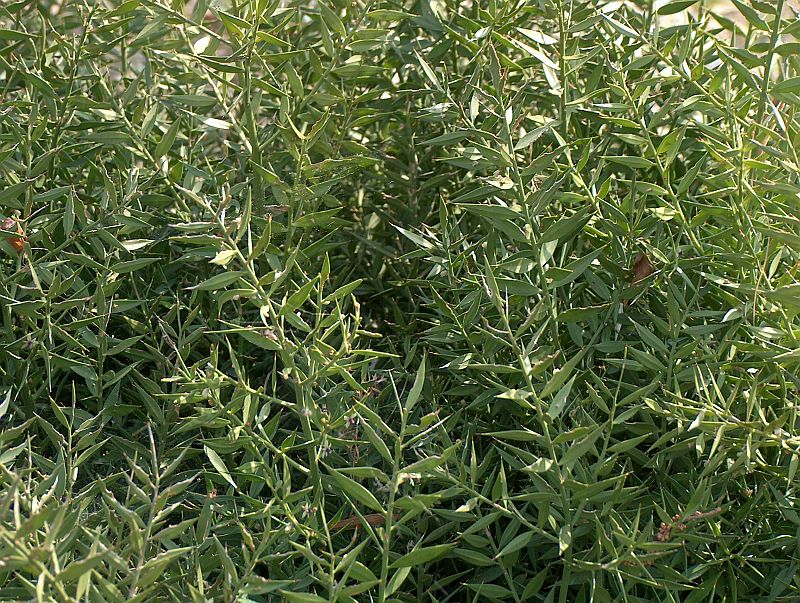
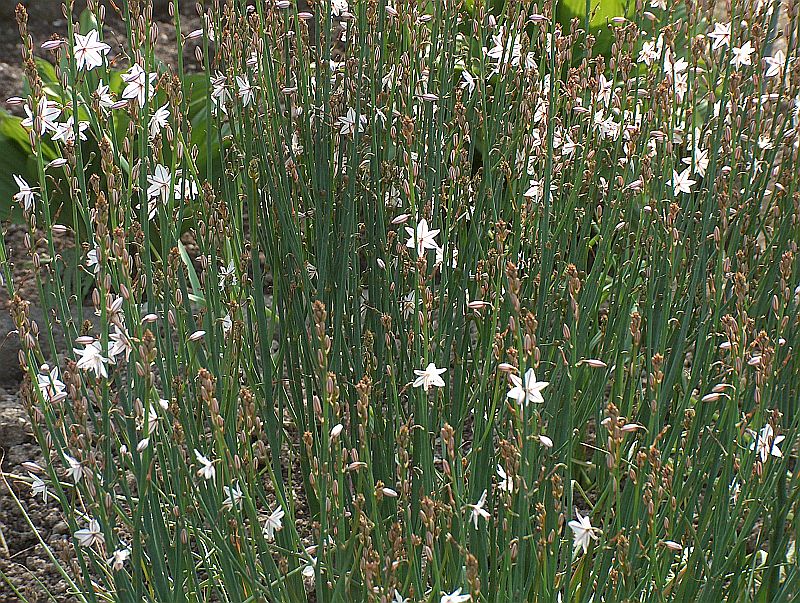
Asparagus tenuifolius
Asparagus tenuifolius
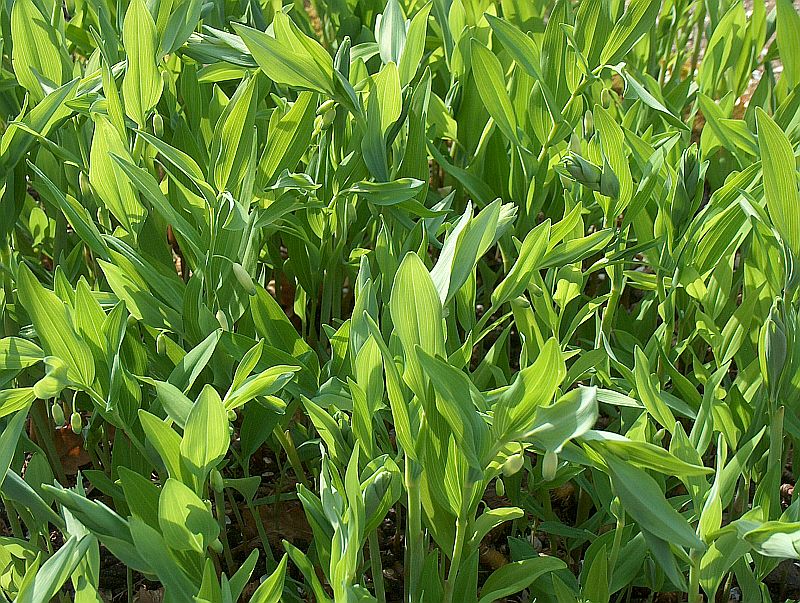
Polygonatum odoratum
Melittis melissophyllum is sometimes used as a flavouring in drinks, like maibowle
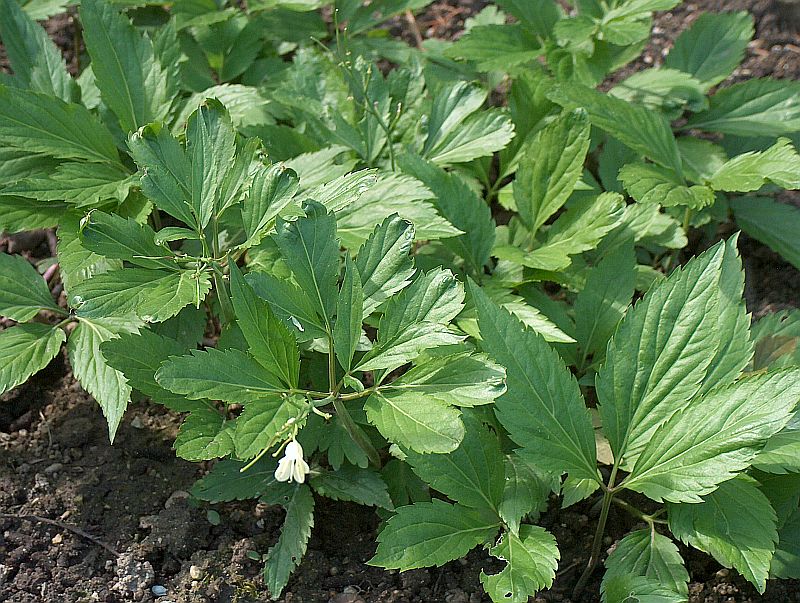
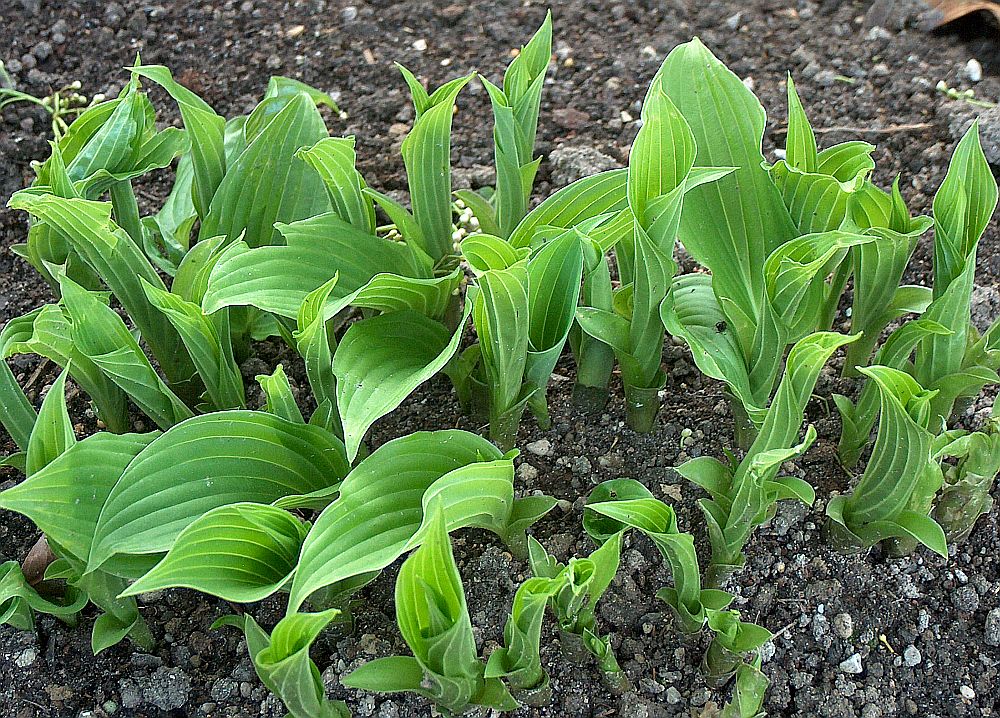
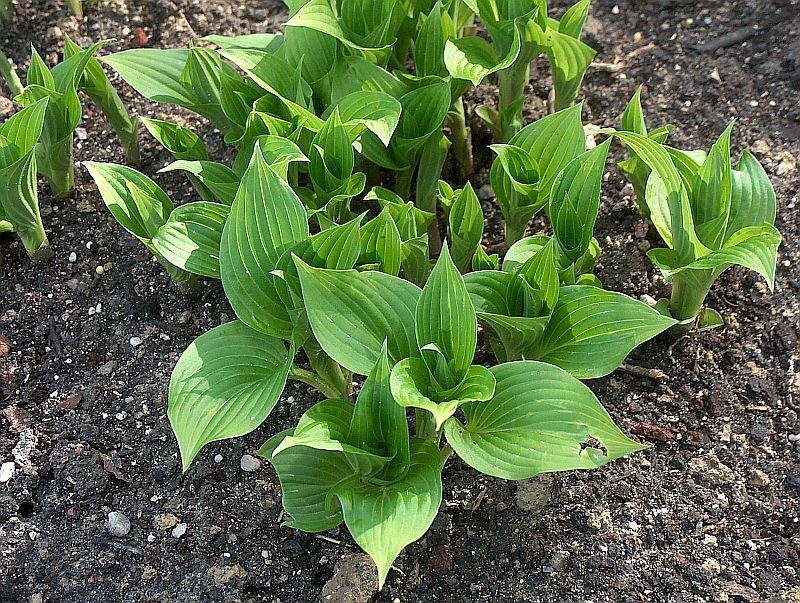
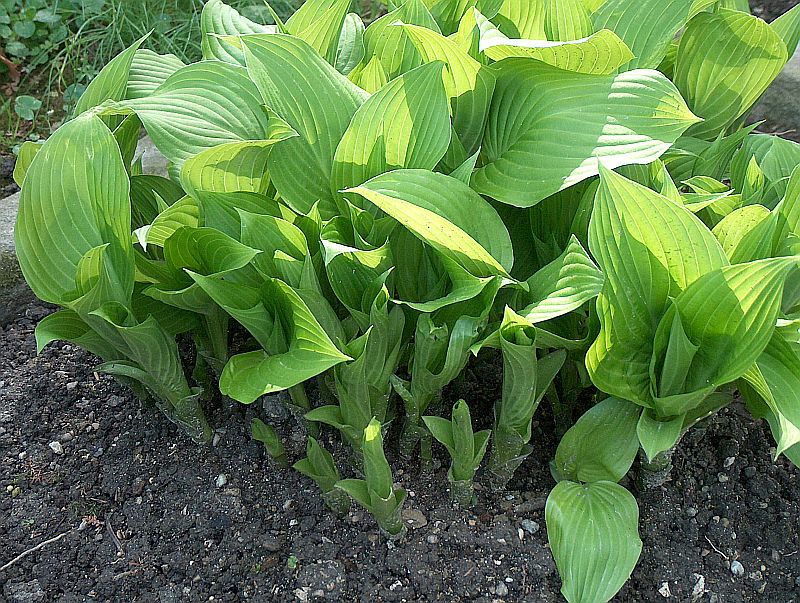
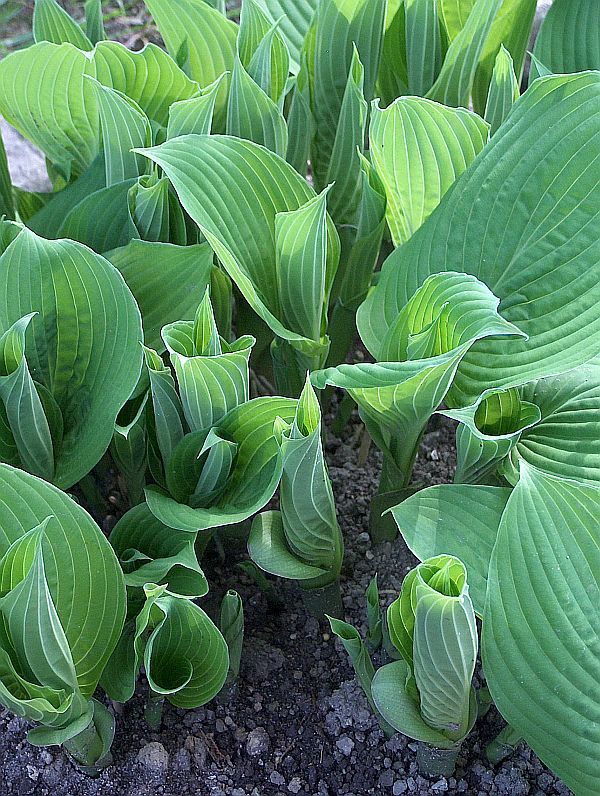
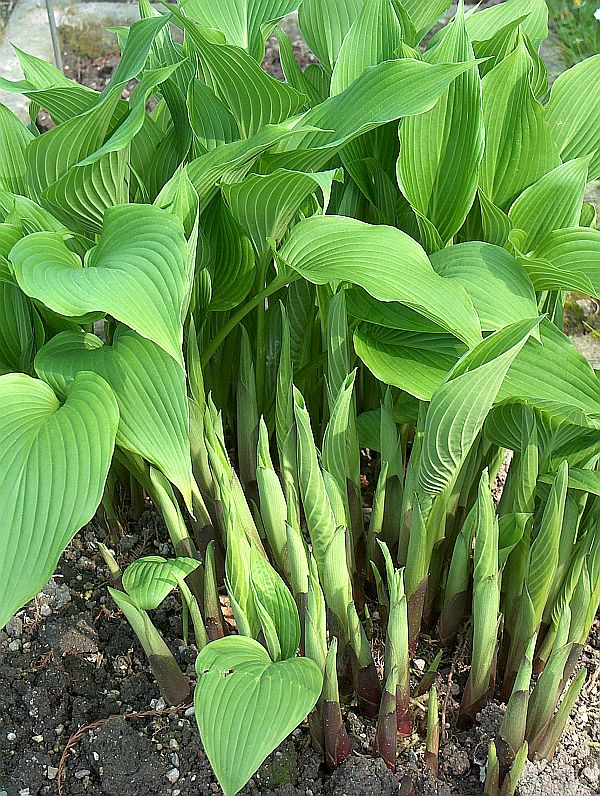
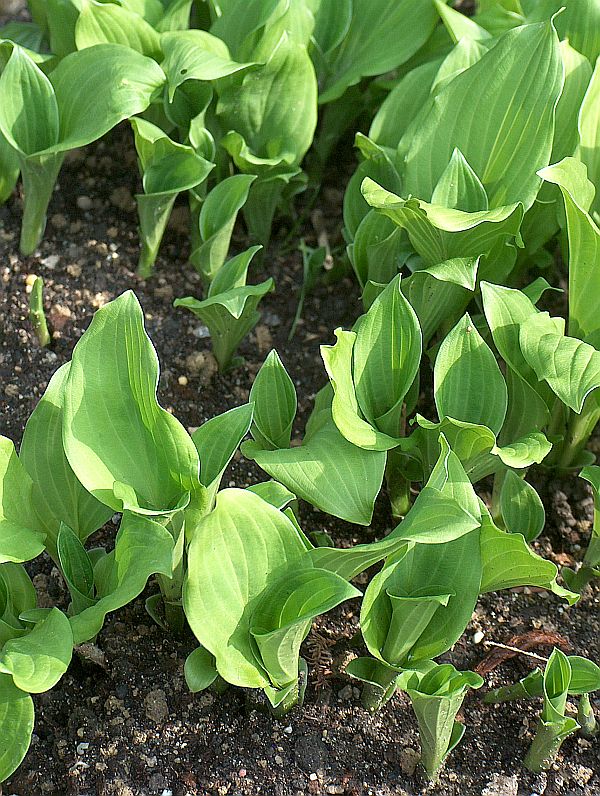
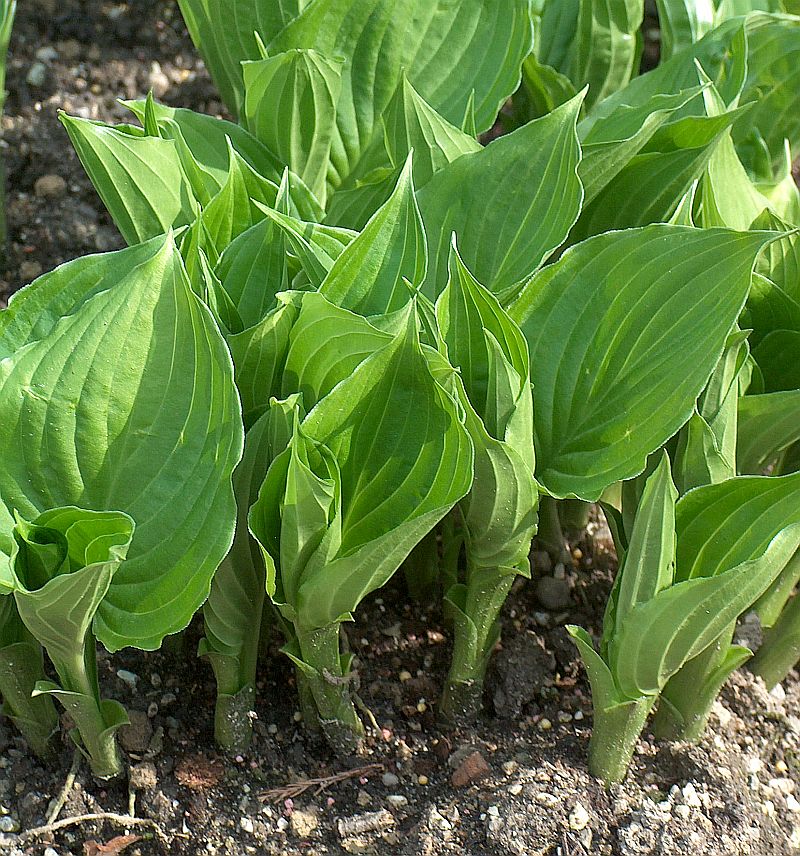
Hosta fluctuans
Hosta nakaina
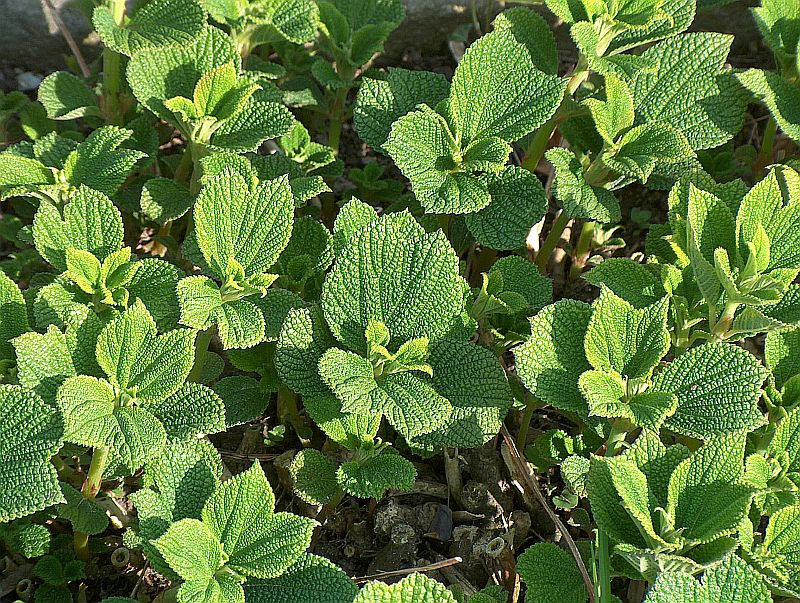
Hosta capitata
Hosta crispula
Hosta elata
Hosta rectifolia
Hosta decorata
Oenanthe pimpinelloides
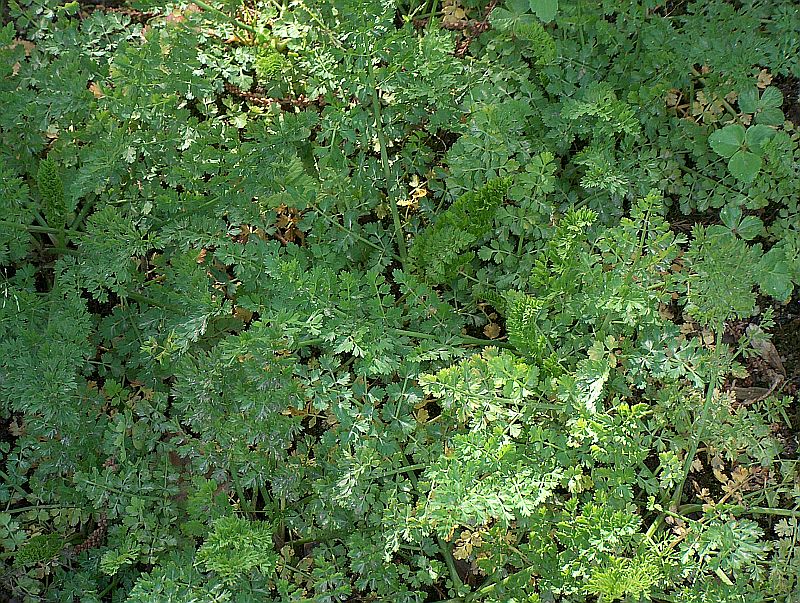
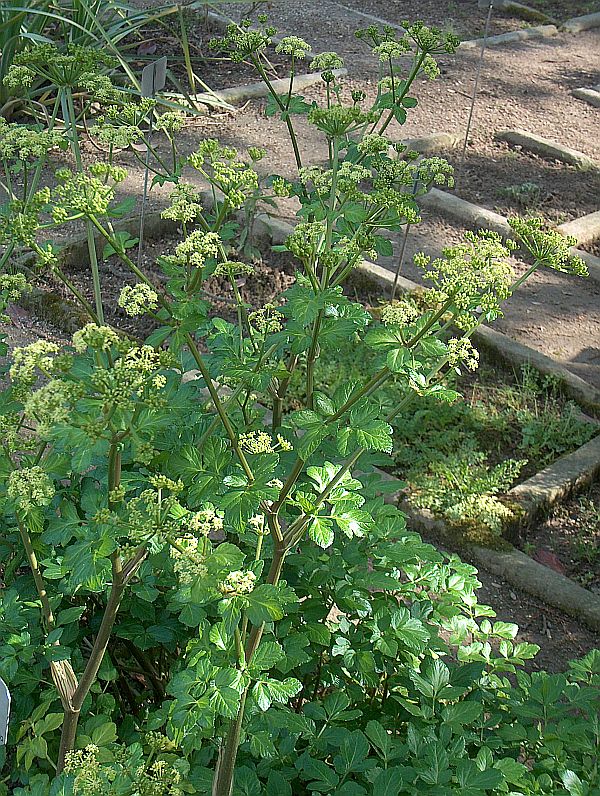
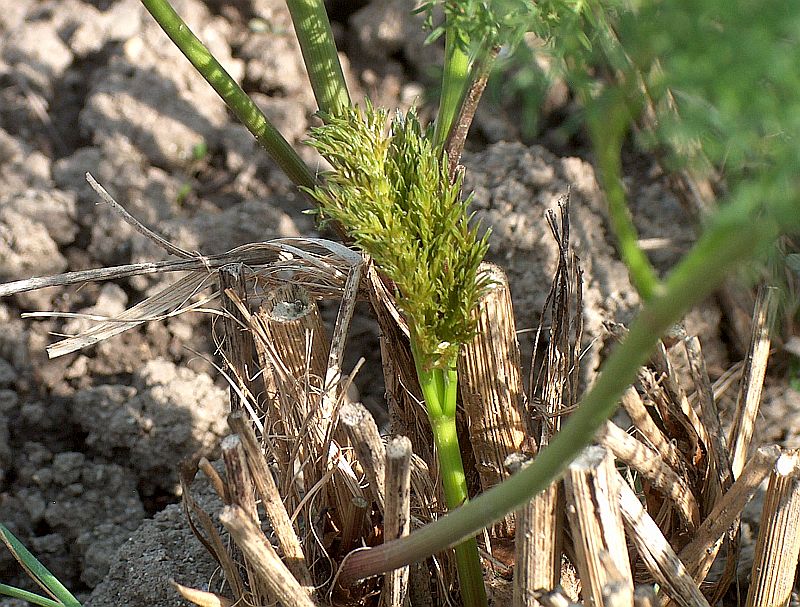
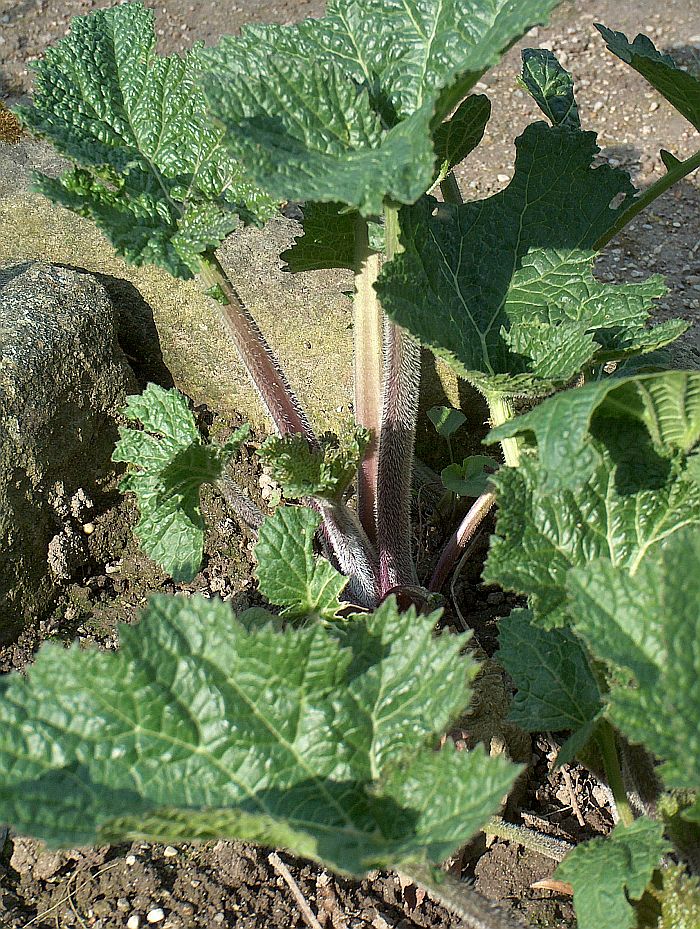
Smyrnium olusatrum
Ferula assa-foetida (?); most accessions of this Indian spice are wrong in European botanical gardens
Crambe cordifolia
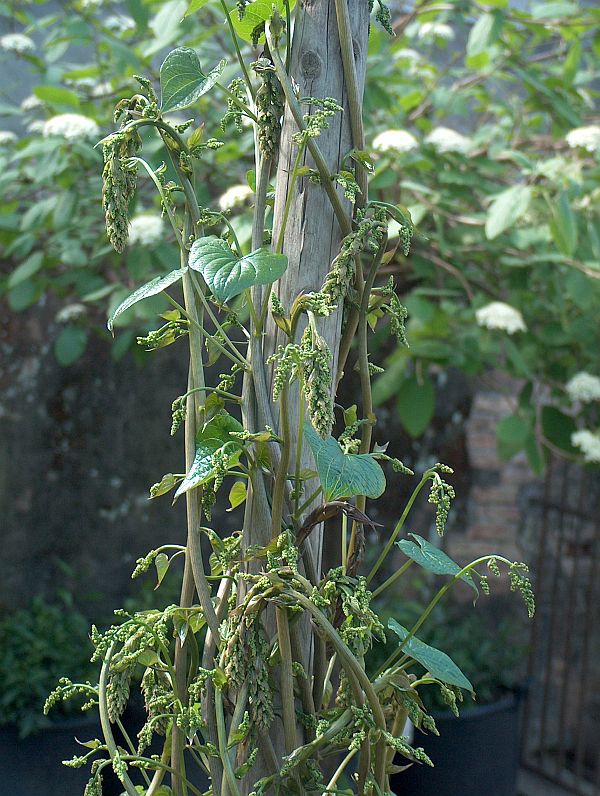
Boehmeriabiloba
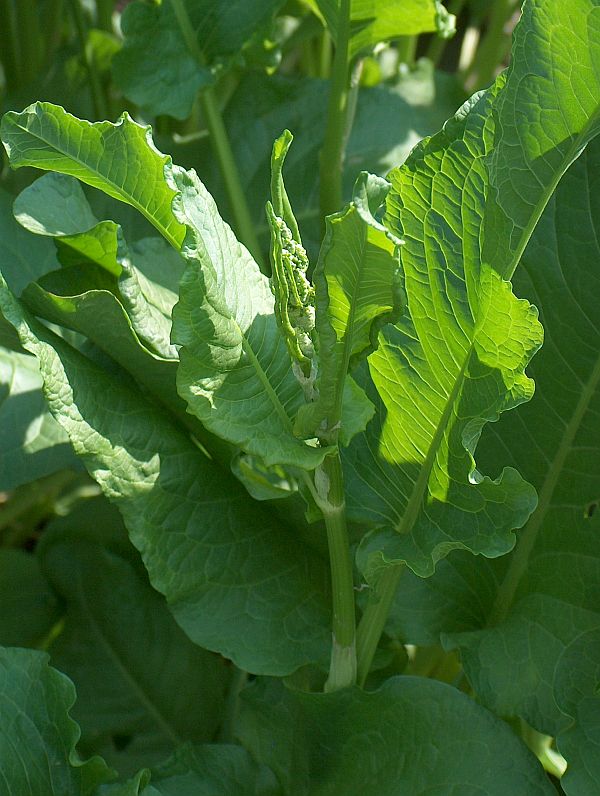
Rumex patientia
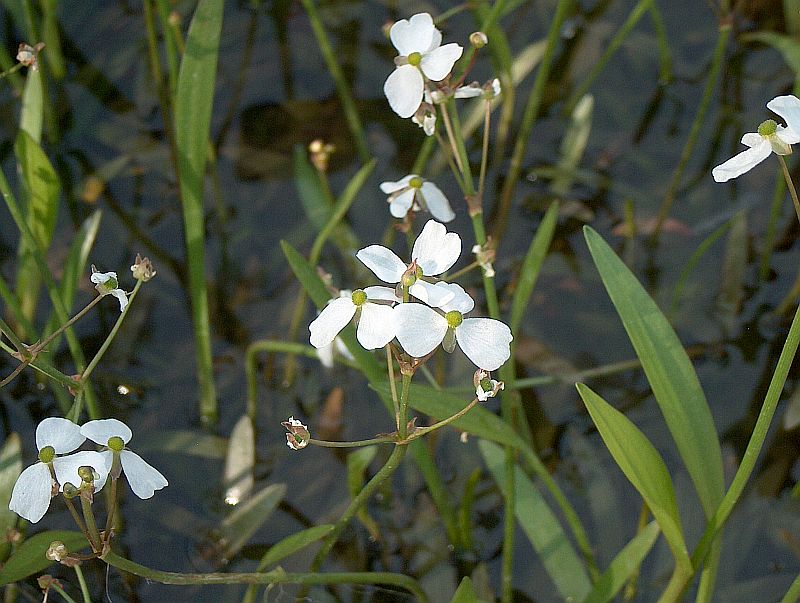
Sagittaria platyphylla
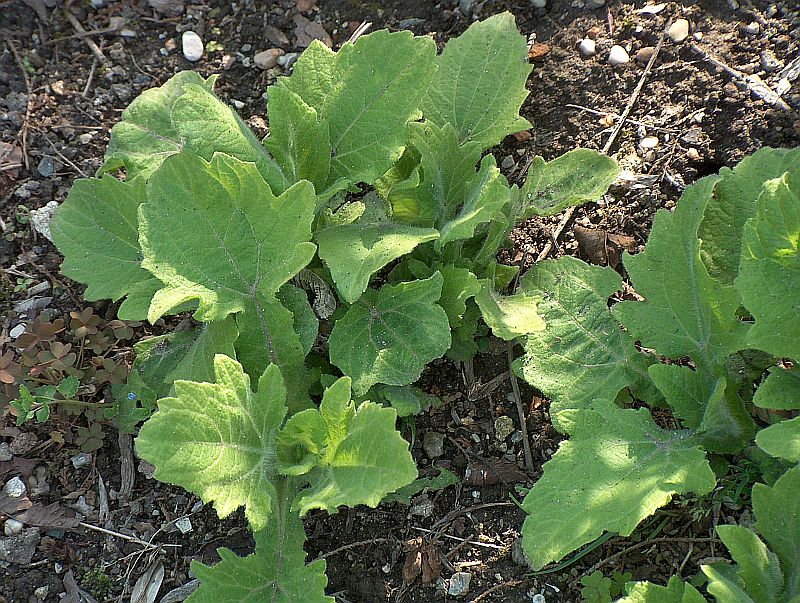
Polymnia uvedalia, north American relation of yacon
Sitting at my desk this morning I noticed the winter’s first goldfinch (stillits) sitting having a scratch in a tree in the garden (first video)….and the rest of the flock of more than 10 birds were feeding on burdock (borre) in the garden. The first ever large flocks of goldfinches started overwintering in my area in my garden in 2003 and have been a regular feature ever since, attracted to seed of burdock which I’ve been growing as vegetables in the garden for many years! Nowadays this bird has established itself in the lowlands around the Trondheimsfjord! This is another reason why winter is the most beautiful time of year here, despite the loss of direct sunshine for several weeks!