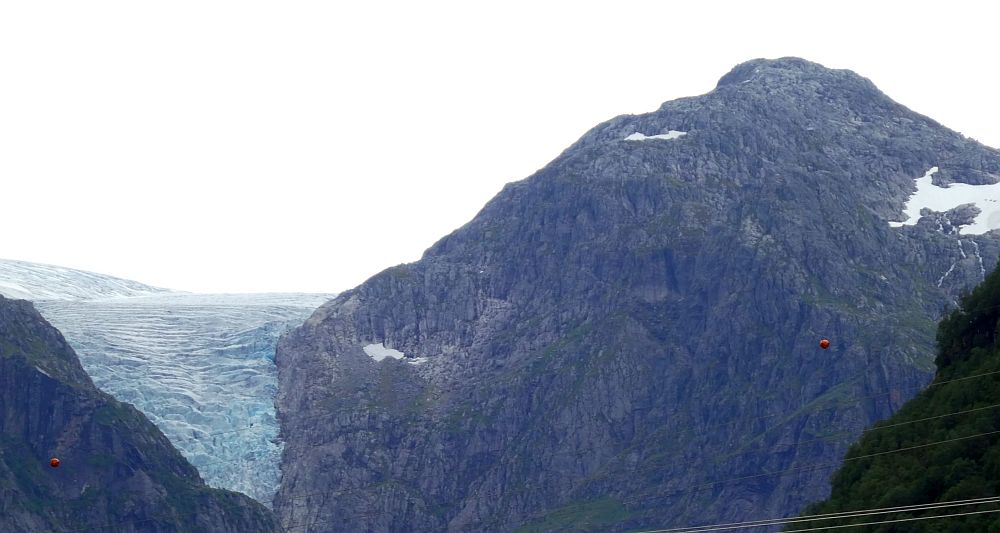
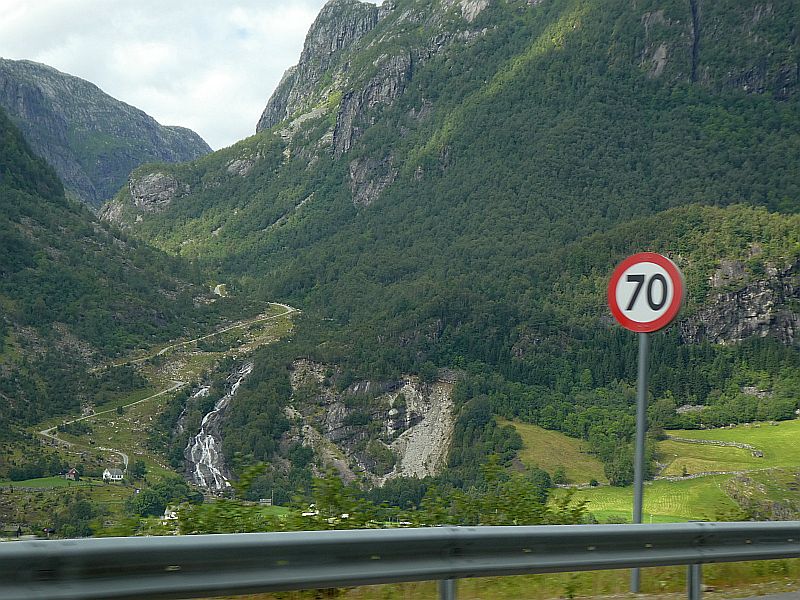
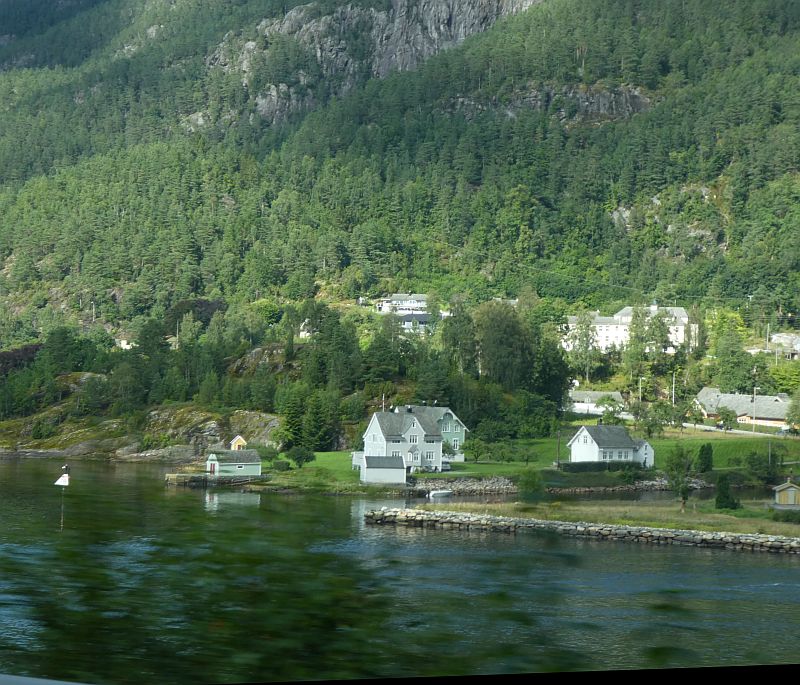
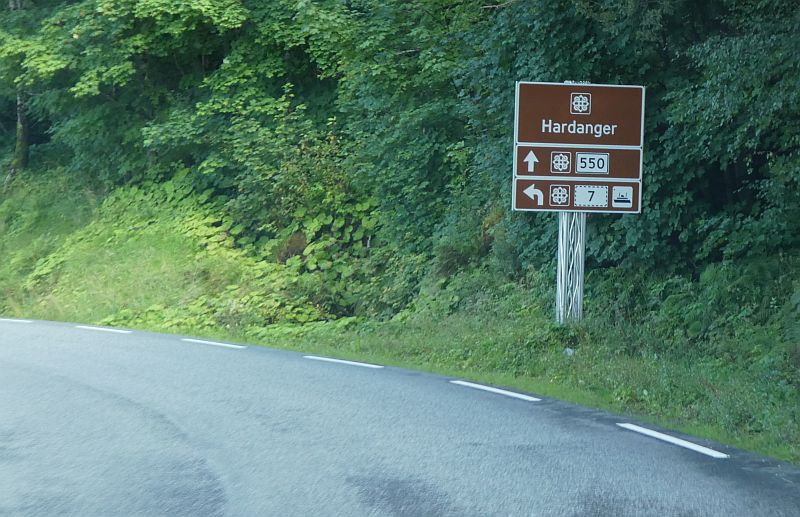
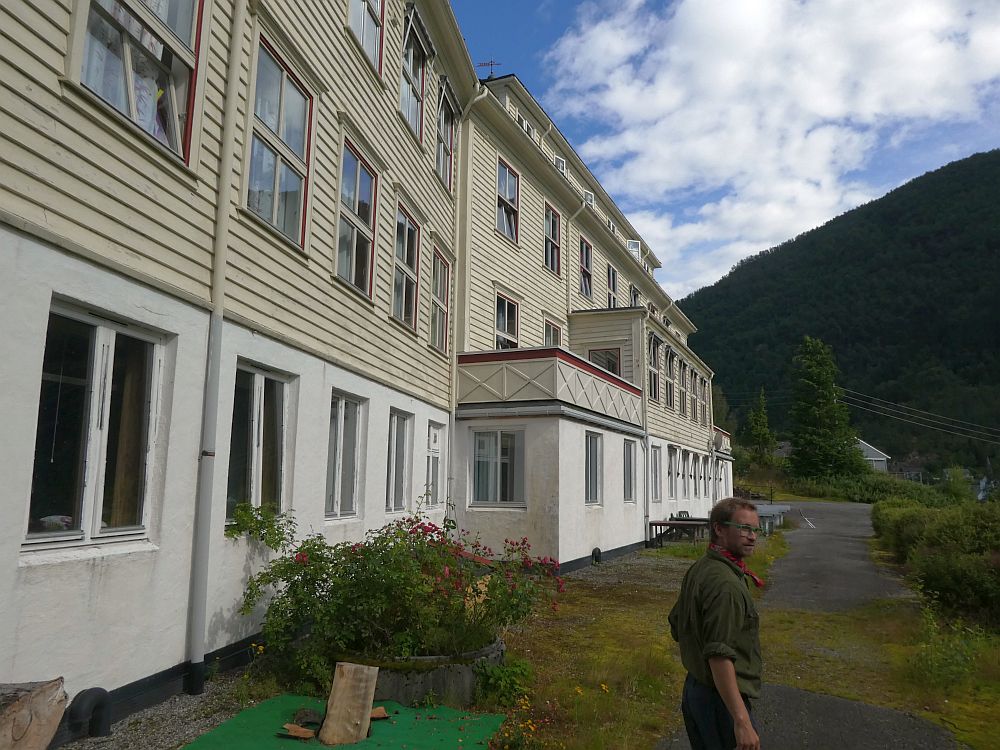
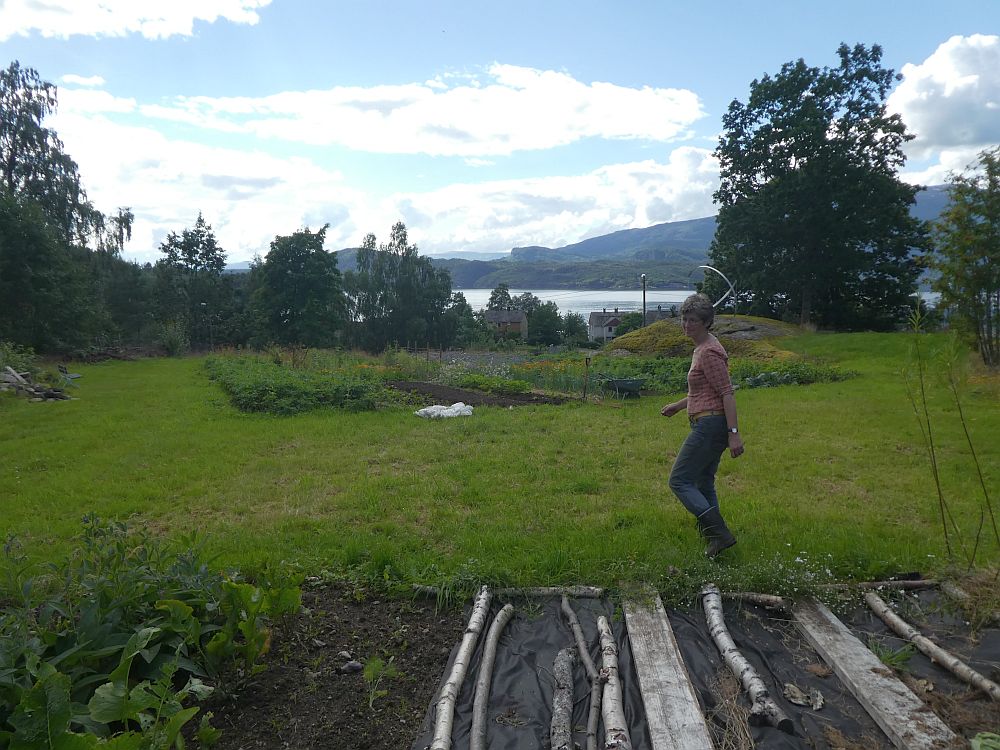
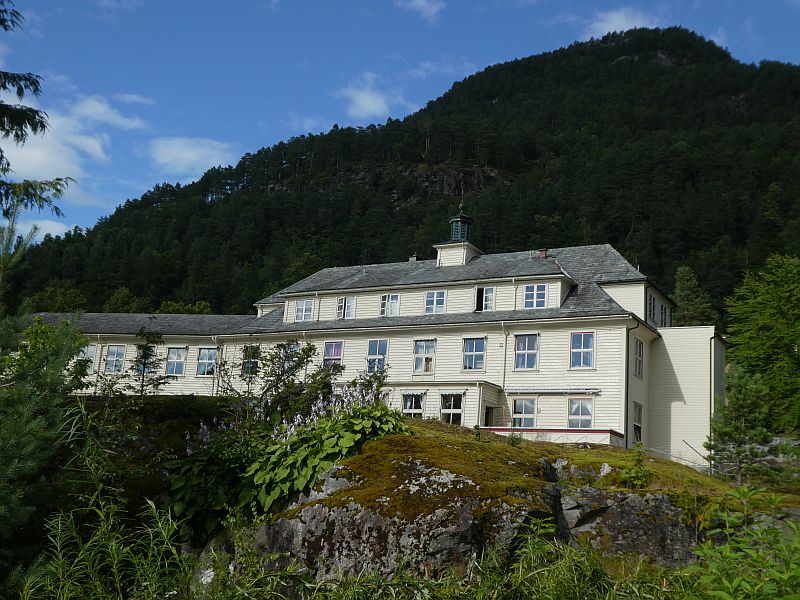
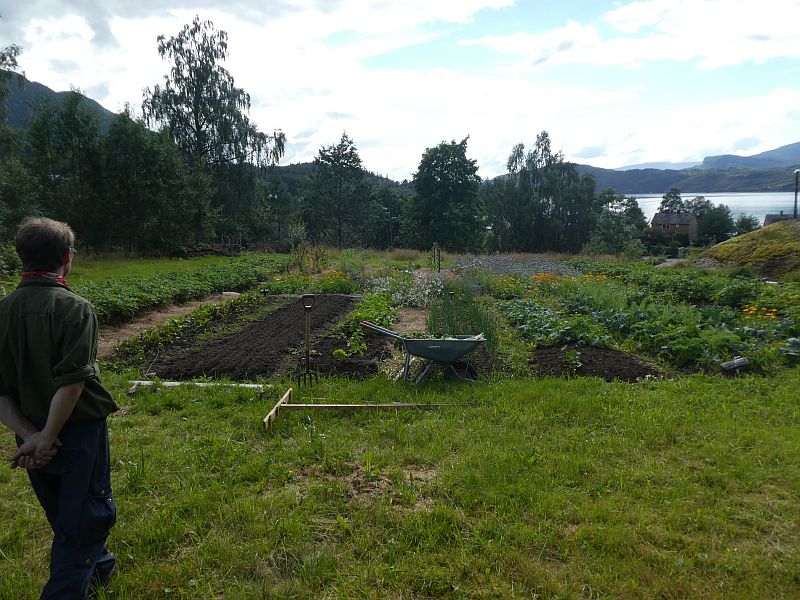
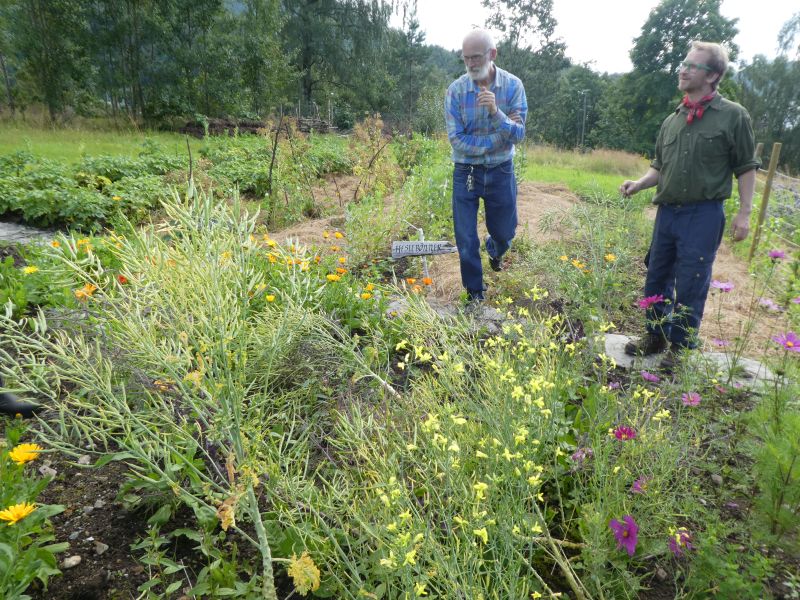
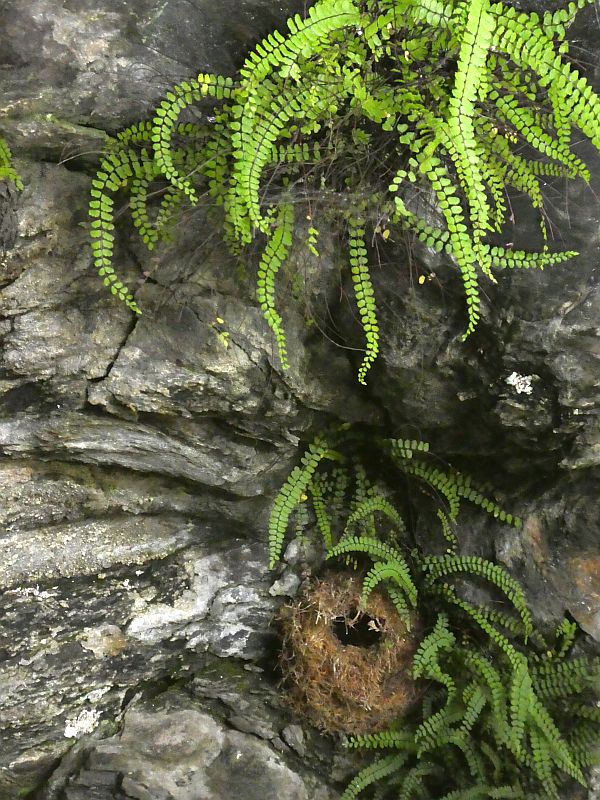
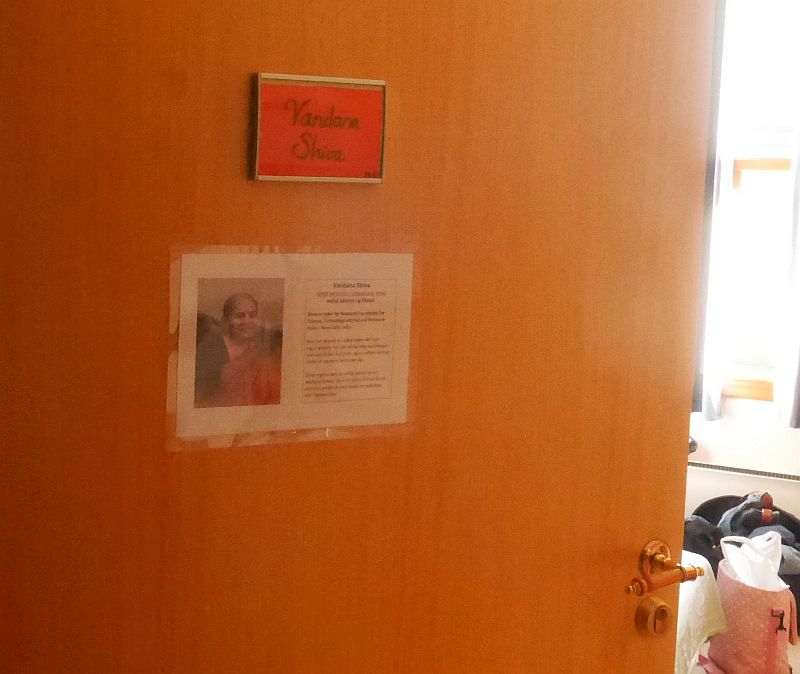
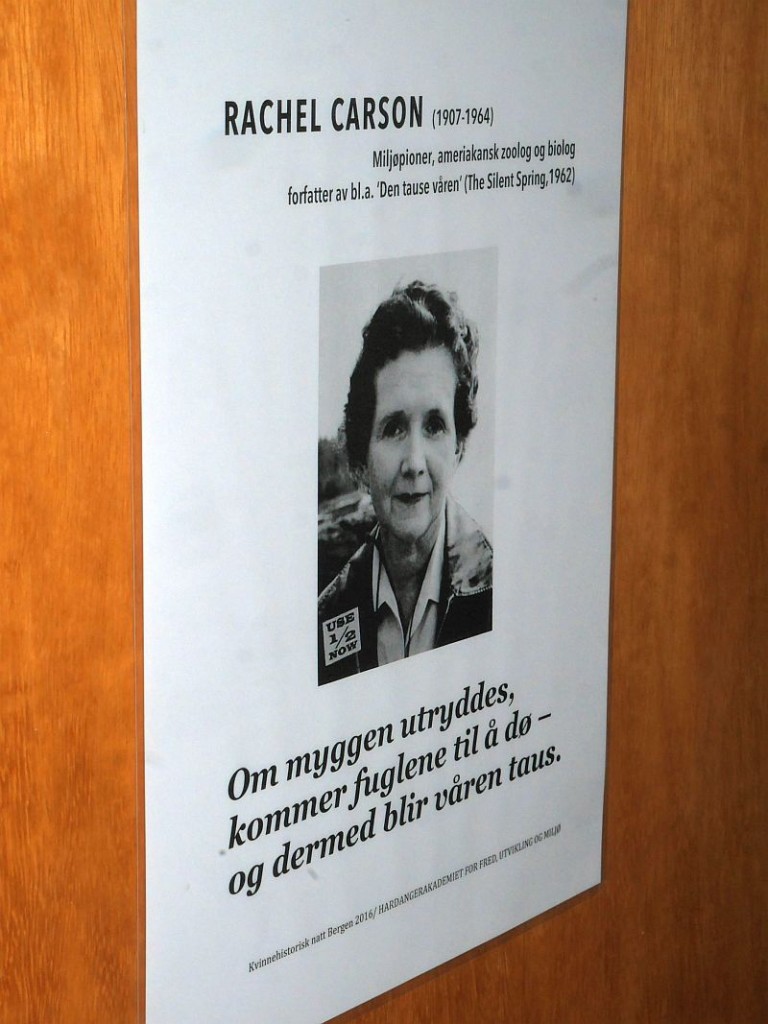
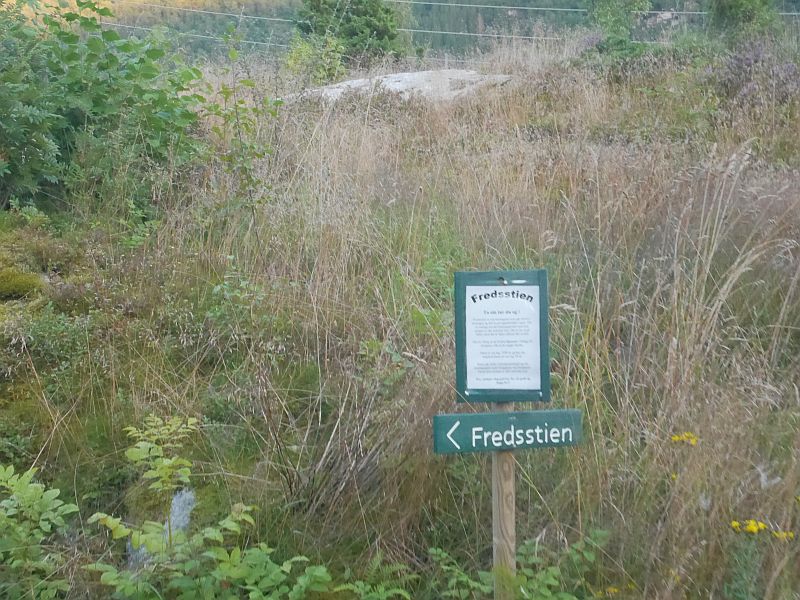
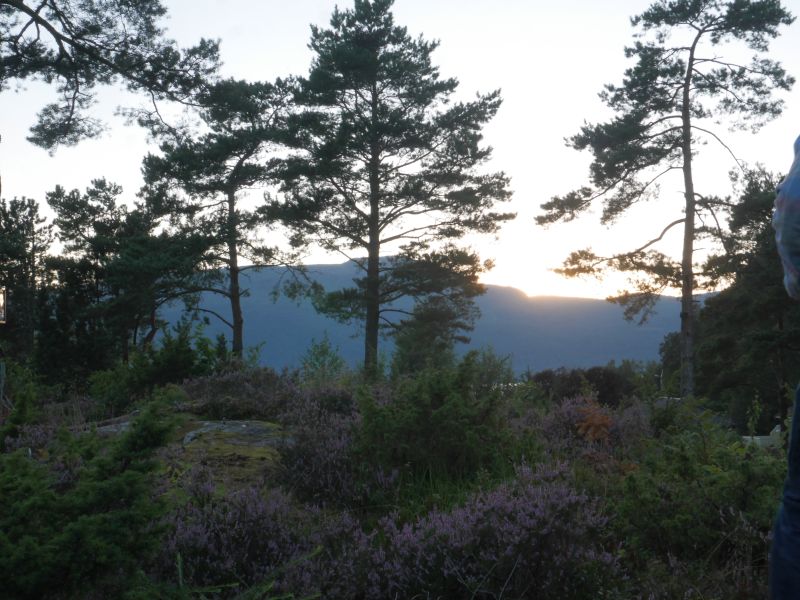
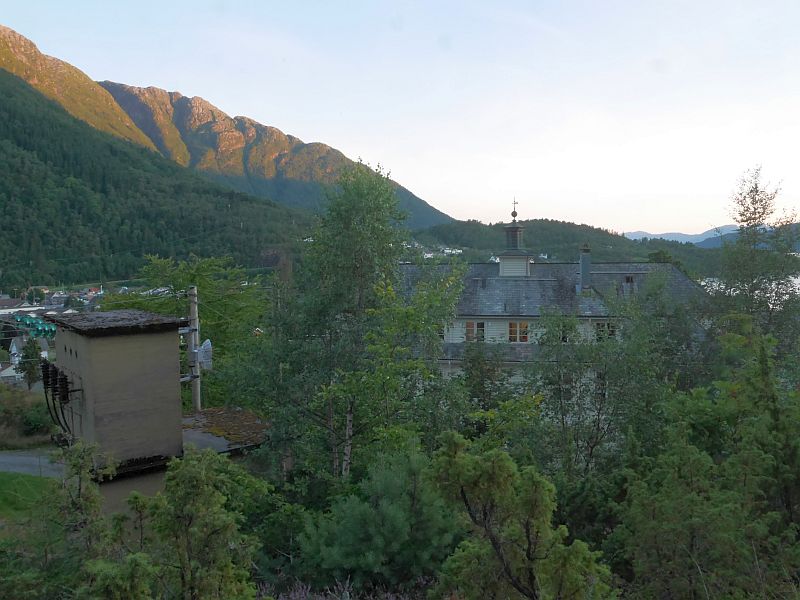
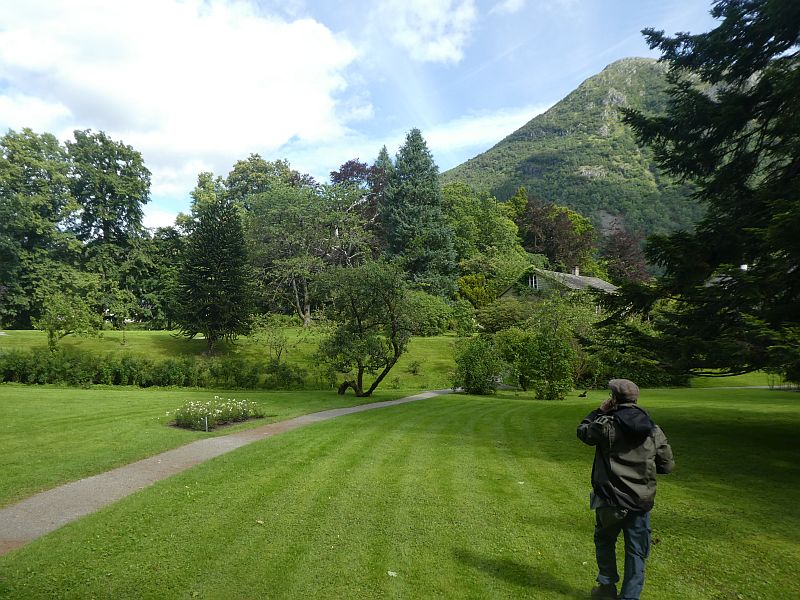
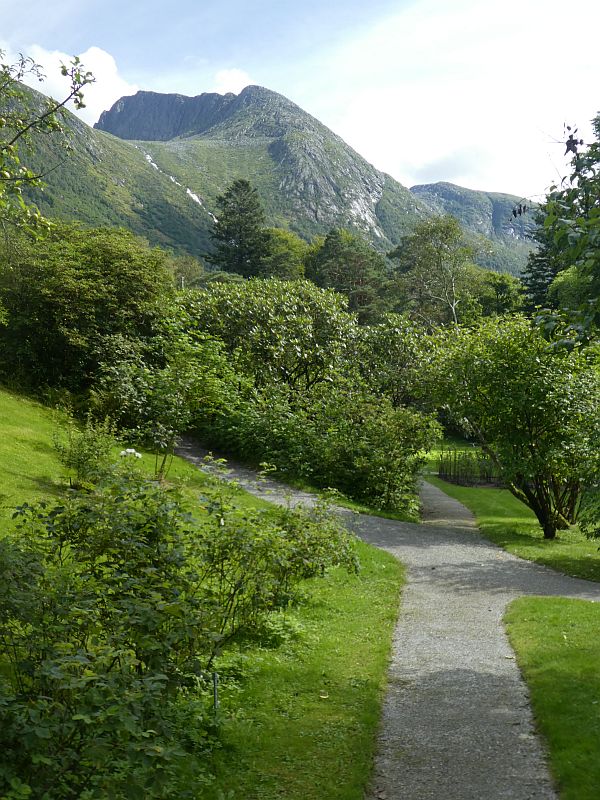
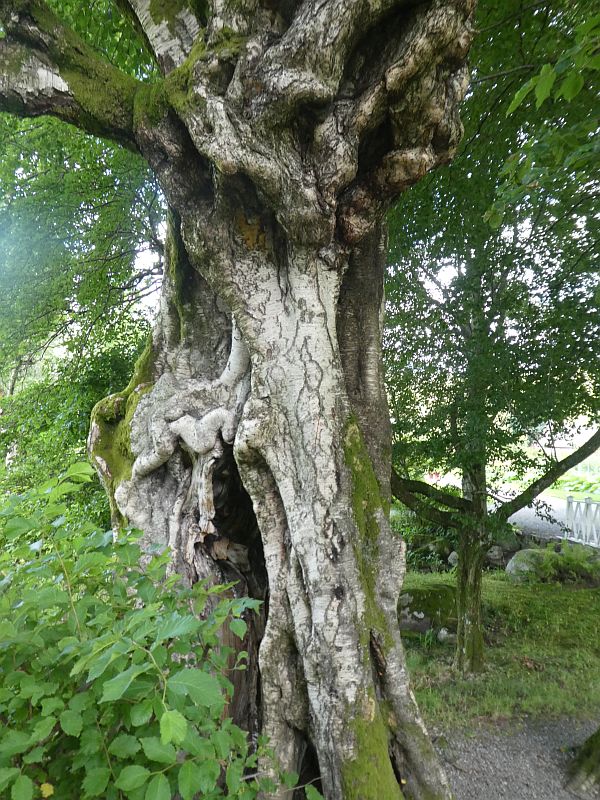
It’s been announced that this year’s Nordic Permaculture Festival will be arranged between 12th and 15th July 2018 in Jondal at the Hardanger Academy for Peace, Development and Environment, which is located in western Norway next to the Hardanger Fjord in fantastic surroundings and not far from the famous Folgefonna glacier! About time then that I blogged about my visit there as part of the annual Perennialen (no. 3), arranged by Eirik Lillebøe Wiken of the Alvastien Permaculture LAND Centre on the other side of the fjord. On the first day of Perennialen III, Eirik took me on aday trip, first to the famous garden at Baroniet Rosendal and then on to Jondal. A blog about the visit to Rosendal will follow tomorrow!
See the photo album below:
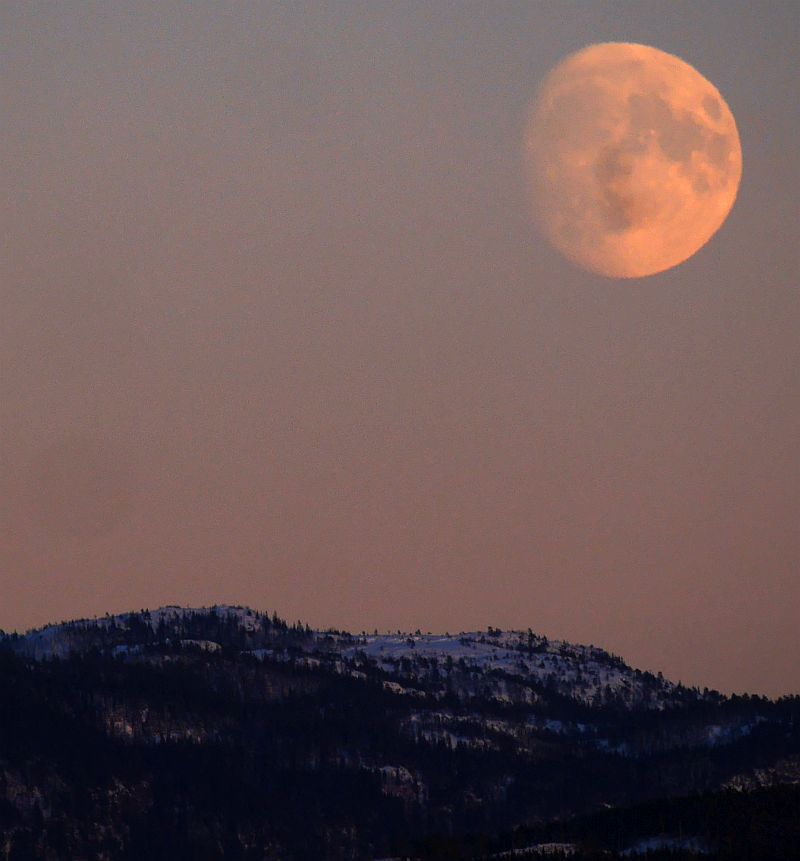
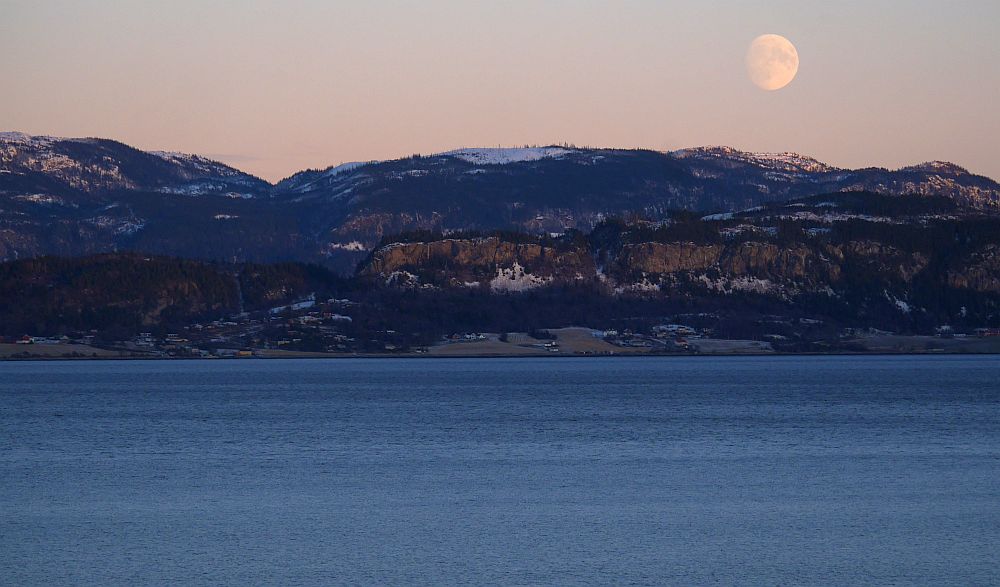
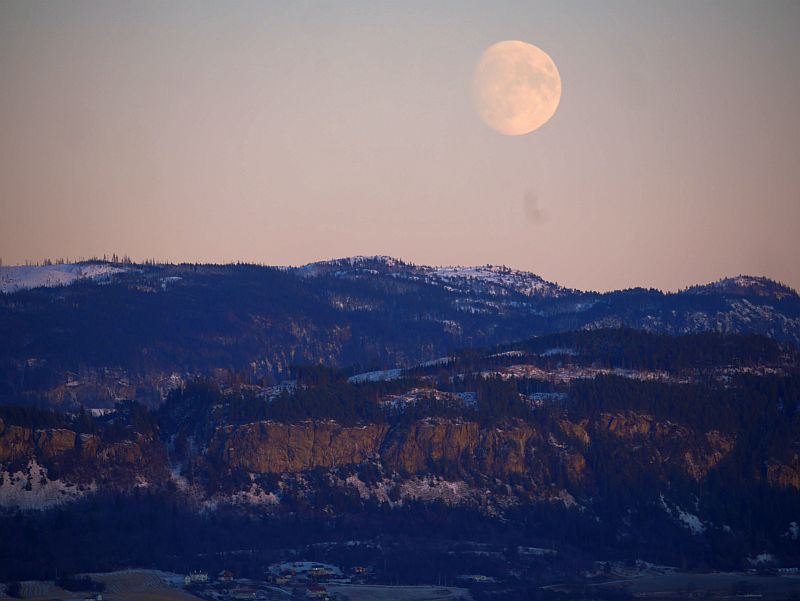
The first full moon of the year was tonight and it briefy made an appearance from behind the clouds…the next is also in January, on the 31st and is called a blue moon, no doubt as two ful moons in the same month happens once in a “blue moon”
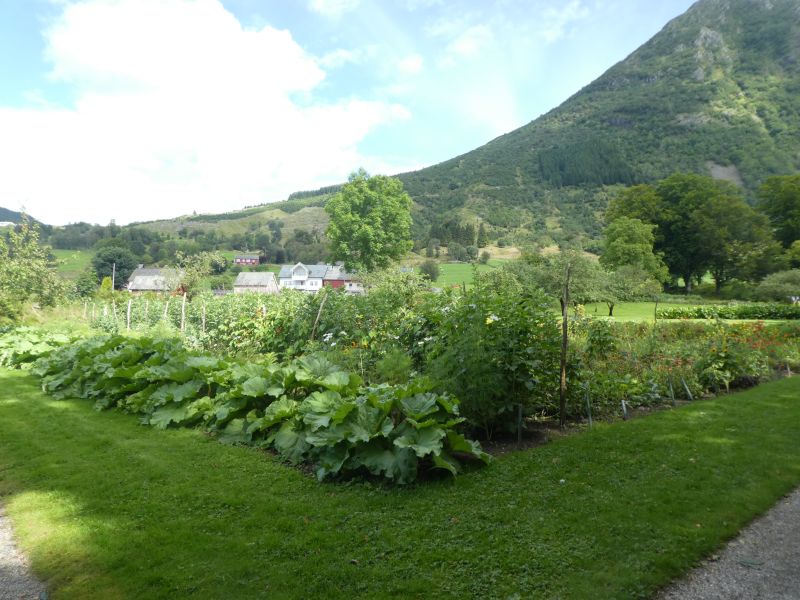
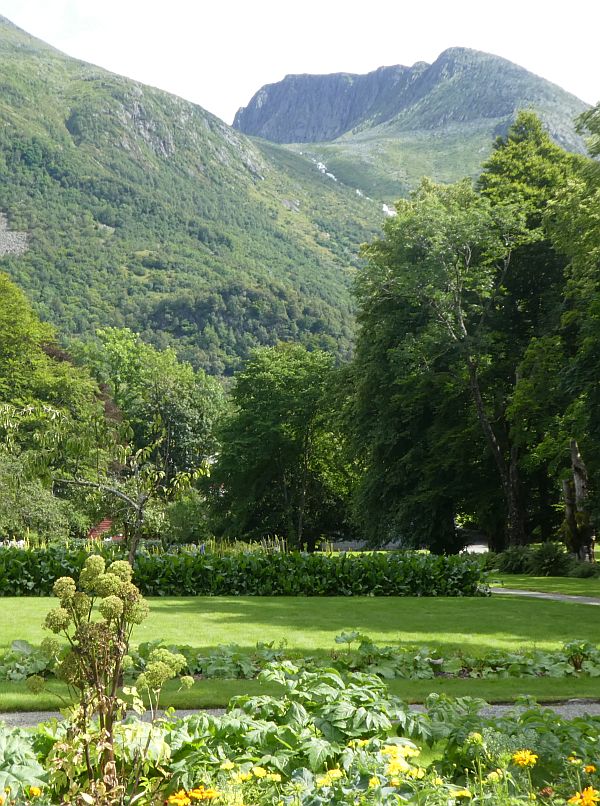
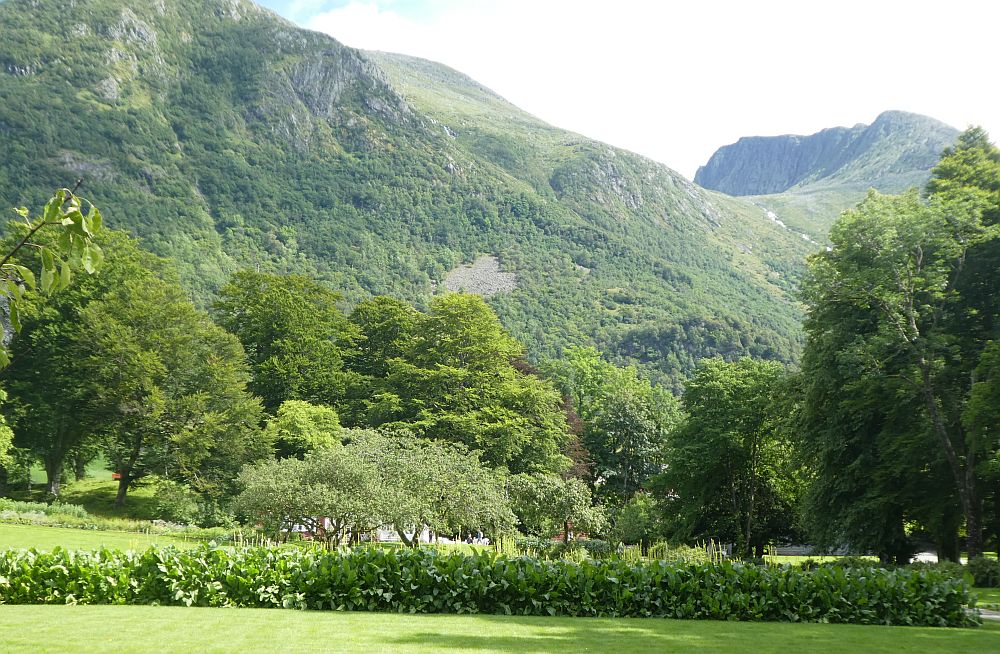
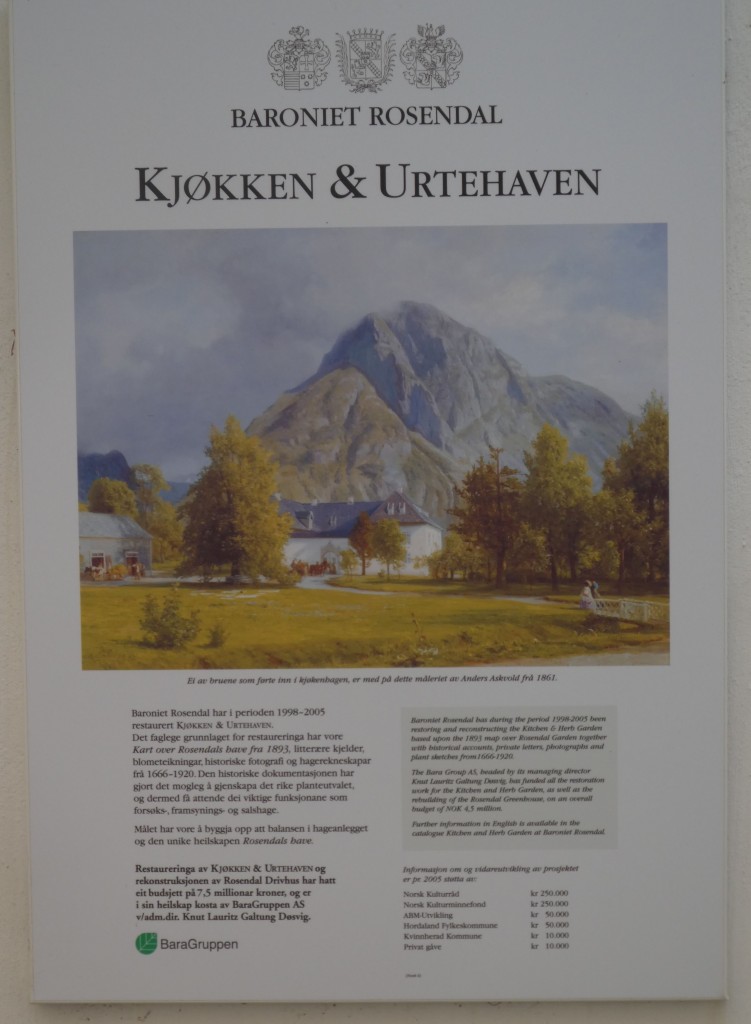
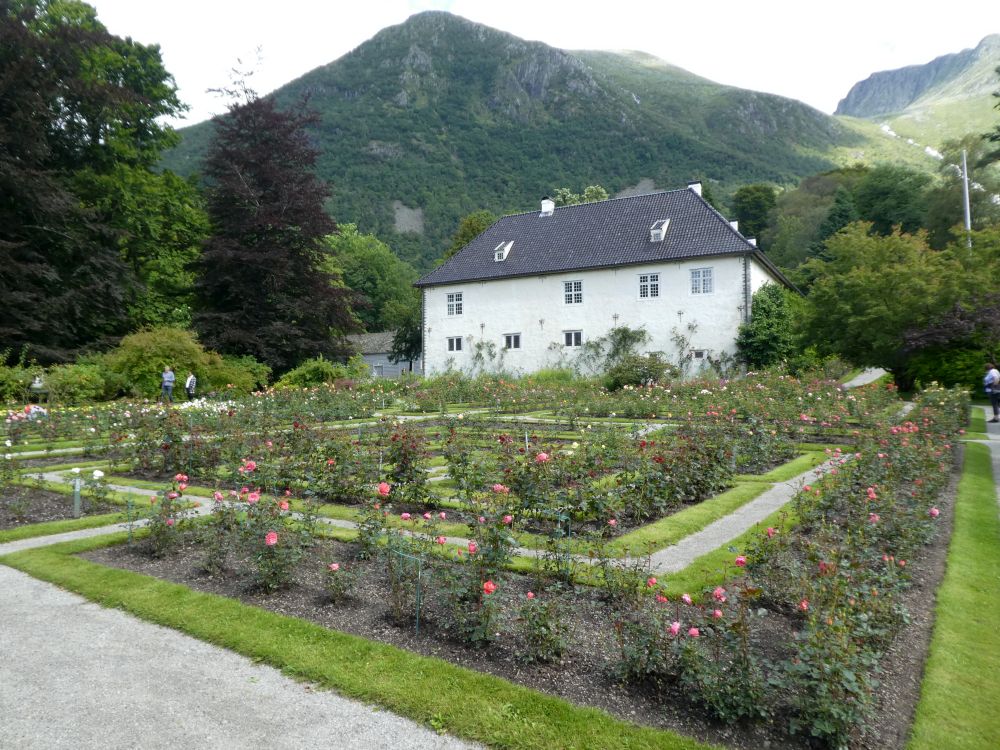
Barony Rosendal (Baroniet Rosendal) is a historic estate and manor house on the Hardangerfjord going back to the 1650s. As part of Perennialen III, on our way to Jondal, one hour’s drive away (separate post), we stopped at this famous garden on 8th August 2017 to do some edimentals spotting! Despite several attempts to visit over the years, I’ve never been before. This must be one of the most picturesque gardens in the world with the dramatic scenery surrounding it! I was particularly interested in seeing the naturalised stands of spiked rampion (vadderot), used as a vegetable in the past elsewhere in Europe (video). The climate is very mild, and the sweet chestnut trees were particularly impressive, perhaps the biggest in Norway? There are also several beds with historical vegetables. Here is an album of pictures of mostly edible plants and scenery!
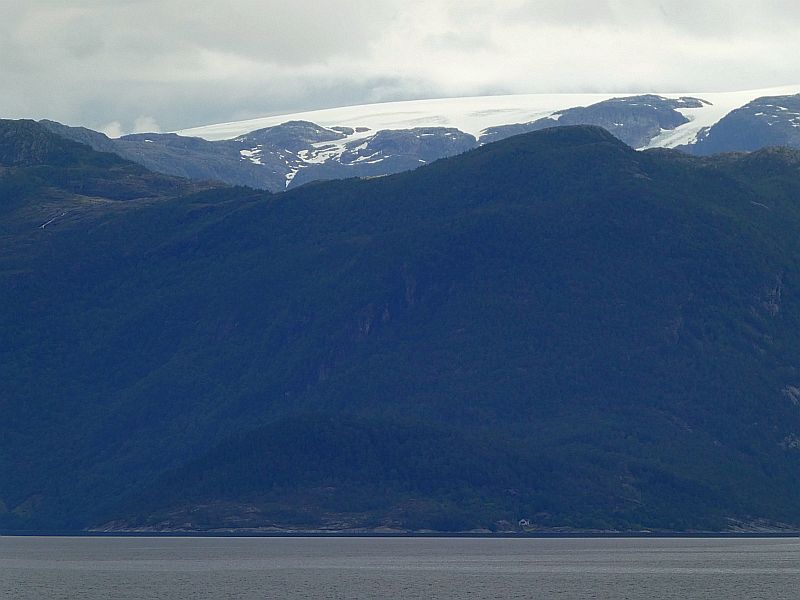
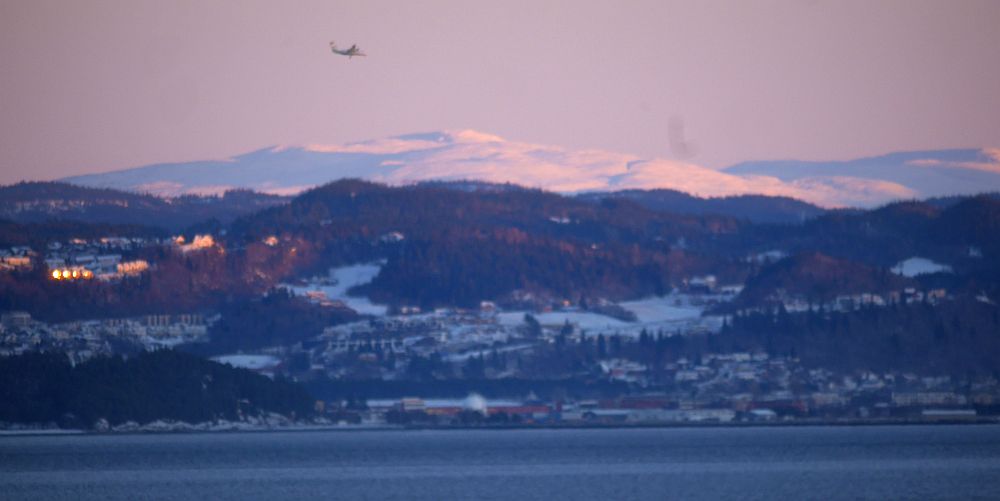
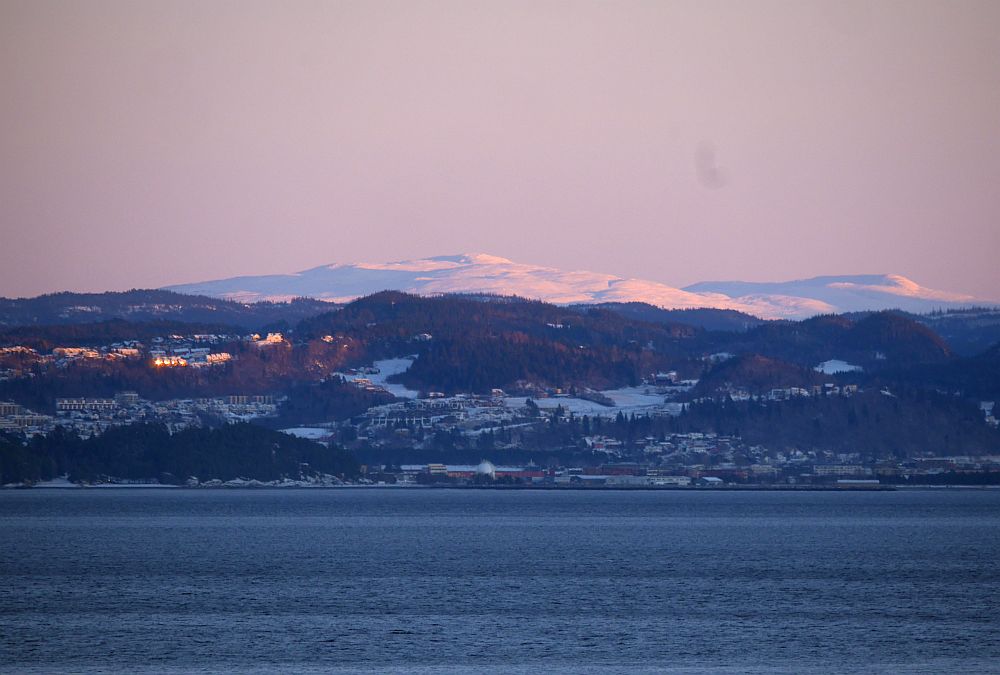
From the Gjermundshavn-Årsnes ferry
From the Gjermundshavn-Årsnes ferry
From the Gjermundshavn-Årsnes ferry
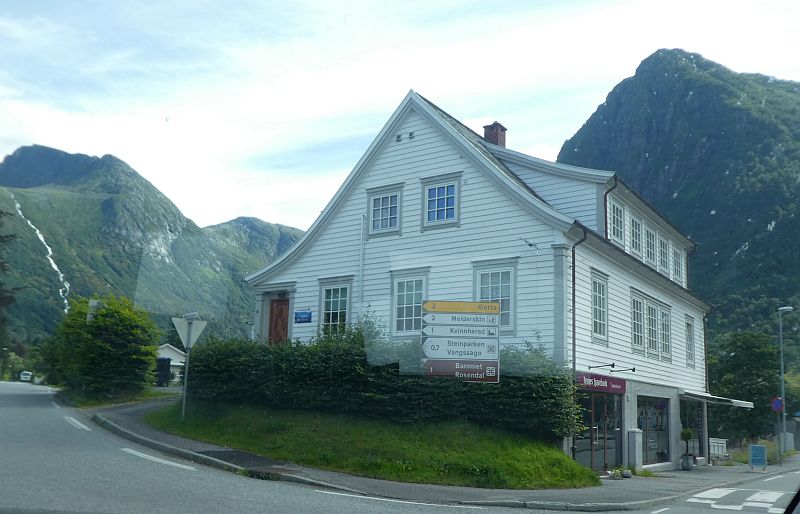
Rosendal
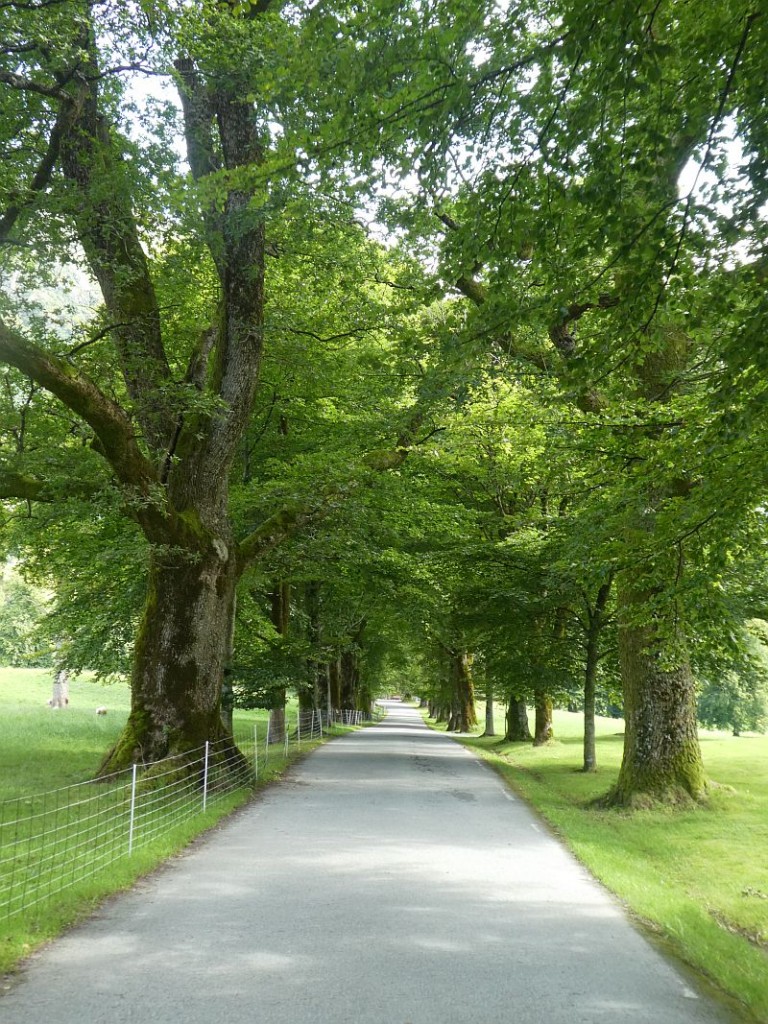
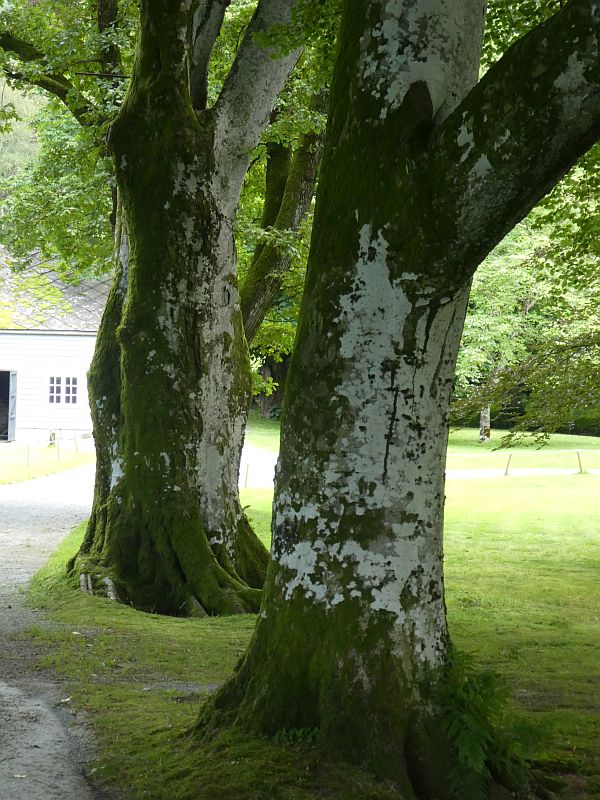
The allee leading up to Baroniet Rosendal
Large leaved lime, Tilia
Monkey Puzzle tree demonstrates that the climate is mild here
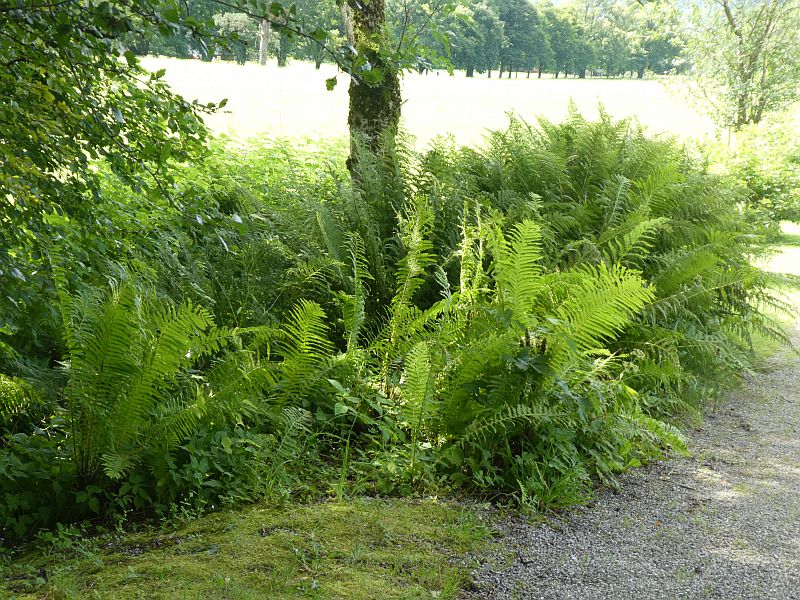
Ostrich fern (strutseving)
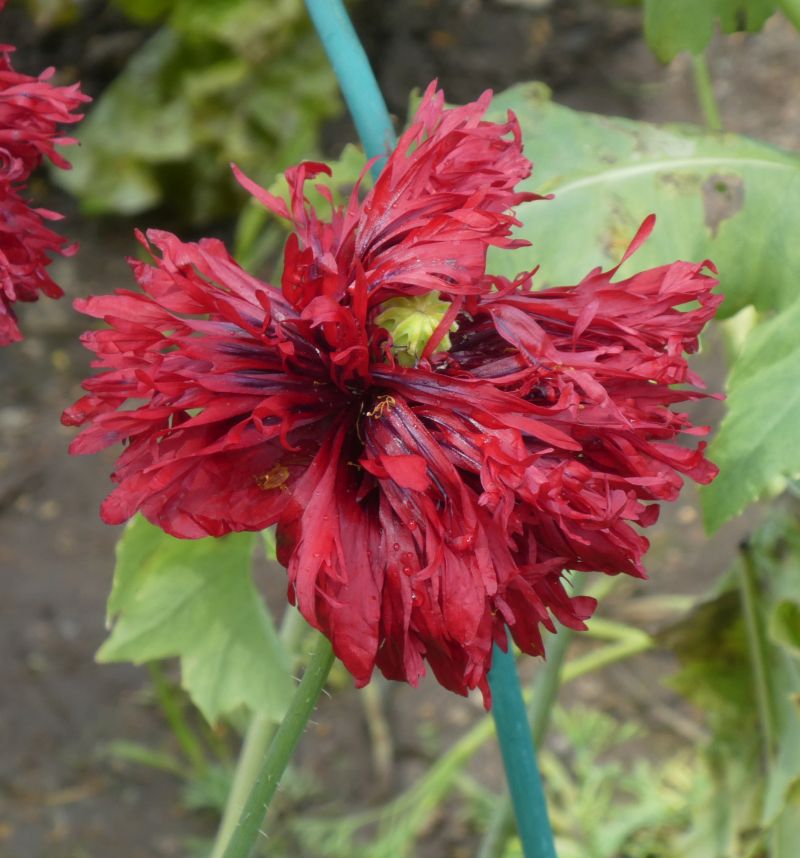
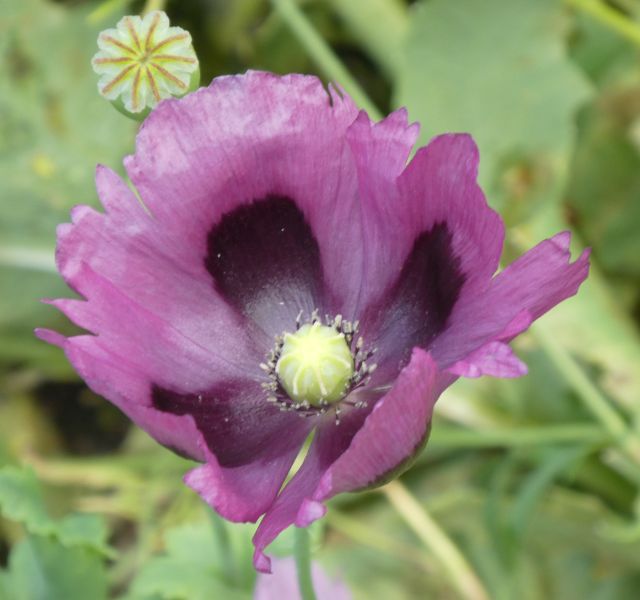
Opium poppy (opiumvalmue)
Opium poppy (opiumvalmue)
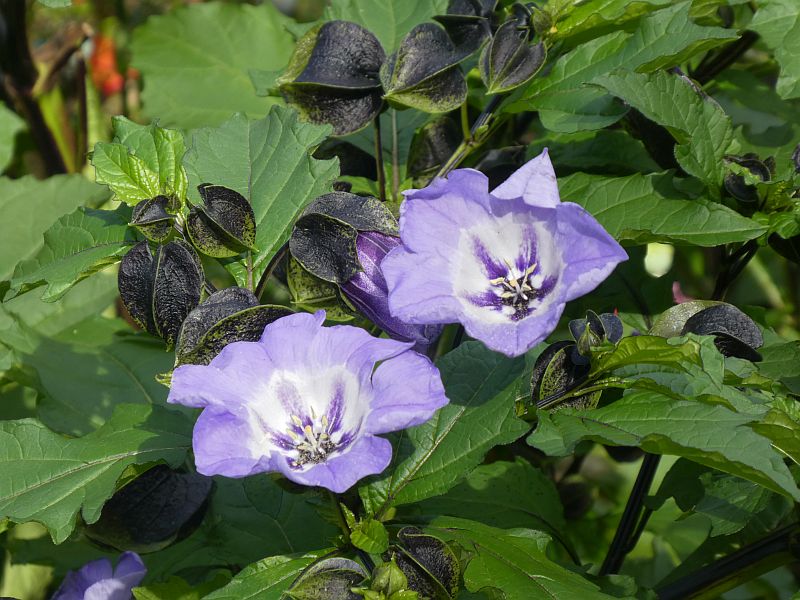
Nicandra phylasodes (shoo-fly plant) is from South America…the seeds are apparently used in China to prepare a refreshment…I know no more
Dahlia
We came over this row of Angelica archangelica and the stems were filled, a form of Voss Angelica (Vossakvann) then!
Vossakvann…one plant was in flower
Row of horseradish in the foreground
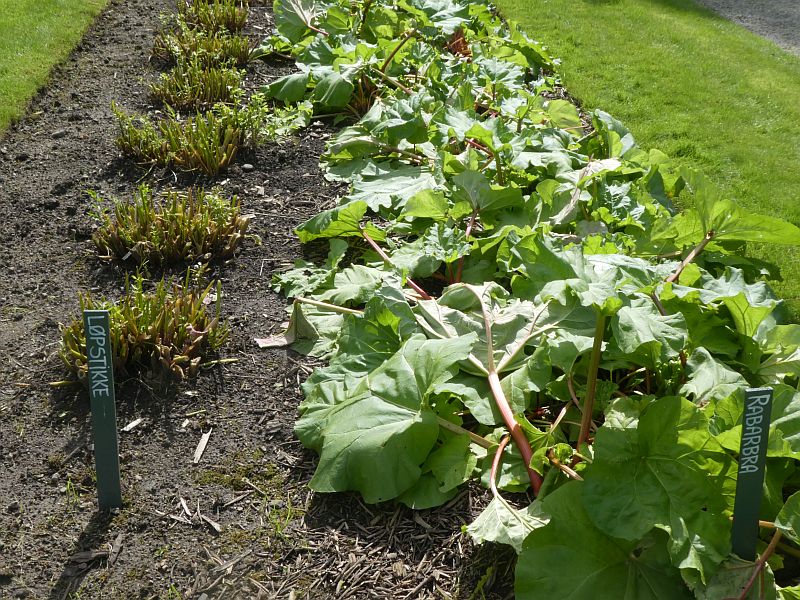
Lovage (løpstikke) and rhubarb (rabarbra)
Horseradish (pepperrot)
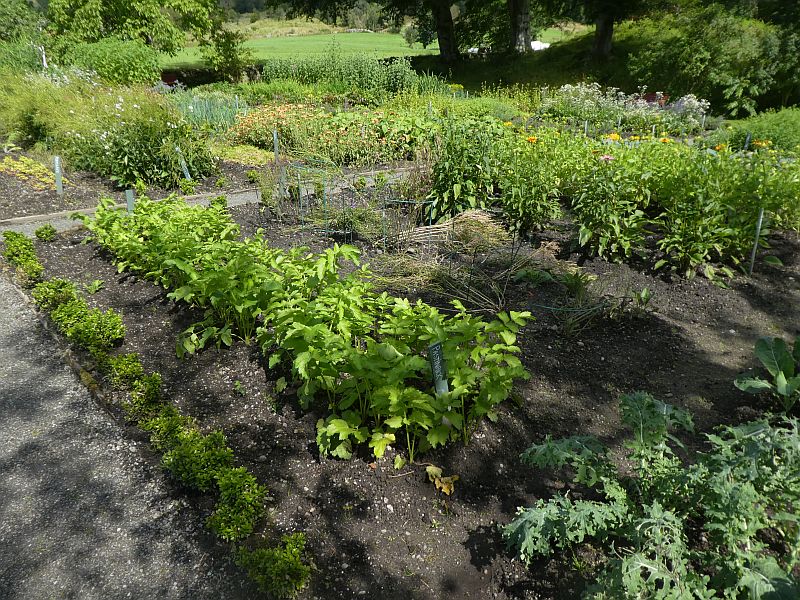
Parsnip (pastinakk) in the vegetable garden
Artichokes (artiskokk)
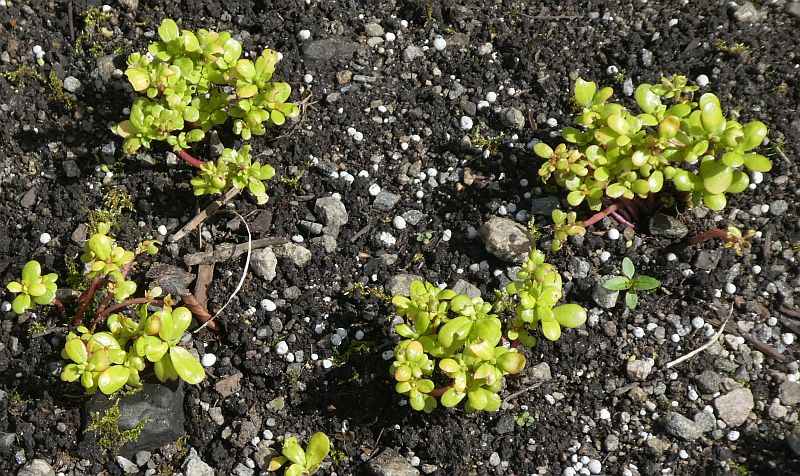
Purslane (portulakk)
Scorzonera and Arnica
A relatively young walnut (valnøtt), the old trees died a few years back.
Walnut (valnøtt)….the garden produced and sold walnuts on the markets in the past, but the old trees are now dead..
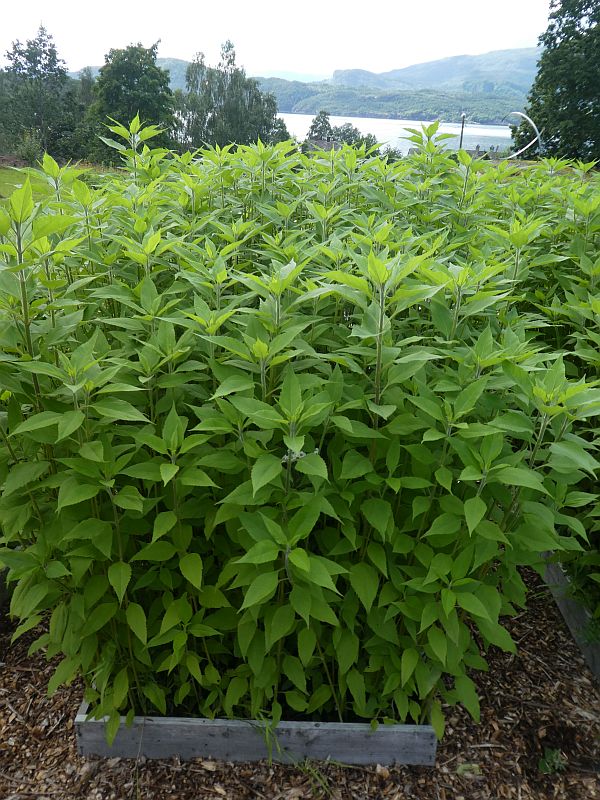
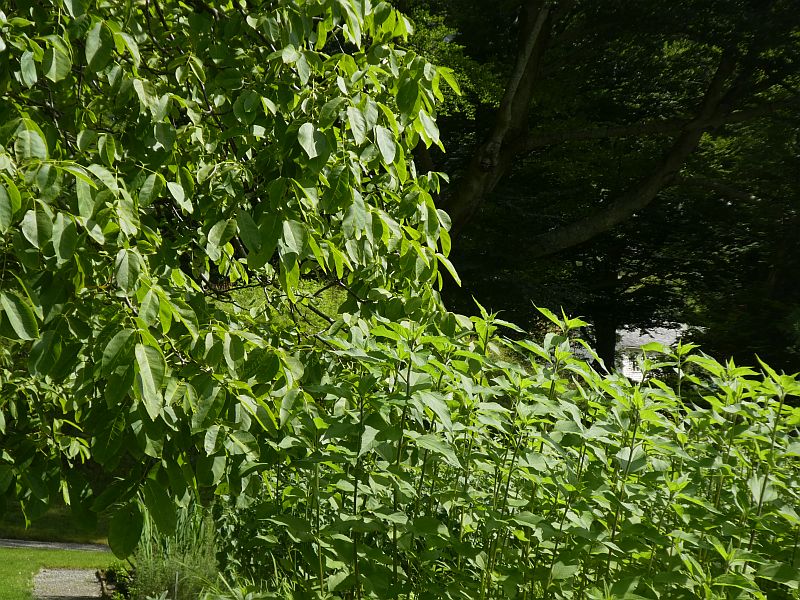
Walnut (valnøtt) with Jerusalem artichoke (jordskokk)
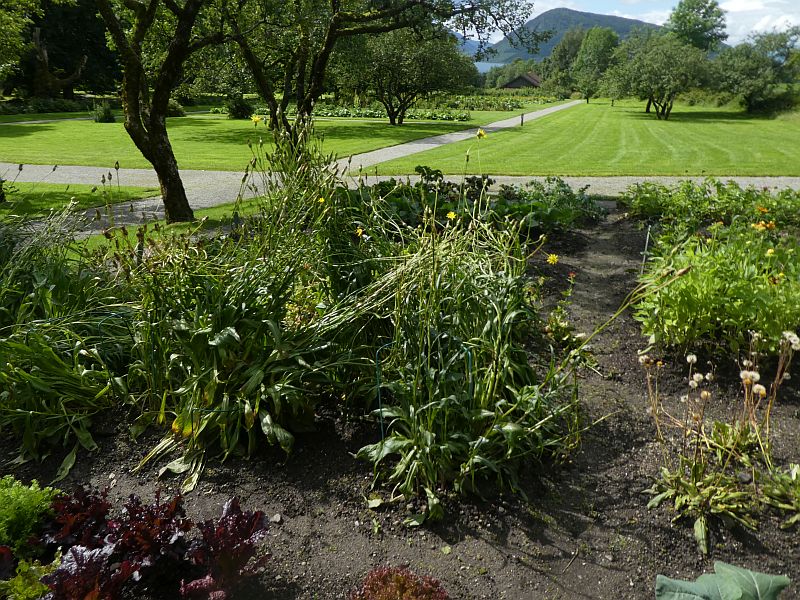
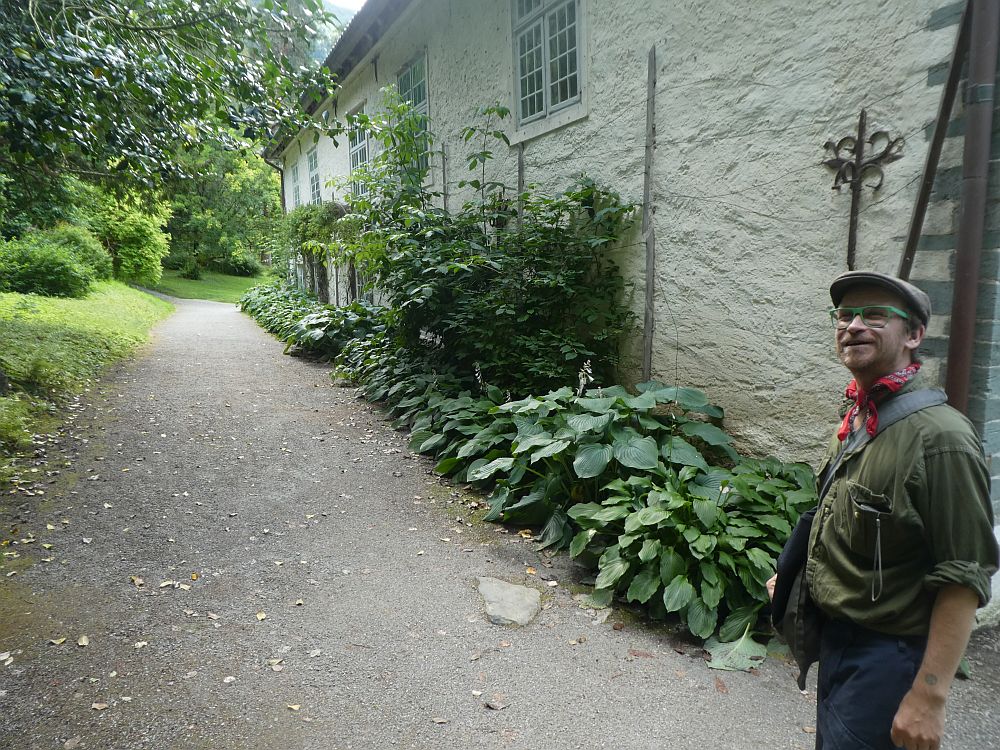
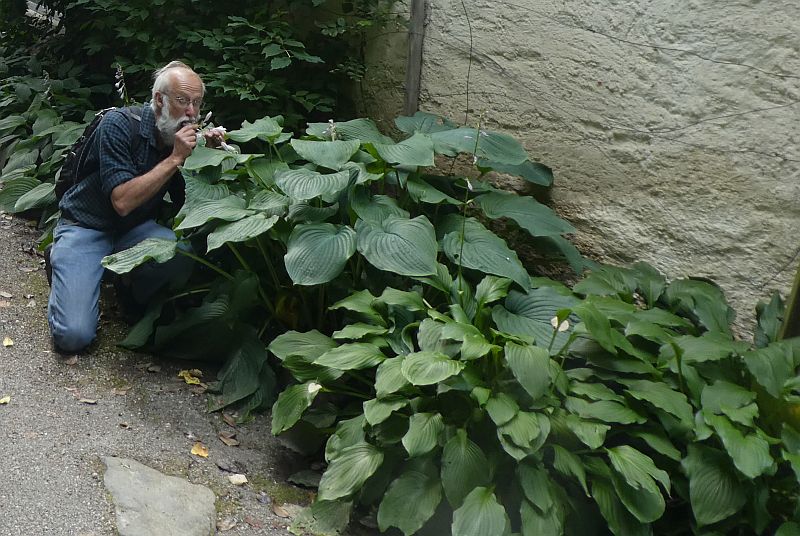
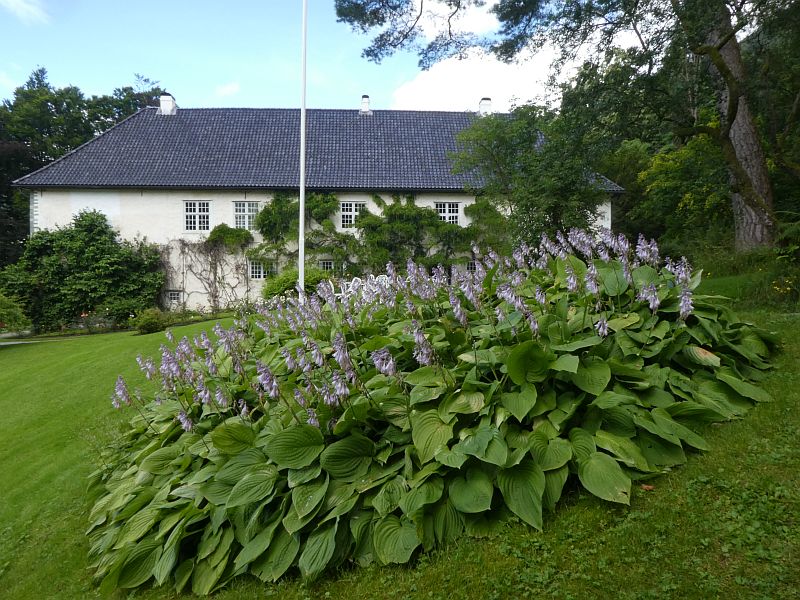
Hostas and Eirik
Time for a snack ;)
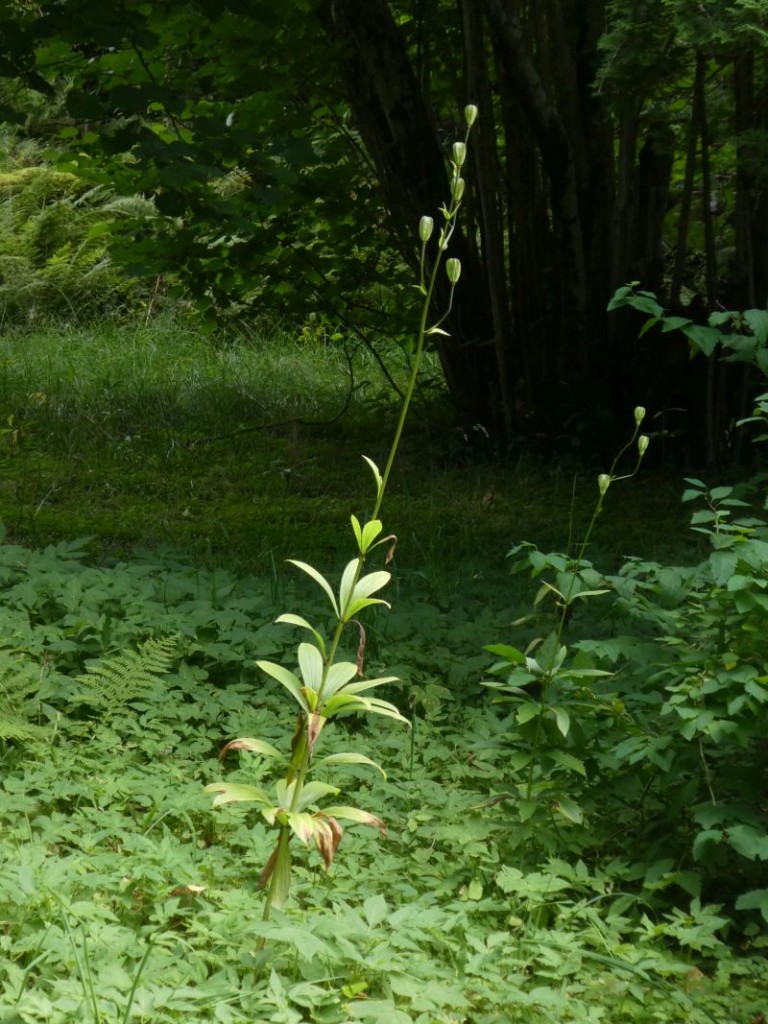
Lilium martagon
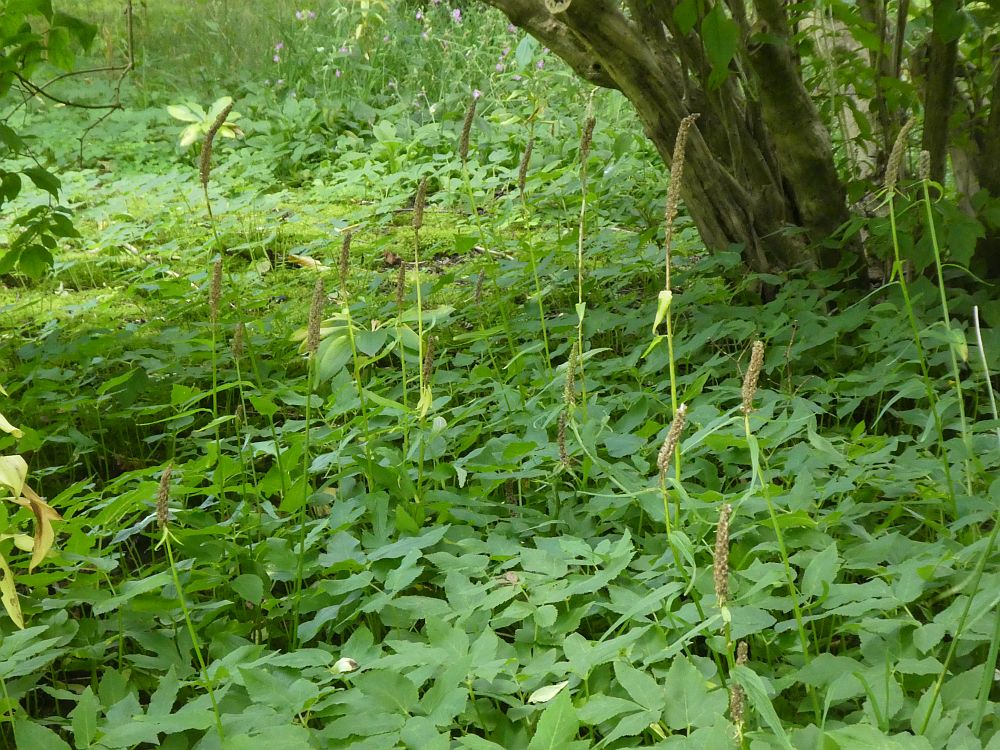
Phyteuma spicata (spiked rampion / vadderot) was a root vegetable in the past and has naturalised in a part of the garden
Phyteuma spicata (spiked rampion / vadderot) was a root vegetable in the past and has naturalised in a part of the garden
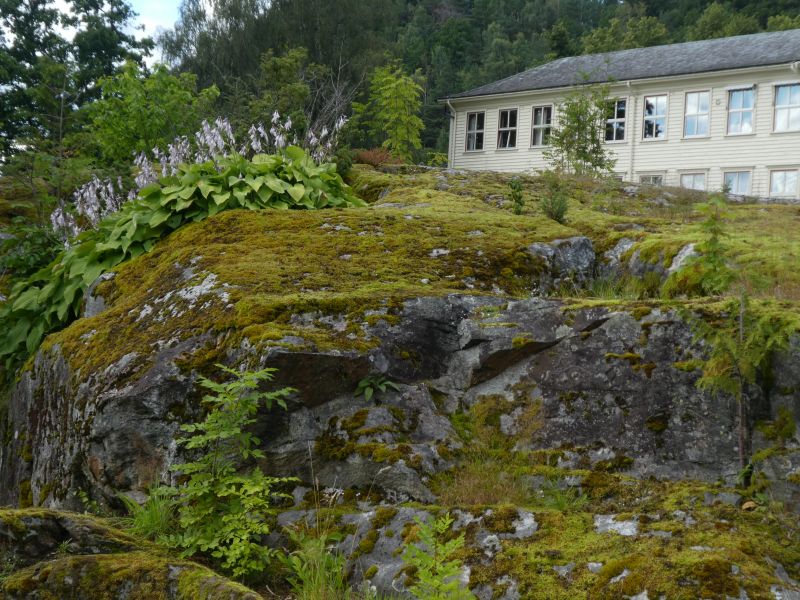
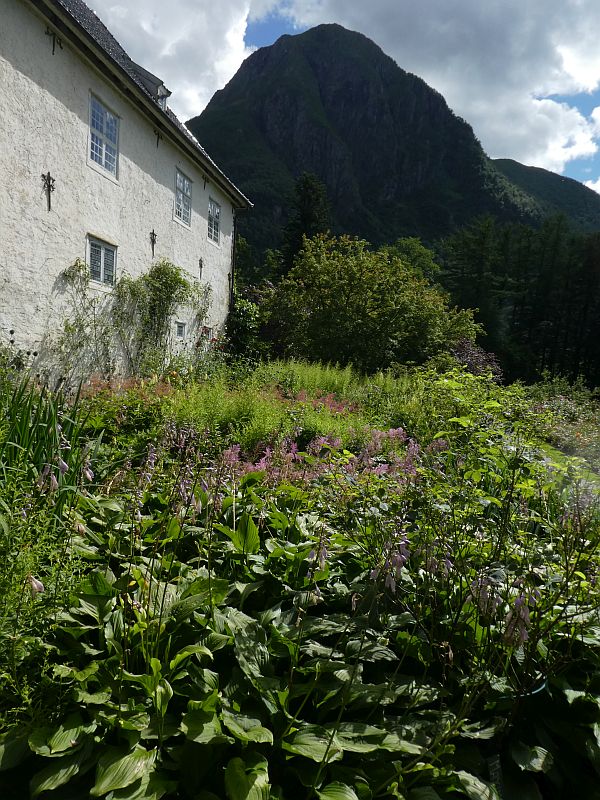
Hosta and dramatic backdrop
Hosta
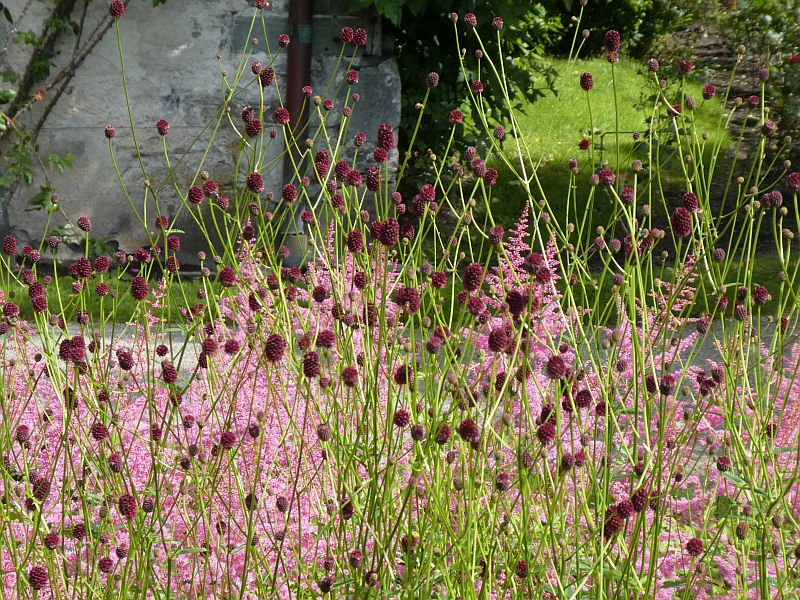
Sanguisorba officinalis and Astilbe
Chaeneomeles
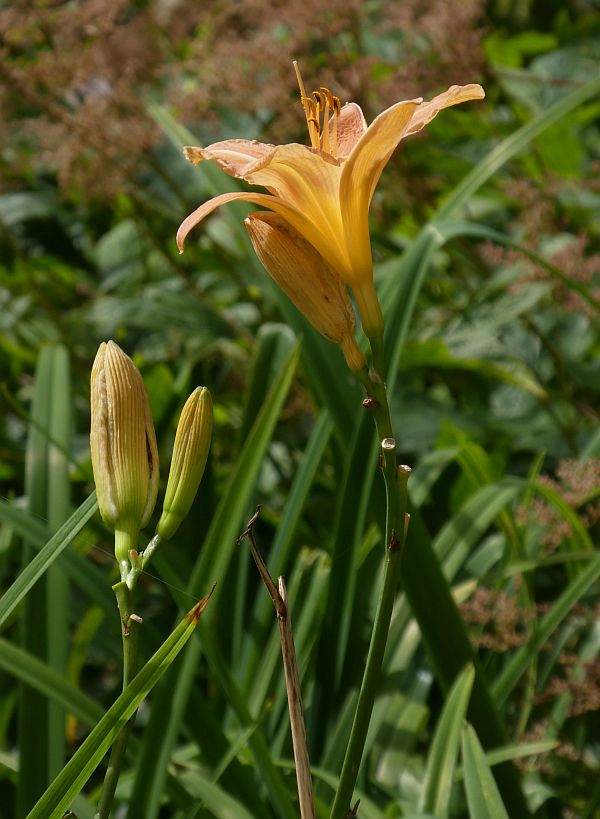
Daylily (daglilje)
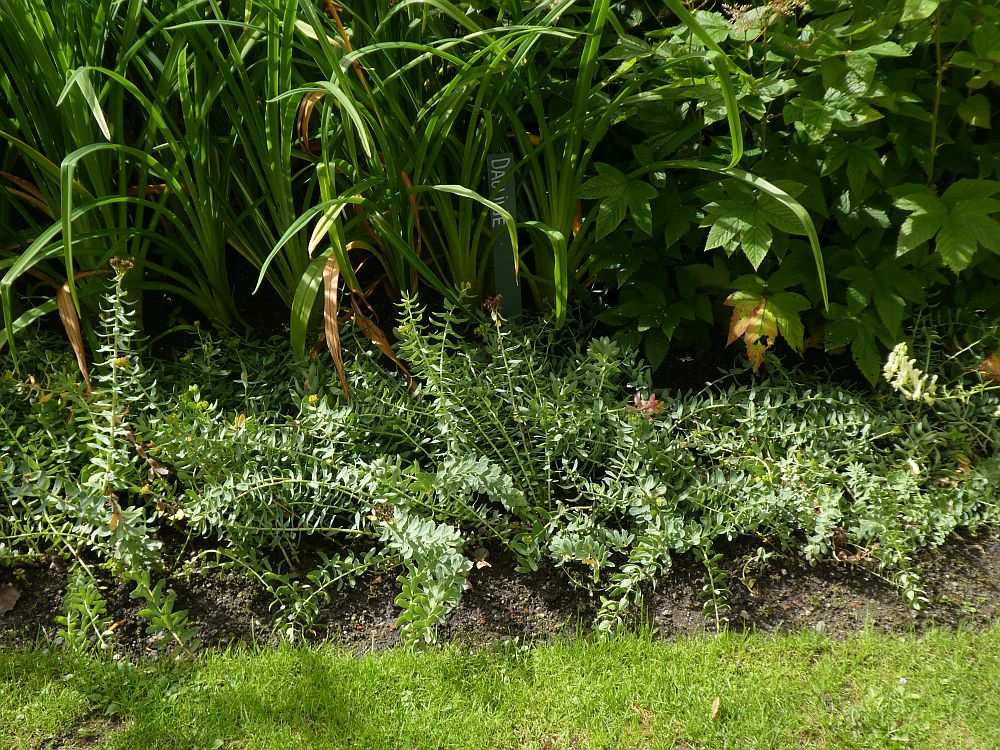
Roseroot (rosenrot)
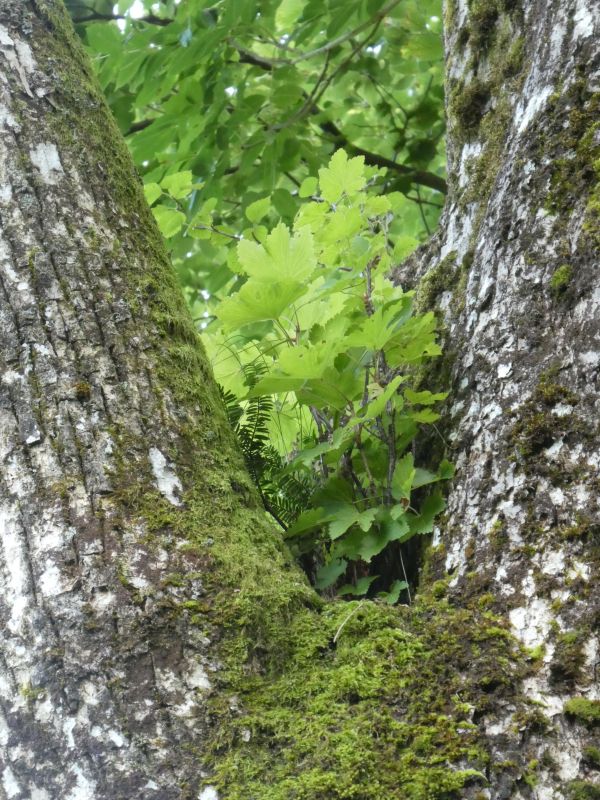
Rogue redcurrant (rips) growing in the fork of this tree
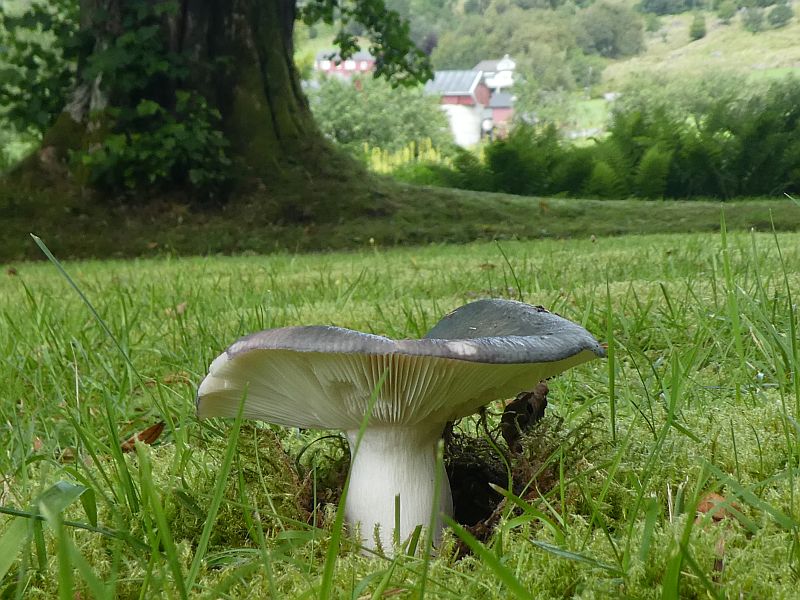
Russula spp.
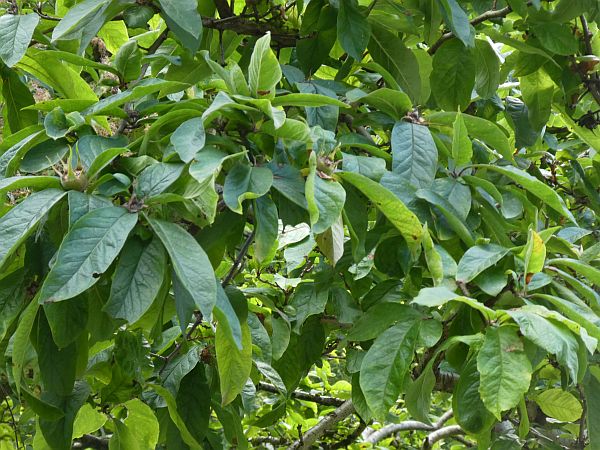
Medlar (Ekte mispel)
The box (buksbom) allee is an impressive feature…not edible..
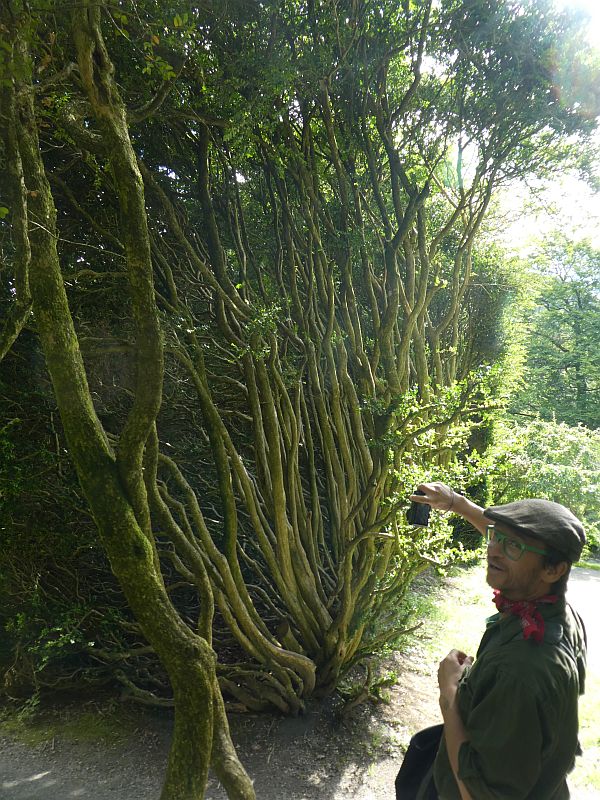
Box (buksbom)
Box (buksbom)
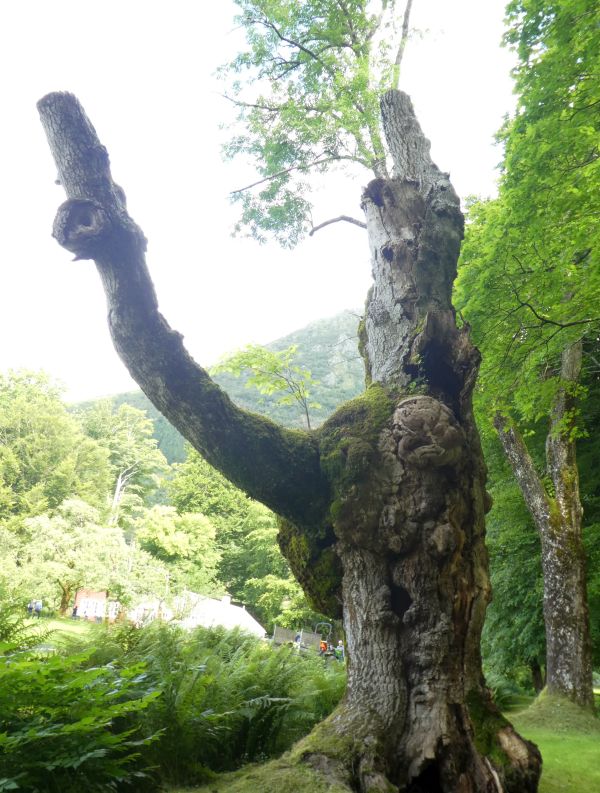
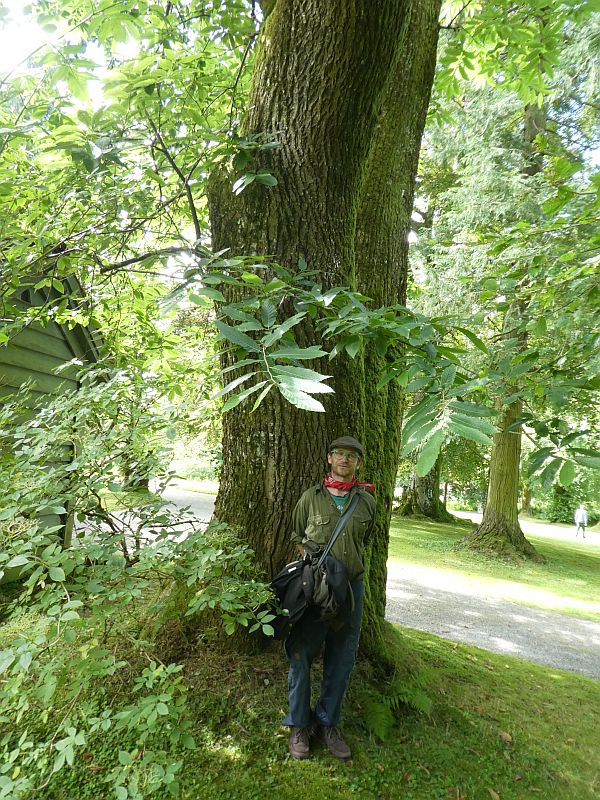
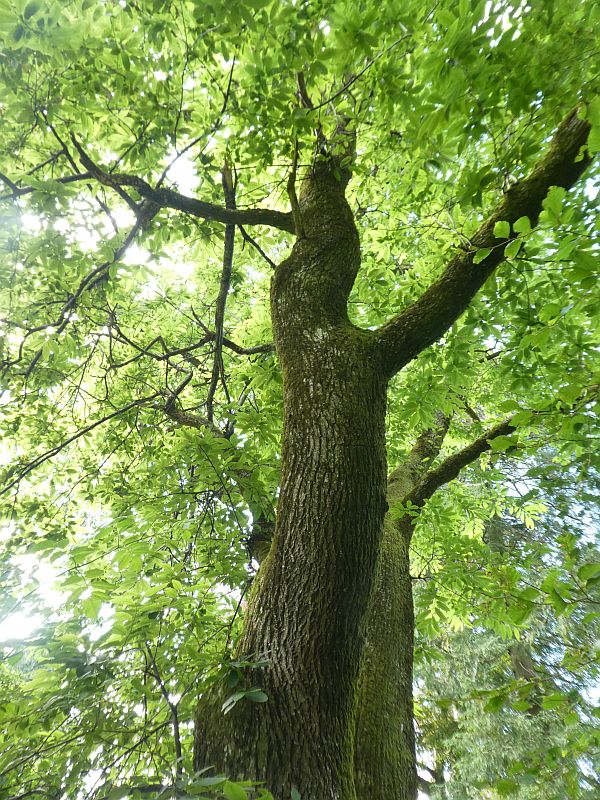
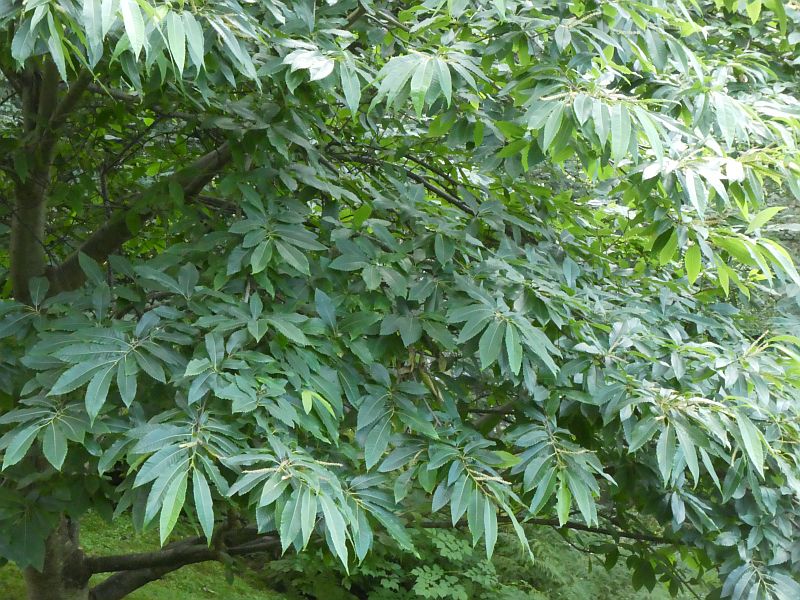
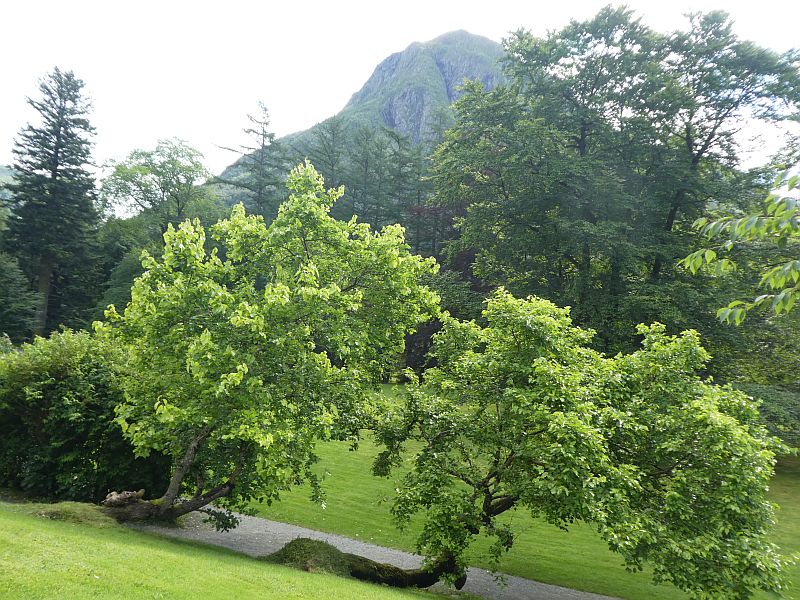
The largest Sweet chestnut (ekte kastanje) in Norway?
The largest Sweet chestnut (ekte kastanje) in Norway?
Rose garden
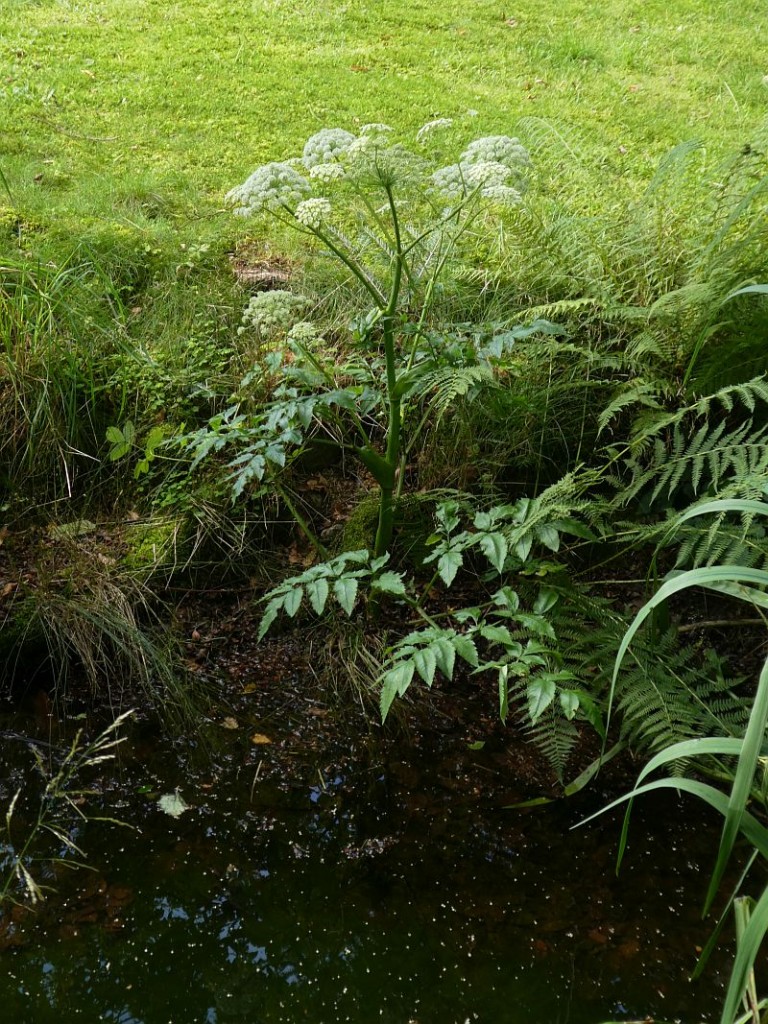
Angelica sylvestris
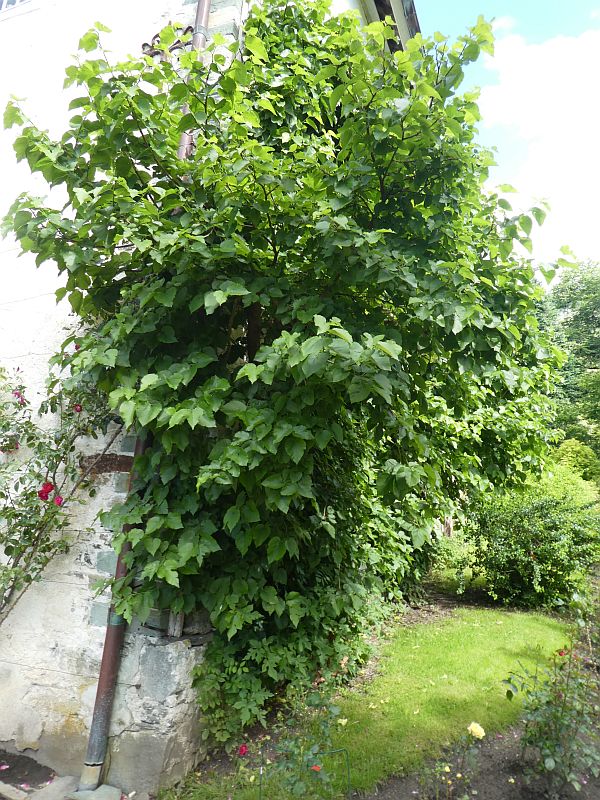
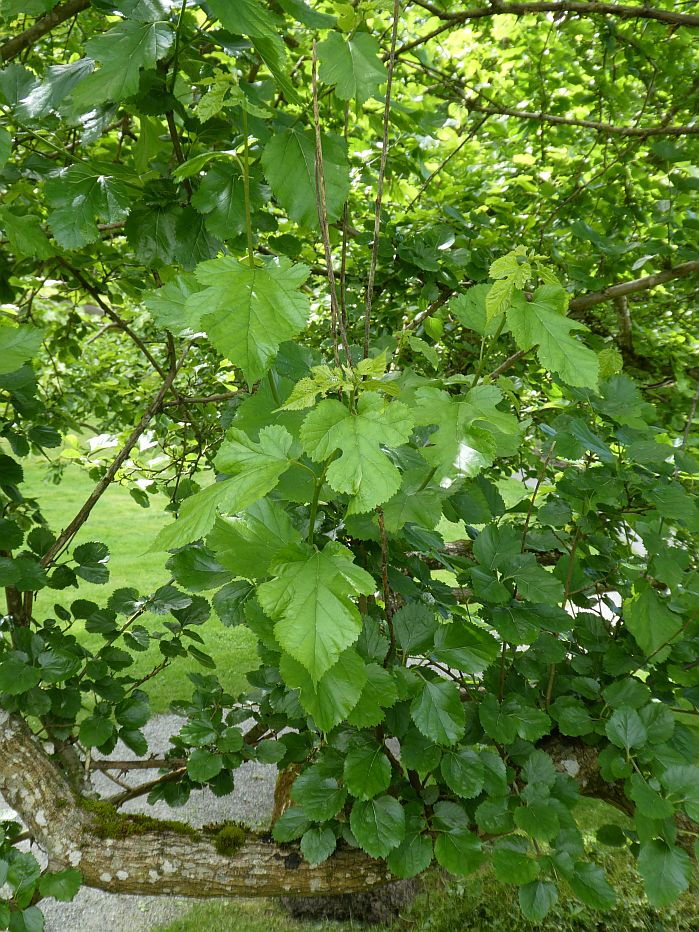
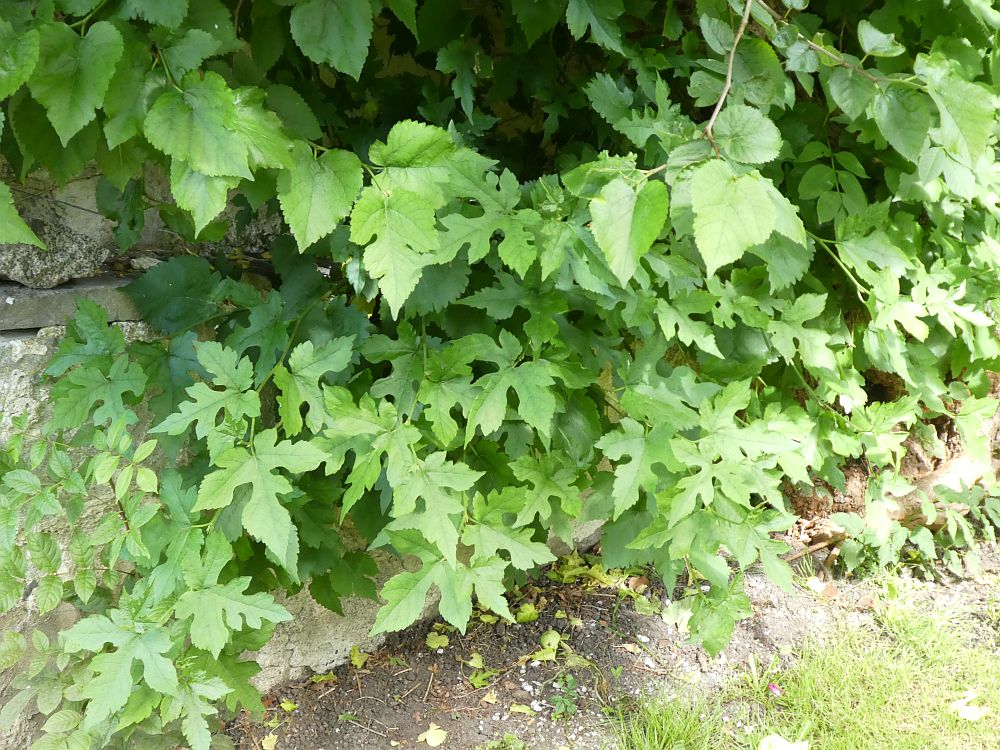
Mulberry (morbær)
Mulberry (morbær)
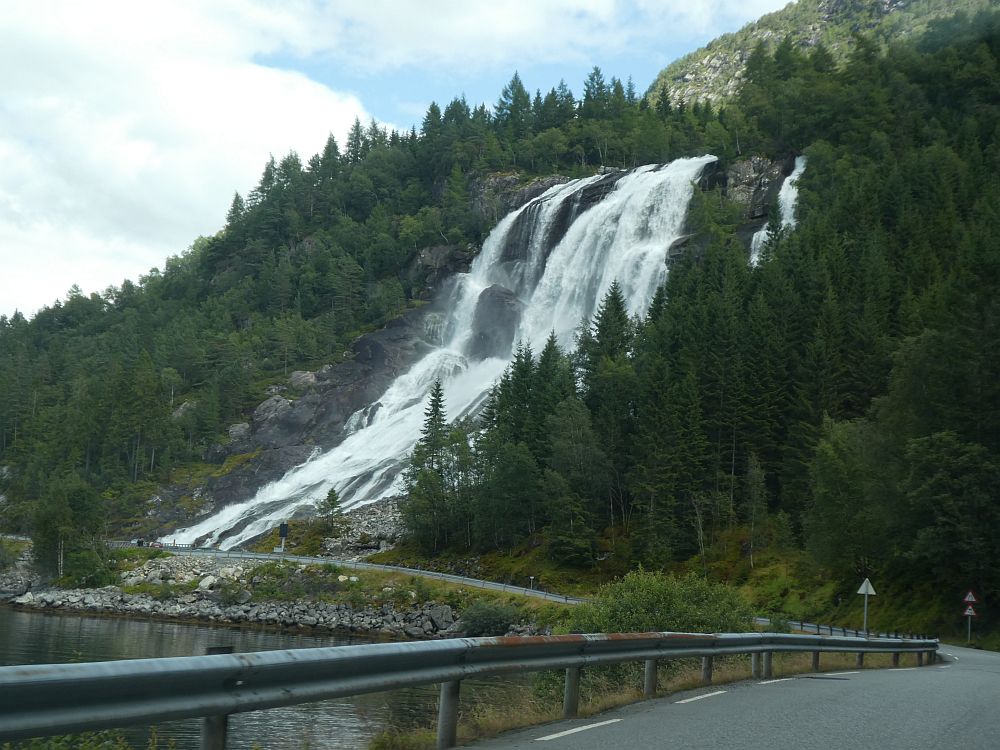
On the road towards Jondal our next stop: Furebergfossen
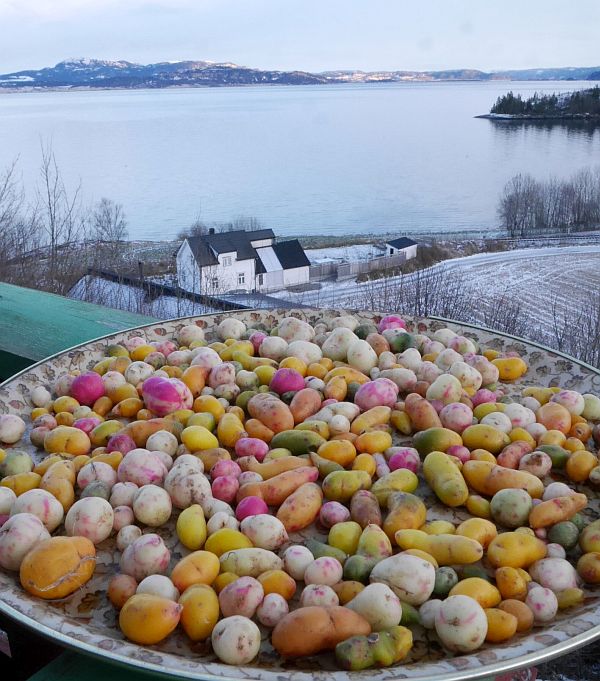
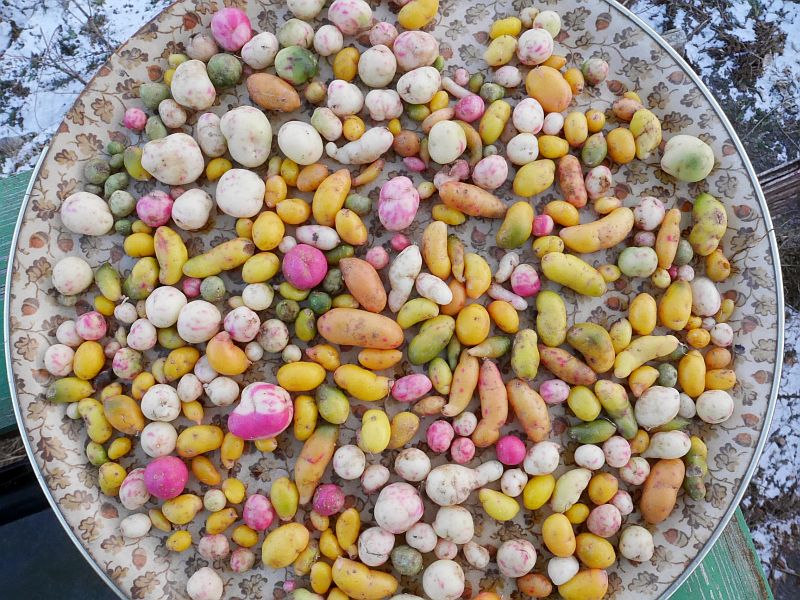
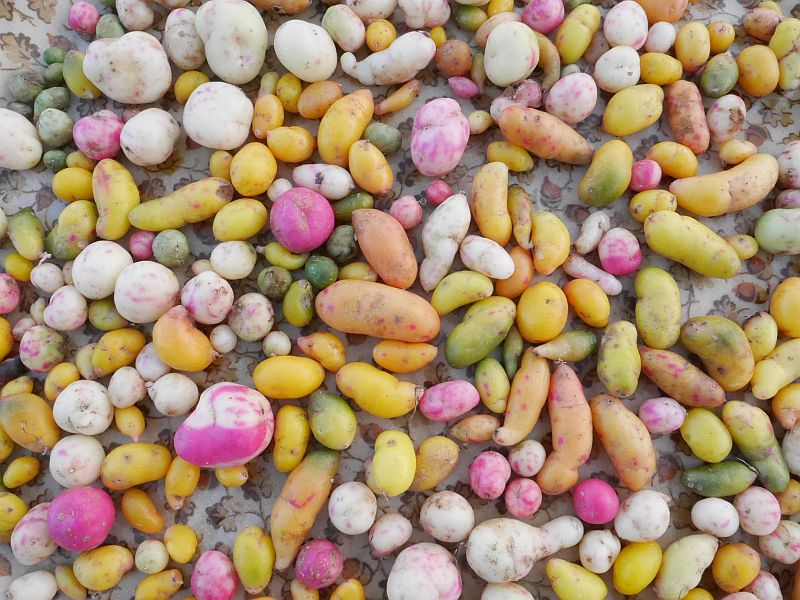
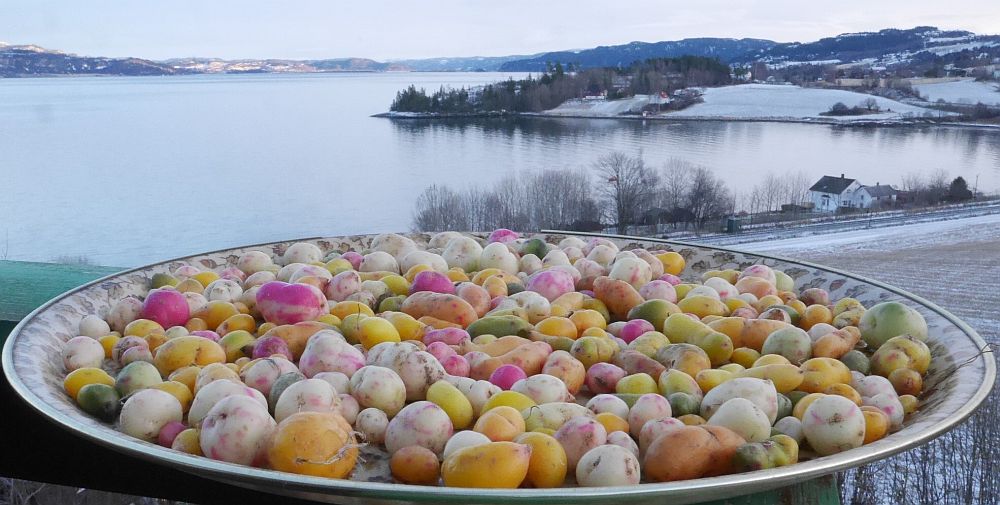
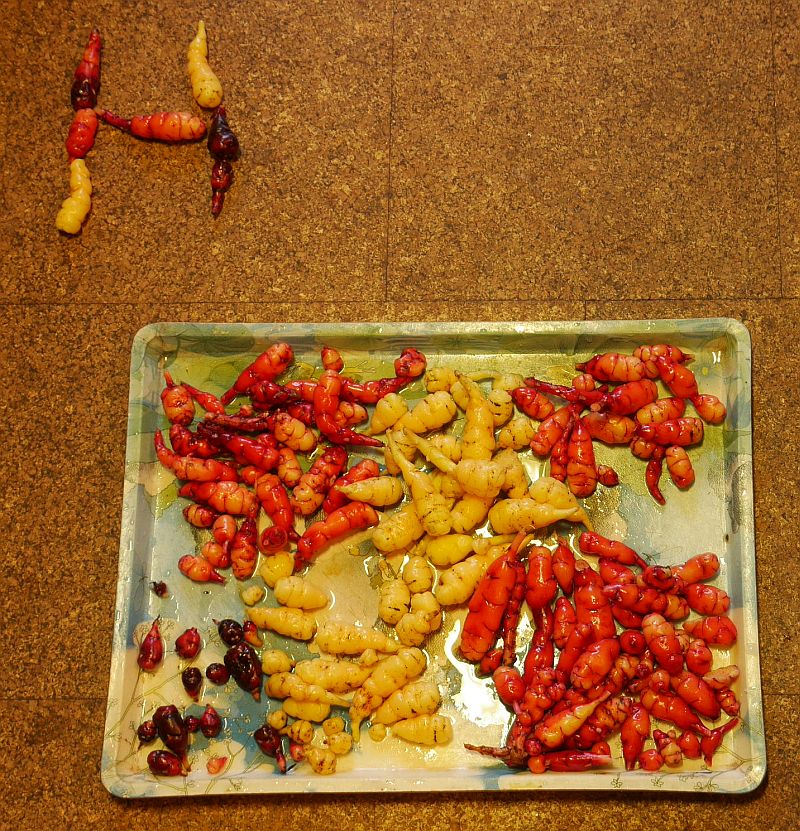
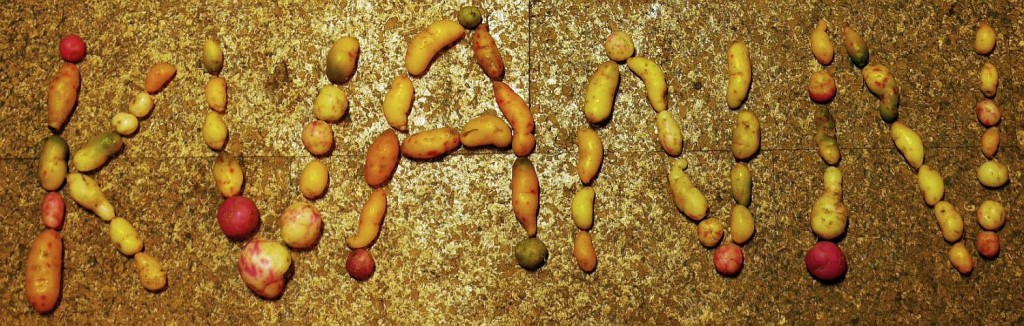
I harvested Ulluco and Oca tubers which I grow on indoors from the first frost to the end of the year!This is probably the last time I grow Ulluco for a while due to the UK advice to destroy all Ulluco currently being grown due to the danger of non-native viruses hopping over to other more important crops!
Wishing all my friends, family and all the amazing folk I’ve met live and online this year a very happy green year in which things WILL begin to change for the better for our wonderful planet earth!
However, things are not changing for the better for ulluco (Ullucus tuberosus) in the bottom row in this animation as this is the last year I’m growing this wonderfully colourful root crop which I’ve been growing now since 2007 (see the comments below for the reason for this!)
The top two rows are oca (Oxalis tuberosus). Both are from the Andes and were harvested yesterday indoors (grown in large pots brought inside before the first frostsin October).
Animation by my daughter Avellana Hazel
A new for me plant that is both edimental (edible and ornamental) and is also bird food in the winter! Even more reason to grow North American Anise Hyssop (anisisop), Agastache foeniculum, on which these redpolls (gråsisik) are feeding…
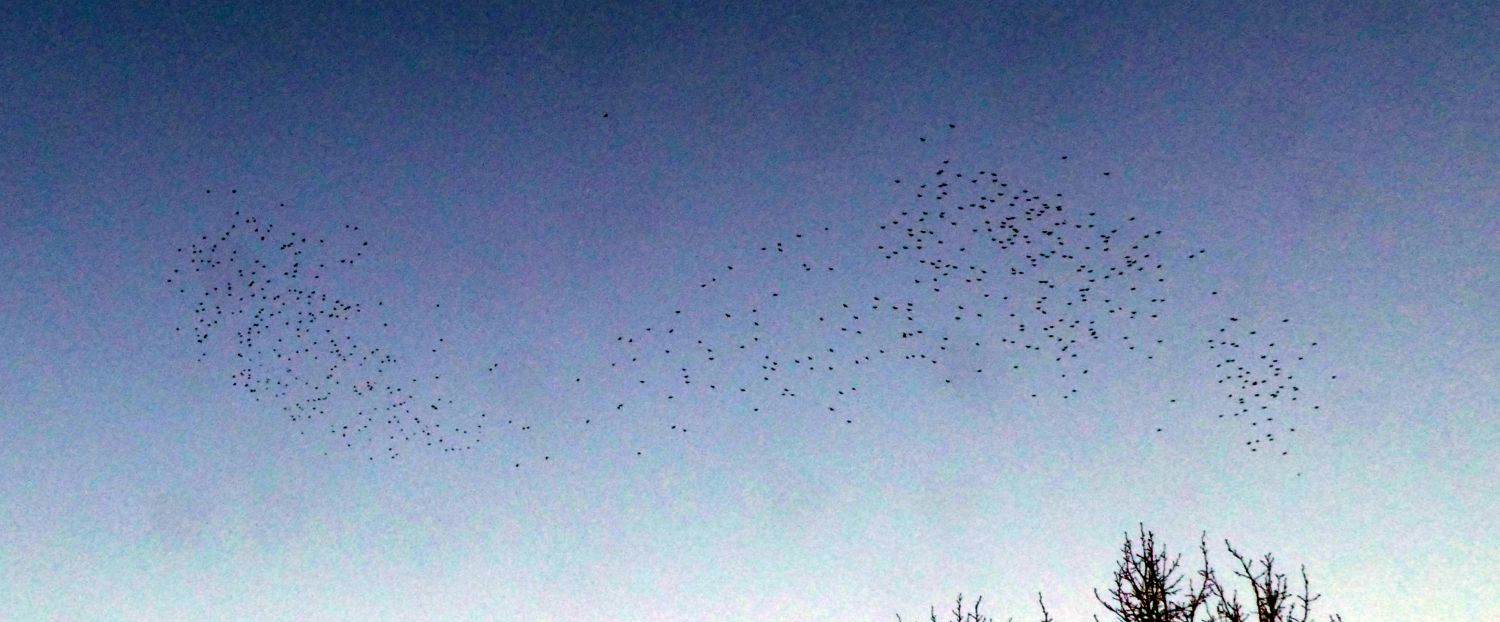
It’s always fun to see a large flock of Jackdaws flying high over the house….probably most of the birds in Trøndelag (our county) are in this flock! From the still picture I’ve counted around 650 birds! Check if you like :)
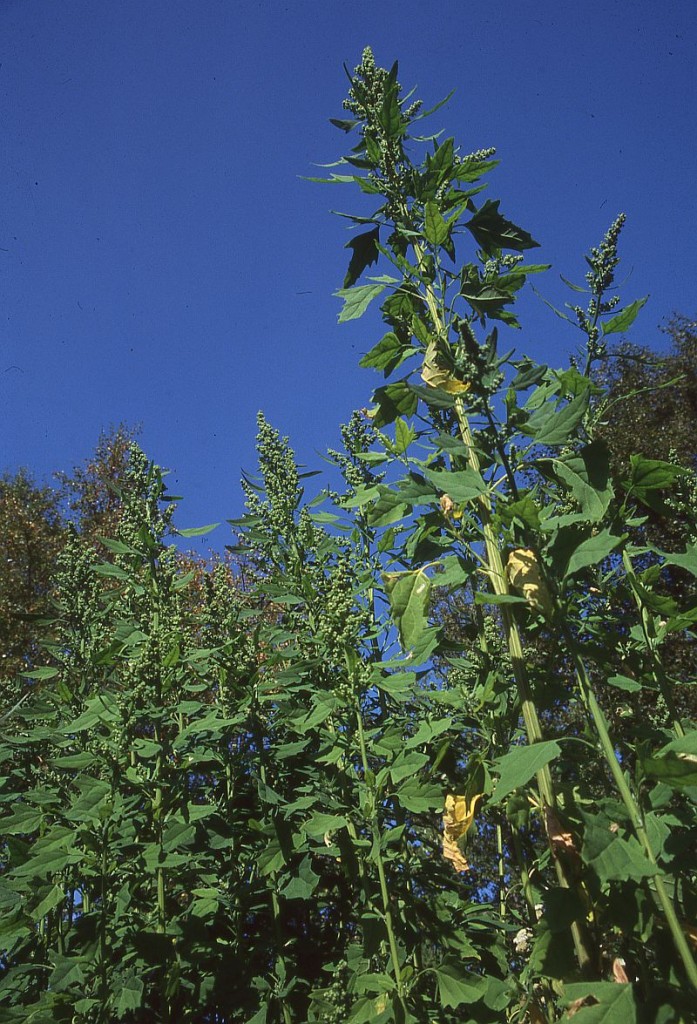
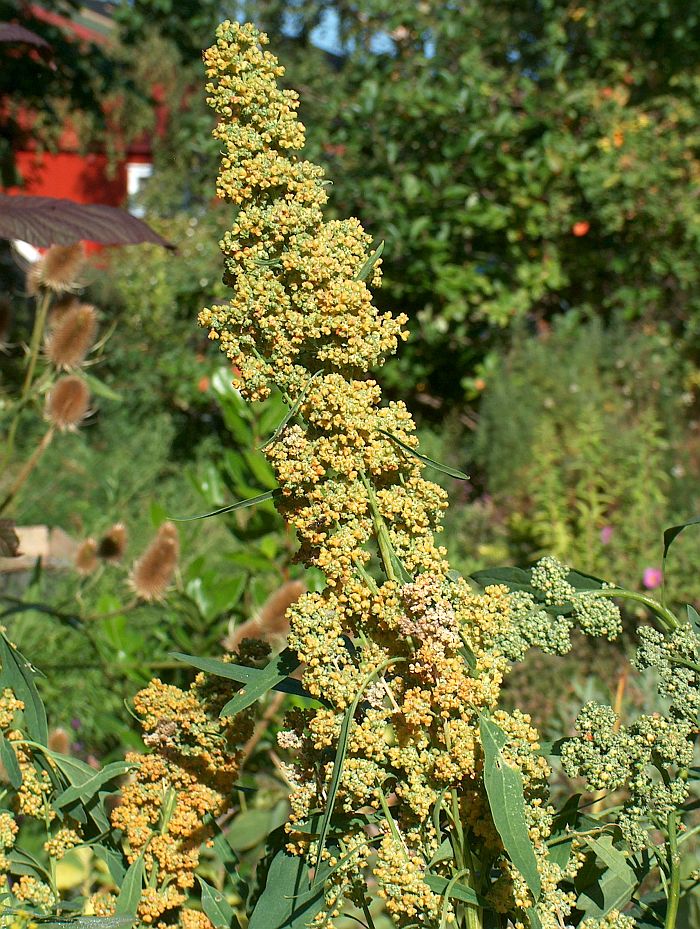
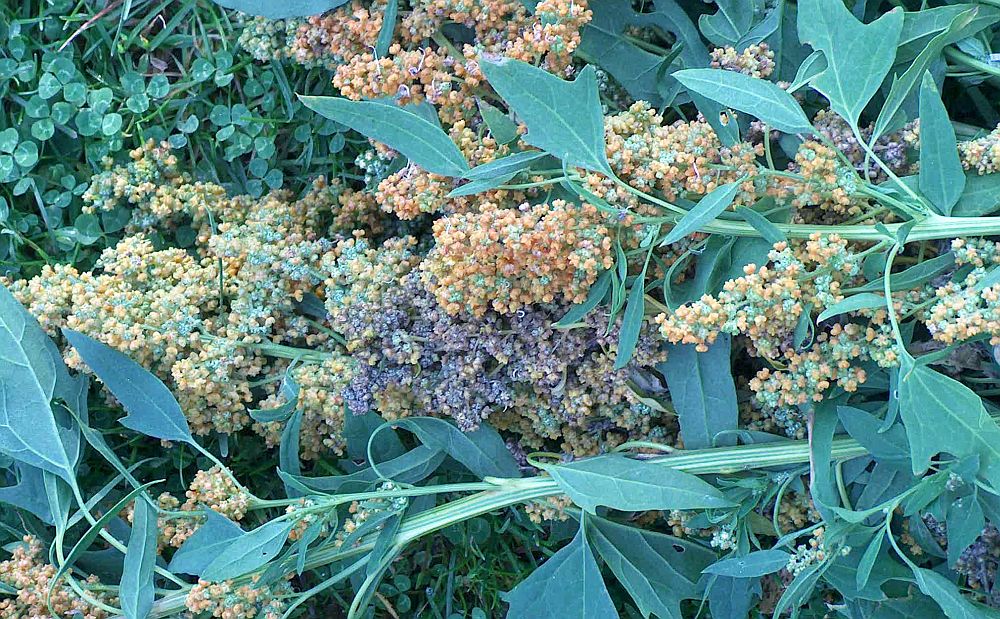
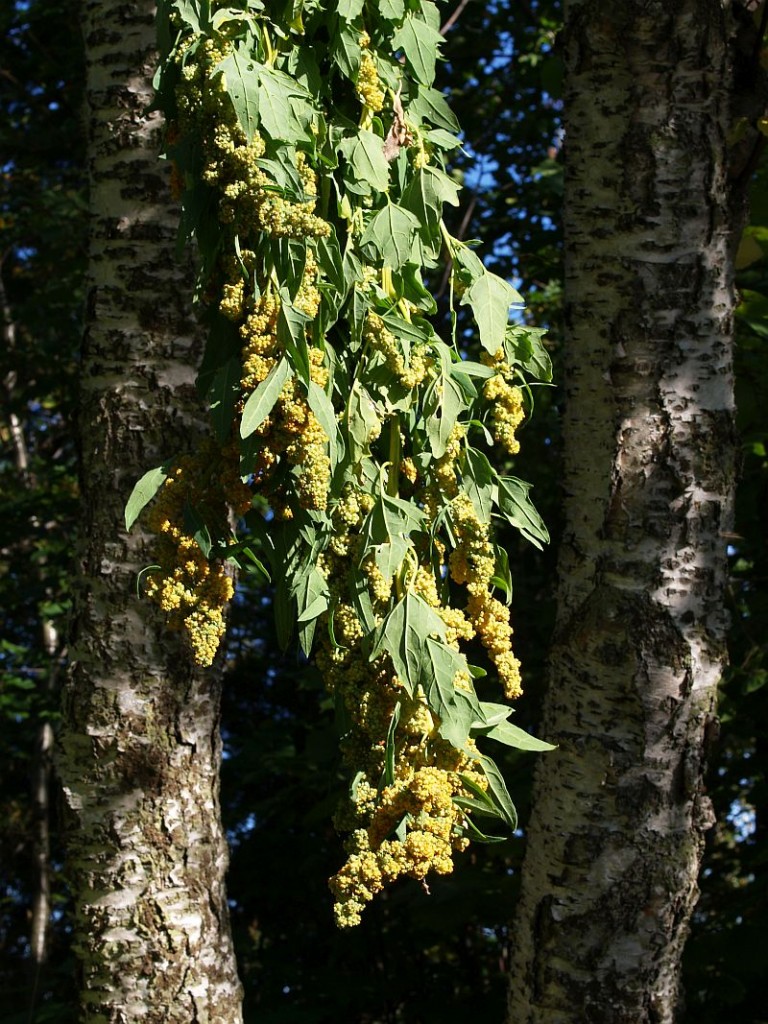
Quinoa had been used as an annual grain crop in the Andes since ancient times, and was domesticated at least 4,000 years ago. Around 1990, I received seeds of a variety from Southern Chile called Dave (Linares 407) from the UK, where this short season variety was being trialled by the UK organic organisation Henry Doubleday Research Association. From the start and to my surprise, it gave some yield every year in my garden at 63.5N on the Trondheimsfjord. I never grew more than 40-50 plants, often less, due to space limitations and the fact that, in some years, yield was poor as damp autumn weather resulted in seeds sprouting and going mouldy before harvest. I tried various other varieties such as Chadmo, Kcoito and Temuco, but Dave gave a better yield. In the process of saving seed every year, I’ve grown it every year since I first got the seed and have selected it over the years (mostly unconsciously) and have therefore developed my own variety, which is now known as Stephe and is nowadays grown successfully by a number of growers in the Norwegian Seed Savers (KVANN) network. Seed is available through the KVANN yearbook.
I don’t know how true the story of the variety Dave recounted below in the Adaptive seeds catalogue (Oregon, USA) – I’ve heard different opinions of this: “This is our favorite quinoa because of its unique history and excellent performance here on the Willamette Valley floor. Golden orange seeds. 4-5′ tall plants with seed heads that turn vivid orange when ripe. High yielding when compared to other quinoa grown here in low elevations. Short season. Open seed heads resist late season damp weather. Collected in southern Chile. Named after quinoa collector and advocate David Cusack, who was murdered in Bolivia in 1984. There is anecdotal evidence that he was murdered by “business interests” that felt threatened by the solidarity amongst quinoa growing campesinos. Others believe he was murdered due to his activism and research surrounding the CIA’s role in the overthrow of Chilean president Salvador Allende. All very mysterious.”
Below is a series of pictures taken during the year in Malvik over the years. You may also be interested in the following blog posts about this amazing and nutritious plants:
Three species quinoa and Jicama salad http://www.edimentals.com/blog/?attachment_id=9925
(this is from a blog post “Jicama-Ahipa a la Henry Quinoa”)
(The most interesting perennial grain crop for cold climates is quinoa’s cousin Good King Henry, Chenopodium bonus-henricus……I have started collecting different accessions of this plant with the idea to select Henry Quinoa, a potential future super-grain for arctic conditions! The common weed Chenopodium album is also surprisingly productive…what it we had selected that as a grain?)
Finally, a good reference with lots of recipes is Traditional High Andean Cuisine: Allin Mikuy / Sumak Mikuy http://www.fao.org/3/a-i1466e.pdf
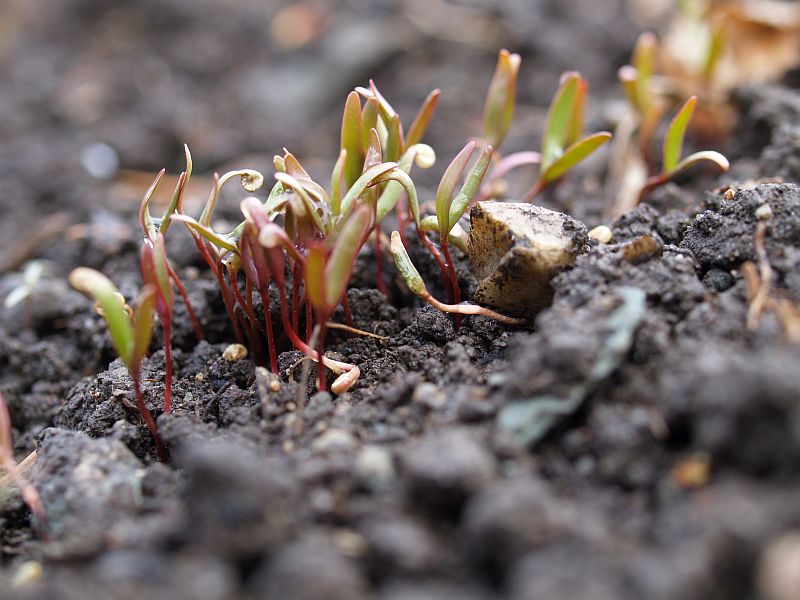
Germination
Seedlings (thinnings can be used in salads)
Quinoa thinningsat top
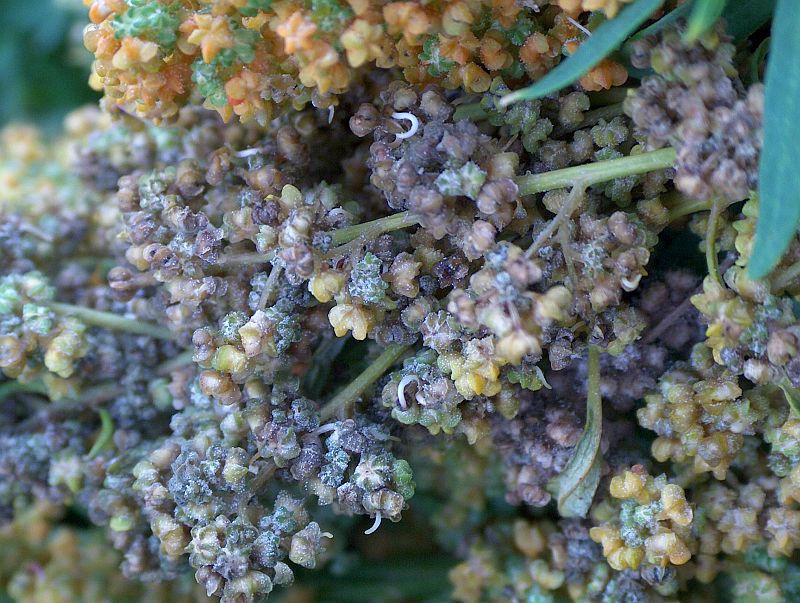
In damp autumn weather overripe seed can begin to sprout and go mouldy on the plants
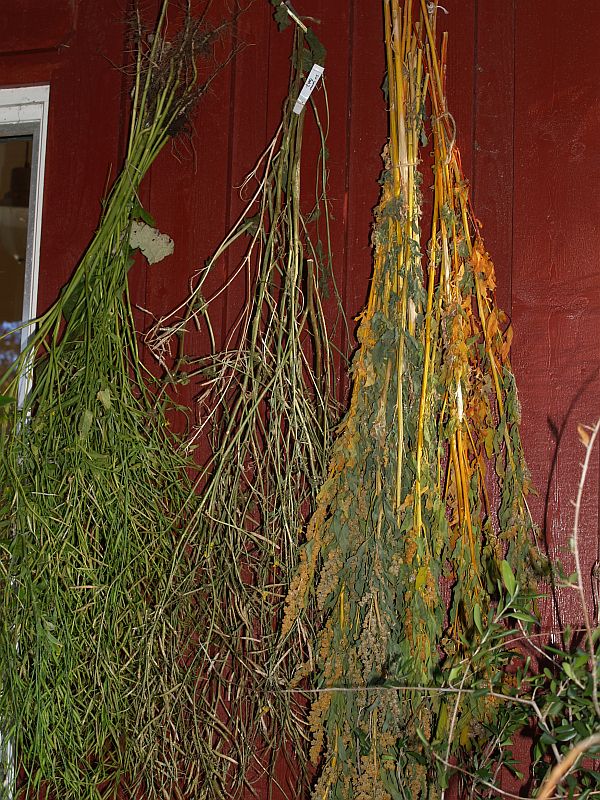
Hung up to dry under cover
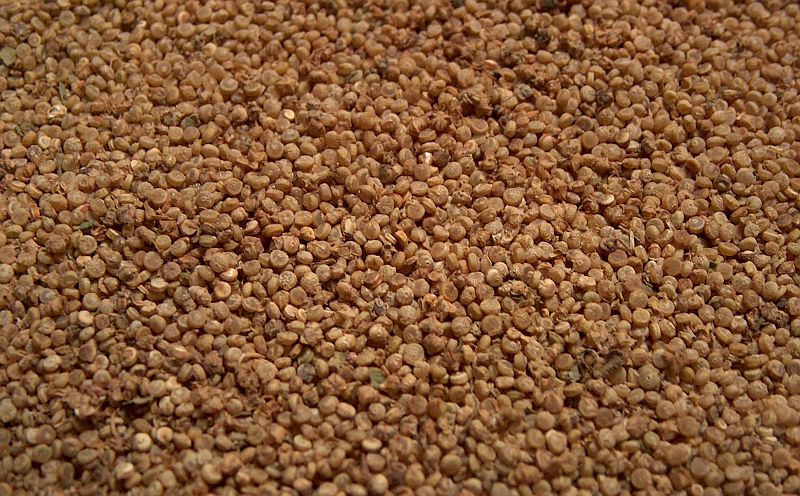
Quinoa “Stephe” seed
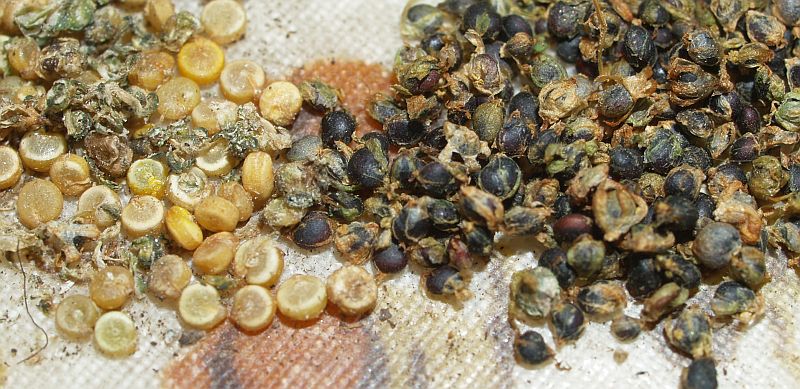
Comparing seeds of Quinoa “Stephe” with unimproved Good King Henry (right)
Comparing seeds of Quinoa “Stephe” with unimproved Good King Henry (right)
mixed home grown Quinoa, black-grained Henry quinoa from Good King Henry (Chenopodium bonus-henricus) and Fat Hen Quinoa (seed of annual weed Chenopodium album) flavoured with chilis and lemony sanshō seeds (Zanthoxylum piperitum or Japanese pepper).
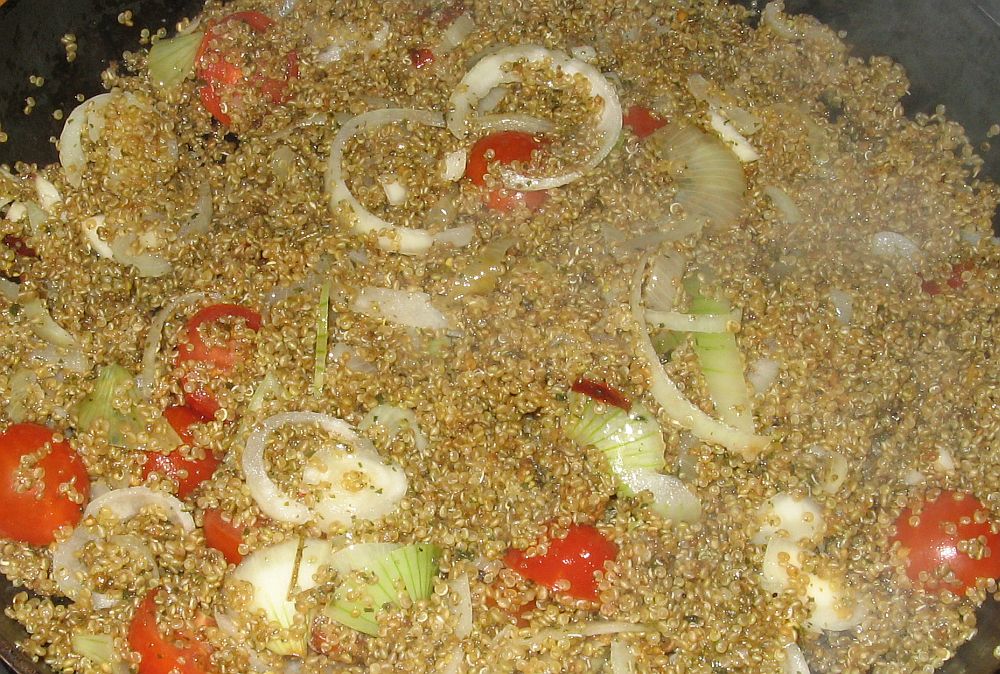
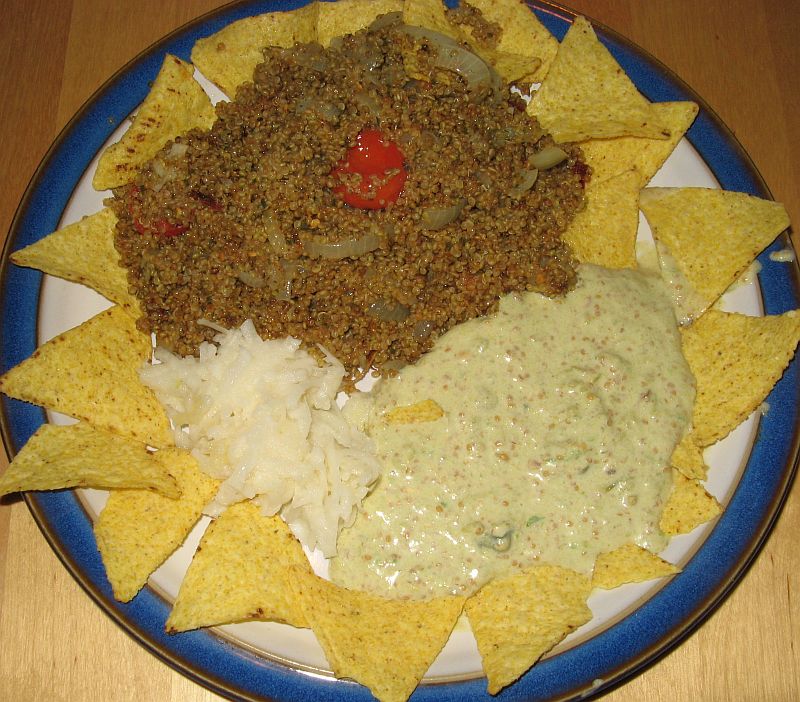
Quinoa cooked and fried with tomatoes, onions, cumin, chili and garlic