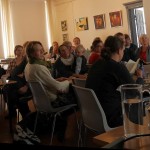
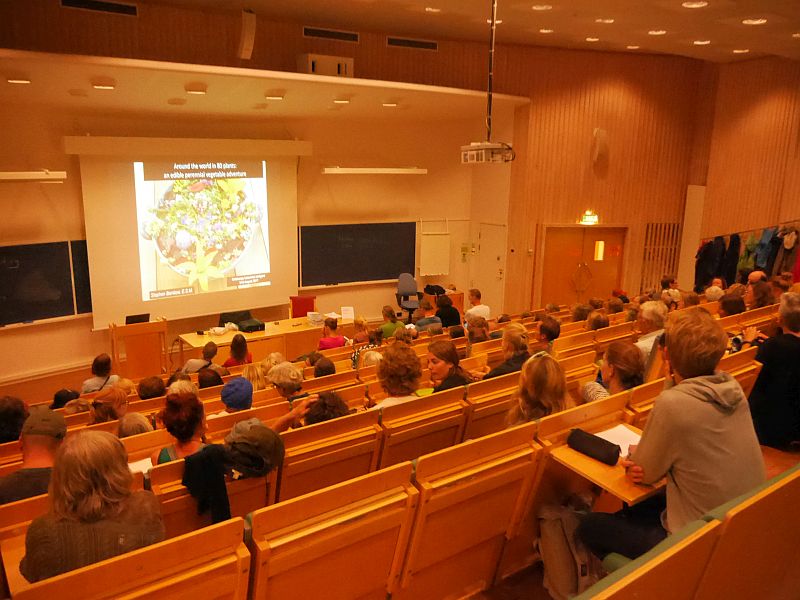
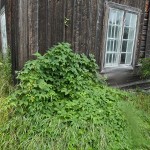
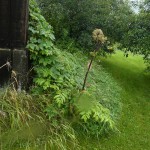
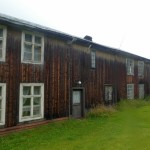
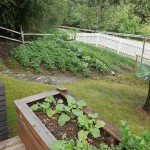
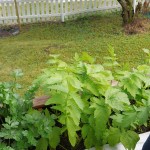
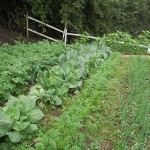
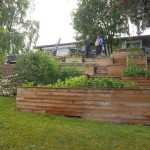
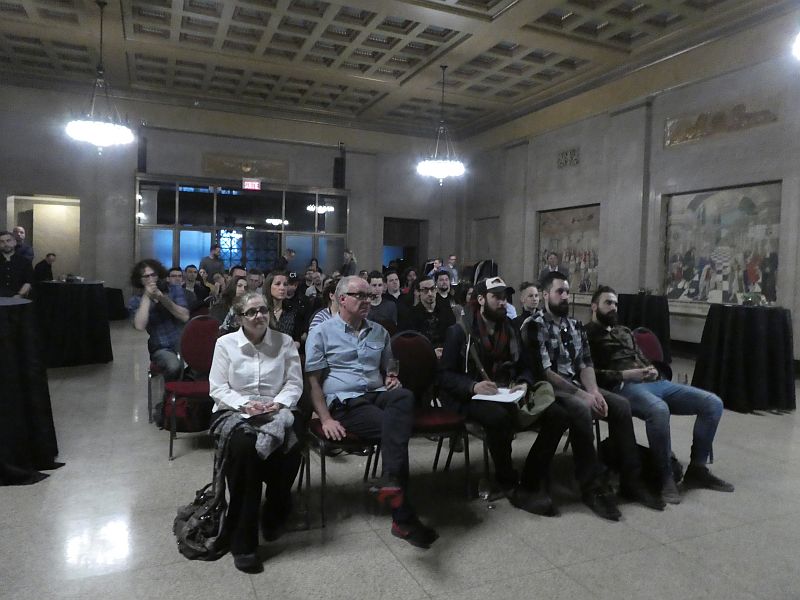
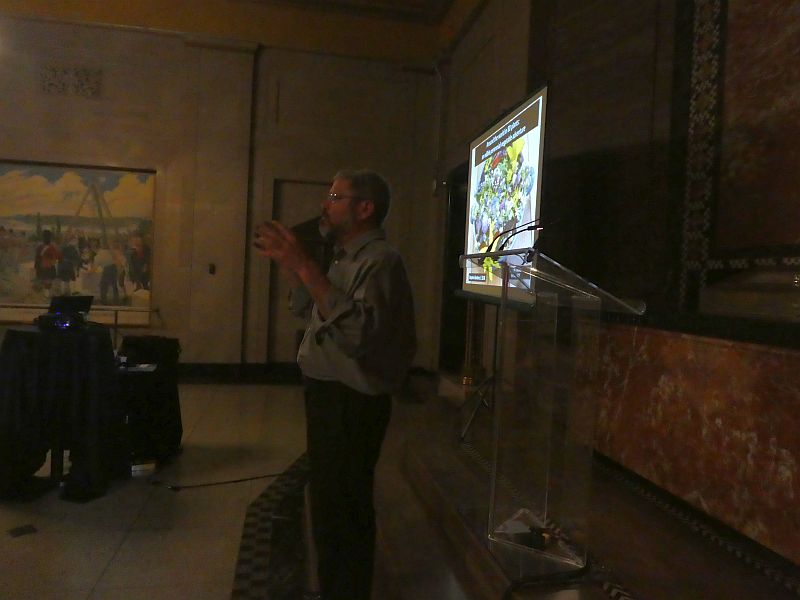
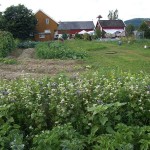
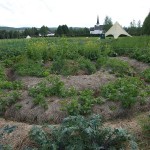
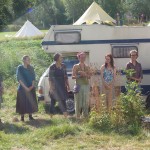
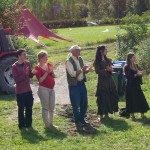
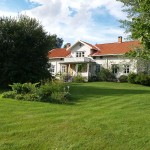
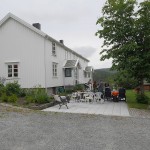
Thanks to Eliane Vivi Frieda Bonde for inviting me to Bornholm…a great day with a knowledgeable international group of foragers, gardeners, permaculturists, farmers, foodists and wwoofers / workawayers! Here are some pictures from the venue in an old school in the beautiful North Bornholm town of Allinge where I gave a 4-5 hour talk followed by a beach walk! Hope to return in spring!!
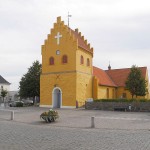
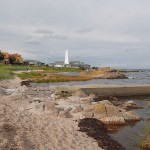
Church opposite the venue
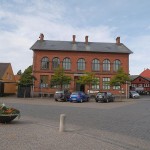
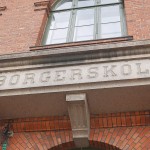
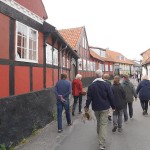
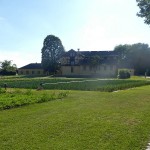
The venue for my talk on Bornholm, in the picturesque village Allinge, near the northern tip of Bornholm!
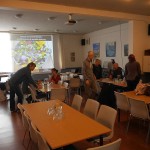
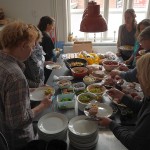
Great pot-luck lunch
The venue is an old school…here’s an old picture with more vegetation than today: http://www.bornholmerneshistorie.dk/uploads/1/1/2/2/11226425/6191296_orig.jpg
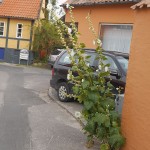
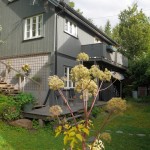
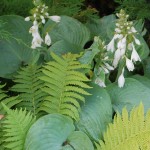
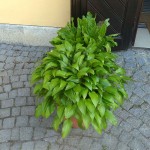
Hollyhocks (Alcea rosea) are commonly seen in the streets of old towns in this part of the world, here a white-flowered variety. According to Cornucopia II, the young leaves are used in Egyptian cookery. Flower petals ad cooked flower buds are eaten in salads. Petals are used to make a refreshing tea and the roots yield a nutritious starch!
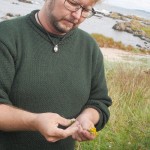
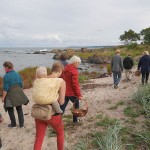
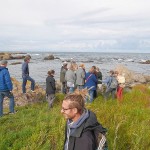
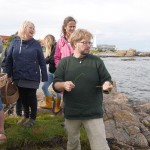
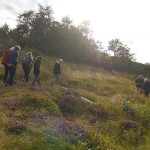
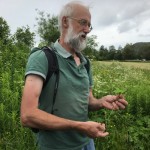
I was happy that local nature guide Thomas Guldbæk came to the talk and guided us to the walk part of the course on the local beach, a favourite foraging spot for him :)
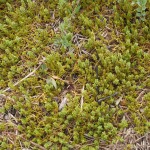
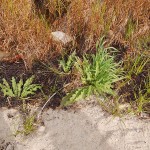
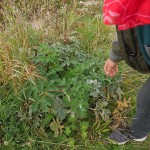
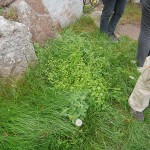
Honkenya peploides (Seabeach sandwort or Sea chickweed) is a great perennial beach edible which I’ve also grown in my garden for many years! There were large amounts of it here! It can be used raw or cooked and is somtimes pickled and is fermented in Iceland with sour whey.
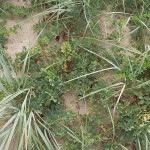
Beach forage..
Lathyrus japonicus, beach pea ripe seeds and pods
Lathyrus japonicus, beach pea ripe seeds and pods
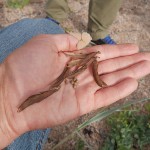
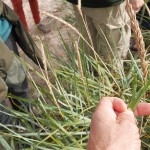
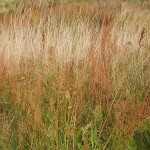
Thomas taught us how sand ryegrass (Leymus arenarius) leaves are used as a flavouring. Bending and crushing leaves releases the aroma from the leaves!
Rumex crispus (curly dock) is mentioned in my book as one of the more commonly eaten docks!
Aster tripolium, sea aster is one of the 80 in my book!
Solanum nigrum (see http://www.foragersharvest.com/uploads/9/2/1/2/92123698/black_nightshade.pdf for an interesting essay about the edibility of this often quoted as poisonous plant!)
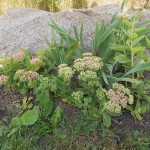
Edible and bee-friendly Sedum in a guerilla garden next to the beach!
Malva
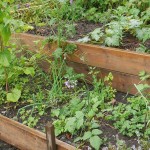
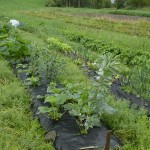
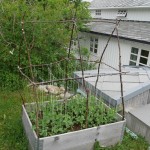
Edible garden at the beach with perennials like Allium tuberosum, rampant New Zealand Spinach and rhubarb
Wild chicory
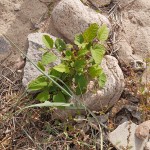
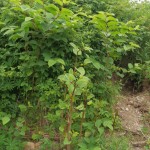
Robinia has multiple uses
Rosa rugosa also has multiple uses, shoots, flowers, hips..
Possibly fuki (Petasites japonicus), although no observations
Saponaria officinalis (double soapwort)
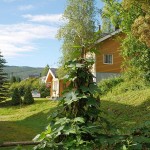
Hops (Humulus lupulus) and soapwort
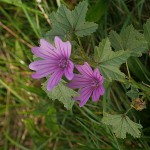
Malva sylvestris
Seed heads of Rumex acetosa
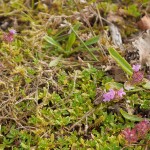
Thyme
Jasione
Heracleum spp. (hogweed / bjørneklo)
Lamium album (dead nettle), burdock (Arctium spp.) and chickweed (Stellaria media)
Chickweed (Stellaria media)
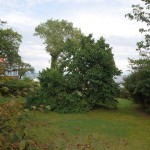
Mulberry tree laden with fruit in a garden)
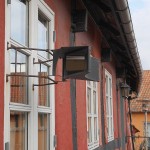
Peeping mirror mounted to a house…you could sit in your living room and follow what was happening in the street!
Peeping mirror mounted to a house…you could sit in your living room and follow what was happening in the street!
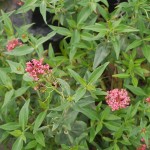
Centranthus ruber (red valerian) is noted in Mrs. Grieve’s A Modern Herbal from the 1930s as exceedingly good in salads and cooked as a vegetable! I haven’t tried it.
When I was a kid, we threw these seed heads of wall barley (Hordeum murinum) at each other, sticking easily to jumpers…
It was a great honour to finally get to talk at the Gothenburg Botanical Gardens last night….not just once but twice as the first talk (picture) was sold out…and as I told them Gothenburg is my favourite edible garden anywhere there was a big cheer (second talk). The garden has around 30,000 accessions and with an estimated 1/3 of all plants edible, that makes for a huge diversity of food plants all in one place…. I just hope the garden doesn’t have problems with “grazing” after my visit ;)
Thanks to Johan Nilson, Mats Havstrøm and the staff for making me feel welcome, to Johan for the tour around the greenhouse collections of Alliums and much more and the garden “forage”. Finally, it was great to meet Bosse Blomquist and friends who guided us around the more unusual collections of edible nut and fruit trees, many of which I hadn’t seen before!
Tomorrow evening, I’ll be giving two talks in the botanical garden in Gøteborg (Gothenburg) in Sweden, the first at 1700 is sold out, but there are I think still tickets for the second at 1900!
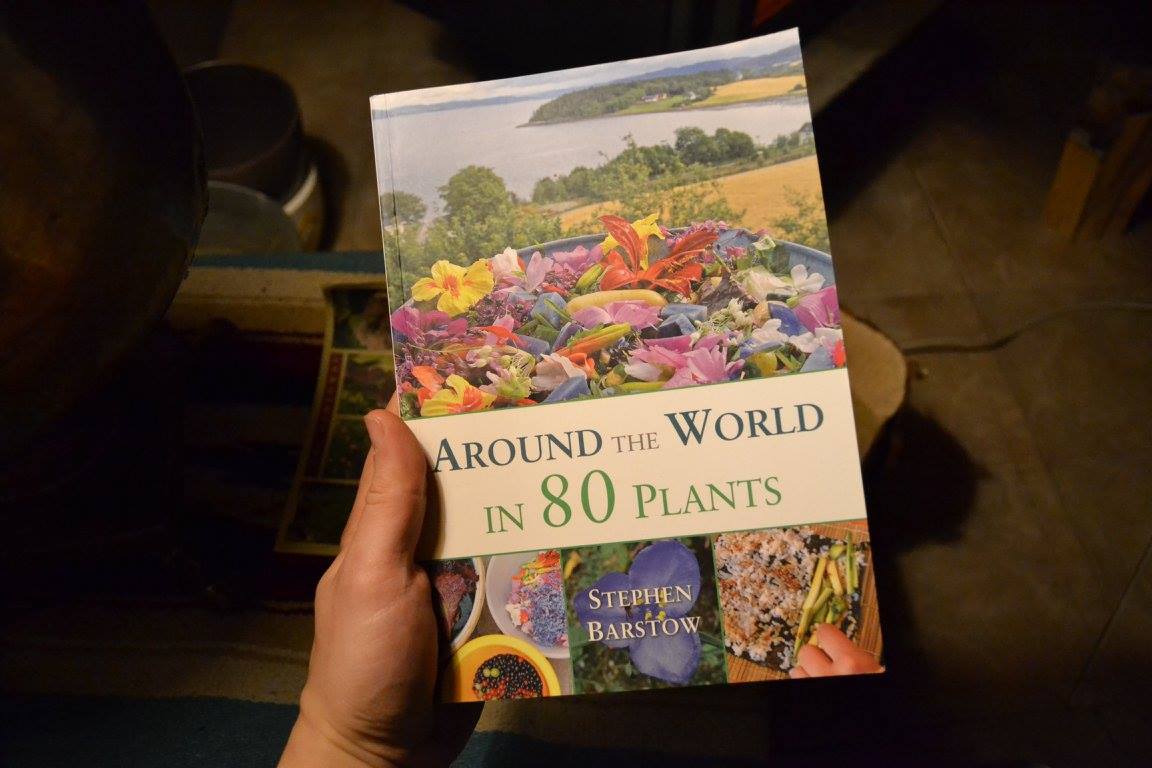
I’ll be selling signed copies of my book Around the World in 80 plants at SEK 250 (remember cash/paypal also accepted)!
The talk will be a little different this time as I will be showing many pictures of edimentals (edible ornamentals) taken in the botanical gardens, but keeping to my Around the World in 80 plants / perennial and forest gardening vegetable theme :) Welcome!
I gave a lunch time talk today for staff at Artsdatabanken (the Norwegian Biodiversity Information Centre) in Trondheim…I gave a choice of 3 titles that I couldn’t decide on, so I used all 3: “If you can’t beat them, eat them”, “Aliens in the Gourmet Kitchen” and “Svarteliste godsaker” (blacklisted goodies)…
After lunch, there was a presentation from 4 students who had won a prize for developing a web site (not up yet) for providing recipes for invasive species…on my suggestion, they secured the web address invasivore.no!!!
My last slide…suggestions for increased “grazing” of invasives! NB! Svarteliste festival mean “Noxious plant festival” They liked my proposal for Beitelag (inntekter) heller enn sprøytelag (utgifter) meaning Establish “Foraging teams (income from sales) rather than spraying teams (expenses only)”
The chefs had prepared various dishes for lunch with ingredients from my garden including two invasives (sadly not veggie): Nutty Himalayan balsam (kjempespringfrø) seed (on the meat) and Heracleum seed used as a spice in the soup!
My host Bente Brenna in Valdres Sopp og Nyttevekstforbund rents out rooms on her property right in the middle of Fagernes! Her garden contains a nice collection of Edimentals including Angelia archangelica (kvann)…one of which had the characters of Vossakvann (filled stems)
I stayed in the flat on the ground floor…
Lilies and an unusual looking rhubarb with lovage (løpstikke) and horseradish (pepperrot) behind
I was surprised to find Allium cernuum (Nodding onion / prærieløk) in a bed…until she reminded me that she had been part of the Grønttreff in my garden last summer: http://www.edimentals.com/blog/?page_id=5149
Hops / humle
Hops / humle
On the way up to the mountain area, Vaset where I would give my talk, we stopped off in this old garden (we had been given permission to visit the garden to look for edimentals after my talk if it was interesting enough…
Hops also here. In Norway, in the year 940 the Frostatingsloven (one of Norway’s oldest laws) made it illegal to steal hops or apples! In the Middle Ages and until the mid-18th century farm owners had to cultivate a certain amount of hops. Hops were primarily used for beer brewing, but also medicinally! For this reason, there are many old hop plants in Norway and it has also naturalised in woods in some places!
Angelica and hops
Stabbur or food store
Arriving at Skikroa (the skiing cafe) where the talk was to be held!
View from skikroa…there are many cabins in this area!
There was a festival the same weekend at Vaset and the local useful plant society had arranged a fungal foray (not much to find though as it had been so dry)
On the way back down to visit another garden with the course participants!
Hosta and ostrich fern (strutseving) near the garden entrance…a new garden with “ornamentals”, vegetables and herbs!
A bracket fungus / kjuke
Day lily / daglilje
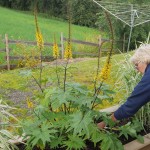
Ligularia (The Rocket?), but probably not a good edible variety
Meum athamaticum (spignel meu/ bjørnerot) is a very common hardy herb in Norwegian gardens
Catawissa onion? Etasjeløk…
The garden owner..
Hardnecked garlic introduced by local man Anders Nordrum (see datsja.no) was also growing in Bente’s garden!
Parsnip and pastinakk grow well here
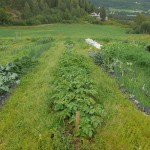
Utilising the space on a rocky slope to growing veggies
View from the garden
..and hops here too!
We popped in to Bente’s CSA (andelsbruk) to collect some veggies for dinner
A polish family were growing broad beans
Before I took the bus to Voss, I did a little cultural walk near the centre of town
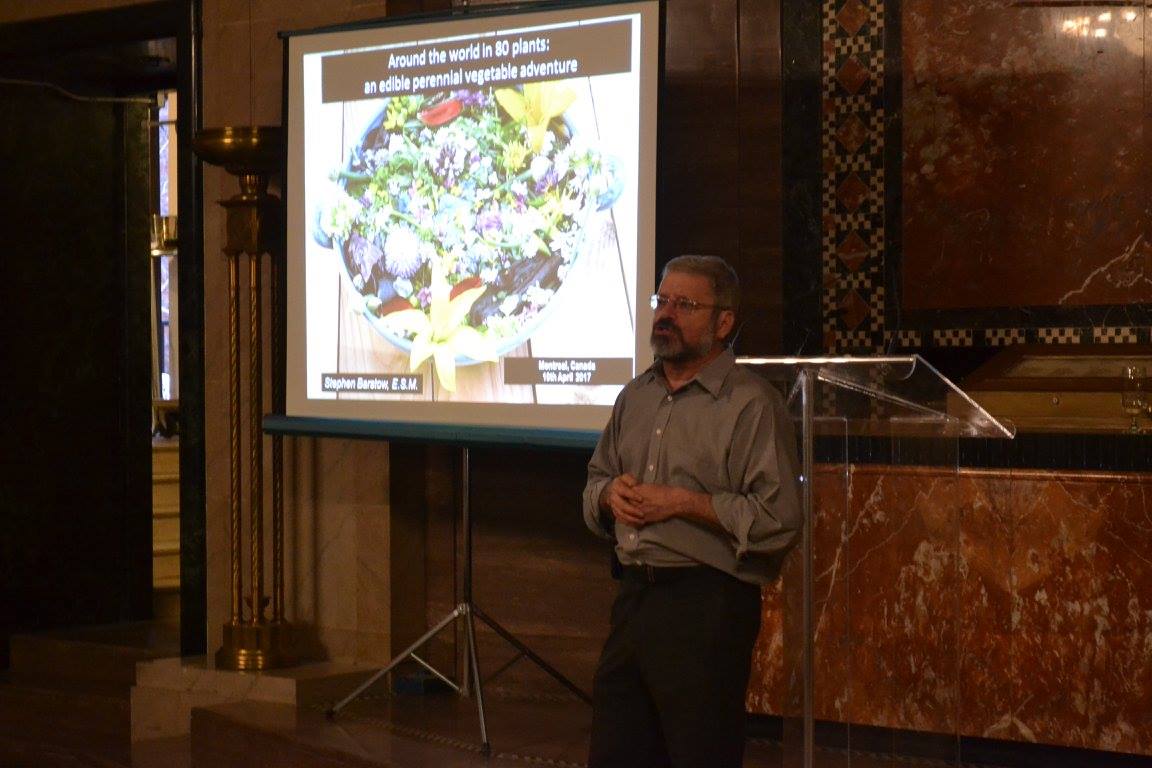
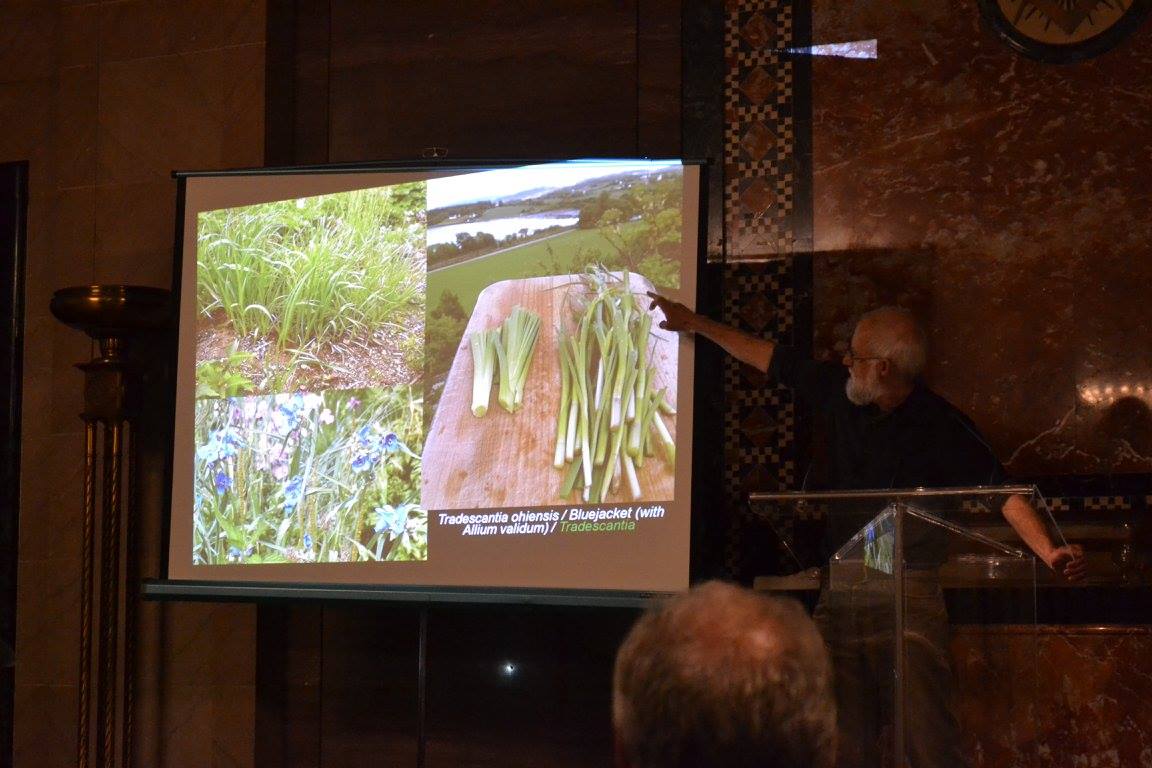
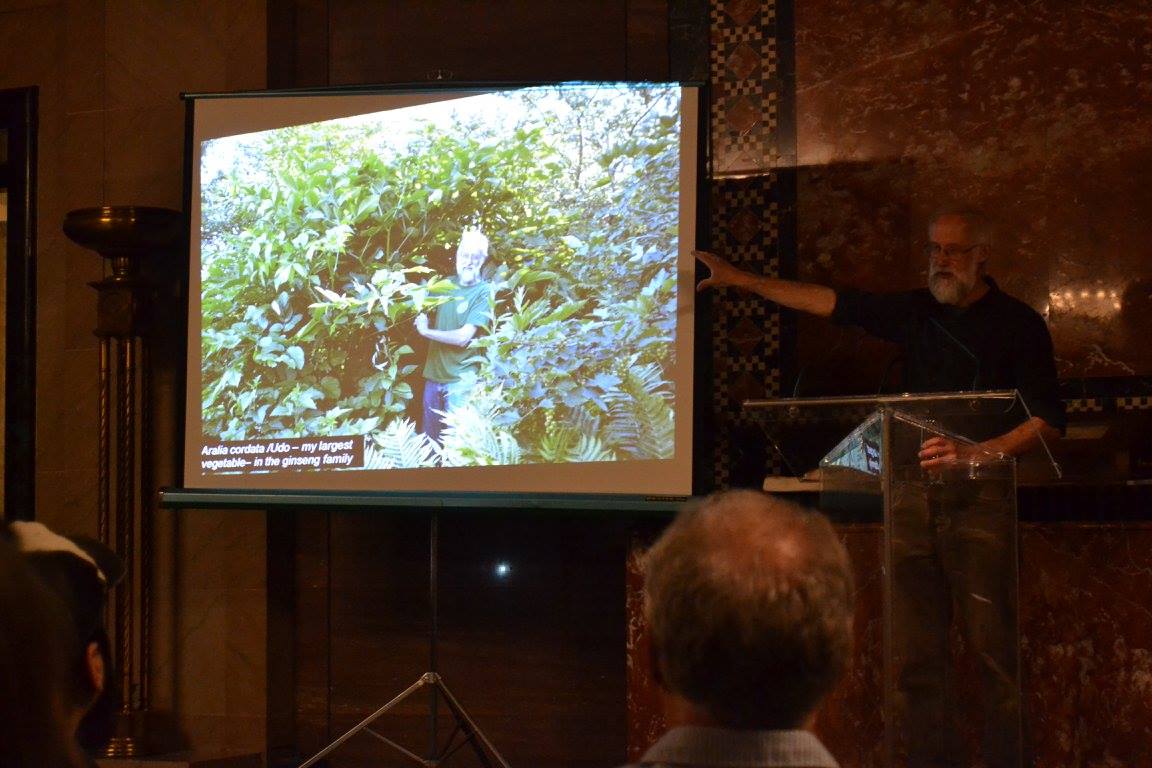
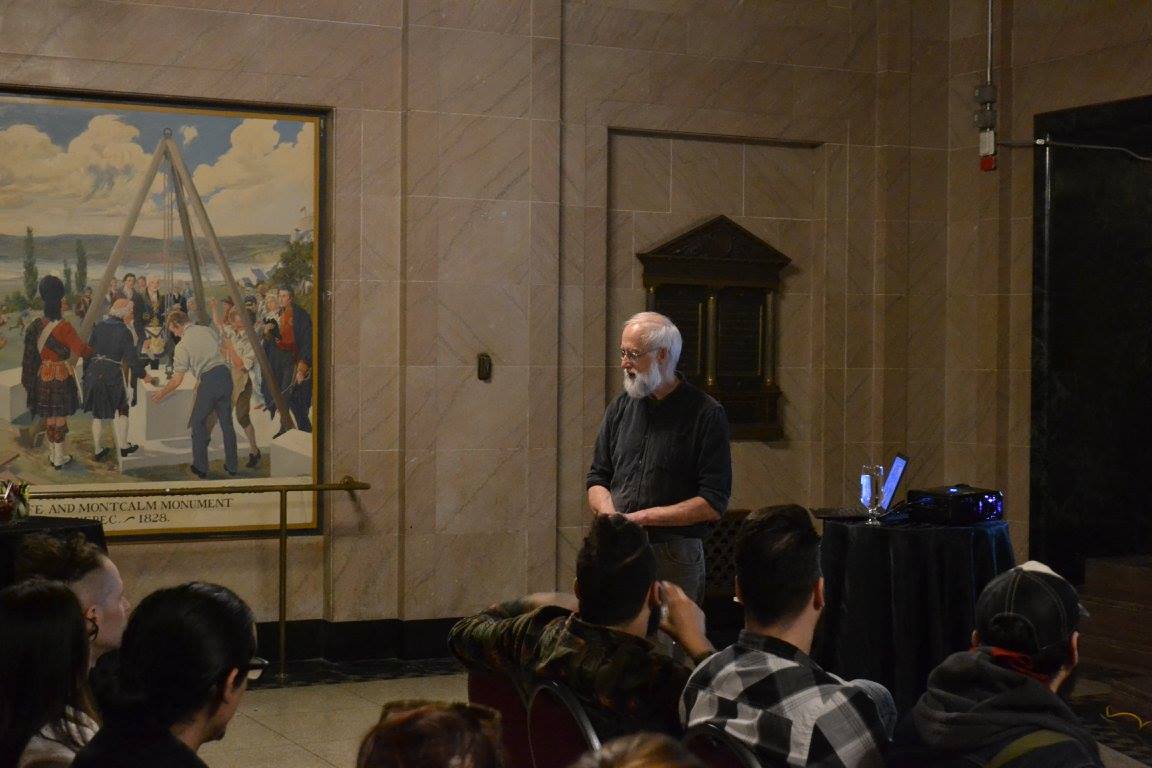
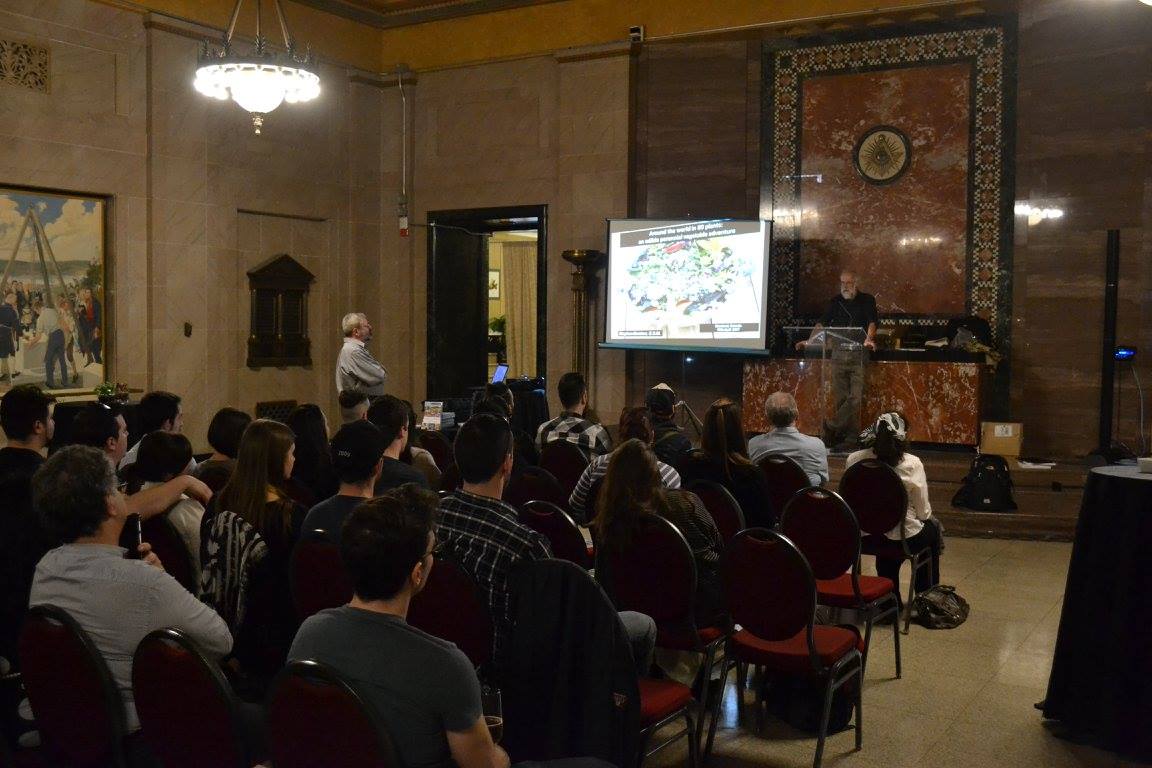
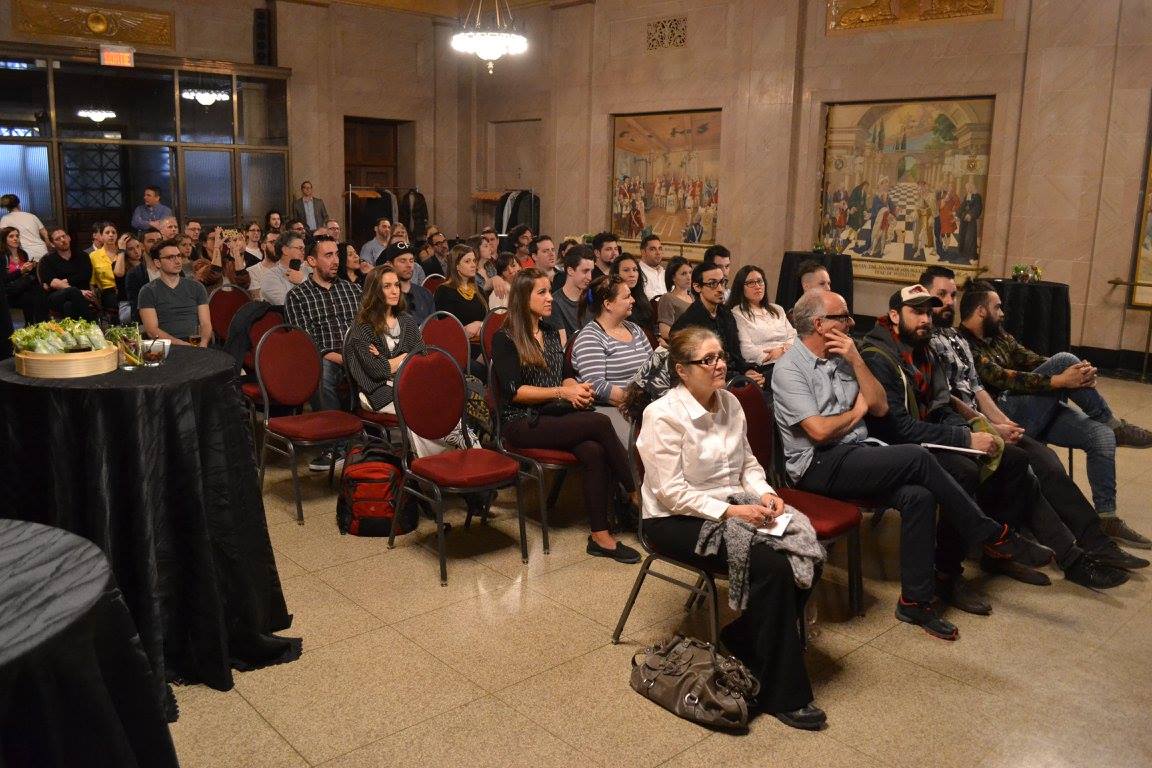
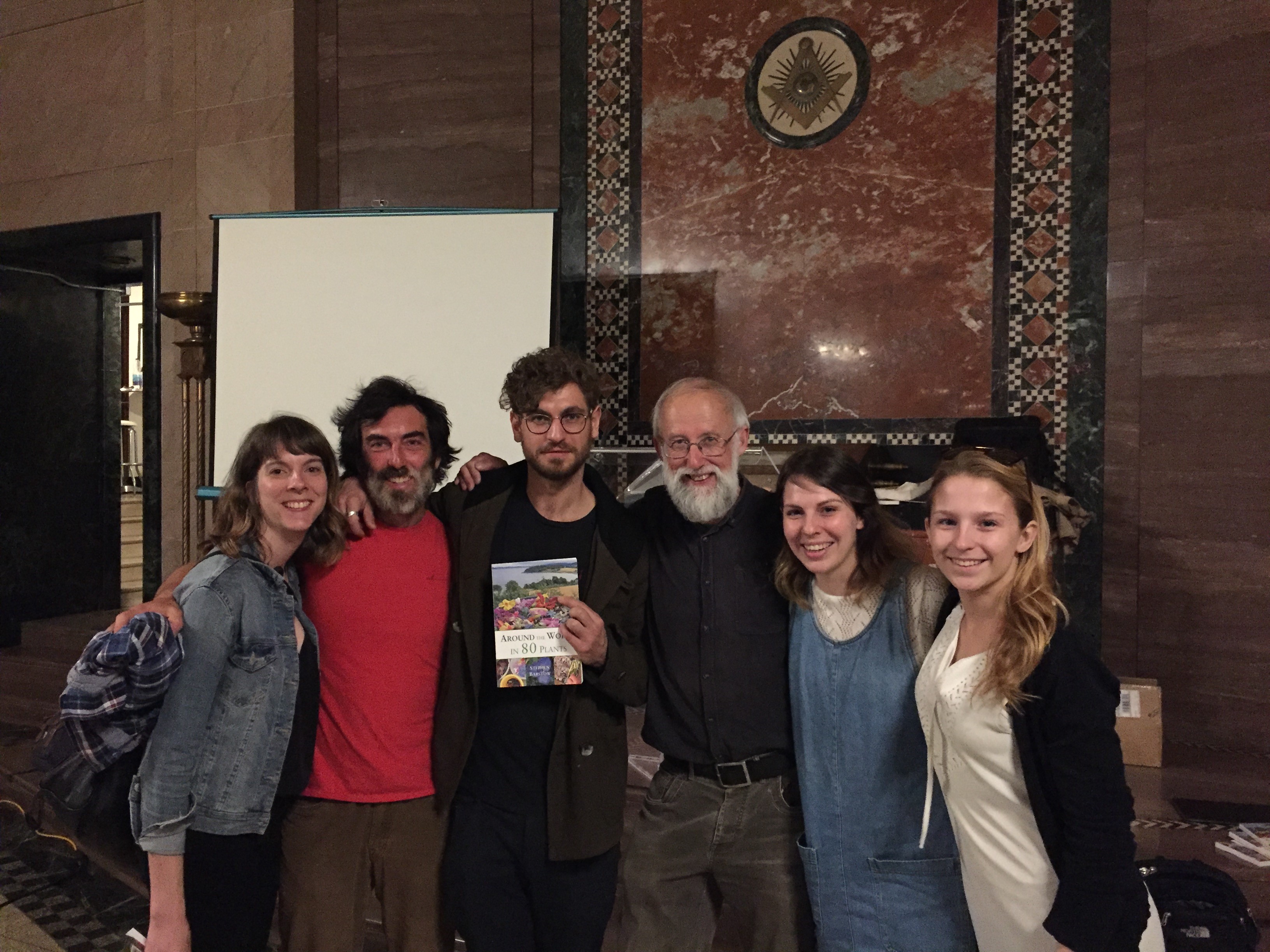
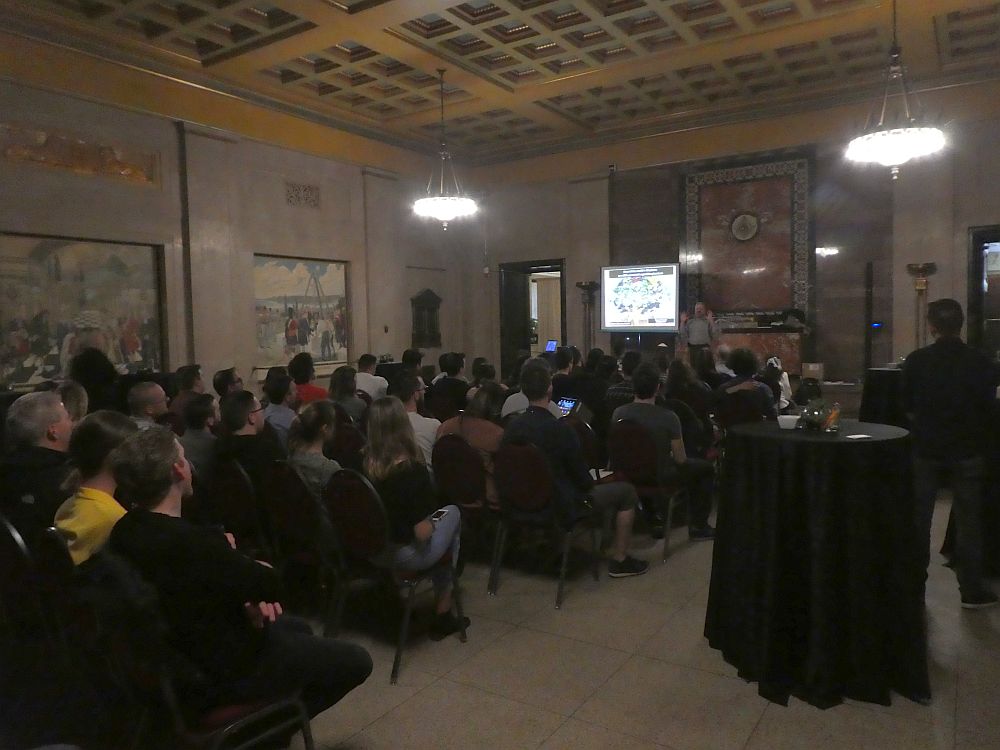
On 11th April 2017, I gave a talk to chefs, friends and with wine and good food in Montreal’s masonic hall ;)
Thanks to Michel Lachaume for organising! Many of the pictures below were taken by my new friends Nabaty (https://www.facebook.com/nabatyhomestead)
I’m visiting Hurdal Ecovillage again this weekend, so thought I would post this album of pictures from the Nordic Permaculture Festival held there in August 2013! https://www.facebook.com/events/219614368452015/
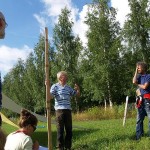
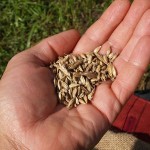
Johan Swärd talked about old grains including Svedjerugen, yes this rye, an integral part of the slash and burn agriculture practised by the Svedje-Finns, is really this tall!
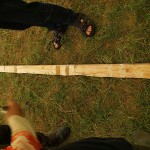
Svedjerug straw!
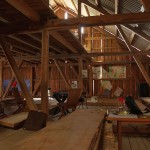
The barn where I gave my talk!
The festival produced most of its veggies on-site!
The organisers!
Prestegården from 1837 is part of the Ecovillage! I had a look in the garden for old garden edimentals!
A great day in the company of some wonderful people in Åfjord yesterday!
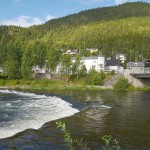
Thanks to Astrid Mathilde Petterson and husband Gunnar for arranging the course and for the hospitality at their farm, Rotnes Gård, in an amazing location at the mouth of not one but two salmon rivers, Stordals og Nordalselva! The couple are restoring the farm buildings and rent out rooms to fishermen and tourists: http://www.afjord.no/opplevelser/rotnes-gard/
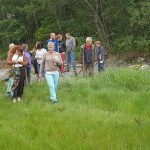
The day started with my Around the World talk in the morning followed by a great lunch at the farm (spinach soup, sourdough bread, wild salmon wraps etc.). We then wandered along the shore and in the woods looking for wild edibles. Here are a few pictures! Thanks to Bjørn and wife for the lift home afterwards (and quick garden tour!)
View from the course room
Introduction to Rotnes by Gunnar and Astrid before lunch
Talking about lady’s mantle / marikåpe at the beginning of the walk after lunch! Picture: Astrid
A wonderful floriferous Angelica archangelica (ssp. littoralis) (strandkvann) growing on the shoreline
Cetonia aurata (rose chafer / gullbasse) on Angelica
Scutellaria galericulata, common skullcap (skjoldbærer), not edible, sometimes used medicinally
Ligusticum scoticum is edible
Plantago maritima, an important source of vitamin C when preserved for long sea journeys in the past
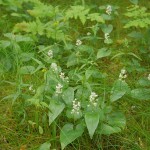
May lily / bittekonvall flowering in July!
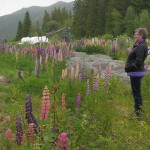
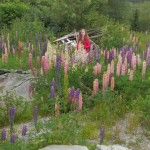
Lupins were the star attraction, although invasive and black-listed in Norway! We talked about other species of lupin used for food..but some folks are allergic!
We had a taste of Japanese knotweed (japanslirekne) growing on a tip at the farm
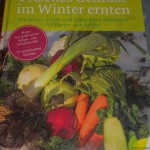
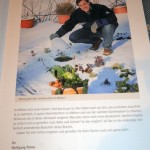
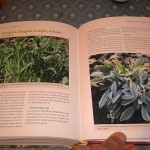
One of the great things of travelling and doing these talks is all the fantastic people you meet. Wolfgang Palme (and his lovely wife Angelika who also acted as my interpreter in Schiltern and Vienna) was one of these! I met them first at my talk in Schiltern and I was then very much looking forward to visiting City Farm where they run courses and have developed a diversity garden for children, including several of the perennials in my book! Wolfgang has also written a great looking book on harvesting vegetables during the winter (I include a few sample pages in the album below!)
I look forward to collaborating more in the future!!
See also http://www.cityfarm.wien/
Google Earth image of city farm with the site of the diversity garden and the Kammermeieri, a historical building where my lecture was held!
Wolfgang Palme and myself after my talk at Arche Noah in Schiltern!
Wolfgang had made a special effort of decorating the entrance, stairs and lecture theatre with perennial veggies! Here’s Hosta!
ALlium tuberosum
…and this artichoke on the stairs!
The lecture room!
Kammermeierei
The diversity garden
Wolfgang’s book on winter harvested vegetables!
…includes Silene!
…and this sowing plan for harvesting in the winter months must have been a labour of love!
Dandelions!
Eliot Coleman during his visit to City Farm!
Perennial vegetables, Edimentals (plants that are edible and ornamental) and other goings on in The Edible Garden