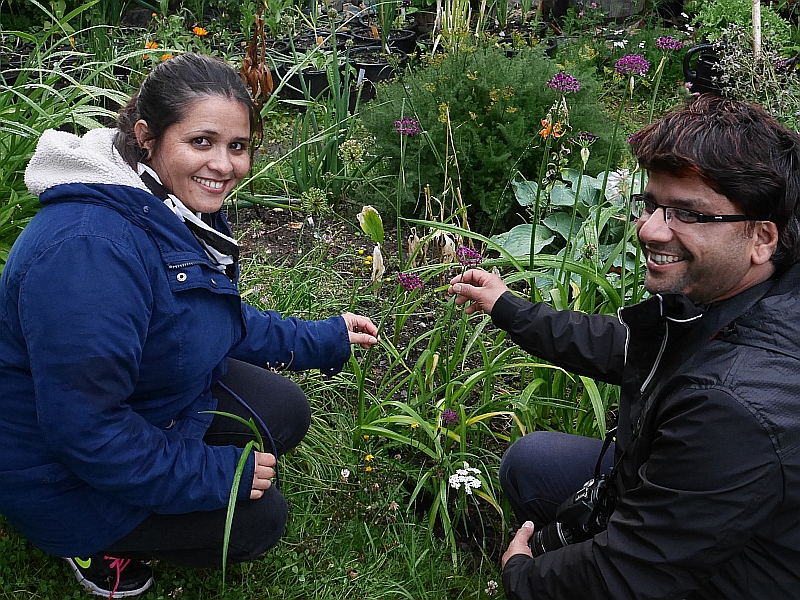
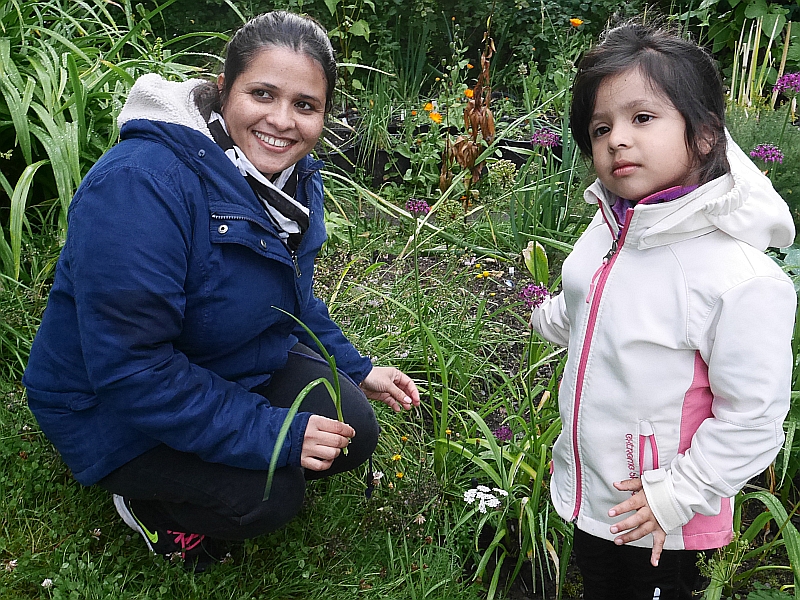
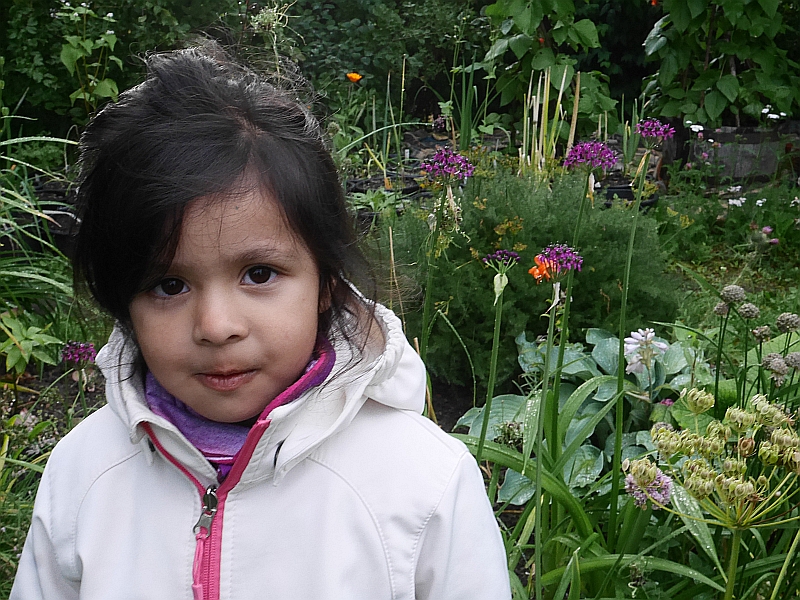
A lovely visit this evening from botanist Kamal Acharya and his wife Sharmila Phuyal and daughter. They taught me several new uses for my old plants!
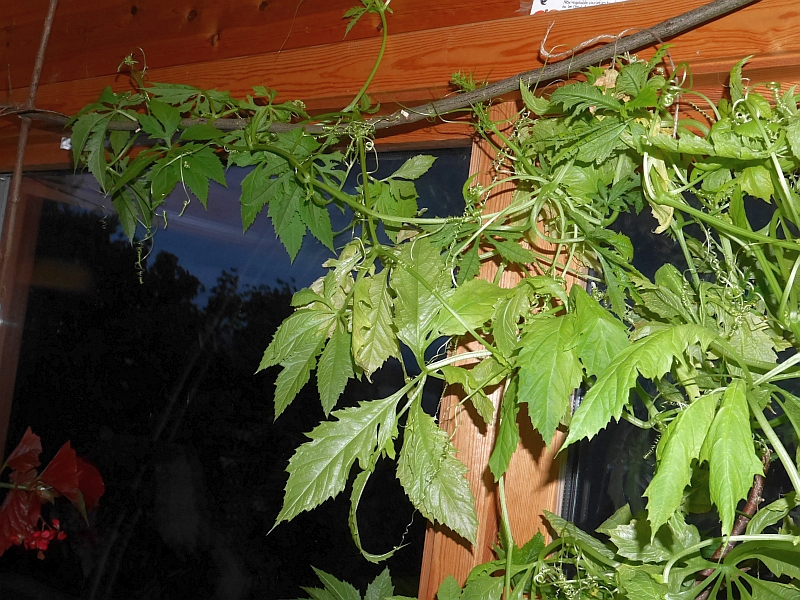
For instance, we started indoors as it was pouring with rain outside and they noticed I was growing Andean vegetable Cyclanthera pedata (Achocha) in my living room and to my surprise told me it was commonly grown in Nepal and they not only used the small green fruits, but the top shoots and the black seeds. The latter are roasted, ground and mixed with salt, chili and perhaps lemon. The powder is also used as a flavouring in chutney :)
I enjoyed your visit! Welcome back another time when it’s not pouring with rain :)
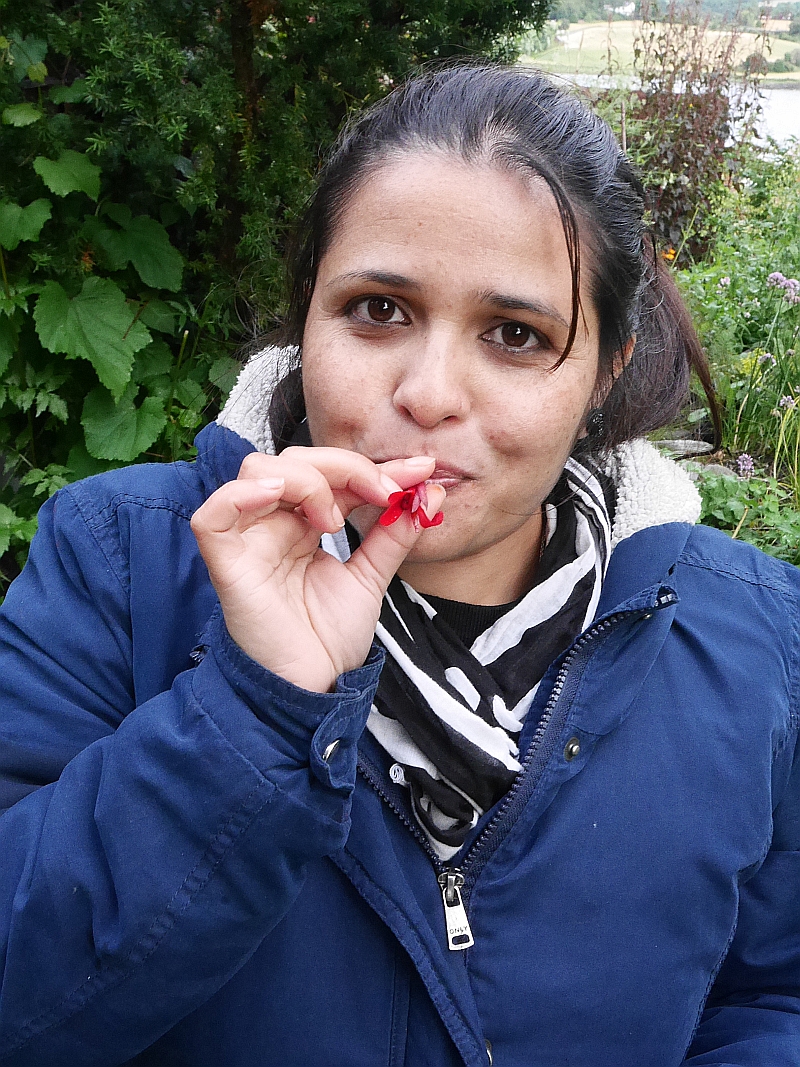
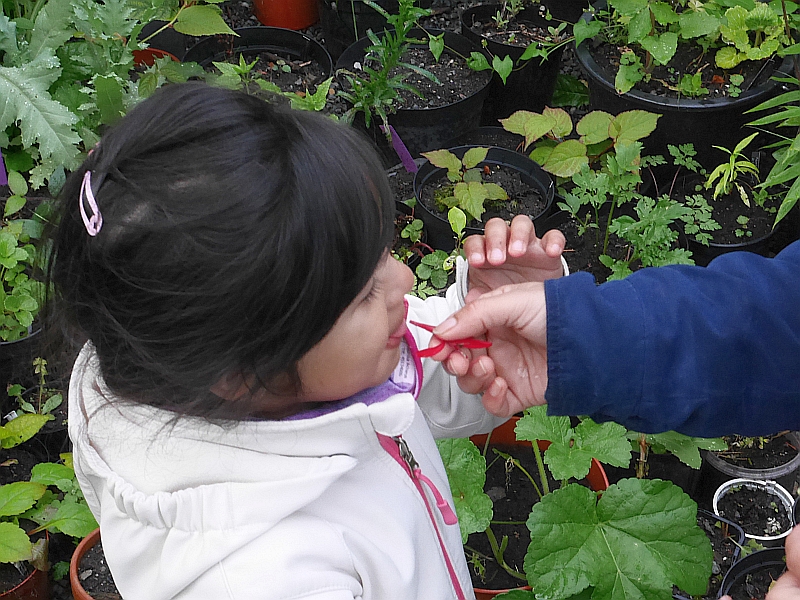
Kamal and Sharmila posing with Nepalese onion, Allium wallichii, one of the 80 in my book :)Sharmila and daughter posing with Nepalese onion, Allium wallichii, best I learned eaten with black lentils…Sharmila showing how she sucked nectar from Canna flowers as a child…:)Cyclanthera pedata (barela in Nepal), my living room climber just coming into flower. This Andean plant has been adopted by the Nepalese :) This is what I grew as Cyclanthera brachystachya “Fat Baby” in my old cold greenhouse in 2008. The picture was taken on 28th September.
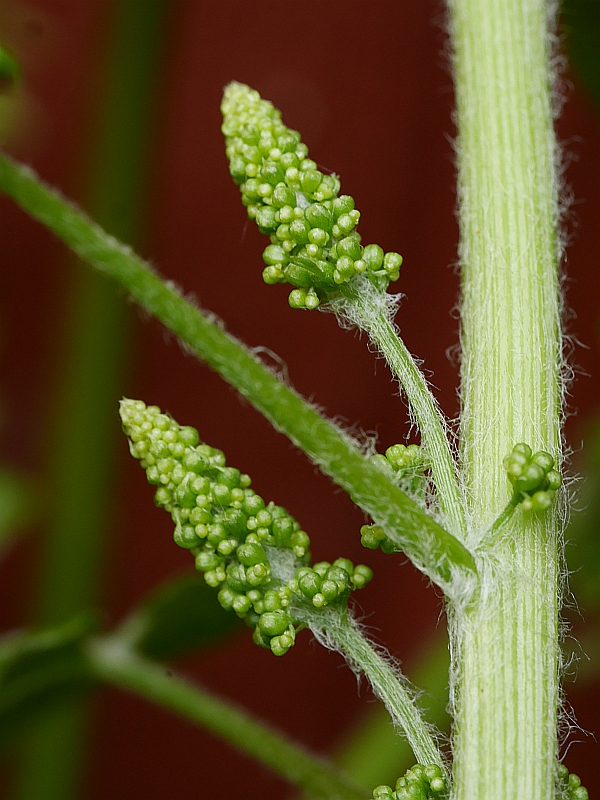
If Hablitzia, the Caucasian Spinach, had been discovered in Italy these unopen flower clusters would no doubt be known as Hablizzoli…Hablitzia broccolis or Broccoli di Hablizzias….Although small, they are the tastiest part of the plant so far…simply delicious :)
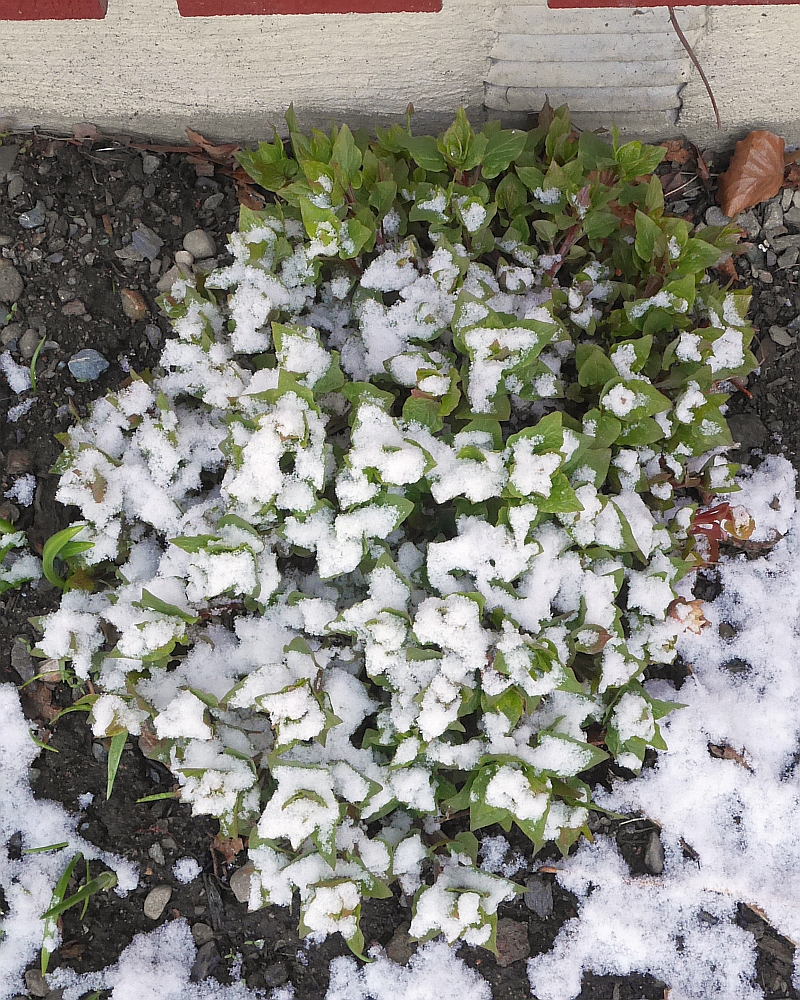
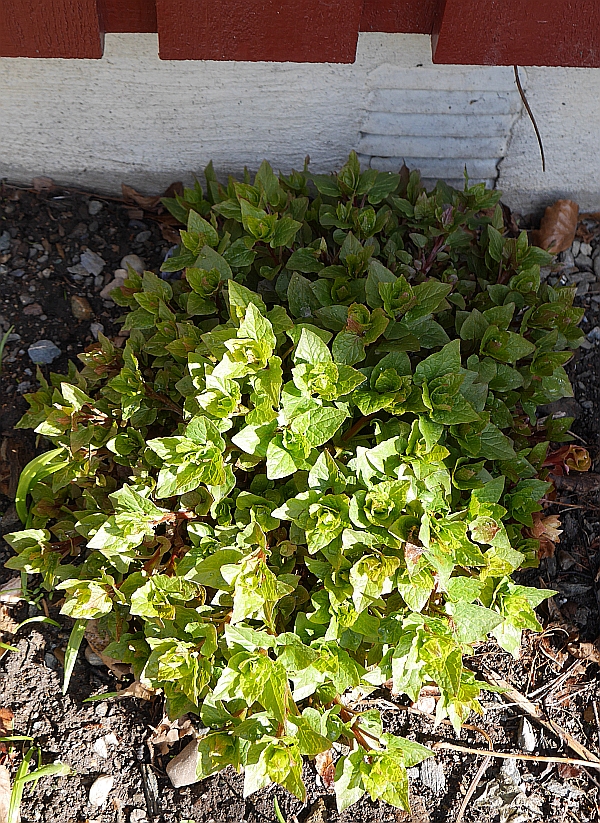
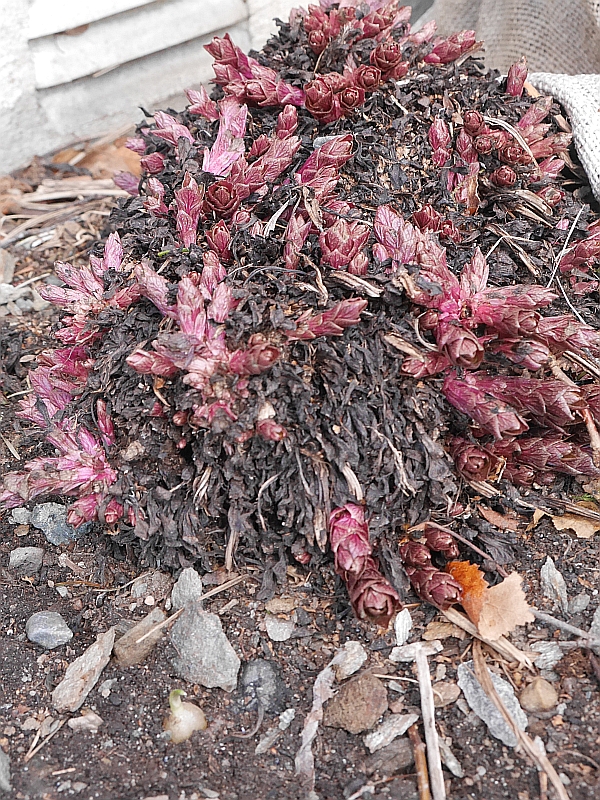
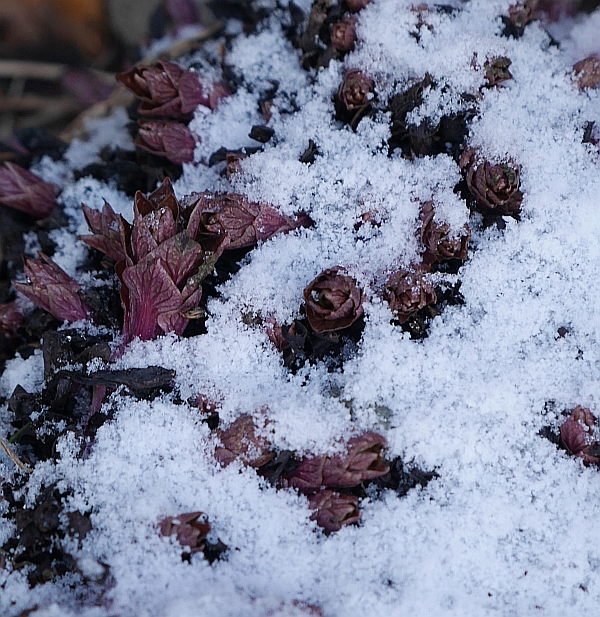
A splattering of snow on my oldest Hablitzia this morning (this one has been harvested once already) already melting when the photo was taken…and one hour later the sun is up and it’s growing away well again
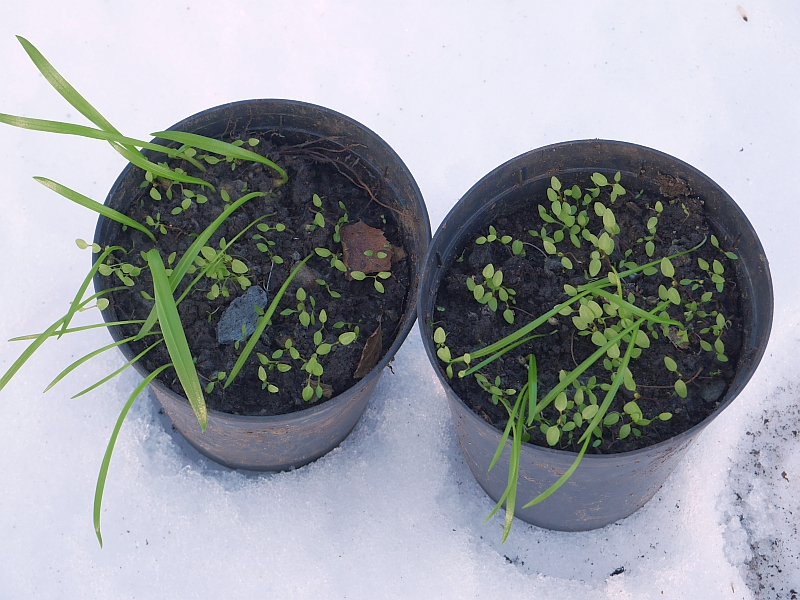
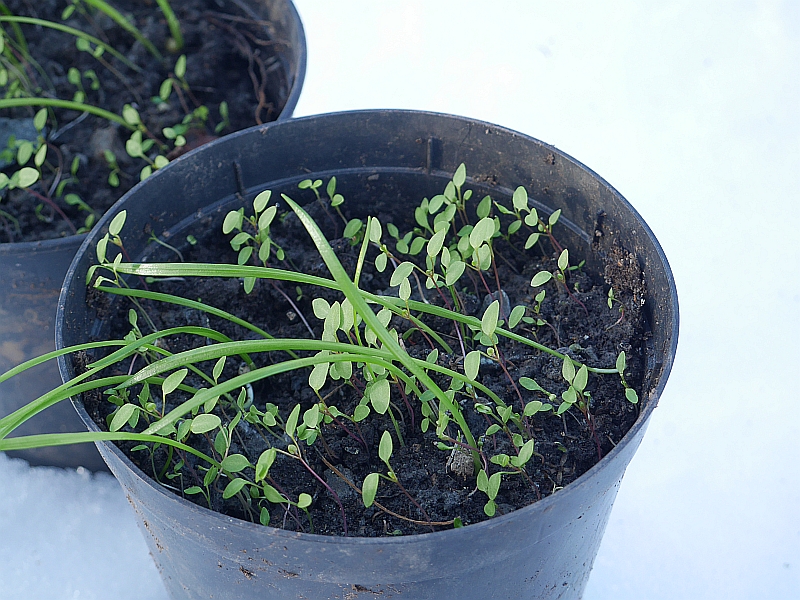
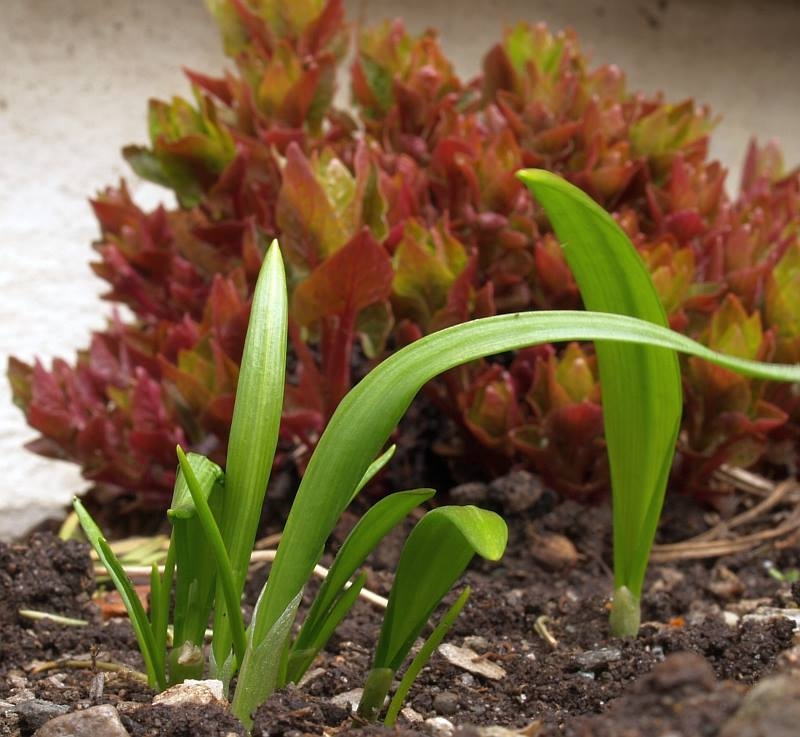
Pots of Hablitzia seedlings and Allium paradoxum (few-flowered leek)Pot of Hablitzia seedlings and Allium paradoxum (few-flowered leek)As seen late March in a milder winter, Allium paradoxum grows next to my Hablitzia, a “weedy” onion further south, it hasn’t spread here.The mother Hablitzia as it is today, 6th March 2016!
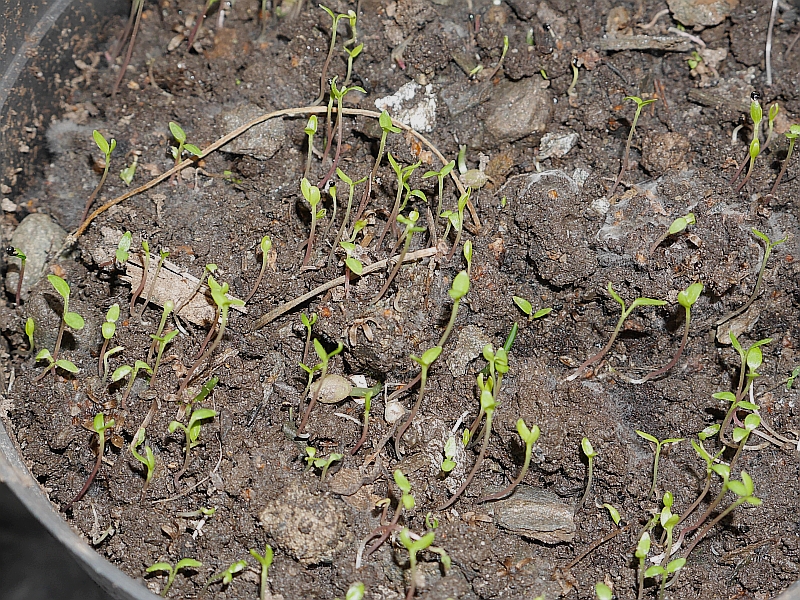
In December’s very mild weather there was mass germination of Hablitzia around my oldest plant next to the house. This has happened before, but none of the seedlings made it through the colder weather afterwards. Therefore, I dug them up and transplanted into pots and have had them in my cool but frost free porch ever since. They haven’t grown much, but it seems I dug up some bulbs of Allium paradoxum with them as they are growing away well, so I will be eating them in tonight’s salad!
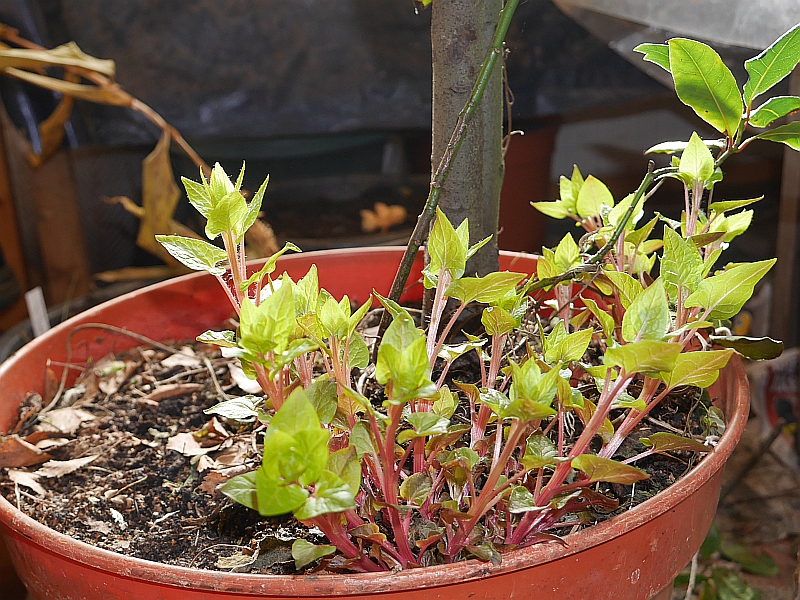
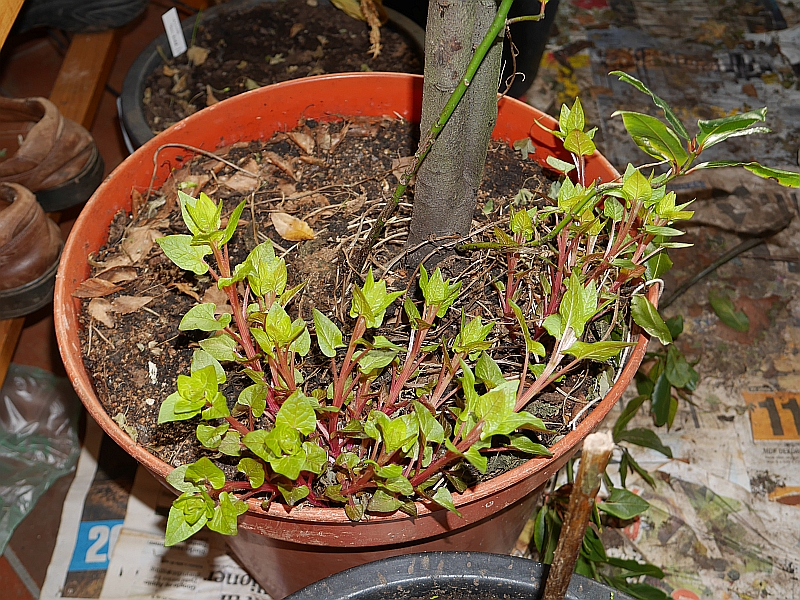
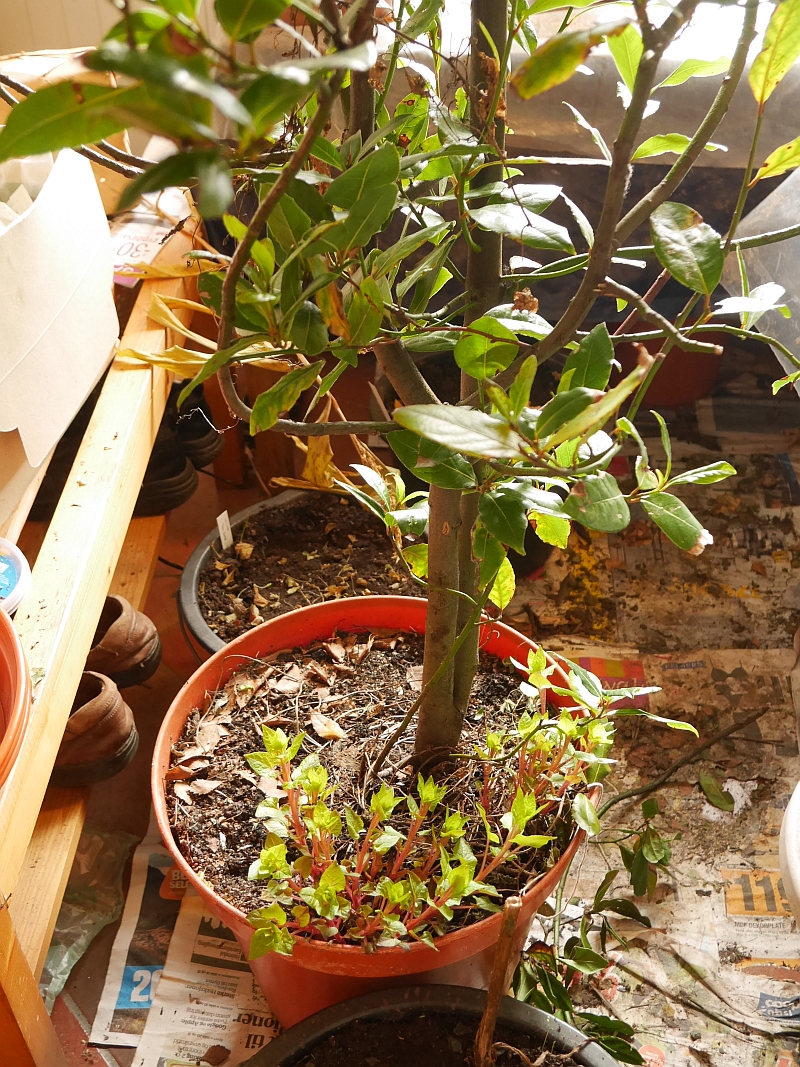
I have two large pot grown bay trees (Laurus nobilis) which are moved into my porch for the winter. In the summer, they are outside quite near to my oldest Hablitzia. A couple of seeds found their way into the pot a couple of years ago and the resultant plants seem quite happy there, clearly not bothered by not experiencing sub-zero tempreatures (it’s mostly between +5C and +10C) where it’s growing with little light. Last summer it climbed into the Bay in the spring, but died back earlier than my other plants presumably due to the drier conditions in competition with the Bay! Time for a snack soon!!
Bear Spinach (Hablitzia tamnoides)?
Well, my friend William Whitson in Washington State recently reported “I finally had a couple of plants withstand our typical 2.5m of rain winters. They started sprouting again in January. Then a bear dug them up and ate them. No kidding.” ;)
Hence, I’ve renamed it Bear Spinach….Bears in its homeland in the Caucasus surely feast on it too in the spring. Ramsons or Allium ursinum is known as Bärlauch or bear onion in German as bears are known to eat it in spring and if you eat ramsons you’ll become as strong as a bear. I’m sure Hablitzia has the same effect!
Anyway, my plant reappeared from under deep snow this week and the roots are probably fully frozen as a result of the previous very cold, dry and snowless period. It clearly doesn’t mind this treatment :)
In mild but cool weather during early winter the last couple of years, Hablitzia has germinated en masse around my mother plant next to my house. These all died in later cold weather last winter. When mass germination happened around Xmas 2015, I therefore decided to rescue them by potting up and bringing them in to a cool room. It was just in time as it froze solid just after with very low temperatures since and now deep snow…here they are today (it’s been between 0 and 8C where they are growing).

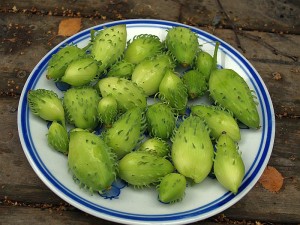 This is what I grew as Cyclanthera brachystachya “Fat Baby” in my old cold greenhouse in 2008. The picture was taken on 28th September.