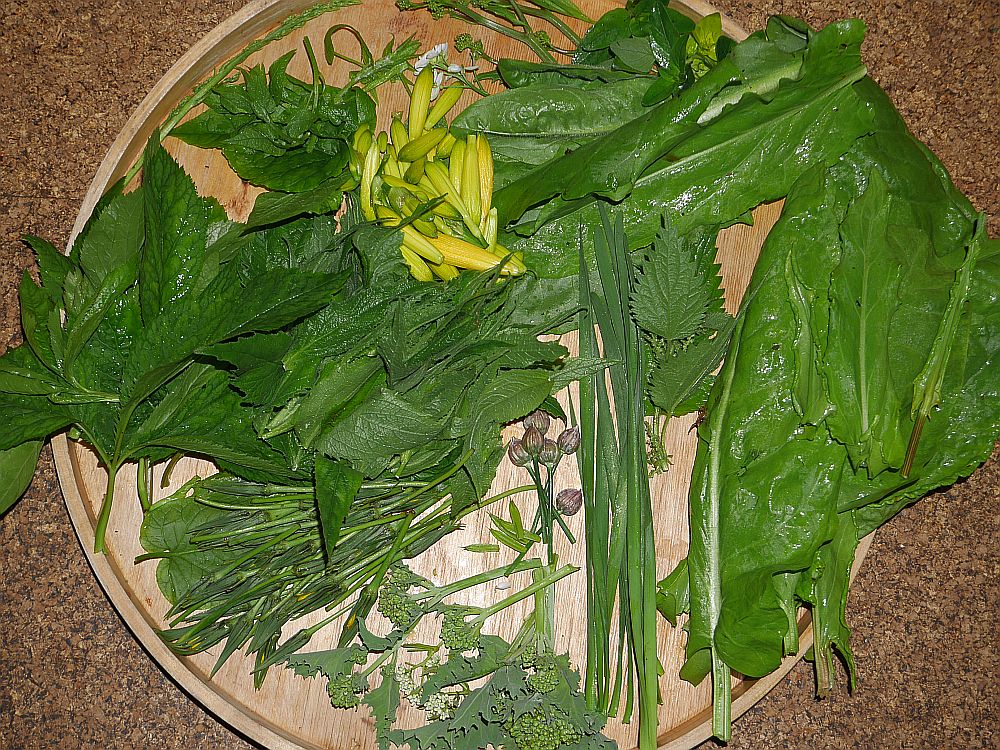
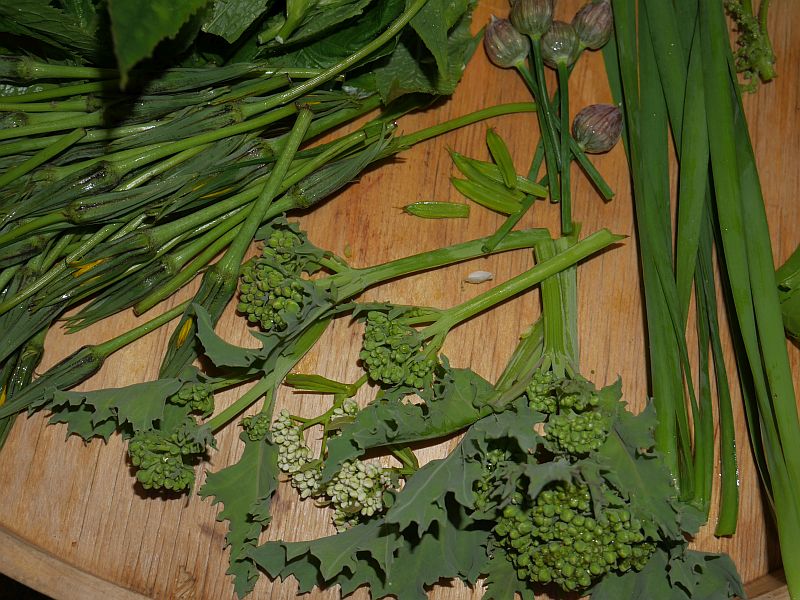
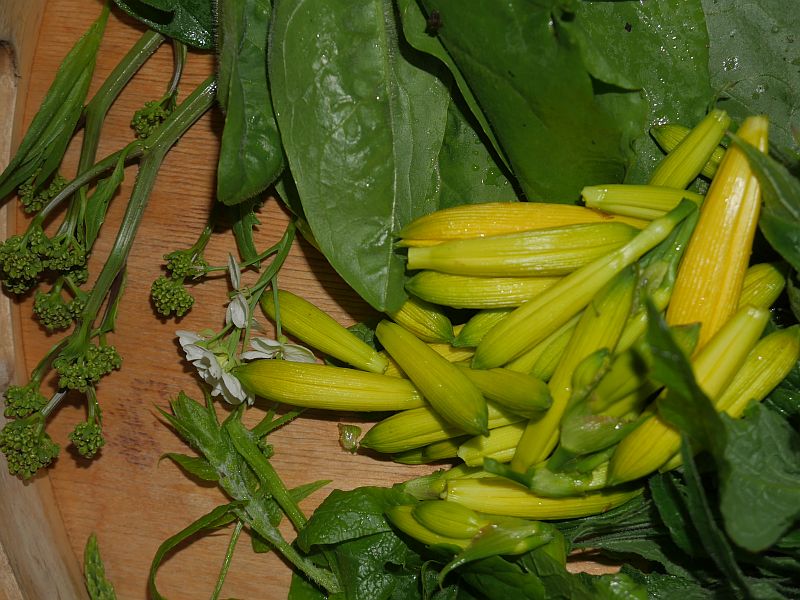
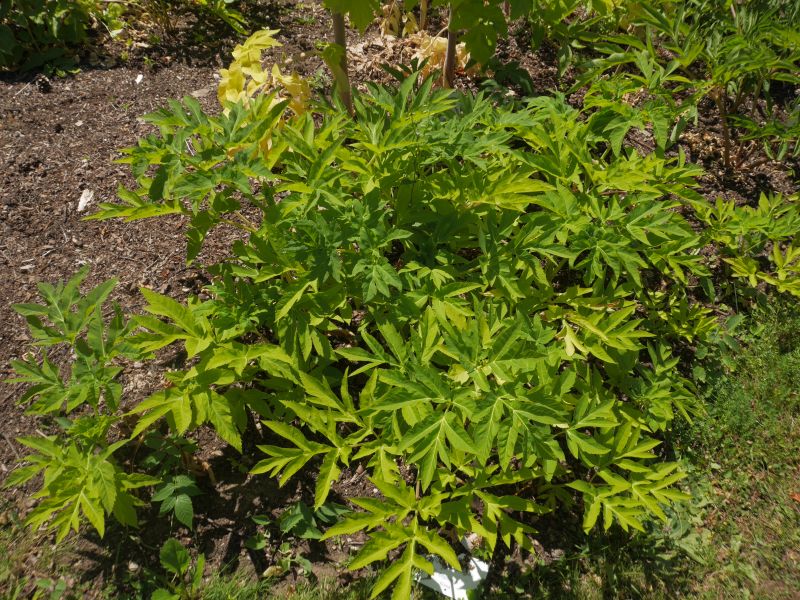
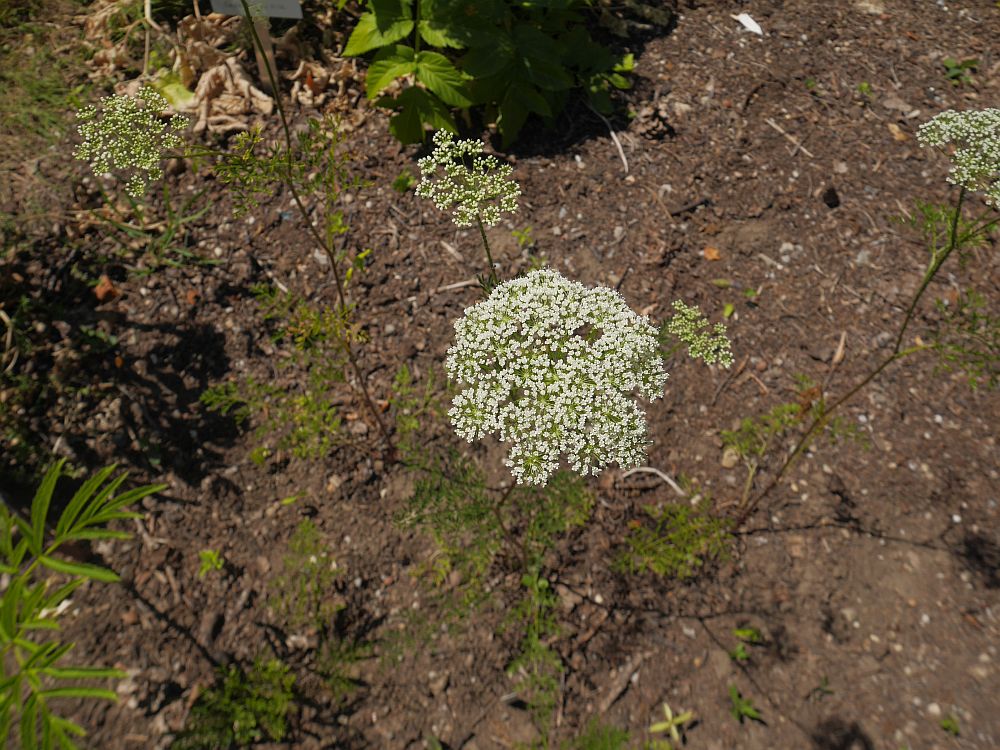
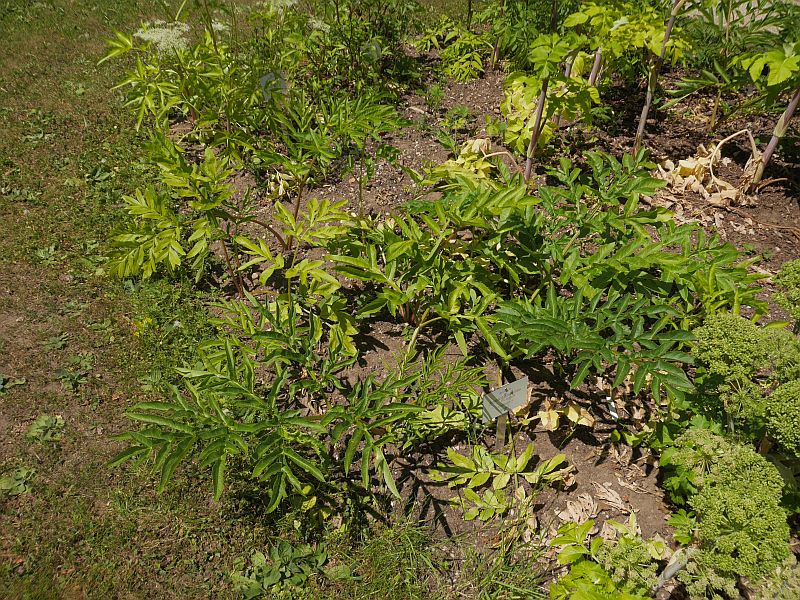
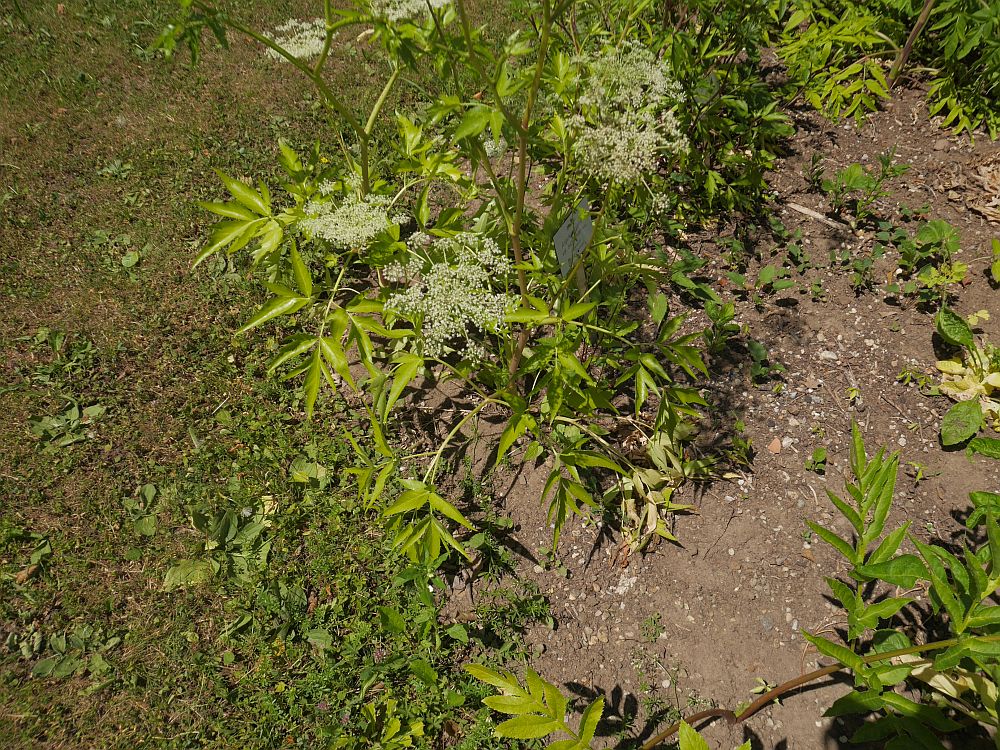
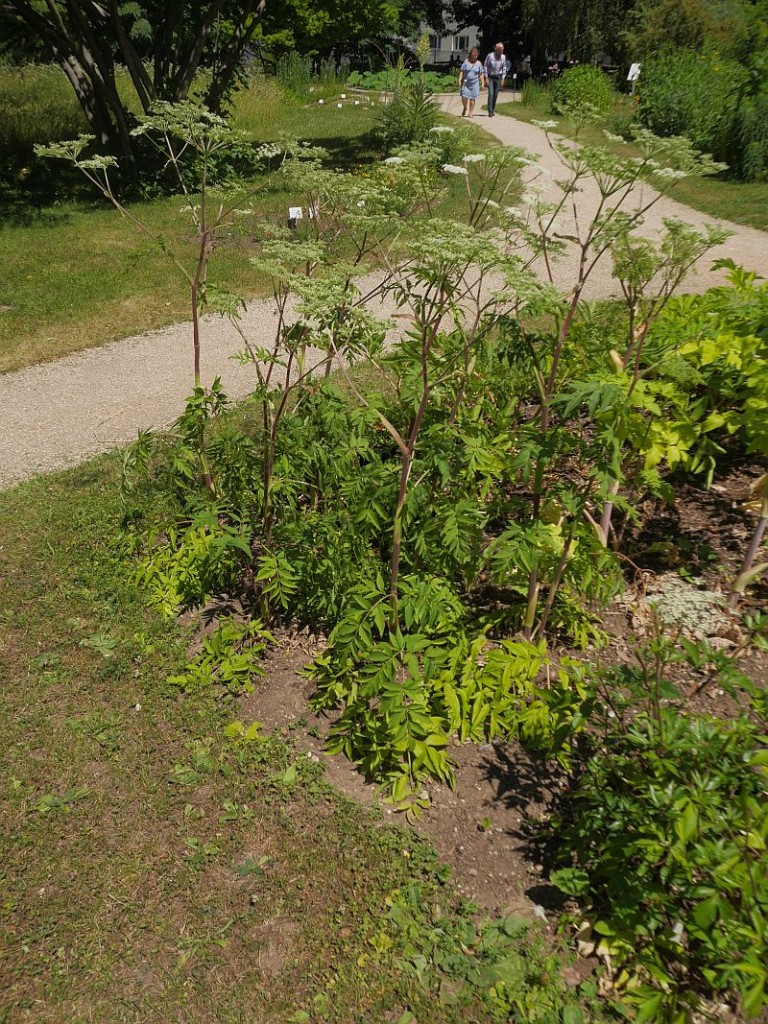
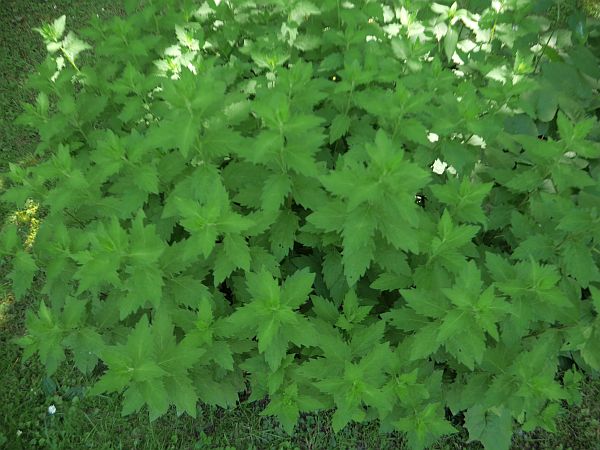
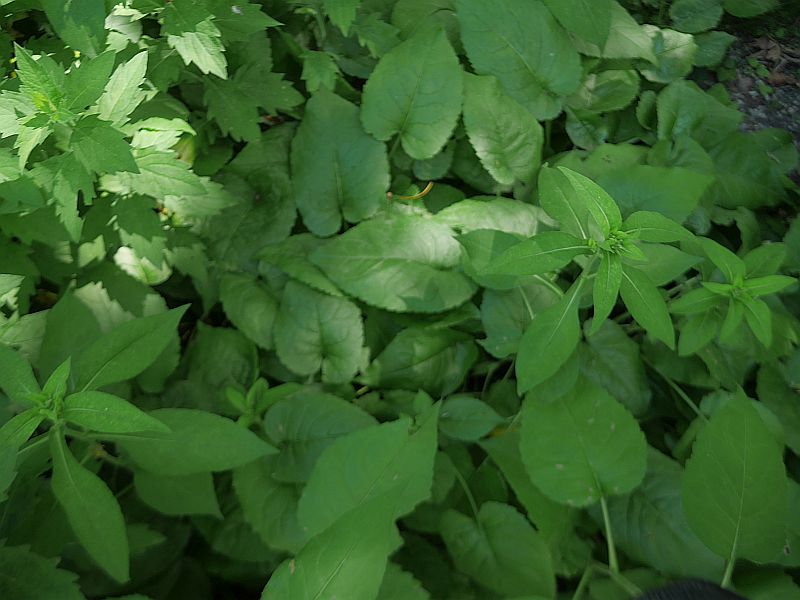
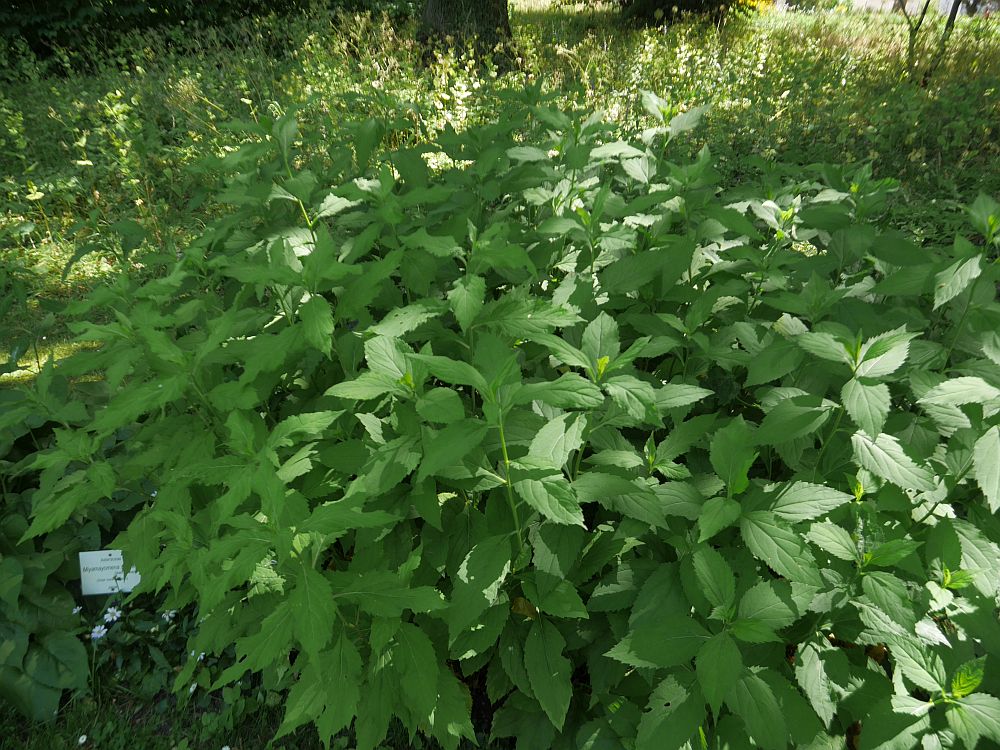
After 11 days of mostly fast food, it was good to get home this evening to a jungle of slow food….
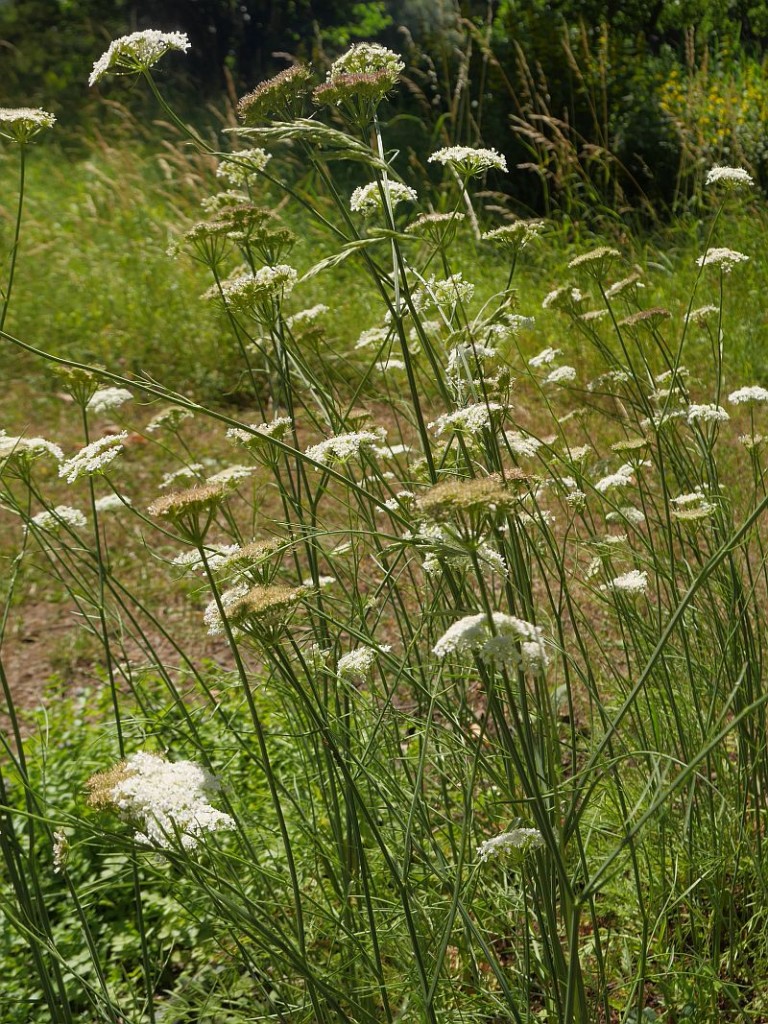
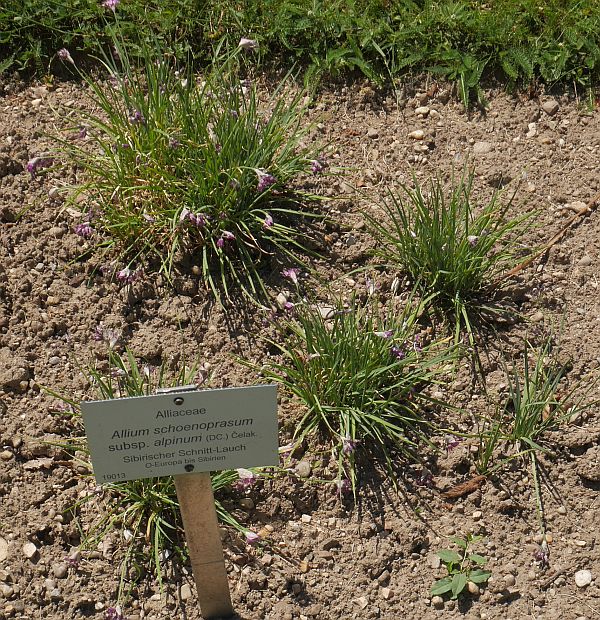
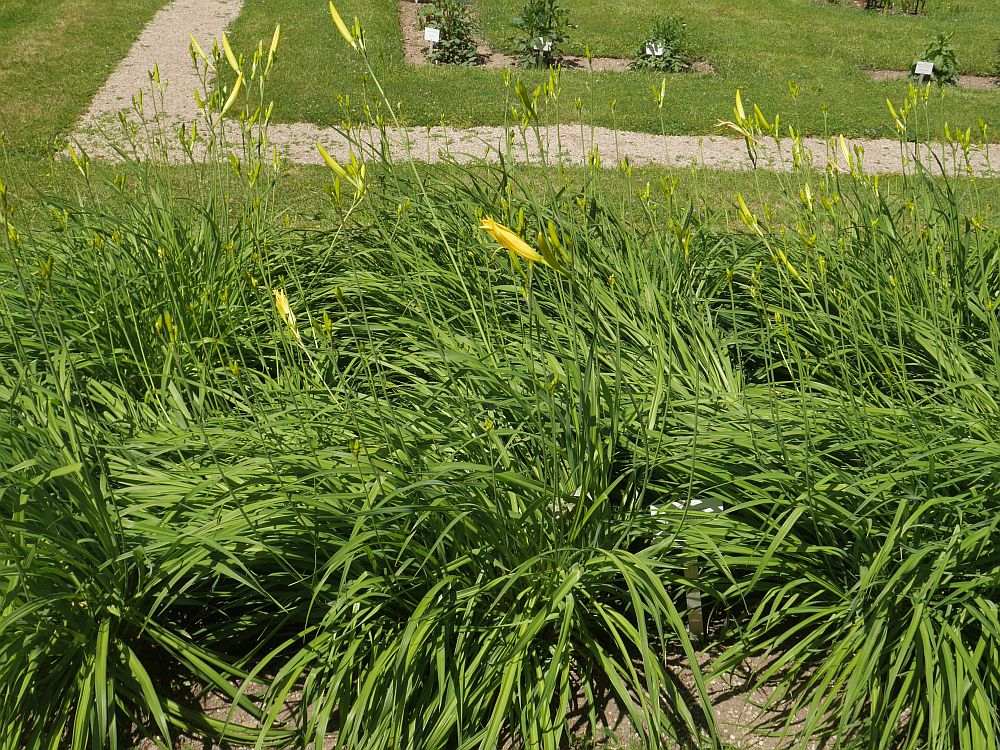
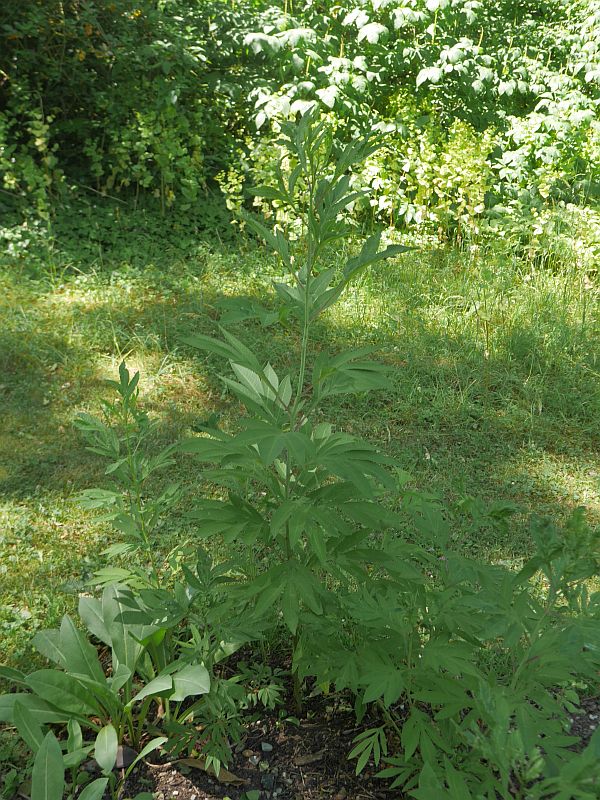
Ingredients: Hablitzia, Rumex acetosa, Rumex patientia, Myrrhis (young seeds), Hemerocallis middendorfii and H. lilioasphodelus (daylily buds), Crambe maritima (broccolis), Crambe cordifolia (broccolis), Nettle, 2* Origanum, Tragopogon pratensis (flower stems and buds), Allium senescens, Campanula latifolia, Asparagus trichophyllus, Chives (flower buds), Peltaria alliacea, garlic, chili and chicory (2 types)
On Facebook: https://www.facebook.com/media/set/?set=a.10155133708310860.1073742941.655215859&type=1&l=faf982b775
Presenting an album of pictures from BG Vienna showing edible plants I found in the collections and talked about during my walk and talk arranged by Arche Noah!
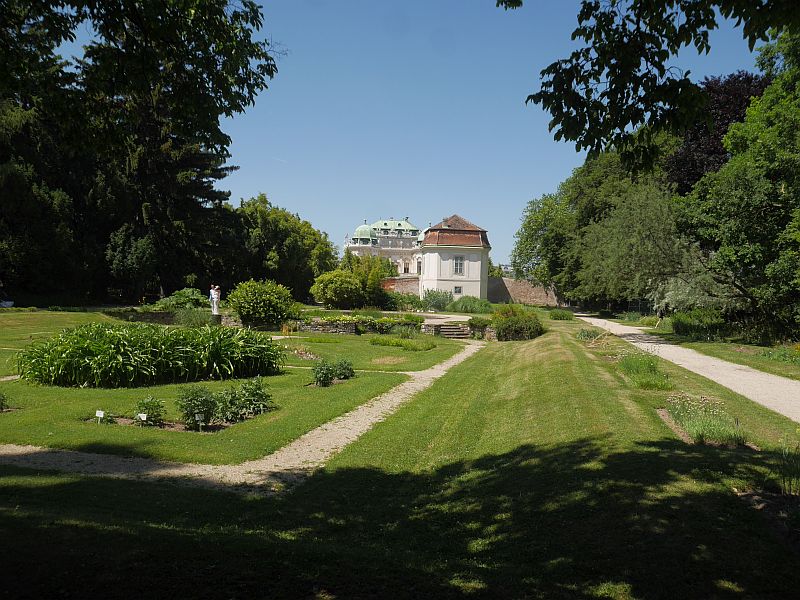
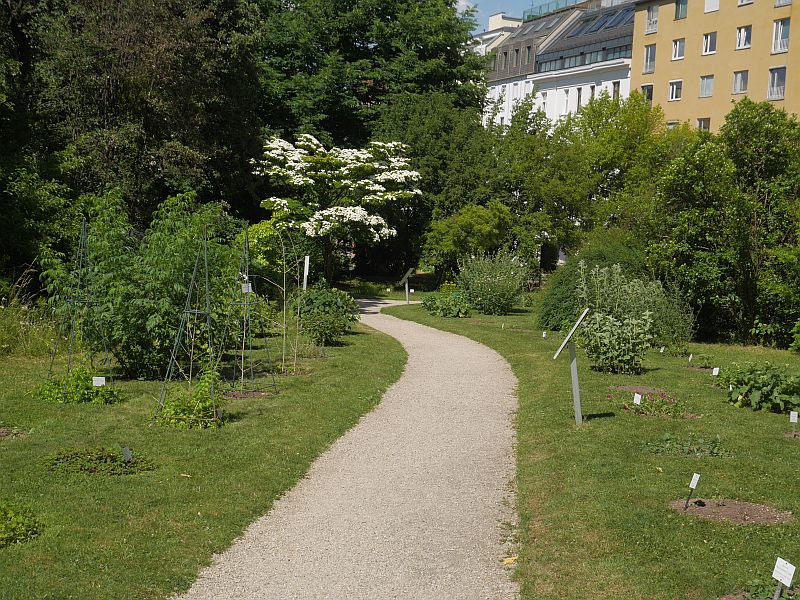
The entrance to the garden
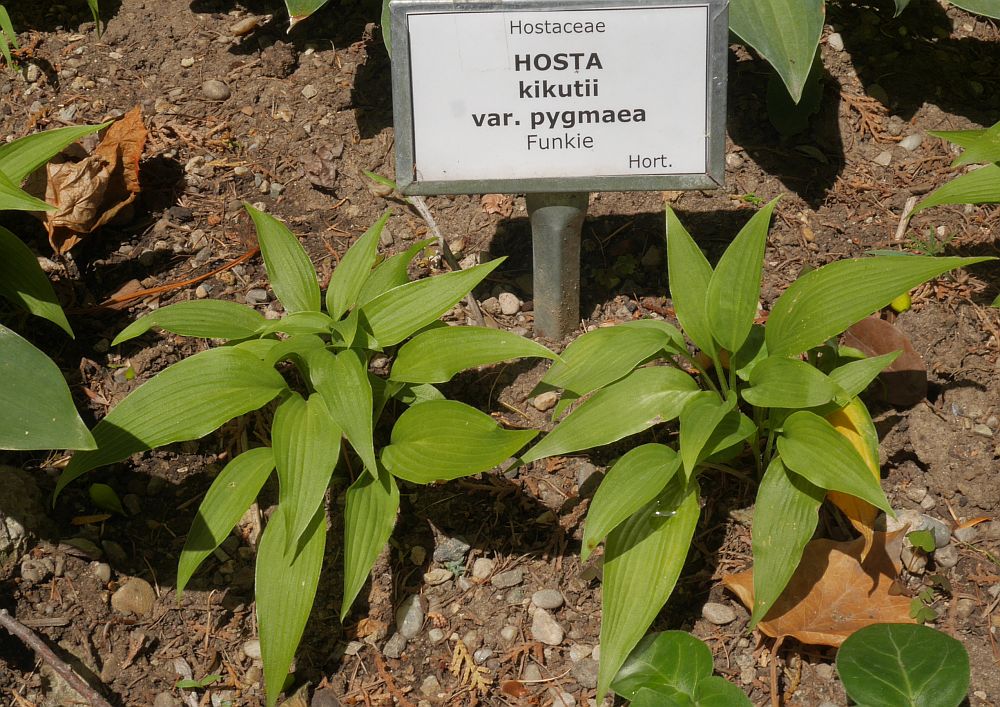
Hosta kikutii var pygmaea
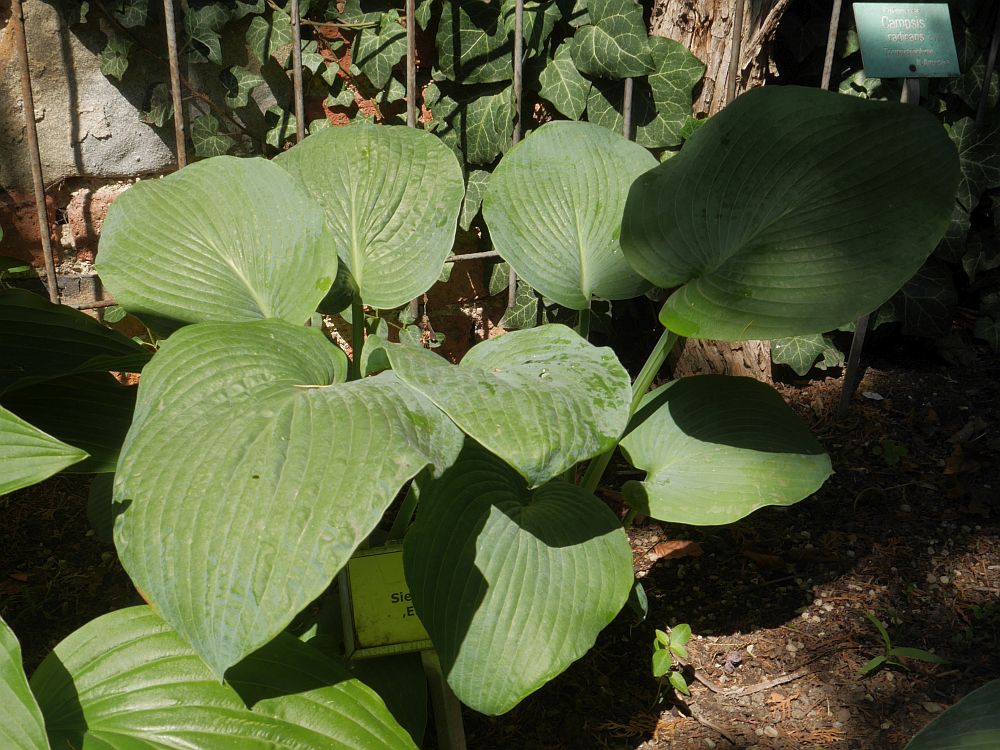
Hosta siebodiana “Elegans”
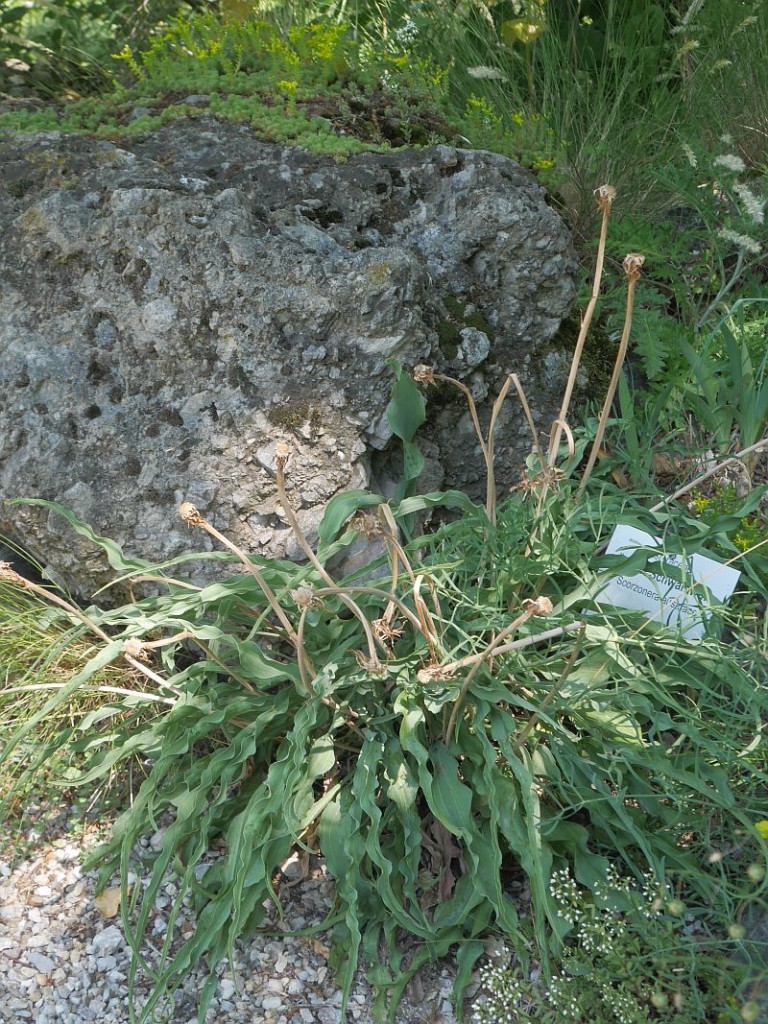
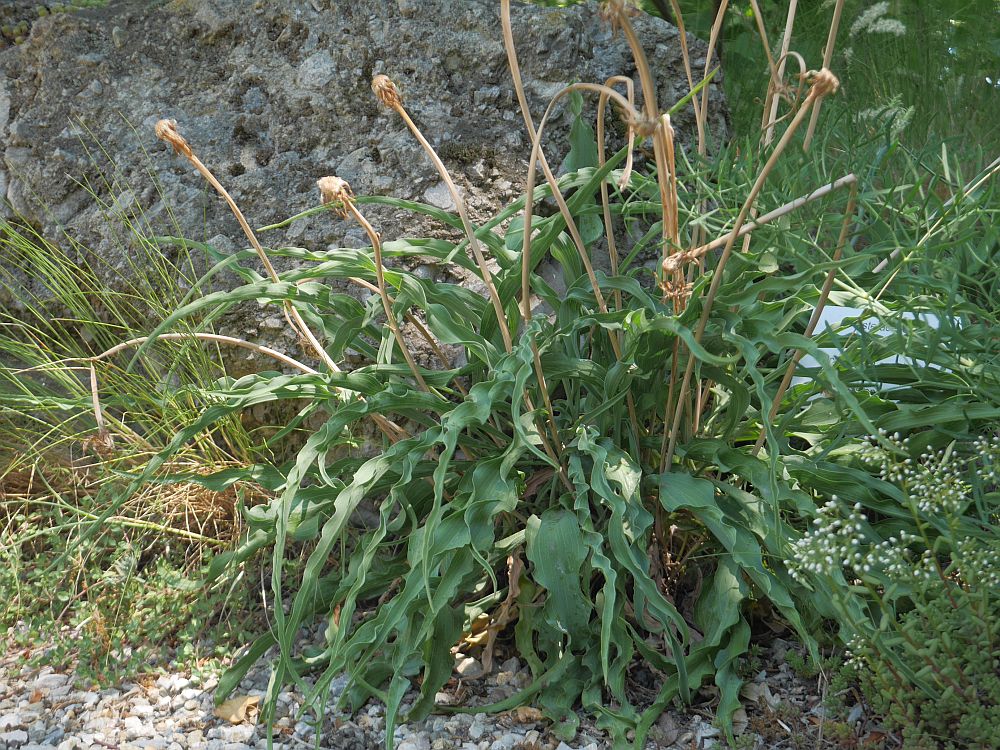
Scorzonera austriaca in the wild garden
Water leaf or Indian salad (Hydrophyllum)
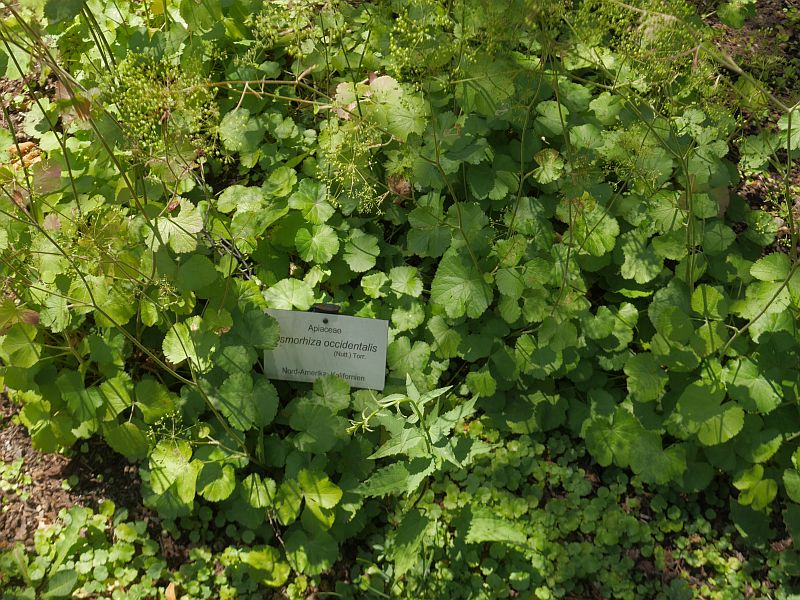
Osmorhiza occidentalis
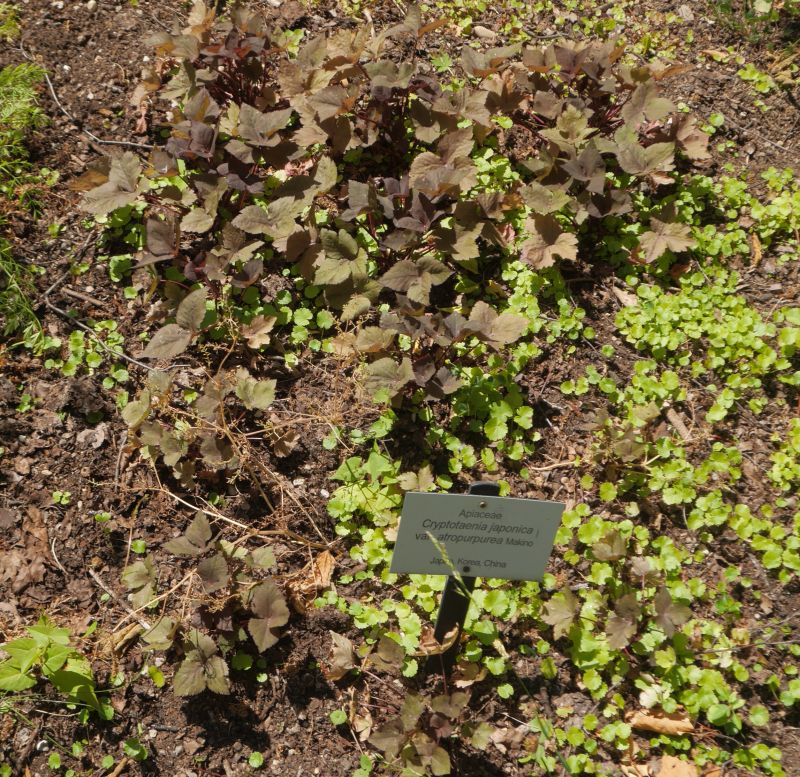
Cryptotaenia japonica “Atropurpurea”
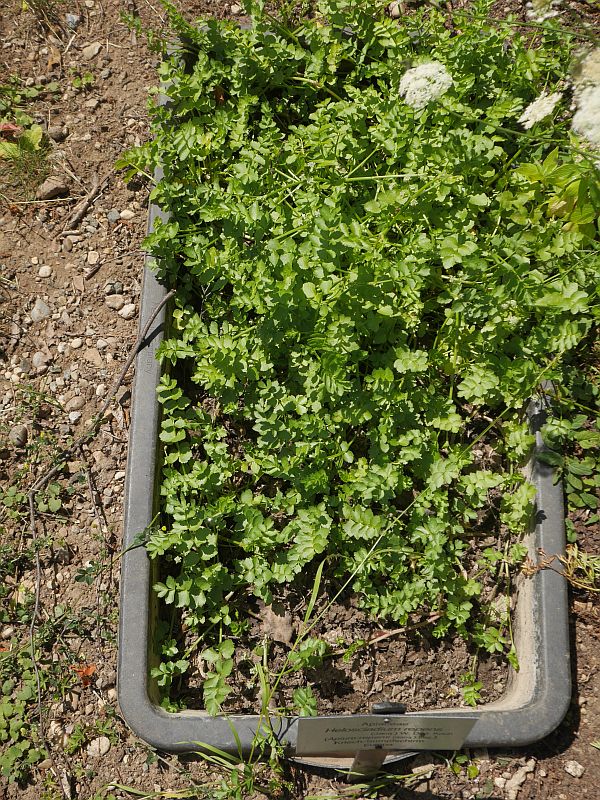
Apium (Helioscadium) repens is presumably edible (sometimes classified as a subspecies of Apium nodiflorum)
Bunium bulbocastaneum
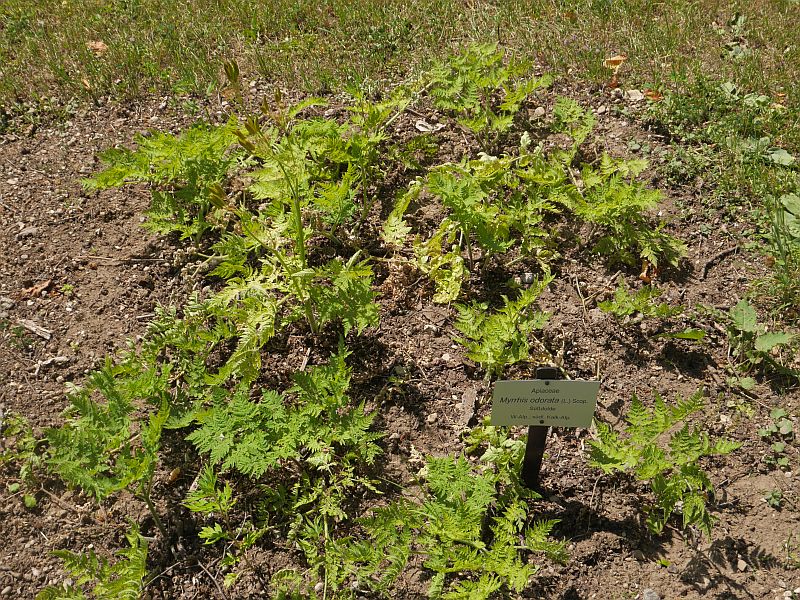
Myrrhis odorata (sweet cicely)
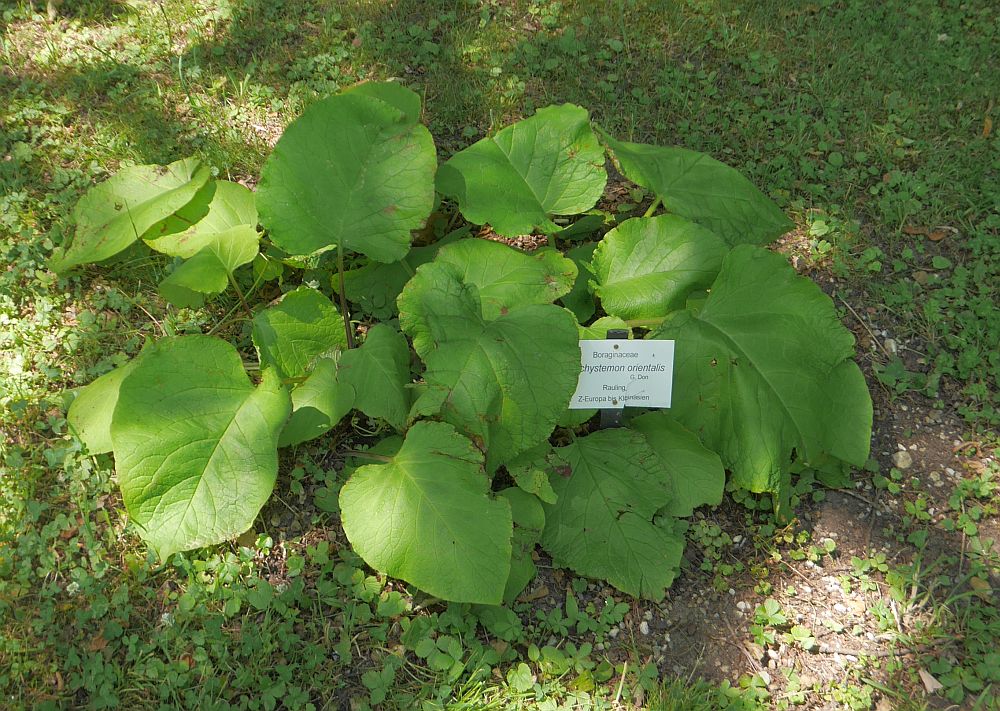
Trachystemon orientalis
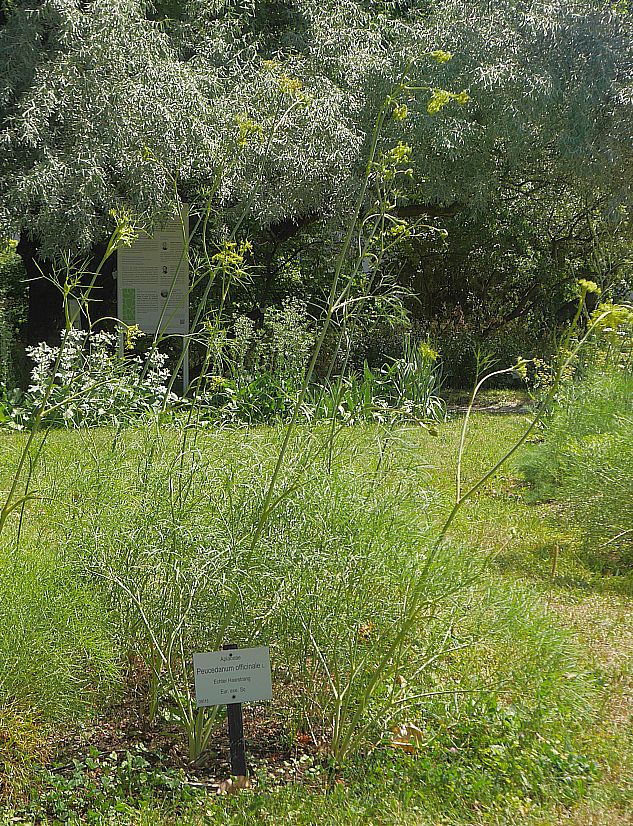
Peucedanum officinale is the source of a gum!
Elaeagnus angustifolia
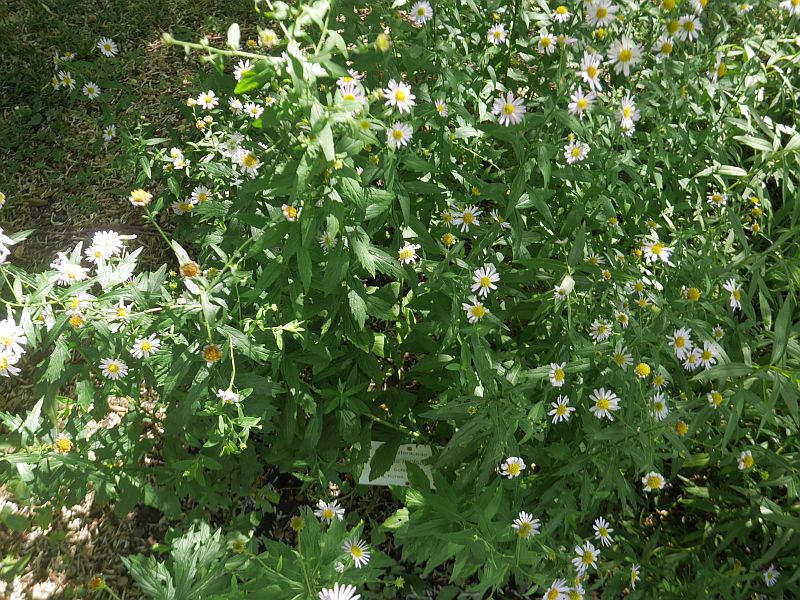
Kalimeris incana
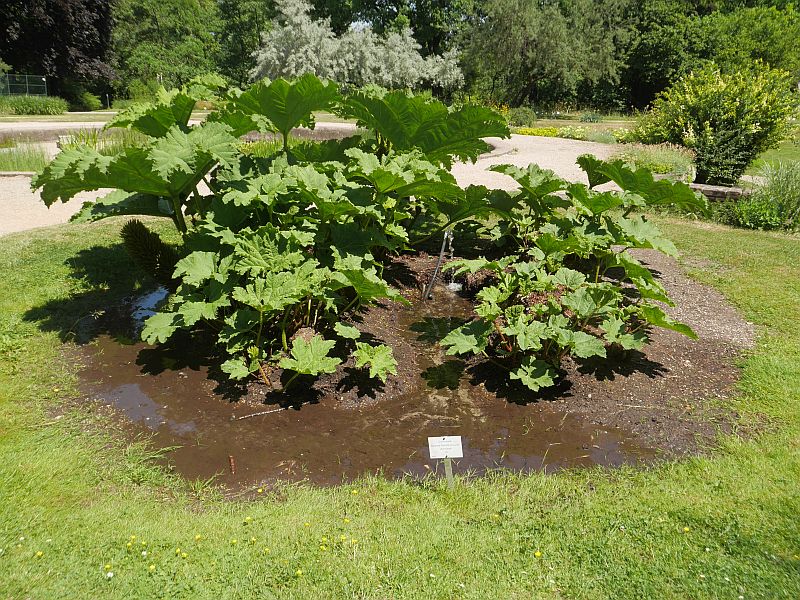
Gunnera tinctoria is one of the 80 in my book!
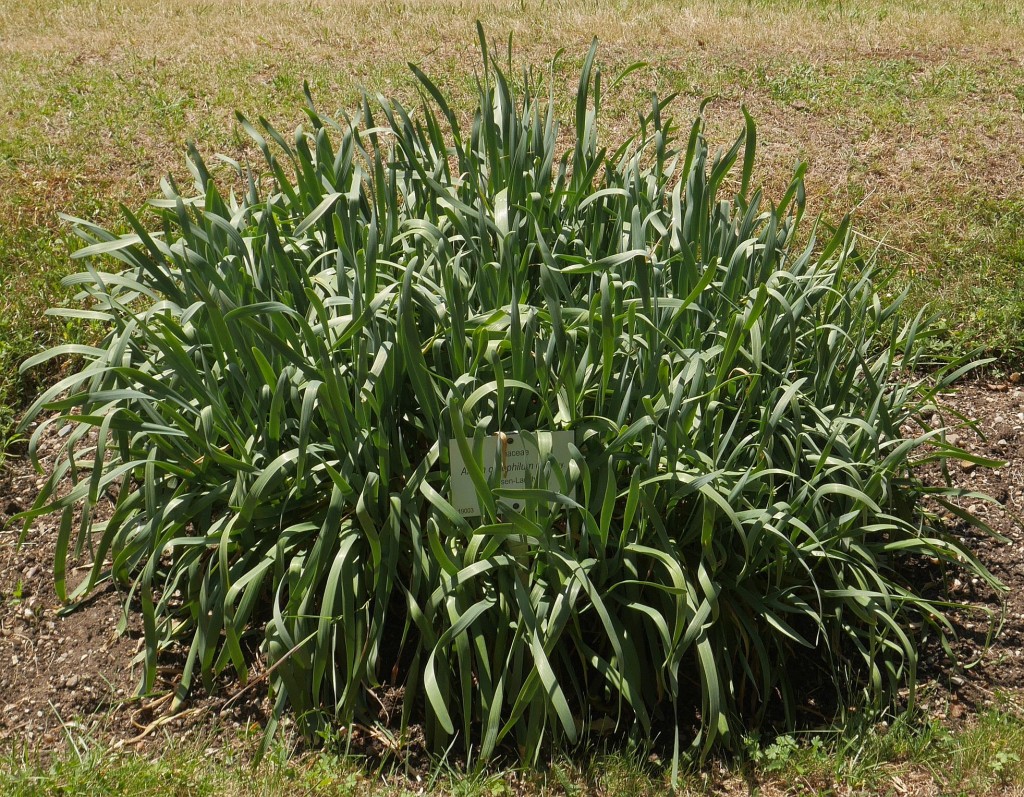
Labelled as Allium oreophilum , which it isn’t, looks like a good form of Allium senescens or hybrid!
Not this either, looks like the great Allium imposter Allium cyathophorum var farreri
Hemerocallis
Senecio cannabifolius…used as a vegetable in the Far East. I’ve lost mine, any chance of a new starter Trond Høy?
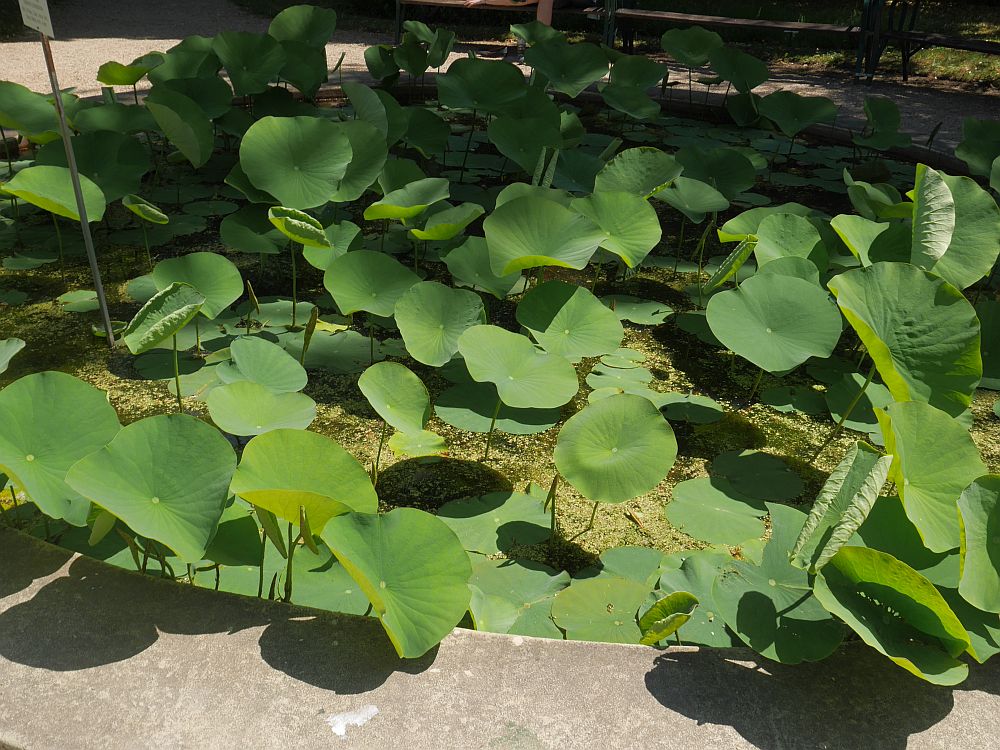
Sacred lotus (Nelumbo nucifera), a plant with a multitude of uses…many food uses, medicinal and the leaves have also been used as plates!
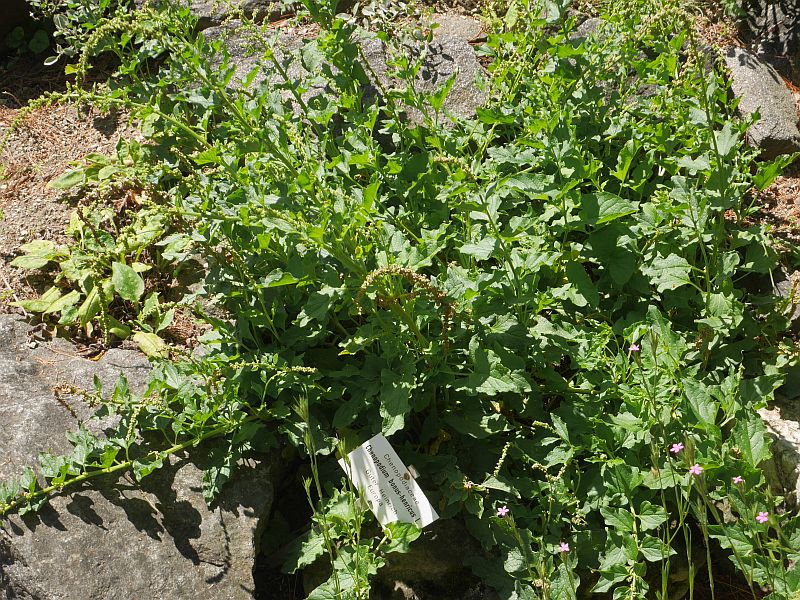
Chenopodium bonus-henricus, Albania’s most popular wild foraged edible!
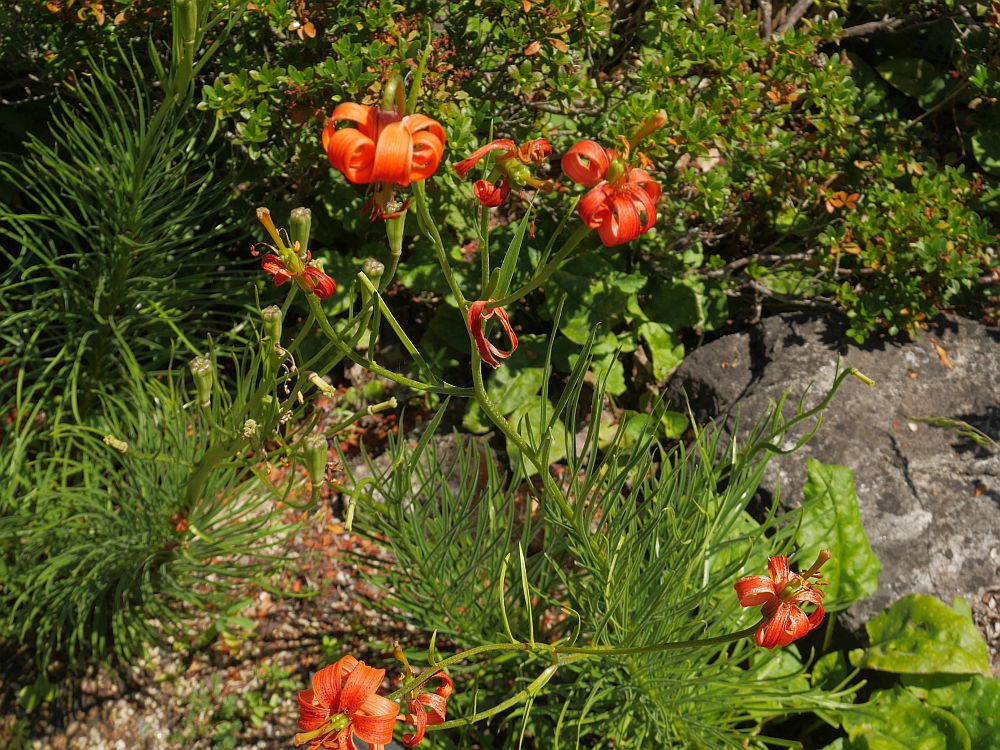
Lilium pomponium, a lily from southern France and north Italy – the bulbs have been used for food!
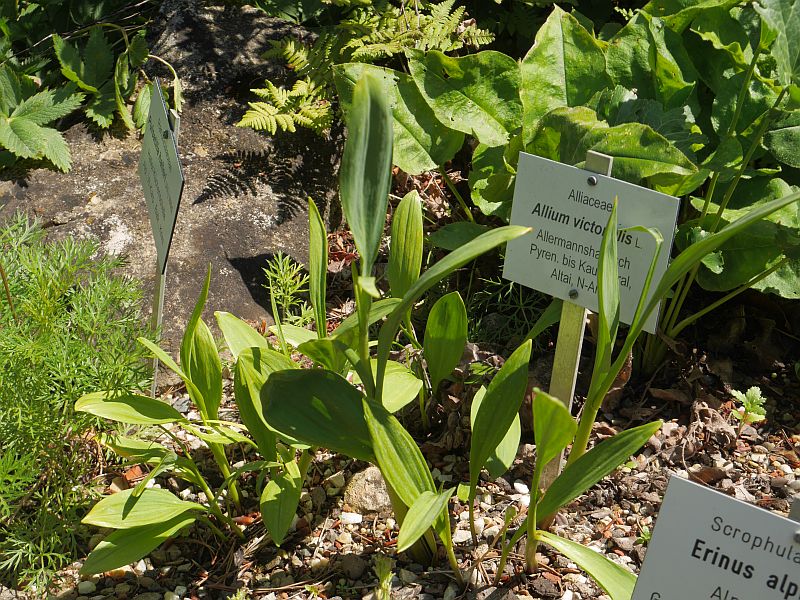
Allium victorialis grows in the Alps
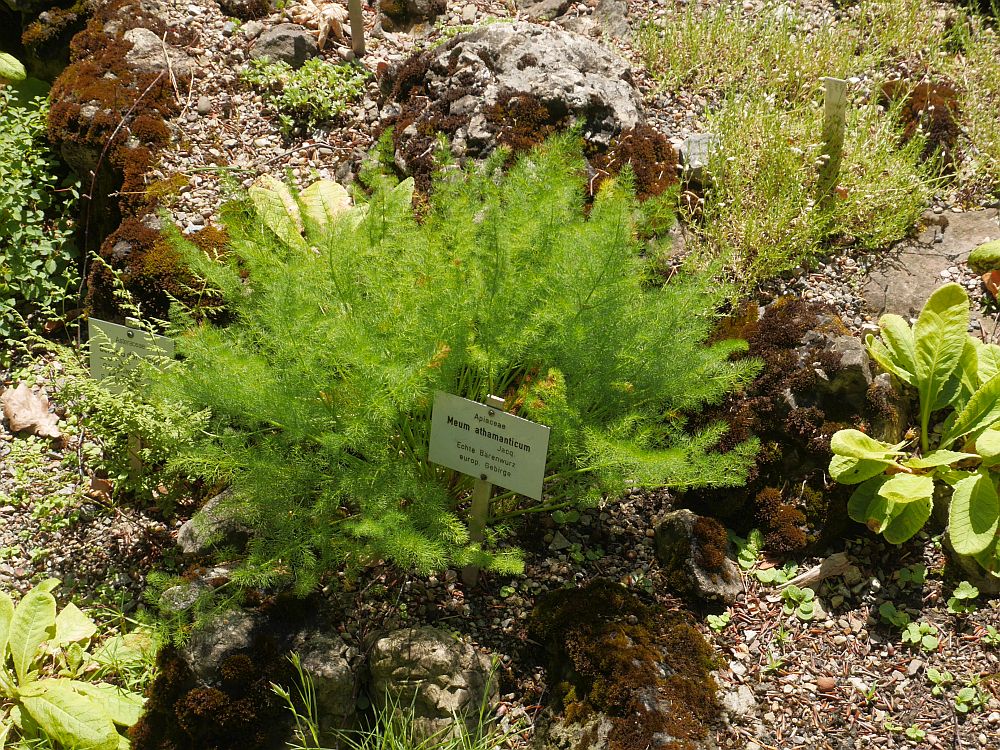
Meum athamaticum
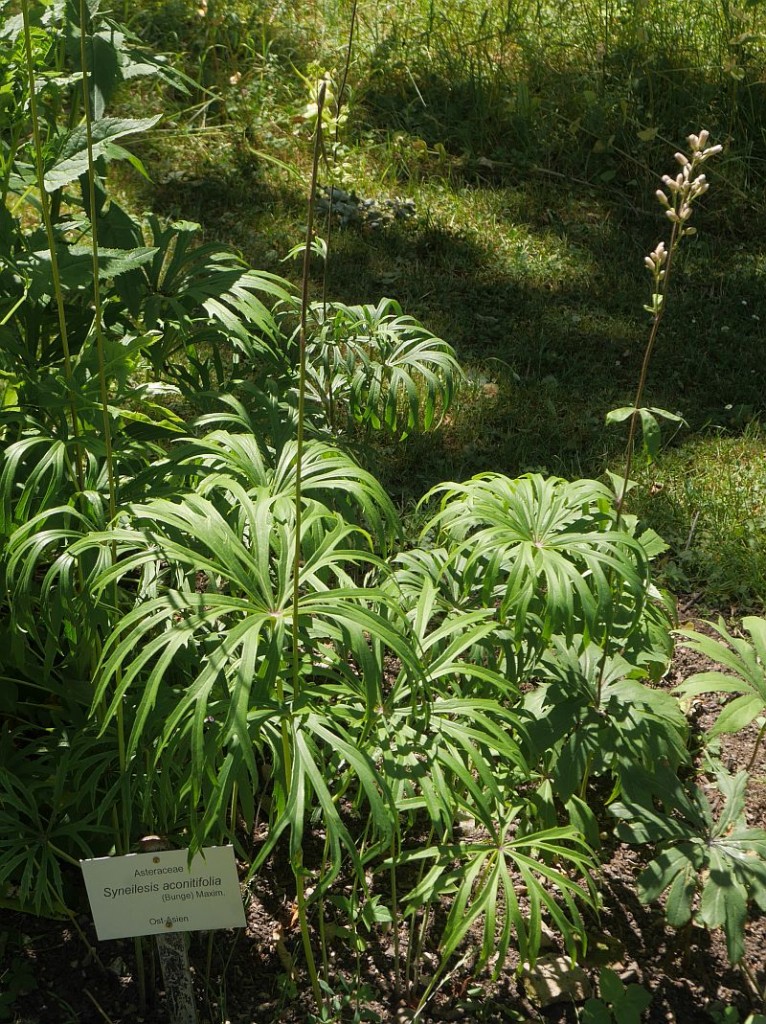
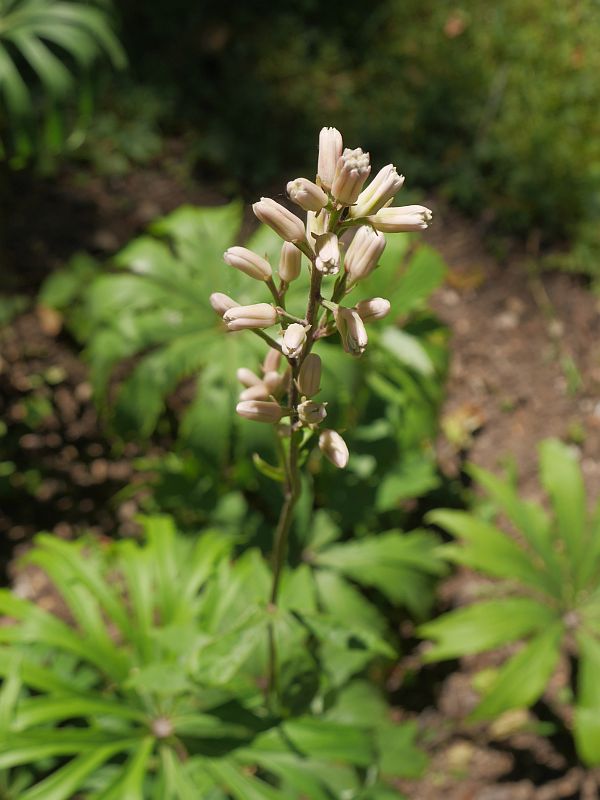
Syneleisis aconitifolia is in my Japanese foraging book!
Syneleisis aconitifolia is in my Japanese foraging book!
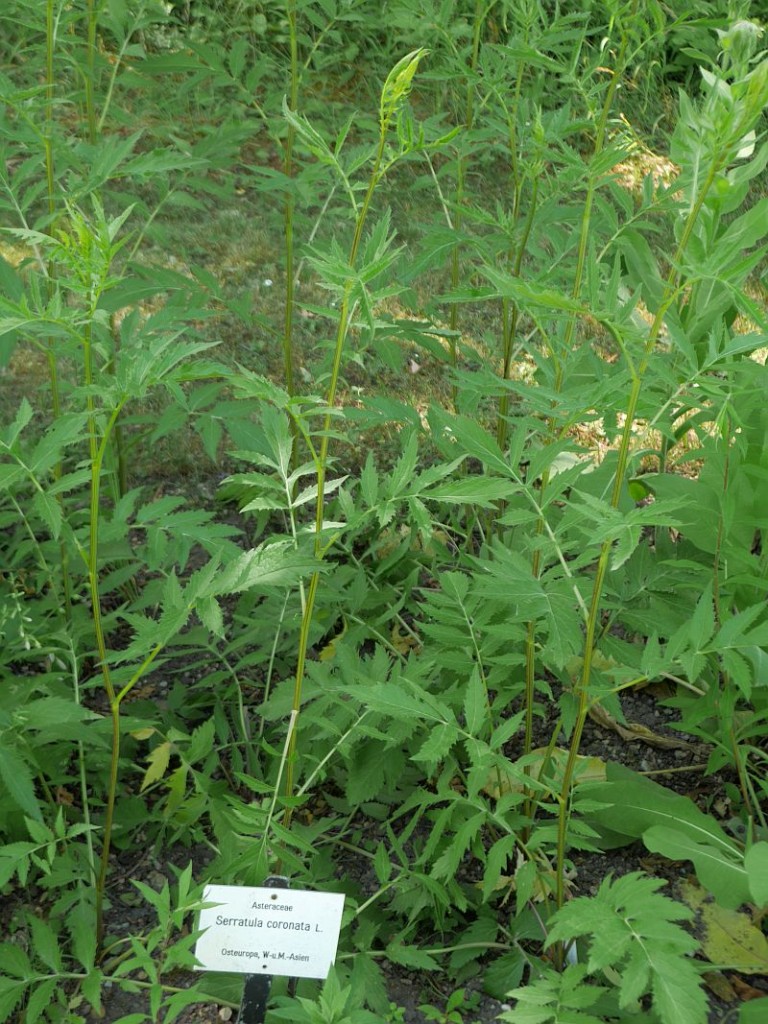
Serratula coronata – I sowed this one for the first time…used for food in Korea..
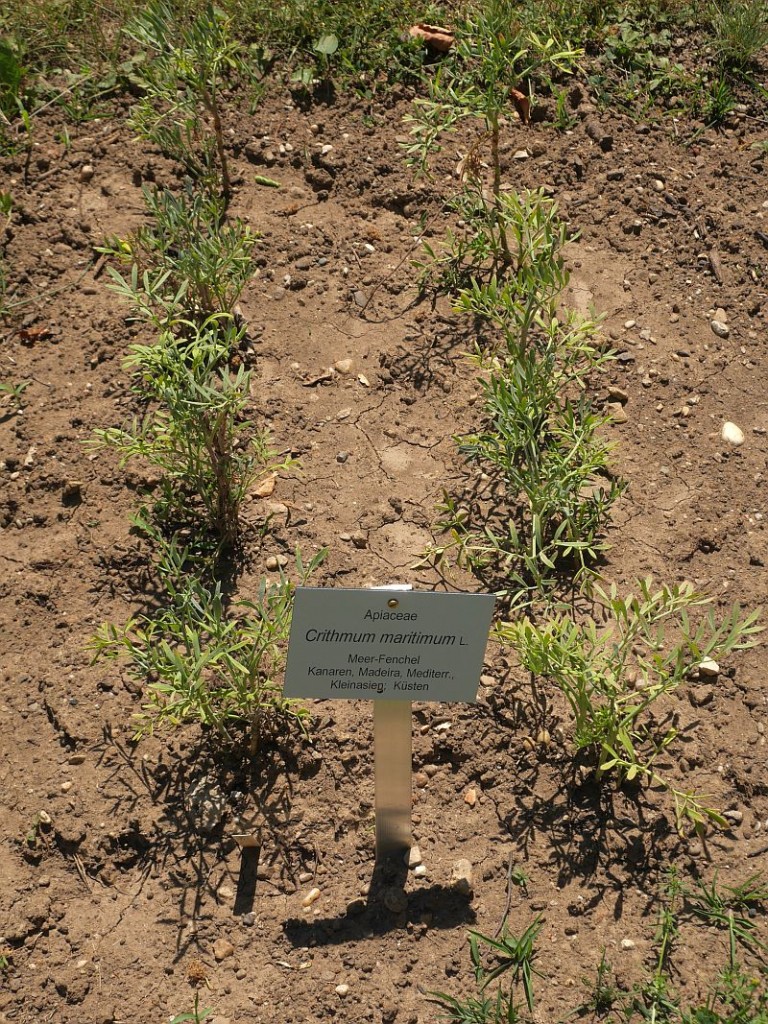
Crithmum maritimum, death samphire, but perfectly edible!
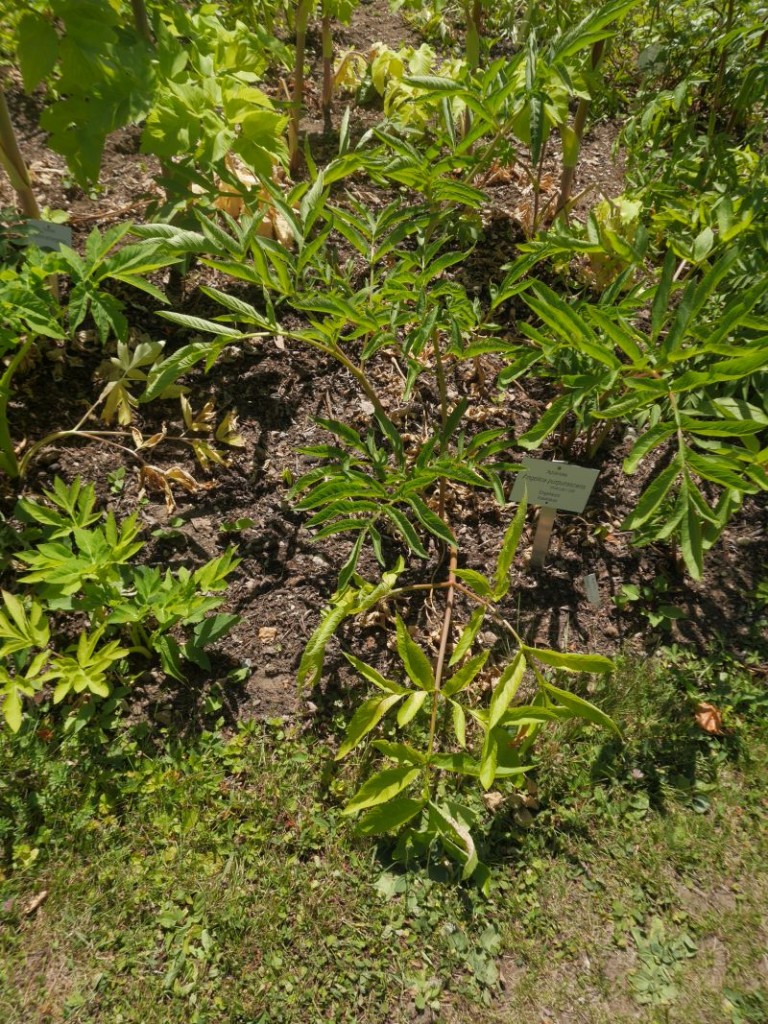
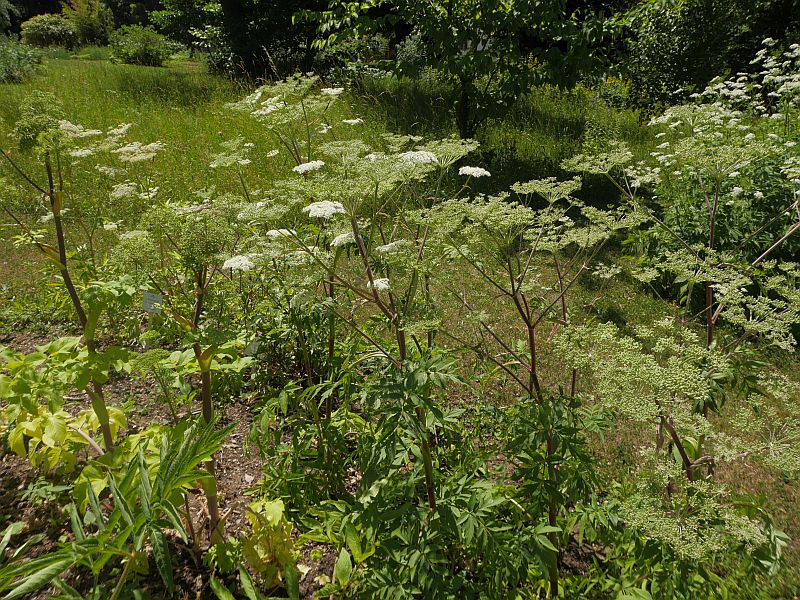
There was a bed of 6-7 different Angelica species including this one, Angelica purpurascens
Angelica anomala
Angelica gigas
The smallest species I’ve seen, Angelica polymorpha from East Asia
Angelica amurensis
Angelica acutiloba
Angelica anomala
Aster ageratoides
Aster (Eurybia) macrophylla, a Native Americam food plant!
Aster glehnii is used in the Far East
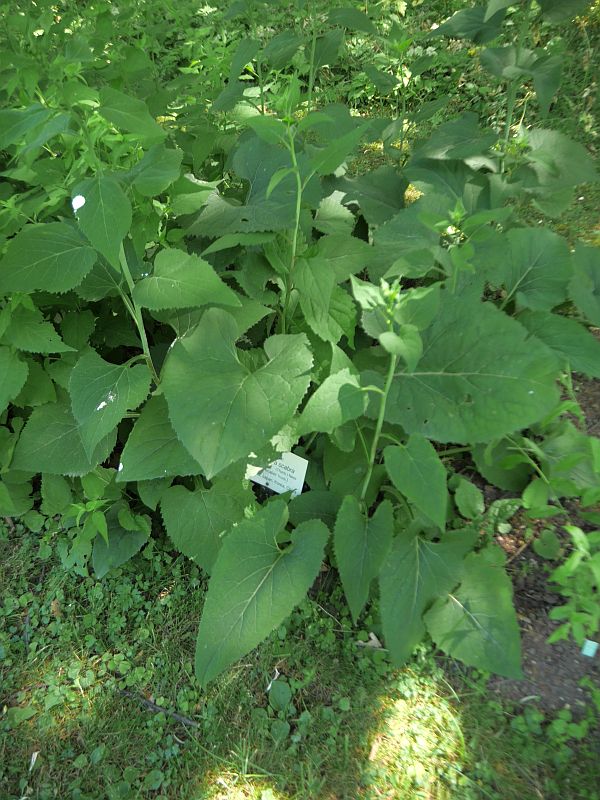
It’s not often I see Aster scaber (see my book) in botanical gardens!
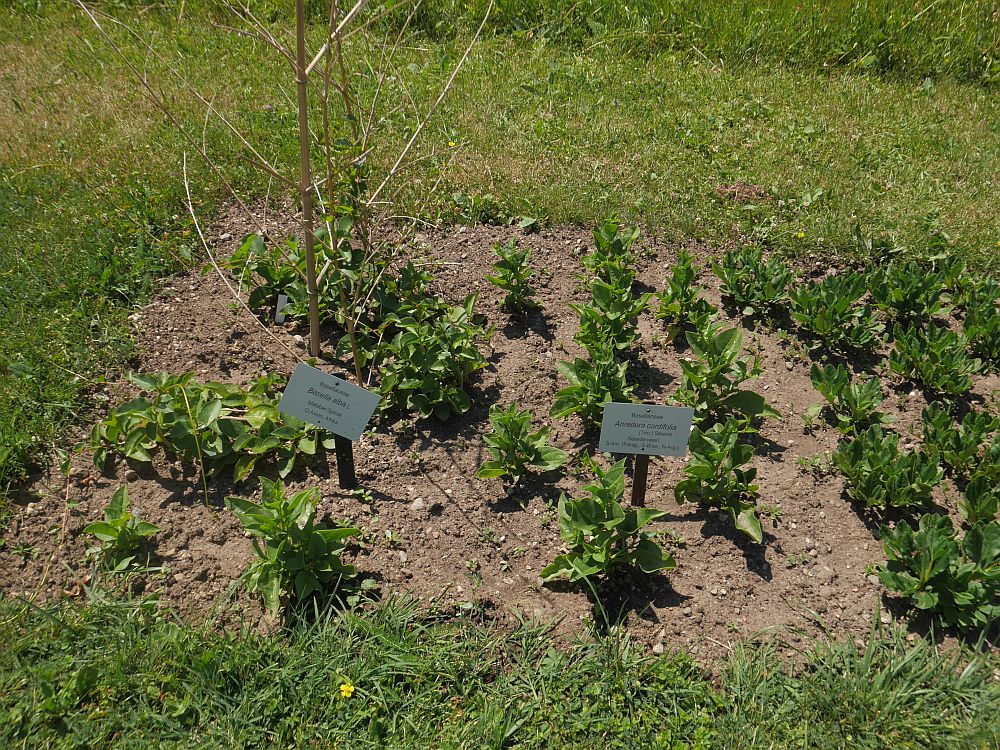
Basella alba and cousin Anredera cordifolia (Madeira vine)
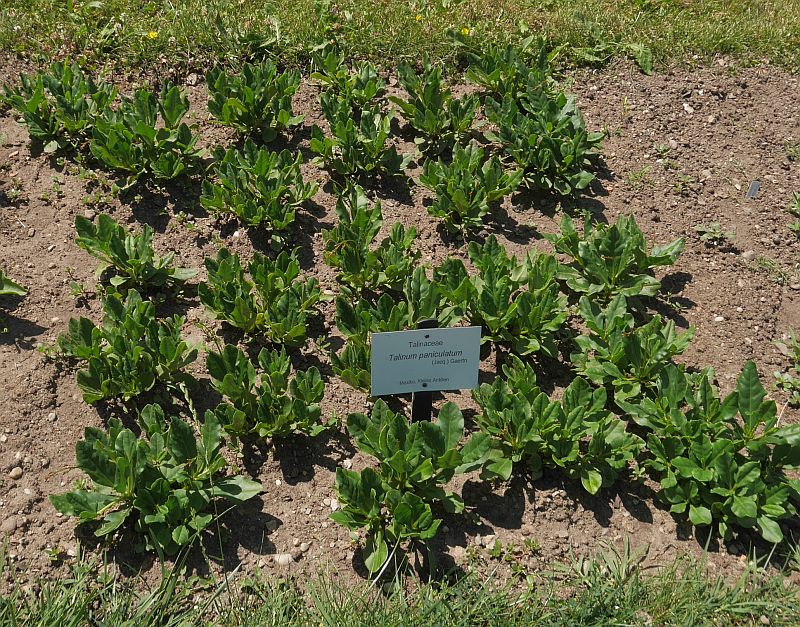
Talinum paniculatum
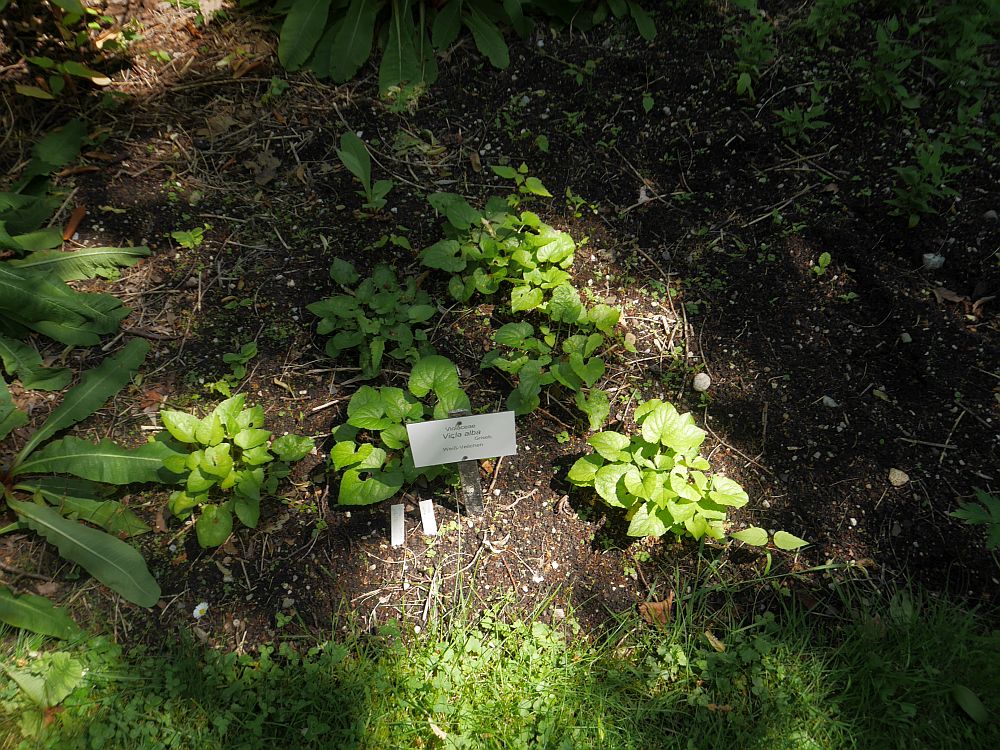
Viola alba
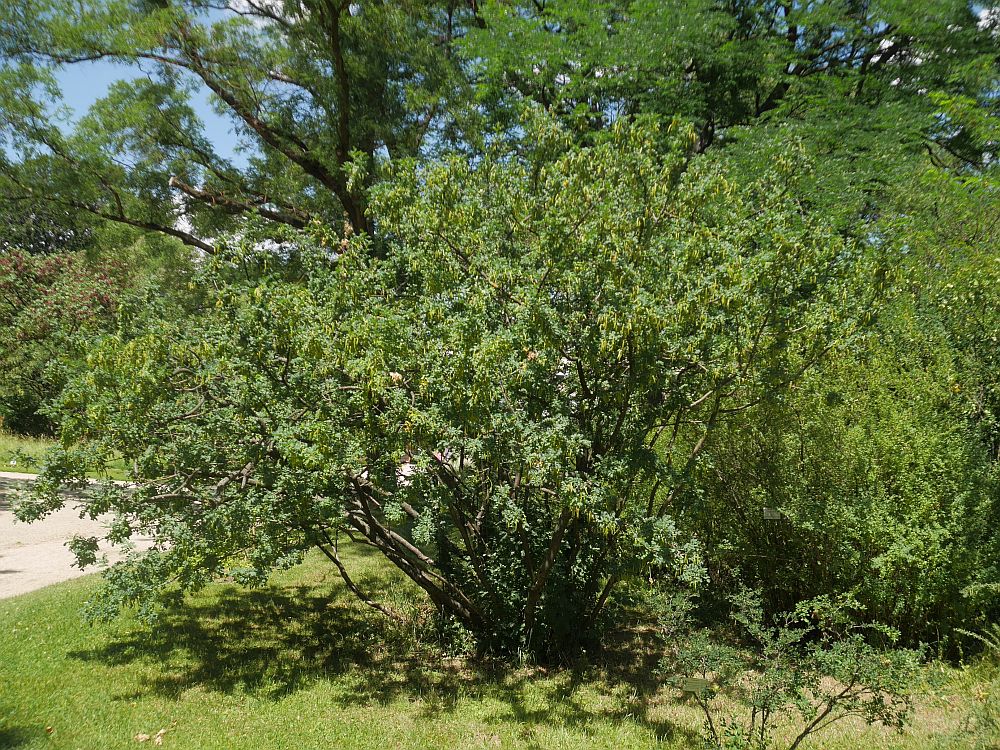
Siberian pea tree (Caragana) growing an producing masses of small beans in the warmth of Vienna
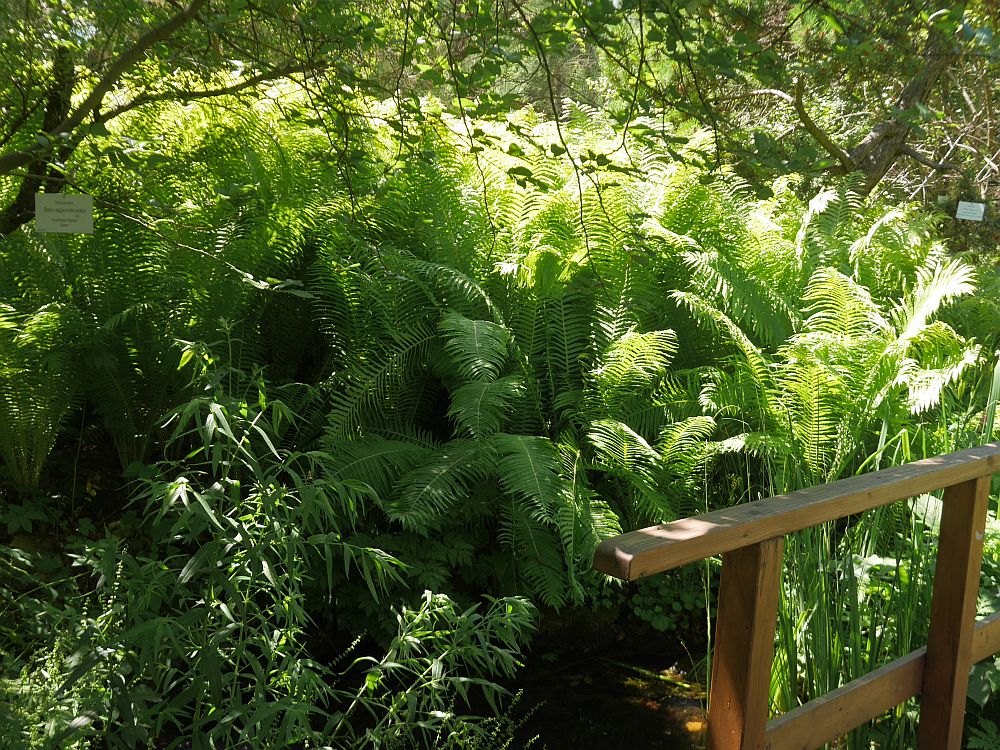
Ostrich fern growing well in damp soil by a stream
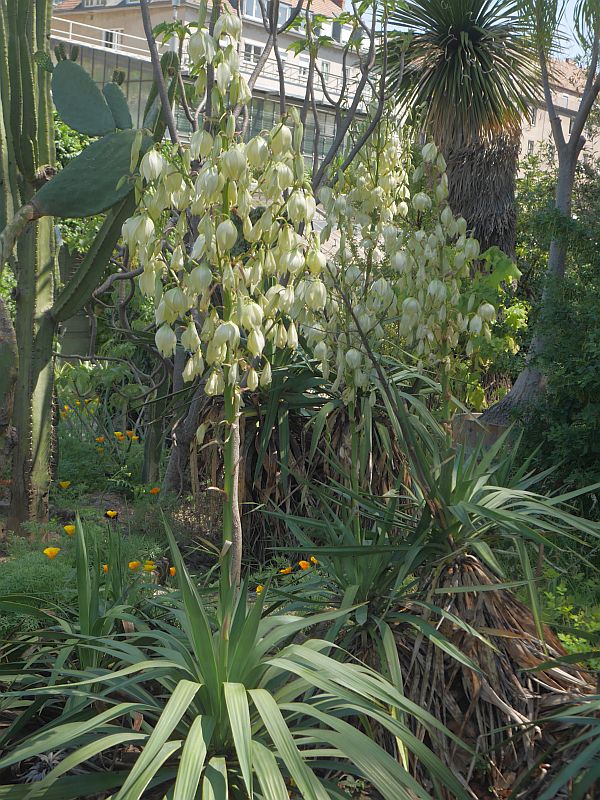
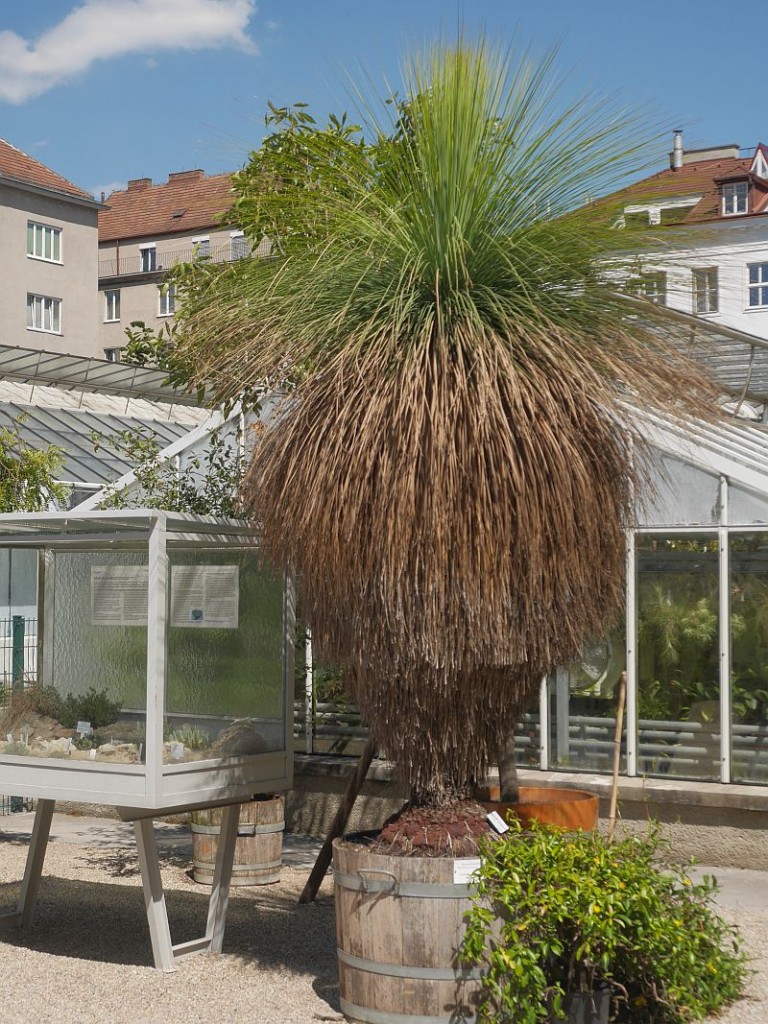
Xanthorrhoea (grass tree or black boy) from Australia was considered as a future crop for sugar in the 19th century
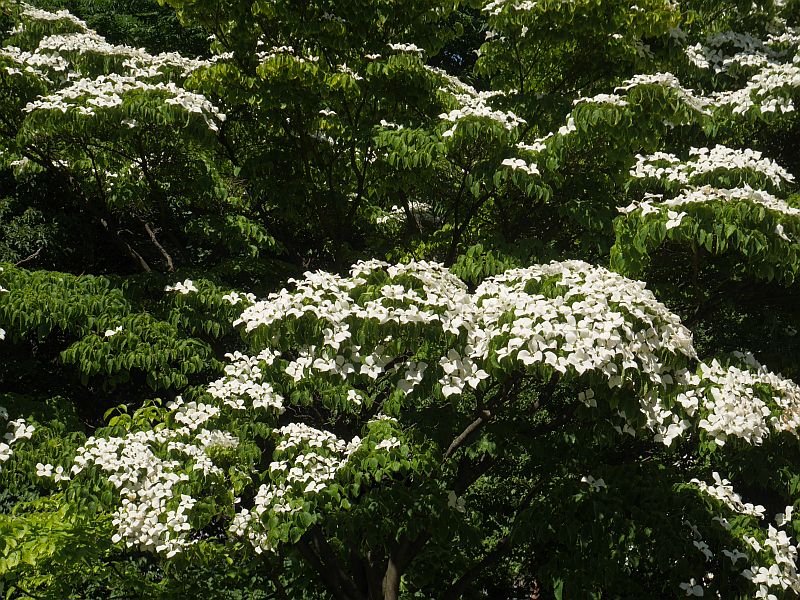
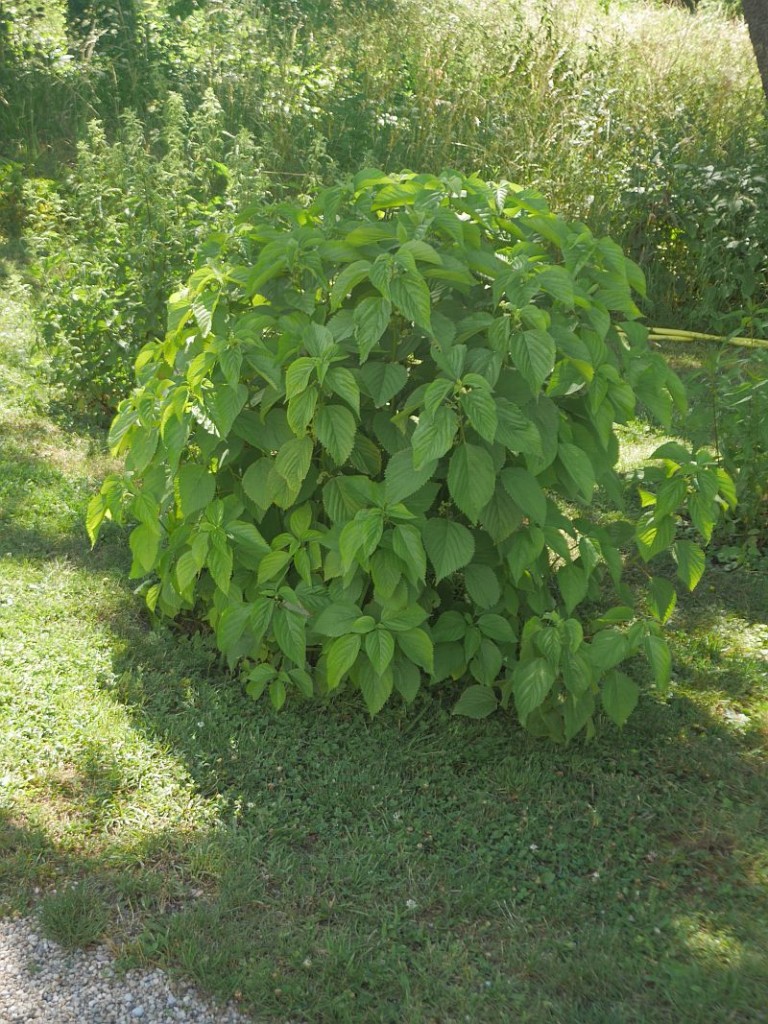
Cornus kousa, an edimental!!
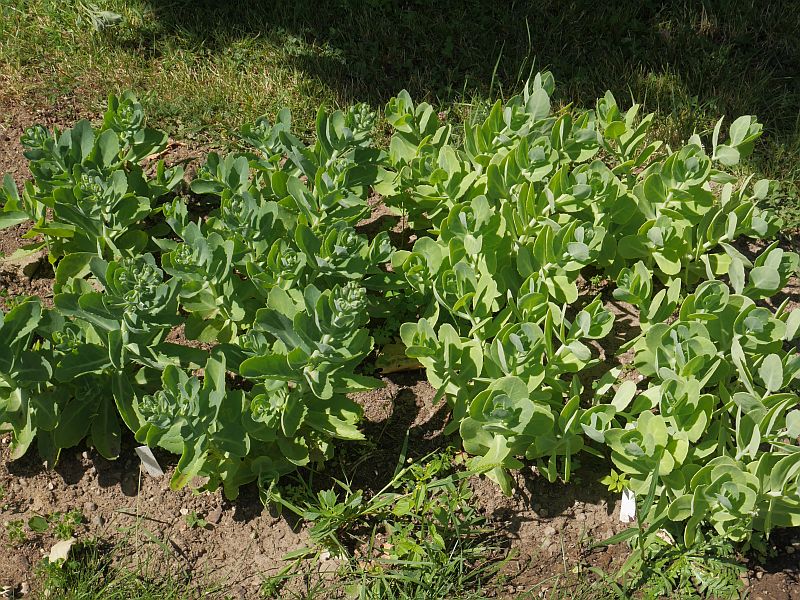
Sedum
Parietaria, edible non-stinging nettle
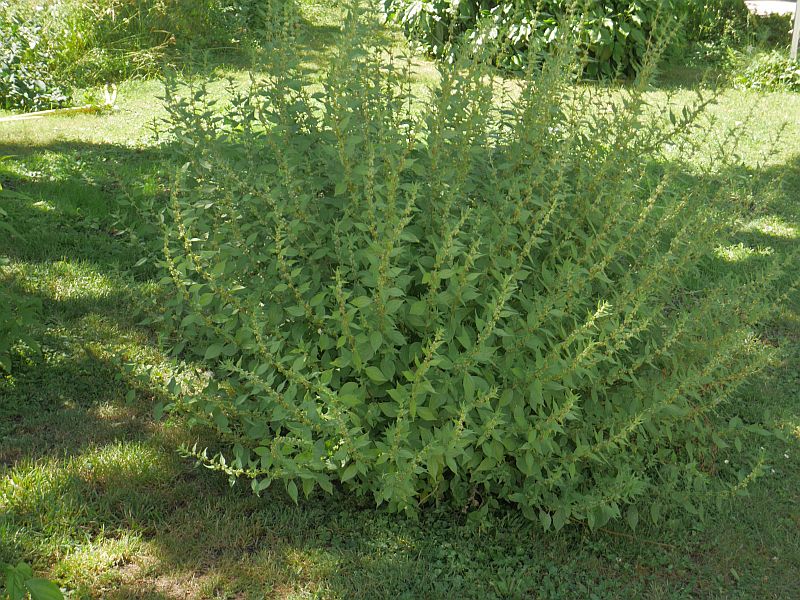
Laportea canadensis, Canadian wood nettle
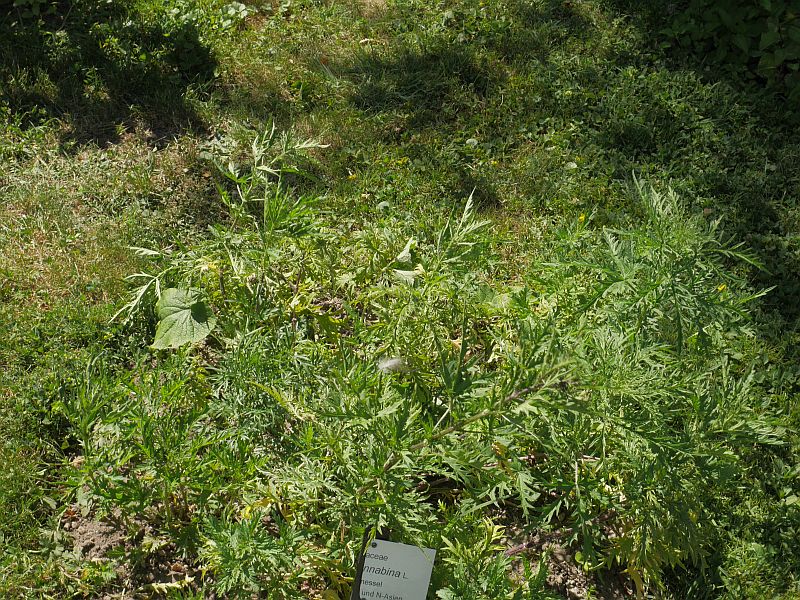
Urtica cannabina
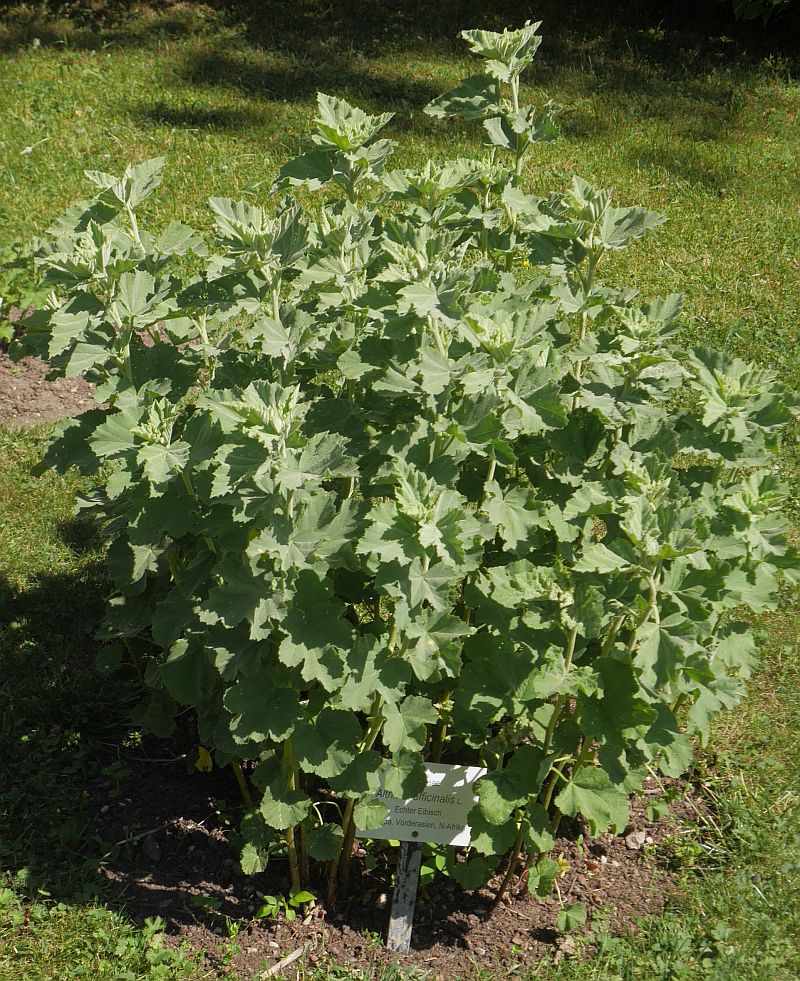
Althaea officinalis, Marshmallow
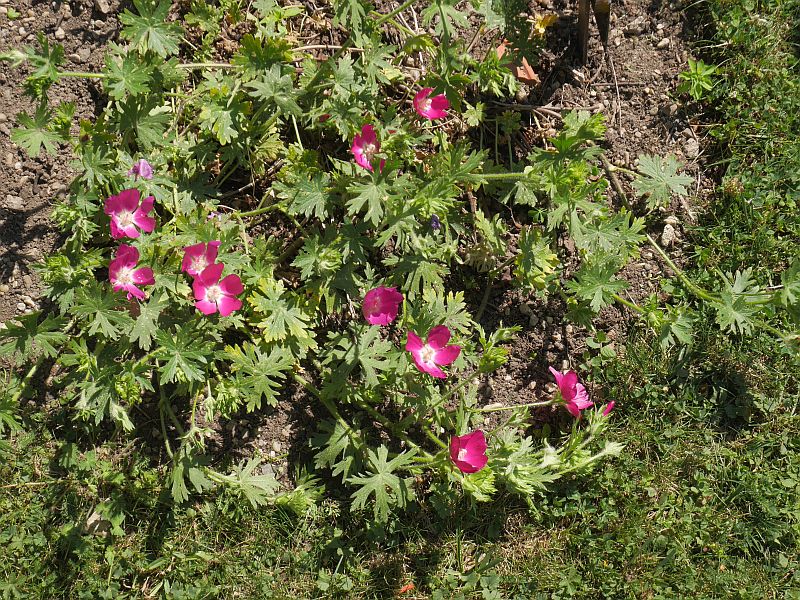
Callirhoe is a great edimental in the Mallow family from North America
Cornus kousa, an edimental!!
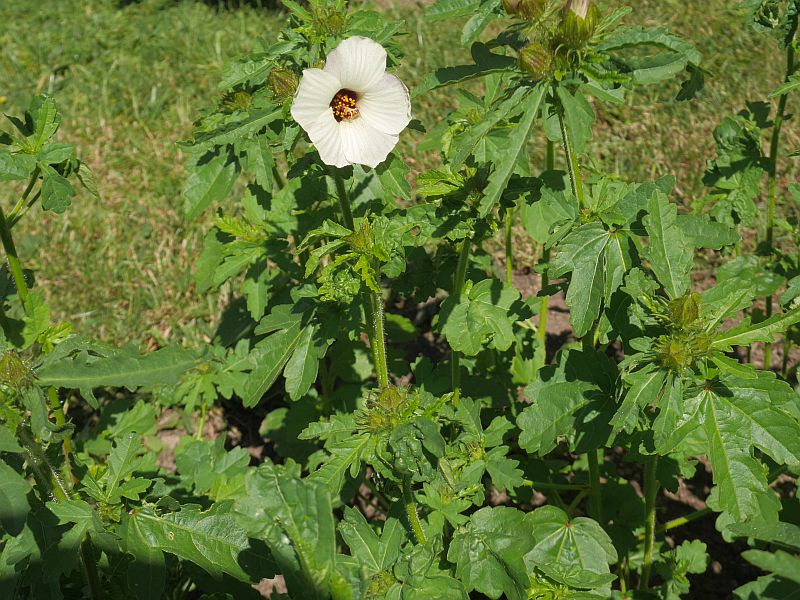
Hibiscus trionum
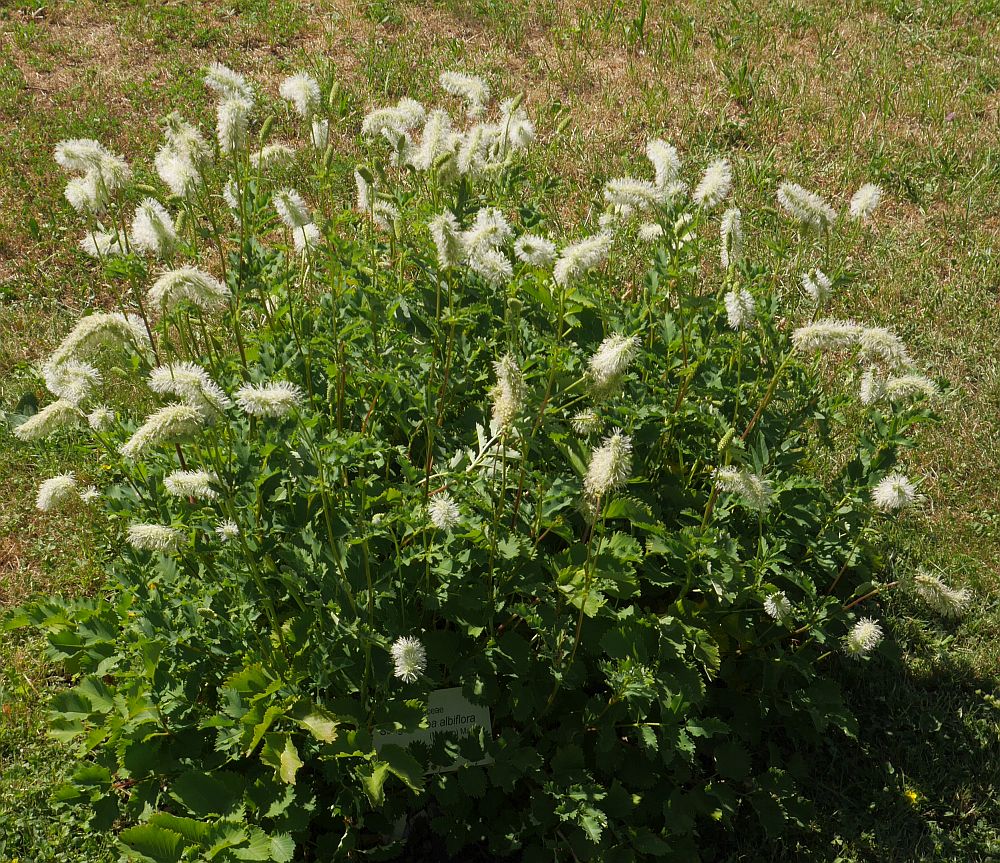
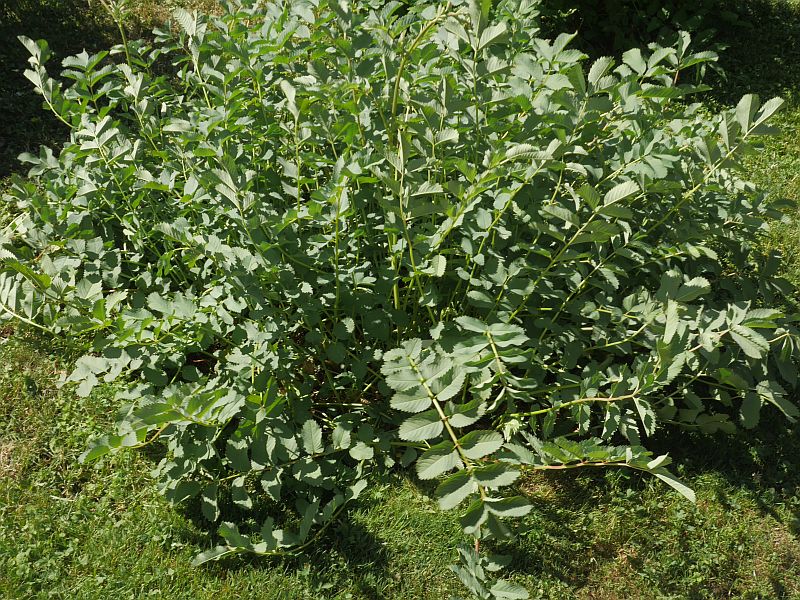
There’s a good collection of edible Sanguisorba species (edible young shoots), most better than overrated S. officinalis (salad burnet). This is Sanguisorba albiflora
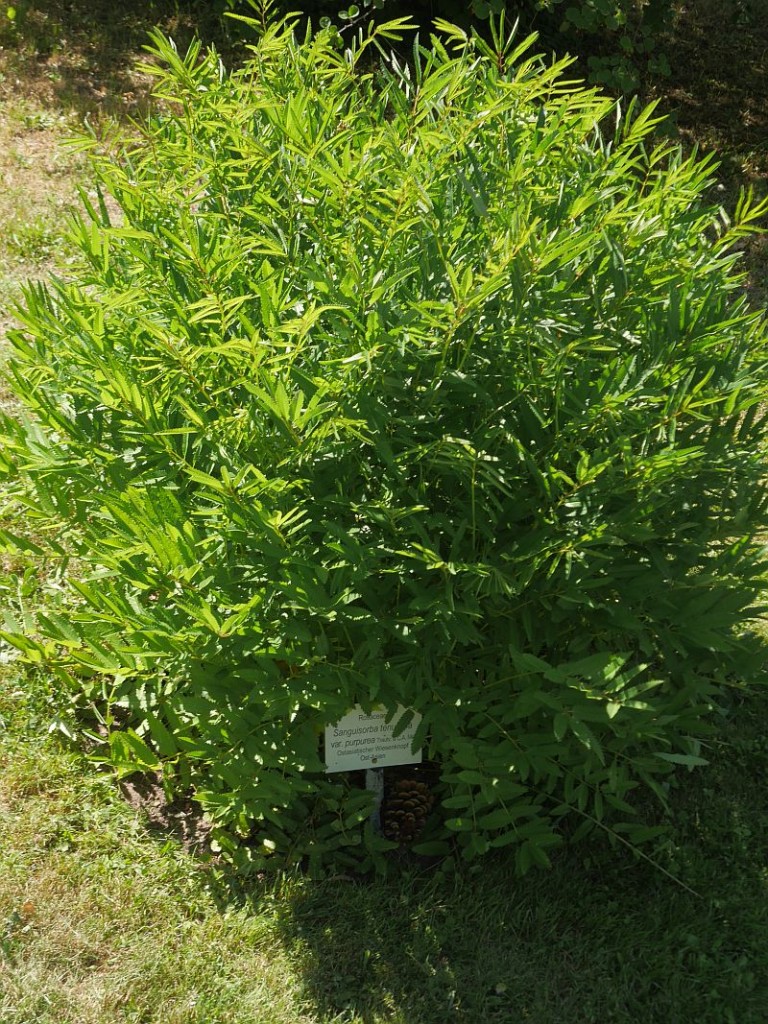
Sanguisorba tenuifolia var purpurea
Sanguisorba hakusanensis
Sanguisorba obtusa
Entrance to the administration building where I met the garden’s director!
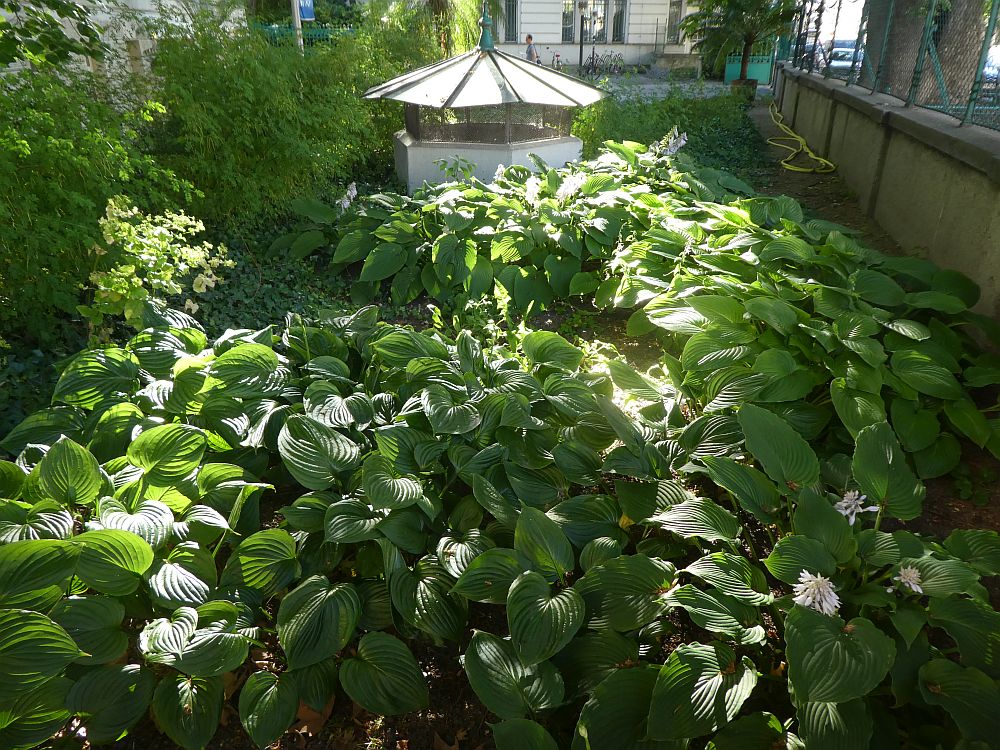
Next to the entrance to the entrance to the administration building…Host’s Hostas of course!
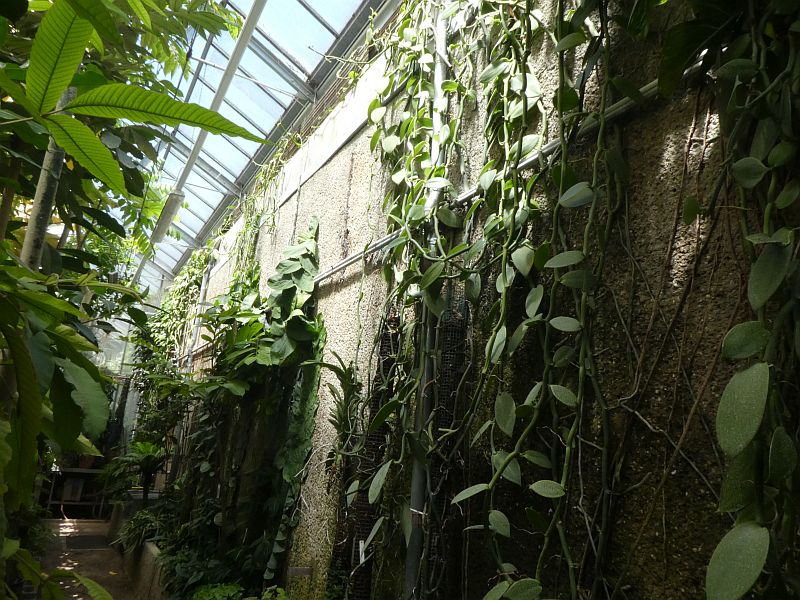
I was given a tour of the greenhouses by Frank who was also a member of Arche Noah! This included a collection of vanilla species…
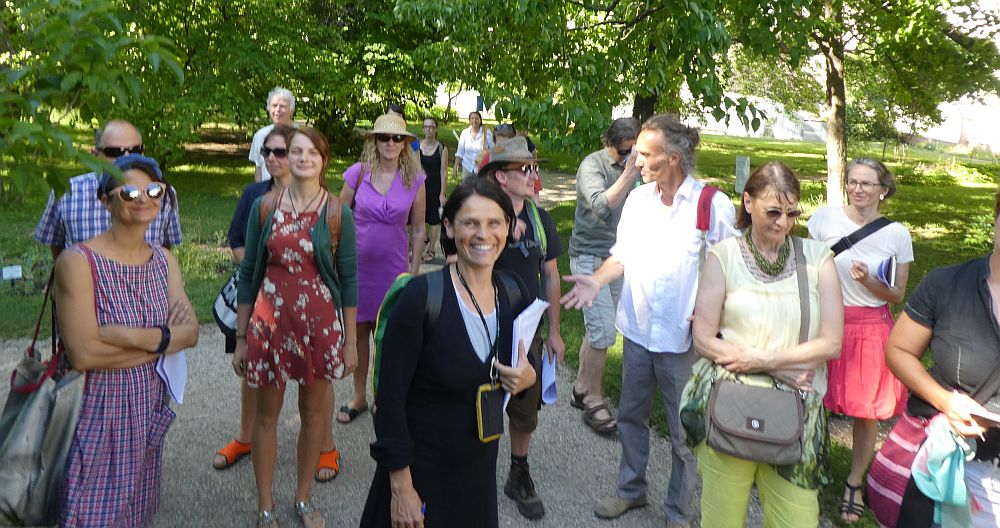
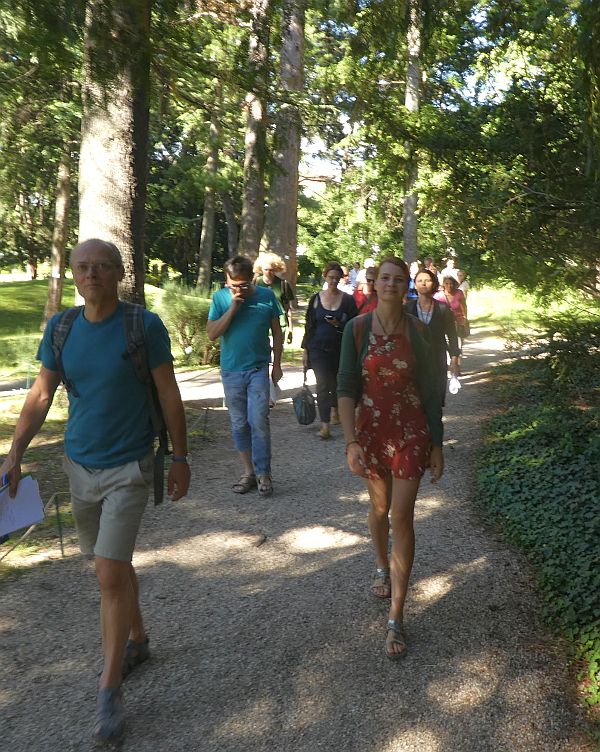
The participants of the walk and talk. Thanks to Arche Noah’s Ursula (in front) for organising my visit!
In stark contrast to the diversity of the botanical garden, this is the next door neighbour!
Did you know you could make coffee tea from the leaves of the coffee bush! I finally got round to trying the fresh leaves from my plant as a tea a couple of weeks back and it was really delicious, with a similar taste to coffee berries if you’ve tried them (the red flesh around the seed used to make coffee).
Coffee tea is certainly easier to grow and make at home than coffee coffee …. I’m still saving seed for a brew :)
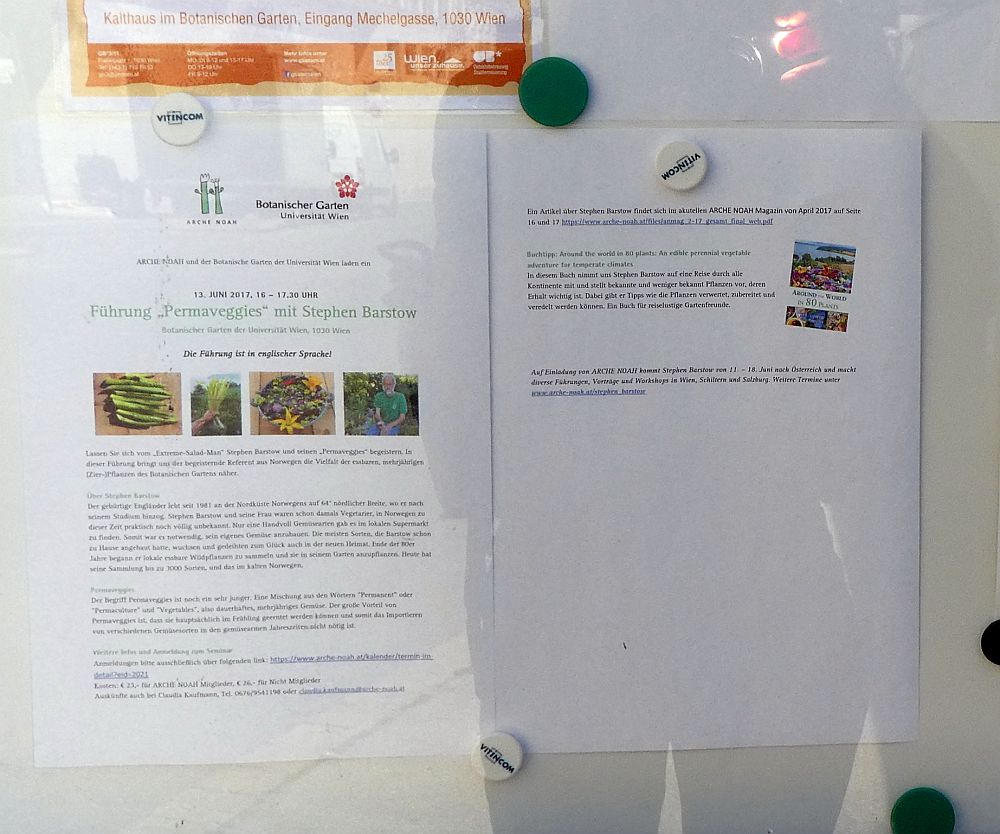
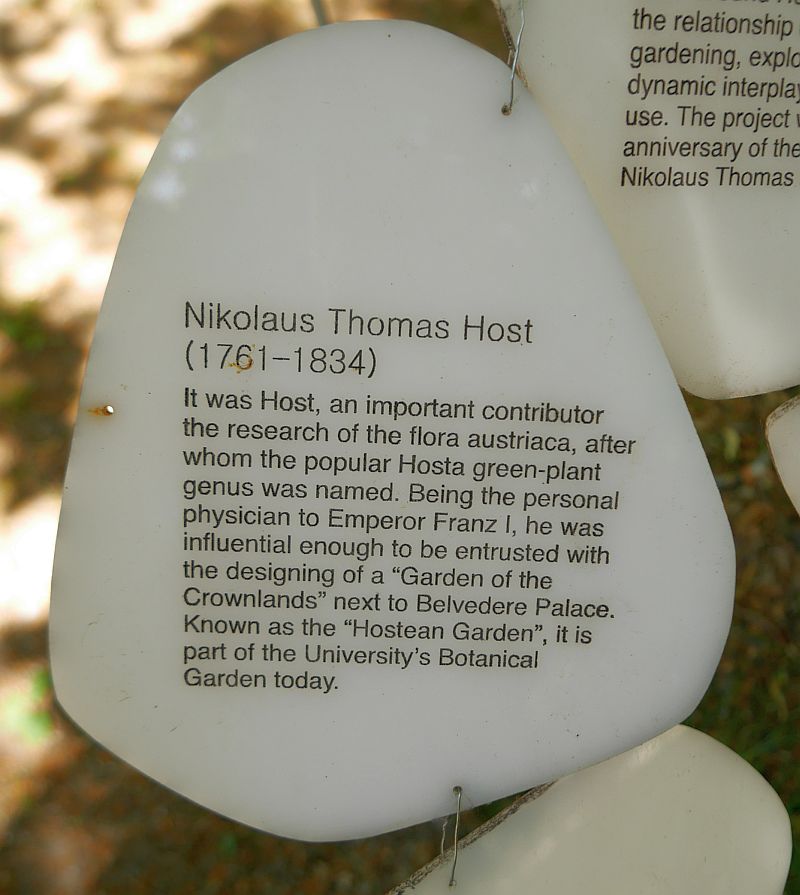
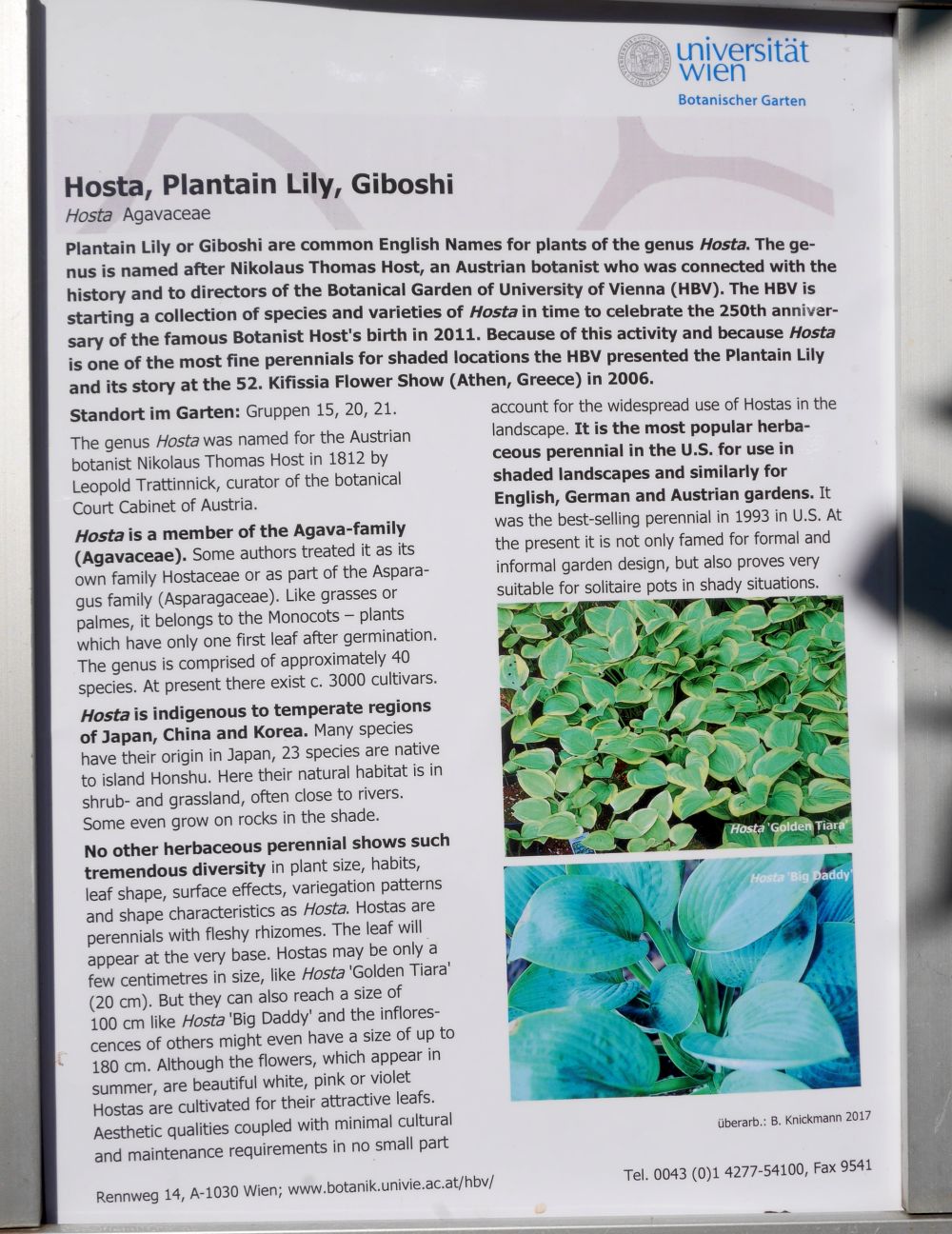
The genus Hosta is just about my favourite vegetable as you can read in my book Around the World in 80 plants, productive, tasty and perfect for a forest garden as it doesn’t mind deep shade! I did a walk and talk at the Botanischer Garten der Universität Wien as part of my tour organised by Arche Noah in mid-June 2017. To my great surprise, there was a Hosta installation in the garden and a large collection of species Hosta! It turns out that the genus Hosta was named after Austrian botanist Nikolaus Host (1761-1834) and he managed a garden on the site of the botanical garden until his death!
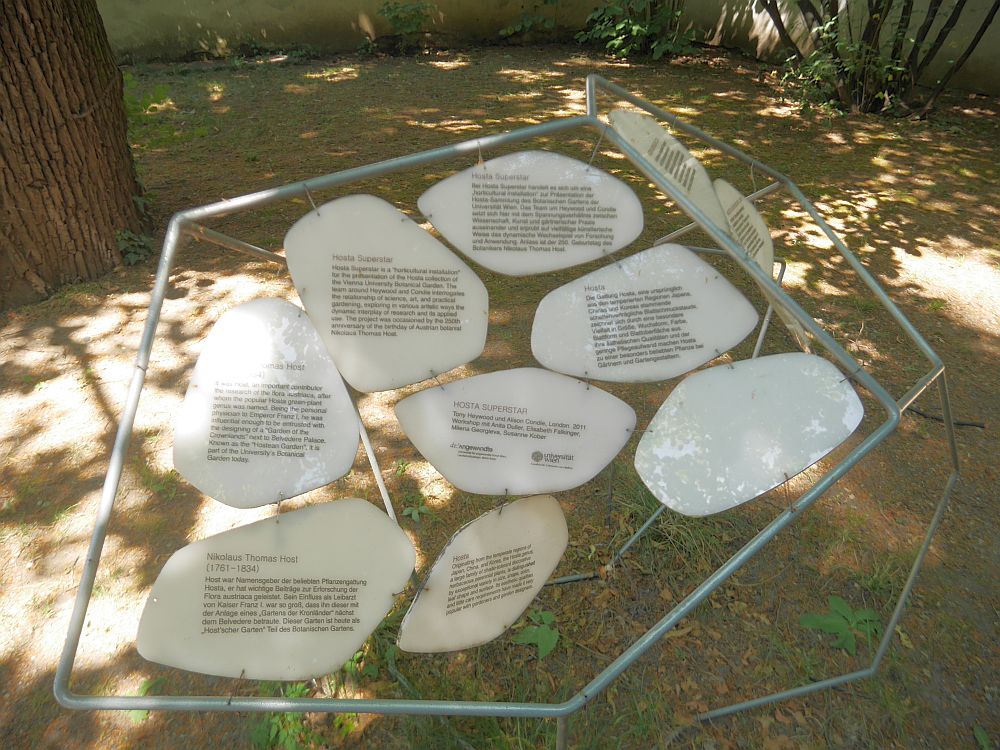
From the garden’s web site: “On the occasion of the 250th anniversary of the birth of Nikolaus Thomas Host (1761-1834). A group of students of the class for landscape design, under the supervision of the British artist and landscape designer Tony Heywood, is working on a “horticultural installation” for the Botanical Garden of the University of Vienna.”
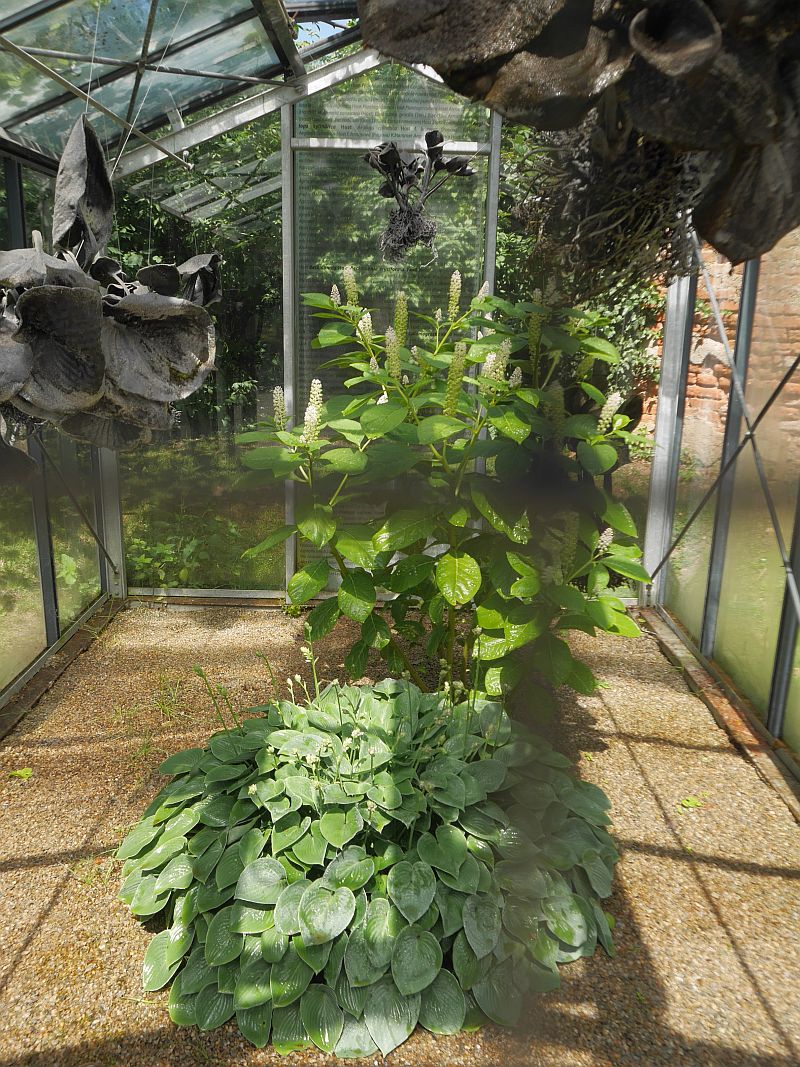
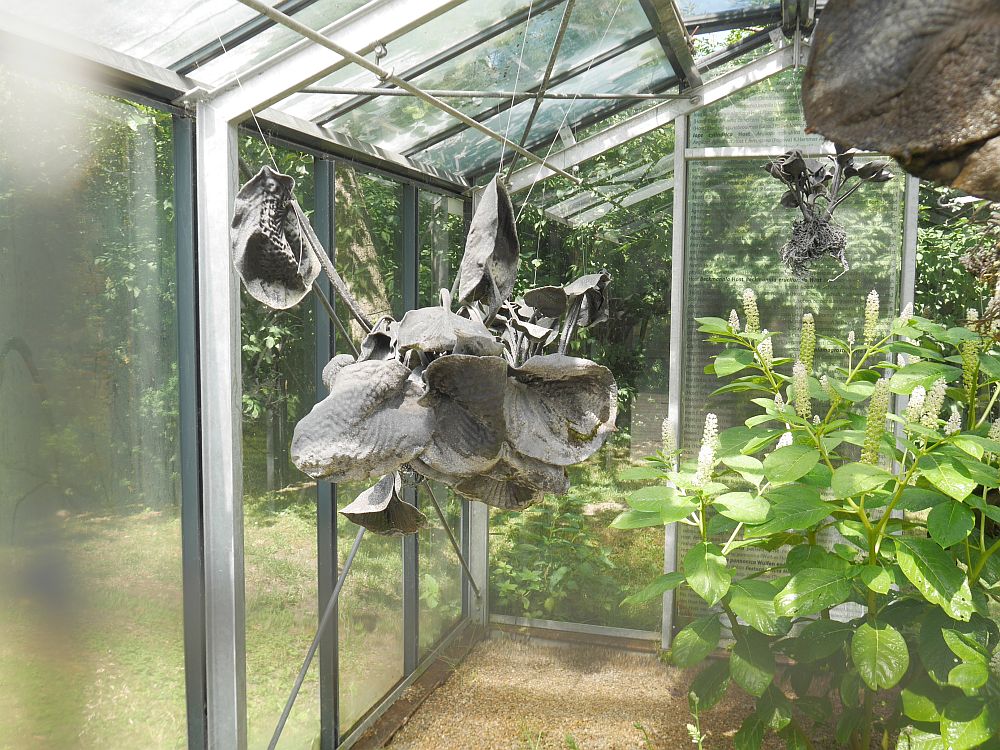
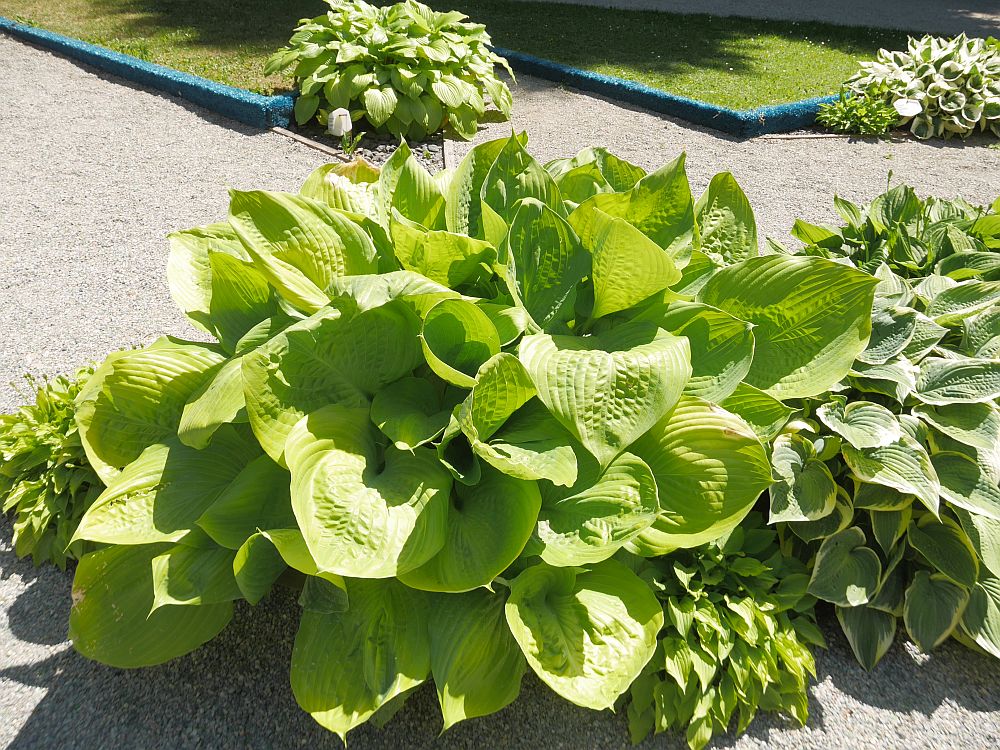
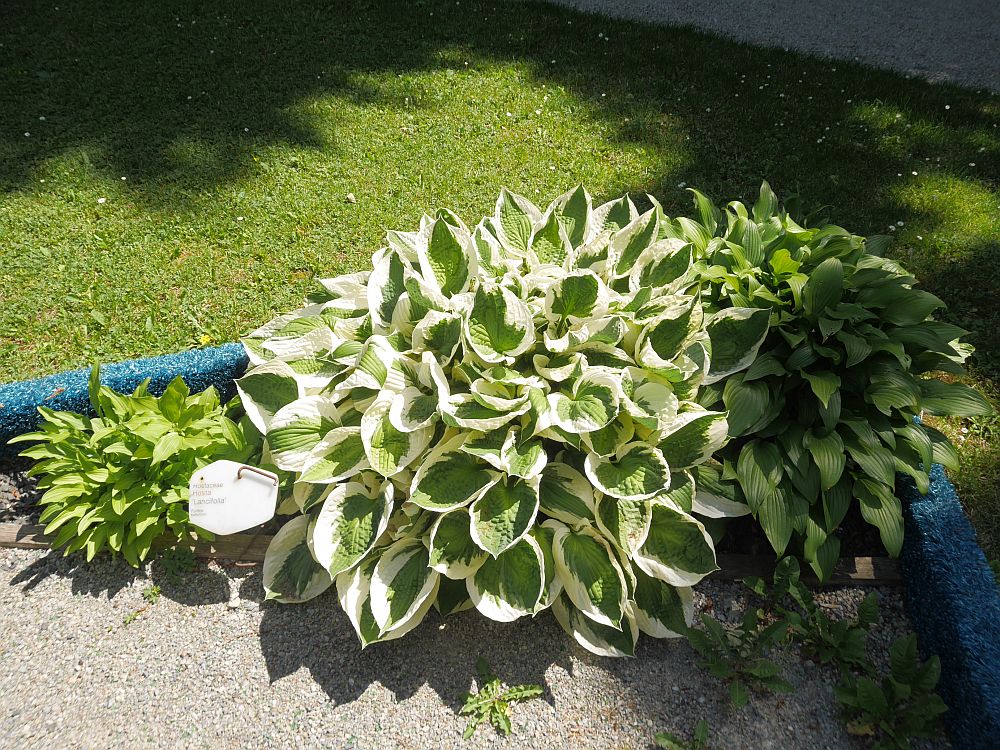
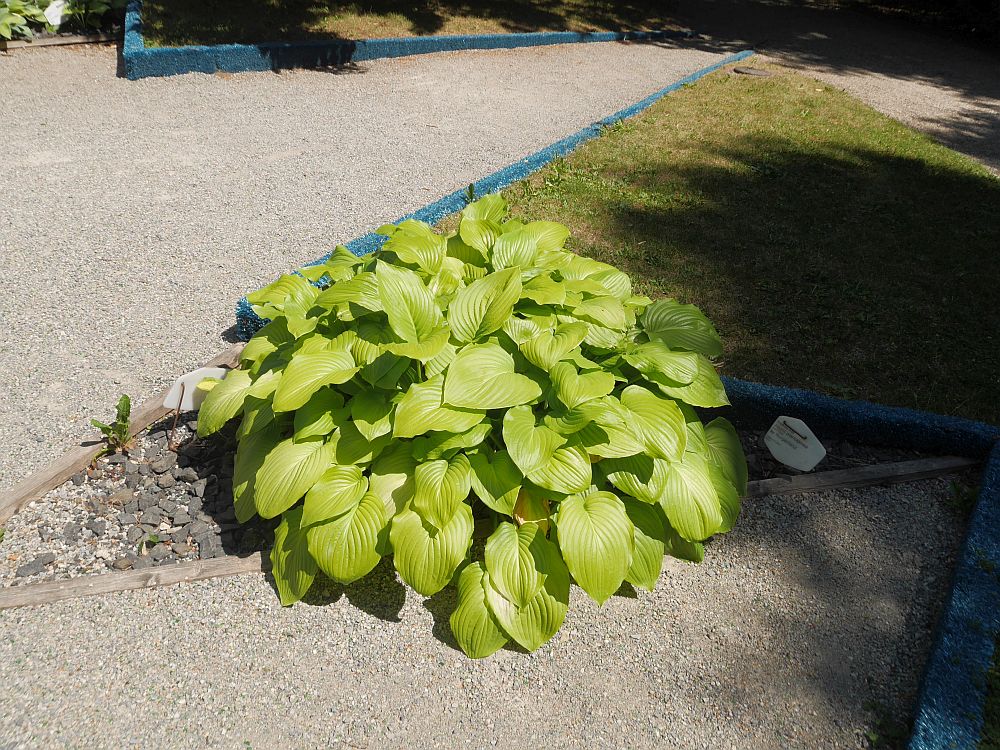
Here’s a series of pictures from the installation “Hosta Superstar” and a long bed of species Hosta!
All Hostas are edible.
This was the highlight of my guided tour of the garden which ended at the Hosta installation.
It was unknown to the garden that Hosta are edible and the director was excited of this new dimension to the garden…perhaps there will be a Hosta tasting next spring!
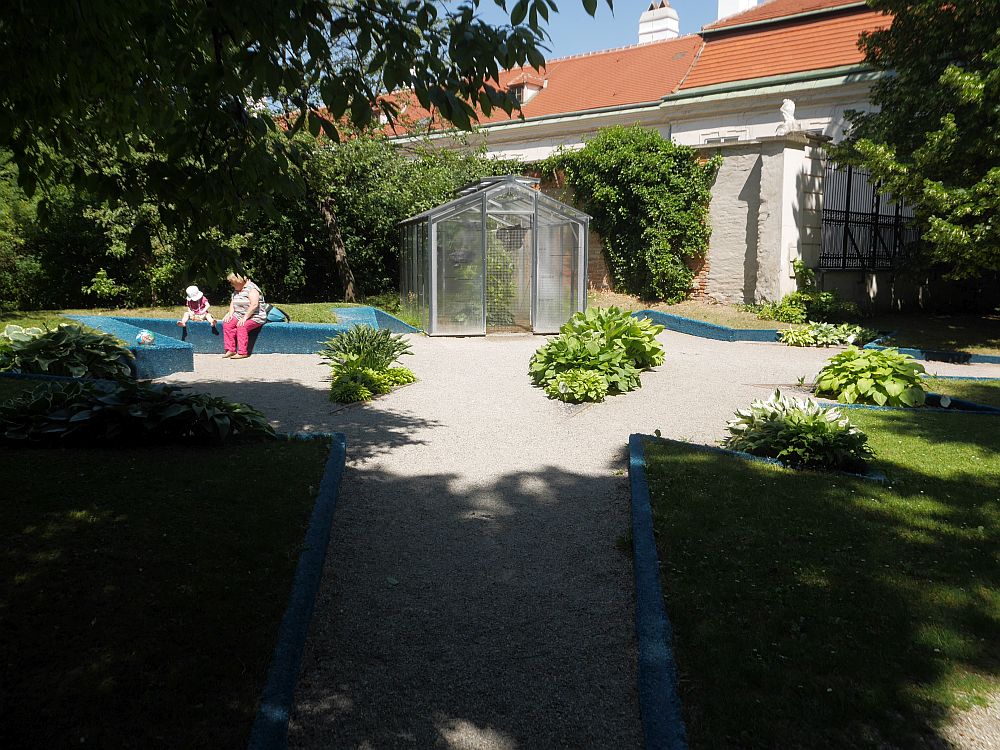
The Hosta Superstar Installation
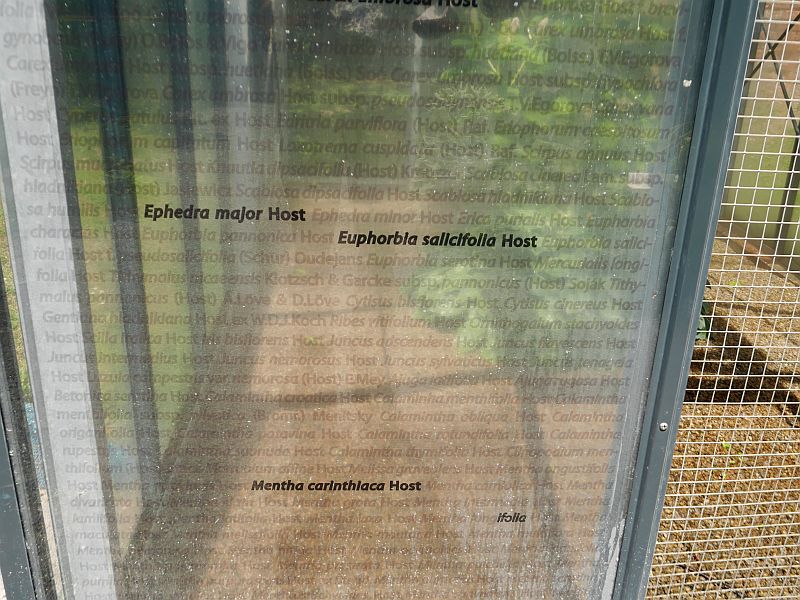
On the window of the greenhouse installation there is a list of plants credited to Host (bold), there are many others (non-bold) that turned out to be synonyms!
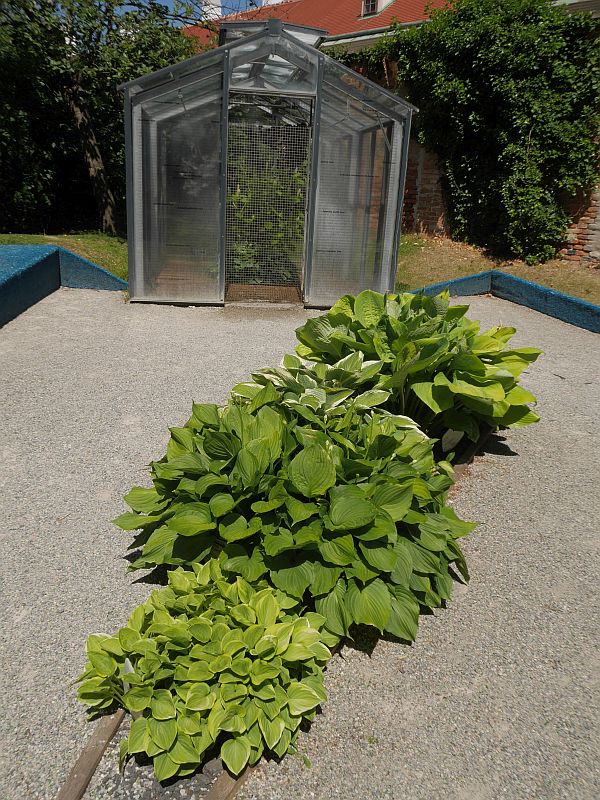
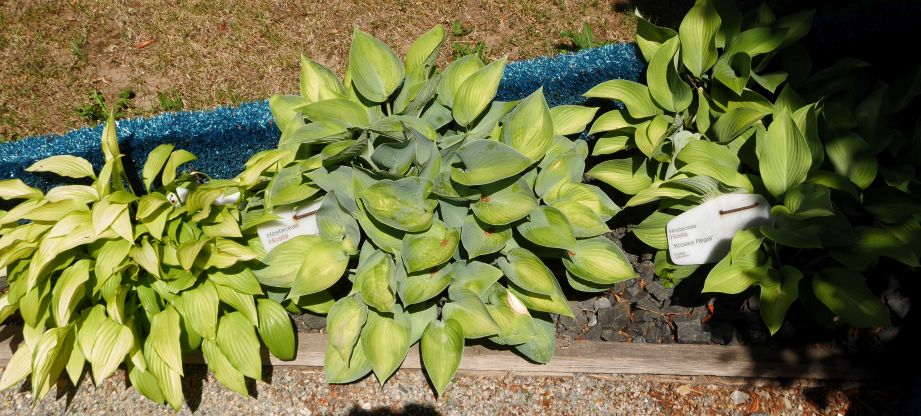
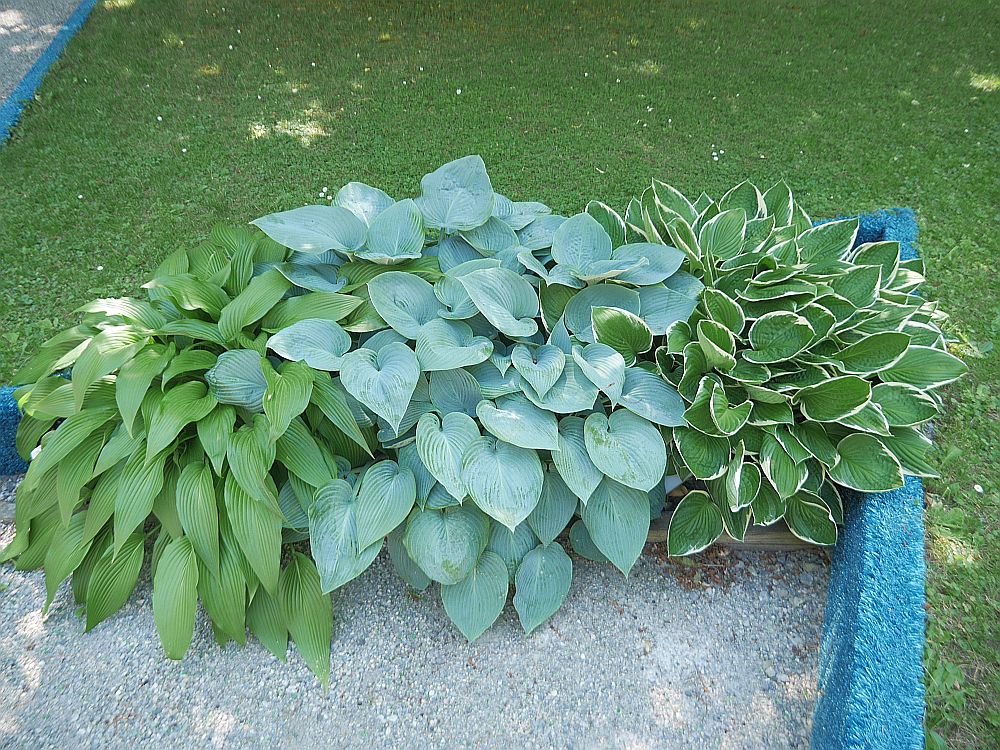
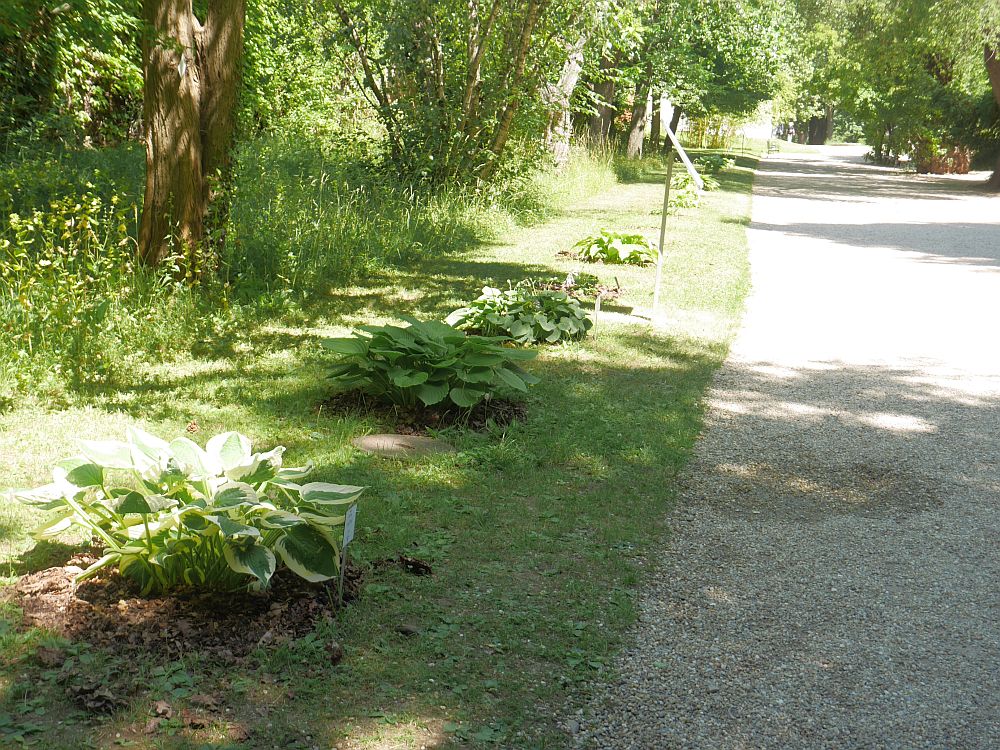
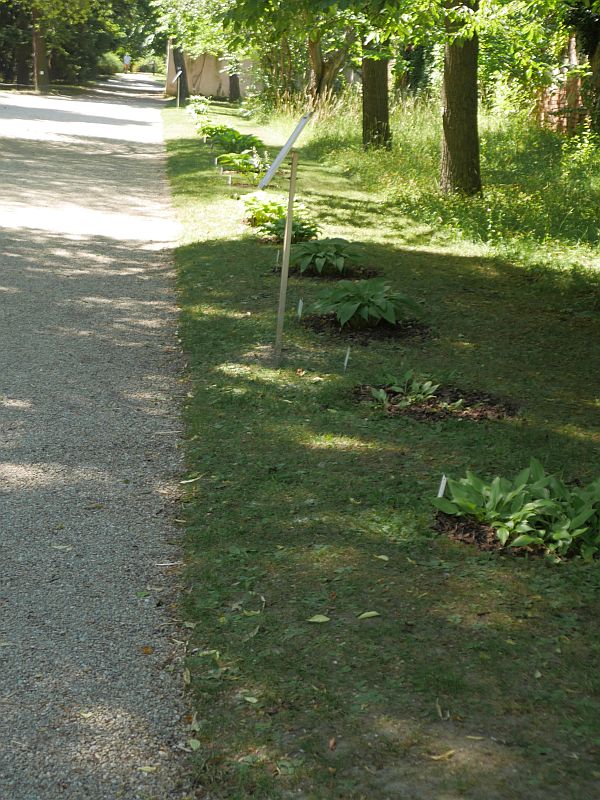
The Hosta species border!
Hosta nakaiana
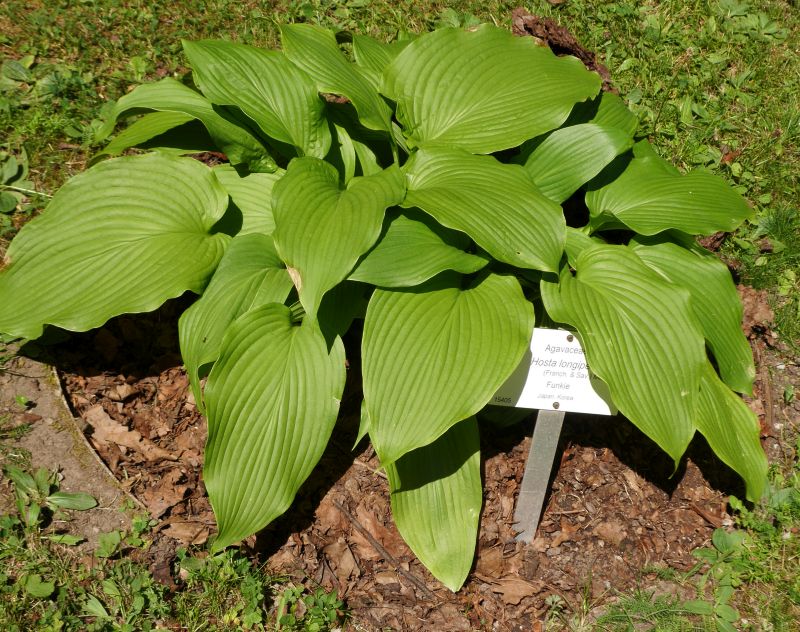
Hosta longipes
Hosta venusta
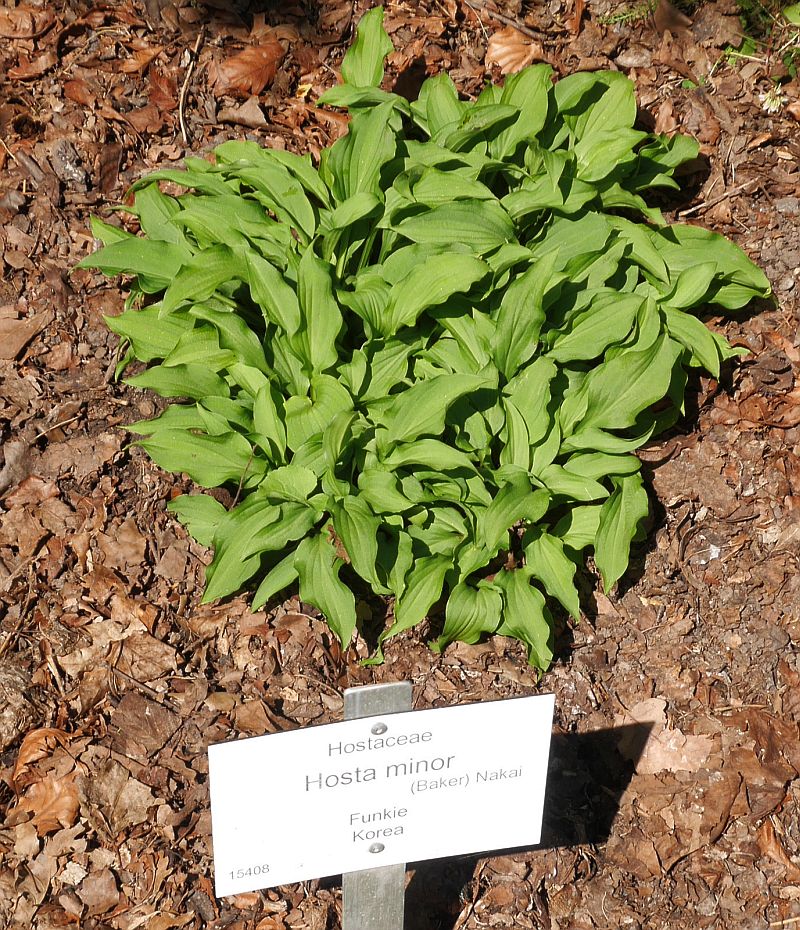
Hosta minor
Hosta capitata
Hosta montana
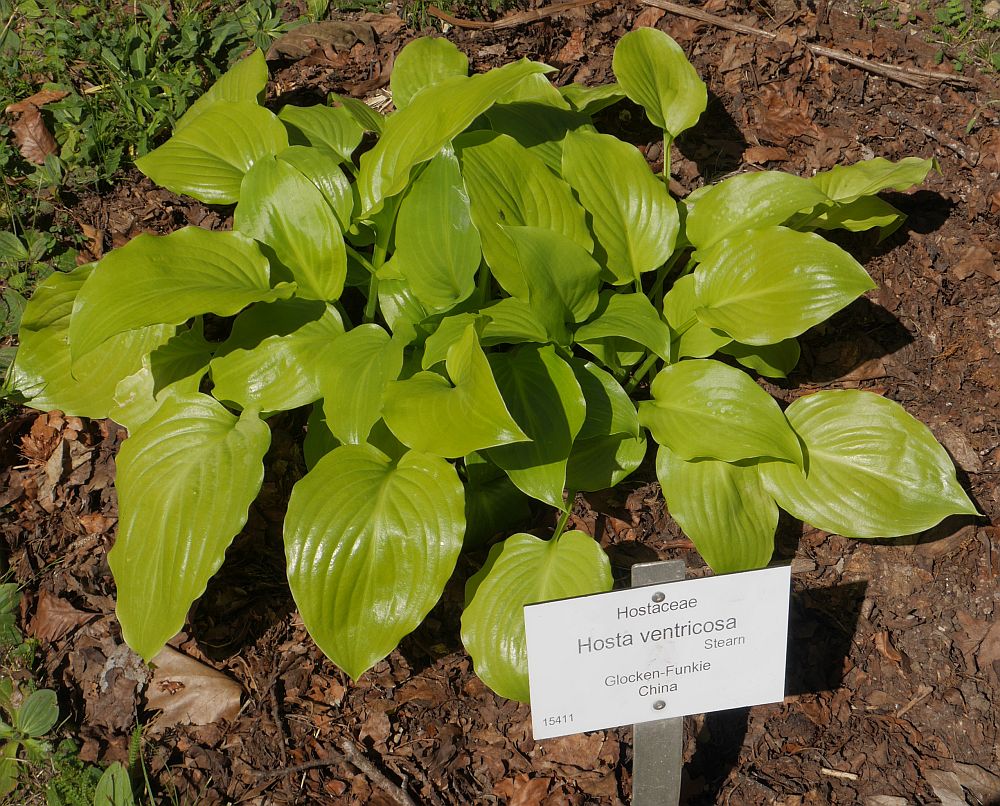
Hosta ventricosa
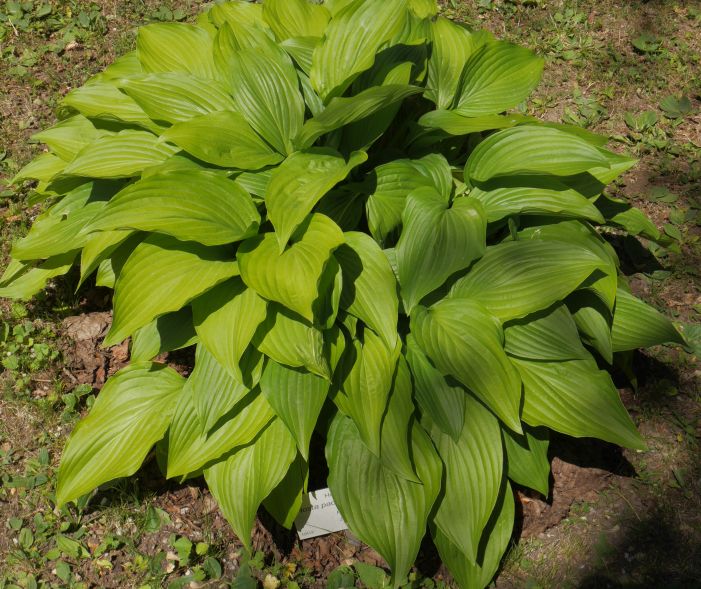
Hosta pachyscapa
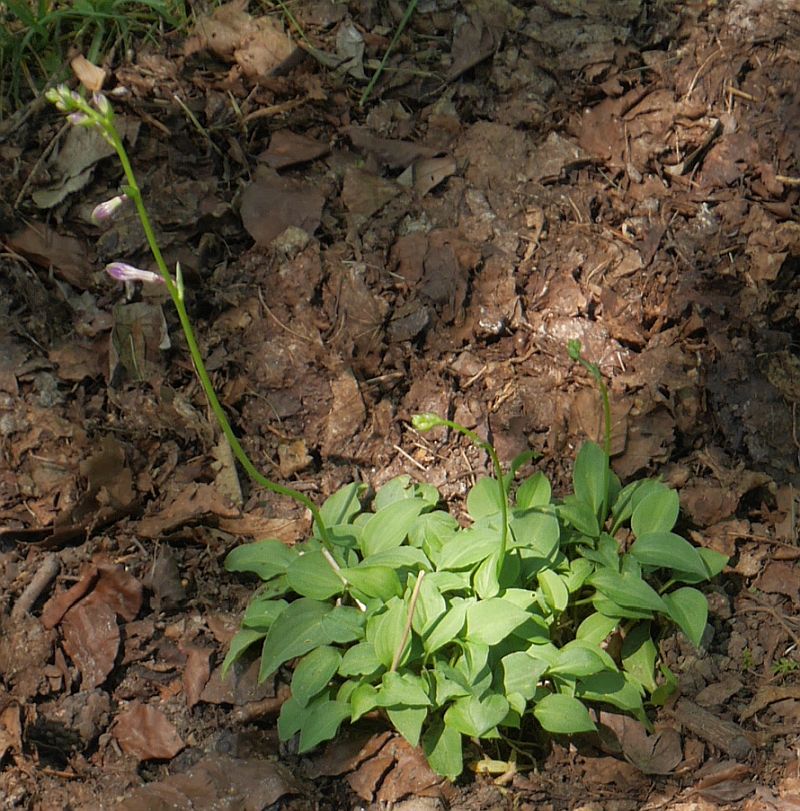
Hosta gracilima
Hosta hypoleuca
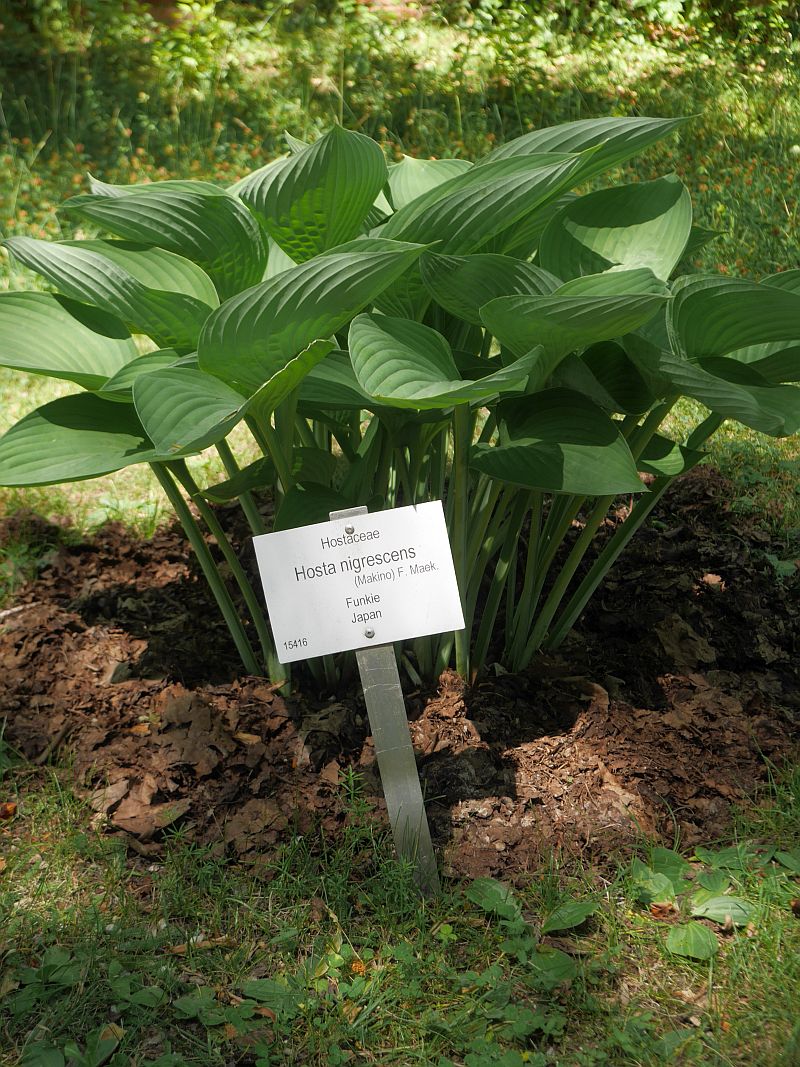
Hosta nigrescens
Hosta plantaginea
Hosta ventricosa
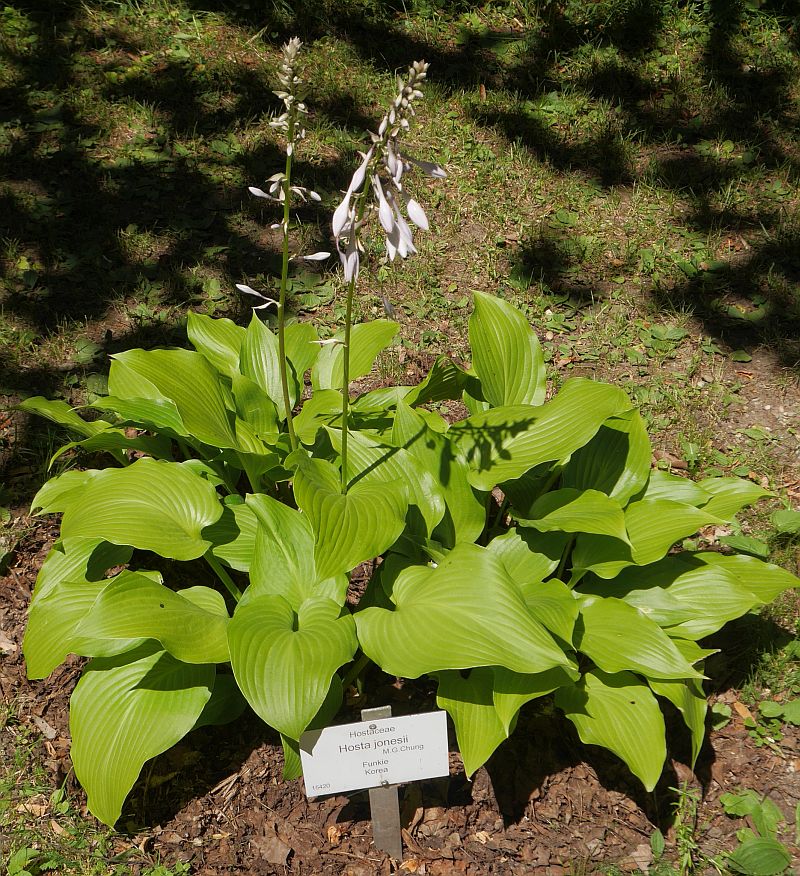
Hosta jonesii
Hosta kikutii
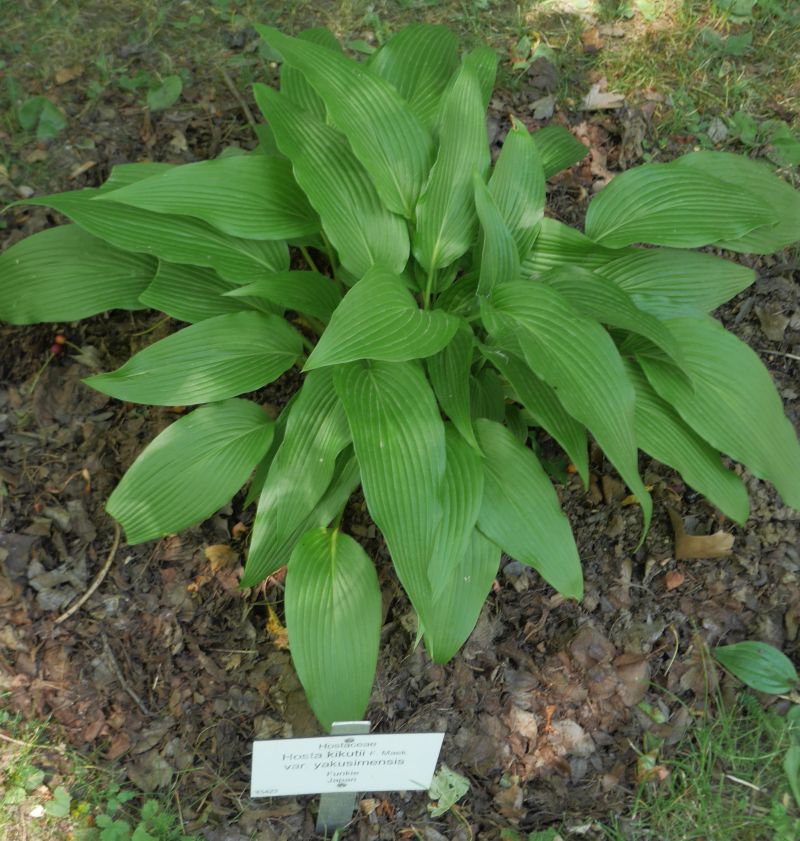
Hosta kikutii var yakusimensis
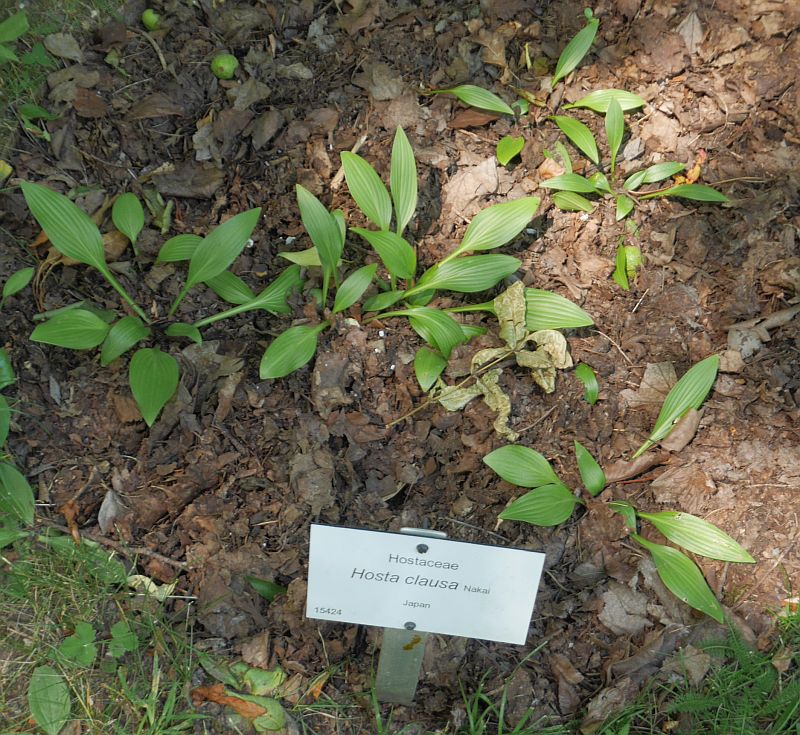
Hosta clausa
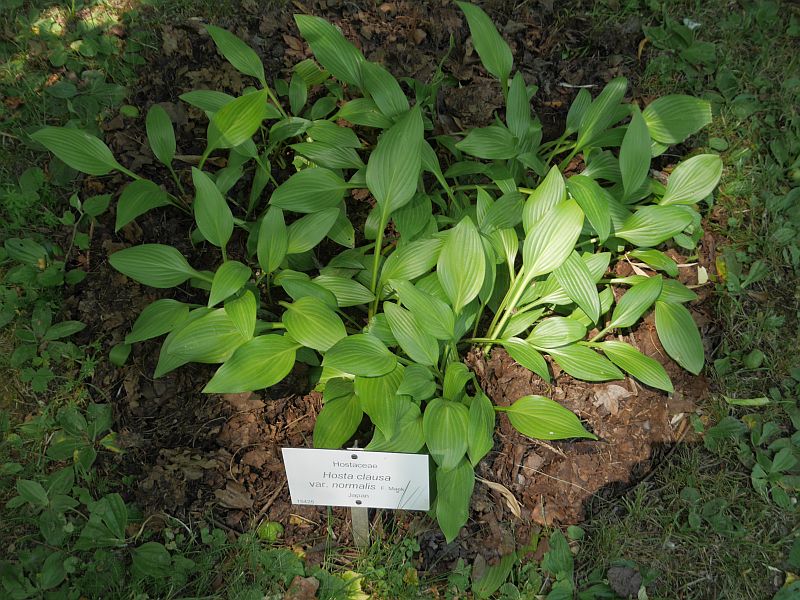
Hosta clausa var normalis
The Hosta species border!
Perennial vegetables, Edimentals (plants that are edible and ornamental) and other goings on in The Edible Garden