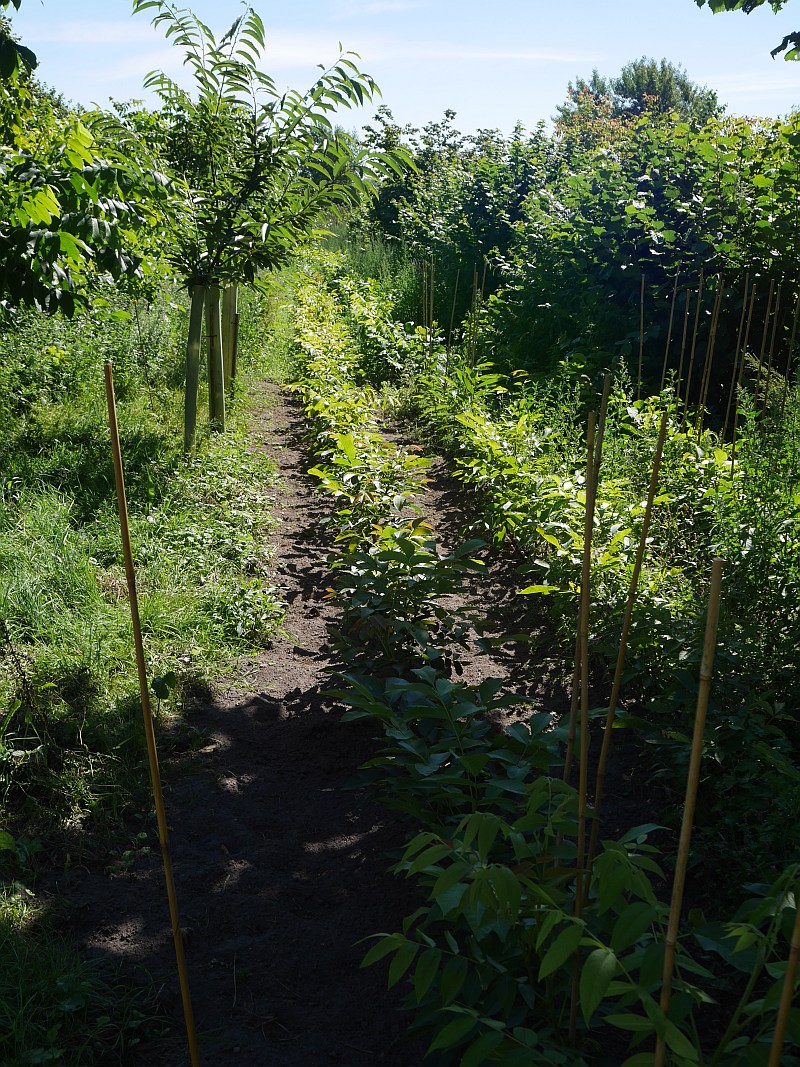
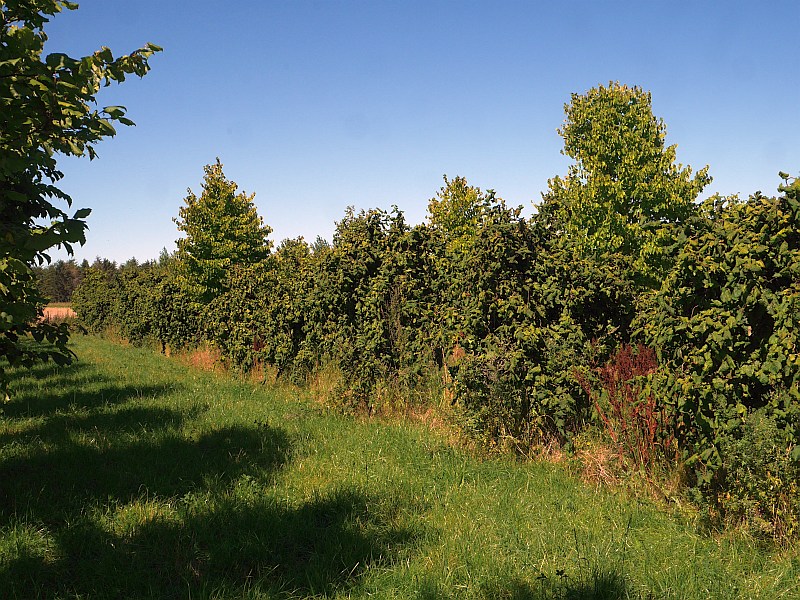
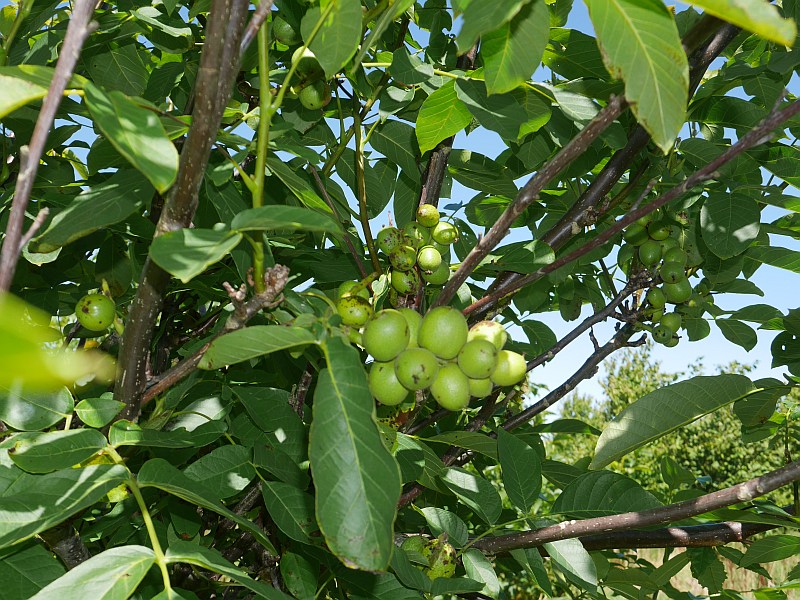
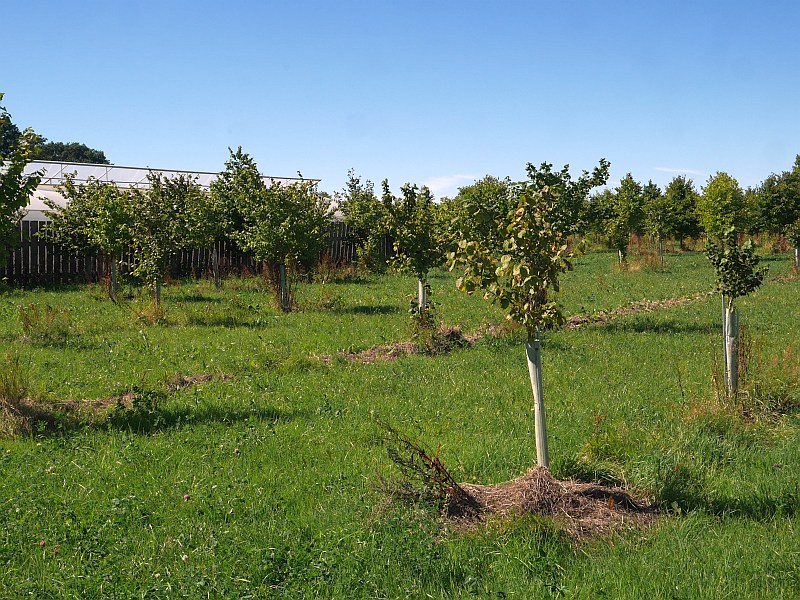
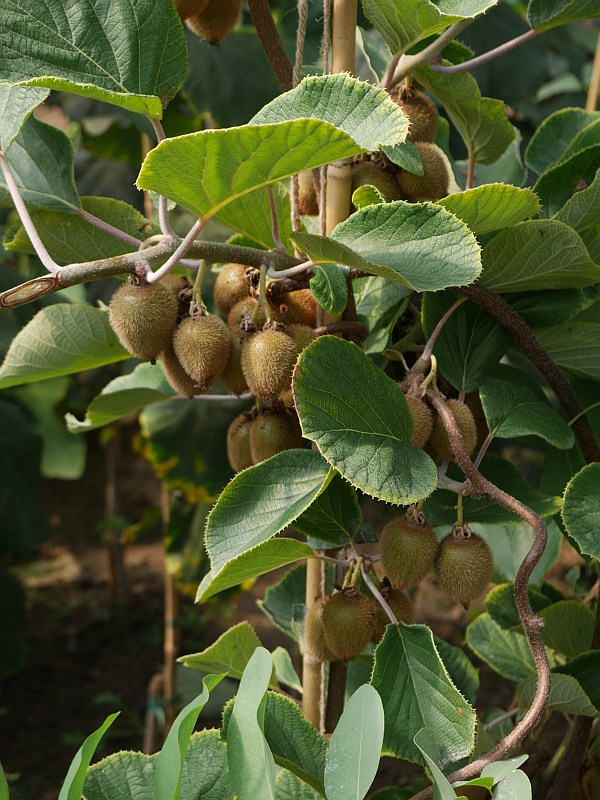
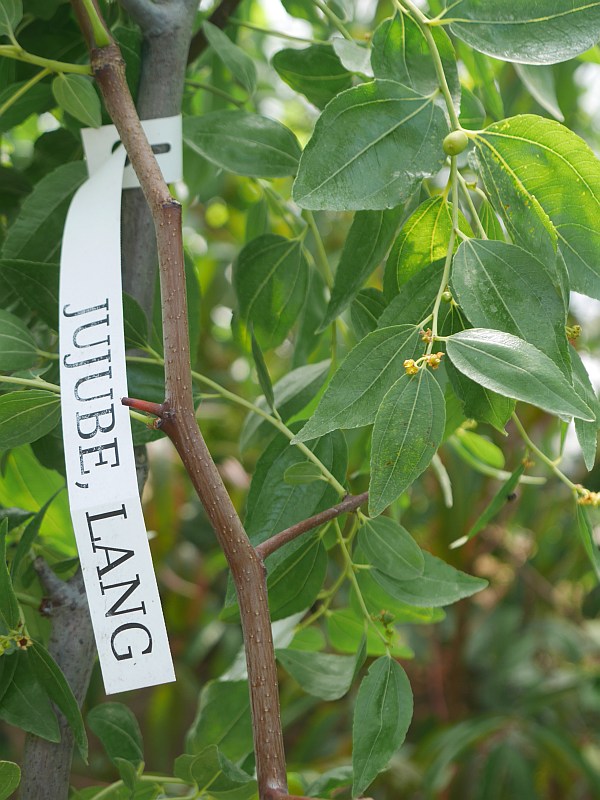
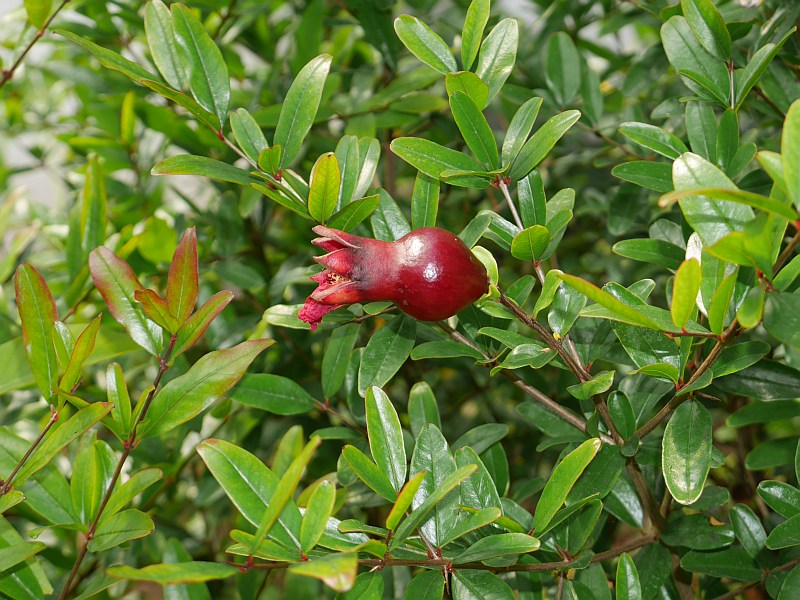
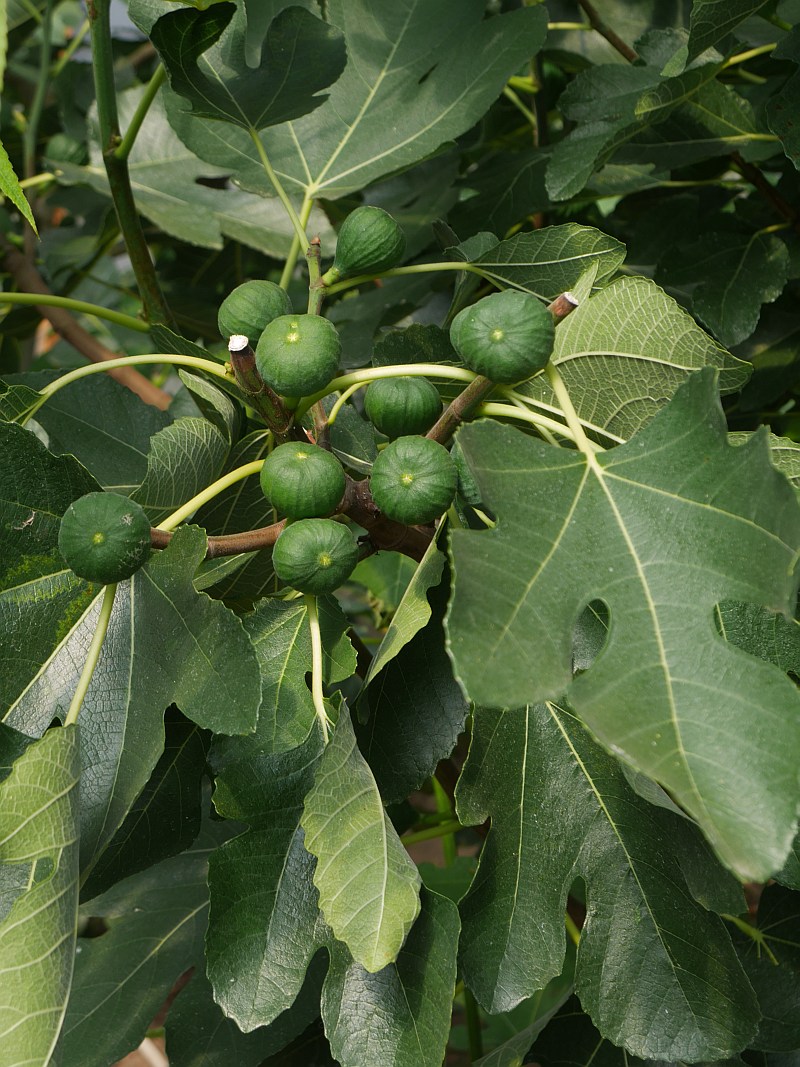
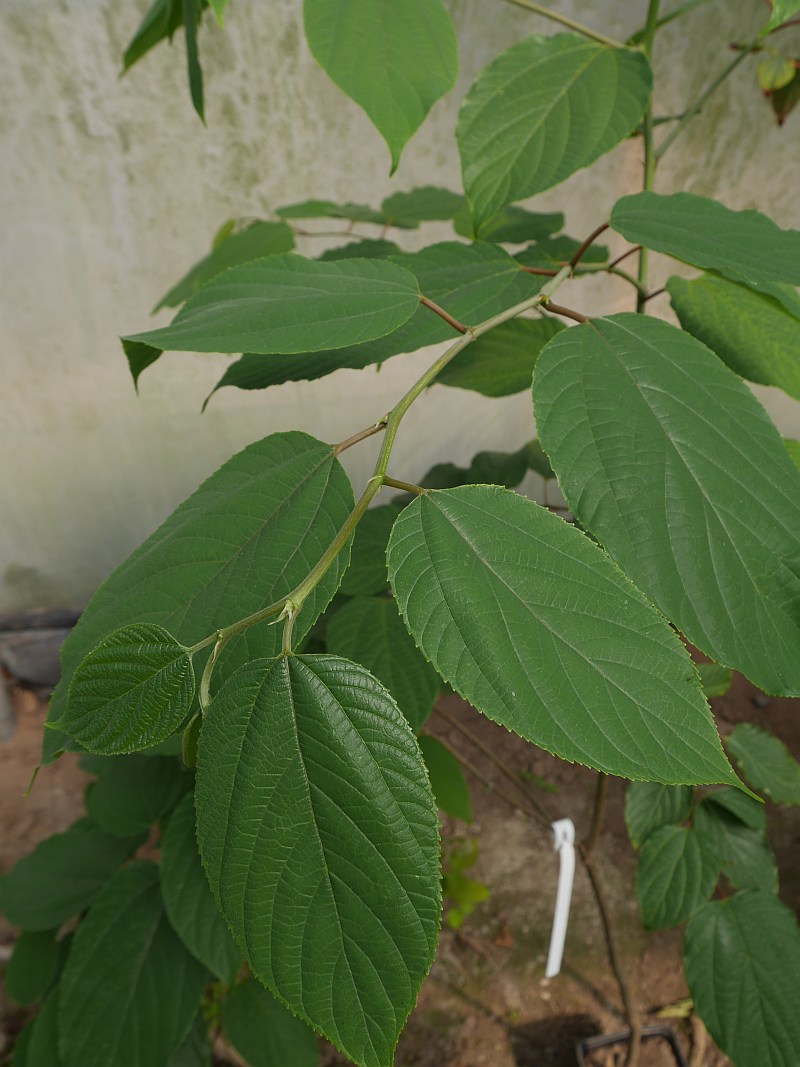
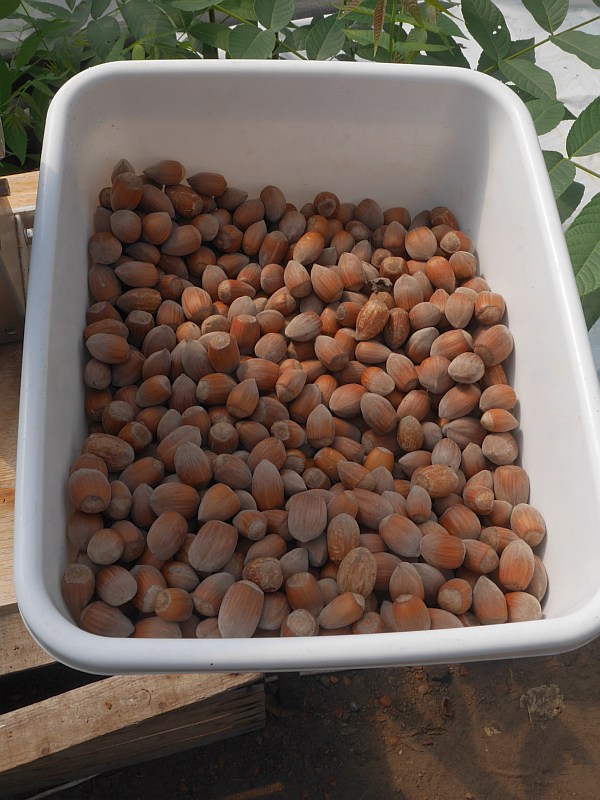
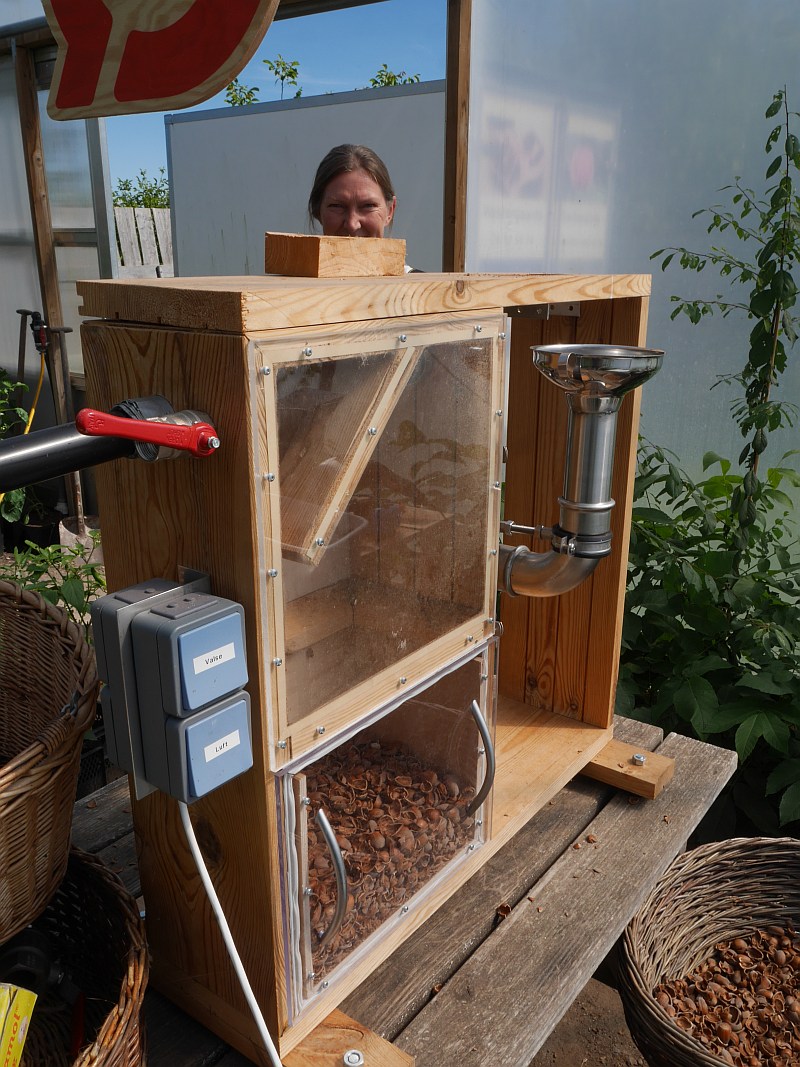
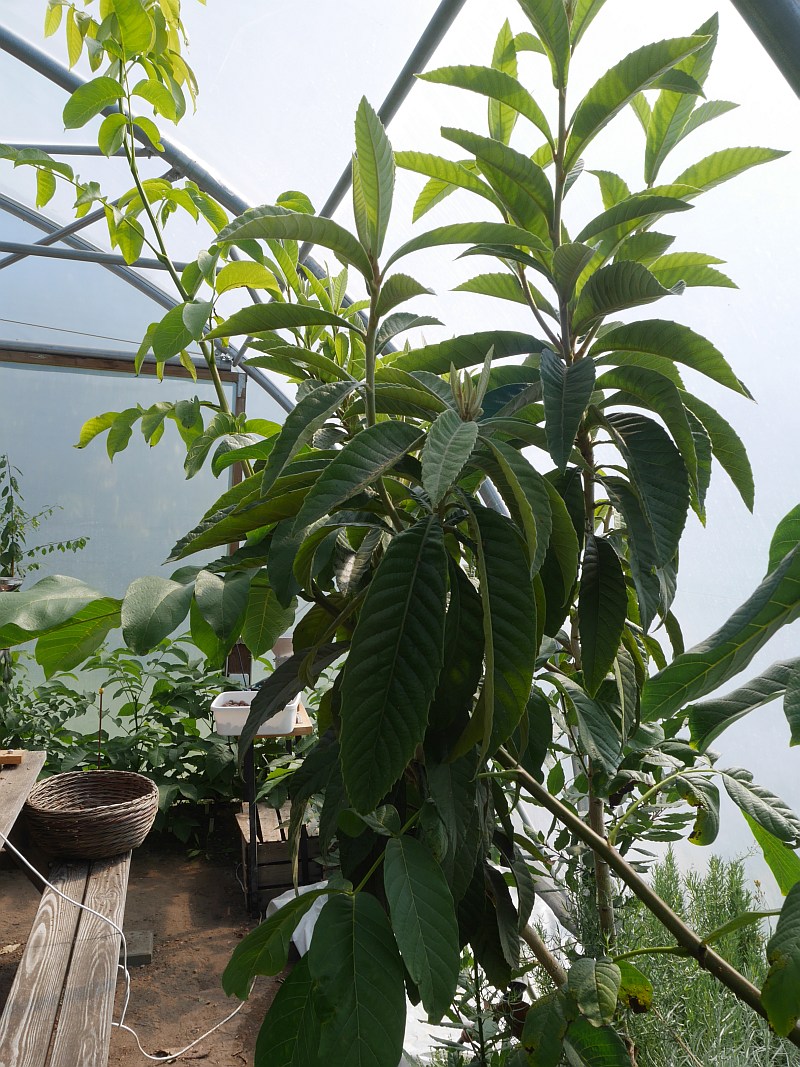
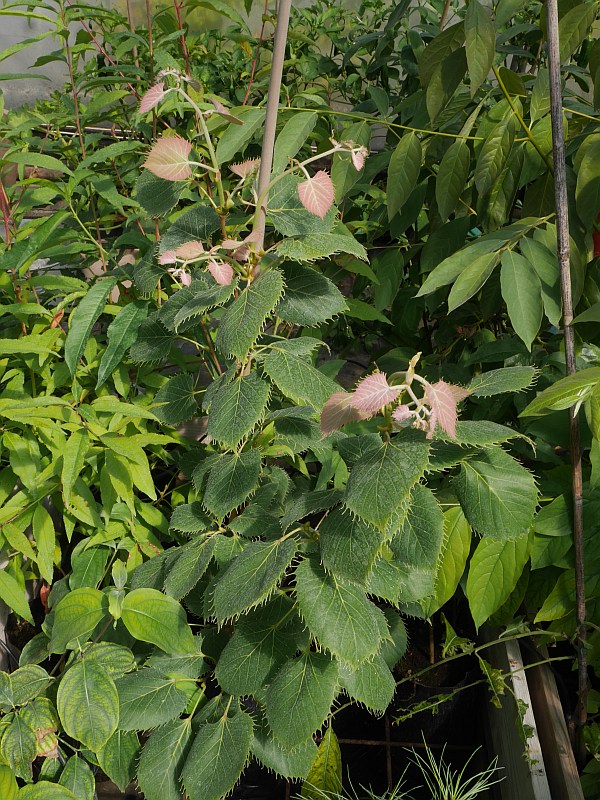
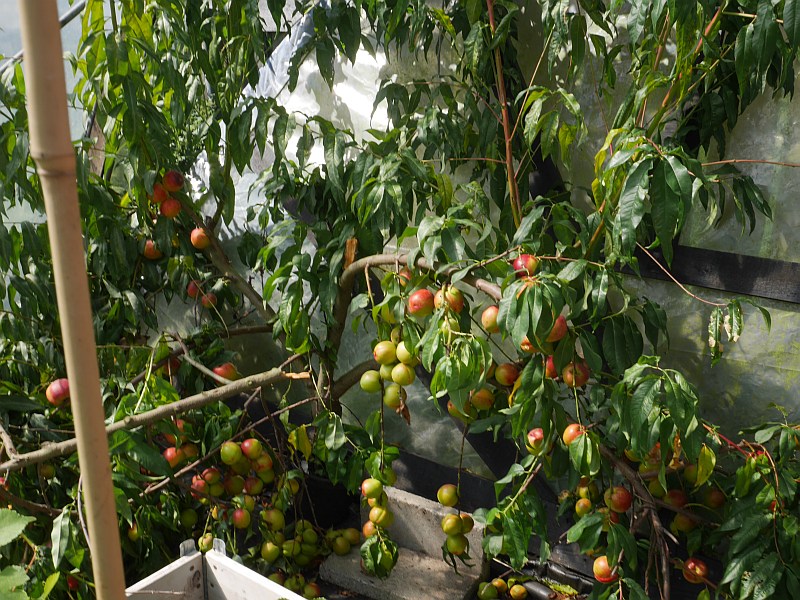
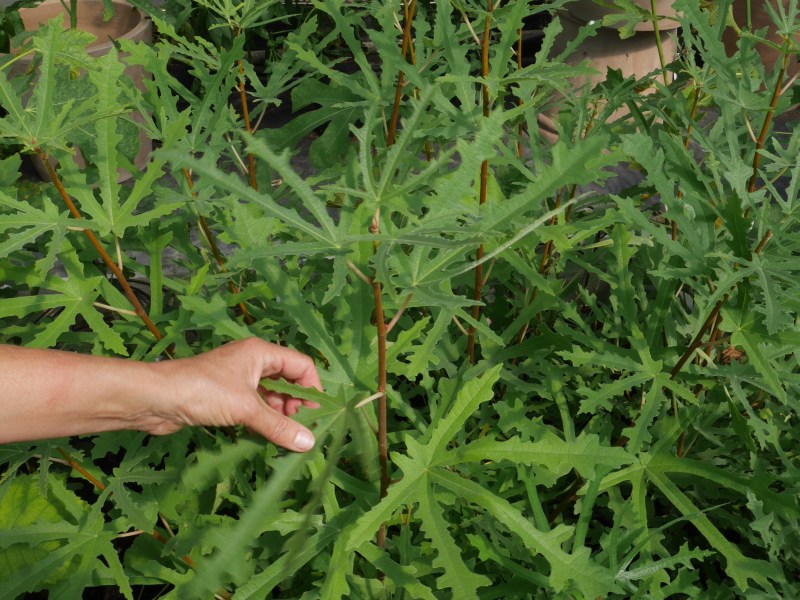
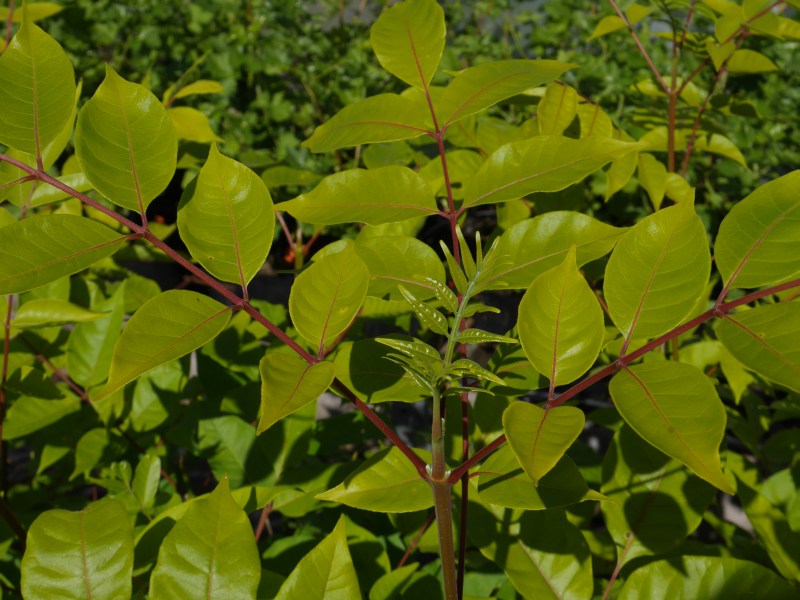
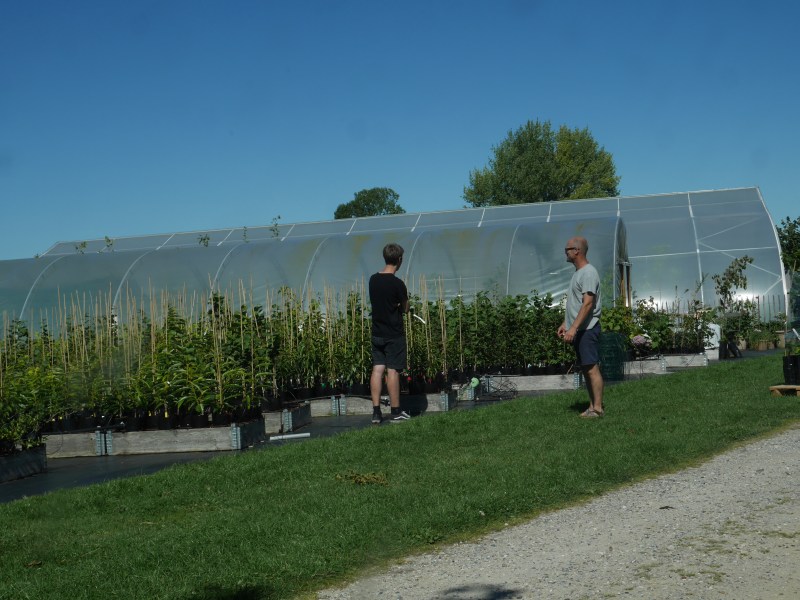
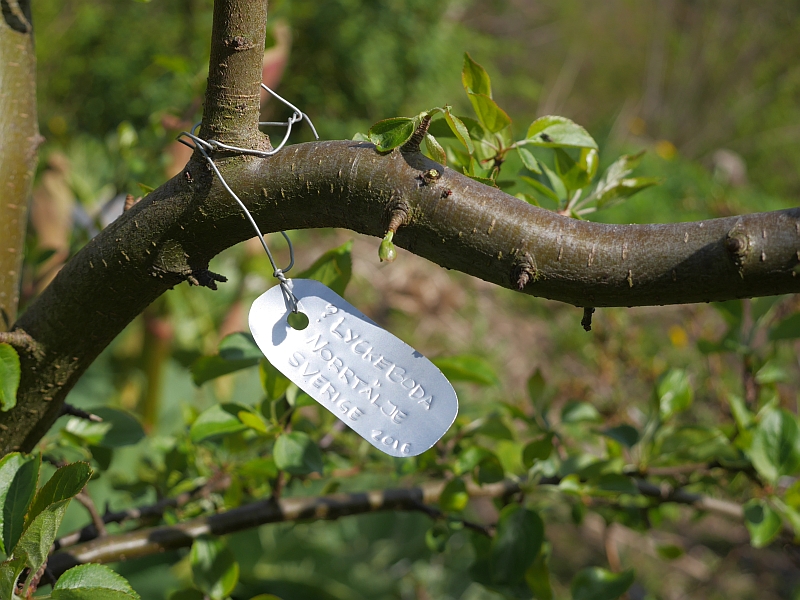
Most people into permaculture in Scandinavia know of Lars Westergaard’s nursery in Denmark as one of the best sources of a range of hard to get (and unique, from Lars’ own selection work) fruit and nut trees. Lars has been working with production of organic plants for many years and commercially since 2009. It seems much longer! He specialises in walnuts, heartnuts, hazel, sweet chestnut, peach, mulberries, figs, haskaps and many more! I’ve been wanting to visit for some years and an opportunity finally arose after I’d given a couple of courses near Copenhagen in August 2016. It was a pity that Lars was “distracted” by several customers during our visit, so we didn’t have too much time to talk together…..but I was impressed by what I saw. Thanks to Aiah Noack for taking me…and looking forward to his plants becoming available in Norway soon :)
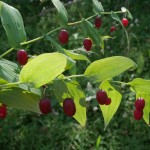
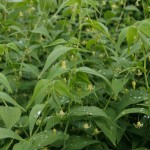
Streptopus amplexifolius is a shade loving woodland plant known, amongst others, as twistedstalk, wild cucumber and watermelon berry and has an extensive wild range including North America, Europe and East Asia. It has been used traditionally by Native Americans for its edible spring cucumber flavoured shoots and the delicious berries are now in season and I’ve been dining on them recently! I’m saving the seed as I eat! Beware that they can be laxative in large quantities, but it’s unlikely you will be able to grow that many in your forest garden!
060916: Added pictures of Streptopus lanceolatus from Eastern North America and a comparison of the berries with amplexifolius!
On FB: https://www.facebook.com/media/set/?set=a.10154221765395860.1073742708.655215859&type=1&l=0866fc78cd
You can clearly see the characteristic twisted berry stalks in this shot!
The finishing touch to my breakfast!
I’ve tried this species from seed several times from different areas, but the only accession that has succeeded here originated at the Ringve Botanical Garden who kindly gave me this plant a few years ago.
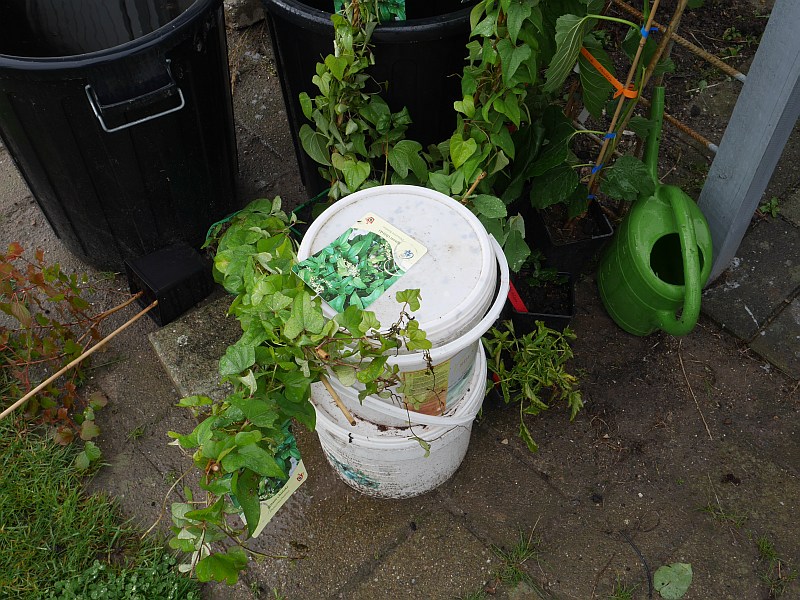
Green transport…one of those plants is Streptopus amplexifolius :)
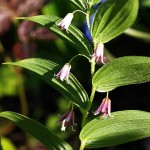
Streptopus amplexifolius in flower at the Ringve Botanical Garden
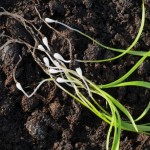
Seedlings..
The berries hang on the bushes long into the autumn
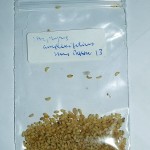
I was sent these seed in 2013, the plants originating from a wild population in Poland
Streptopus lanceolatus (syn S. roseus) also grows well in my garden
Streptopus lanceolatus (syn S. roseus) also grows well in my garden
Streptopus lanceolatus (syn S. roseus) on the left compared to S. amplexifolius
Søren Holt suggested I should visit Knud Poulsen on my latest visit to Denmark. He’d visited Knud through meeting him through the Danish seed savers Frøsamlerne.dk.
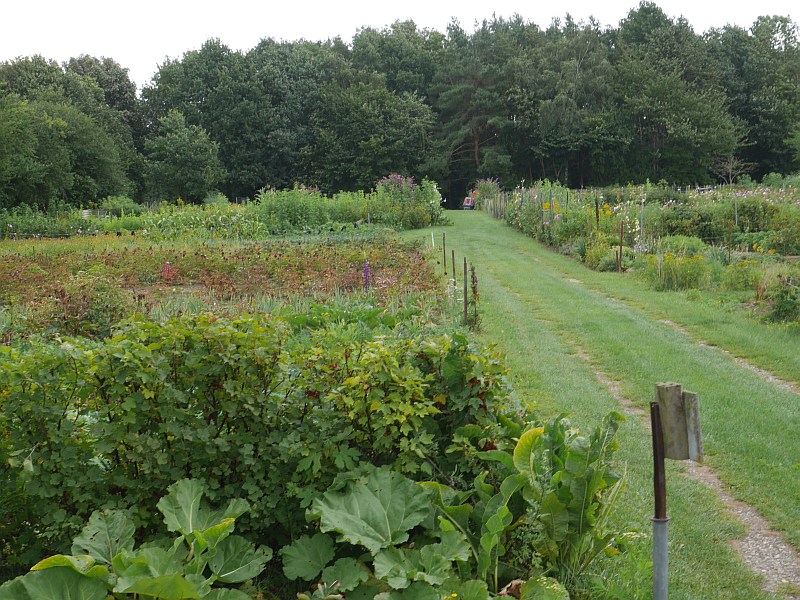
Knud has a traditional parsellhage (small hut with garden) and two allotments, one of which belongs to his wife! A wonderful mix of unusual fruit and breeding of ornamentals! Here are a few pictures!
The allotment gardens where Knut has a plot!
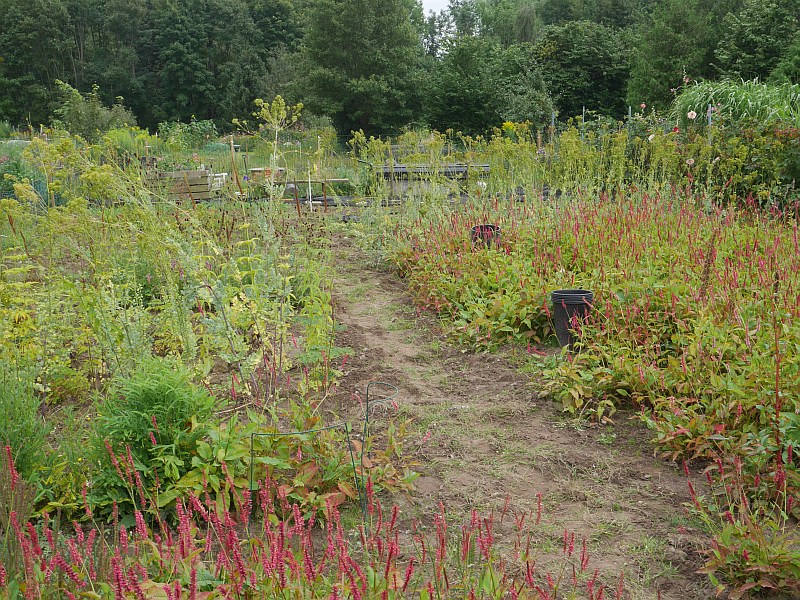
The Persicaria amplexicaulis breeding project…
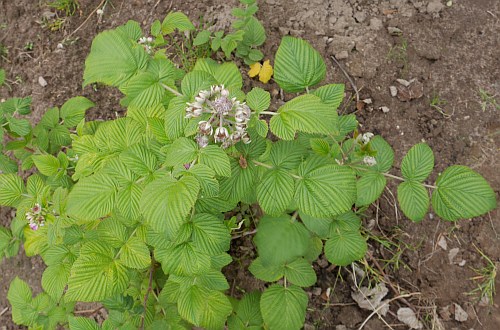
Rubus ludwigii is a new one for me, is from the Drakensberg mountains in South Africa and looks similar to North American black raspberry… see http://www.plant-world-seeds.com/store/view_seed_item/1477
Rubus ludwigii
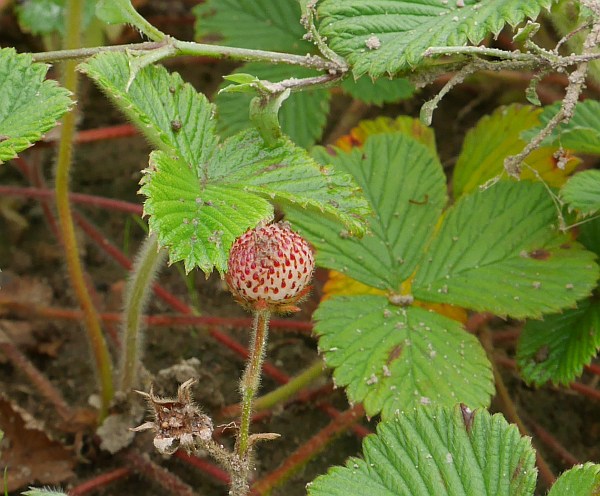
Fragaria nilgerrensis has white berries and is from Asia
Fragaria nilgerrensis
Fragaria nilgerrensis has white berries and is from Asia
Ribes auratum / odoratum
Dark worcesterberry
Dark worcesterberry
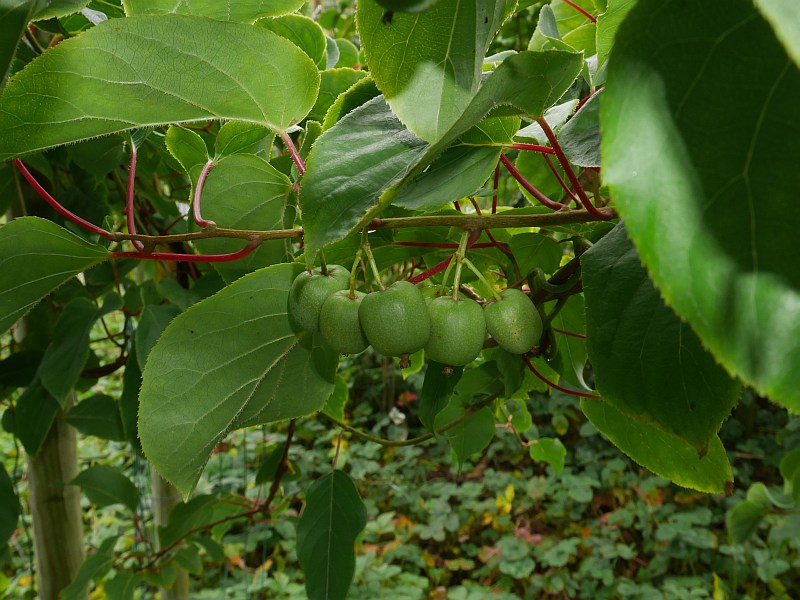
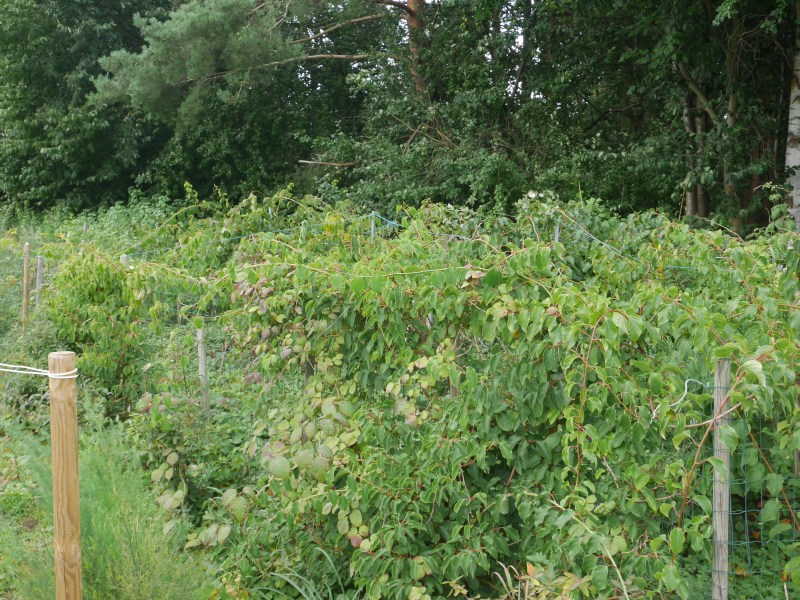
There were several mini kiwi clones, Actinidia arguta
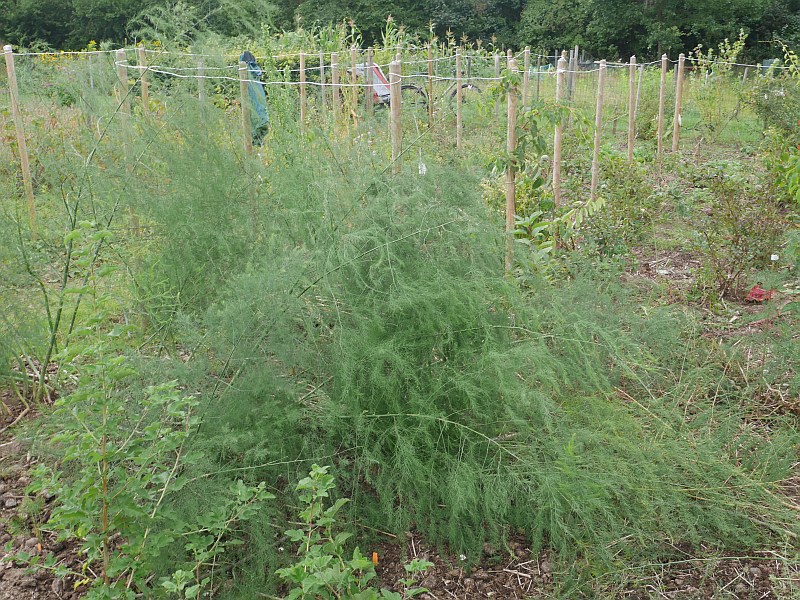
Asparagus
Mini kiwis
Ribes gayanum from South America
Knut is one of those generous gardeners wanting to share everything :)
Søren Holt and Knut Poulsen with an Elaeagnus umbellatus
Elaeagnus umbellatus
Vaccinium collection
Vaccinium ovatum: I saw and tasted this in Oregon last year – http://www.edimentals.com/blog/?page_id=3454
Vaccinium virgatum “Centra Blue”
Dioscorea batatas
Home made solar powered fans!
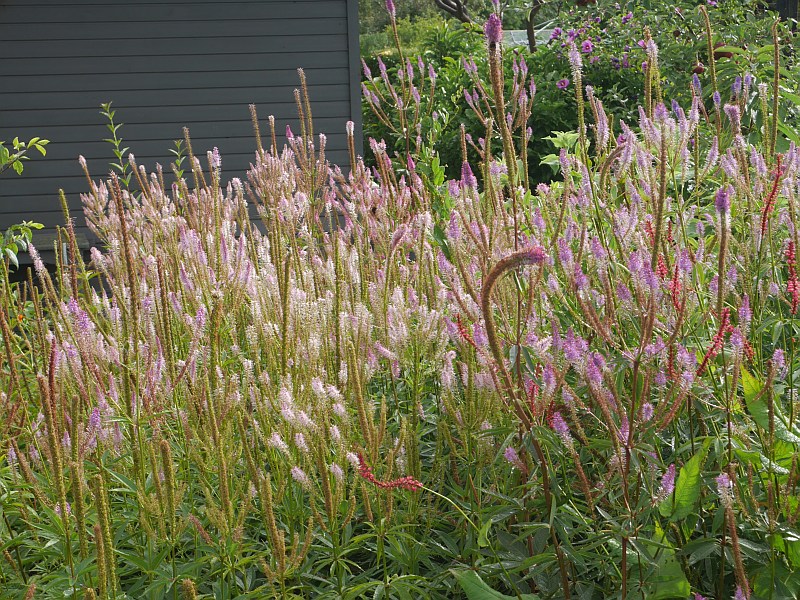
Another ornamental breeding project – Veronicastrum
Arriving at the second garden, again clearly an unusual plant lover!
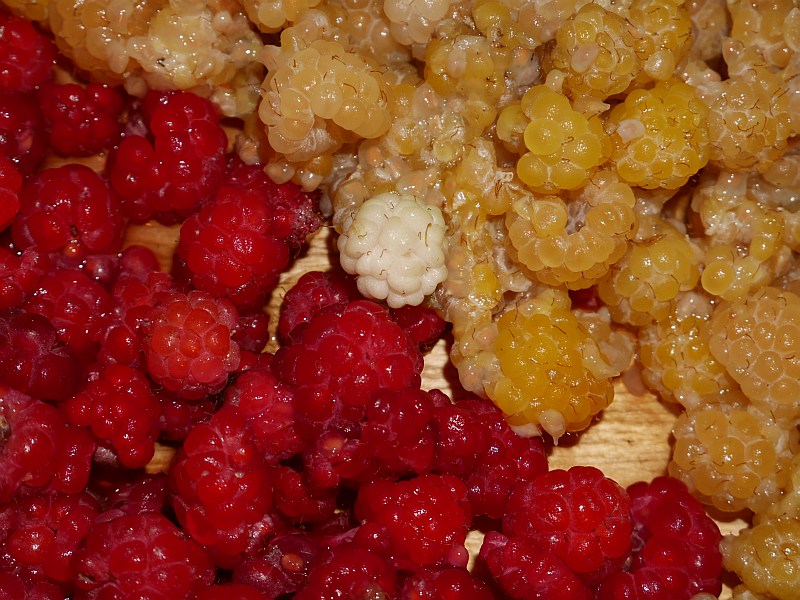
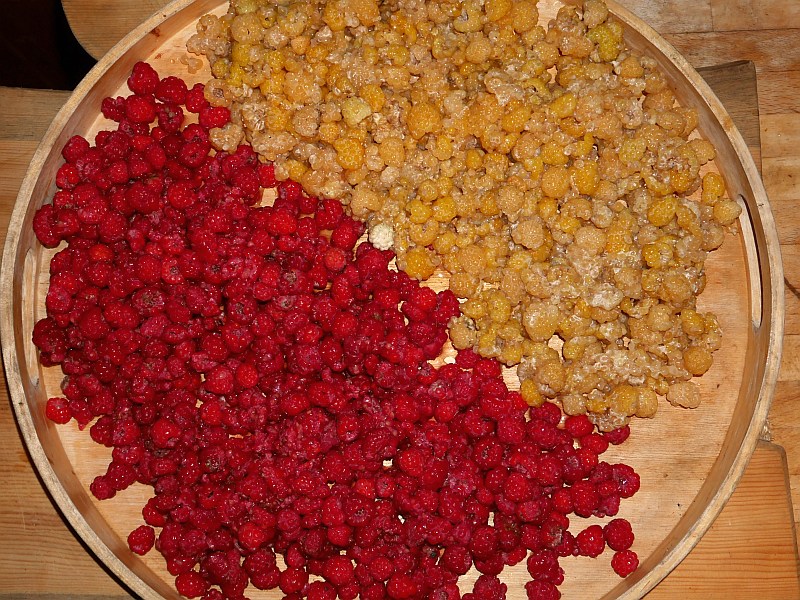
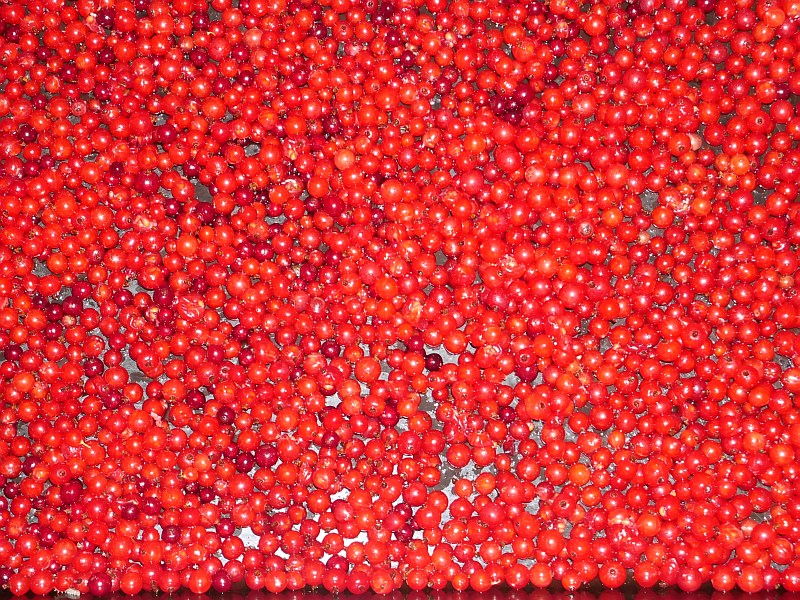
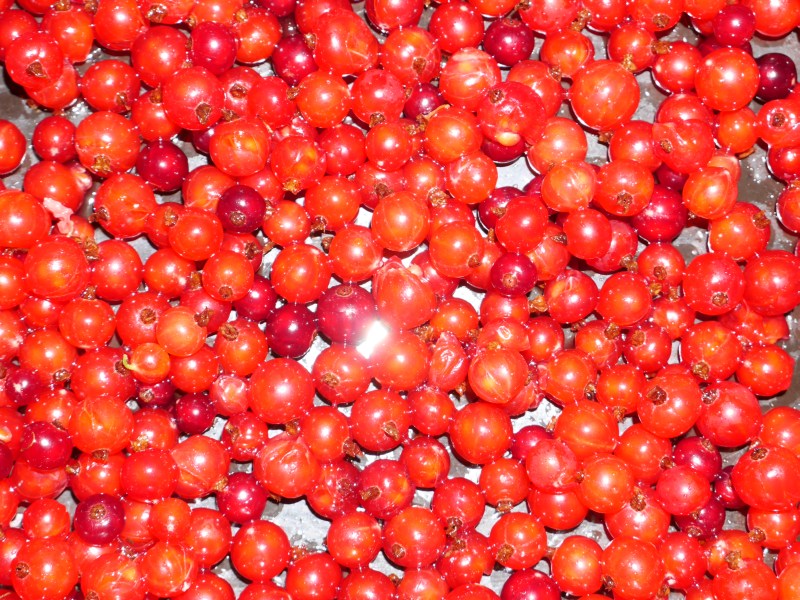
A bit of a glut of fruit in my garden. I’ve therefore been drying raspberries and currants :) At the bottom are the dried fruit, also bilberries and saskatoons!
The red variety is a tasty disease resistent variety we found escaped from the old Malvik railway station garden below the house. There are two yellow varieties, one just received as gulbringebær (yellow raspberry), the lighter coloured one that is almost white when unripe is called “White Russian”The red variety is a tasty disease resistent variety we found escaped from the old Malvik railway station garden below the house. There are two yellow varieties, one just received as gulbringebær (yellow raspberry), the lighter coloured one that is almost white when unripe is called “White Russian”
Redcurrants / ripsRedcurrants / rips
Dried bilberries / blåbær
Dried saskatoon berries (Amelanchier) / søtmispel
Dried red raspberries / bringebær
Dried redcurrants /rips
Dried yellow raspberries….White Russian are the lighter coloured berries
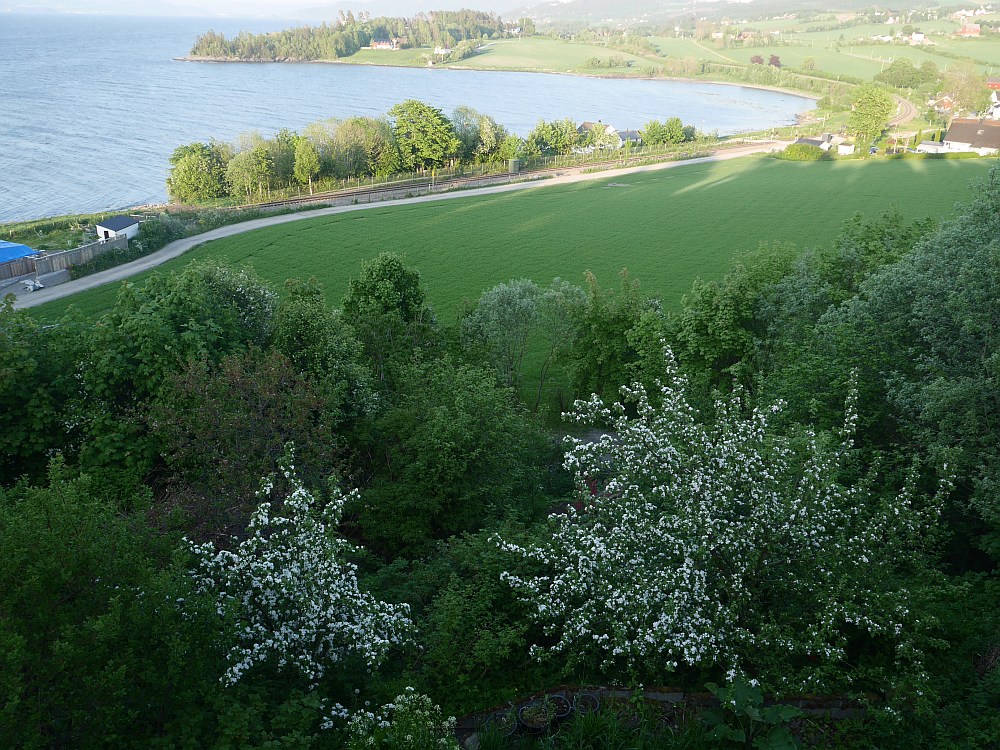
Apple trees in full bloom are a wonderful sight, aren’t they? I’ve seldom seen so many flowers on them as this and the rowans are also flowering well which probably means that the apple tree moth (rognebærmøll), which prefer rowans, will keep off the apples this year! (here’s a page about the moth http://ukmoths.org.uk/species/argyresthia-conjugella )
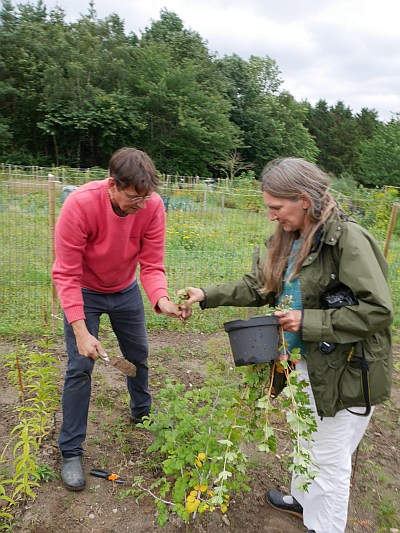
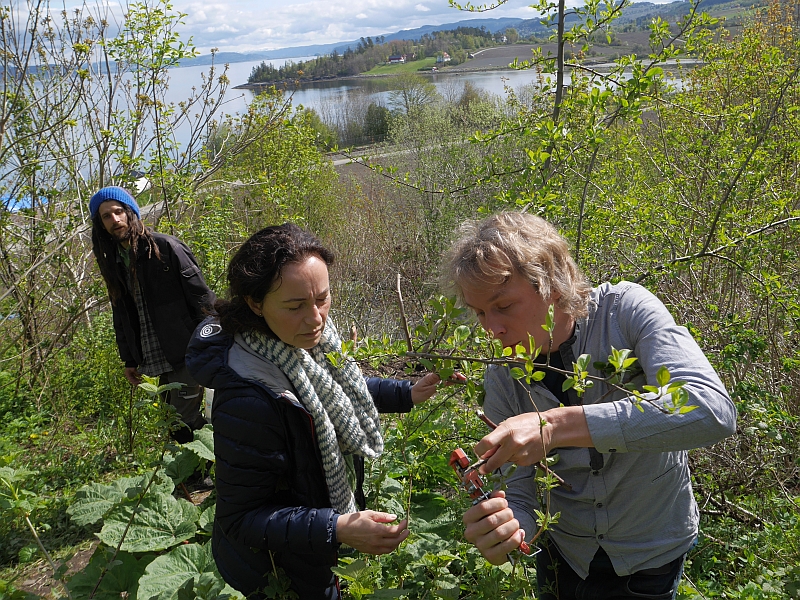
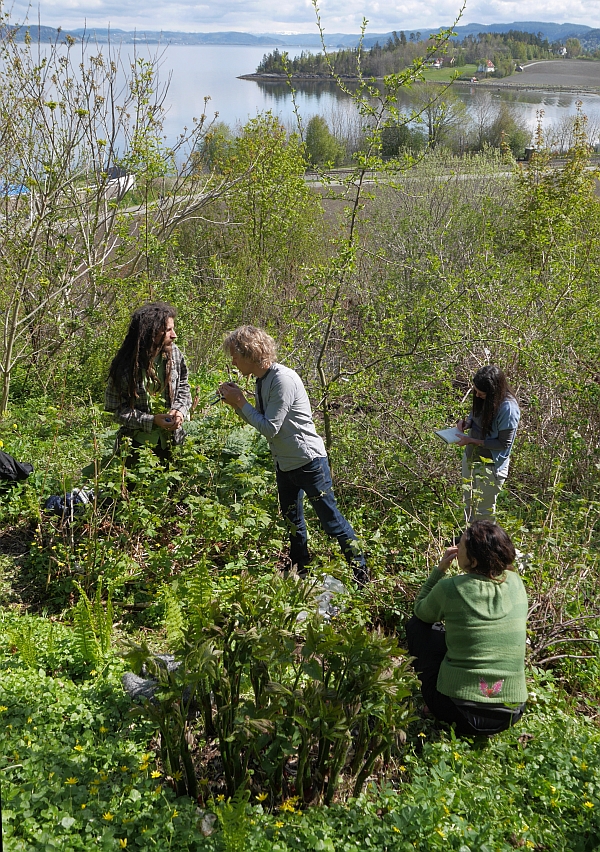
It wasn’t planned at all (the best things aren’t), but our Swedish guests Christian Odberger and Dante Hellstrøm stayed over until Monday evening to dig up a few (!) must-have plants from my garden. Our “camper” Berit Børte also accepted the offer to stay over until Monday. Christian had brought grafting material with him and kindly volunteered to do a grafting course for us, so here are the pictures of Christian, Berit and my garden helper Lorna from Belfast grafting some 6 varieties of apple on to a wild apple tree, the seeds of which I collected at Warsash (on the solent), Hampshire UK some 13-14 years ago!! AND it was a beautiful afternoon too! See also http://www.edimentals.com/blog/?p=4617
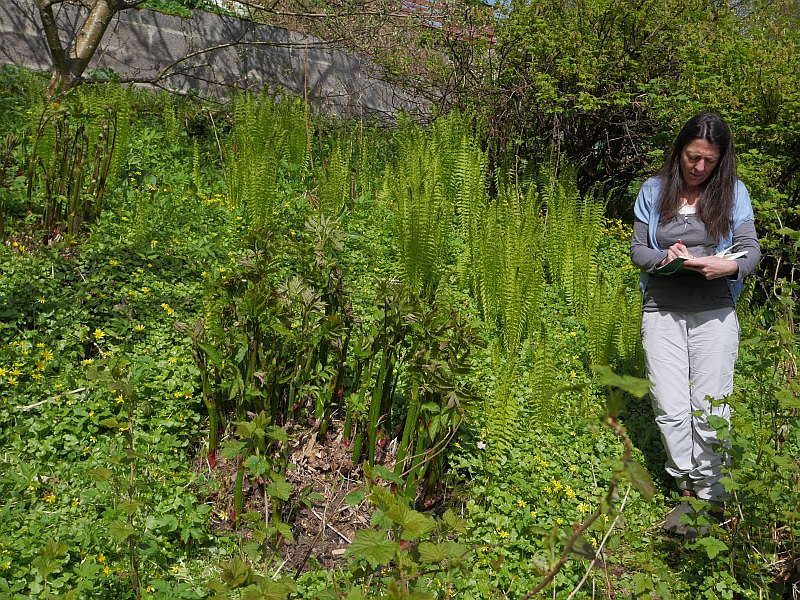
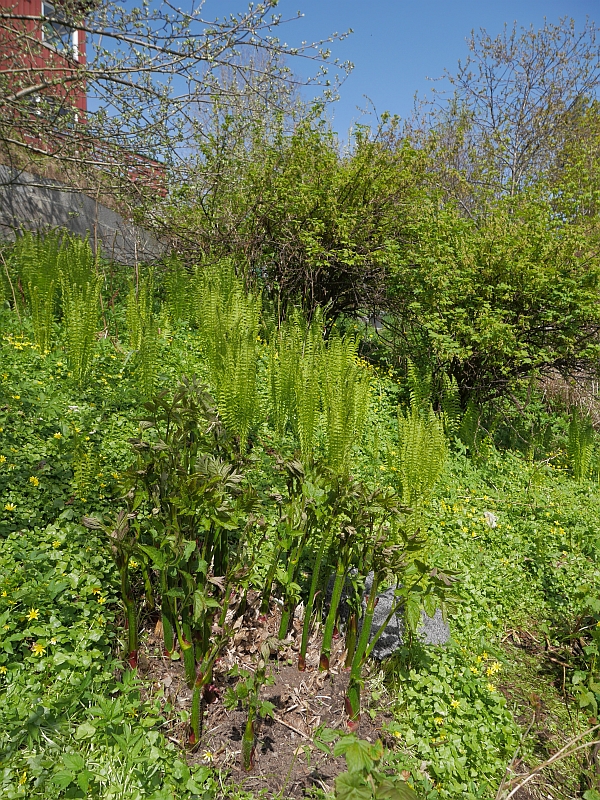
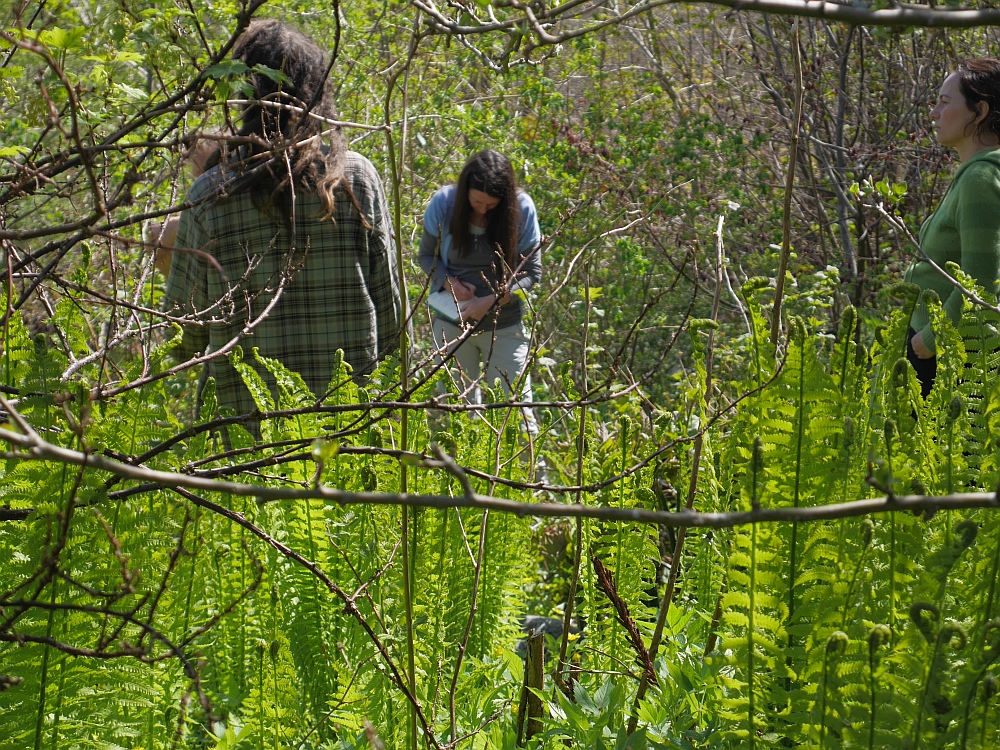
Lorna taking notes next to my Udo (you can almost see it grow at this time of year!) and ostrich fernsWe discovered that Rheum palmatum, ornamental rhubarb, has a pleasant taste, less acid than common rhubarb!Udo and ostrich fern
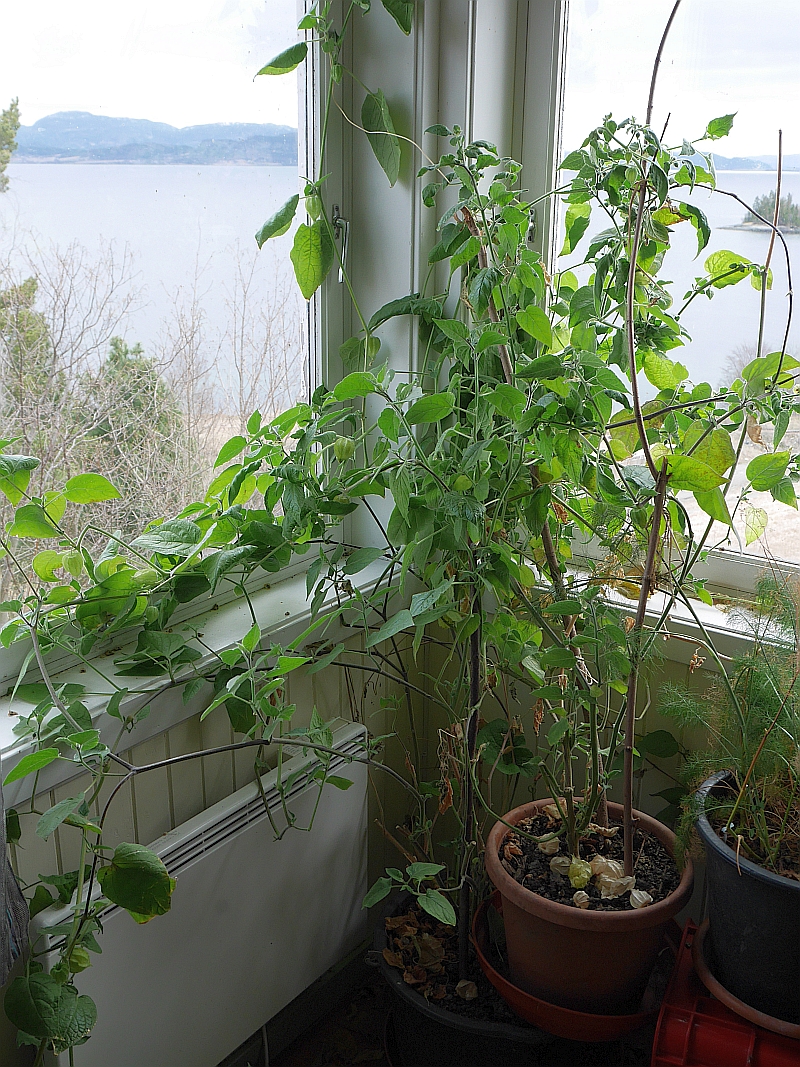
This Physalis which I’ve called “Indian Strain” is now going into its 7th year. I got this from Seed Savers Exchange in the US. However, that one is supposed to be a tomatillo and I wonder if I mixed it up with another I got at about the same time, P. heterophylla, clammy ground cherry, although the stems are not clammy (sticky) to the feel. That would explain it’s hardiness as it is found in the wild north to Canada (see http://plants.usda.gov/core/profile?symbol=PHHEH3). I definitely planted heterophylla in the garden and it’s survived since 2009 without winter protection, but the summer is just too cold for fruit (it does flower).
It lives in a cold bedroom all year and produces a few fruit most of the year, even continuing to ripen fruit despite the temperature being often under 10C. The fruit are sweet and have good flavour. It’s not hugely productive but little bother (aphids don’t bother it). I cut it back when it gets too straggly. See also http://www.edimentals.com/blog/?page_id=2146. Anyone visiting is welcome to to a cutting. I harvested a few this morning:
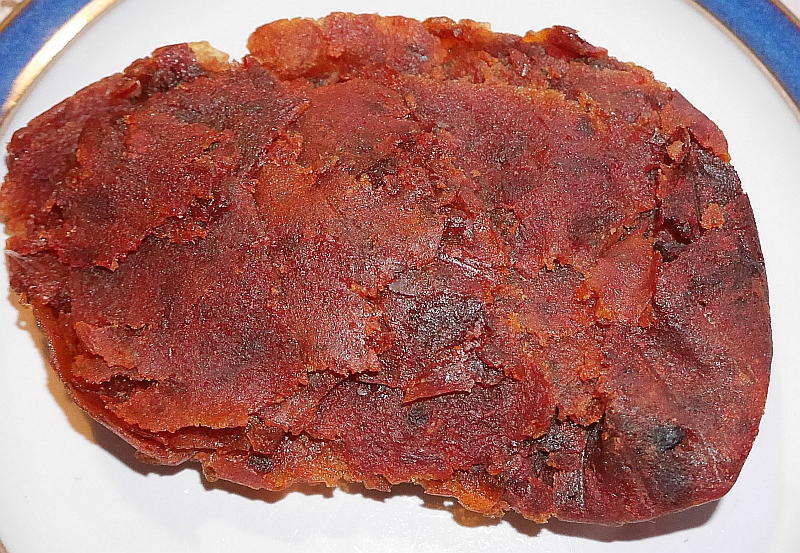
A packet of seed arrived from a friend in a botanical garden that I trade with occasionally today. Chaenomeles cathayensis! I think there’s enough seed here to turn my diversity garden into a monoculture! And with the seed, some fruit leather made of the fruit of the same species :) Very tasty!
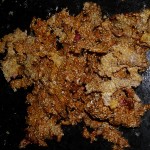
Chaenomeles cathayensis seedChaenomeles cathayensis fruit leather
Looking down from the bedroom balcony on to a bed I know as “SSHB” (south side house bed, of course!). Here we see Akebia quinata attempting it’s world take over….but my Kiwi (sowed from a shop bought fruit some 15 years ago) refuses to be beaten and just manages to thrust a few leaves above the Akebia. You can also see flowering runner bean…really too late this year after last summer’s bumper crop…and perennial buckwheat…and flowering skirret…and my Amphicarpaea (hog peanut) is under that lot (need to help it a bit more next year…
Perennial vegetables, Edimentals (plants that are edible and ornamental) and other goings on in The Edible Garden