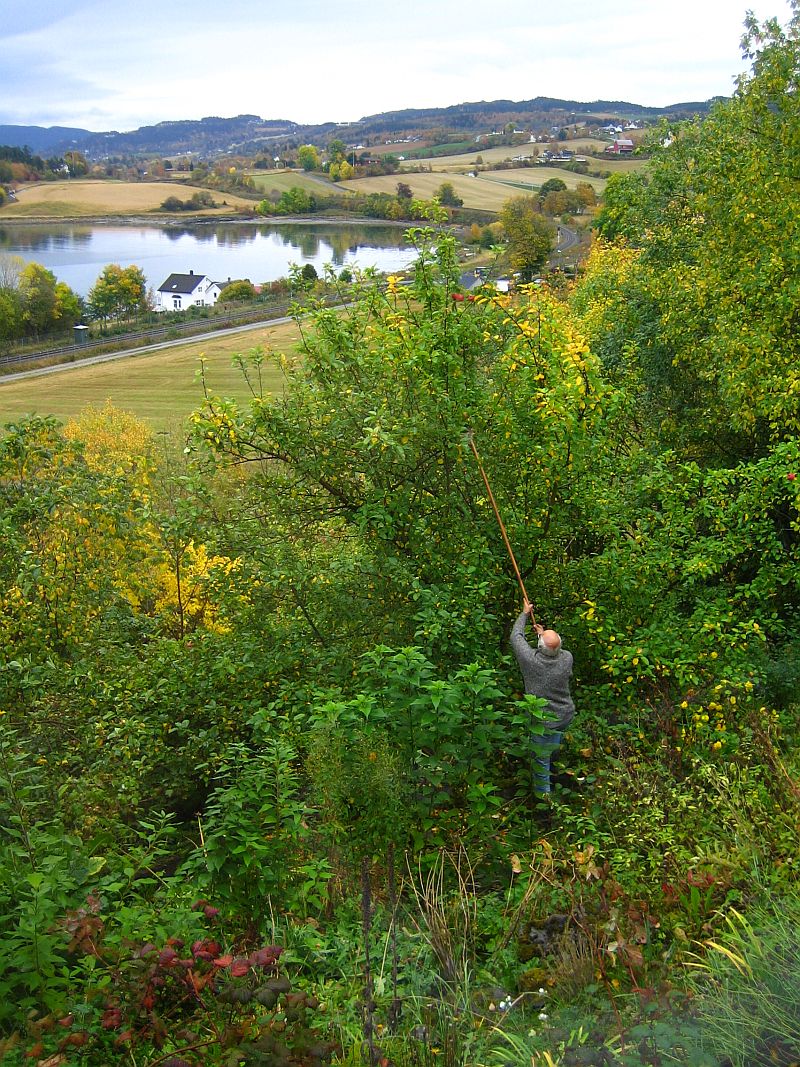
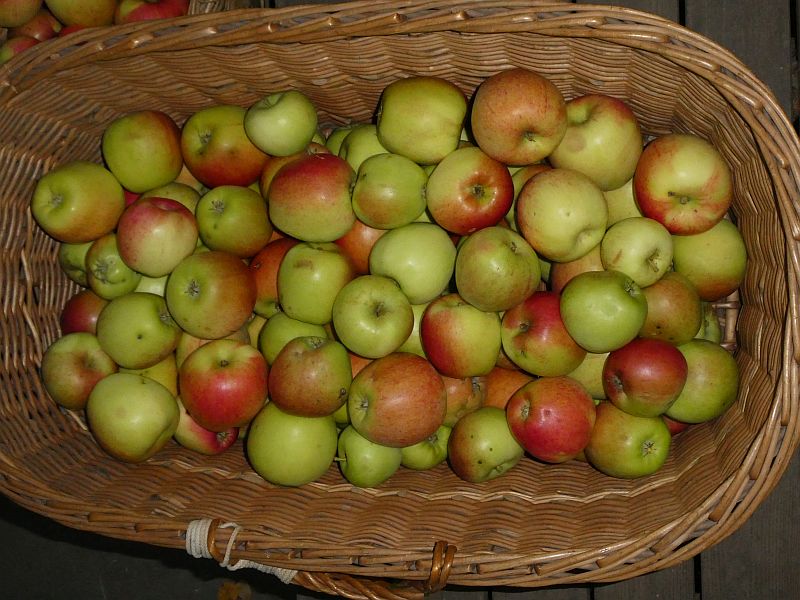
Due to the really cold May this year, the apple trees (Aroma) tried and tried to flower but seemed to give up. I was surprised nevertheless that some fruit did result and in compensation for the low number of apples, the individual apples were bigger so that the total yield was much better than feared! There were no plums and only a few cherries.
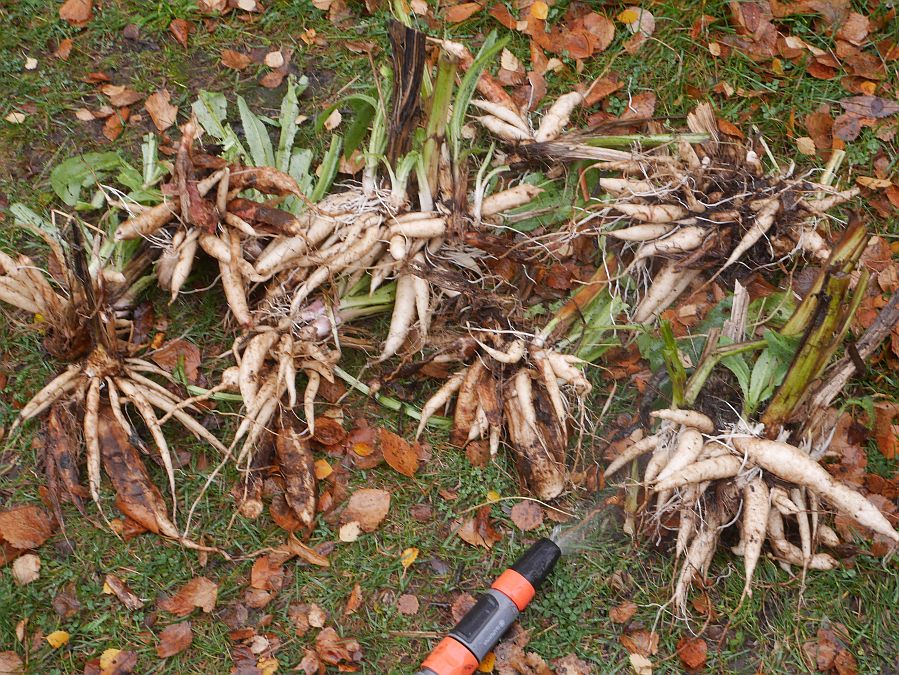
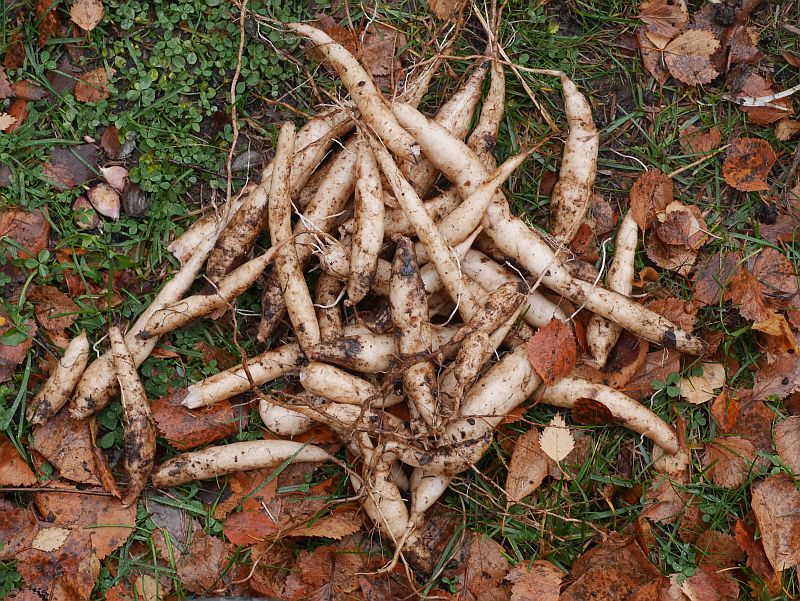
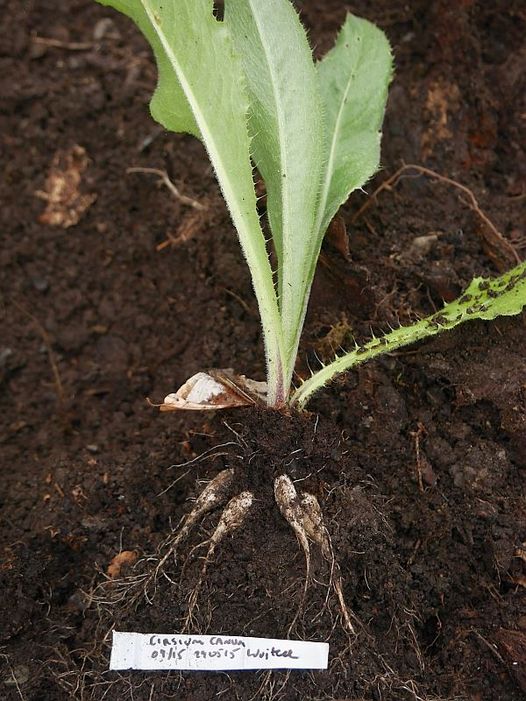
Two years ago I accidentally dug up one of my Queen Anne’s Thistles (Cirsium canum) and I discovered the tubers were quite like the tuberous thistle (Cirsium tuberosum). I’ve now dug them all up, harvested the largest roots and replanted. This really is a great plant: a thornless thistle which yields good size tubers that is also attractive to look at, is popular with pollinators and provides winter food for some bird species (oil rich seeds). * Edi-avi-ento-mental (edible, ornamental and useful for both avian (birds) and insect pollinators)…the most useful category of plant in my book!
This week’s harvest of Cirsium canum tubers
This week’s harvest of Cirsium canum tubers
Oil rich seeds
A one year old plant
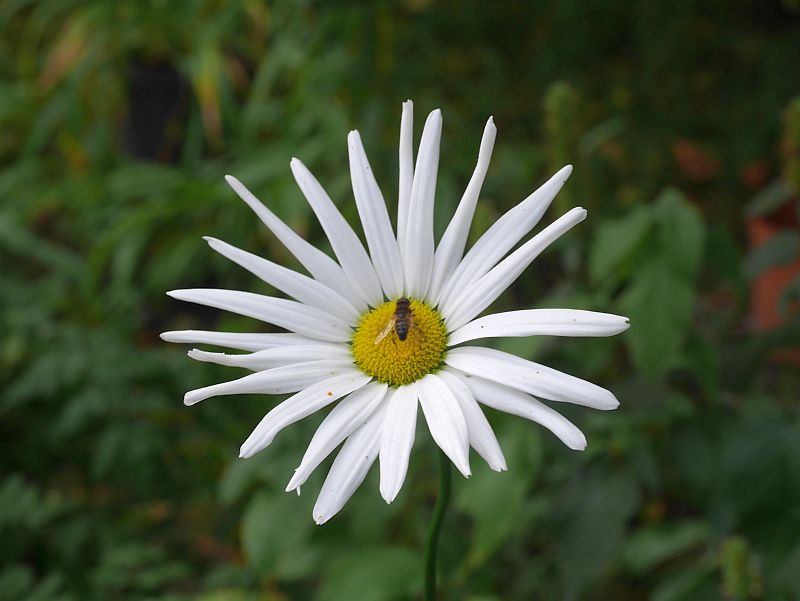
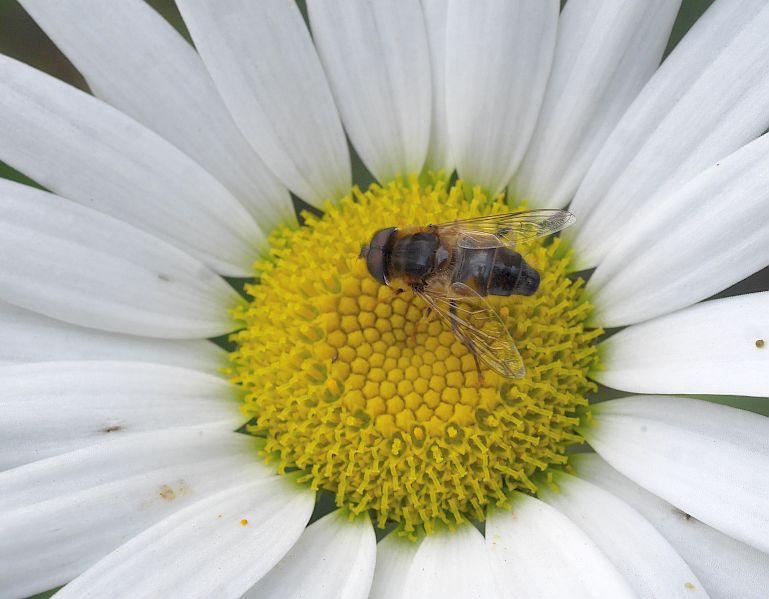
Bumblebees and bee beetle are amongst pollinators seen in the blossoms
There were unusually many plants still flowering in the garden in October this year as we experienced a bit of an Indian summer. We’ve now had our first frost, so time to publish this album of 116 pictures of over 100 species. Most but not all are edible / edimentals and, yes, I should have made a salad.
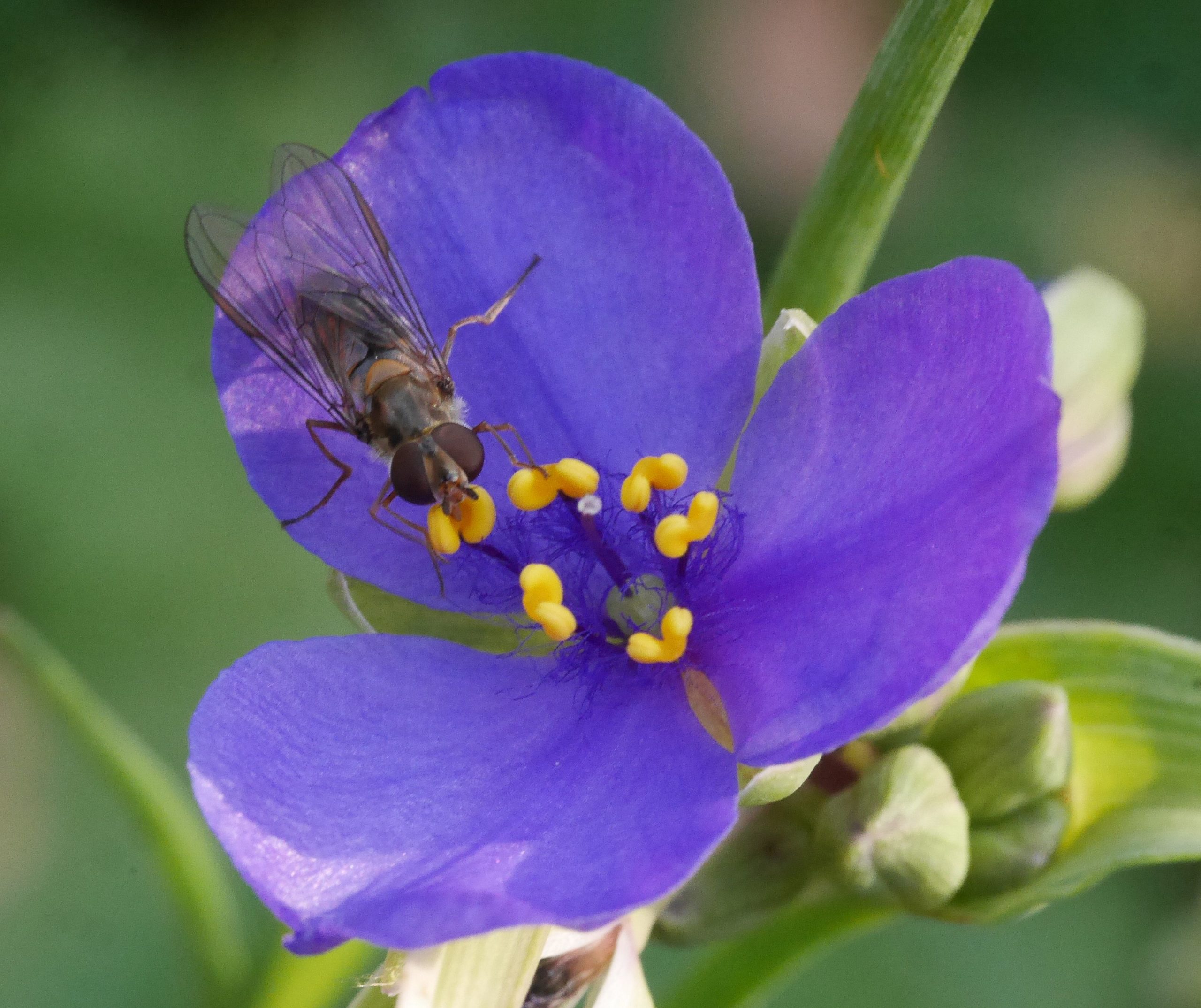
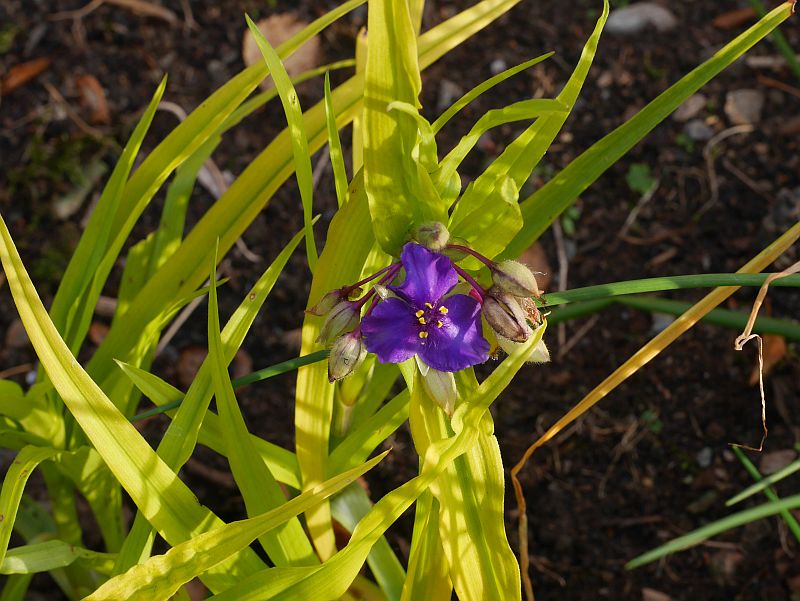
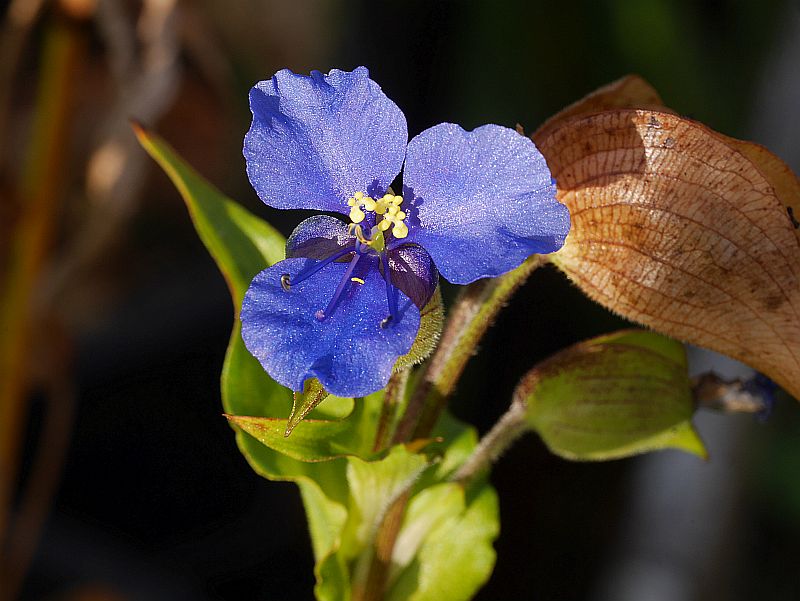
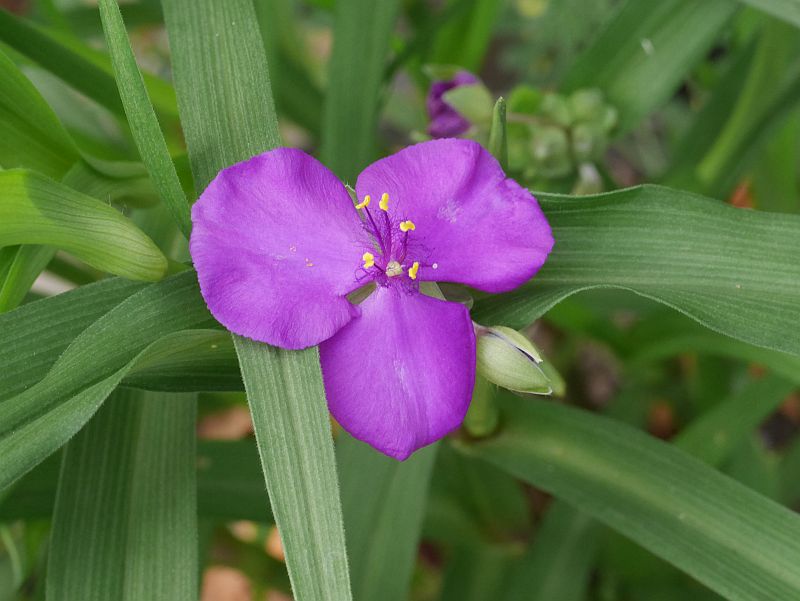
Tradescantia ohiensis
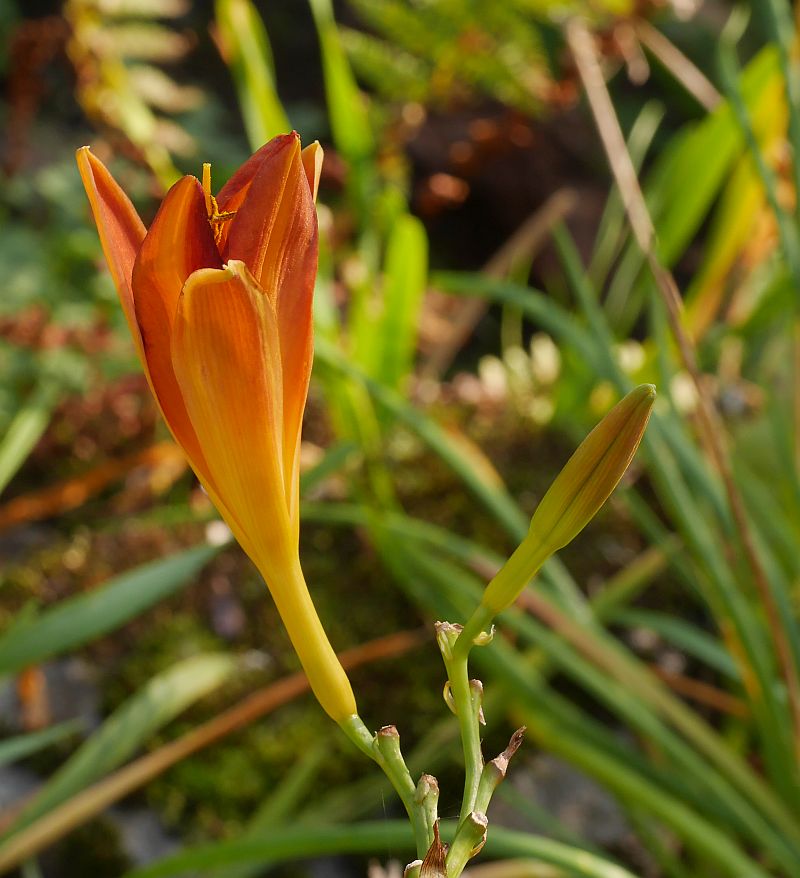
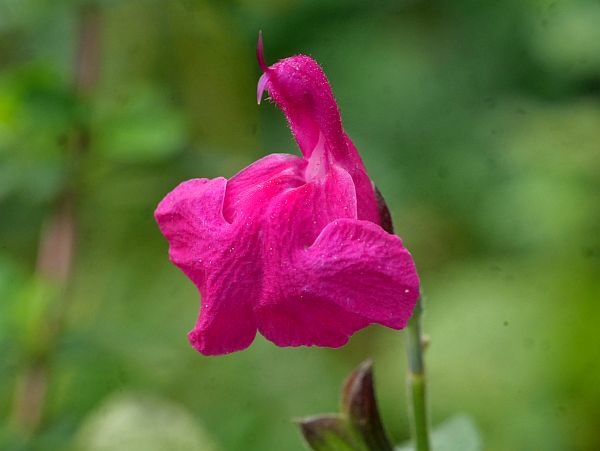
Monarda didyma “Pink Lace” flowering through Aralia cordata “Sun King”
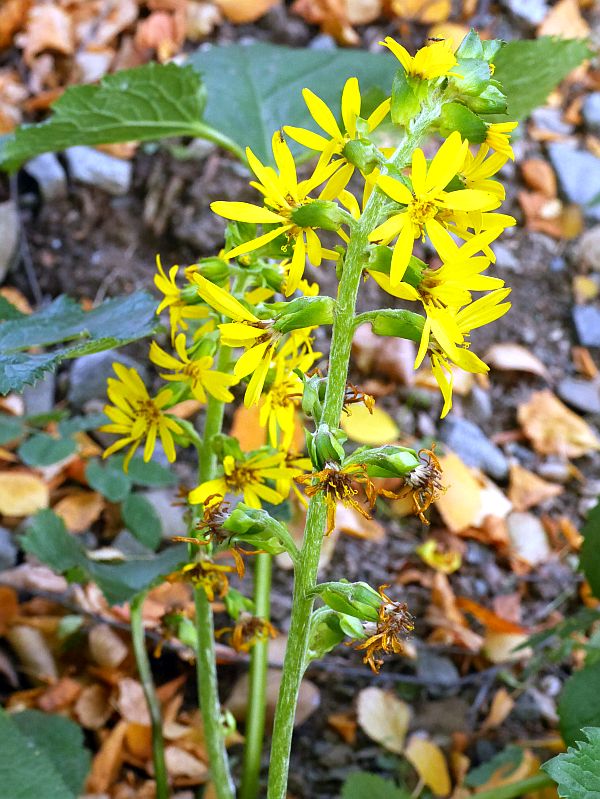
Ligularia fischeri “Cheju Charmer” – I’m not sure if this really is a late flowerer (my other fischeris are in seed) or just an aberration
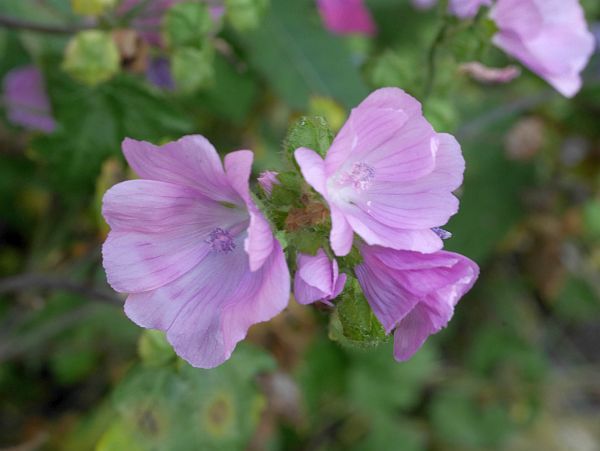
Alcea rosea #1
Alcea rosea #2
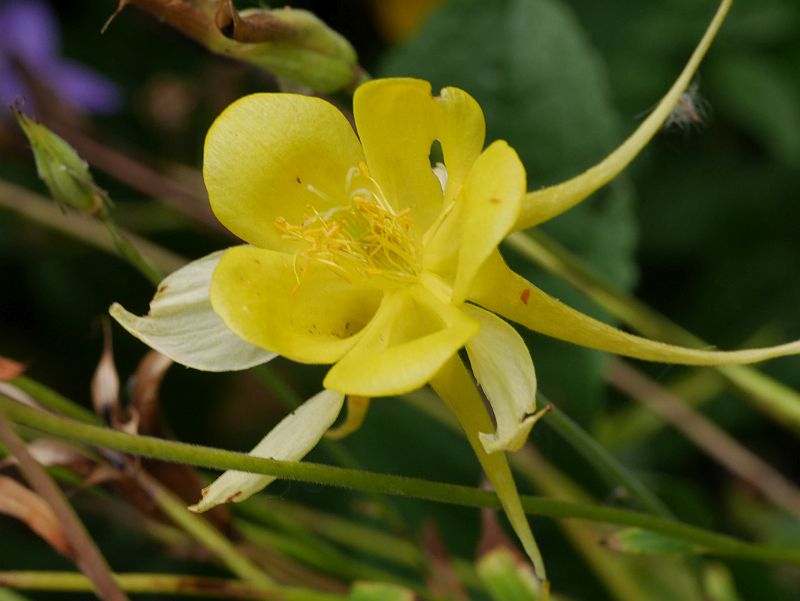
Aquilegia chrysantha
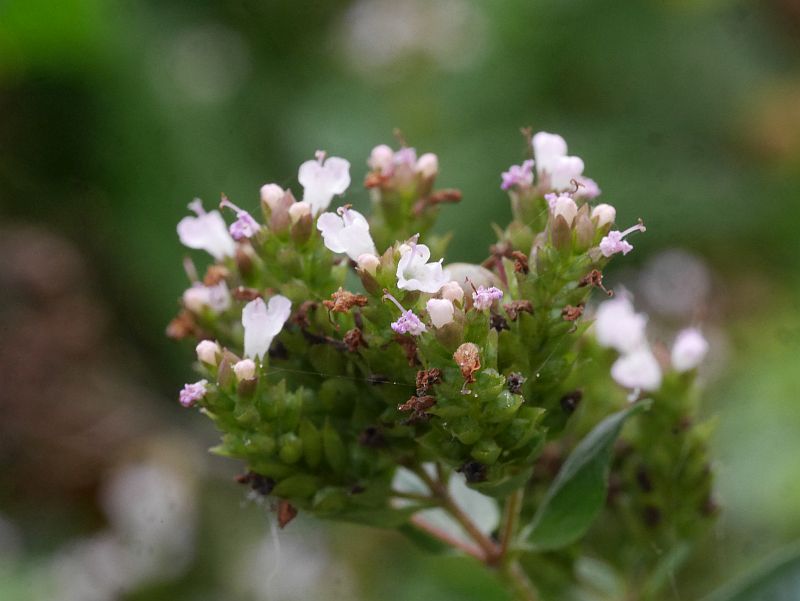
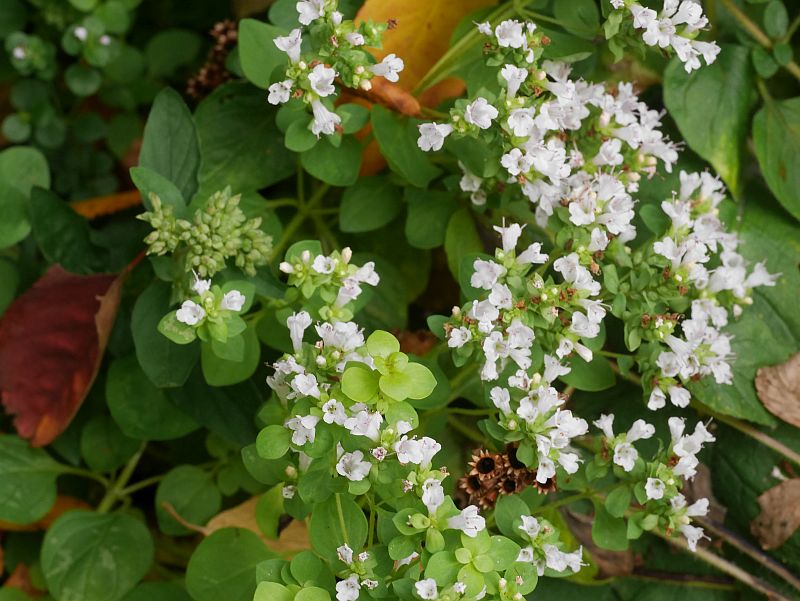
Origanum spp.
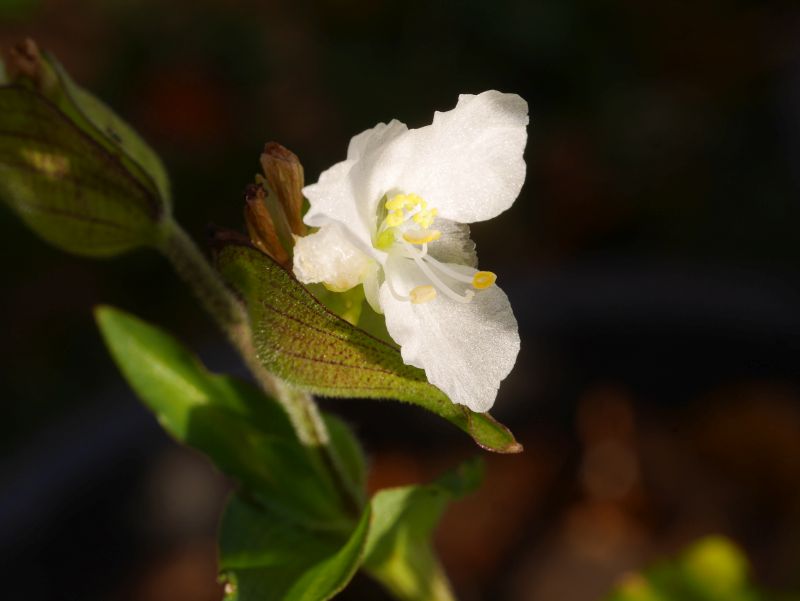
Tradescantia
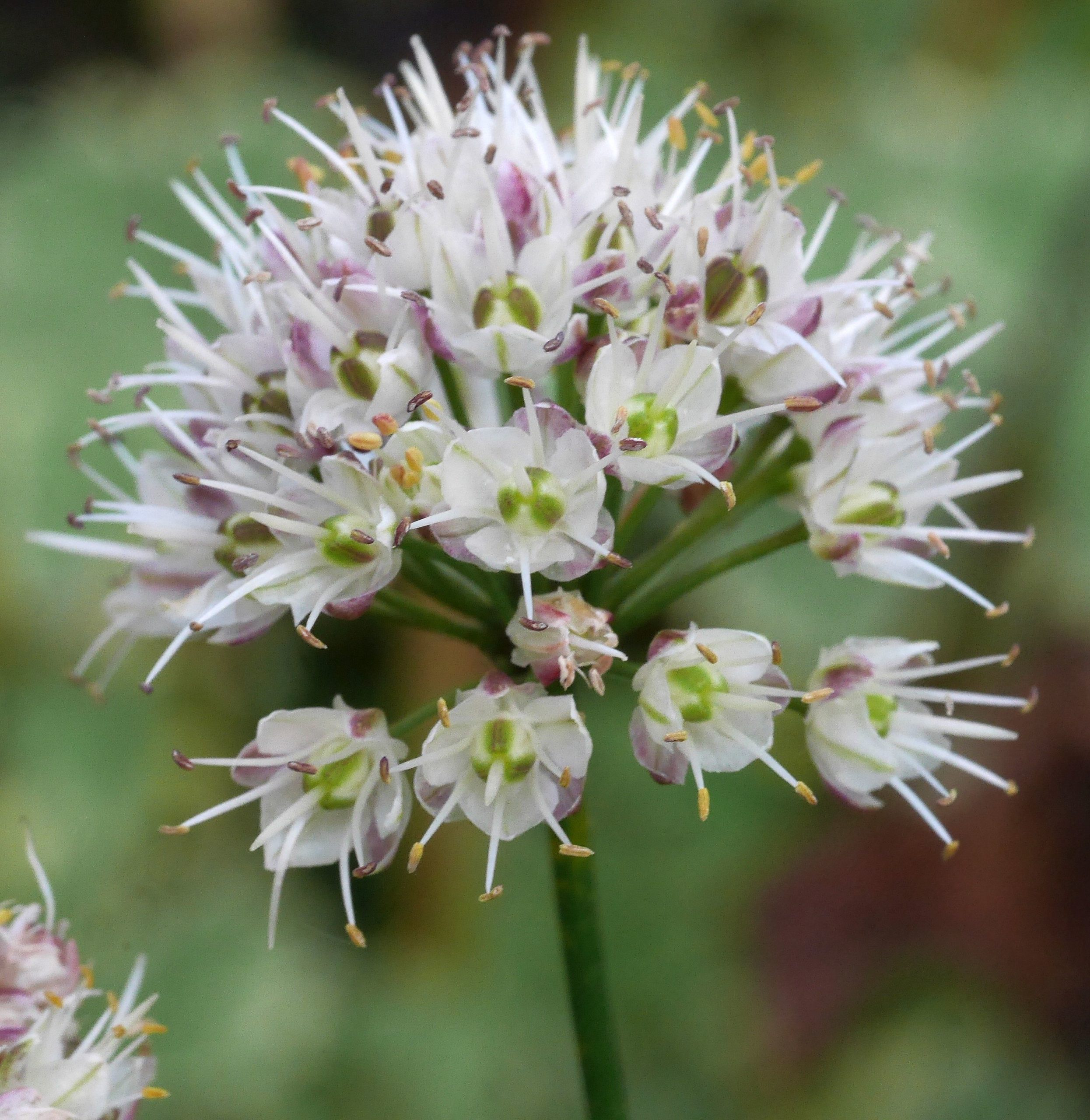
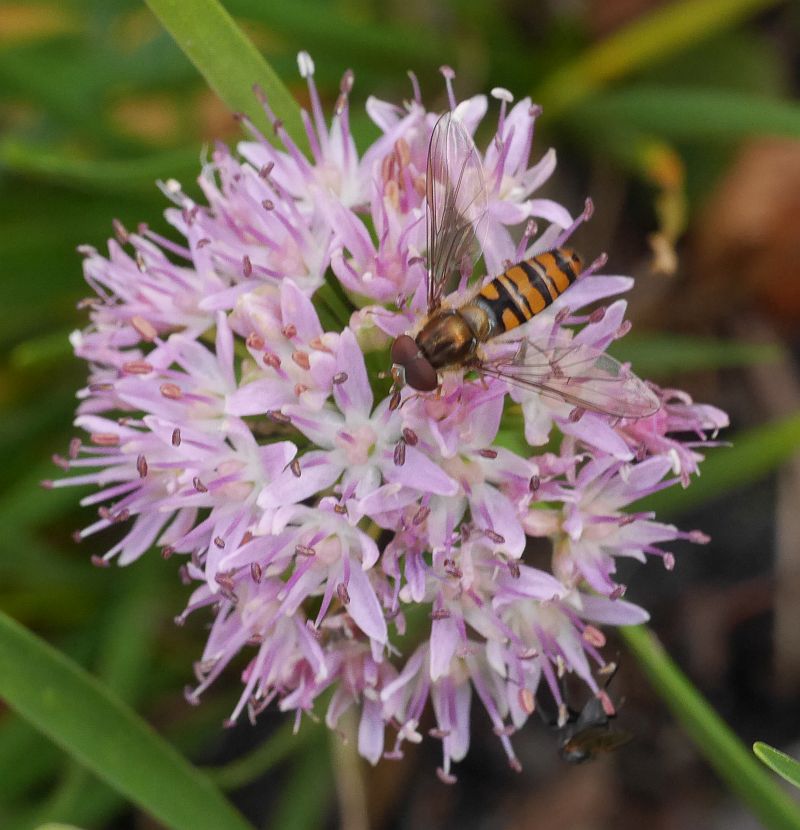
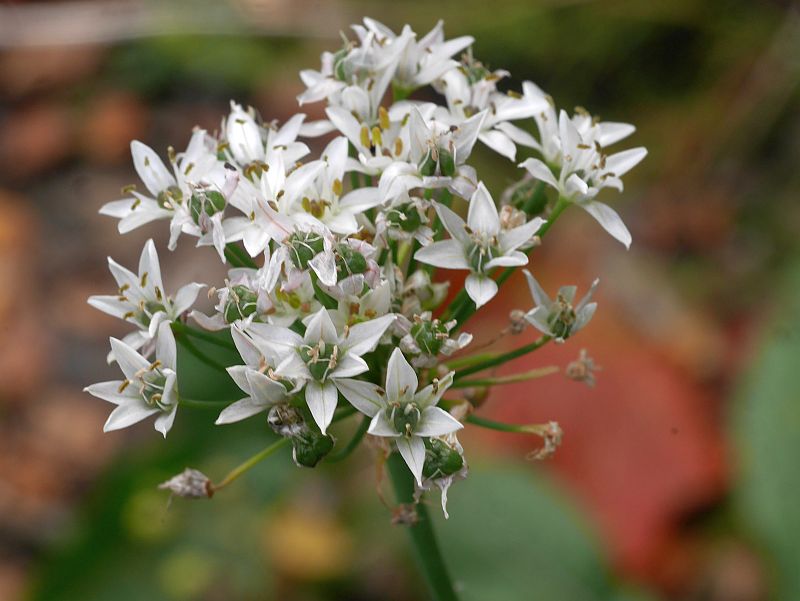
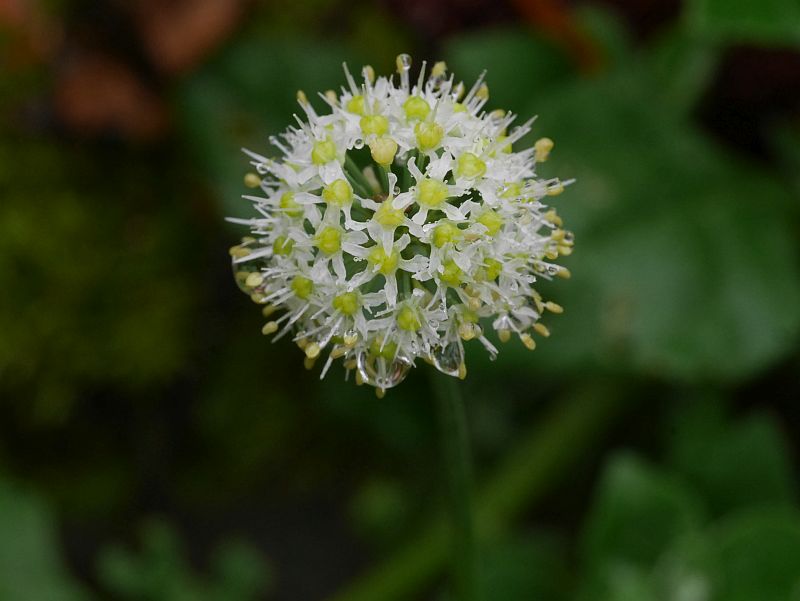
Allium tuberosum
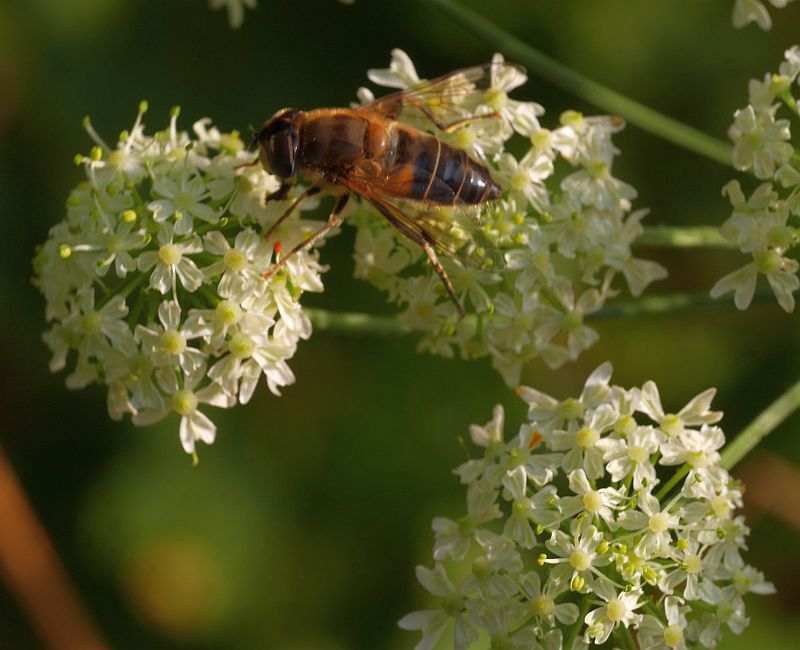
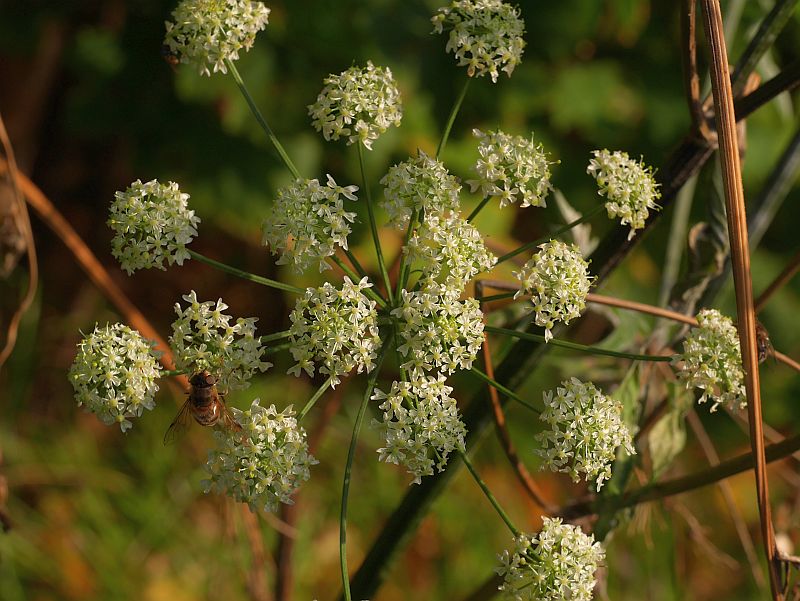
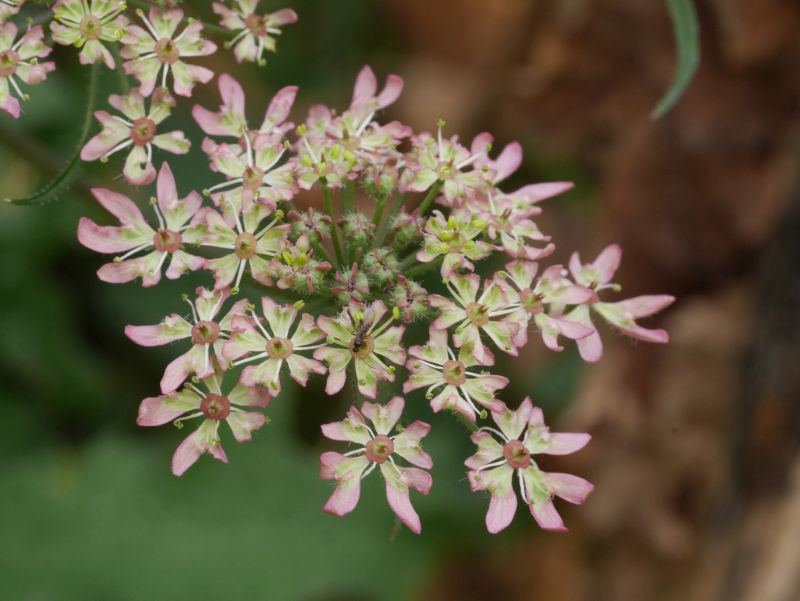
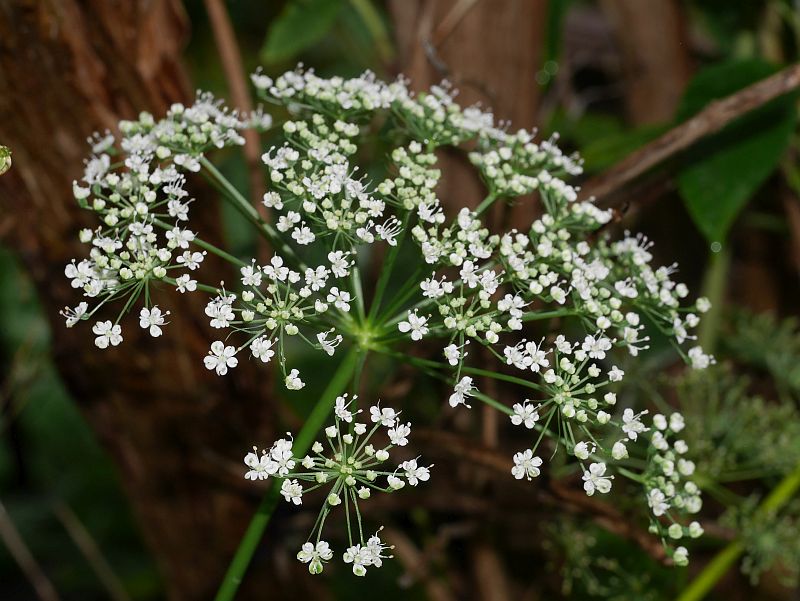
A pretty Heracleum sphondylium or hybrid
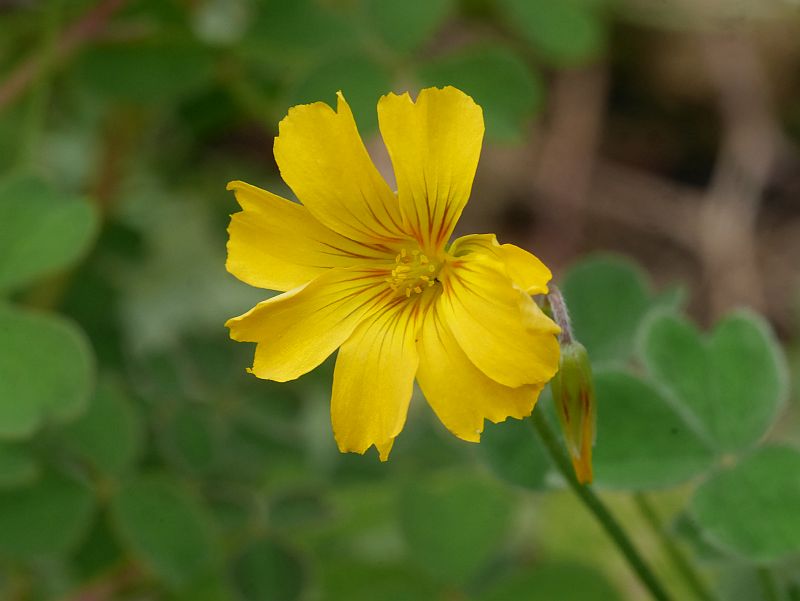
Oxalis tuberosa (Oca)
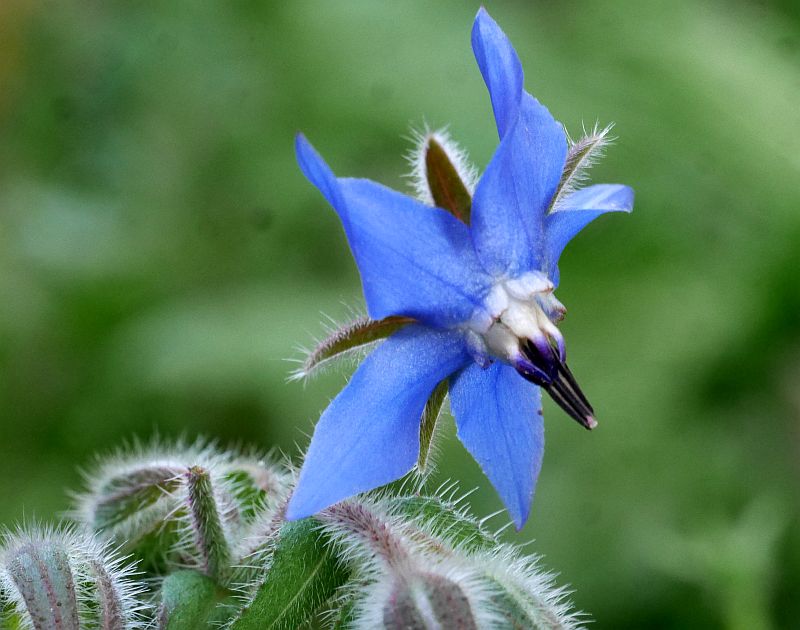
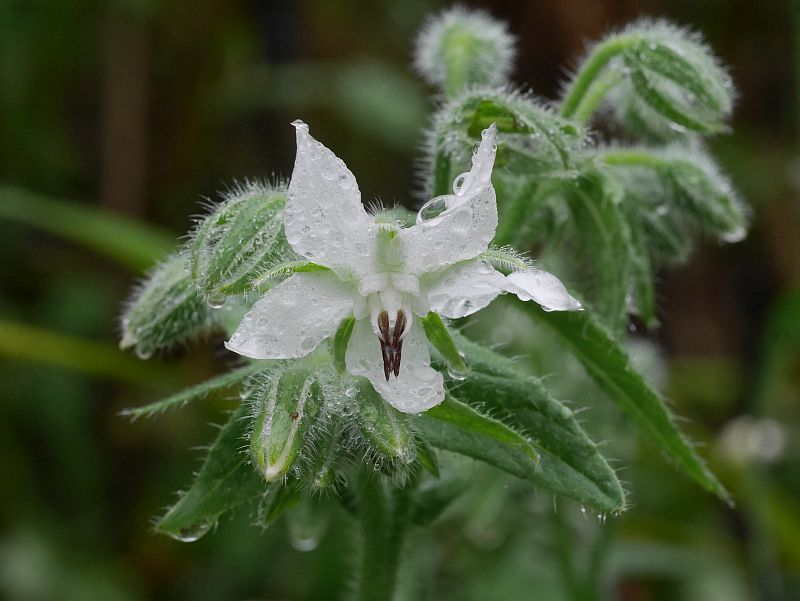
Borago officinalis “Alba”
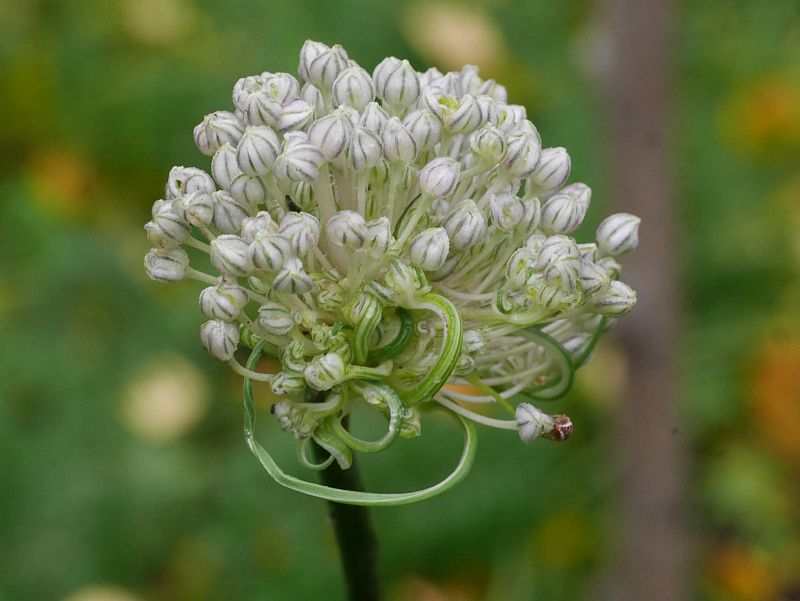
Leek (Allium porrum)…no chance for seed here!
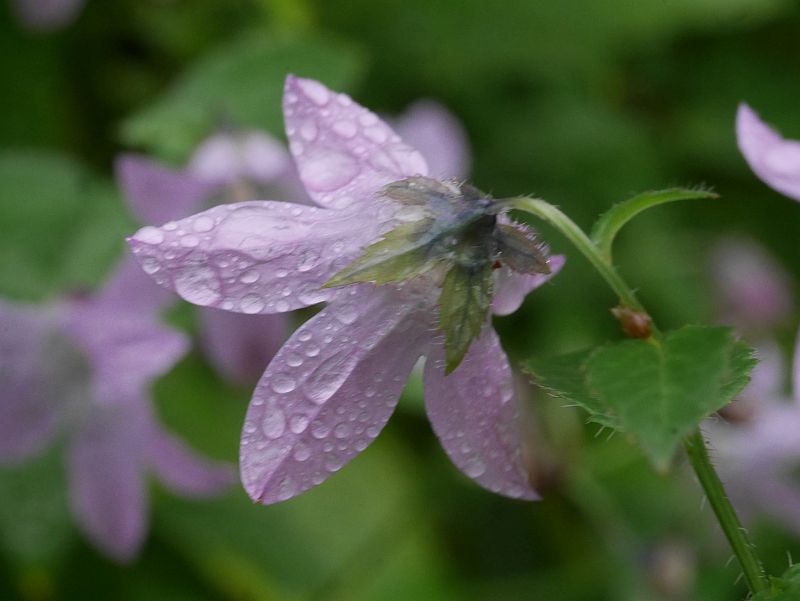
Campanula lactiflora “Loddon Anna” has been in flower most of the summer and is popular with pollinators
Sedum “Carl””
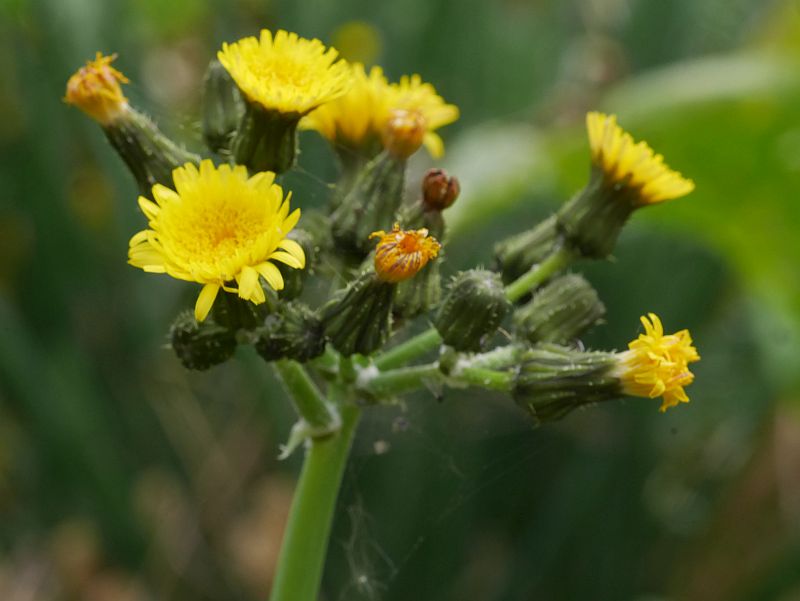
Cirsium japonicum
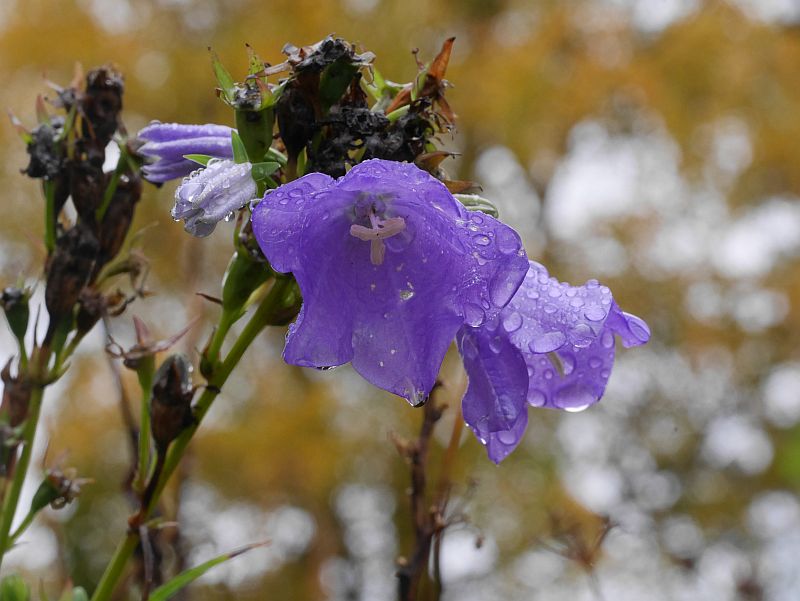
Campanula persicifolia
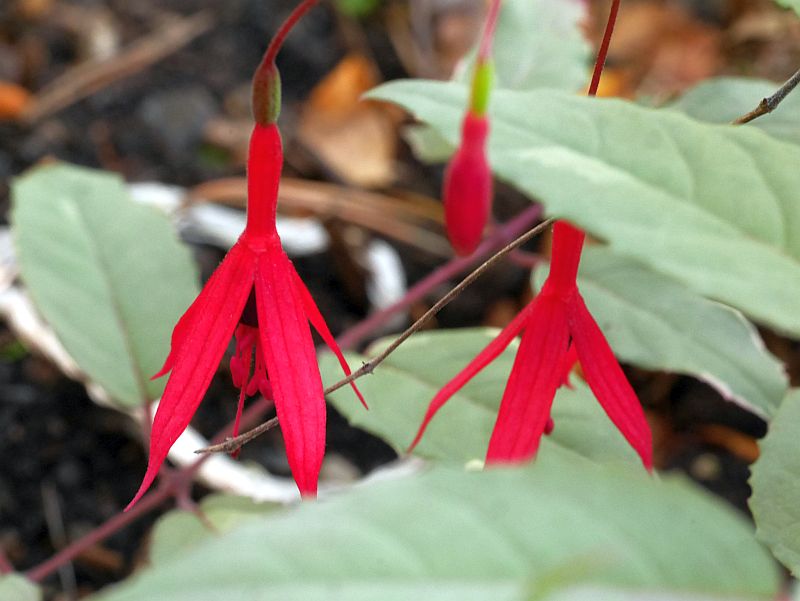
Fuchsia magellanica “Alba”
The last Tigridia pavonia
Scabiosa japonica alpina
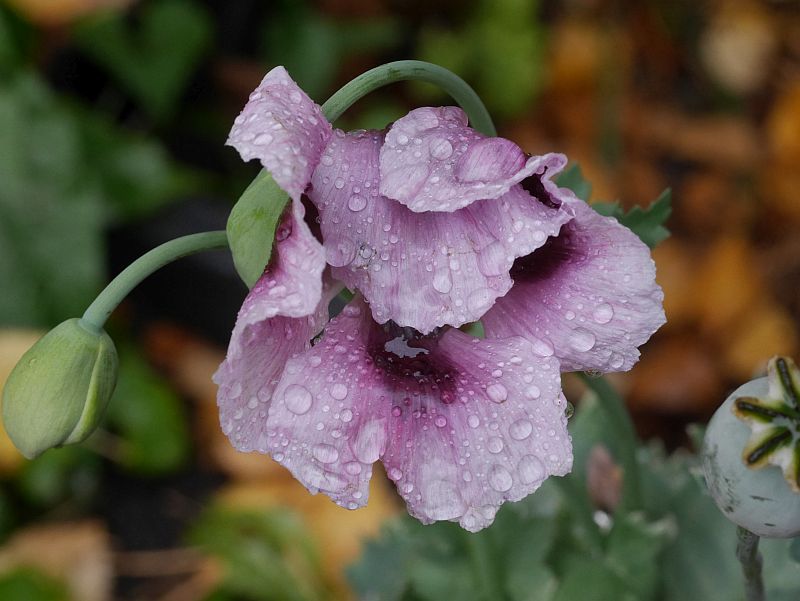
Papaver somniferum
Dystaenia takesimana (see https://www.edimentals.com/blog/?p=24998) has produced seed and is still flowering
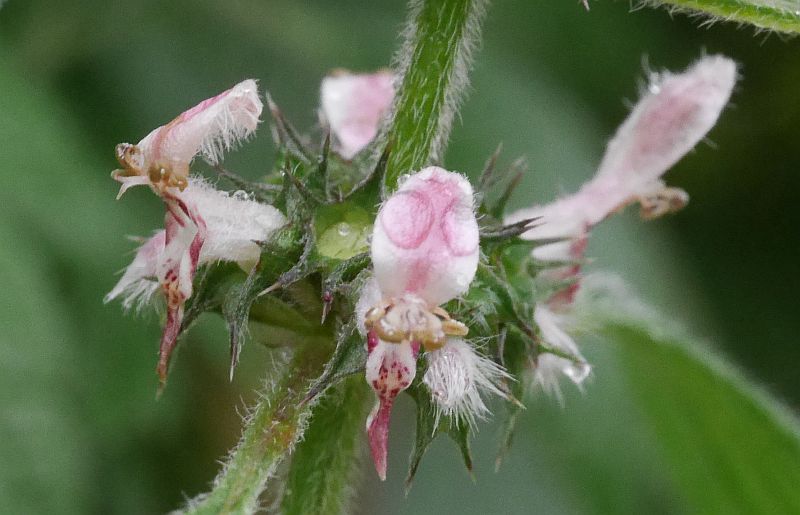
Leonurus cardiaca (motherwort)
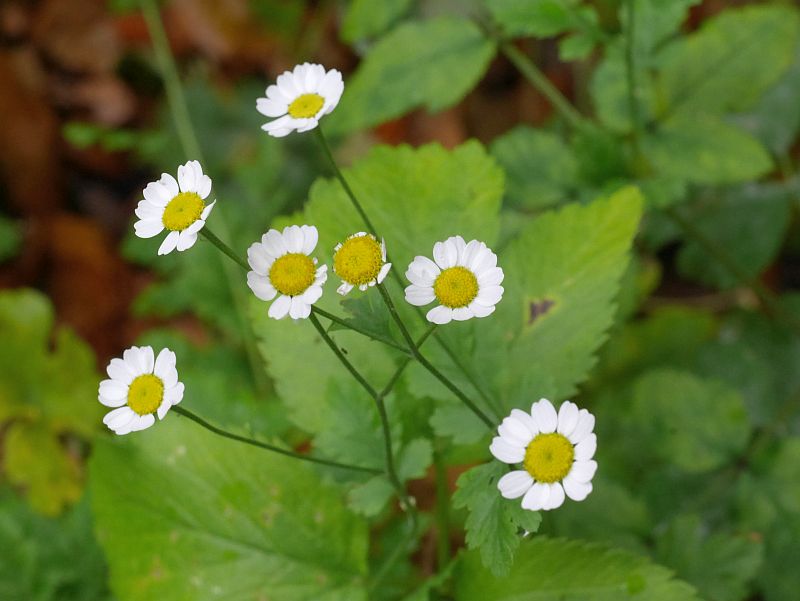
Tanacetum parthenium (feverfew) (medicinal)
Lactuca sativa (lettuce)
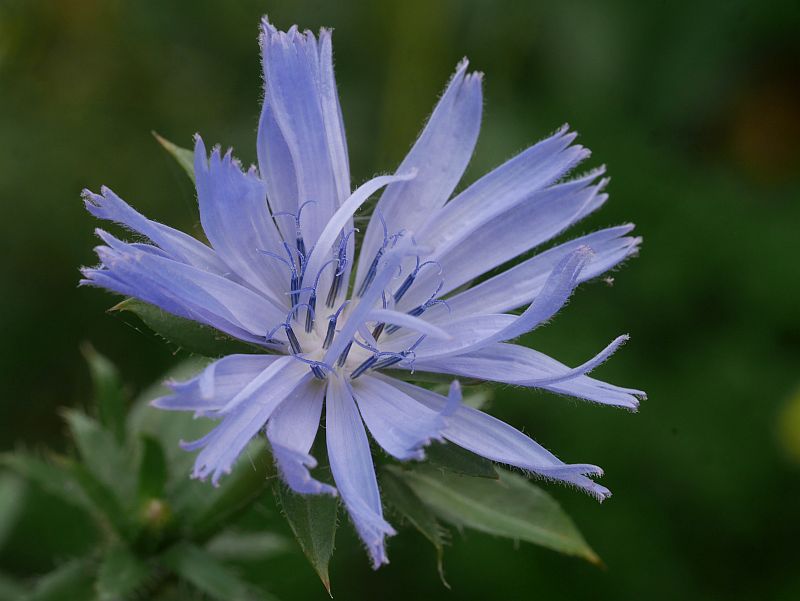
A pink flowered perennial chicory (Cichorium intybus)
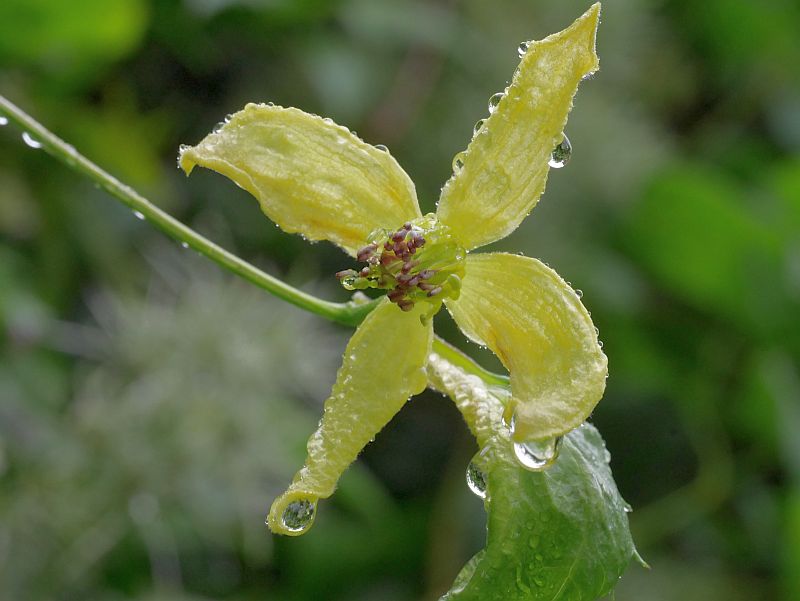
Korean clematis (Clematis serratifolia): the youg shoots have been reported eaten in Korea (not edible flowers)
Clematis vitalba (Old man’s beard) has been flowering like made for a couple of months and is very popular with pollinators (edible young shoots cooked, not edible flowers)
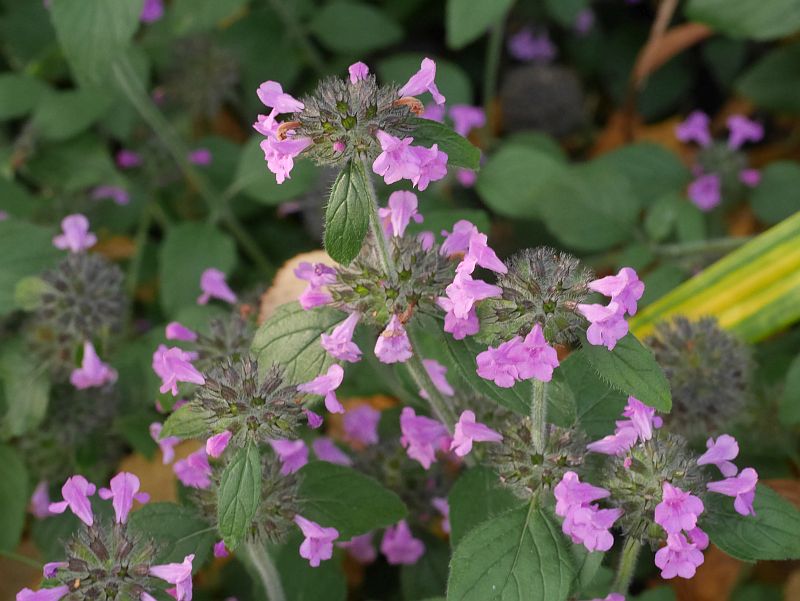
Prunella vulgaris
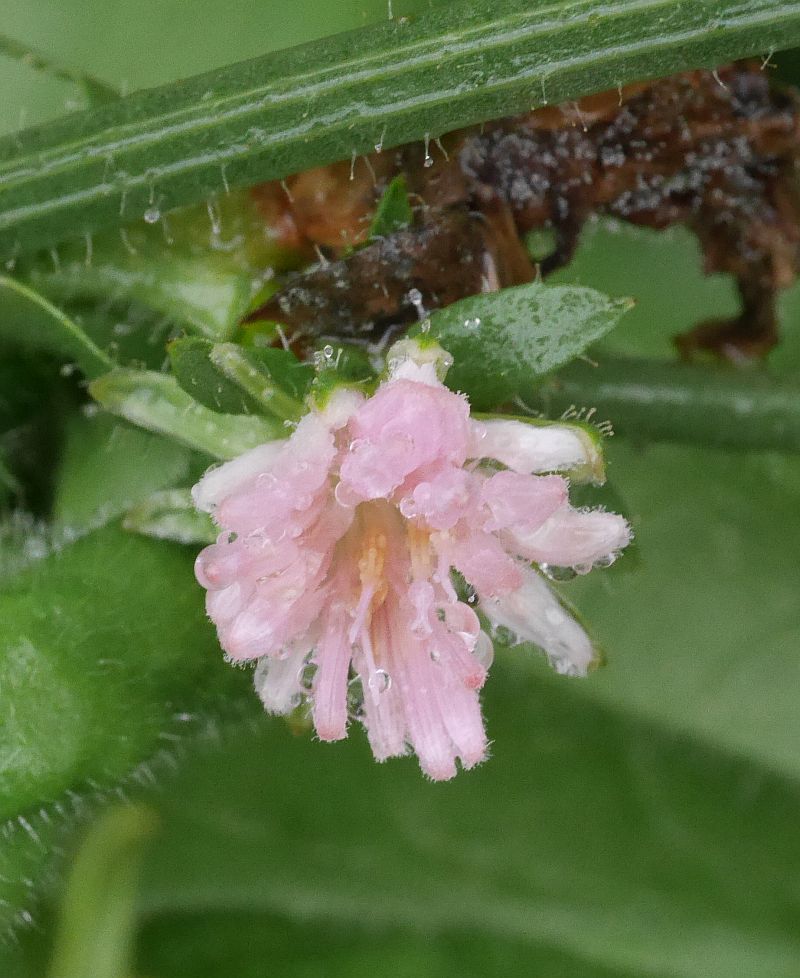
Parasenecio farfarifolius var bulbifera flowering very late
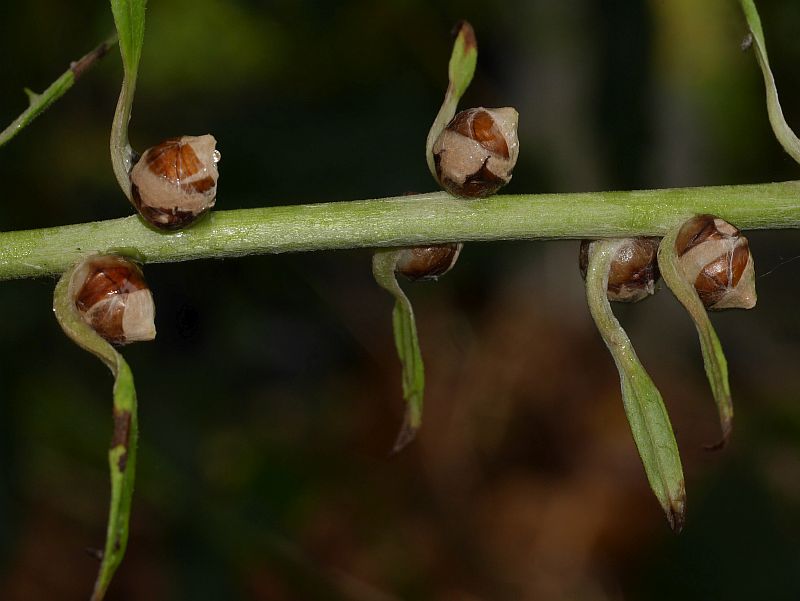
The bulbils of Parasenecio farfarifolius var bulbifera
Brassica nigra (black mustard)
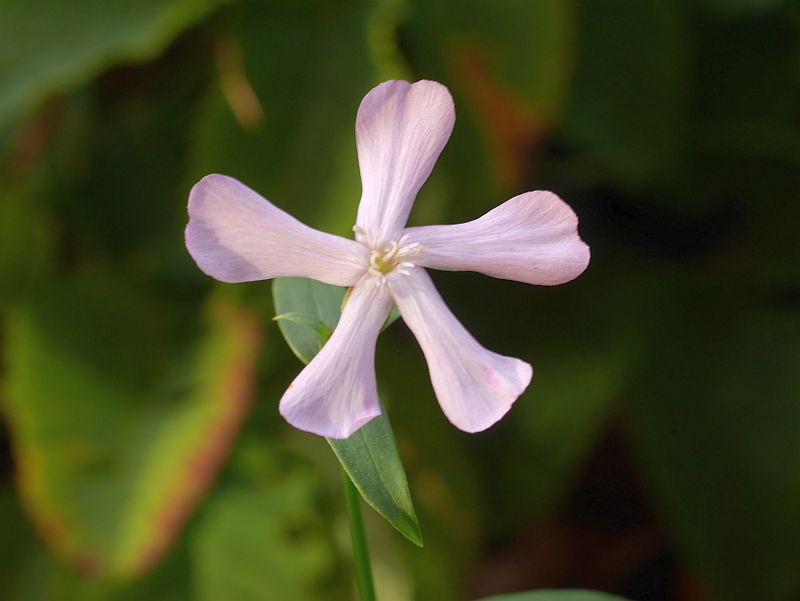
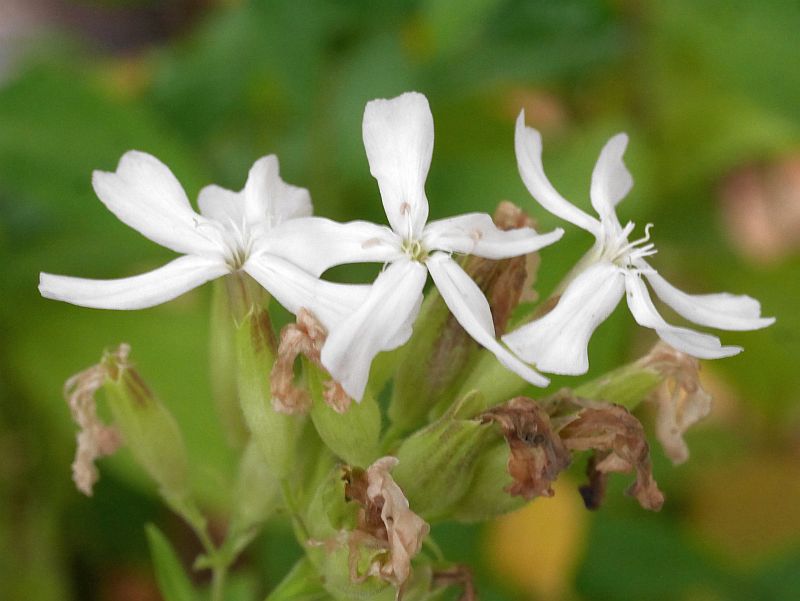
Saponaria officinalis (soapwort; not edible)
Campanula trachelium “Alba”
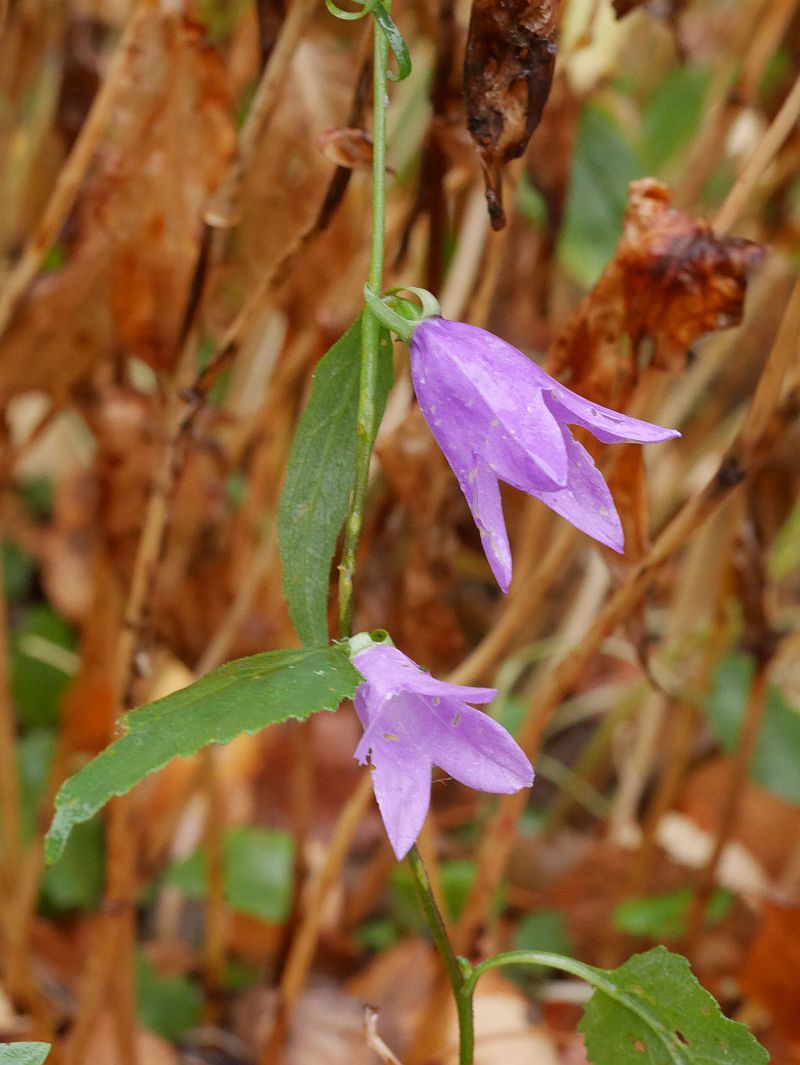
Campanula rapunculoides
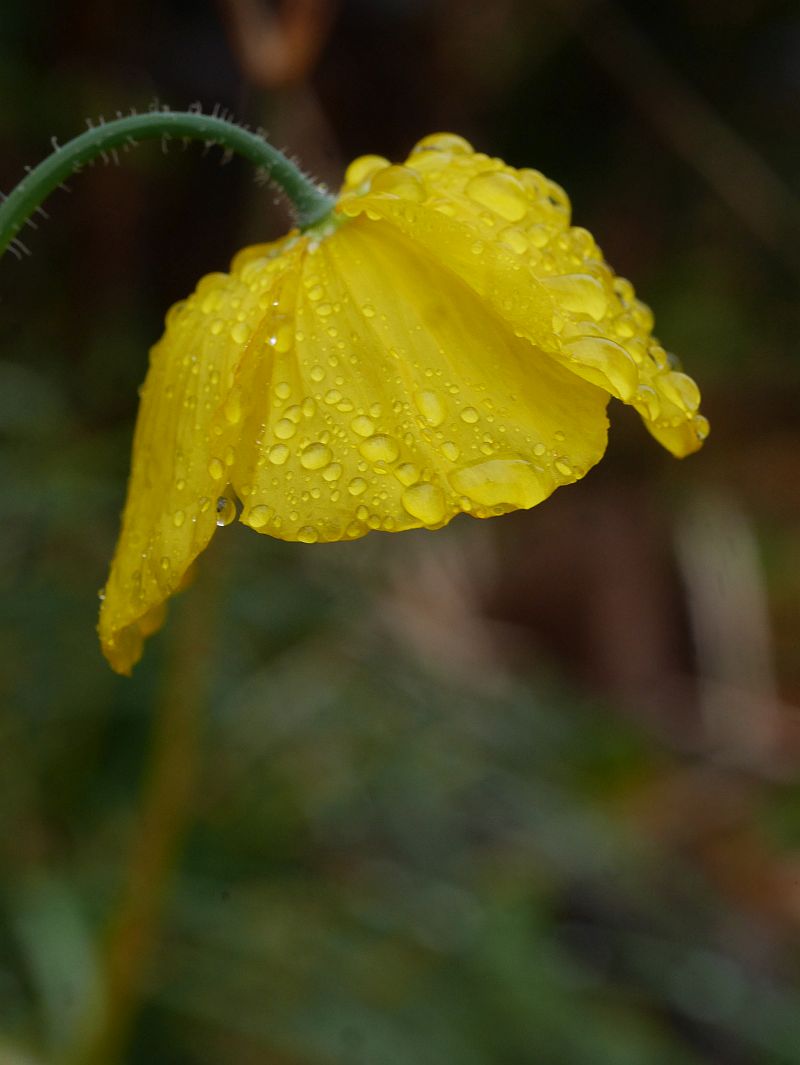
Meconopsis cambrica (not edible)
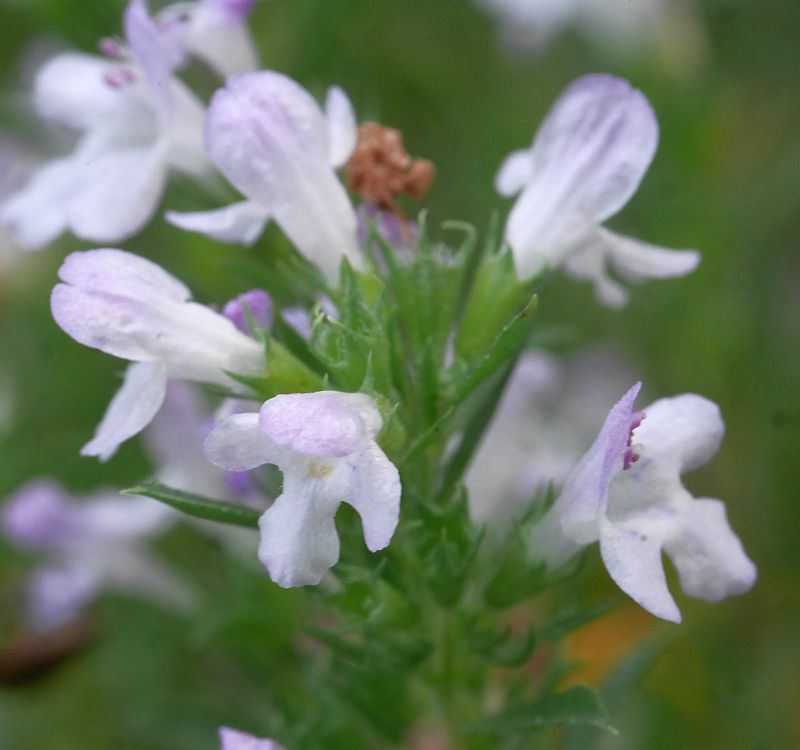
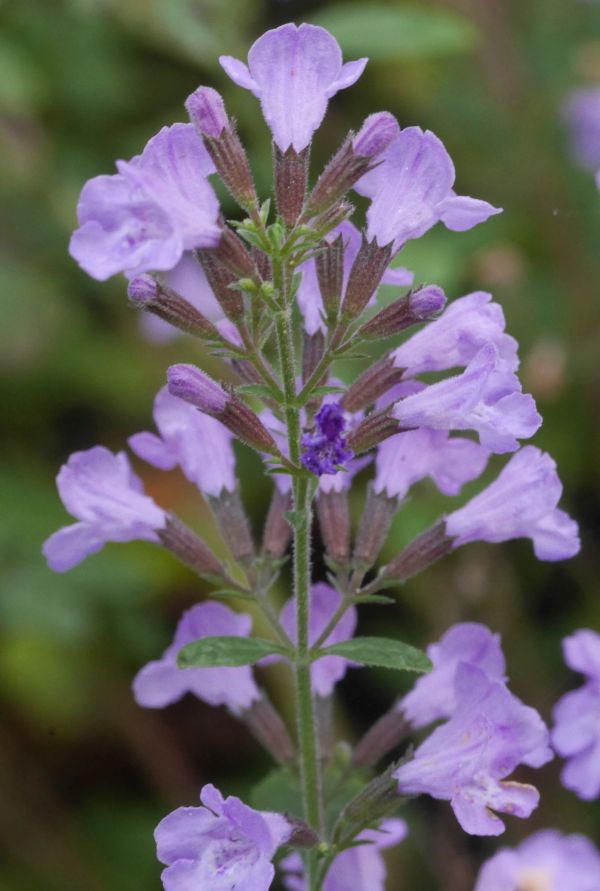
Micromeria dalmatica
Hosta “Red October”
Hylotelephium spectabile
Tulbaghia violacea (society garlic)
Chives (Allium schoenoprasum) trying to flower again
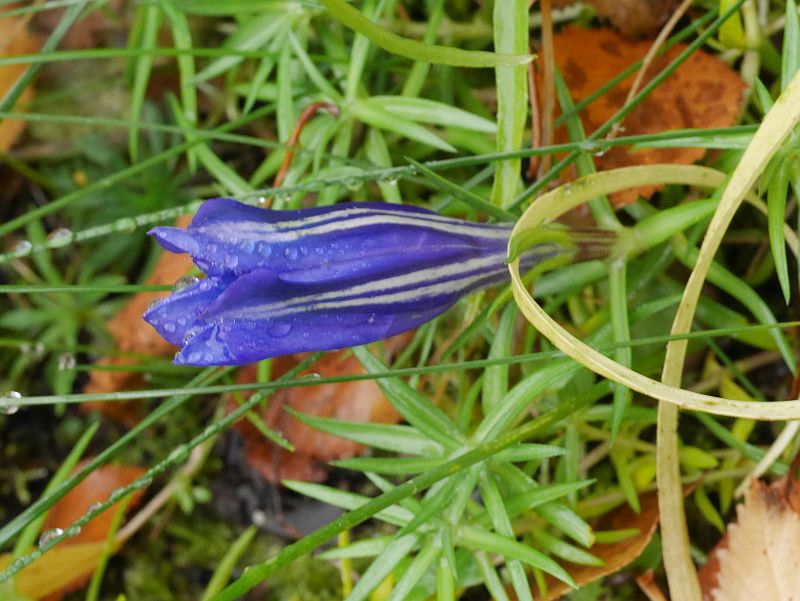
Gentiana sino-ornata, a survivor from the time I also grew pure ornamentals
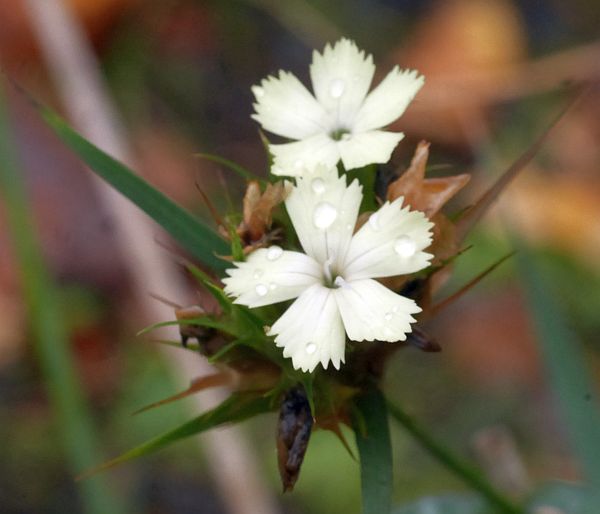
Dianthus knappii
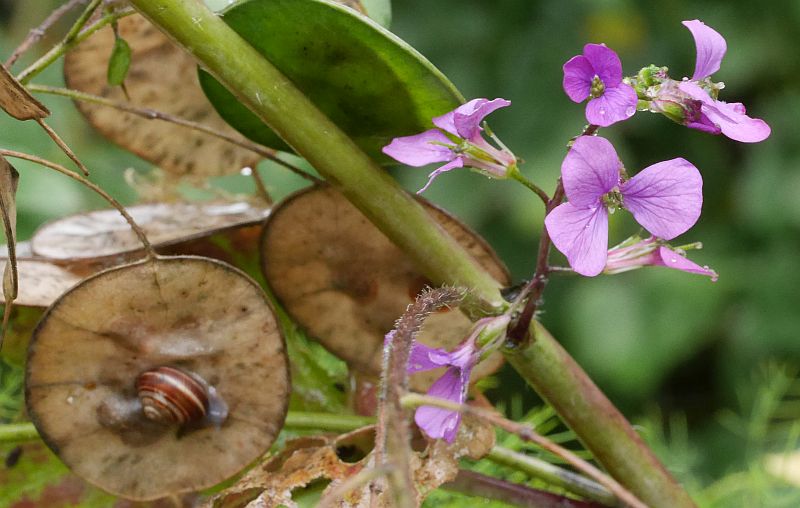
Second flowering (perennialisation) on honesty (Lunaria annua)
Another nasturtium (Tropaeolum majus)
Another nasturtium (Tropaeolum majus)
Salvia officinalis
Hyssopus officinalis
Cryptotaenia japonica “Atropurpurea”
Allium hookeri “Zorami”
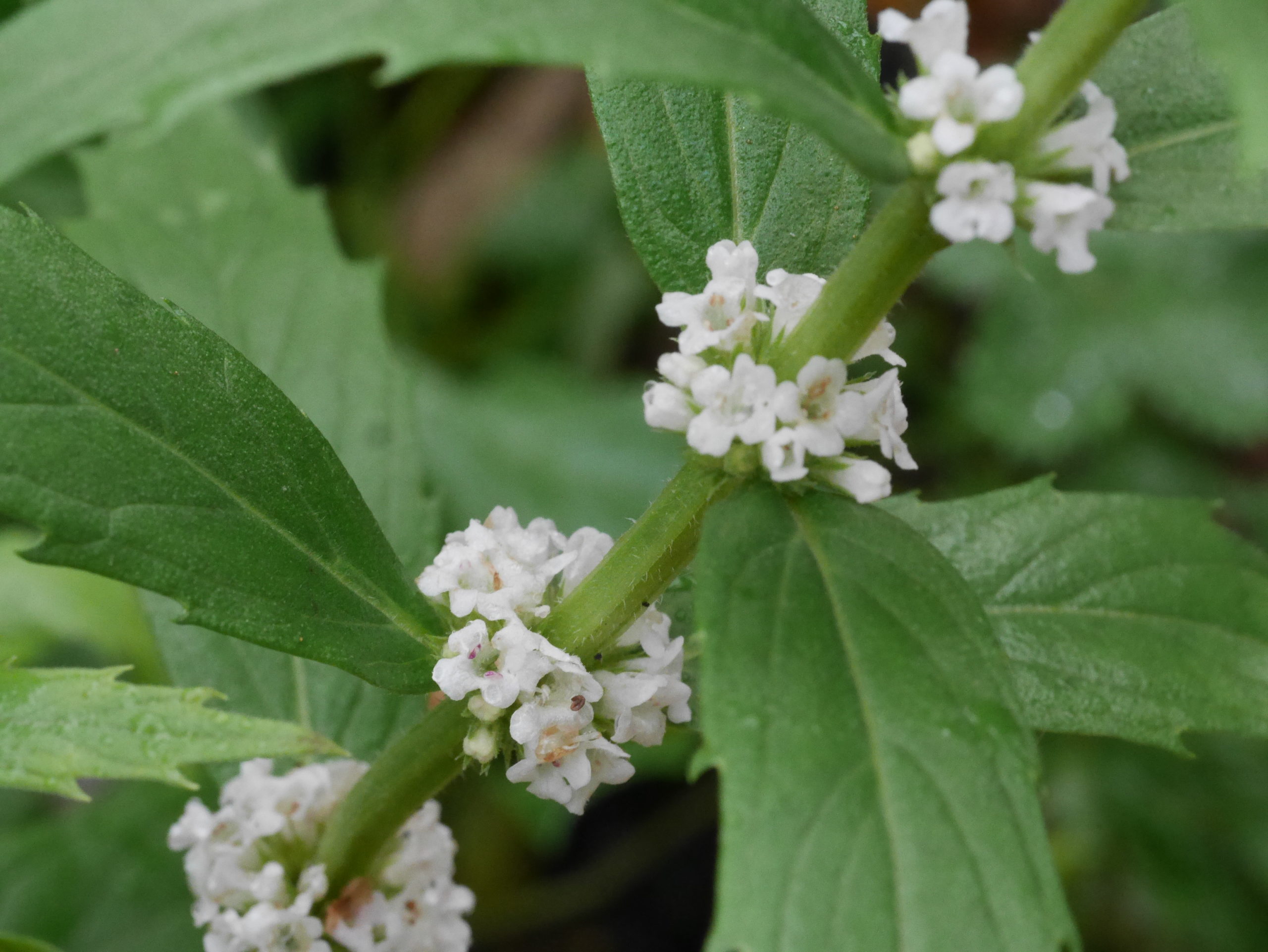
Lycopus asper
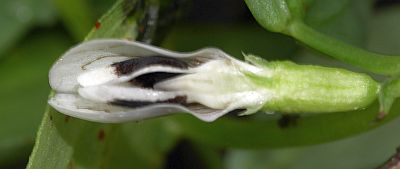
Madeira Vine (Anredera cordifolia) flowering for the first time outside in the garden…the tubers are overwintered indoors
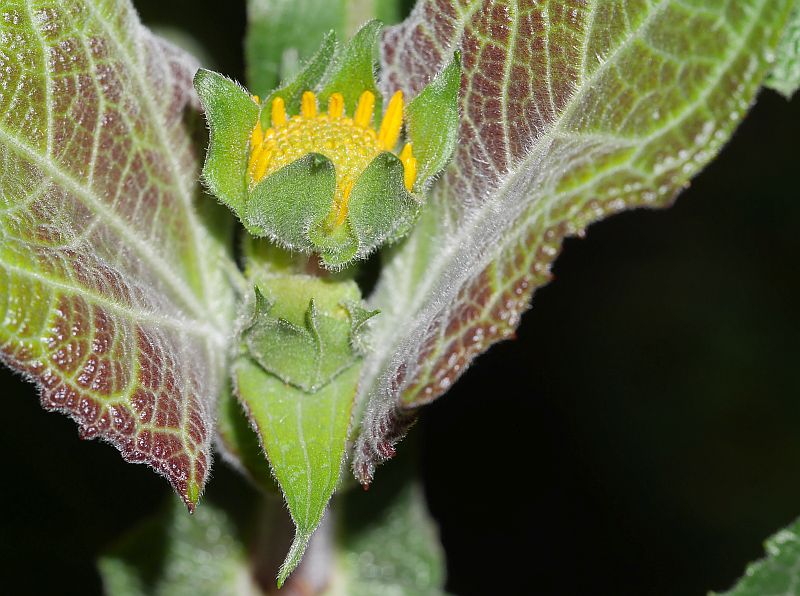
Yacon (Polymnia sonchifolia) flowering for the first time outside in the garden…the tubers are overwintered indoors
A double form of Silphium integrifolium (wholeleaf rosinweed) from seed
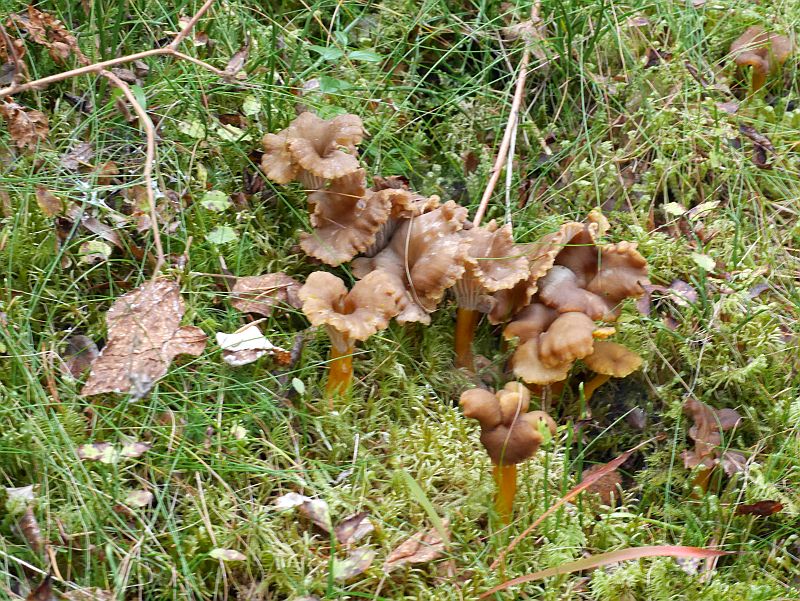
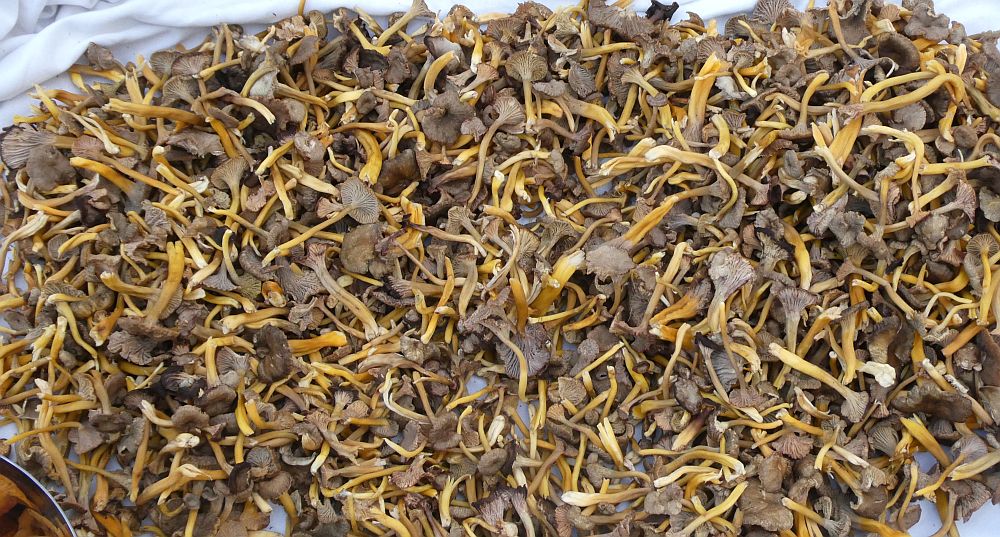
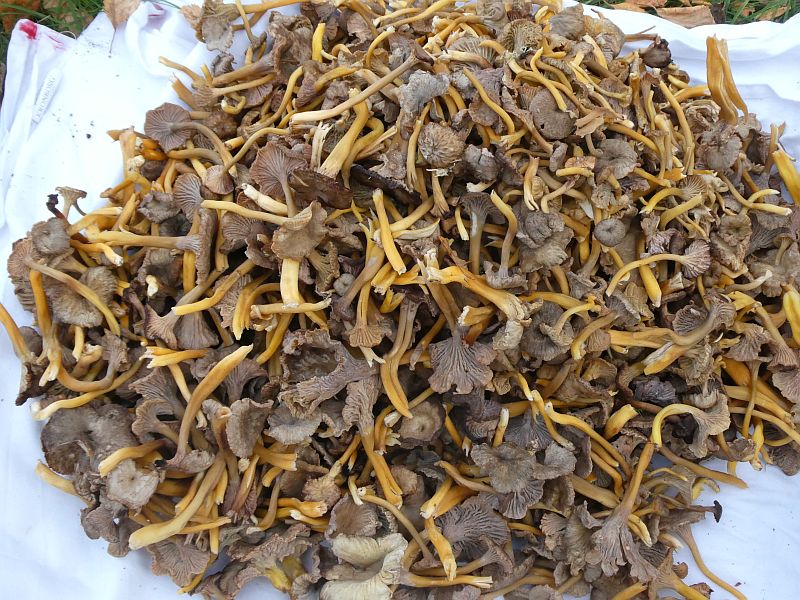
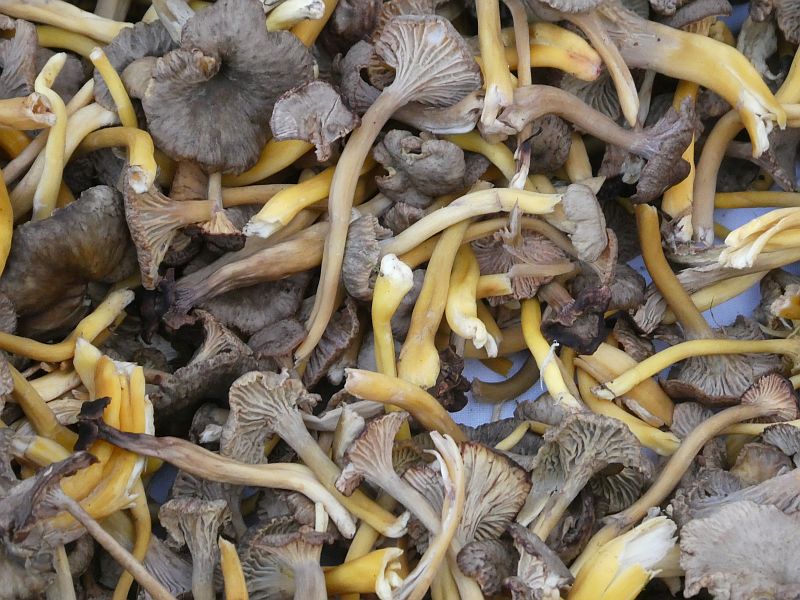
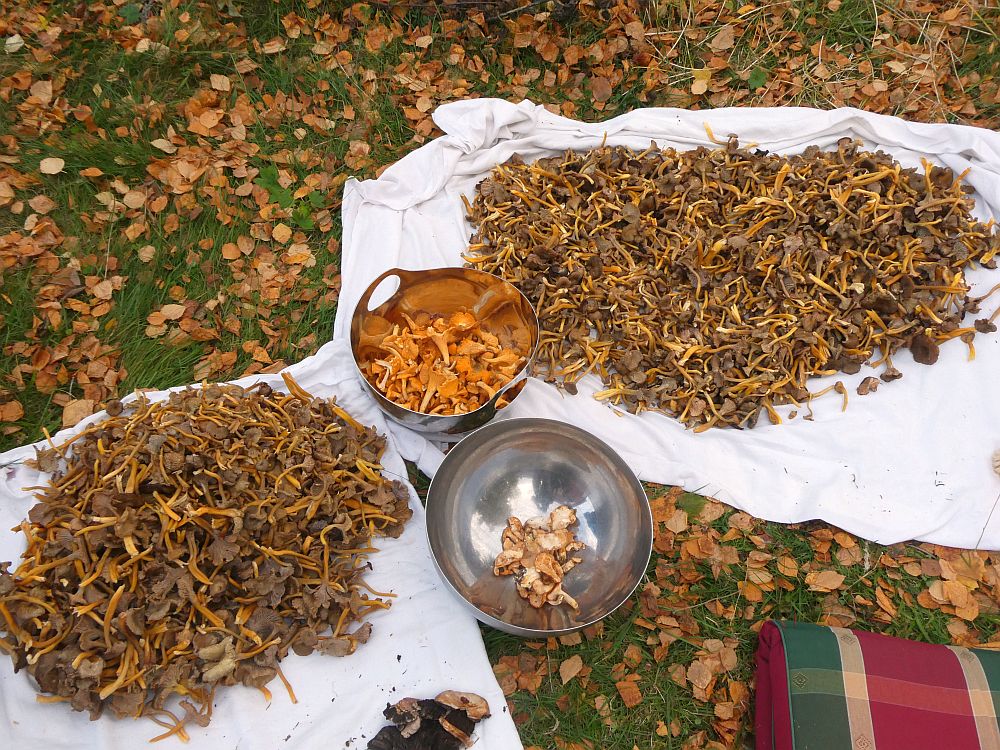
It was a busy weekend picking our winter supplies of winter chantarelles (traktkantarell) in the forest. This abundant species is mycorrhizal, associated in Norway with spruce, usually in mossy woods.
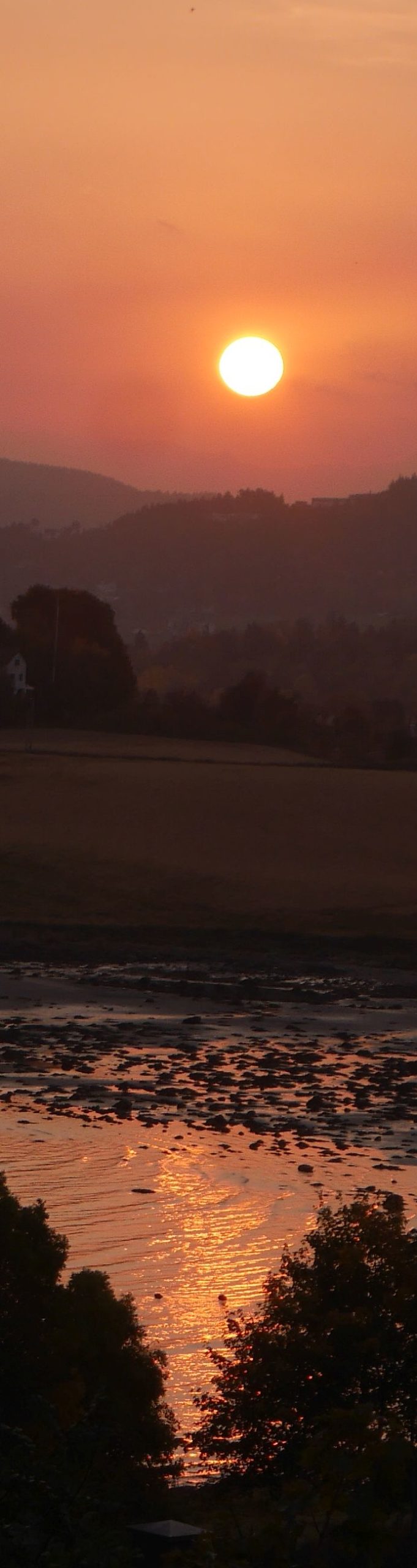
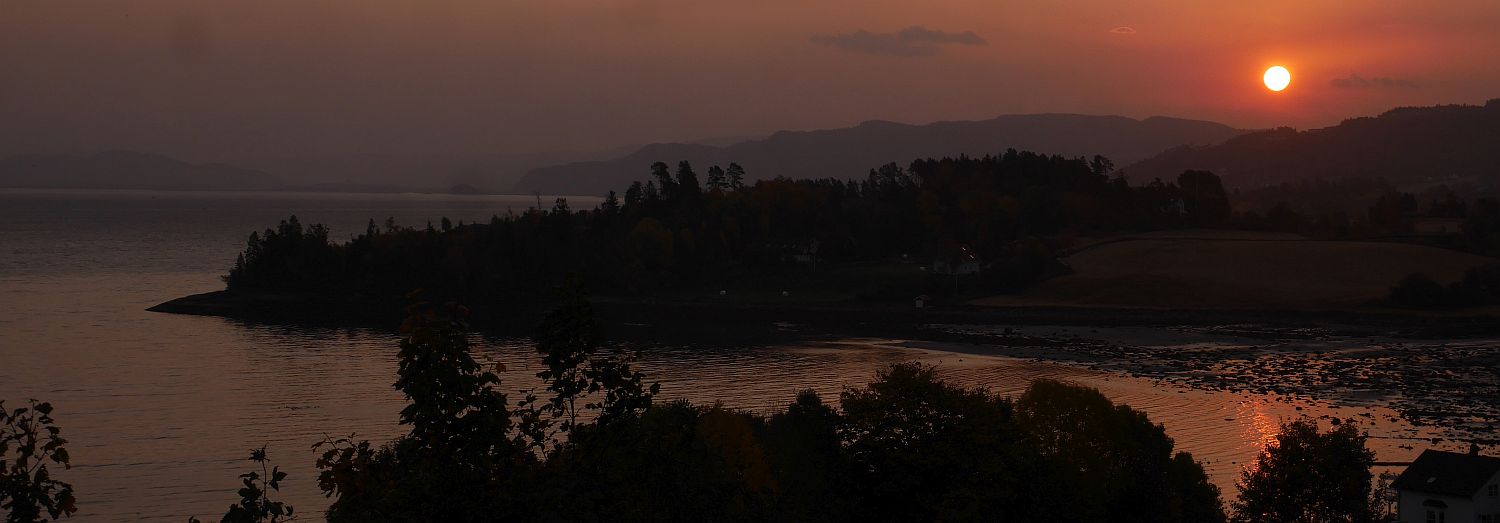
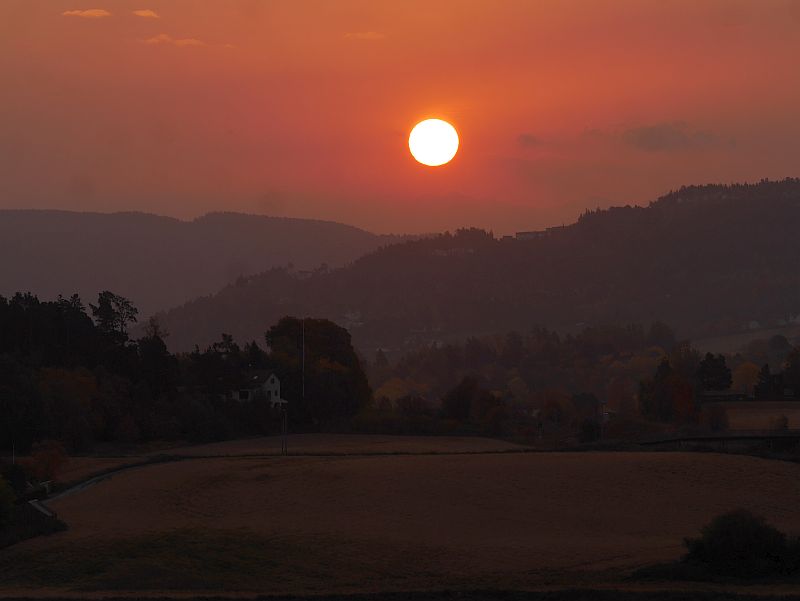
Last night the view over the fjord was so hazy we couldn’t see the mountains on the other side of the fjord despite clear skies otherwise and wondered if the smoke from the California fires had reached here (it was reported in western Norway recently) and this morning the sun was red as it rose through the haze. However, the meteorologists point to the source being strong southeasterly winds blowing up dust from dry agricultural land in Eastern Europe (=erosion), with possibly smoke from the Ukrainian forest fires mixed in!