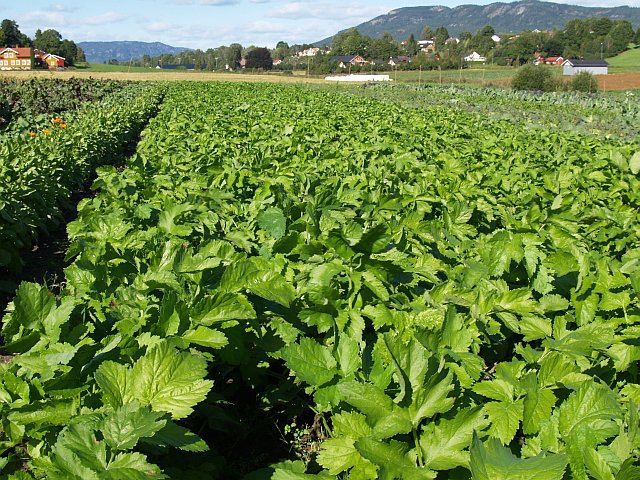
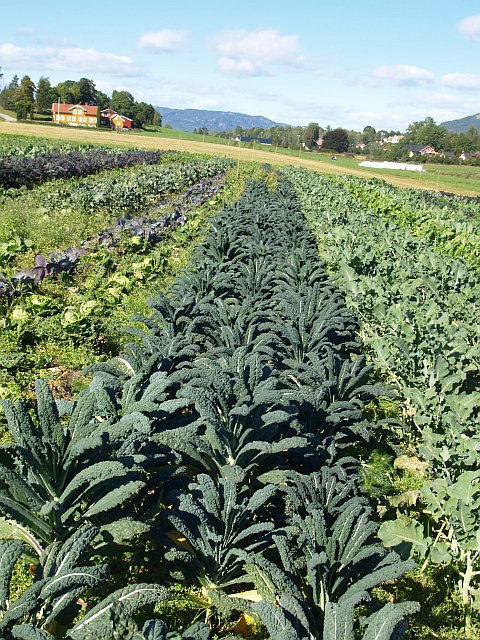
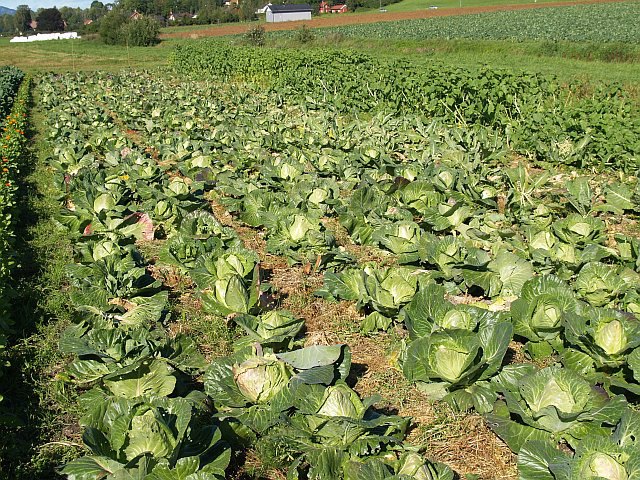
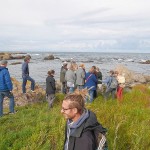
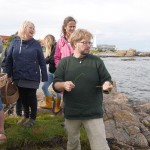
Yesterday was the 5th anniversary of a memorable visit to the Århus CSA scheme and Tom Harald Eckell’s magical vegetables with Rita Amundsen, Margaret M. Meg Anderson and Veronica Samycia!
Never have I been so impressed by a field of vegetables (organic too), the astonishing diversity, many of which I’d never seen before…..and above all Tom Harald’s gentle modest manner in the midst of brilliance….my life changed that day…
We all sensed that we’d passed into a parallel universe for the duration of the visit and we all sensed simultaneously on the journey home our return! My life changed that day
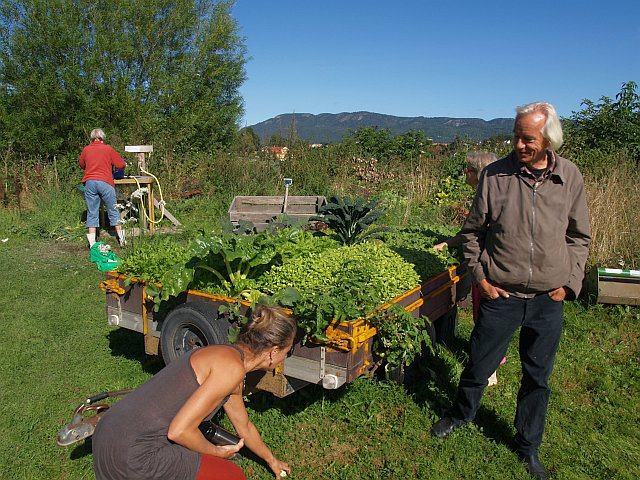
Tom Harald Eckell and Veronica Samycia in front of the salad trailer
Sunflower sprouts
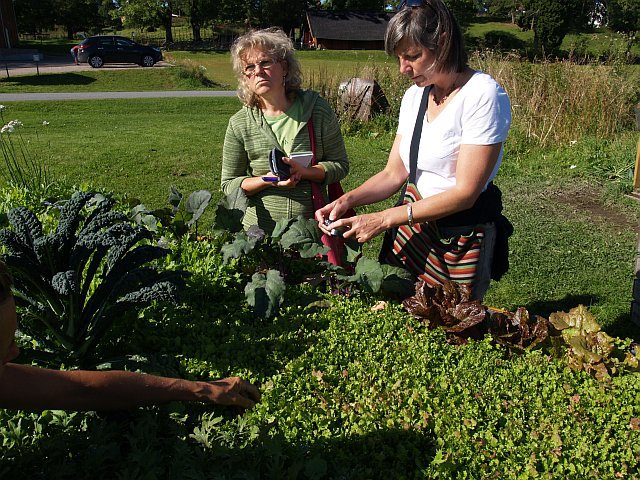
Rita Amundsen and Meg Anderson Hagen in front of the salad trailer
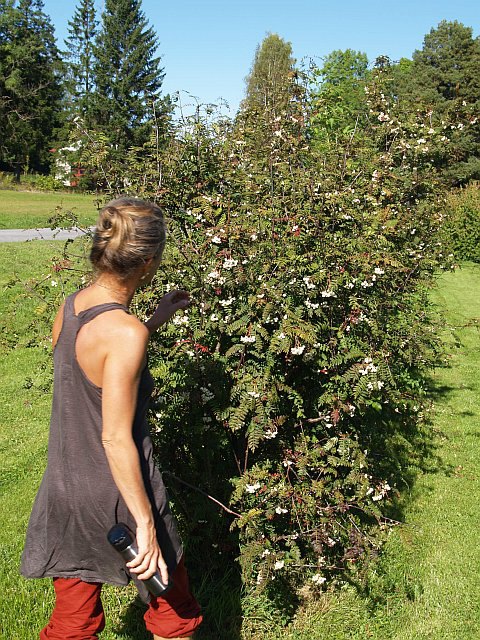
Veronica Samycia makes a B-line for favourite berry, one of the white Rowans
A large berried Cornus mas (Vårkornell)
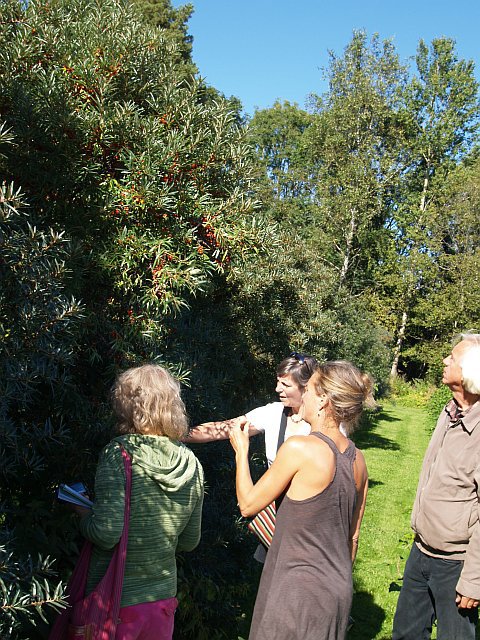
Inspecting the Sea Buckthorn / Tindved (Hippophae) collection
Sea Buckthorn / Tindved (Hippophae)
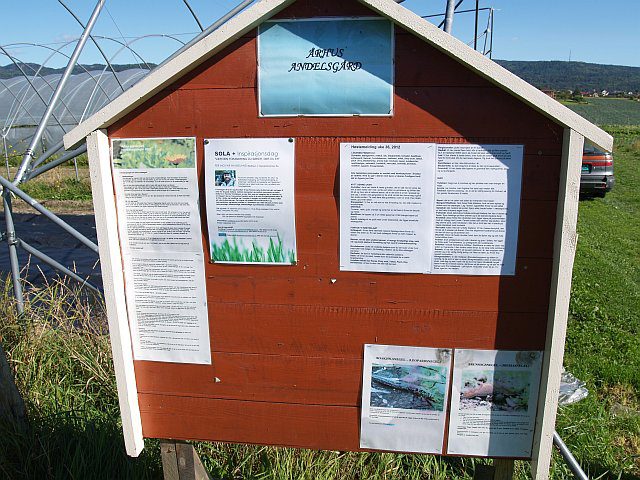
Århus Andelsgård
Squash and pickling cucumbers
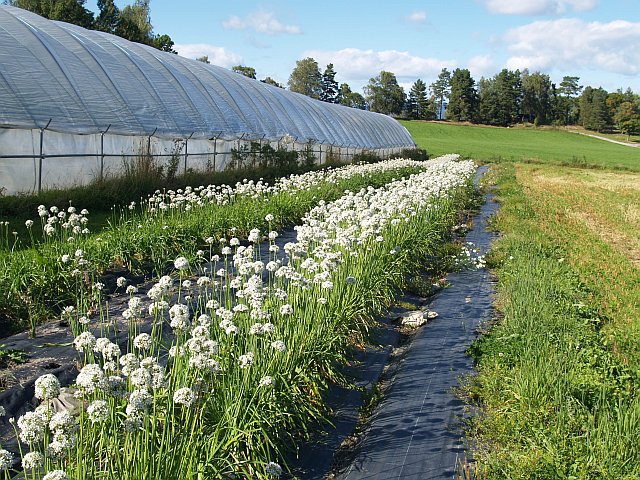
Tom Harald Eckell and (WOW WOW WOW) a long row of welsh onions!/pipeløk. Fantastic! My mind is truly blown by what this man does!
Welsh onions!/pipeløk (Allium fistulosum); you might have noticed I’m religious about onions and this row was simply onionasmic…
Margaret M. Meg Anderson spots the only cabbage white caterpillars of the day!. I suspect that Tom Harald had put them there himself!
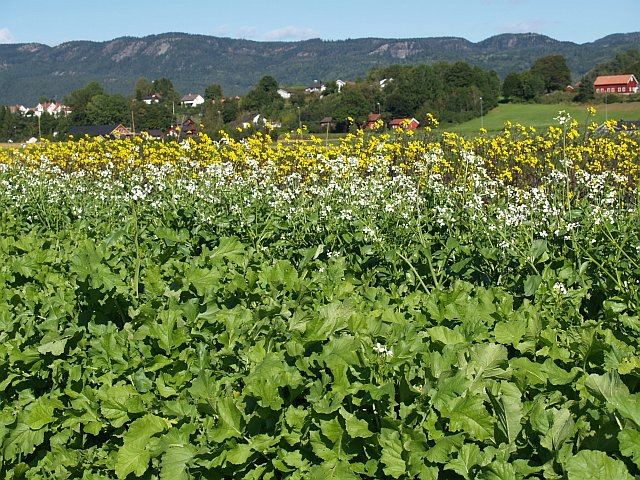
Radish for pods
Radishes grown for the pods. We agreed that this was an underestimated food. The pods produce considerably more than the “radishes”
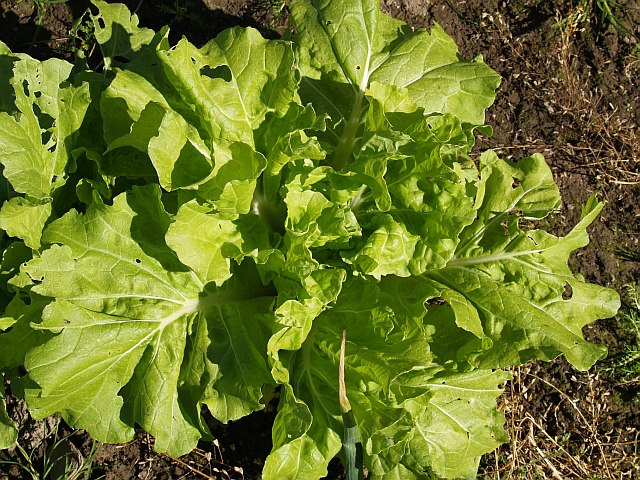
A Pak Choy
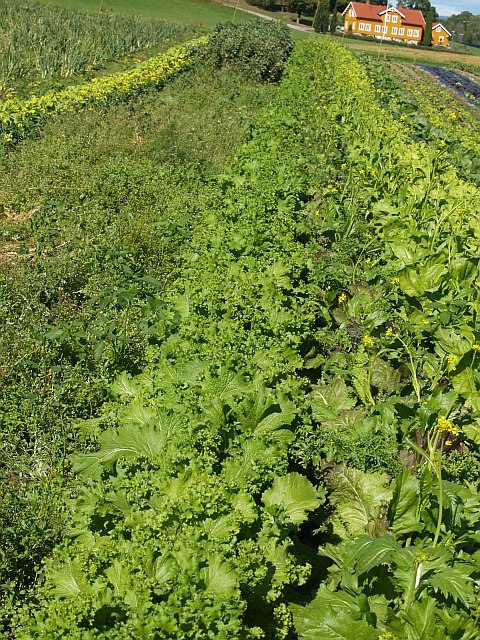
Amazing diversity of colours and leaf forms of the asiatic vegetables, growing perfectly here! Stunning!
More asiatic leaf vegetables
Flowering Pak Choy
More asiatics
…and even more
Grown for the succulent flowering stems
Veronica Samycia shows off the diversity of carrots including Dragon (‘s tooth) from Seeds of Change
Saltagurk
Rita Amundsen and Tom Harald in front of the Broad Beans!
Parsnip
Nero di Toscana kale
Giant cabbages
Kales and Broccolis (Grønnkål og brokolli)
A very interesting kale from either Baker Creek (Frank Morton) or Seeds of Change (Frank Navazio) – open pollinated, there was quite a large diversity
Rita Amundsen: What a waste – they don’t use the tops, the best bit!
Leek “Belgian Breeders Mix” from Frank Morton. He mentioned Lieven David
Leek “Belgian Breeders Mix” from Frank Morton. He mentioned Lieven David
At this point I passed out (besvimt) at the sight of this row of flowering Allium tuberosum (Kinagressløk). WOW WOW WOW again. An asiatic form of Allium fistulosum in front
Asiatisk pipeløk/Asiatic Allium fistulosum
Margaret M. Meg Anderson , Veronica Samycia, Tom Harald Eckell and Rita Amundsen
Just feel the weight of these
Tomato peppers
Watermelon
Carp pond overgrown with a Petasites spp
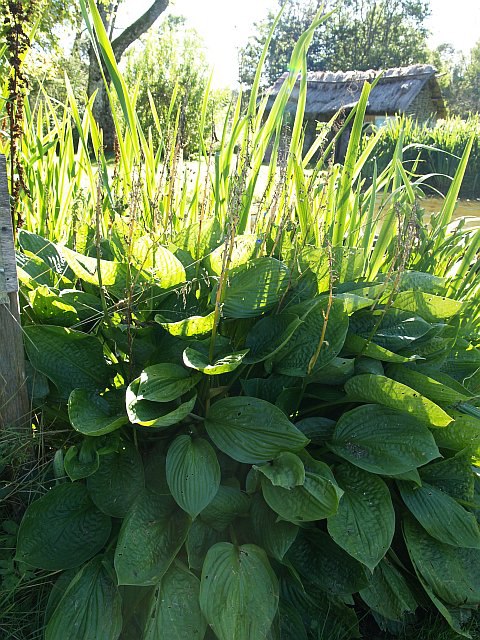
Hosta!
Flettverkshuset / Trellis Work House
Veronica Samycia levitating
Veronica Samycia levitating
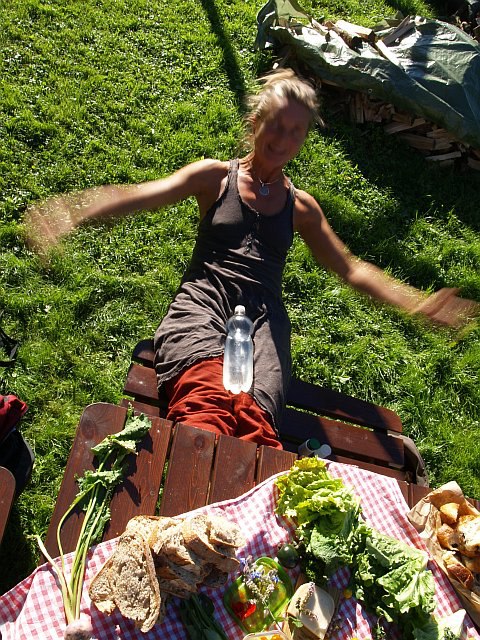
The lunch spread
Allium tea…
Earth Oven /Jordovn
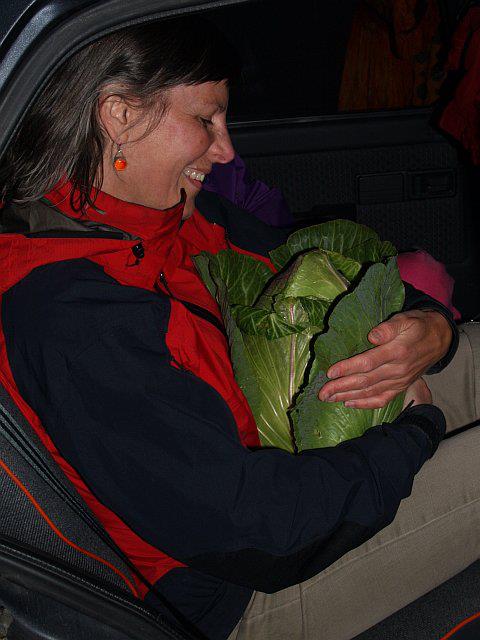
Margaret M. Meg Anderson elsker kål / starting a new trend of veggie hugging…
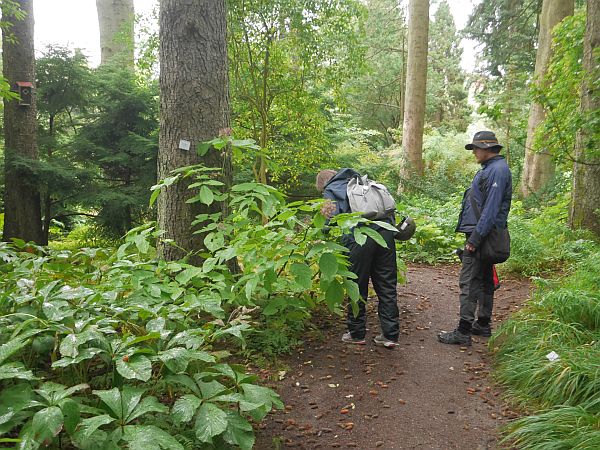
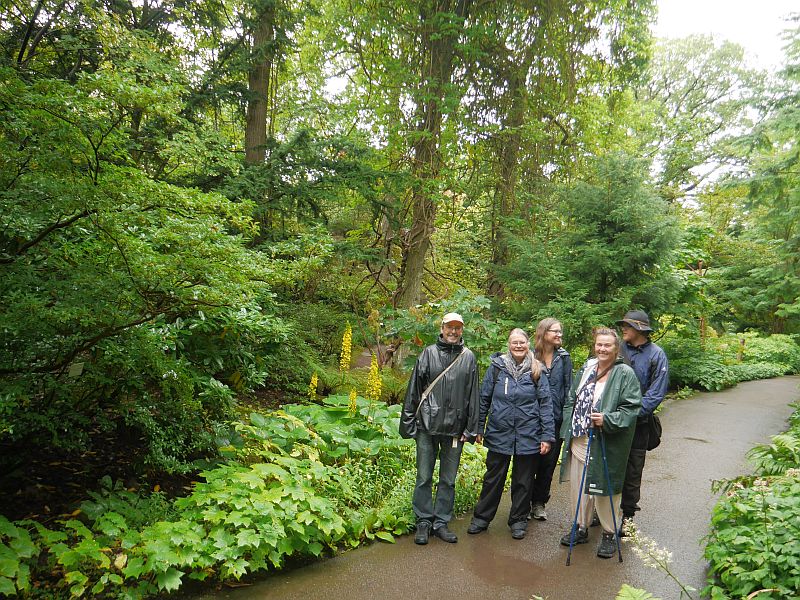
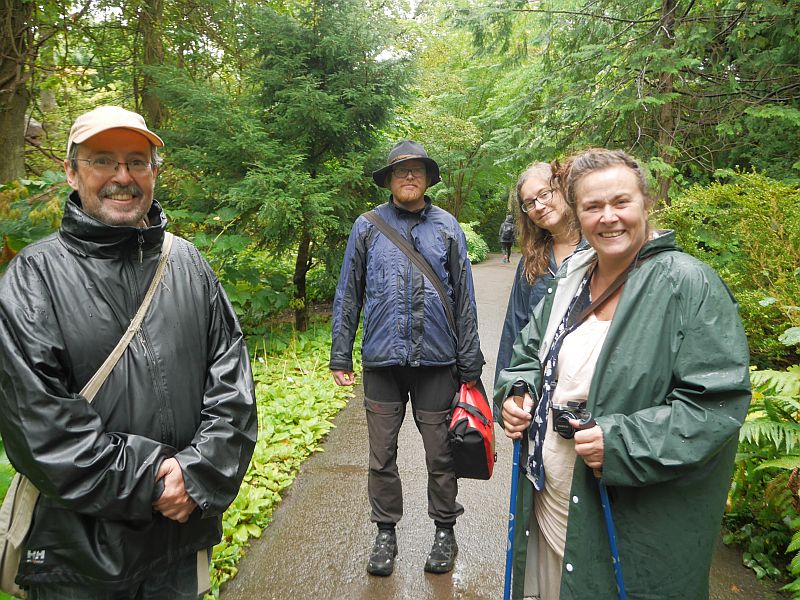
I visited Bo “Bosse” Blomquist last year outside of Gothenburg and despite it being a bit late in the day and almost dark at the end, I was really impressed by his collection of edible trees, shrubs and bushes! He works in Gothenburg and is a regular visitor to the gardens! We agreed to meet before my talk and a group of friends also joined us!! It was great to walk in the garden with Bosse as he knew all the interesting edible woody plants! Thanks!! Here are a selection of pictures!
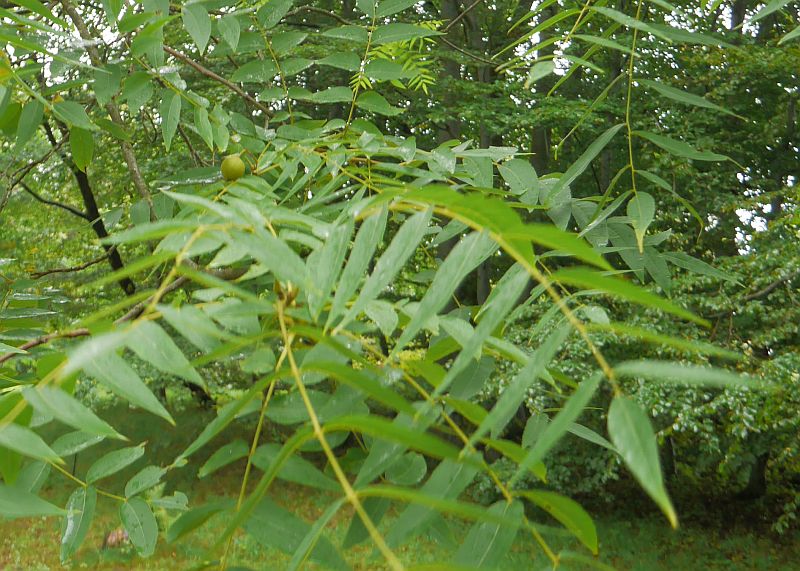
A walnut I’ve never seen before, Juglans microcarpa (Little walnut/Texas walnut)…this tree was surpisingly old, almost 90 if I remember right!
Juglans microcarpa (Little walnut/Texas walnut
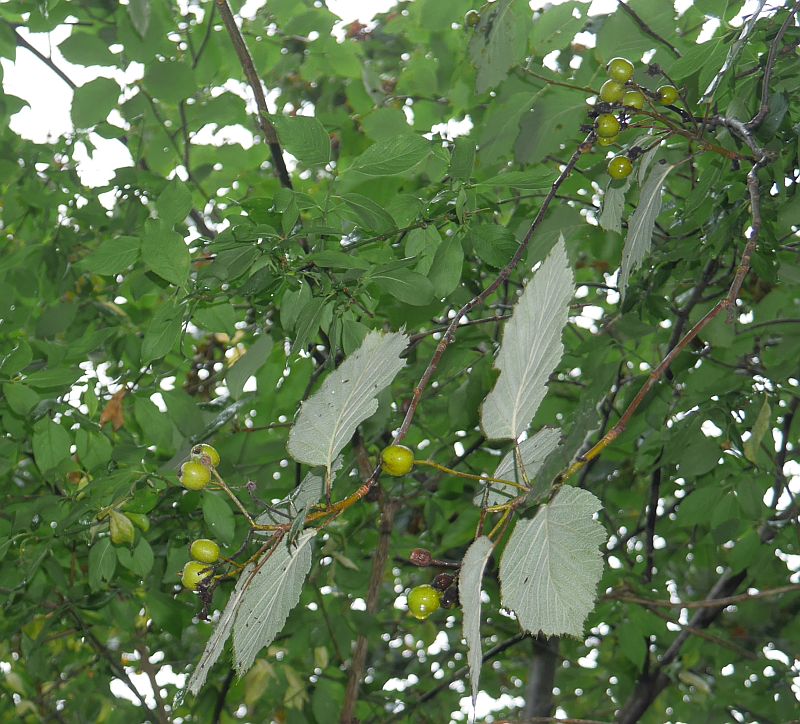
Another surprise, Sorbus devonensis, which I first saw in Martin Crawford’s forest garden about 11 years ago :)
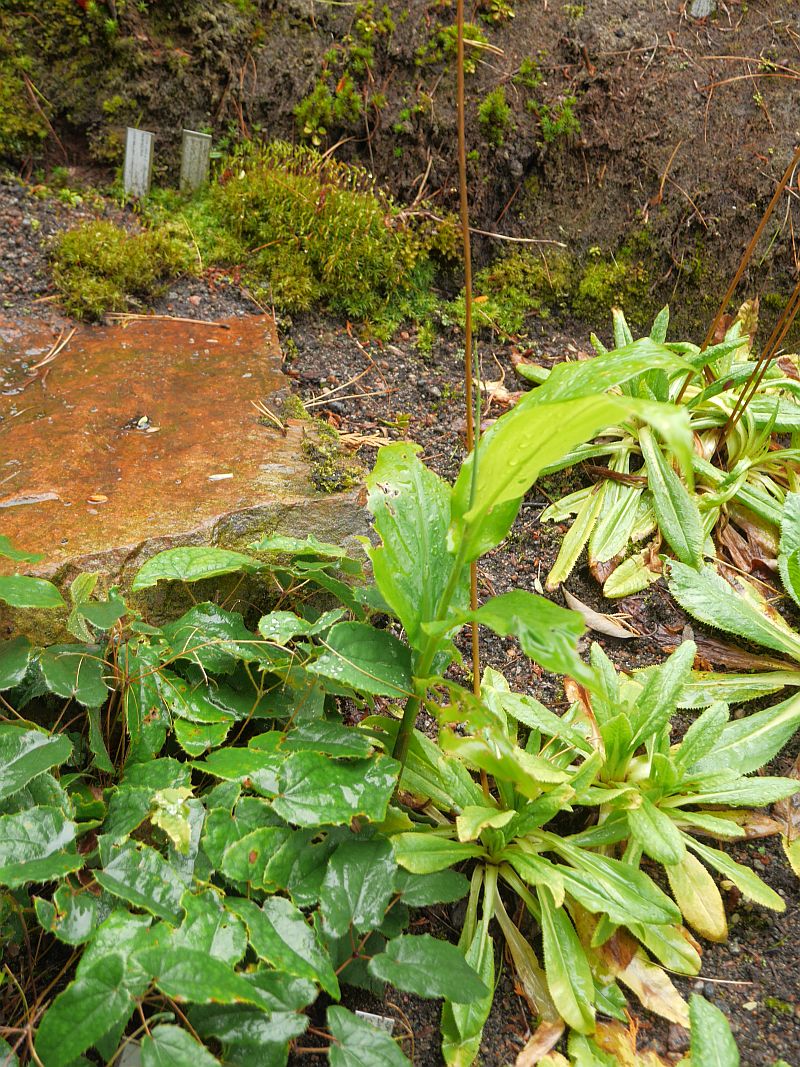
Another surprise, Dystaenia takesimana, a plant in the carrot family that I haven’t succeeded with…sometimes called Korean celery due to the taste of the leaves
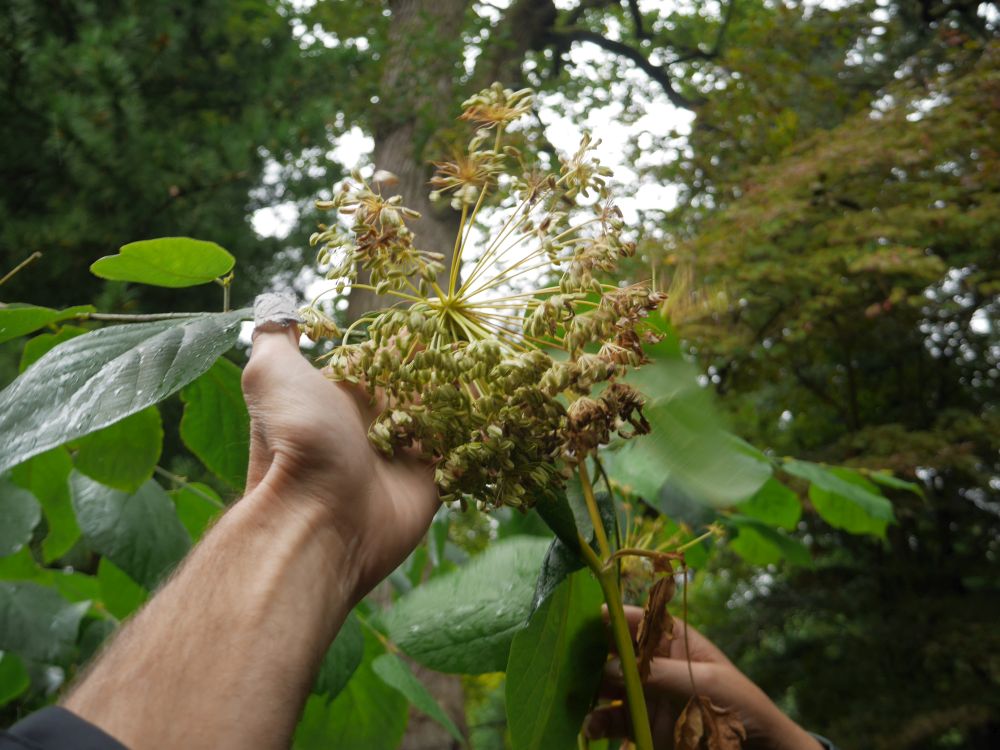
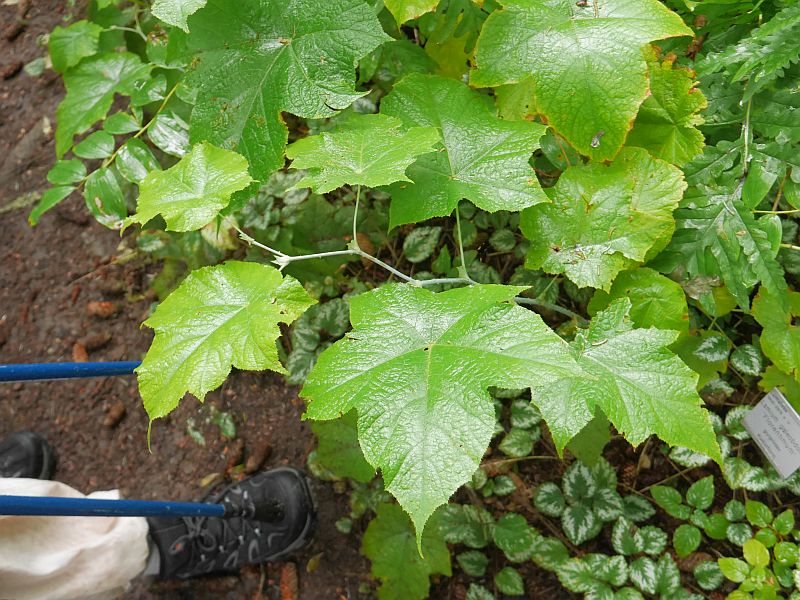
…and then Aralia cordata var. sachalinensis, Sakhalin-udo!!
Aralia cordata var. sachalinensis, Sakhalin-udo!
Rubus peltatus from Japan (is in my Japanese foraging book)
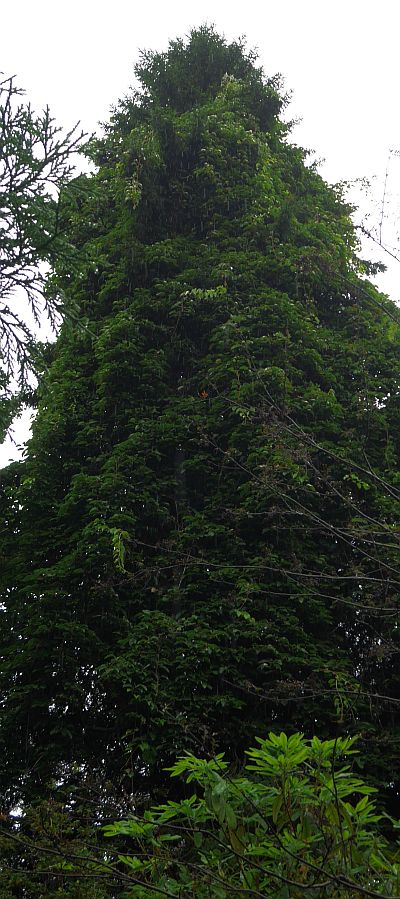
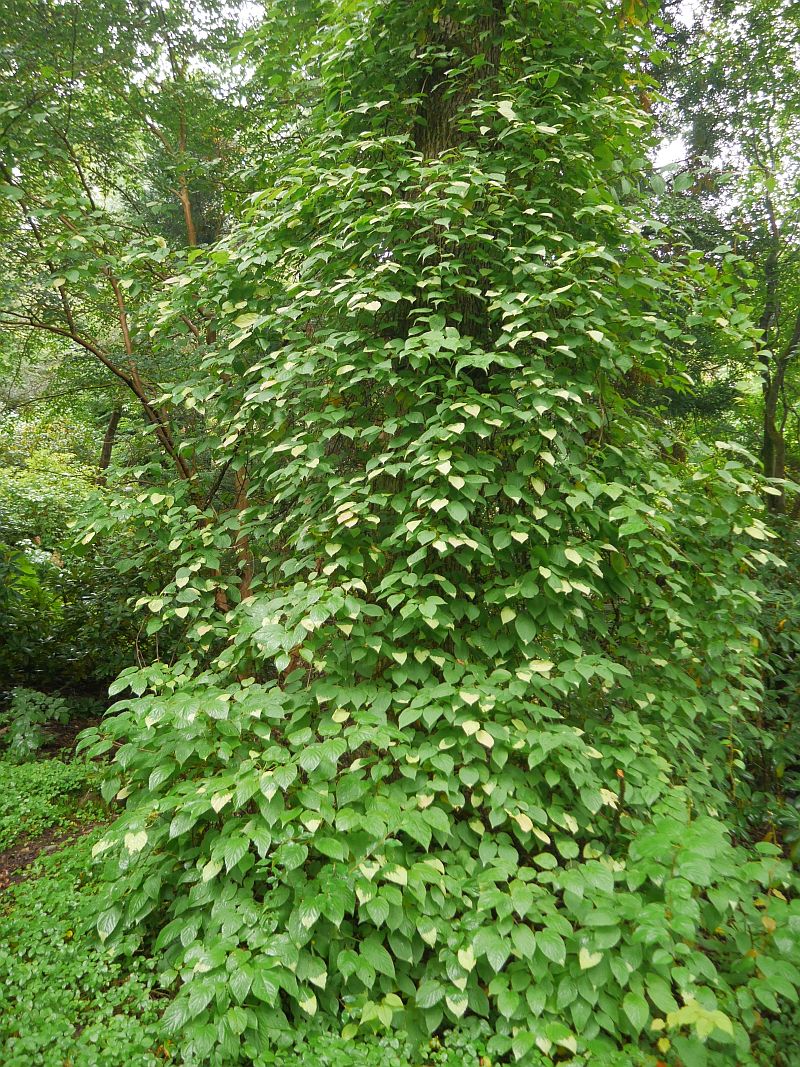
Another thing I’d missed earlier in the day (looking down too much) was the hardy kiwi (Actinidia arguta I think) which has climbed right to the top of this conifer…
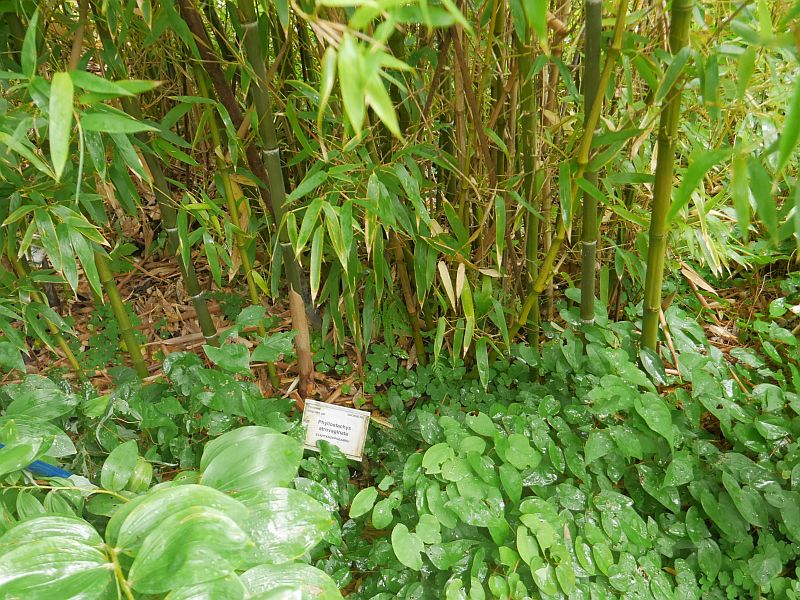
Bosse pointed out this bamboo with relatively thick shoots: Phyllostachys atrovaginata…
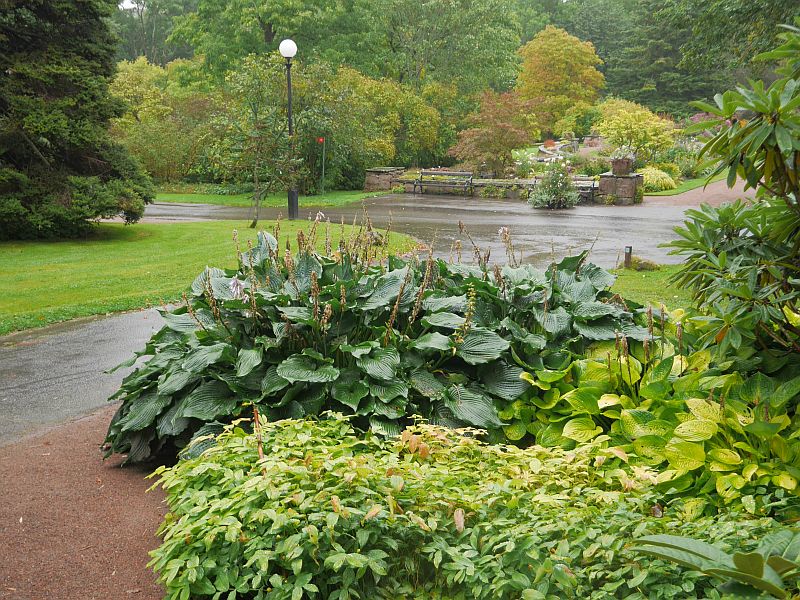
Large clump of Hosta (Sum and substance?)
Another patch of yellow flowered Allium hookeri var muliense; Yellow Hooker’s Onion
I hadn’t noticed this large Toona sinensis either….extensively cultivated in China for the young shoots, often served as a onion-like flavouring with omelettes!
Bosse shows us Zanthoxylum bungeanum (Northern China Pepper), one of several species for which the spicy seeds and leaves are used
Zanthoxylum bungeanum (Northern China Pepper)
Matteuccia orientalis is as far as I know not used like Ostrich Fern, Matteuccia struthiopteris
Sinofranchetia chinensis, an unusual fruit from China
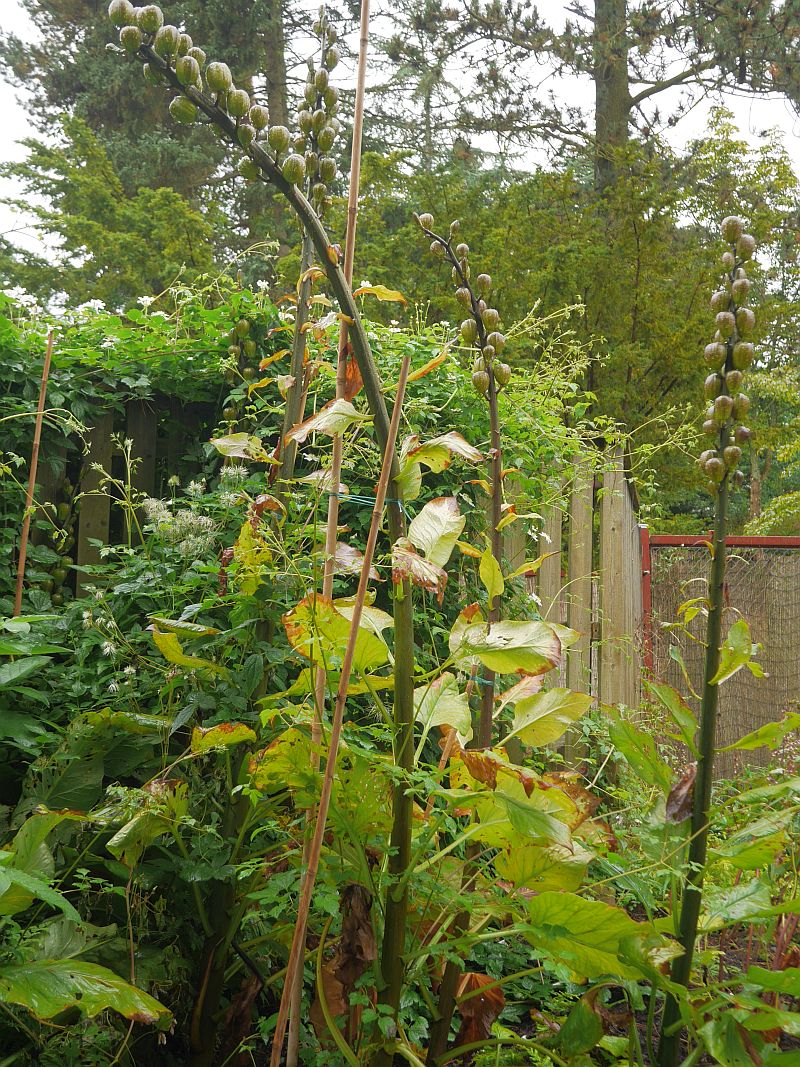
Giant lily, Cardiocrinum…the bulbs have been foraged in Japan!
Japanese ginger, Zingiber mioga
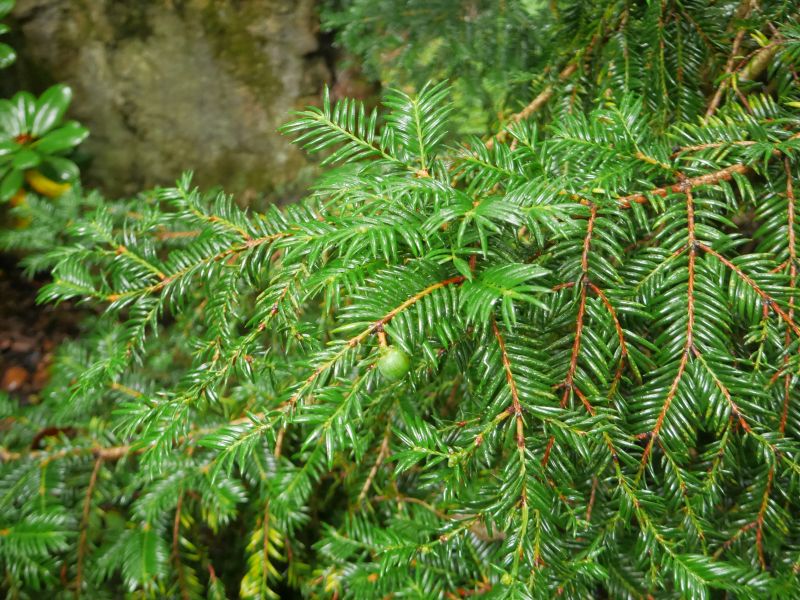
Cephalotaxus harringtonia, yew plum
Hardy kiwi..
Torreya nucifera from Japan is a popular edible seed!
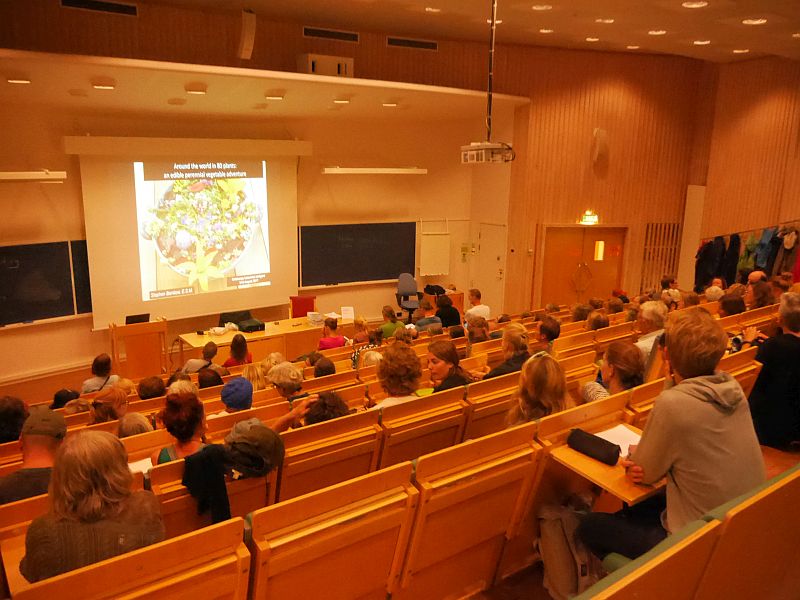
Yesterday, I gave my first talk about my (second) love of onions (alternative title All you wanted to know about Alliums but were afraid to ask!)….fittingly in the nursery with I believe the best selection of Alliums being sold as foodplants in Europe if not the world , my friend Aiah Noack’s Naturplanteskolen just outside of Copenhagen. Aiah is the author of an excellent book Fantasilater (fantasy salads), only in Danish so far which also includes several Alliums. My book Around the World in 80 plants mentions some 45 Allium species!
In a little over 2 hours I covered about 66 of the world’s cold hardy onions and over 80 if we include cultivars and subspecies…
Other onion related topics were also covered, such as “grow your own fireworks and Xmas decorations”, “Allium as a dancing partner”, the Allium microphone (Alliomike) and the garlic scape armband to keep “wild” animals, trolls and mosquitos away (Transylvanian Garlic keeps vampires away too)… It was a fun afternoon with yet another great group of edimentals fans! ;)
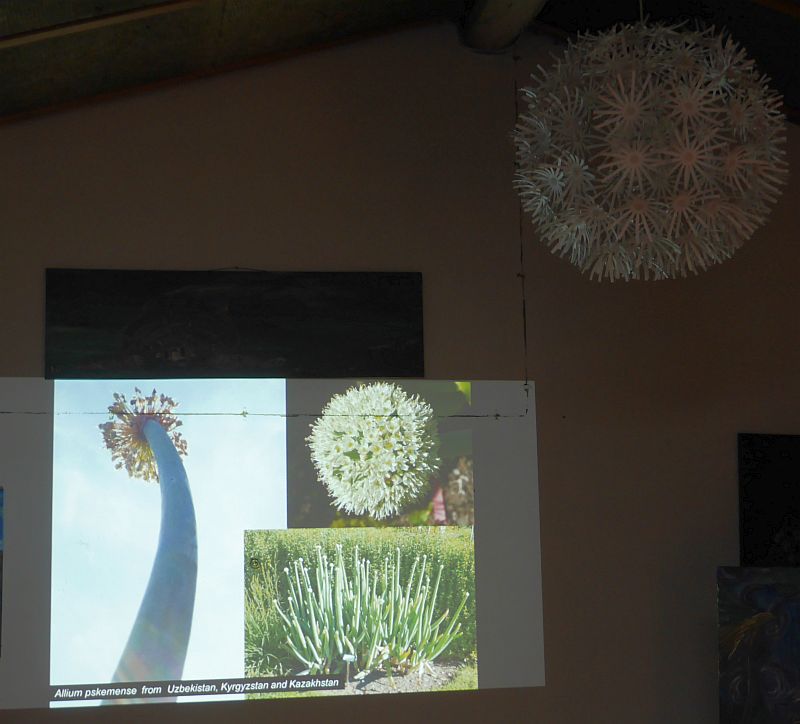
The video is of one of my pictures about drying Persian Shallots with a shot of my drying racks over my wood burning stove. Someone noticed that you could actually see heat rising through the racks!!!! (a wood burning stove was on behind the projector) ;)
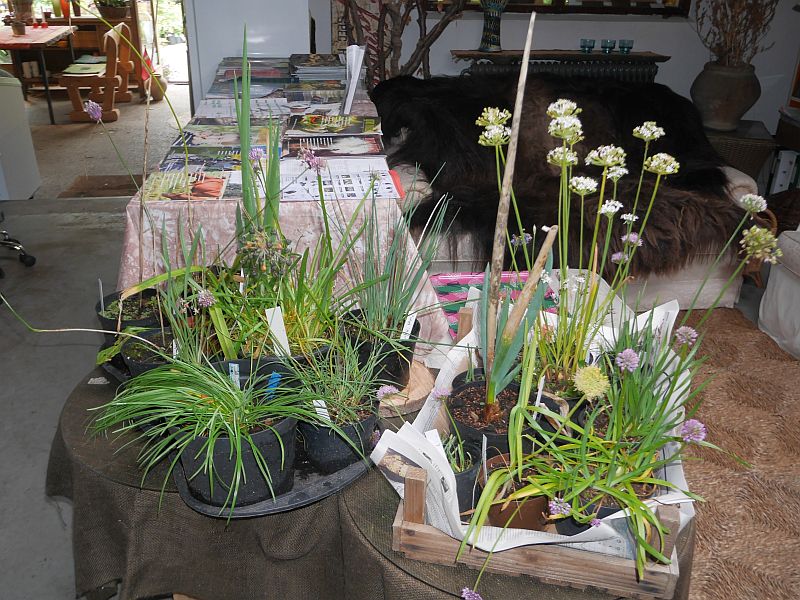
Aiah with a collection of late flowering Alliums from the nursery on display for the participants…
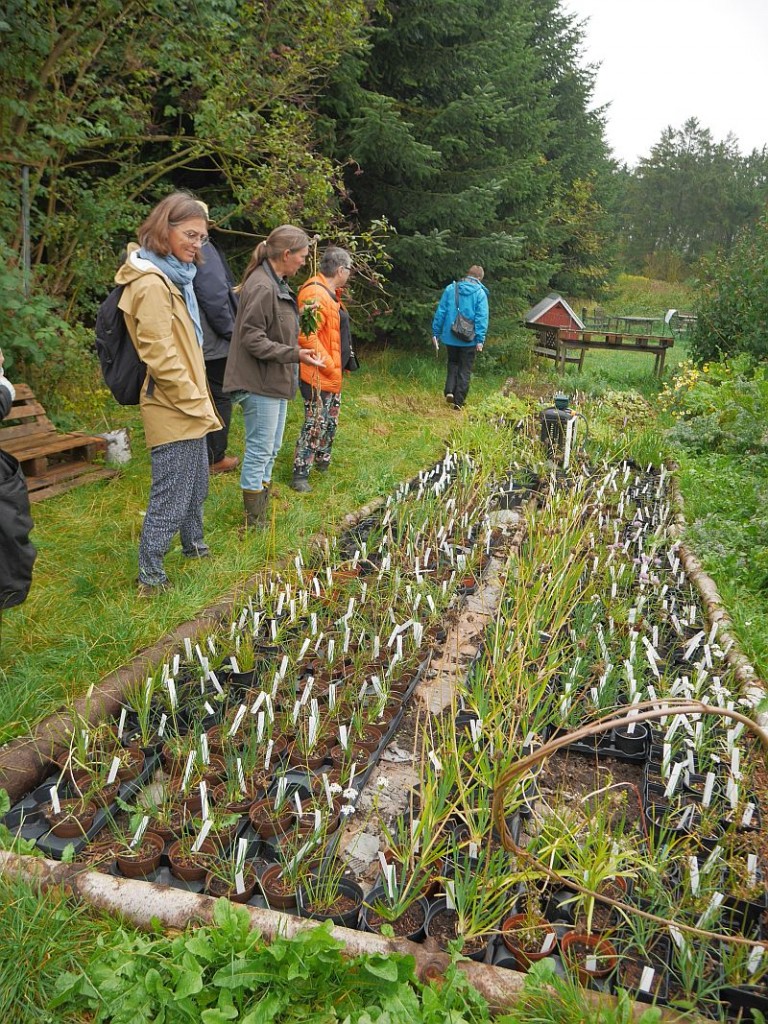
The day started with a tour of the (smelly) part of the nursery ;)
A large selection of Alliums for sale…
Aiah has constructed an Allium display garden with some 60 species :)
Allium nursery
Alliza for the food break (Allium pizza!)
Somebody pointed out there was an onion inflorescence hanging from the roof, so I stopped to take this shot :)
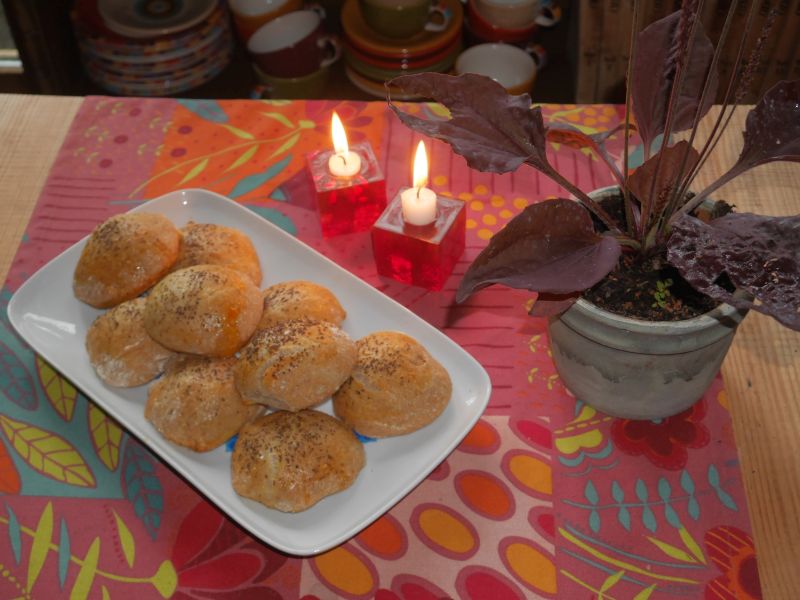
Not onion related but there were also delicious rolls decorated with seed of this plant, Plantago major “Atropurpurea”!
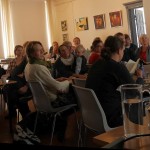
Thanks to Eliane Vivi Frieda Bonde for inviting me to Bornholm…a great day with a knowledgeable international group of foragers, gardeners, permaculturists, farmers, foodists and wwoofers / workawayers! Here are some pictures from the venue in an old school in the beautiful North Bornholm town of Allinge where I gave a 4-5 hour talk followed by a beach walk! Hope to return in spring!!
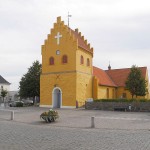
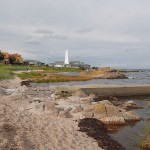
Church opposite the venue
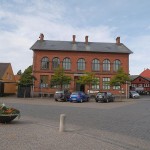
The venue for my talk on Bornholm, in the picturesque village Allinge, near the northern tip of Bornholm!
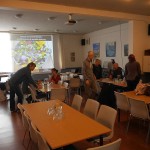
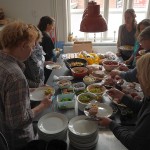
Great pot-luck lunch
The venue is an old school…here’s an old picture with more vegetation than today: http://www.bornholmerneshistorie.dk/uploads/1/1/2/2/11226425/6191296_orig.jpg
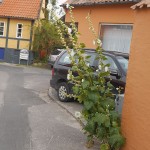
Hollyhocks (Alcea rosea) are commonly seen in the streets of old towns in this part of the world, here a white-flowered variety. According to Cornucopia II, the young leaves are used in Egyptian cookery. Flower petals ad cooked flower buds are eaten in salads. Petals are used to make a refreshing tea and the roots yield a nutritious starch!
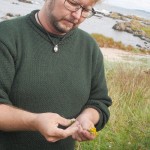
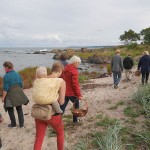
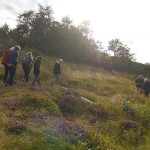
I was happy that local nature guide Thomas Guldbæk came to the talk and guided us to the walk part of the course on the local beach, a favourite foraging spot for him :)
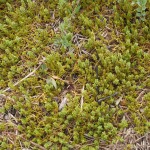
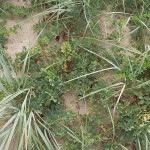
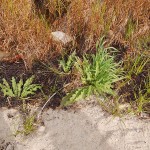
Honkenya peploides (Seabeach sandwort or Sea chickweed) is a great perennial beach edible which I’ve also grown in my garden for many years! There were large amounts of it here! It can be used raw or cooked and is somtimes pickled and is fermented in Iceland with sour whey.
Beach forage..
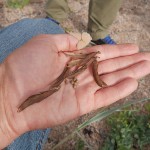
Lathyrus japonicus, beach pea ripe seeds and pods
Lathyrus japonicus, beach pea ripe seeds and pods
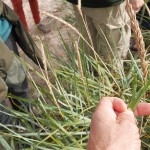
Thomas taught us how sand ryegrass (Leymus arenarius) leaves are used as a flavouring. Bending and crushing leaves releases the aroma from the leaves!
Rumex crispus (curly dock) is mentioned in my book as one of the more commonly eaten docks!
Aster tripolium, sea aster is one of the 80 in my book!
Solanum nigrum (see http://www.foragersharvest.com/uploads/9/2/1/2/92123698/black_nightshade.pdf for an interesting essay about the edibility of this often quoted as poisonous plant!)
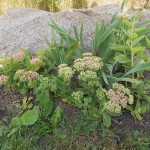
Edible and bee-friendly Sedum in a guerilla garden next to the beach!
Malva
Edible garden at the beach with perennials like Allium tuberosum, rampant New Zealand Spinach and rhubarb
Wild chicory
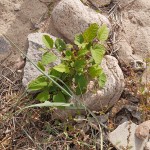
Robinia has multiple uses
Rosa rugosa also has multiple uses, shoots, flowers, hips..
Possibly fuki (Petasites japonicus), although no observations
Saponaria officinalis (double soapwort)
Hops (Humulus lupulus) and soapwort
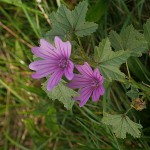
Malva sylvestris
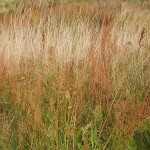
Seed heads of Rumex acetosa
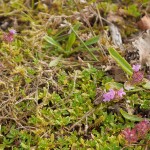
Thyme
Jasione
Heracleum spp. (hogweed / bjørneklo)
Lamium album (dead nettle), burdock (Arctium spp.) and chickweed (Stellaria media)
Chickweed (Stellaria media)
Mulberry tree laden with fruit in a garden)
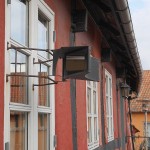
Peeping mirror mounted to a house…you could sit in your living room and follow what was happening in the street!
Peeping mirror mounted to a house…you could sit in your living room and follow what was happening in the street!
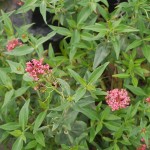
Centranthus ruber (red valerian) is noted in Mrs. Grieve’s A Modern Herbal from the 1930s as exceedingly good in salads and cooked as a vegetable! I haven’t tried it.
When I was a kid, we threw these seed heads of wall barley (Hordeum murinum) at each other, sticking easily to jumpers…
It was a great honour to finally get to talk at the Gothenburg Botanical Gardens last night….not just once but twice as the first talk (picture) was sold out…and as I told them Gothenburg is my favourite edible garden anywhere there was a big cheer (second talk). The garden has around 30,000 accessions and with an estimated 1/3 of all plants edible, that makes for a huge diversity of food plants all in one place…. I just hope the garden doesn’t have problems with “grazing” after my visit ;)
Thanks to Johan Nilson, Mats Havstrøm and the staff for making me feel welcome, to Johan for the tour around the greenhouse collections of Alliums and much more and the garden “forage”. Finally, it was great to meet Bosse Blomquist and friends who guided us around the more unusual collections of edible nut and fruit trees, many of which I hadn’t seen before!
Perennial vegetables, Edimentals (plants that are edible and ornamental) and other goings on in The Edible Garden