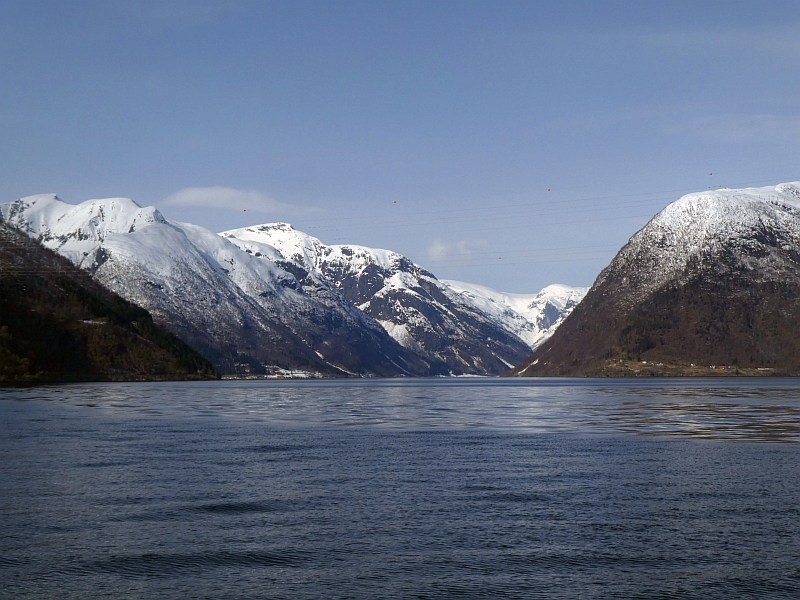
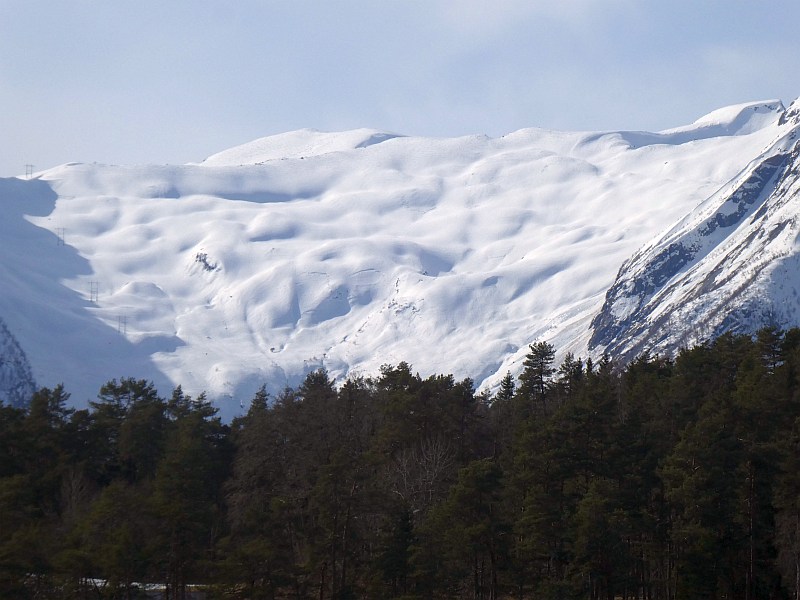
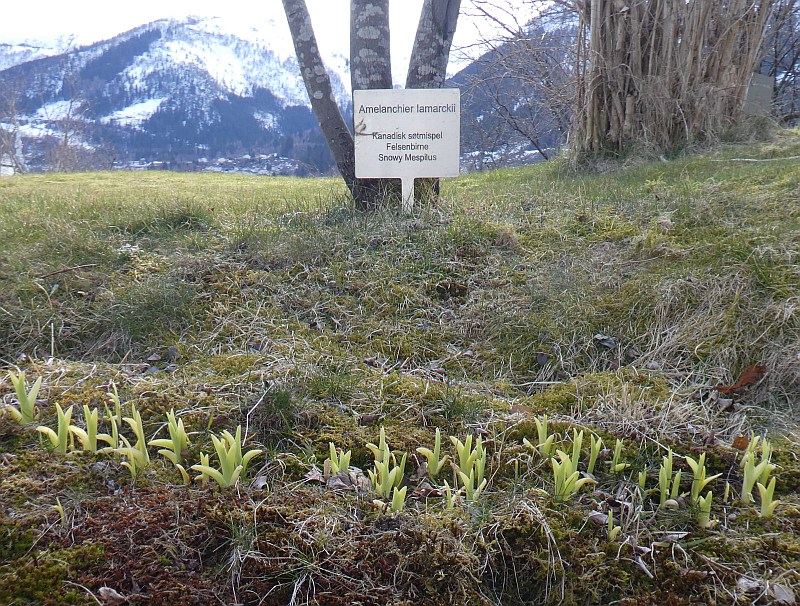
Andrew McMillion kindly picked me up early on Friday morning from the night train at Oslo airport and we drove together to the location of the KVANN / Norwegian Seed Savers annual meeting in Leikanger on the Sognefjord. As we were to arrive earlier than the other board members, I suggested going to Balestrand, about an hour further on as I’d heard that Norway’s largest Monkey Puzzle tree (apeskrekk) could be seen there! Andrew didn’t hesitate as he wanted also to go to Balestrand as he actually had family roots just a kilometer away from the tree!! There was much more than that though! It was an amazing day, first the wonderful trip over the mountains in perfect weather…to see what else we experienced, see the album!!
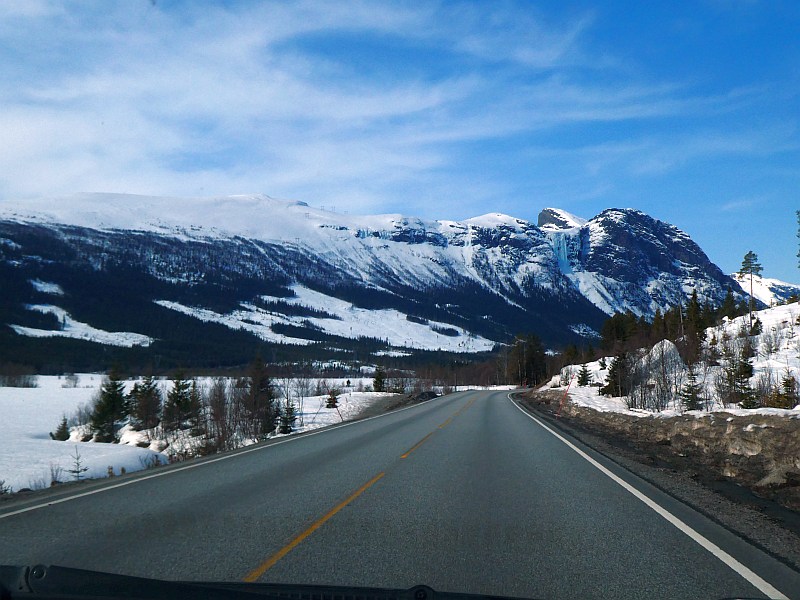
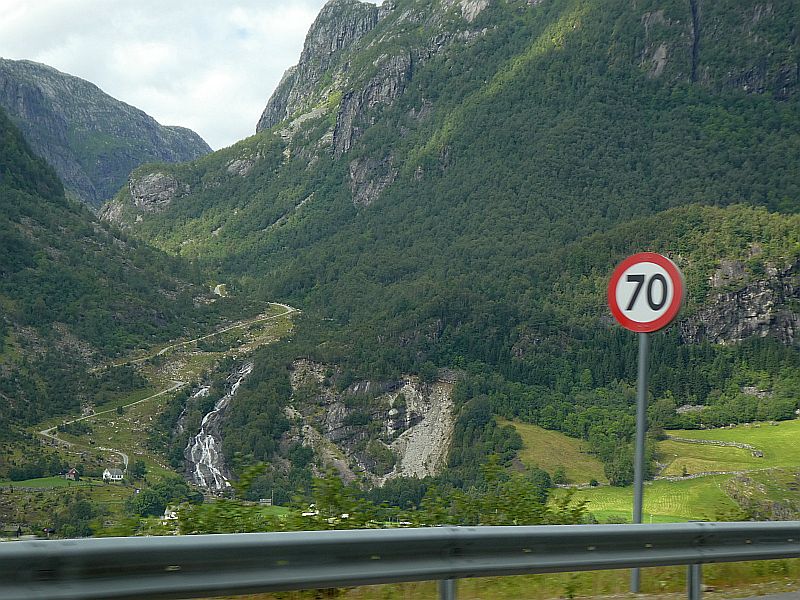
On the way over Hemsedalsfjellet to Sogn
On the way over Hemsedalsfjellet to Sogn
On the way over Hemsedalsfjellet to Sogn
On the way over Hemsedalsfjellet to Sogn
On the way over Hemsedalsfjellet to Sogn
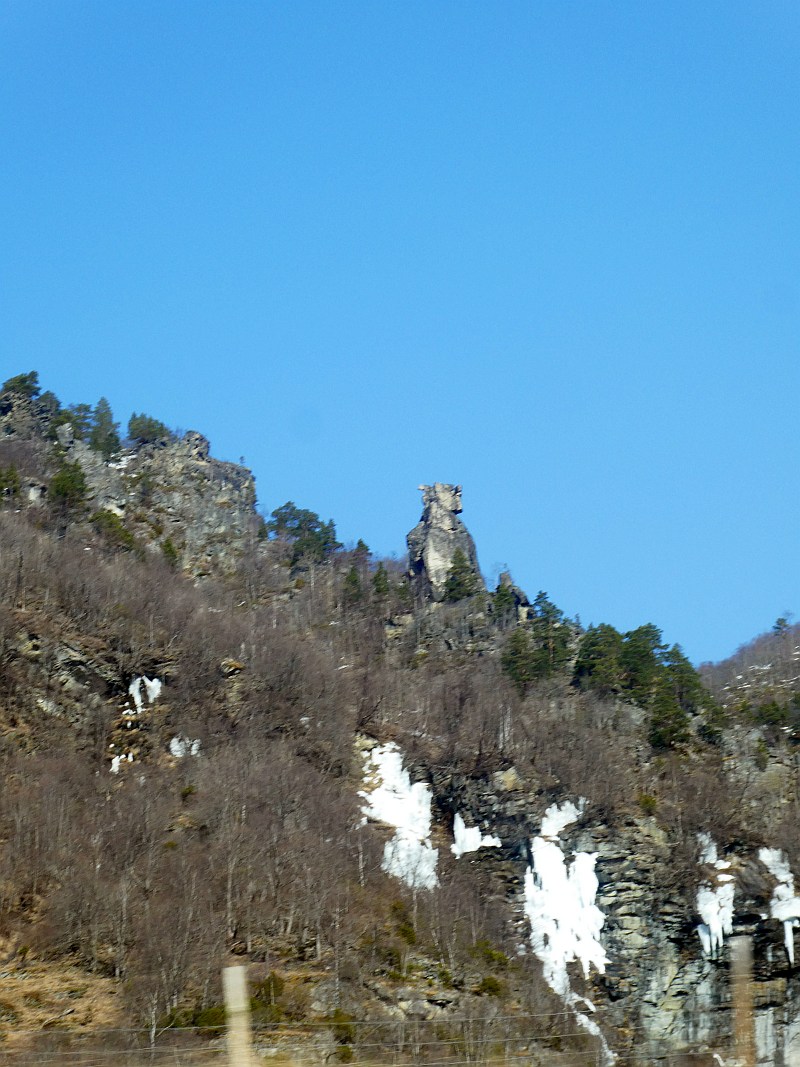
Rock man
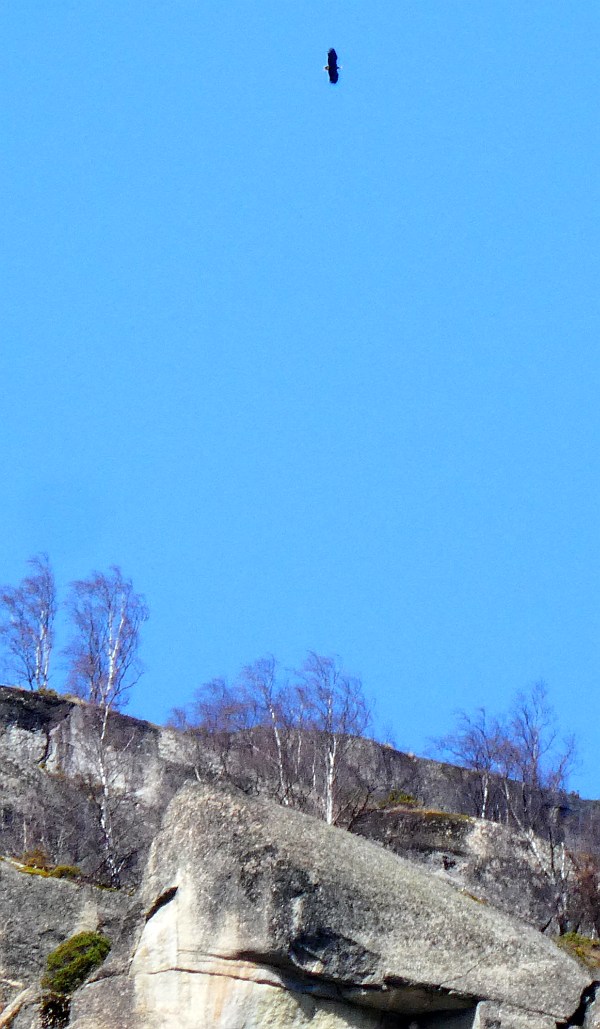
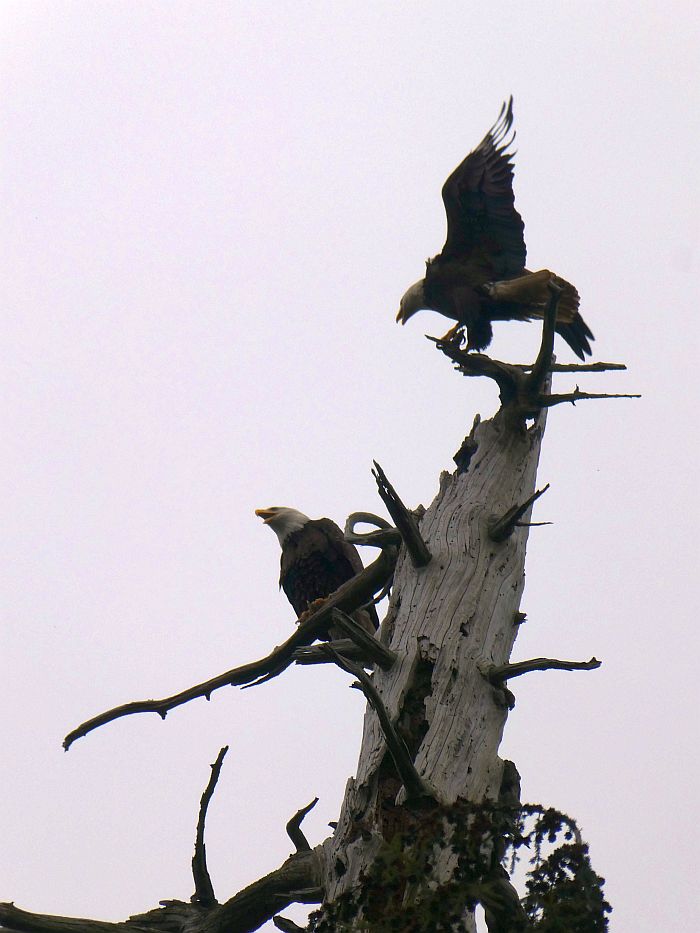
Just before this point, Andrew tells me that the last time he passed thjis place there were birdwatchers looking up at an eagle…I looked out of the window and there WAS an eagle high above us ;)
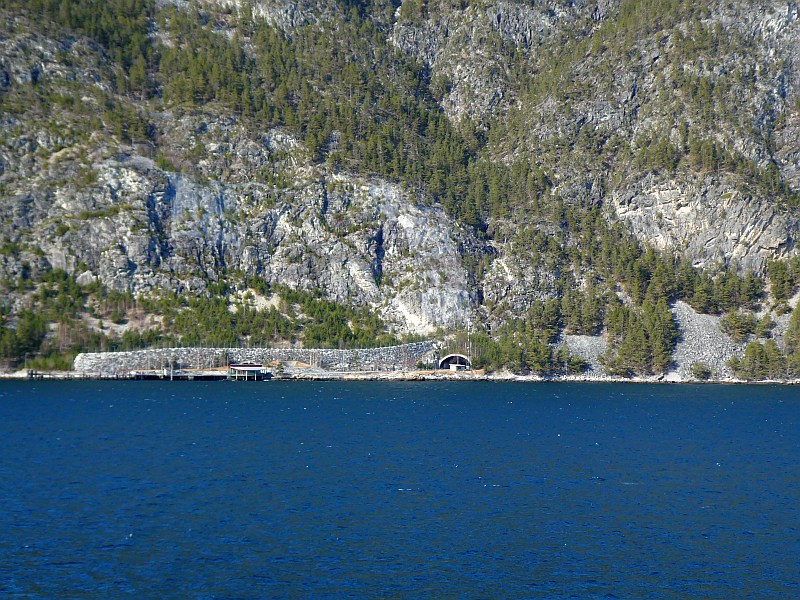
Ferry crossing from one tunnel to the next
Ferry across to Balestrand….Andrew coming home ;)
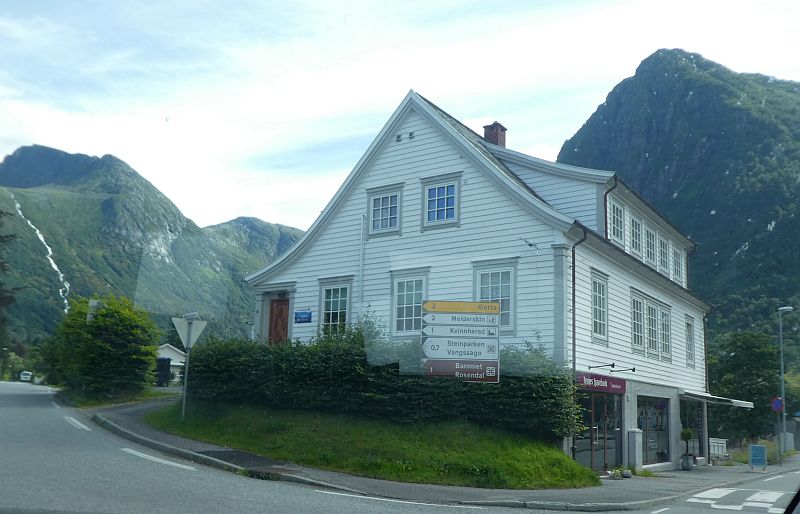
Approaching Balestrand
Above Balestrand
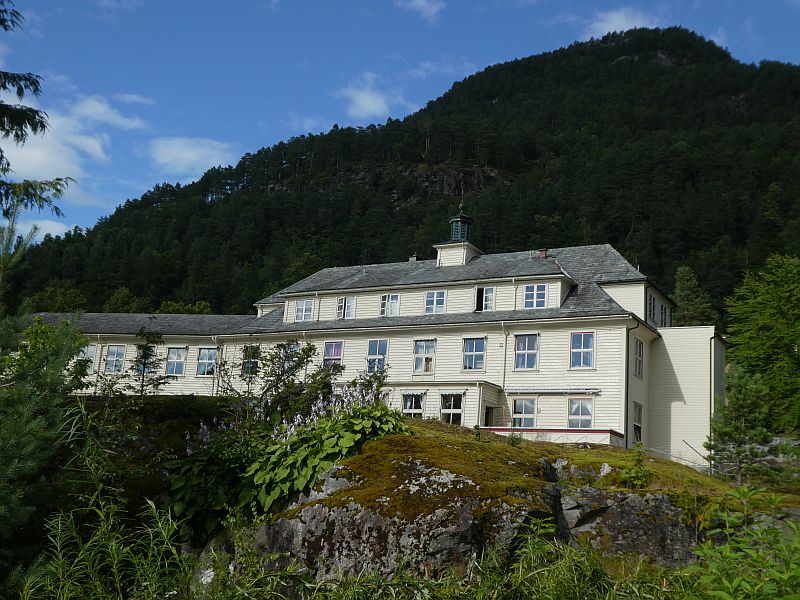
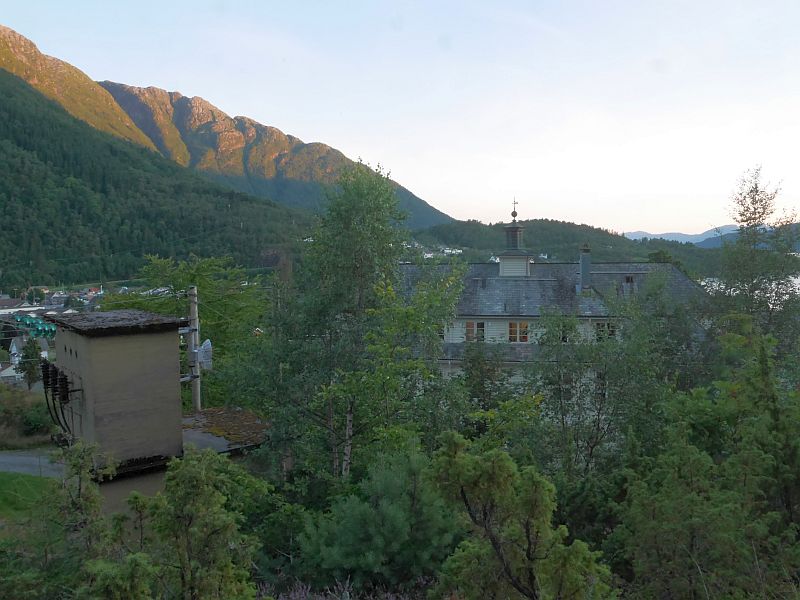
Kviknes Hotel was the largest wooden building in Norway when it was built…in Swiss style. Balestrand was a popular destination for Brits in the late 19th century and English climbing pioneer Margaret Sophia Green married one of the Kvikne family who owned the hotel and an English church was built in her memory after her death (https://en.wikipedia.org/wiki/St_Olaf%27s_Church,_Balestrand)
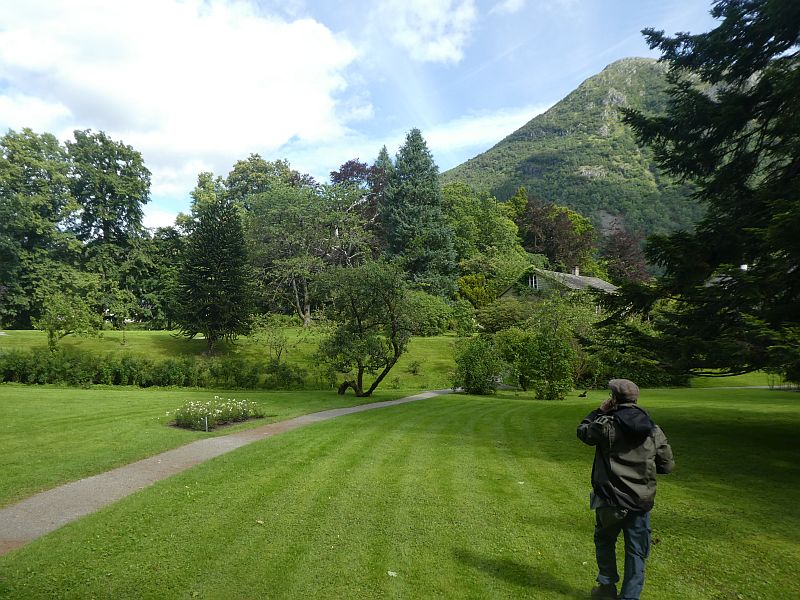
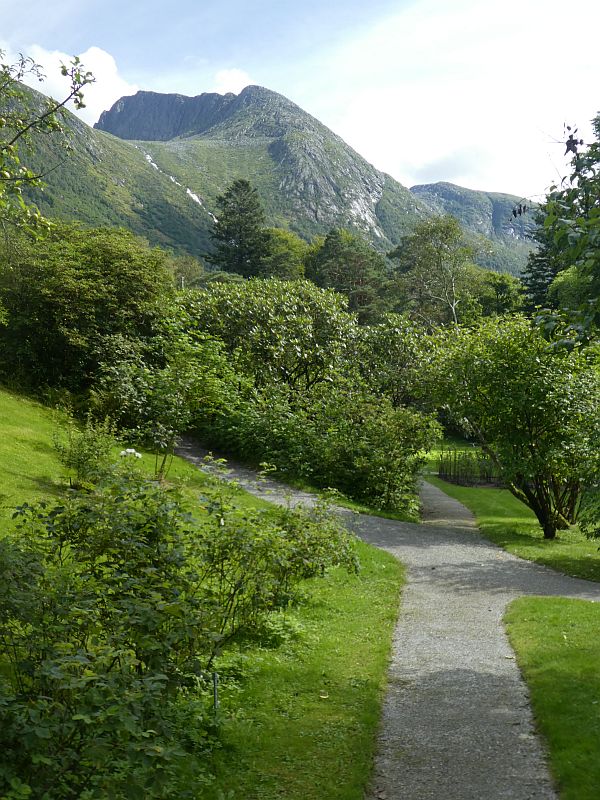
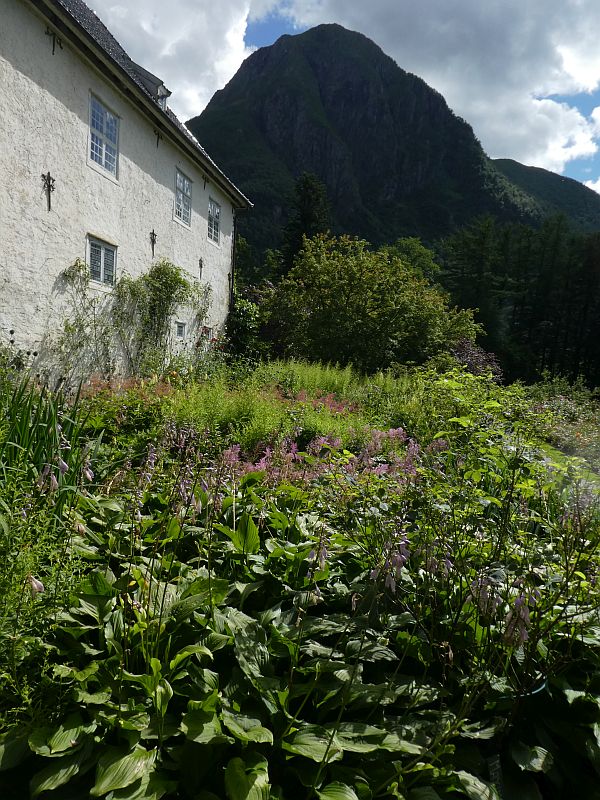
To our surprise there was a little botanical garden in the grounds around the hotel!
Frame dedicated to an artist colony from Balestrand
We had a taste of the young shoots of these giant stonecrops (bergknapp), Hylotelephium spectabile
Andrew inspecting a lovage plant emerging next to a grape..
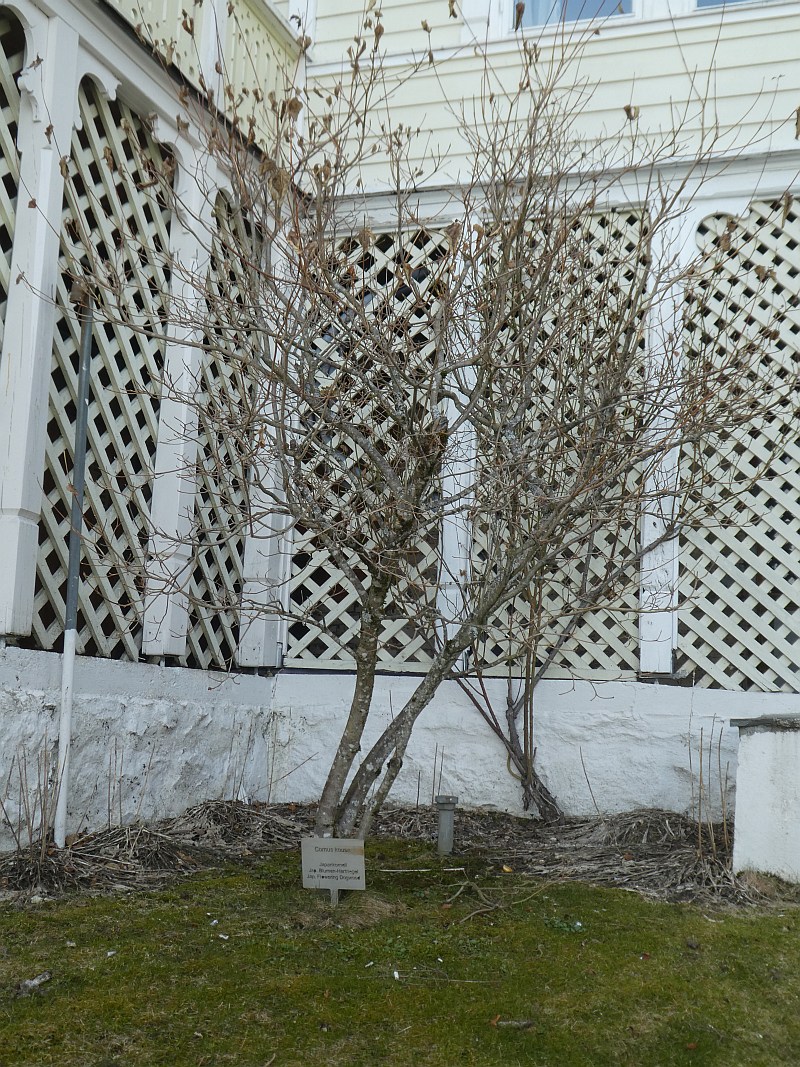
Cornus kousa
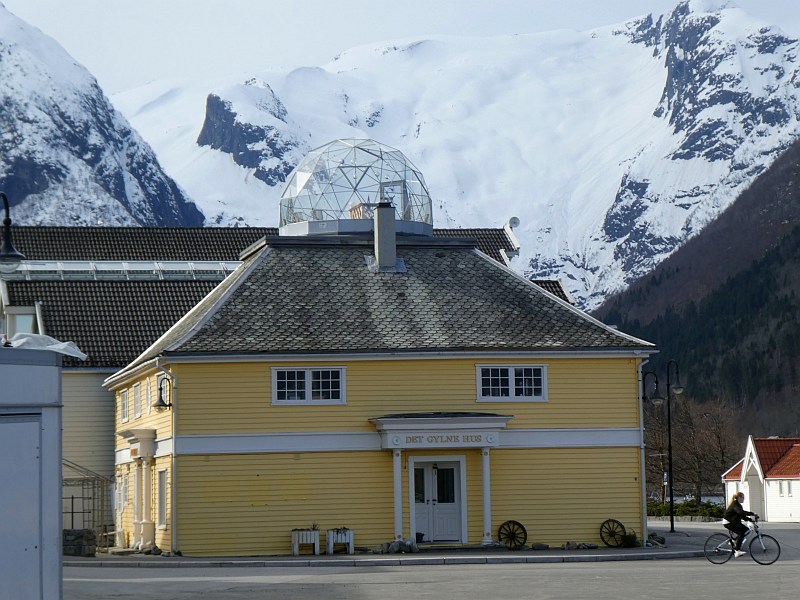
The Golden House is an art gallery with an observation dome and meditation spot on the roof
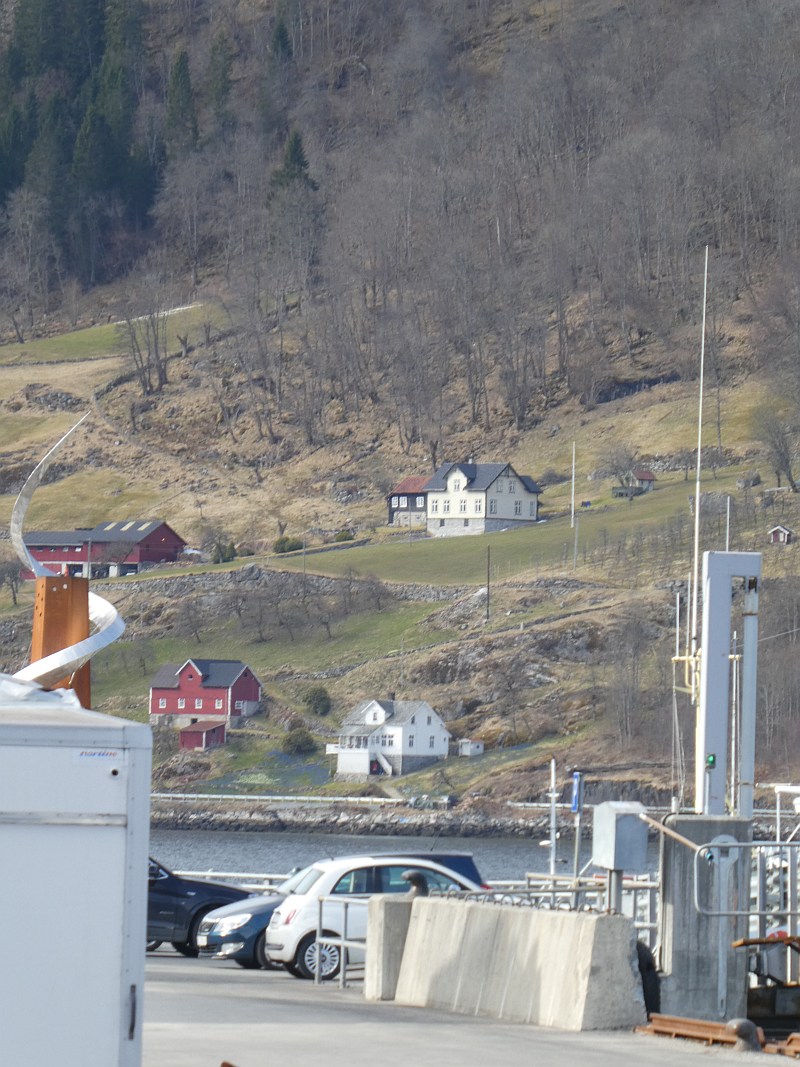
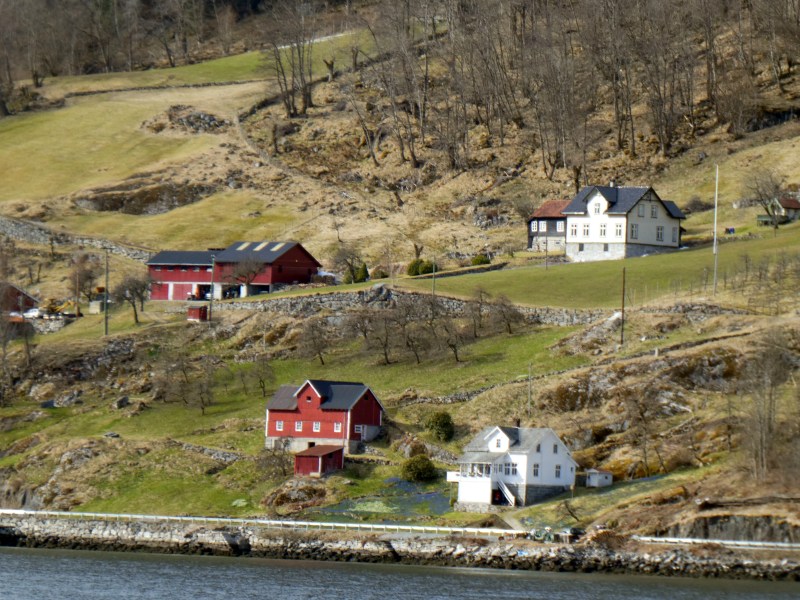
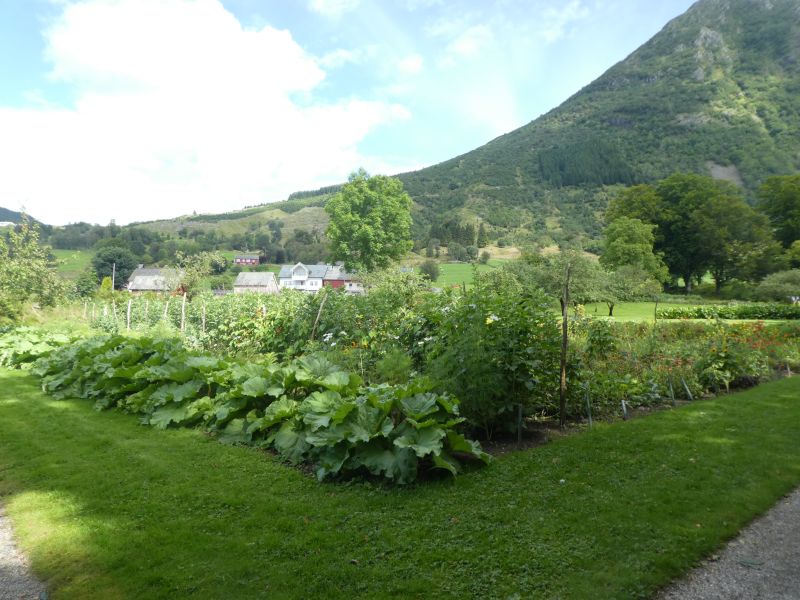
Looking towards Andrew’s ancestral farm
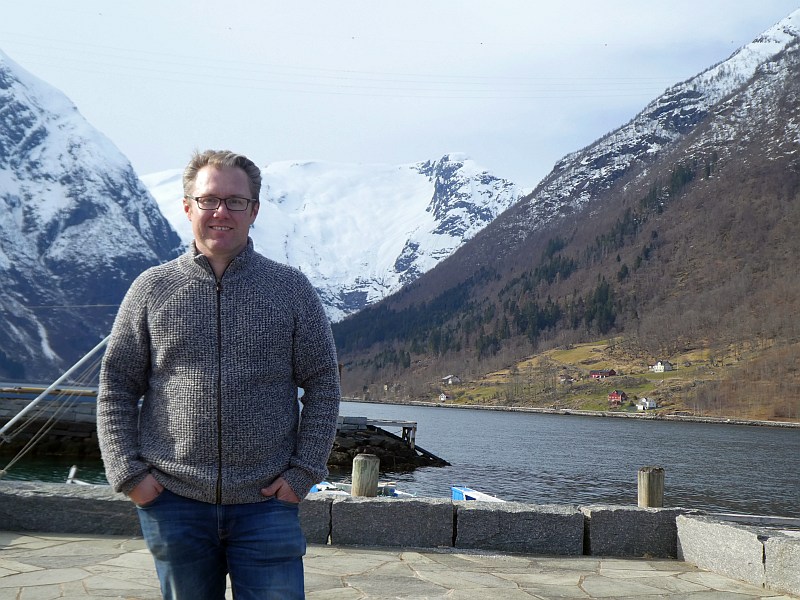
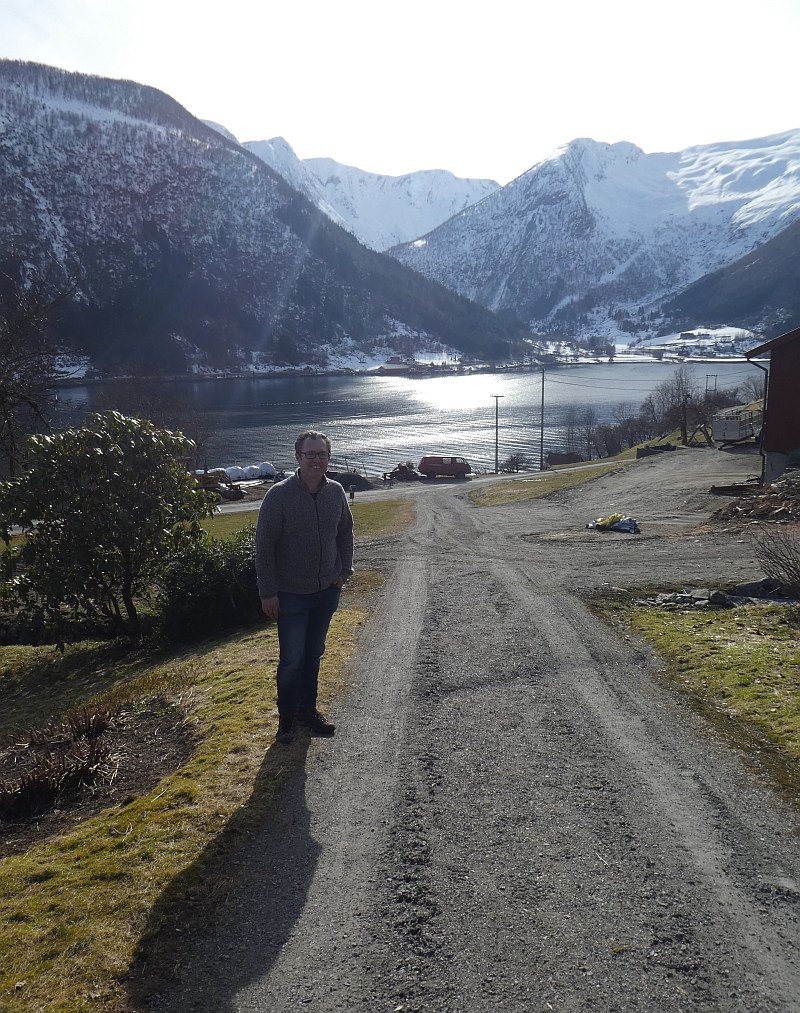
Andrew with his ancestral farm in the background
Looking towards Andrew’s ancestral farm
Looking towards Andrew’s ancestral farm
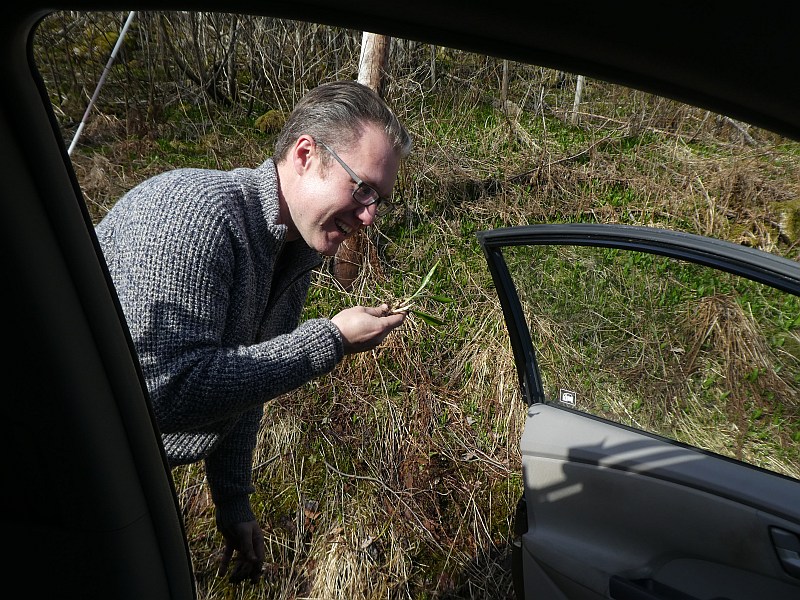
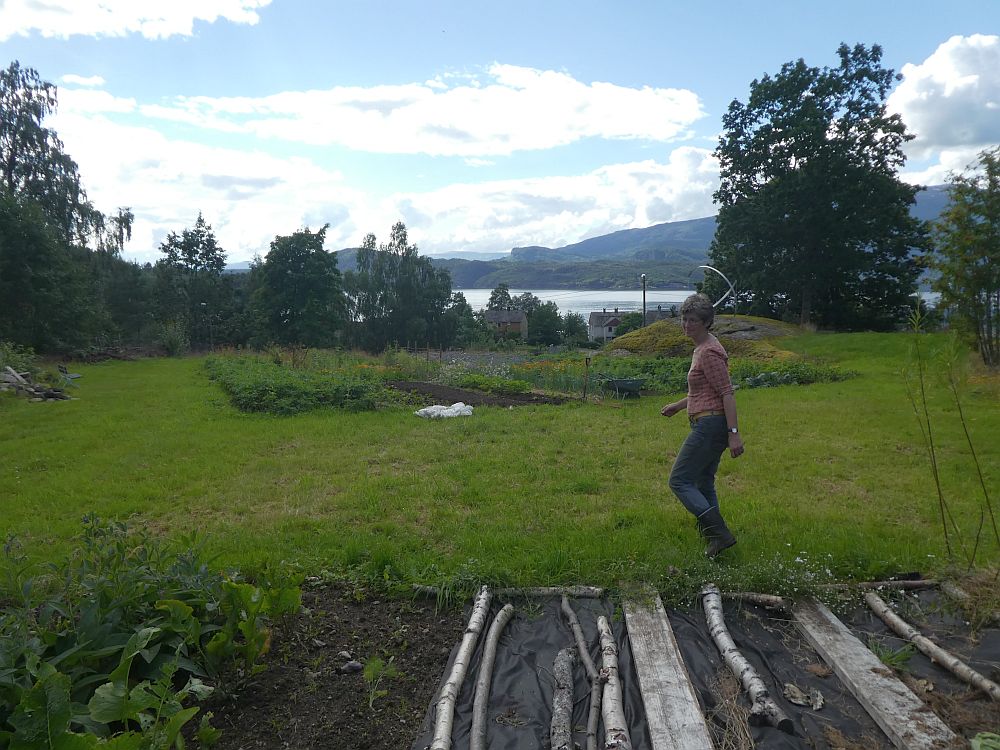
Driving up to Andrew’s ancestral farm was a carpet of emerging ramsons (ramsløk)…he took a couple of plants for his own farm in Nes!
View from the ancestral farm!
View from the ancestral farm with a carpet of crocus
Above the farm
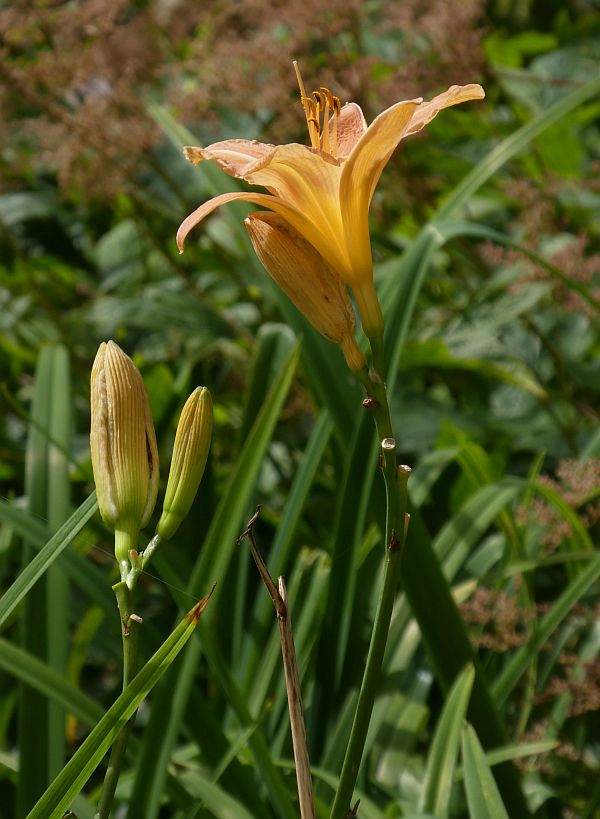
Day lilies (dagliljer) on the farm
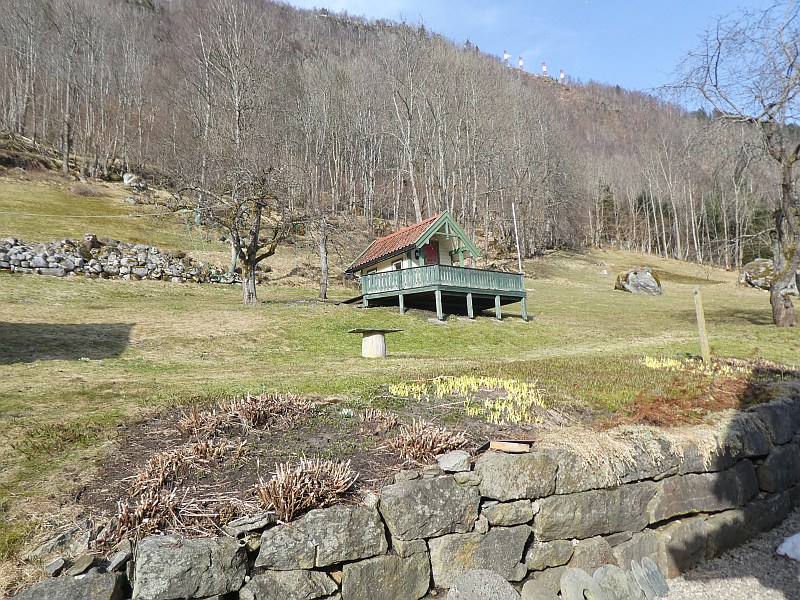
A new roof on the old farm house!
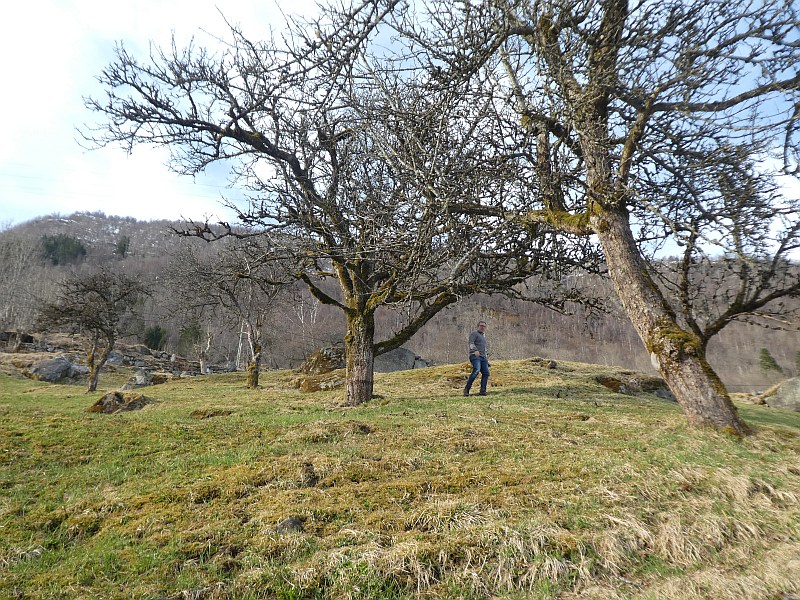
Andrew taking cuttings from one of the oldest fruit trees
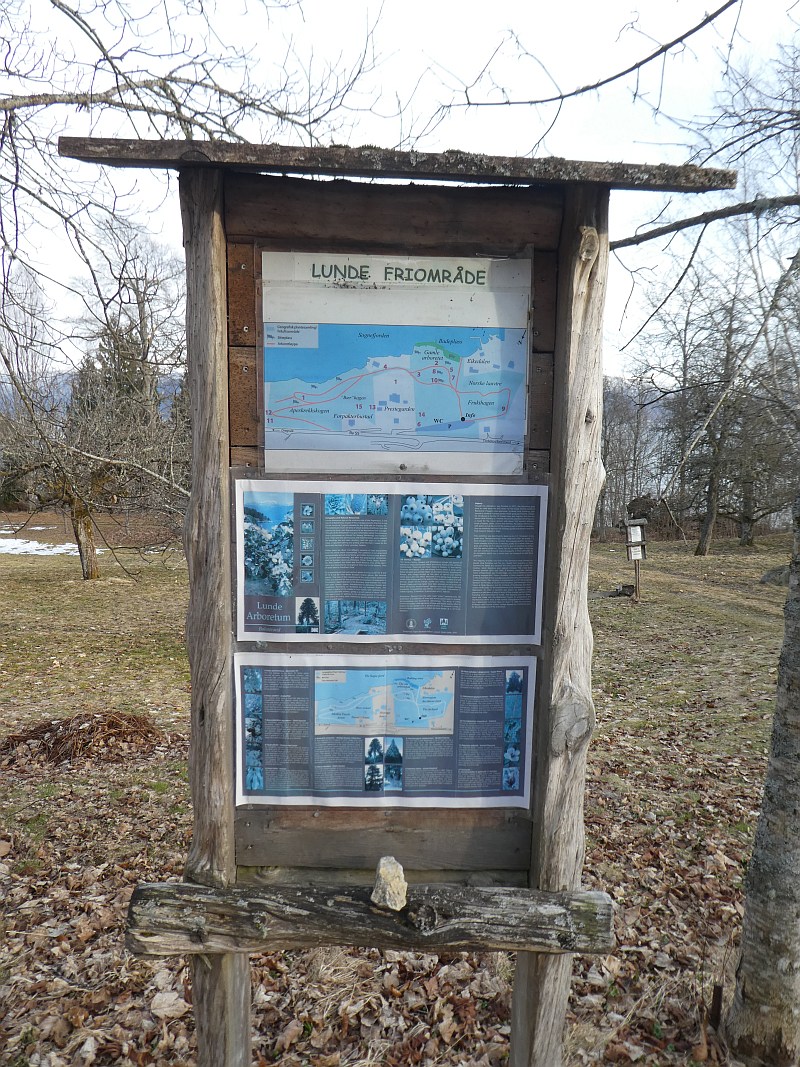
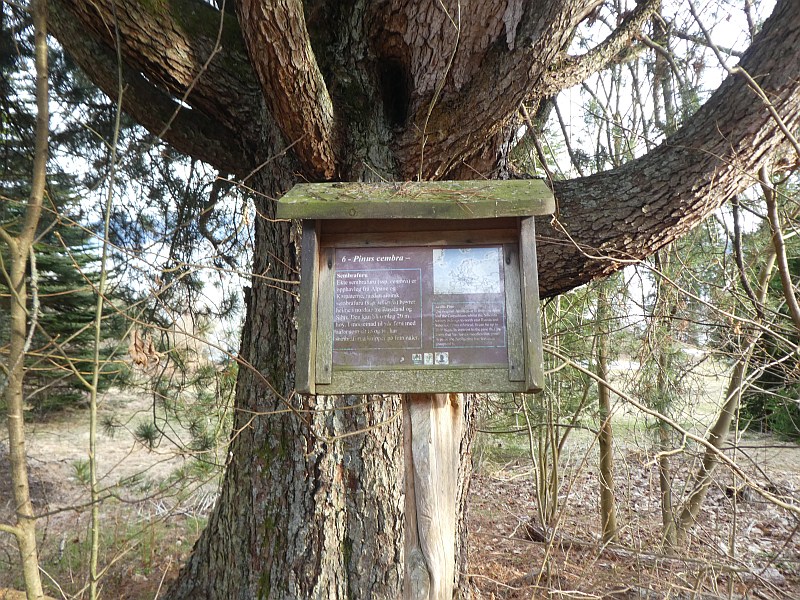
Lunde Arboretum was established in 1973 with the help of Professor Oddvin Reisæter from Oslo University due to the threat of developing the area for housing! However, some of the trees go back to the time of the first rector Harald Ulrik Sverdrup and his son HUS jr. who began to plant foreign trees in 1849 and fruit. By the end of the 19th century there was a collection of 46 pears here! The collections here were described by Professor Schubeler in the 1880s. Schubeler is well known for getting the help of local priests to test out plants throughout Norway. Both Reisæter and Schubeler figure in the Hablitzia tamnoides story in Norway!
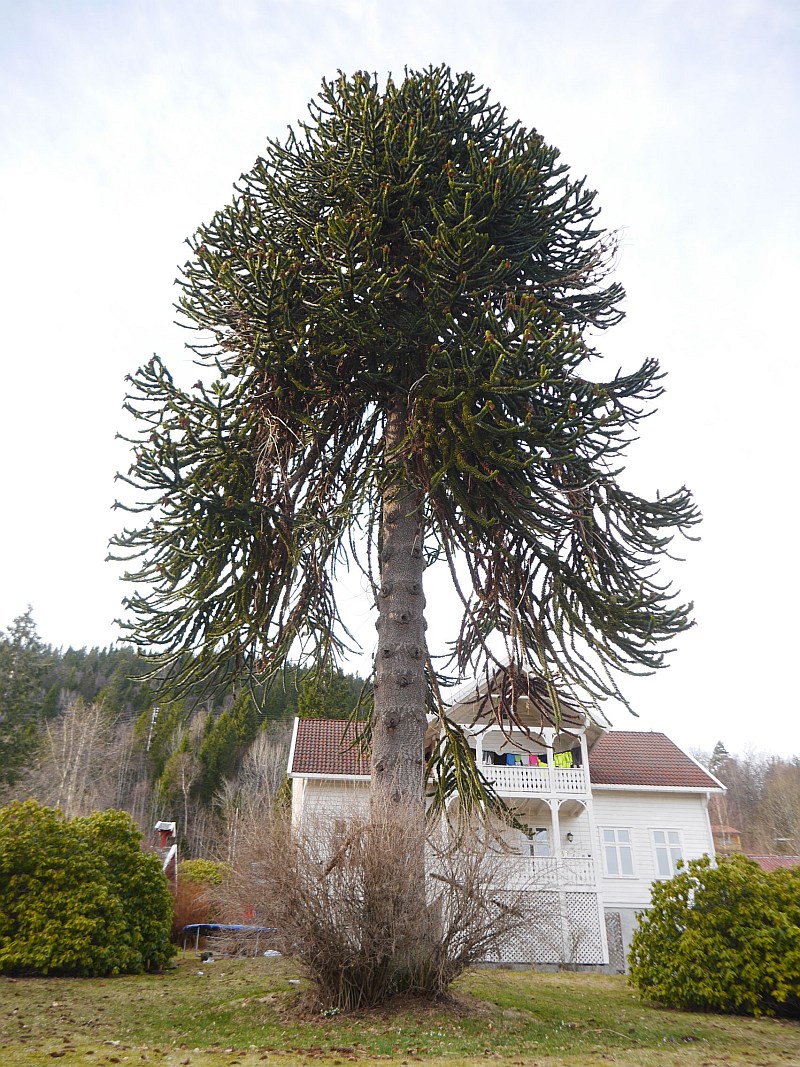
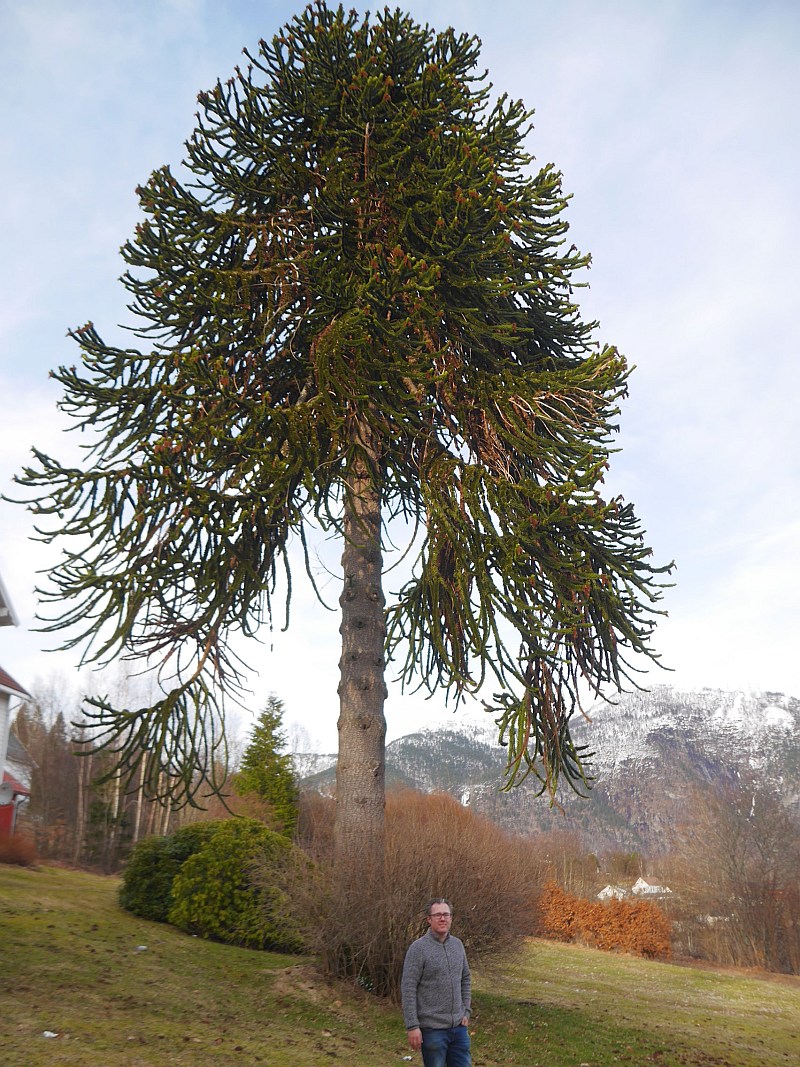
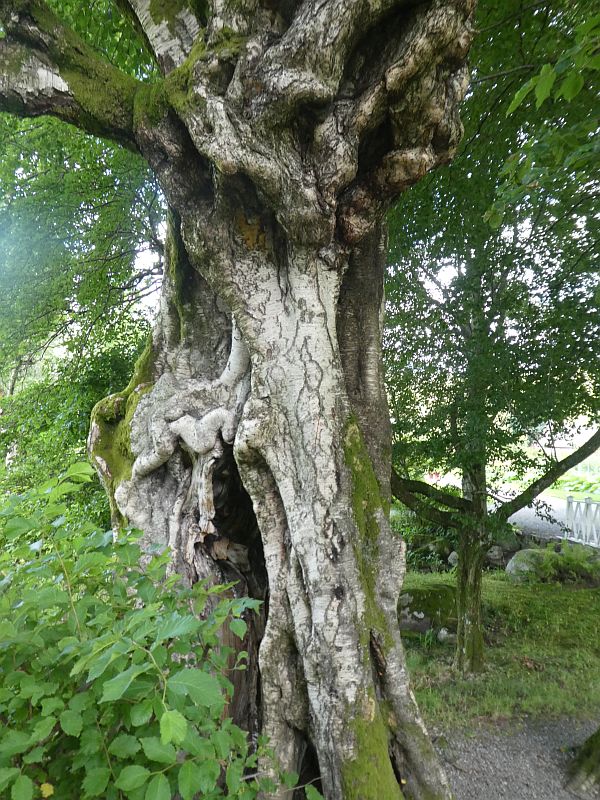
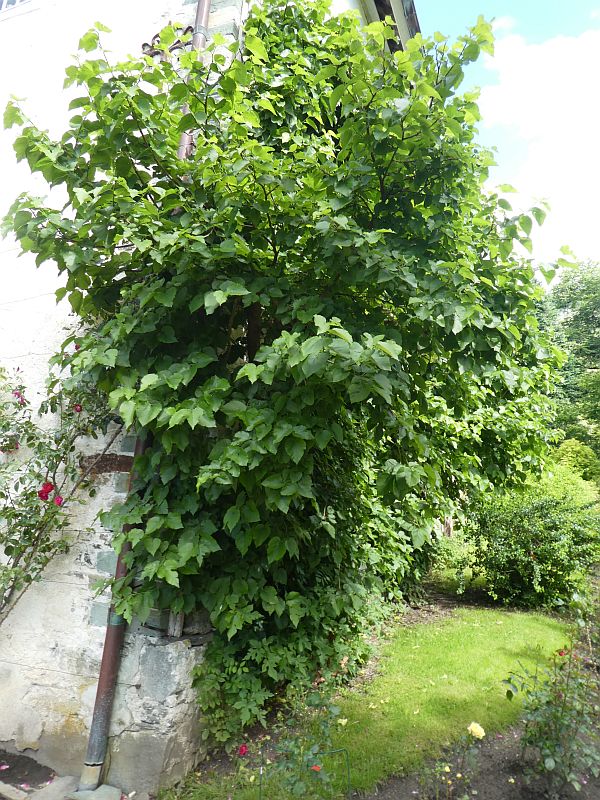
Norway’s champion monkey puzzle came from England in 1873! It was long alone but several more trees were planted in 1984!
I’m chuffed to be asked to be a guest at the BBC Gardener’s Question Time Summer Garden Party at Mount Stewart on Strangford Lough in Northern Ireland on 9th June! I will be doing a couple of talks and a couple of garden foraging walks and talks on the day!
It’s a ticketed event, more information when I get it…here’s the press release:
A: Around the World in 80 plants talk in Hurdal, Norway in 3 parts with index to all the plants and topics covered in the film description:
Part 1 https://www.youtube.com/watch?v=QiMSyt7qqGE
B: Stephen’s salad: a six part series following me around the garden collecting plants for a springtime extreme salad in mid-May, also fully indexed by plant names in the film description:
Part 1 https://www.youtube.com/watch?v=mvSB5cb_FXI
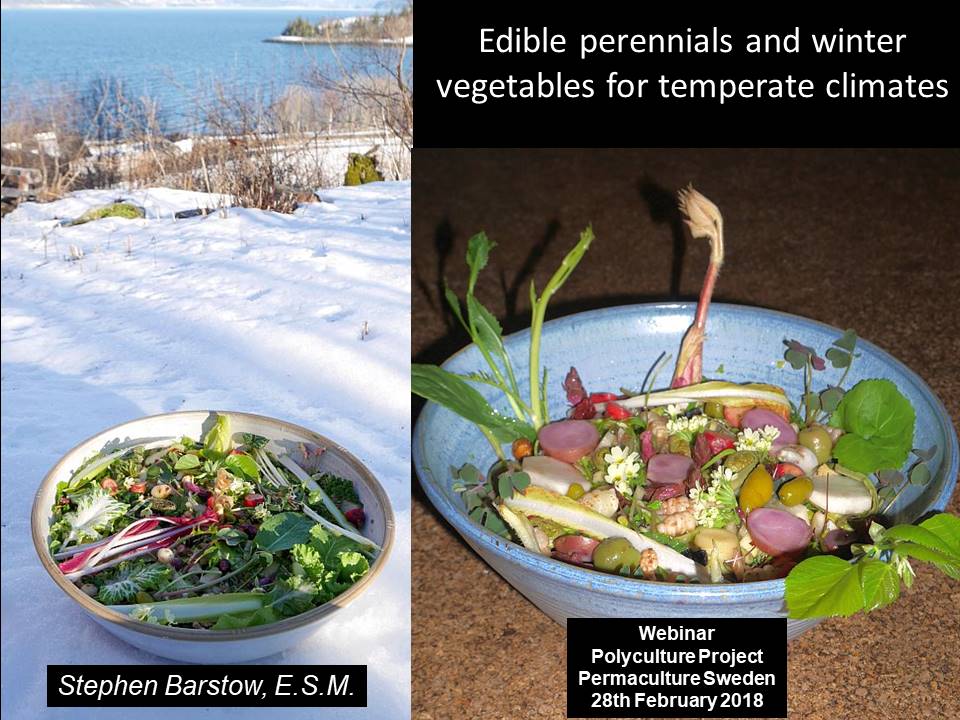
E: Perennial vegetables webinar organised by Swedish Eskilstunas folkhögskola (folk school), Omställningsnätverket (Swedish transition network) and with support of Hela Sverige ska Leva. https://youtu.be/DO_BdCXqaE0
Many thanks to Ane Mari Aakernes (<3) for putting this play list of Youtube videos she and Berit Børte (<3) made of me last year. All these videos have been shown before but if you click on “Show More” under each video you will now see a list of plant time links or index to each film. If you click on the time tag, it takes you straight to the part of the film I’m talking about that plant! Names are given both in Norwegian, English and Latin!!
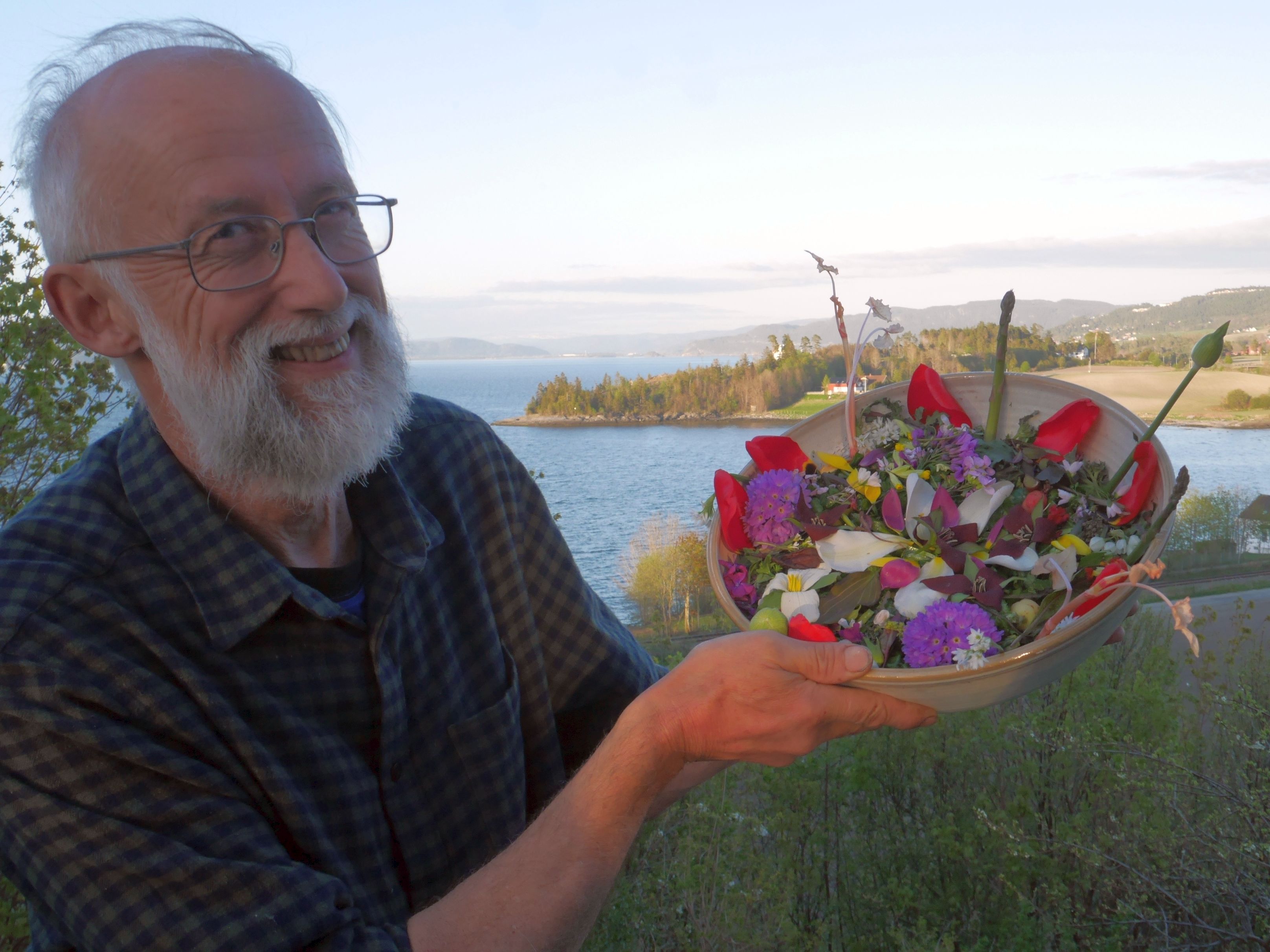
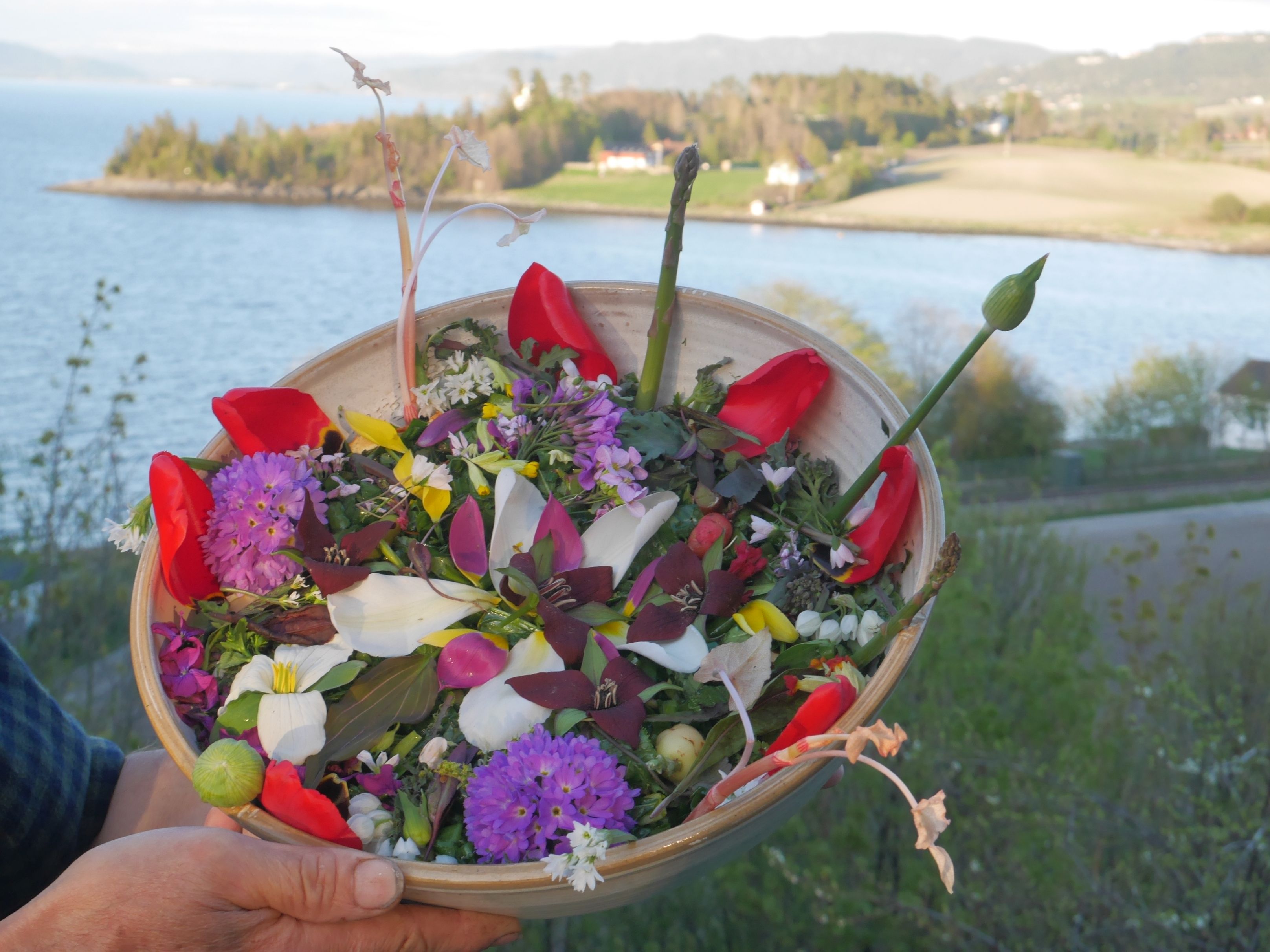
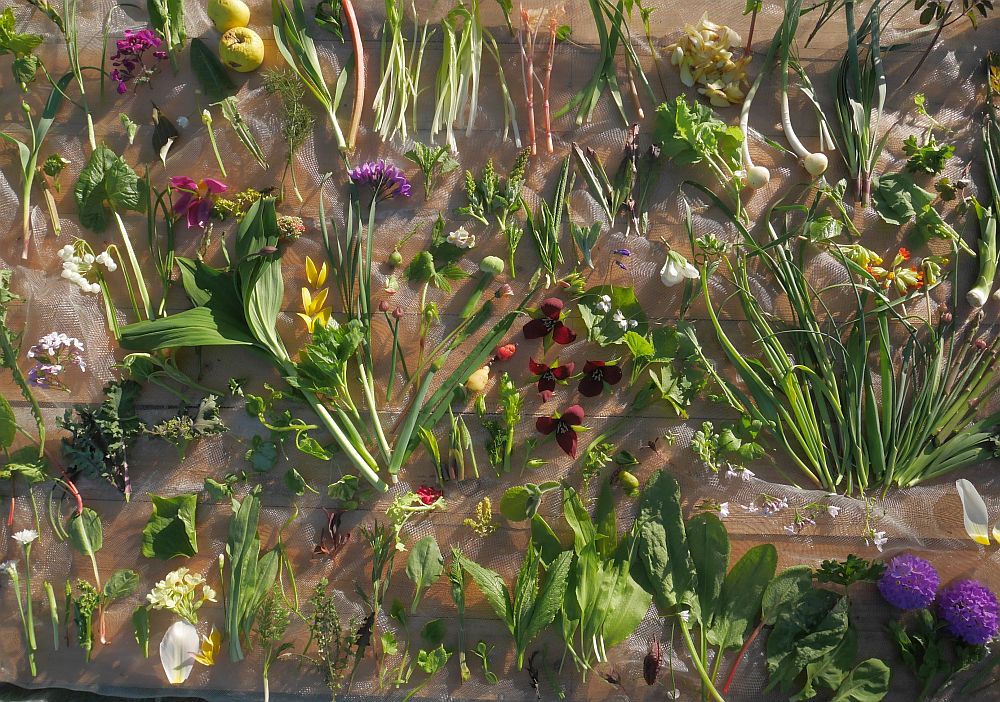
First up in the play list is the 6 part film series “Stephen’s salad” where we wander around the garden in mid-May 2017 and pick many of the perennials, in prime condition for picking, which end up in an Extreme salad with 211 different ingredients!
The last 3 films, which are similarly tagged to make it easy for you to find a particular plant, are from the 3 hour Around the World in 80 plants talk at the Hurdal Ecovillage in Norway on 29th January 2017 (in English), a year ago on Monday!
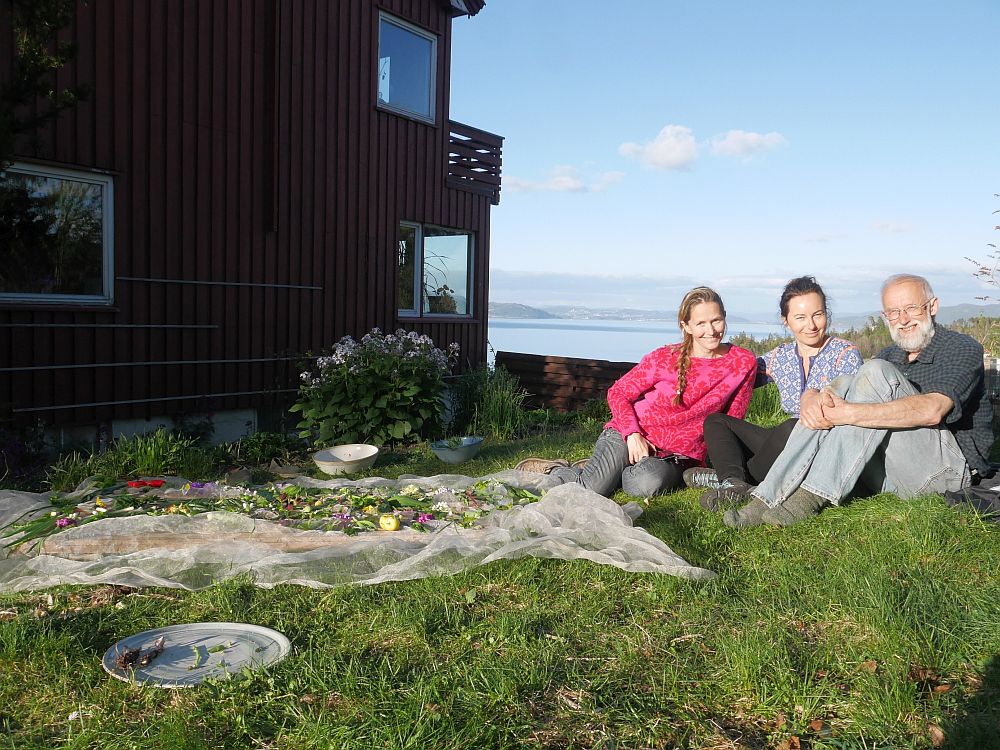
In the picture of the production team: From left to right: Extreme salad ingredients (all 211 of them), Ane Mari Aakernes, Berit Børte and ESM with the Trondheimsfjord beyond!
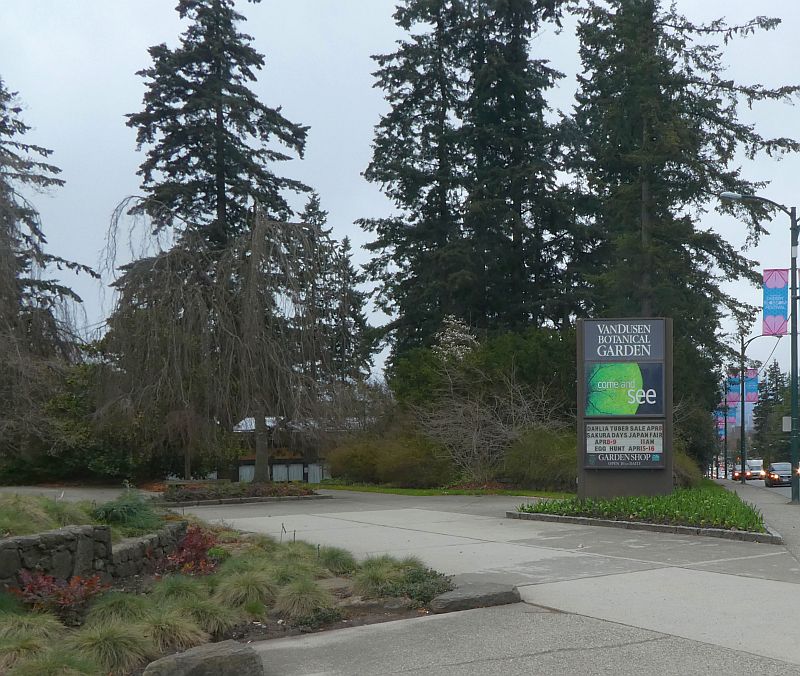
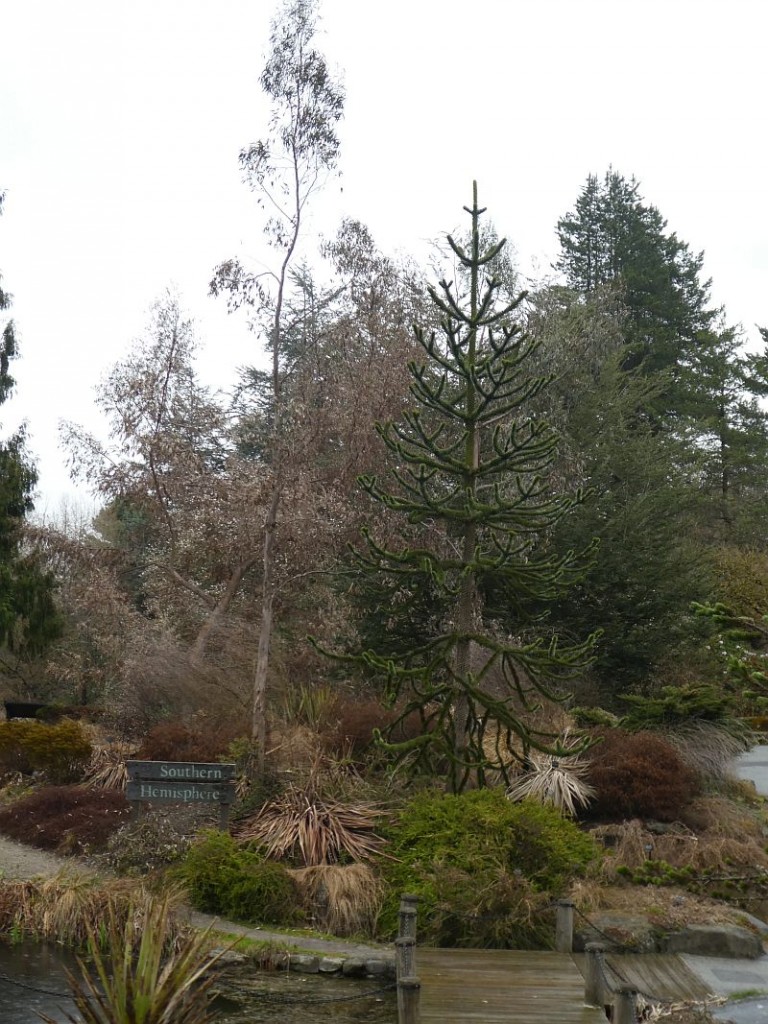
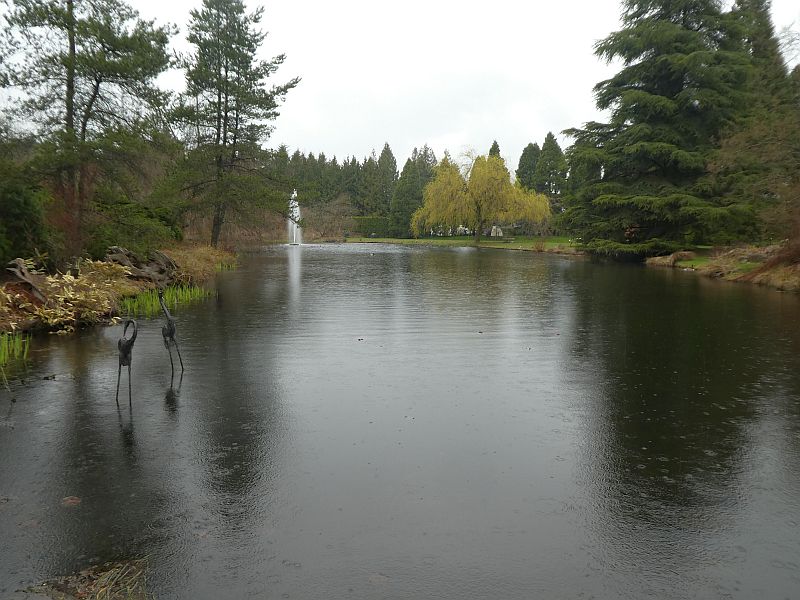
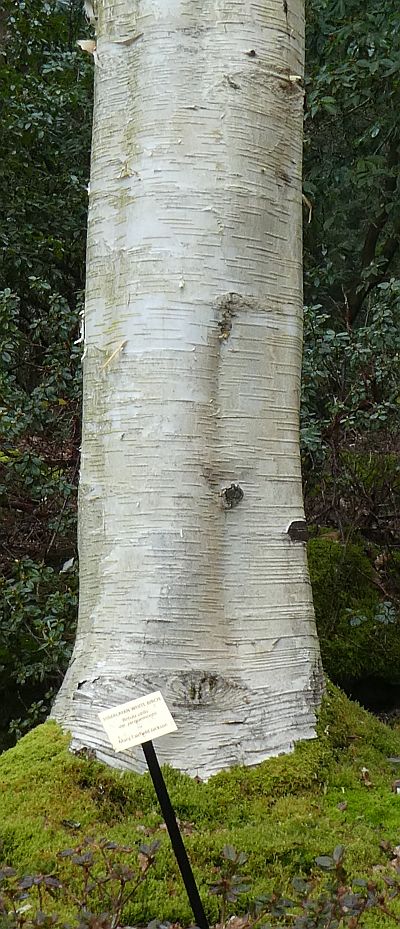
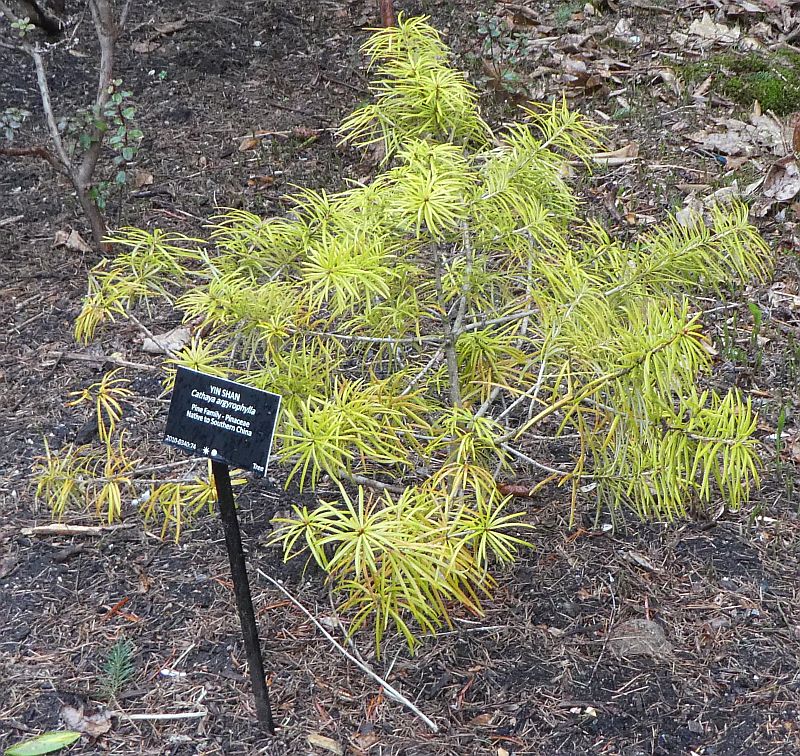
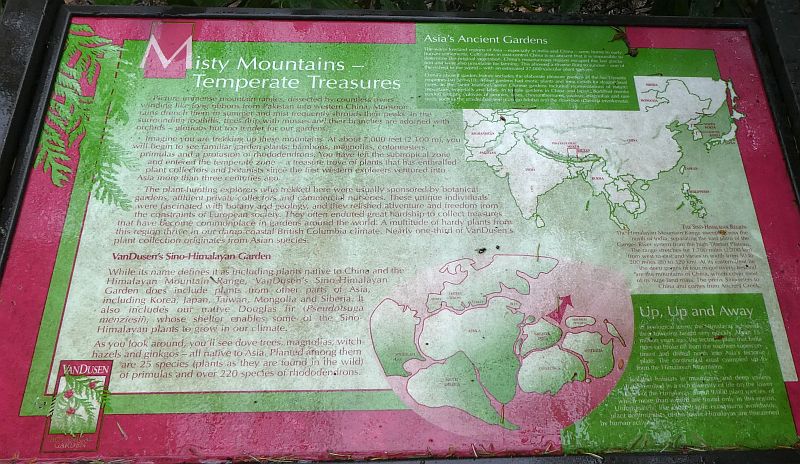
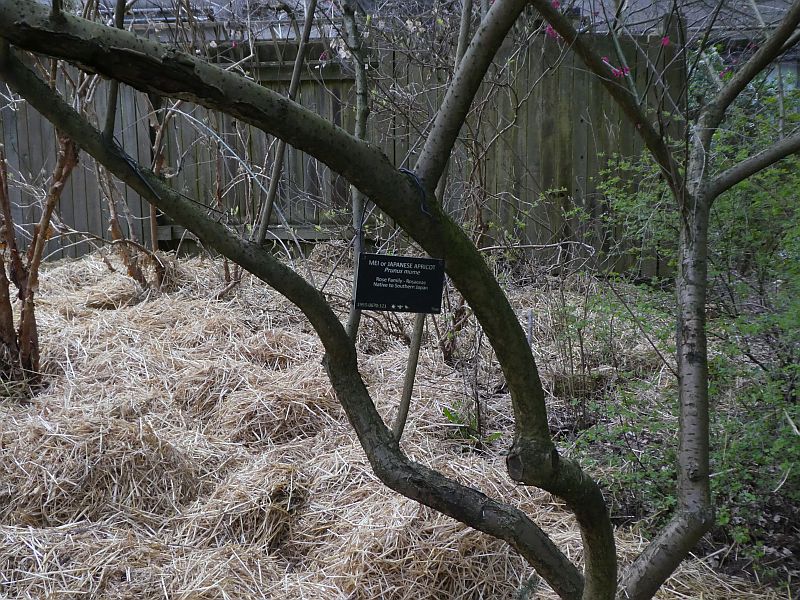
After visiting the UBC botanical garden on 4th April 2018, I bussed across town to Vancouver’s better known more formal VanDusen botanical garden, although it’s a younger garden (from 1970) against UBC which was established in 1916. The rain started when I arrived and I didn’t have that much time. Nevertheless, here are a few impressions!
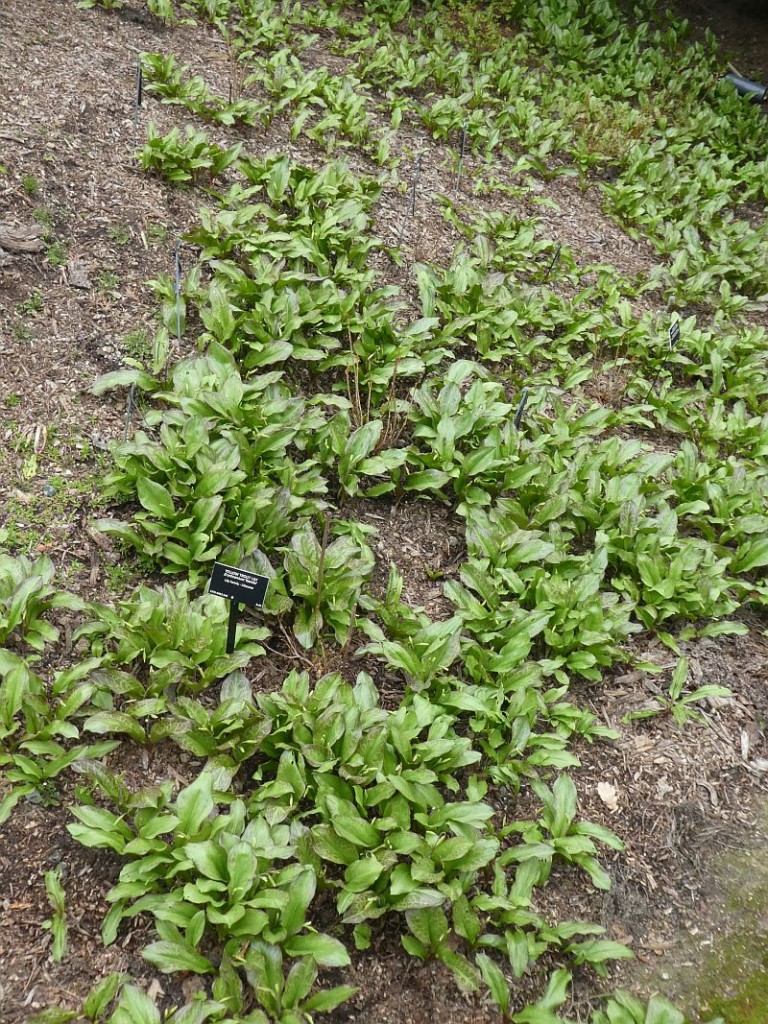
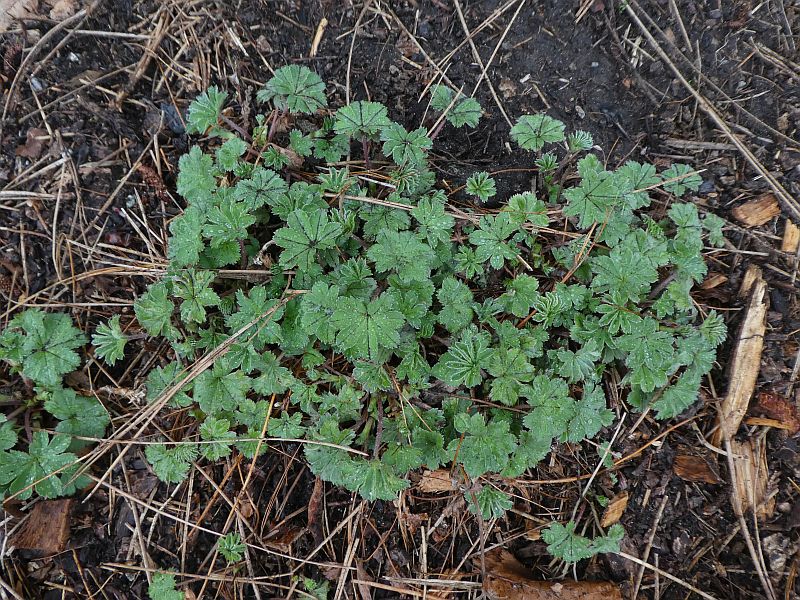
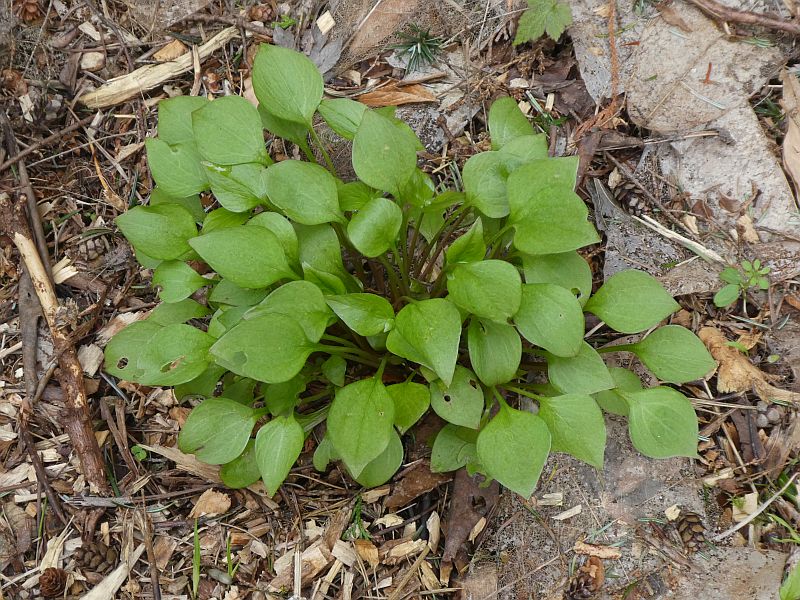
Hydrophyllum (water leaf / Indian salad) is one of the 80 in my book!
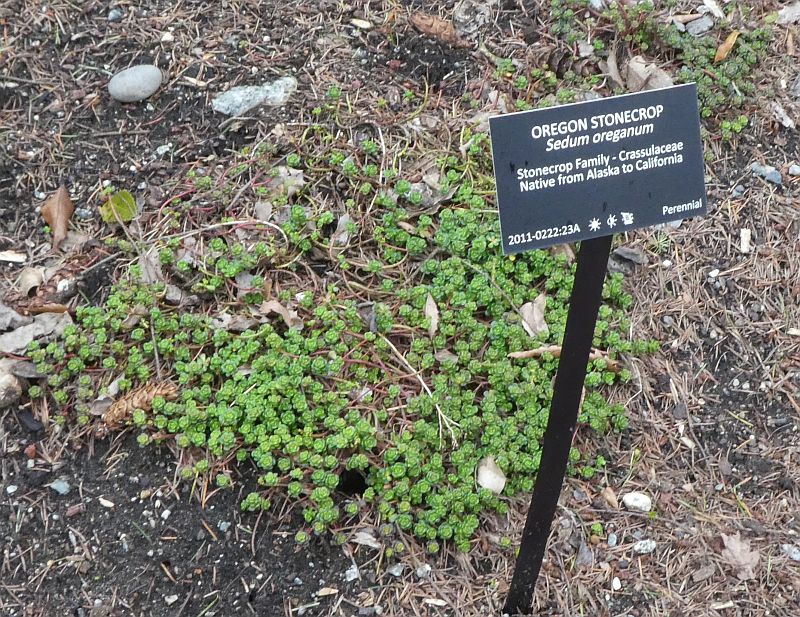
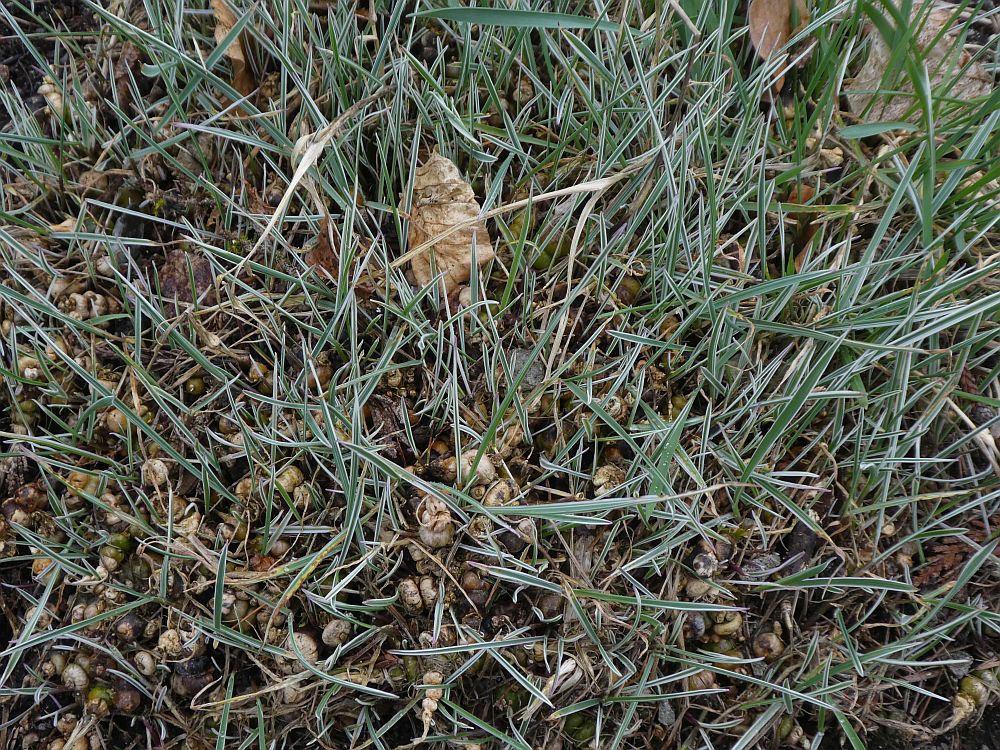
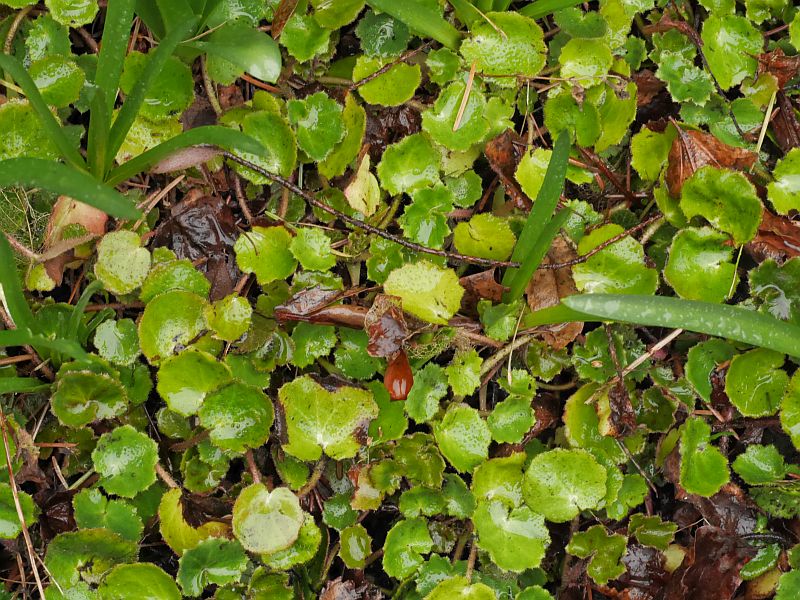
Sedum oreganum
Erythronium “Kondo”
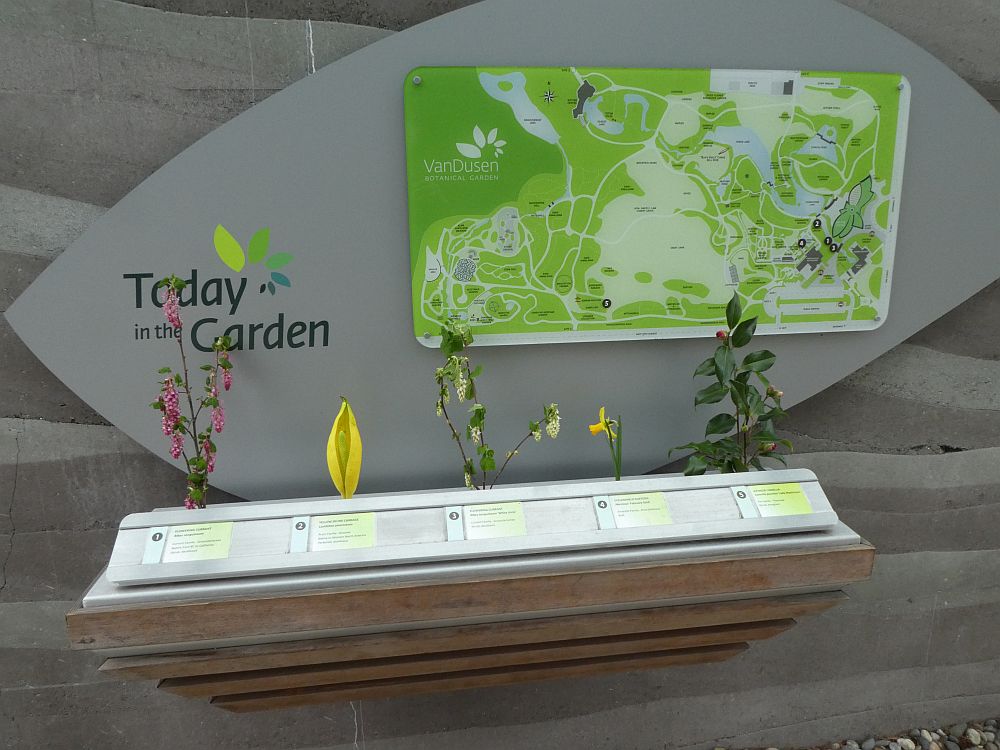
Today in the garden (in flower) from L to R: Ribes sanguineum, Lysichiton americanum, Ribes sanguineum “White Icicle” and Camellia japonica
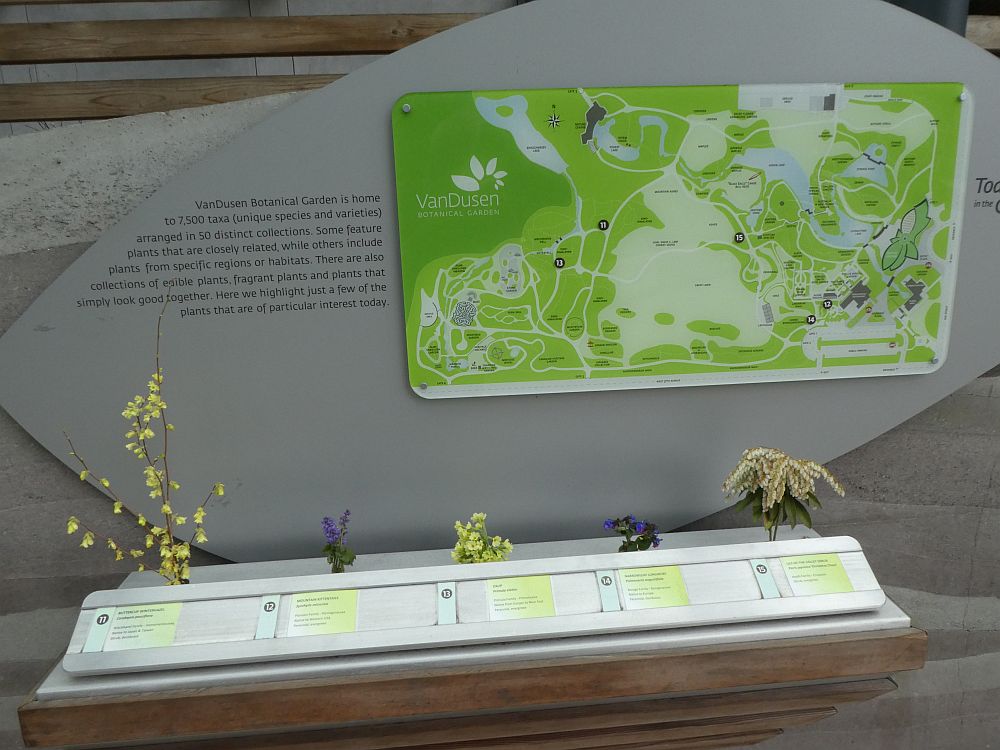
Today in the garden (in flower) from L to R: Carylopsis pauciflora, Synthuris missurica, edible Primula elatior and Pulmonaria angustifolia and Pieris japonica “Christmas Cheer”
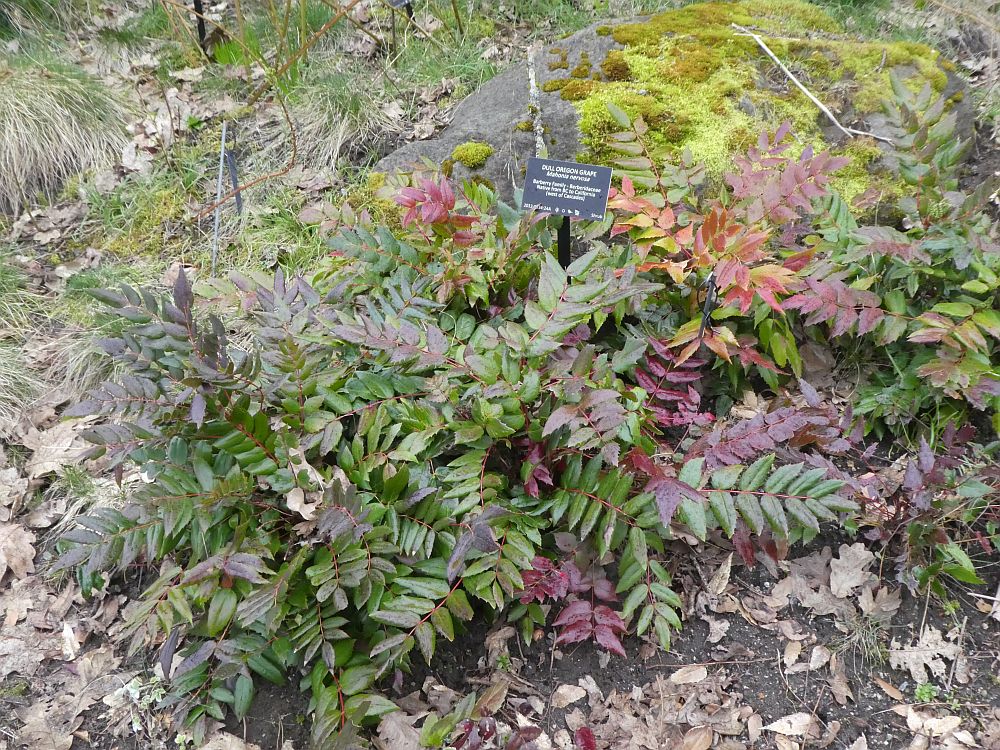
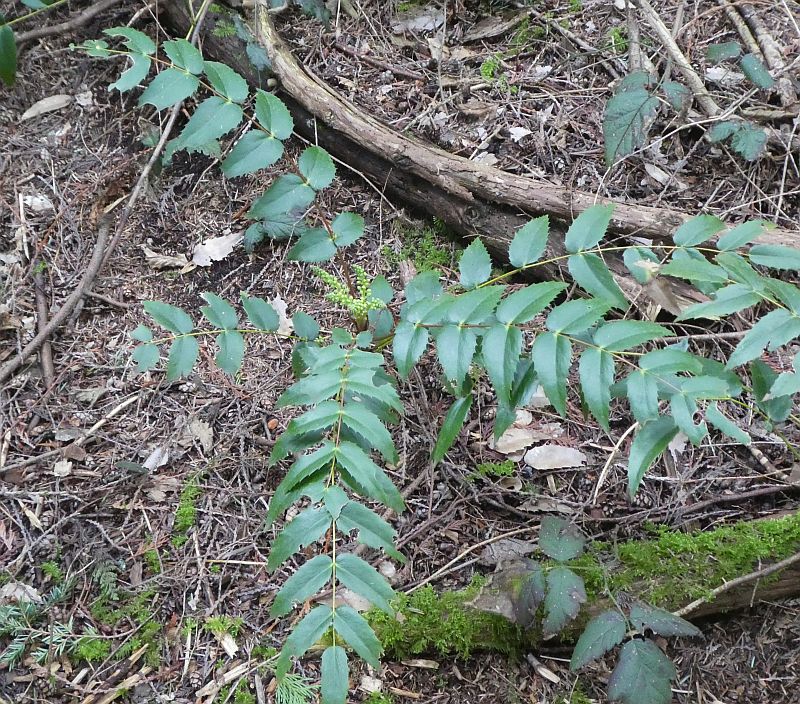
Near the garden entrance was a native garden. Here, native edible Mahonia nervosa
Kinnikinnick / Common Bearberry, Arctostaphylos uva-ursi. I was surprised to see this familiar Norwegian plant (melbær) growing in this totally different climate on coastal dunes in Oregon during my visit there!
Native edible Camassia leichtlinii
Waterleaf (Indian salad) (Hydrophyllum) at the perfect stage for harvesting!
Waterleaf (Indian salad) (Hydrophyllum) at the perfect stage for harvesting!
On 4th April 2017 I visited the University of British Columbia botanical garden in Vancouver, Canada. It was more dfficult to find by public transport as I had imagined and smaller, but nevertheless an interesting garden with, in particular, a good collection of Asiatic plants. I’ve known of this garden for many years as I was a member of their garden forums, one of the most active on the net before Facebook: http://forums.botanicalgarden.ubc.ca
Here’s an album of pictures I took, mostly, but not all, edible plants…and there’s not many gardens you can find breeding eagles!
Lilium henryi var. citrinum is one of the Asiatic lilies used for food!
Lilium martagon, another edible lily
Thalictrum spp. – T. aquilegifolium is eaten in Japan, presumably cooked to detoxicate as this plant is in the buttercup family
Trachystemon orientalis, an edible woodlander from SE Europe I’ve blogged about this one before..
Actinidia spp.
Chinese Rosa mulligannii (I consider all rose shoots as edible)
Hemerocallis lilioasphodelus
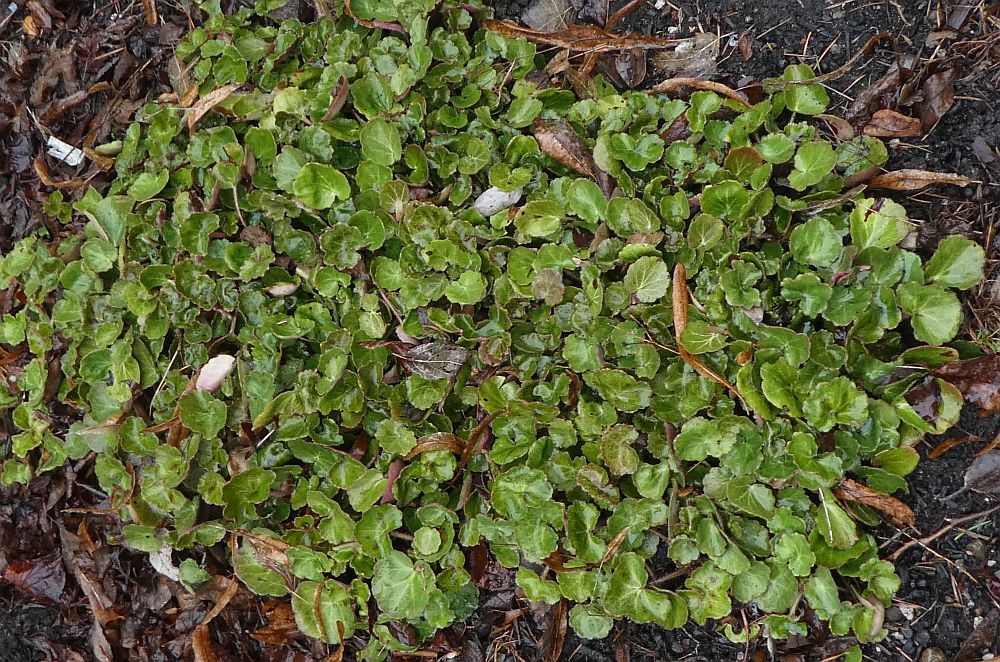
Chinese Bergenia emeiensis
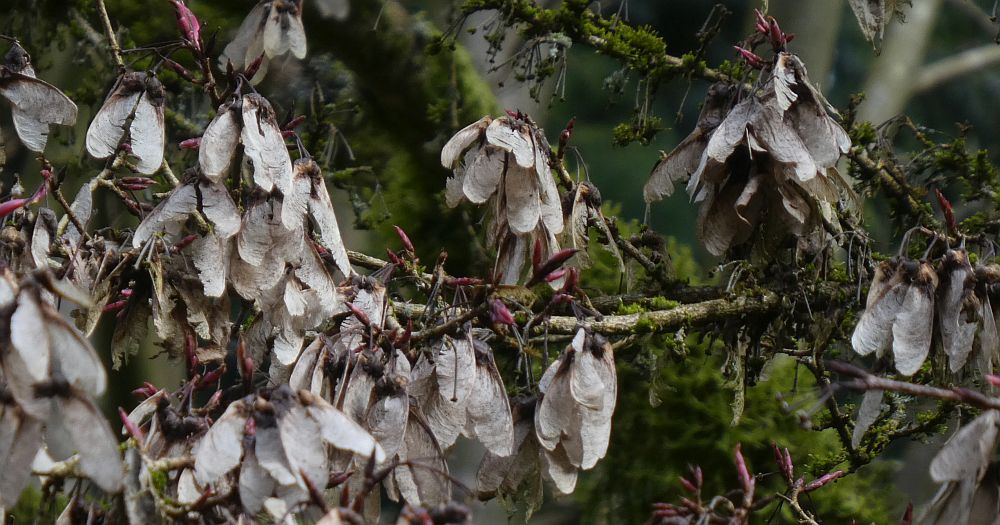
Acer mandschuricum was noted as the most hardy maple, from Korea and Northern China, one of a collection of 100 species in the garden
Ostrich fern, Matteuccia
Polygonatum odoratum, shoots eaten in the Far East
Saxifraga stolonifera is eaten in tempura in Japan
Chinese Sorbus megalocarpa has large inflorescences
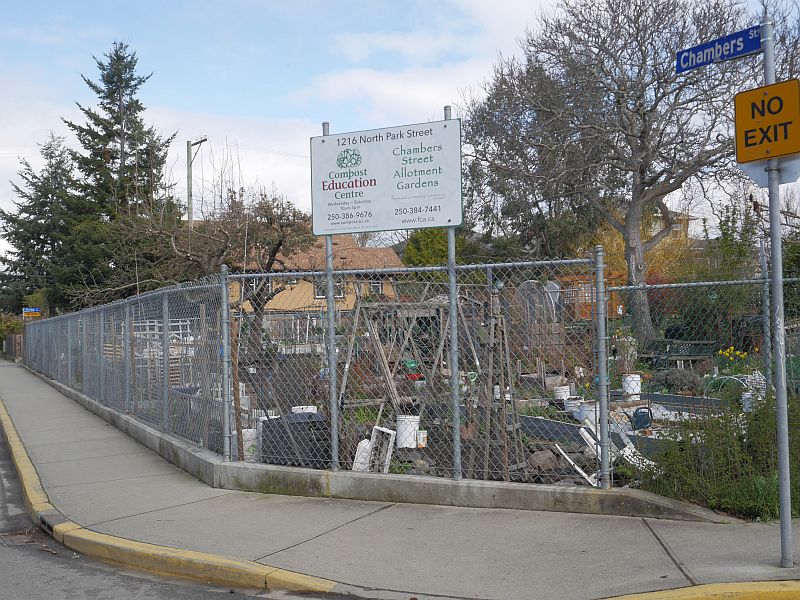
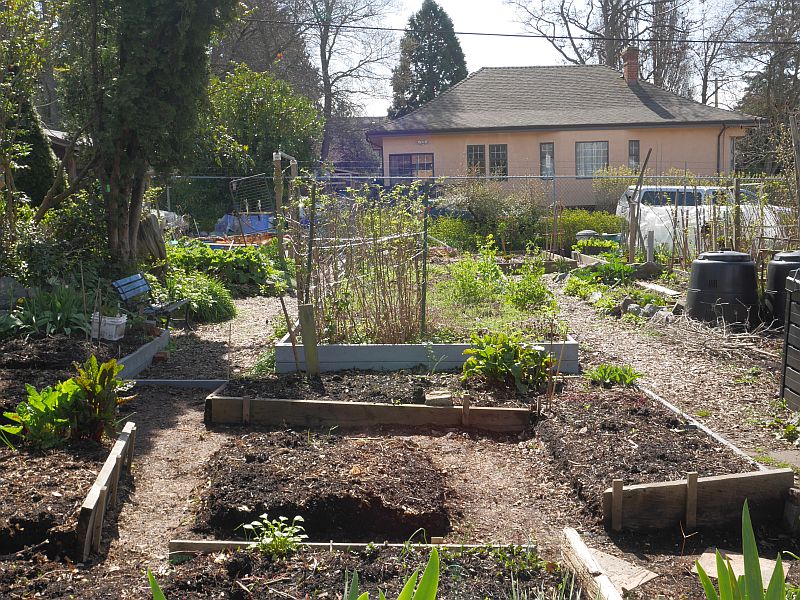
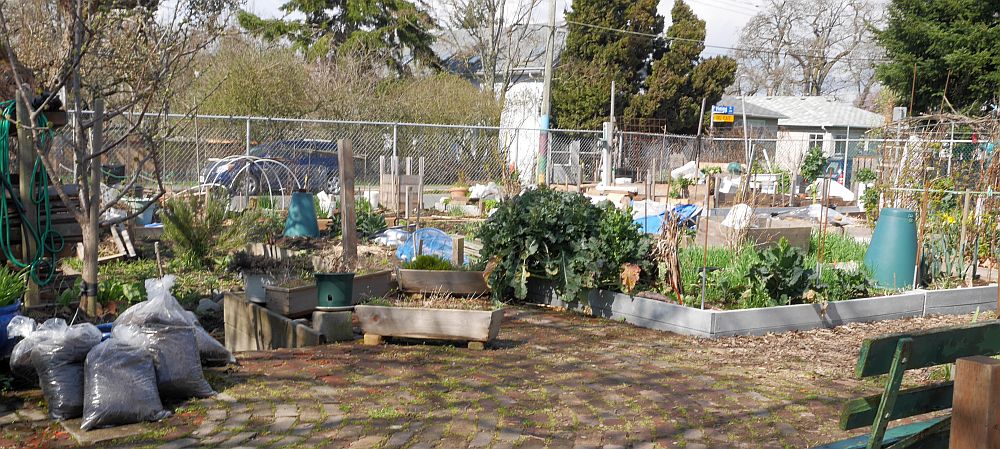
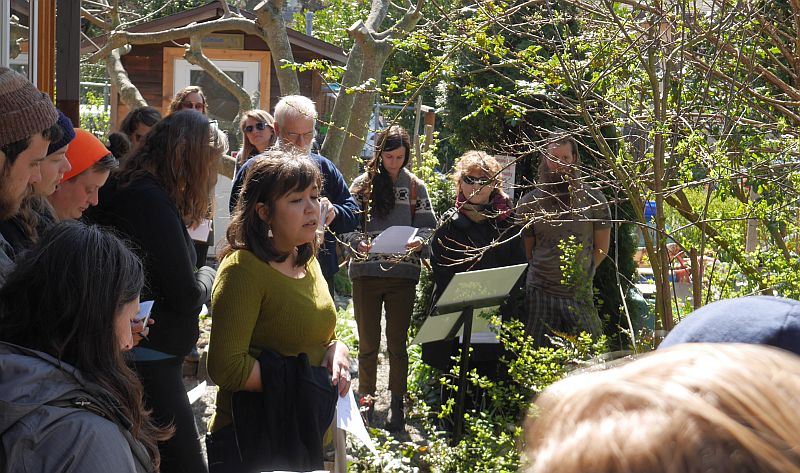
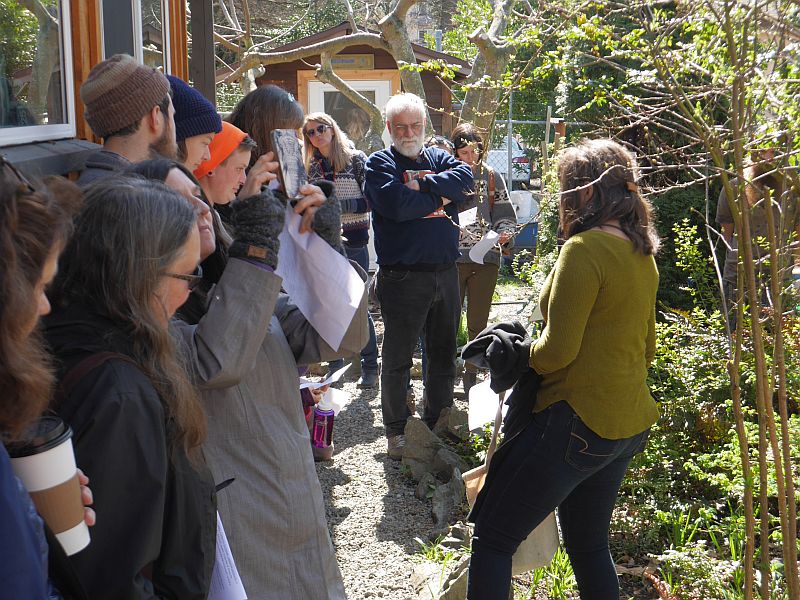
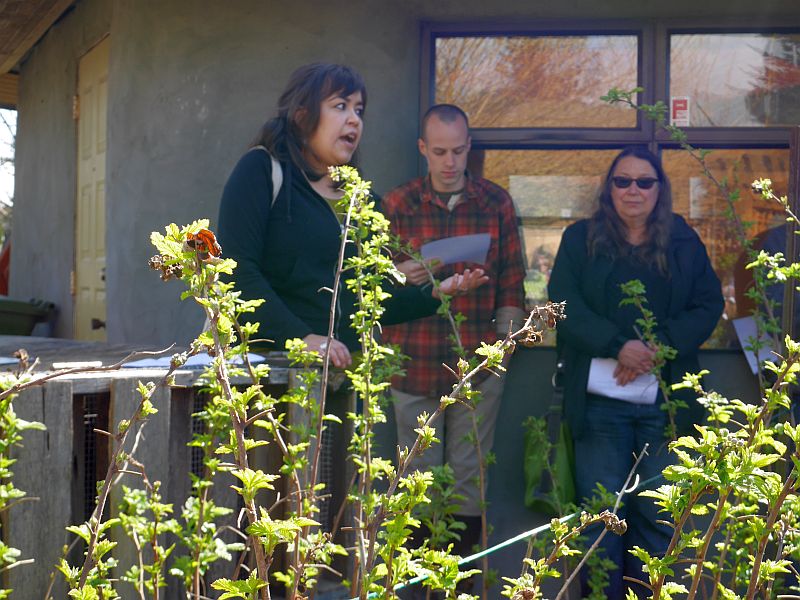
On 1st April 2017, I visited the Compost Education Centre in Victoria BC, Canada, where I’d enrolled on an indigenous plant walk around the grounds, lead by Ashley Cooper (Tsartlip First Nation) and is working to revitalize important cultural knowledge and practices in her community and beyond.
The centre has a small garden, but it is packed with many traditional and indigenous useful plants. It is a non-profit organization providing courses and workshops on organic gardening and composting in the Greater Victoria area (see https://www.compost.bc.ca). Here are a few pictures and a couple of videos of Ashley talking about camas and stinging nettle!
The coastal peoples harvested and semi-cultivated the wild stands of camas, both Great camas (Camassia leichtlinii) which was commonest around Victoria and common camas (C. quamash). In Victoria, Beacon Hill (see separate post) was an important site as were small offshore islands, where soils weren’t deep over rock and hence easier to harvest (my garden is perfect in that respect!). The beds were divided into individual plots maintained over the generations by different families.
Camas is said to have often been the only source of carbohydrate in the past for these coastal peoples who mostly ate fish and meat. Each year, the plots were cleared of stones and were burned to maintain the meadows. The bulbs were steamed in earth pits to convert the inulin to easier digested carbohydrates.
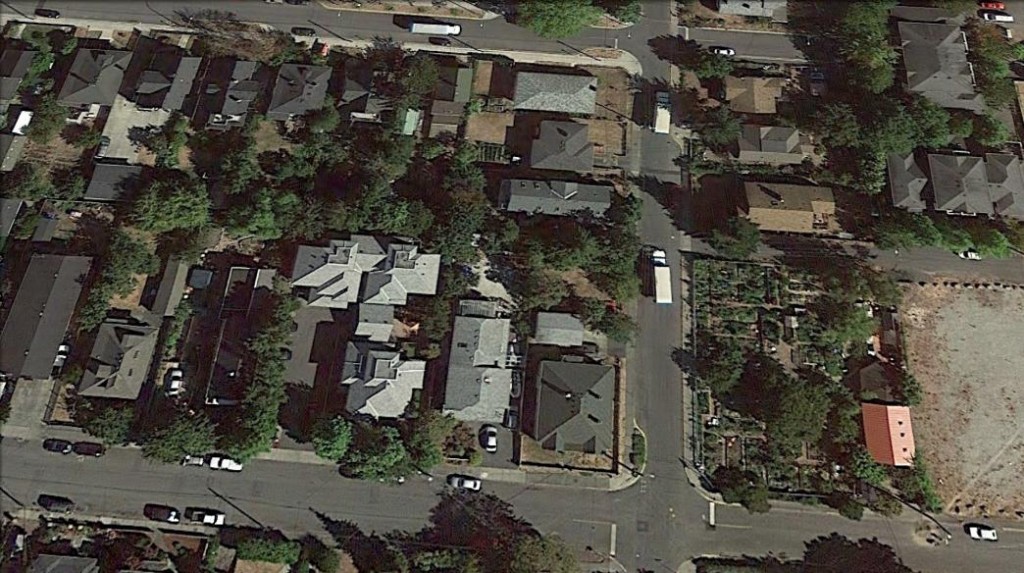
The Compost Education Centre is on the bottom right
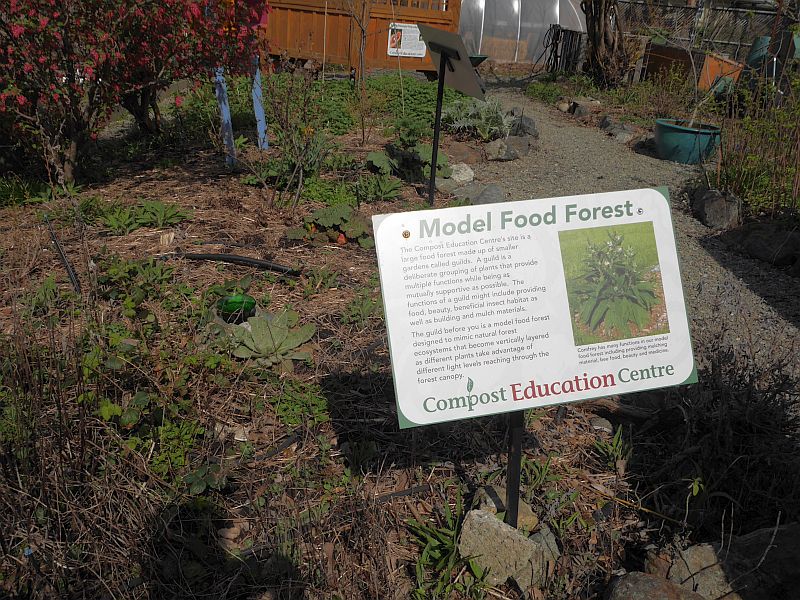
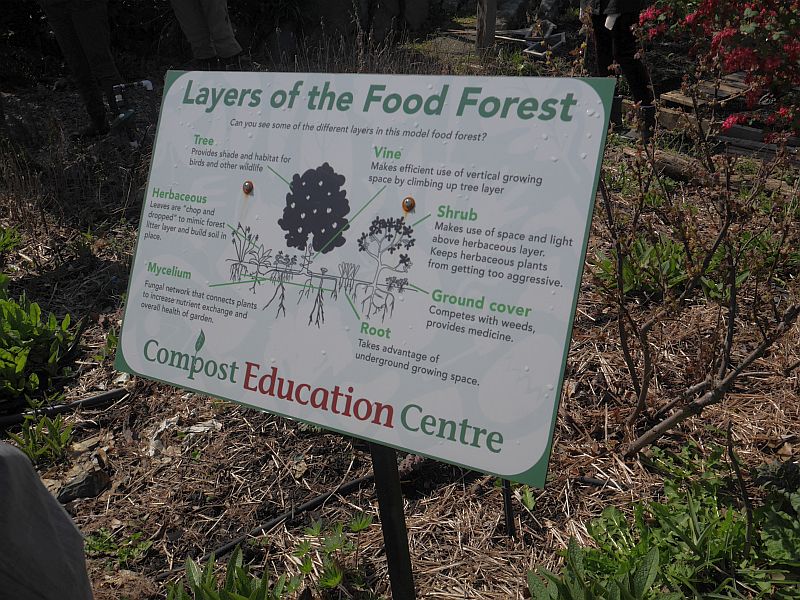
The whole area is designed as a Permaculture Food Forest
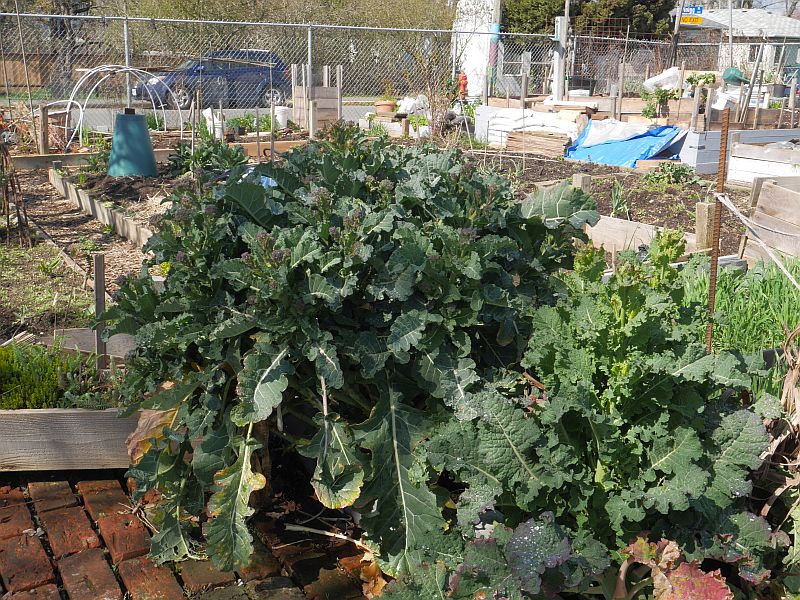
A large purple sprouting broccoli
Native Ribes sanguineum
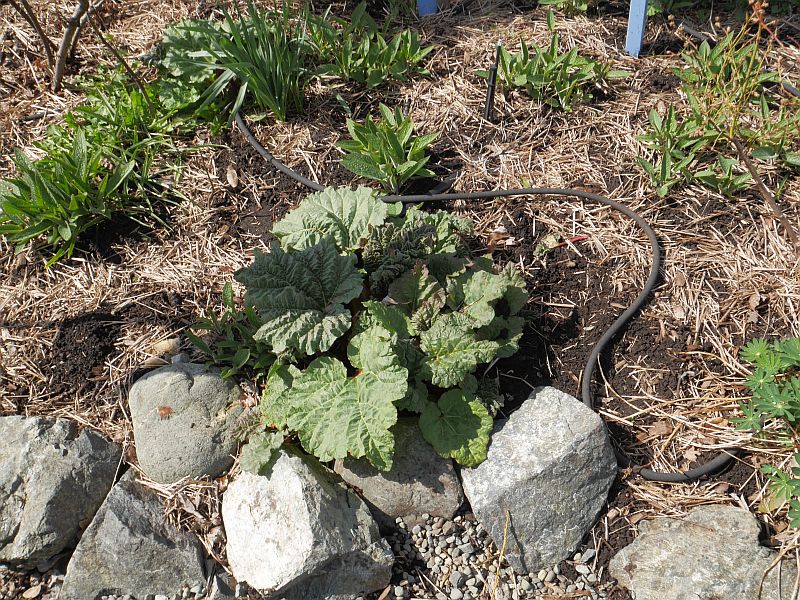
Rhubarb and comfrey
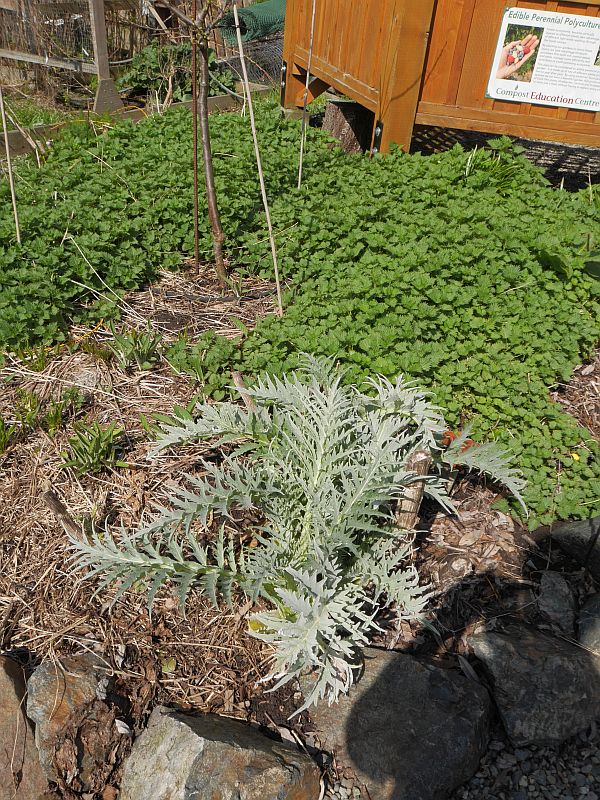
Nettles and artichoke
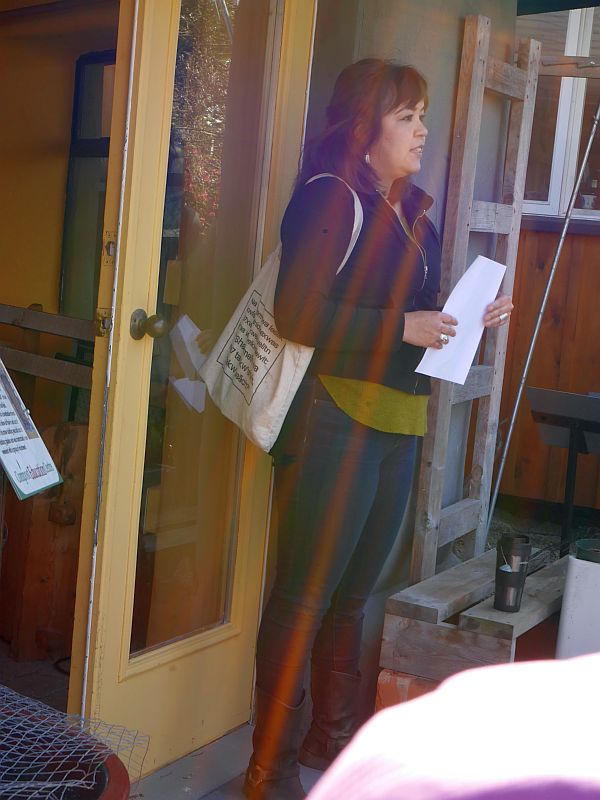
Ashley Cooper
Ashley talked about camas (bottom). I noticed an emerging Lomatium nudicaule (known as wild parsley). Ashley told us that it is an important medicinal plant.
I was lucky to pick up a signed copy of well known ethnobotanist Nancy Turner’s book “Food Plants of Coastal First People”
…and also the book “Saanich Ethnobotany” which she co-authored with Richard Hebda…here one of the pages about stinging nettle, which Ashley tells about in one of the videos!
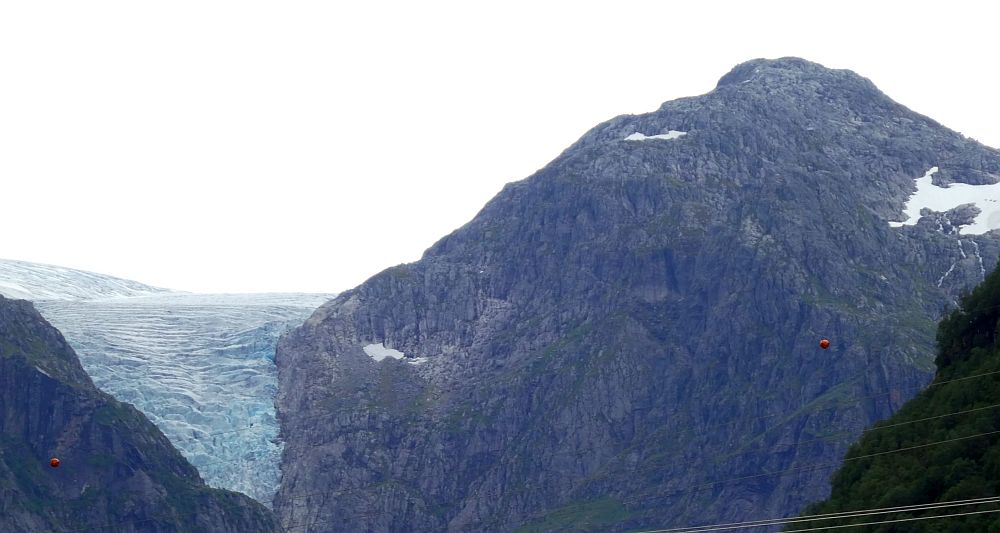
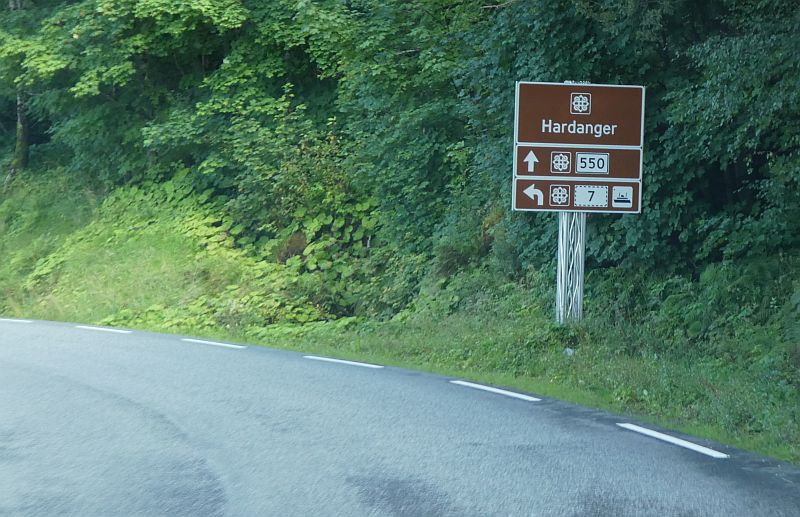
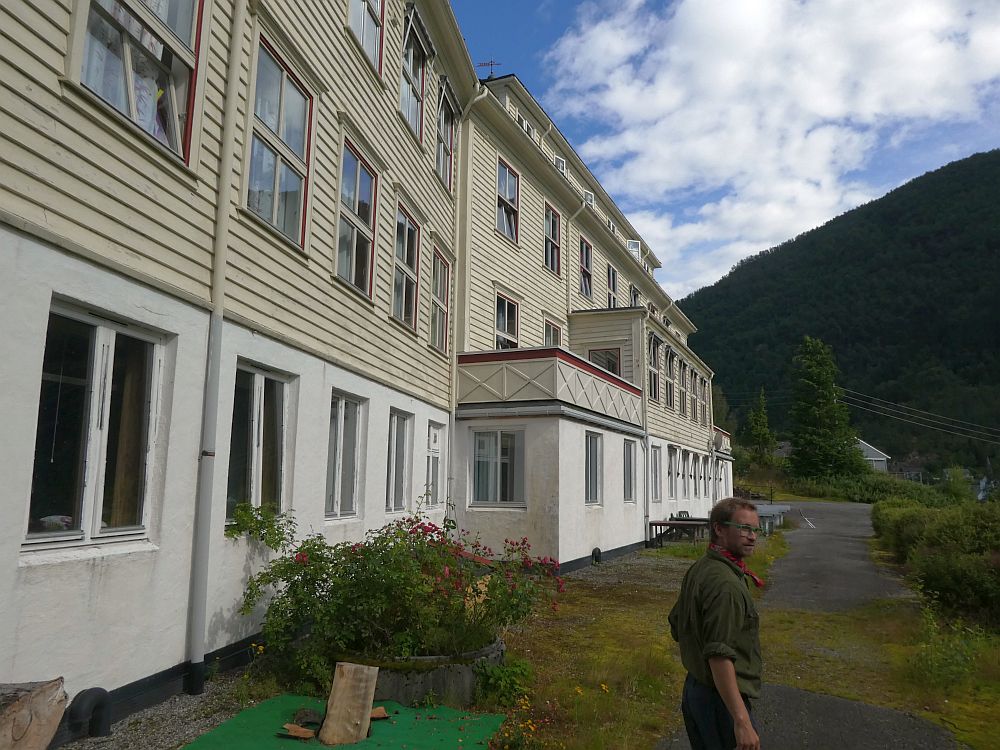
It’s been announced that this year’s Nordic Permaculture Festival will be arranged between 12th and 15th July 2018 in Jondal at the Hardanger Academy for Peace, Development and Environment, which is located in western Norway next to the Hardanger Fjord in fantastic surroundings and not far from the famous Folgefonna glacier! About time then that I blogged about my visit there as part of the annual Perennialen (no. 3), arranged by Eirik Lillebøe Wiken of the Alvastien Permaculture LAND Centre on the other side of the fjord. On the first day of Perennialen III, Eirik took me on aday trip, first to the famous garden at Baroniet Rosendal and then on to Jondal. A blog about the visit to Rosendal will follow tomorrow!
See the photo album below:
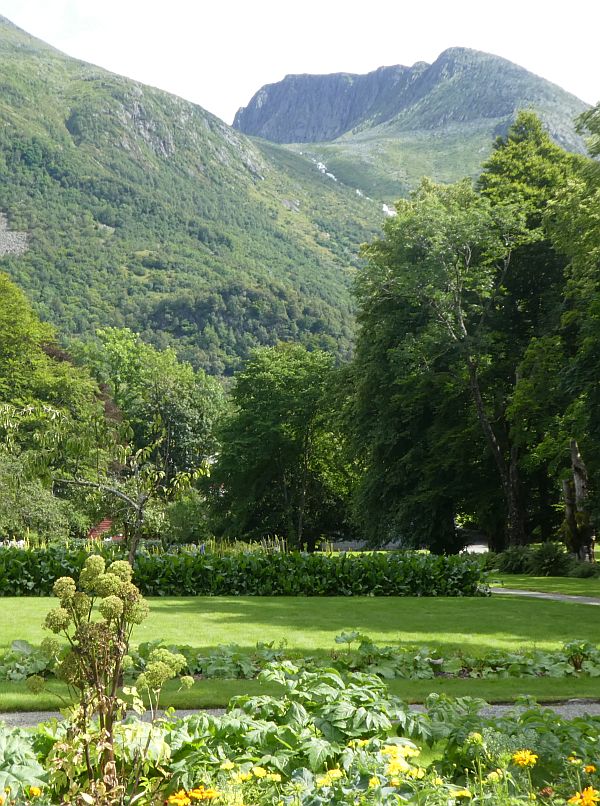
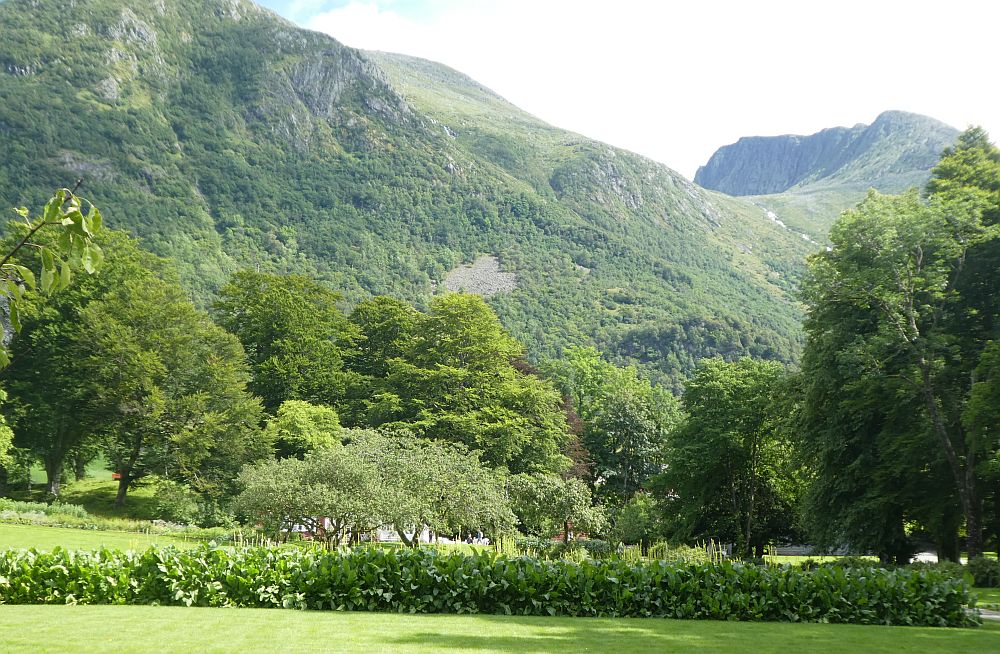
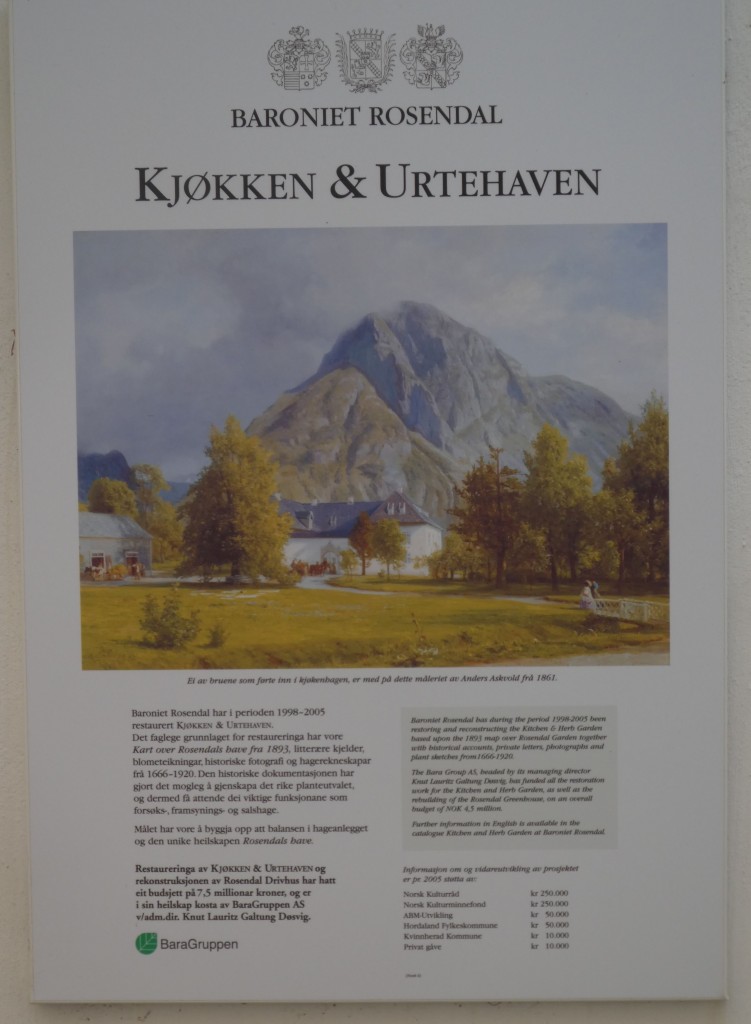
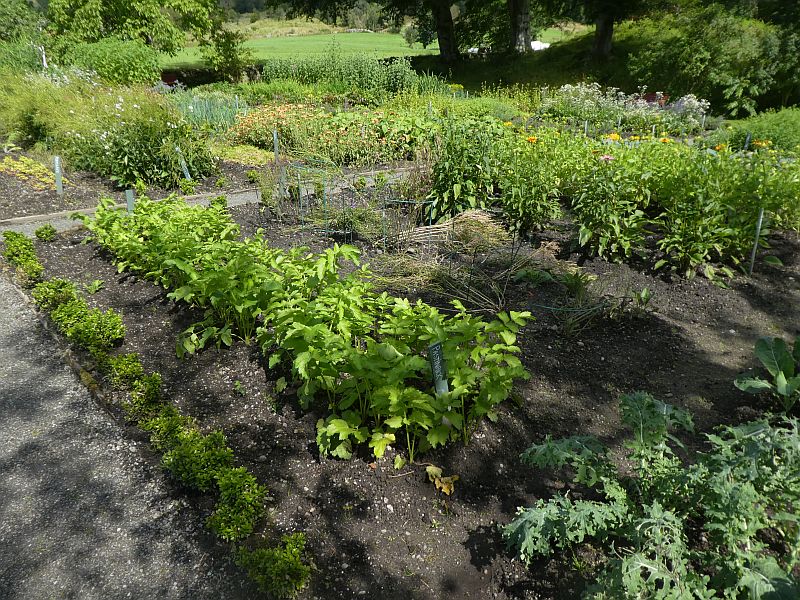
Barony Rosendal (Baroniet Rosendal) is a historic estate and manor house on the Hardangerfjord going back to the 1650s. As part of Perennialen III, on our way to Jondal, one hour’s drive away (separate post), we stopped at this famous garden on 8th August 2017 to do some edimentals spotting! Despite several attempts to visit over the years, I’ve never been before. This must be one of the most picturesque gardens in the world with the dramatic scenery surrounding it! I was particularly interested in seeing the naturalised stands of spiked rampion (vadderot), used as a vegetable in the past elsewhere in Europe (video). The climate is very mild, and the sweet chestnut trees were particularly impressive, perhaps the biggest in Norway? There are also several beds with historical vegetables. Here is an album of pictures of mostly edible plants and scenery!
From the Gjermundshavn-Årsnes ferry
From the Gjermundshavn-Årsnes ferry
From the Gjermundshavn-Årsnes ferry
Rosendal
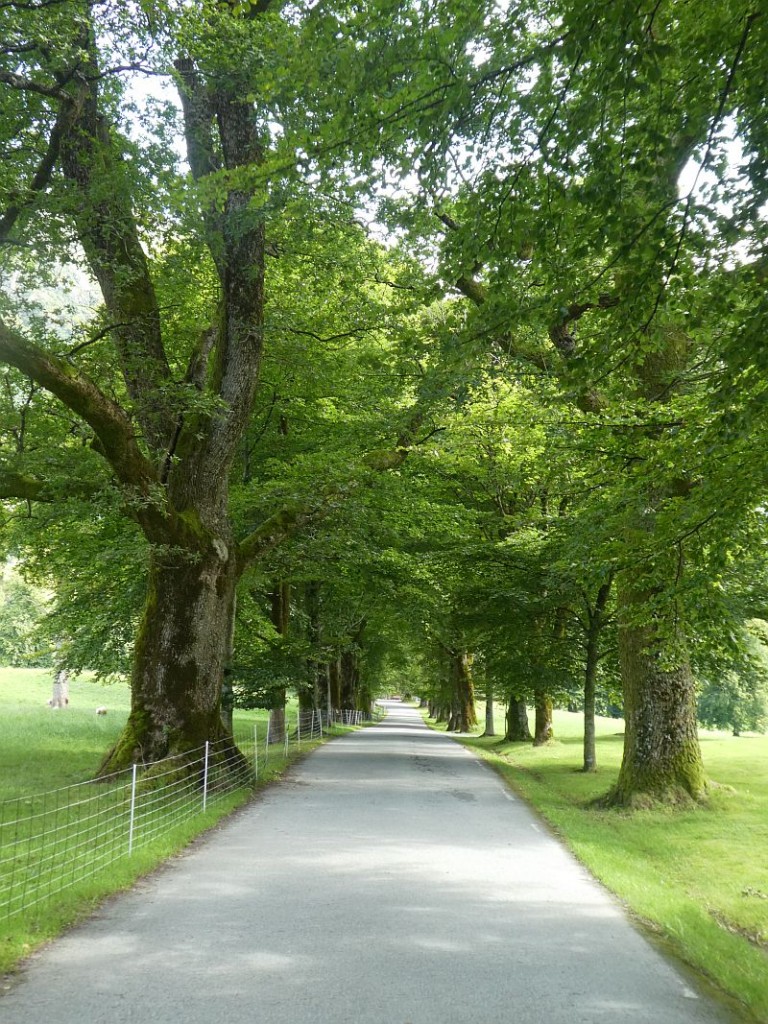
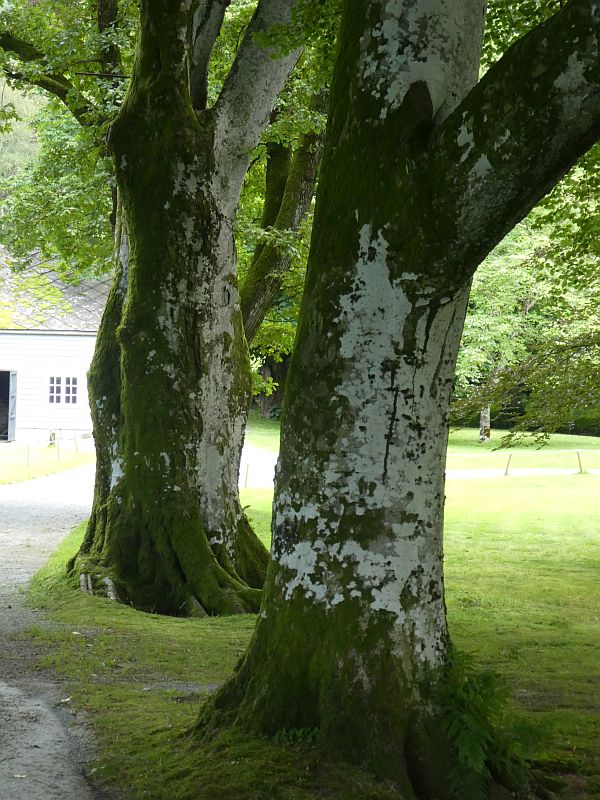
The allee leading up to Baroniet Rosendal
Large leaved lime, Tilia
Monkey Puzzle tree demonstrates that the climate is mild here
Ostrich fern (strutseving)
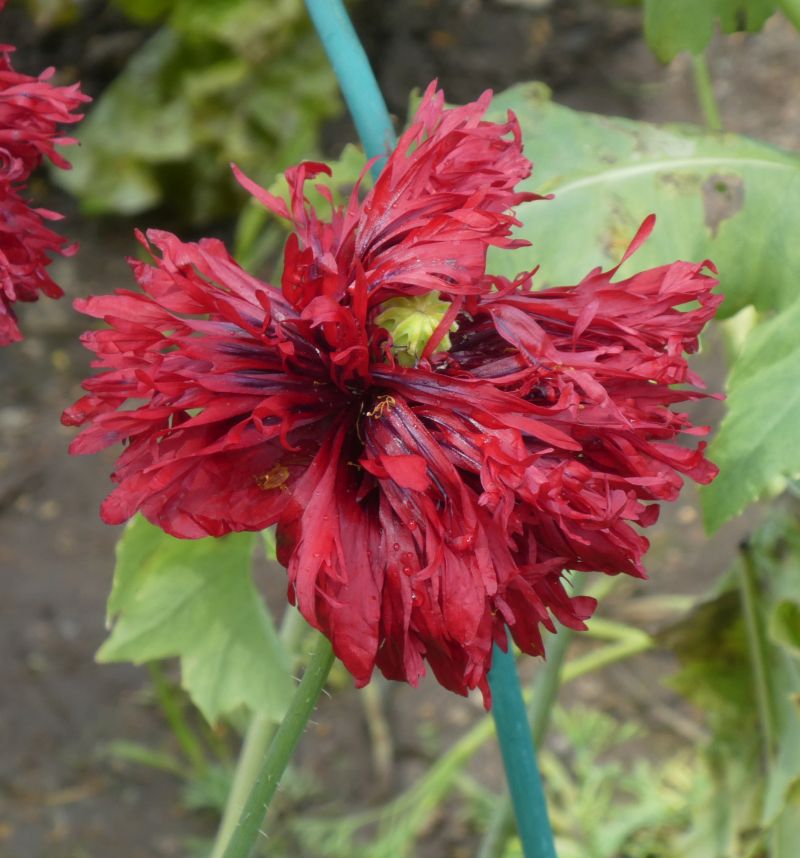
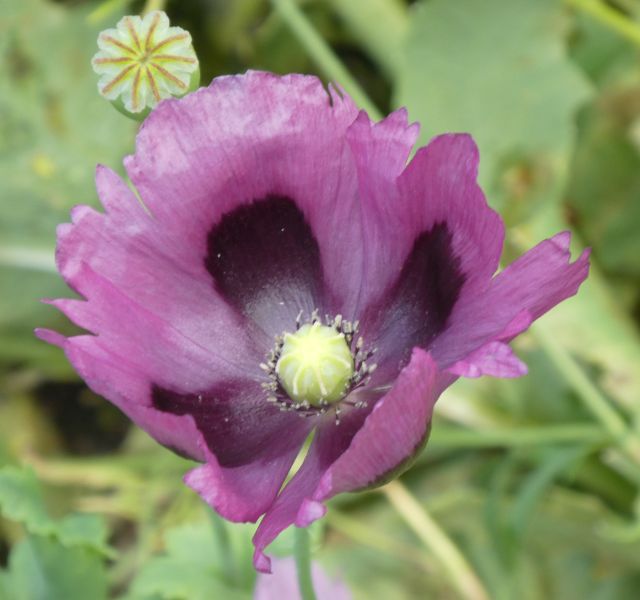
Opium poppy (opiumvalmue)
Opium poppy (opiumvalmue)
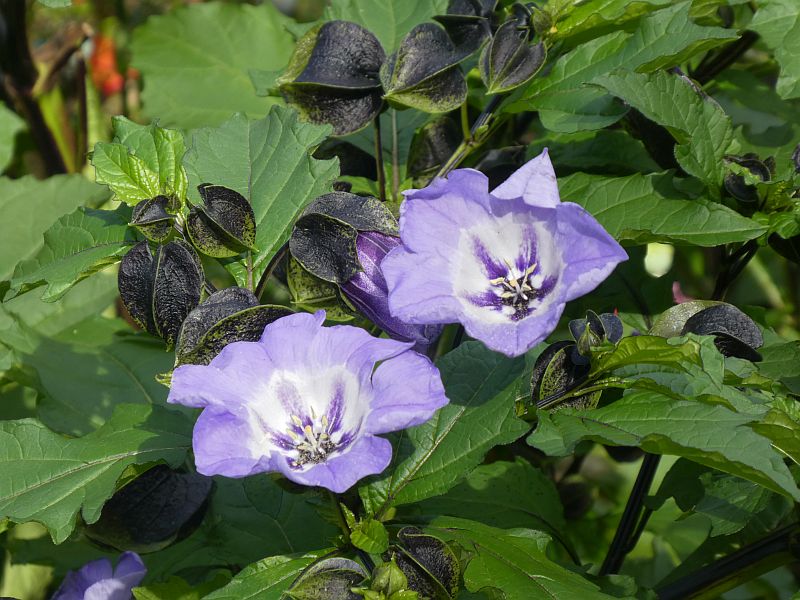
Nicandra phylasodes (shoo-fly plant) is from South America…the seeds are apparently used in China to prepare a refreshment…I know no more
Dahlia
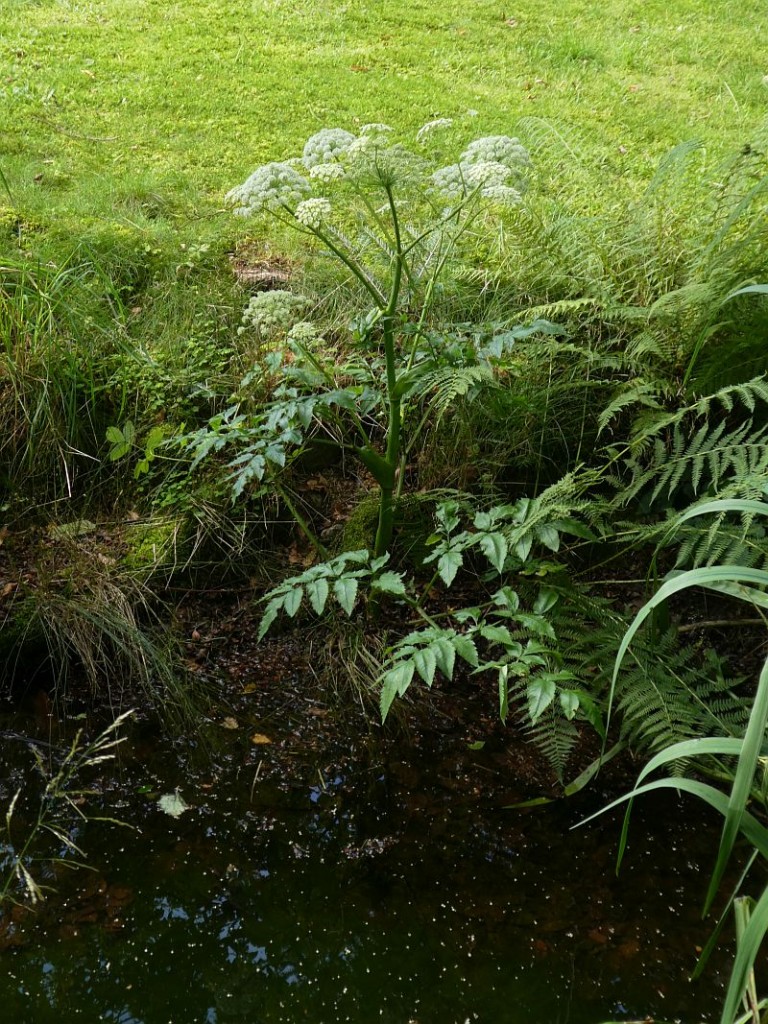
We came over this row of Angelica archangelica and the stems were filled, a form of Voss Angelica (Vossakvann) then!
Vossakvann…one plant was in flower
Row of horseradish in the foreground
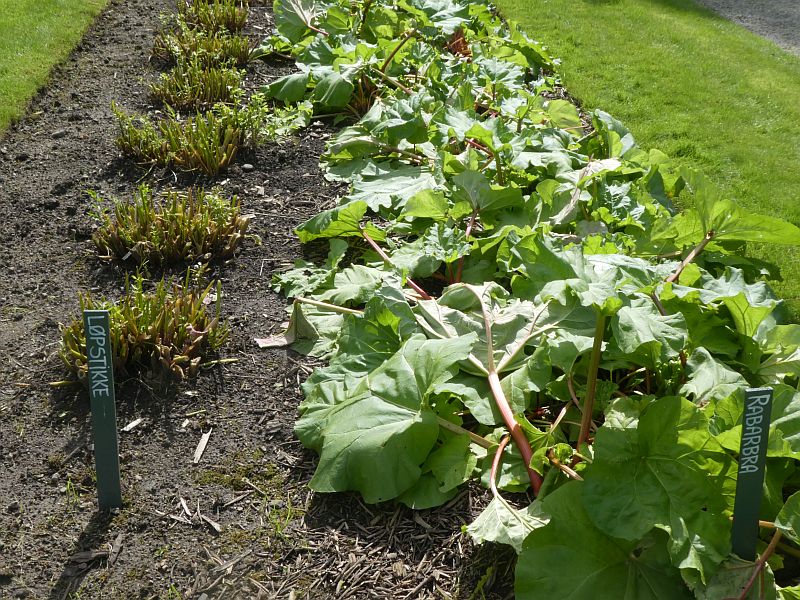
Lovage (løpstikke) and rhubarb (rabarbra)
Horseradish (pepperrot)
Parsnip (pastinakk) in the vegetable garden
Artichokes (artiskokk)
Purslane (portulakk)
Scorzonera and Arnica
A relatively young walnut (valnøtt), the old trees died a few years back.
Walnut (valnøtt)….the garden produced and sold walnuts on the markets in the past, but the old trees are now dead..
Walnut (valnøtt) with Jerusalem artichoke (jordskokk)
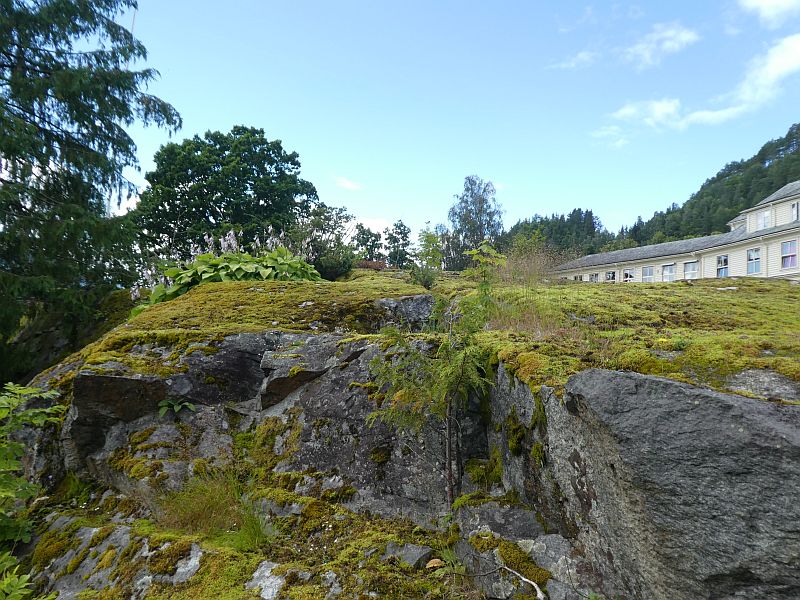
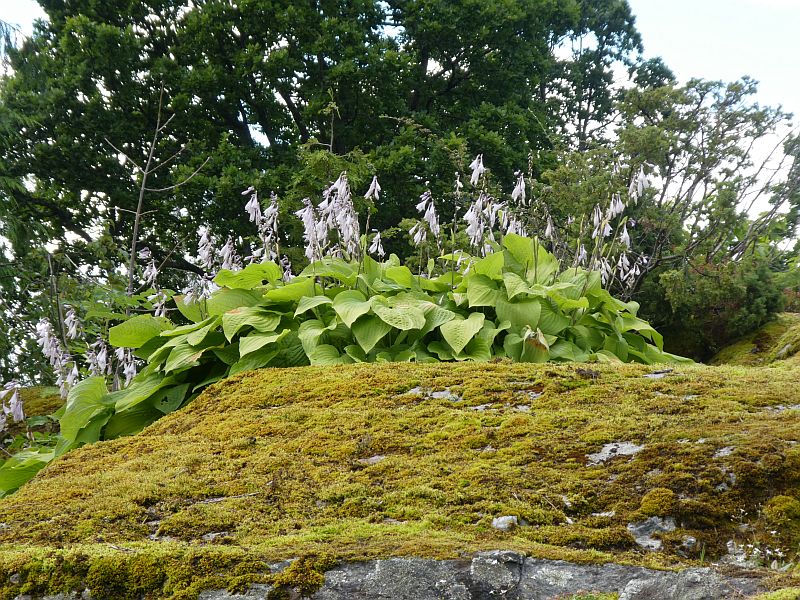
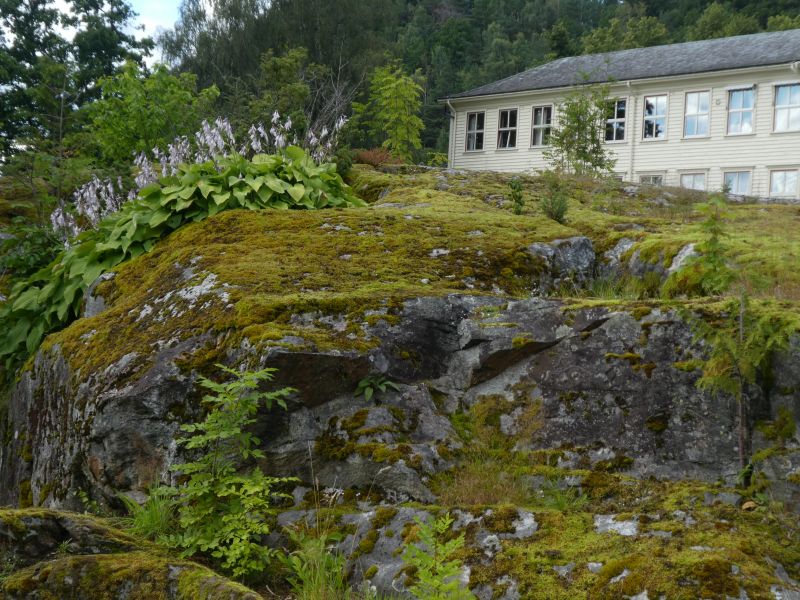
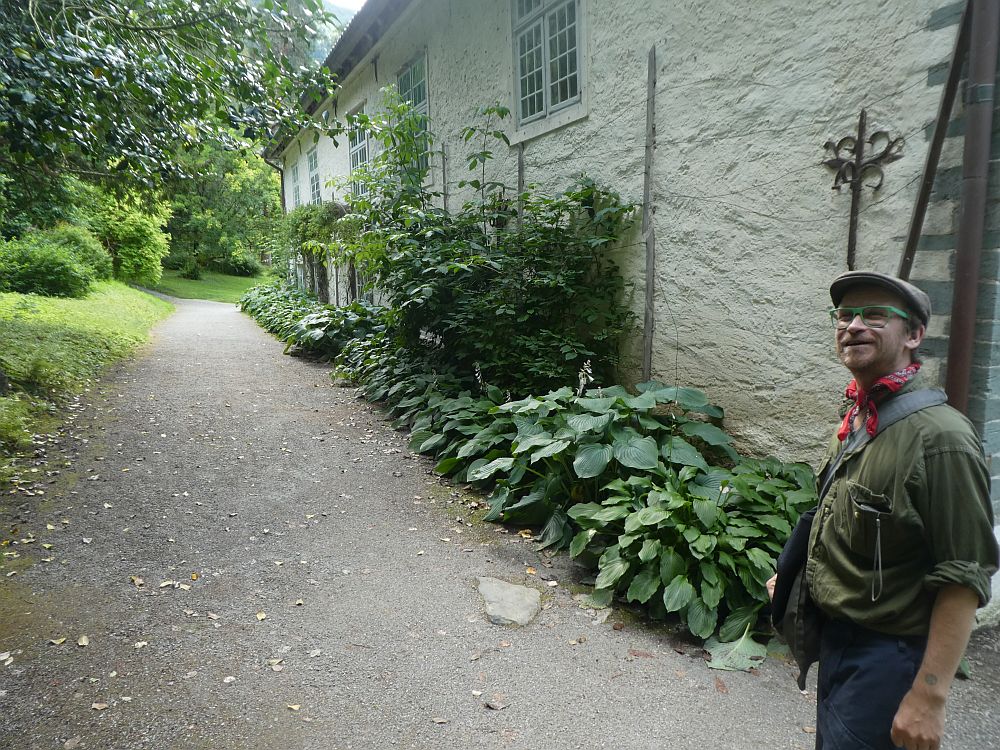
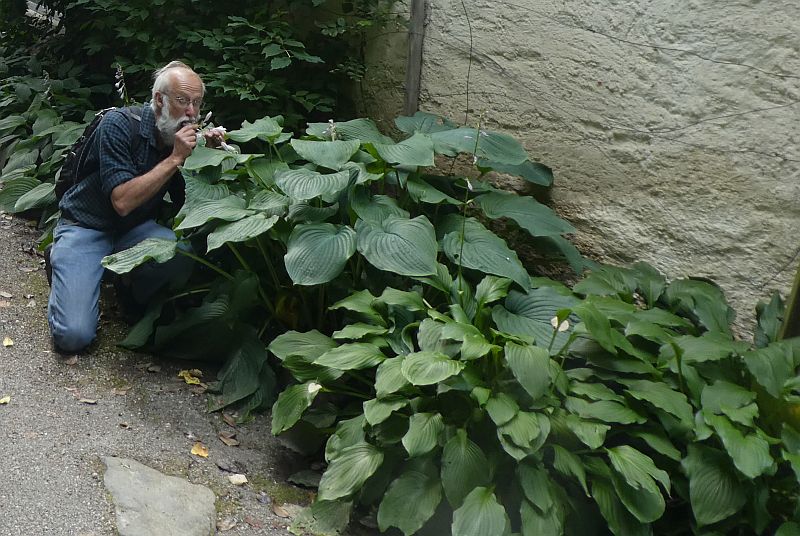
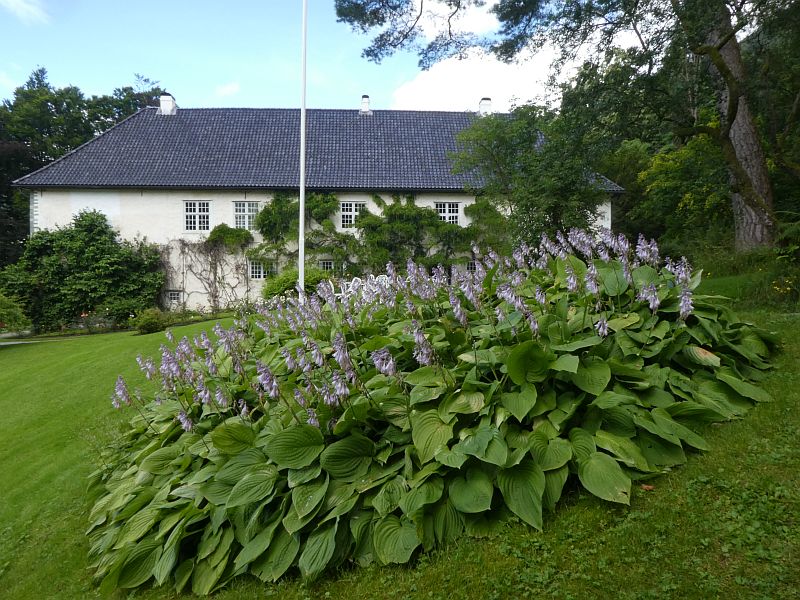
Hostas and Eirik
Time for a snack ;)
Lilium martagon
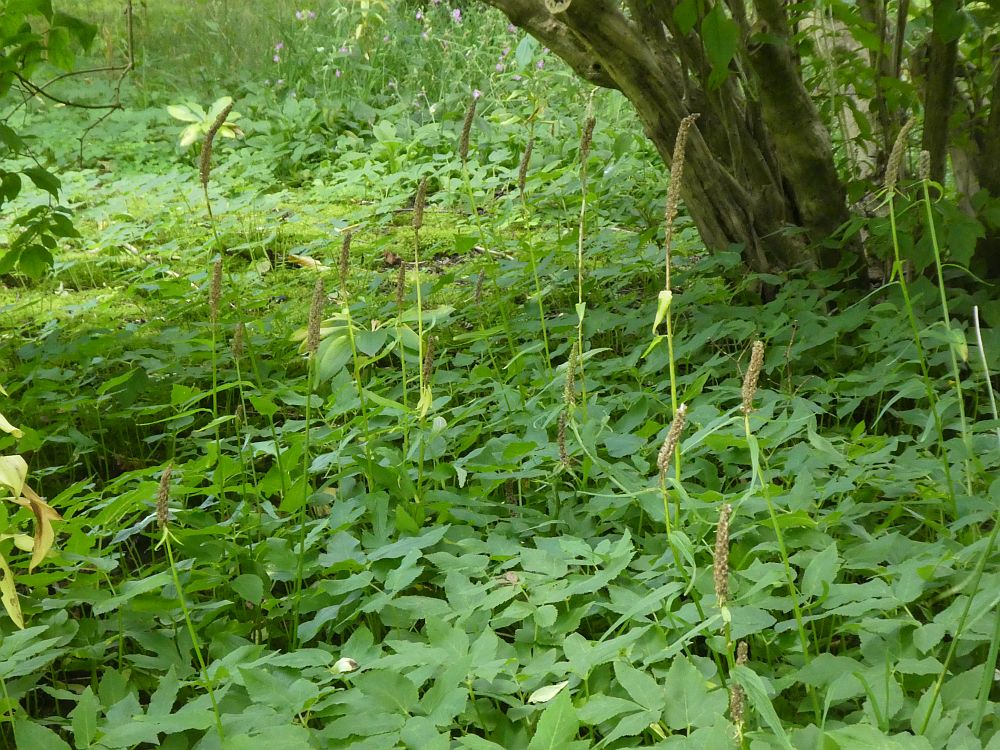
Phyteuma spicata (spiked rampion / vadderot) was a root vegetable in the past and has naturalised in a part of the garden
Phyteuma spicata (spiked rampion / vadderot) was a root vegetable in the past and has naturalised in a part of the garden
Hosta and dramatic backdrop
Hosta
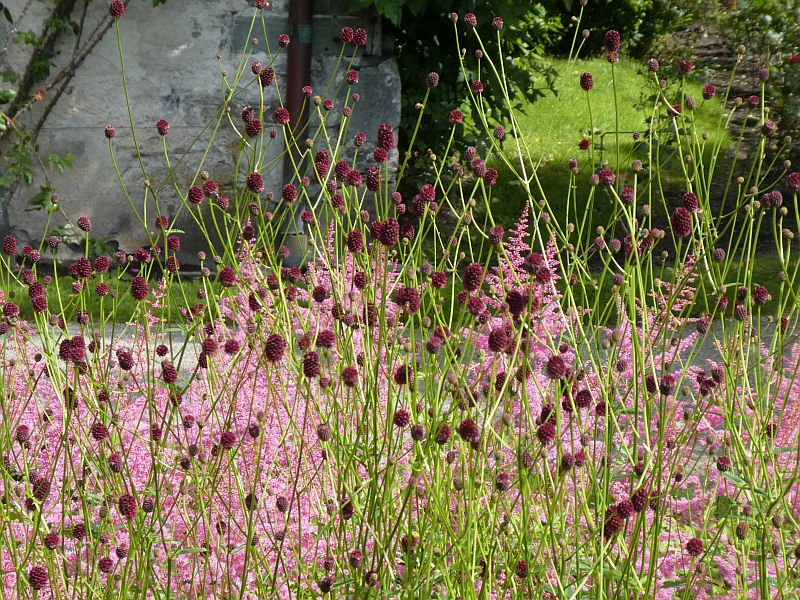
Sanguisorba officinalis and Astilbe
Chaeneomeles
Daylily (daglilje)
Roseroot (rosenrot)
Rogue redcurrant (rips) growing in the fork of this tree
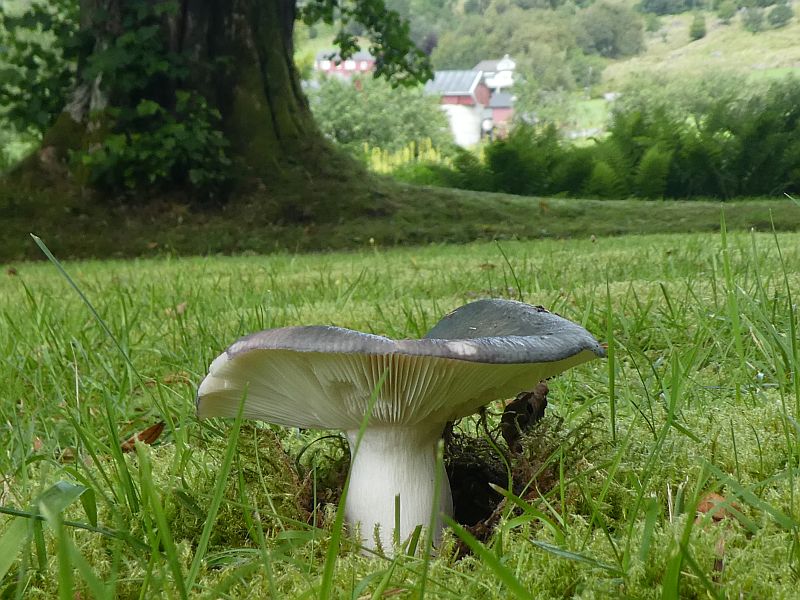
Russula spp.
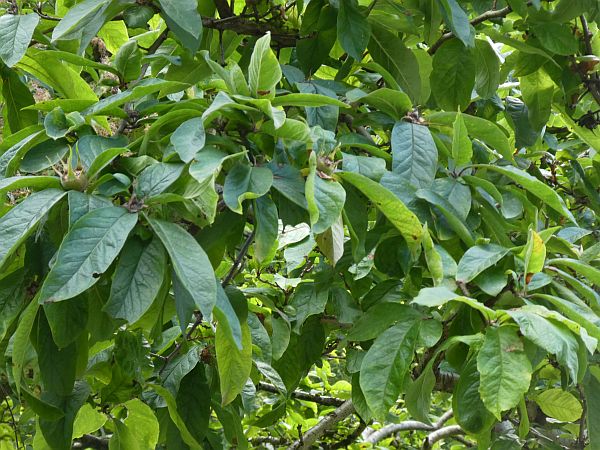
Medlar (Ekte mispel)
The box (buksbom) allee is an impressive feature…not edible..
Box (buksbom)
Box (buksbom)
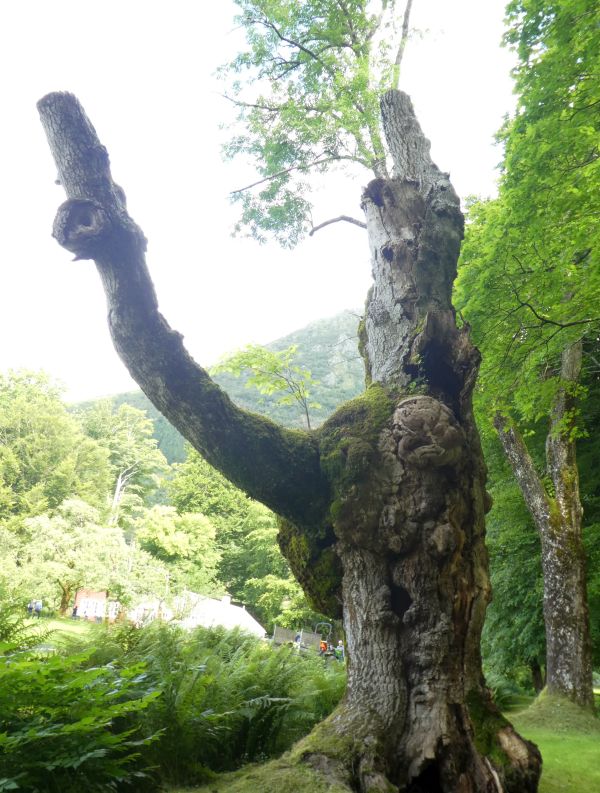
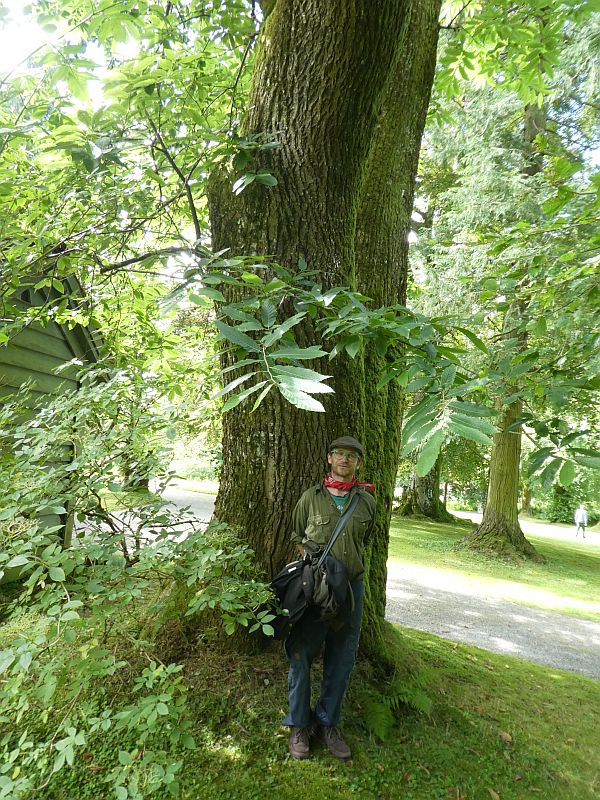
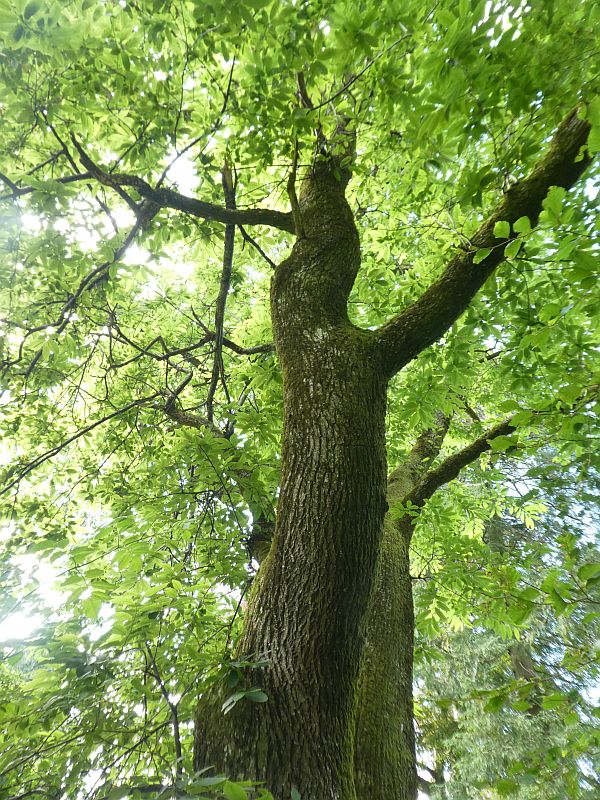
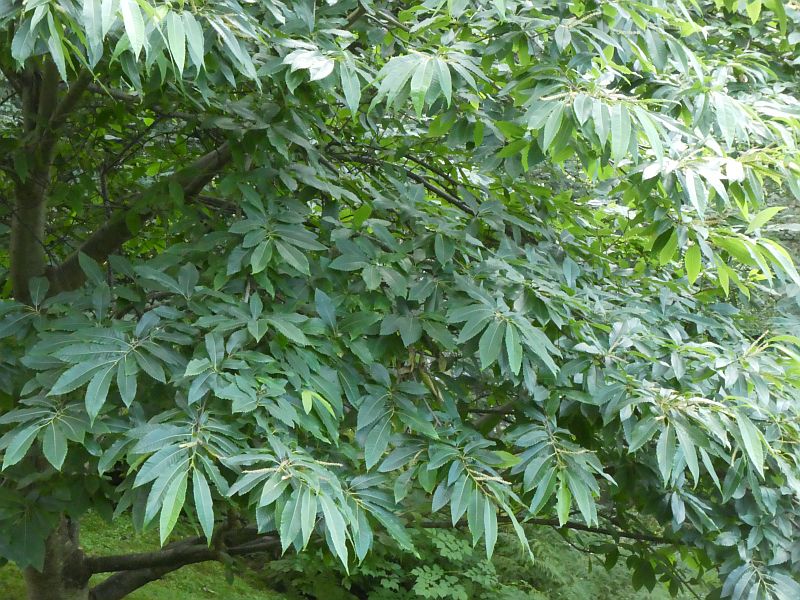
The largest Sweet chestnut (ekte kastanje) in Norway?
The largest Sweet chestnut (ekte kastanje) in Norway?
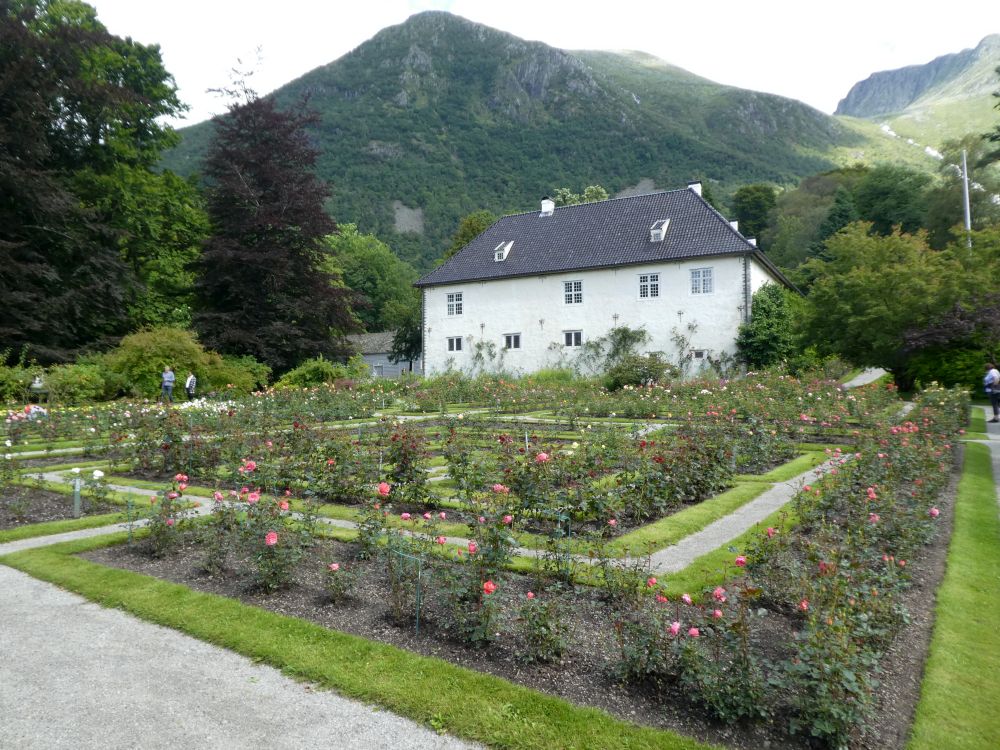
Rose garden
Angelica sylvestris
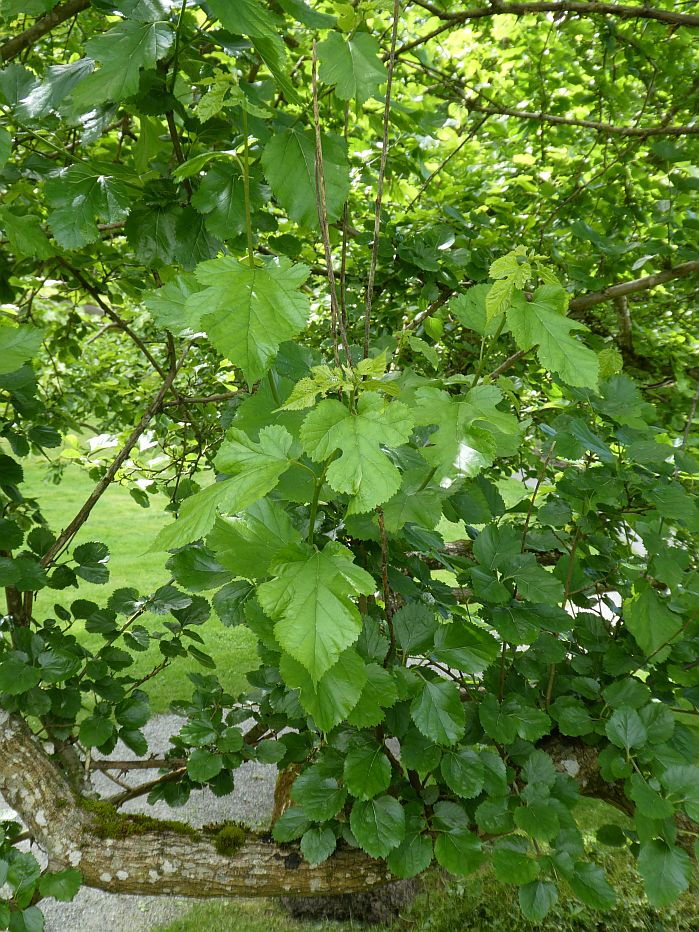
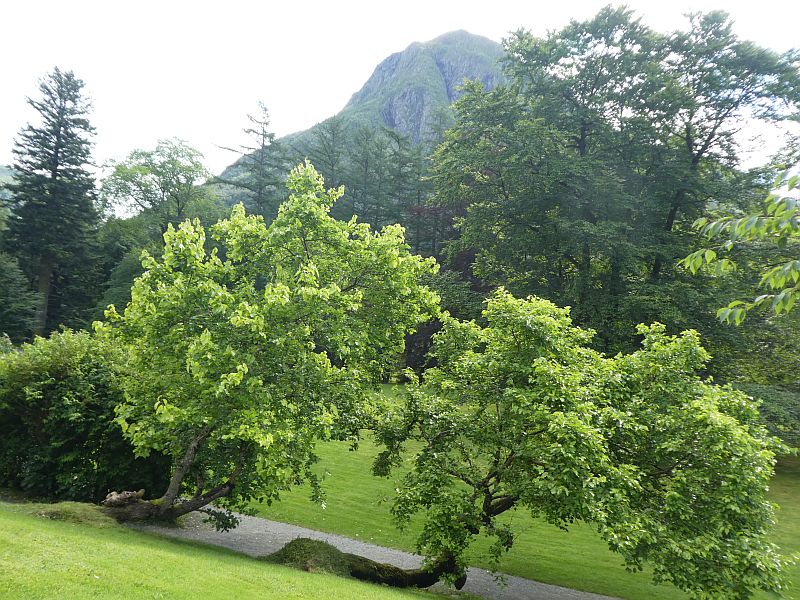
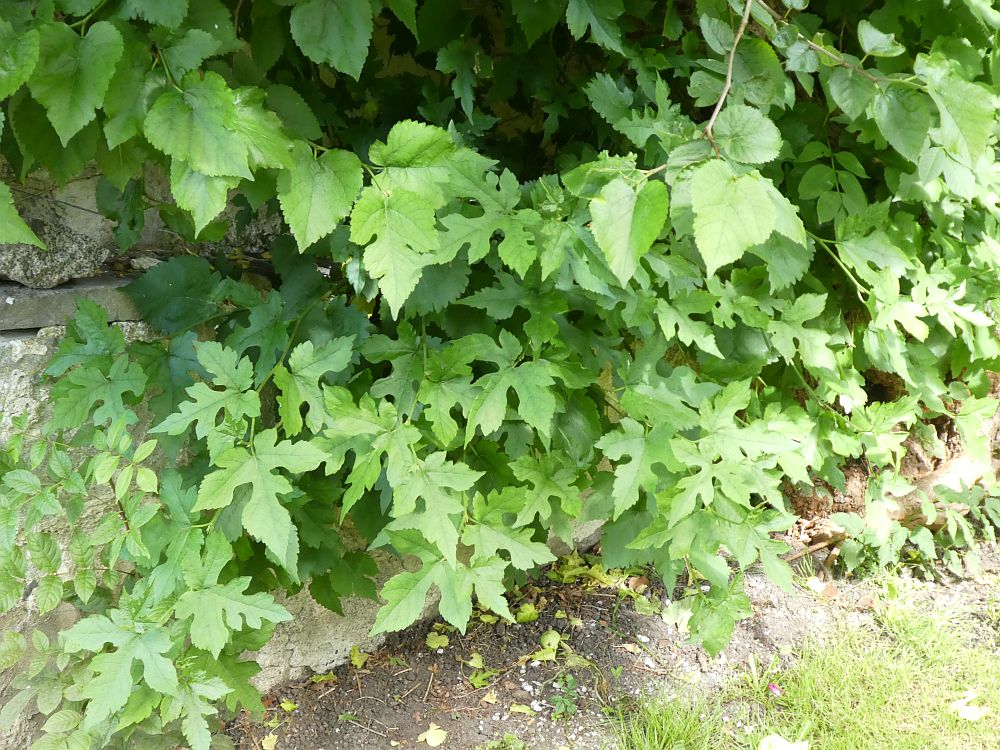
Mulberry (morbær)
Mulberry (morbær)
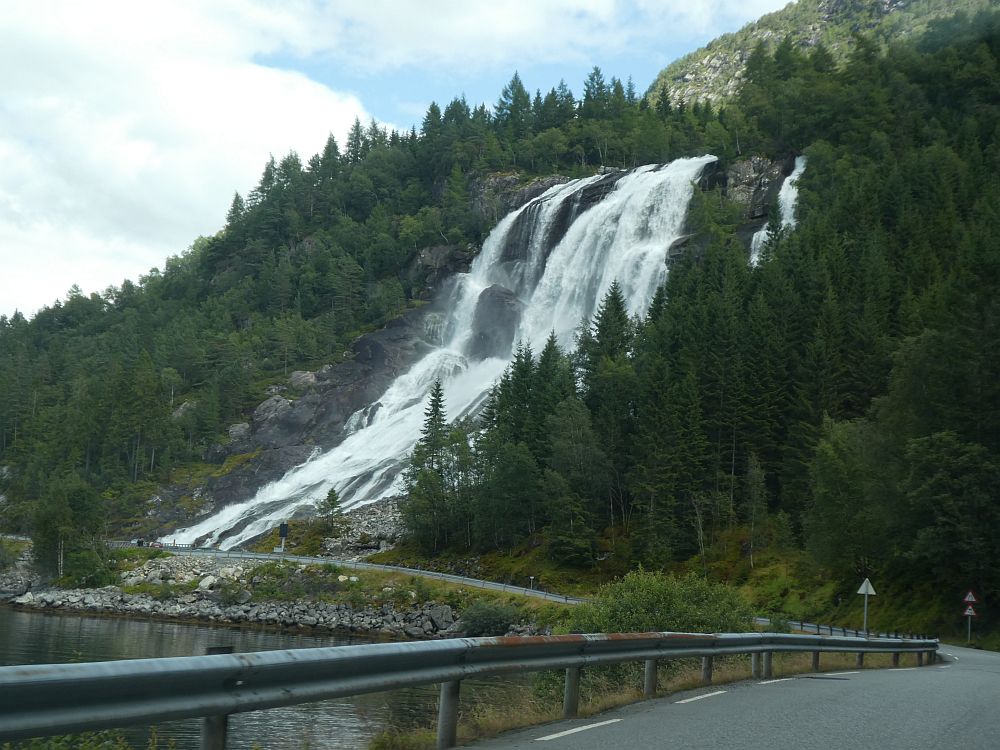
On the road towards Jondal our next stop: Furebergfossen
Continuing with another garden I visited in Victoria BC, Canada! My host Solara Goldwynn took me on a quick visit to the Government House Garden (from 1911) on 30th March 2017. The album shows a few pictures of the edimentals we found!
The garden web site is here: http://www.ltgov.bc.ca/gardens/history/default.html
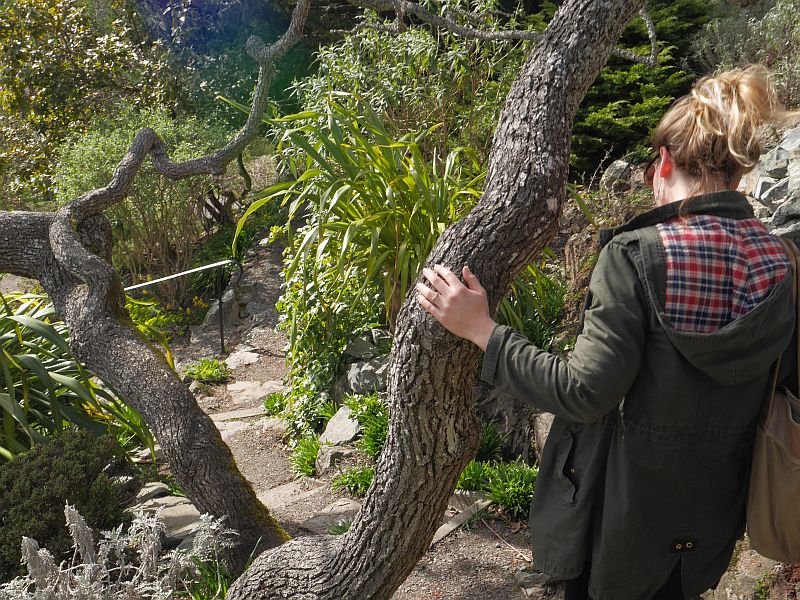
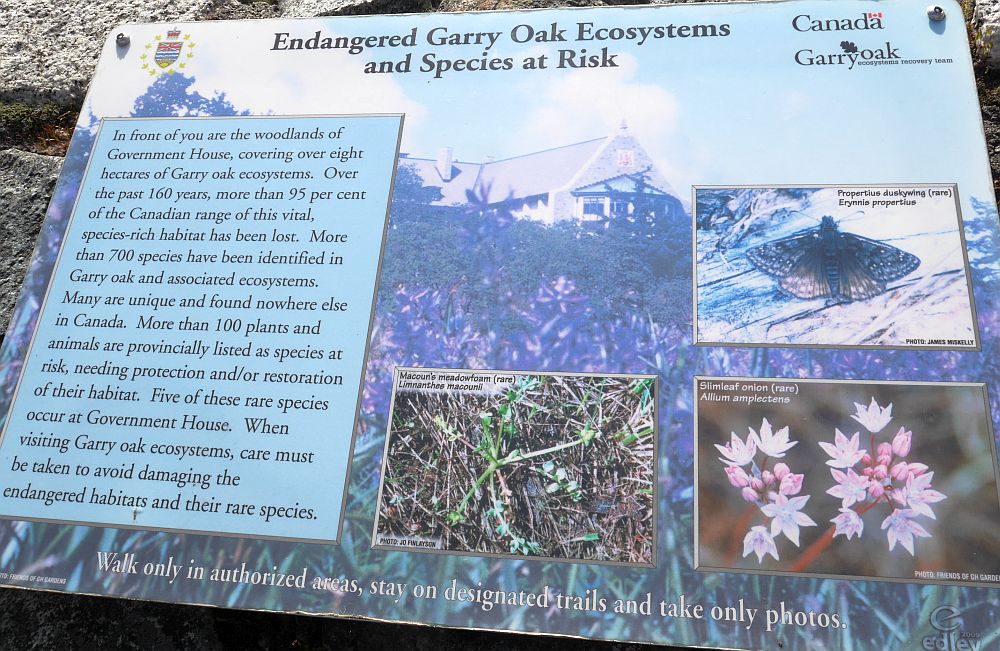
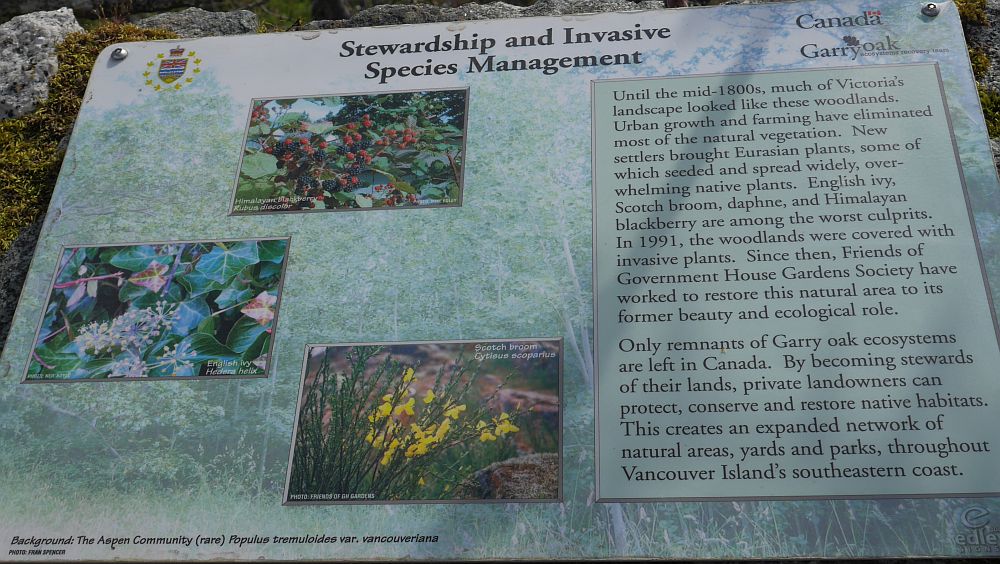
Within the garden is some remnant Garry Oak (Quercus garryana) woodland, an endangered species rich habitat of which 95% has been lost.
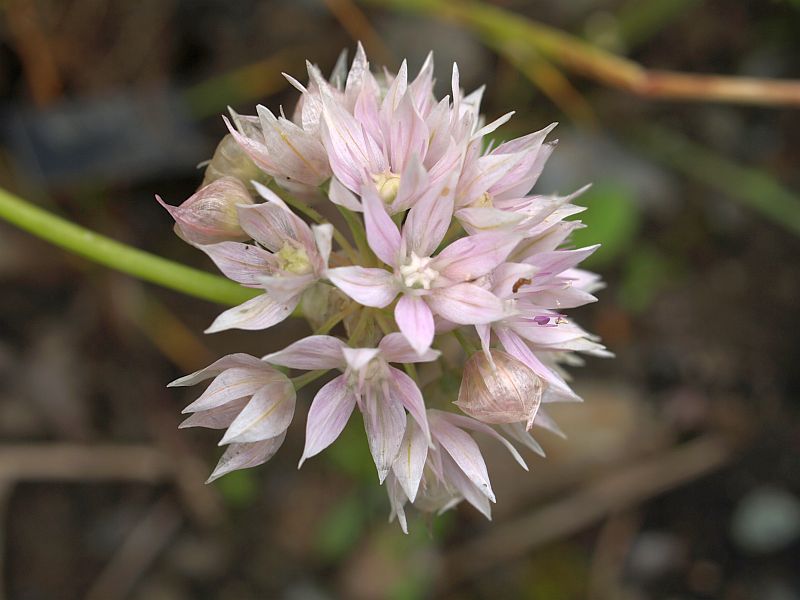
Allium amplectens is one of the species found with Garry Oak. It has proven hardy in my garden in Norway (picture)
Fertile fronds of Ostrich Fern
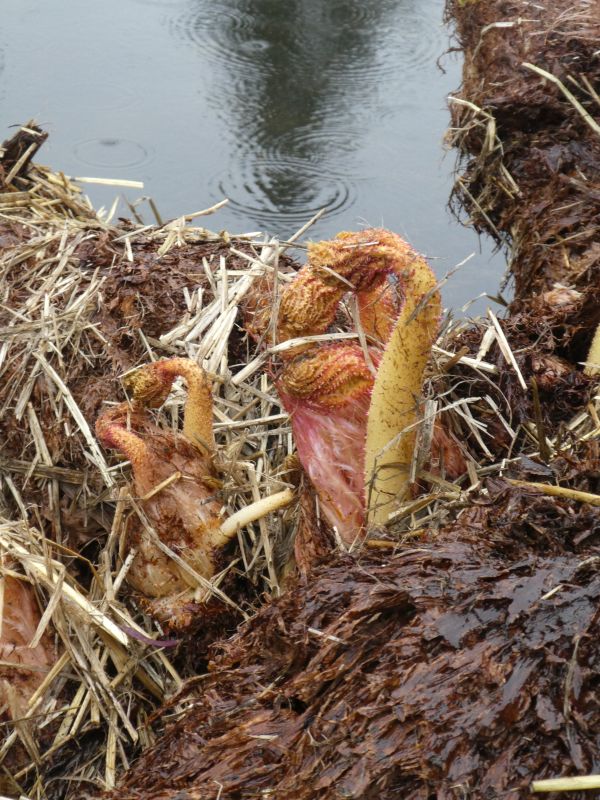
Emerging Gunnera
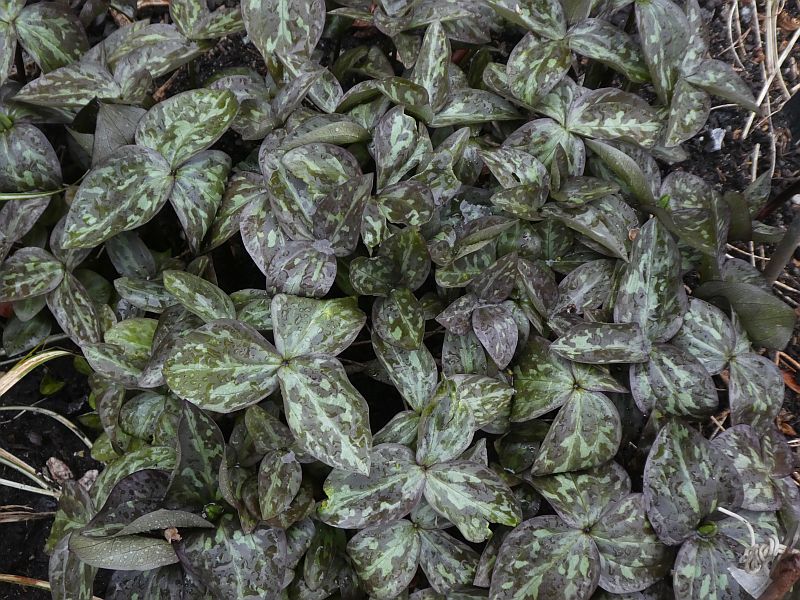
Trilllium
Primula denticulata
Pachyphragma macrophylla is a beautiful woodland edimental in the cabbage family which is one of the earliest flowering woodlanders. I had it for a number of years, but for some reason didn’t make notes of tasting it…I lost it unfortunately…replanted it last year and lost it again..
Polyanthus…As they are thought to be a natural hybrid between the cowslip (Primula veris) and the common primrose (Primula vulgaris), these are also no doubt edible!
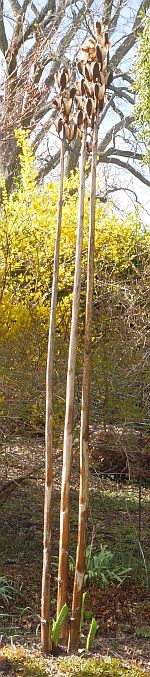
Cardiocrinum, giant lilies which have been foraged in the past
Perennial vegetables, Edimentals (plants that are edible and ornamental) and other goings on in The Edible Garden