Two hawfinches (kjernebiter) on the bird feeder yesterday. There was also still a flock of 20 or more bramblings (bjørkefnk) and 9 goldfinches (stillits), the latter still feeding on natural food!
Monthly Archives: January 2018
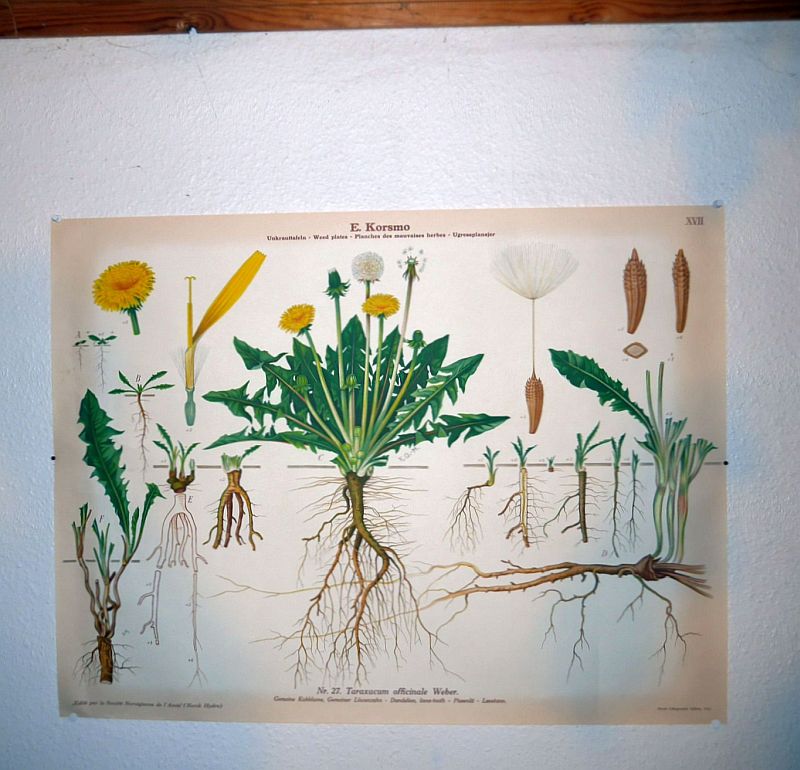
Korsmo’s Dandelion Print
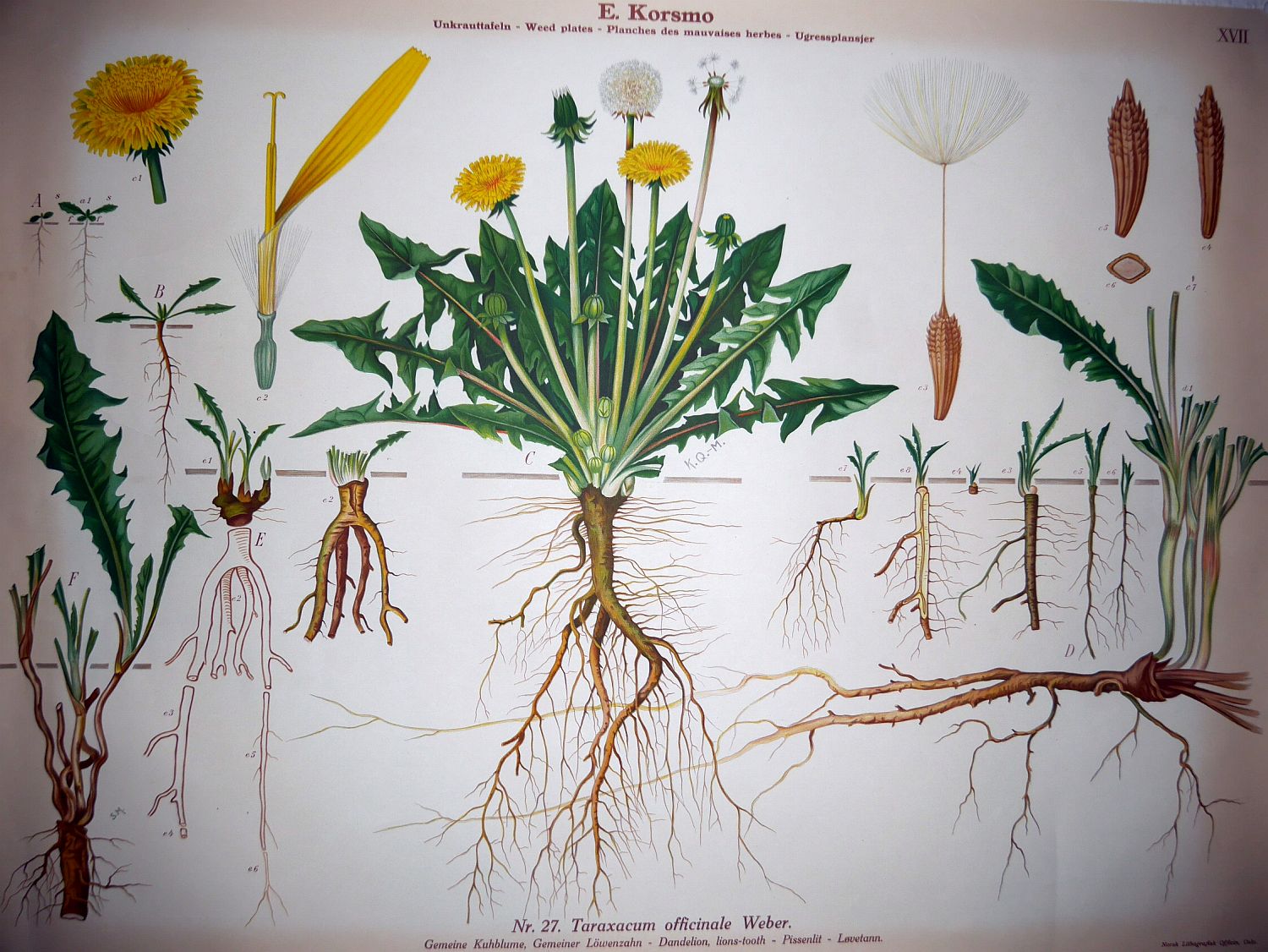
I asked most people for a donation for disaster relief for a Xmas present, but when I visited the botanical garden in Oslo in the autumn with my daughter (see http://www.edimentals.com/blog/?p=14674), she saw my eyes light up at this fantastic original print of dandelions in all their beauty from a series of drawings by weed artist and agrobotanist Emil Korsmo in the 1930s!
Norsk Hydro had financed the printing of the drawings in the 1930s in Leipzig. During World War II, the original plates were destroyed in a bomb attack. It is therefore not possible to print more.
Once in the 1990s, Norsk Hydro decided to dispose of the original prints they still had in store. Fortunately, a small group of employees were allowed to take them over and they have been stored in a barn until now. The natural history museum in Oslo have now been allowed to sell them in their shop…and, YES, I got that dandelion print for Xmas and it’s now hanging proudly on my wall! Thank you, thank you, thank you, Hazel
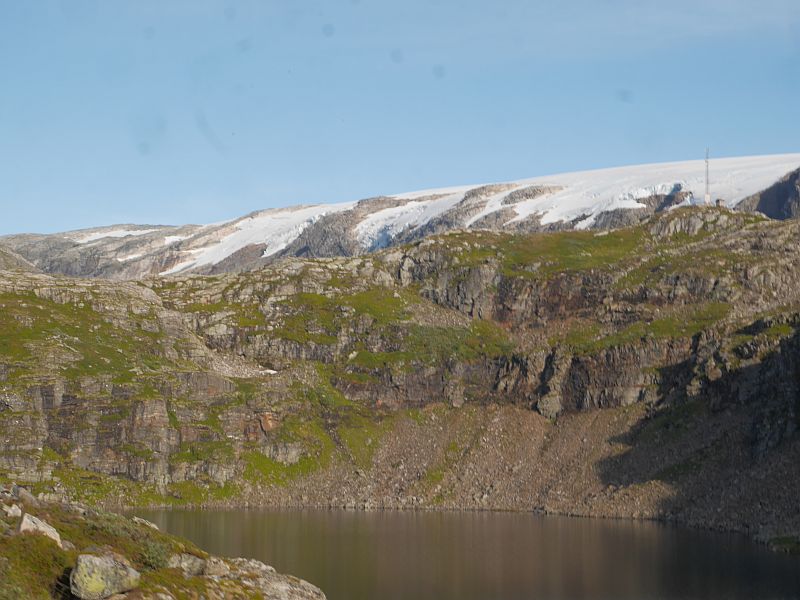
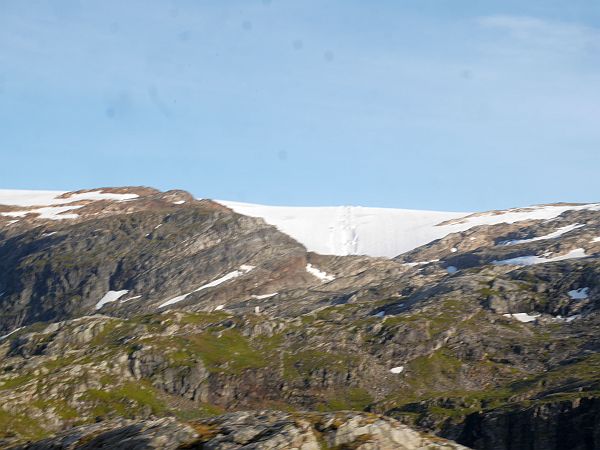
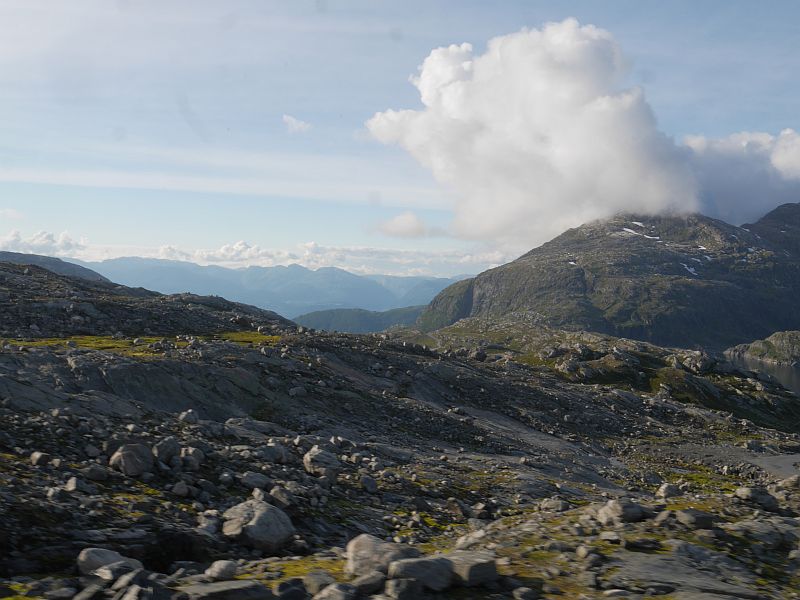
Jondal to the Folgefonna Glacier
I remember many years ago walking with a Norwegian colleague in the mountains in Scotland (Ben More). Seeing a snow patch a long way off our route he just had to go and touch it! Even though they are surrounded with the white stuff in winter, they really miss it in summer ;)
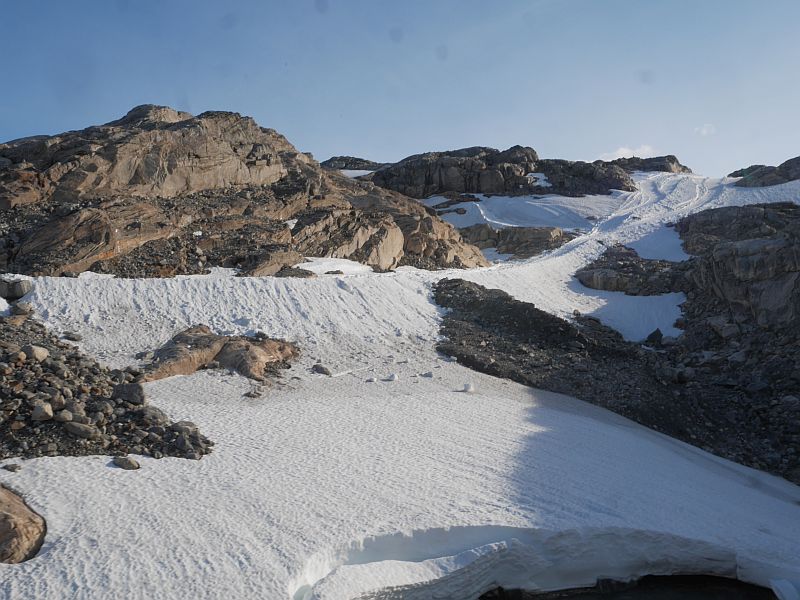
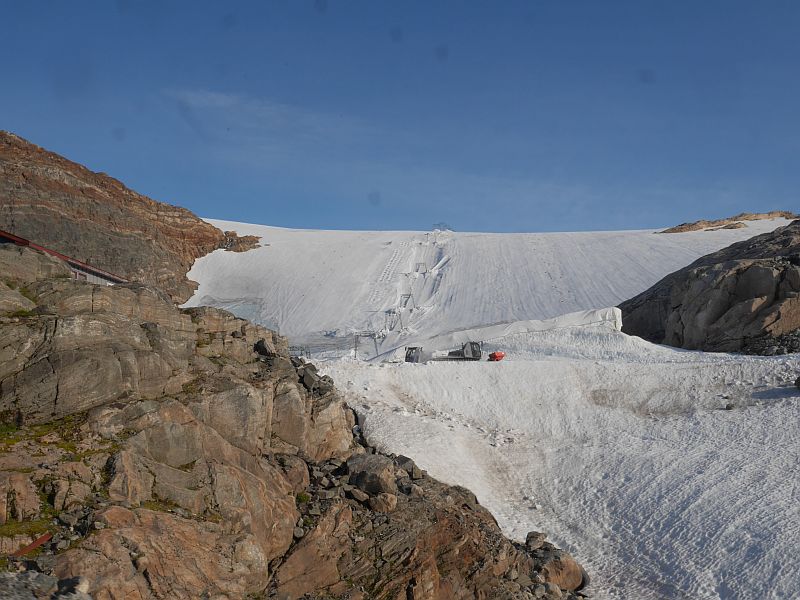
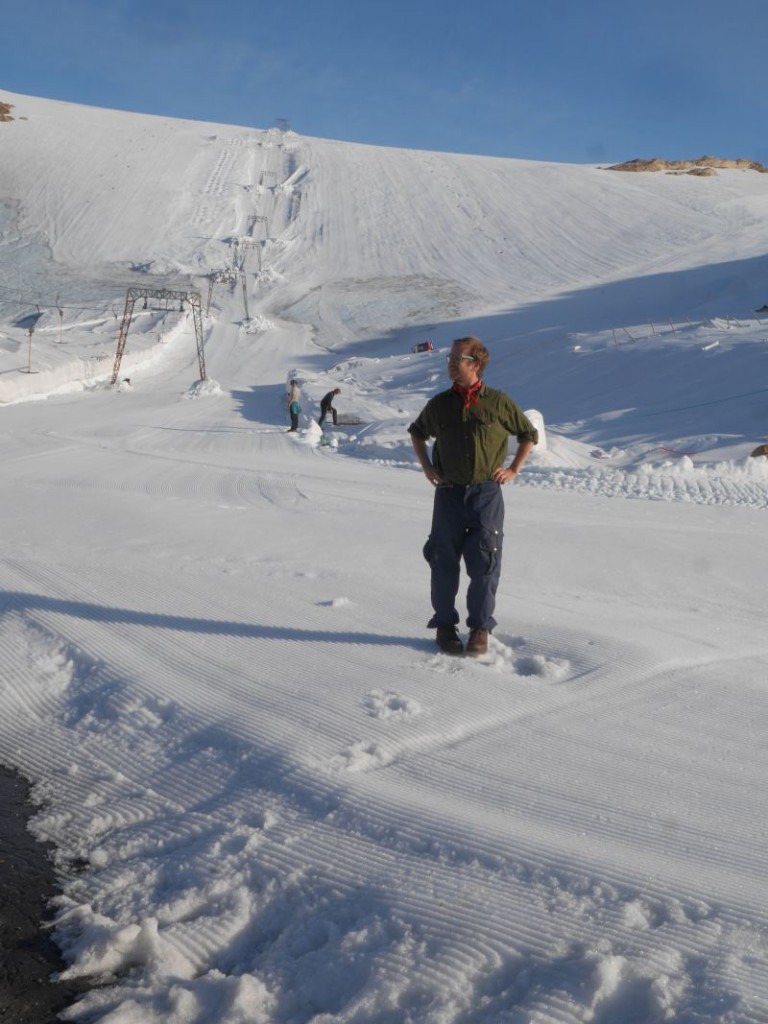
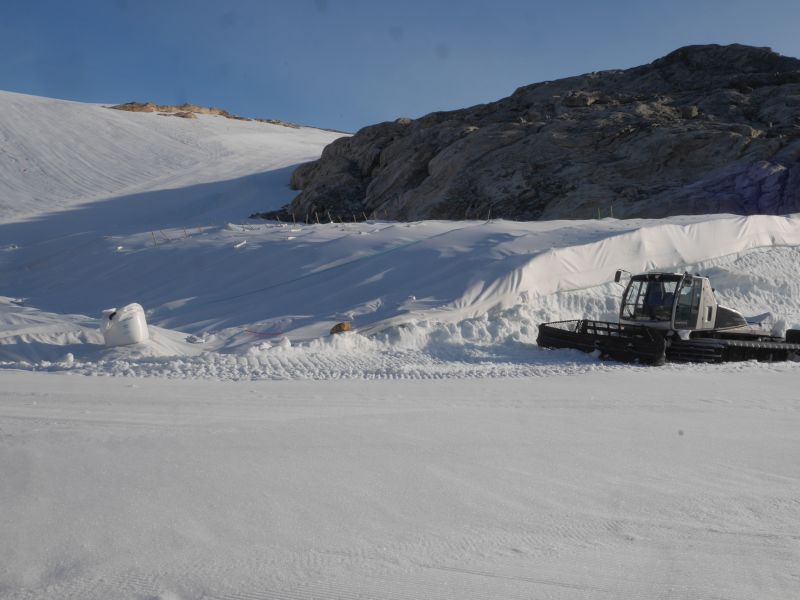
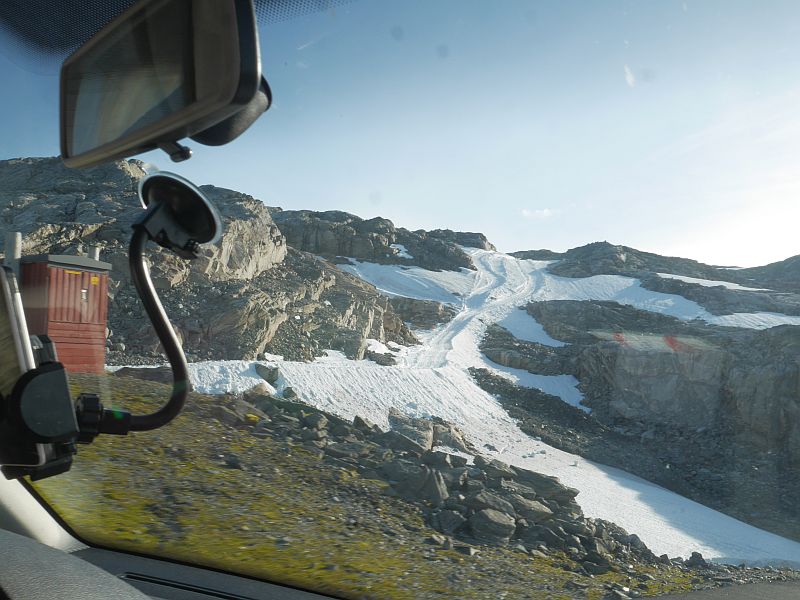
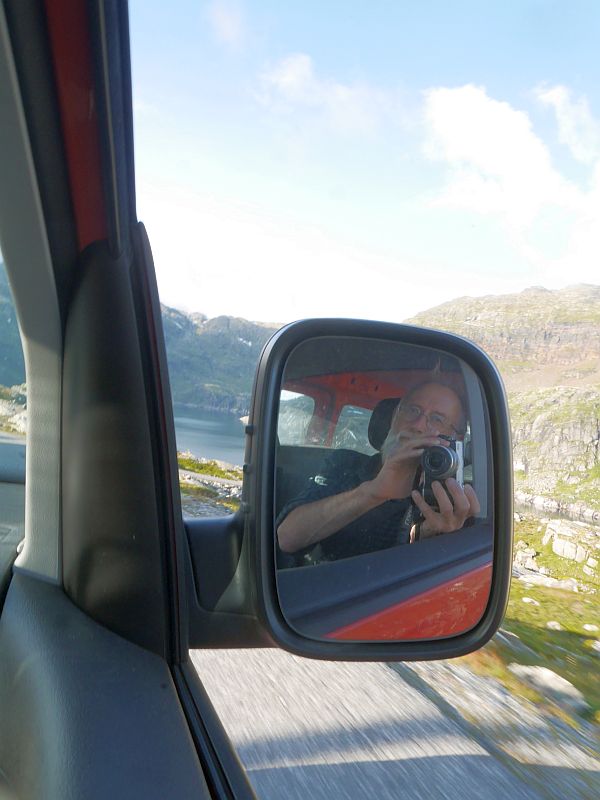
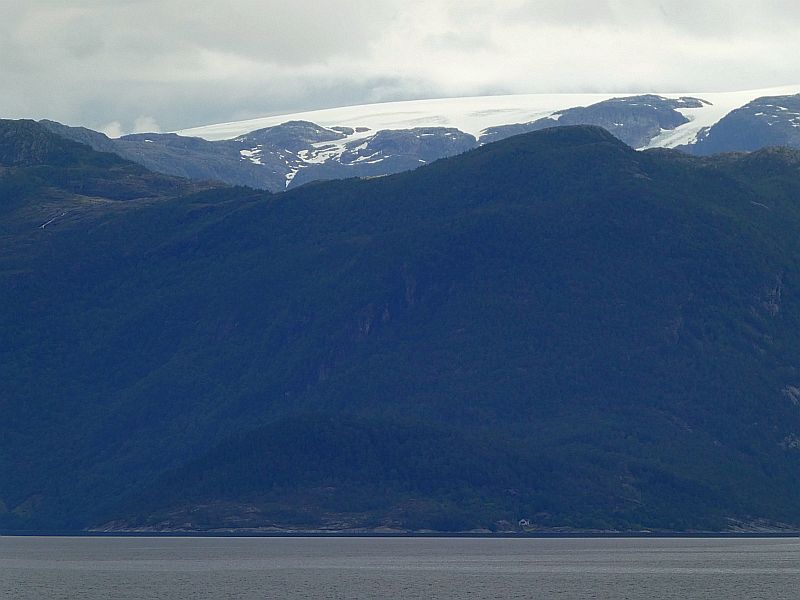
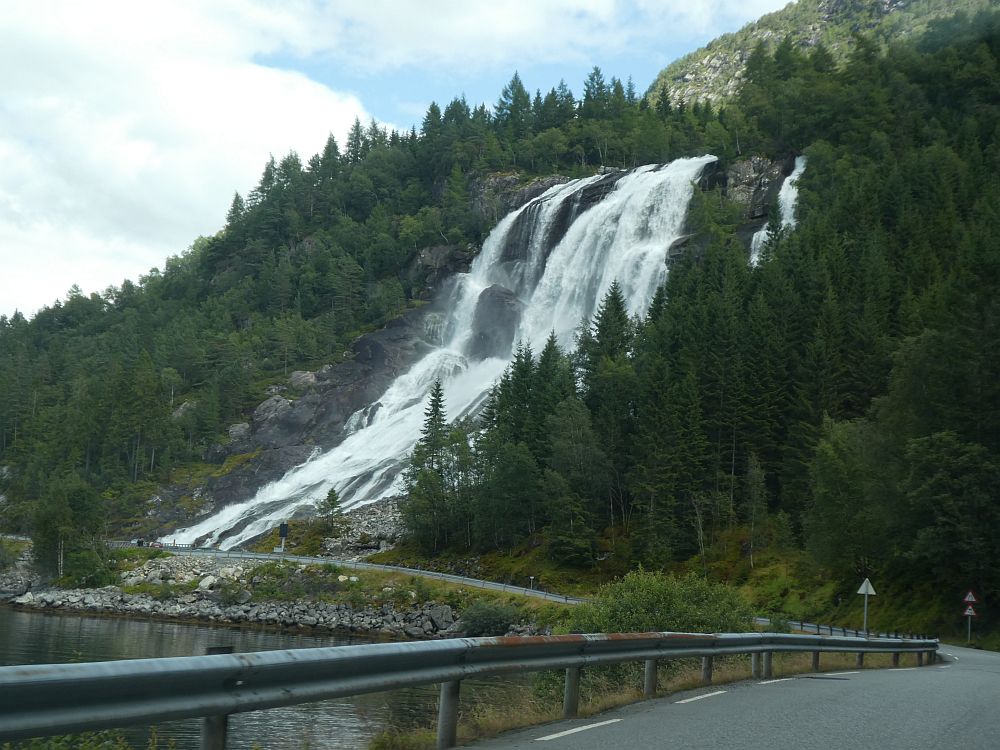
In Jondal to visit the Hardanger Academy in early August last year, dinner was almost ready, and my “driver” Eirik asks if I fancy a trip up to the glacier? It’s only half an hour’s drive….well we got back two hours later…and yes he had to touch the snow ;)
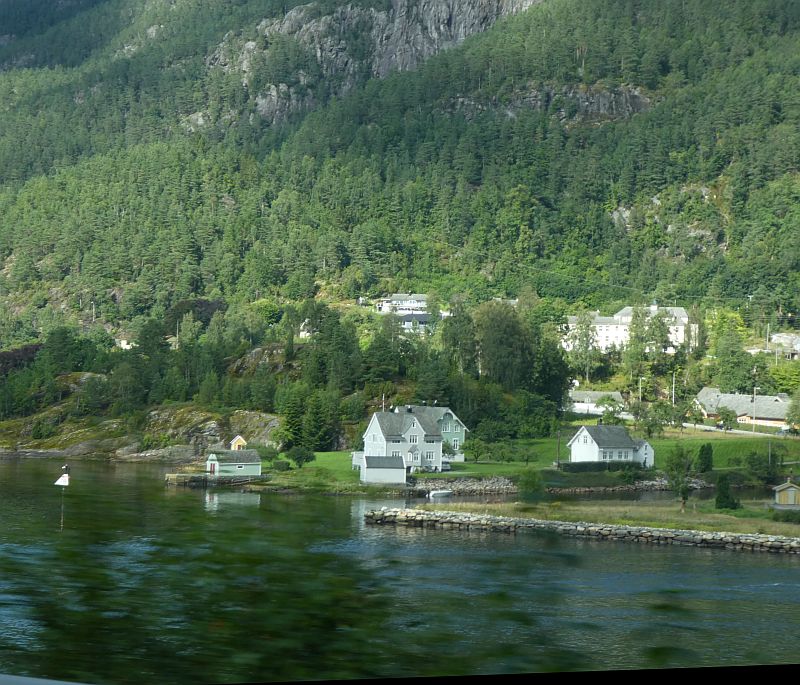
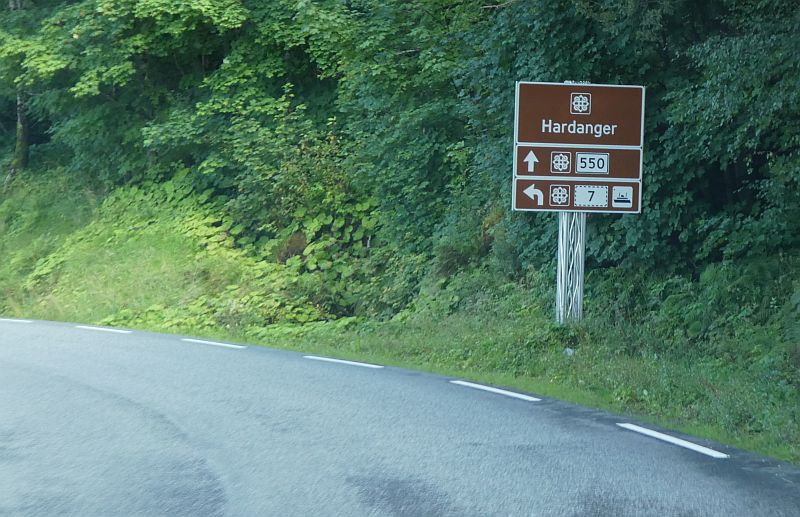
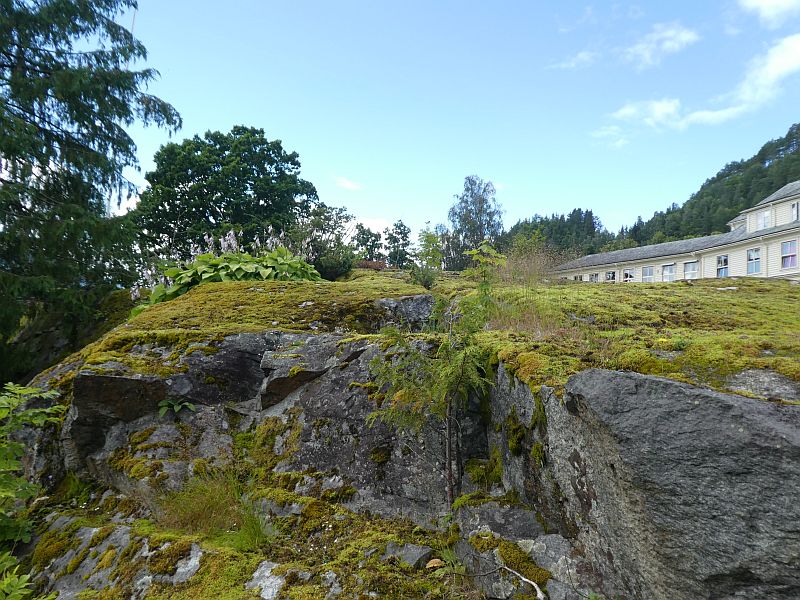
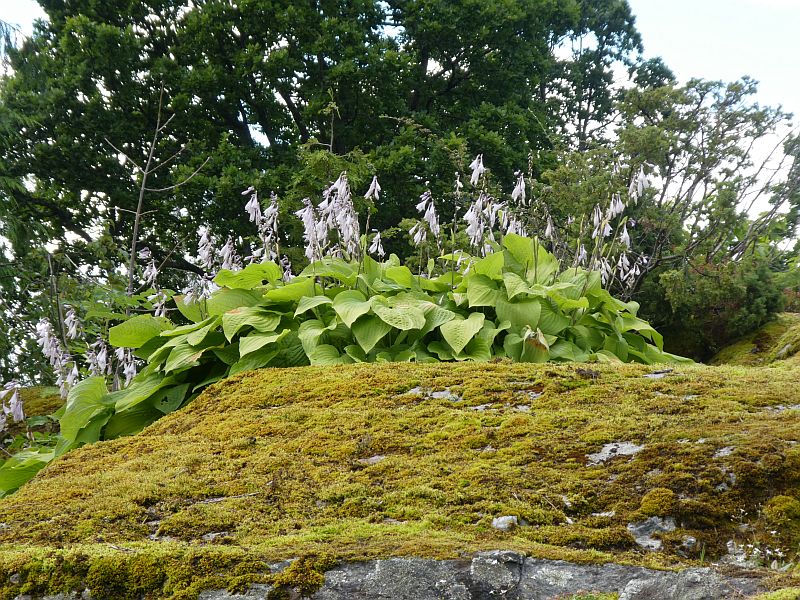
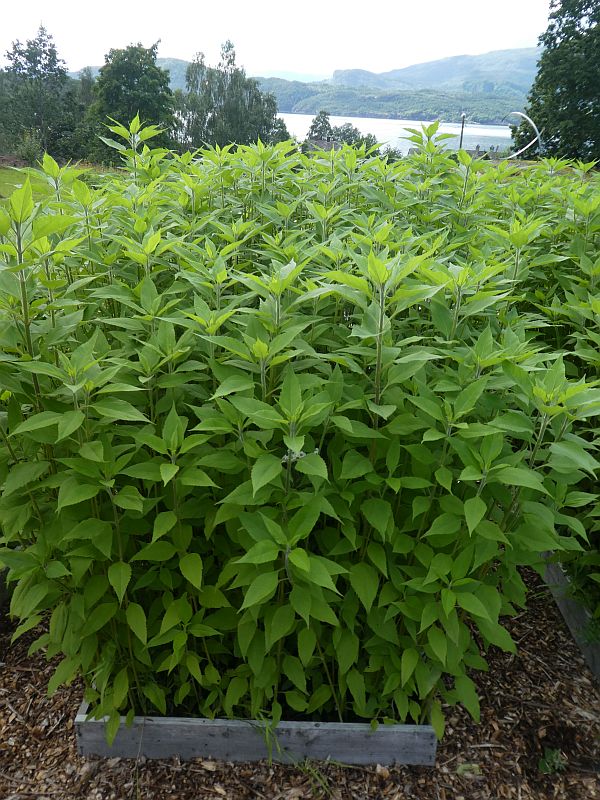
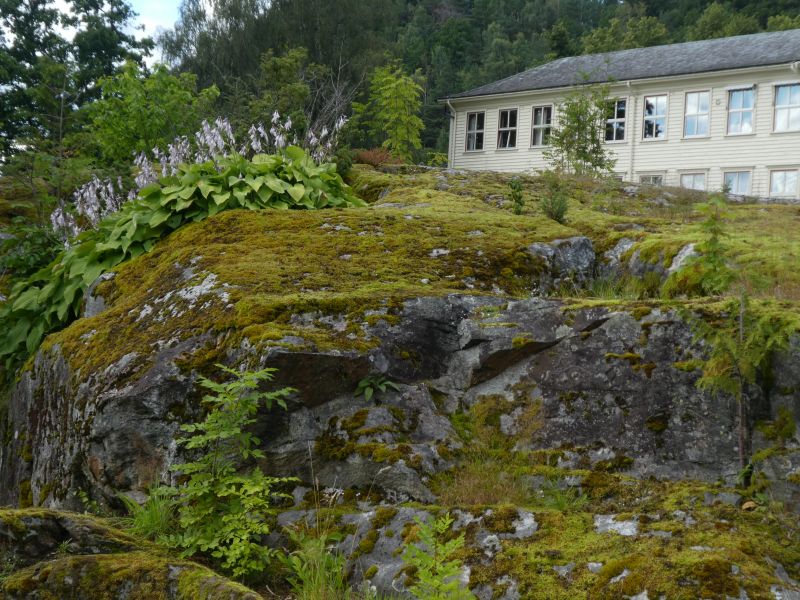
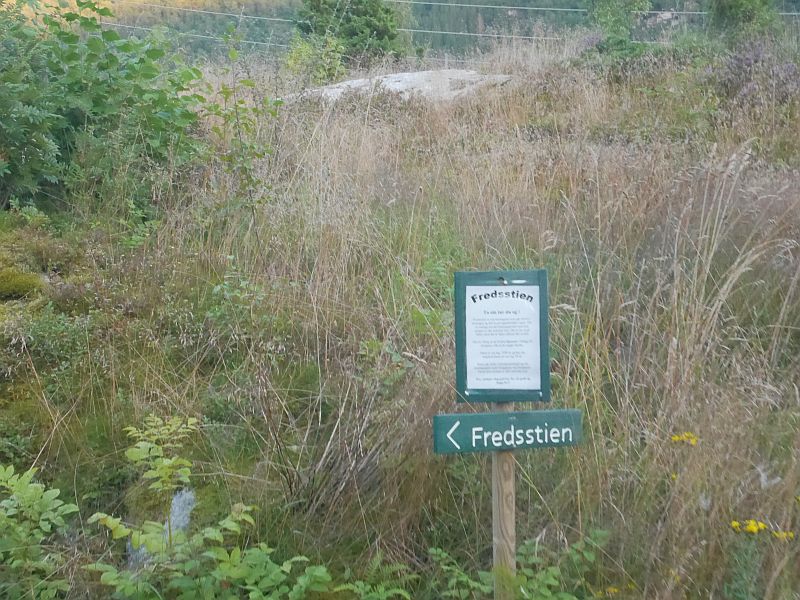
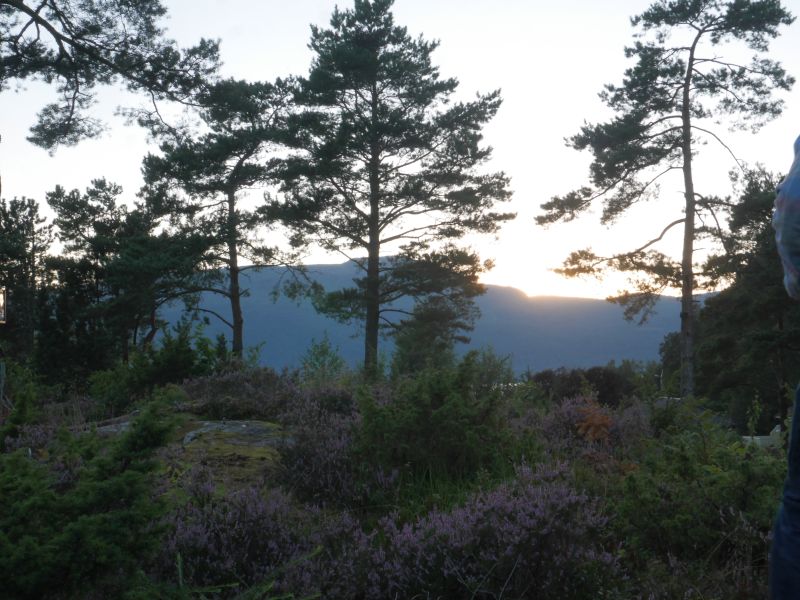
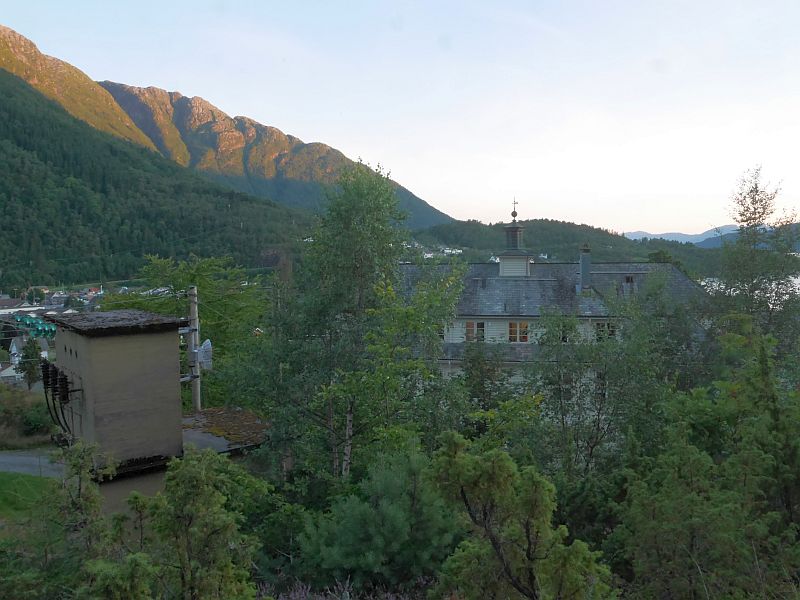
Here’s a few pictures from the drive!!
Did I mention that the Nordic Permaculture Festival will be in Jondal from 12th-15th July 2018?








Jondal, the Hardanger Academy and the Nordic Permaculture Festival 2018
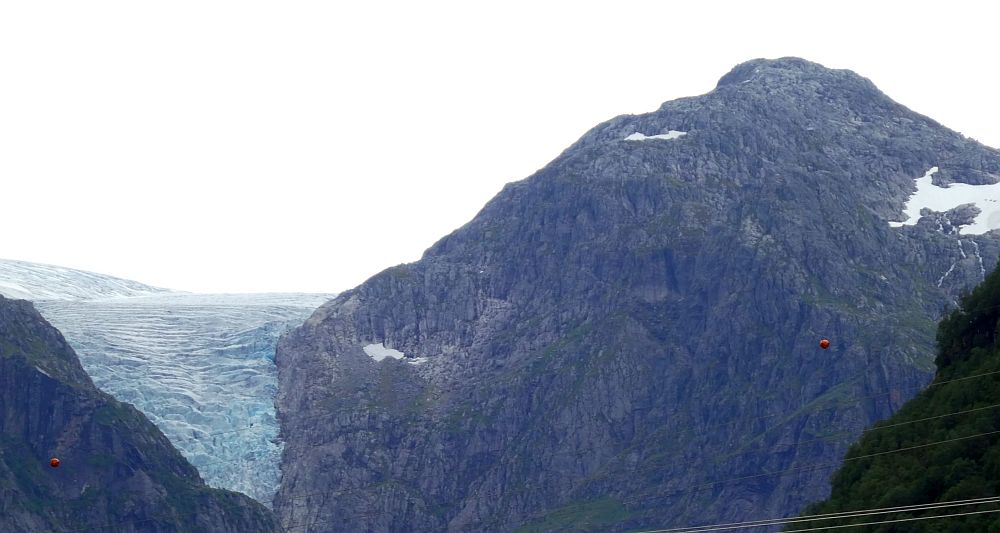
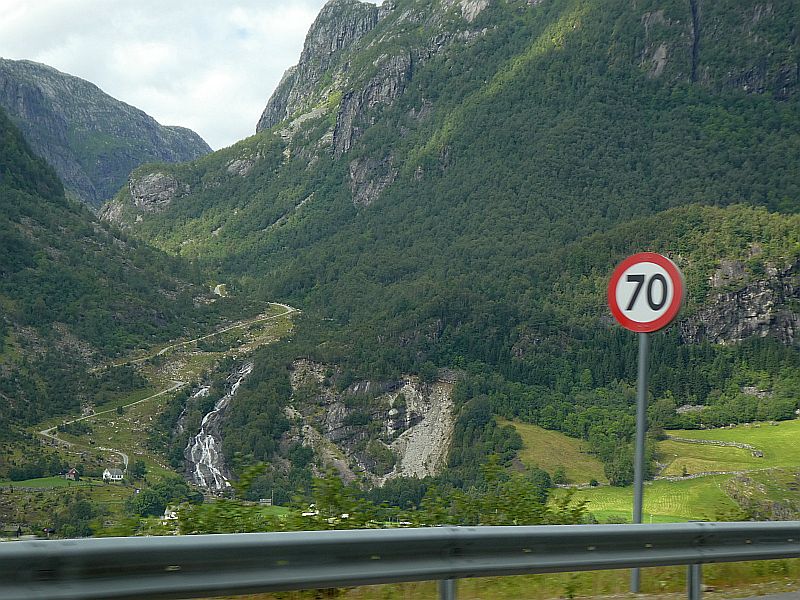
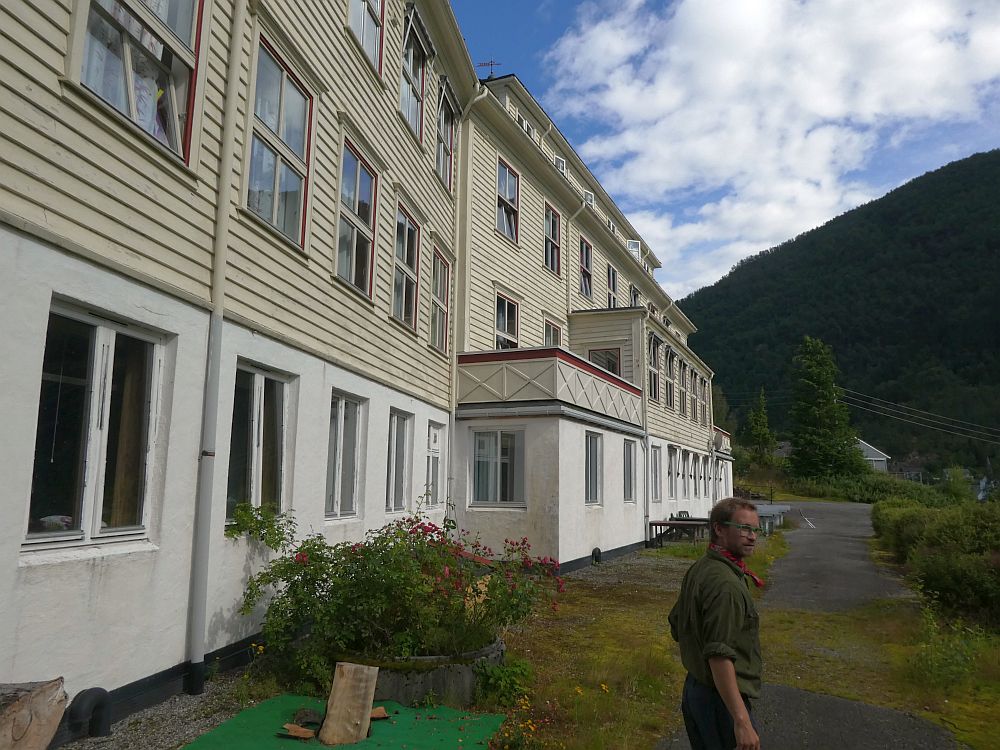
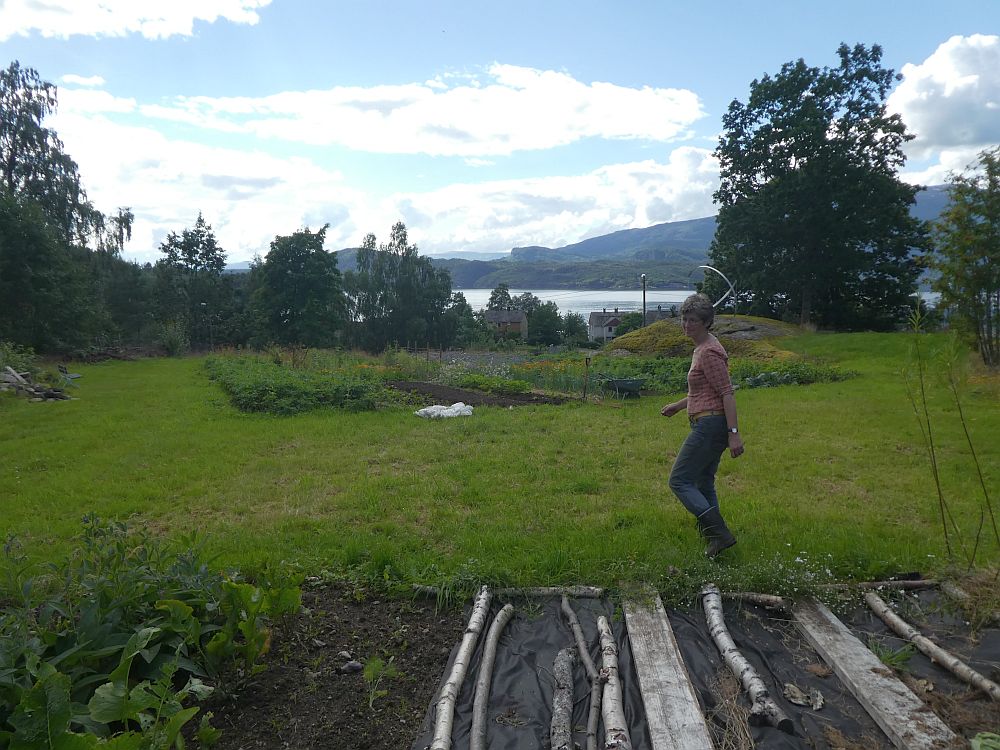
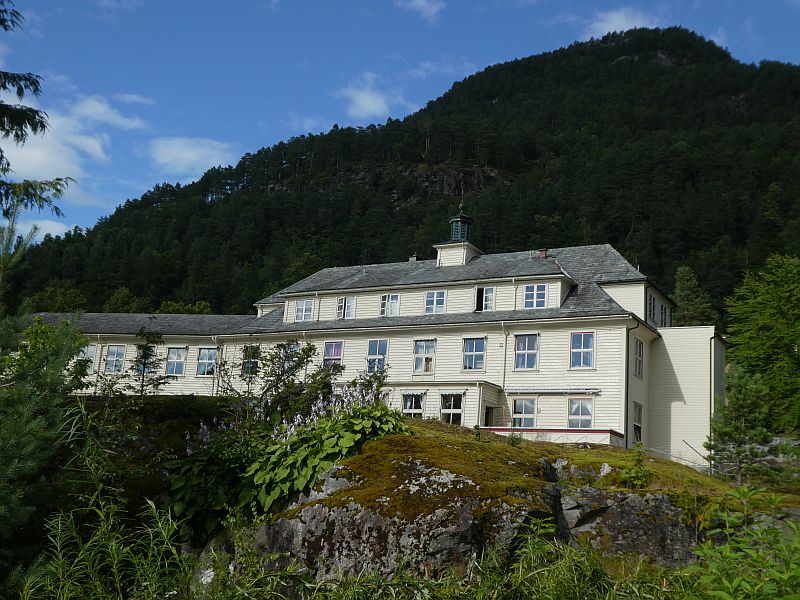
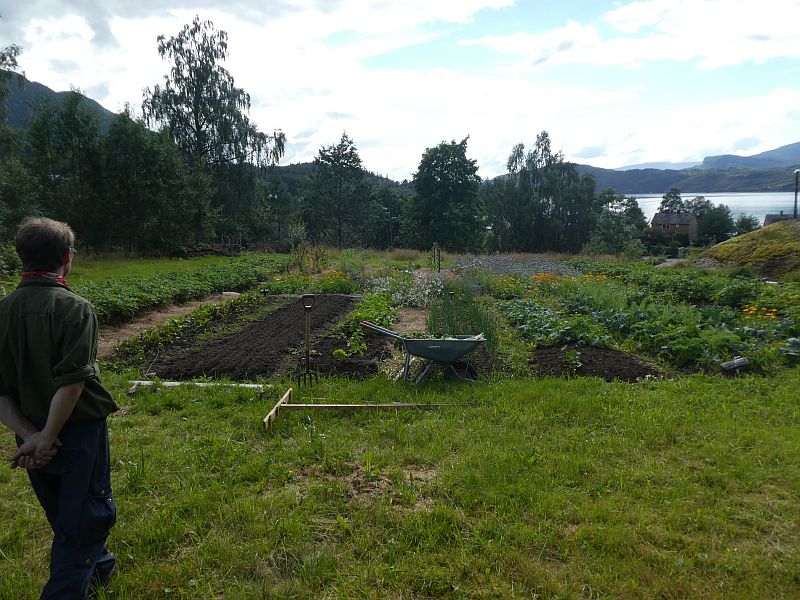
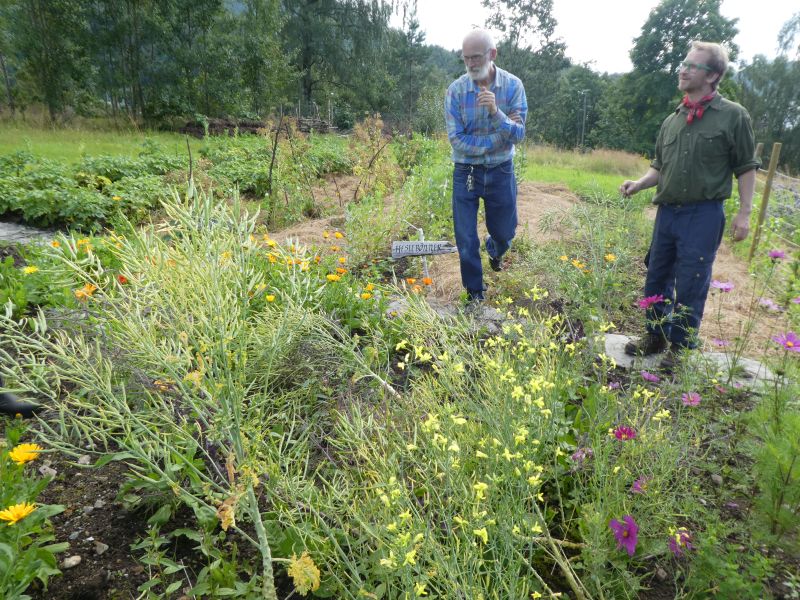
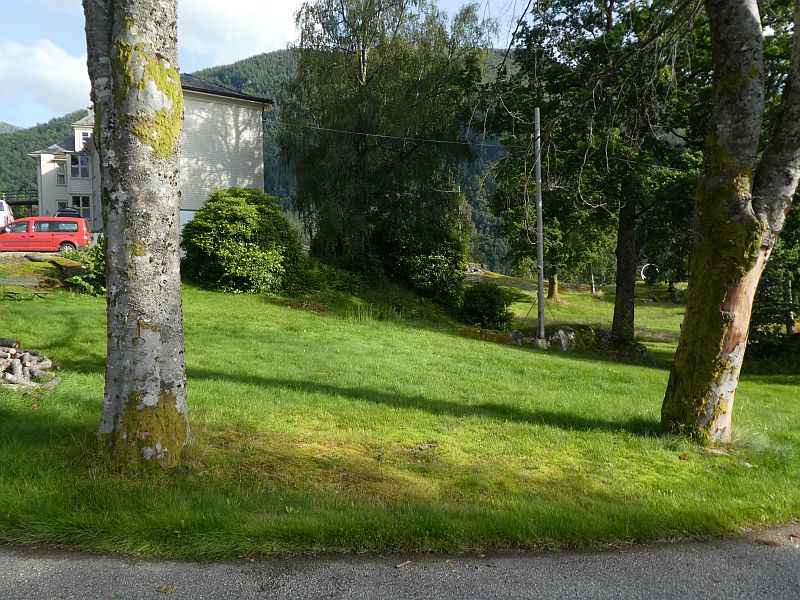
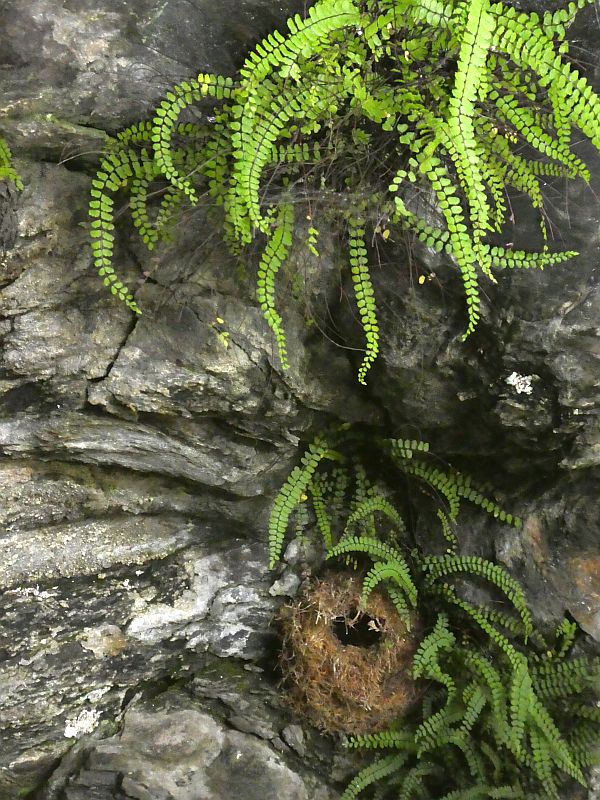
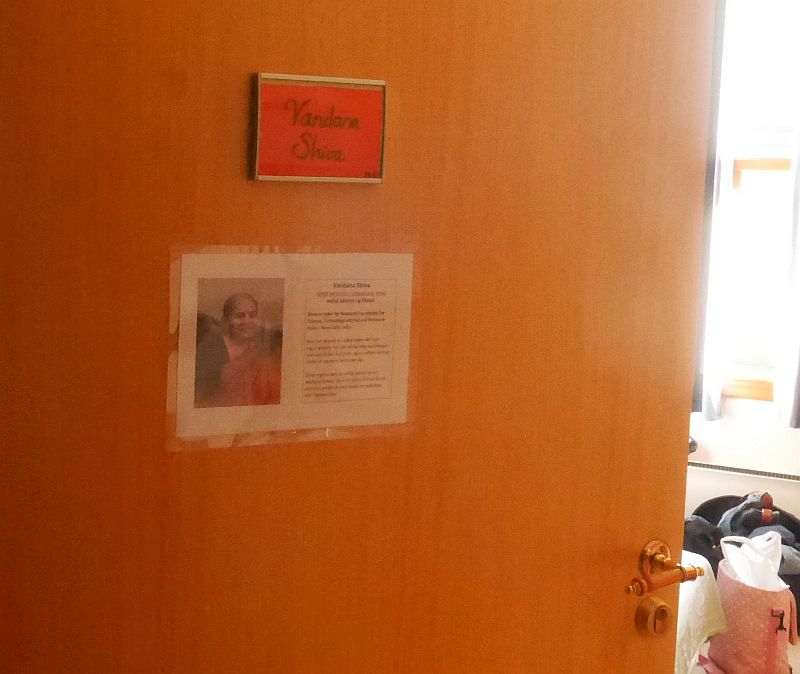
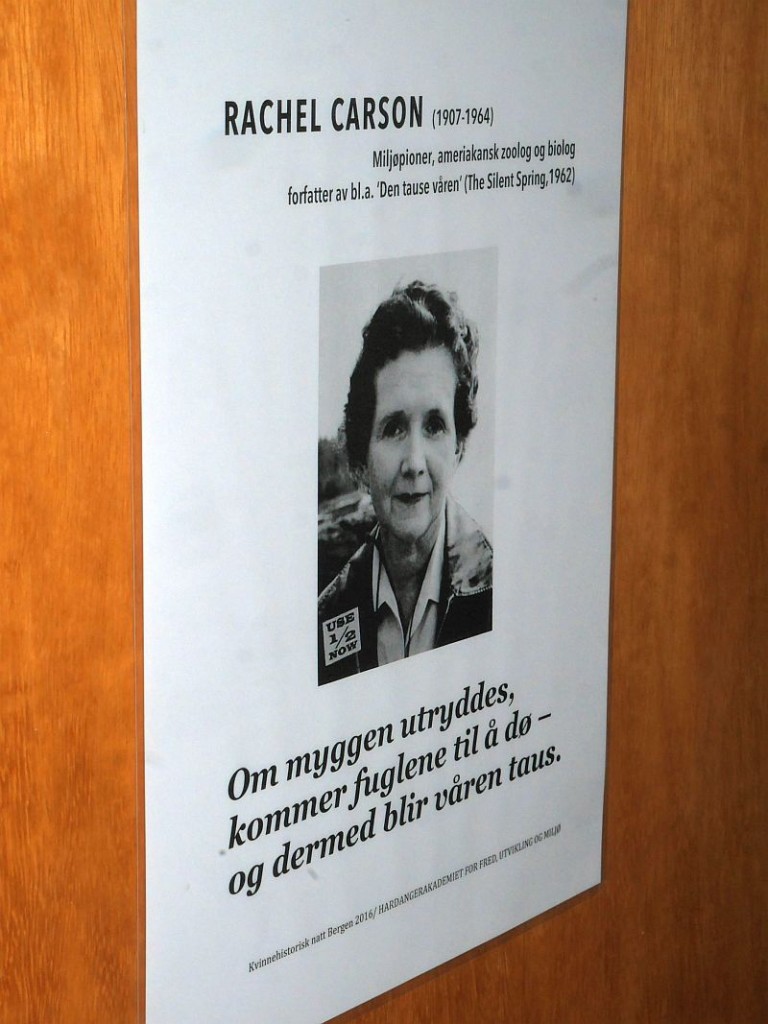
It’s been announced that this year’s Nordic Permaculture Festival will be arranged between 12th and 15th July 2018 in Jondal at the Hardanger Academy for Peace, Development and Environment, which is located in western Norway next to the Hardanger Fjord in fantastic surroundings and not far from the famous Folgefonna glacier! About time then that I blogged about my visit there as part of the annual Perennialen (no. 3), arranged by Eirik Lillebøe Wiken of the Alvastien Permaculture LAND Centre on the other side of the fjord. On the first day of Perennialen III, Eirik took me on aday trip, first to the famous garden at Baroniet Rosendal and then on to Jondal. A blog about the visit to Rosendal will follow tomorrow!
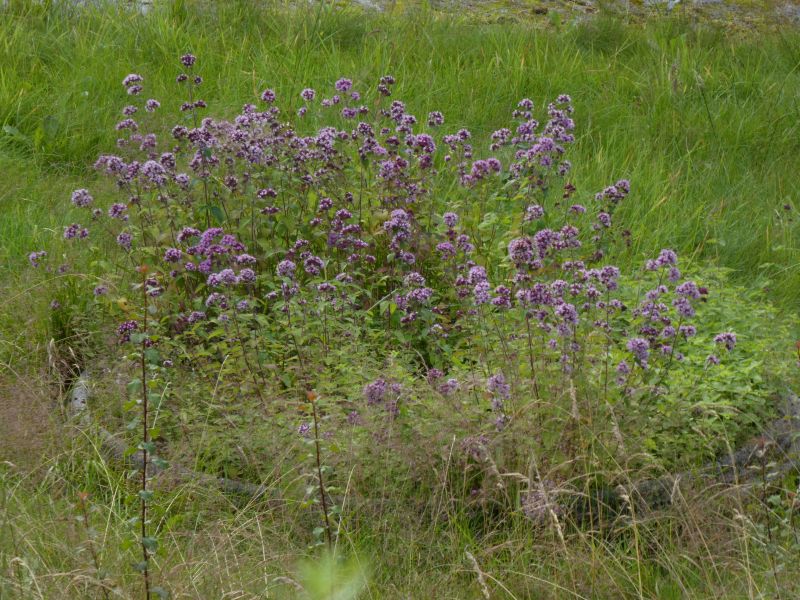
See the photo album below:






Once in a Blue moon
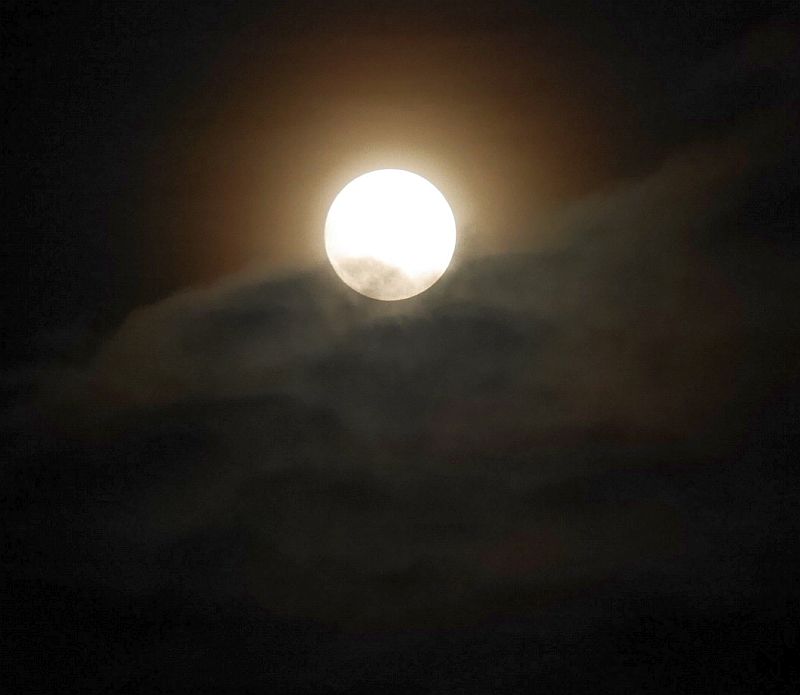
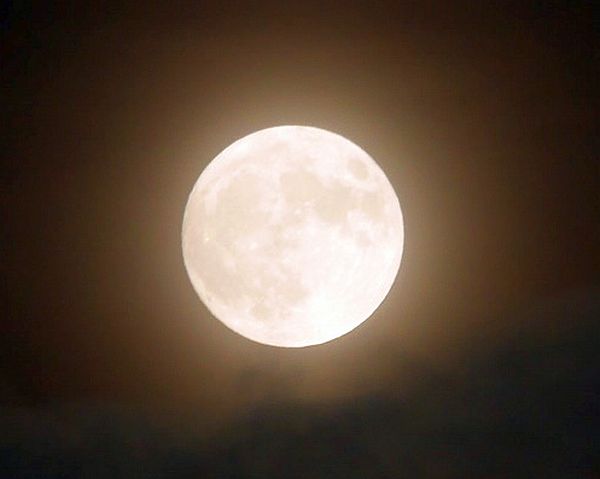
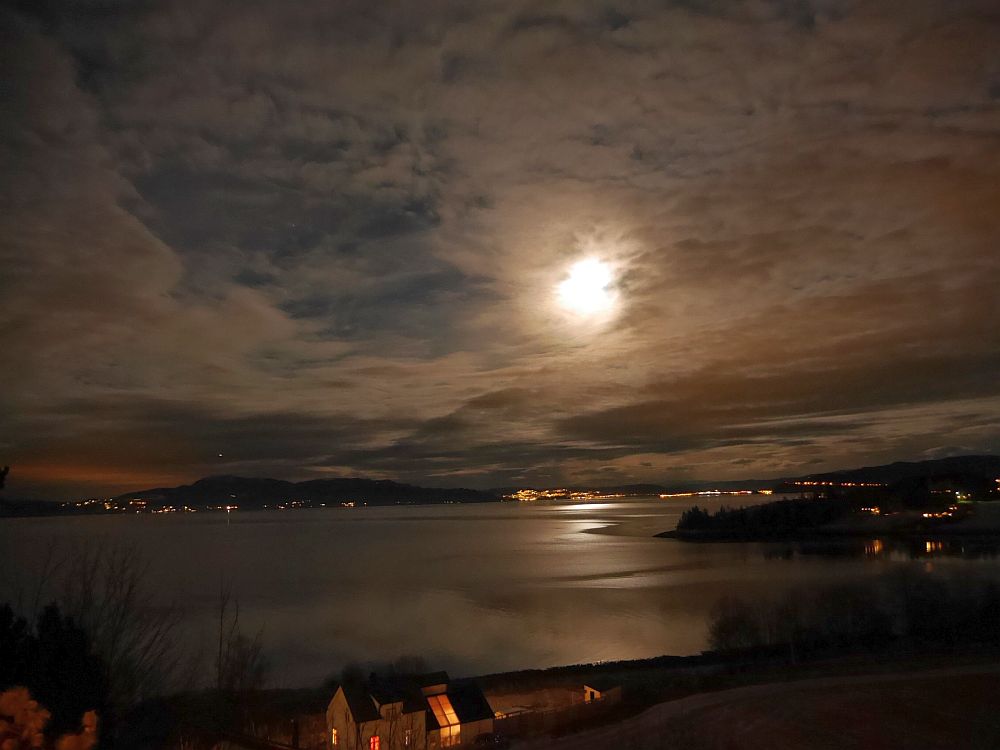
The first full moon of the year was tonight and it briefy made an appearance from behind the clouds…the next is also in January, on the 31st and is called a blue moon, no doubt as two ful moons in the same month happens once in a “blue moon”

Baroniet Rosendal
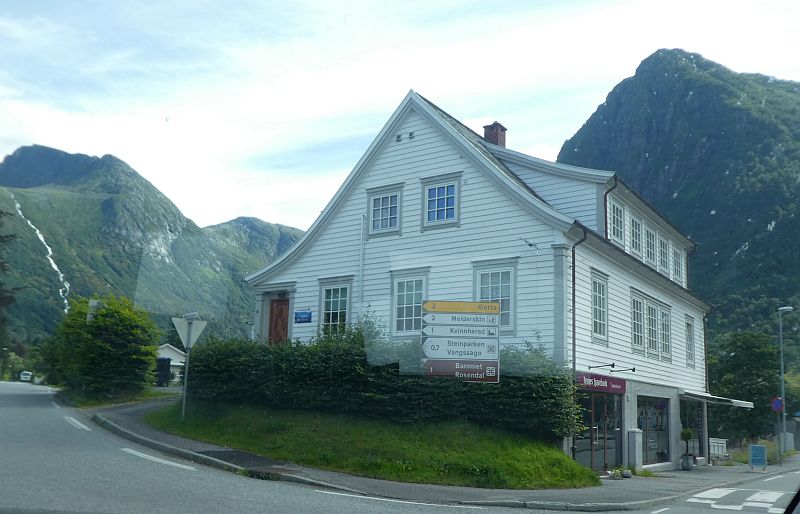
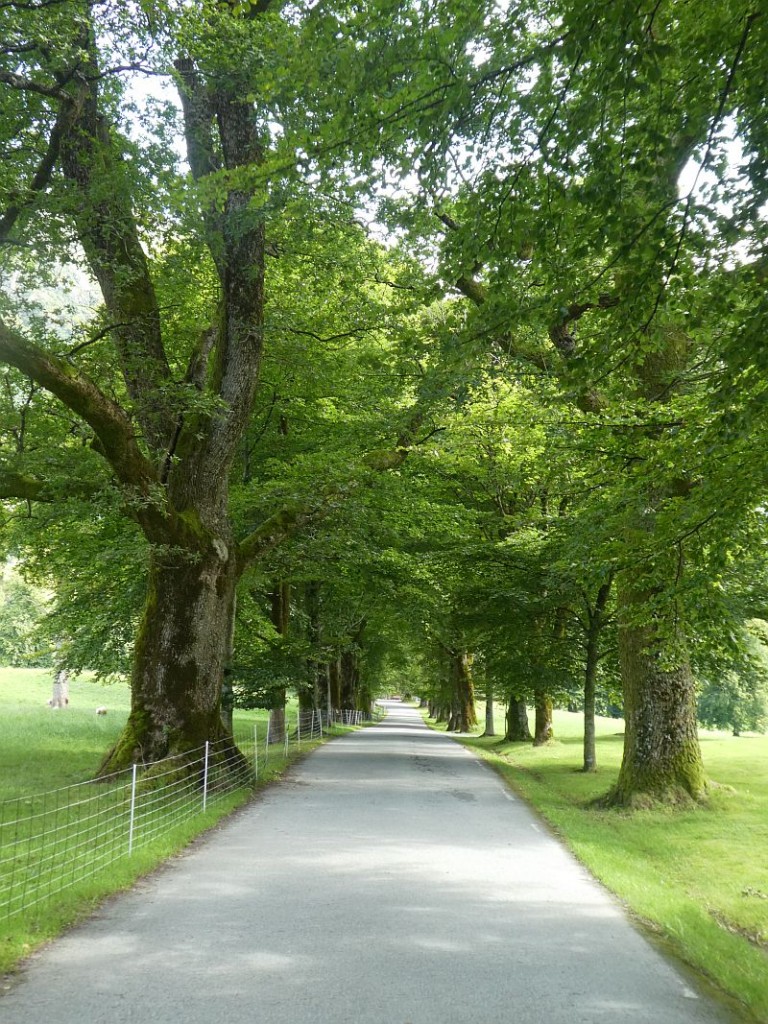
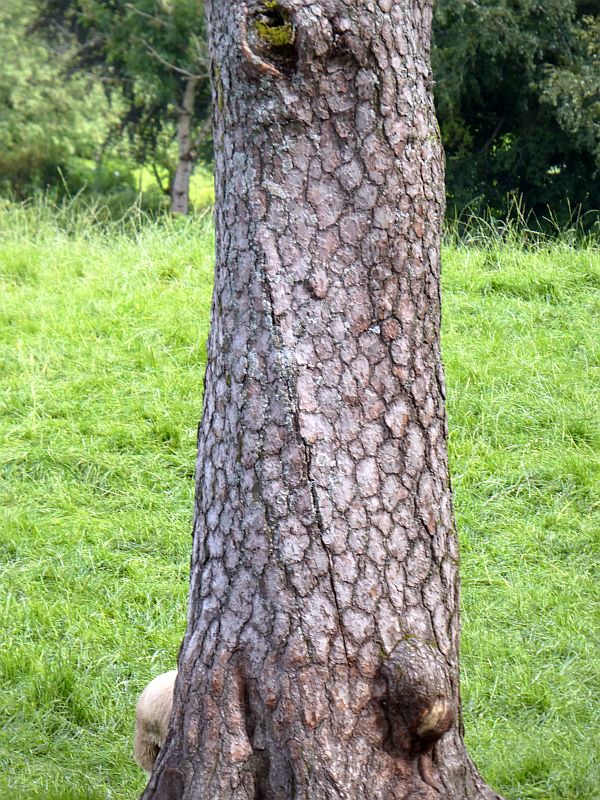
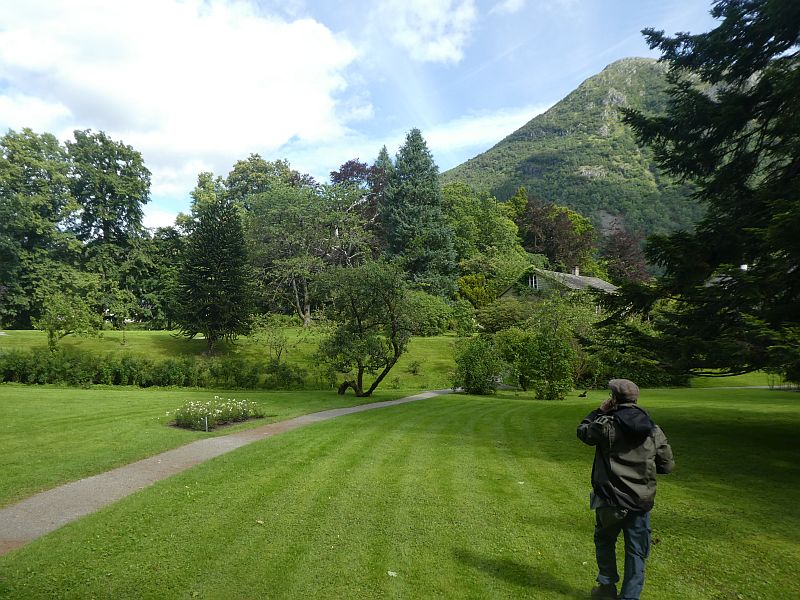
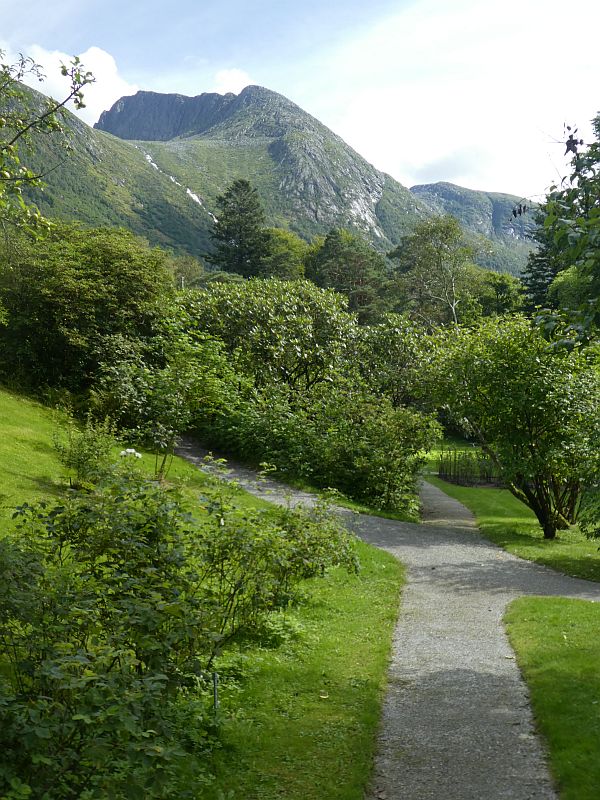
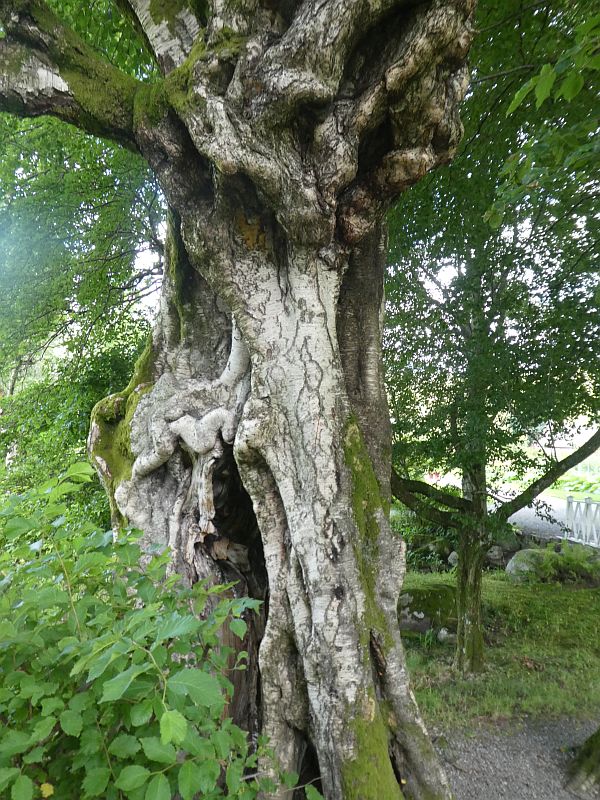
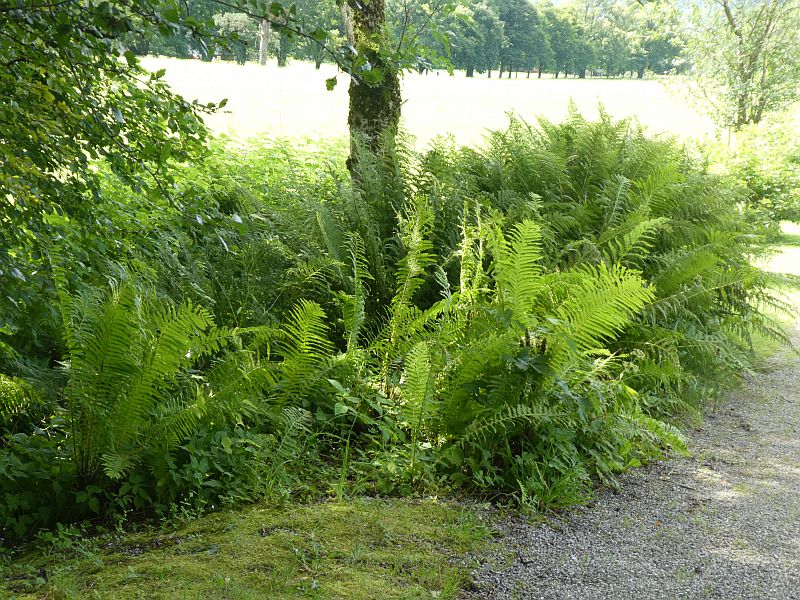
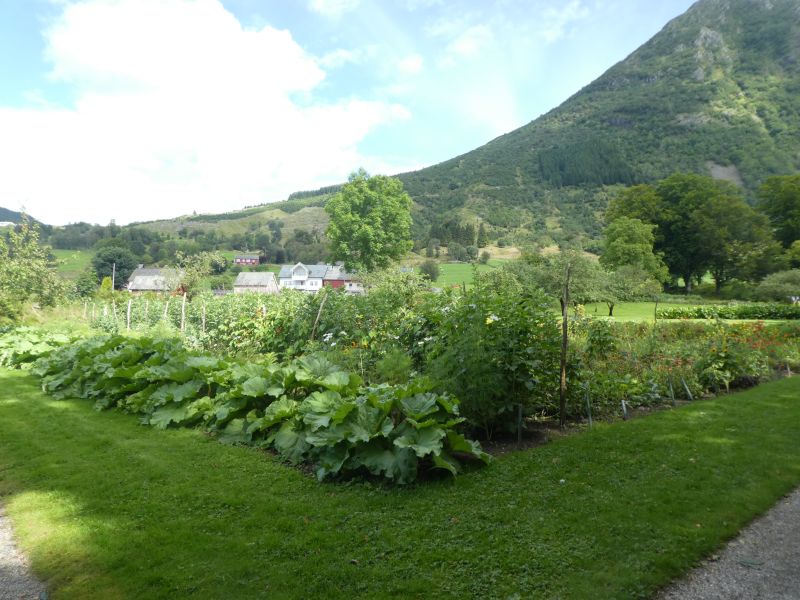
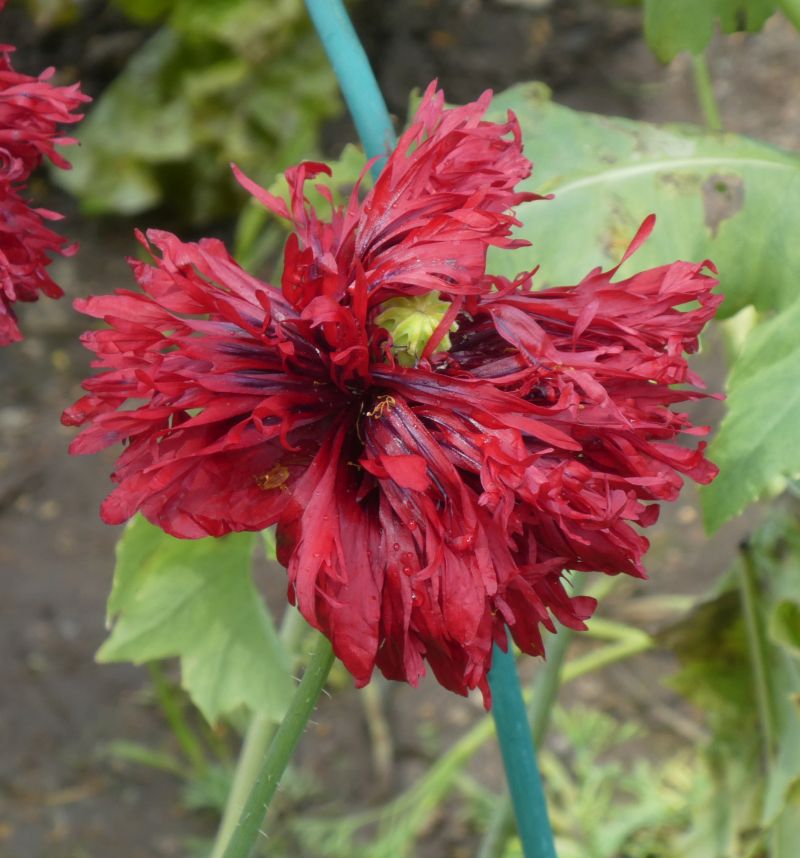
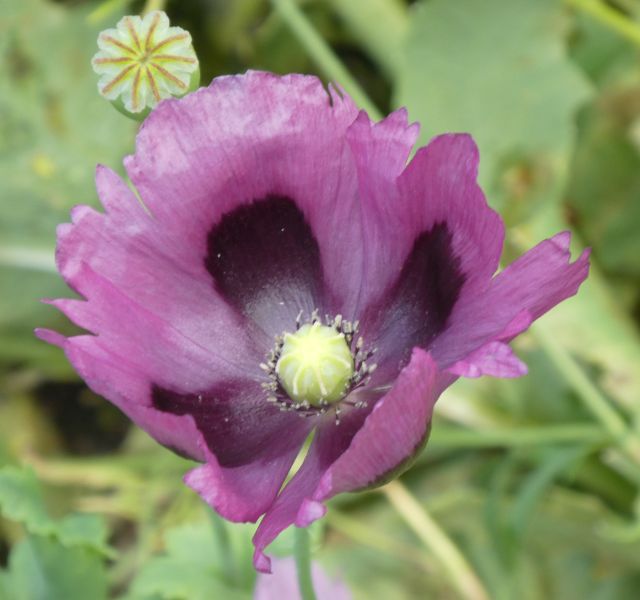
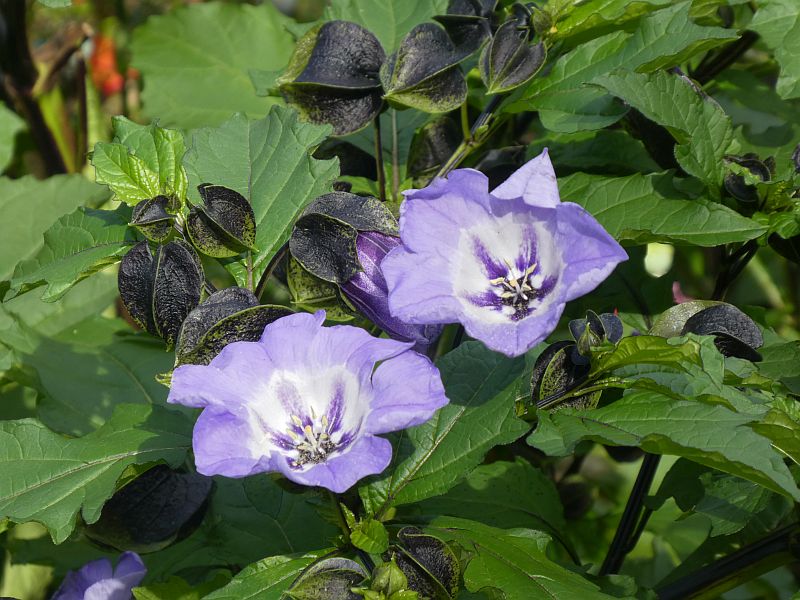
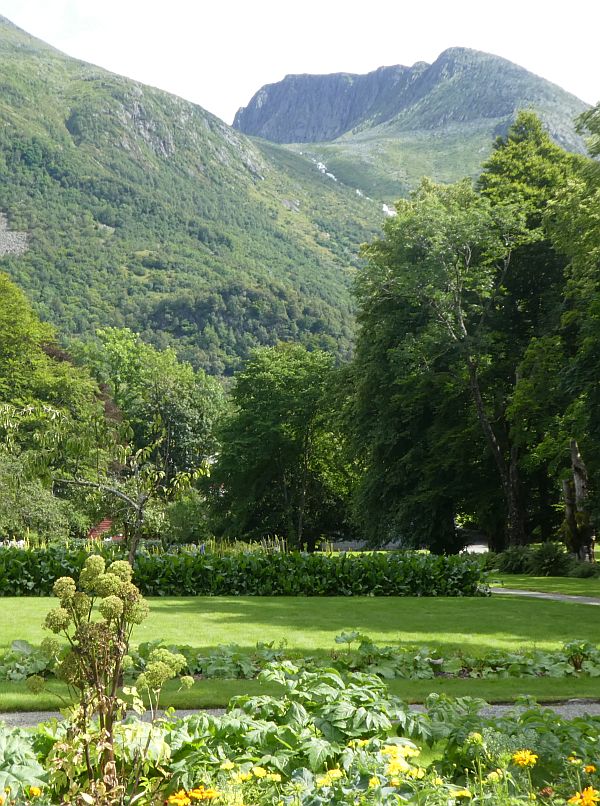
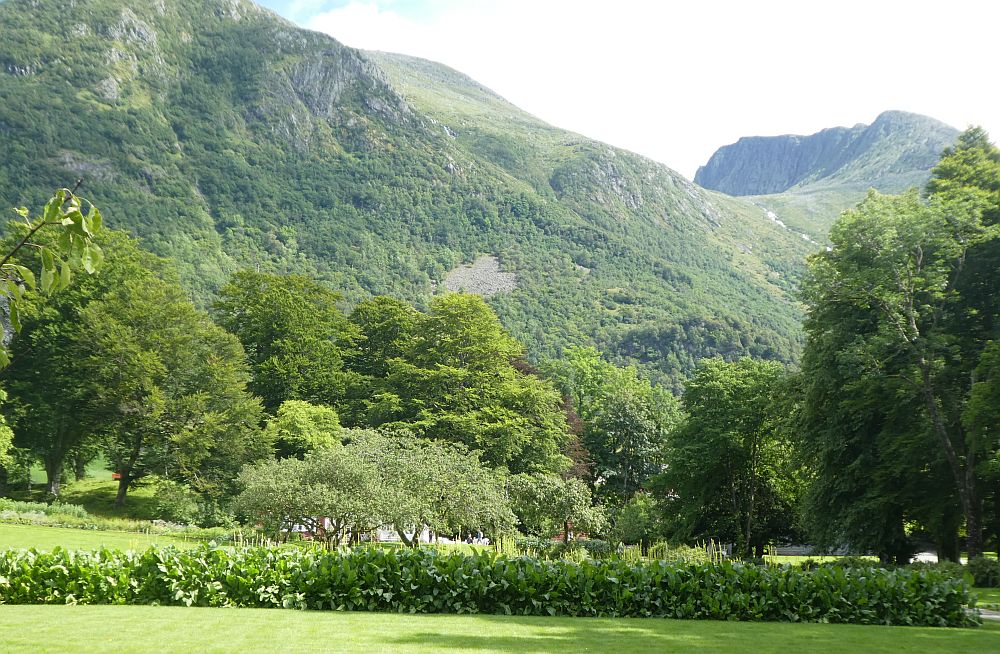
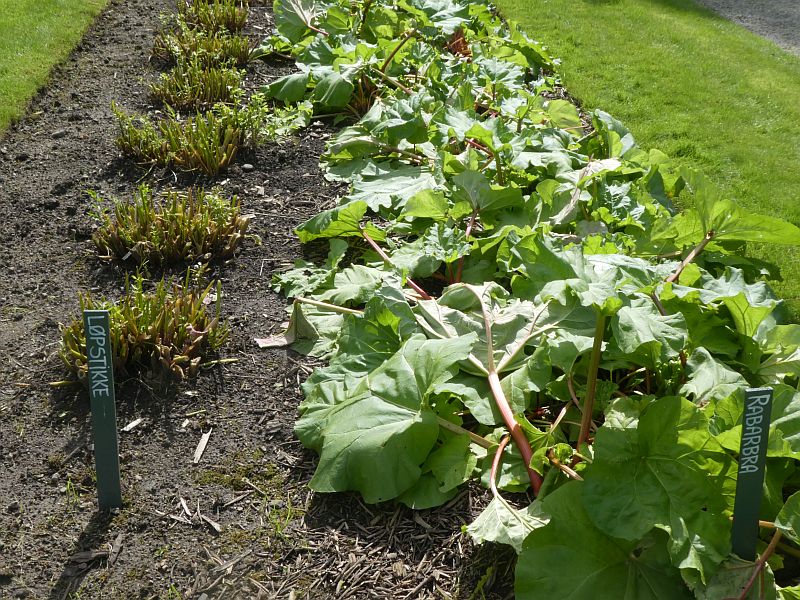
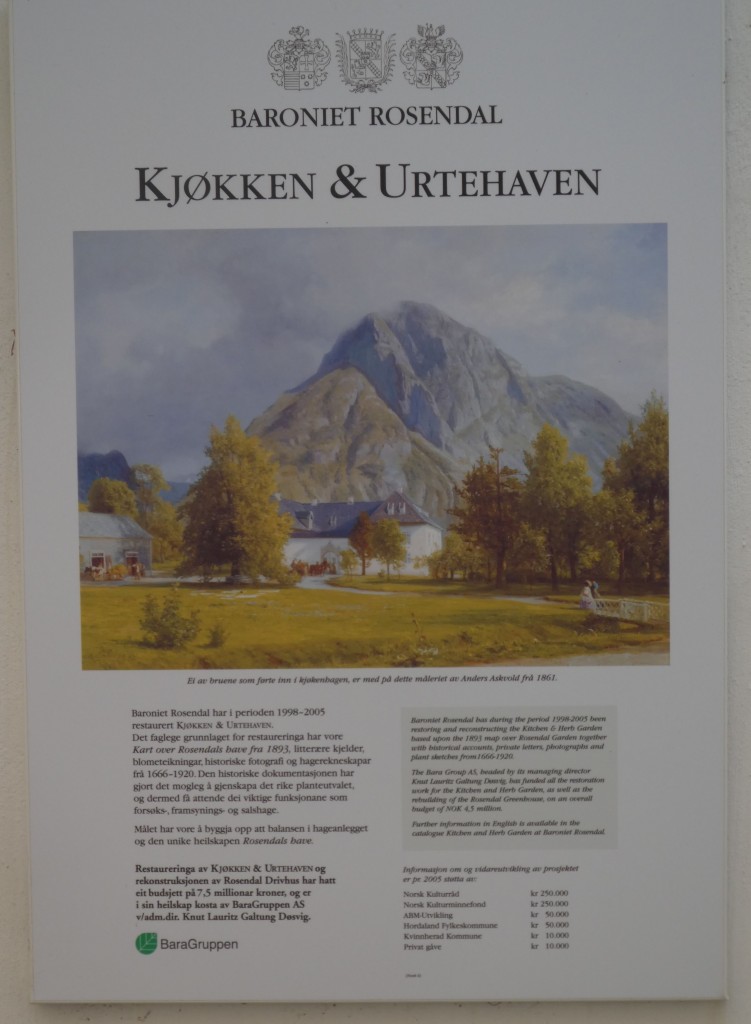
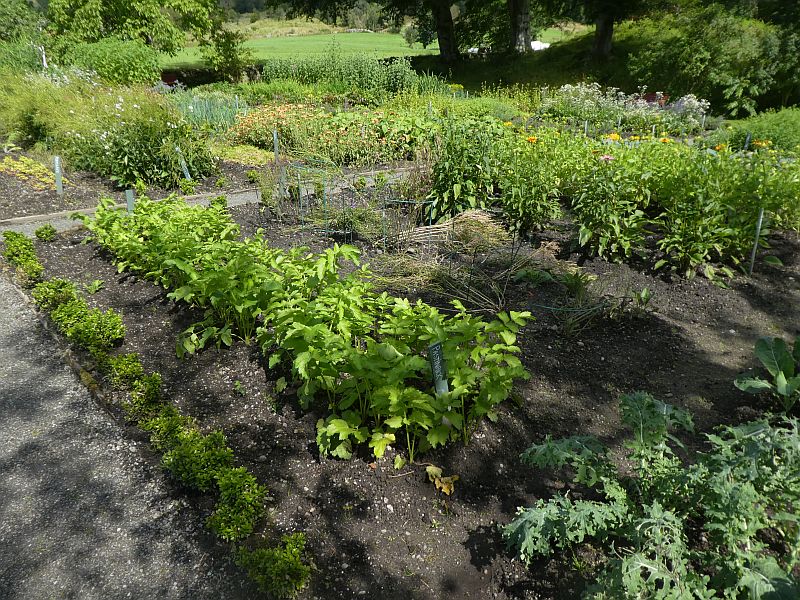
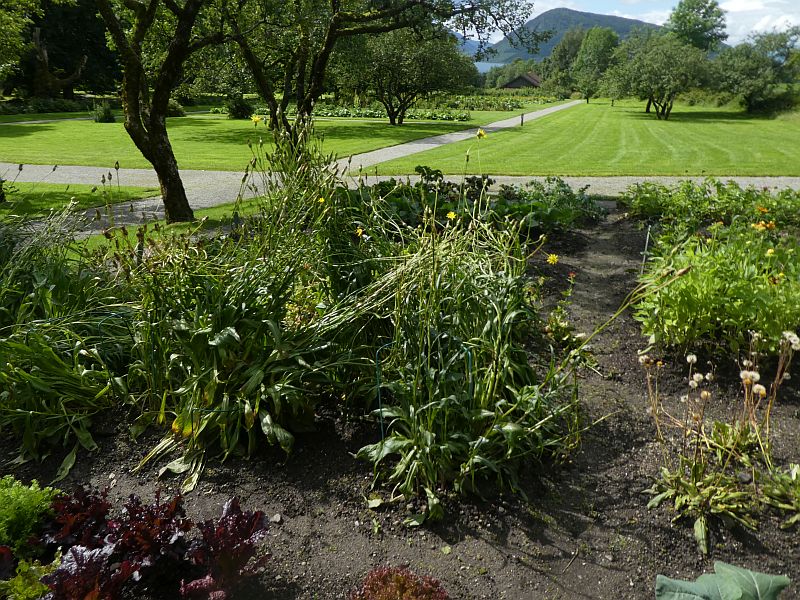
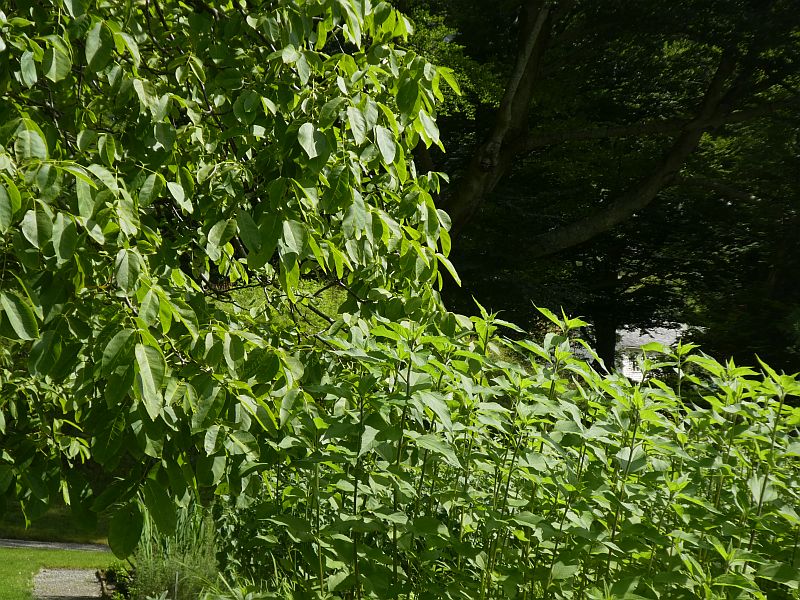
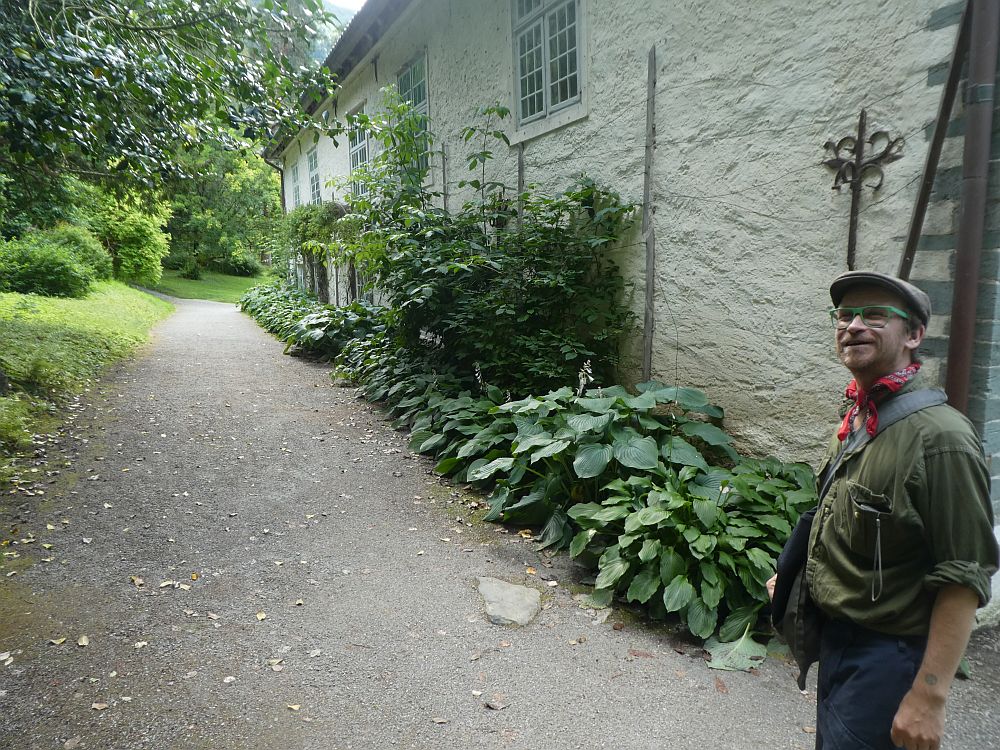
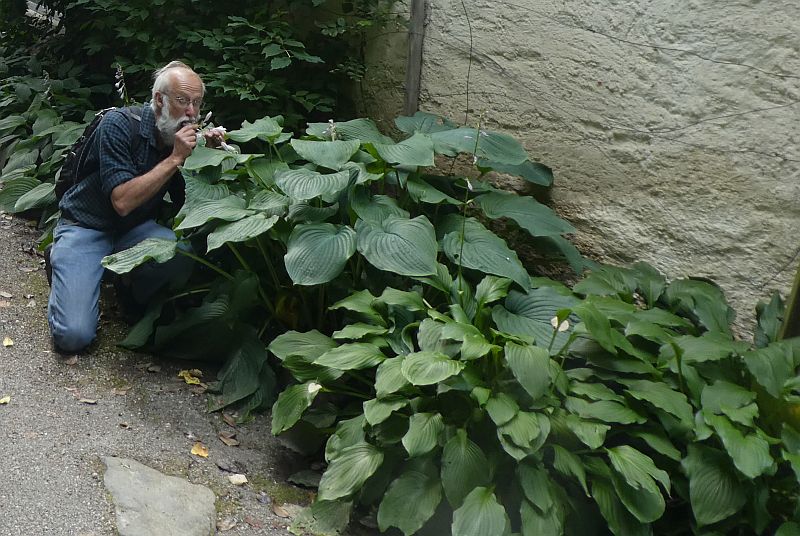
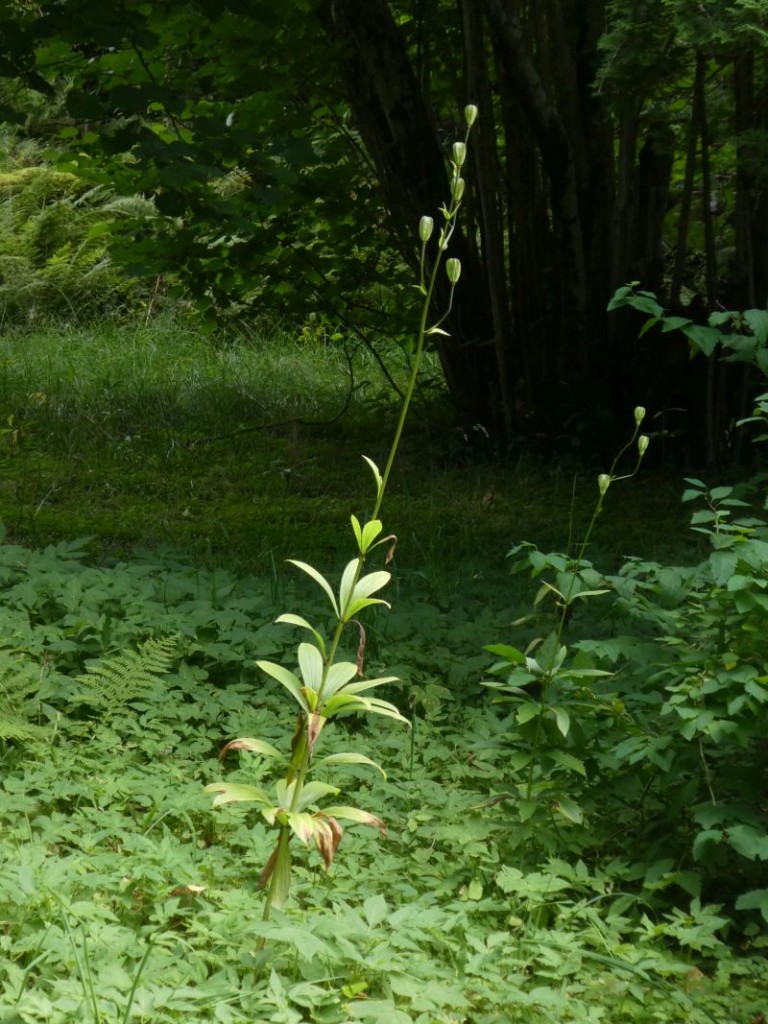
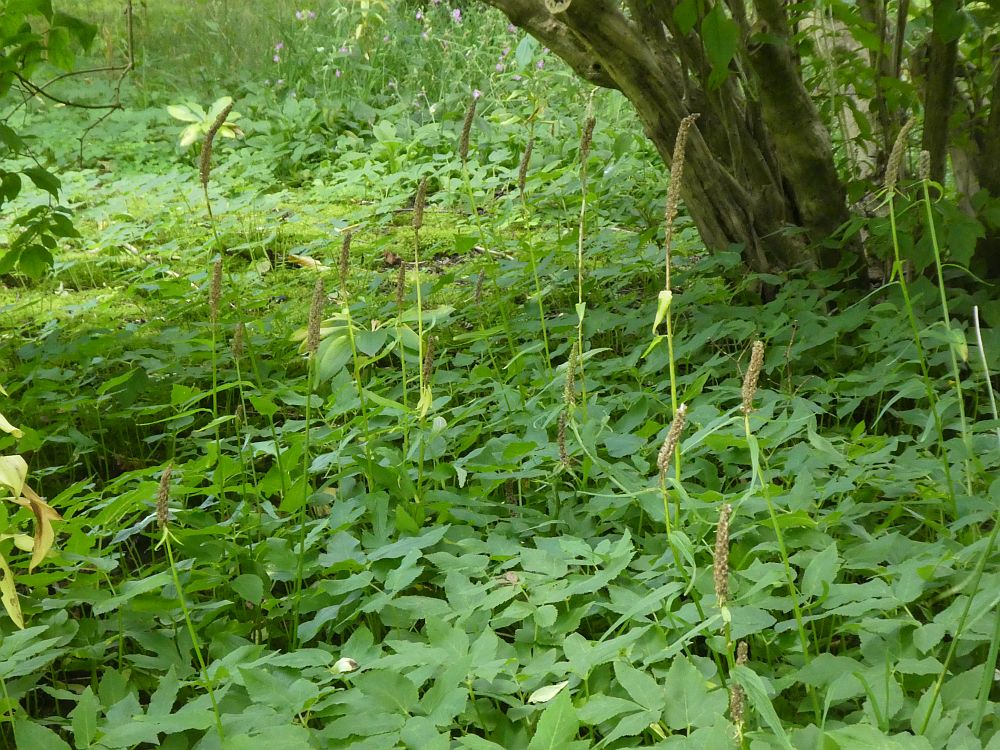
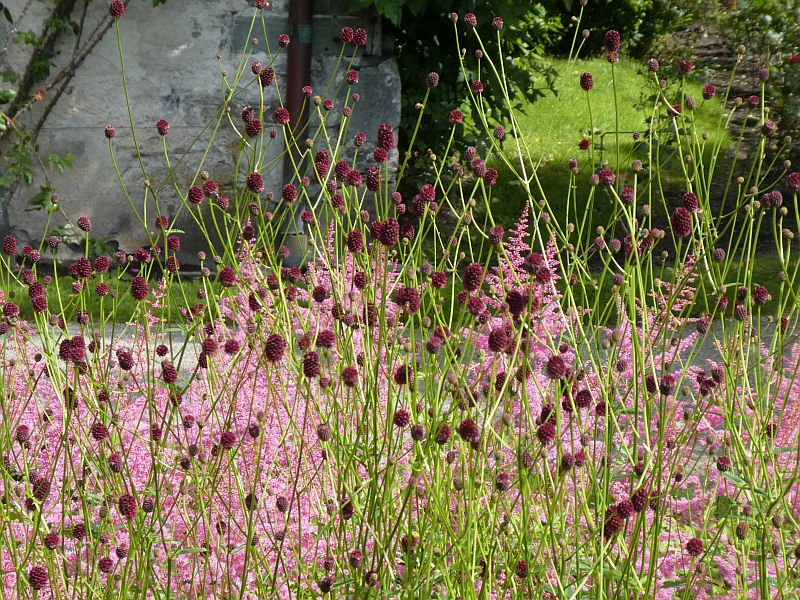
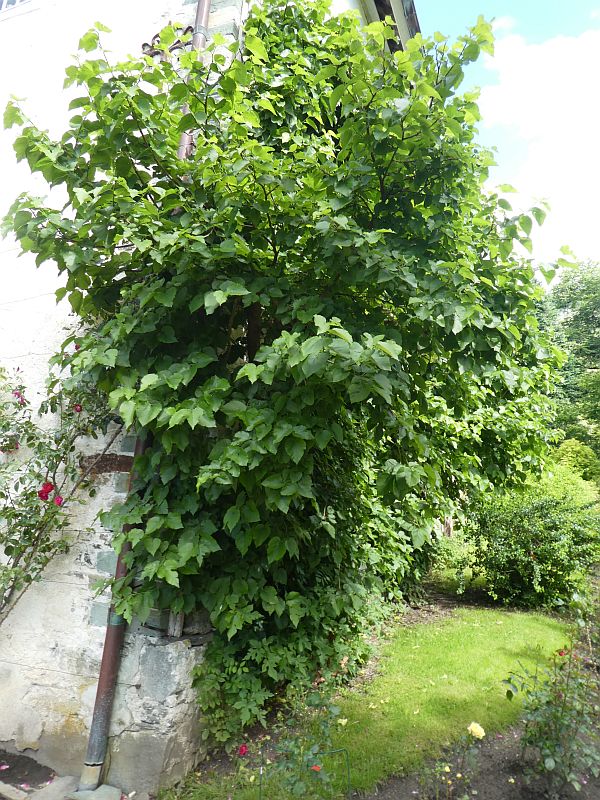
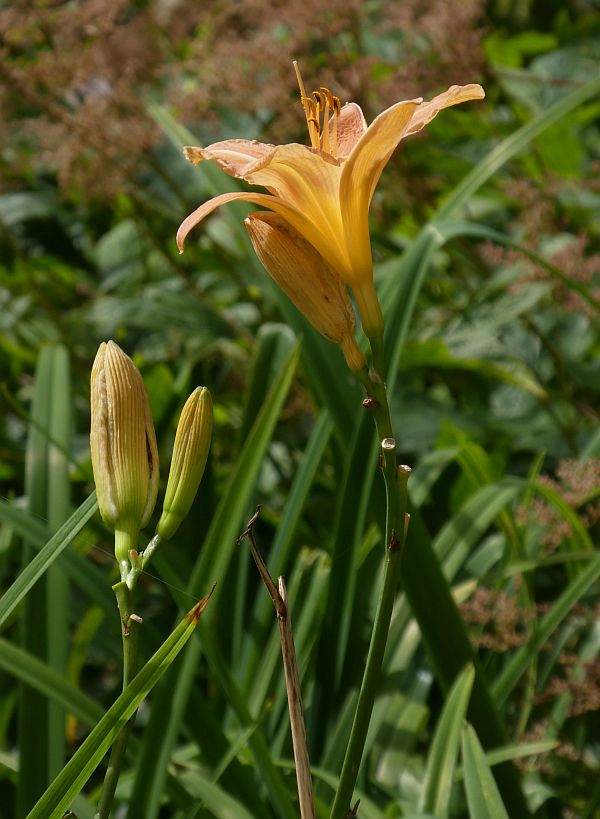
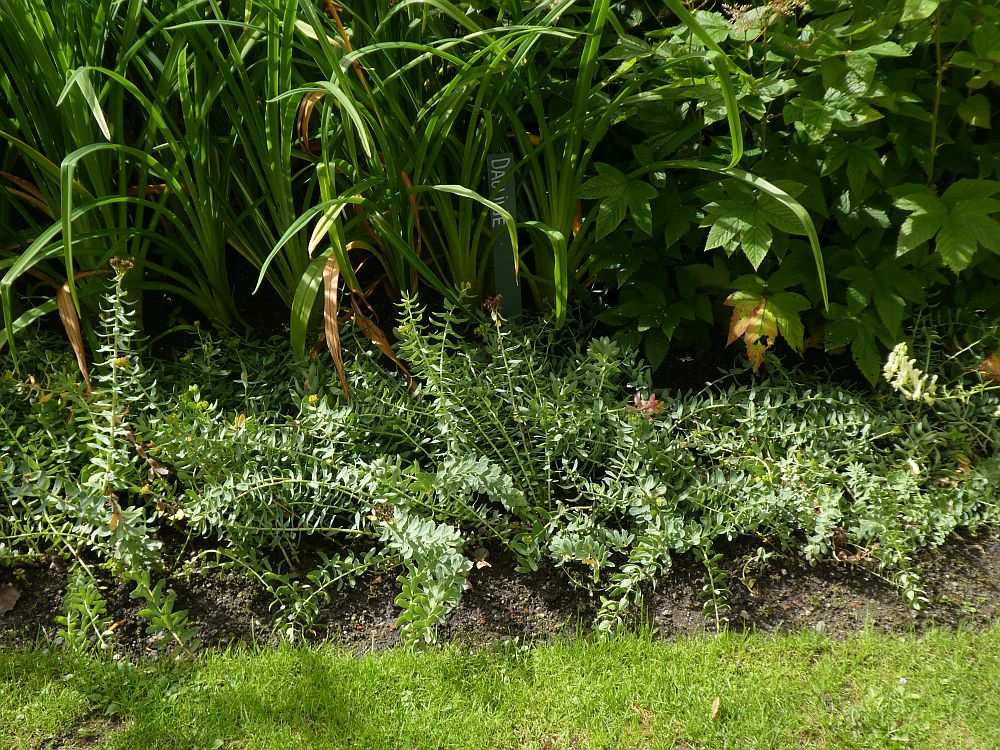
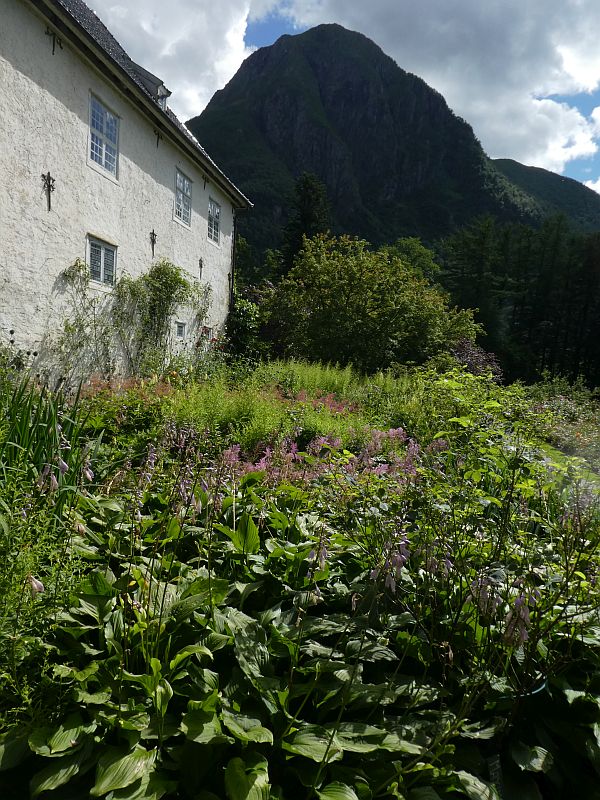
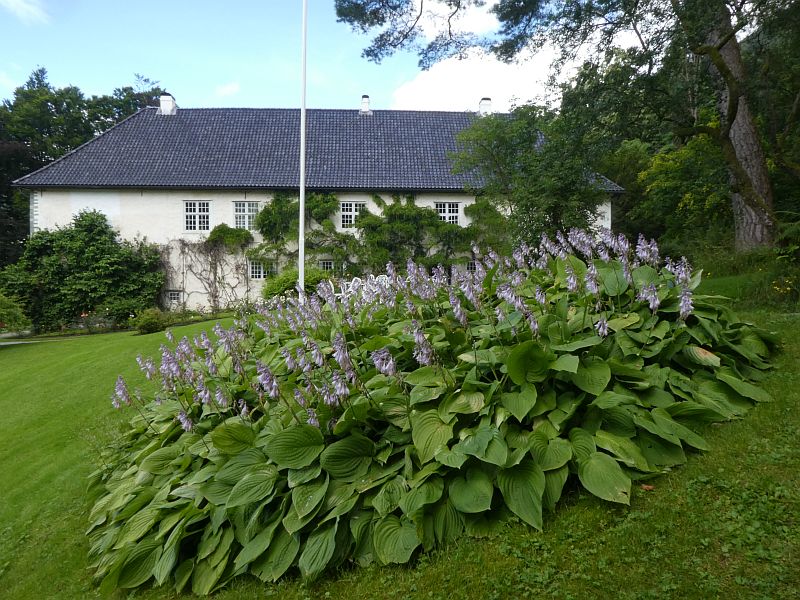
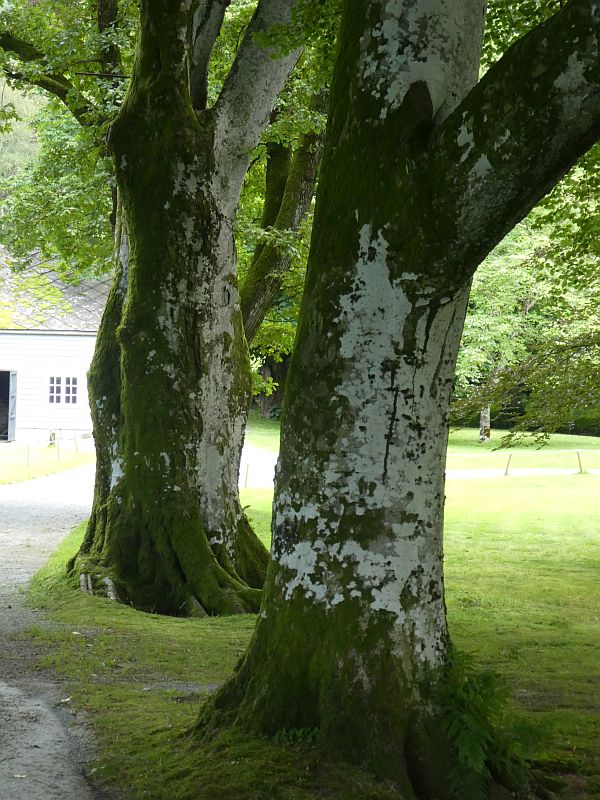
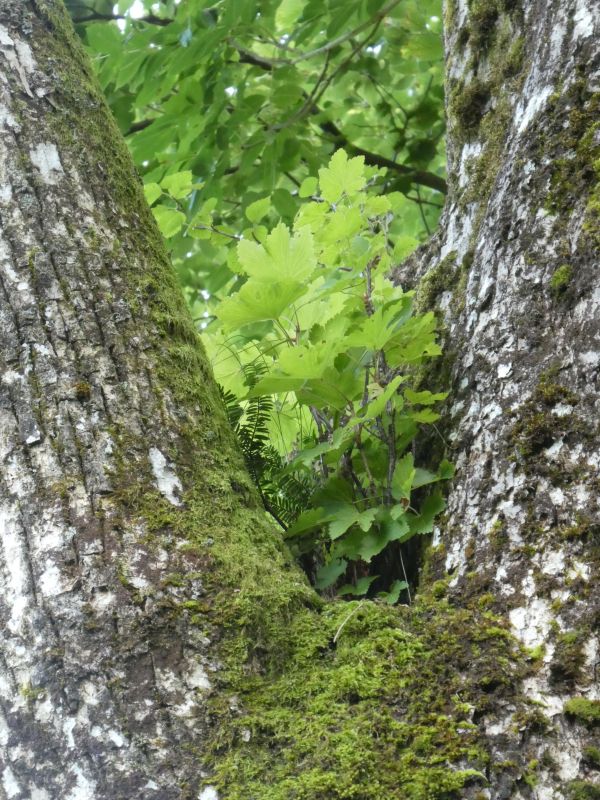
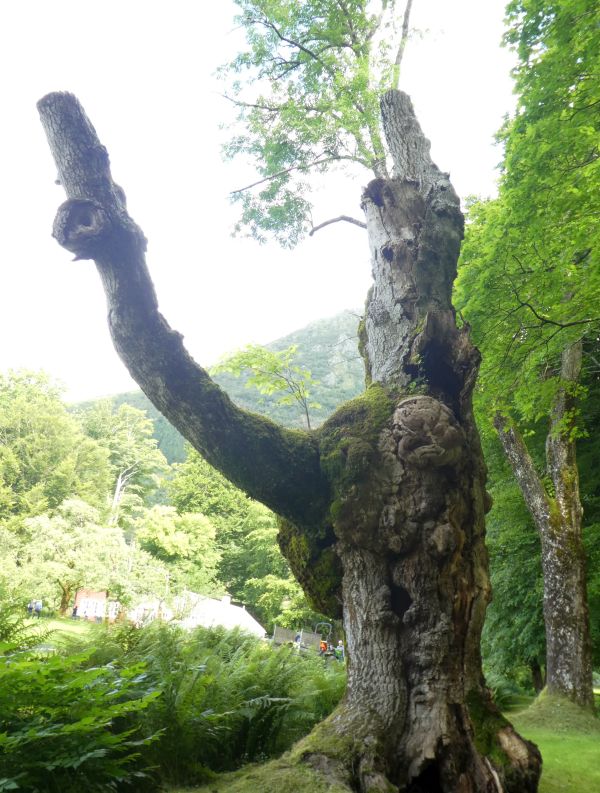
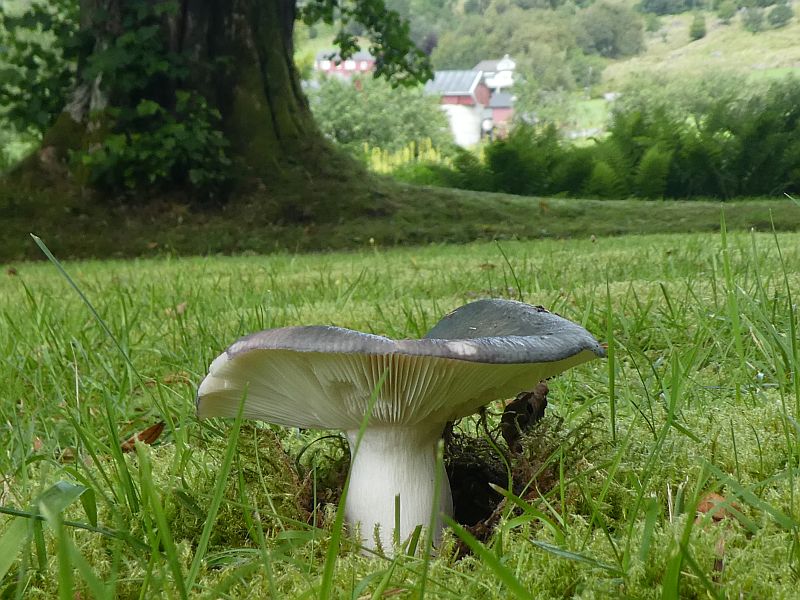
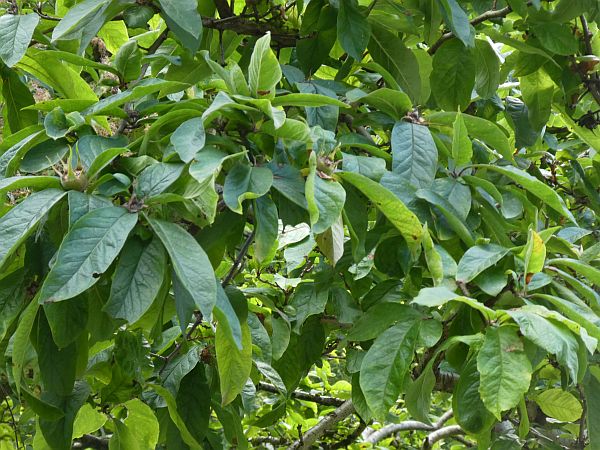
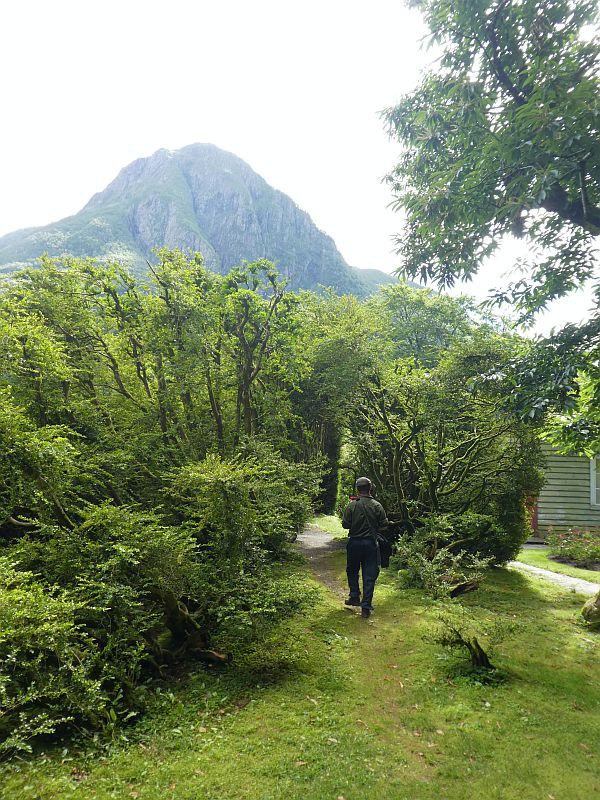
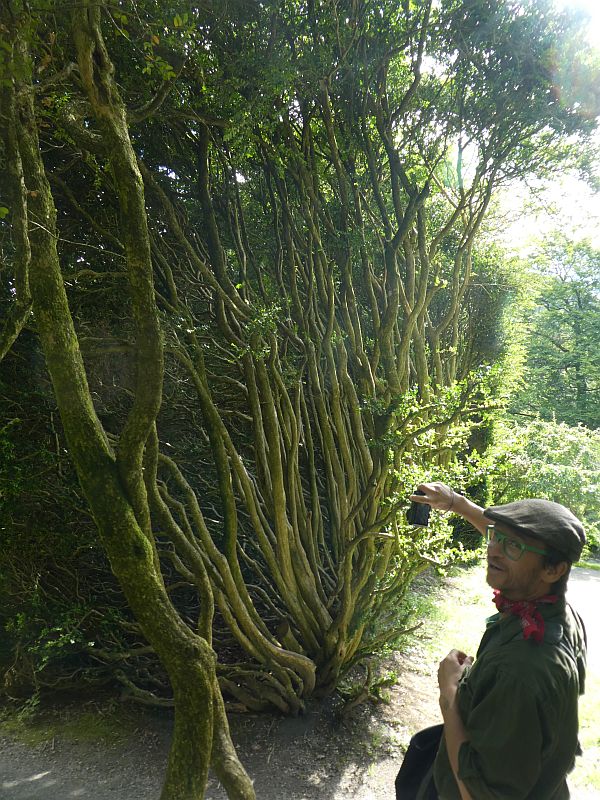
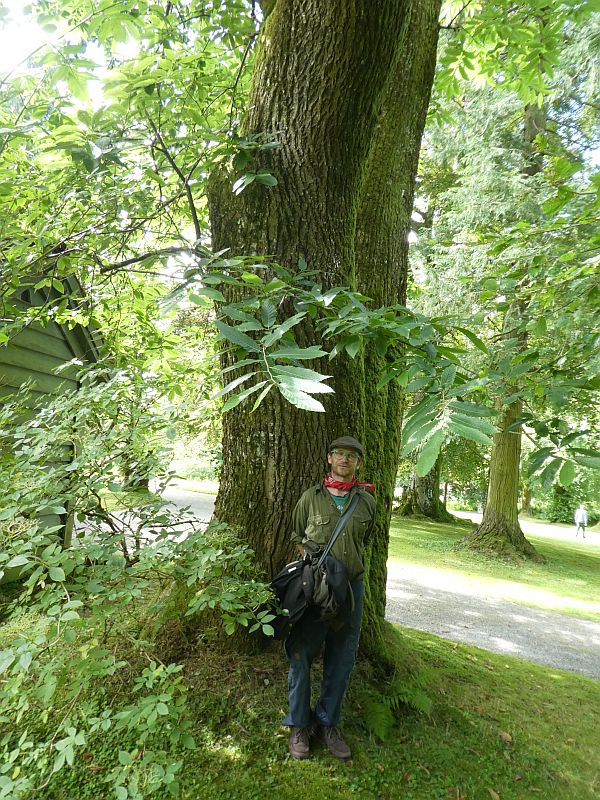
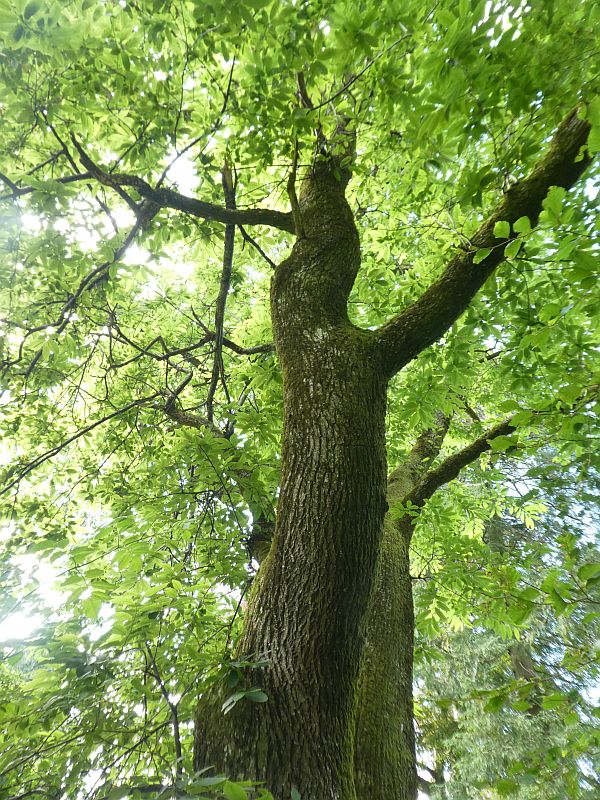
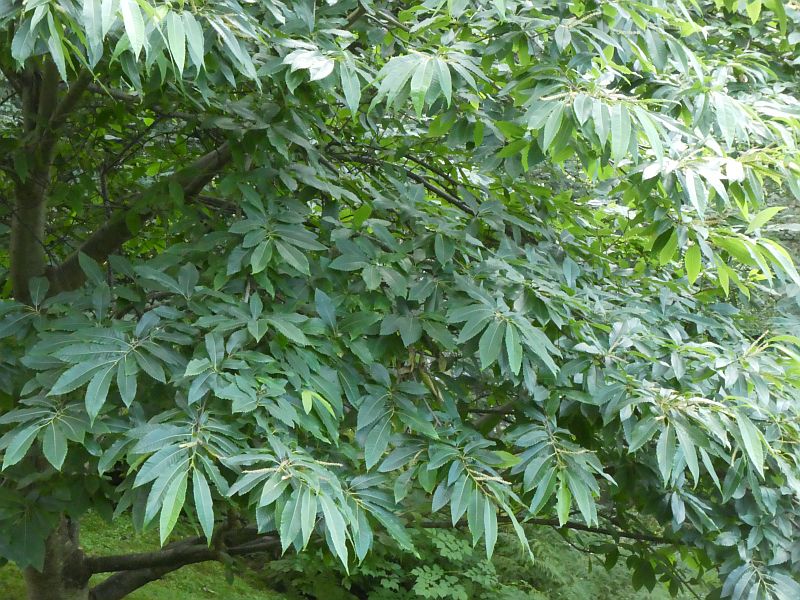
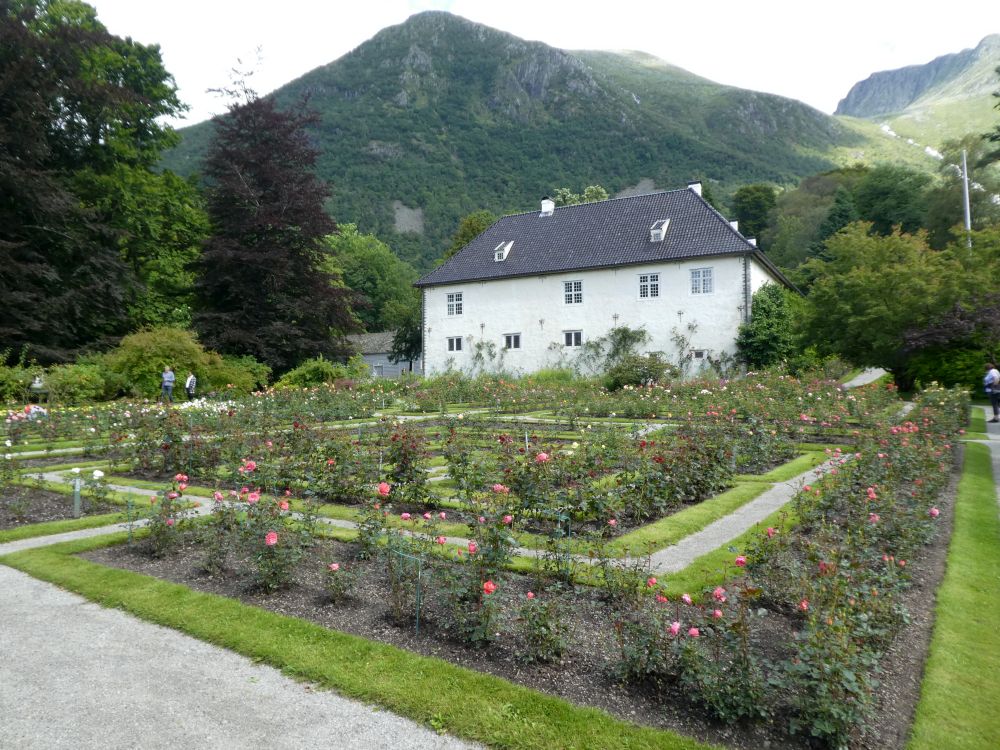
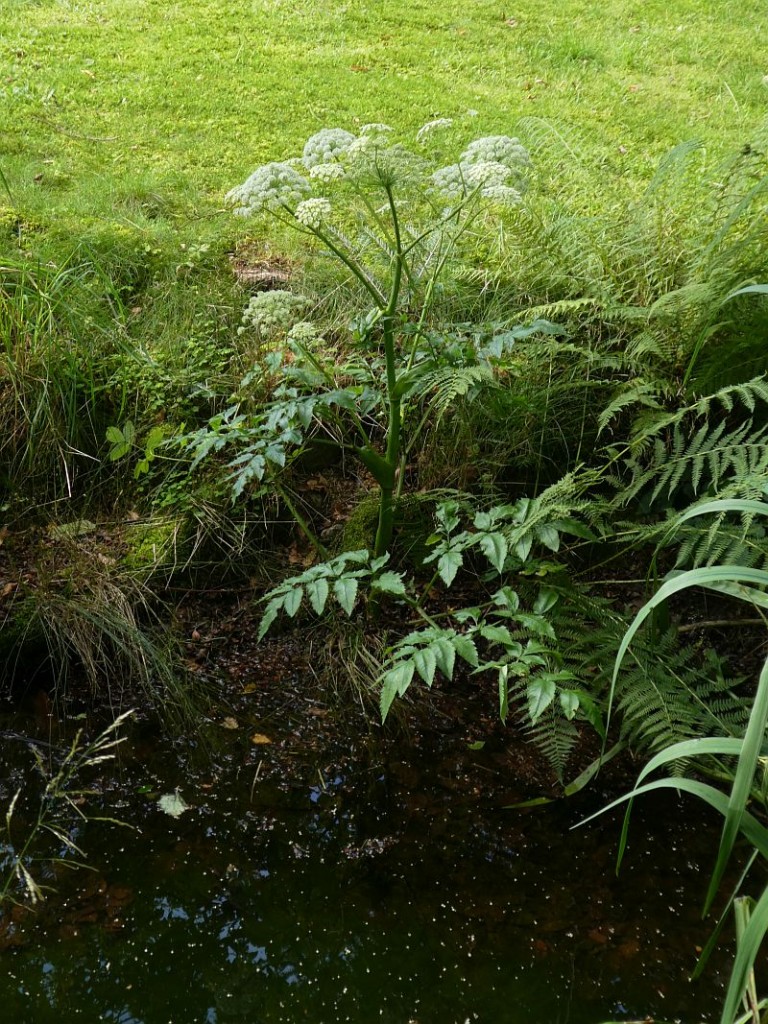
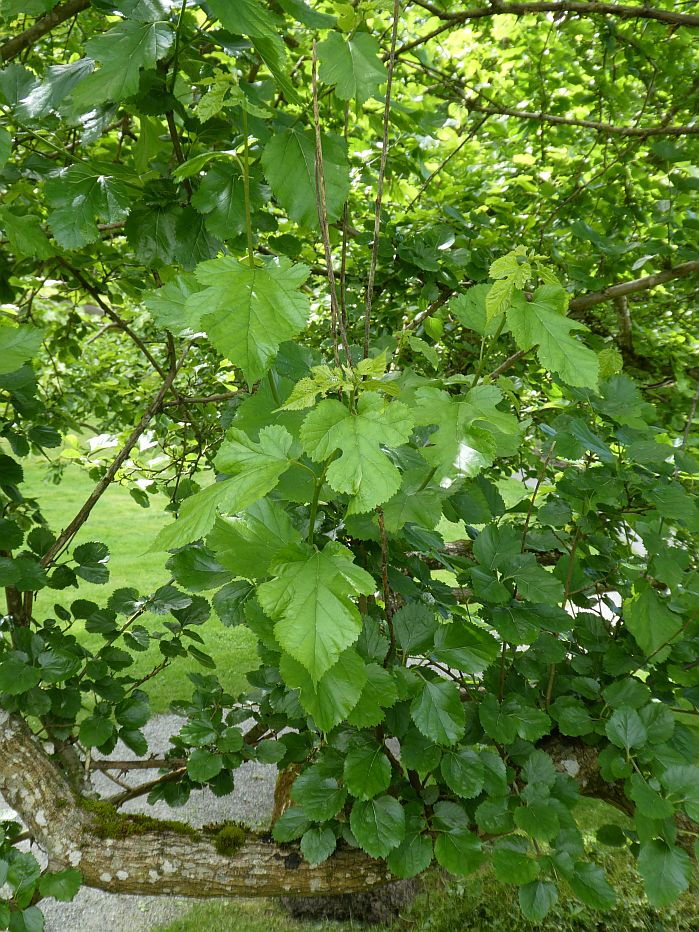
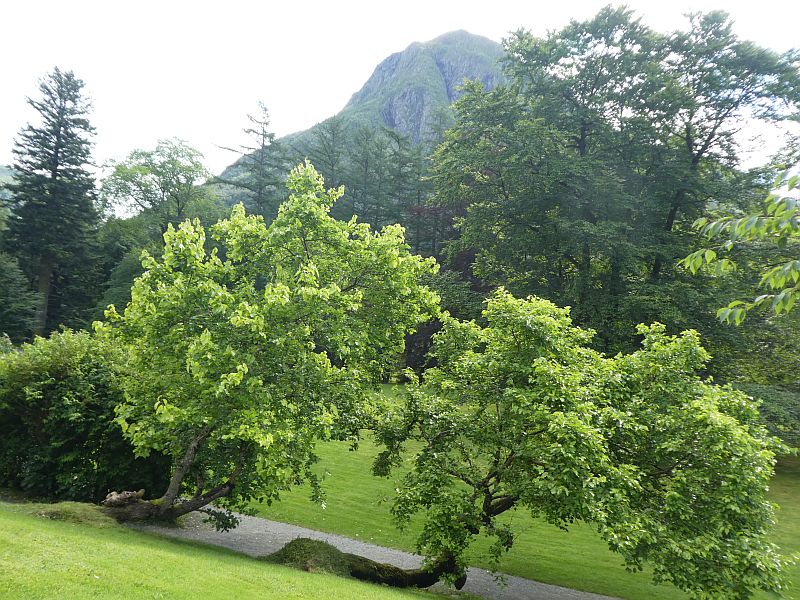
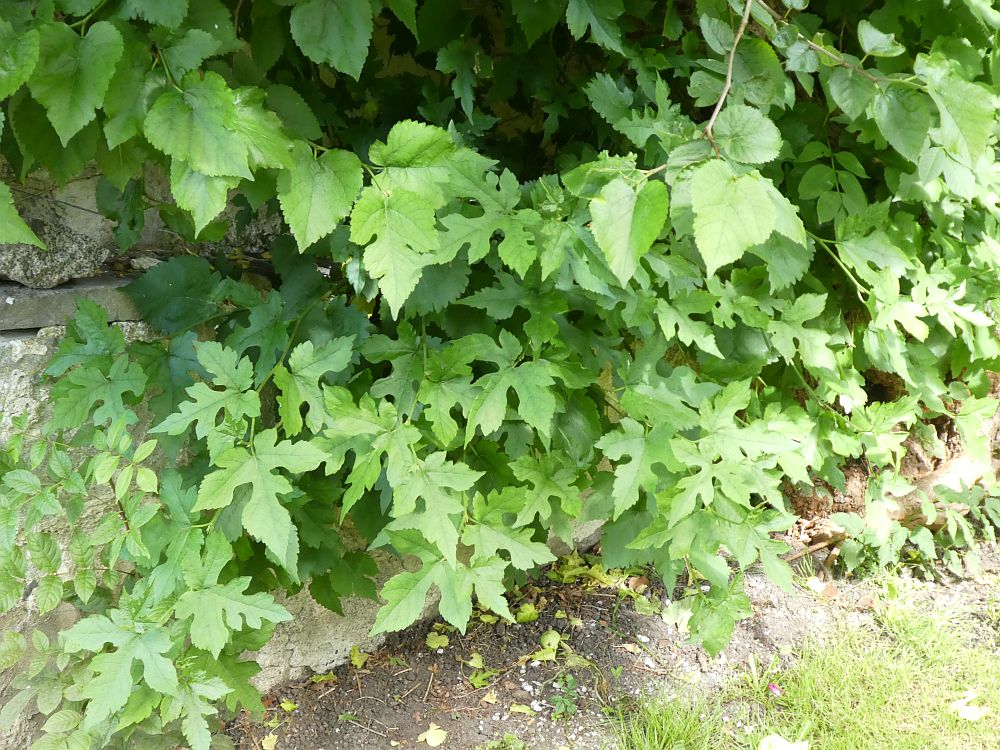
Barony Rosendal (Baroniet Rosendal) is a historic estate and manor house on the Hardangerfjord going back to the 1650s. As part of Perennialen III, on our way to Jondal, one hour’s drive away (separate post), we stopped at this famous garden on 8th August 2017 to do some edimentals spotting! Despite several attempts to visit over the years, I’ve never been before. This must be one of the most picturesque gardens in the world with the dramatic scenery surrounding it! I was particularly interested in seeing the naturalised stands of spiked rampion (vadderot), used as a vegetable in the past elsewhere in Europe (video). The climate is very mild, and the sweet chestnut trees were particularly impressive, perhaps the biggest in Norway? There are also several beds with historical vegetables. Here is an album of pictures of mostly edible plants and scenery!

















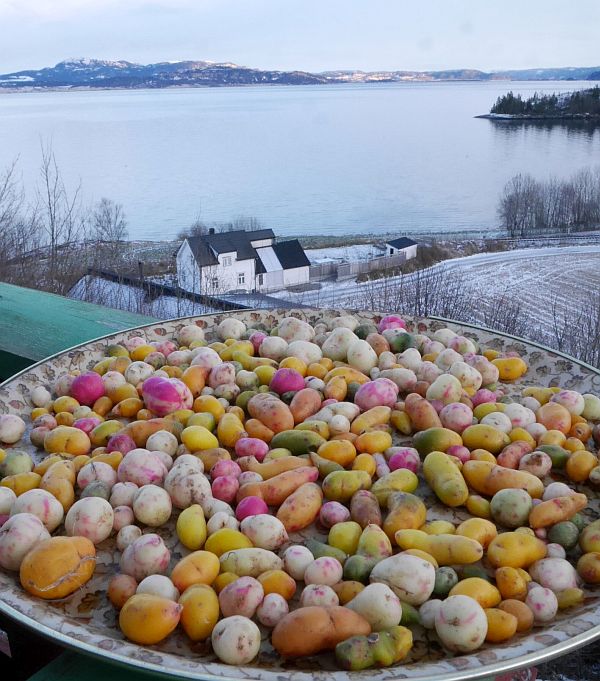
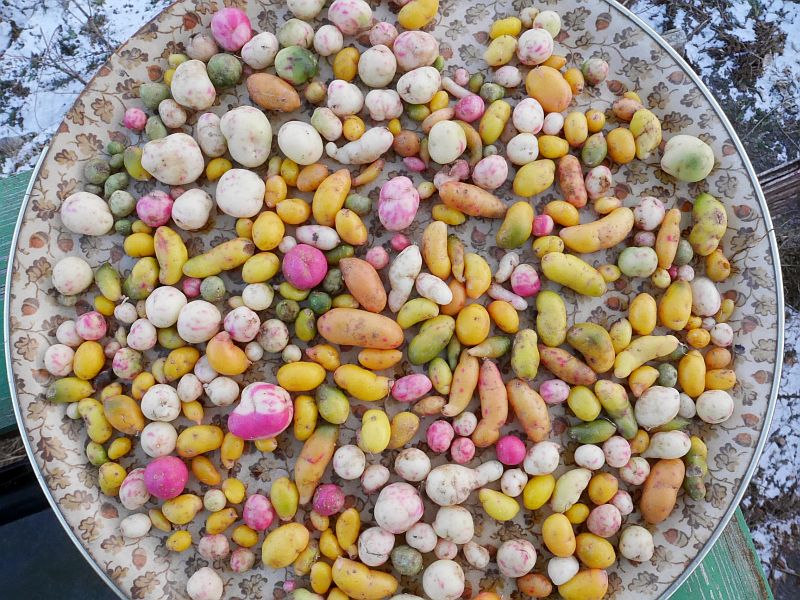
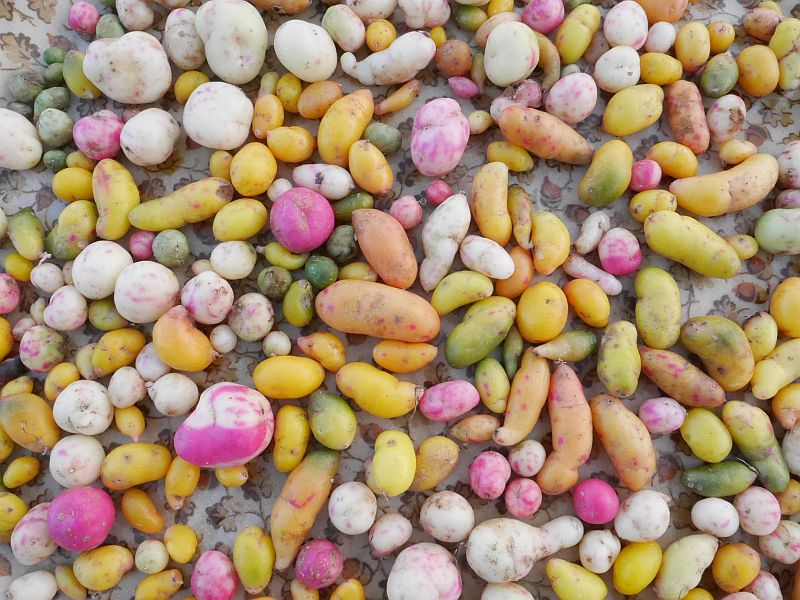
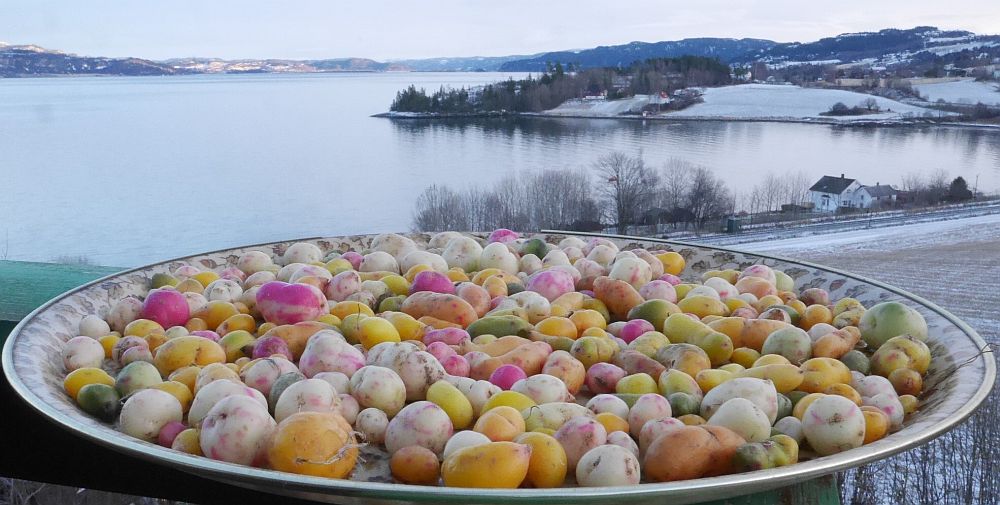
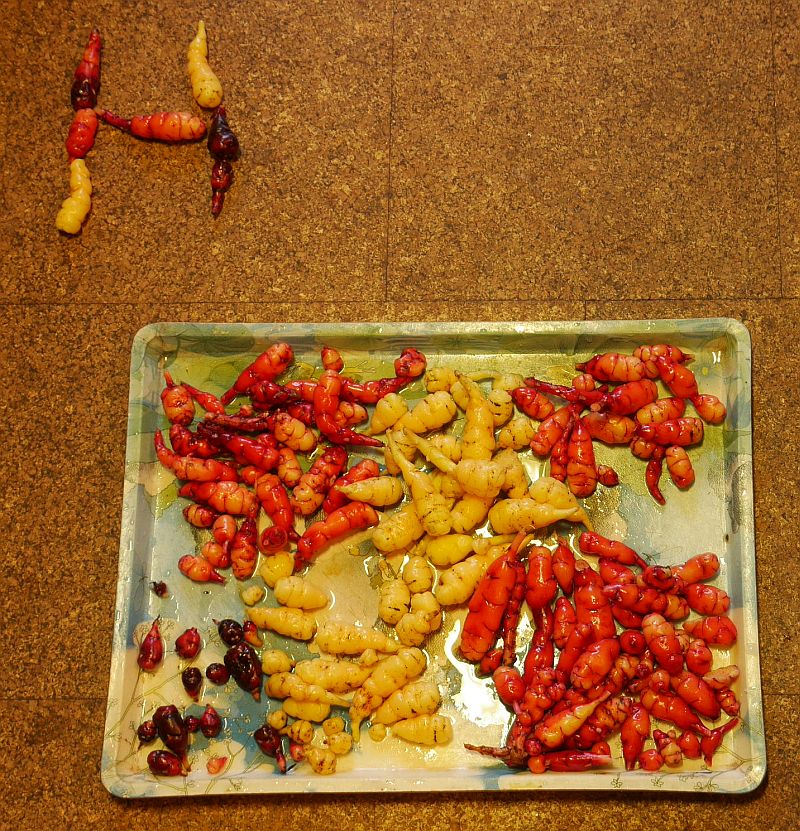
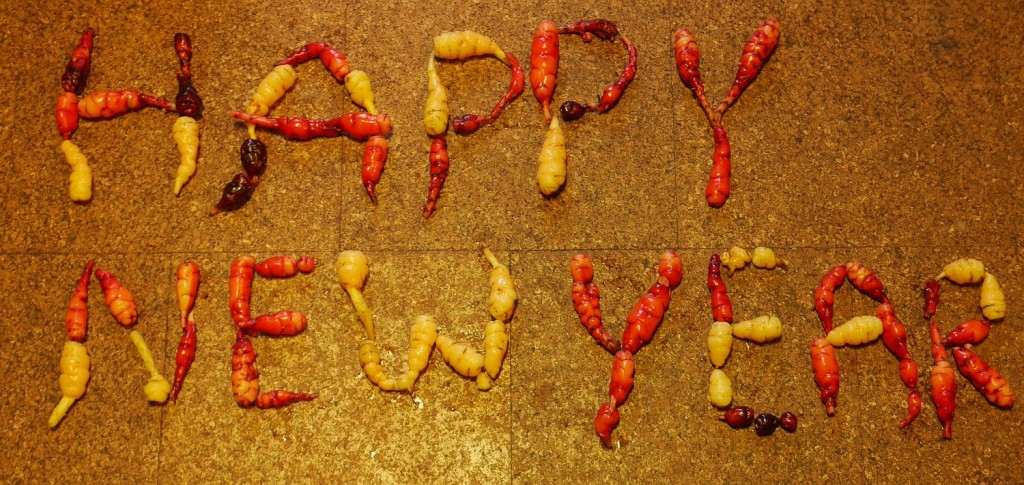
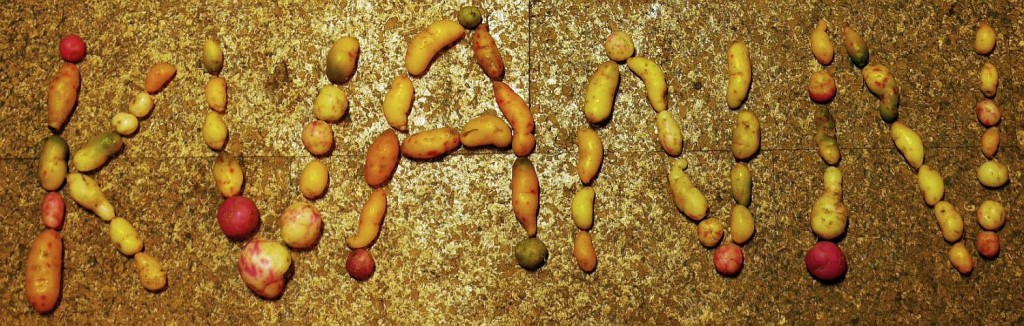
Last harvest of 2017 and the most colourful!
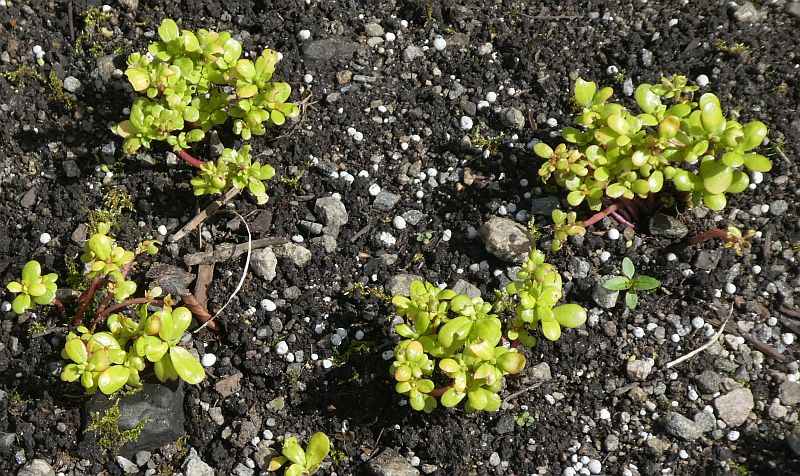
I harvested Ulluco and Oca tubers which I grow on indoors from the first frost to the end of the year!This is probably the last time I grow Ulluco for a while due to the UK advice to destroy all Ulluco currently being grown due to the danger of non-native viruses hopping over to other more important crops!