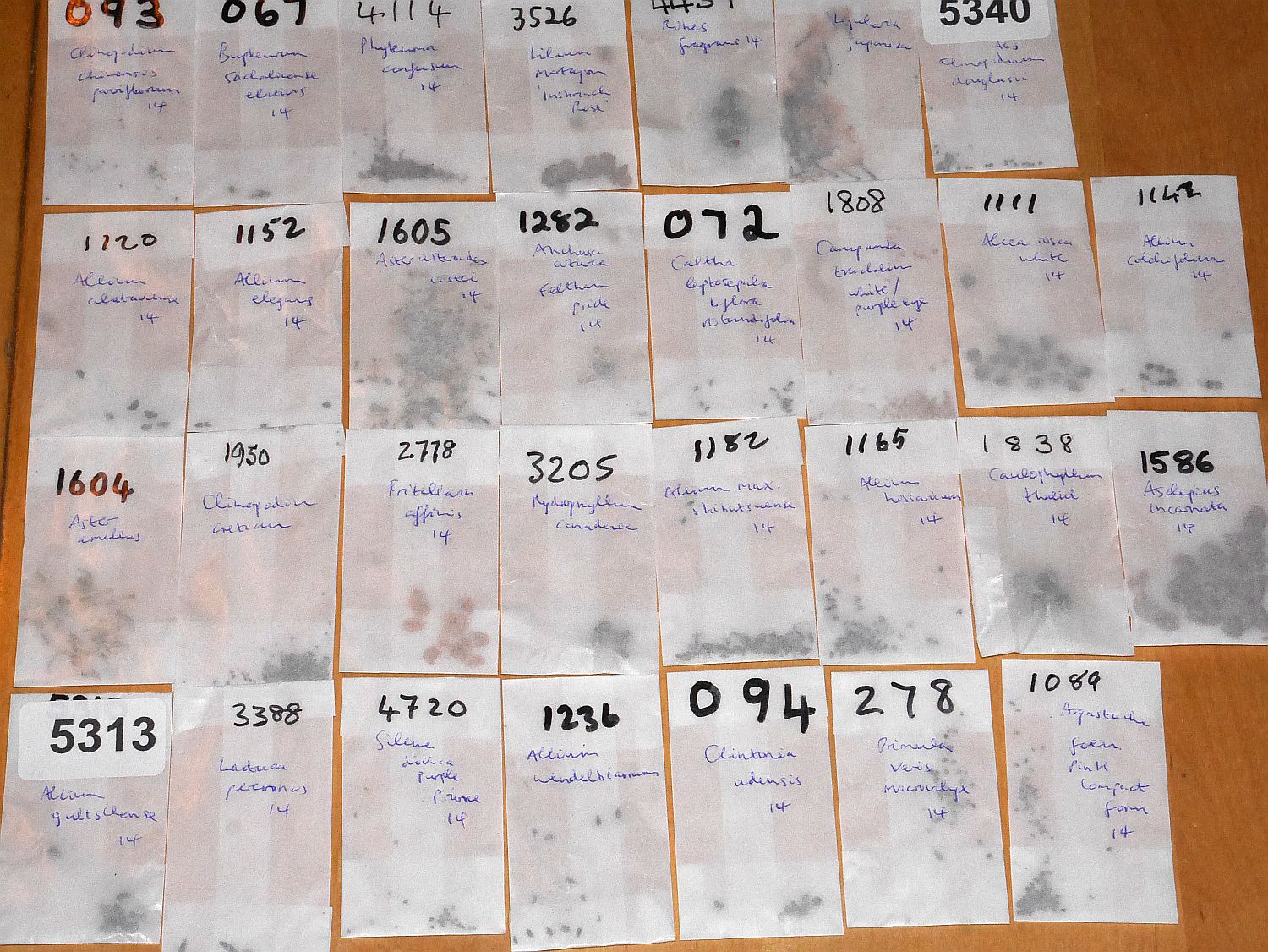
I’ve eaten vegan food for Xmas for over 30 years and it’s always nut roast and a diversity of colourful tubers from all over the world!
The seeds on the nut roast are “bulbils” of Alpine Bistort (Polygonum viviparum) (more in the book!)
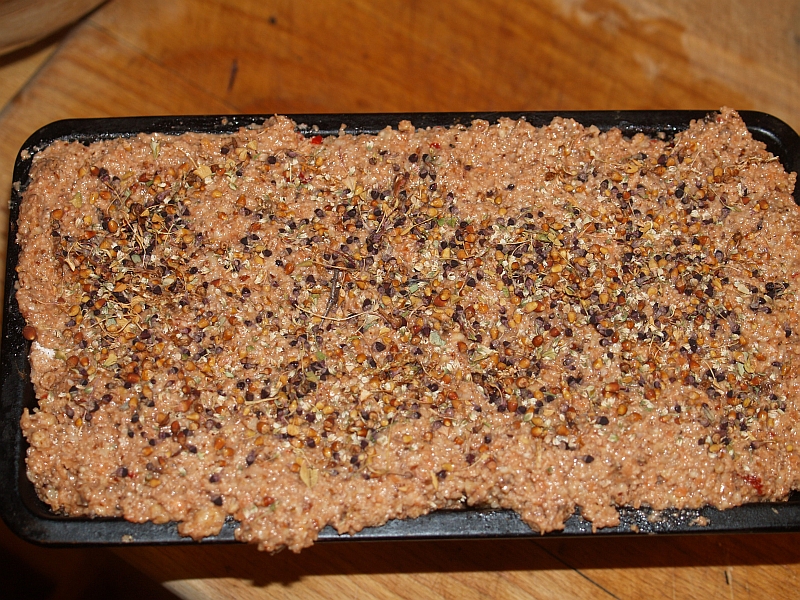

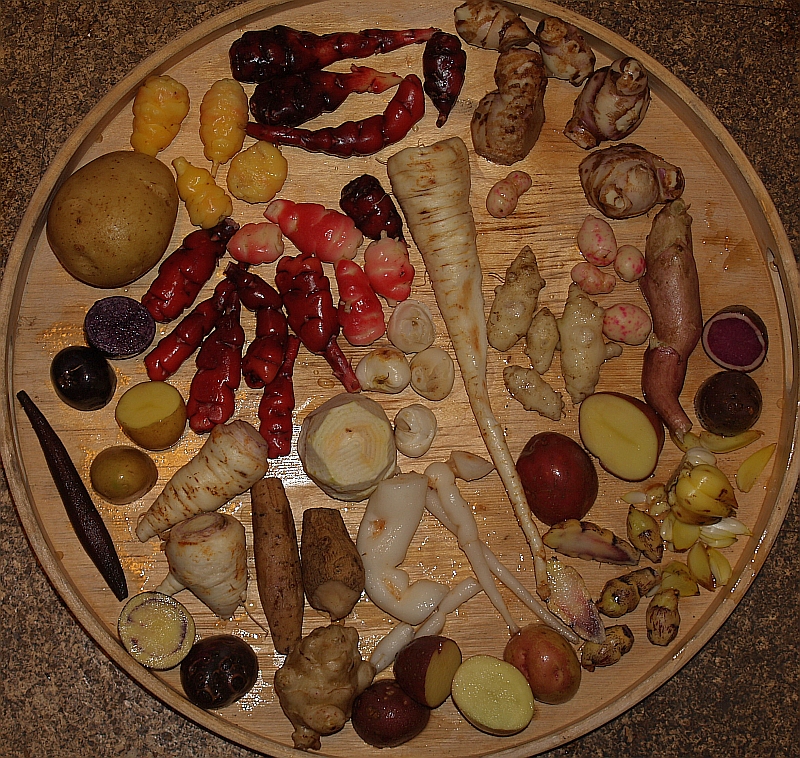

I’ve eaten vegan food for Xmas for over 30 years and it’s always nut roast and a diversity of colourful tubers from all over the world!
The seeds on the nut roast are “bulbils” of Alpine Bistort (Polygonum viviparum) (more in the book!)
Hablitzia (the Caucasian Spinach) and Digitalis purpurea (Common Foxglove) are both shade tolerant perennials one an edible and the other an important medicinal, so not unlikely that they would meet as in these lovely pictures captured by my old friend Robin ALLAN whose name I spelled wrongly in the book’s acknowledgements, confusing with my cousins who are ALLENs.
SORRY SORRY SORRY….


The coffee plant is a fantastic edimental indoor plant that tolerates quite low temperatures in winter….but don’t expect more than a cup of coffee a year :) Coffee tea is an alternative (made from the leaves) and the fruit are also tasty. Strangely, coffee fruit juice isn’t often seen (large amounts of fruit flesh must just be thrown away)? Coffee fruit wine is also produced locally..
http://www.amazon.com/…/dp/B001KBQ…/ref=cm_cr_pr_product_top
An old Facebook album:
My book is released today by Amazon in the US….and it’s “Temporarily out of stock”
http://www.amazon.com/Around-The-World-Plants-Perennial/dp/1856231410
I presume that’s good news :)
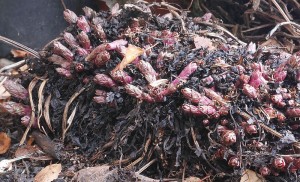
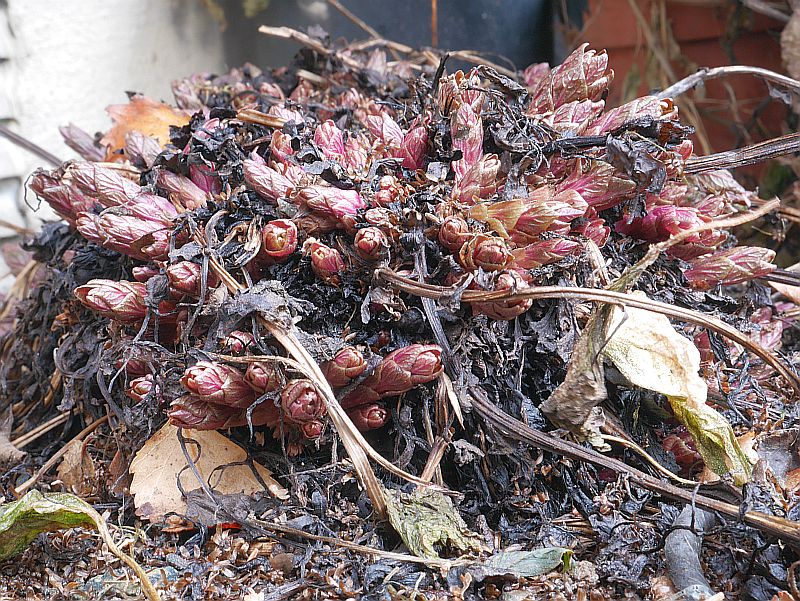
There are 8 pages in my book devoted to this, one of my all time favourite perennial vegetables, Hablitzia tamnoides. I prefer just to call it Hablitzia or Habby as my friend Telsing calls it fondly, but sometimes it is known as the Caucasian spinach revealing its home territory. I’m particularly in awe of its hardiness as shoots appear in autumn and are usually undamaged after being exposed to up to 3 months of freezing temperatures. Even if the shoots were killed off, there are numerous shoots waiting at the ready to sprout from the roots! Even on the 31st December, the snow having disappeared for some days, I could now harvest a few shoots for a winter salad! I did this last Xmas which was very mild – the reddish shoots at the bottom in the 50 species salad picture are Hablitzia. The pictures of my oldest Hablitzia root mound below were taken today, 31st December 2014….
I also noticed like last year that several seeds have already sprouted around the plant, eager to get started with spring. Last year they all died in our winter drought…. I’ll leave them and see if they make it… :)

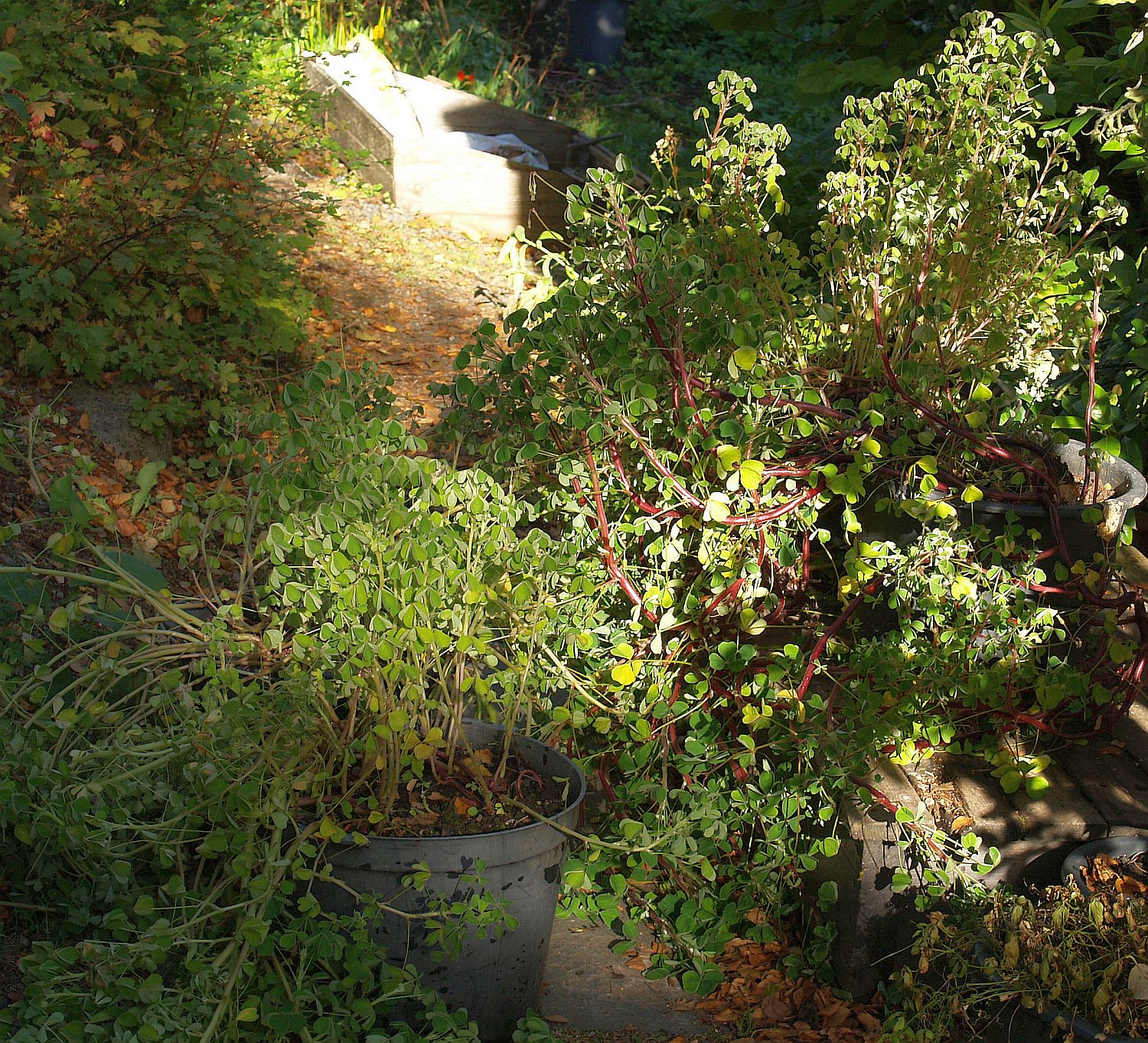
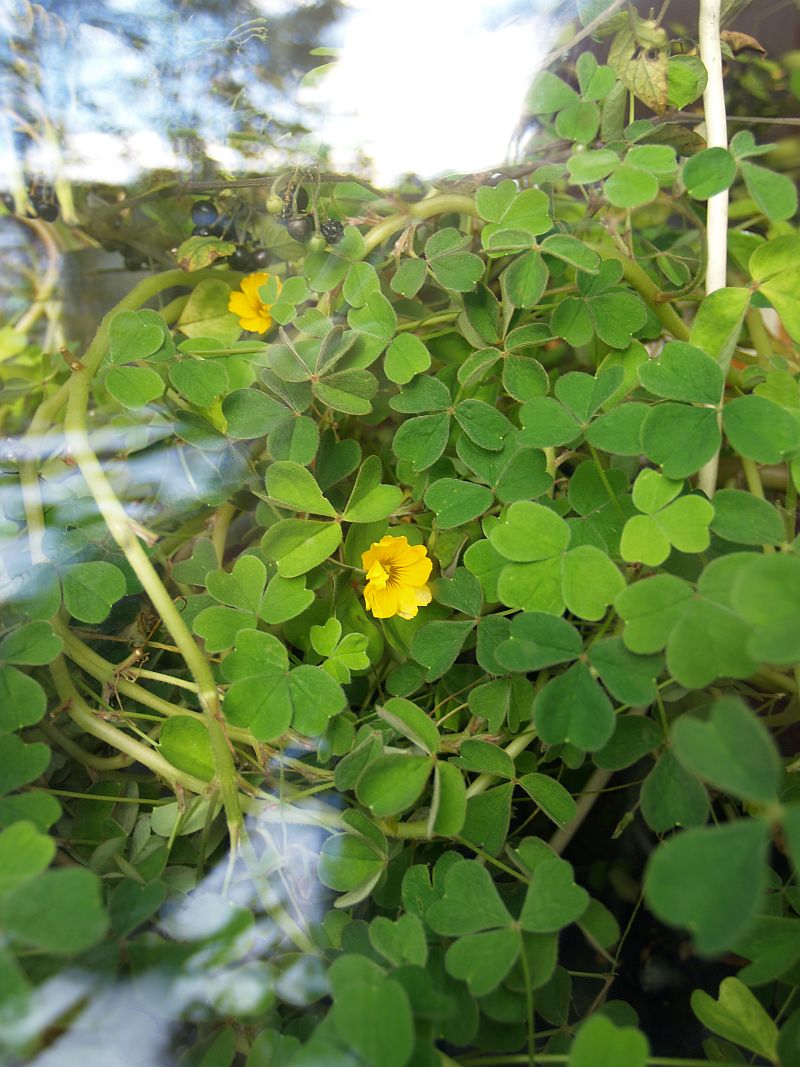
Oca (Oxalis tuberosa) is a short day plant from the Andes which produces next to nothing outside here as the plants are usually killed by the first hard frosts in early October…..
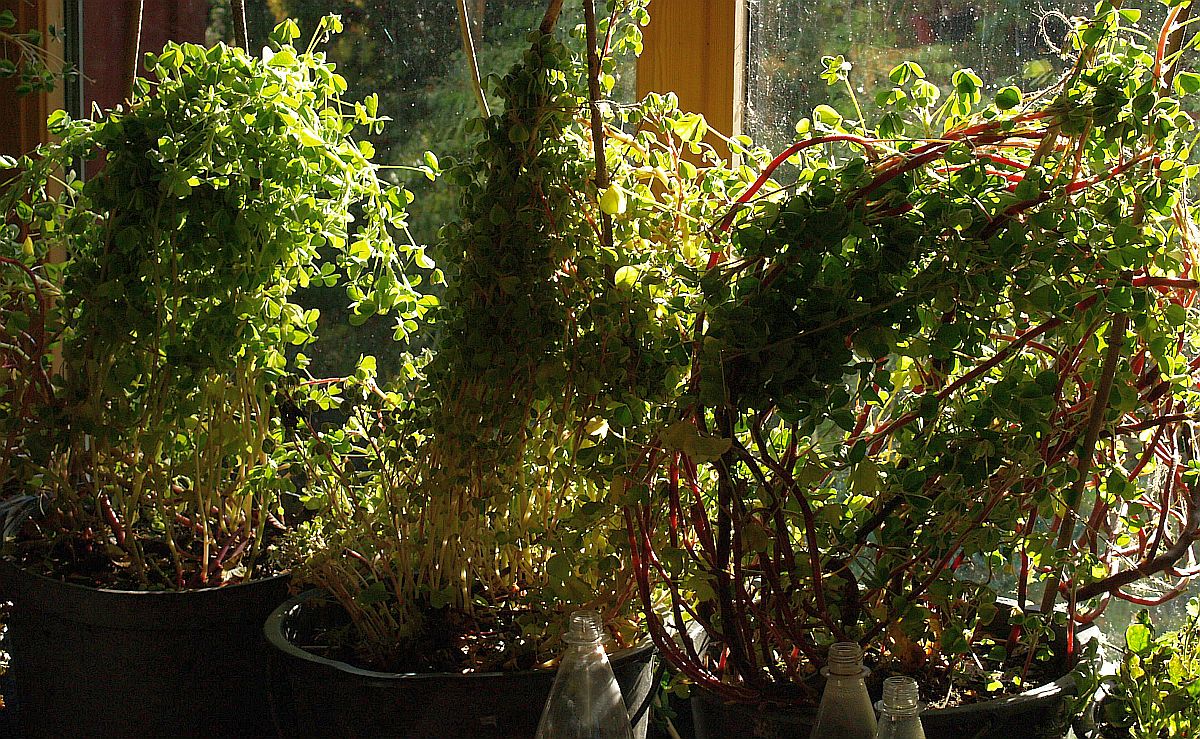
In order to lengthen the season, I grow my Ocas in large pots, which I usually bring in to the porch on the first frosts…
This year I was a bit late and most of the foliage was killed before I could bring the plants inside and only the odd stem remained green until harvest. I hadn’t therefore expected much yield. However, some of the varieties were as good as normal….
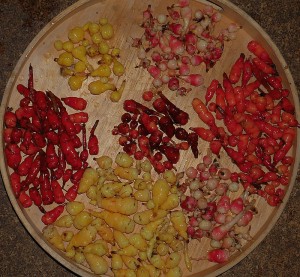
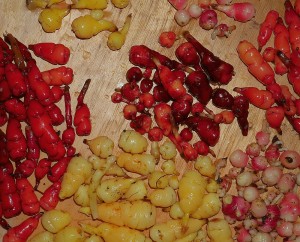
Ocas in pots in the garden:
In the porch (not this year):

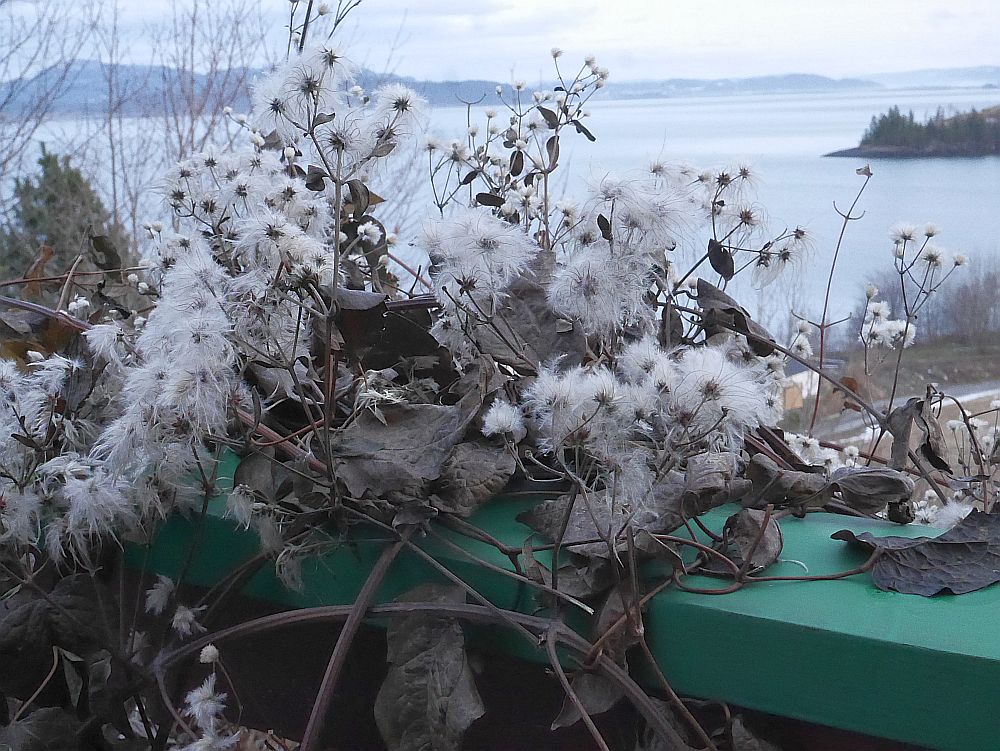
Most of the snow disappeared in the garden after rain and high temperatures over the last 24 hours…revealing this old man’s beard in seed. I’ve grown Clematis vitalba as a spring edible (cooked young shoots) for a number of years, but after a long mild summer and autumn this is the first time the seed has matured and the beard has emerged…this is a good one for the Forest Garden, but remember that it needs to be cooked as poisonous raw like most members of the Buttercup family, Ranunculaceae…
Clematis vitalba is an important wild foraged edible particularly in Italy!
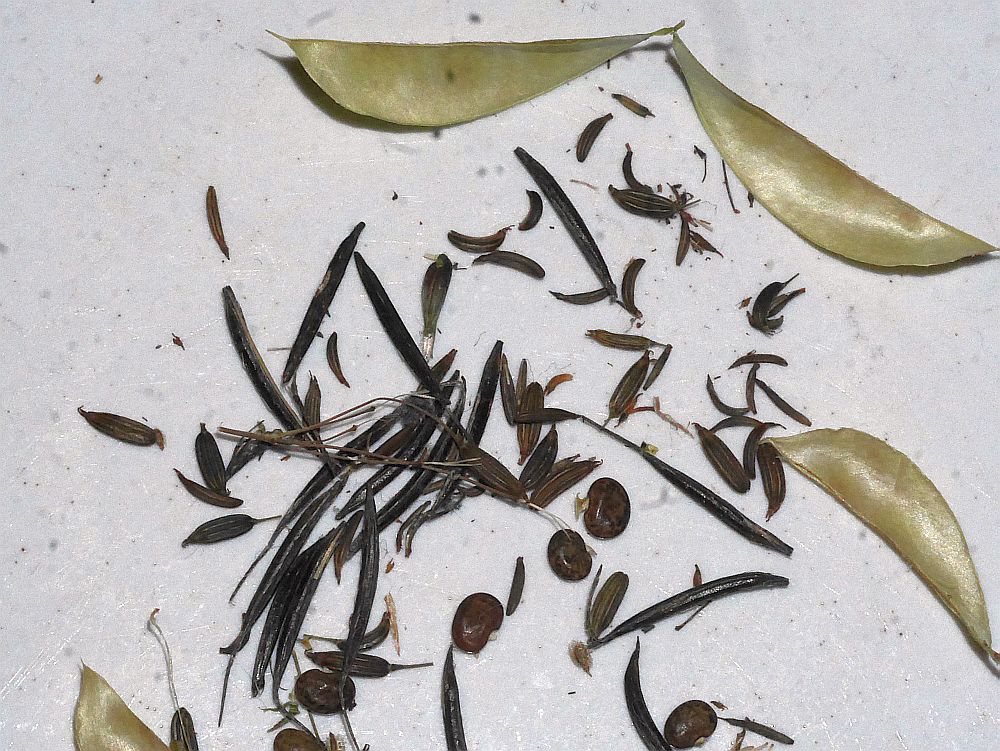
I tonight sowed various perennial edibles I found and collected seed of in the woods near Woodstock, Vermont while visiting a friend and my US distributors Chelsea Green in White River Junction in September! Excited to be creating my little bit of Vermont in Malvik :)
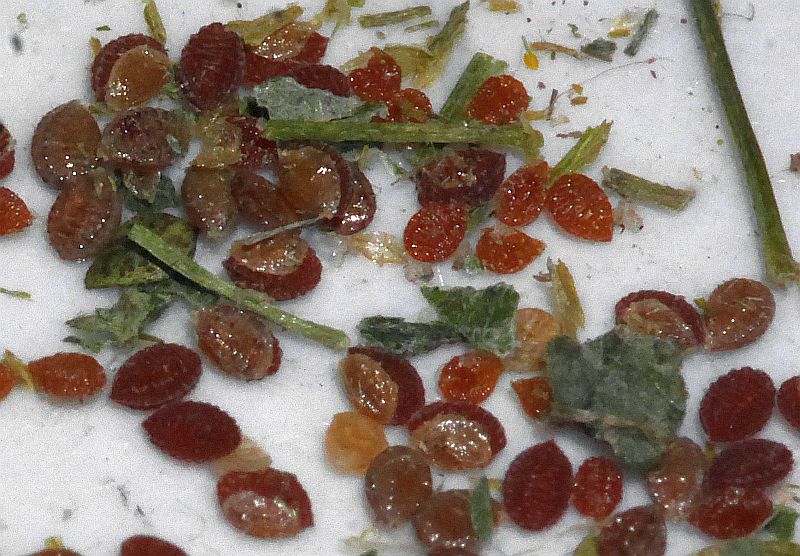


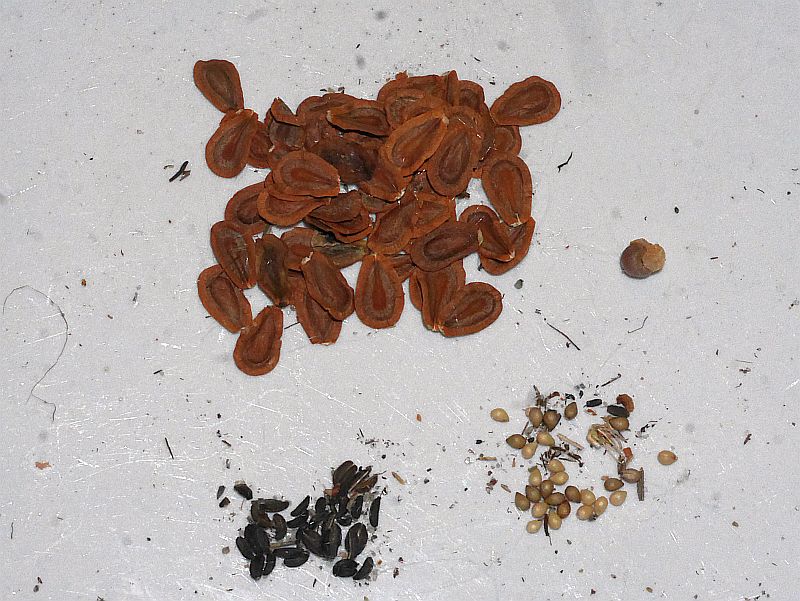
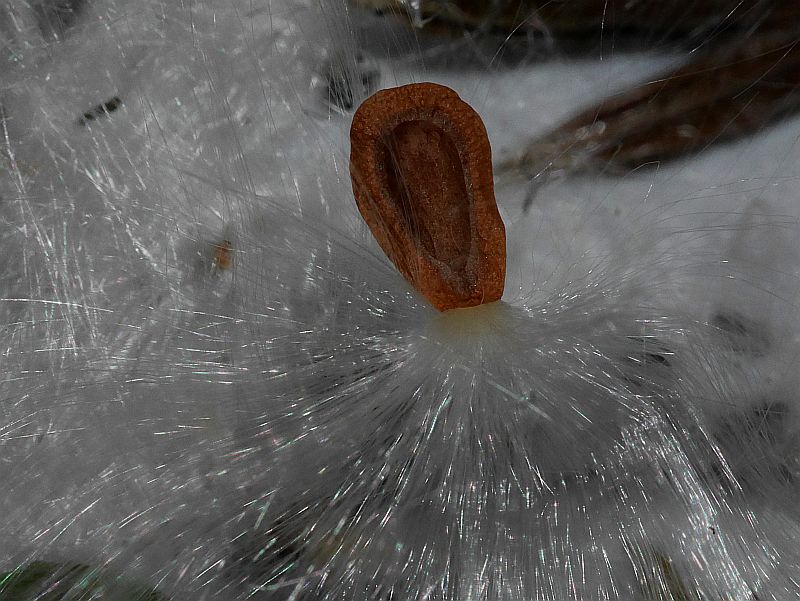
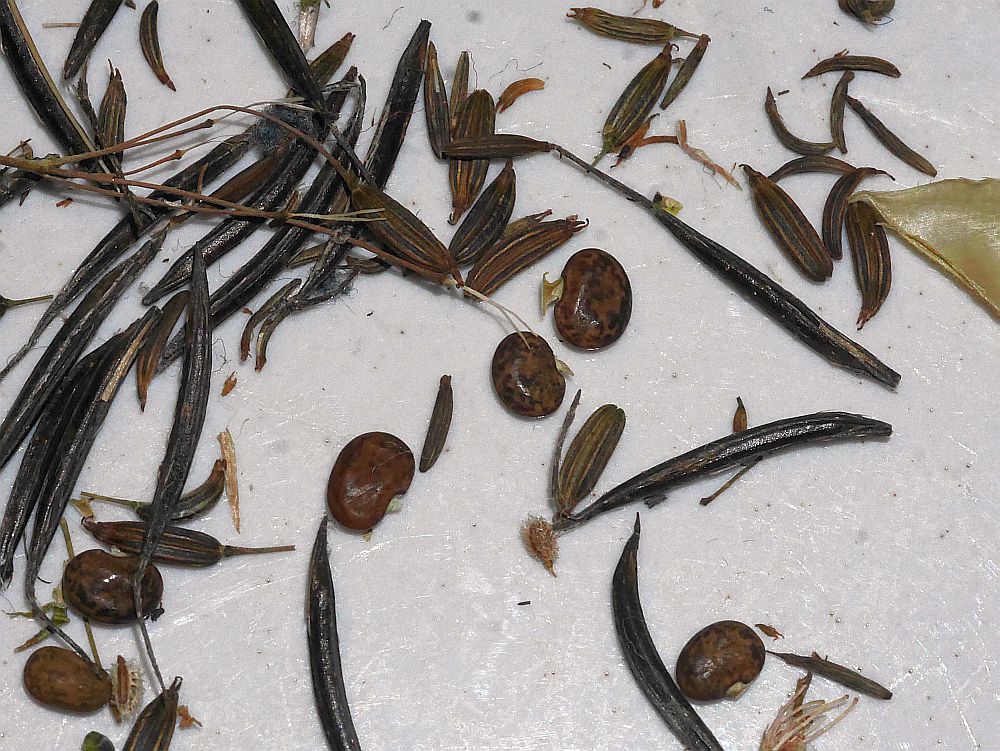
 Oxalis stricta
Asclepias (Milkweed)
Asclepias (Milkweed)
Asclepias (Milkweed), Viola canadensis…..
Asclepias (Milkweed)
Amphicarpaea (the small beans), Osmorhiza (longest) and
Honewort
Amphicarpaea (the small beans), Osmorhiza (longest) and
Honewort
I visited an ex-colleague in Athens, Greece some 20 years ago. He offered me tea of a plant I didn’t know. He called it mountain tea from the Greek τσάι του βουνού… He told me it was one of the two most popular herbal teas in Greece, used both for pleasure and to prevent colds. Looking it up in a book on the flowers of Crete, where he was from, it turned out to be Sideritis syriaca. At the time I’d never heard of it and was puzzled as to why one of Greece’s most prized herb teas wasn’t known in Northern Europe. After all, most of our herbs originate in the Mediterranean countries. I searched for seed and in the early days of the Internet I traded some with someone in Italy.

To my surprise, the resultant aromatic plants thrived in my garden in a dry well drained spot. Not that surprising as I found out that the plant was usually wild harvested high up in the White Mountains of Crete (ssp. syriaca, despite its name), an area with not that dissimilar a climate to where I live. I concluded that perhaps this herb was easier for me to grow than further south in Europe, not liking wet winter conditions. This theory was strengthened when my first plants died one w inter after I had removed a tree which had kept the place I was growing it dry….and subsequent replants also died . However, I have seen it in botanical gardens in recent years (Wisley and Hilliers in England) as well as Copenhagen and Århus (Denmark) and Gøteborg (Gothenburg). I alslo saw it growing in the Tromsø Botanical Garden at close to 70 deg. N in Norway. The herb also started to become available particularly in Germany (the German wiki page is particularly informative: http://de.wikipedia.org/wiki/Syrisches_Gliedkraut) and elsewhere where there are Greek markets such as in New York.
If you’ve succeeded with this herb, please let me know!!
In 2010 I found that another gardener here in Malvik had managed to keep one of the original plants I’d given her alive:

Here in the Tromsø Botanical Gardens in 2009:


It turns out that there are a number of other closely related species also used as herbal tea including S. scardica (Mursalski or Olympus Tea), S. cretica (Crete Mountain Tea, actually from Tenerife!) and (below) S. trojana seen in the Mediterranean garden at Kew 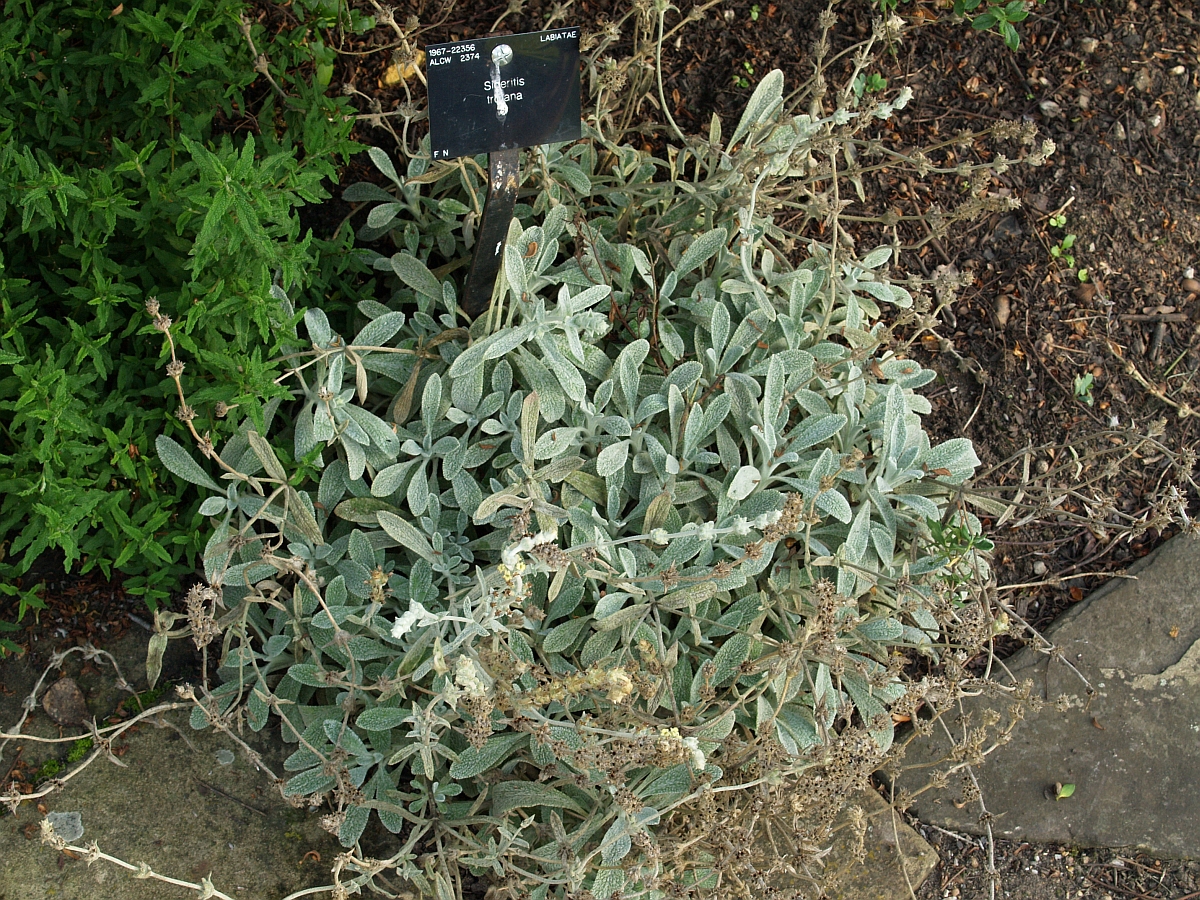 Gardens:
In the post box today from the Alpine Garden Society’s seed exchange… :) To be sowed this evening for stratification (cold treatment outside).