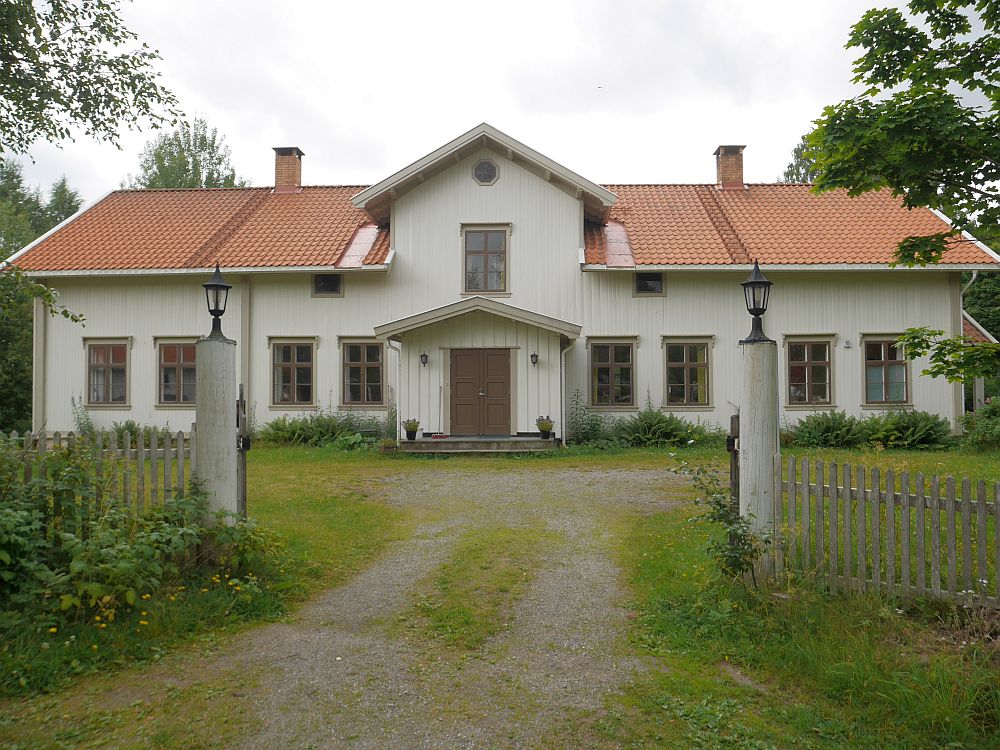
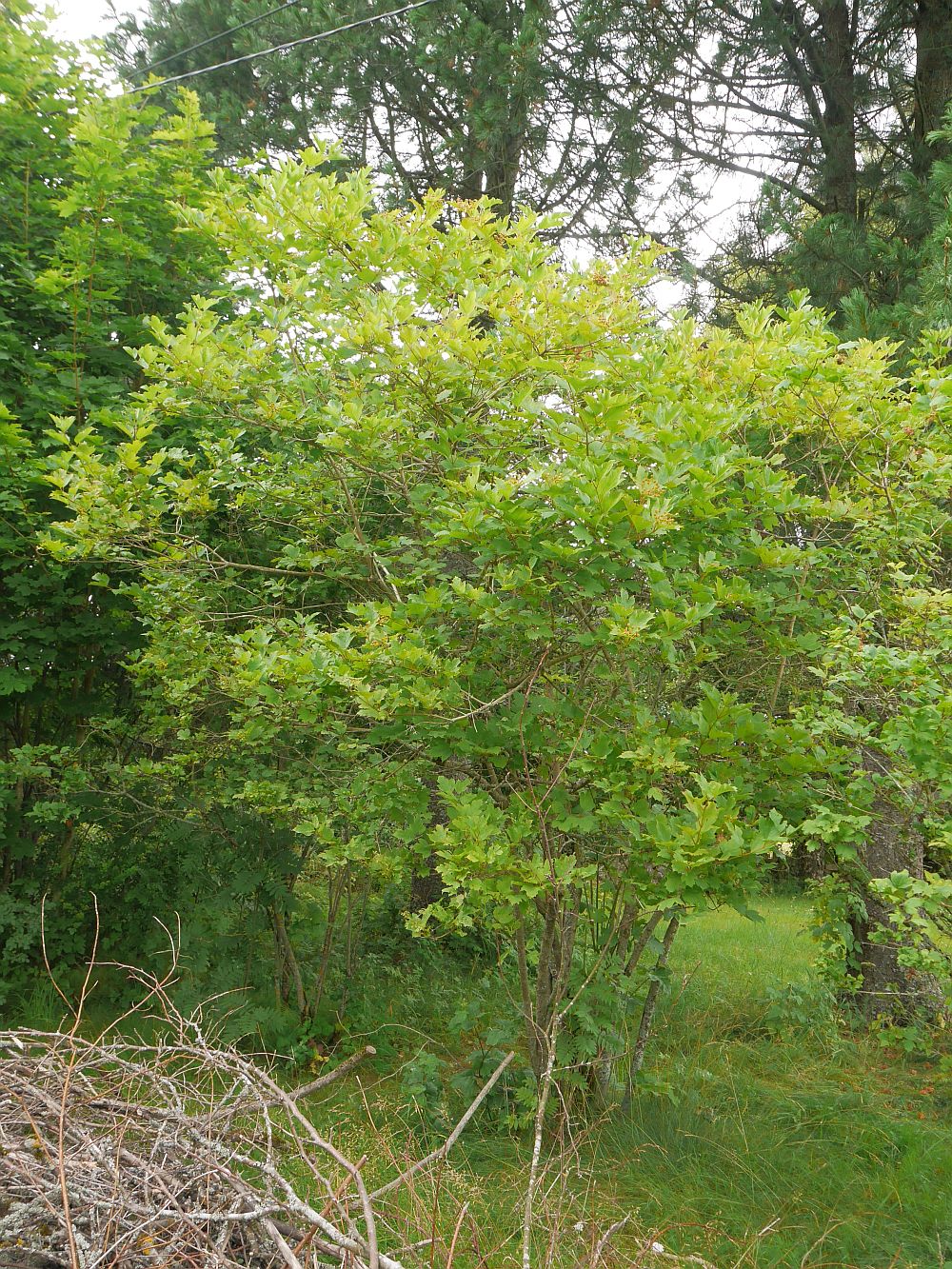
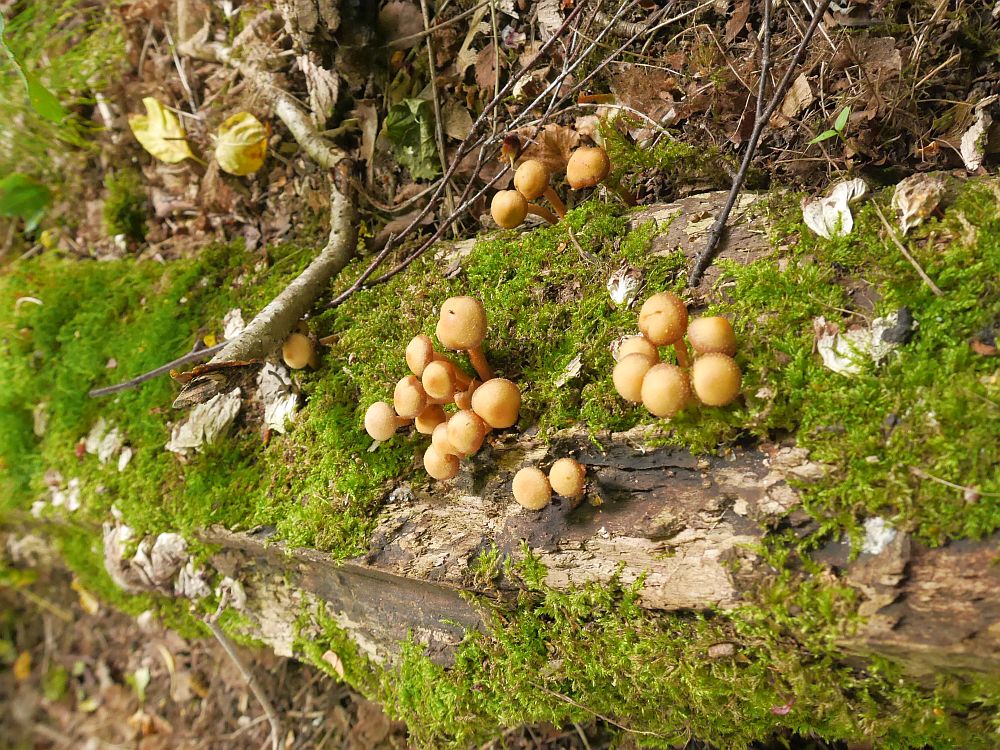
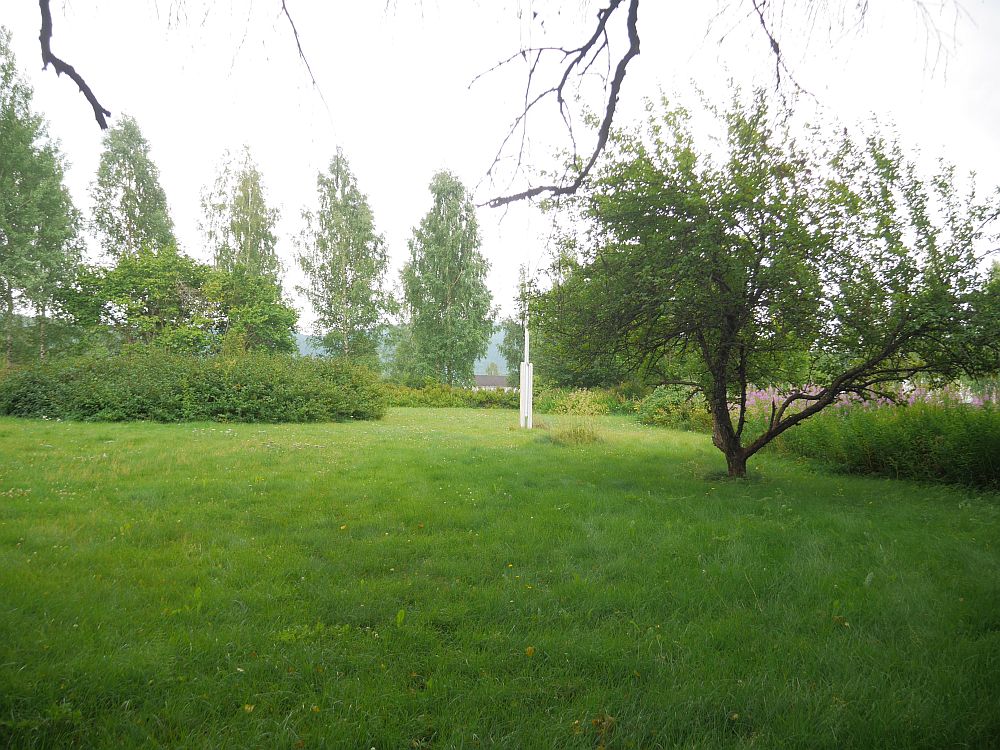
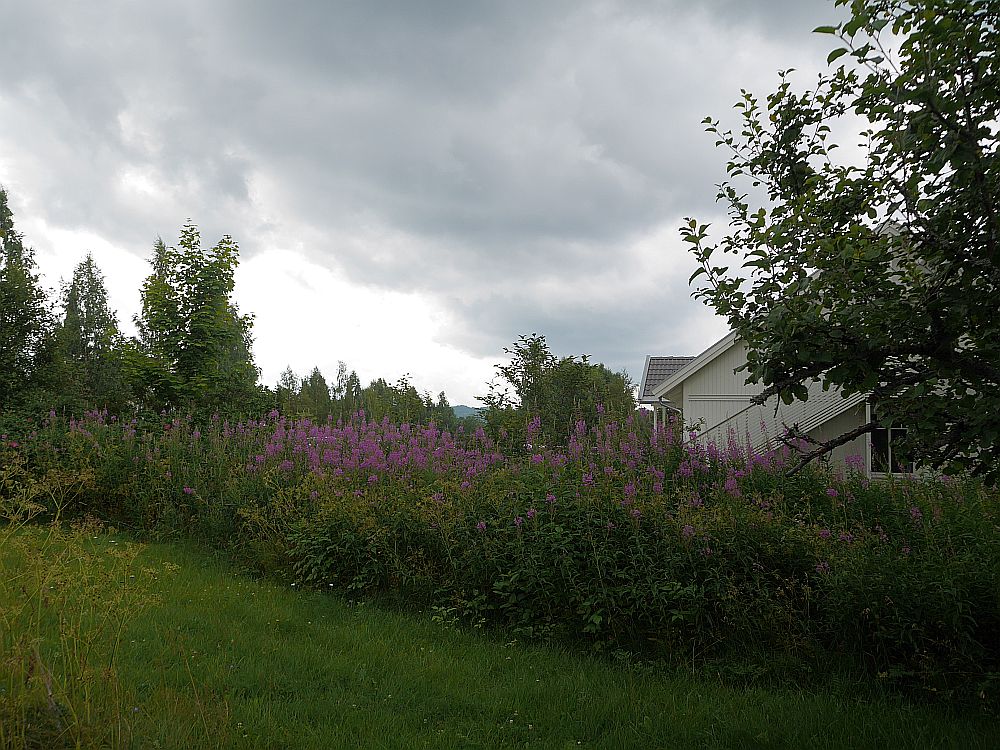
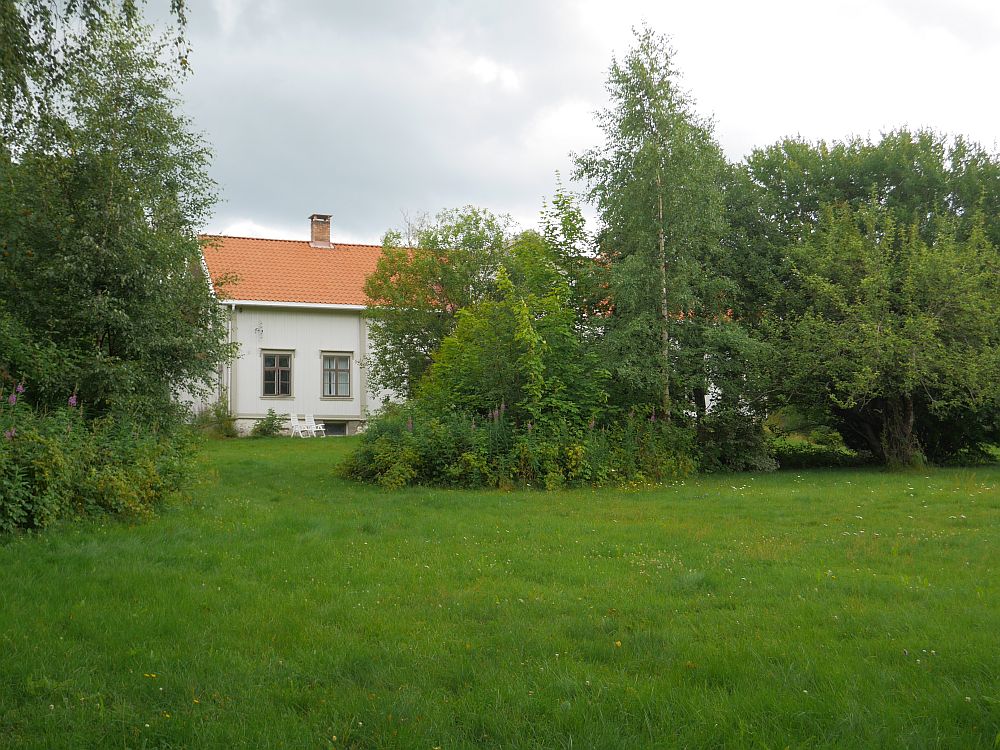
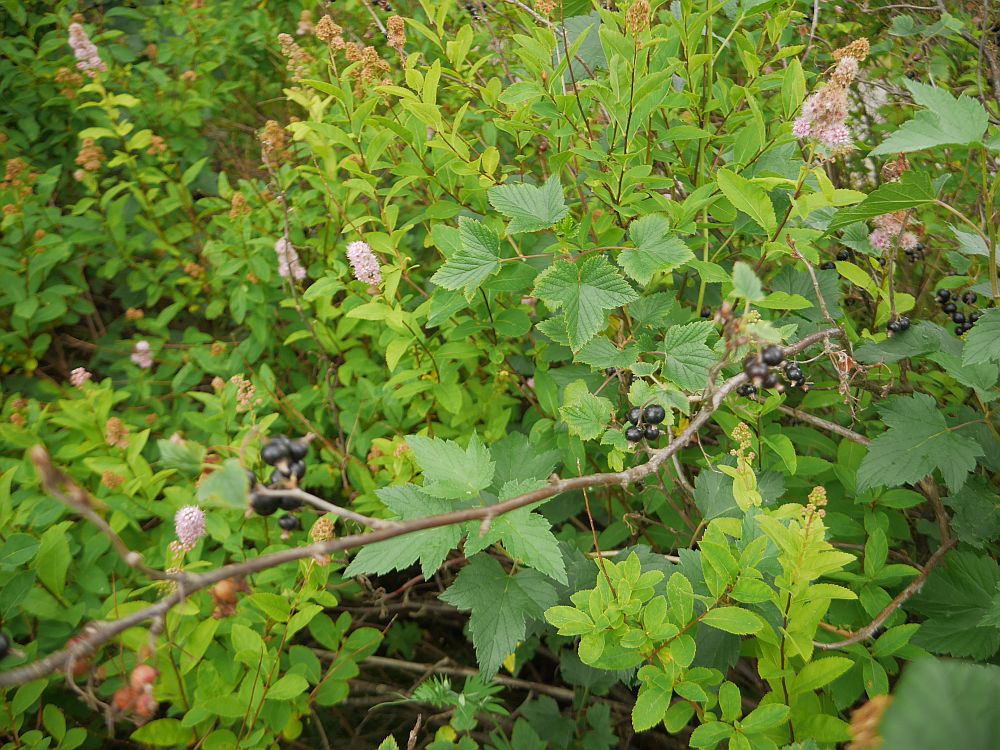
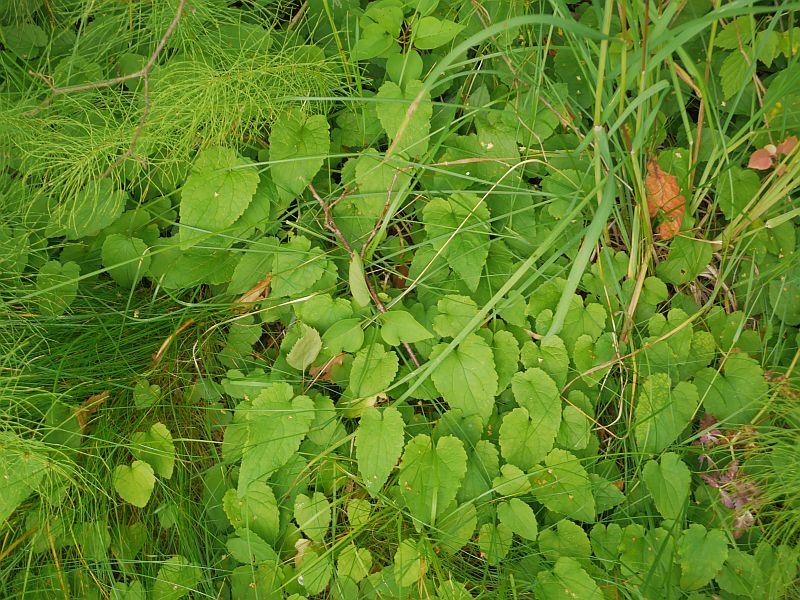
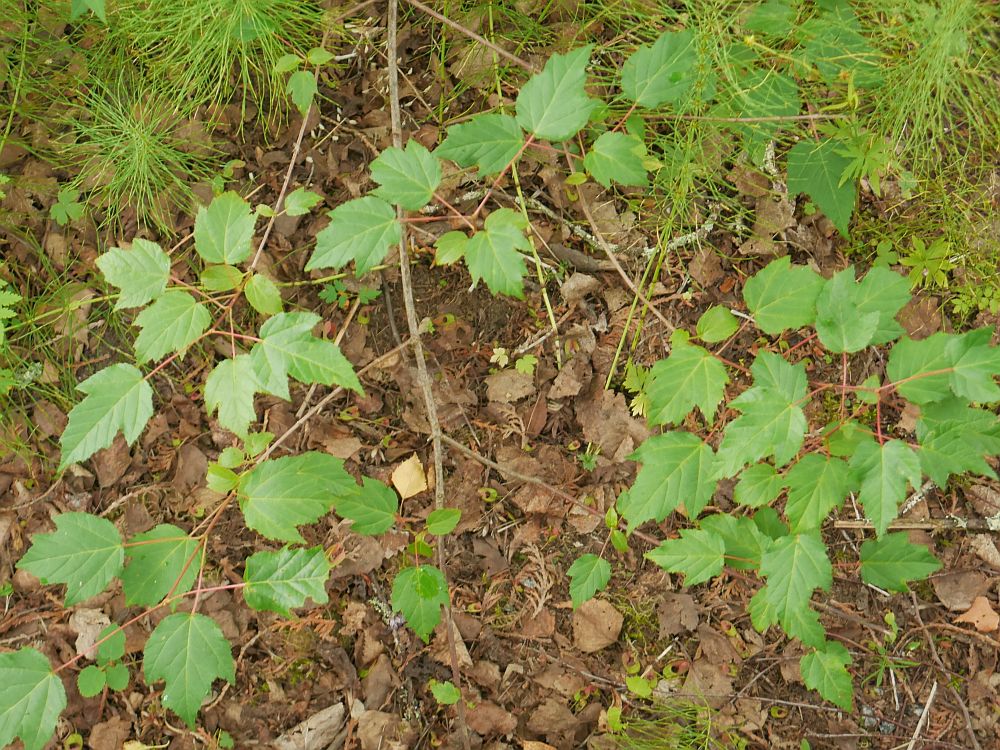
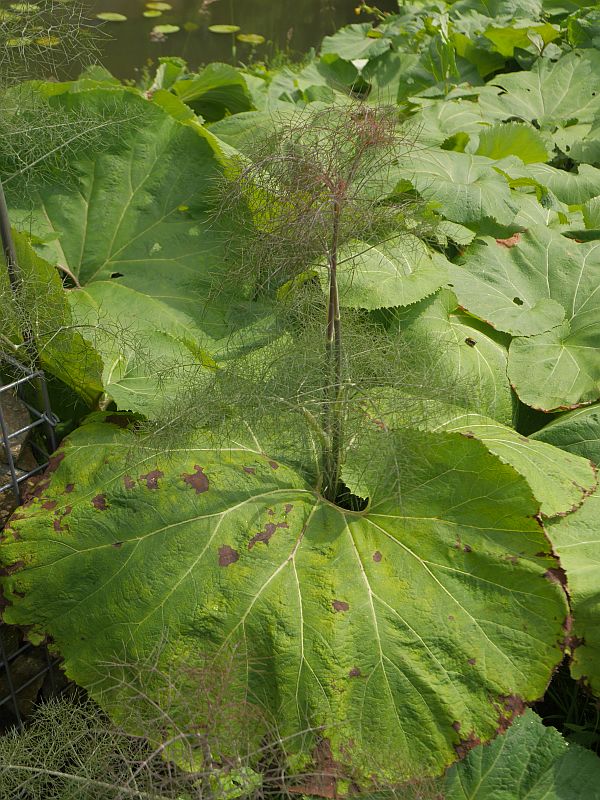
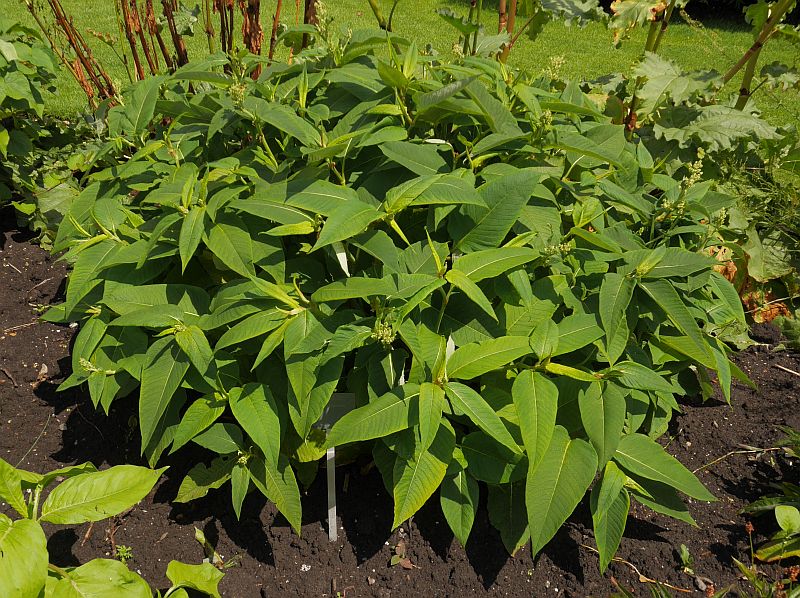
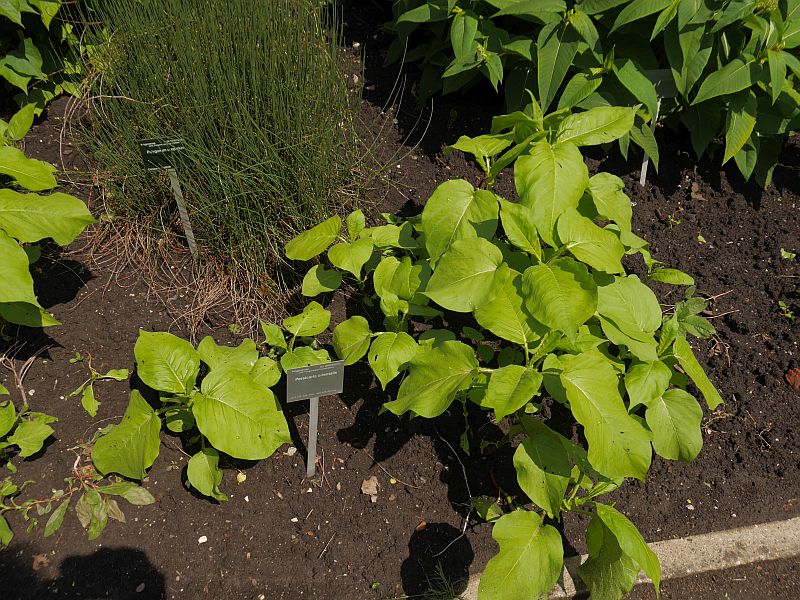
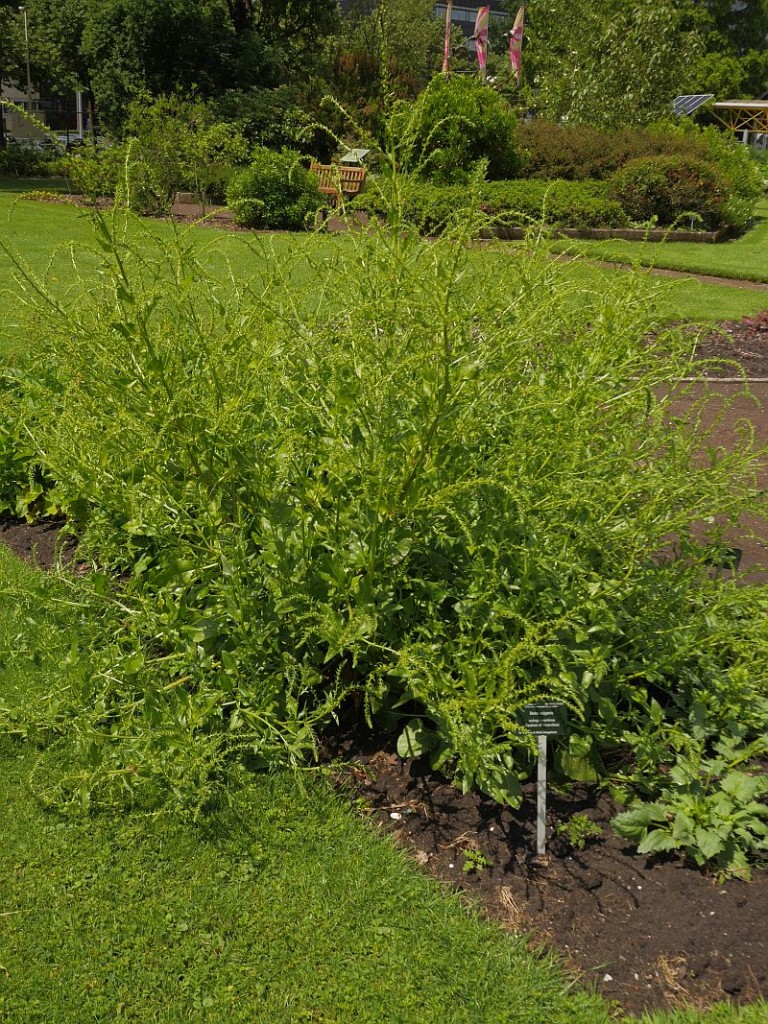
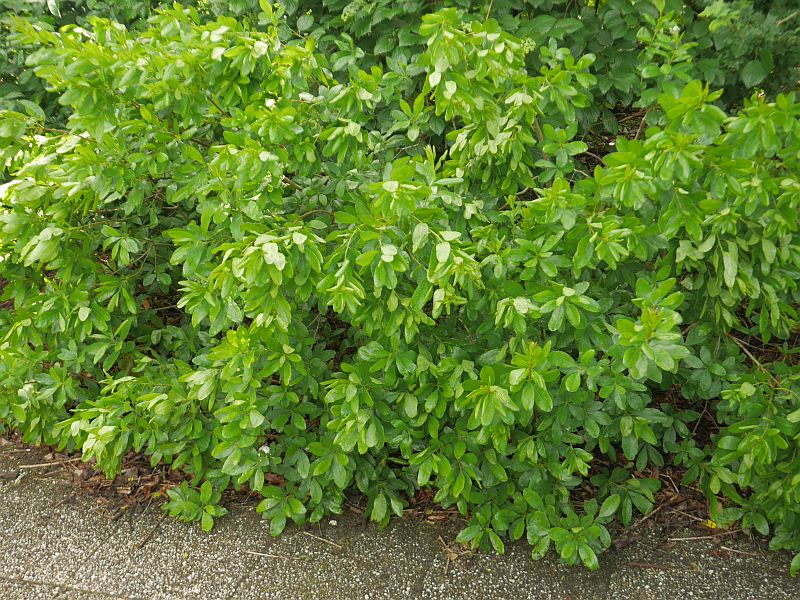
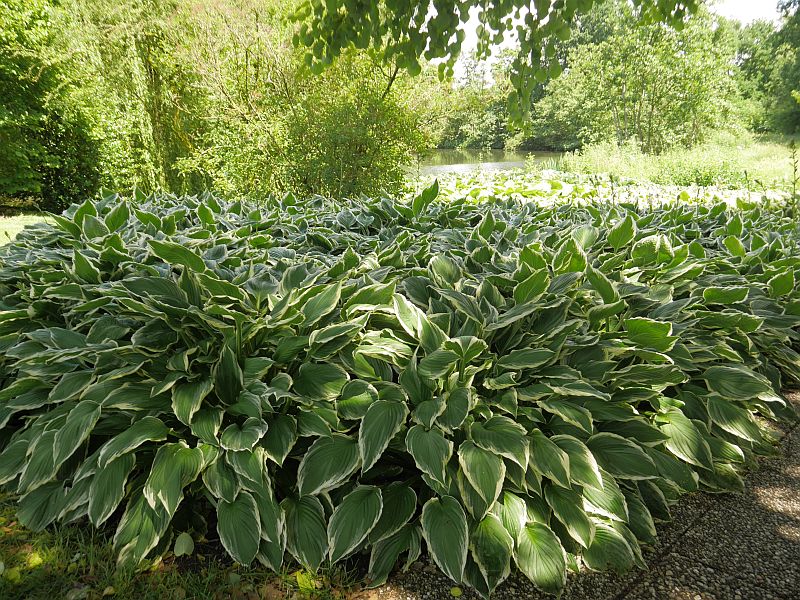
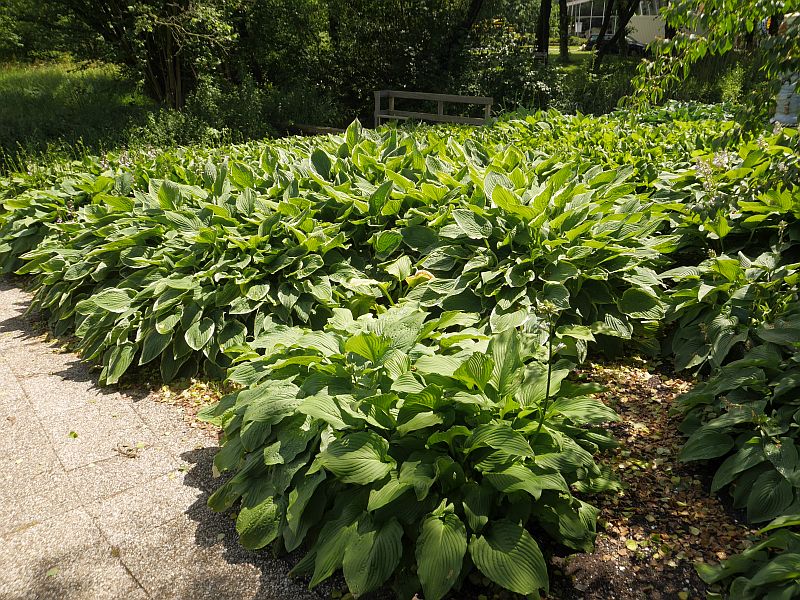
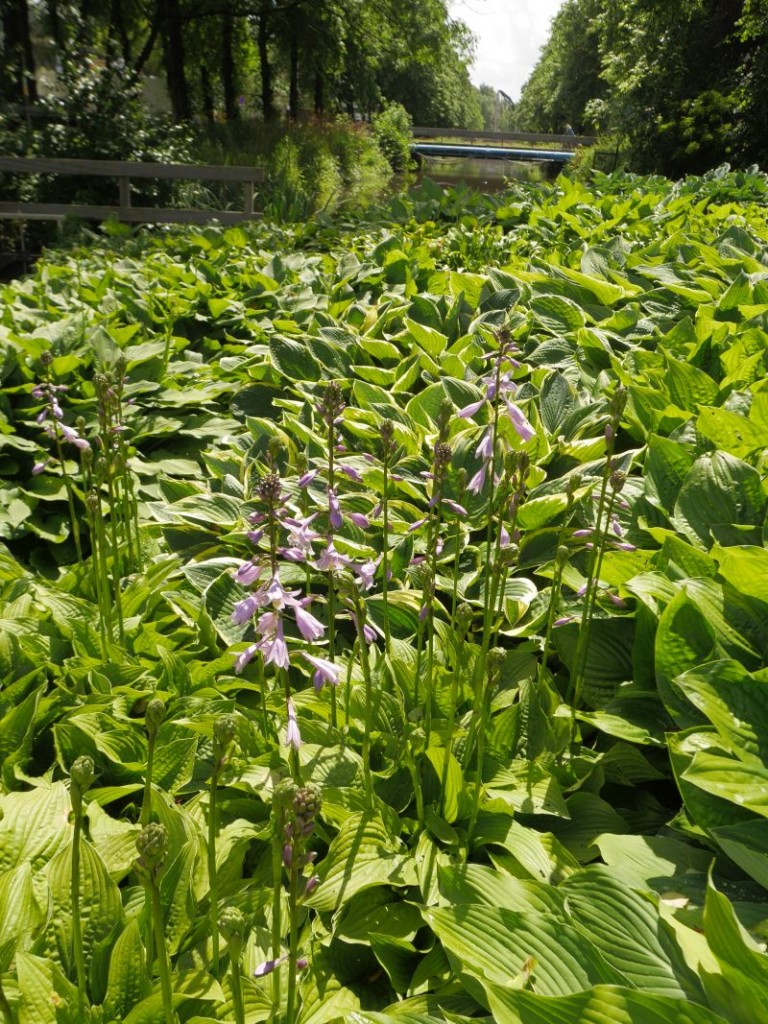
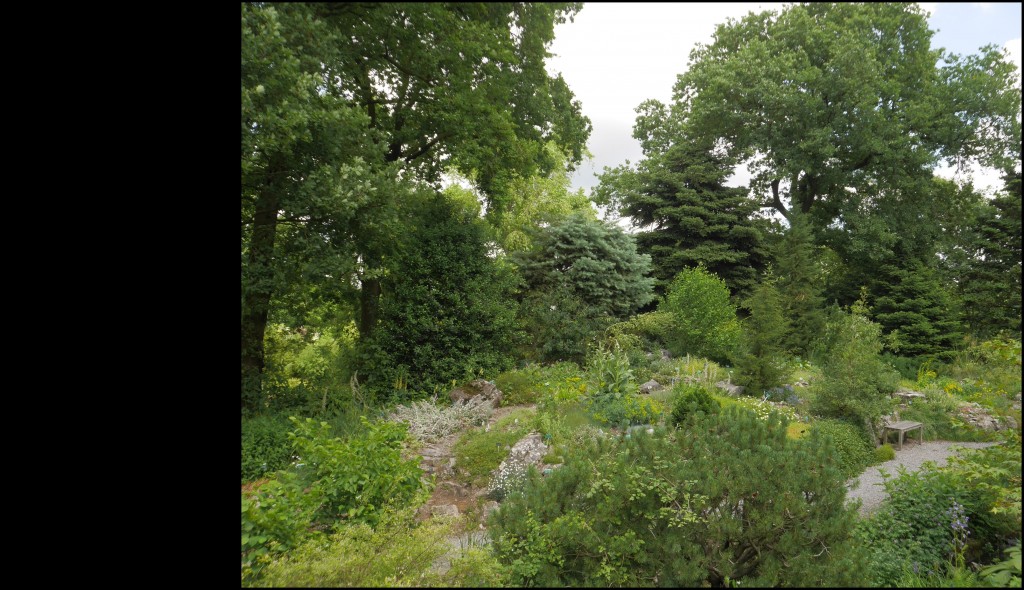
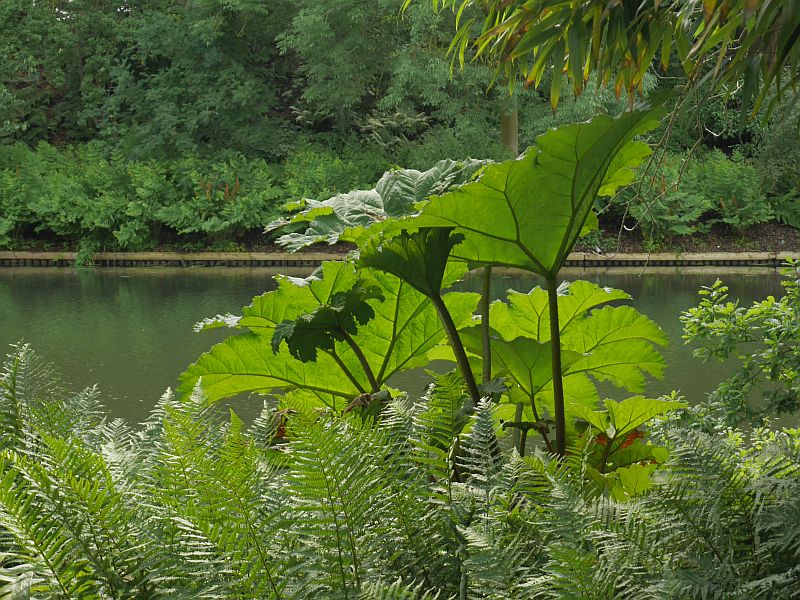
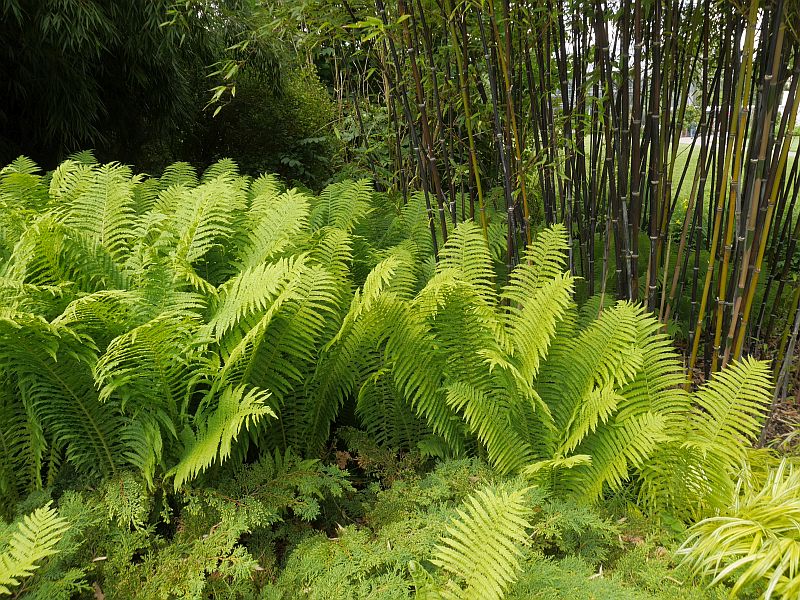
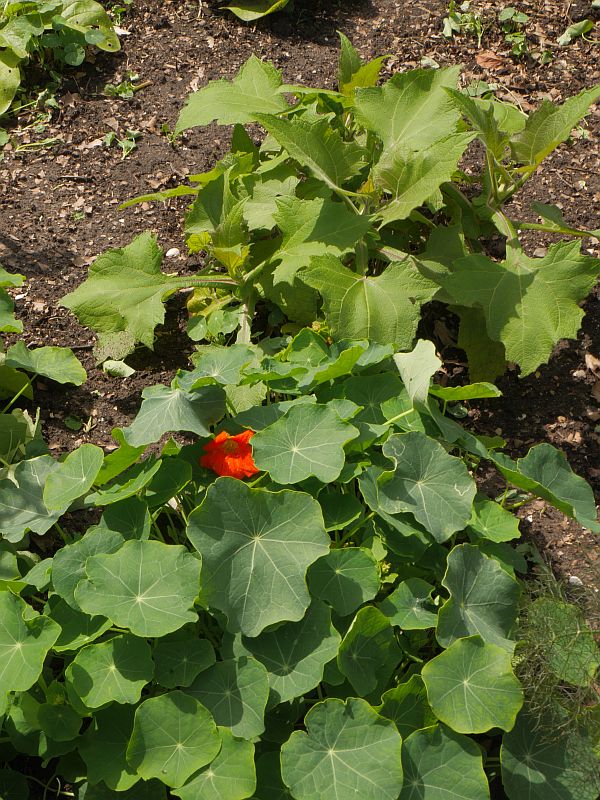
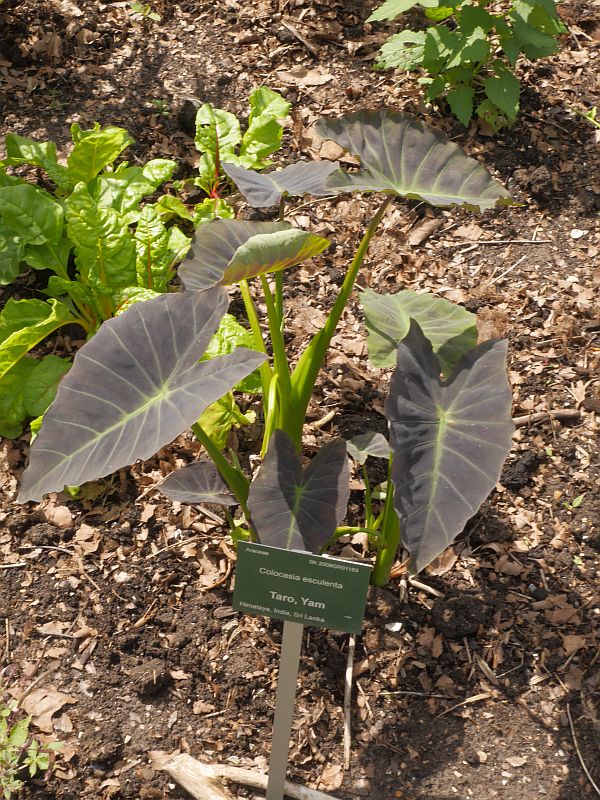
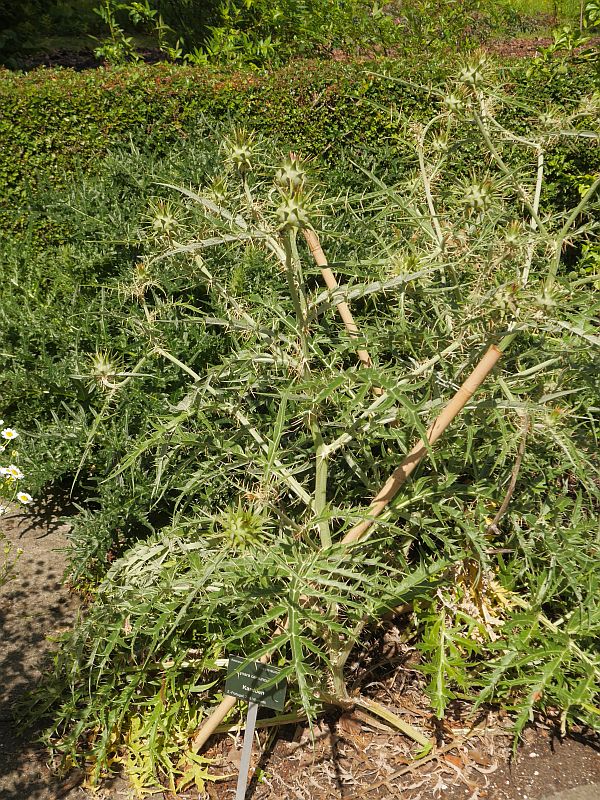
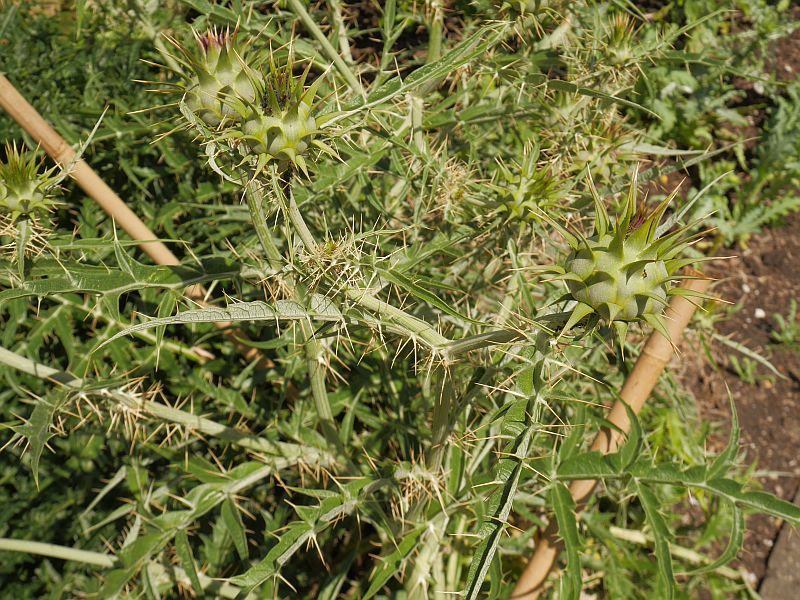
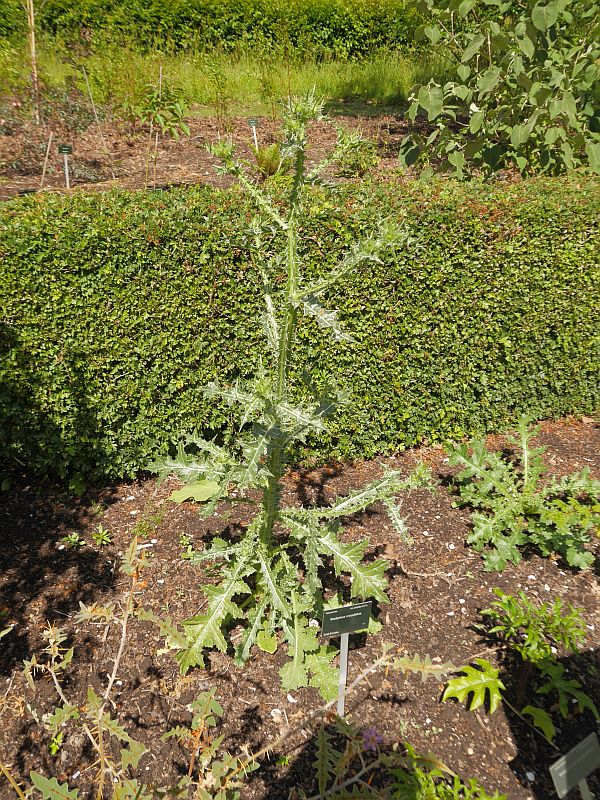
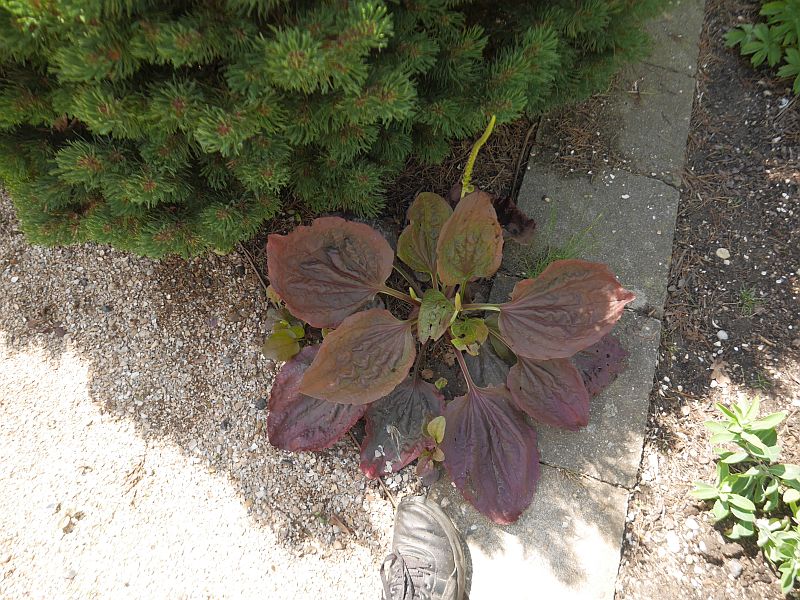
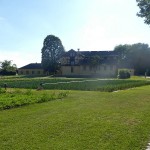
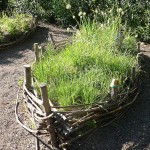
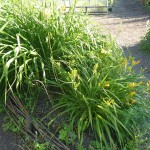
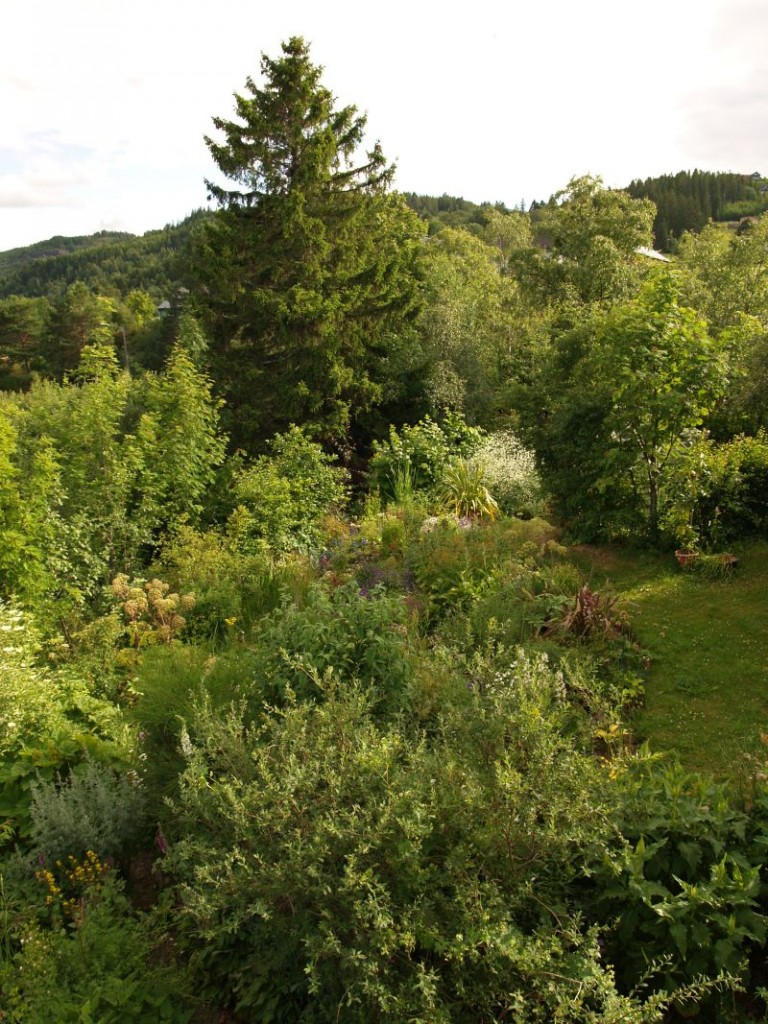
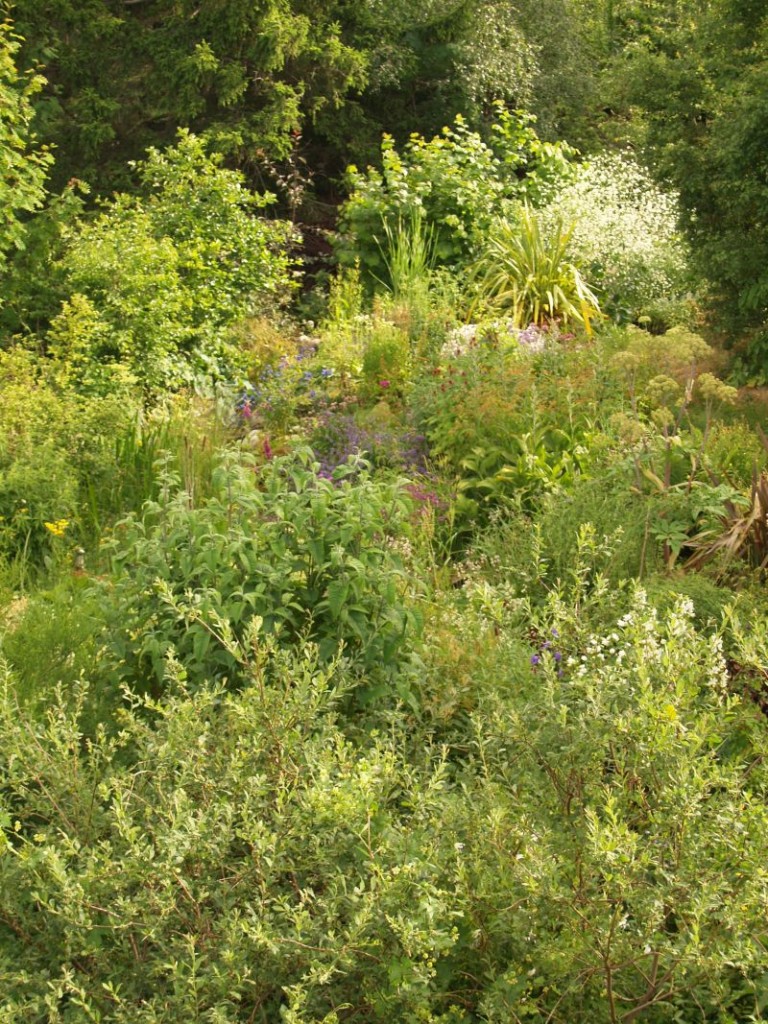
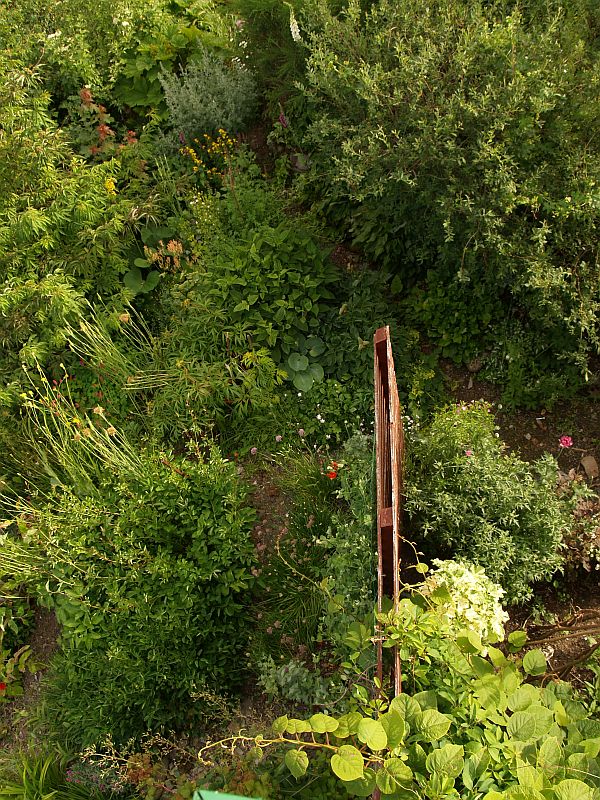
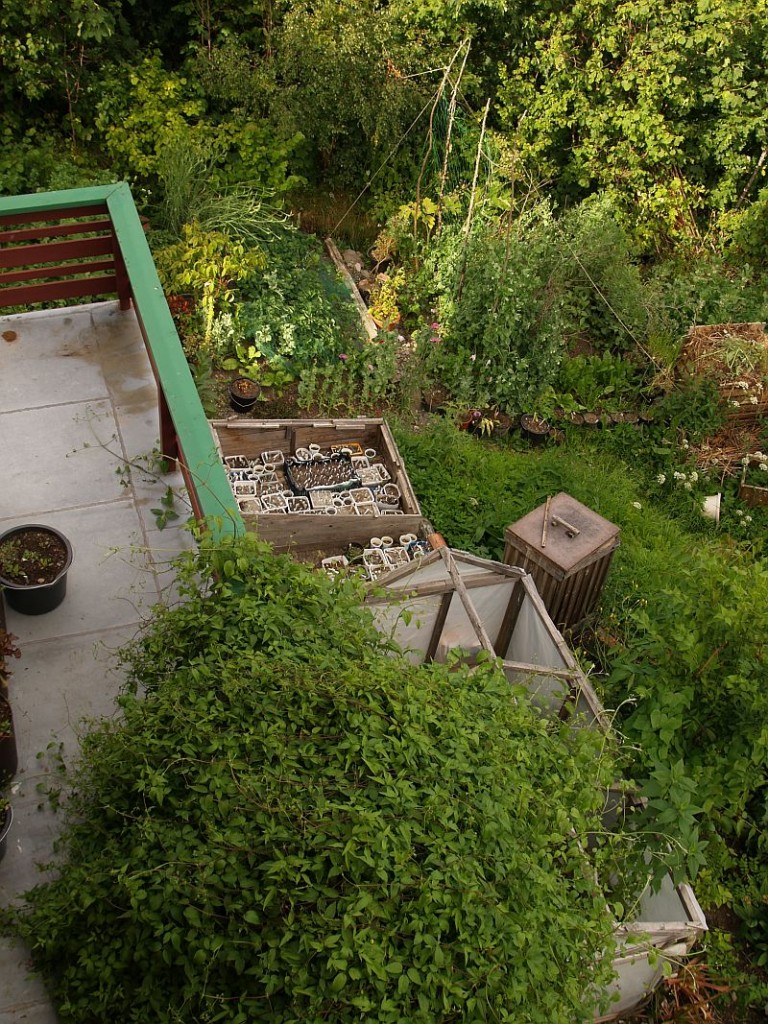
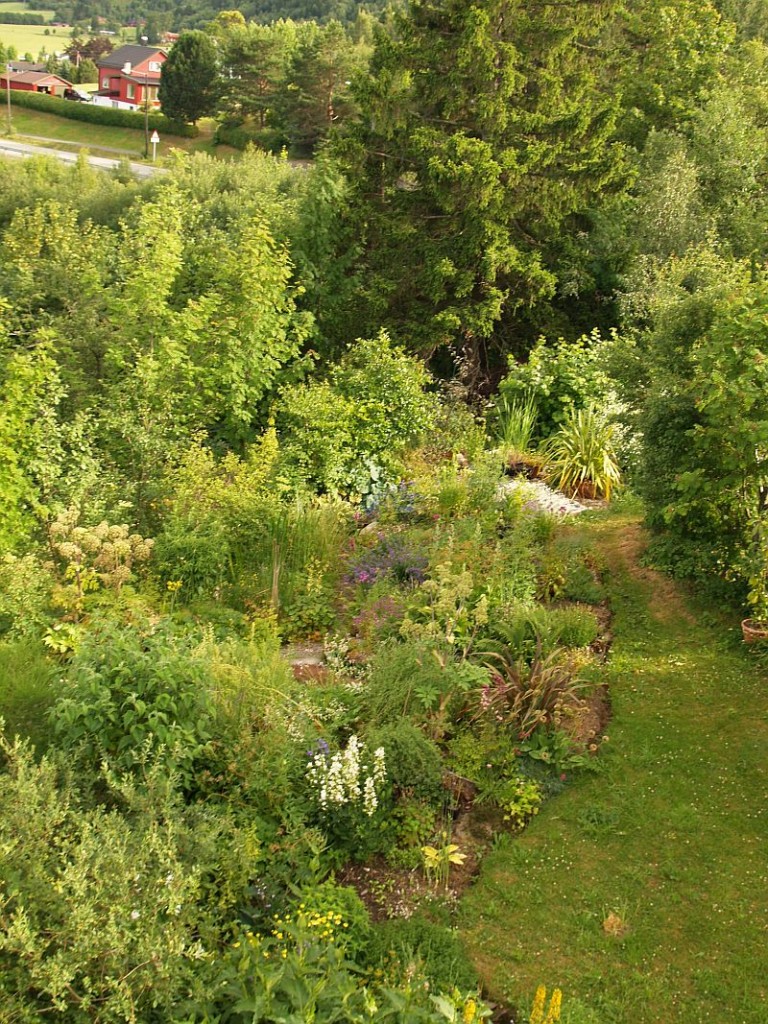
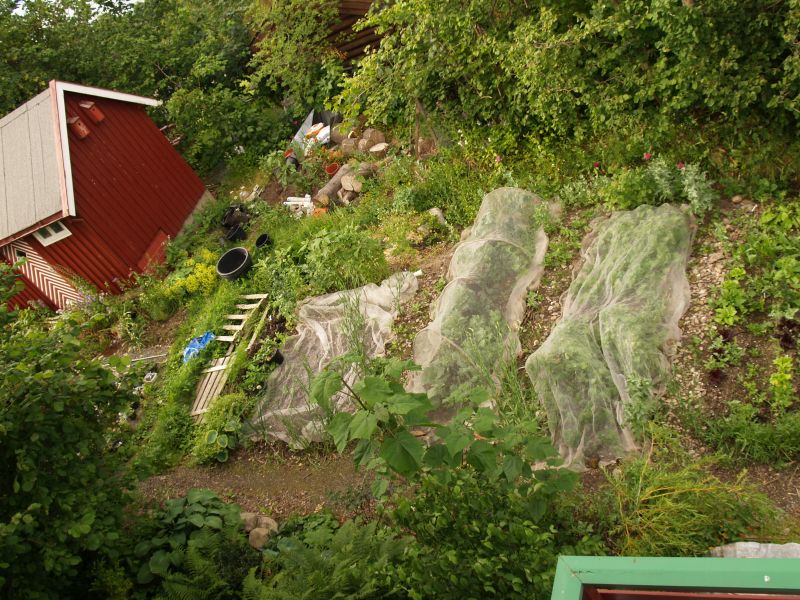
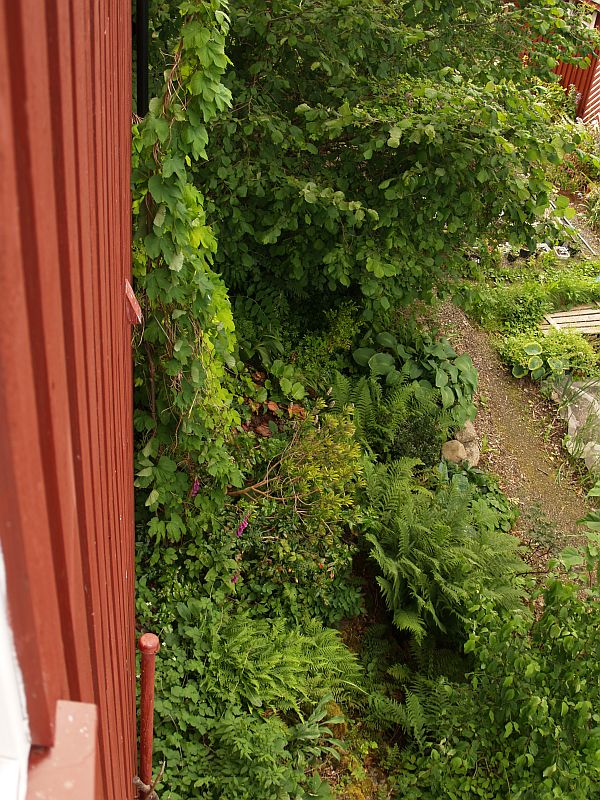
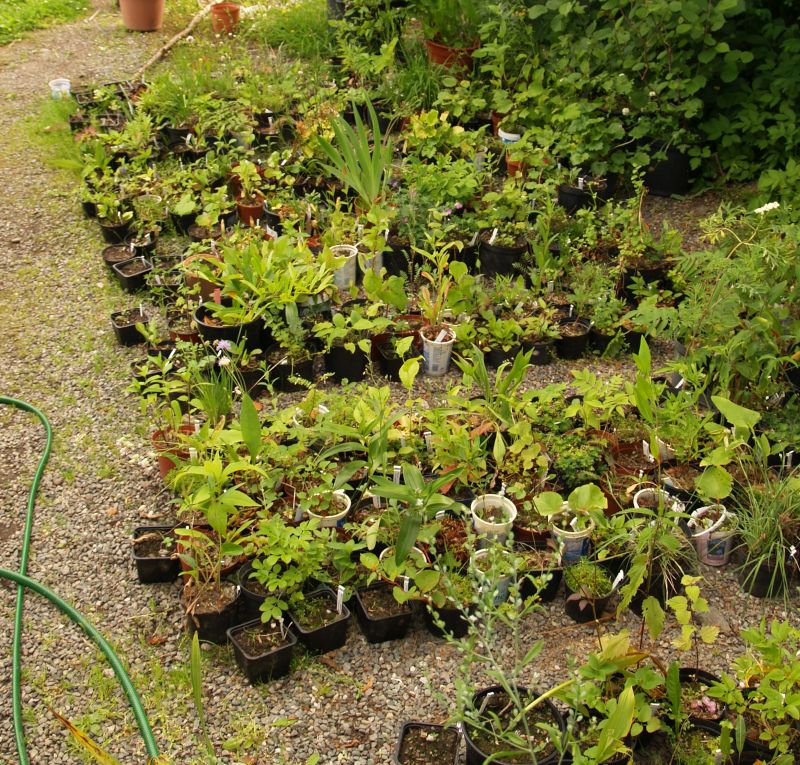
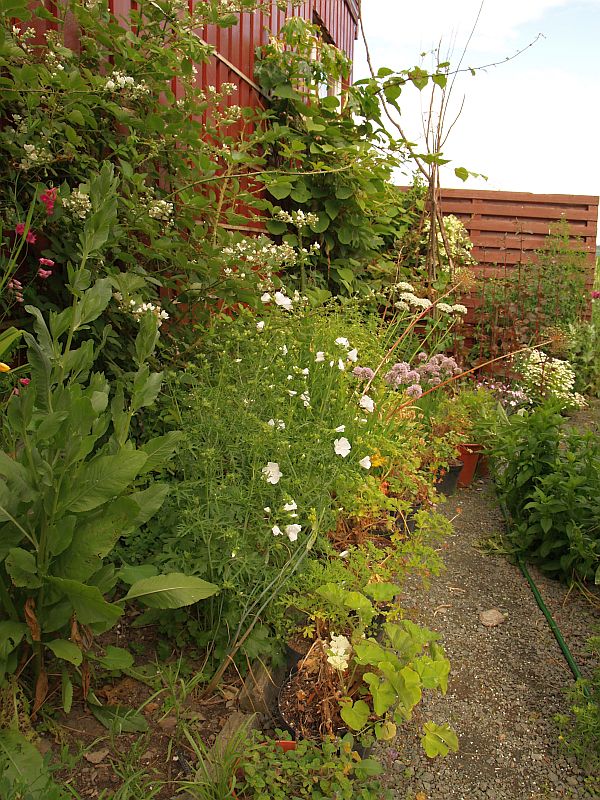
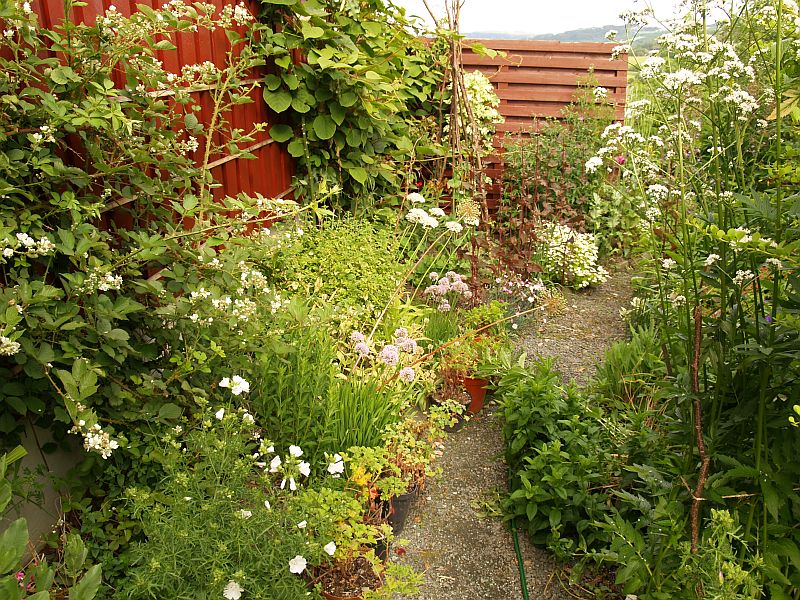
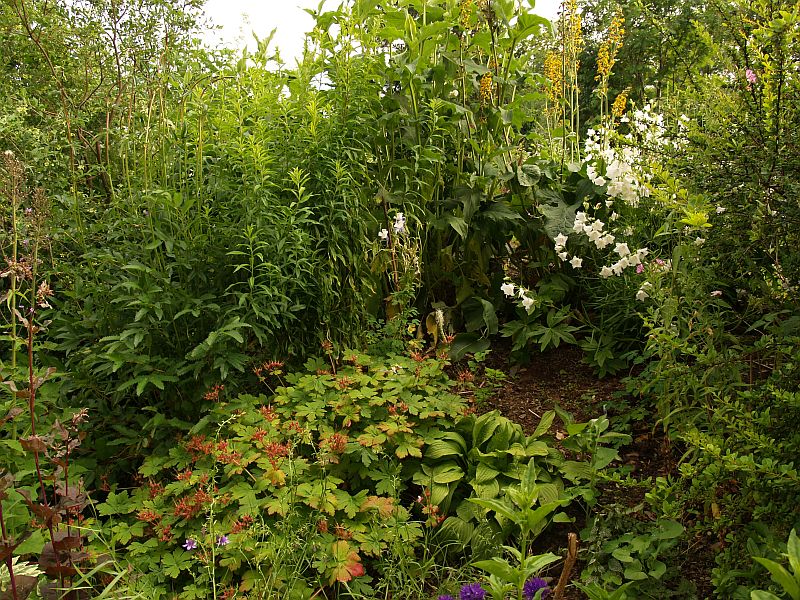
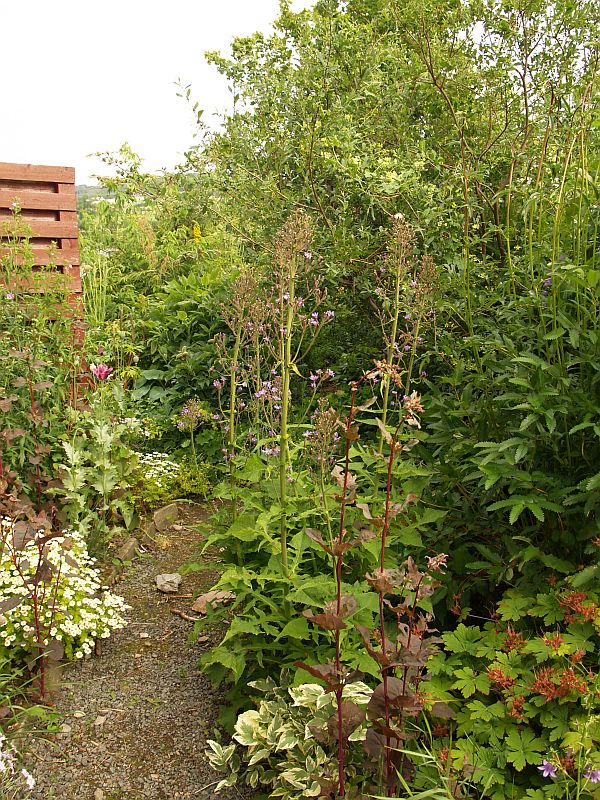
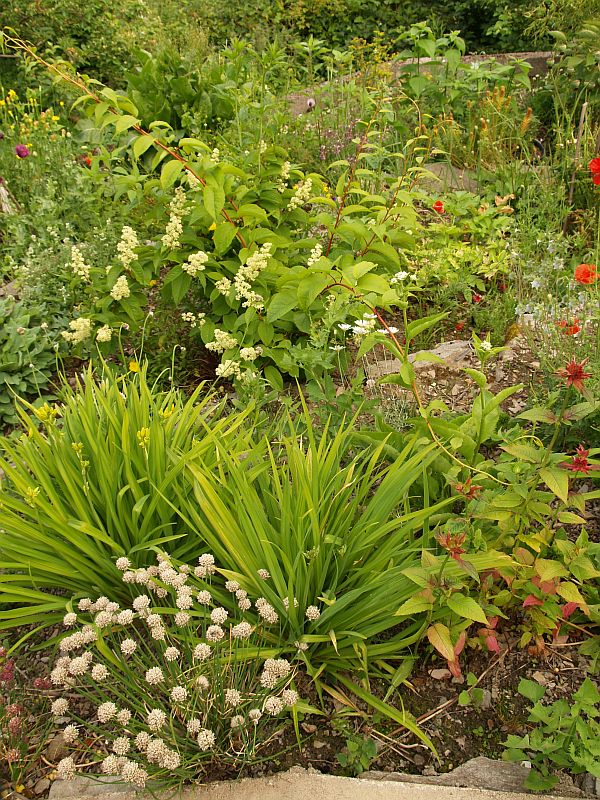
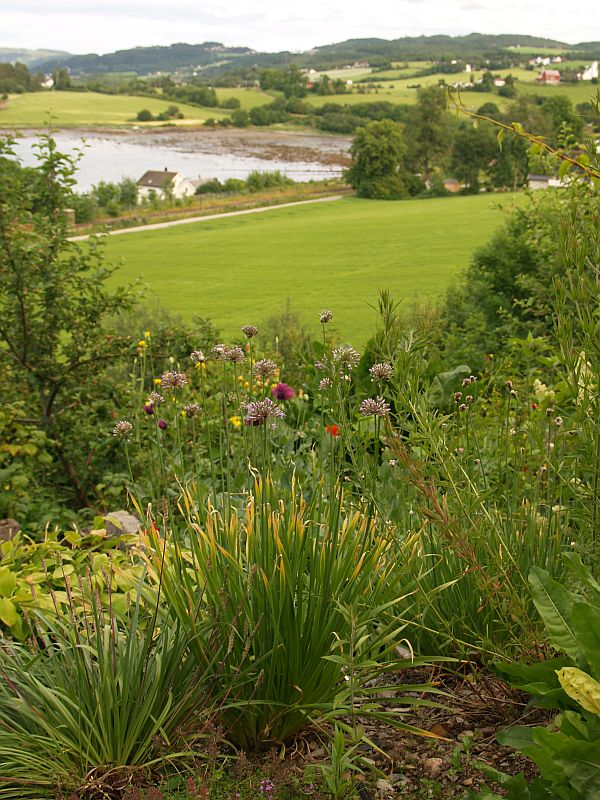
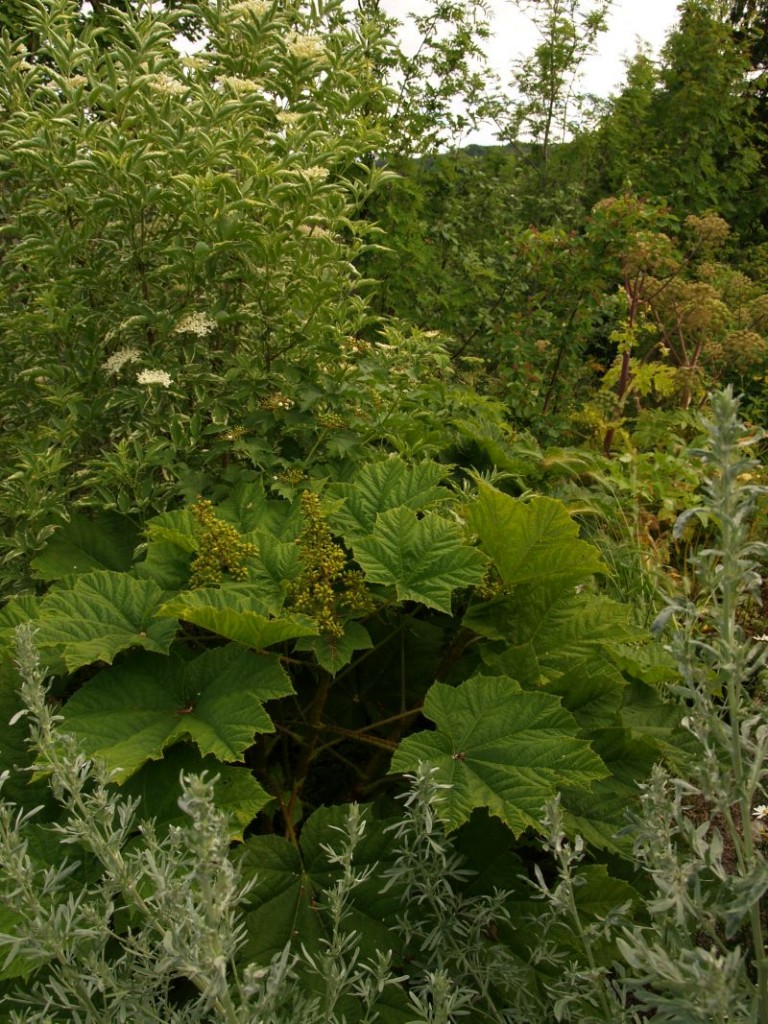
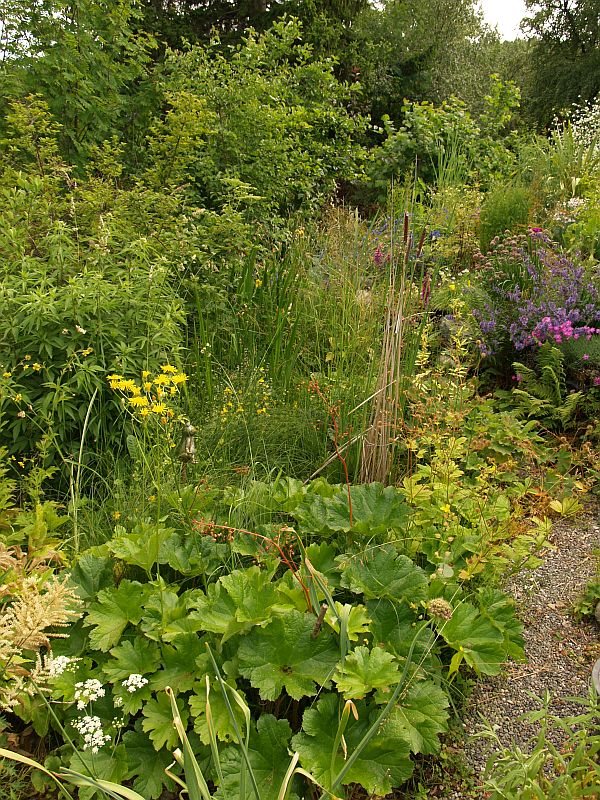
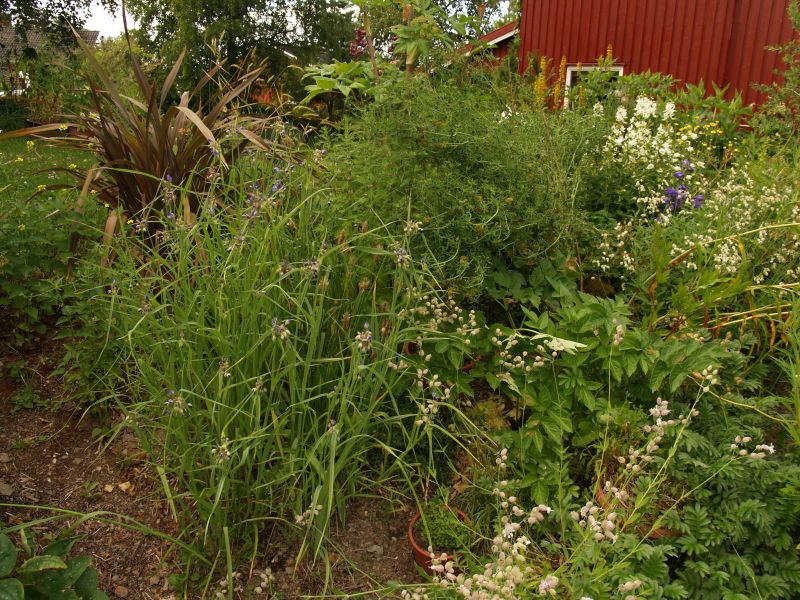
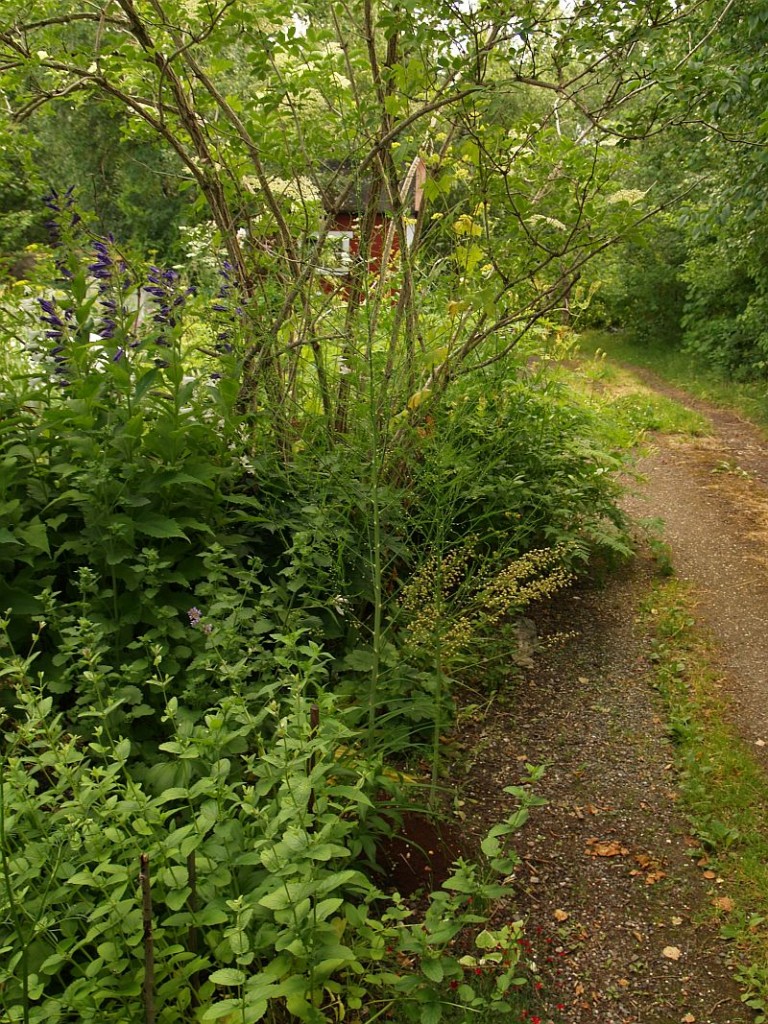
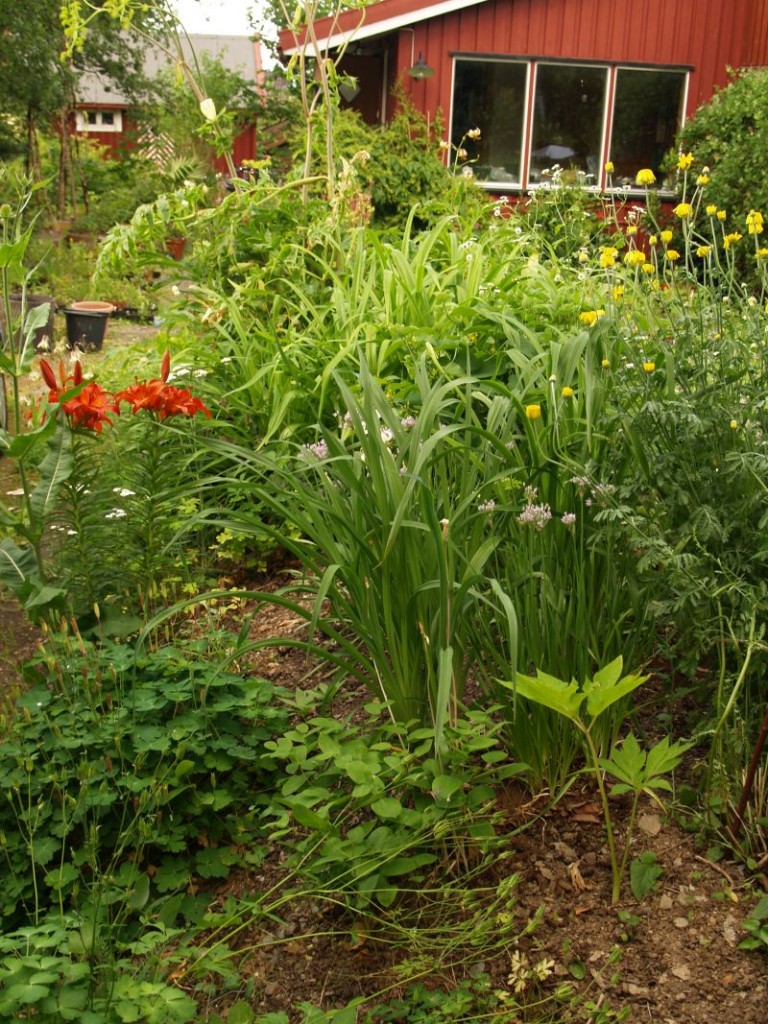
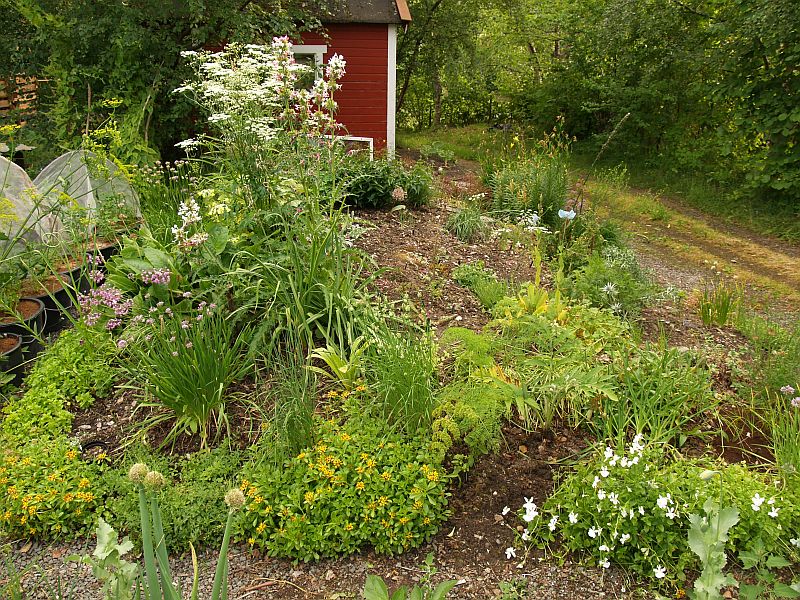
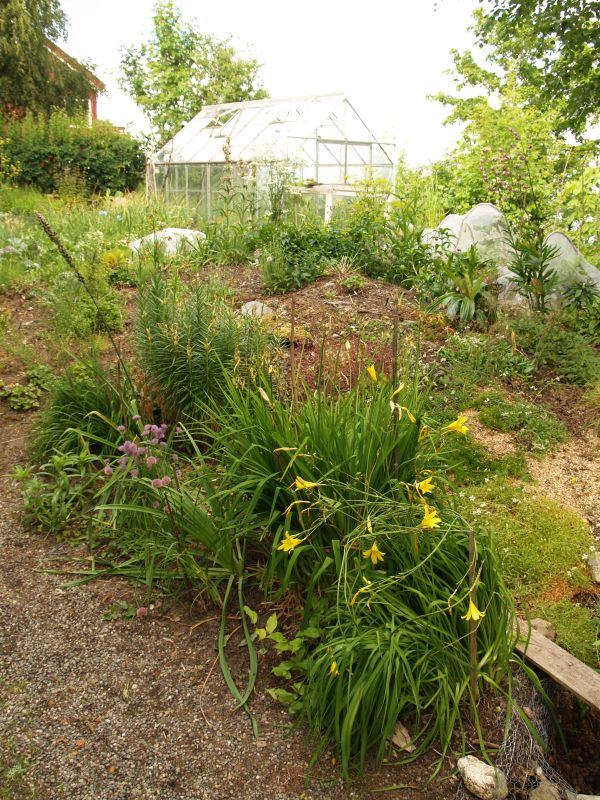
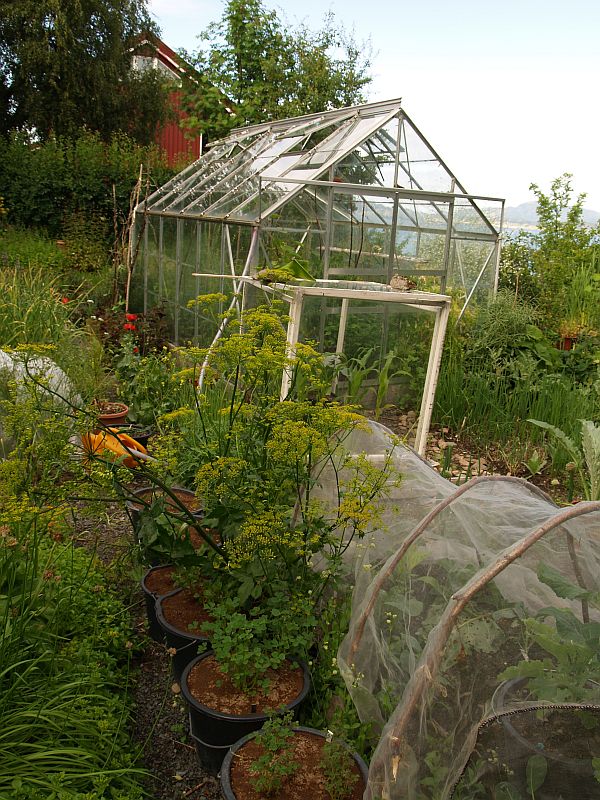
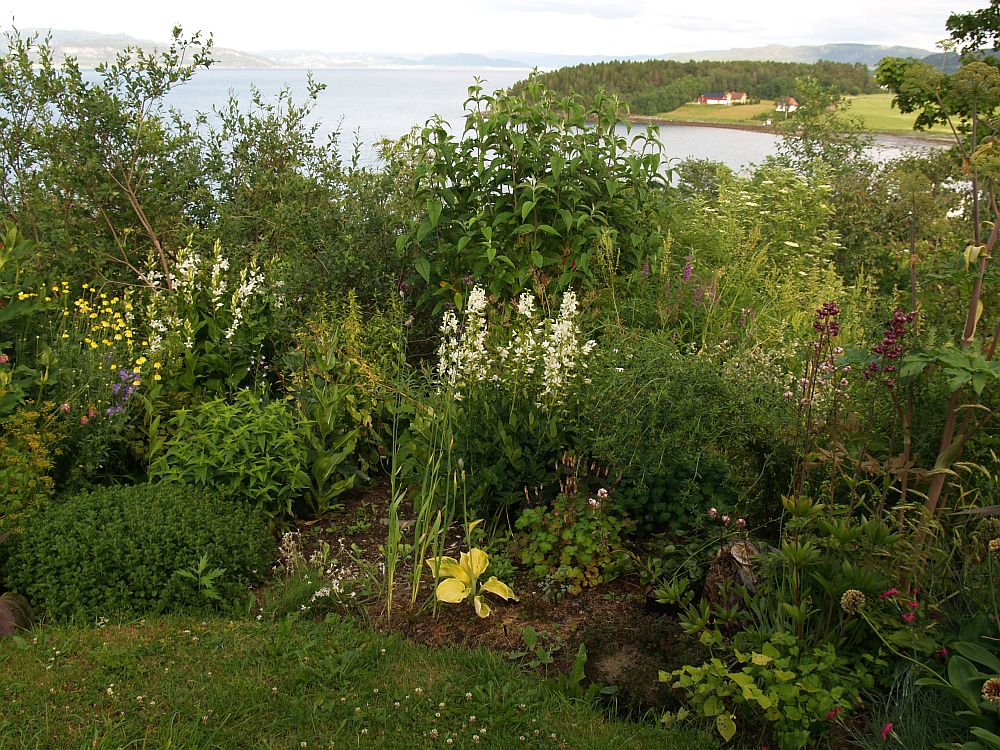
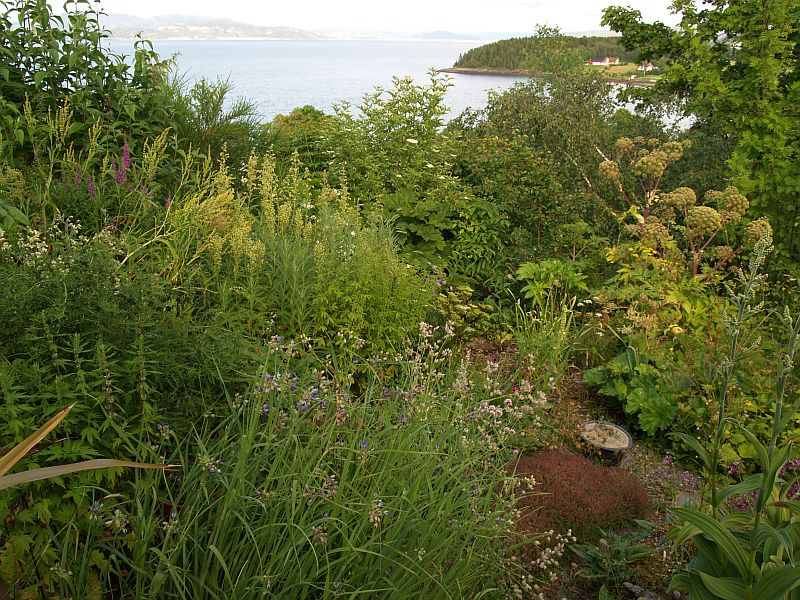
Her er min bilde-dokumentasjon av plantene i Prestegårdshagen i Hurdal funnet under to besøk i juli 2017 før evt restaurering / nyplanting kommer i gang!
Se også bildene av nøttekråkene, cembrafuru (det er 4 trær i hagen!) og pinjenøtter her: http://www.edimentals.com/blog/?p=12512
Nøttekråkene også spiser og hamstrer hasselnøtter, som var plantet (levende lysthus) og forvillet!
An album of pictures from registering plants in the garden of the Hurdal rectory.
Google Earth bilde av hagen
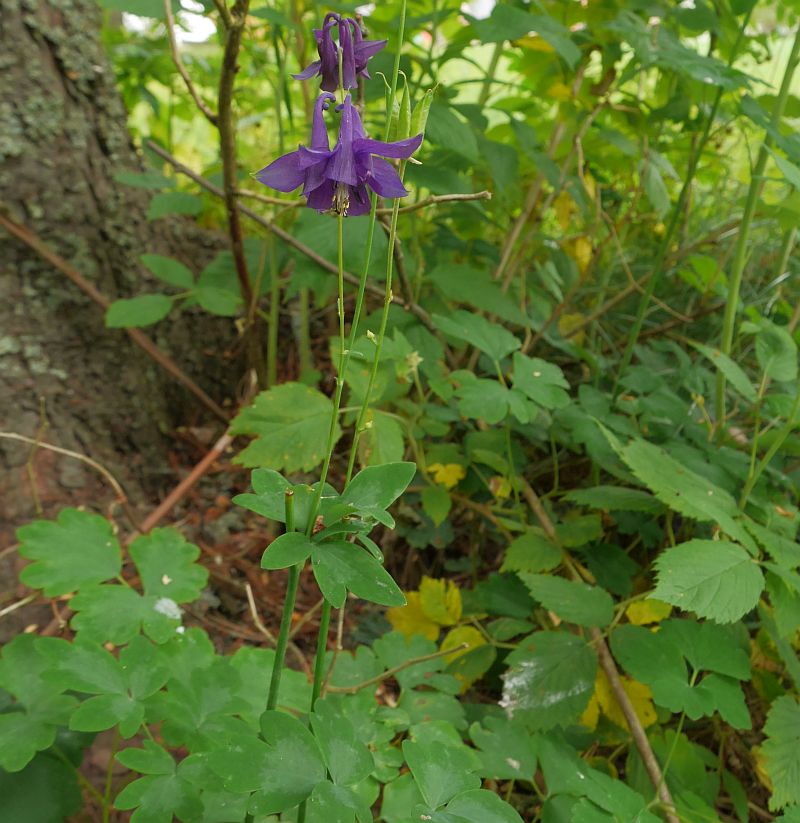
Aquilegia vulgaris, akeleie
Digitalis purpurea, revebjelle
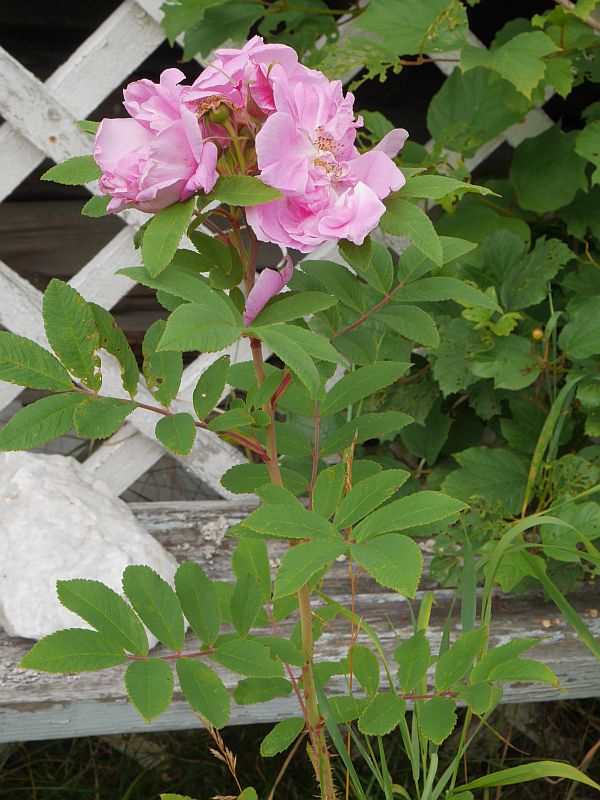
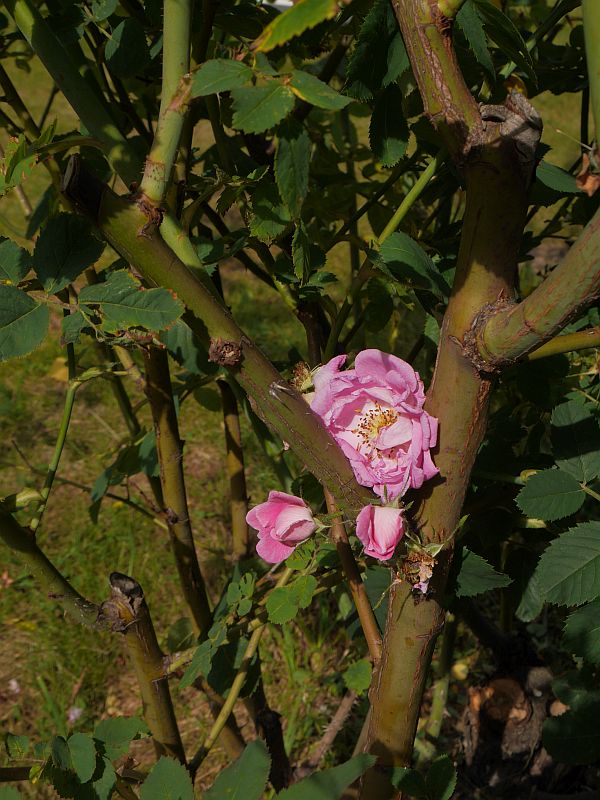
Ukjent rose
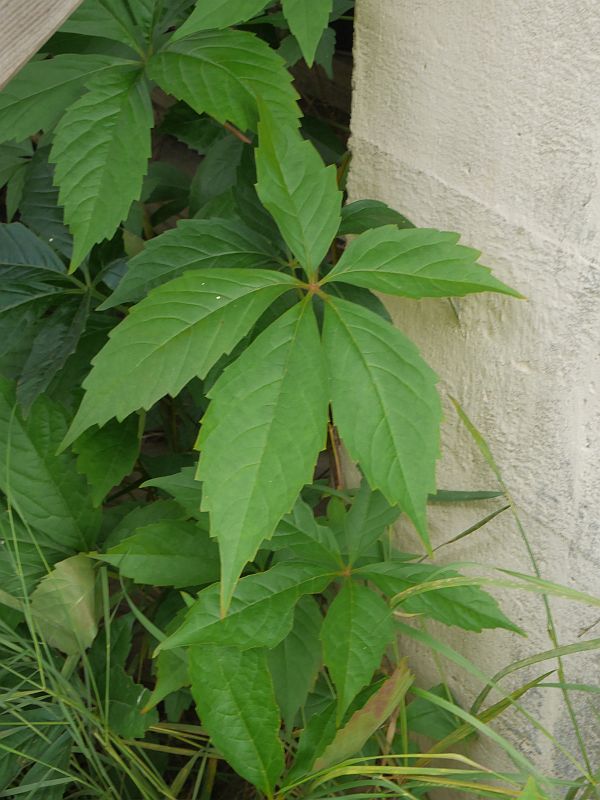
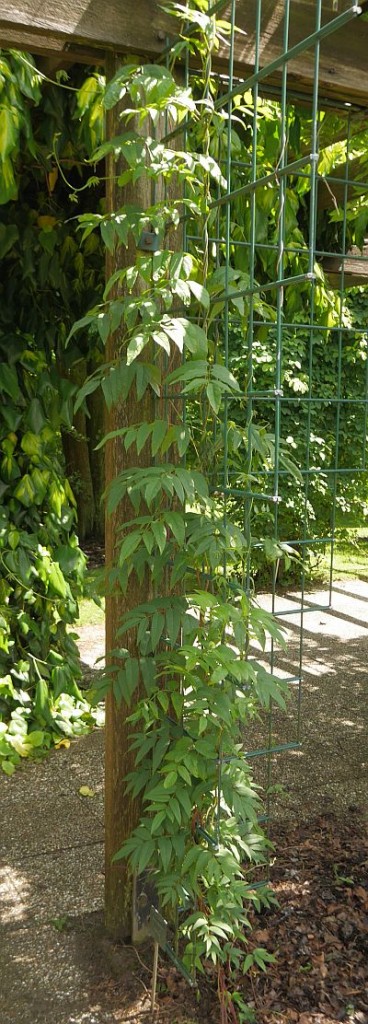
parthenocissus quinquefolia
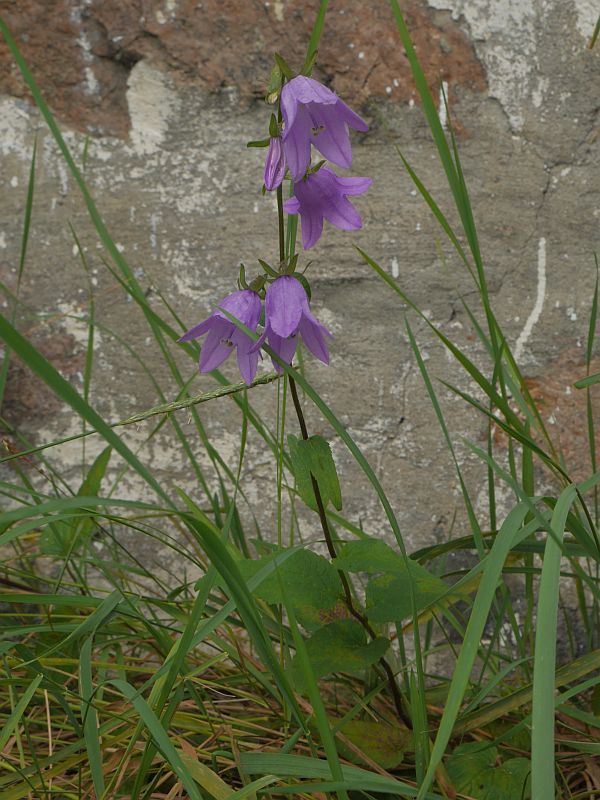
Ugressklokke
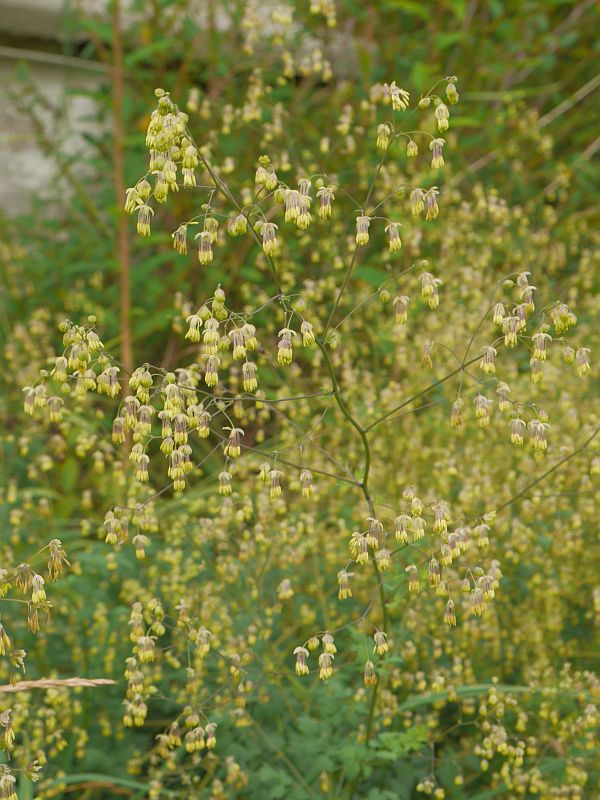
Thalictrum simplex?
Rosa rugosa, rynkerose langs kanten i øst
Rosa rugosa, rynkerose
Rosa rugosa, mørk
Rosa rugosa rotskudd
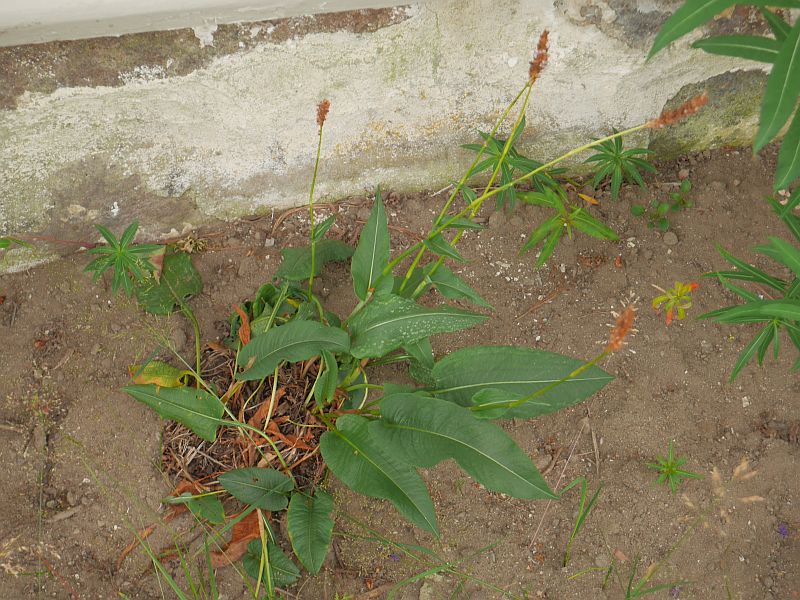
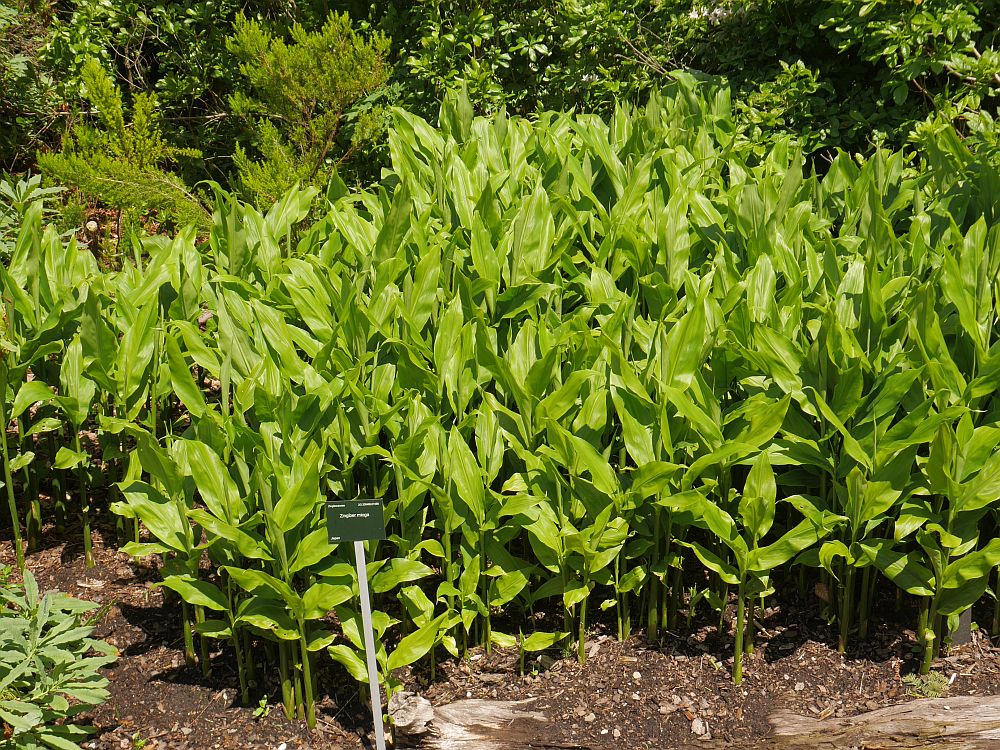
Hybridkonvall? (Polygonatum x hybridum) evt. storkonvall
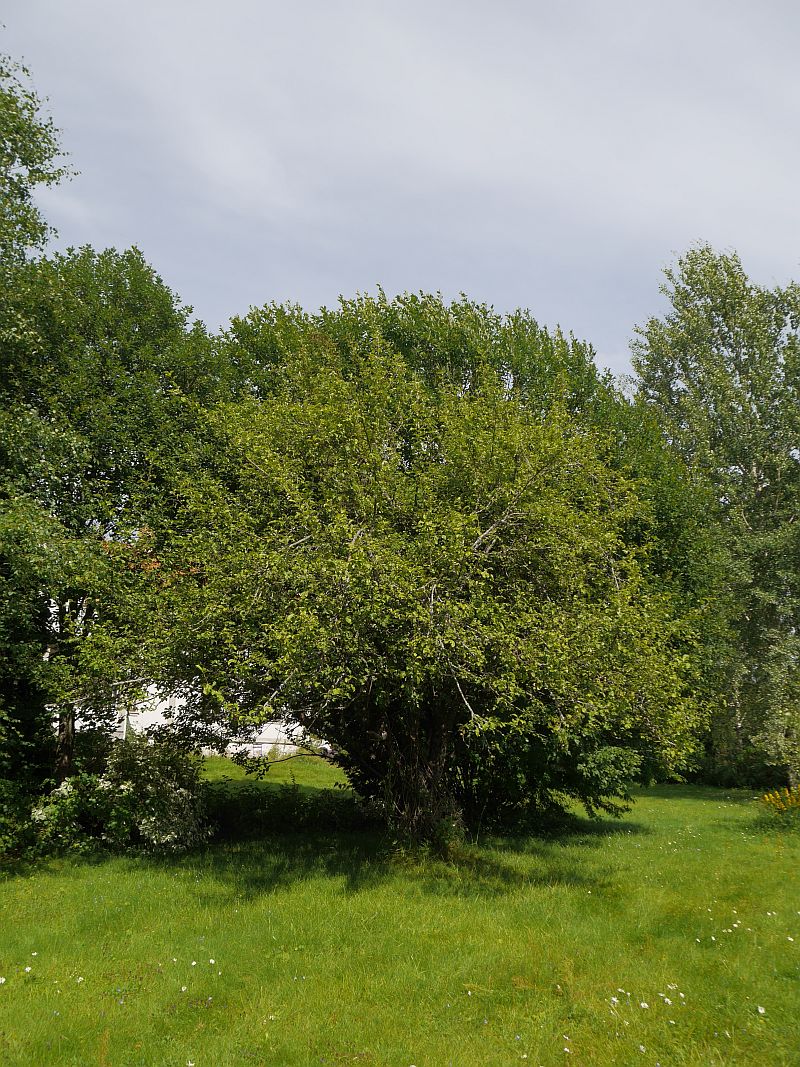
En hassel lyshus er et element vi bør ta vare på; hassel er et viktig treslag i hagen for fuglene, spettmeis, spettene og nøttekråkene; vi håper også å kunne plante noen storfruktete hassel her; bør fornyes
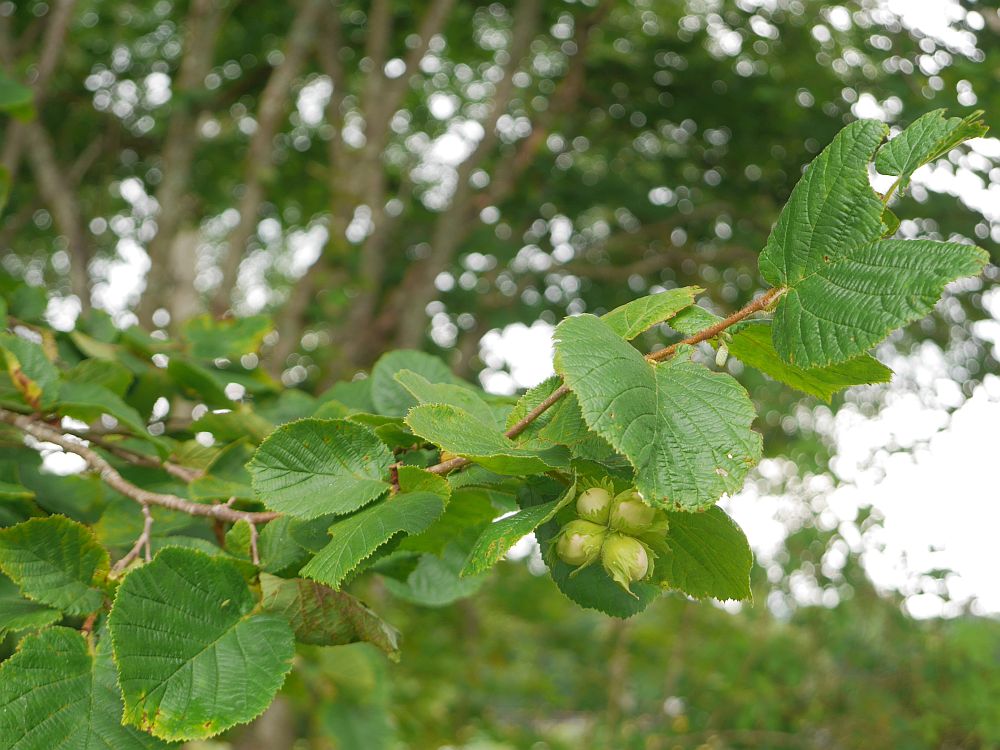
Hasselnøtter; trær finnes også andre steder i hagen, mest sannsynlig forvillet
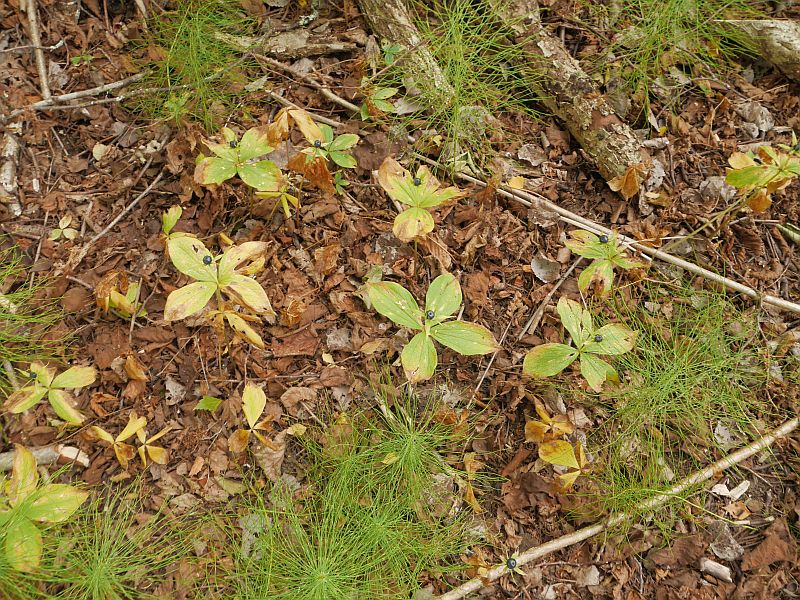
Firblad
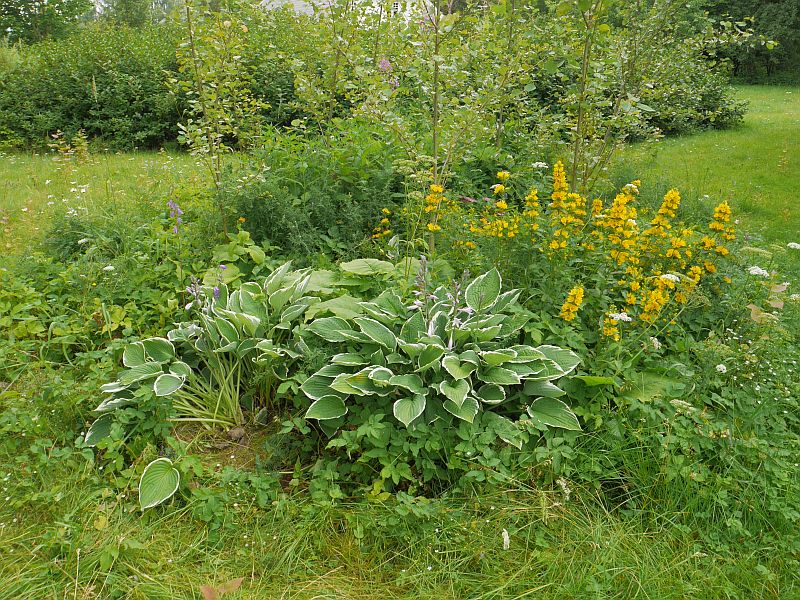
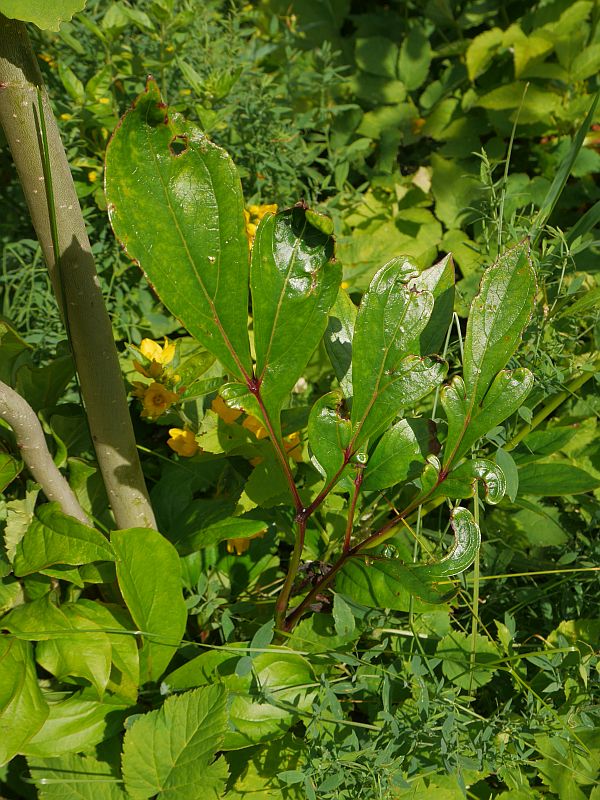
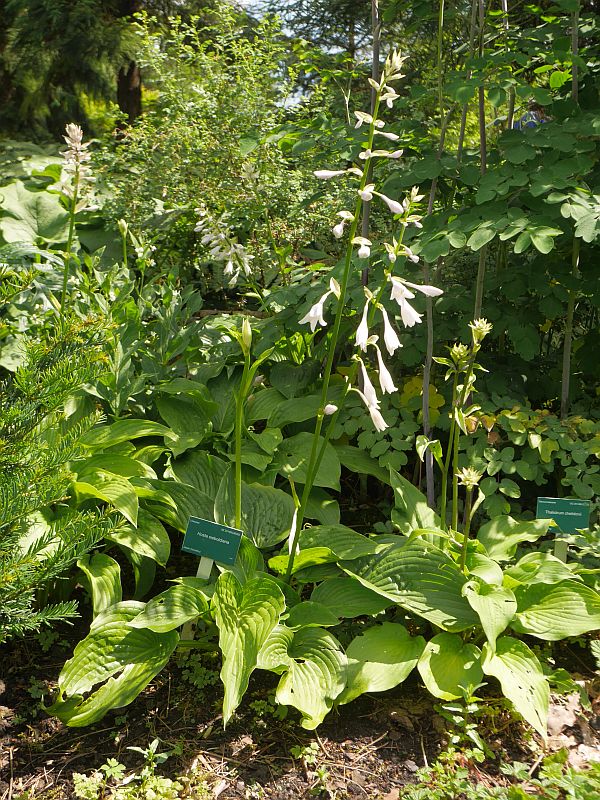
Hosta “Fortunei Albomarginata” og fagerfredløs (Lysimachia punctata)
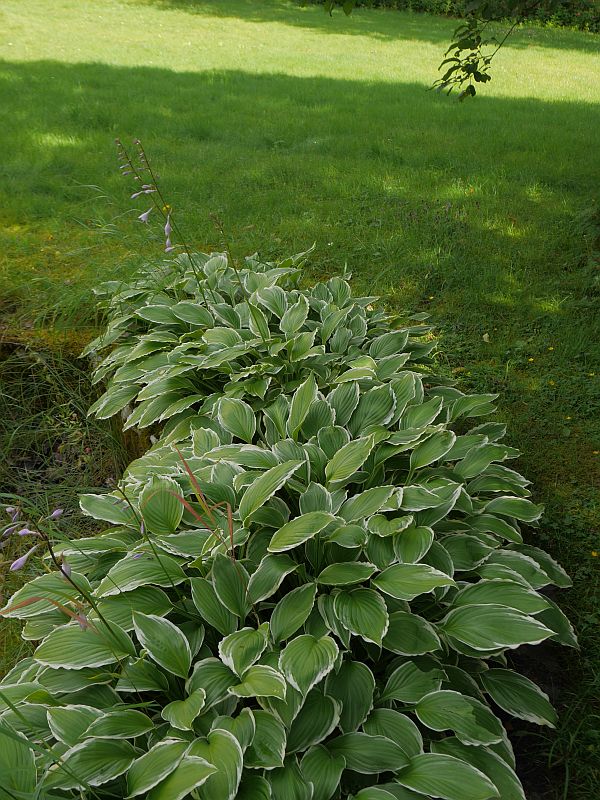
Hosta “Fortunei Albomarginata”
Telekia speciosa?
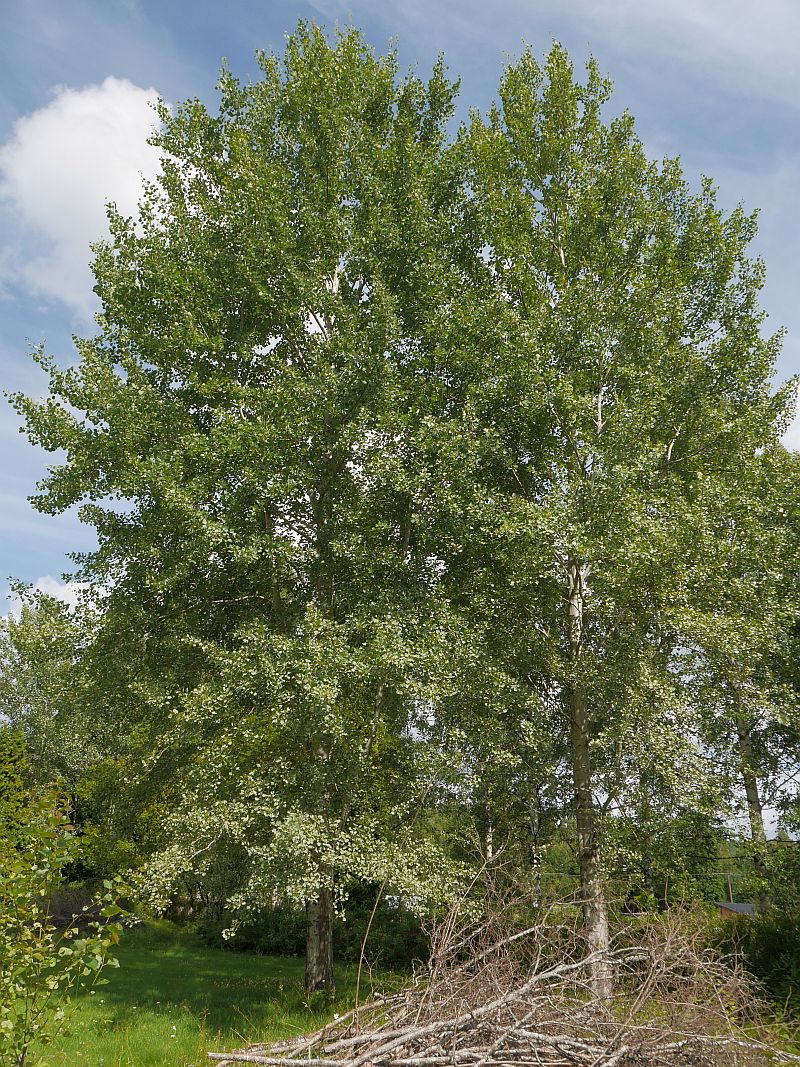
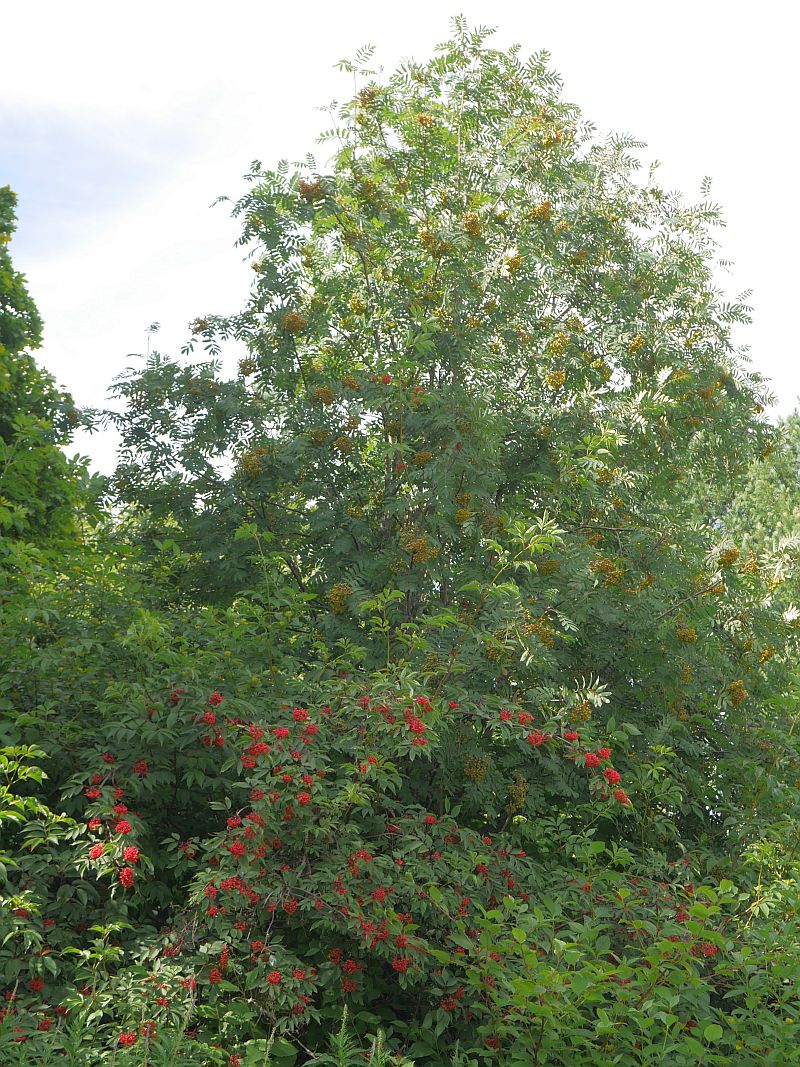
Store osp i nord øst
Ospeskudd overalt i gresset og små trær i bedene
Sibirertebusk, Caragana arborescens…et av de mest lovende flerårige ertevekster for kalde strøk; fiksere nitrogen..
Sibirertebusk erter er spiselig, men det er mye arbeid…
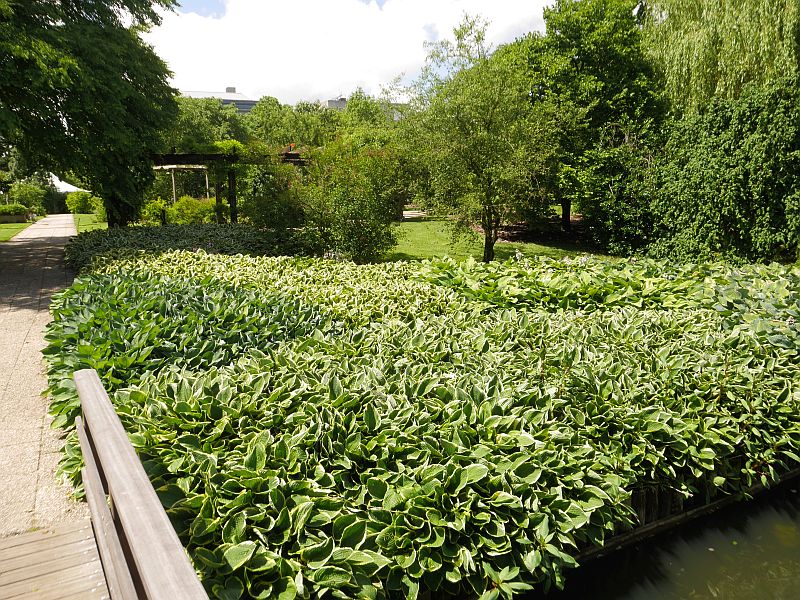
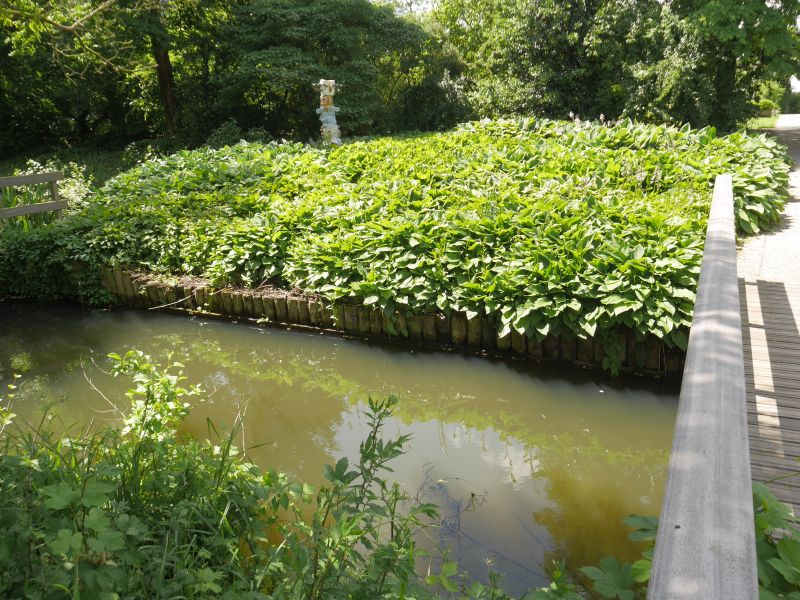
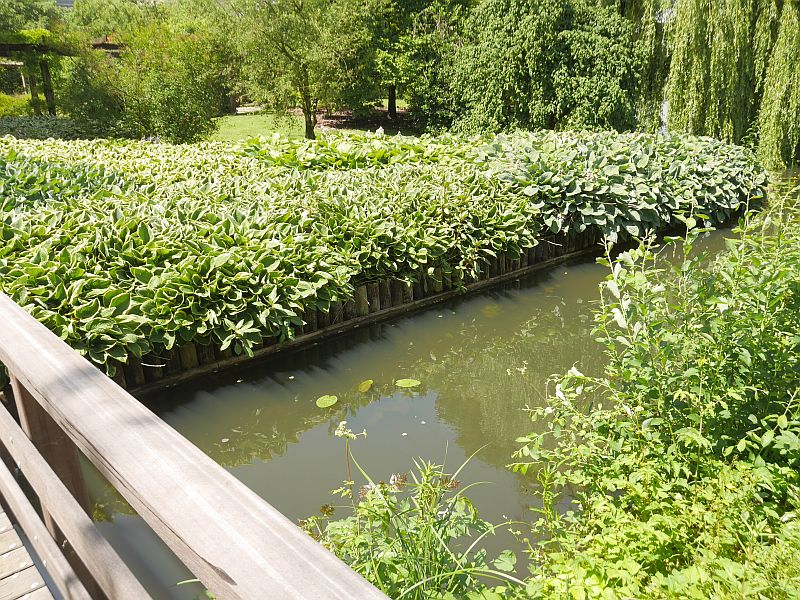
Hosta “Fortunei Albomarginata” rundt damen og fontenen; Hosta er spiselige og gode!
Hosta “Fortunei Albomarginata” rundt damen
Hosta “Fortunei Albomarginata”
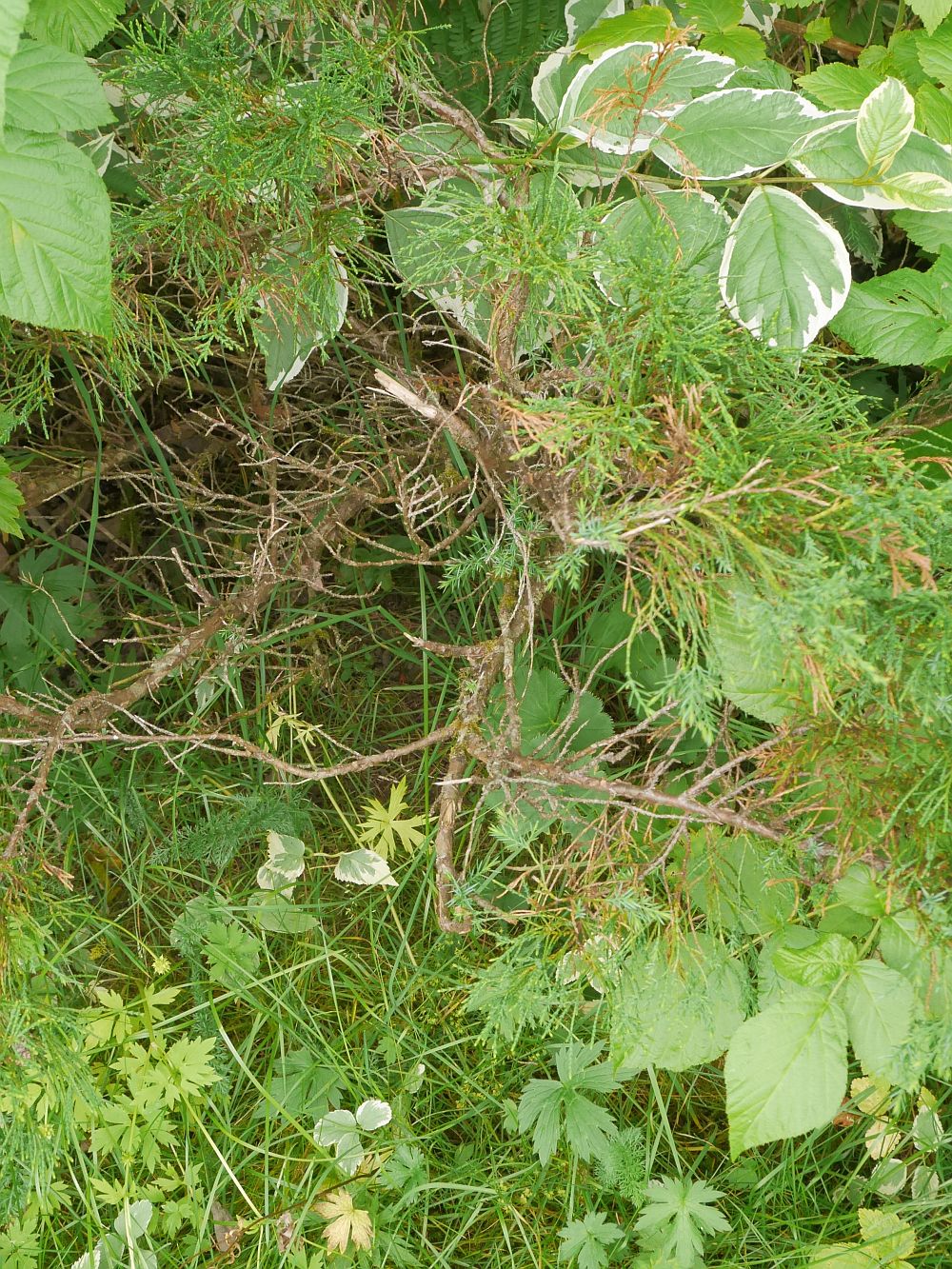
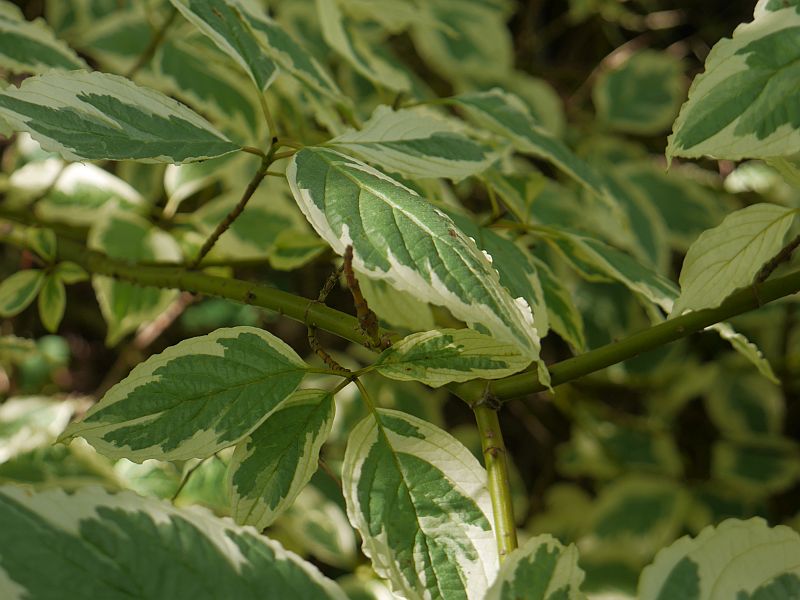
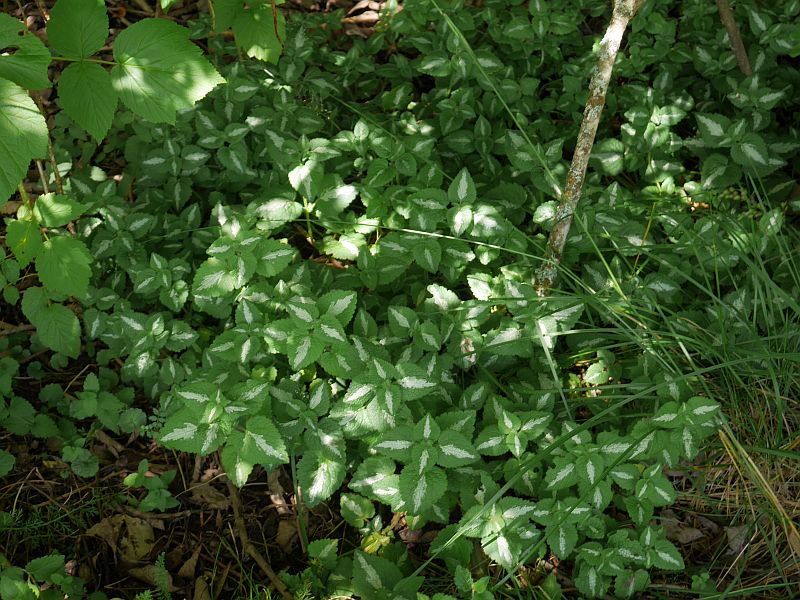
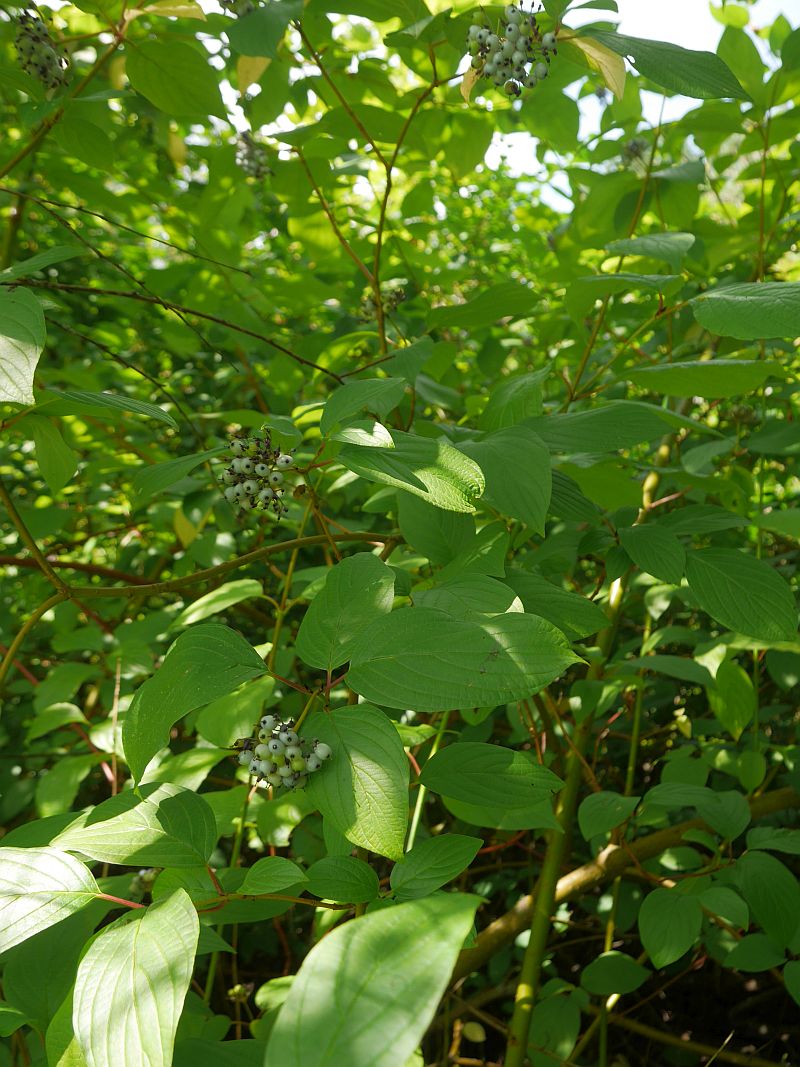
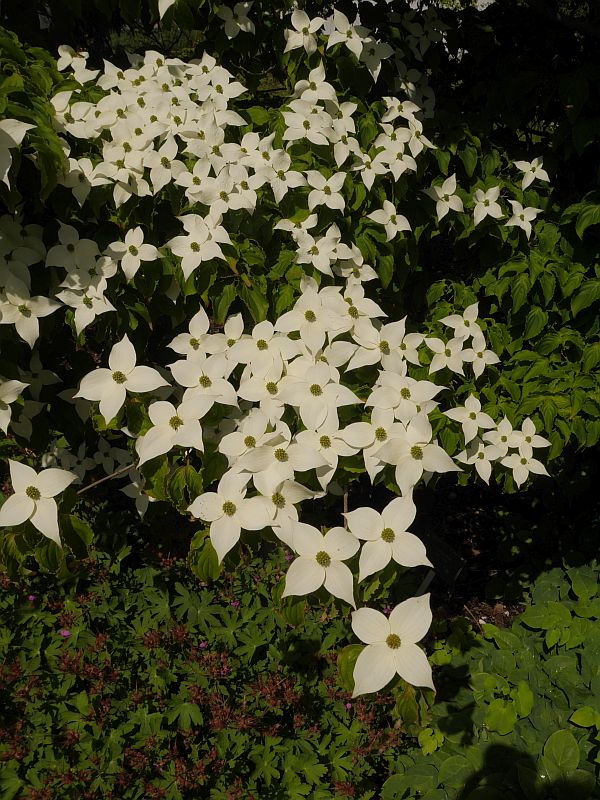
Broketbladet kornell med broketbladet skvallerkål under!
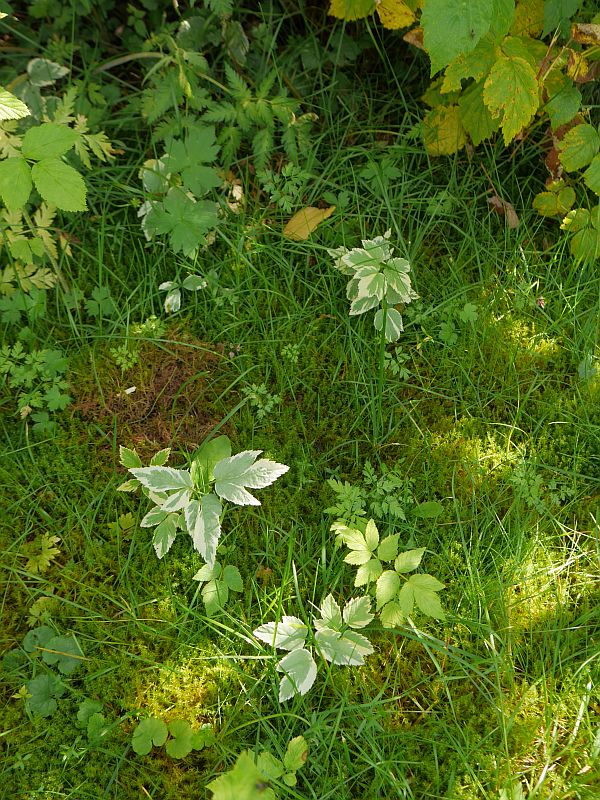
Broketbladet skvallerkål
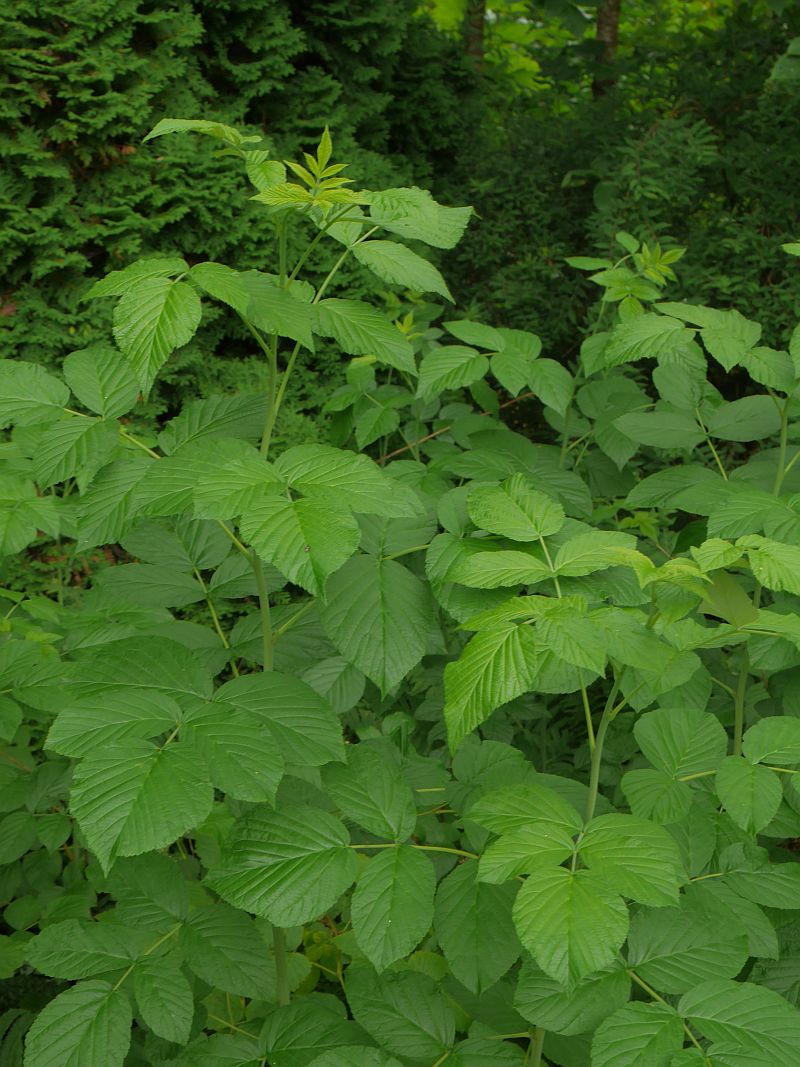
Bringebær
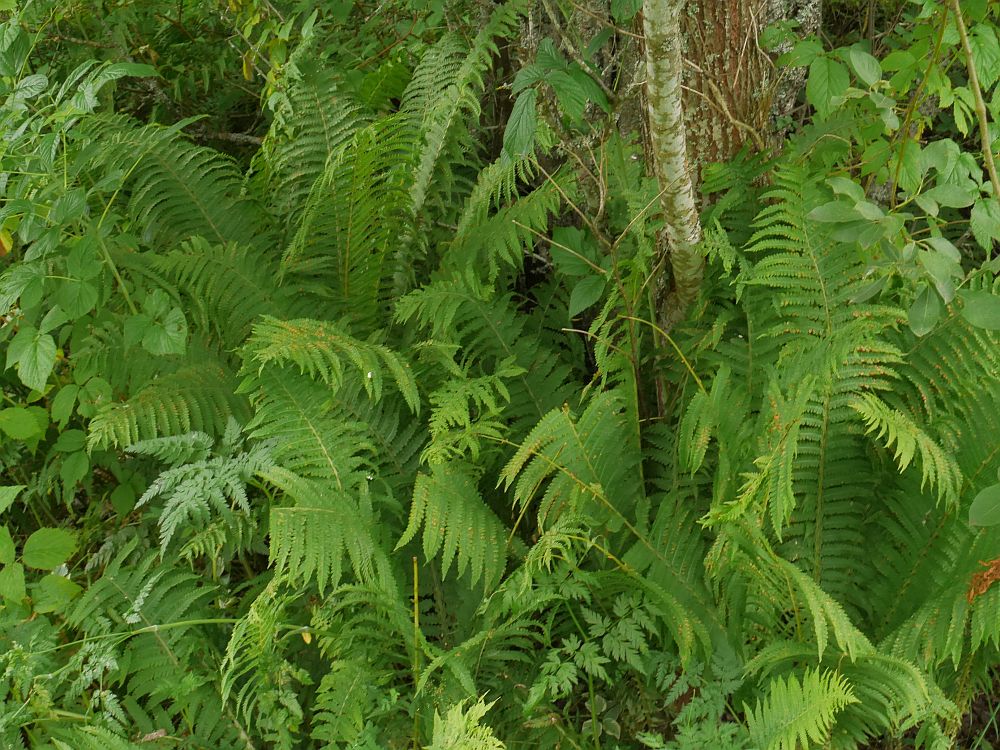
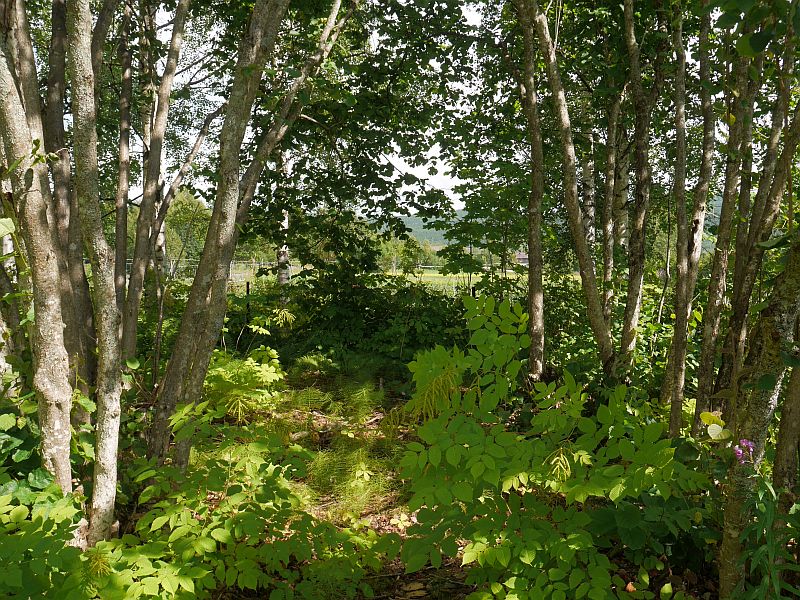
Strutseving er tydeligvis plantet inn i bedet nærmest huset…vokser vilt i skogen sør vest for hagen og langs elven
Krossved?
Storkonvall og dukkehus
En musserong
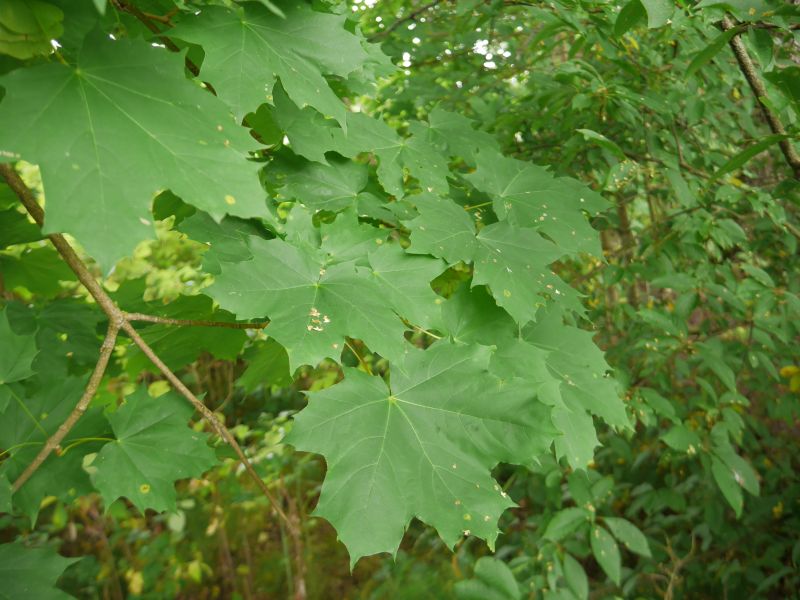
Spisslønn finnes det en del av….skal være nest beste til lønnesirup etter sukkerlønn
To store bjørk i sør vest
Bjørk
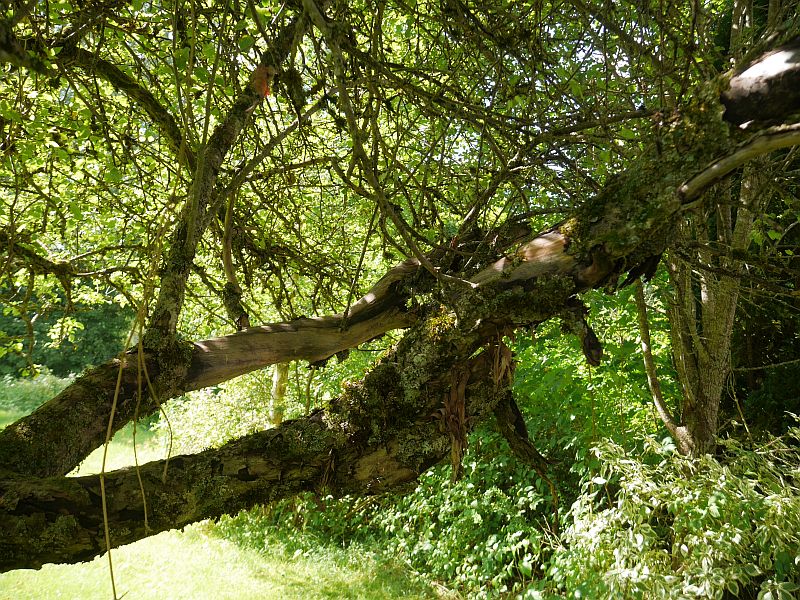
Et av de tre epletrærne i den sørvestlige hjørne; bare noen få frukt
Dette området kan bli aktuelt å plante en skogshage og, bakerst, et område med tradisjonelle norske grønnsaker (Plantearven)
Geitrams har invadert sørkanten
Strutseving og mjødurt i skogen sør vest for hagen! Strutseving-skudd har blitt populær om gourmet og sanket mat de siste årene..
Forvilla rips i skogen
Bjørk
Bjørk
Matskogen kunne kanskje plantes i forgrunn
Store osp: masse ospeskudd er klar i skogsbunnen
Osp
Hagerips
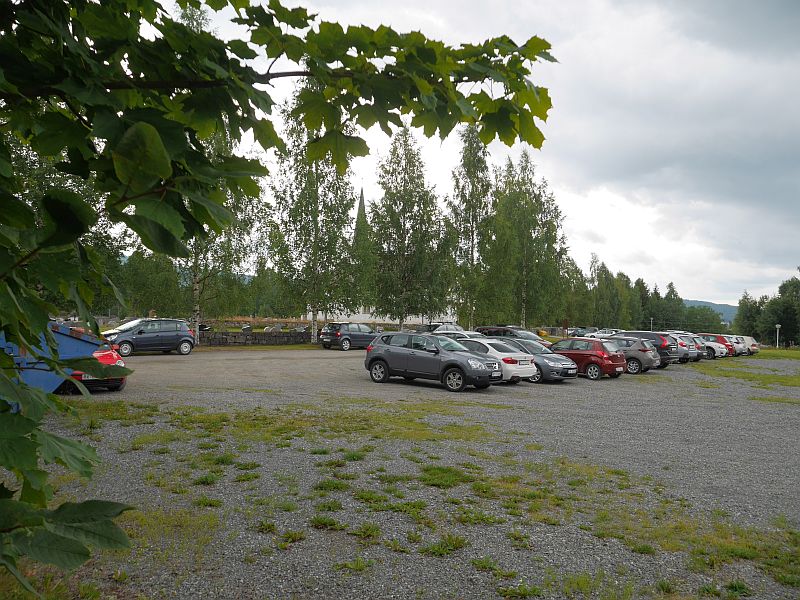
Parkeringsplassen like utenfor sør grensen
Enslig rabarbra
Rosenspiraea er invasiv i sør og sør øst
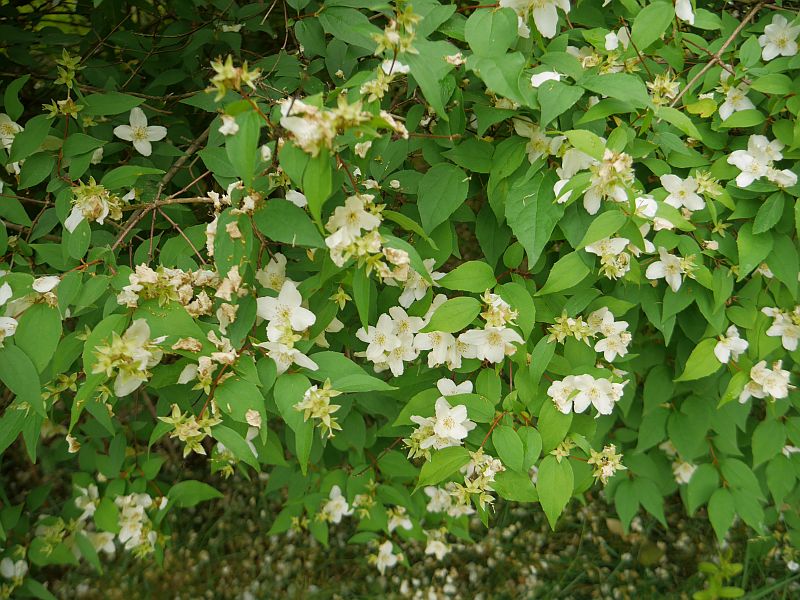
Philadelphus i den sør-østlige hjørne
Solbær
Syren
Ugressklokke
Acer spp.
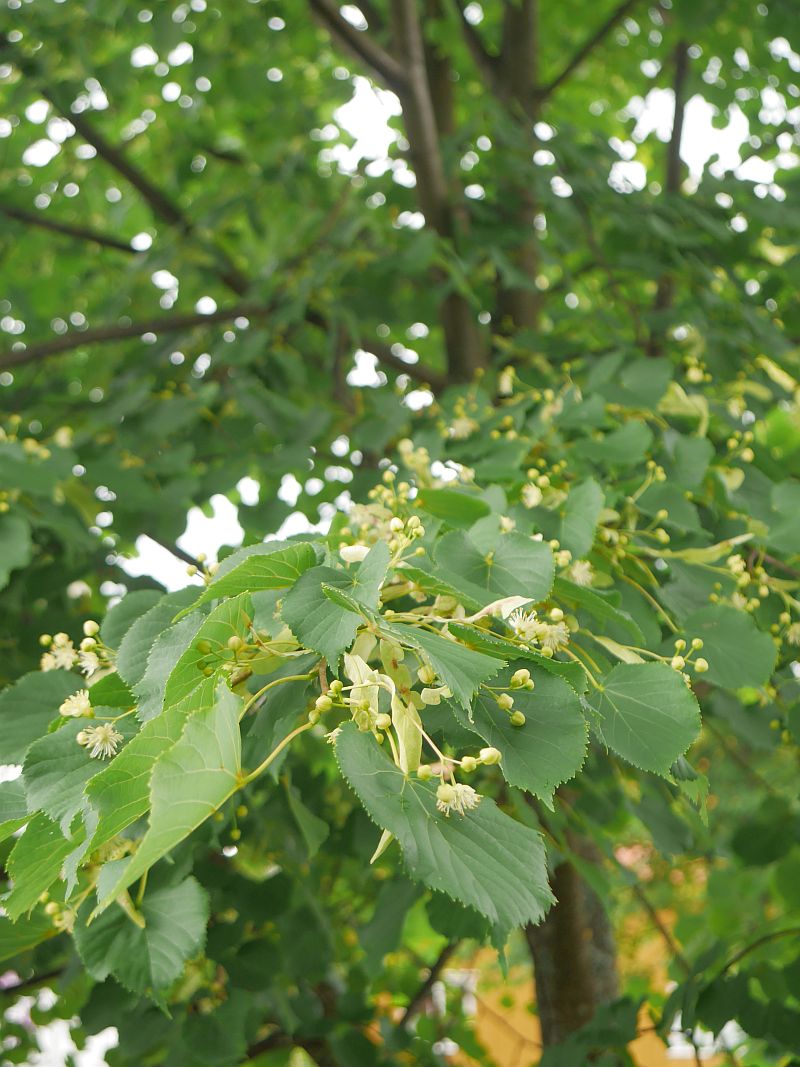
Lind i den nord-østlig hjørne har de beste spiselige blad…brukes i blandingssalater
Lind
Bedene foran prestegårdene bør plantes opp med kjente Edimentals for å gi en typisk prestegårdslook
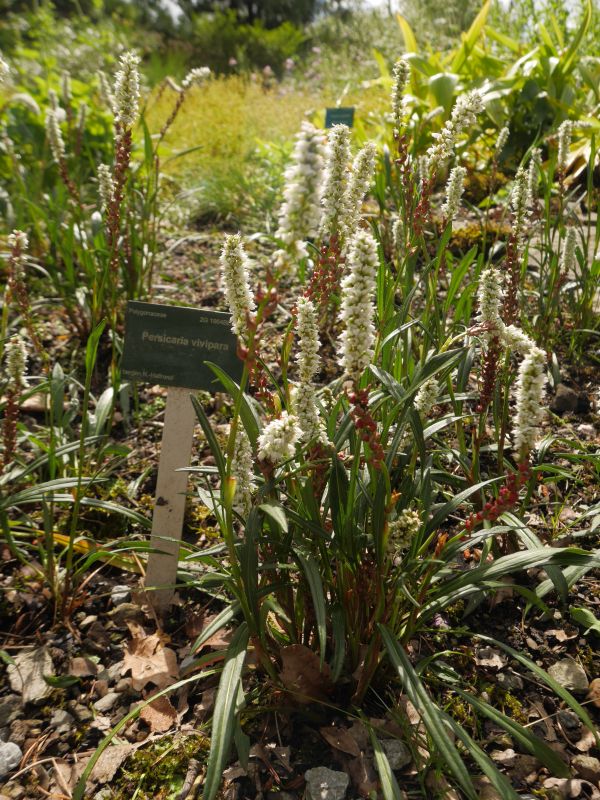
Ormerot er en gammel spiselig prydvekst i Norge (Polygonum bistorta)
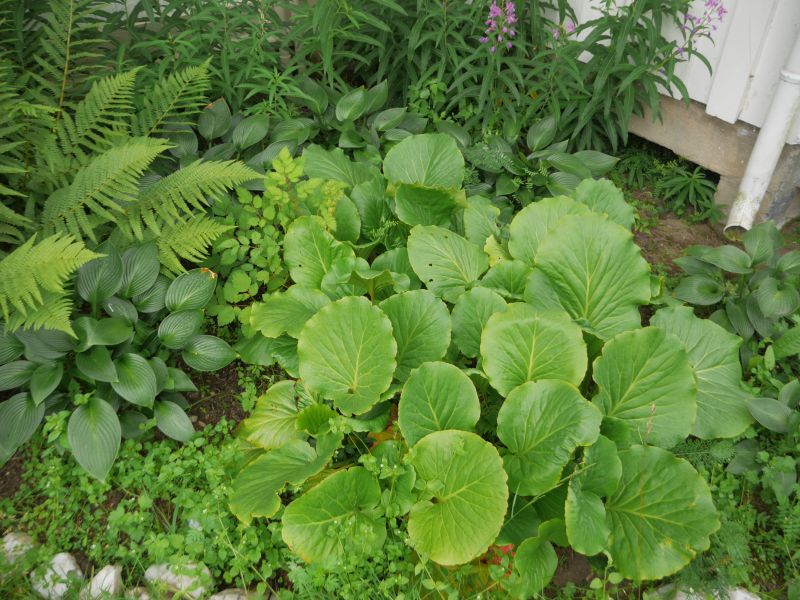
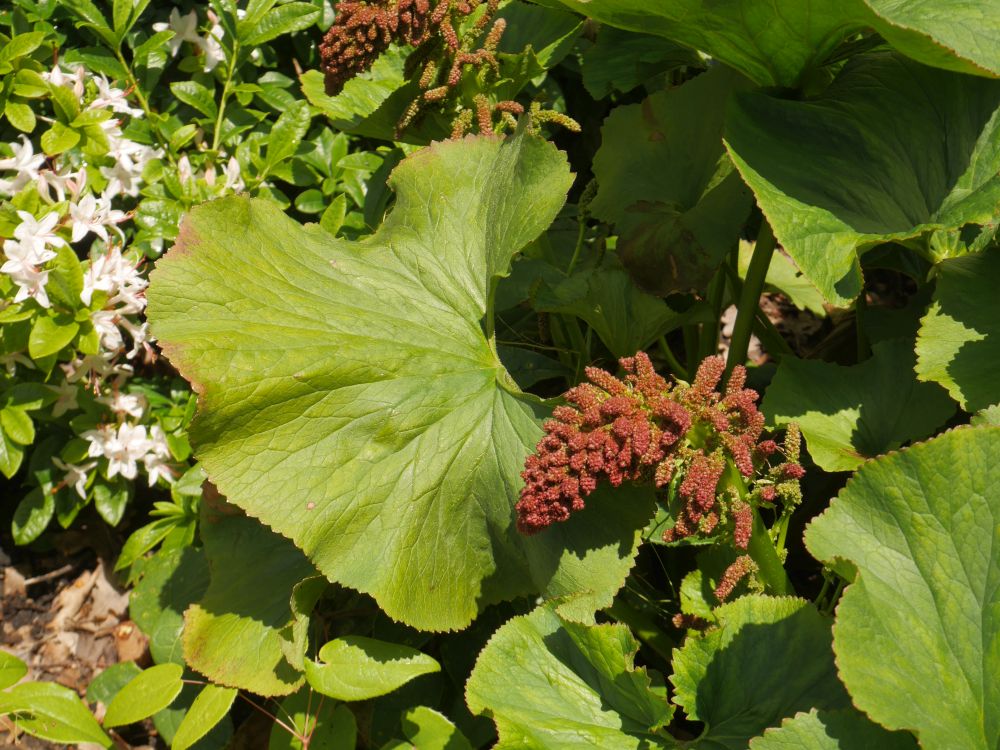
Bergenia og Hosta; Bergenia er en vanlig teplante i Russland
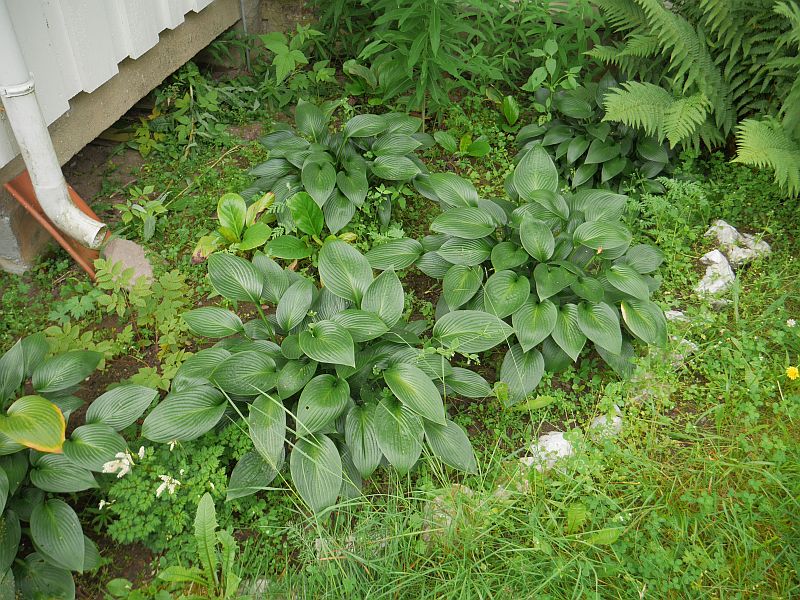
Hosta skudd selges i de fleste supermarked i Japan på våren. Disse plantene ble flyttet fra slottshagn i Oslo i år!
Stor bjørk og 4 cembrafuru, som nøttekråkene er veldig glad i; prestegårdshagen er et av bare noen få lokaliteter for nøttekråke i dette området: flere bilder kan sees her: http://www.edimentals.com/blog/?p=12512
It was a thrill to suddenly find Knut Langeland on my door step, on the way to Tromsø! We spent a pleasant couple of hours chatting and looking round the garden!! It’s a few years since our paths last crossed, I know him best for his work on old Norwegian gardens and traditional garden plants for the Norwegian Genetic Resource Centre and others. He’s written and translated many books, written for gardening and other magazines etc (see https://no.wikipedia.org/wiki/Knut_Langeland).
Perfect timing as I needed to talk to someone about Hurdal’s rectory garden (prestegårdshagen)….more of which later!!
I was blown away by Kerstin Lye’s garden in the Hurdal Ecovillage….a great example of a naturalistic polycultural mix of perennials and annuals and a great inspiration for the other ecovillagers….Kerstin has clearly worked very hard from the start in developing her garden! Thanks for showing me around!
t’s like a dream come true wandering around the Ecovillage at Hurdal with veggies everywhere!
….shame that the houses weren’t built with cellars…but the solution is to build your own root cellar…
Entering Kerstin Lye’s garden and I’m greeted by a familiar face, the climbing spinach from the Caucasus (Hablitzia tamnoides) is happy here in Hurdal..and where Habbies are Happy, I am habby too ;)
Hostas in the shade of the house!
I hadn’t expected such an abundance of vegetables, many perennials when i entered Kerstin’s garden, she had clearly devoted a lot of time to developing her own paradise, complete with a root cellar….
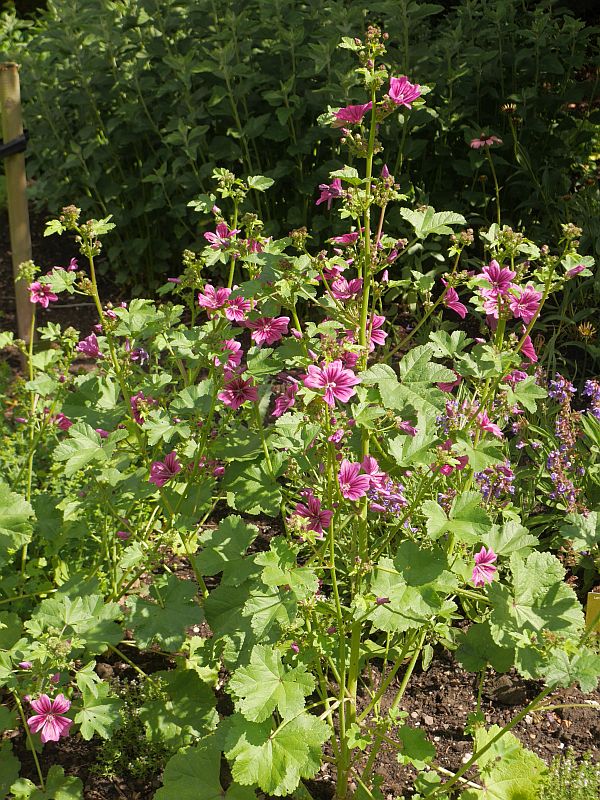
Malva
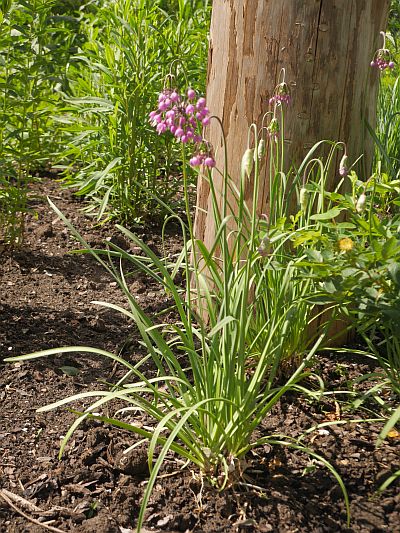
Allium victorialis
Ligularia fischeri (I had had seed with me when I talked in Hurdal in the winter!)
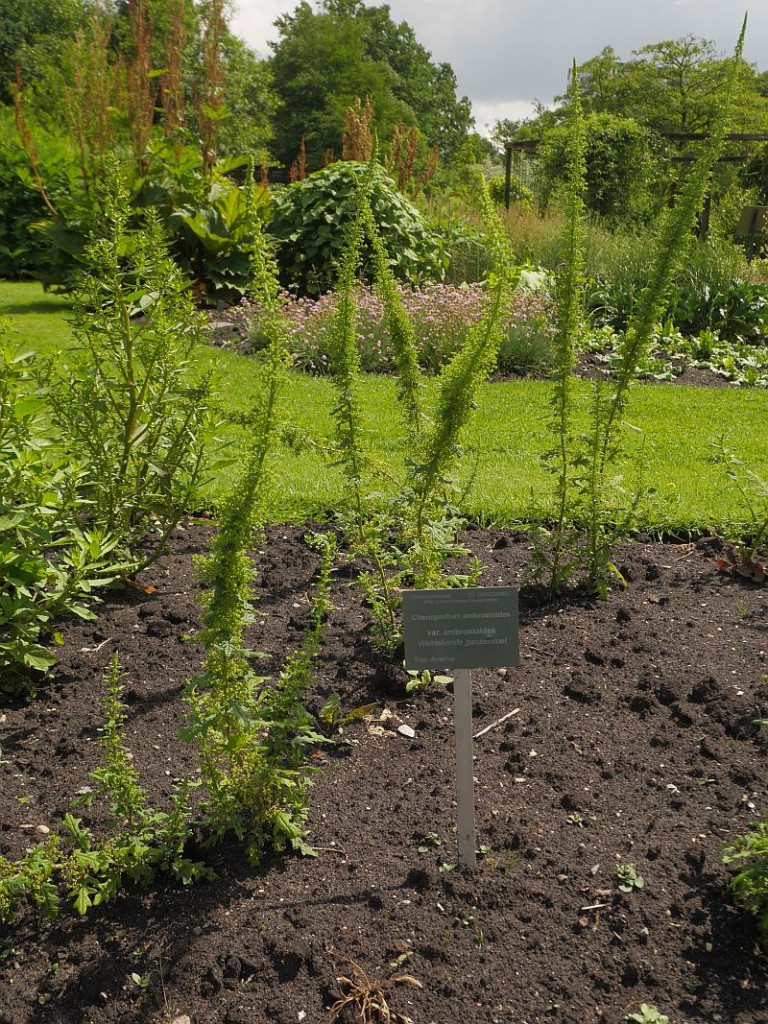
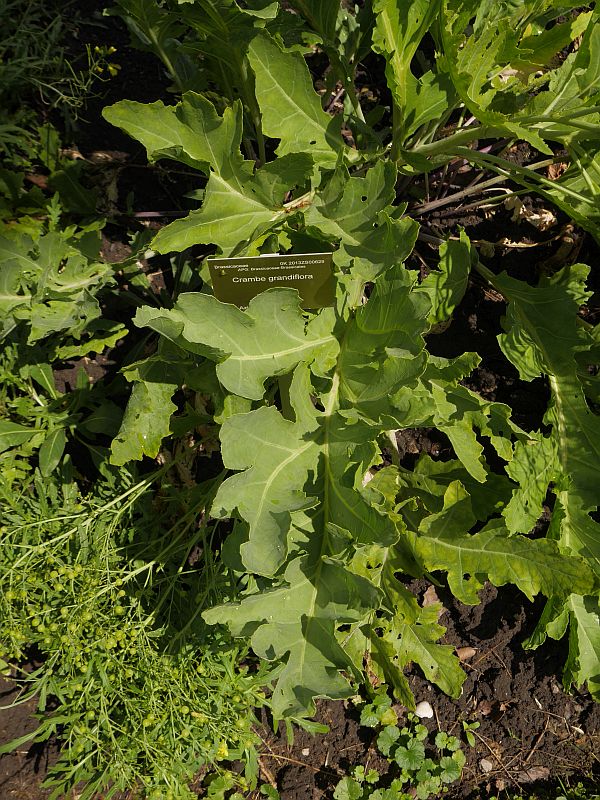
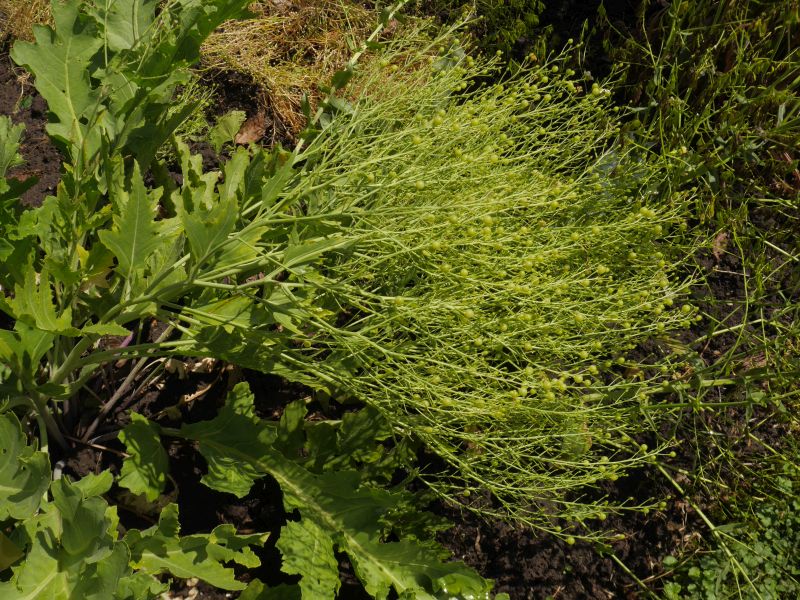
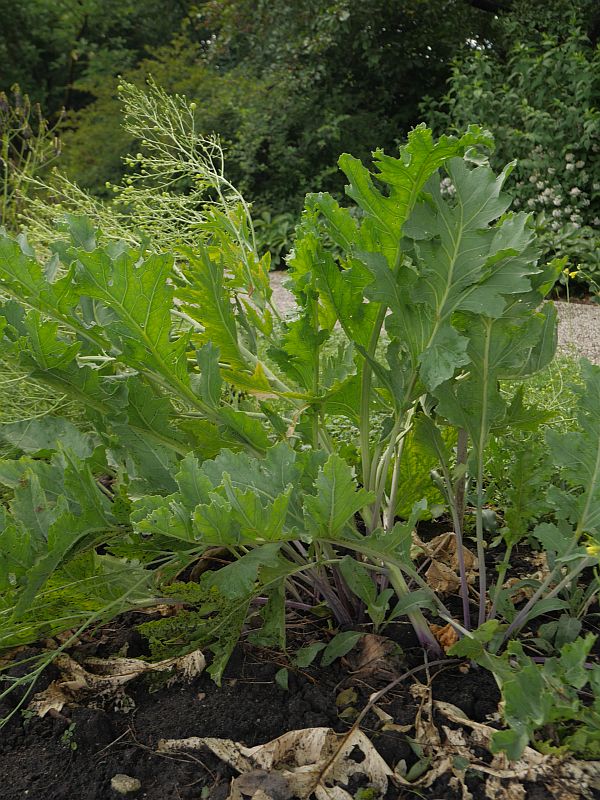
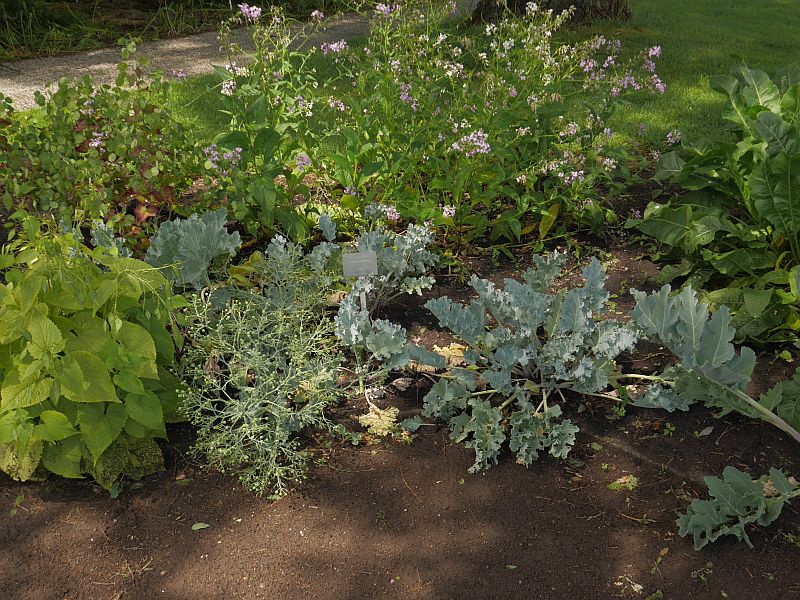
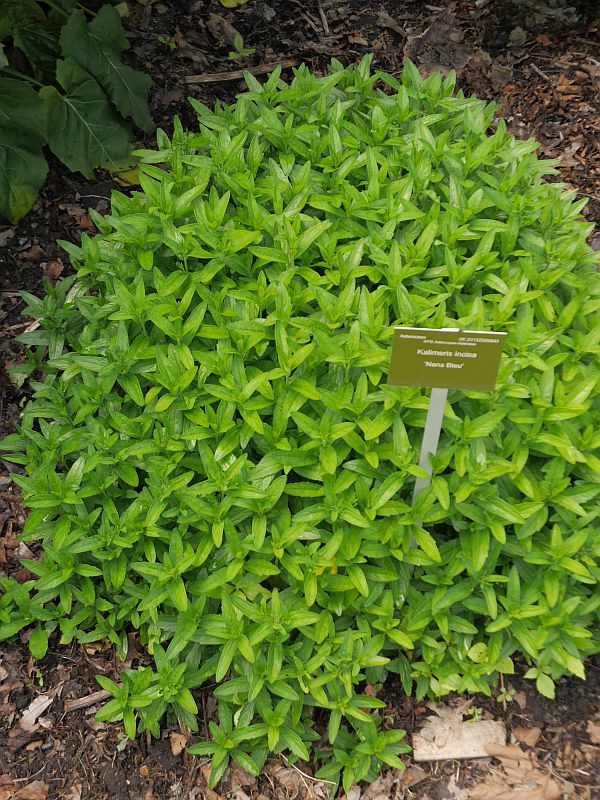
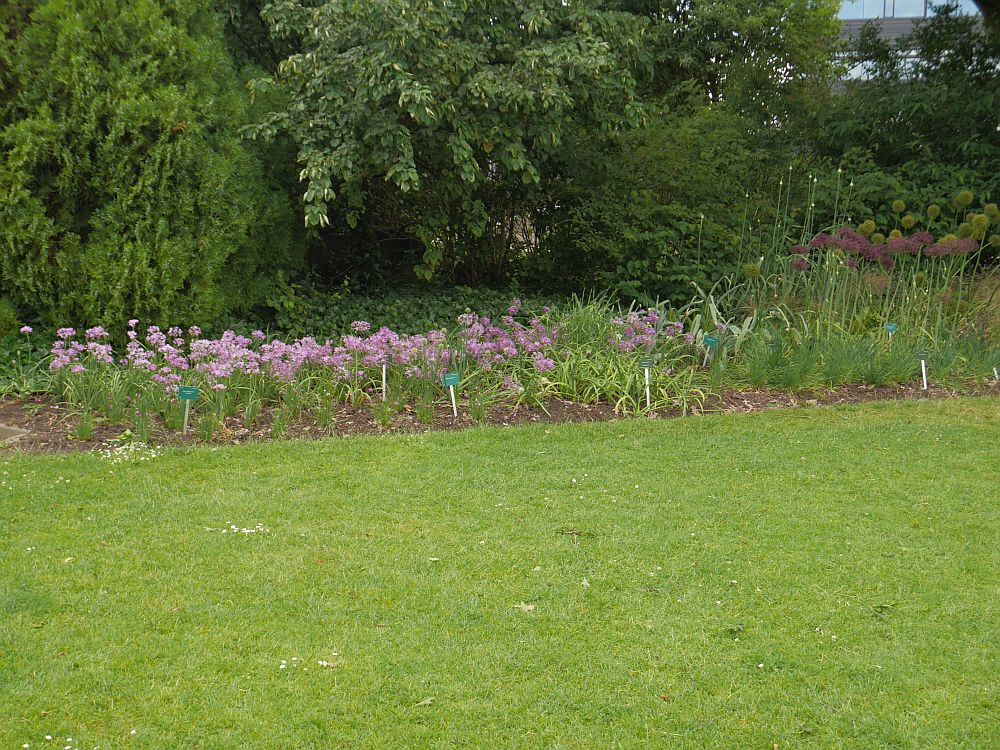
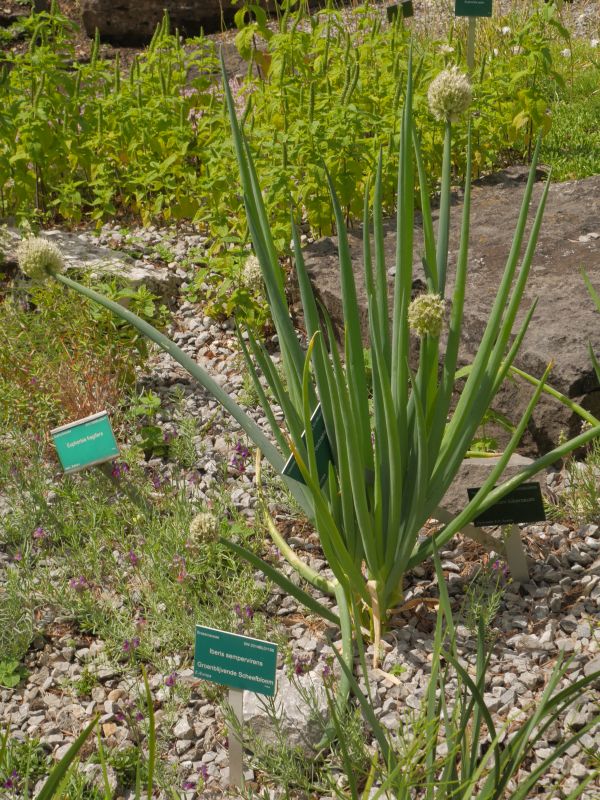
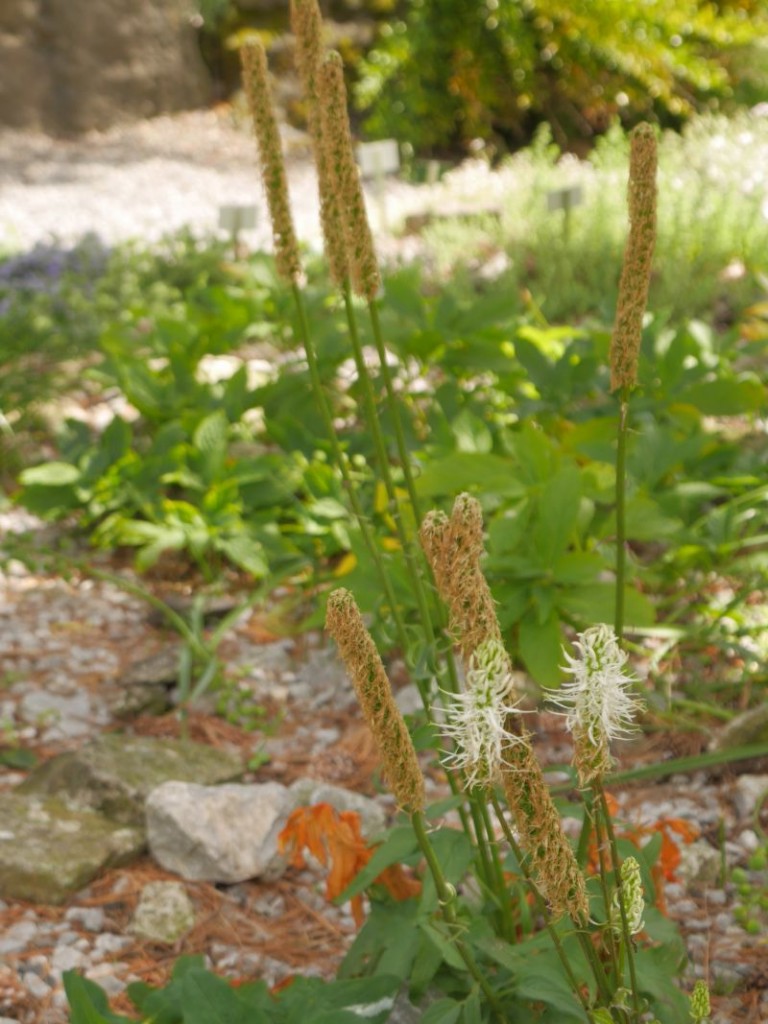
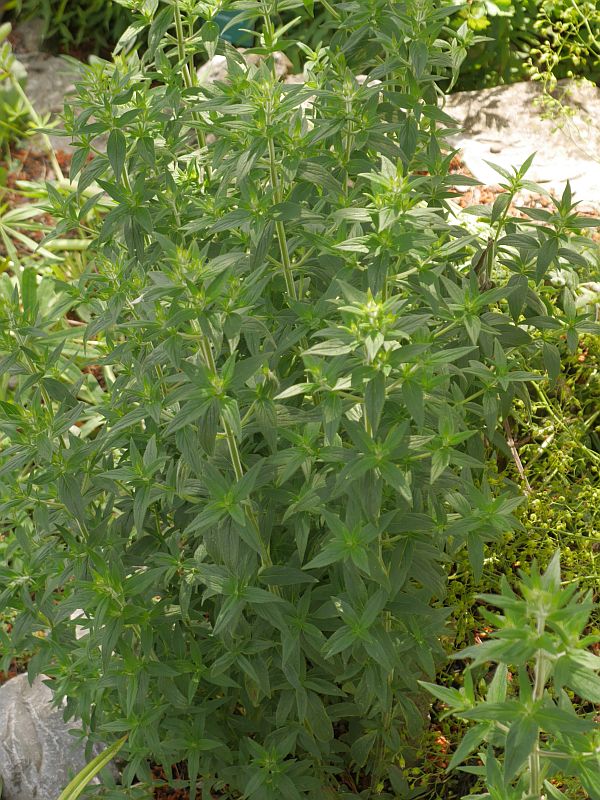
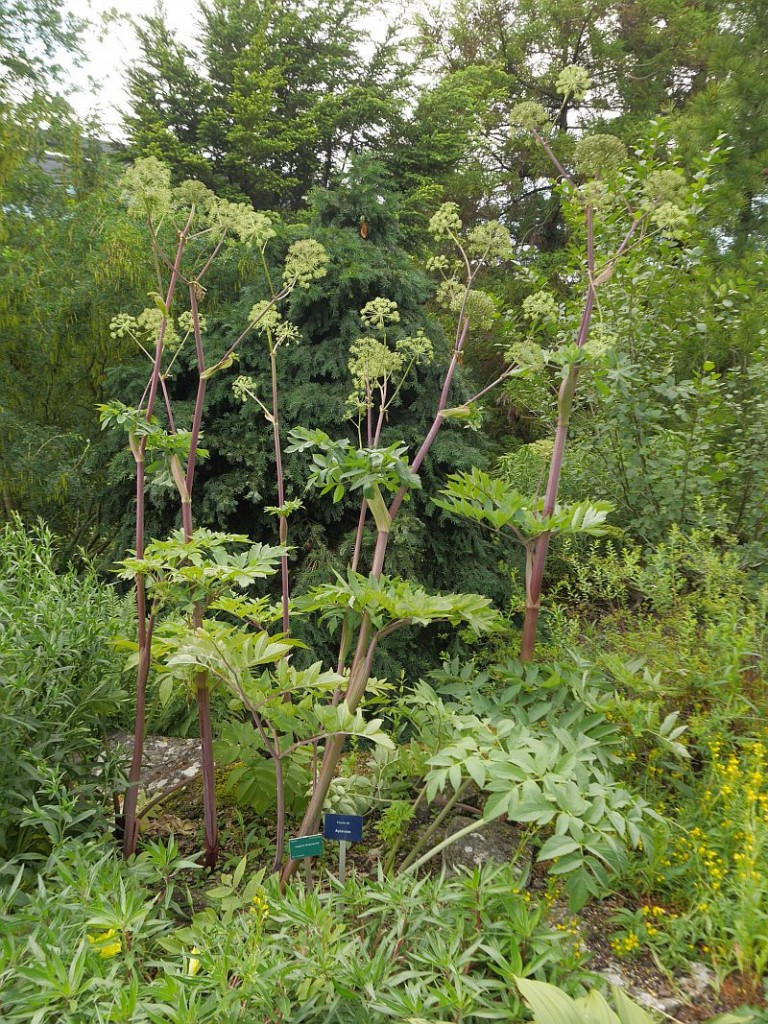
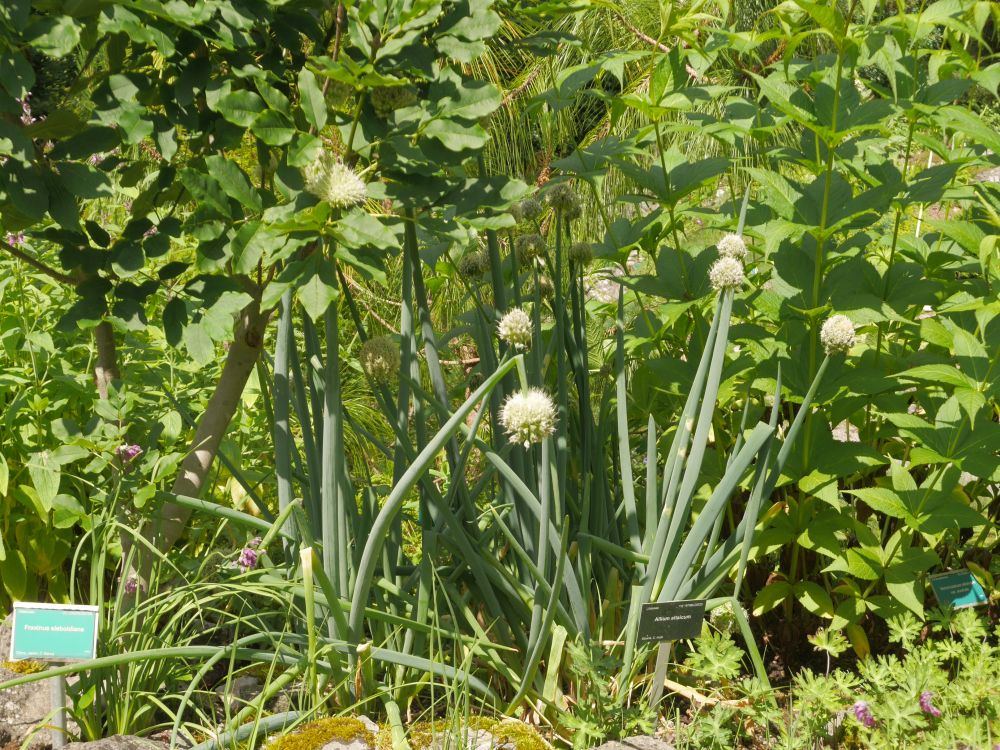
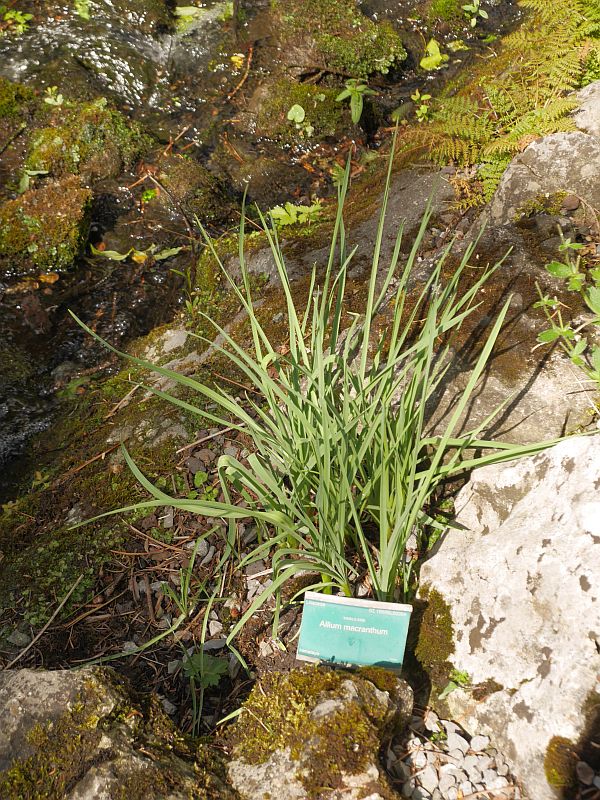
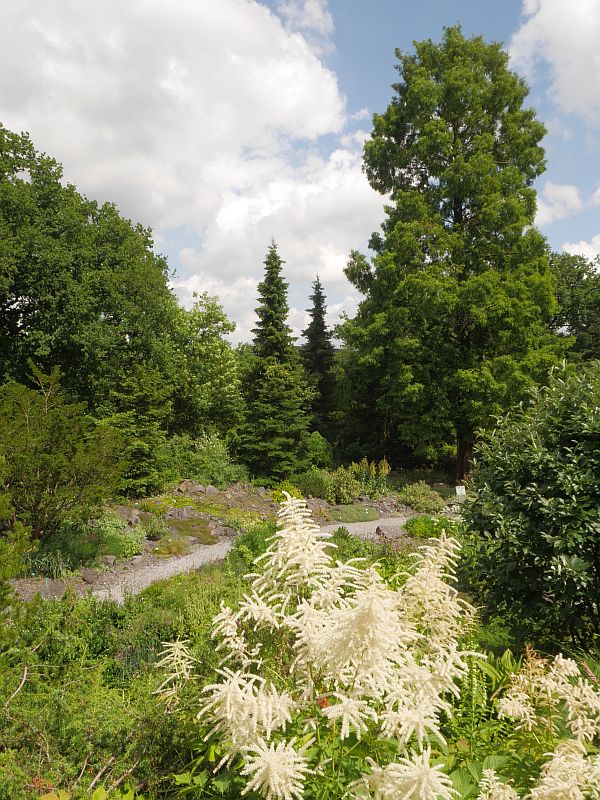
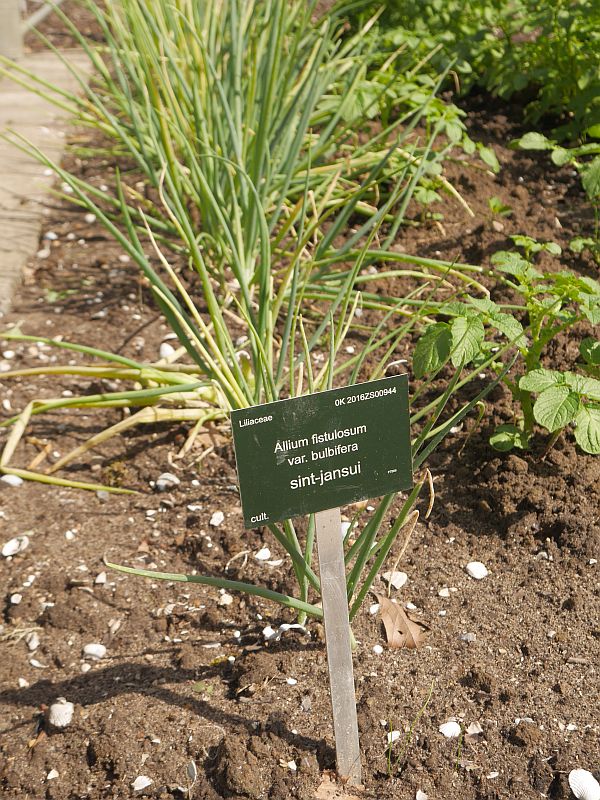
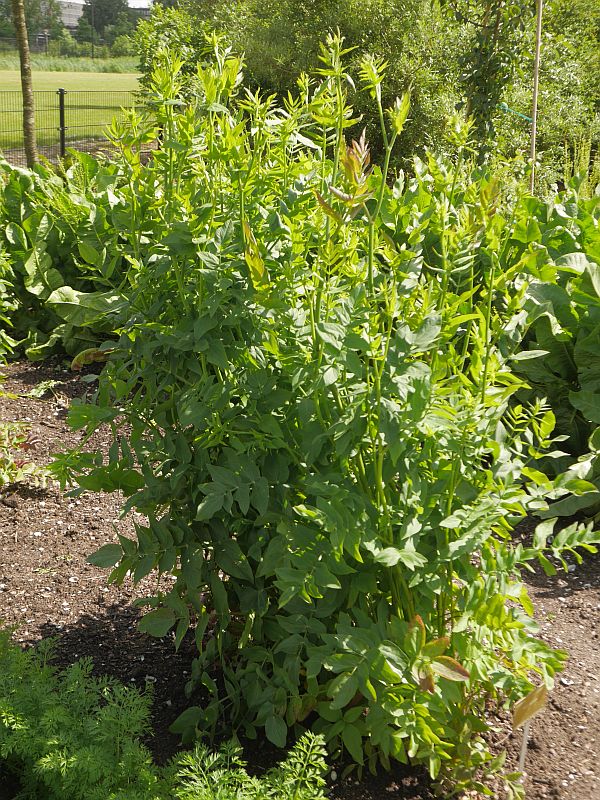
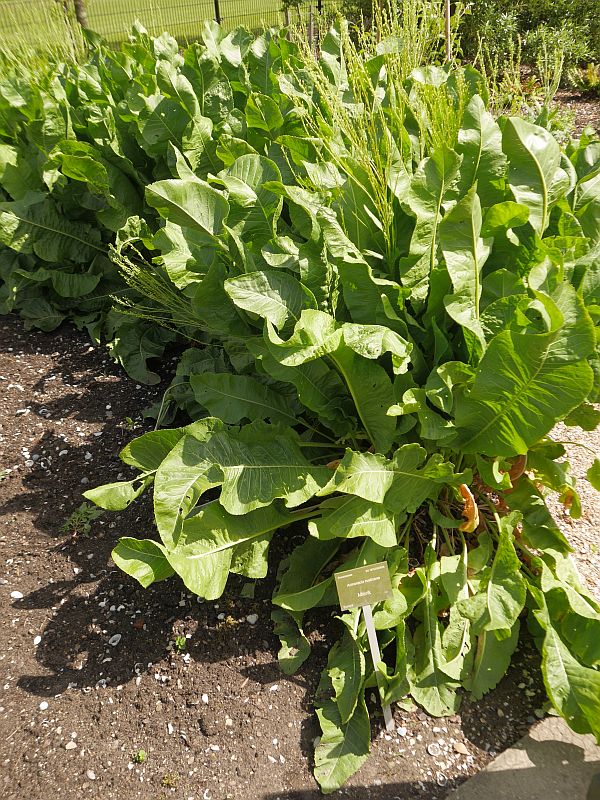
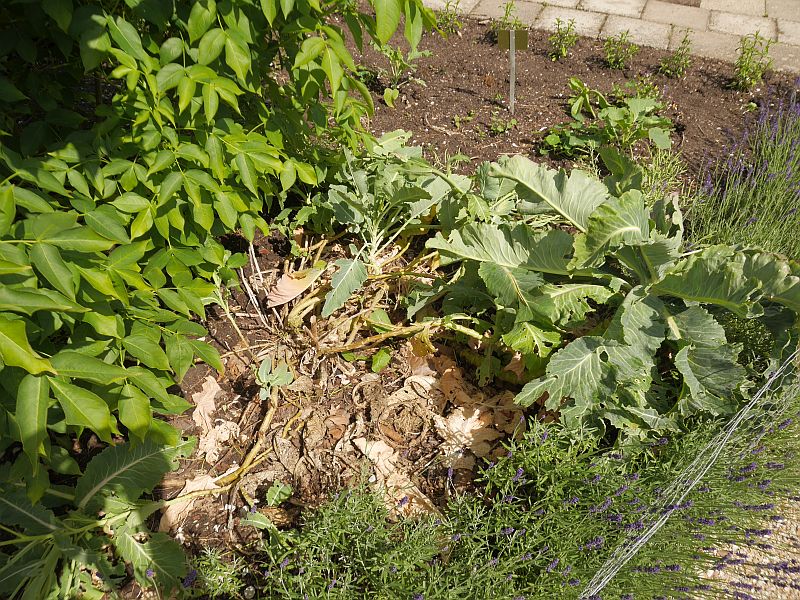
Utrecht in the Netherlands has one of the great botanical gadens in Europe alongside Royal Botanical Gardens in Edinburgh, Gothenburg and Kew Gardens! I had a stopover for a few hours on my way to Austria on 9th June and being relatively close to the airport this was the natural place to go for the edimental fancier! So, here is an album of edible plants I spotted that day! It was good to meet my FB friend Gerard van Buiten in the flesh for the first time too! Another post will show pictures of the Allium border which is new this year!
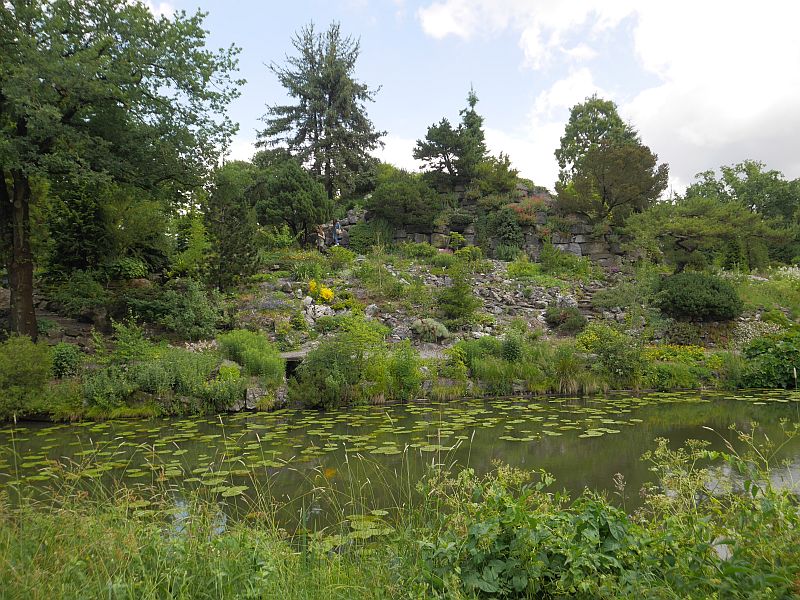
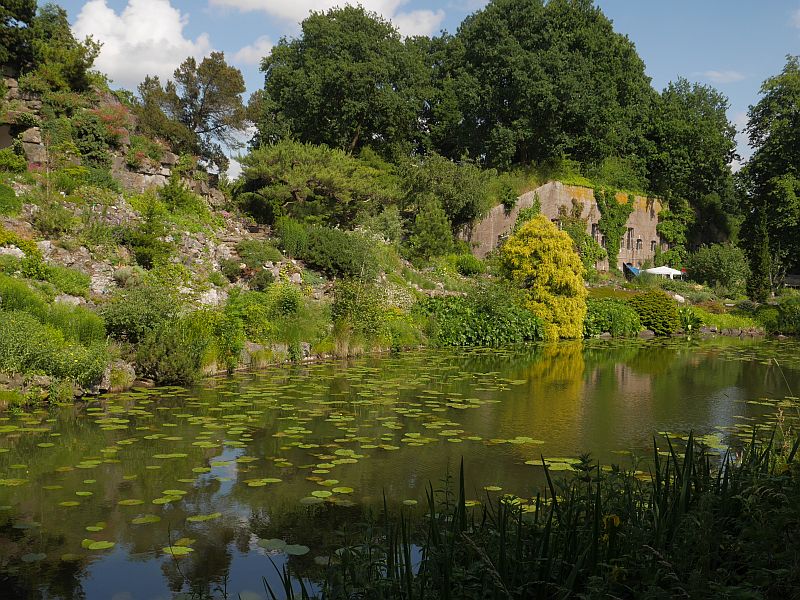
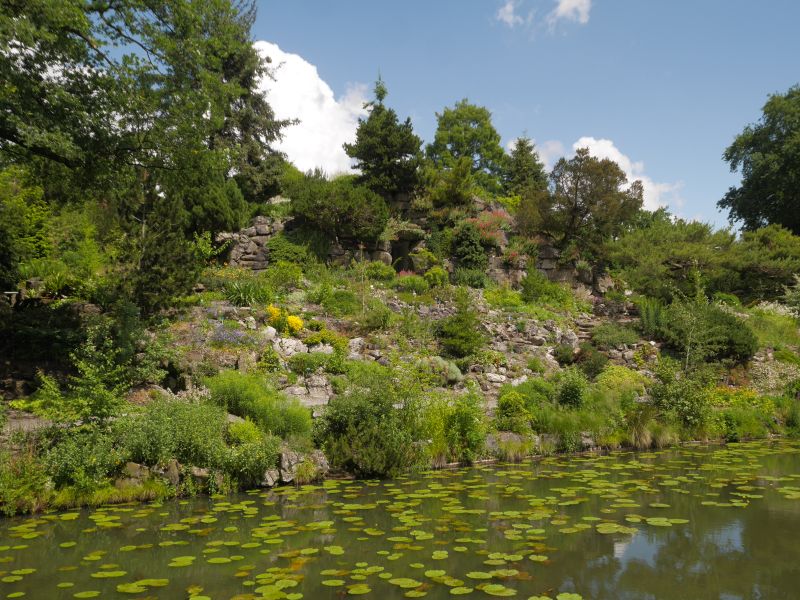
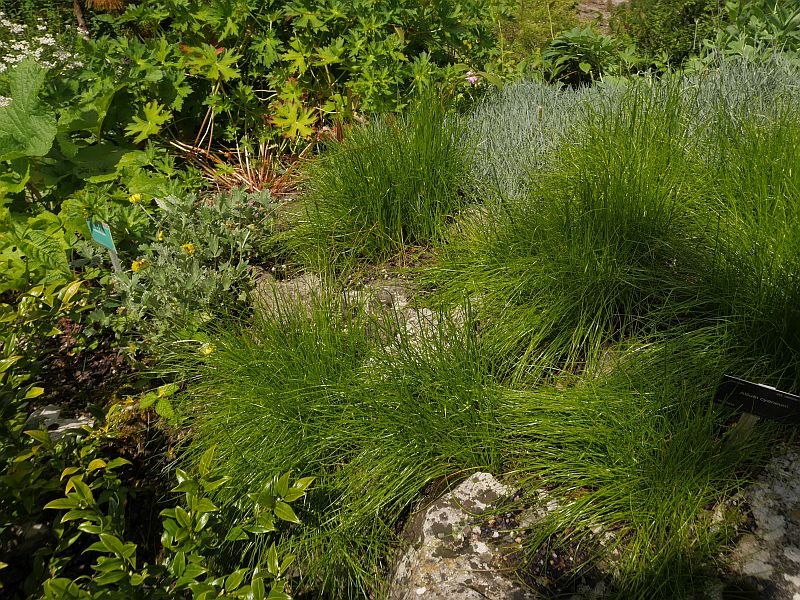
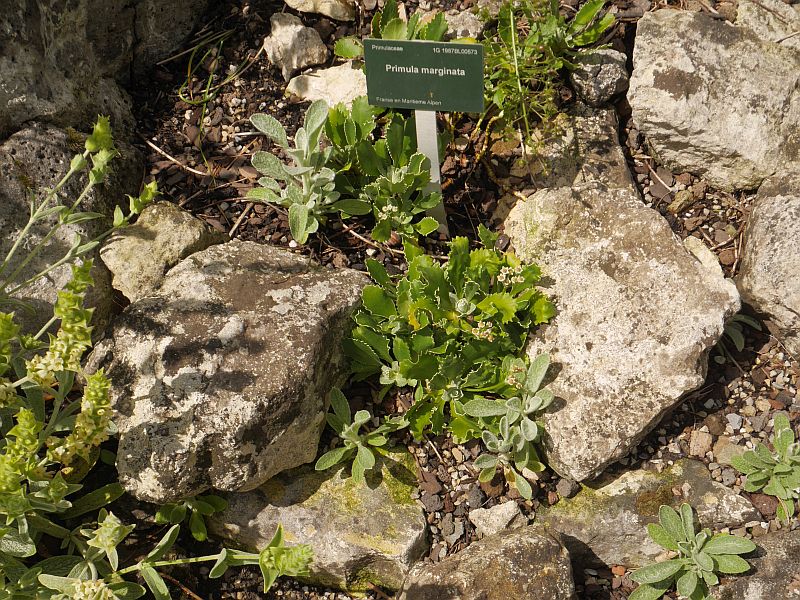
The world famous rock garden at Utrecht
Fort Hoofddijk
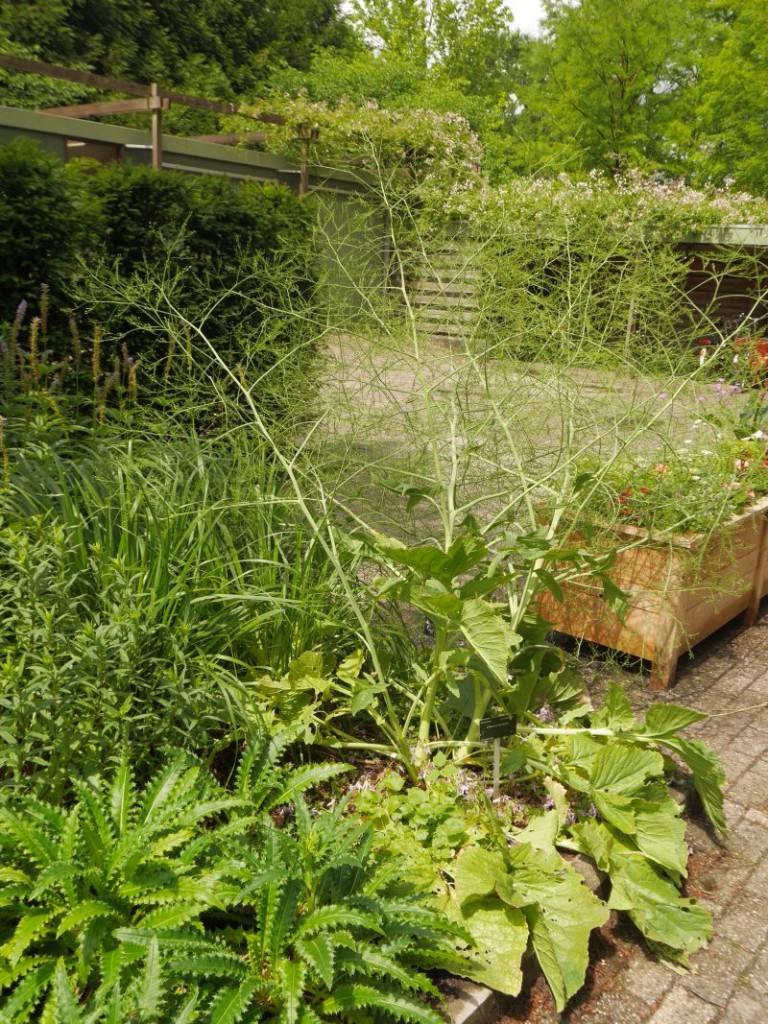
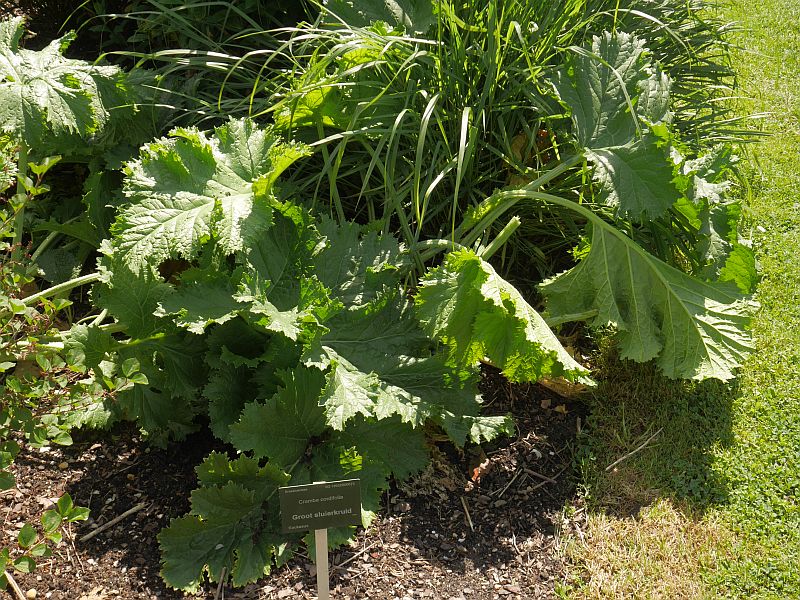
Near the entrance, the first surprise, Crambe amabilis, a species I’ve never seen before…
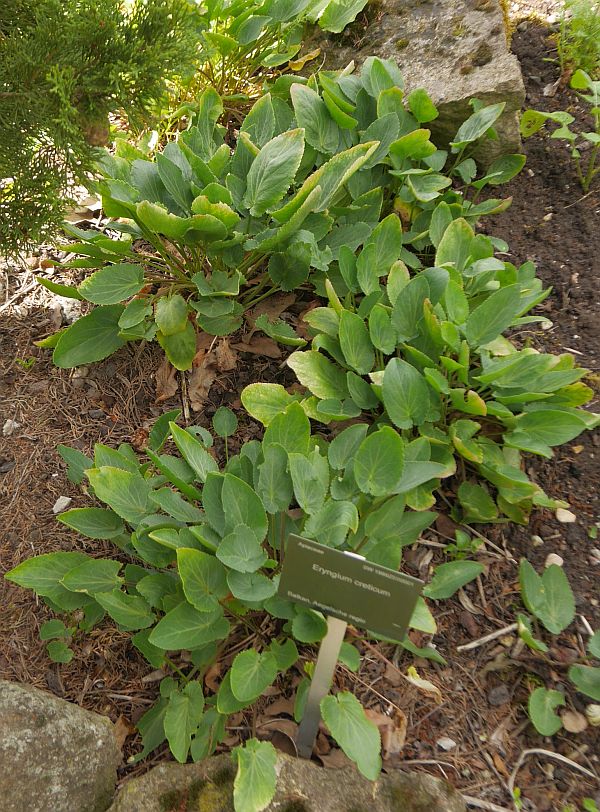
Crambe amabilis
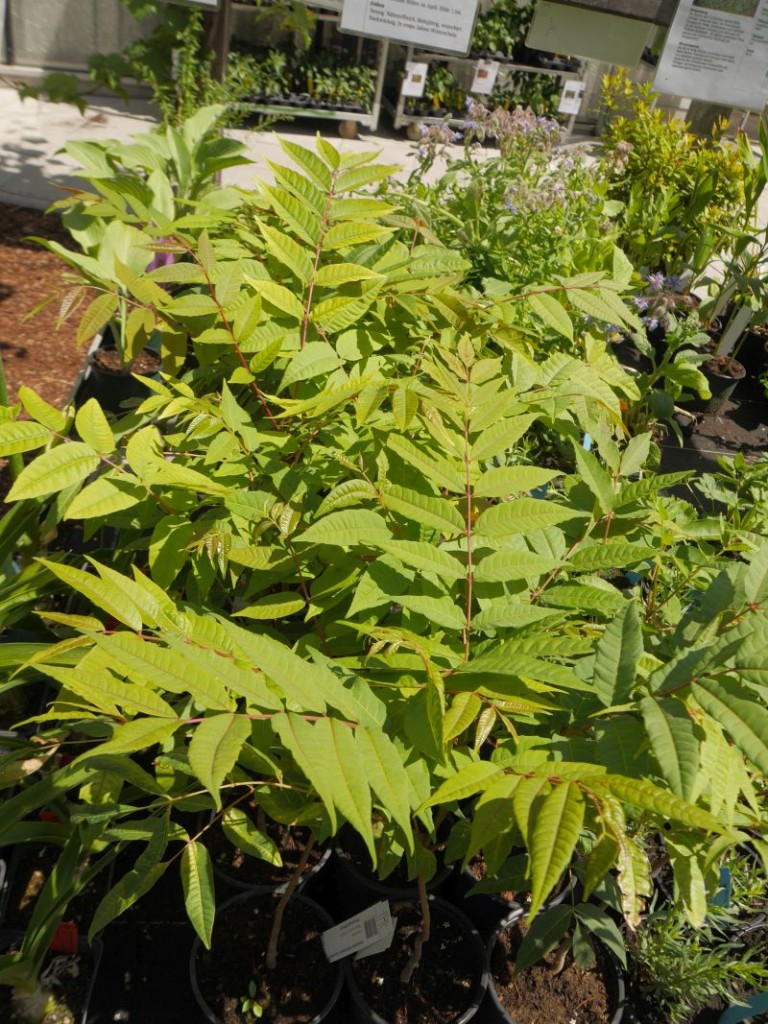
Toona sinensis, xiāngchūn, one of the very best leaf vegetables, extensively used in China (often blanched on tree). The leaves have an oniony taste!
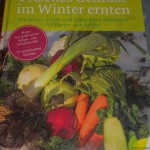
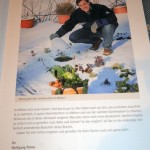
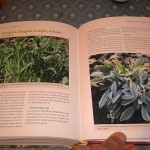
One of the great things of travelling and doing these talks is all the fantastic people you meet. Wolfgang Palme (and his lovely wife Angelika who also acted as my interpreter in Schiltern and Vienna) was one of these! I met them first at my talk in Schiltern and I was then very much looking forward to visiting City Farm where they run courses and have developed a diversity garden for children, including several of the perennials in my book! Wolfgang has also written a great looking book on harvesting vegetables during the winter (I include a few sample pages in the album below!)
I look forward to collaborating more in the future!!
See also http://www.cityfarm.wien/
Google Earth image of city farm with the site of the diversity garden and the Kammermeieri, a historical building where my lecture was held!
Wolfgang Palme and myself after my talk at Arche Noah in Schiltern!
Wolfgang had made a special effort of decorating the entrance, stairs and lecture theatre with perennial veggies! Here’s Hosta!
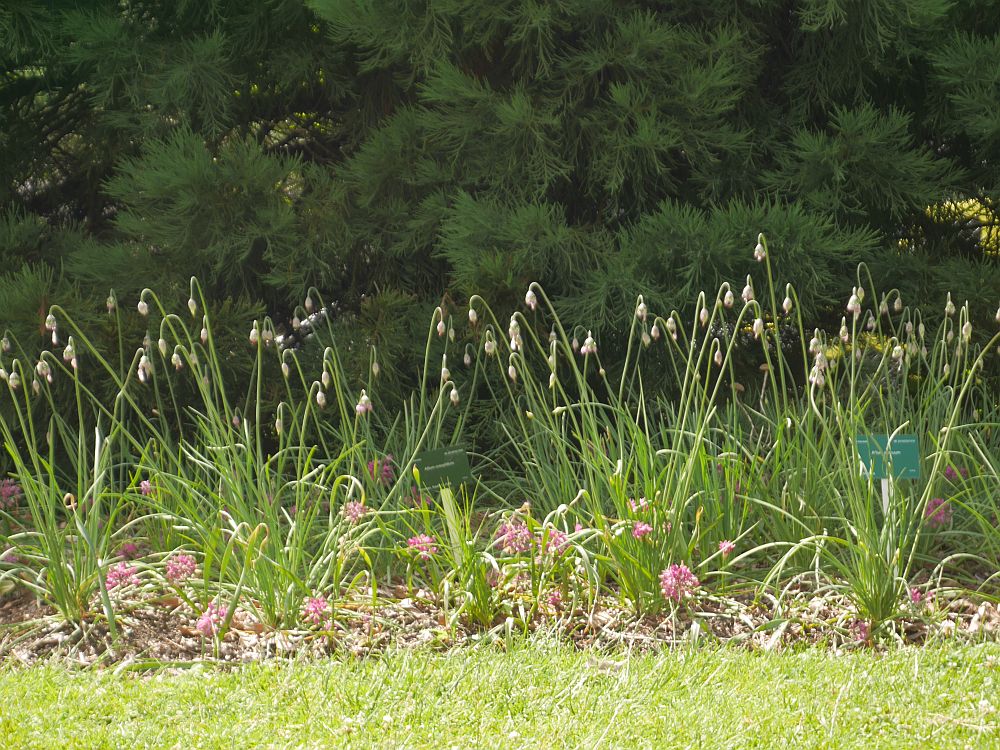
ALlium tuberosum
…and this artichoke on the stairs!
The lecture room!
Kammermeierei
The diversity garden
Wolfgang’s book on winter harvested vegetables!
…includes Silene!
…and this sowing plan for harvesting in the winter months must have been a labour of love!
Mission accomplished! I arrived here in Austria over a week ago! 3 garden tours and two seminars on and I’m now sitting with some porcini pasta and some Austrian beer in Saltzburg before my train back to Vienna and home tomorrow. After 7 hours in Saltzburg, I still haven’t heard any Mozart or The Sound of Music! Thanks to Arche Noah for inviting me
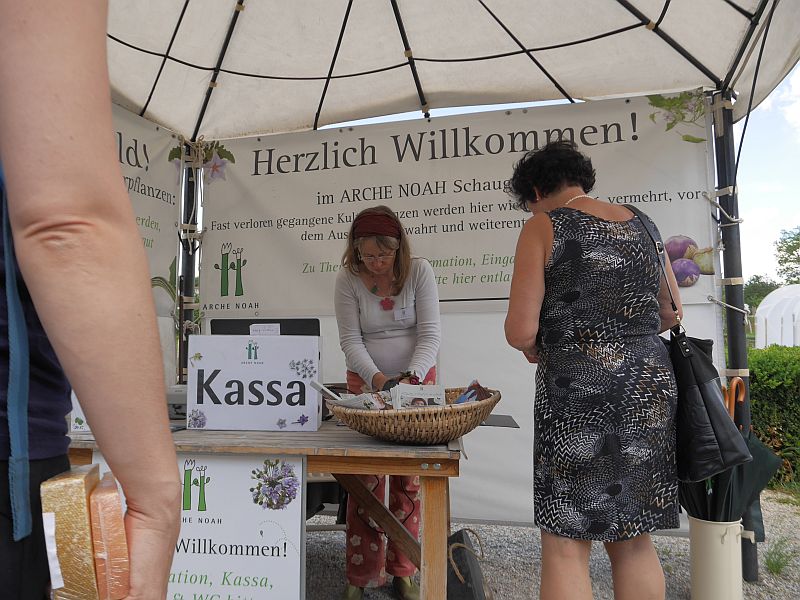
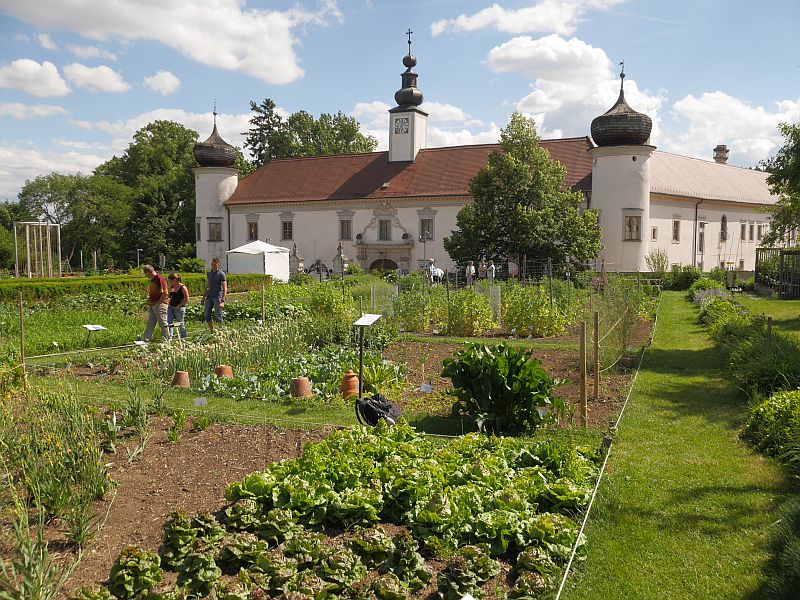
A few pictures from my first three days in Schiltern and Austrian Seed Savers organisation Arche Noah’s amazing show gardens. The main show gardens are in the village of Schiltern in Langenlois, an important wine growing area, with warm, dry summers and relatively mild winters.
I’m doing a series of talks and garden guided tours this week starting here in Schiltern, then Vienna and finally in the Alps near Salzburg!
…and I got to try one of these broadforks! This one had been handmade for Arche Noah!
Seed art at the gate!
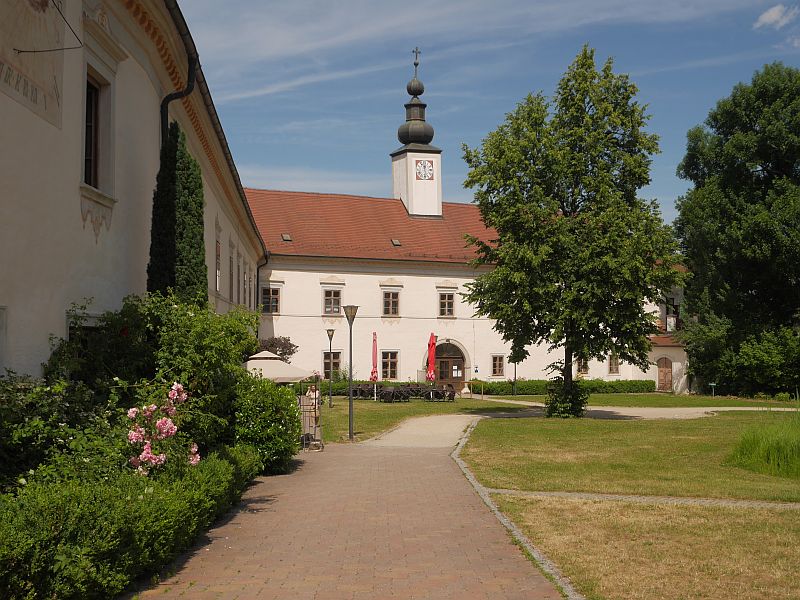
The show gardens are in the grounds of an old cloister..
The sales area has a great selection with many perennial edibles including Crithmum, Angelica dahurica etc.!
Purple mitsuba for sale
Angelica dahurica for sale
Caraway (karve) on sale
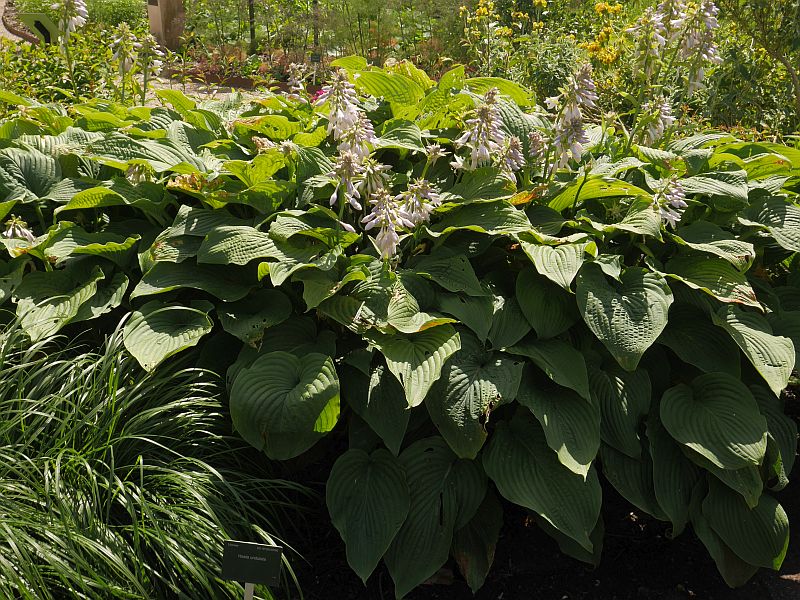
Hosta on sale as a perennial vegetable!
Toona sinensis
Sea kale (Crambe maritima)
Hablitzia tamnoides
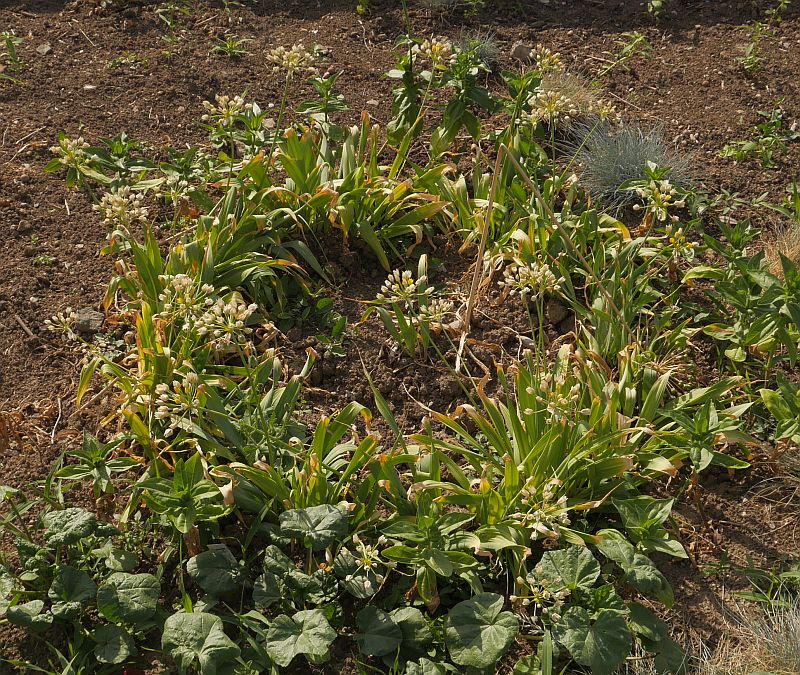
Curly whirly onions, Allium senescens var glaucum
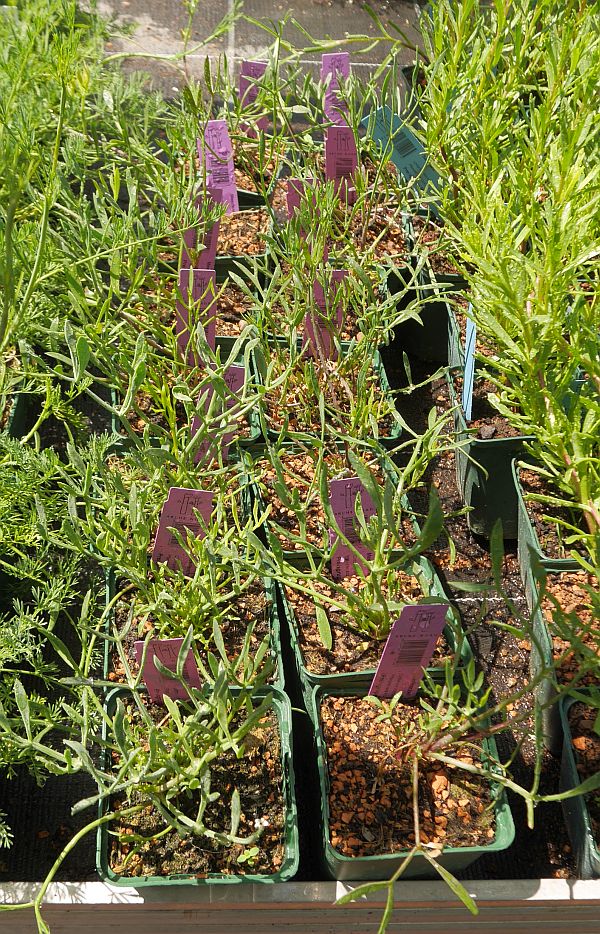
Crithmum maritimum
Rumex scutatus glaucus
Impressive elderberry with my host Claudia and organiser of my tour! Thank you!!
Bee hive
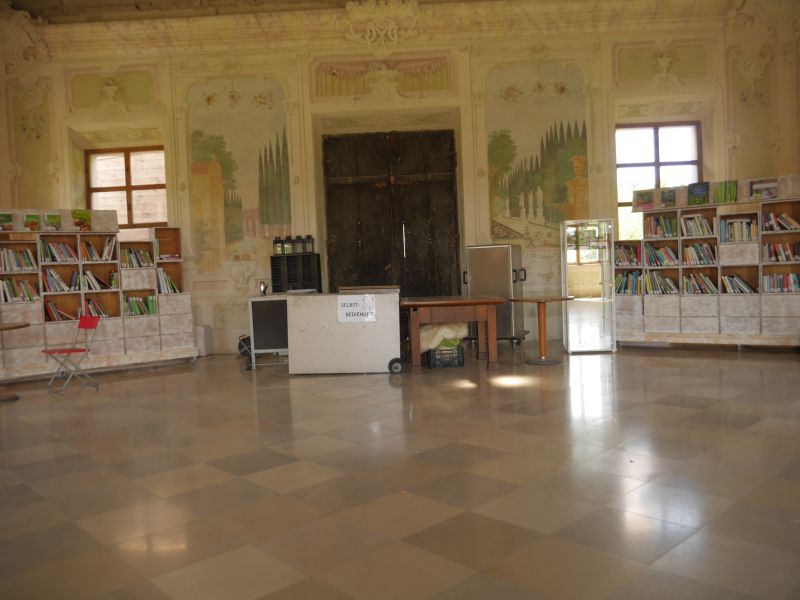
Library
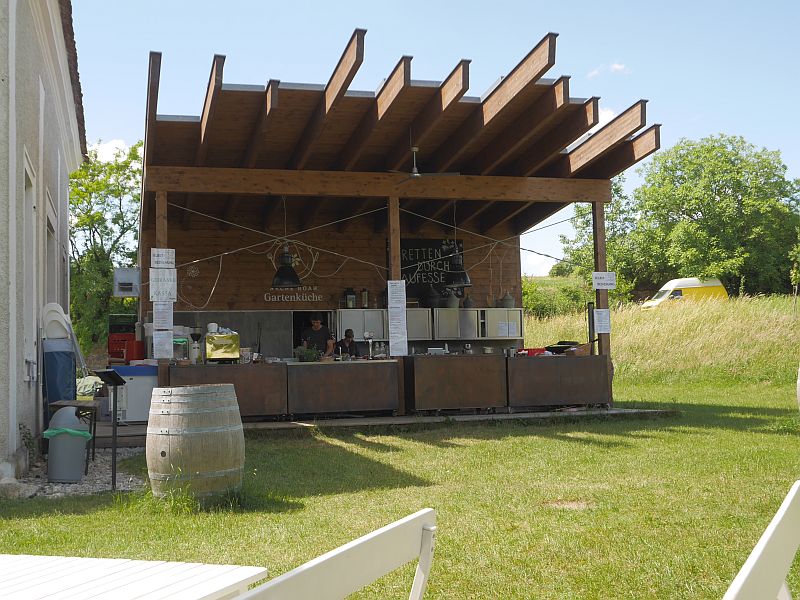
Great outdoors restaurant
Lunch: risotto with an old grain! Did they make a special effort for me?
Isolation tent!
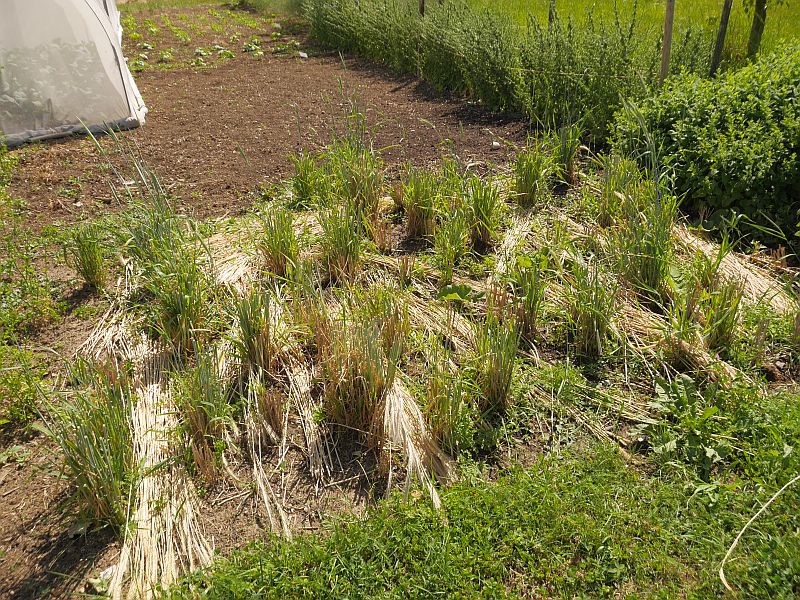
Perennial rye (from, I think, Tim Peters)
Old fruit trees
The countryside and village…
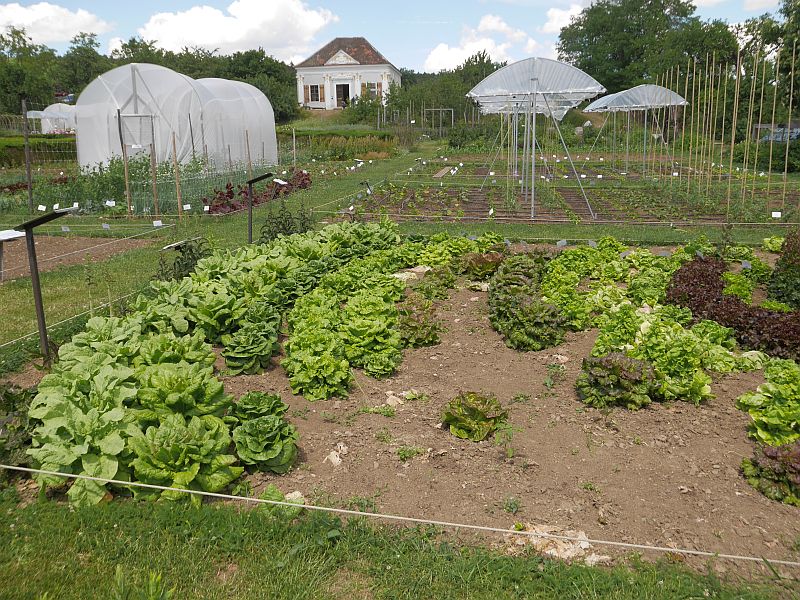
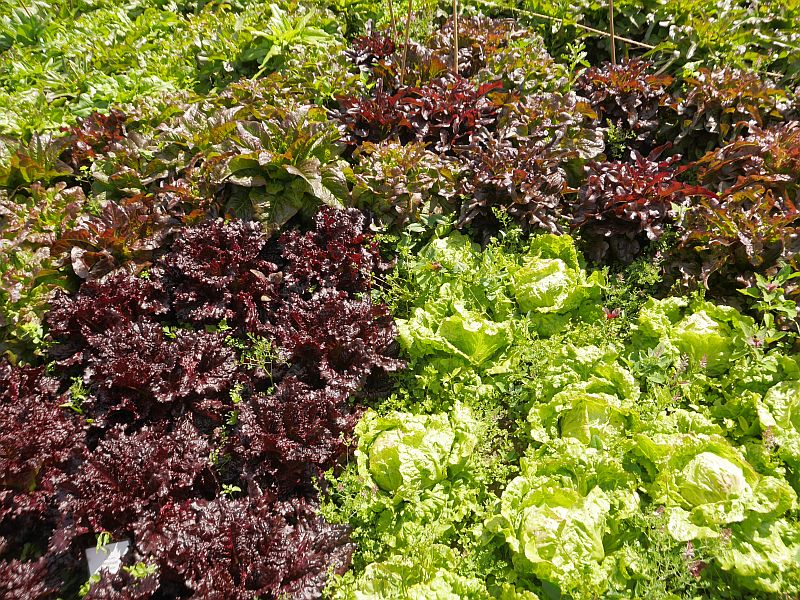
A demonstration of breeding lettuces
Sea Kale on one of two perennial beds
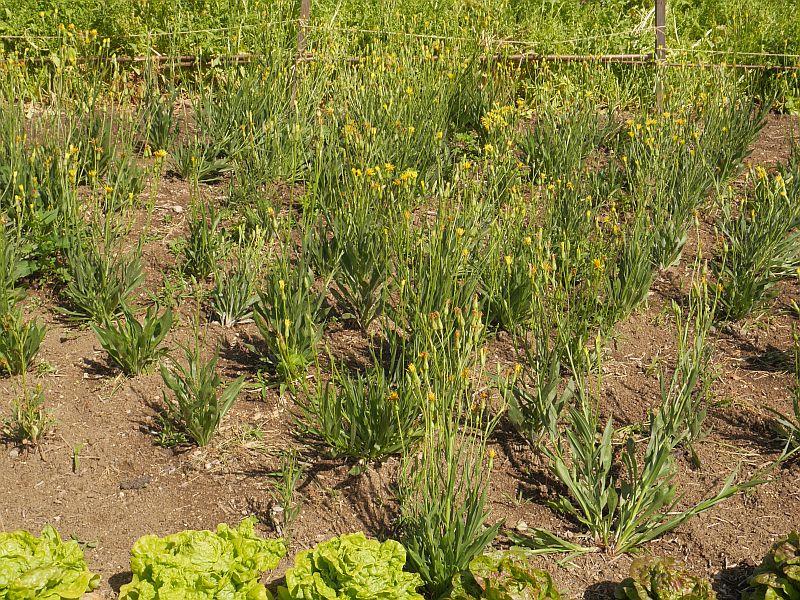
Asphodeline lutea…edible flowers and the tubers were traditionally cooked and eaten with cooked figs by the ancient Greeks and Romans according to Cornucopia II
Scorzonera for seed
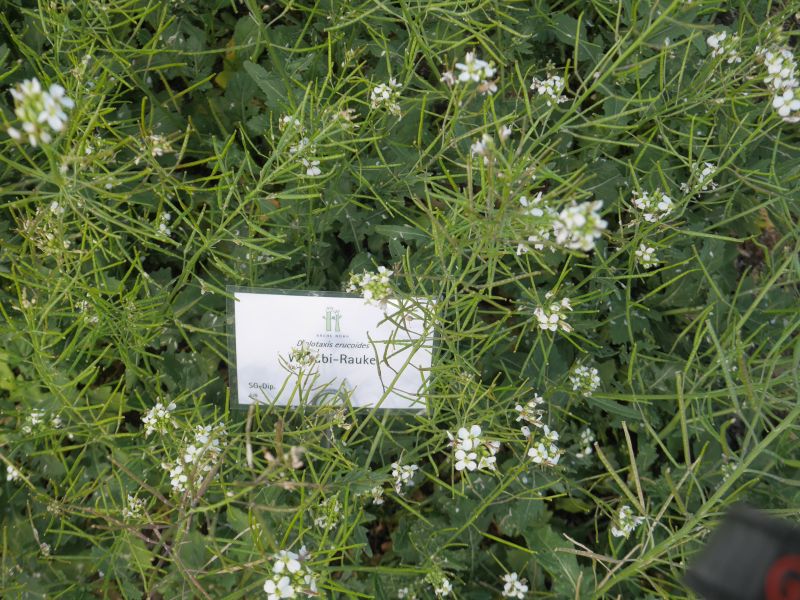
Diplotaxis erucoides (wasabi rocket) has an excellent wasabi like taste
Winterkefe pea is one I’ve grown for several years (originally over winter in my old greenhouse). It originates here at Arche Noah
A row of Hablitzia is growing slowly and is maybe not too happy in the heat… shadier place would probably be better!
Catawissa onion (etasjeløk)
Rumex scutatus glauca
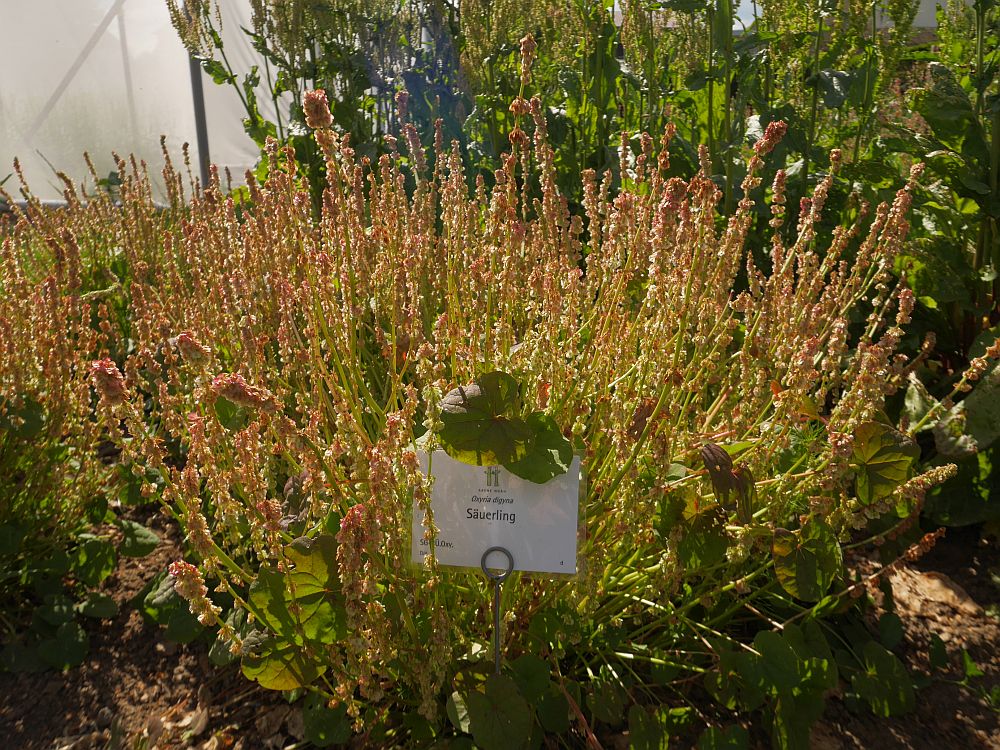
Oxyria digyna, mountain sorrel seems to grow well in the lowlands too!
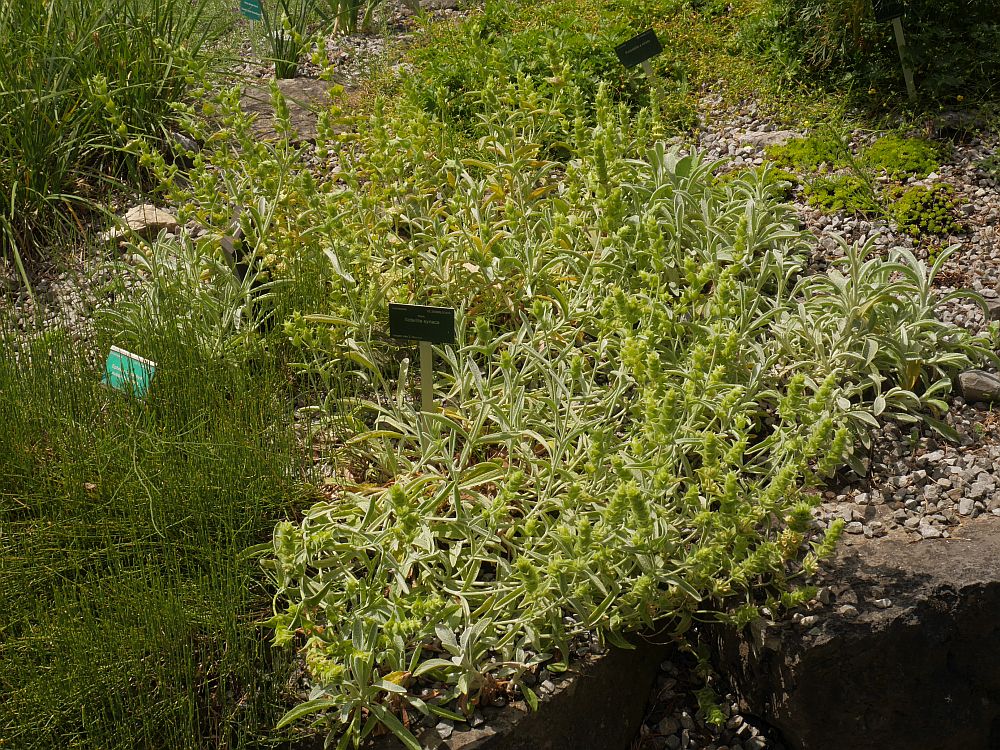
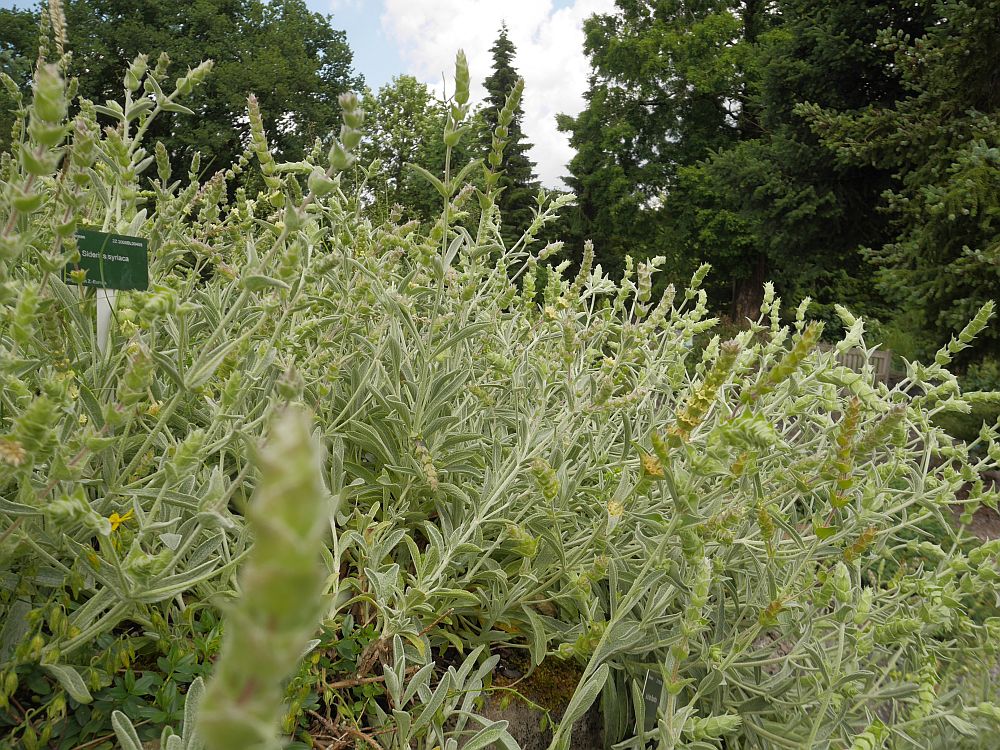
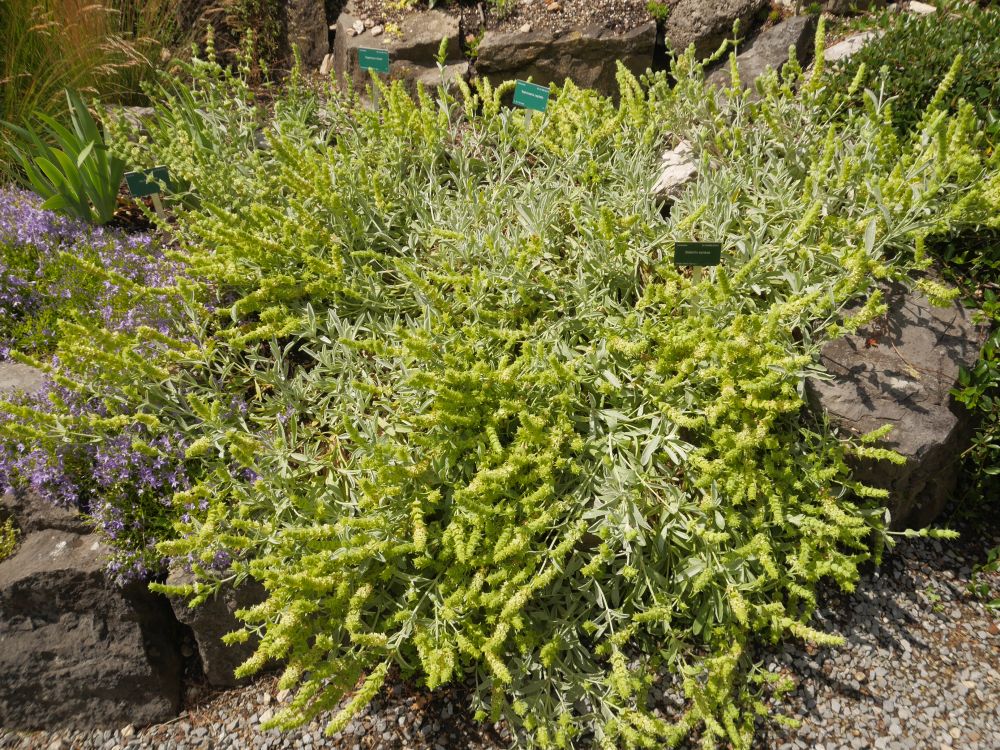
Nice to see Sideritis syriaca, Greek mountain tea in the herb garden
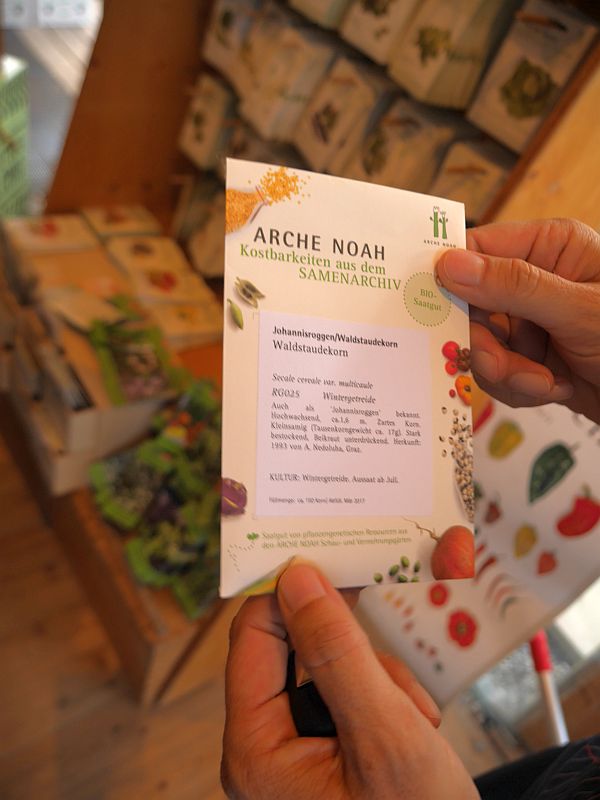
Arch Noah seed packets in the shop
Allium moly (gul-løk) is from the mountains of Spain and is a great edimental
My talk was on Sunday in the cloister buildings
Typha (cattails / dunkjevle) in the courtyard pond! Supermarket of the swamps!
New friends after the talk..chef Johan Reisinger top left, Wolfgang Palme top right (vegetable researcher at the Horticultural College and Research Institute Schönbrunn, Vienna) and his good lady Angelika Palme who did an excellent job at translating!!
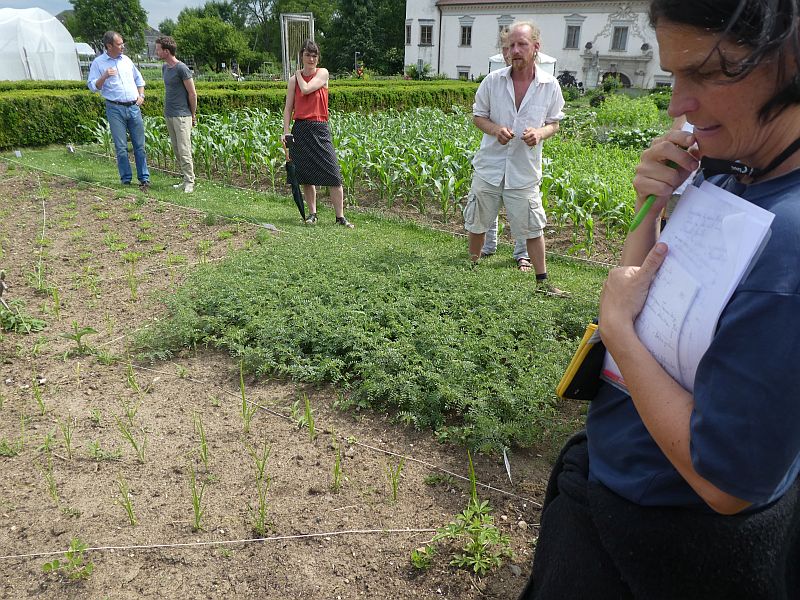
On Monday 12th June, I joined an informative tour of the Arche Noah show gardens lead by the head gardener. The tour was for staff and guides.
Nettle water with perennial kale Ewiger kohl (Eeuwige moes)
Chick peas
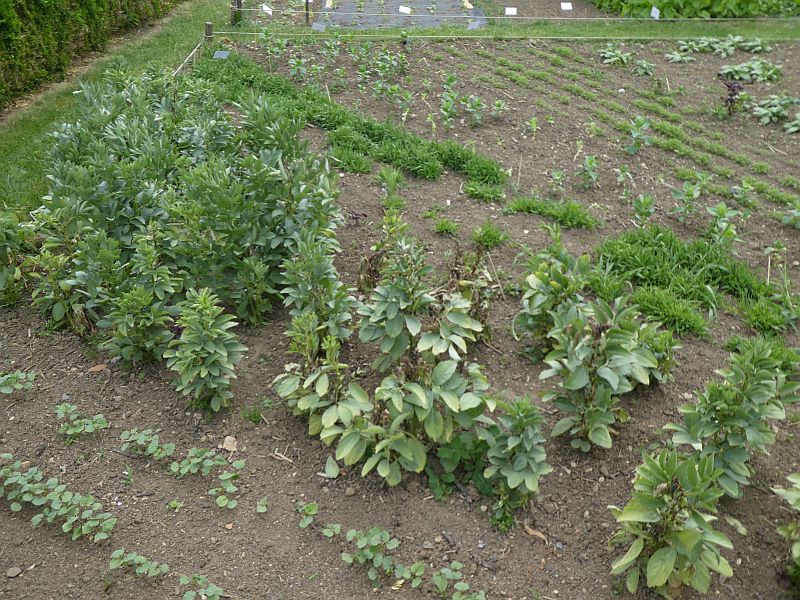
Broad beans are difficult to grow due to a number of pests and diseases
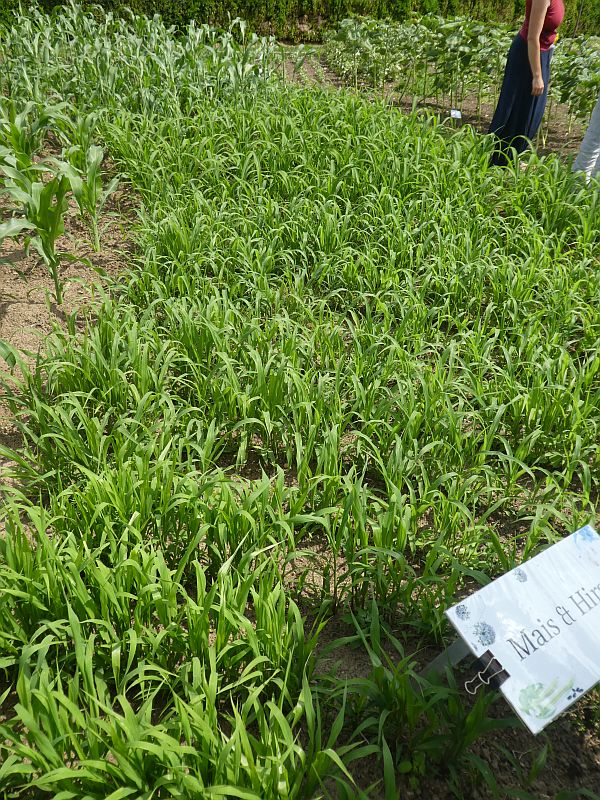
Millet for a future drier cilmate
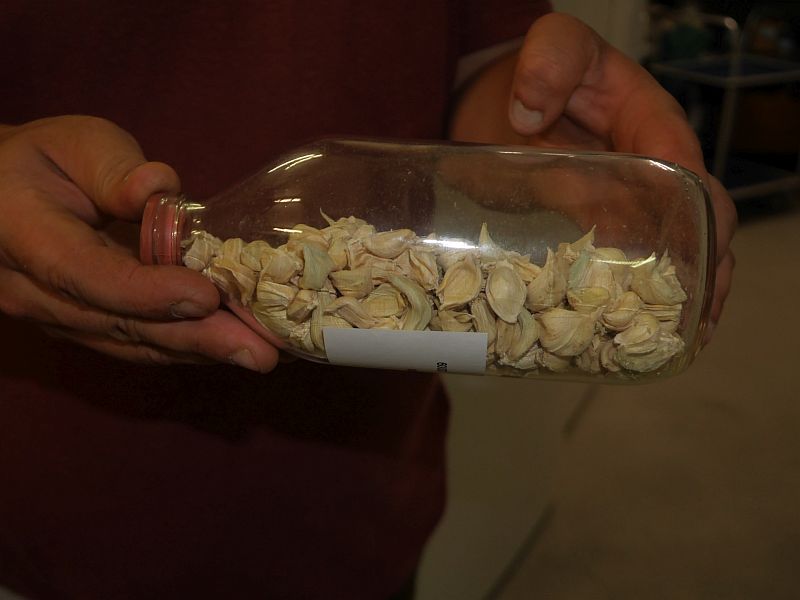
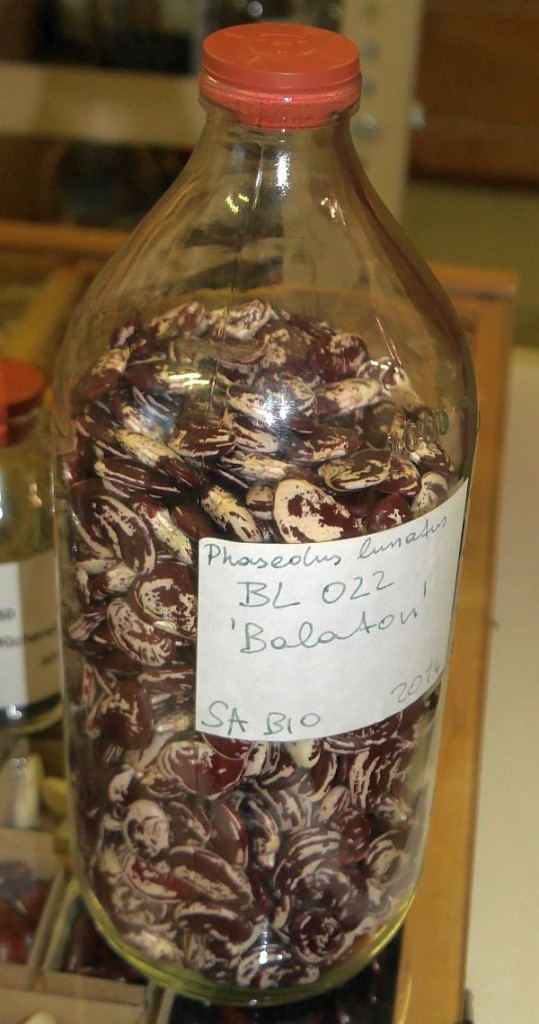
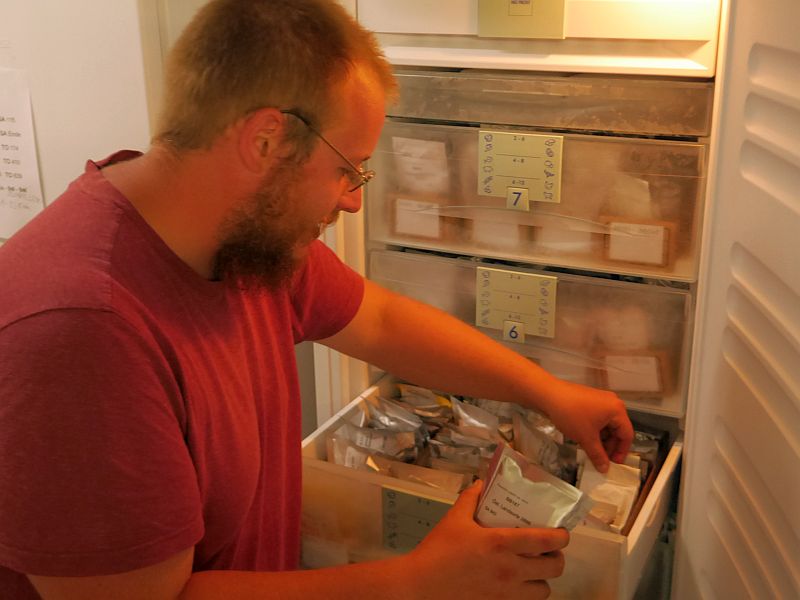
I also visited the seed bank…
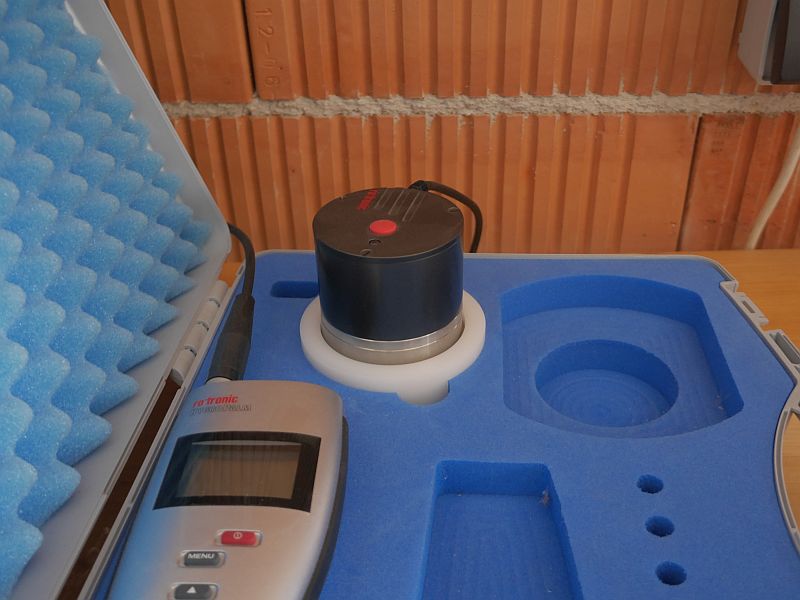
Humidity instrument for checking that the humidity is low enough for long term storage
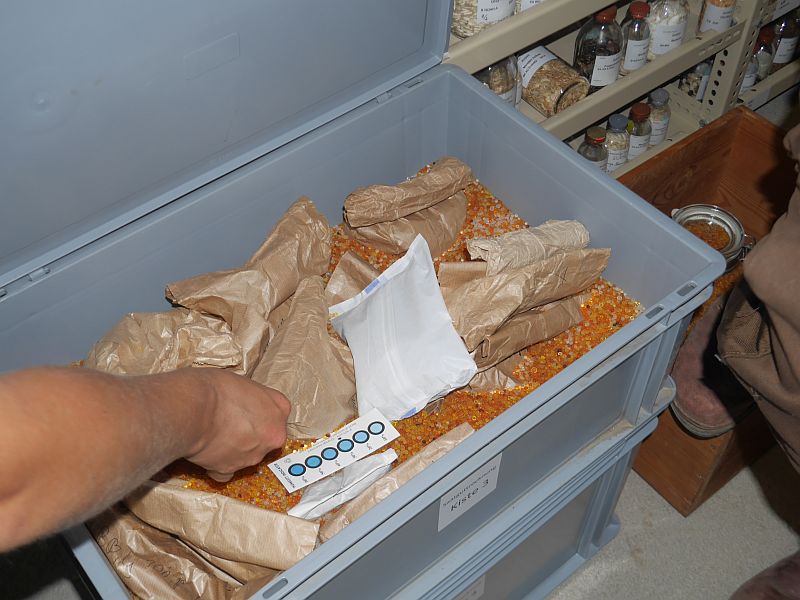
Seeds are both stored in sealed jars…
Seeds are both stored in sealed jars…
Arche Noah are in the course of changing database (Access) as they have outgrown it!
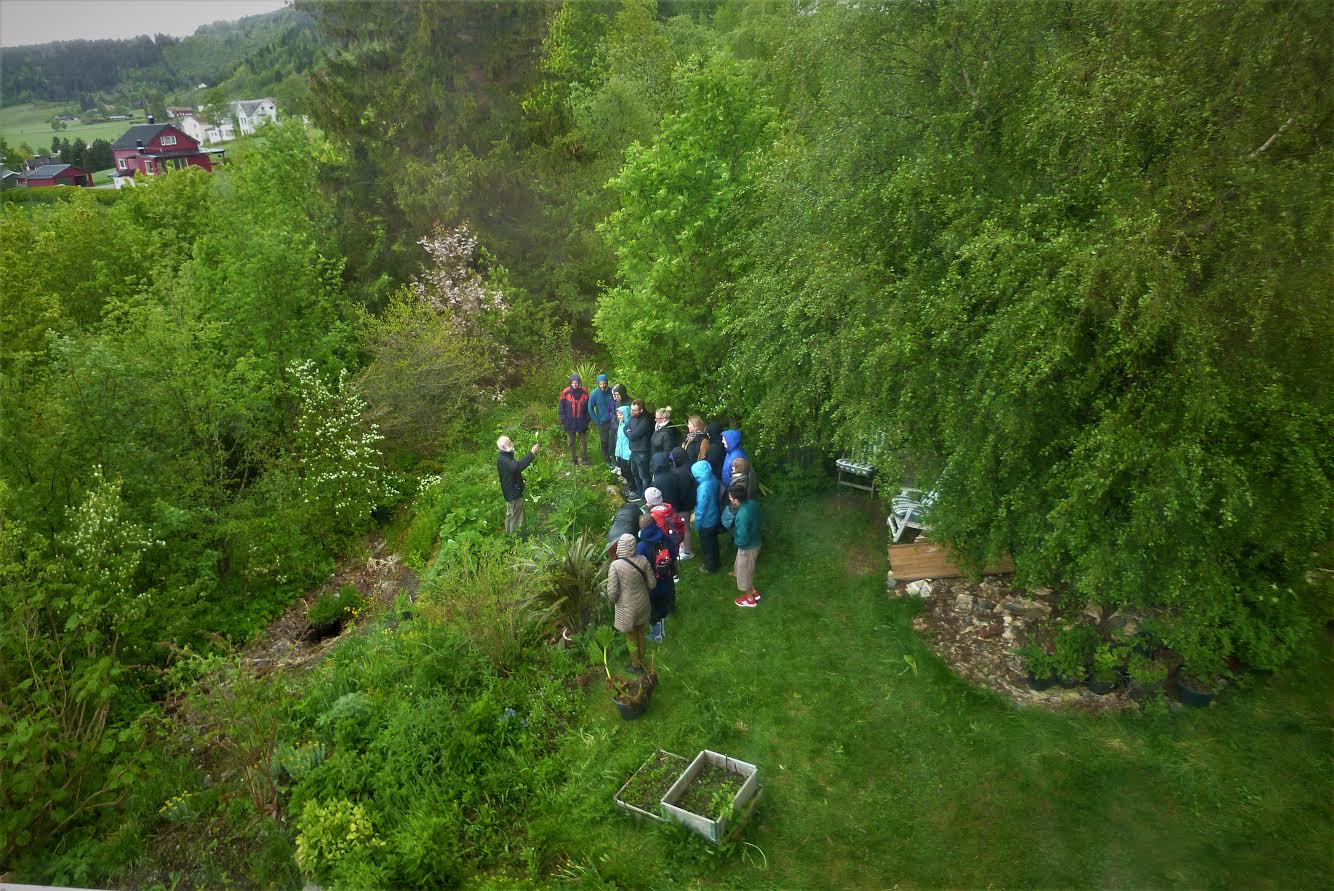
Wonderful shot from last night’s guided tour around the garden taken by WW (my Wonderful Wwoofer this week) who climbed onto the roof for what could have been mistaken for a drone shot….
See also these Facebook albums:
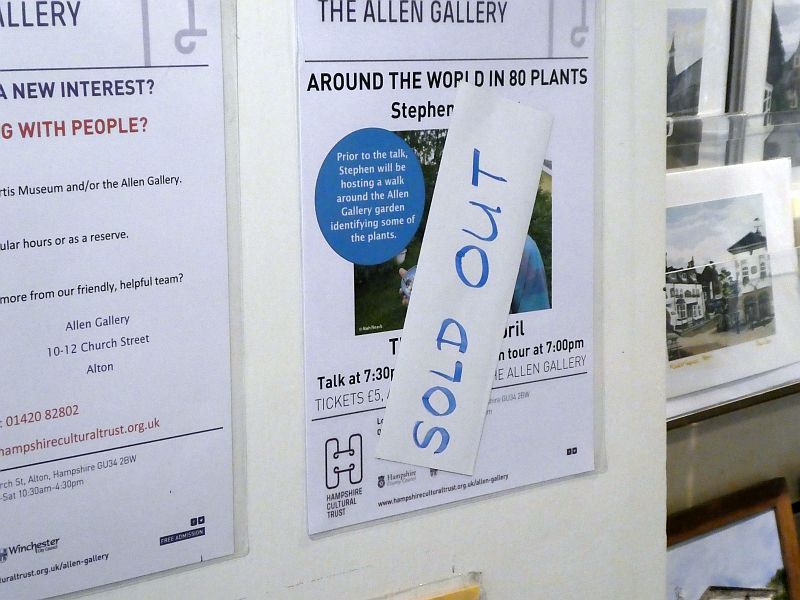
I was very pleased to be invited to give a talk organised by the Curtis Museum in Alton, Hampshire, UK, not far from where I grew up in Eastleigh, Hants.
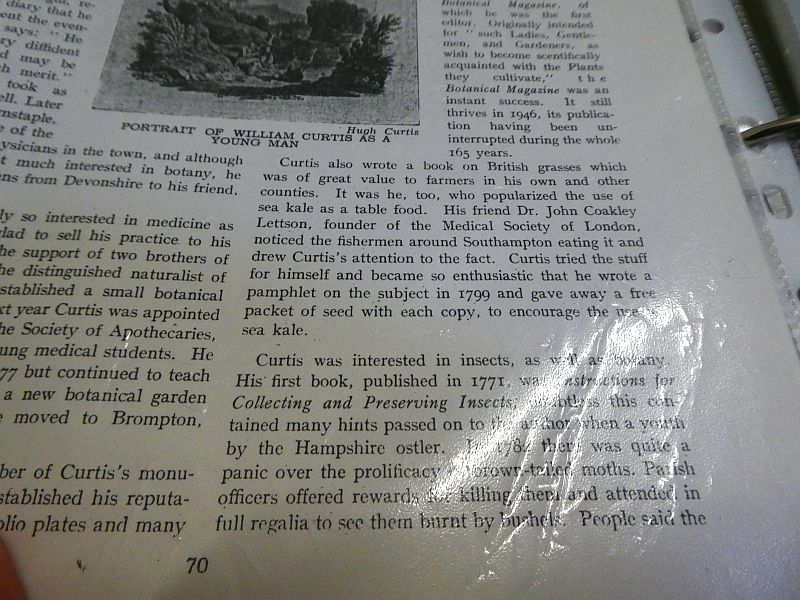
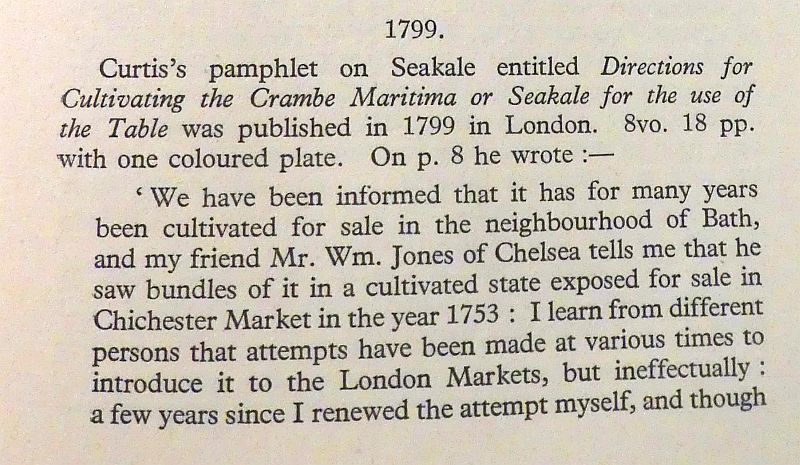
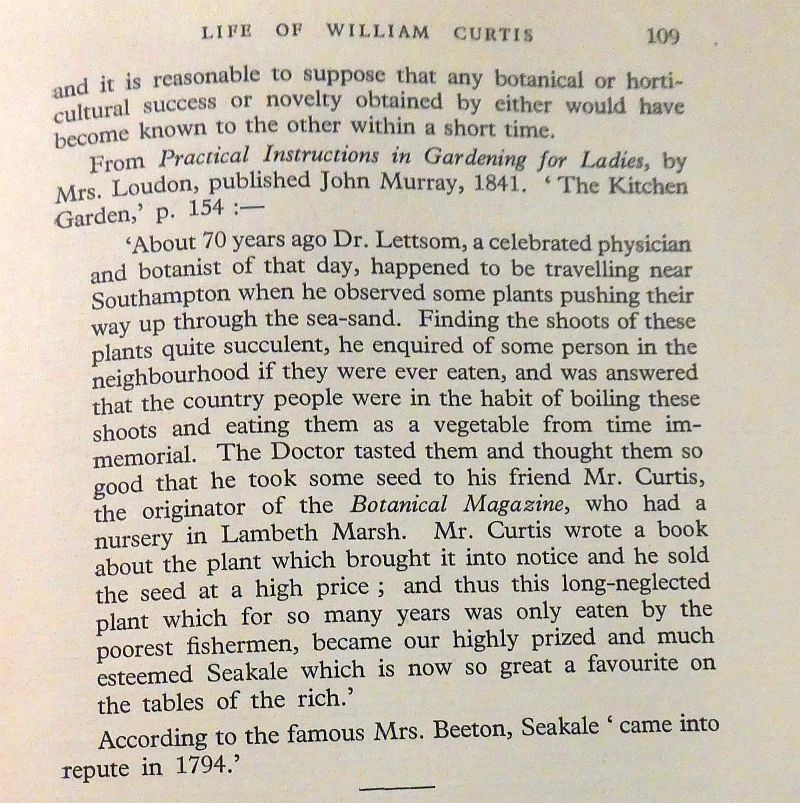
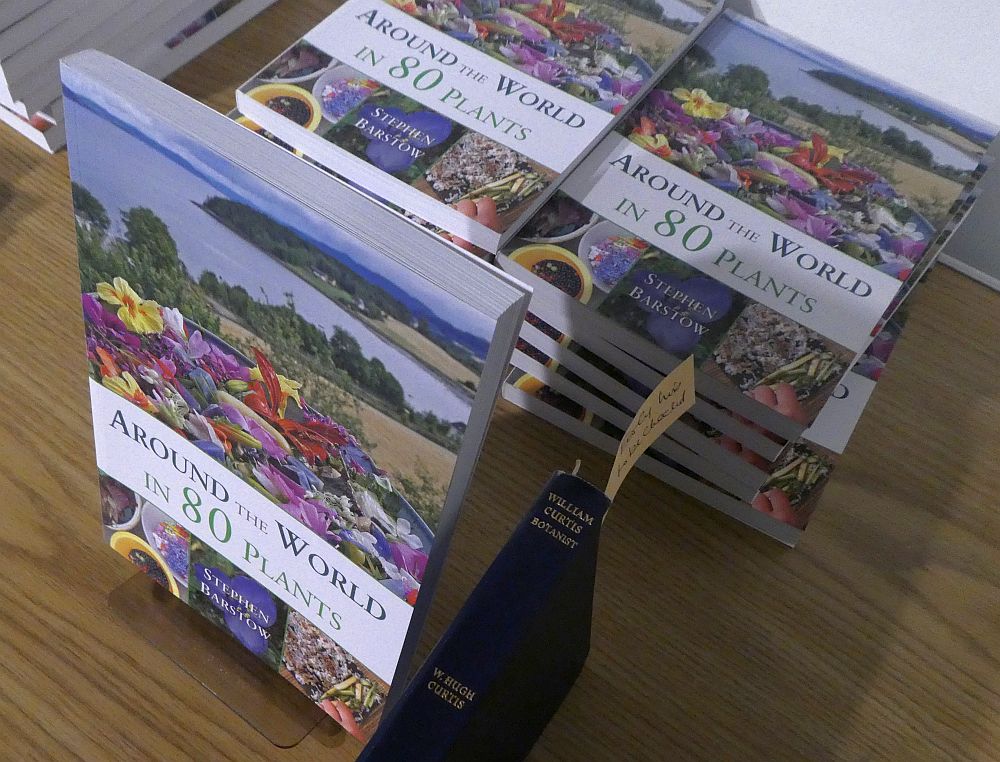
In my book I introduce the Hampshire towns of Alresford (watercress), Selborne (Gilbert White and sea kale) and Alton as the “Hampshire perennial vegetable triangle” or the UK hotspot of perennial vegetable domestication. Alton is included as the home of botanist William Curtis, who was Praefectus Horti at the Chelsea Physic Garden in London in the 1770s. He was also a friend of Gilbert White! He wrote a pamphlet, ‘Directions for the culture of the Crambe maritima or Sea Kale, for the use of the Table’ in 1799 to bolster efforts in introducing it as a market vegetable.
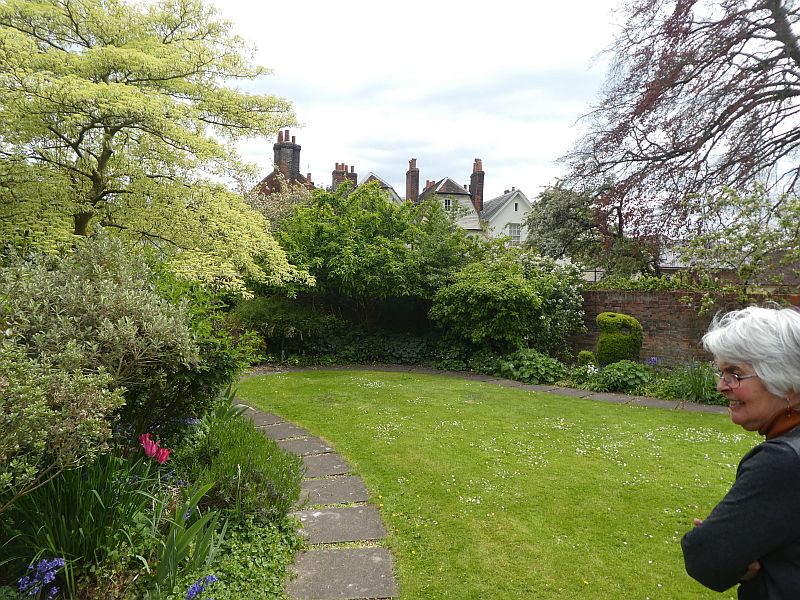
See the album of pictures from a wander around Alton with Sheila John of the Curtis museum, edimentals tour of the Allen Gallery garden and later talk there! See the album below!
Other related posts:
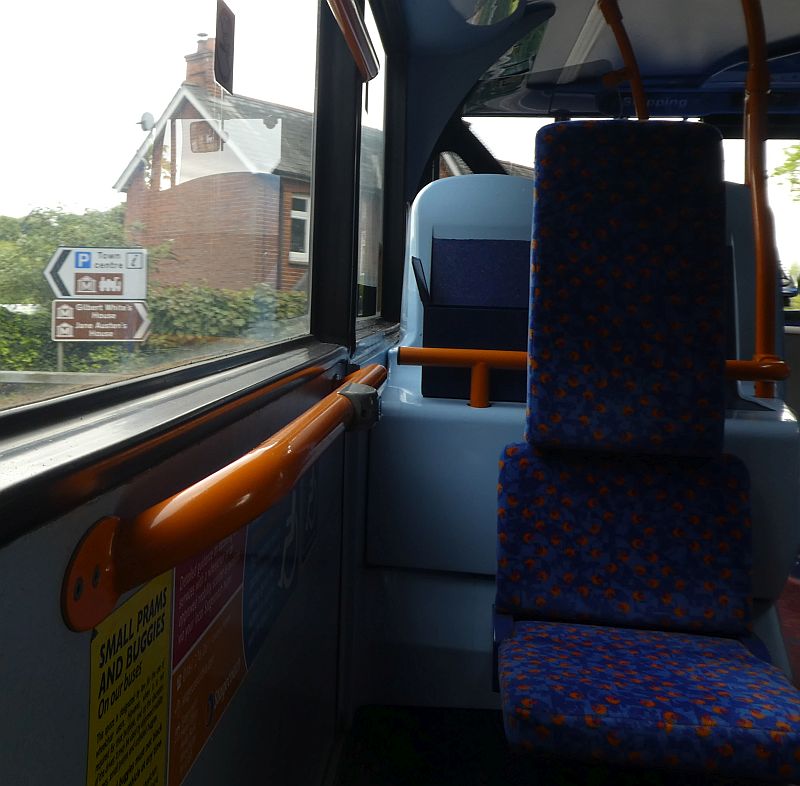
On the bus between Winchester and Alton, a sign pointing towards Gilbert White’s House (and also Jane Austen’s)!
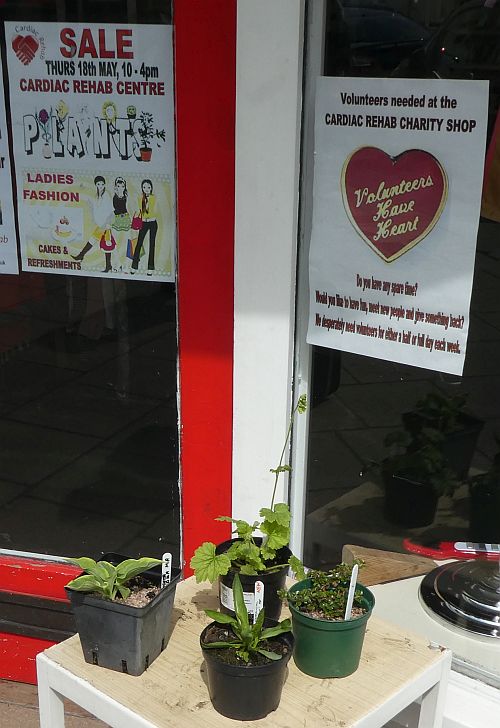
Wandering around Alton with my host Sheila John, a charity shop with a Hosta plant for sale…
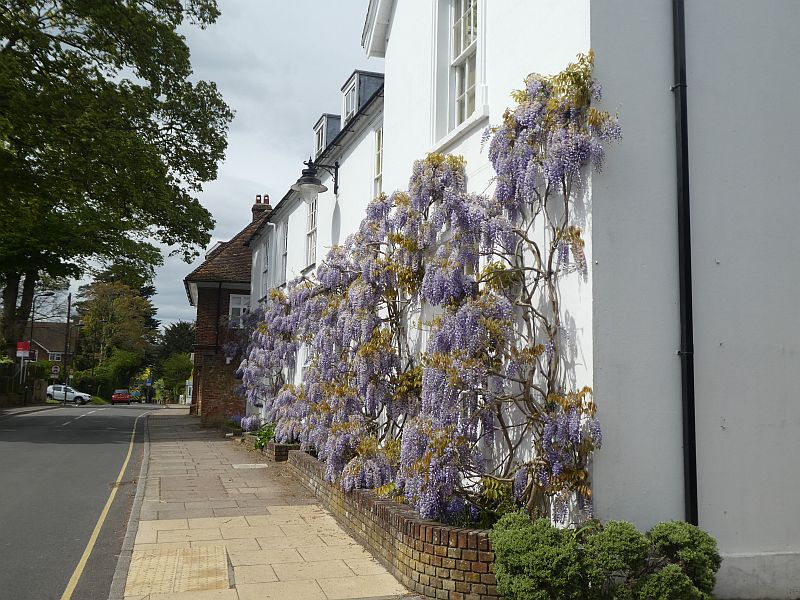
On the road where William Curtis the botanist lived, a Wisteria in full flower…had to resist having a taste of the flowers ;)
William Curtis’ house and Sheila John of the Curtis Museum
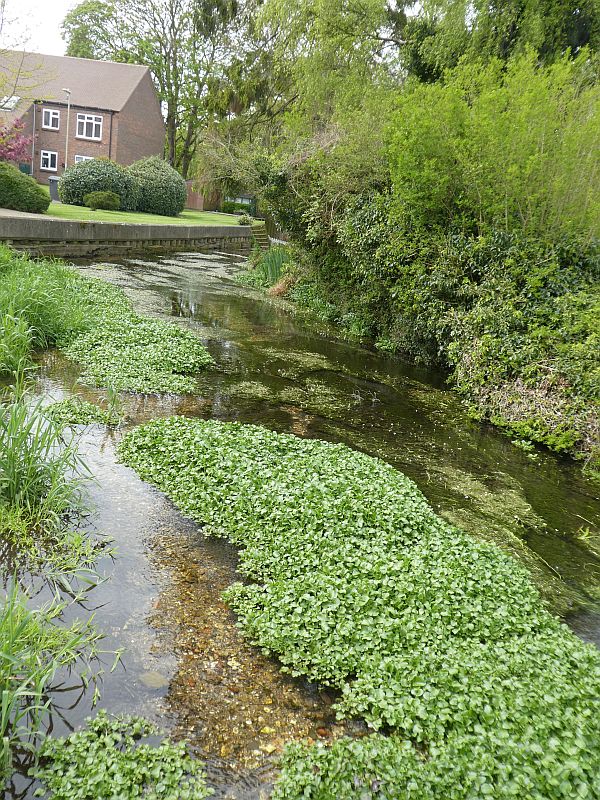
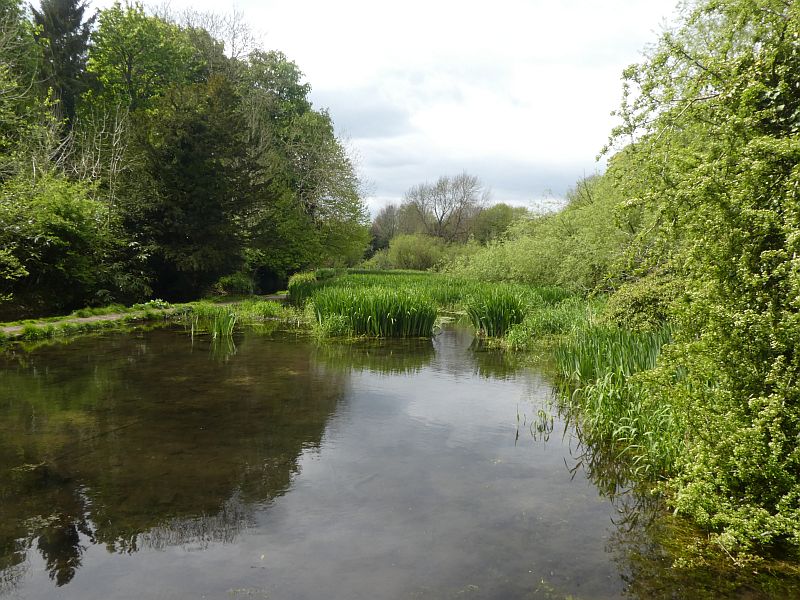
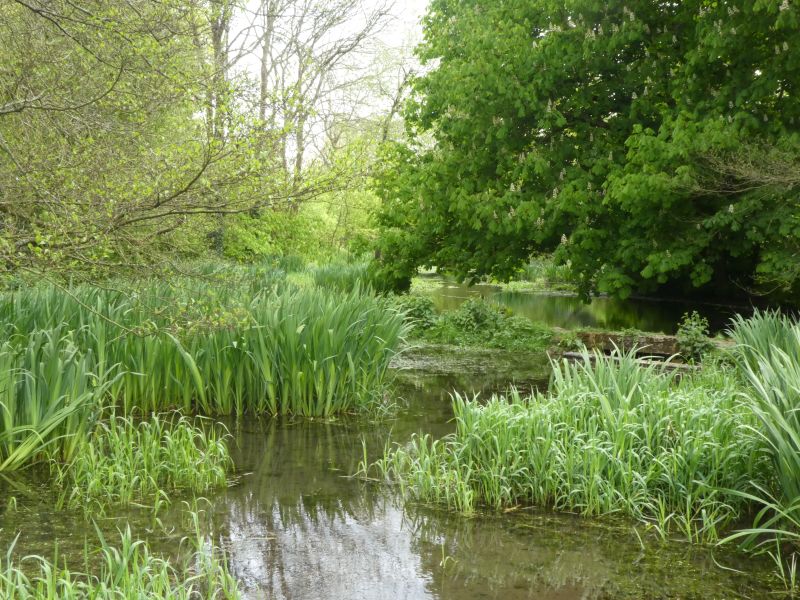
The chalk River Wey with wild watercress
The next talk after mine was about the Watercress Line!
Watercress had in the past been cultivated on the Flood Meadows near the centre of Alton…
The Flood Meadows in Alton where watercress had been cultivated in the past
The Flood Meadows in Alton where watercress had been cultivated in the past
Brooklime, Veronica beccabunga in the flood meadows
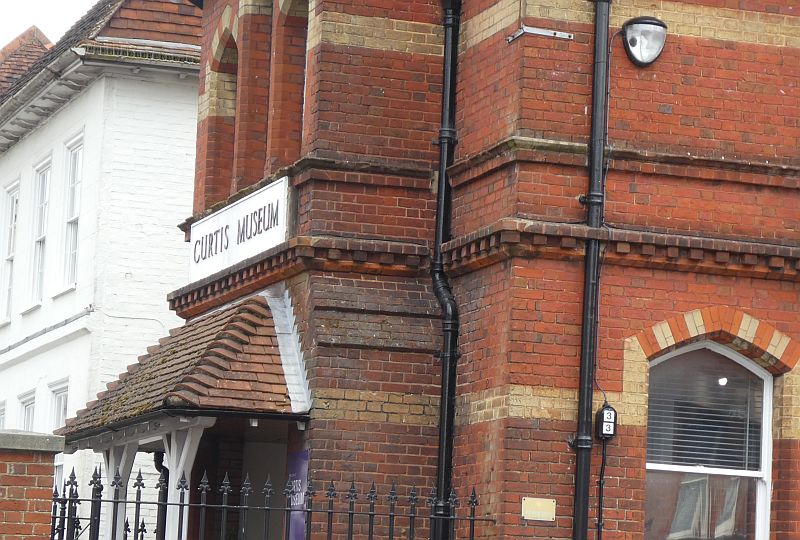
The Curtis Museum
The Curtis Museum
Entrance to the Curtis Museum
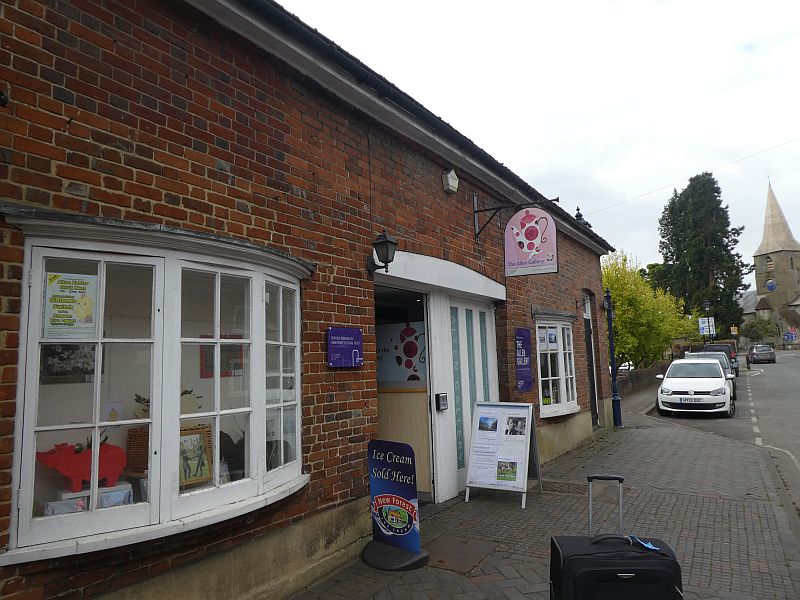
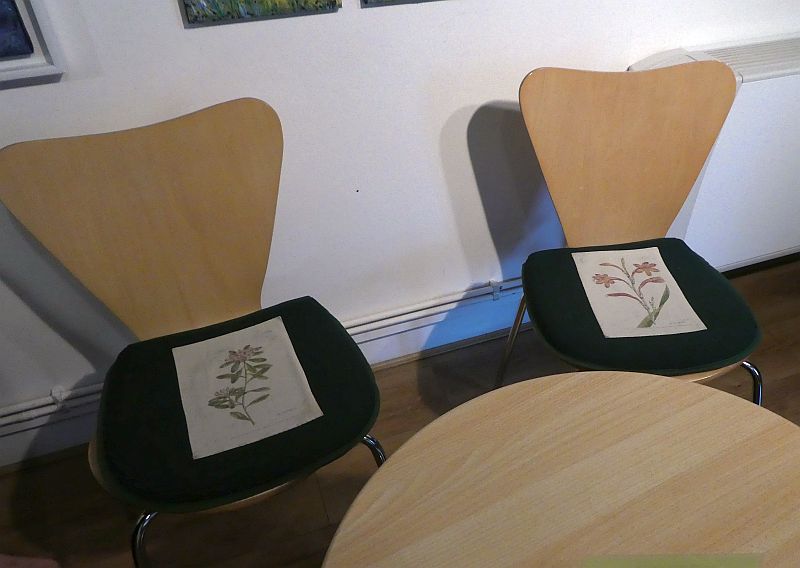
The venue for the talk, the Allen Gallery (after artist W. H: Allen); see https://hampshireculturaltrust.org.uk/allen-gallery
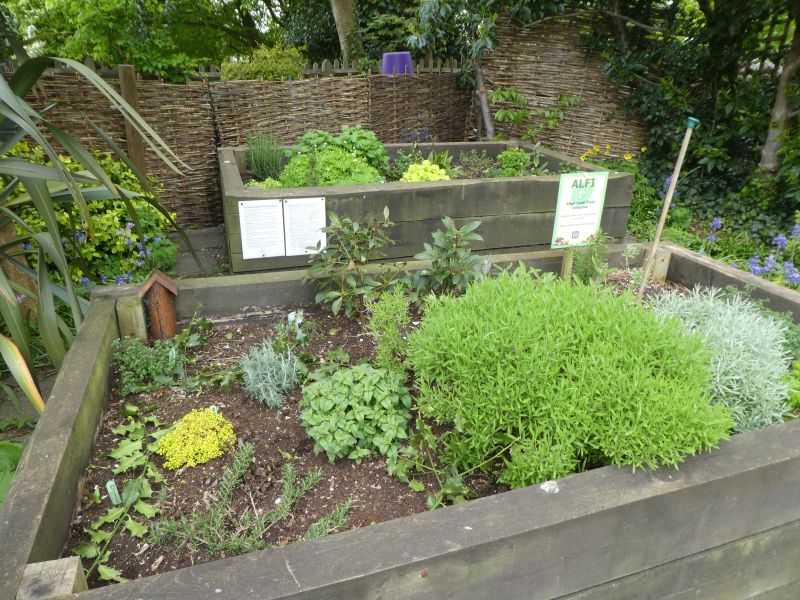
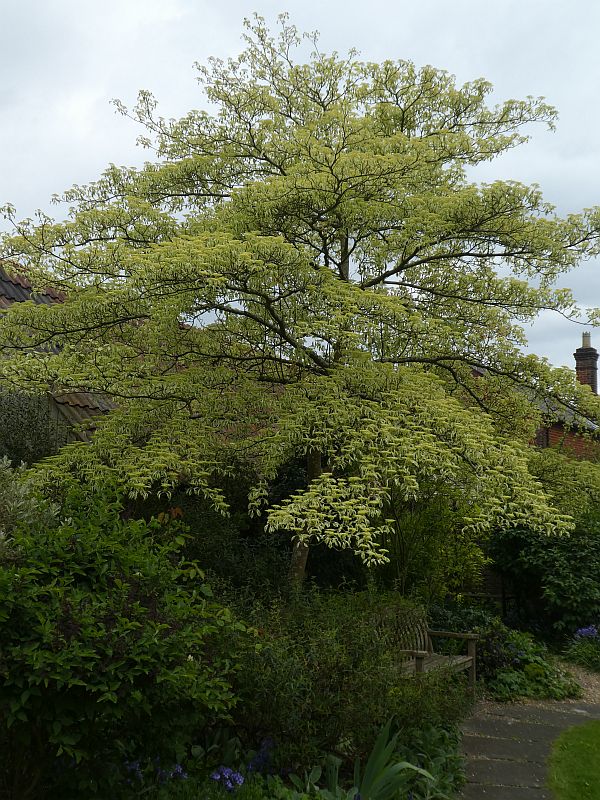
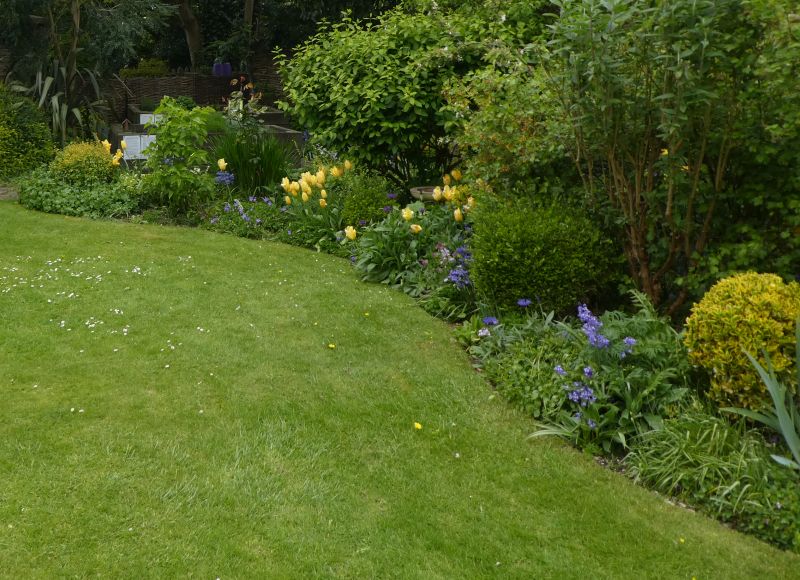
I lead an edimentals walk for a half hour in the garden before the talk. Sheila John showed me around beforehand and we found a number of excellent edibles :)
A little herb garden!
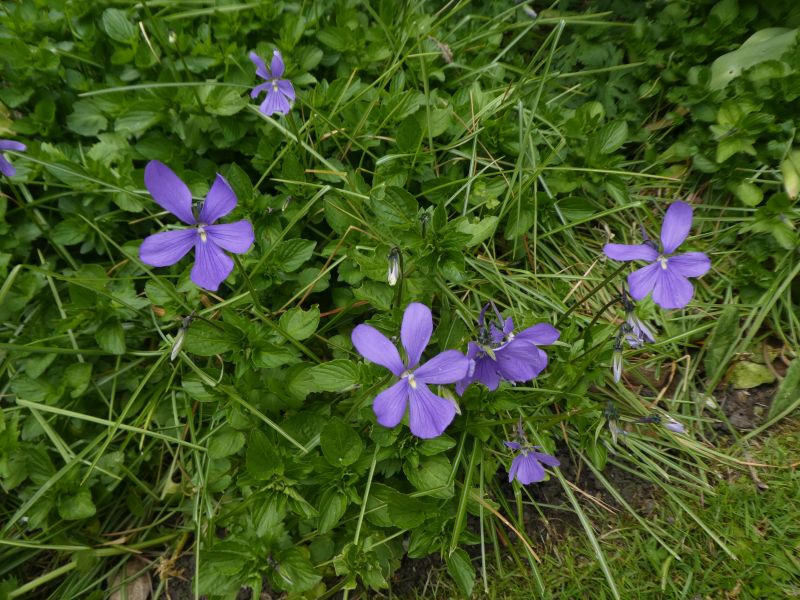
Viola spp.
Tulips out!
One of the staff had brought a Hosta plant along to my talk ;)
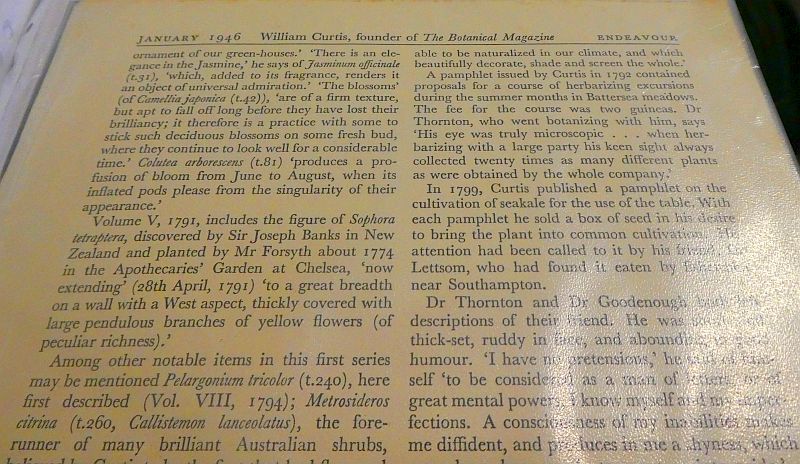
I was shown the collection of information about William Curtis the Botanist…
I prepared a couple of slides specially as I was at the Curtis Museum, this included this picture I took at the Chelsea Physic Garden in London where Curtis was demonstrator of plants and Praefectus Horti from 1771-1777! The Curtis Border at Chelsea celebrates some of the plants we associate with the man and with reference on the plant label to his Botanical Magazine! It seems that Curtis introduced day lily Hemerocallis fulva (one of the 80 in my book) to the UK :)
Slide showing the front of Curtis’ sea kale pamphlet, some interesting quotes from it and a picture of a sea kale pot and sign telling about the pamphlet at Chelsea!
Perennial vegetables, Edimentals (plants that are edible and ornamental) and other goings on in The Edible Garden