
Streptopus amplexifolius has been used for its spring shoots that supposedly taste of cucumber and the ripe berries that give the plant one of its names, watermelon berry….A bit seedy (which I’m saving) but tasty! Can be laxative in large amounts! I saw a lot of this plant on the west coast of the US, but this plant originates from Europe (the plant is found in the wild both in North America, Europe and East Asia). A good forest garden plant.
Category Archives: Forest Gardening
Japanese woodlanders

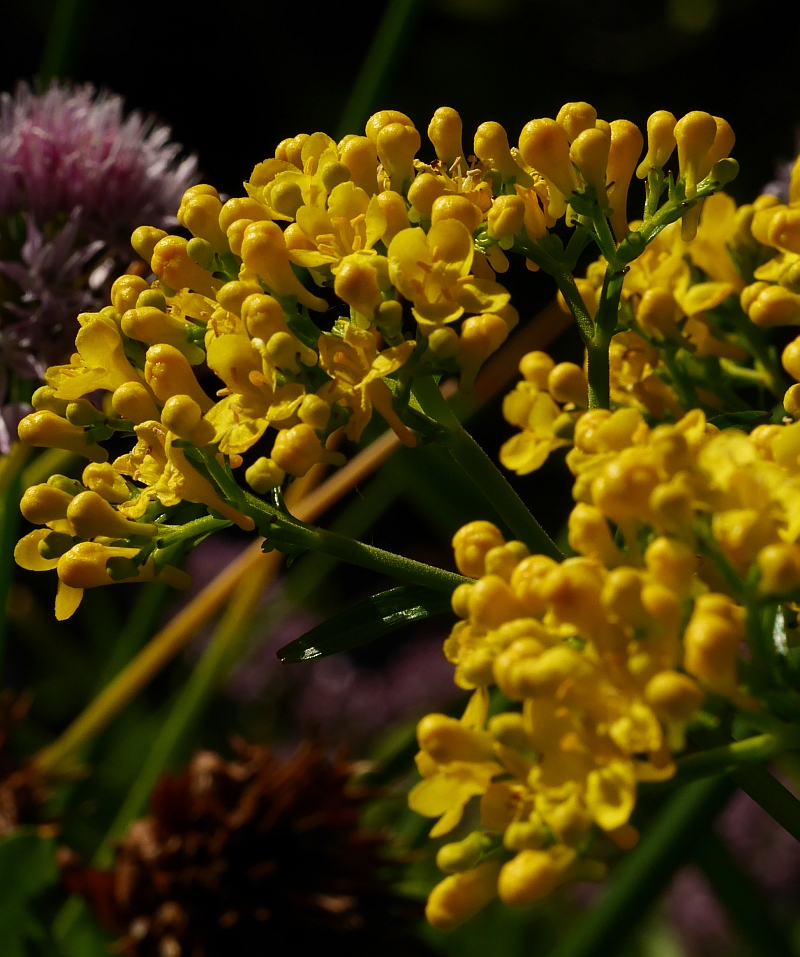
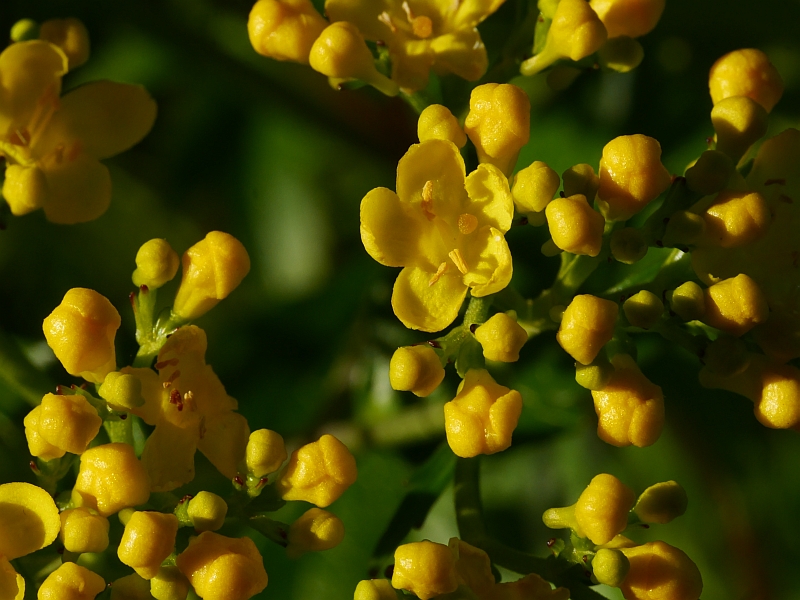
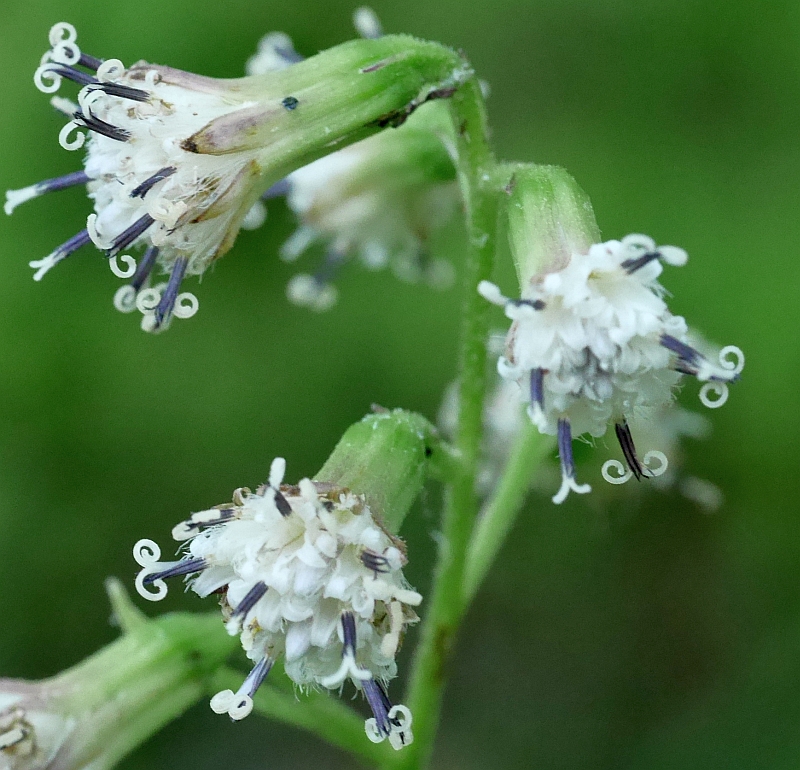
I love these weird and wonderful hard to get woodlanders from Japan and elsewhere in the Far East, many of which are edible. Here are three that are currently flowering! I have yet to try them though…
Alliaria capers
I have two helpers in the garden this week and one of the jobs was to pull up all the garlic mustard / løkurt which was in danger of spreading big time! When I returned home, Tone was sitting outside patiently pulling off the young seed pods. They were cooked up in a failed attempt to make them less fibrous. She then separated the young green seeds for a tasty exclusive relish which we ate with dinner!

Hablitzia anno 2001!
I just discovered that Hablitzia was one of the ingredients in my first world record salad in 2001…. I had received both cuttings and seeds from Mona Hellberg in Alunda, Sweden in May 2000 after my first attempt from seed had failed the year before. Therefore, the leaves I used in that salad were from a plant about a year old, possibly the first time I tried them. Interestingly, I wrote in the recipe you’ll find in the link that I used “steamed leaves of Hablitzia tamnoides”, suggesting that I was unaware that they could be eaten raw!
Also, looking at the email correspondence with Mona Hellberg, I see that I’d told her that the Hablitzia seedlings (from my first attempt) had been eaten by a slug! I’ve never had problems with slugs since then….
Hablitzia tamnoides in Oslo
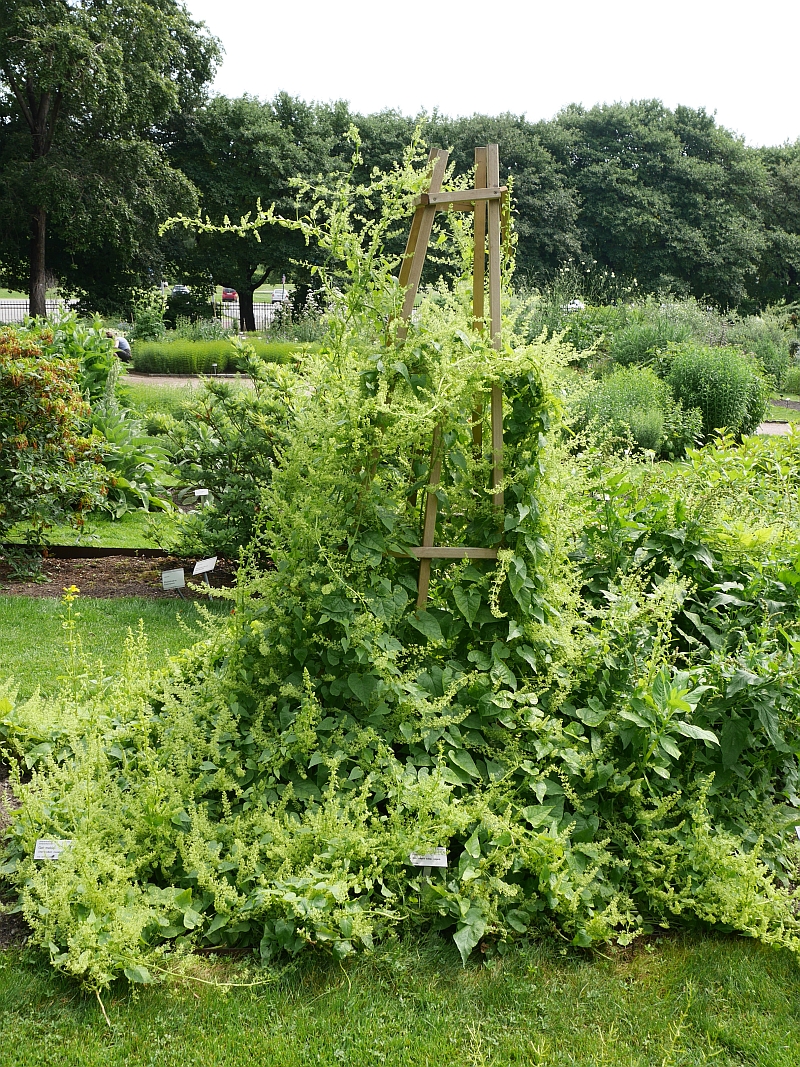
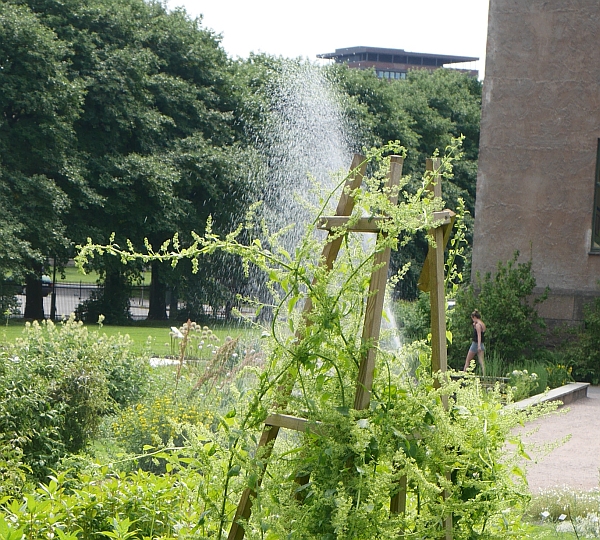
Hablitzia tamnoides/stjernemelde/Caucasian Spinach in the botanical gardens in Oslo 3rd July 2015!
Perennials thrive in a cold spring!
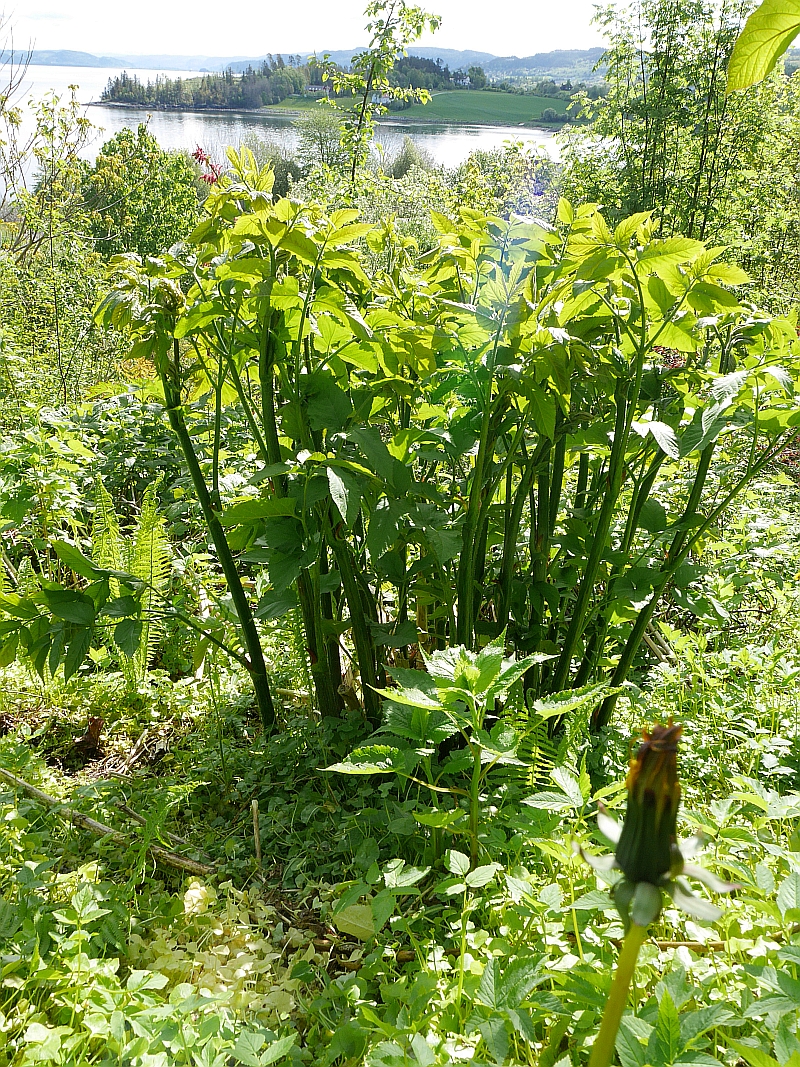
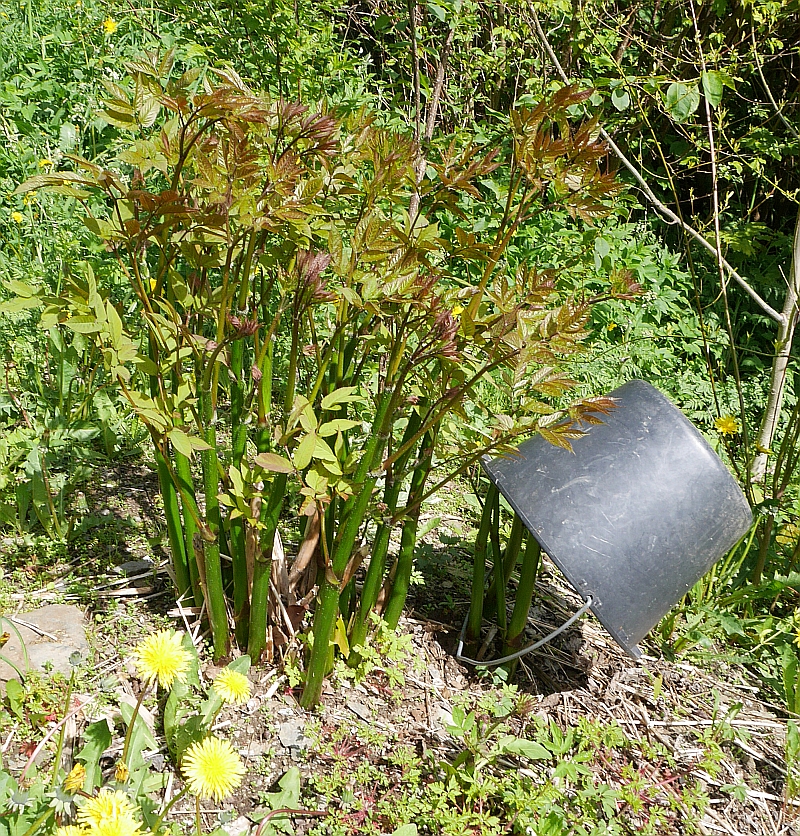
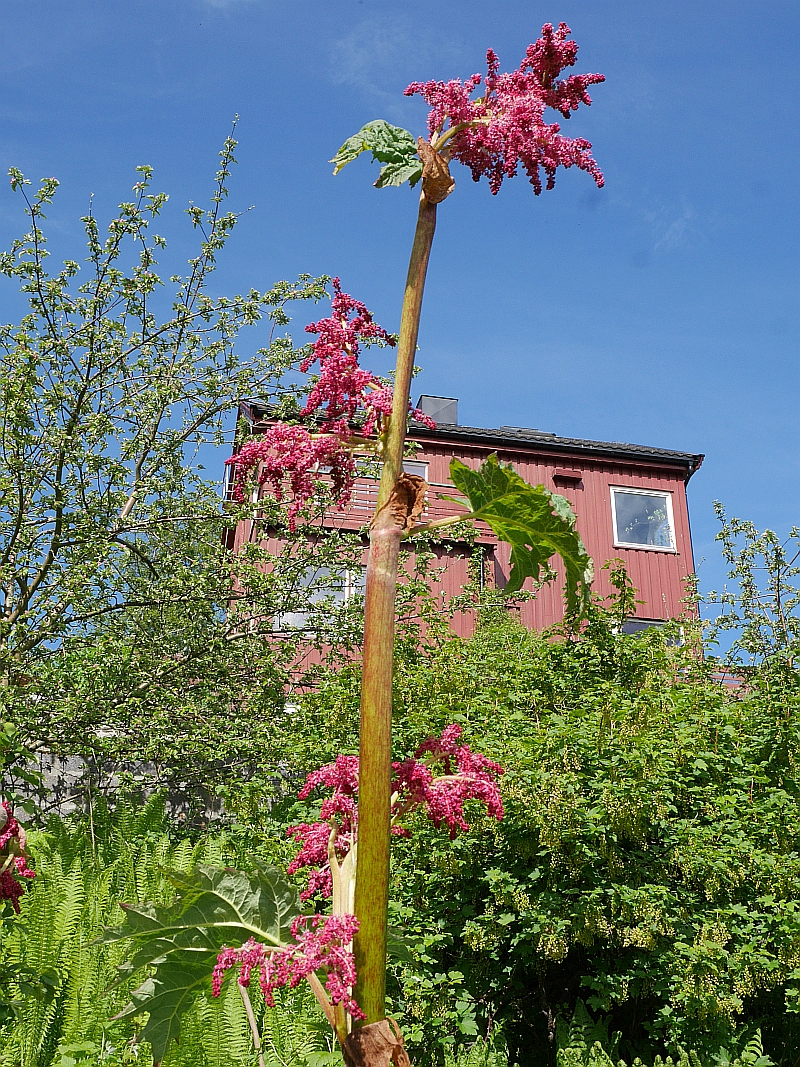
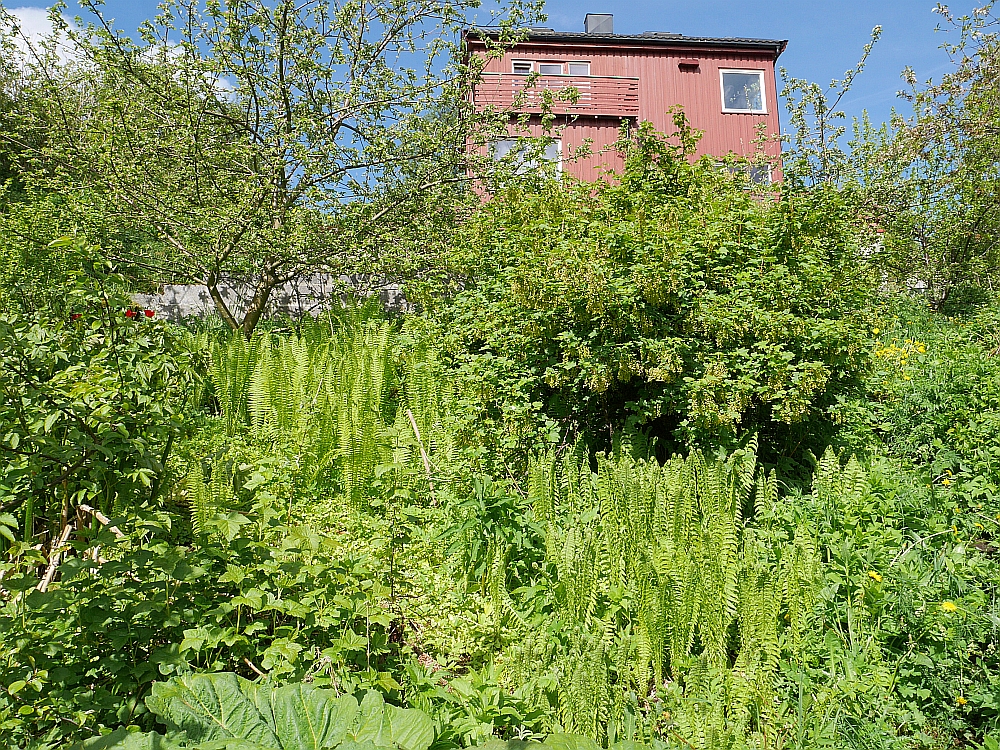
With plenty of rain and a maximum temperature of only 16C so far in May with no frost, it’s been perfect growing conditions for my perennial vegetables. My Udo (Aralia cordata) is nearly as tall as me already!

Join me on the island of the Angels in Northern Norway in June!
Bli med meg til Engeløya! Jeg skal holde helgekurs der fra 19. – 21. juni! Påmeldinger til Eva Bakkeslett!
Join me on a weekend to beautiful Engeløya / Island of the Angels (Steigen) in Northern Norway from 19th – 21st June!
First Ostrich Ferns up…
I was surprised to find these Ostrich Ferns / Strutseving almost over this morning in Leangenbukta (Trondheim)! I had checked the ones in my garden last night and there was no sign of the fiddleheads yet! This is the earliest I’ve ever seen fiddleheads here!
Norway has enormous amounts of fiddleheads that only a few people harvest….they should be boiled for 15 minutes or steamed for10 minutes to kill any pathogens.

Article in Permakultur magazine
The latest Nordic Permaculture Magazine, out on Friday includes an article about:
“Permakulturhave (Permaculture Garden)
Høj diversitet (High diversity)
Højt mod nord (Far to the North)”
I wonder where that might be ;-)

Record Hablitzia harvest
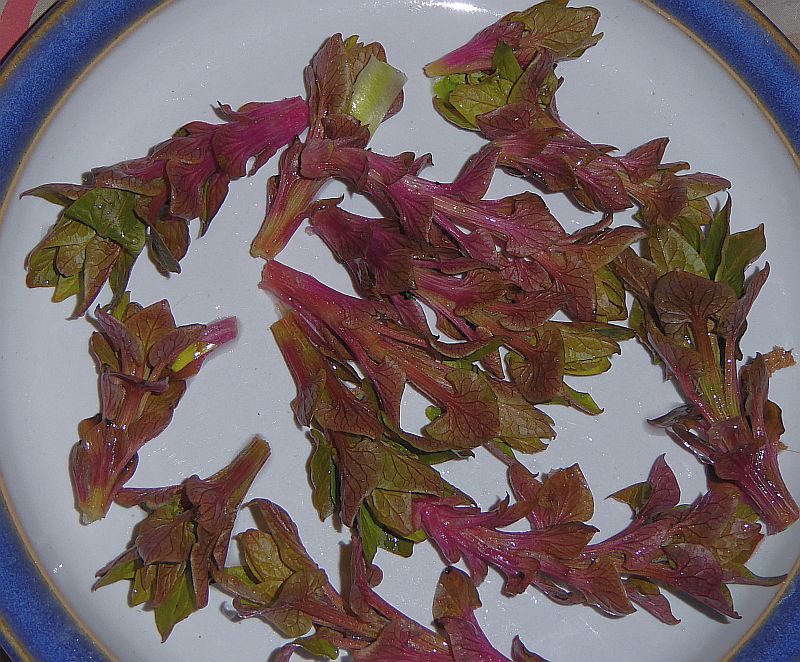 So far this year the temperature has been over 5 deg C above average, the highest start to the year since records began! Yesterday, 14th March I harvested these Hablitzia shoots outside for a salad!