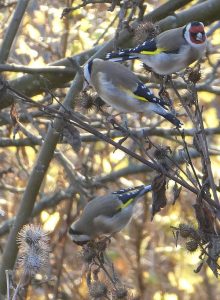
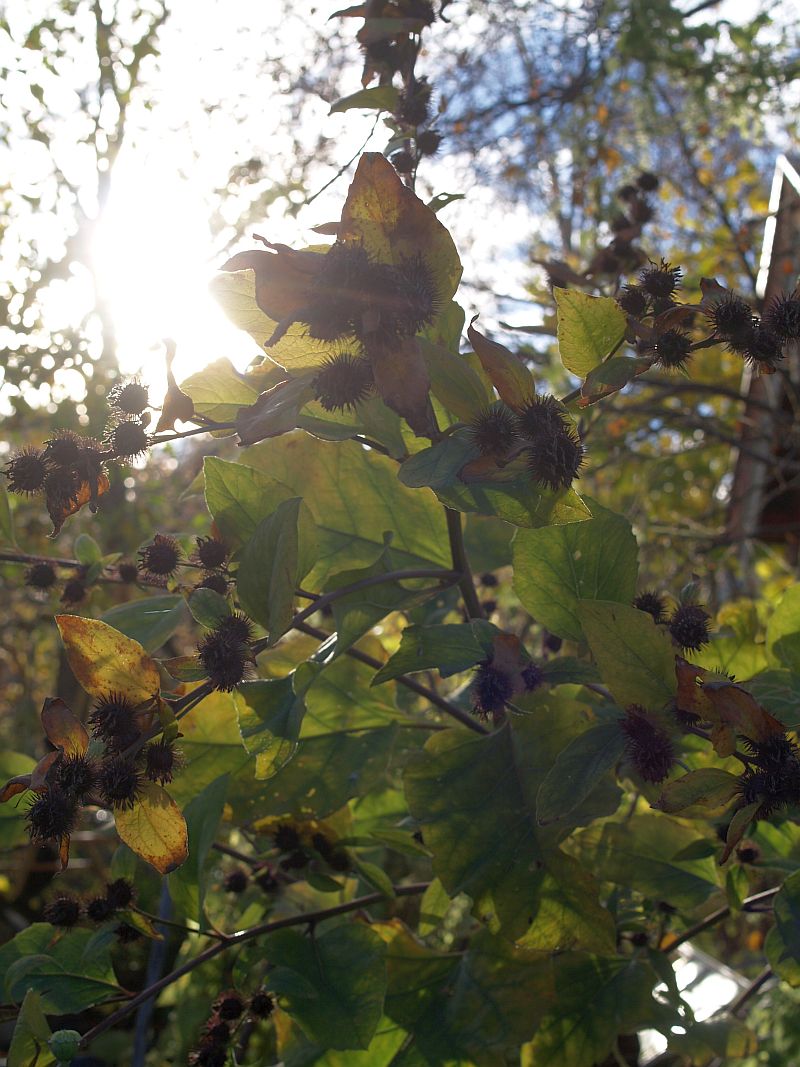
I’ve written a series of articles in 3 parts “Fuglevennlige planter i hagen” (Bird friendly plants in the garden) for the magazine of our national bird society (NOF, now Birdlife Norge) called Vår Fuglefauna (Our Bird Fauna). The first part (6 pages) has already been published (the first two pages are shown below; deliberately blurred text (below). My most successful plant (genus) supplying bird food in winter has been various species of burdock / borre (Arctium spp.). The oil rich seeds are very popular with goldfinches (stillits) and greenfinches (grønnfink). This autumn I cut a few plants growing in a different part of the garden and moved them in full view of my kitchen window which allowed me to film a flock of 11 goldfinches yesterday (see below). In the summer, the same plants are popular with various pollinators and for that reason also provide food for other insectivorous birds in summer.
The article will also be published for members of Norwegian Seed Savers’ guild for “Insect and Bird Friendly Plants” in a few months from now. This guild works focuses on plants that are beneficial for maintaining a garden rich in a diversity of insects and birds, whilst still providing food for us!
At last, a flock of 5 goldfinches were on my balcony feeding on burdock (borre) that I planted there two years ago in a large pot with the purpose of attracting them closer!
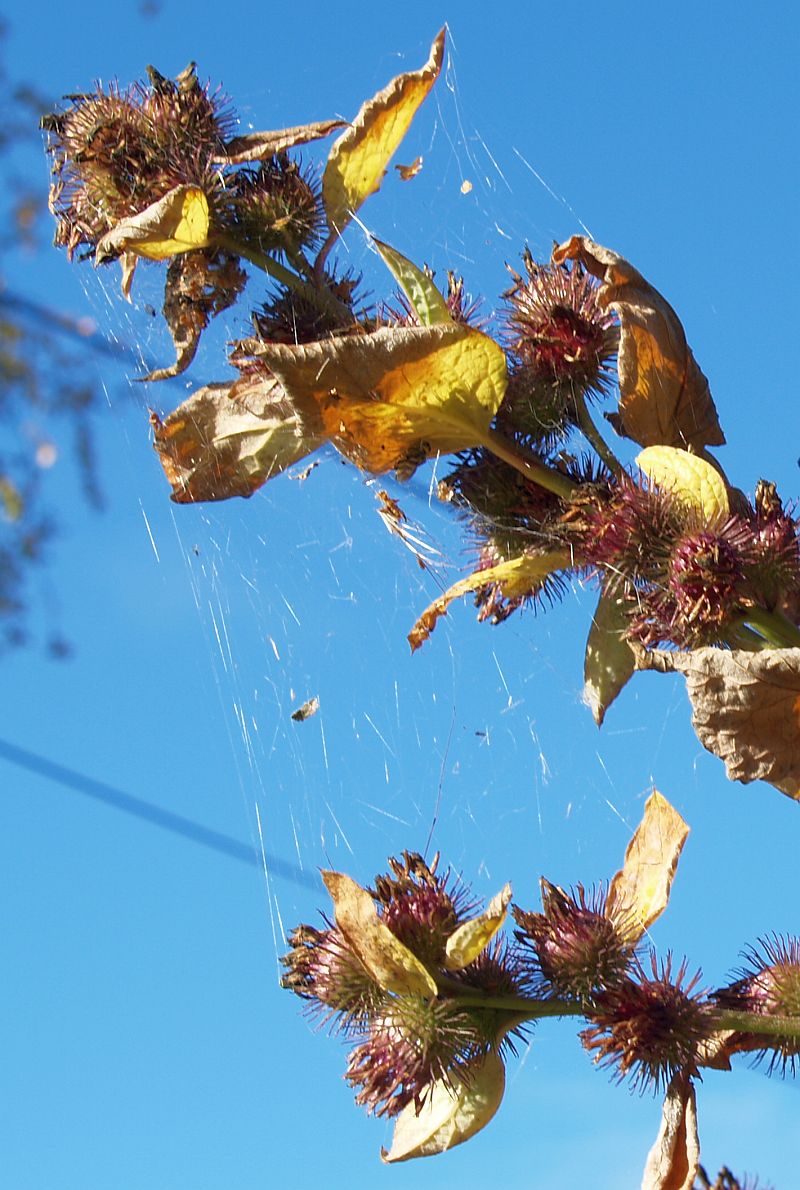
I grow burdock (borre) in the garden both as a vegetable but also for the birds. Goldfinches / stillits (still relatively rare in my area) eat almost exclusively the seeds of this plant in winter. This year I cut down a few of the plants and placed them in a large pot of earth right in front of the kitchen window…and 4 birds discovered it today. How they avoid the burrs attaching to them is a mystery….
Some of the seed burrs had fallen to the ground in a storm a week ago. This video starts with siskins feeding next to the window on birch seeds:
I’ve grown burdock on the balcony this year, the favourite wild winter food of goldfinches (stillits) and greenfinches (grønnfink). I can then watch them feeding from my desk :)
Sitting at my desk this morning I noticed the winter’s first goldfinch (stillits) sitting having a scratch in a tree in the garden (first video)….and the rest of the flock of more than 10 birds were feeding on burdock (borre) in the garden. The first ever large flocks of goldfinches started overwintering in my area in my garden in 2003 and have been a regular feature ever since, attracted to seed of burdock which I’ve been growing as vegetables in the garden for many years! Nowadays this bird has established itself in the lowlands around the Trondheimsfjord! This is another reason why winter is the most beautiful time of year here, despite the loss of direct sunshine for several weeks!
I was keen to visit a Korean supermarket when I was in Vancouver and some Koreans I met in Victoria on a walk recommended H Mart, a chain of supermarkets specialising in Asian food and particularly Korean. The “H” in “H Mart” stands for Han Ah Reum, a Korean phrase meaning “one arm full of groceries”!
I was hoping to find Korean Aster (chwinamul or Aster scaber), but I couldn’t find it… However, there were a few other interesting perennial vegetables!
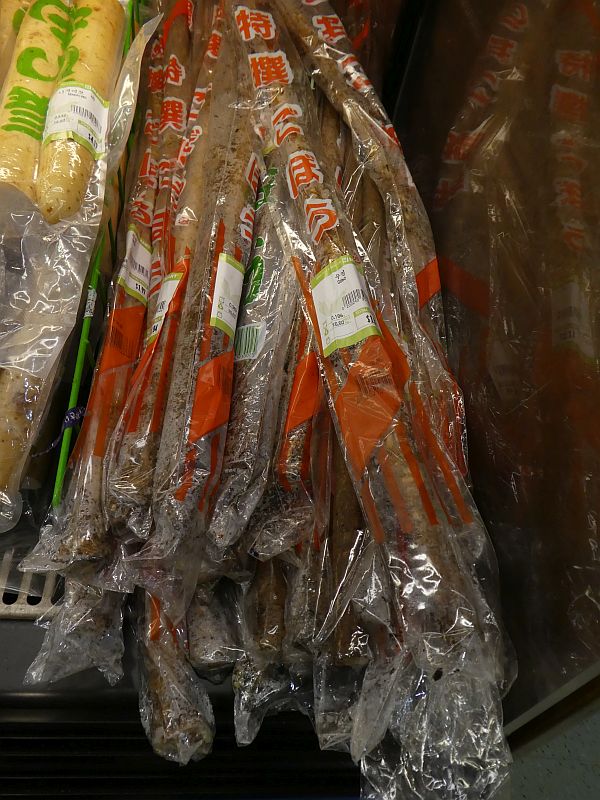
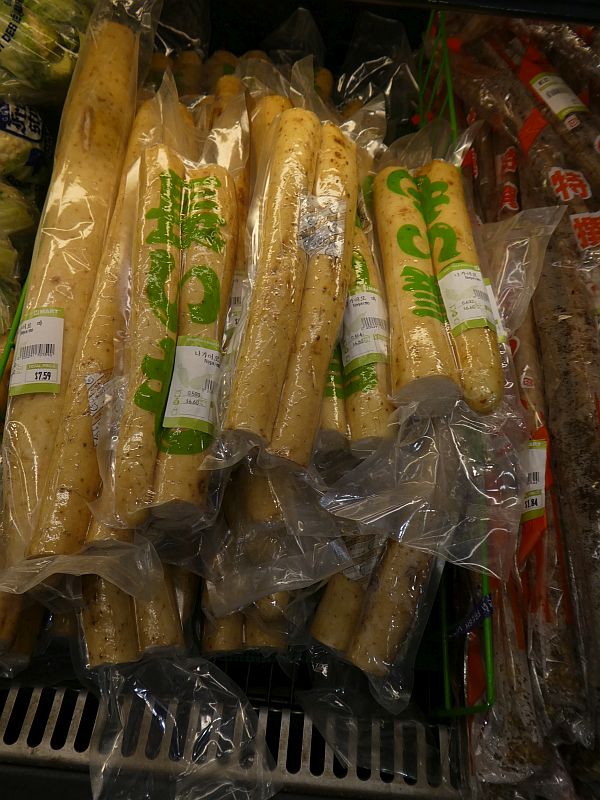
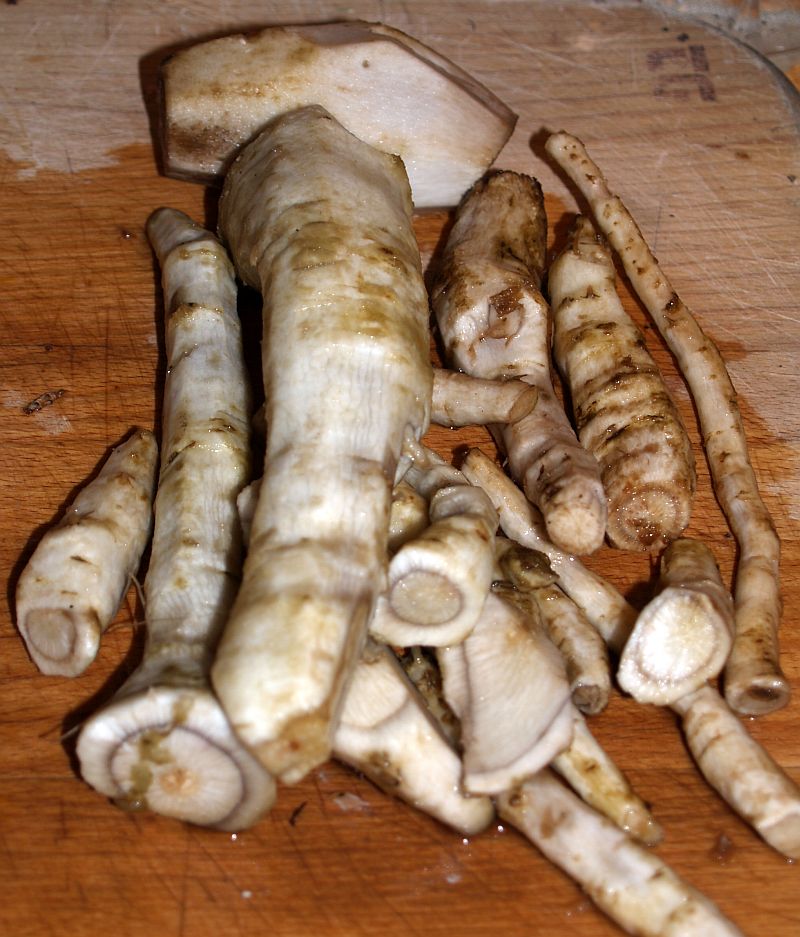
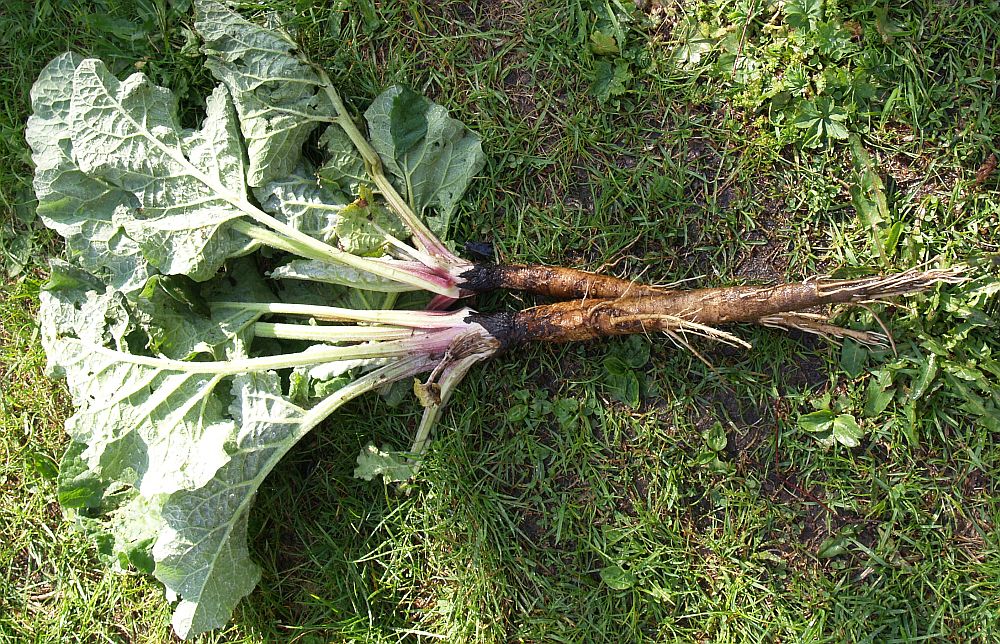
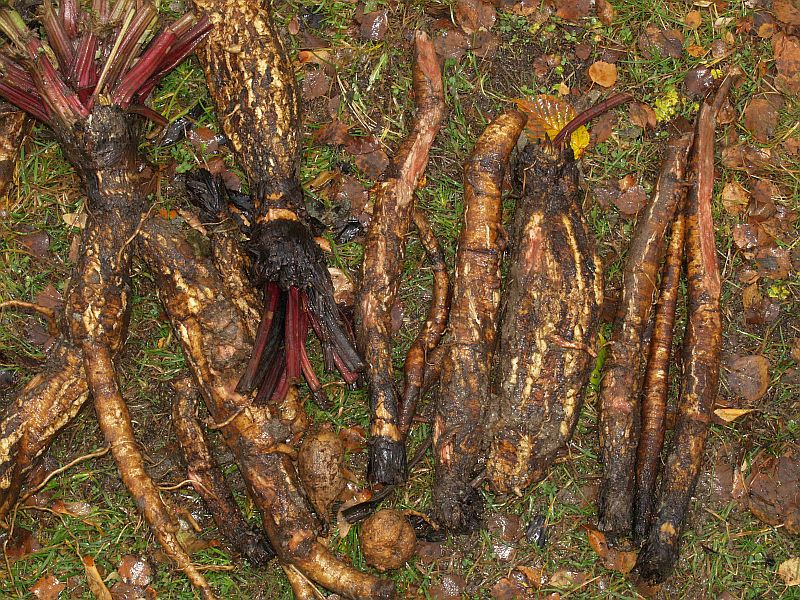
Burdock (Arctium lappa) root (borre)
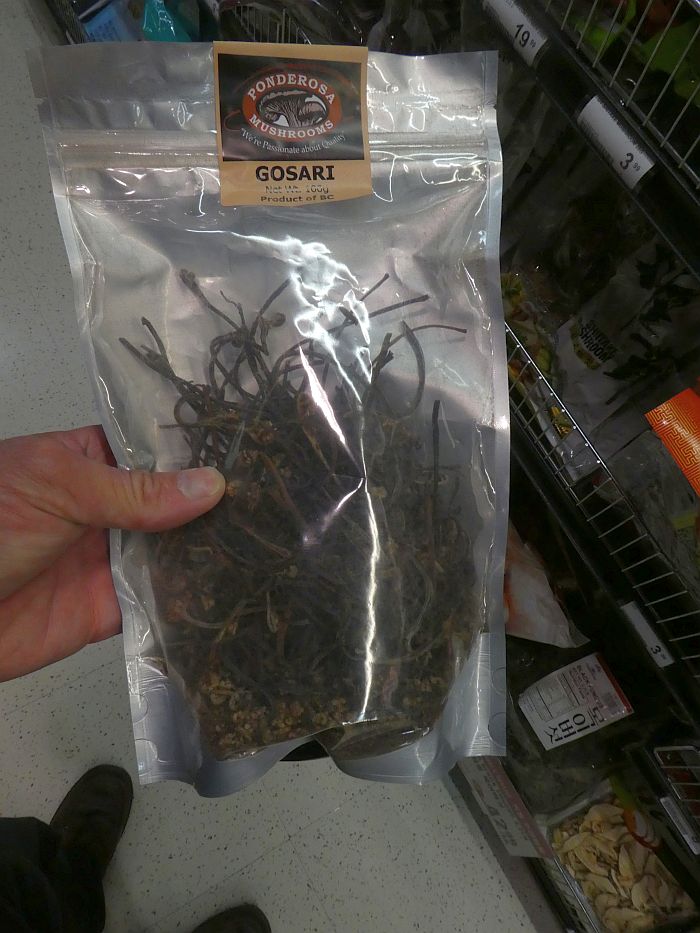
Dried bracken fern (einstape)
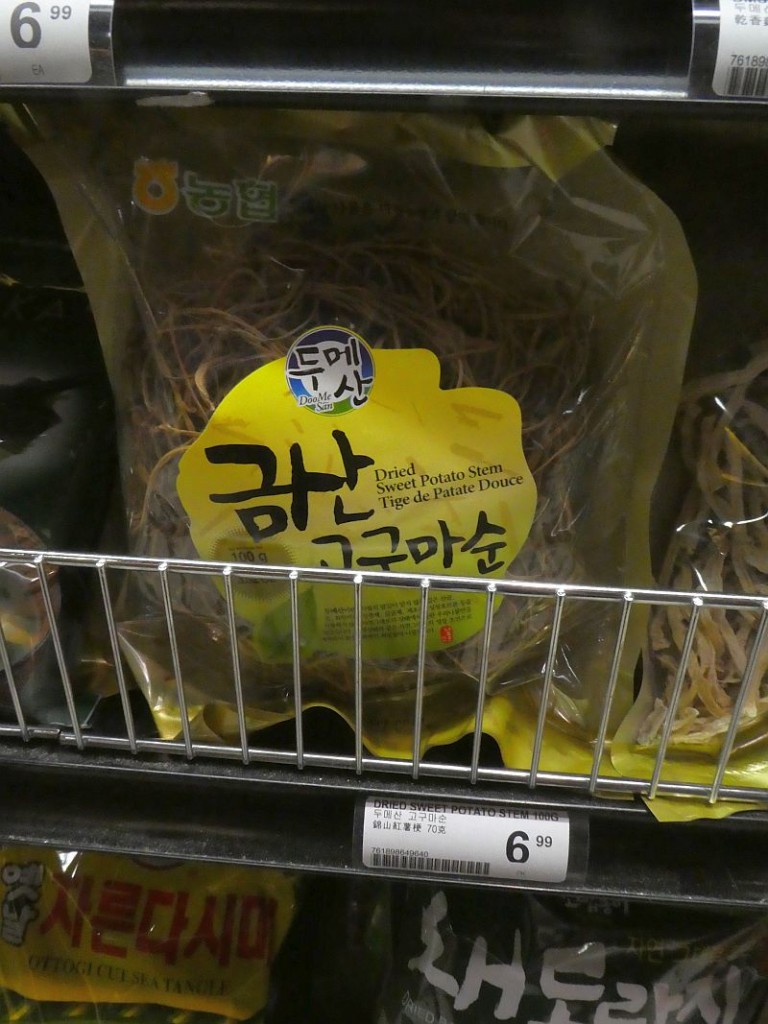
Dried sweet potato stem
Taro stem, Colocasia esculenta
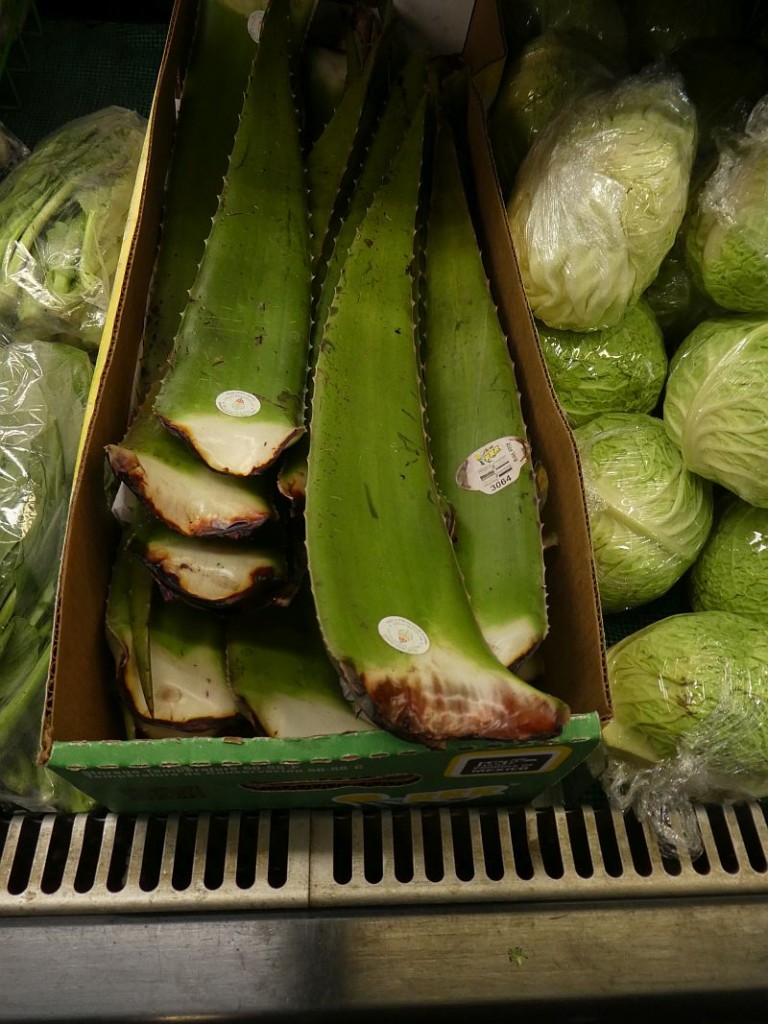
Aloe stem?
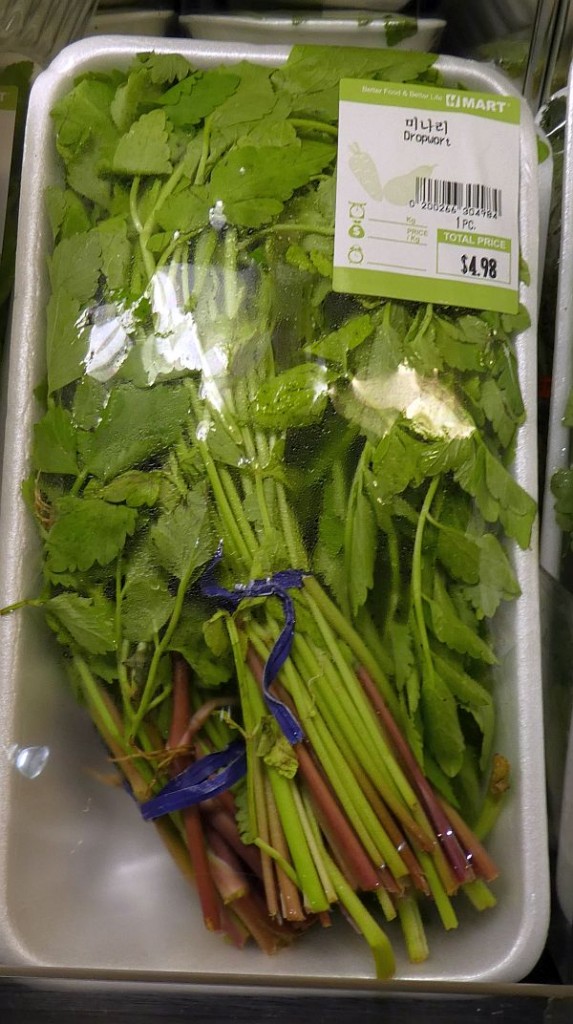
Dropwort, presumably Oenanthe javanica (water dropwort), a common vegetable in the Far East (more on this one in an upcoming blog!)
Crown daisy or Chopsuey Greens (Glebionis coronaria syn. Chrysanthemum coronarium). See my article about how this Mediterranean annual native plant became a super vegetable in the Far East here:http://www.edimentals.com/blog/?page_id=3493
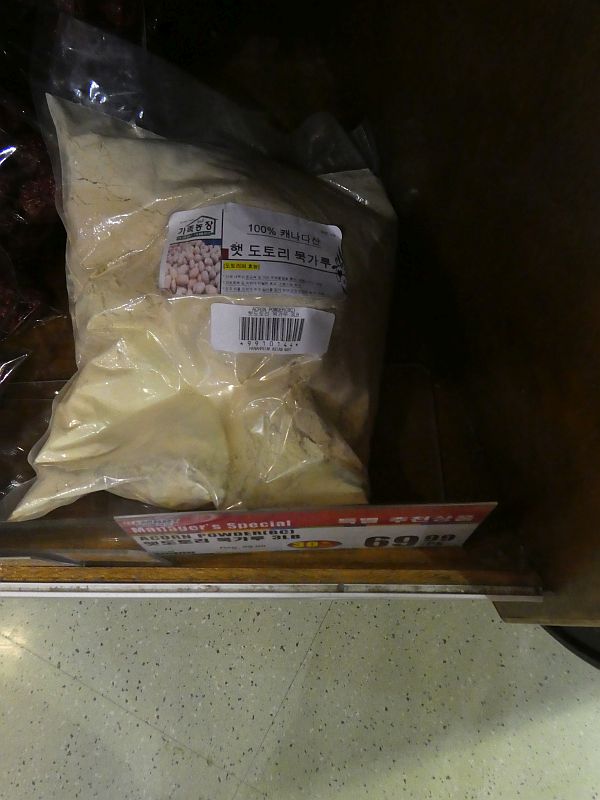
Acorn powder (oak acorn flour). This reminds me of this article about foraging acorns of the Garry Oak (the species that I saw a lot of in Victoria BC, growing with the camas!): http://arcadianabe.blogspot.no/2012/11/how-to-eat-acorn.html
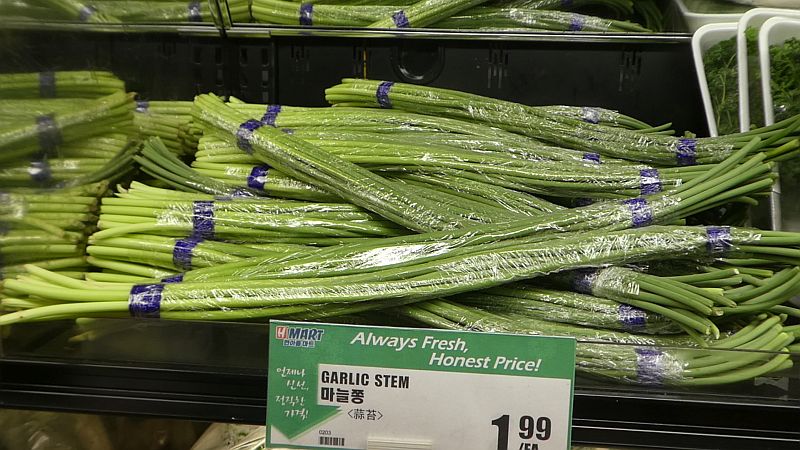
Garlic stem? These were very long if they are garlic scapes (flower stem)
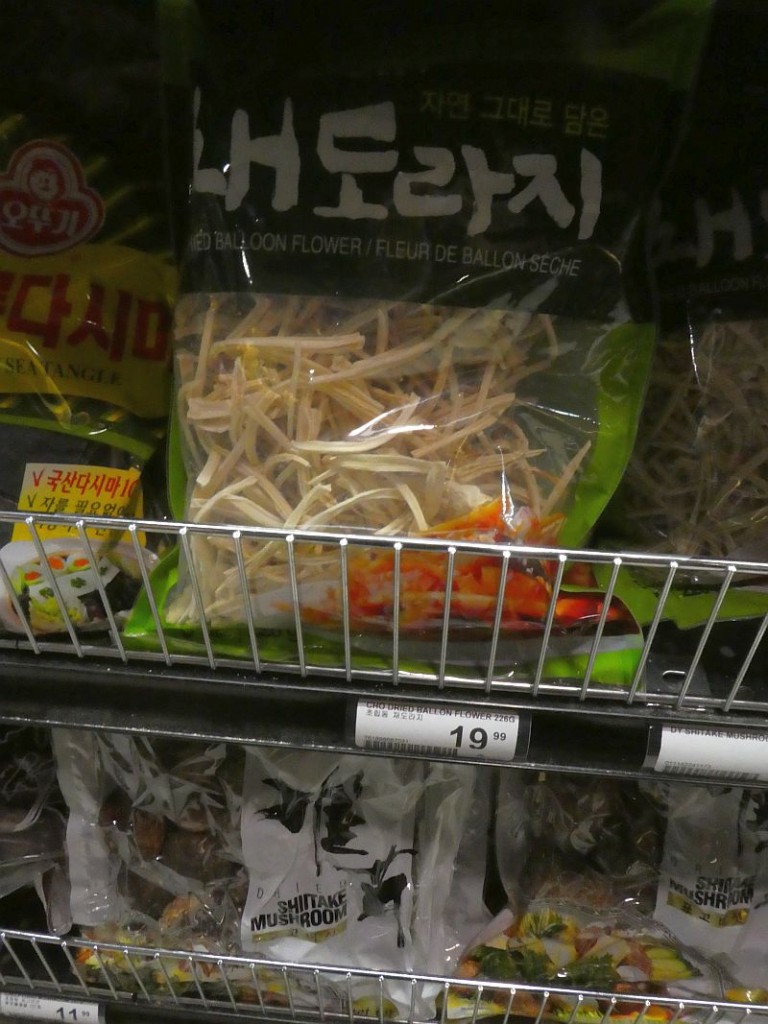
Dried roots of balloon flower (Platycodon)
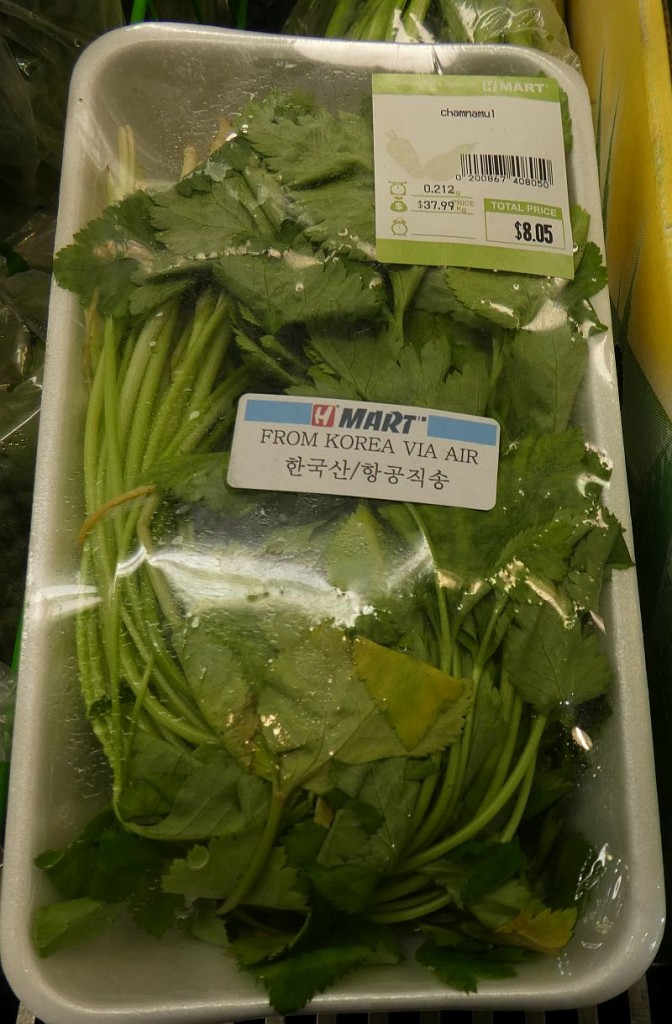
Chamnamul – the original chamnamul is a plant in the carrot family, Pimpinella brachycarpa. However, the real plant is rare it seems and what you get is often Cryptotaenia japonica: See http://bburikitchen.com/cham-namul-pimpinella-brachycarpa . I have a plant of Pimpinella brachycarpa (seed off ebay) in the cellar and it does look very much like Cryptotaenia (no redness in the stems)…. :(
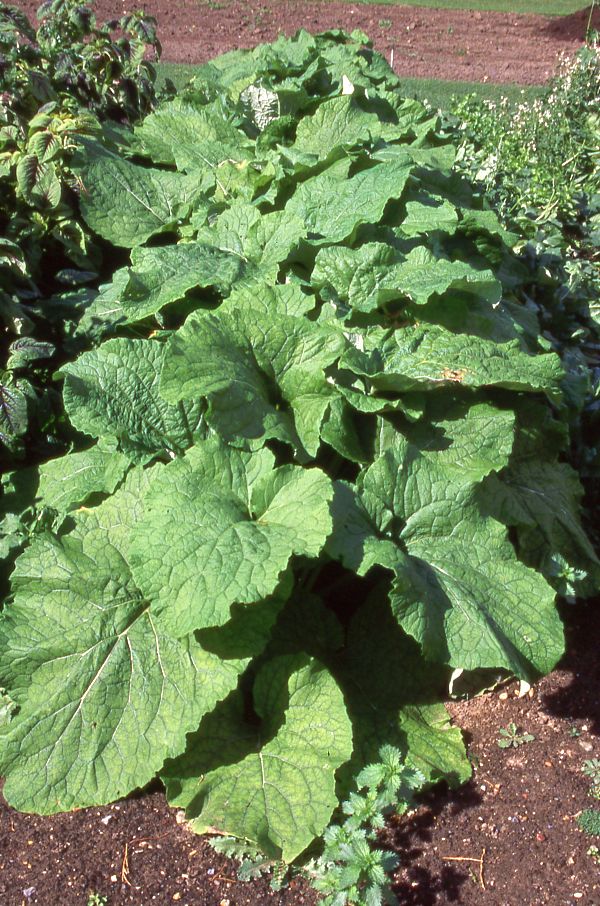
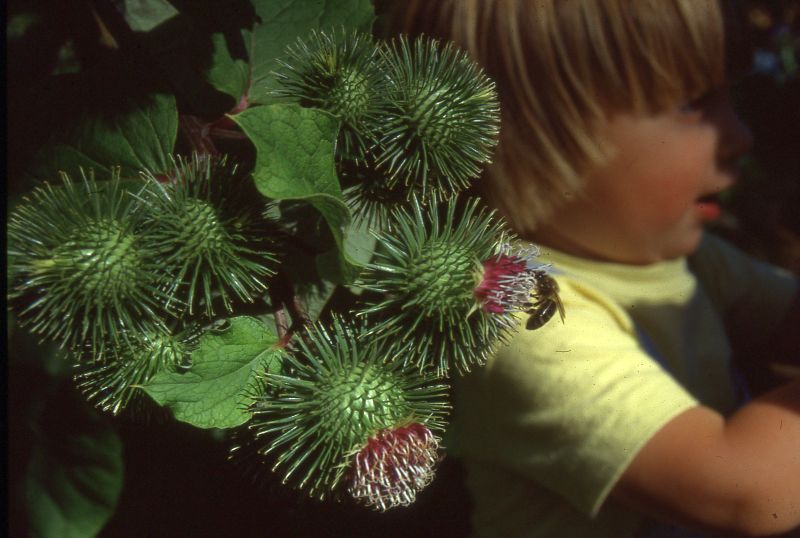
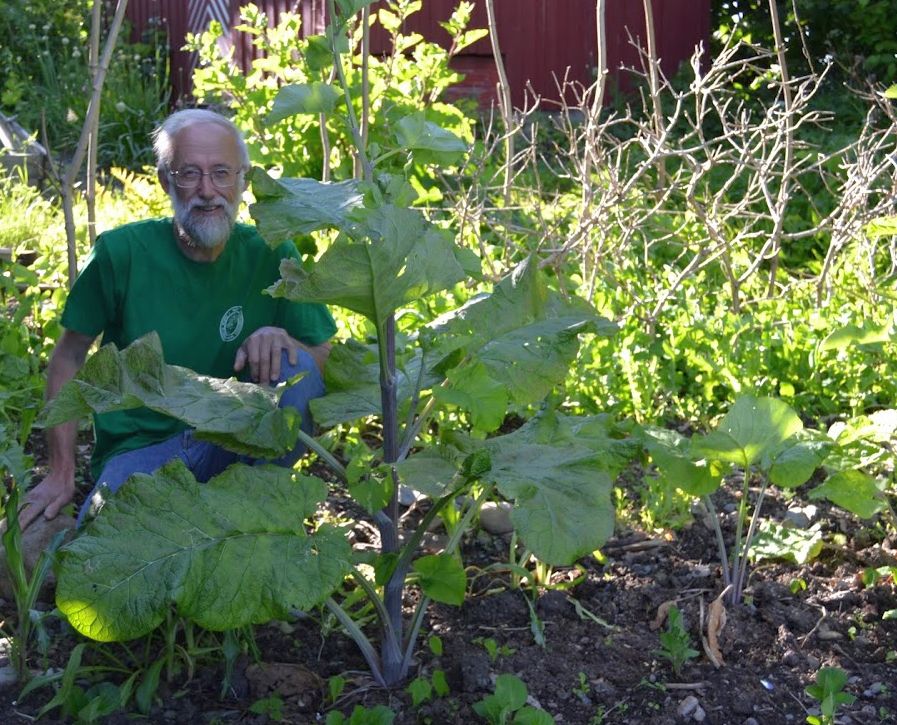
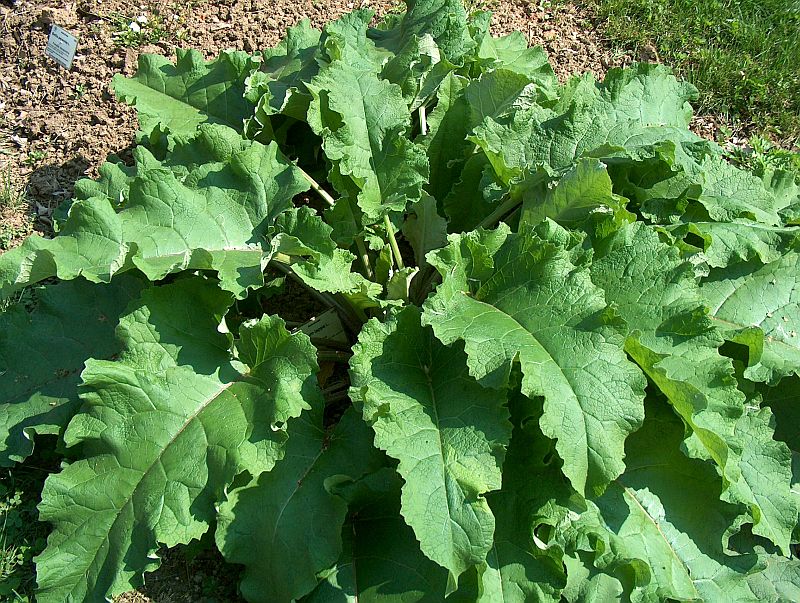
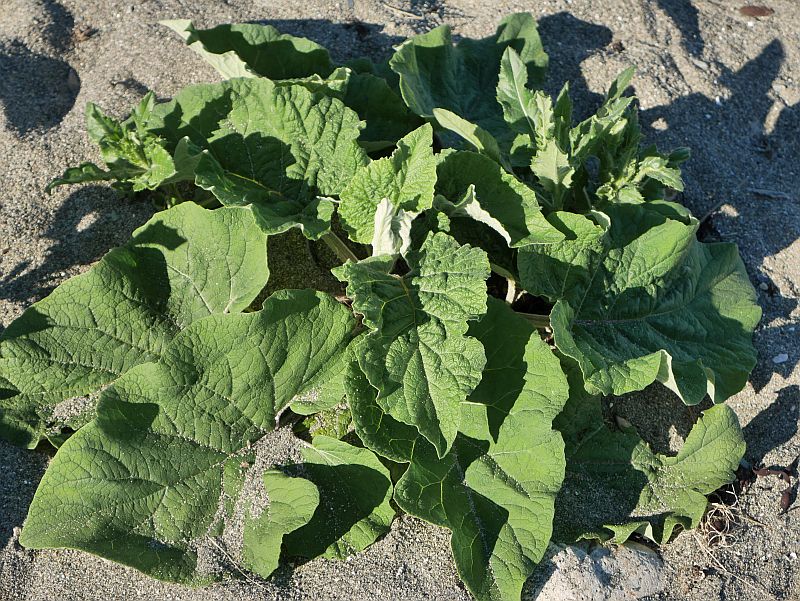
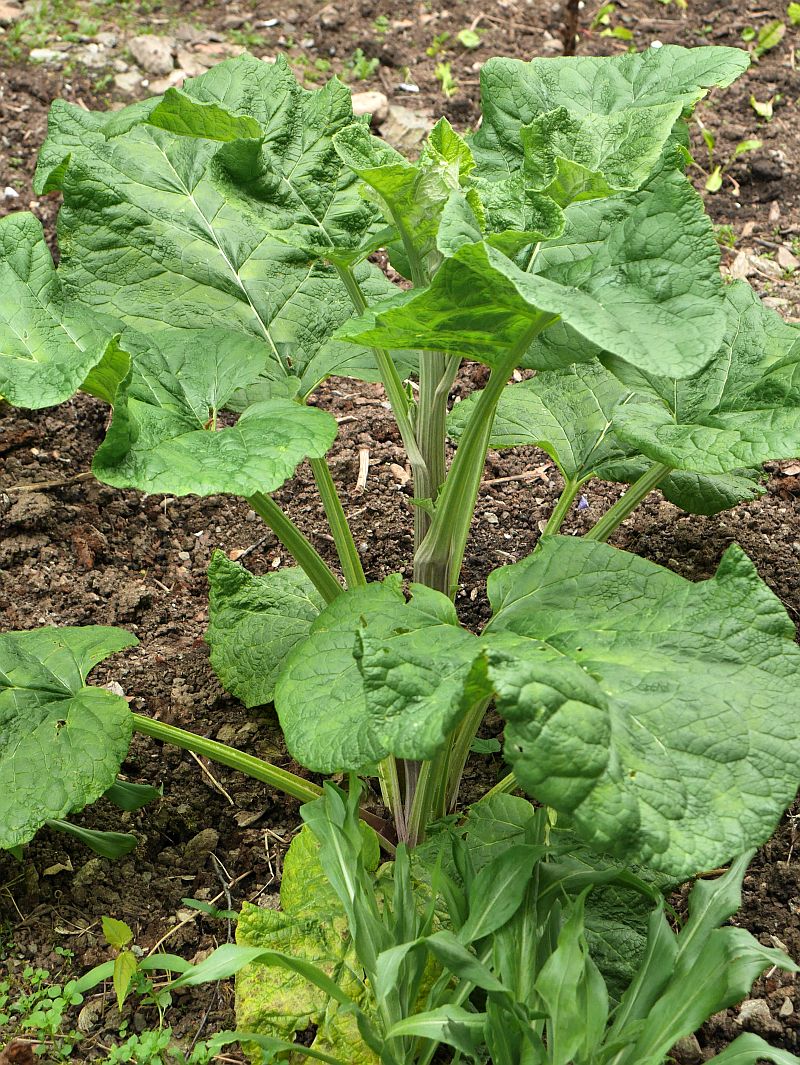
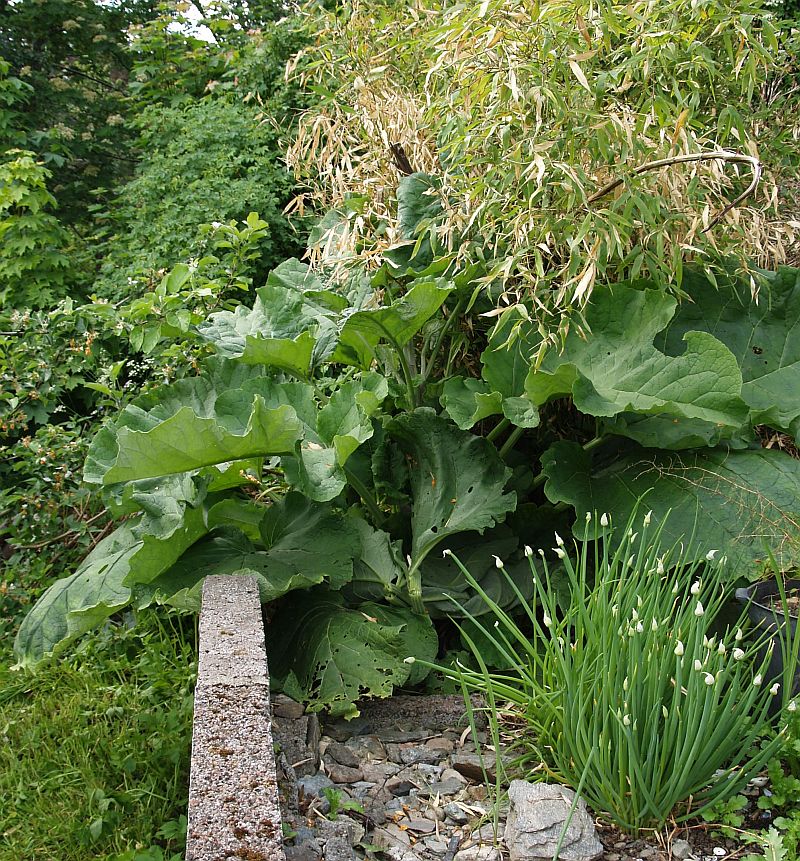
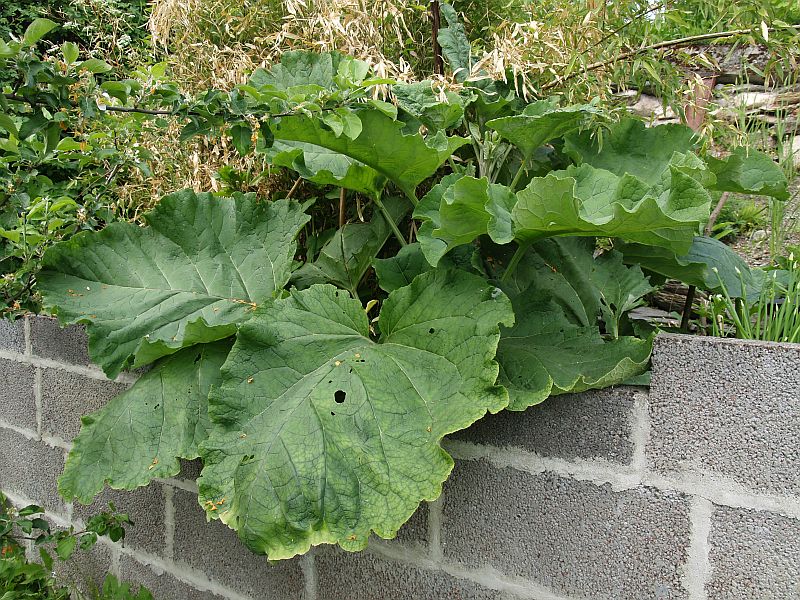
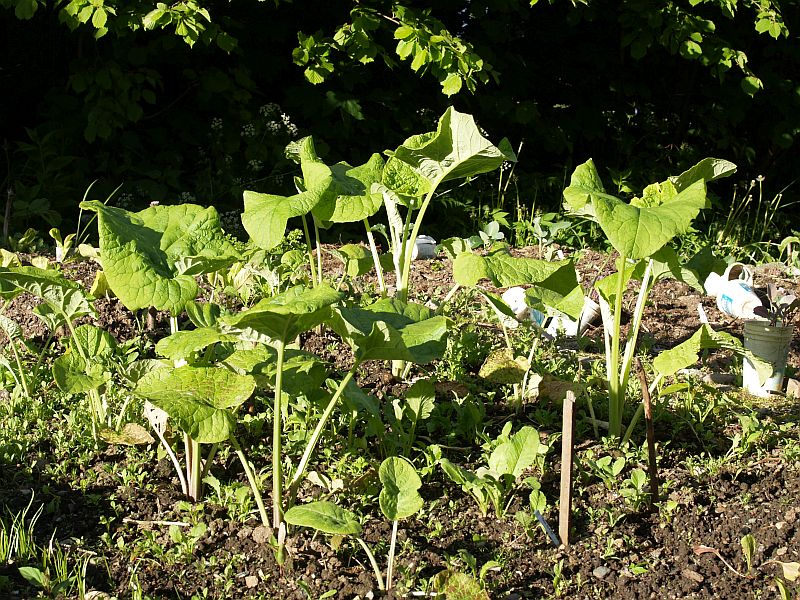
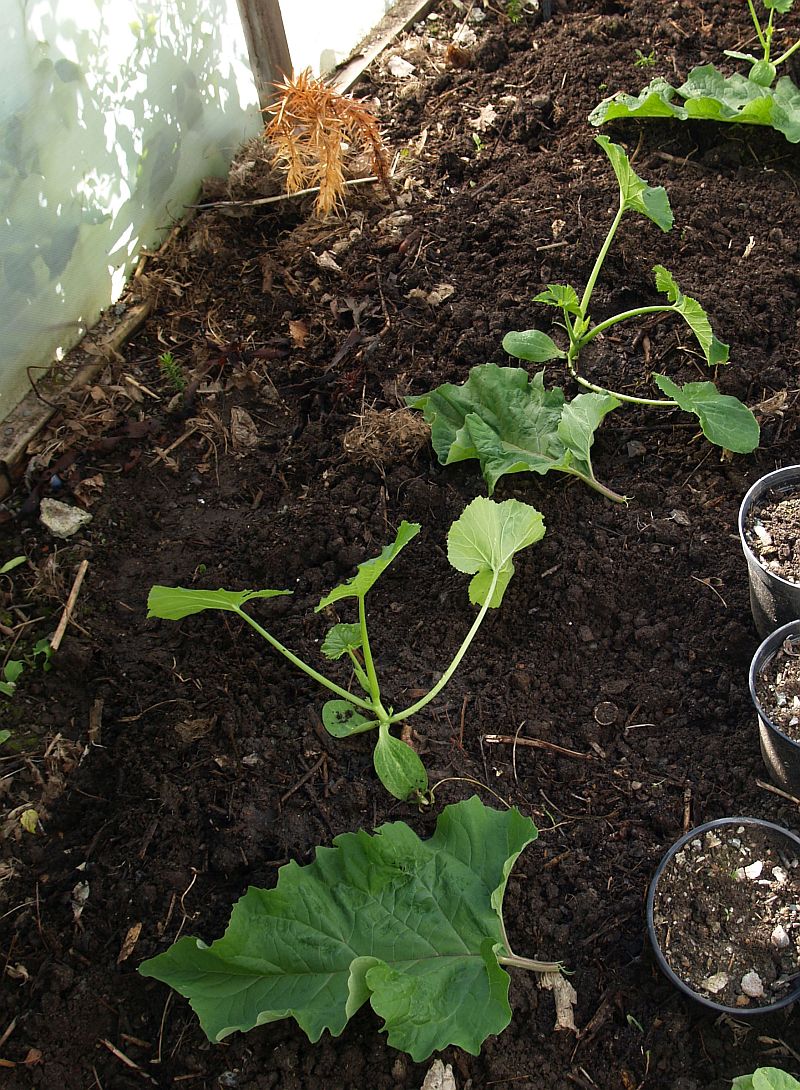
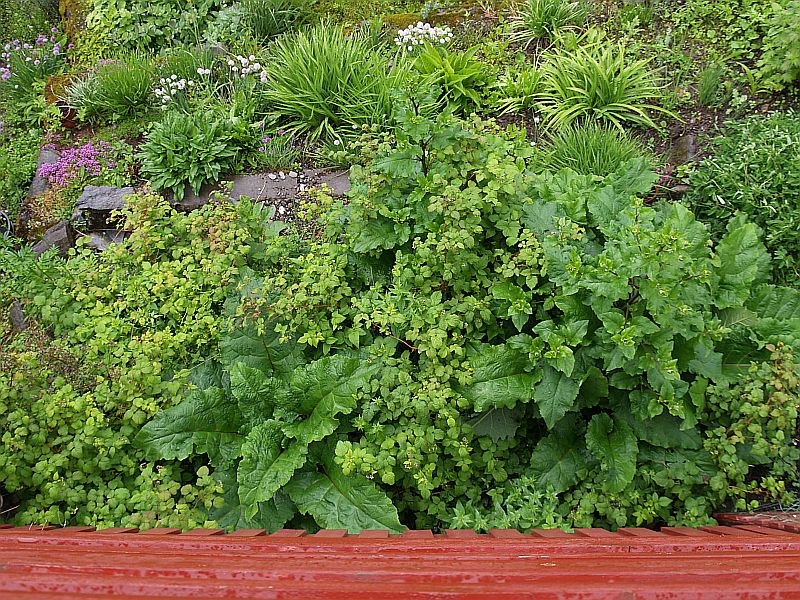
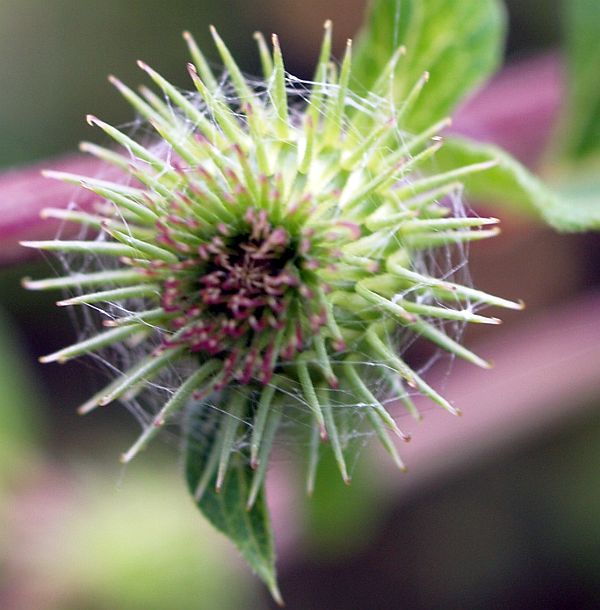
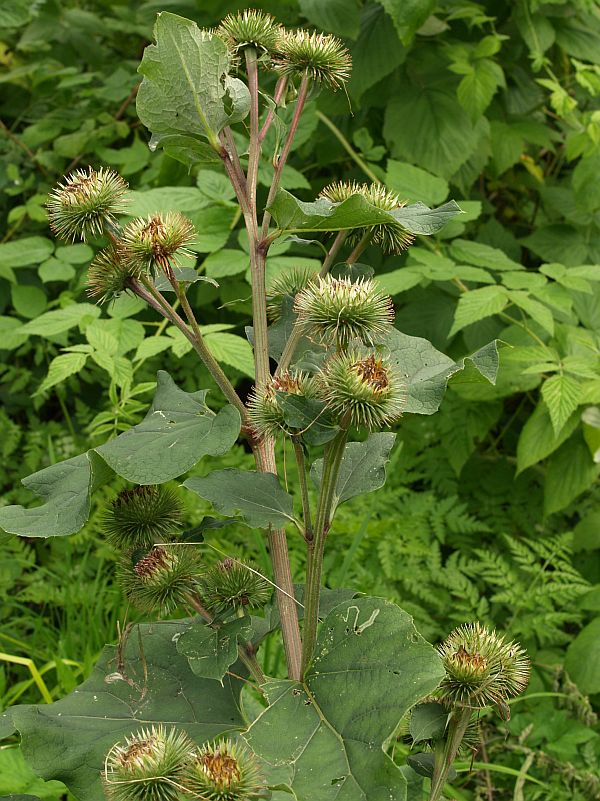
One of my favourite multi-purpose vegetables and one of my first unusual vegetables that I grew in my garden in the 80s was burdock or borre, more specifically various Japanese cultivars of Arctium lappa, hardly used in Europe and North America apart from a few foragers, even though it’s a common wild plant and hardy. Although it is best known as a root vegetable, there are varieties bred for their leaf petioles and the flower stems are really delicious! If you add to this that the seeds are foraged by various birds like goldfinches and greenfinches in winter in addition to being impressive photogenic plants which tolerated shady conditions, no permaculture garden should be without them!
In the album below are pictures I’ve taken over the years, in my garden, in botanical gardens and in the wild. There follows links to various blog posts about burdock!
This album was first published on FB in June 2012, now “regurgitated” here:
“What for dinner? “Burdock flower stalk, nettle and the onion that nods curry” sounds interesting, so why not. So it was to be… I had completely missed this amazing vegetable and this experiment was prompted by foraging author Leda Meredith waxing eloquent about it a few days ago, so thanks to her. How did I miss it? Well, Cornucopia II doesn’t mention this part being eaten, just the leaf stalks – I’d tried them and they were fiddly to peel and bitter. The flower stalks were easy to prepare and once peeled had an excellent sweet crunchy taste with no bitterness.”
(https://www.facebook.com/media/set/?set=a.10151007155680860.476401.655215859&type=1&l=b287a87f09)
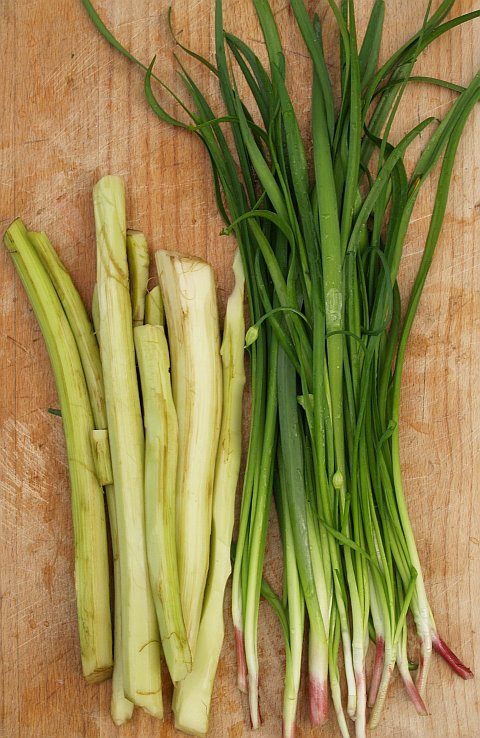
A pile of nettles (brennesle) and Burdock (borre) flower stalks
Burdock (borre) flower stalks
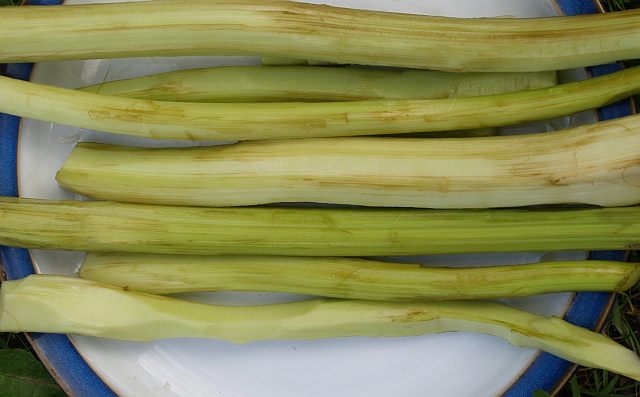
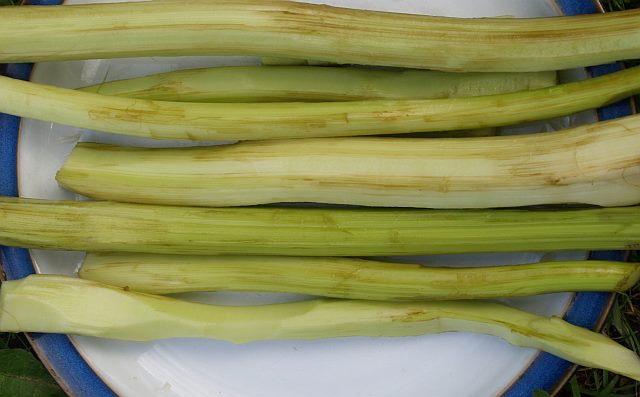
Peeled burdock (borre) flower stalks – the outside layer is fibrous and bitter, but the inside has a pleasant sweet crunchy taste that could be used in salads.
Peeled burdock (borre) flower stalks with Allium cernuum (Nodding Onion/Praerie-løk), easy to grow and excellent cooked and in salads at this time of year with flower buds.
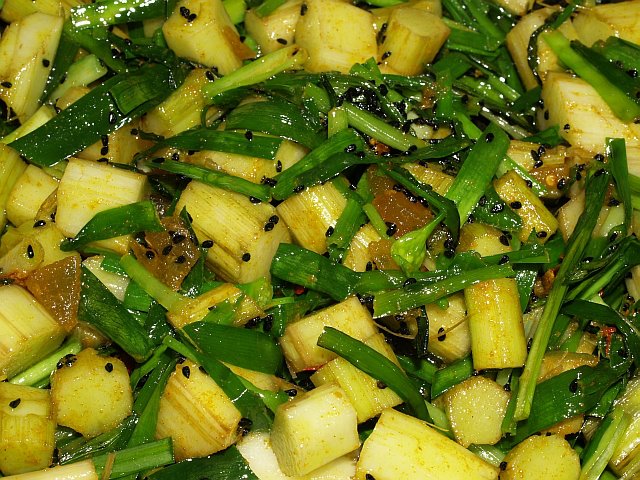
Peeled and chopped burdock (borre) flower stalks are delicious raw – this really must be one of the best vegetables ever!
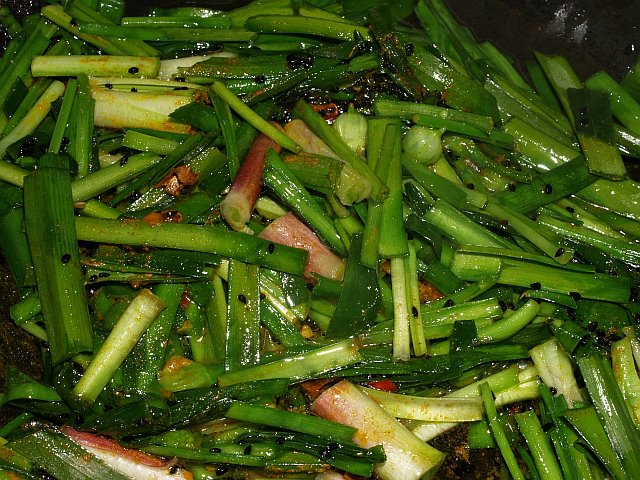
Stir fried Nodding Onion with Indian spices
…add the burdock which maintains an excellent flavour after cooking with spices…
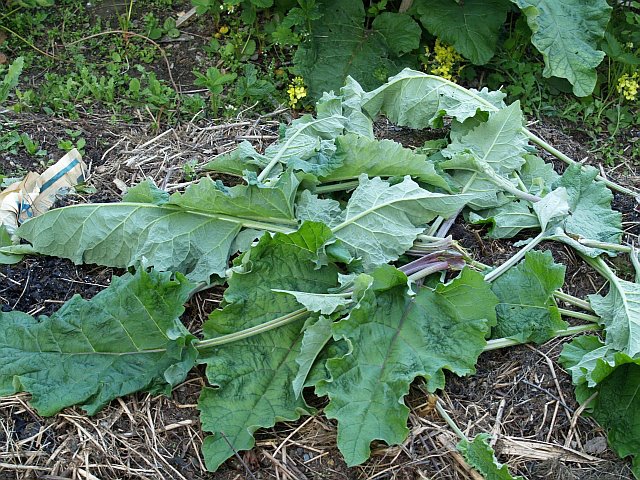
Discarded burdock (borre) leaves are great slug traps – I’d noticed that slugs are very keen on the leaves and they hide underneath the large leaves
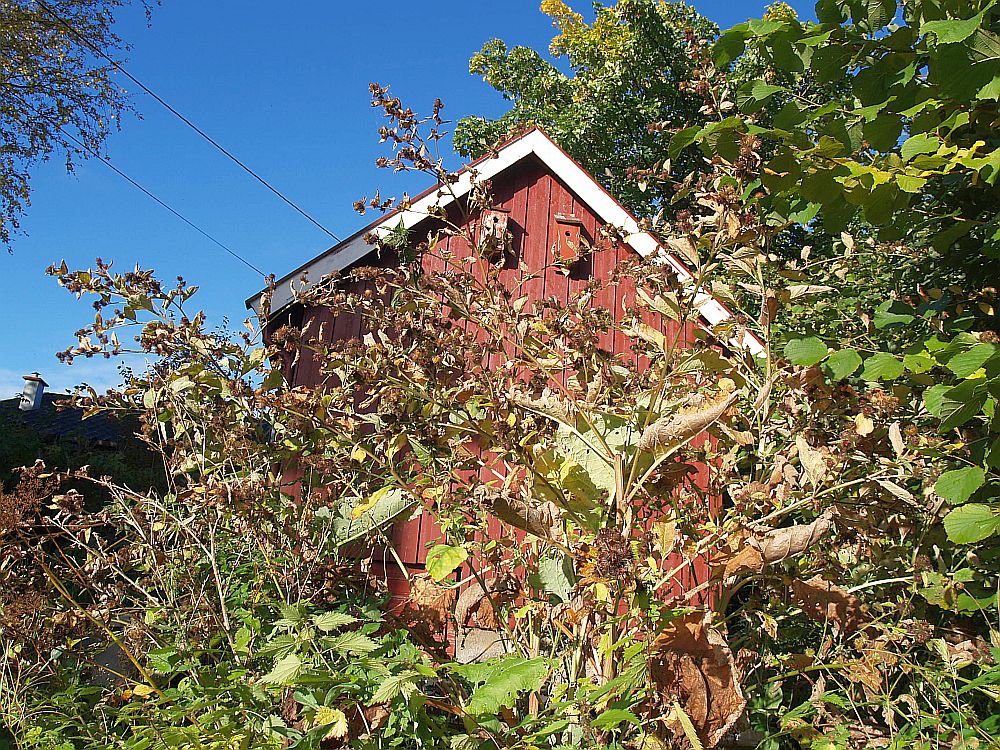
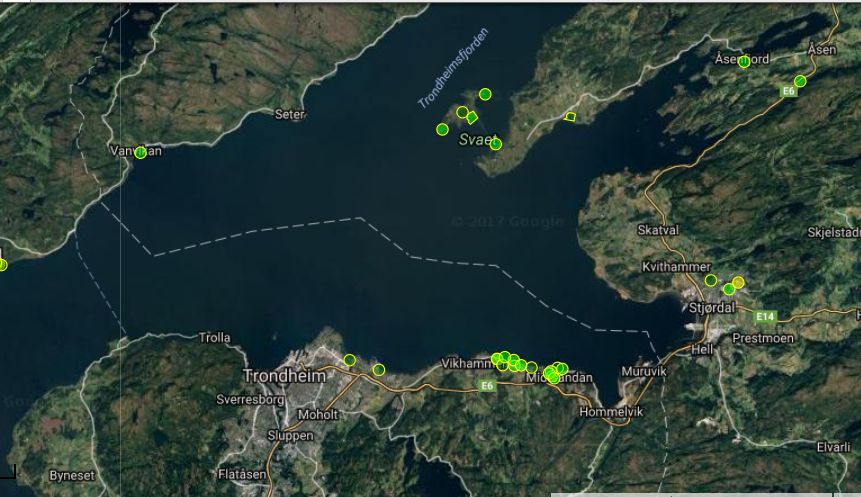
A small number of goldfinches spend their winter holiday in the lowlands around Trondheimsfjord, a very good choice I would say! I’ve never seen them in summer here . I heard the characteristic twittering flight call this morning for the first time this winter and then saw 4 of them this afternoon on burdock (borre) seed heads next to my outhouse (see the two videos below). Goldfinches have long and thin bills allowing them to extract seeds from burdock, other thistles, sunflowers and teasel /kardeborre (Dipsacus), although they have never shown any interest in the teasel I’ve grown for them.
You can read how my growing burdock as a vegetable attracted them to my garden , at that time a rare bird in this area: http://www.edimentals.com/blog/?p=8810
The map below shows the concentration of sightings of flocks of goldfinches in Malvik in my garden and elsewhere nearby from Malvik to Midtsandan, on the southern shores of the fjord (only flocks of more than 20 birds are plotted).
Perennial vegetables, Edimentals (plants that are edible and ornamental) and other goings on in The Edible Garden